Places We Visited
Pick a stop to see its story and photos.
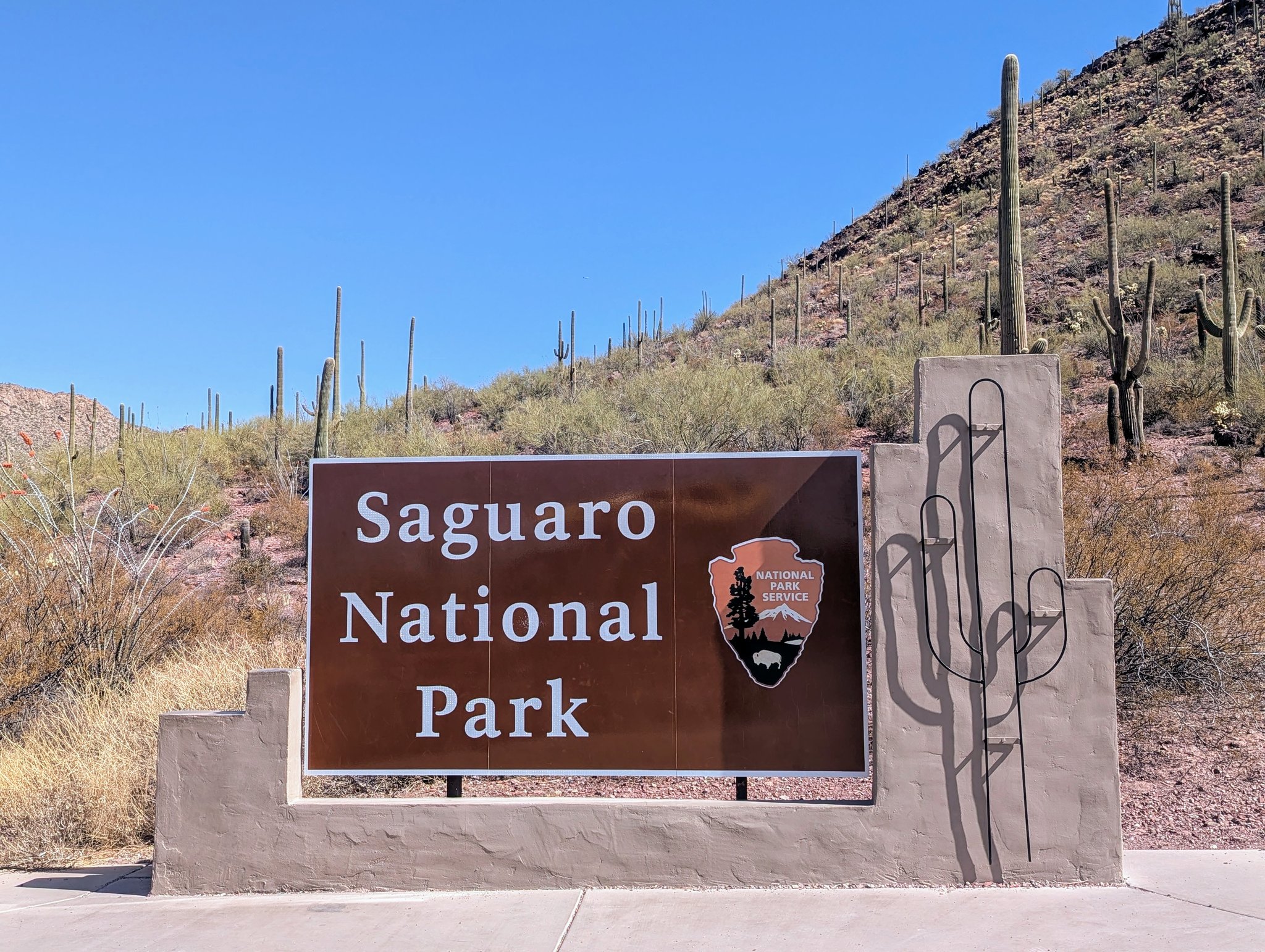
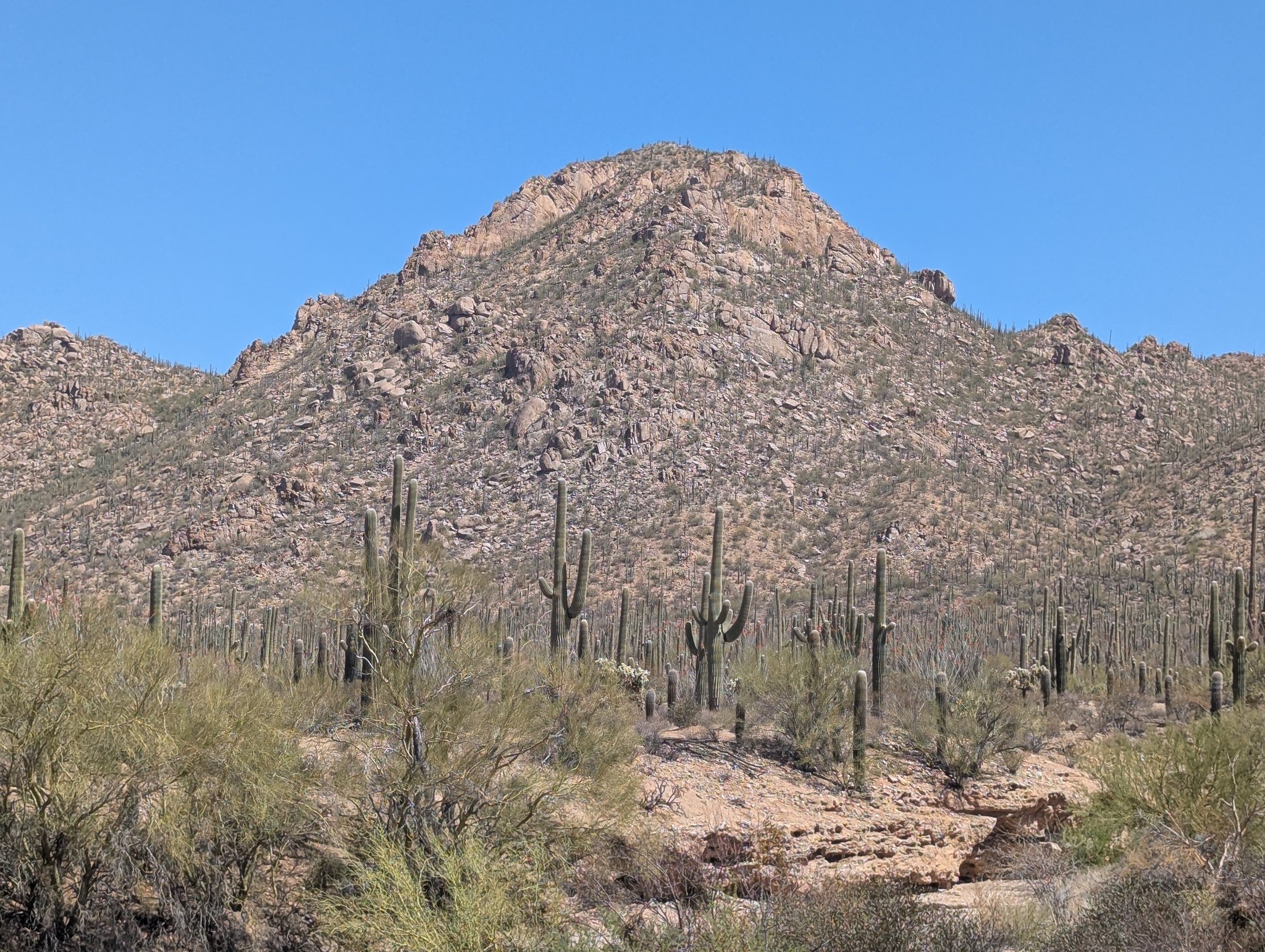
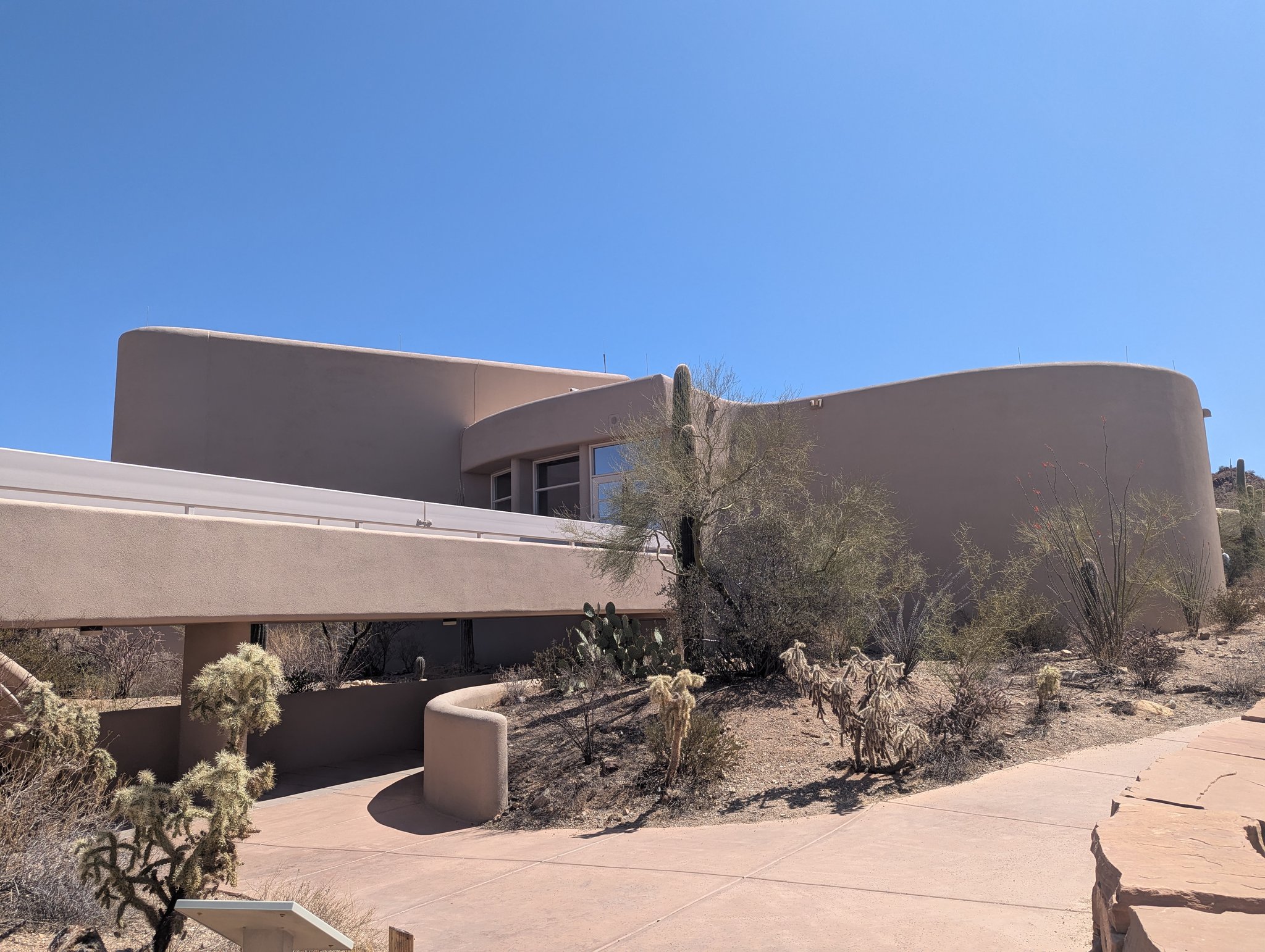
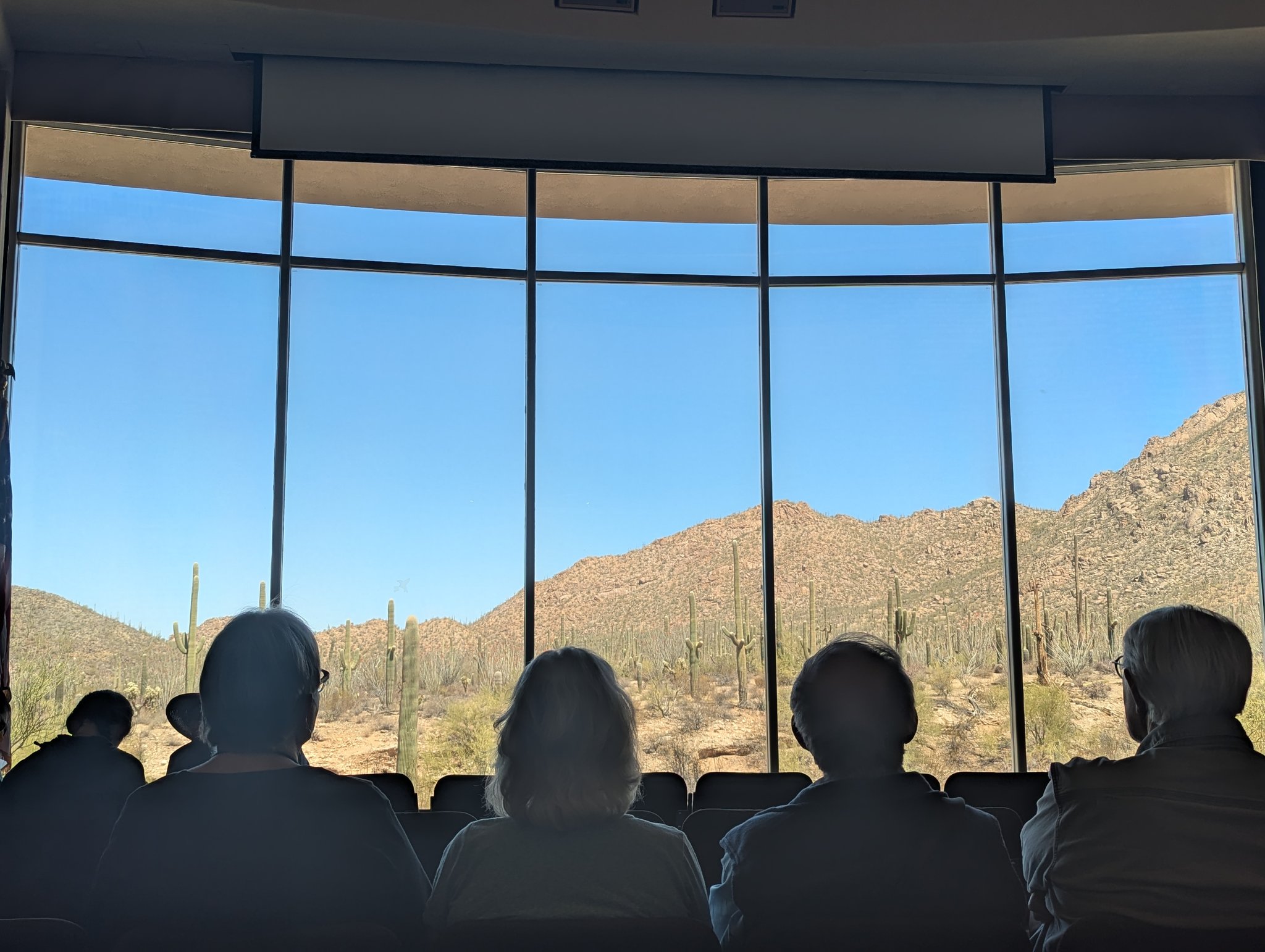
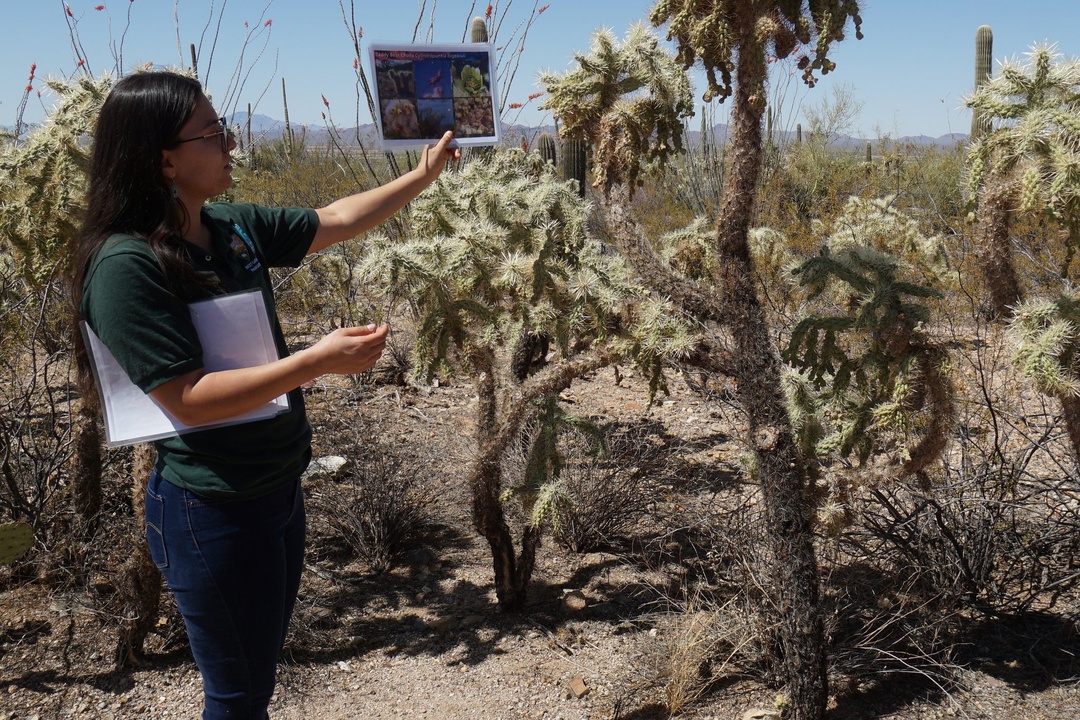
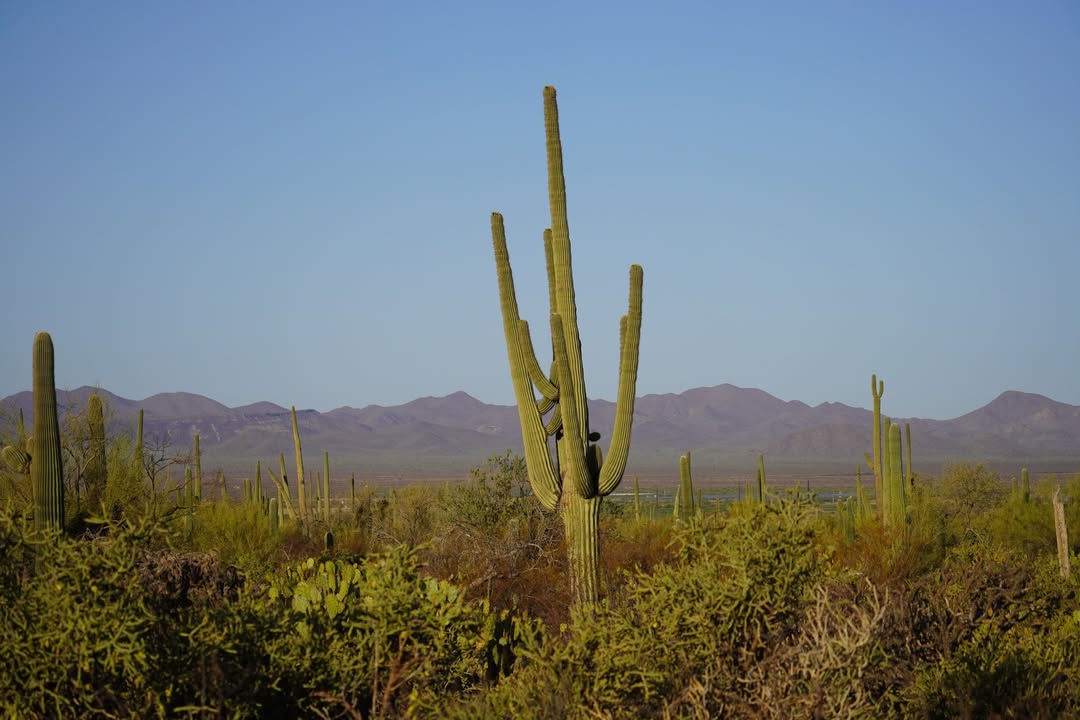
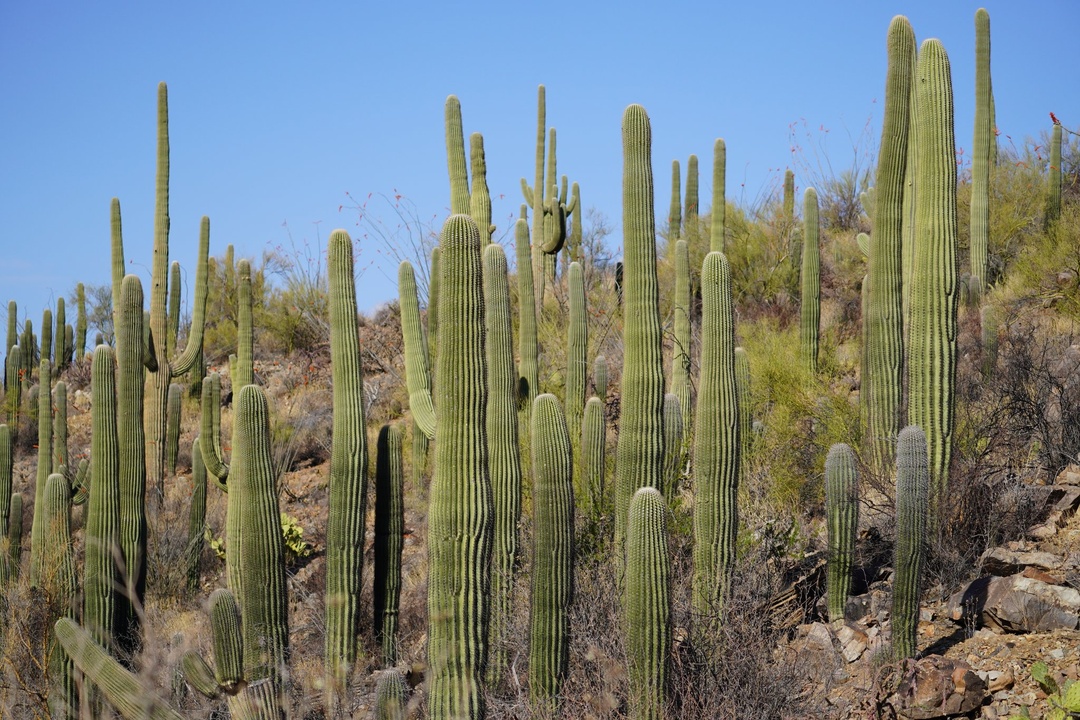
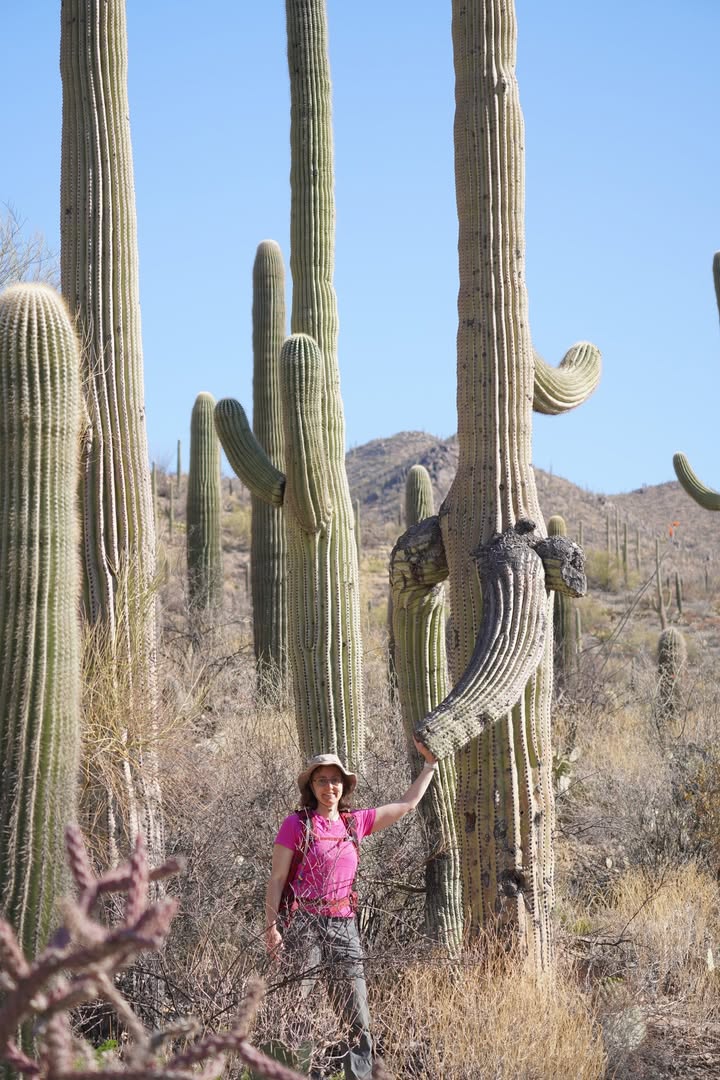
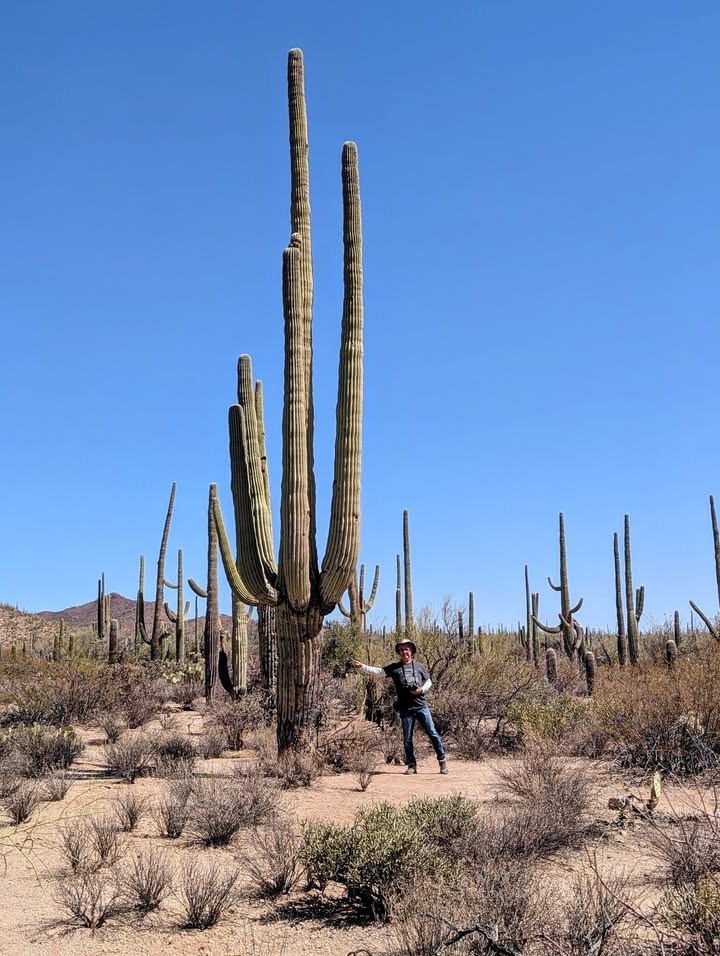
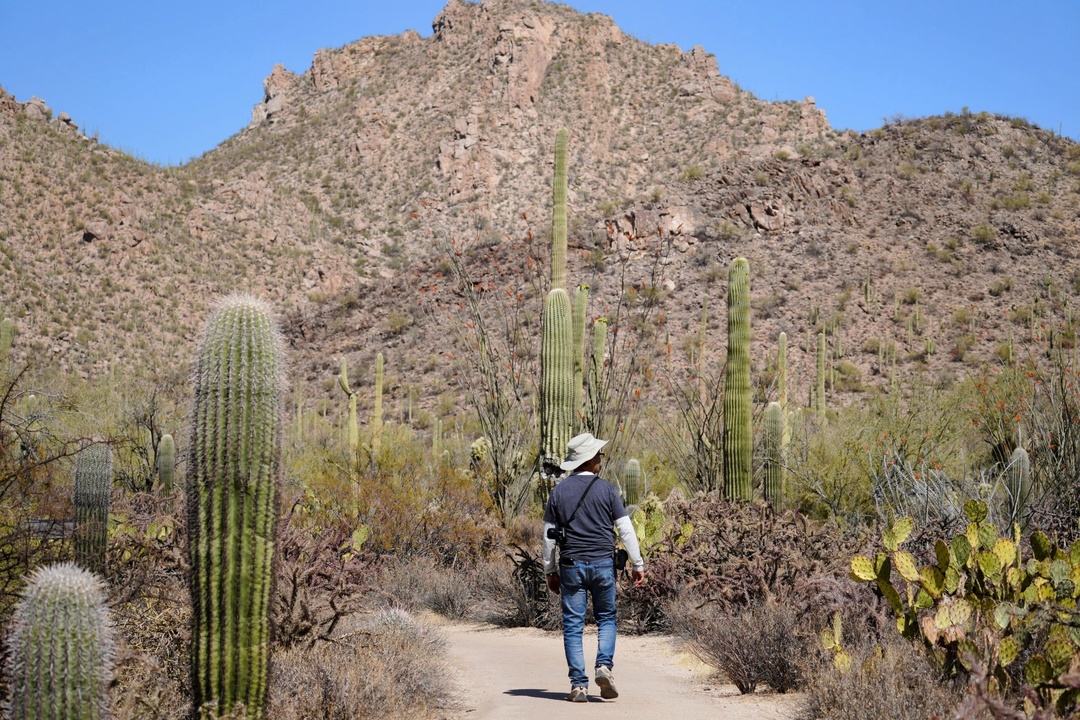
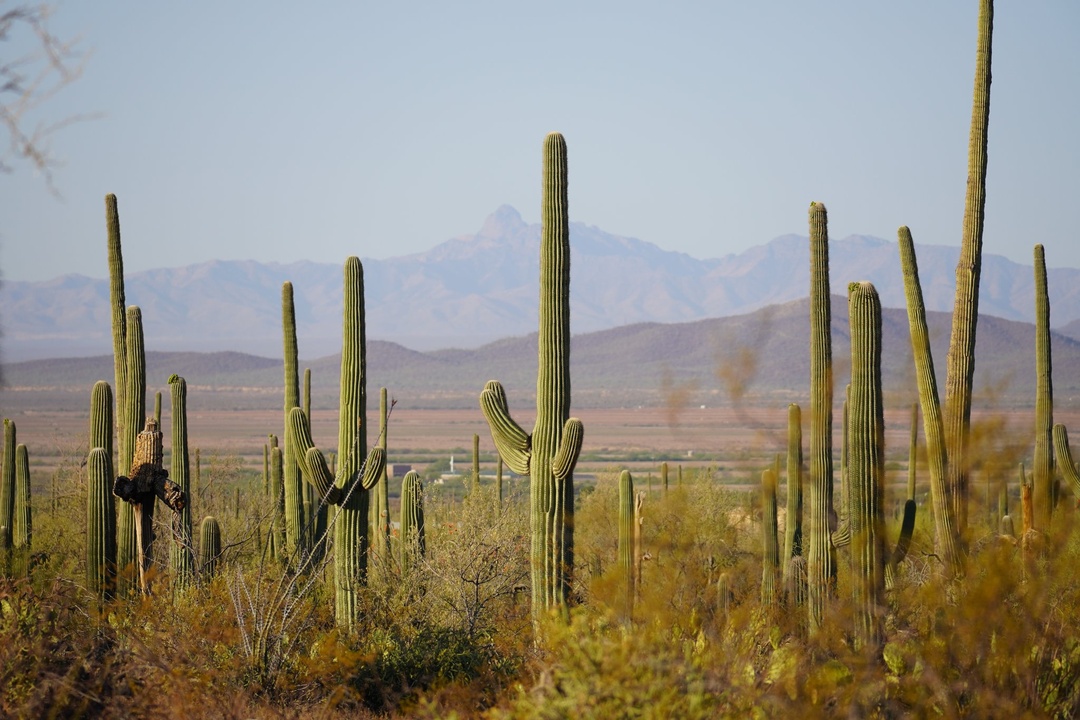
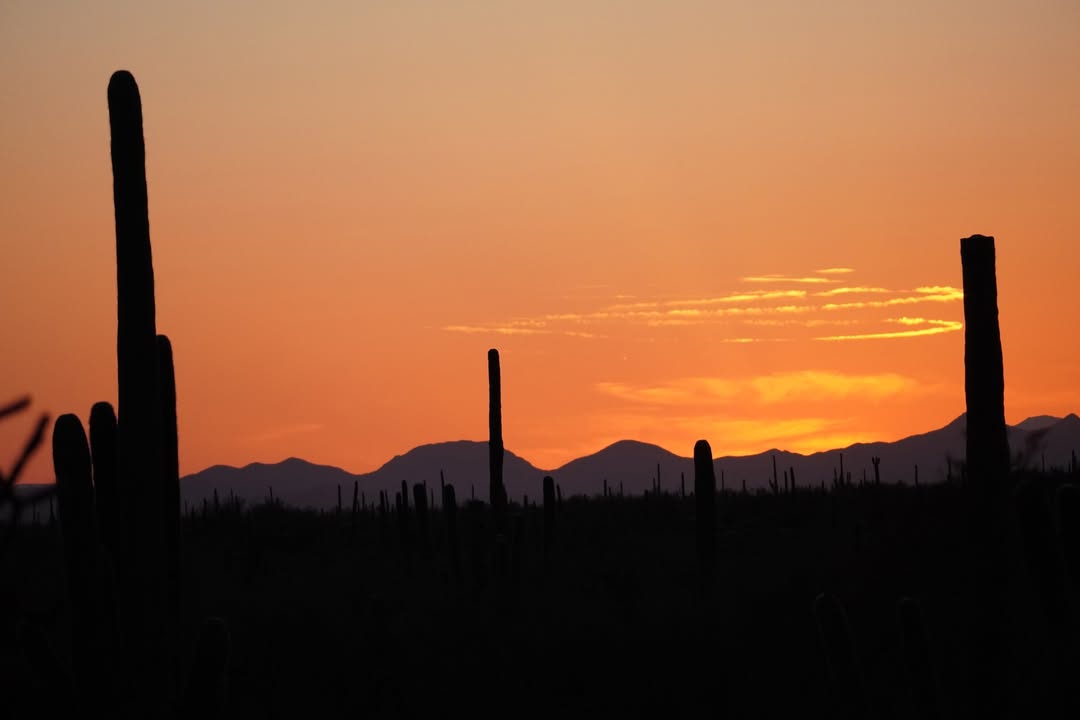
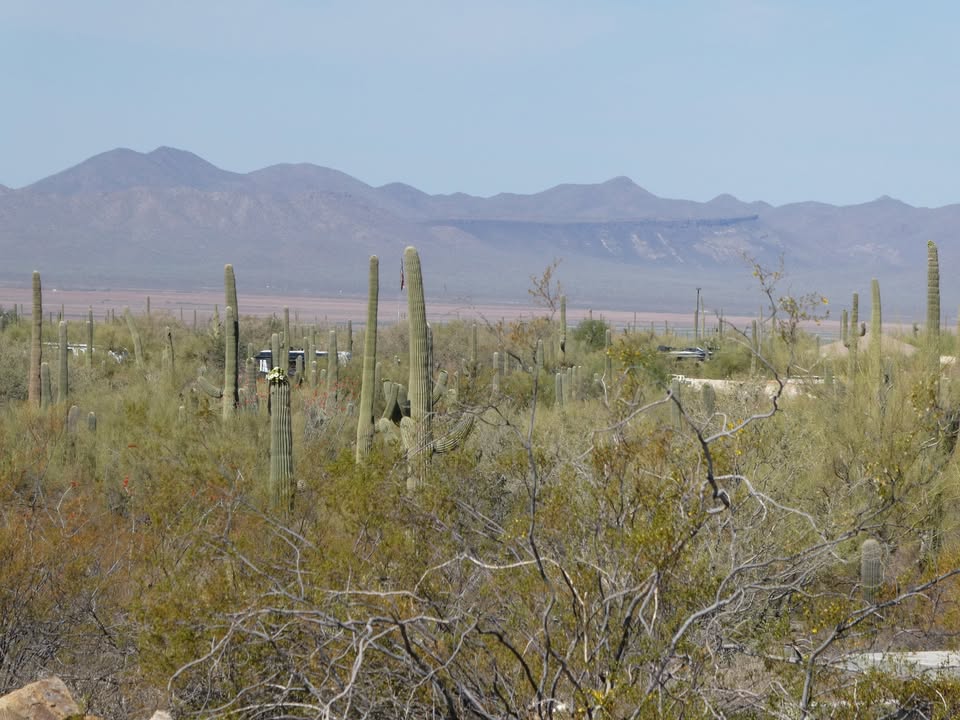
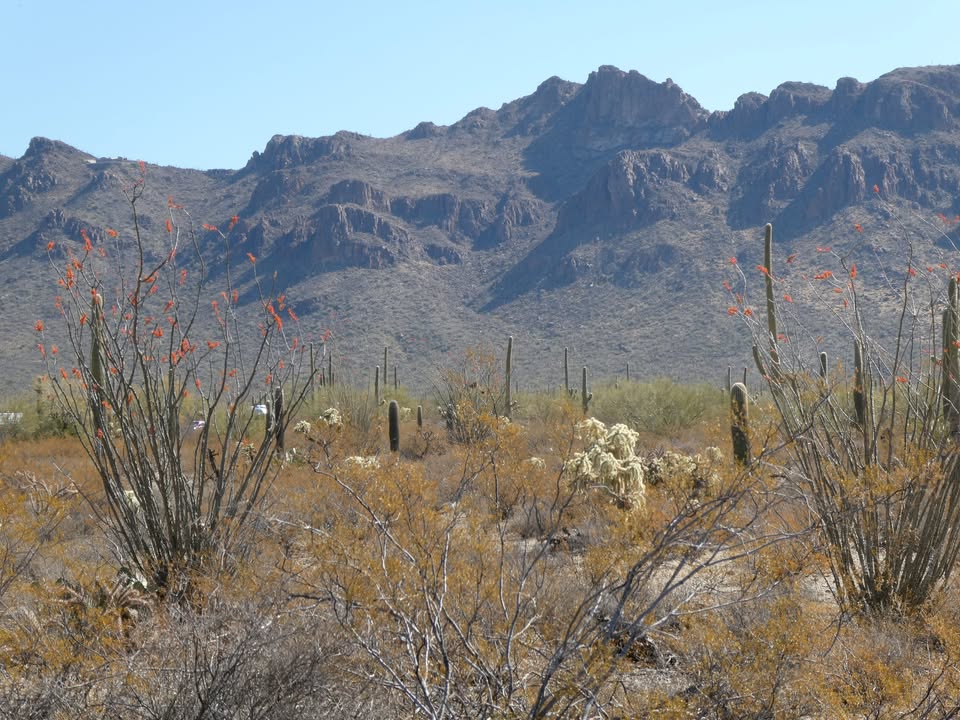
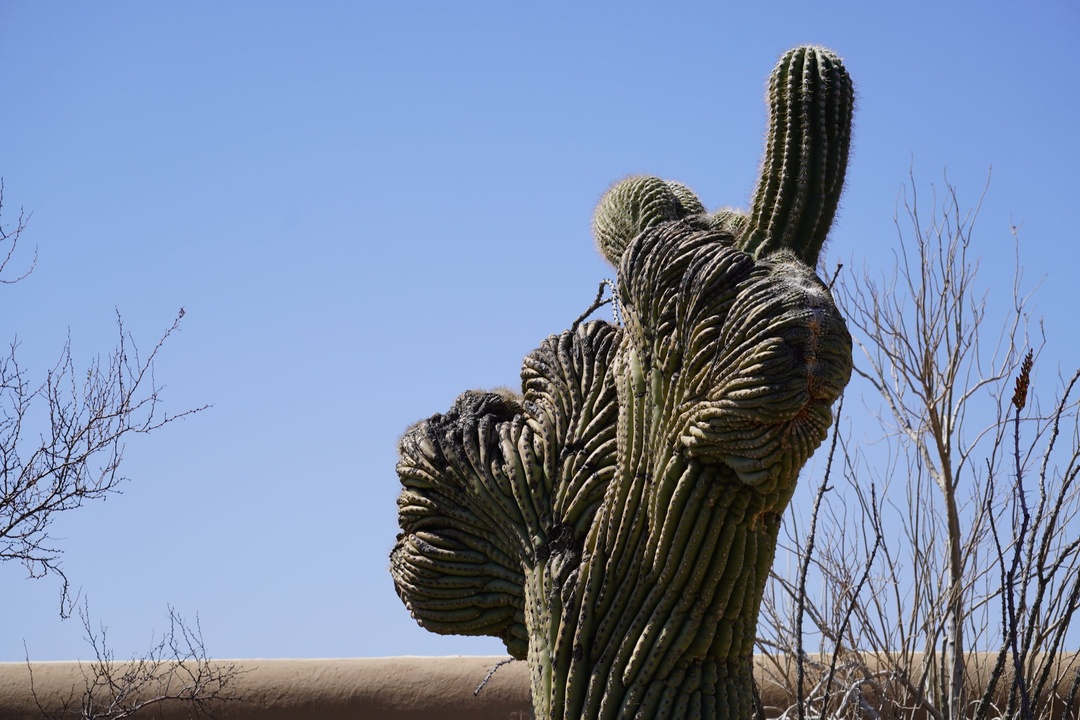
Saguaro West is the iconic Tucson desert landscape in full form, with dense stands of giant saguaros, broad Tucson Mountain views, and an easy entry point into the Sonoran Desert. It set the tone for the whole stop, especially after your ranger walk and first close look at how slow-growing and long-lived those cacti really are.
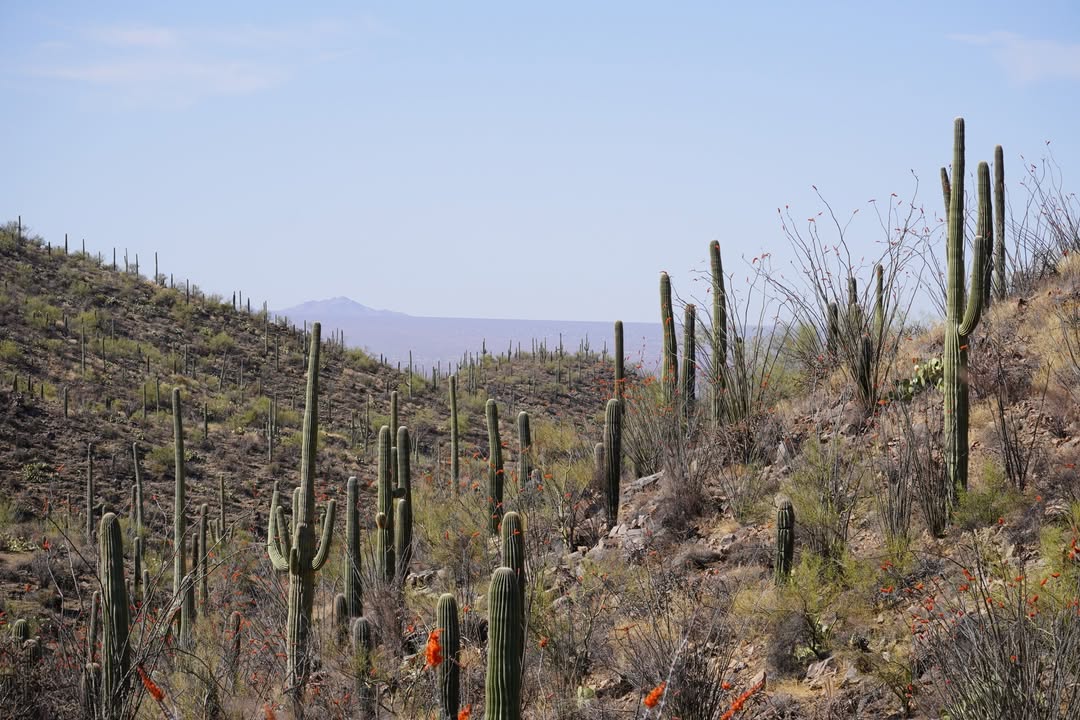
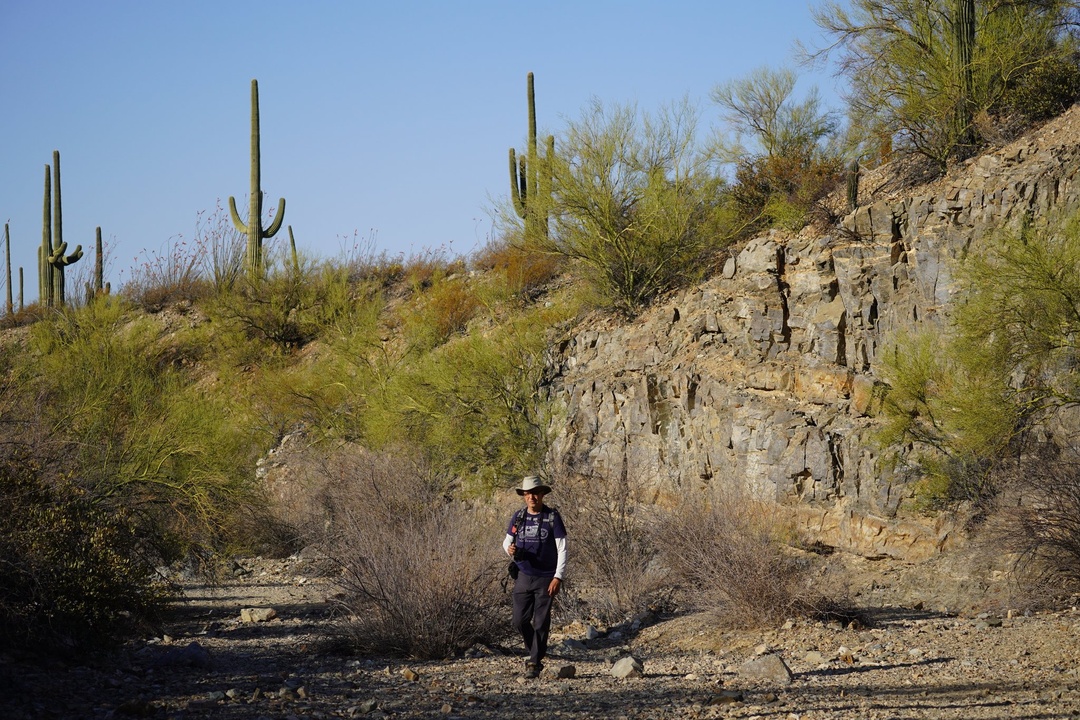
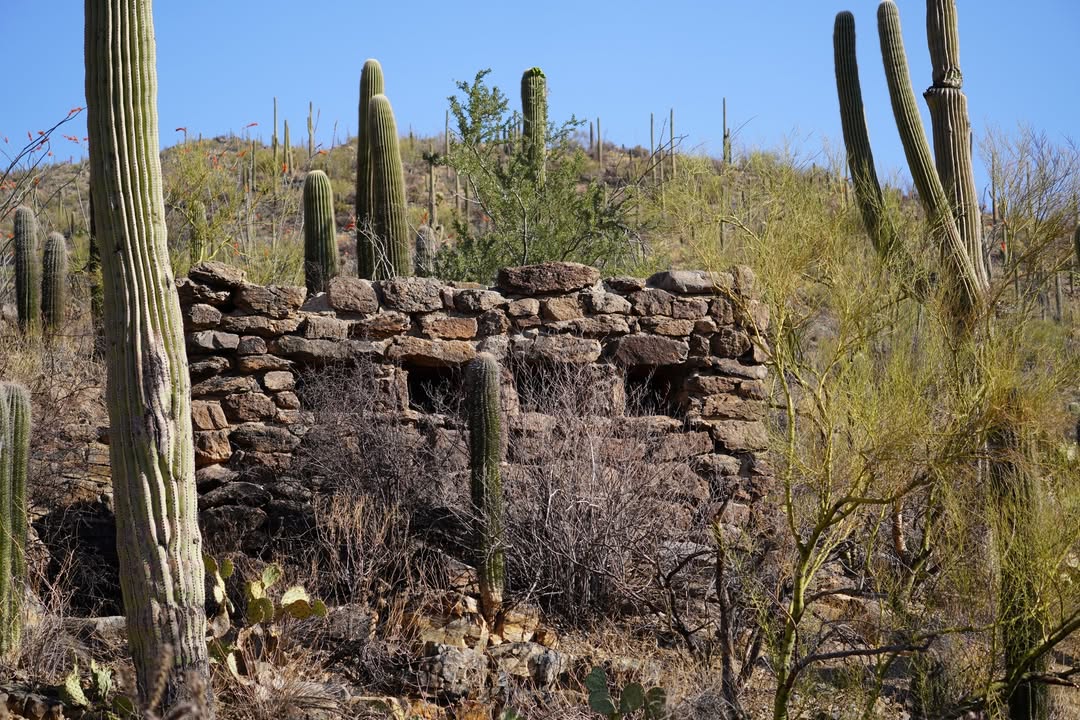
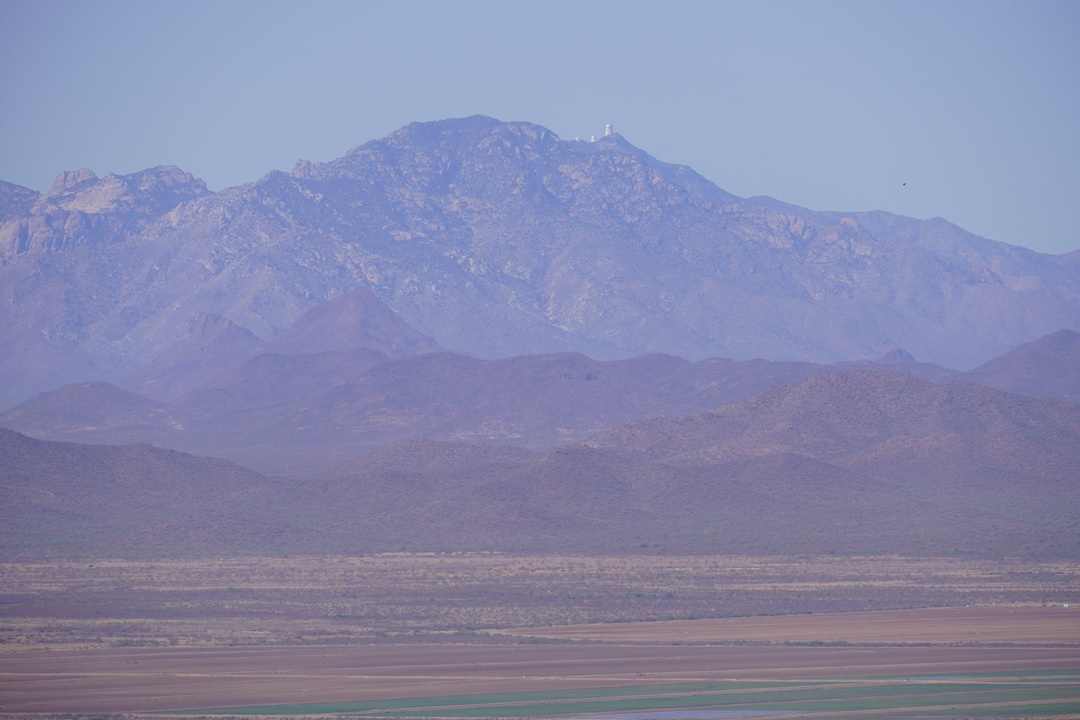
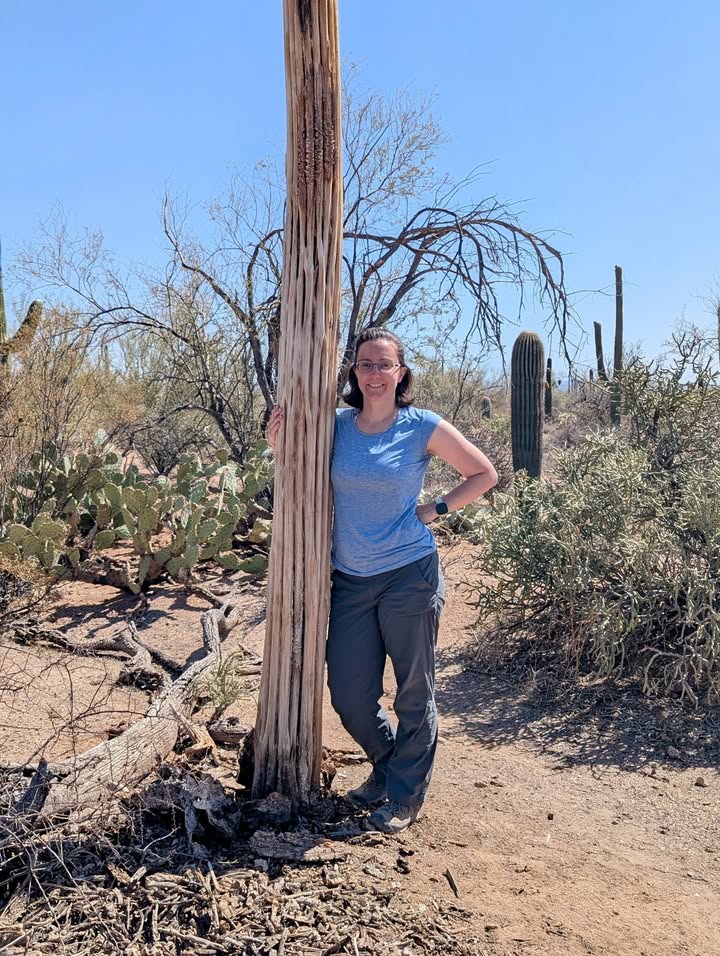
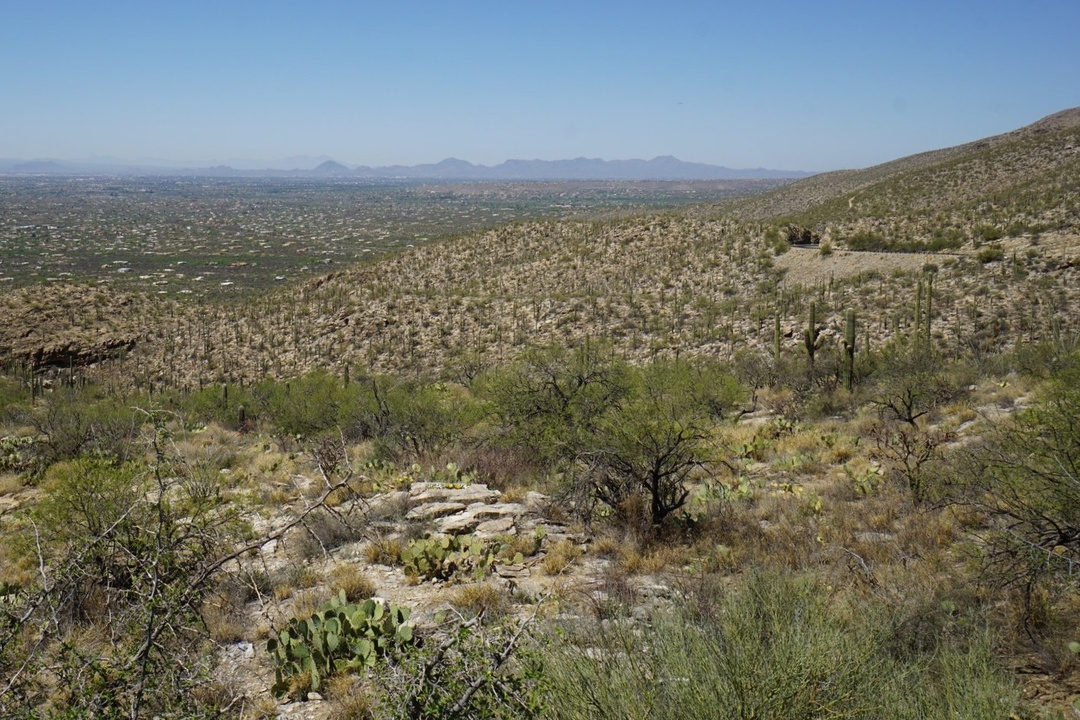
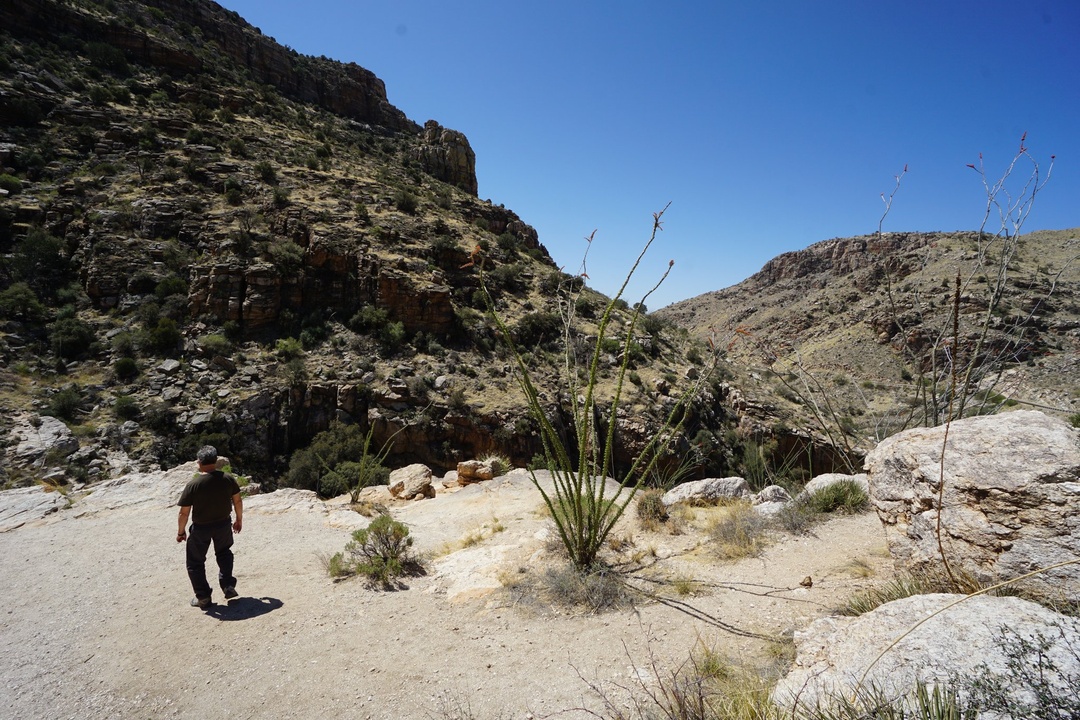
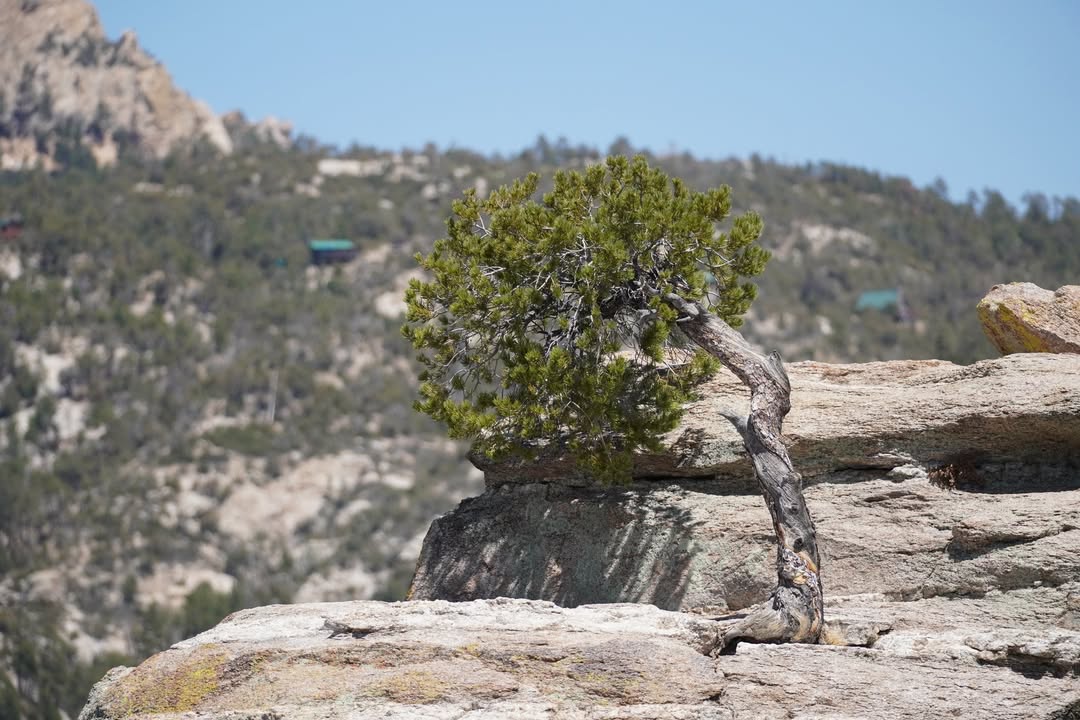
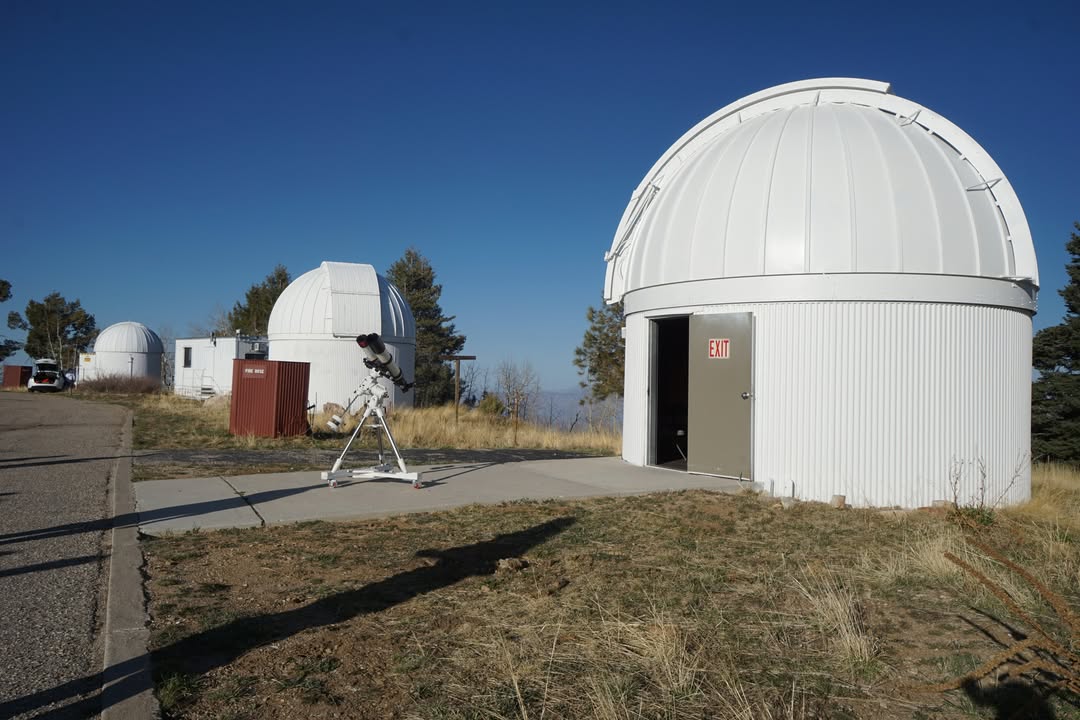
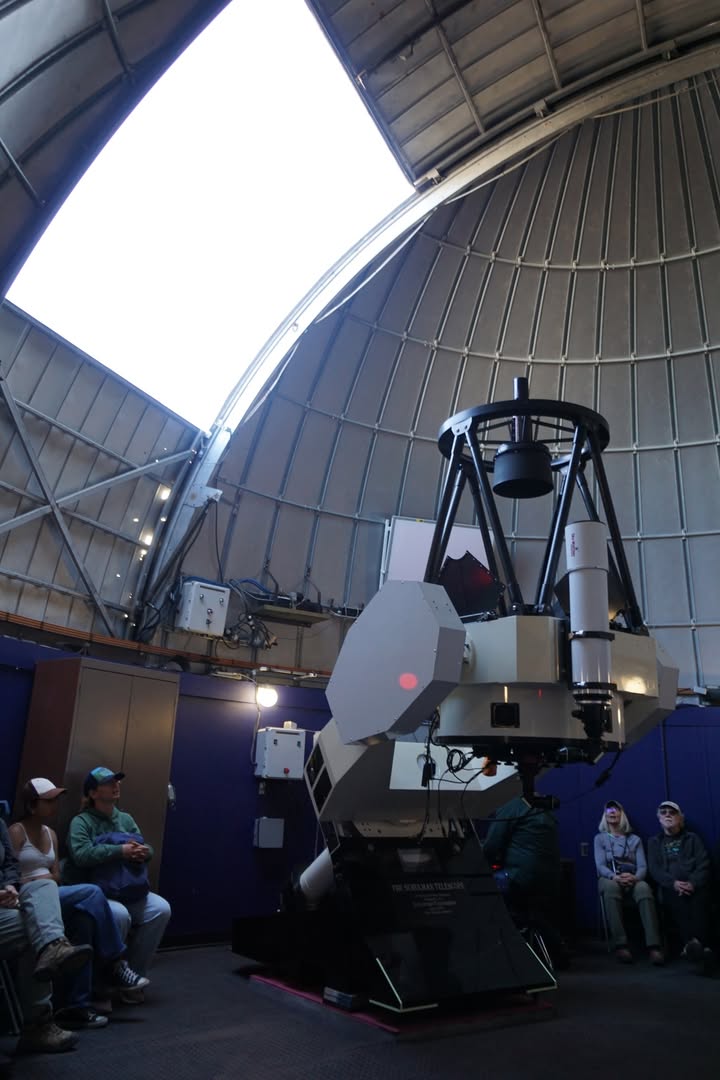
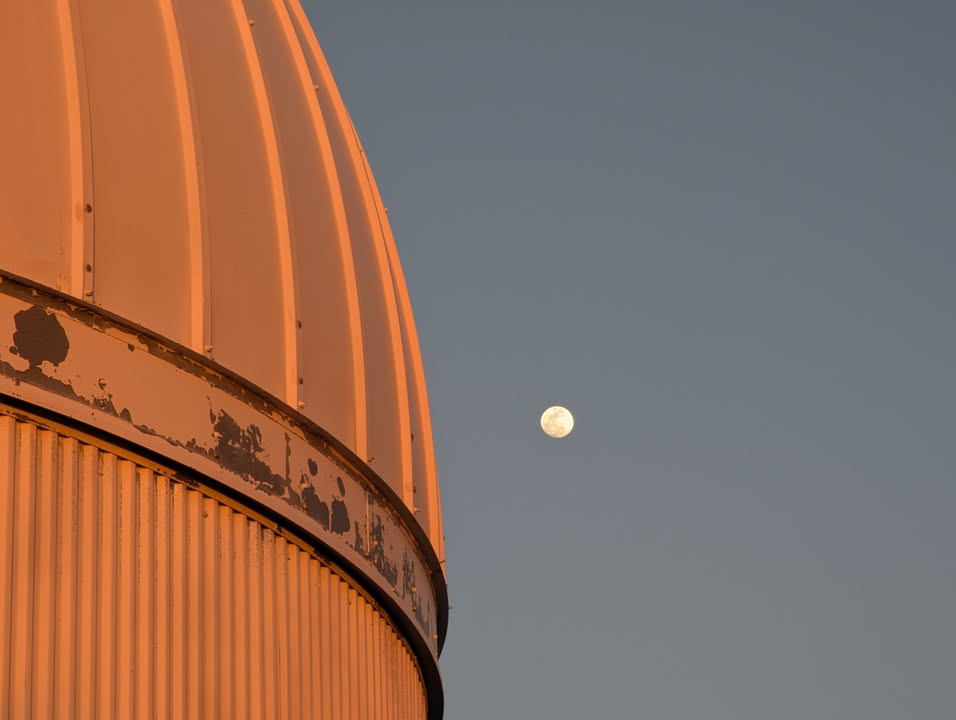
Gould Mine Trail follows an old route toward a historic copper mine site, with wash crossings, open desert, mining remnants, and long views back toward the Tucson basin. Your story gave it the lived-in version of that description: an easy wrong turn into a wash, relentless sun, a stubbornly rooted saguaro growing out of rock, and the observatory visible far off above the desert.
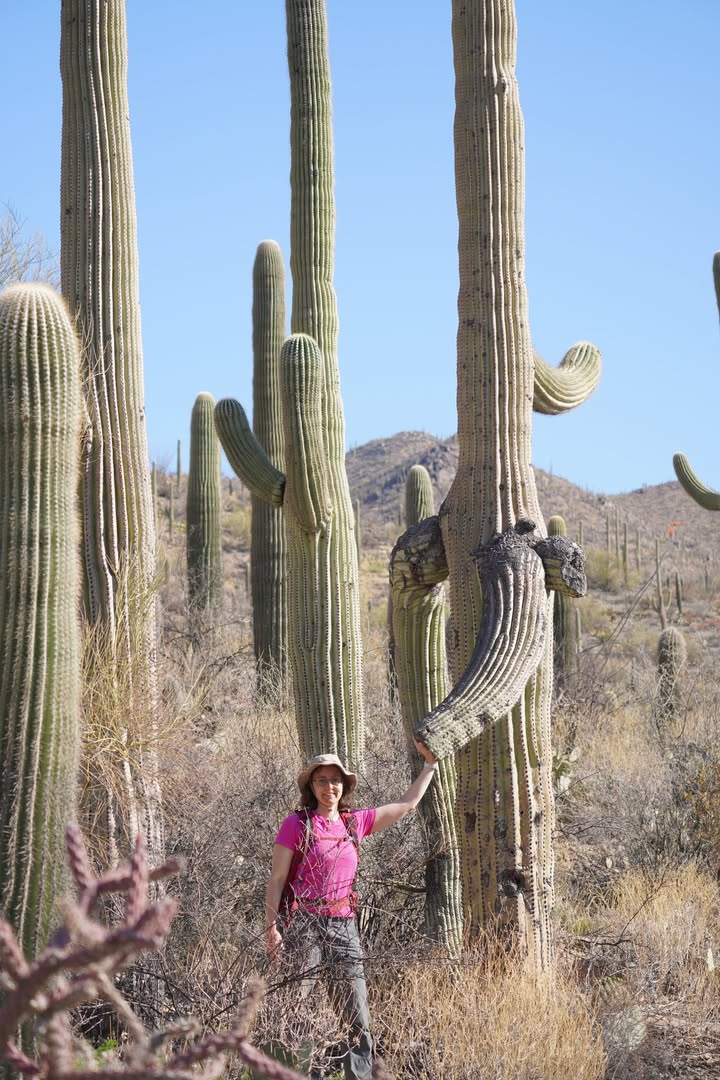
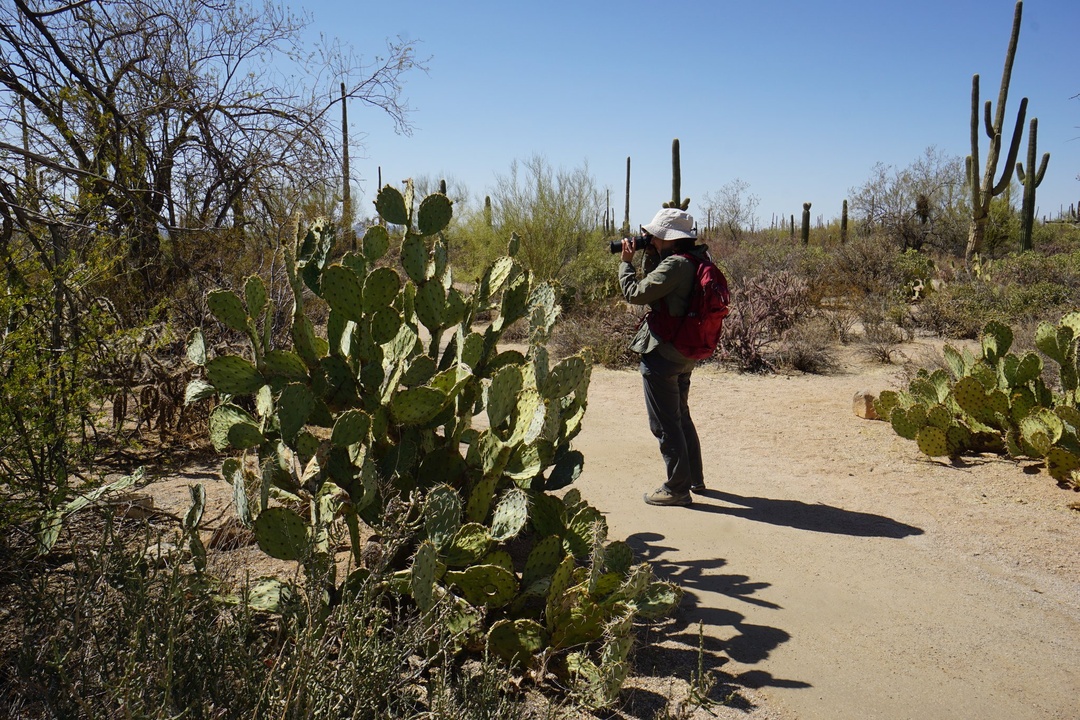
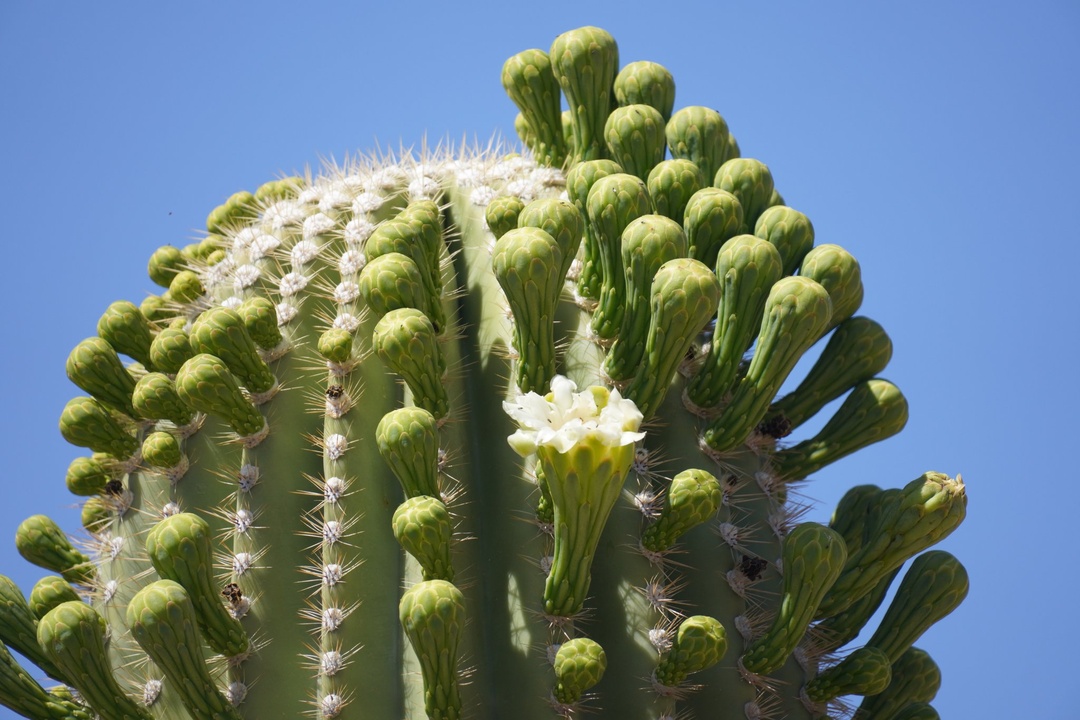
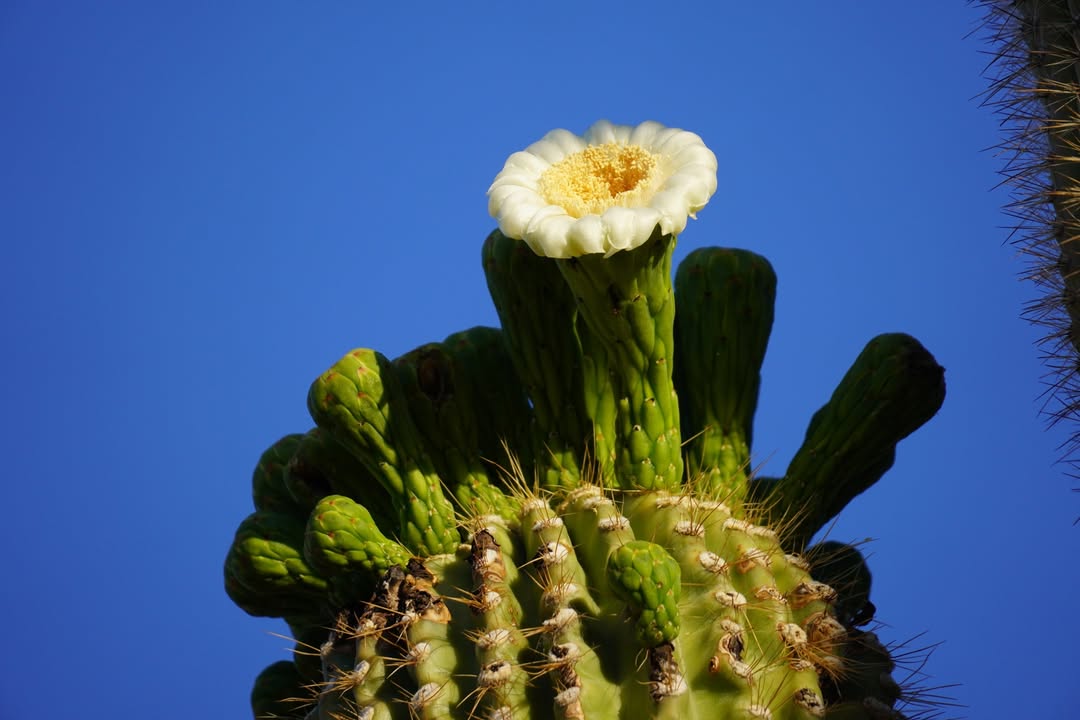
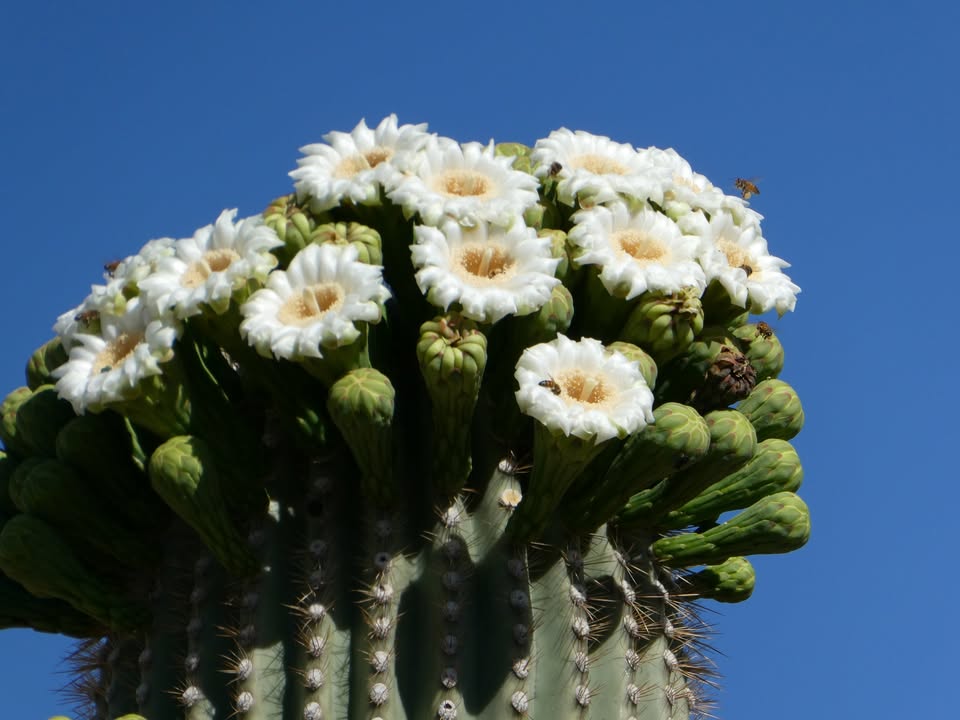
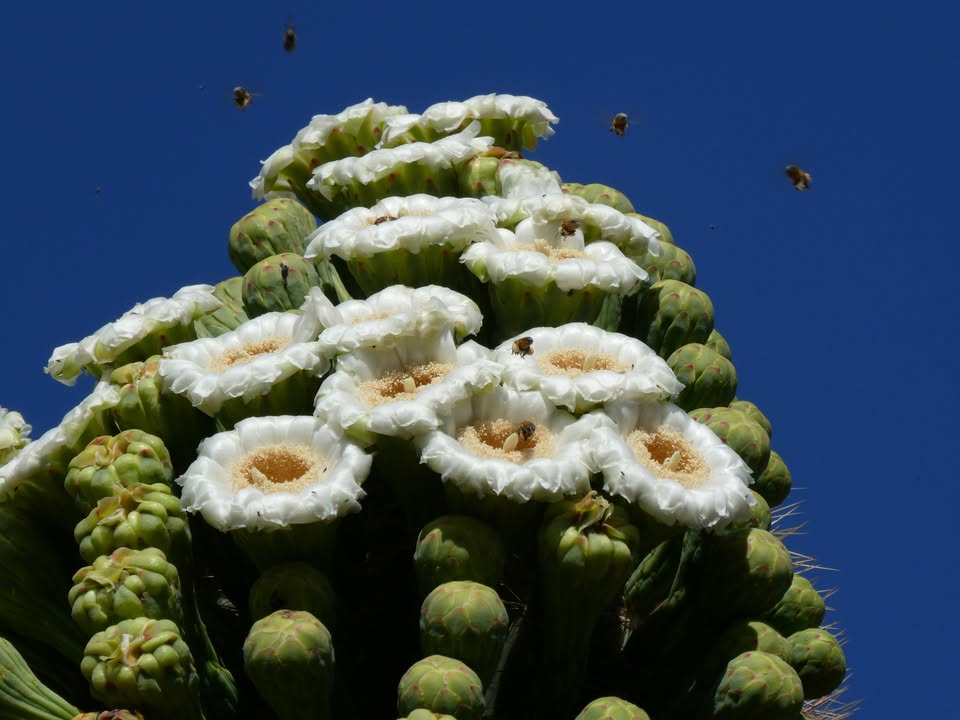
This short paved interpretive trail is one of the easiest ways to get close to the Sonoran Desert without committing to a long hike, with signage, shade ramadas, and huge saguaros right along the path. In your story it became more than a warm-up walk, because it was where you went back early to hunt down a fresh saguaro bloom and got that satisfying payoff.
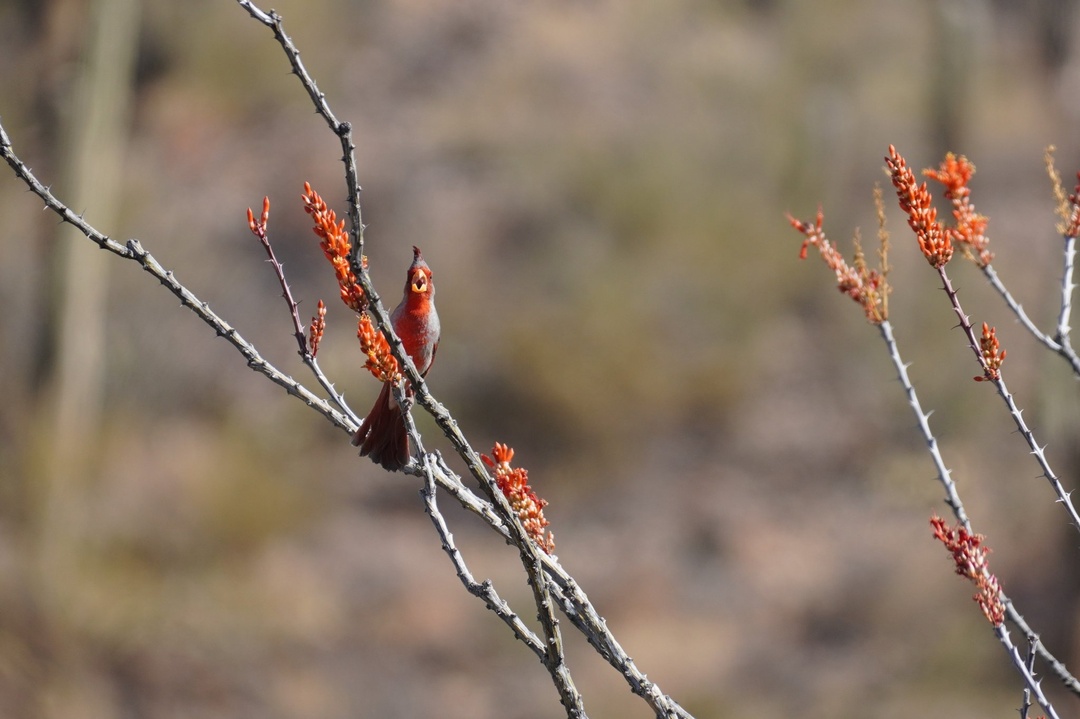
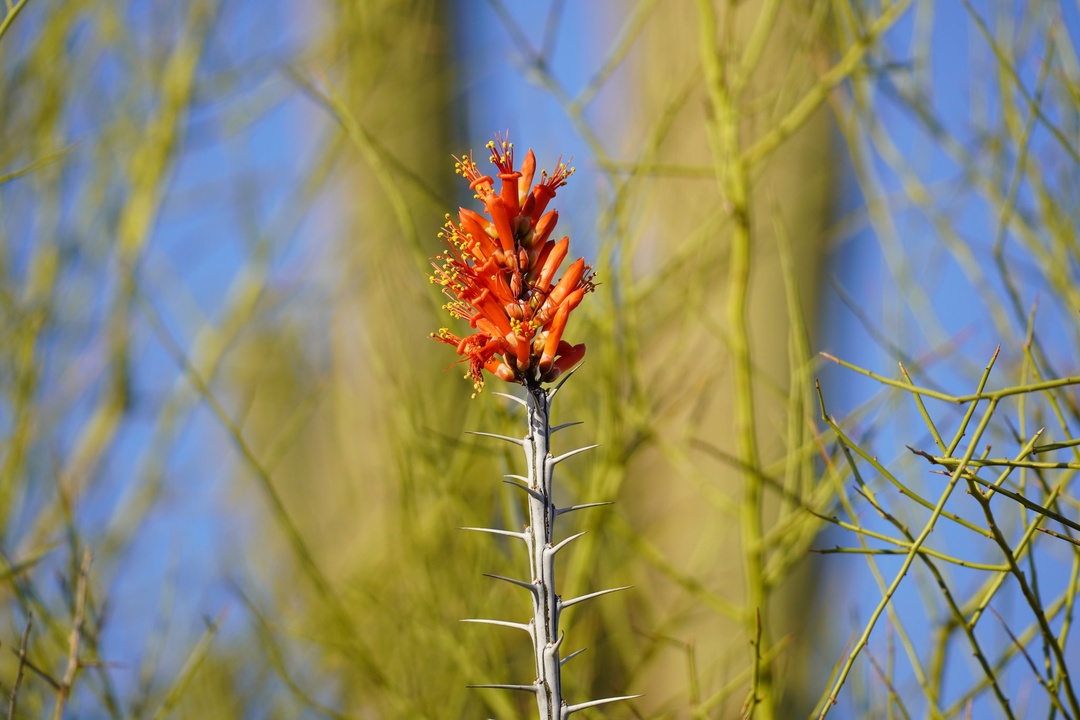
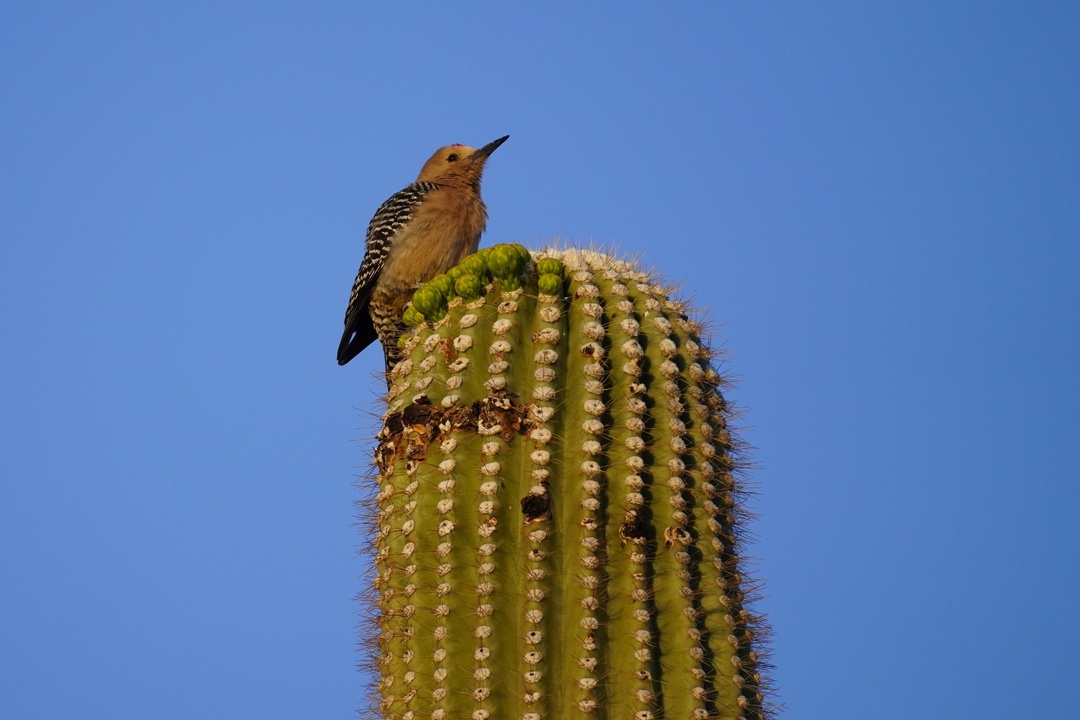
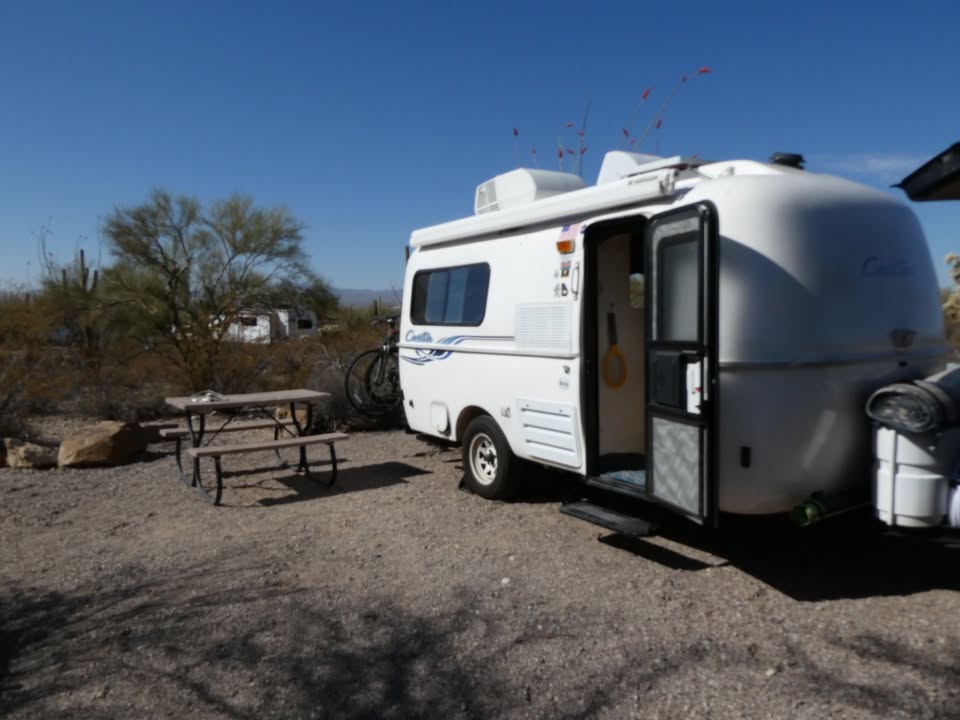
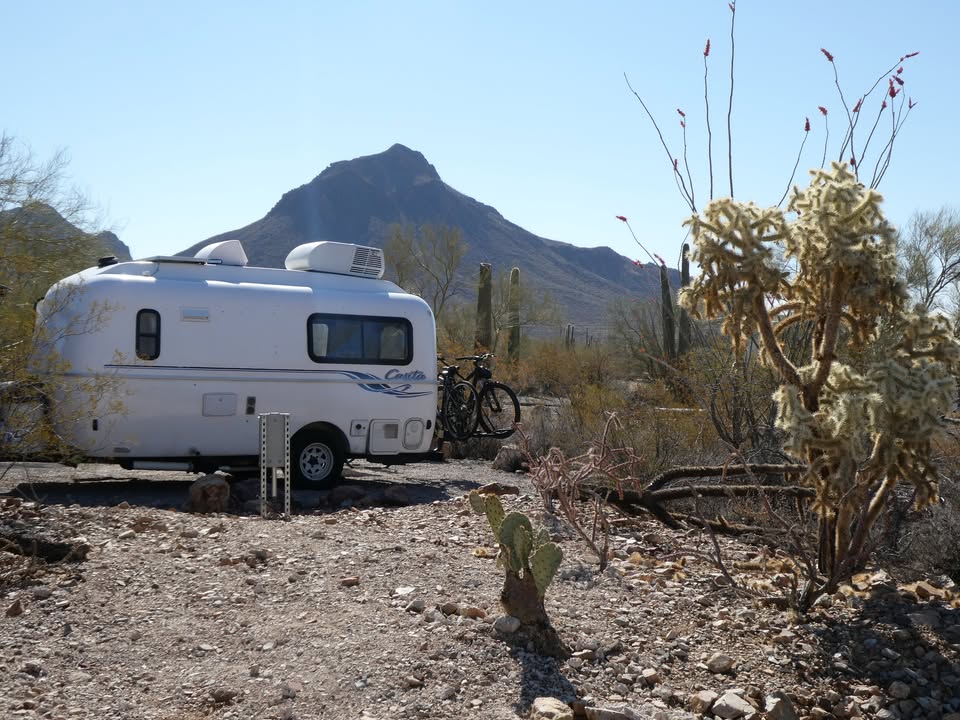
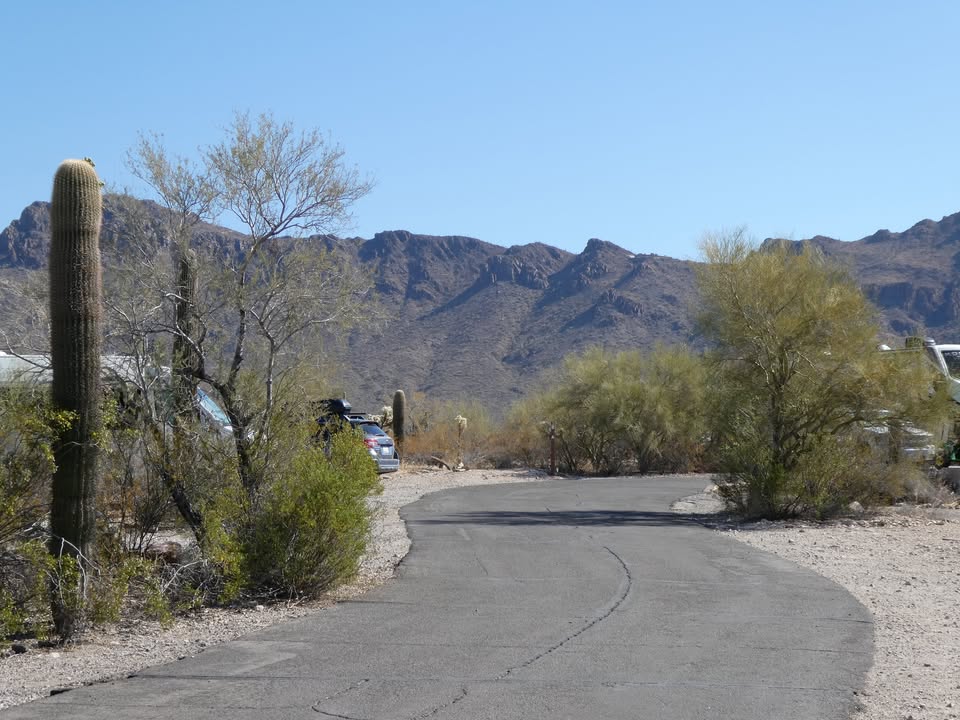
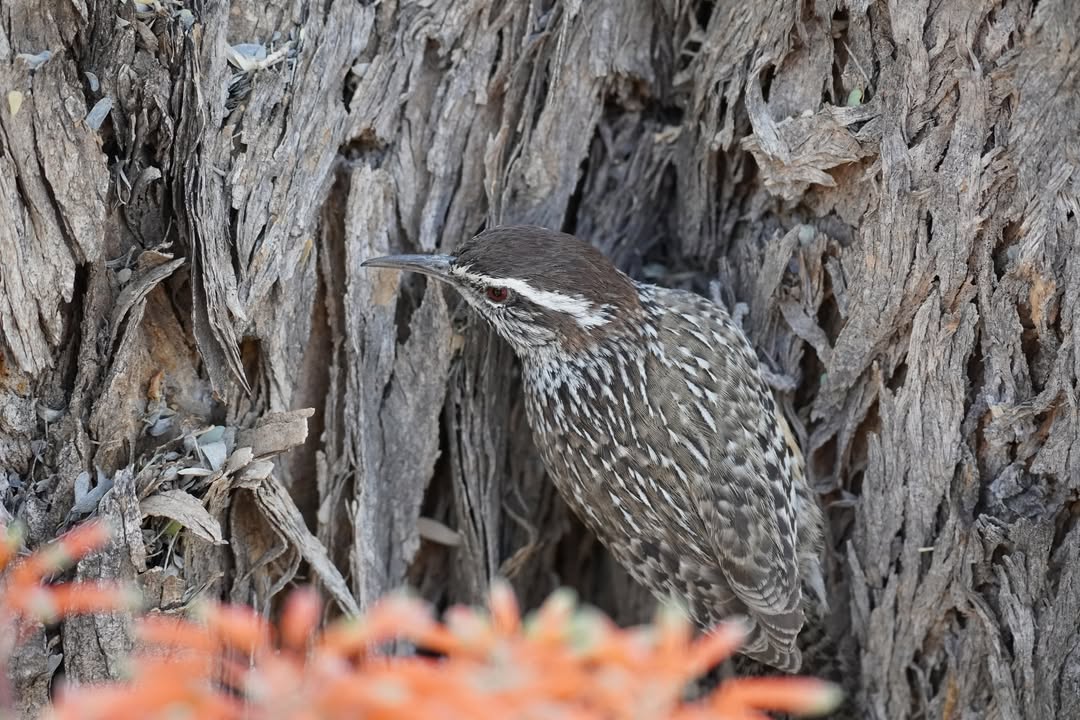
Gilbert Ray works as a practical Tucson base because it sits right by Tucson Mountain Park, close to Saguaro West and the Desert Museum, while still feeling fully planted in saguaro country. In your stay it was more than just logistics: woodpeckers, desert mornings, blooming cactus, mountain views, and badly needed hookups during the heat wave made it part of the Tucson story itself.
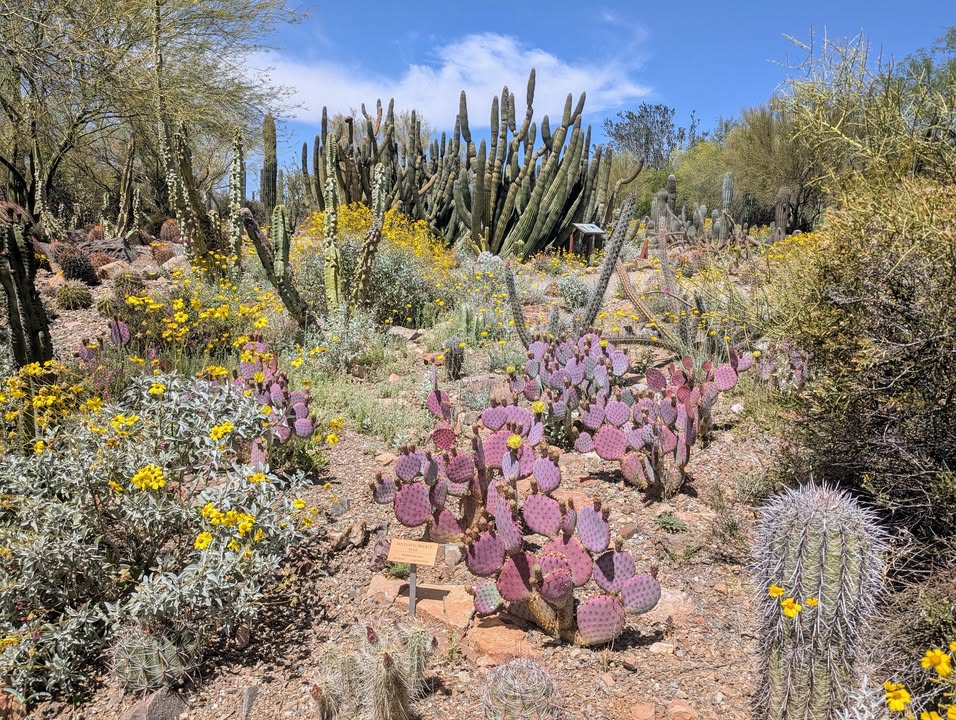
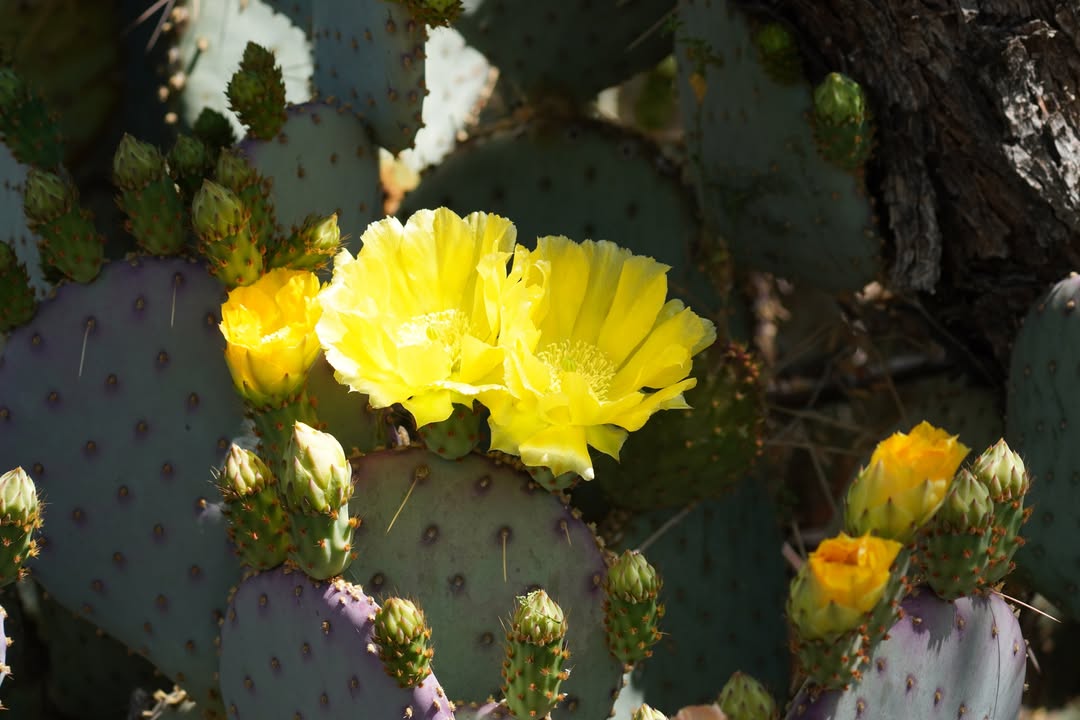
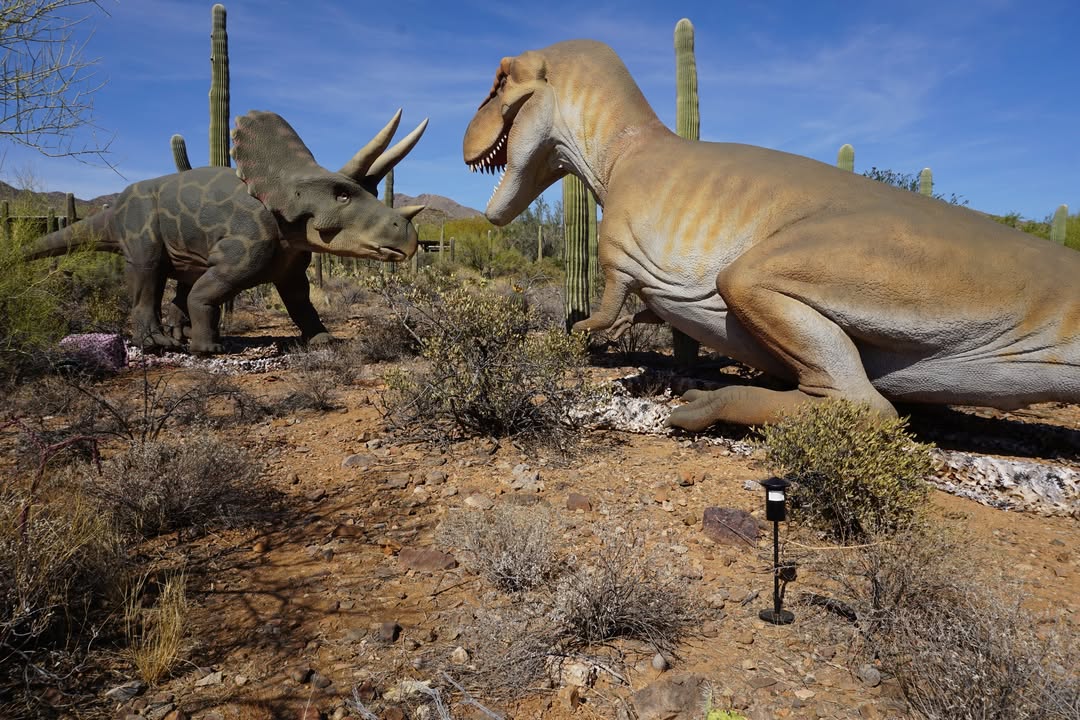
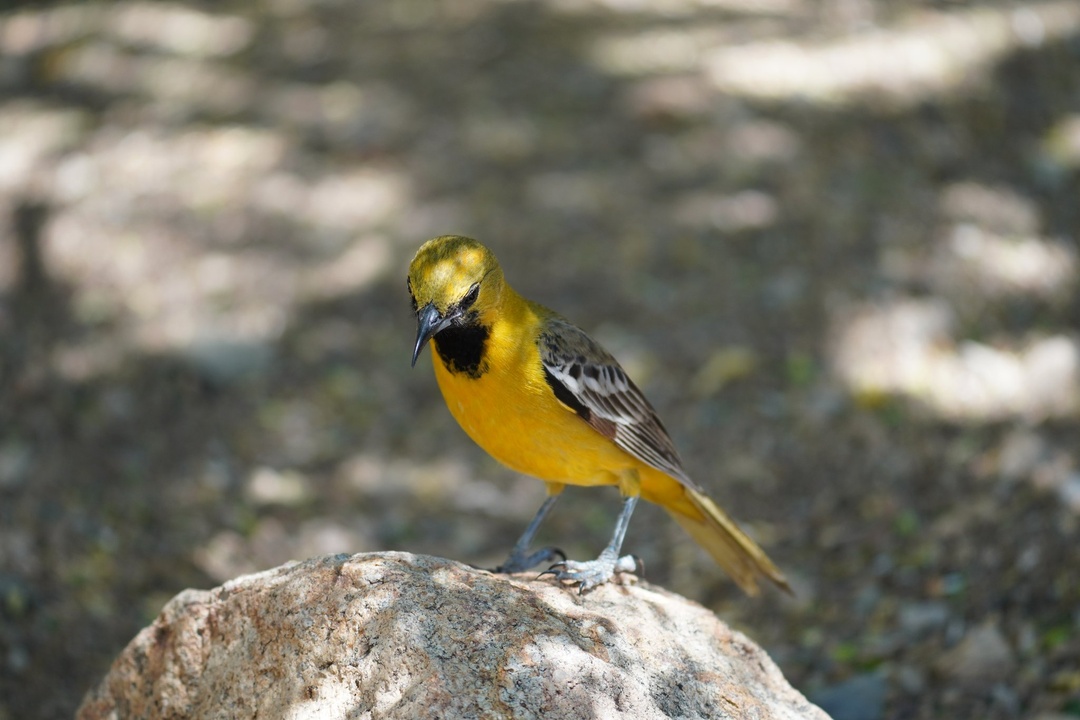
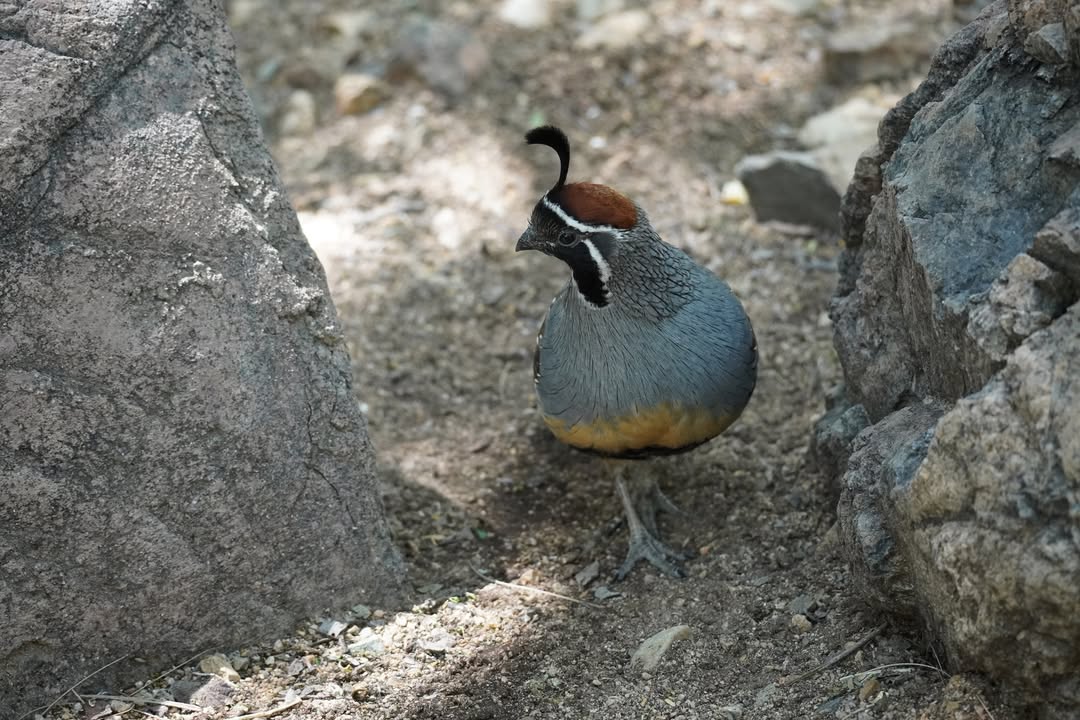
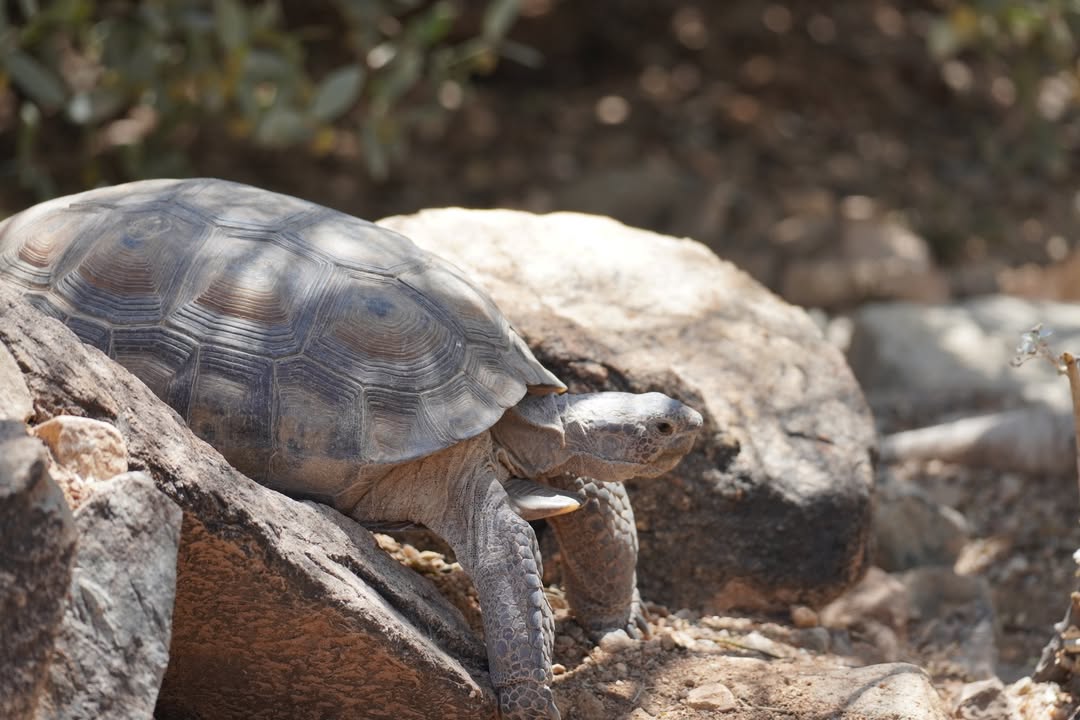
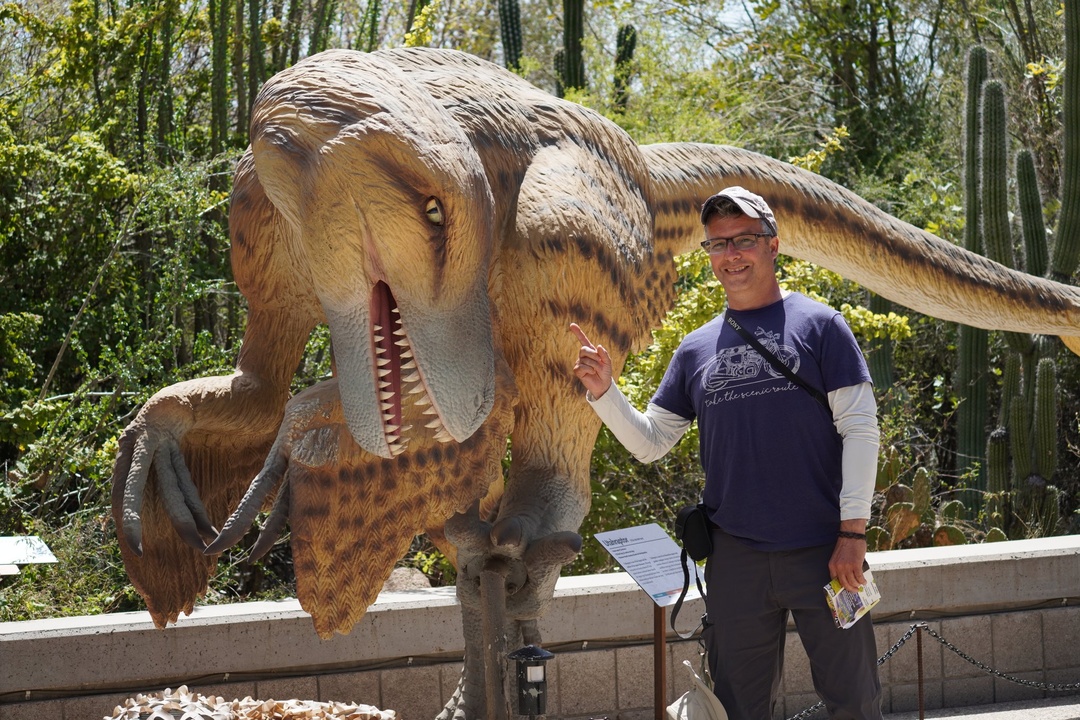
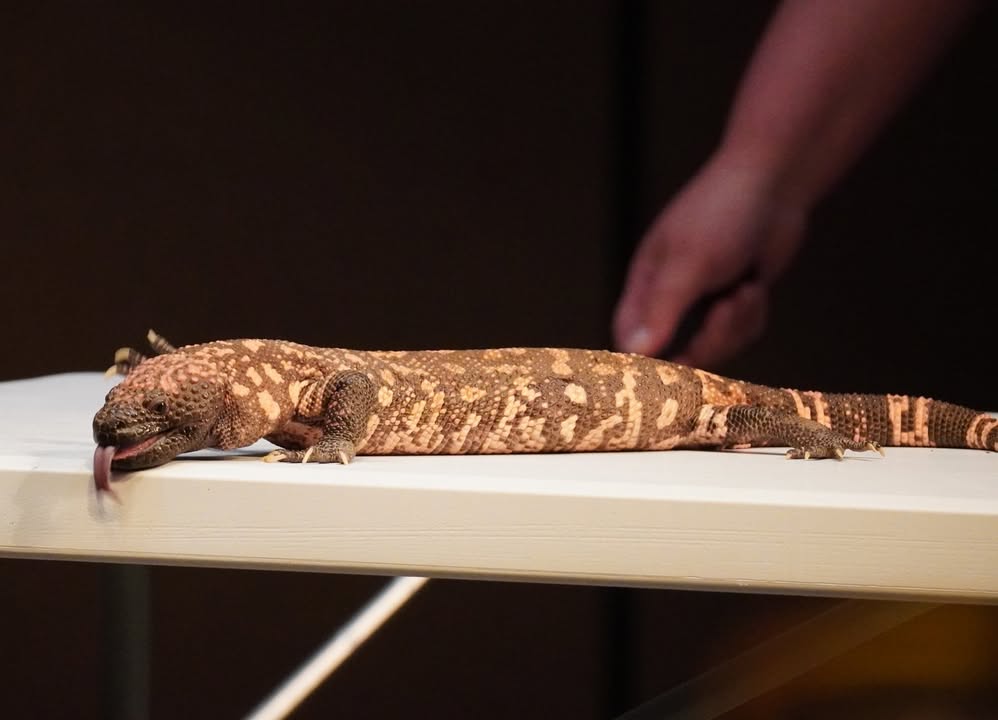
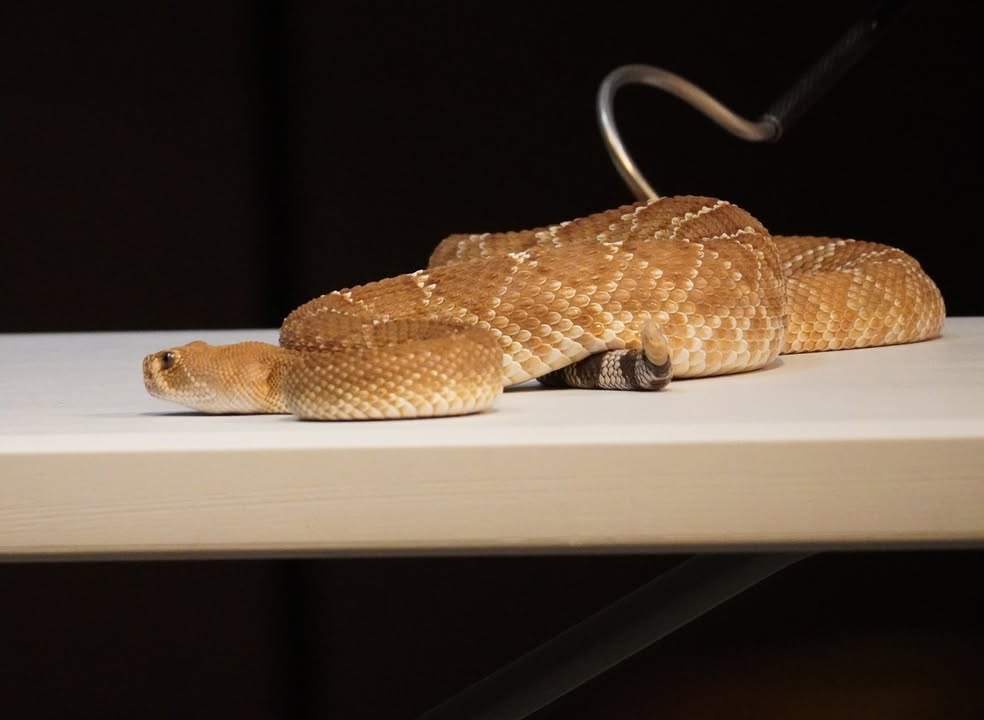
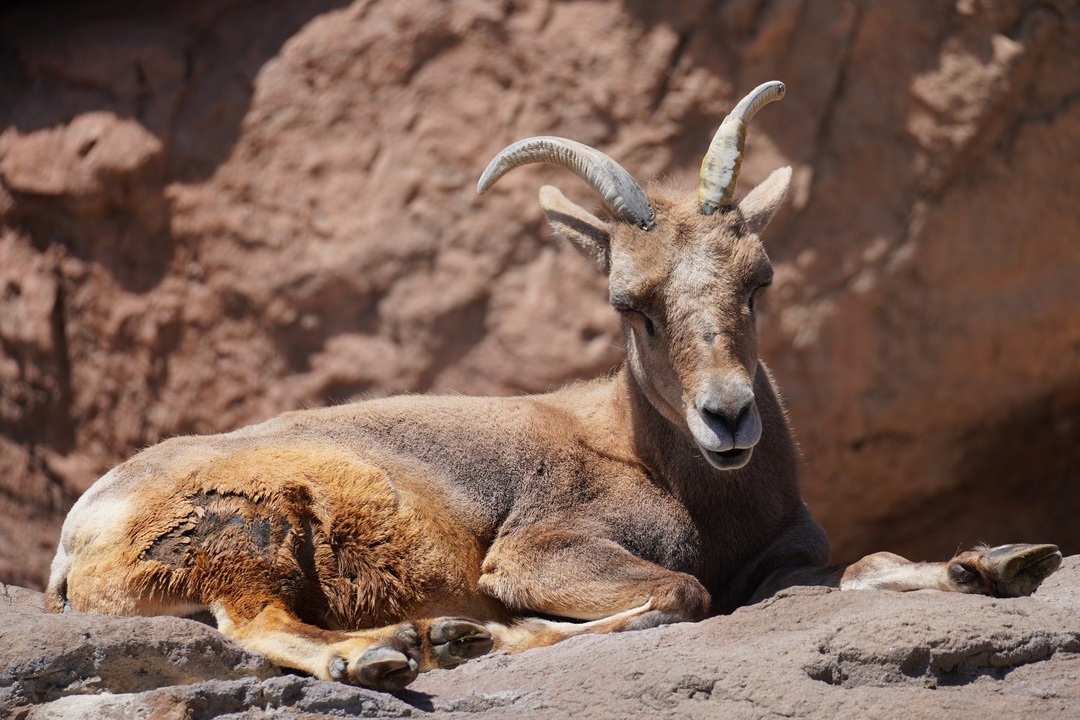
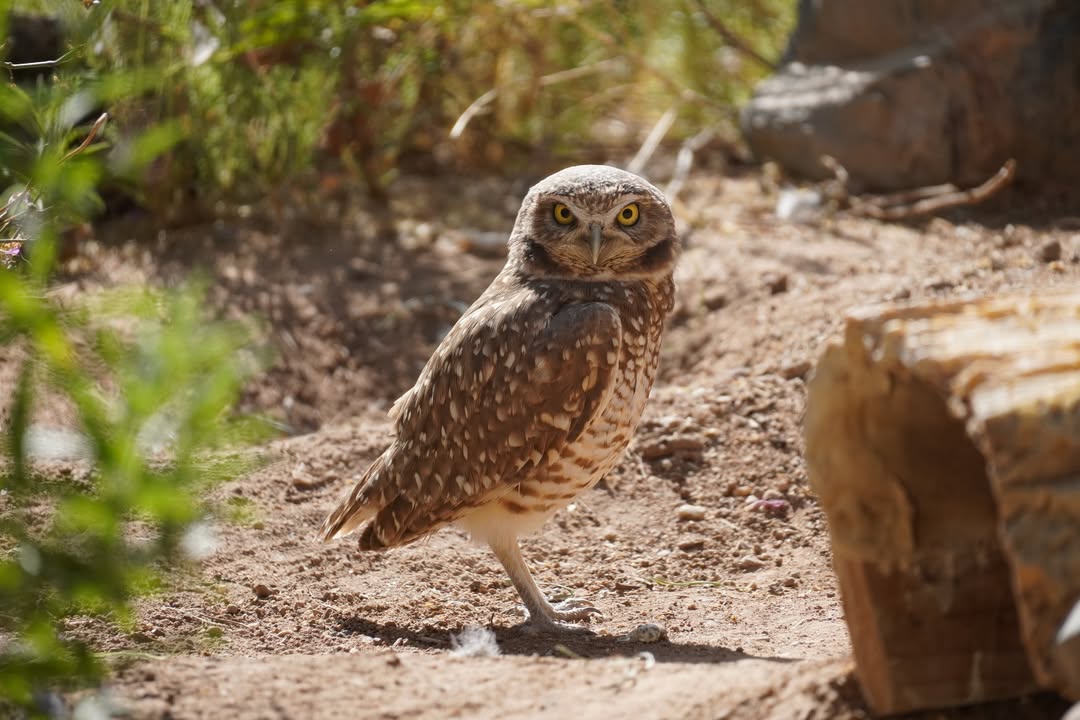
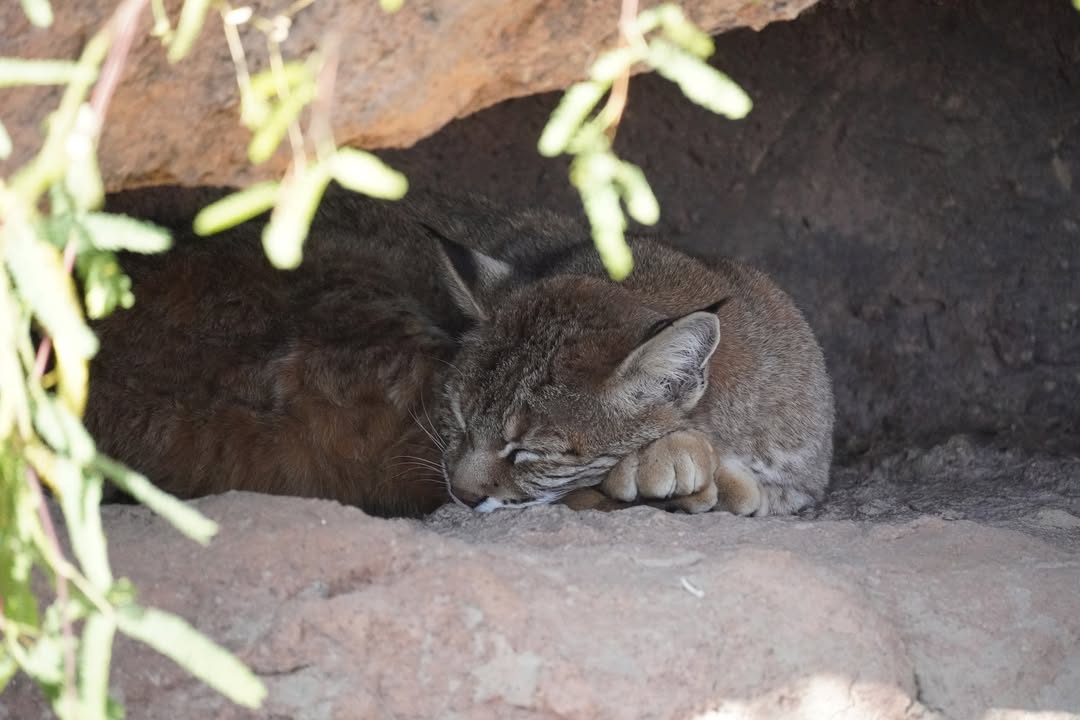
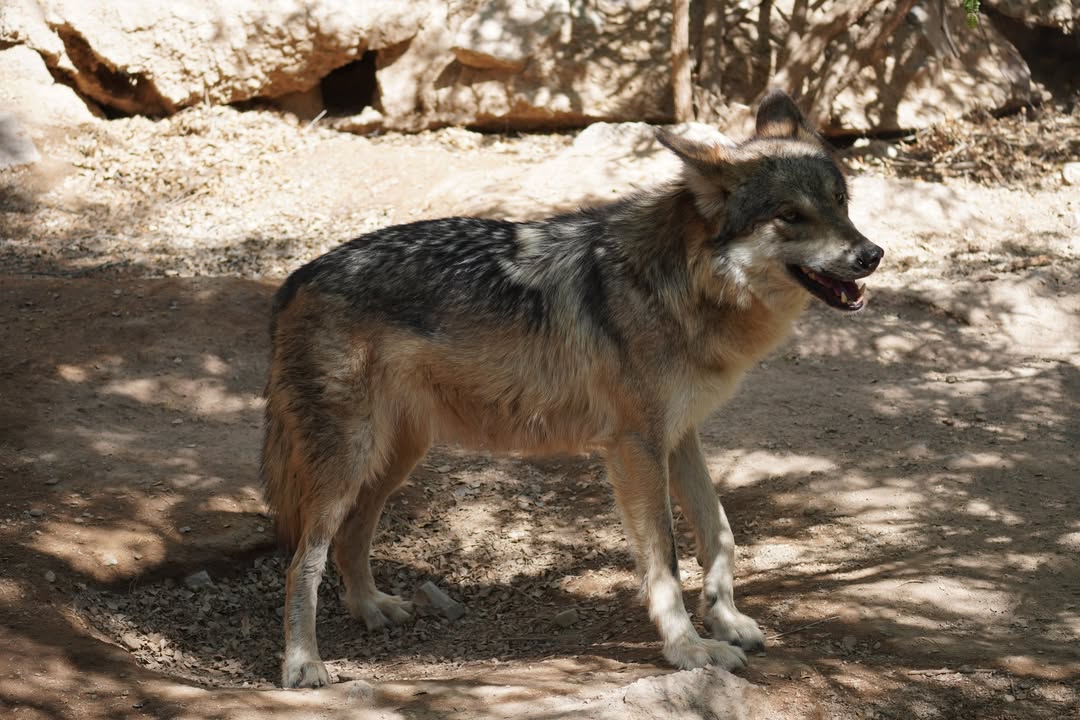
The Arizona-Sonora Desert Museum is less a conventional museum than a large outdoor Sonoran Desert campus blending zoo, botanical garden, aquarium, art, and natural history into one place. That fit your day perfectly, because it extended what you had already been seeing on the trails with better wildlife encounters, more cactus blooms, tortoise babies, rattlesnakes, and a deeper look at the desert as a whole system.
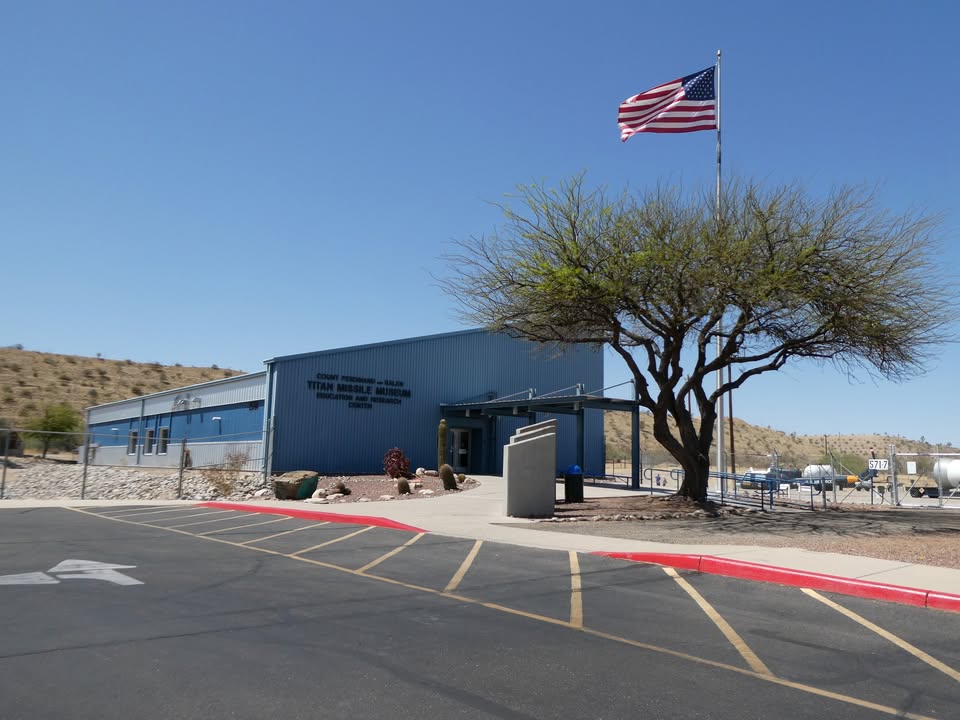
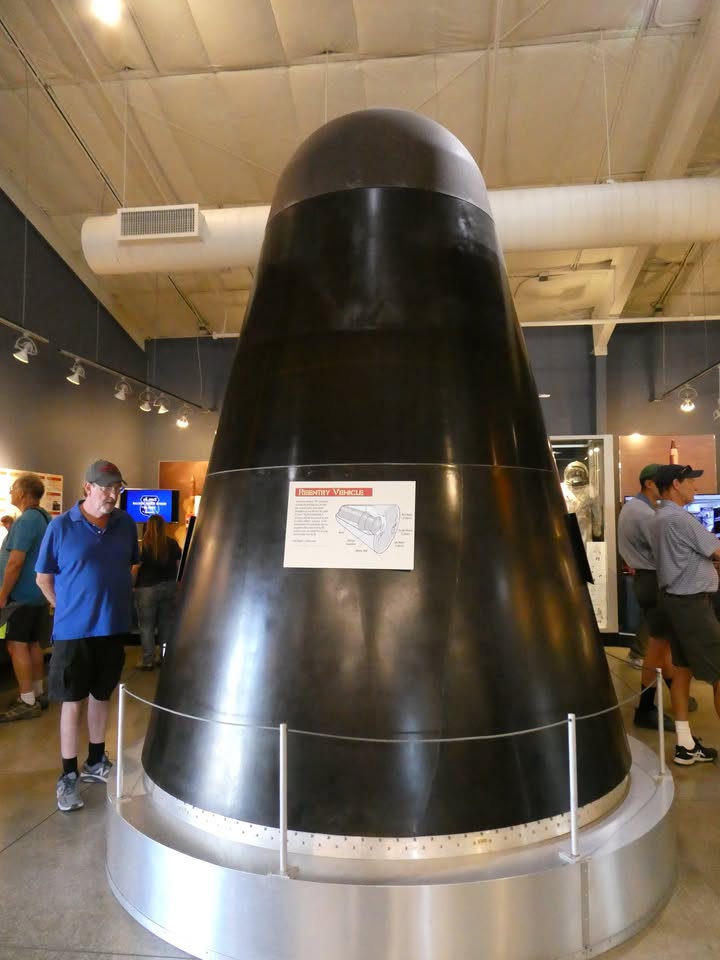
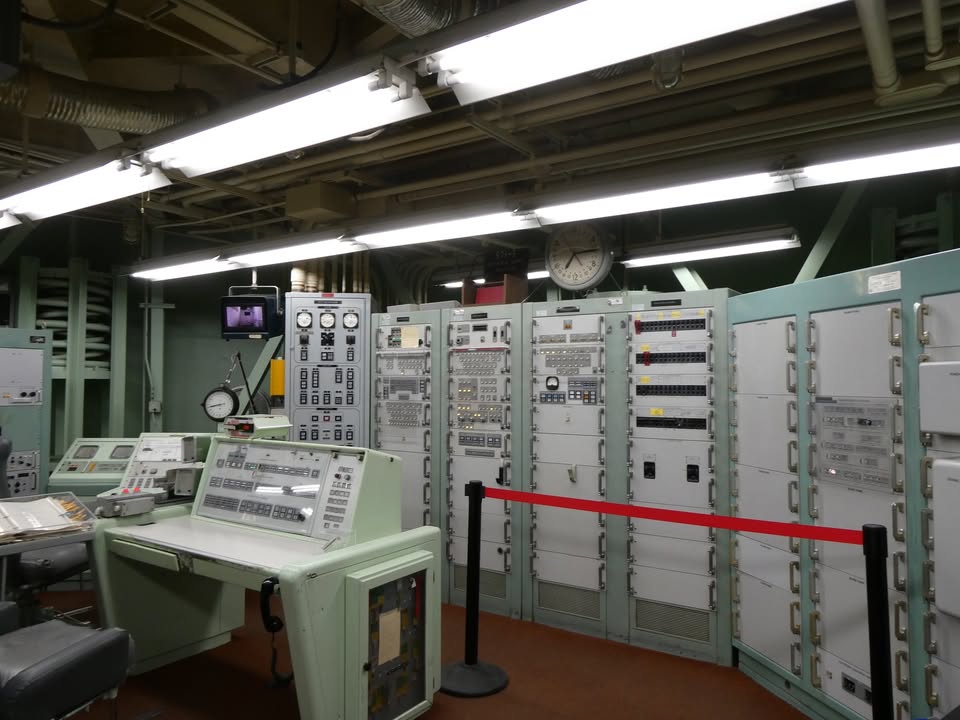
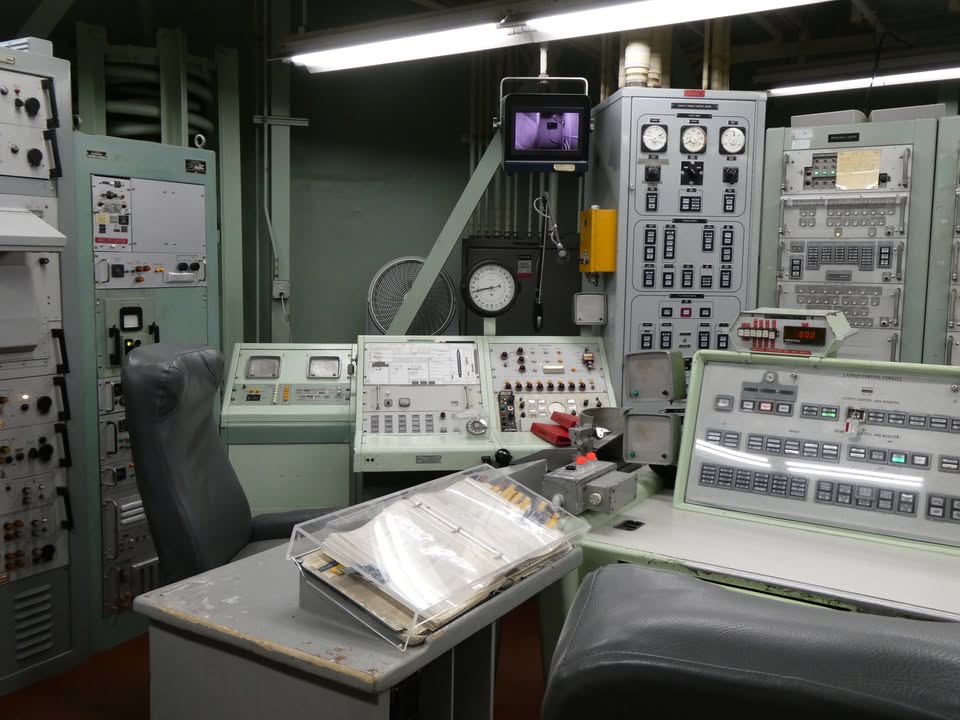
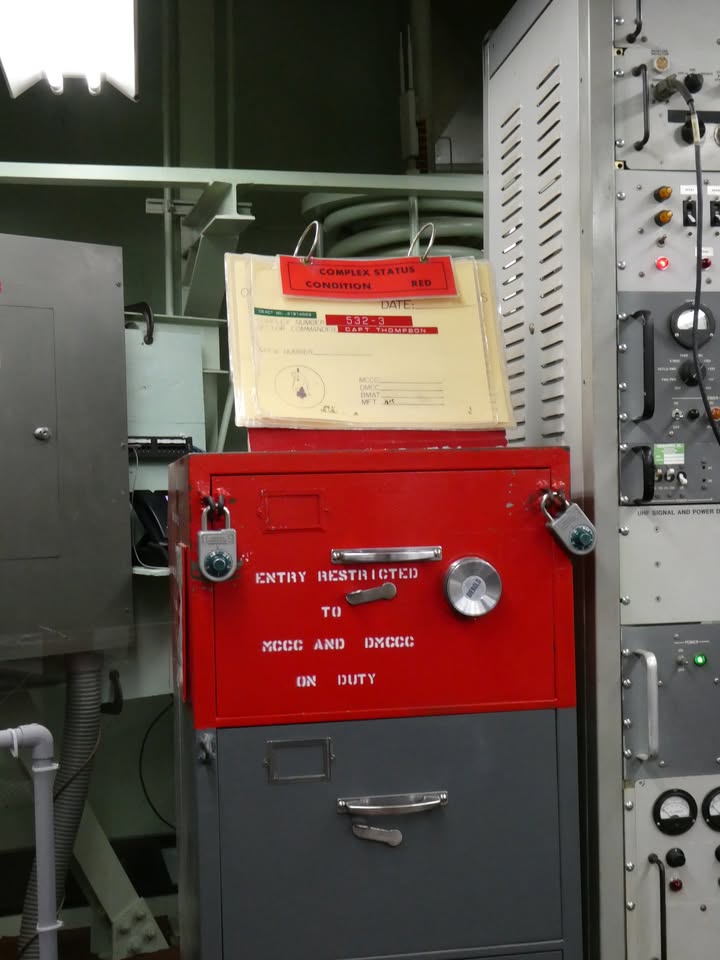
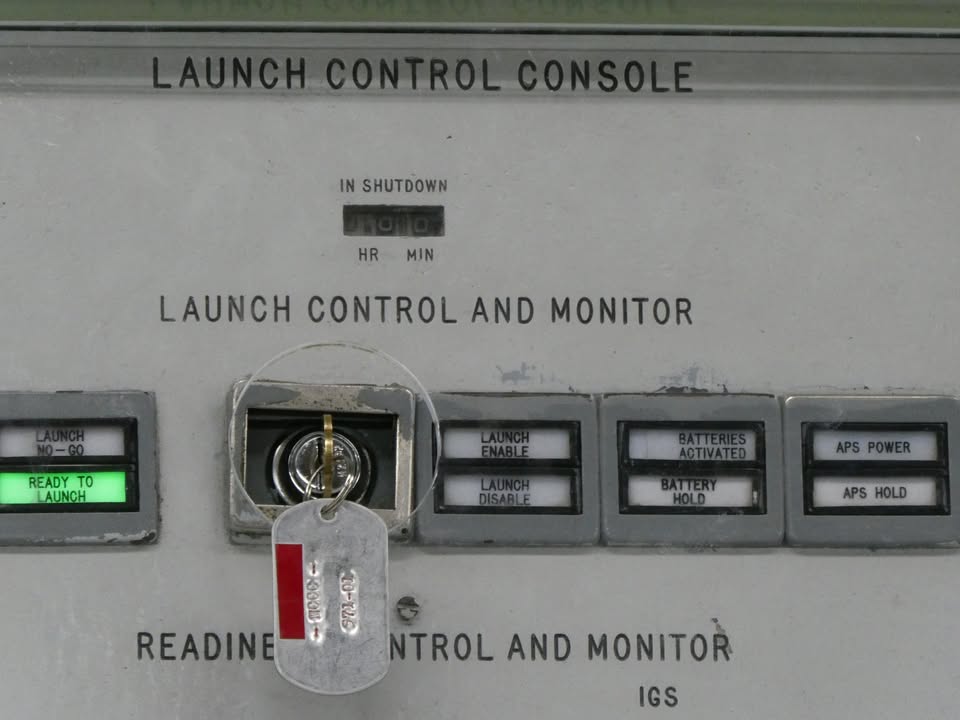
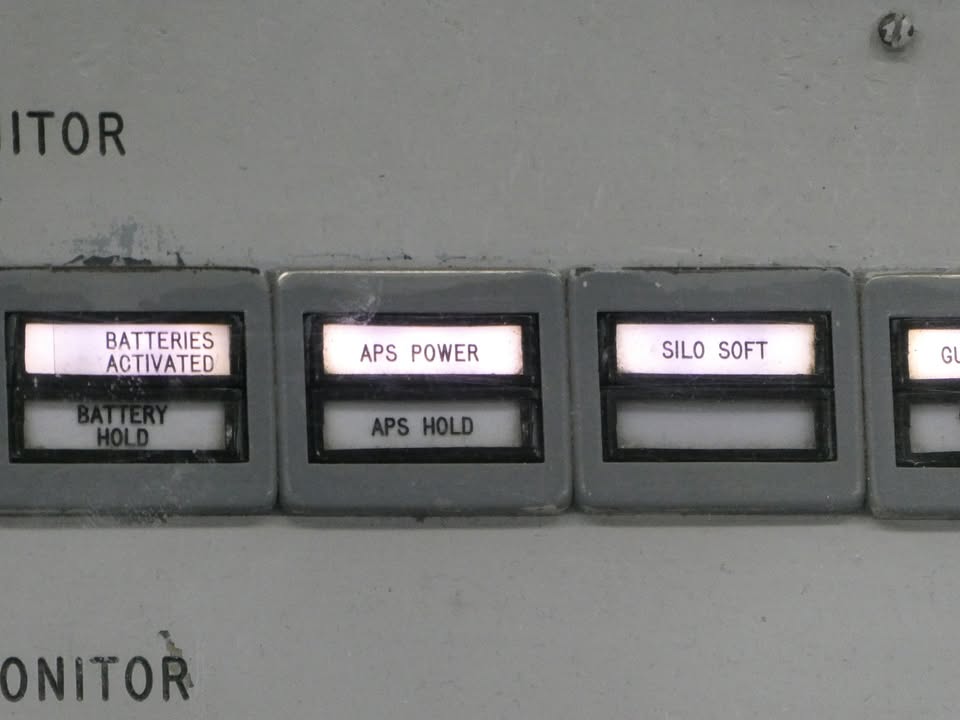
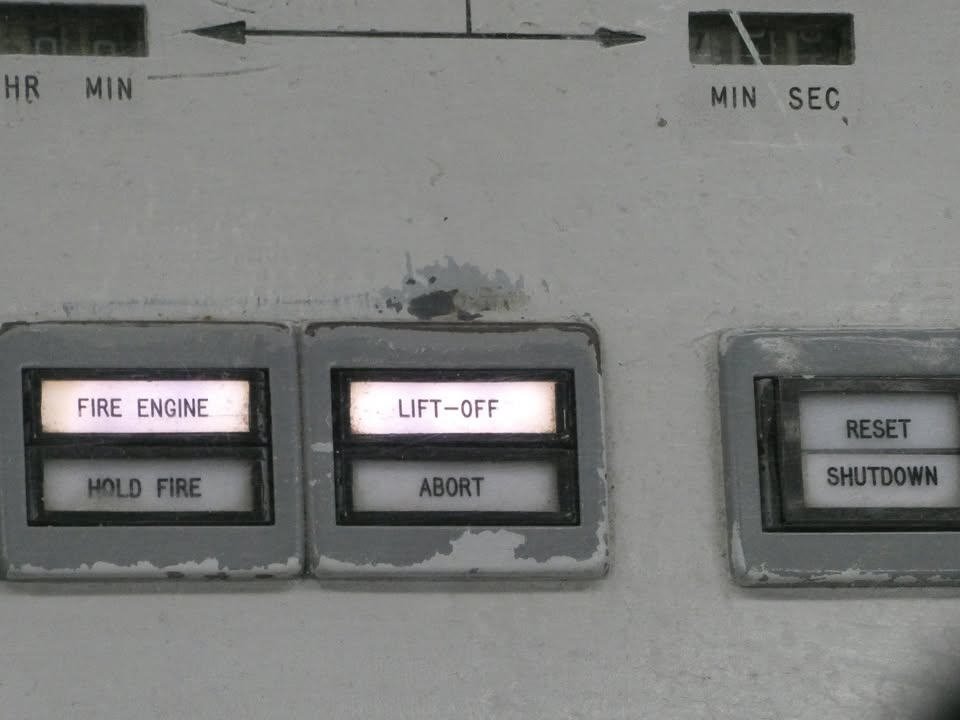
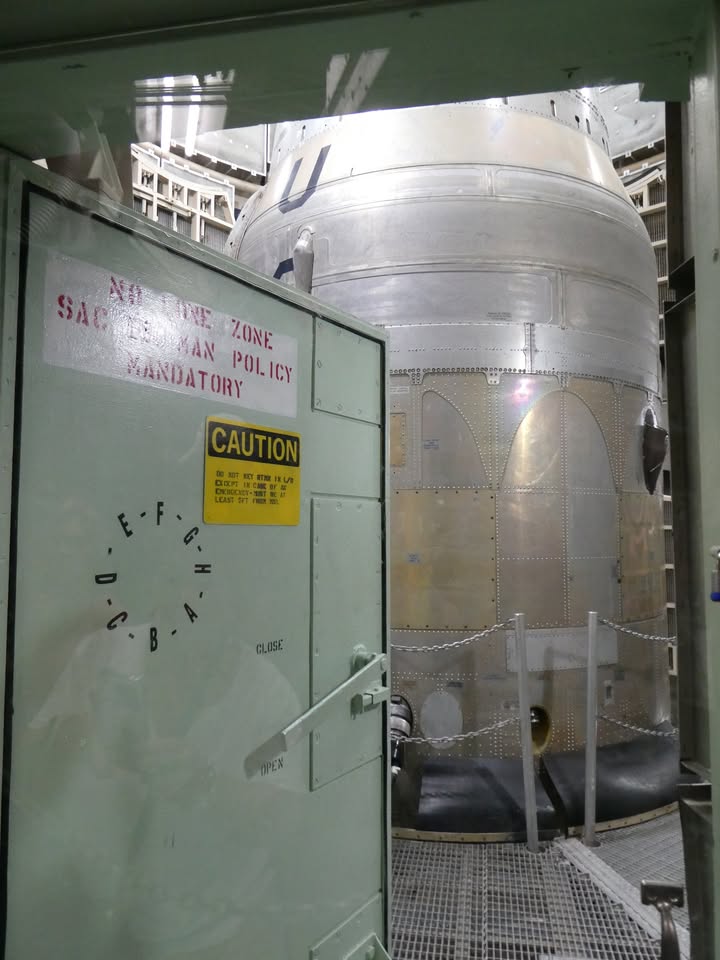
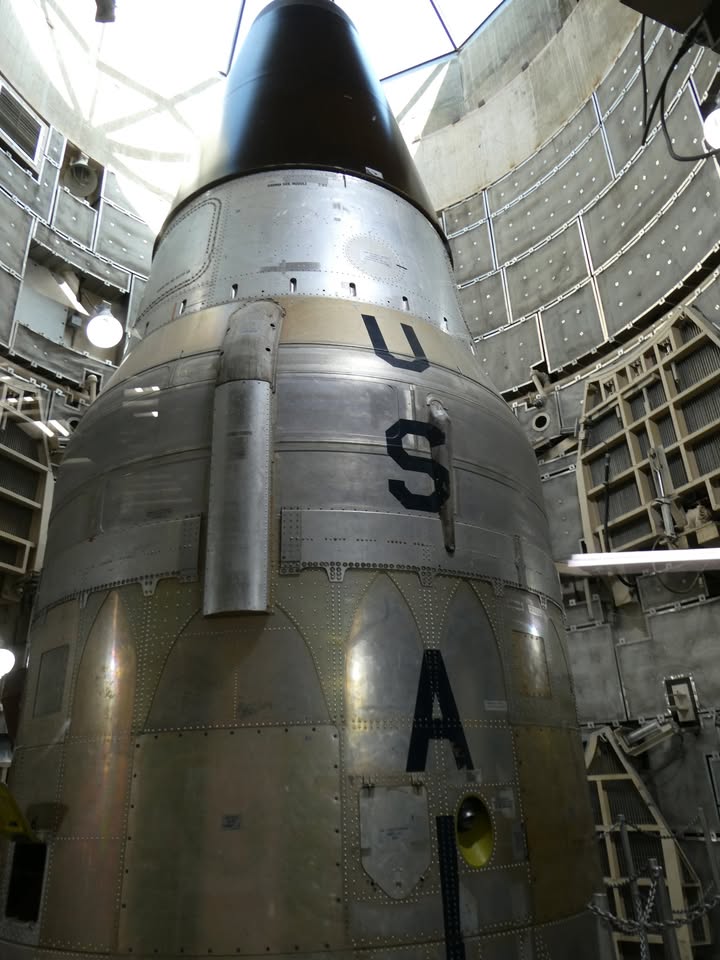
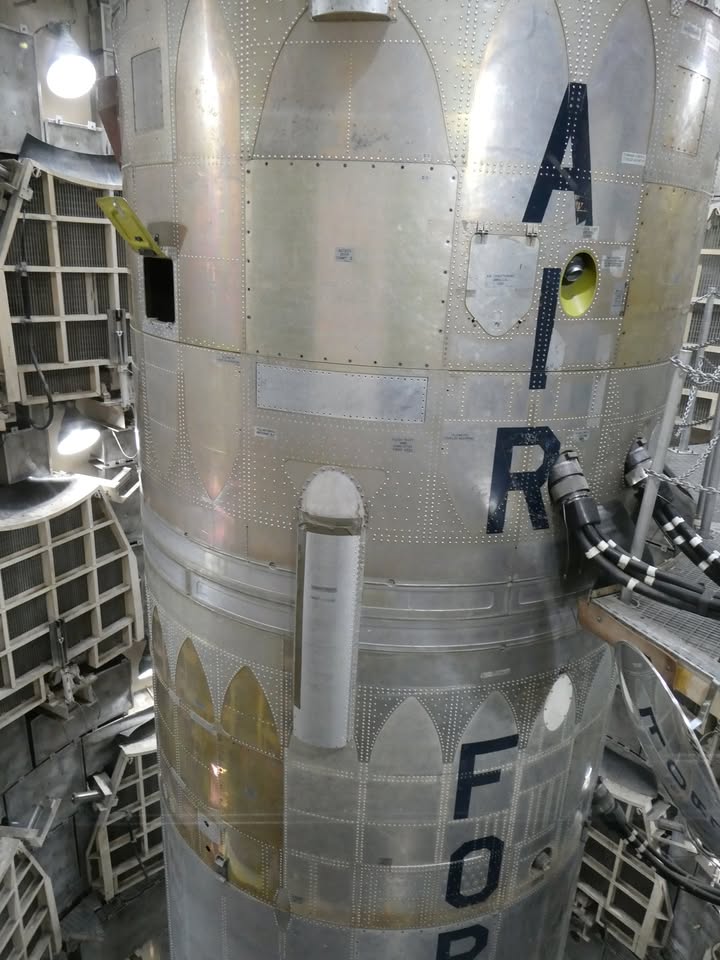
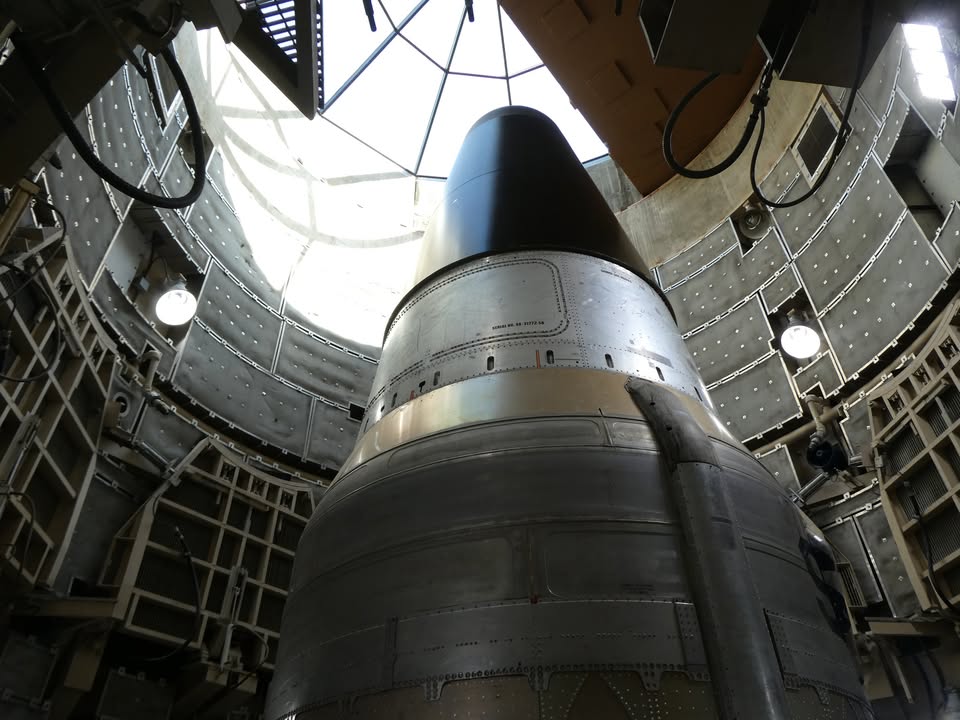
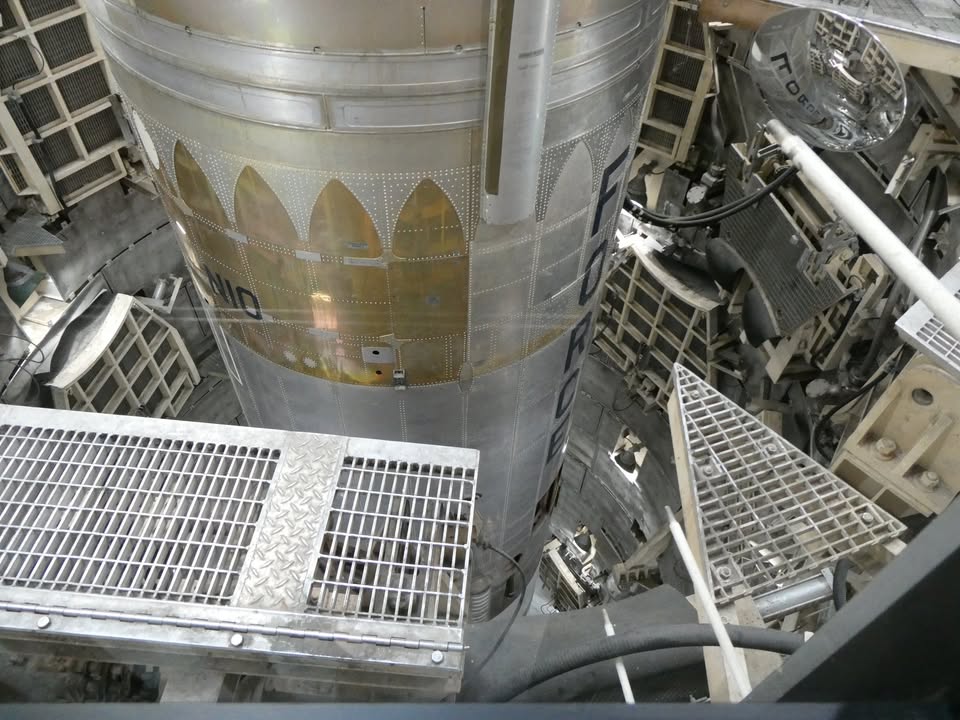
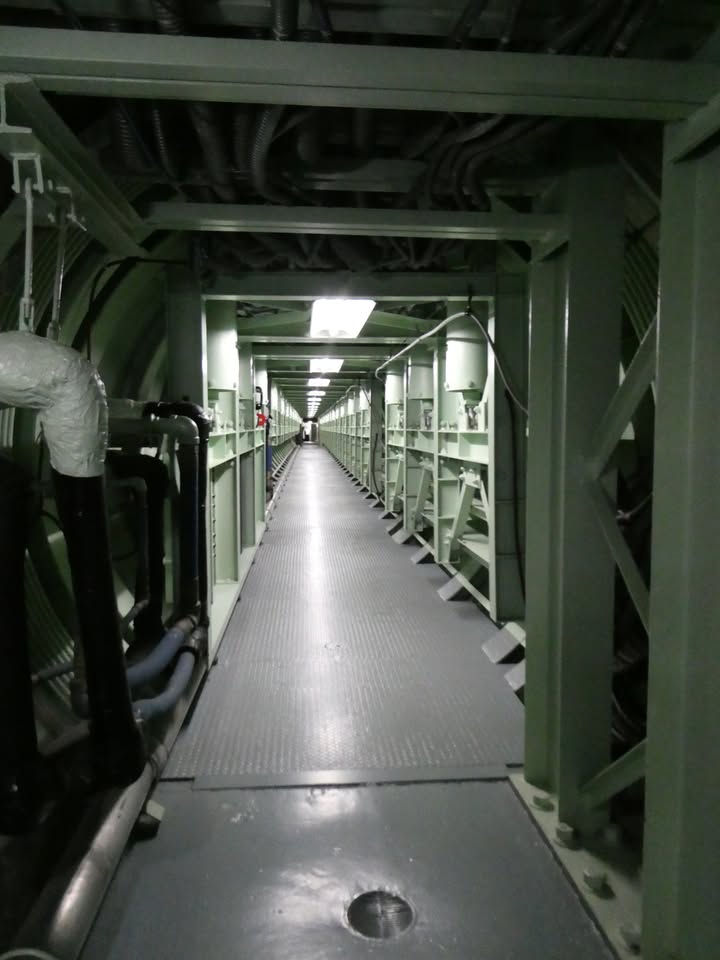
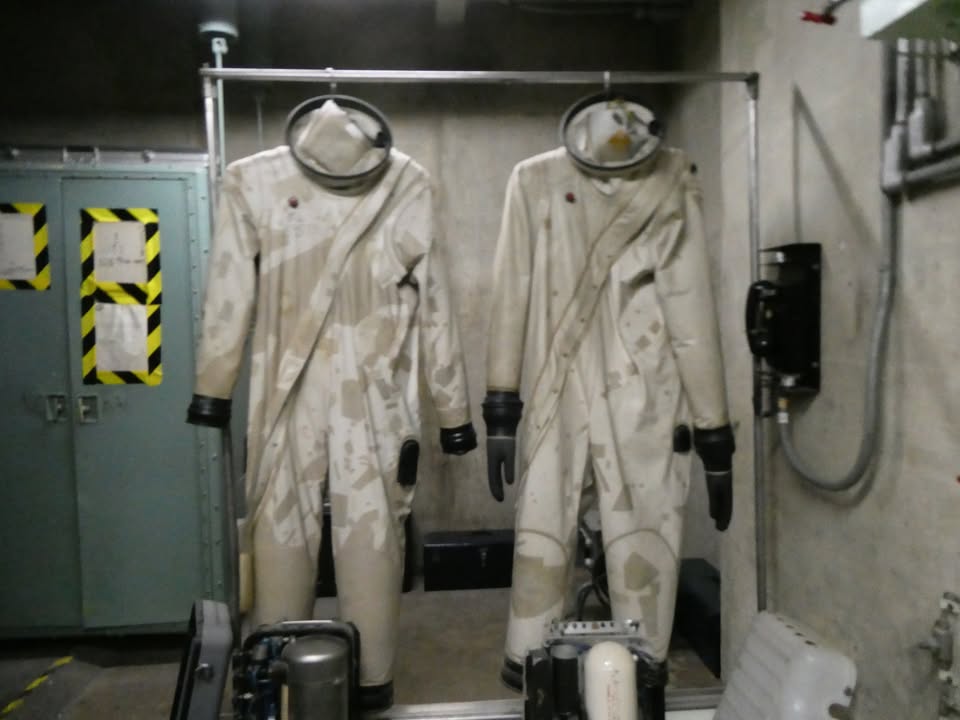
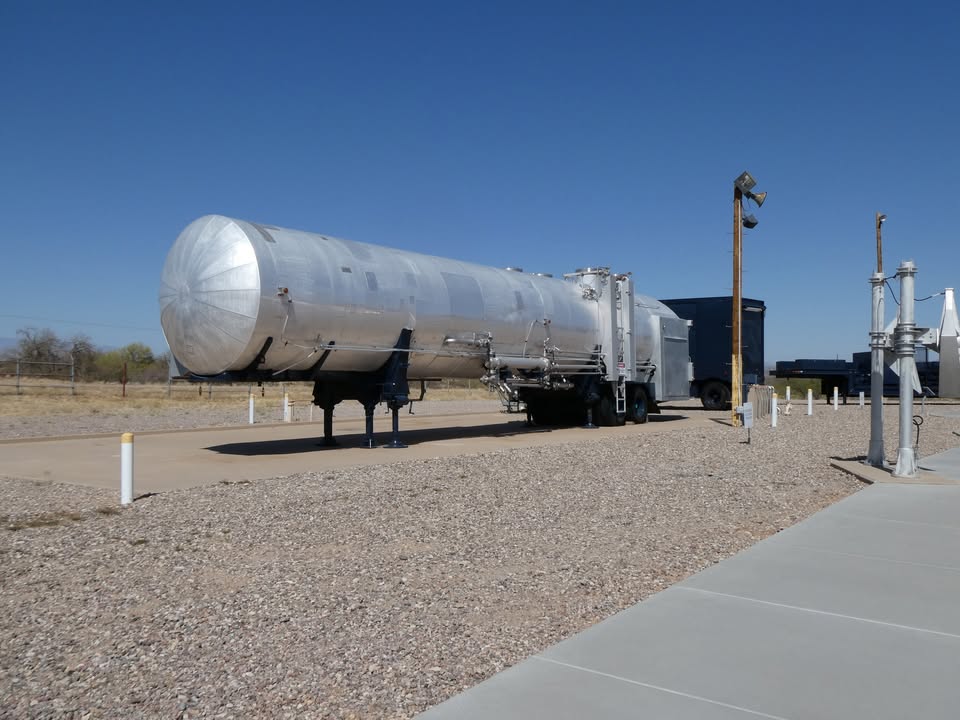
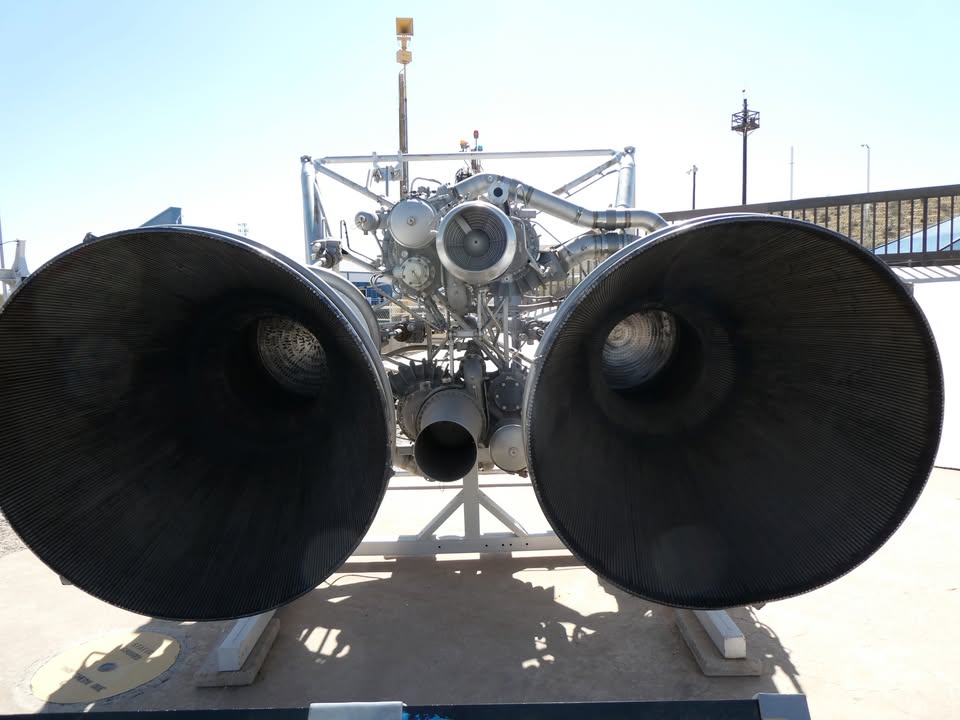
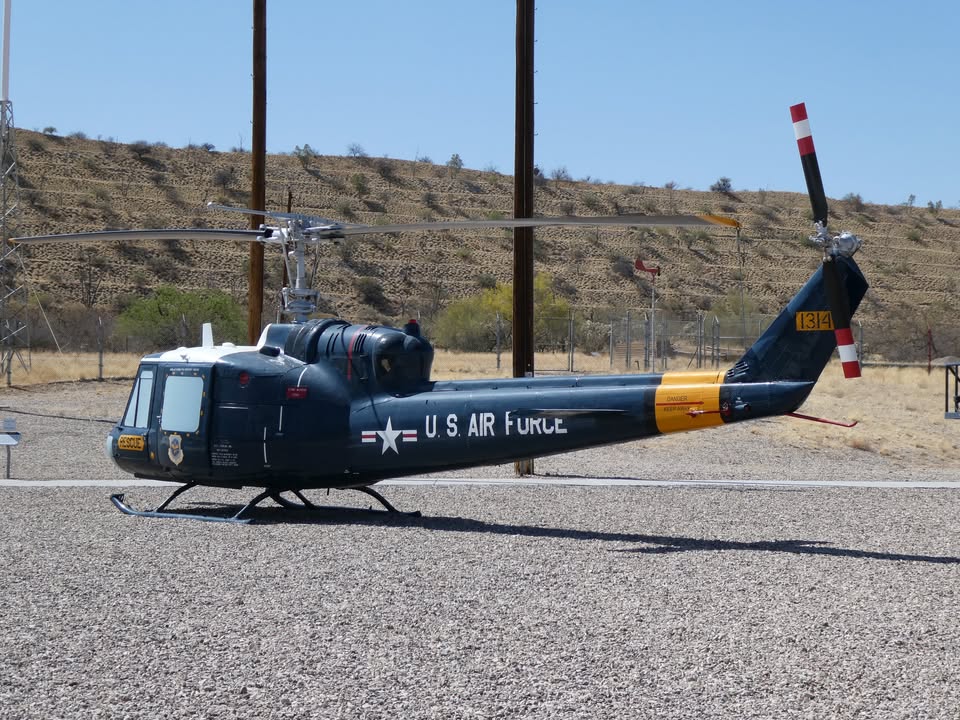
The Titan Missile Museum preserves the only remaining Titan II site open to the public, which makes it one of the clearest ways to grasp the scale, speed, and tension of the Cold War missile system. Your story gave it extra punch because it was not just a history stop, but a real underground launch complex where the 58-second launch timeline and simulated countdown made the era feel unsettlingly concrete.
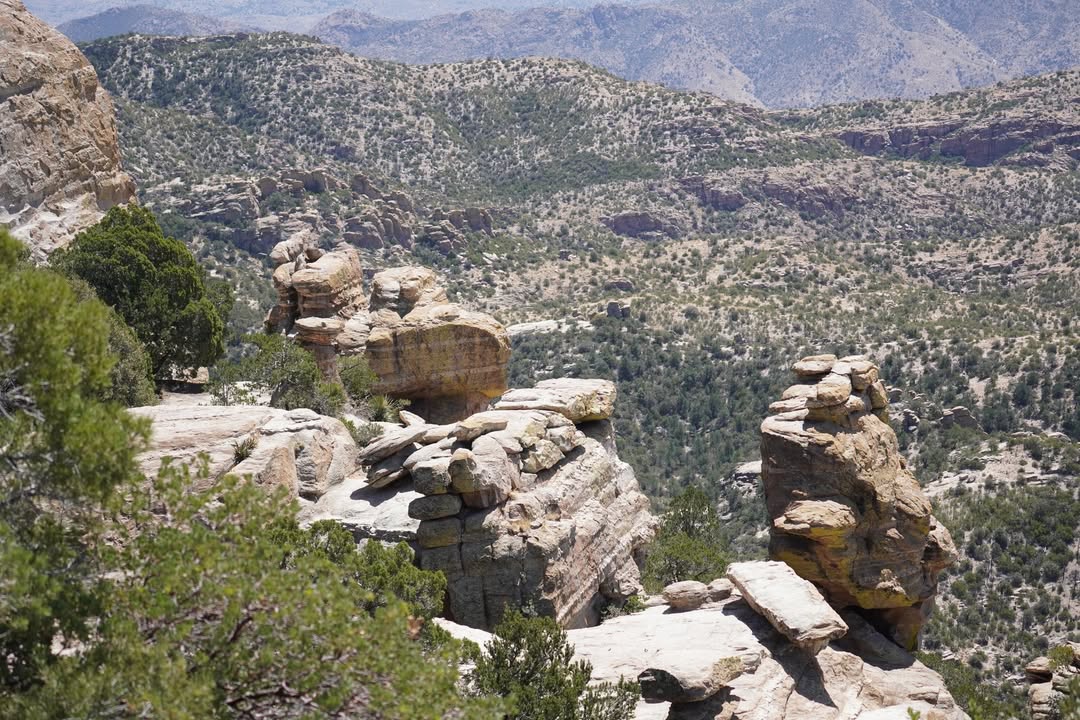
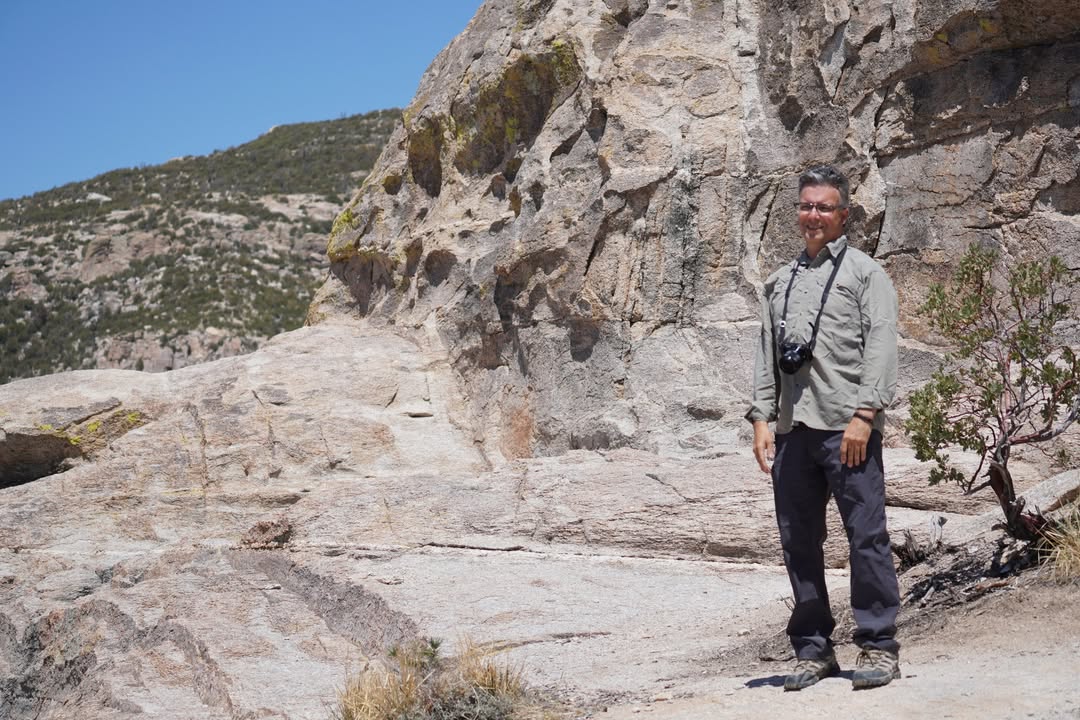
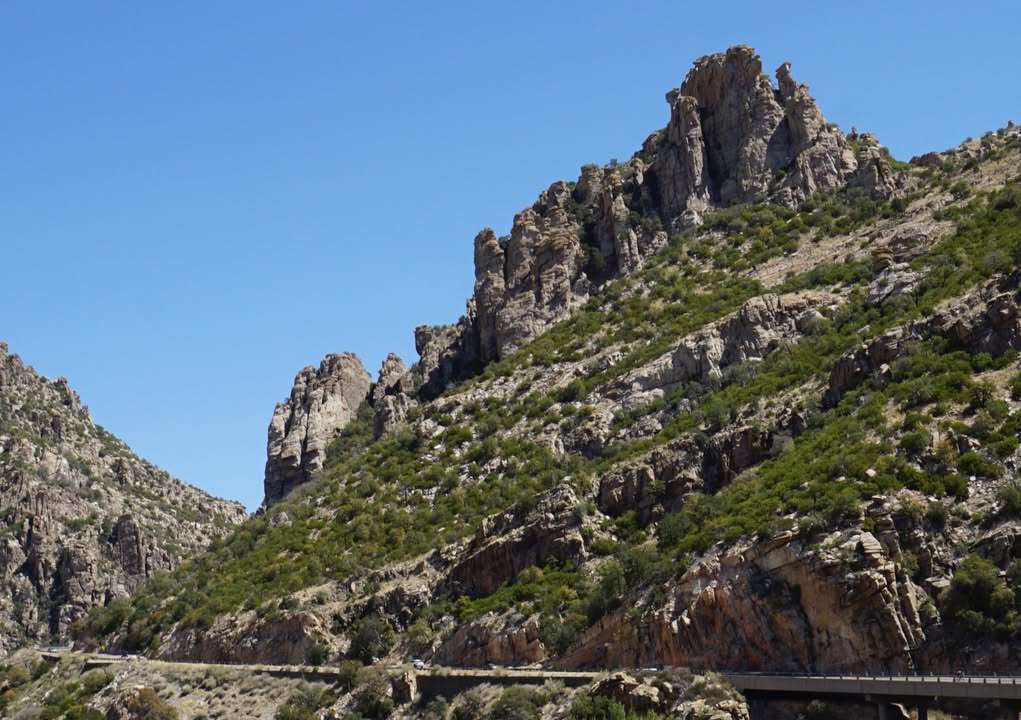
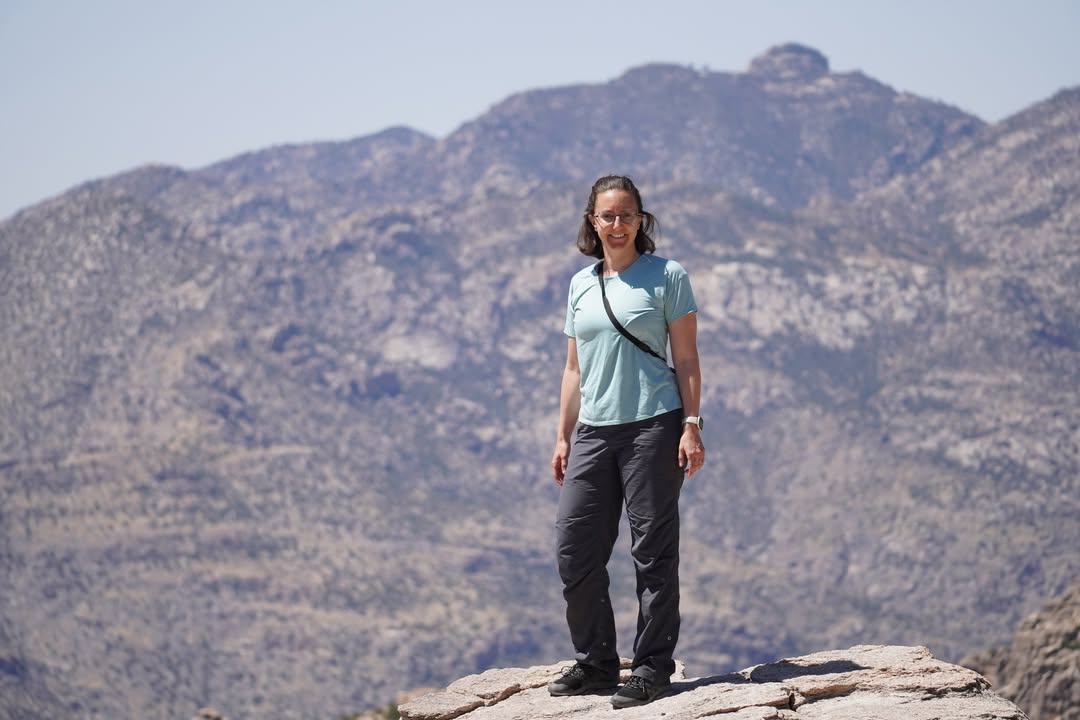
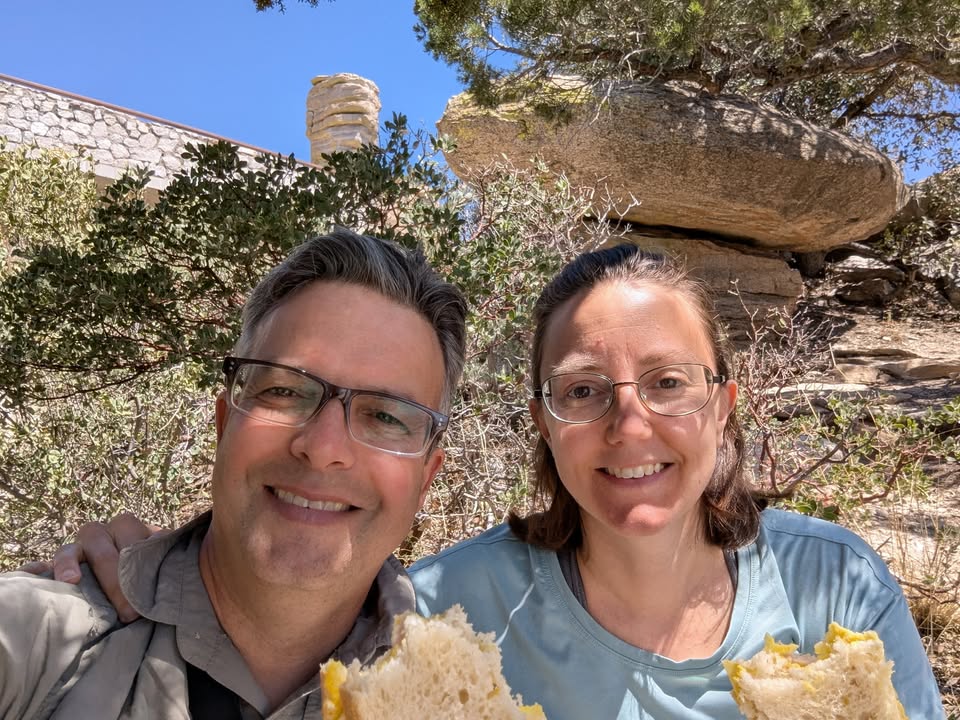
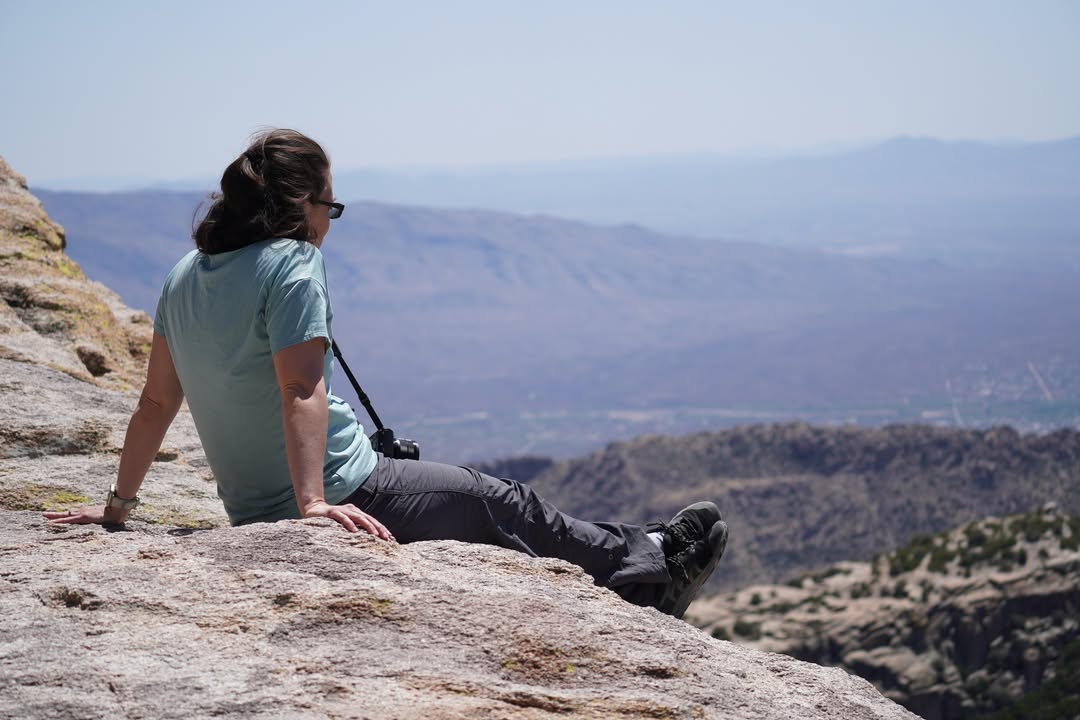
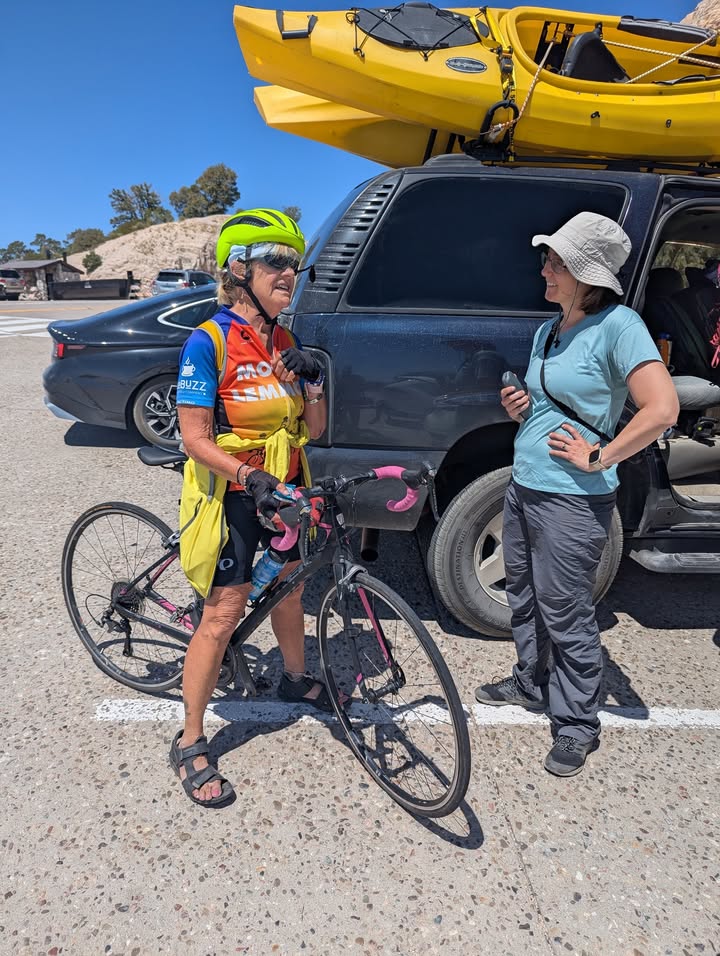
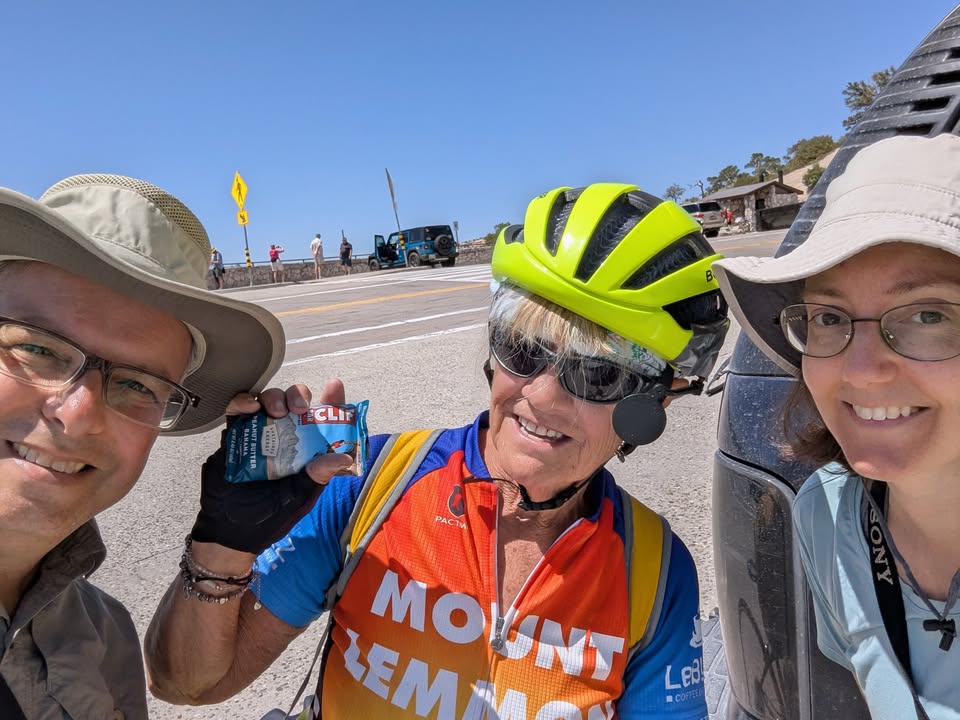
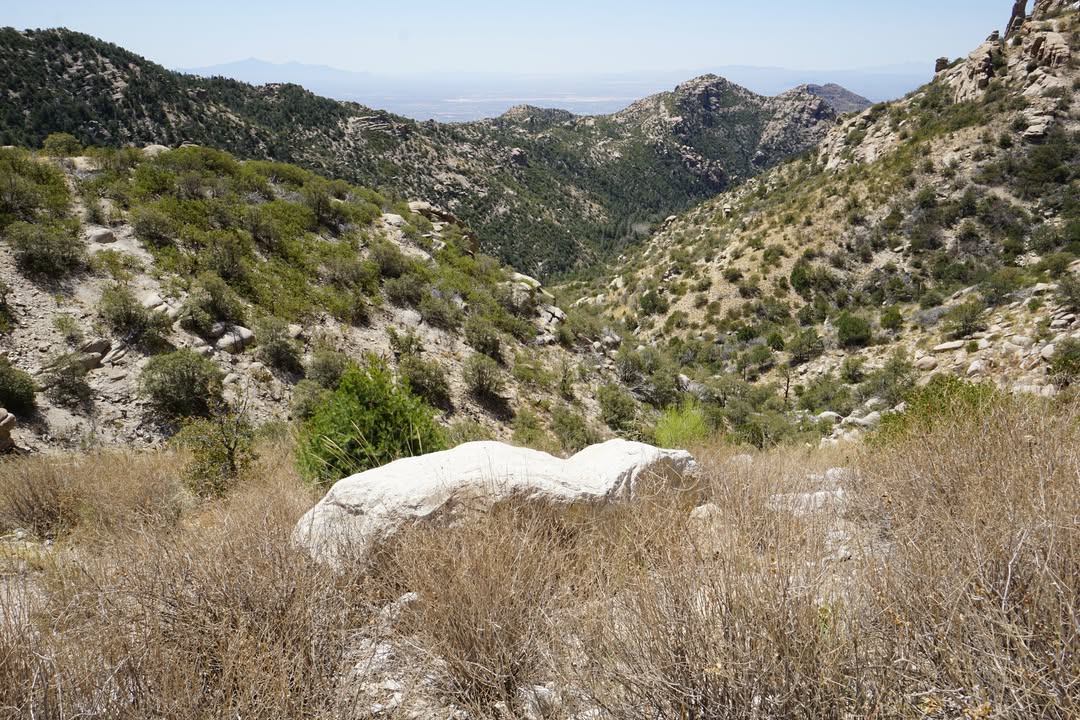
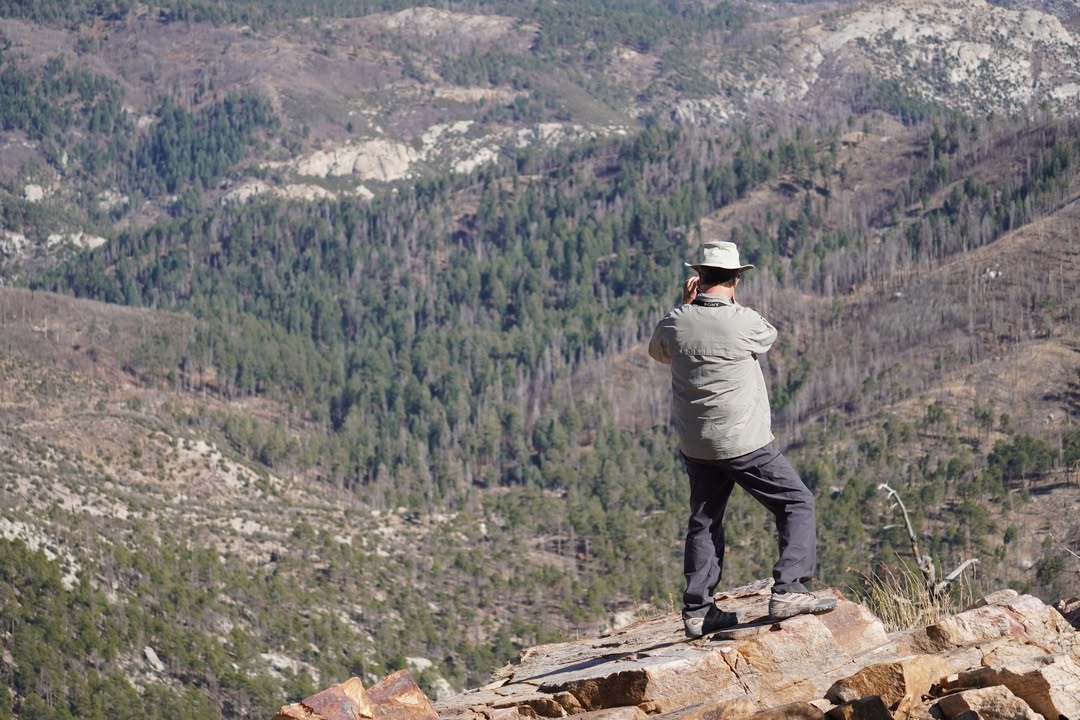
The Mount Lemmon Scenic Byway, also known as Catalina Highway, is the dramatic Tucson climb from Sonoran Desert into high-elevation forest, packing the biological equivalent of a Mexico-to-Canada vegetation shift into a single mountain road. In your story it delivered exactly that transformation: cyclists grinding uphill, wide pullout views, lunch at Windy Point, a huge temperature drop, and the feeling of leaving desert Tucson behind for a totally different mountain world.
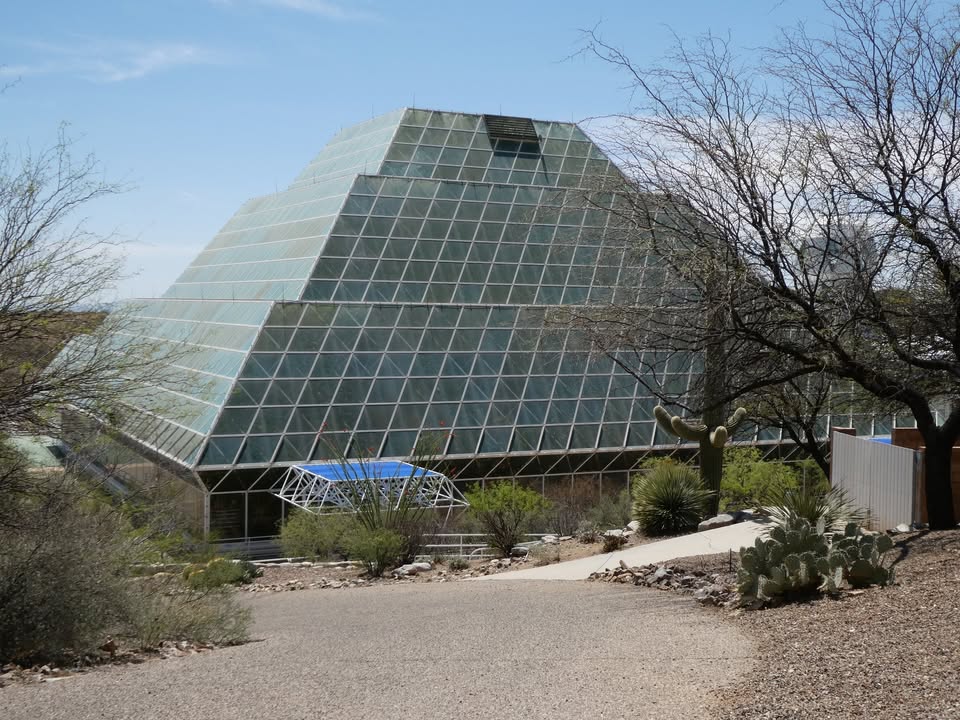
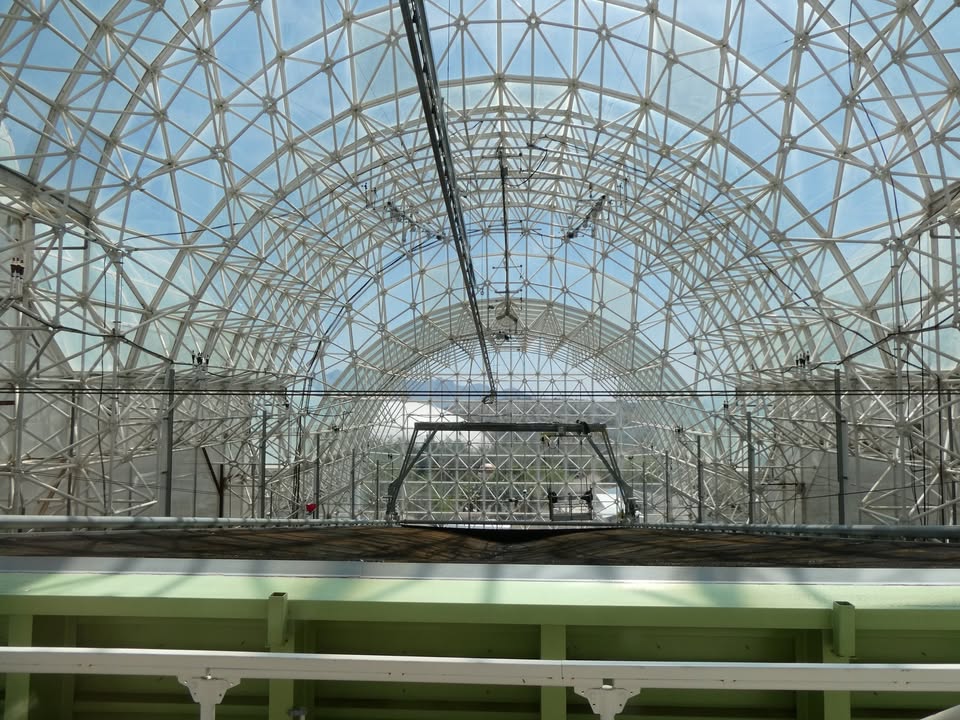
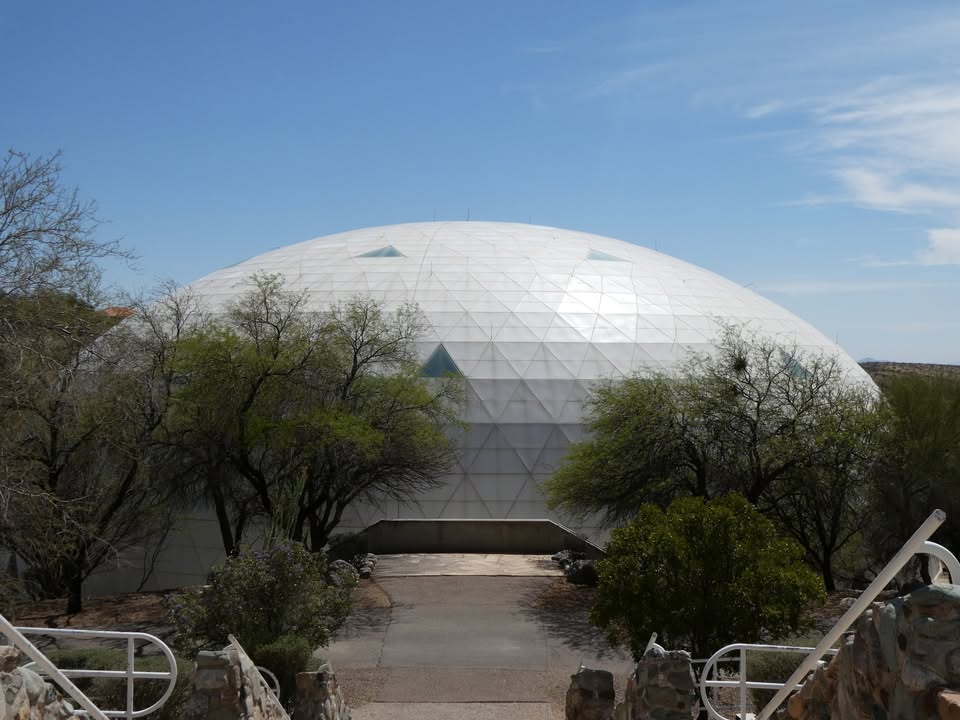
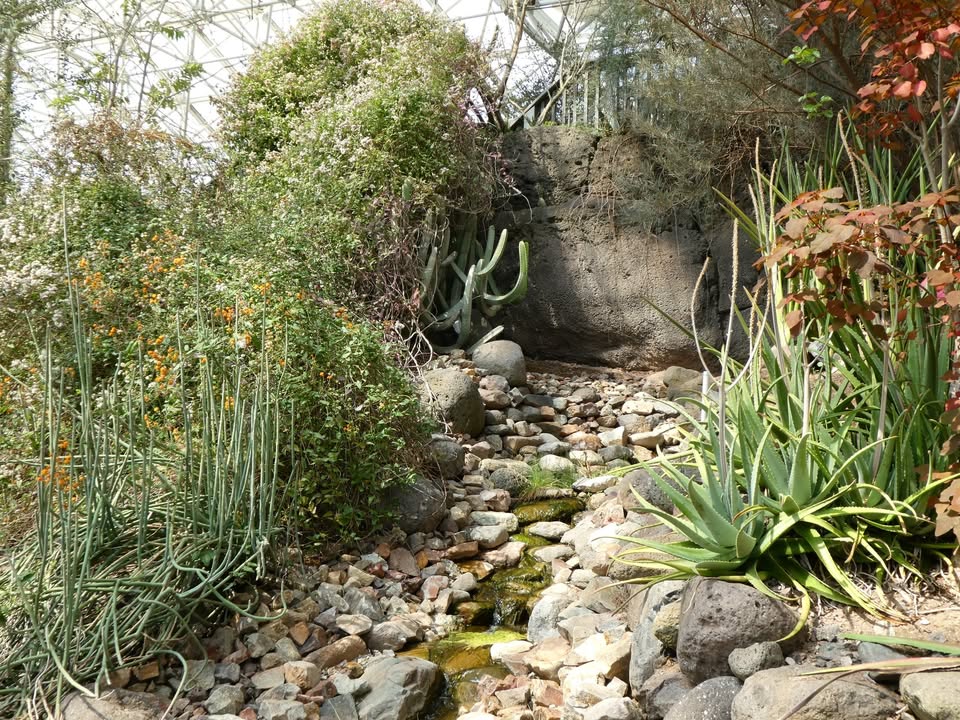
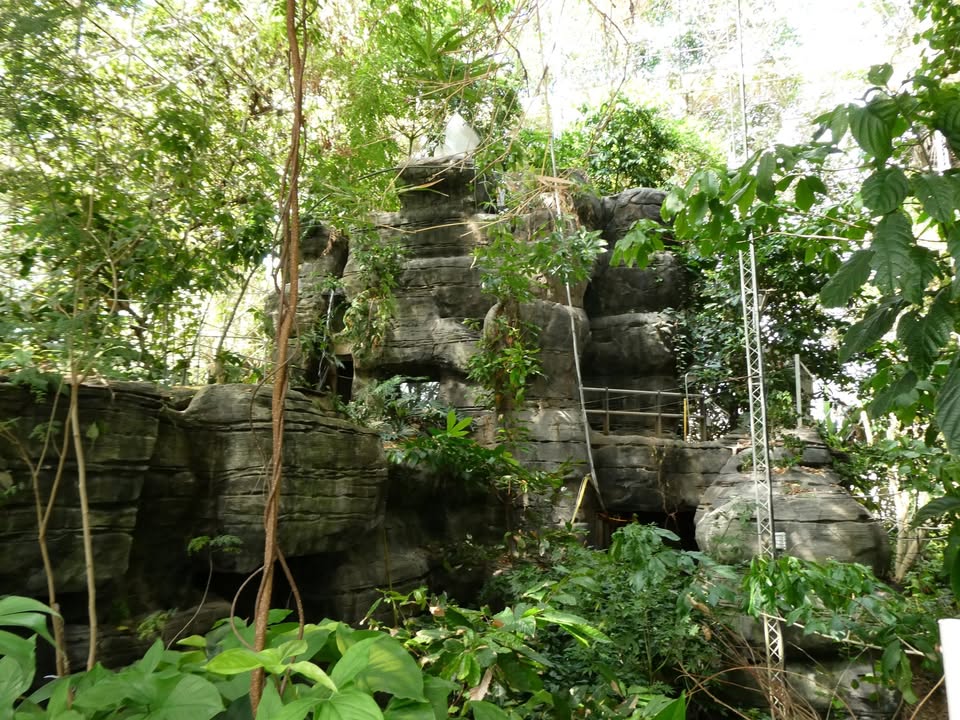
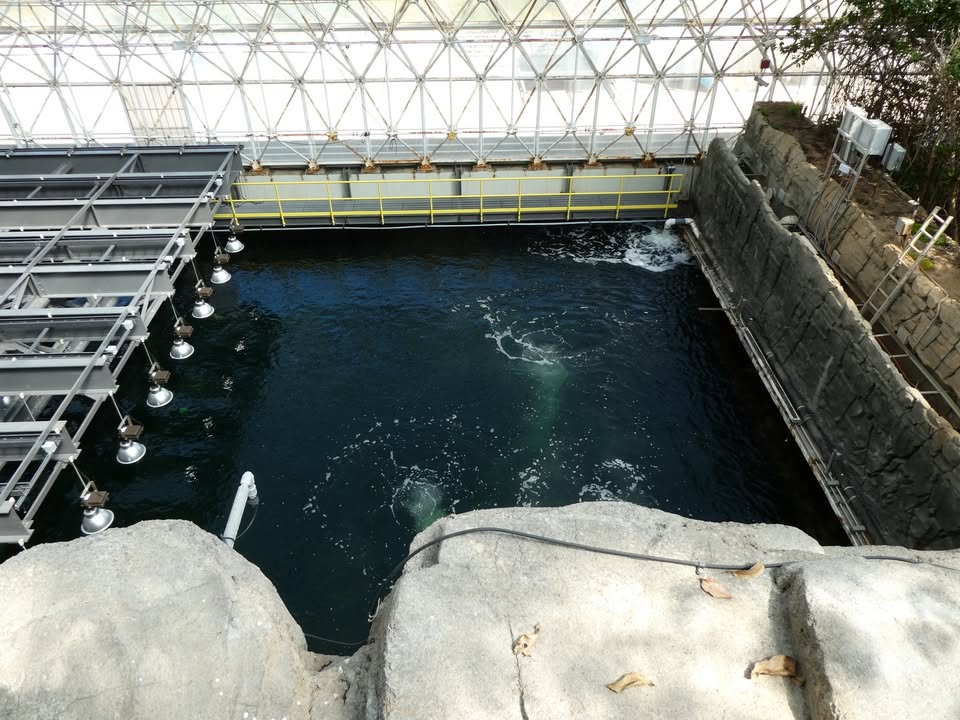
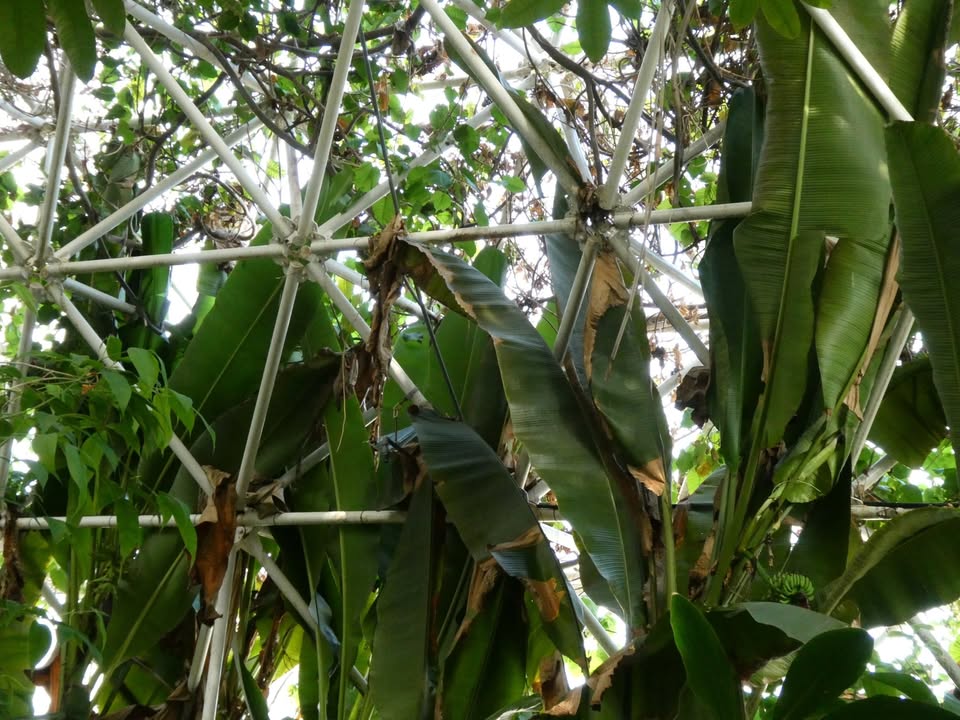
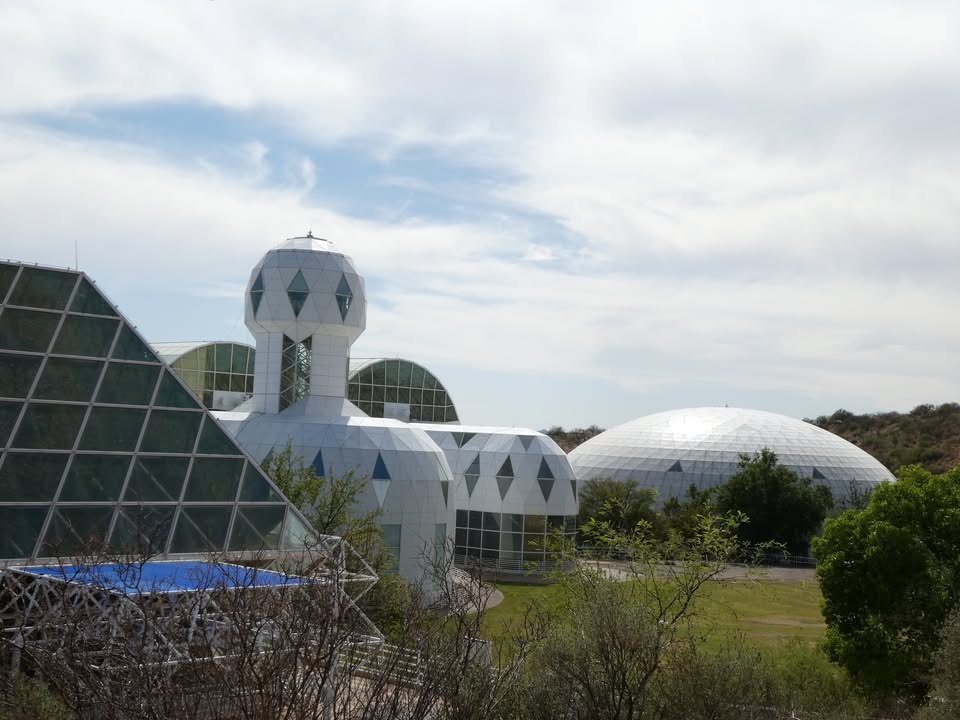
Biosphere 2 is a sealed research facility built around full biome-scale experimentation, with rainforest, ocean, desert, mangrove, and other systems under glass as part of a long-running attempt to understand closed ecosystems and Earth-system resilience. What made it work in your story was that it felt both ambitious and weirdly human: part climate-science lab, part 1990s space-colony dream, and part cautionary tale about how hard it is to recreate the balance of the real planet.