Biosphere 2
5 / 6
Biosphere 2 is a massive, self-contained ecosystem in the Arizona desert designed to mimic Earth. Completed in the late 1980s, it was built to answer a bold question. Could humans live in a sealed environment, growing their own food and recycling everything? The idea was that this could one day support life in space.
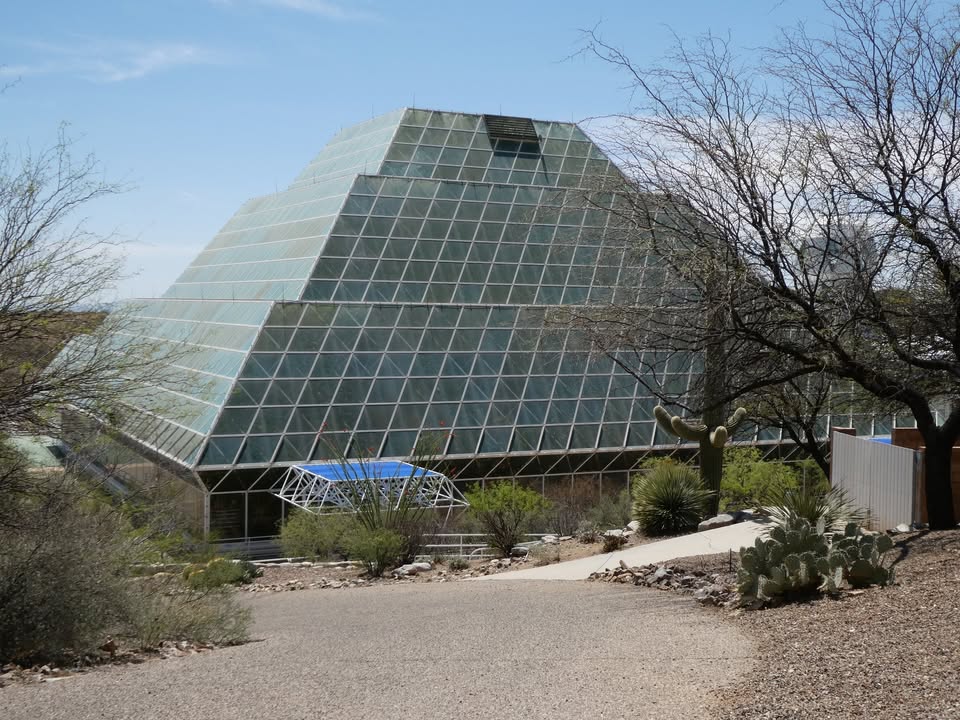
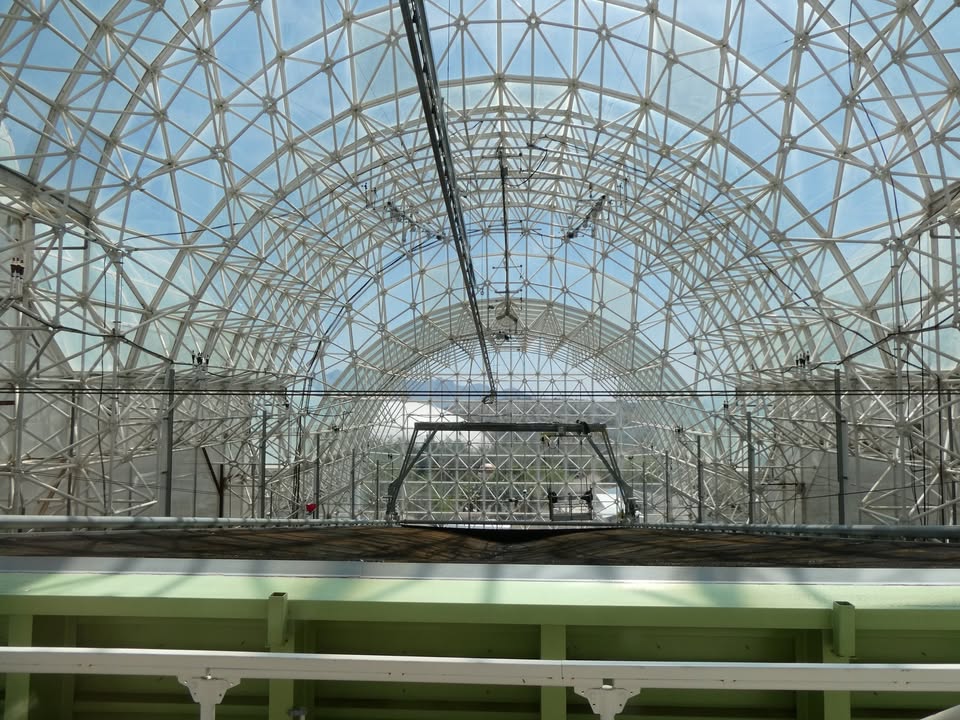
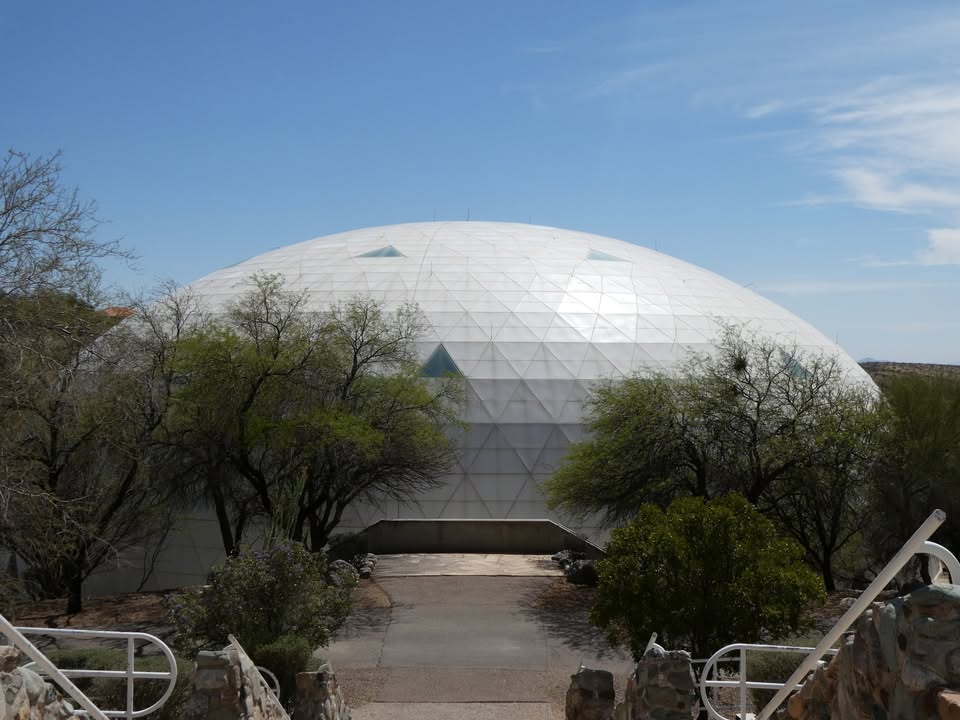
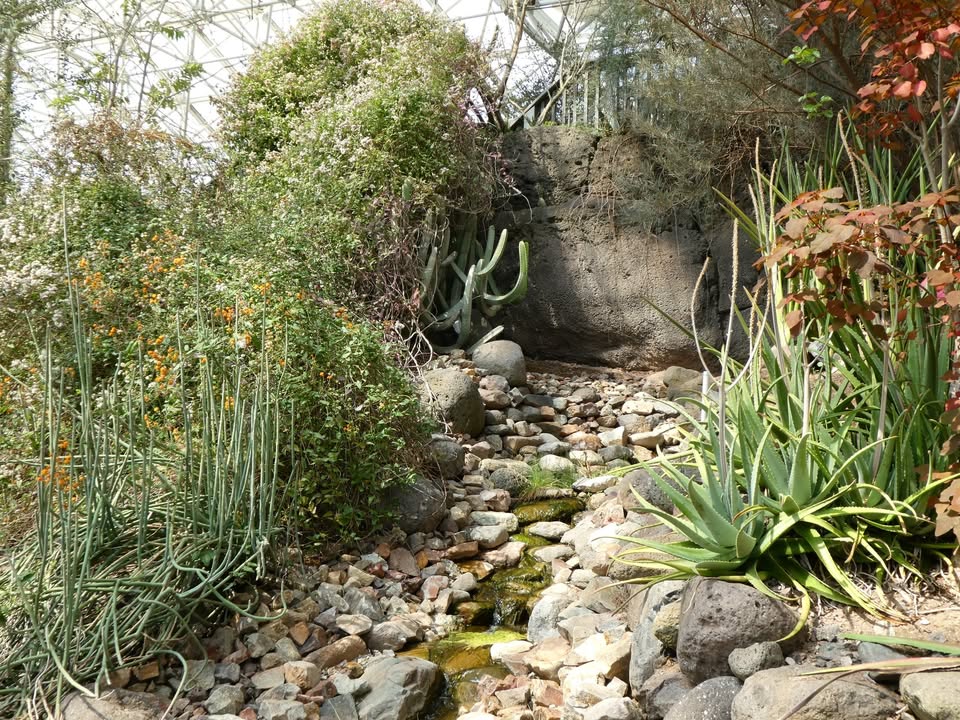
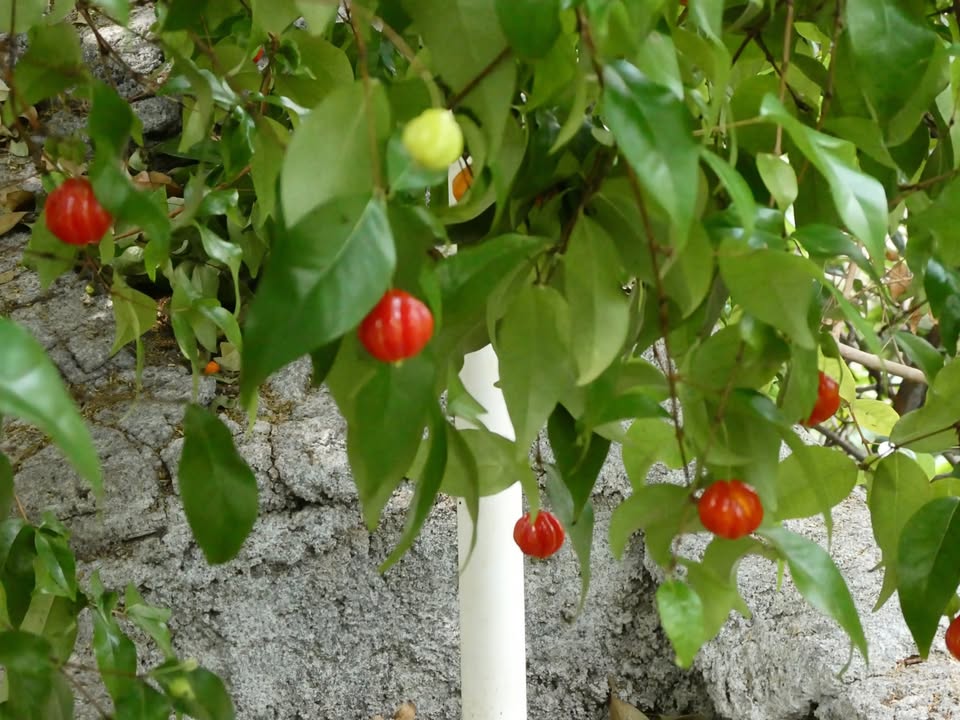

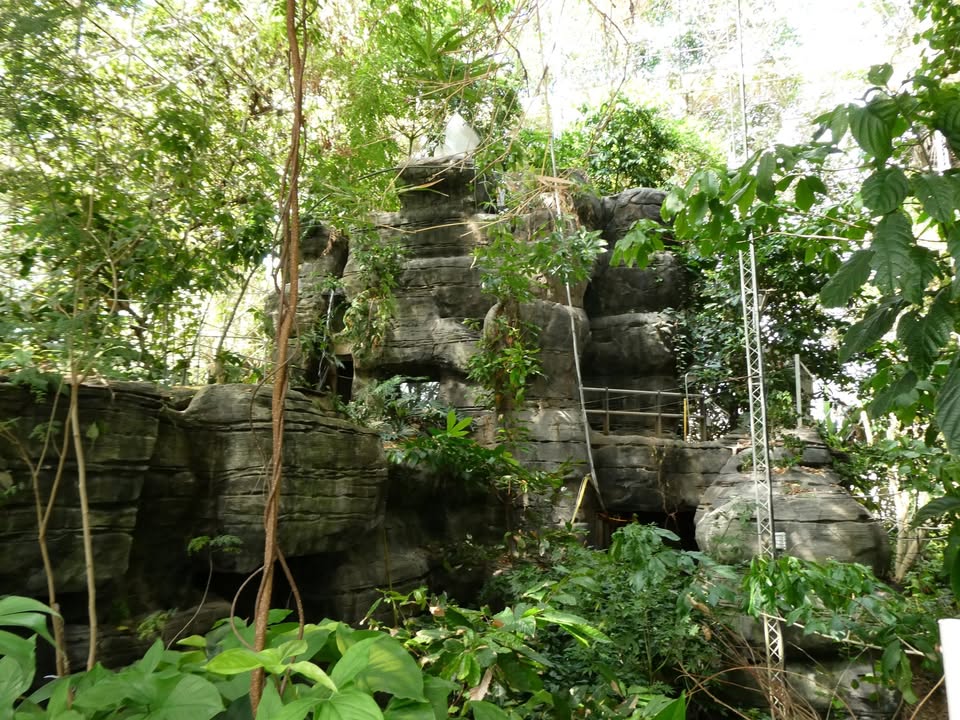
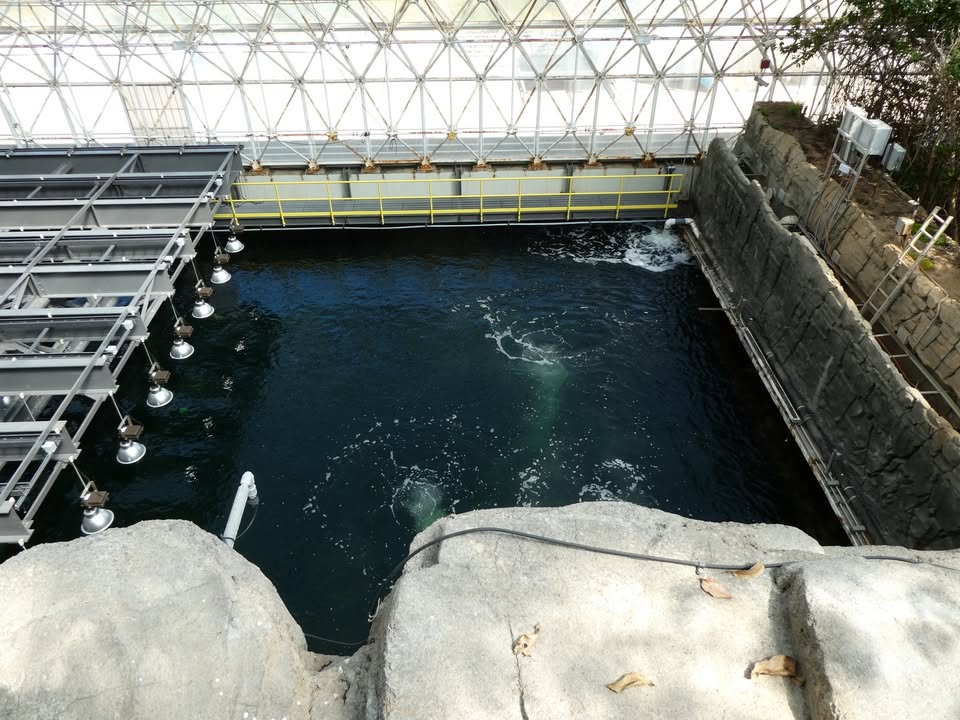
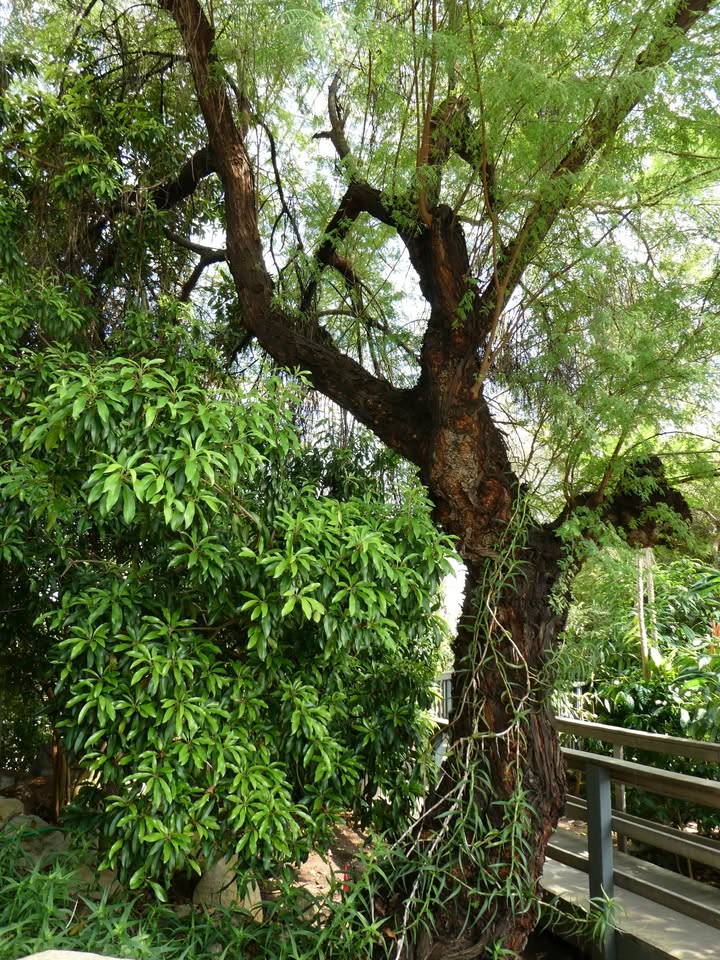
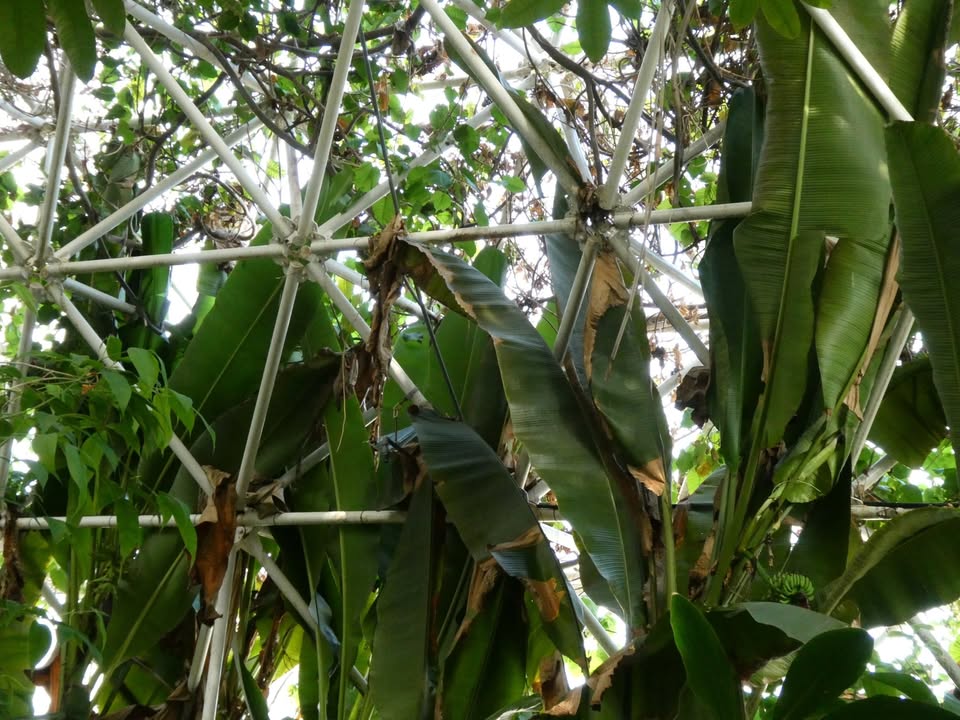
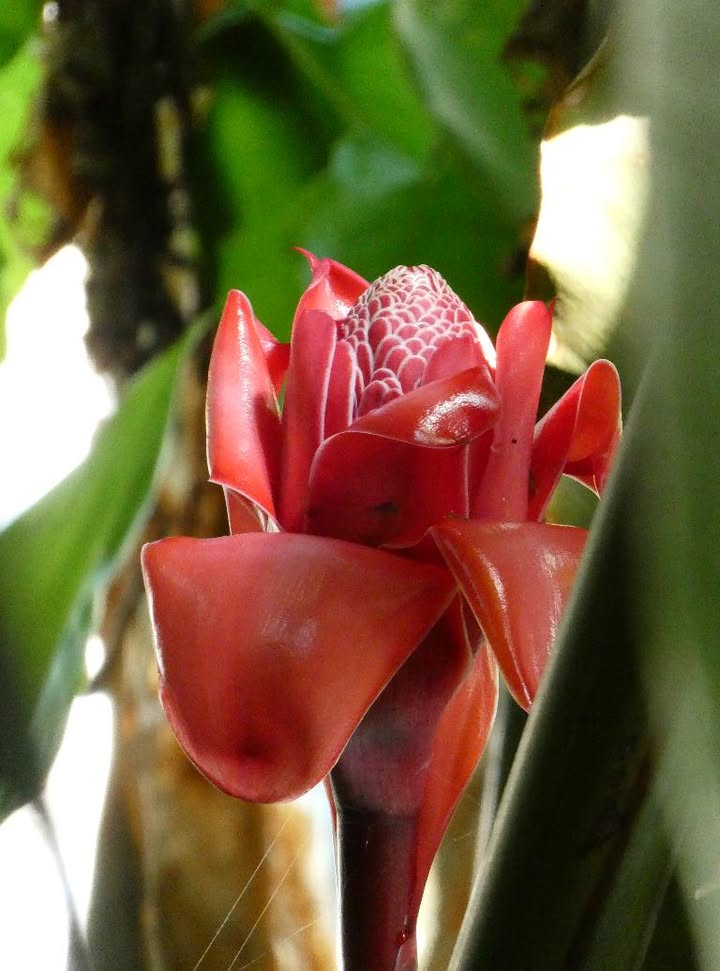
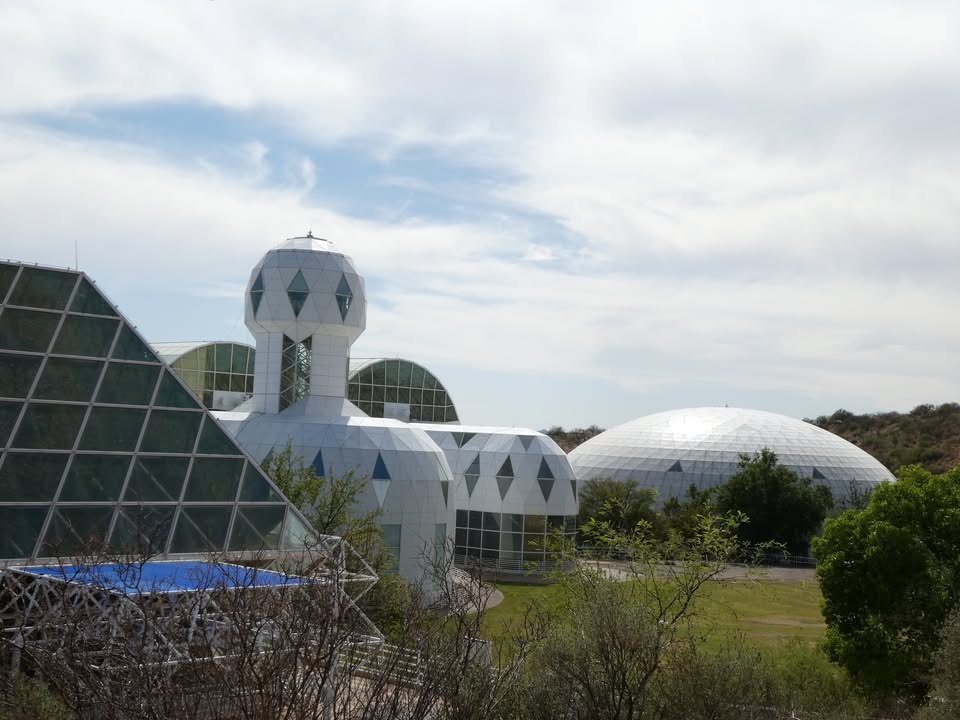
In 1991, eight people were sealed inside for a planned two-year mission. Within the structure were five distinct biomes, including a rainforest, an ocean with a coral reef, a savanna, a desert, and mangrove wetlands. All of it was supported by an intricate underground system controlling air, water, and nutrients. It was an ambitious attempt to recreate Earth in miniature.
But things did not go as planned.
Oxygen levels began to drop due to an unexpected interaction with the soil and structure, and eventually outside oxygen had to be added. Food production also fell short, and the crew quietly received supplemental rations. When that information surfaced, it sparked controversy and damaged public trust in the project.
Still, the experiment revealed just how complex and fragile Earth’s systems really are. Creating a balanced, closed ecosystem turned out to be far more difficult than anyone expected.
More than 30 years later, we still have not figured out how to sustain human life in a fully closed system for the long term. In that sense, Biosphere 2 was not a failure. It was a reality check.
Today, the facility is operated by the University of Arizona and used for research in climate science, ecology, and sustainability. Walking through it felt like stepping into one of the most unusual scientific experiments ever attempted, part science lab, part time capsule from a very optimistic vision of the future.
But things did not go as planned.
Oxygen levels began to drop due to an unexpected interaction with the soil and structure, and eventually outside oxygen had to be added. Food production also fell short, and the crew quietly received supplemental rations. When that information surfaced, it sparked controversy and damaged public trust in the project.
Still, the experiment revealed just how complex and fragile Earth’s systems really are. Creating a balanced, closed ecosystem turned out to be far more difficult than anyone expected.
More than 30 years later, we still have not figured out how to sustain human life in a fully closed system for the long term. In that sense, Biosphere 2 was not a failure. It was a reality check.
Today, the facility is operated by the University of Arizona and used for research in climate science, ecology, and sustainability. Walking through it felt like stepping into one of the most unusual scientific experiments ever attempted, part science lab, part time capsule from a very optimistic vision of the future.