Quick Take
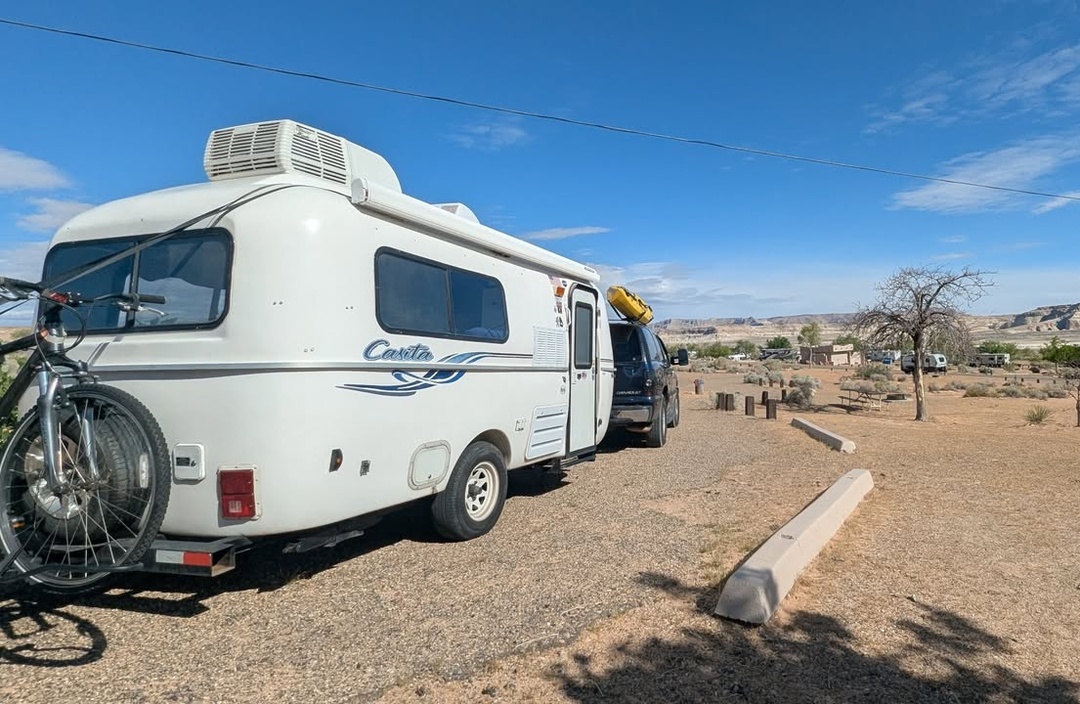
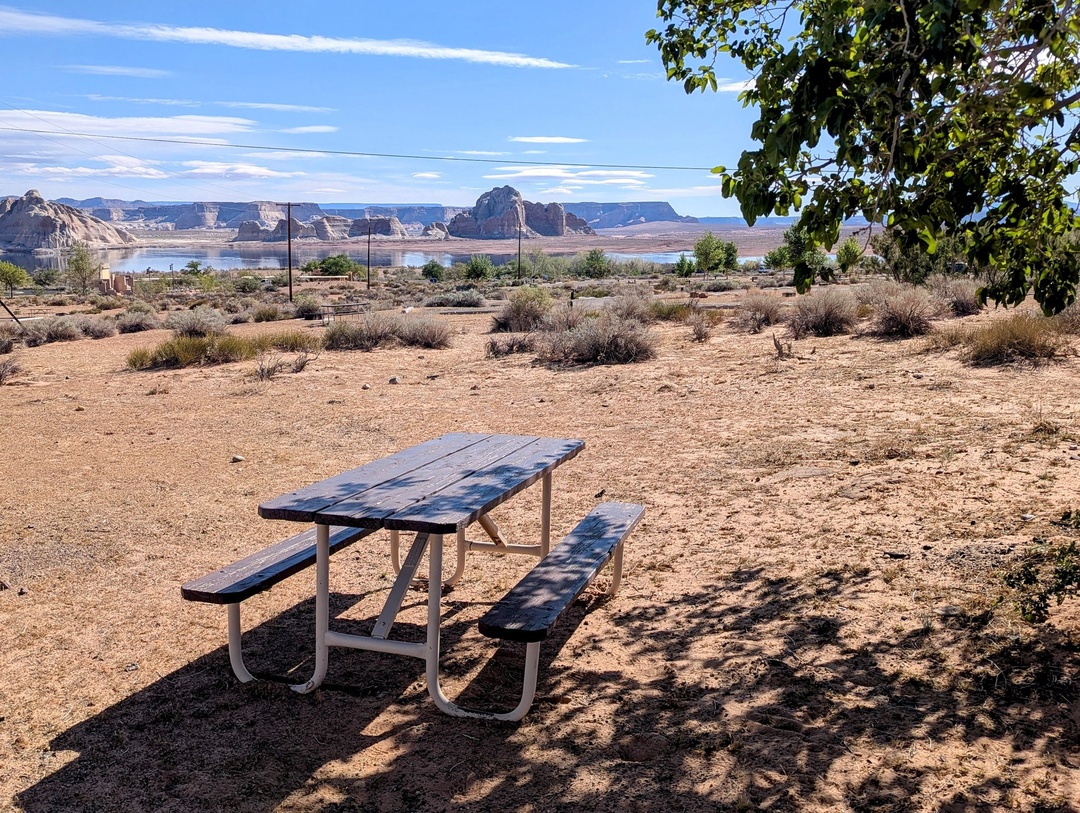
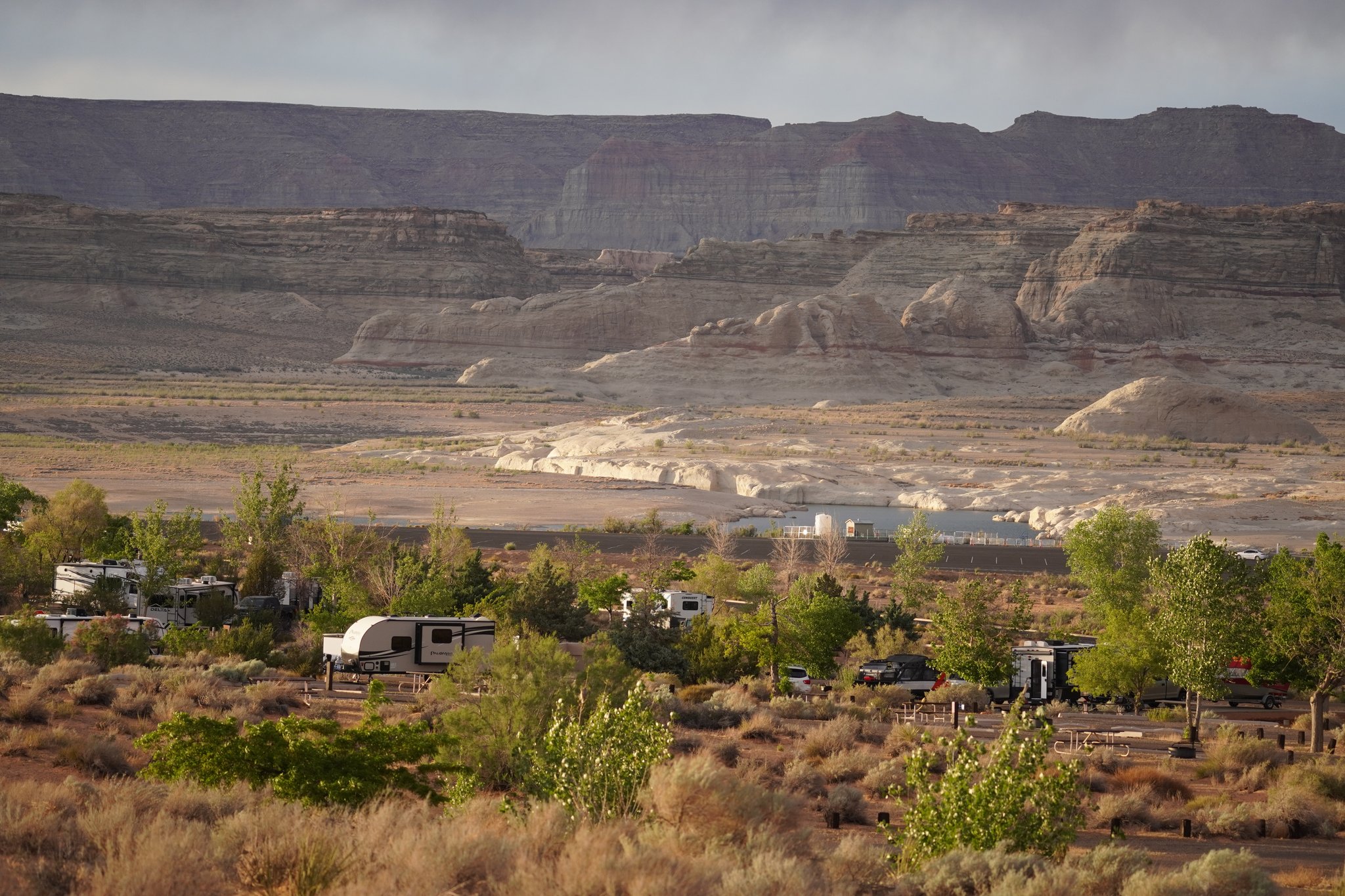
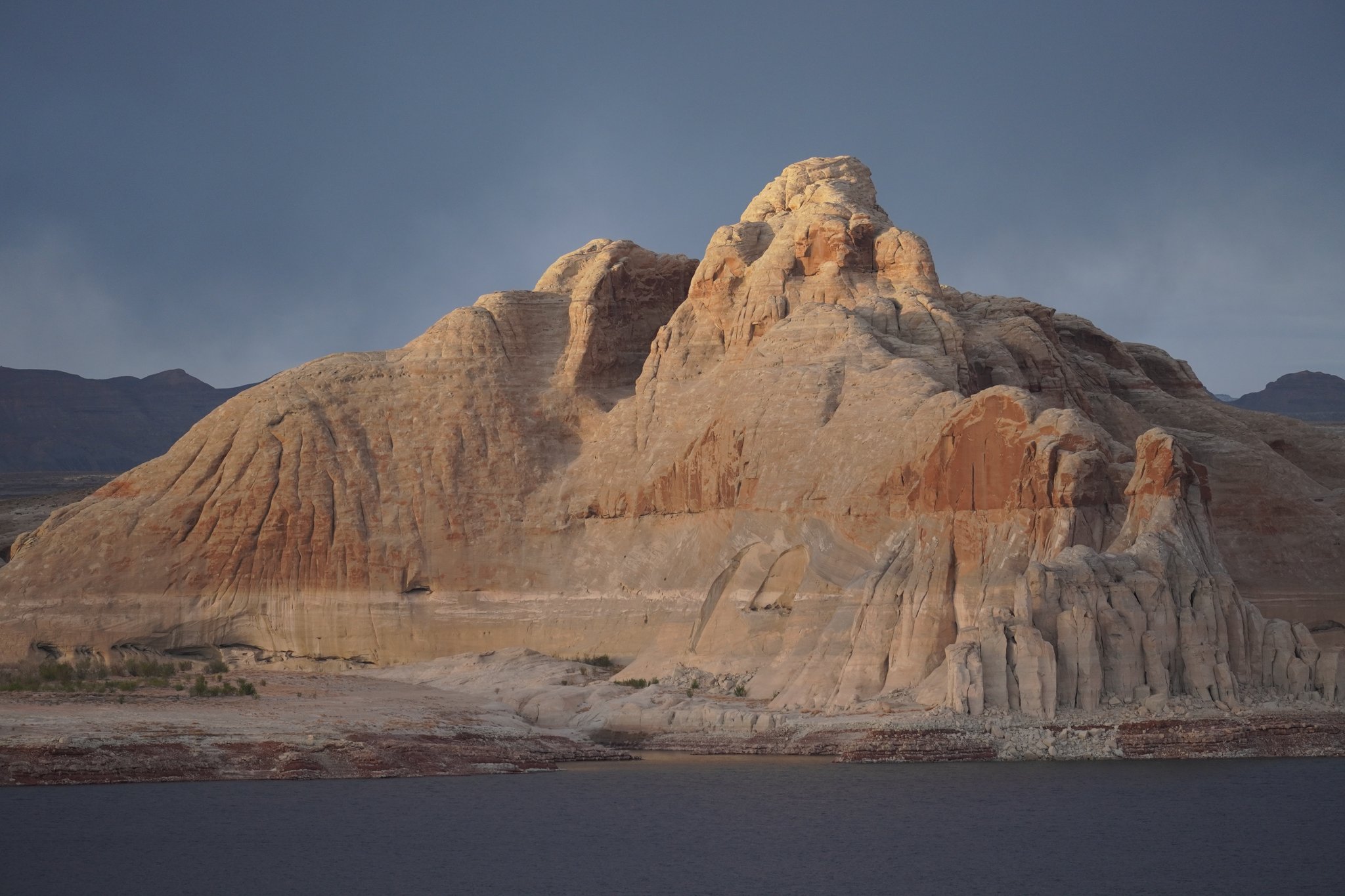
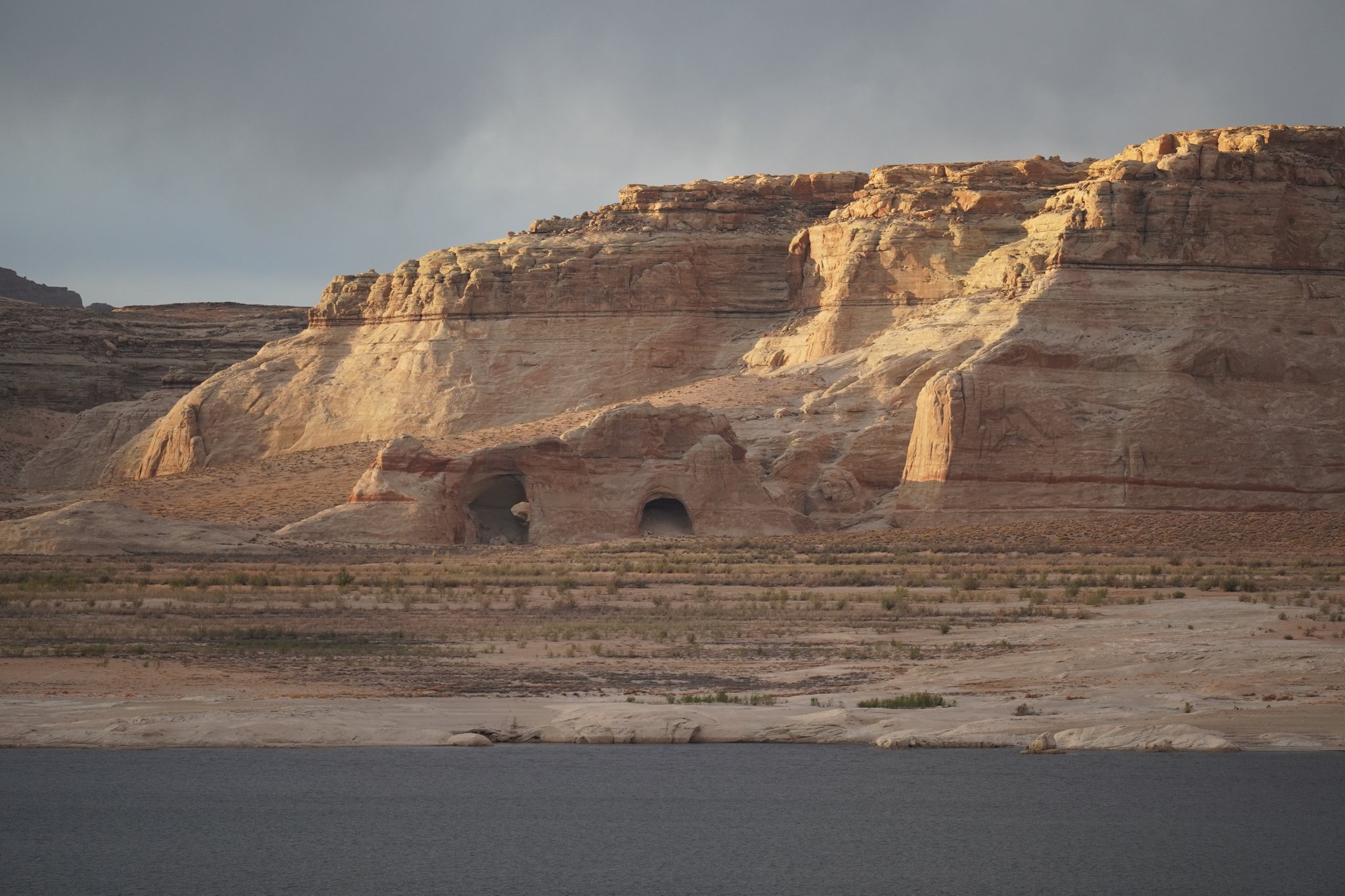
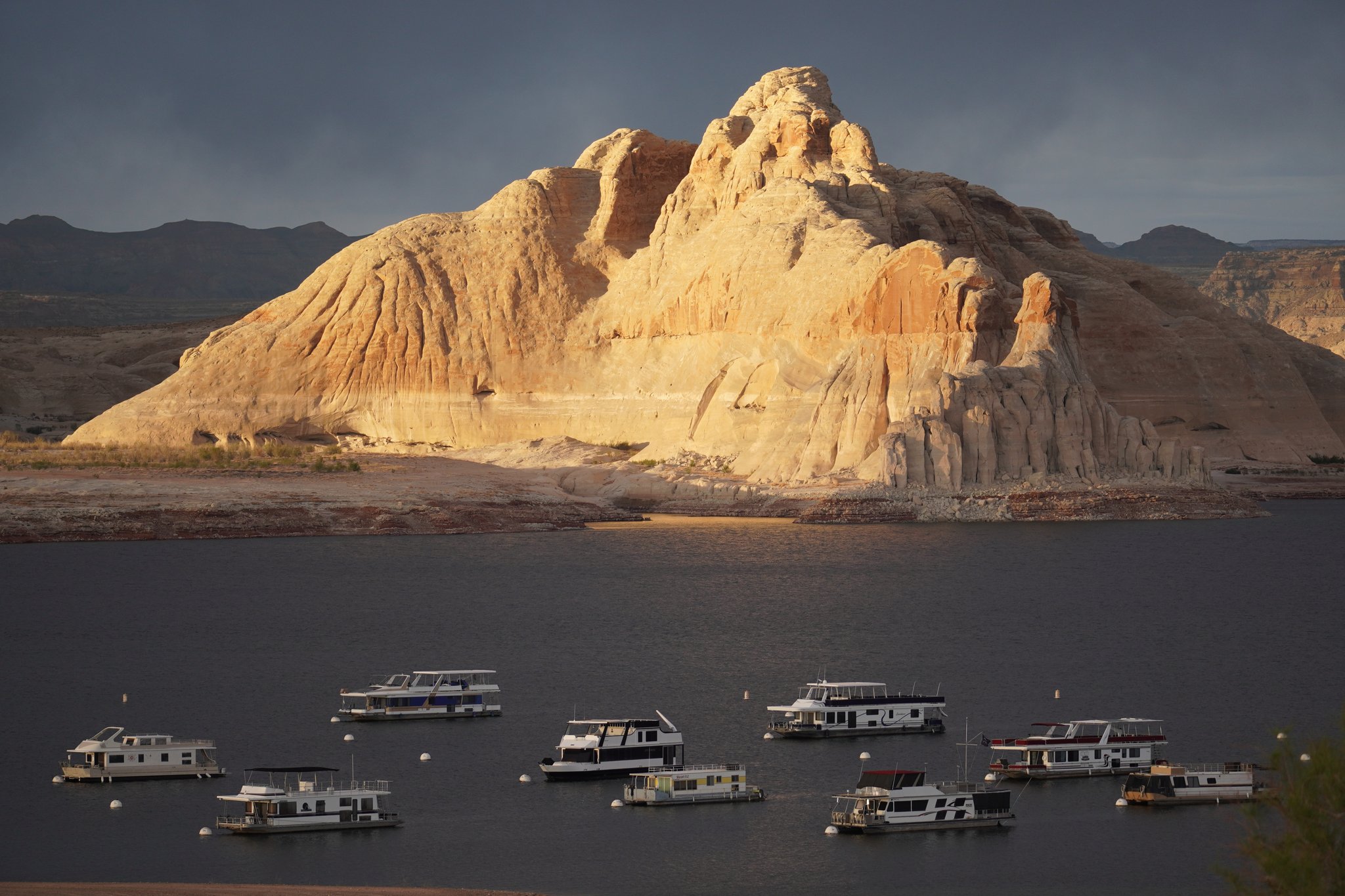
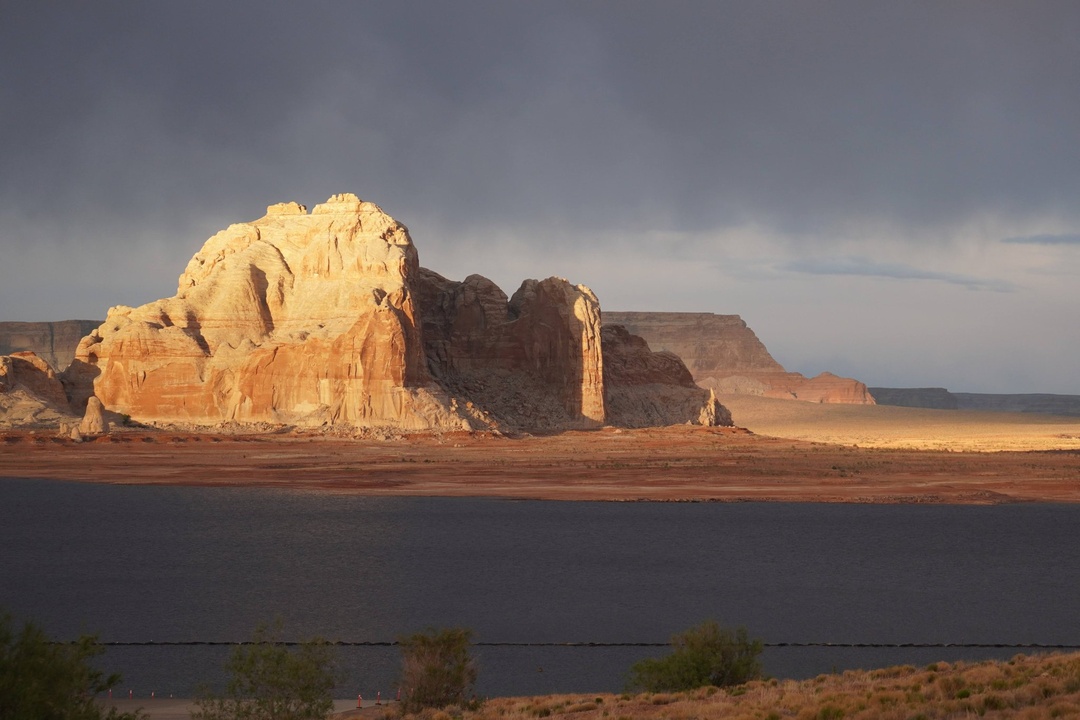
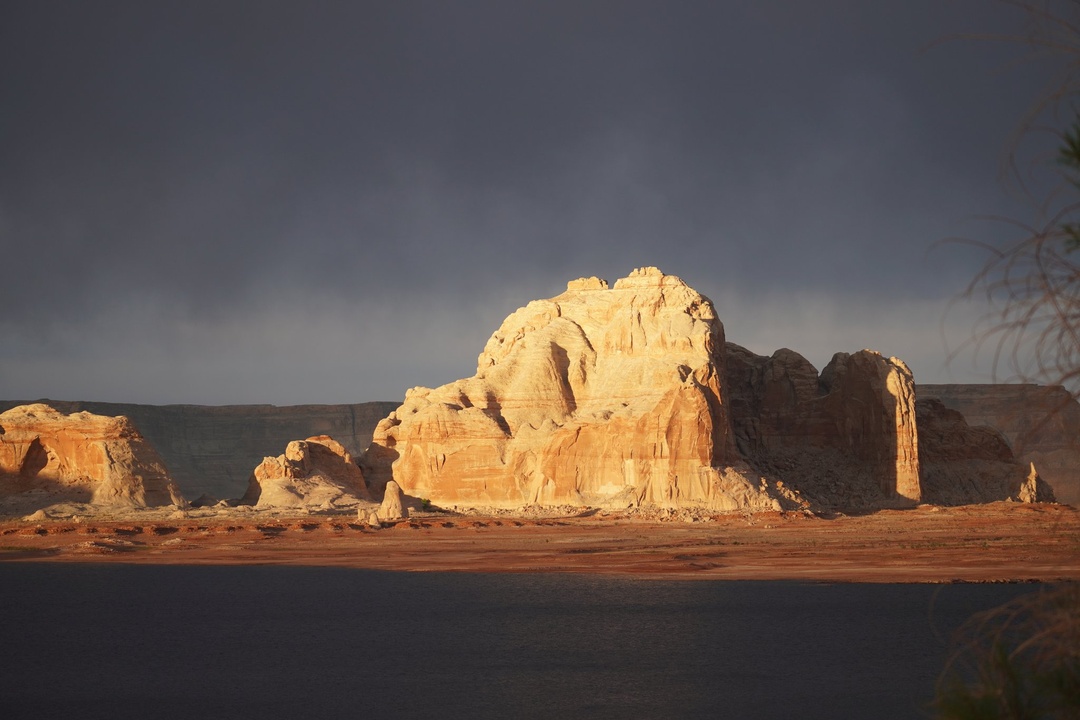
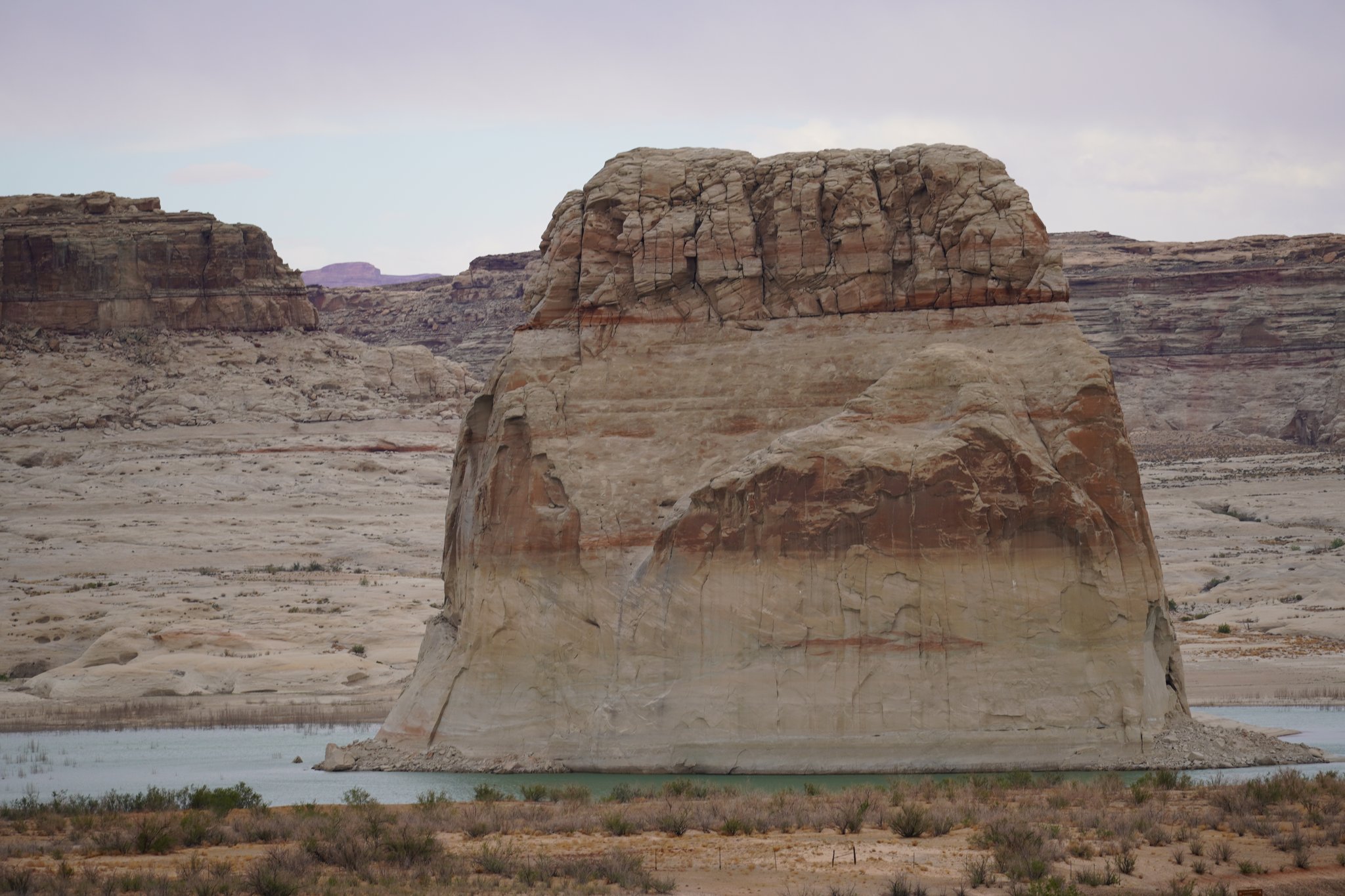
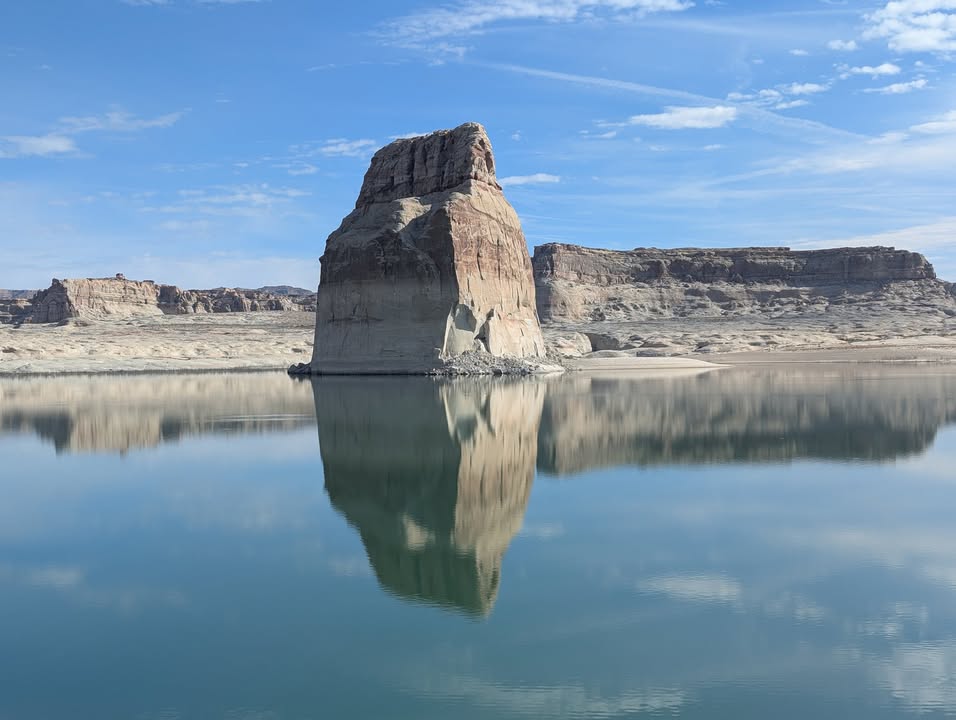
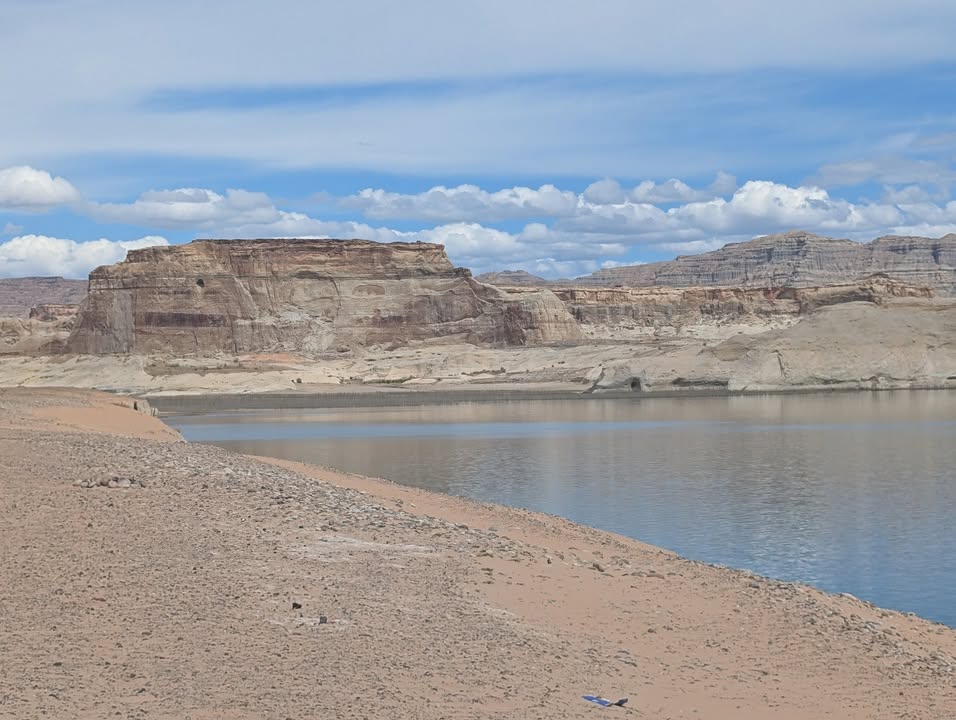
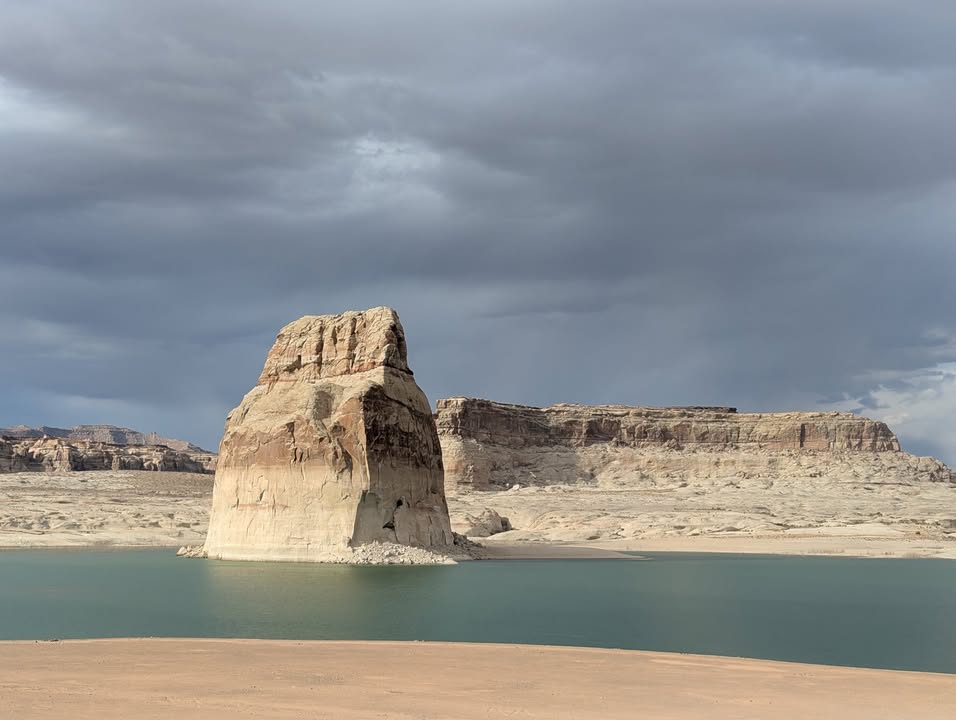
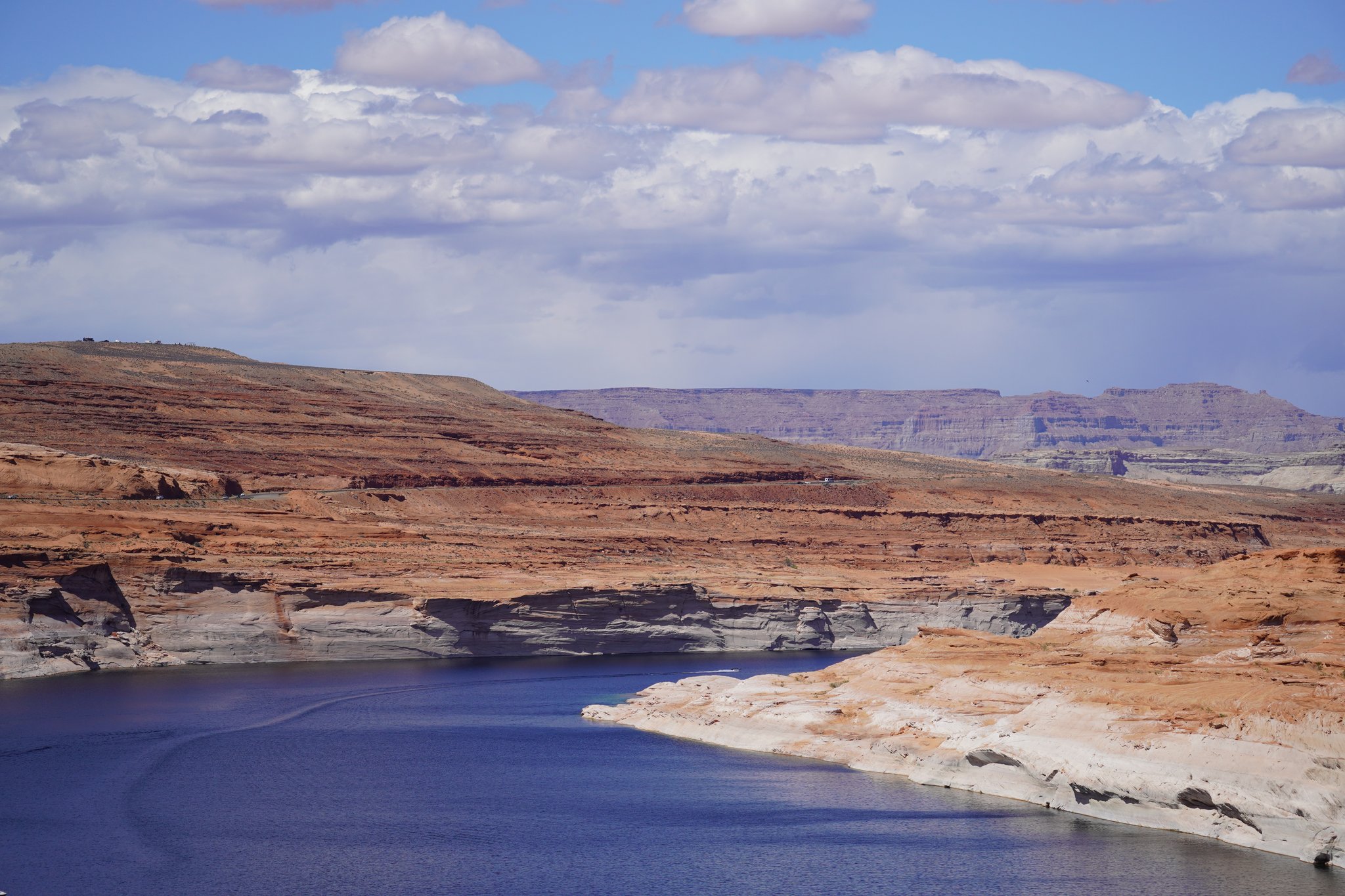
On Sunday morning we arose to sweeping views of Lake Powell and sandstone hills beyond it. After two nights at Wahweap Campground, we traded our proper campsite for open sand and rolled toward $14 beachfront camping at Lone Rock Beach.
On Sunday morning we arose to sweeping views of Lake Powell and sandstone hills beyond it. After two nights at Wahweap Campground, we traded our proper campsite for open sand and rolled toward $14 beachfront camping at Lone Rock Beach.
Pick a stop to see its story and photos.
Wahweap was the roomy, scenic home base for the first stretch in Page, with Lake Powell views, desert sunsets, and enough breathing room for a slower day.
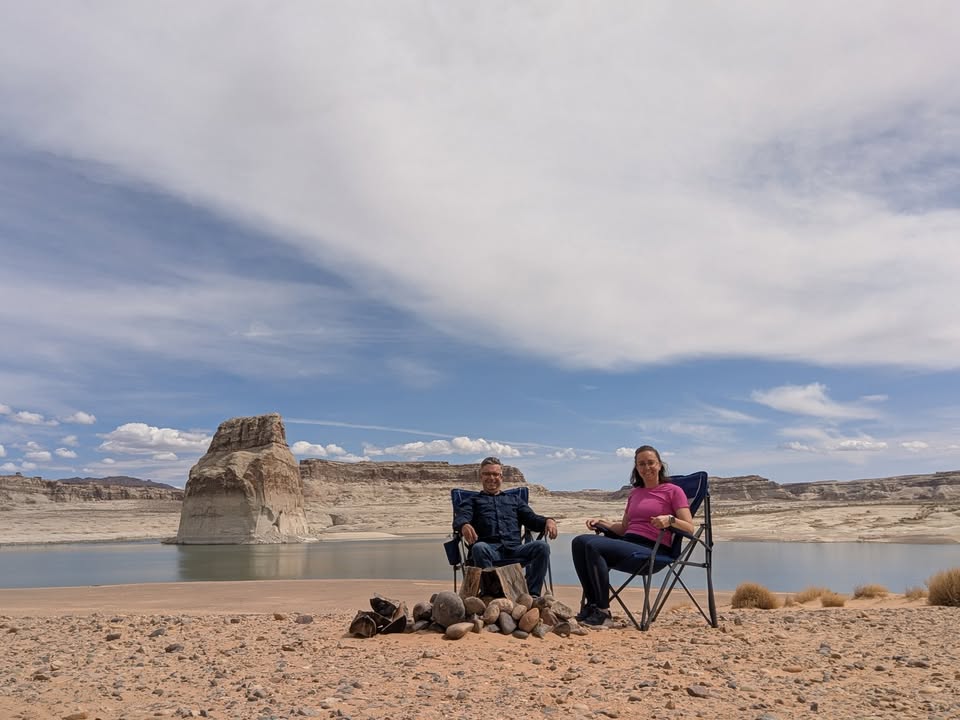
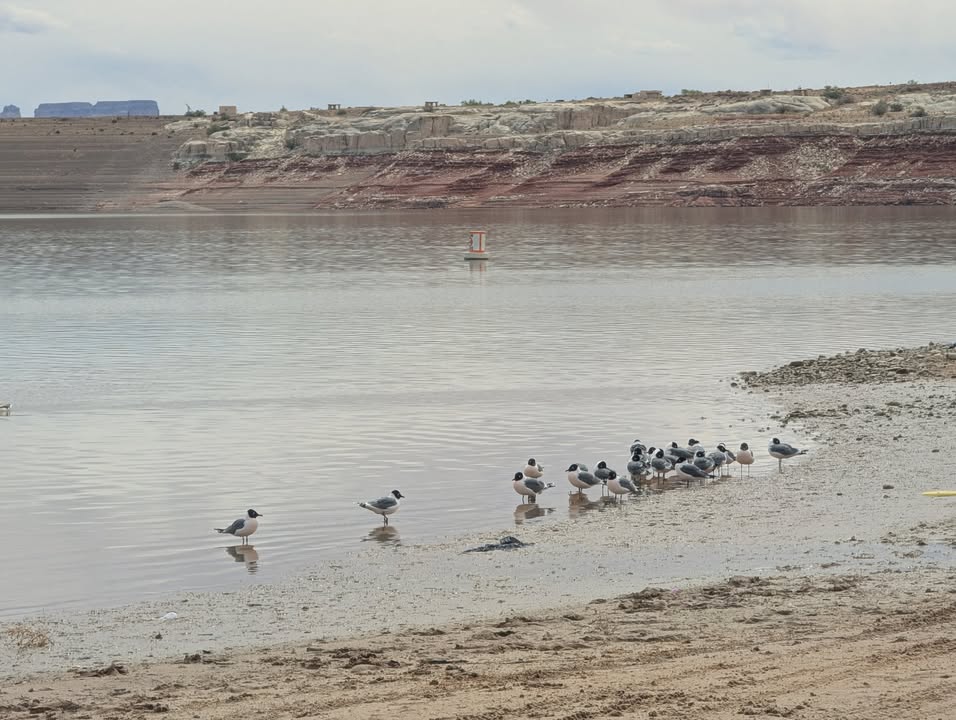
Lone Rock was the sand test turned beach camp, with wide-open shoreline, easy mornings, and a very different feel from a standard campground.
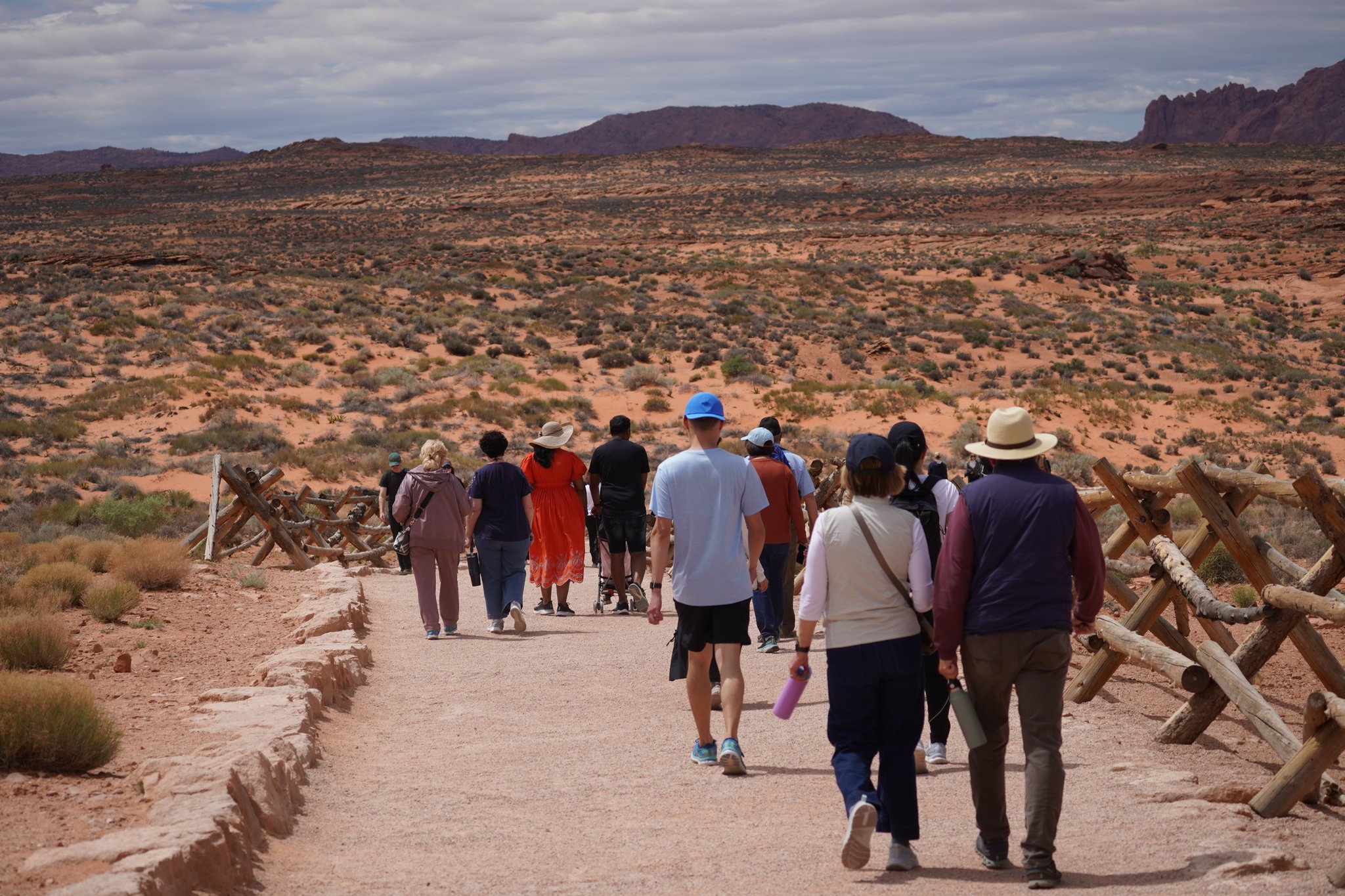
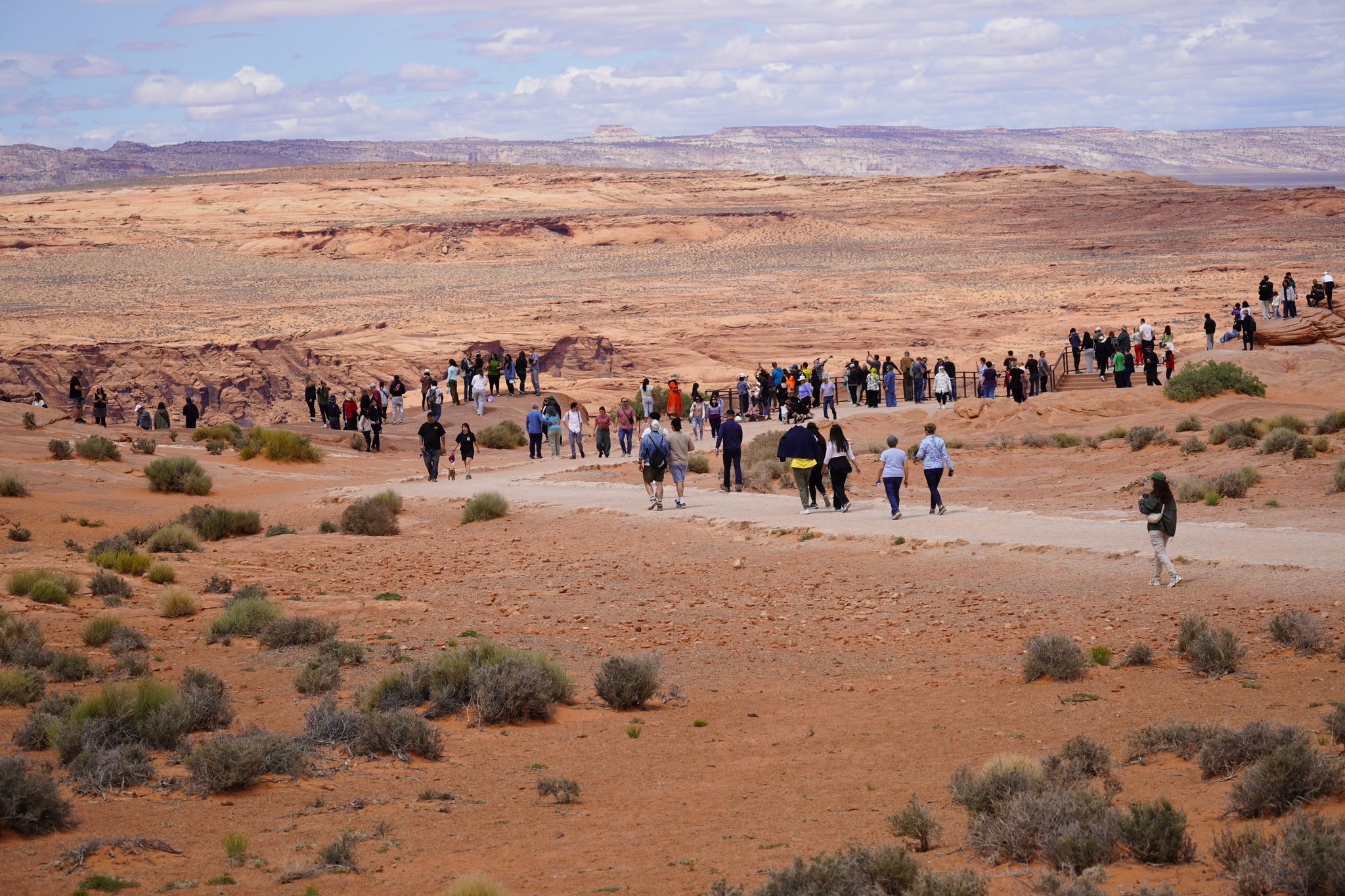
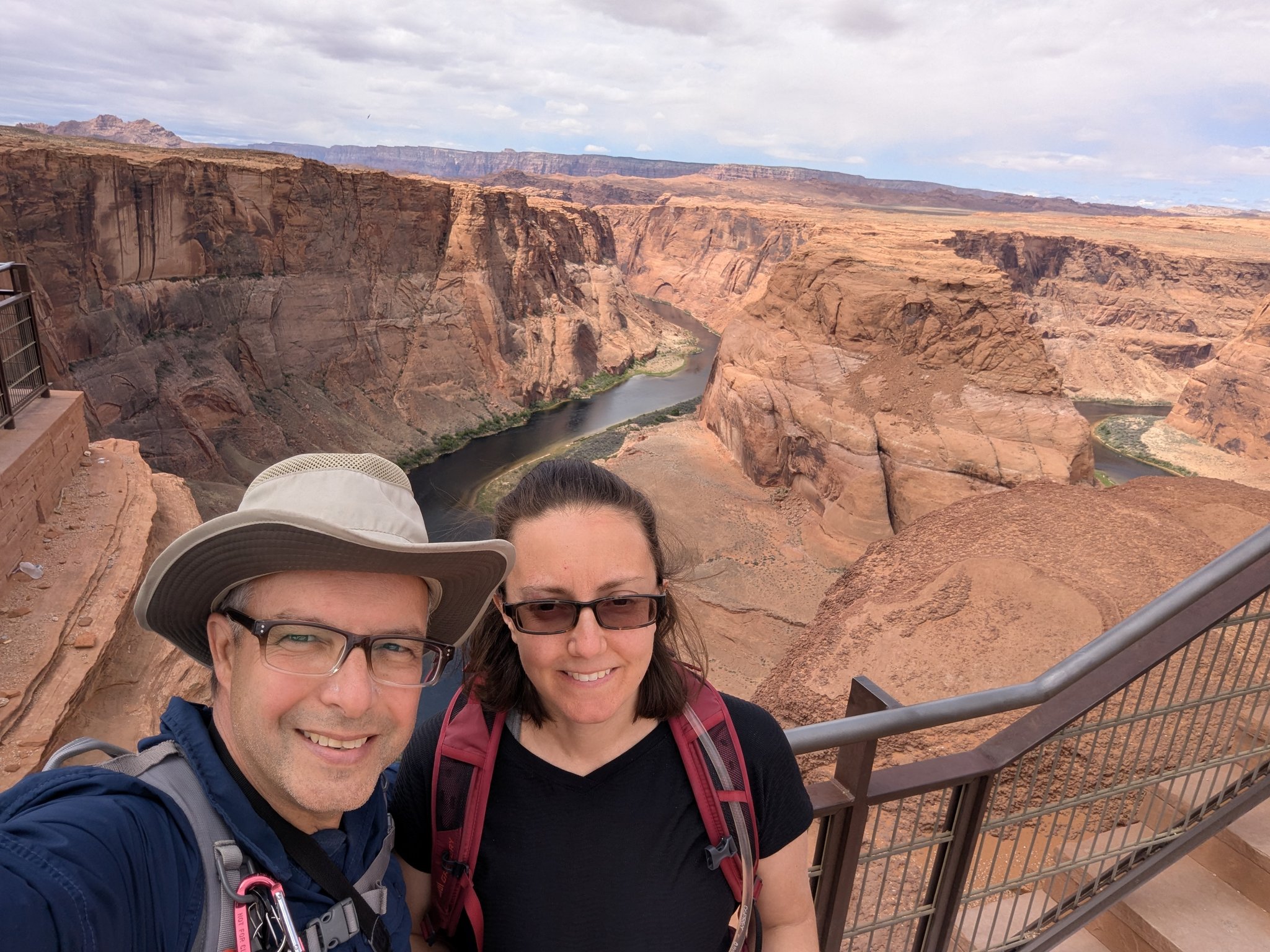
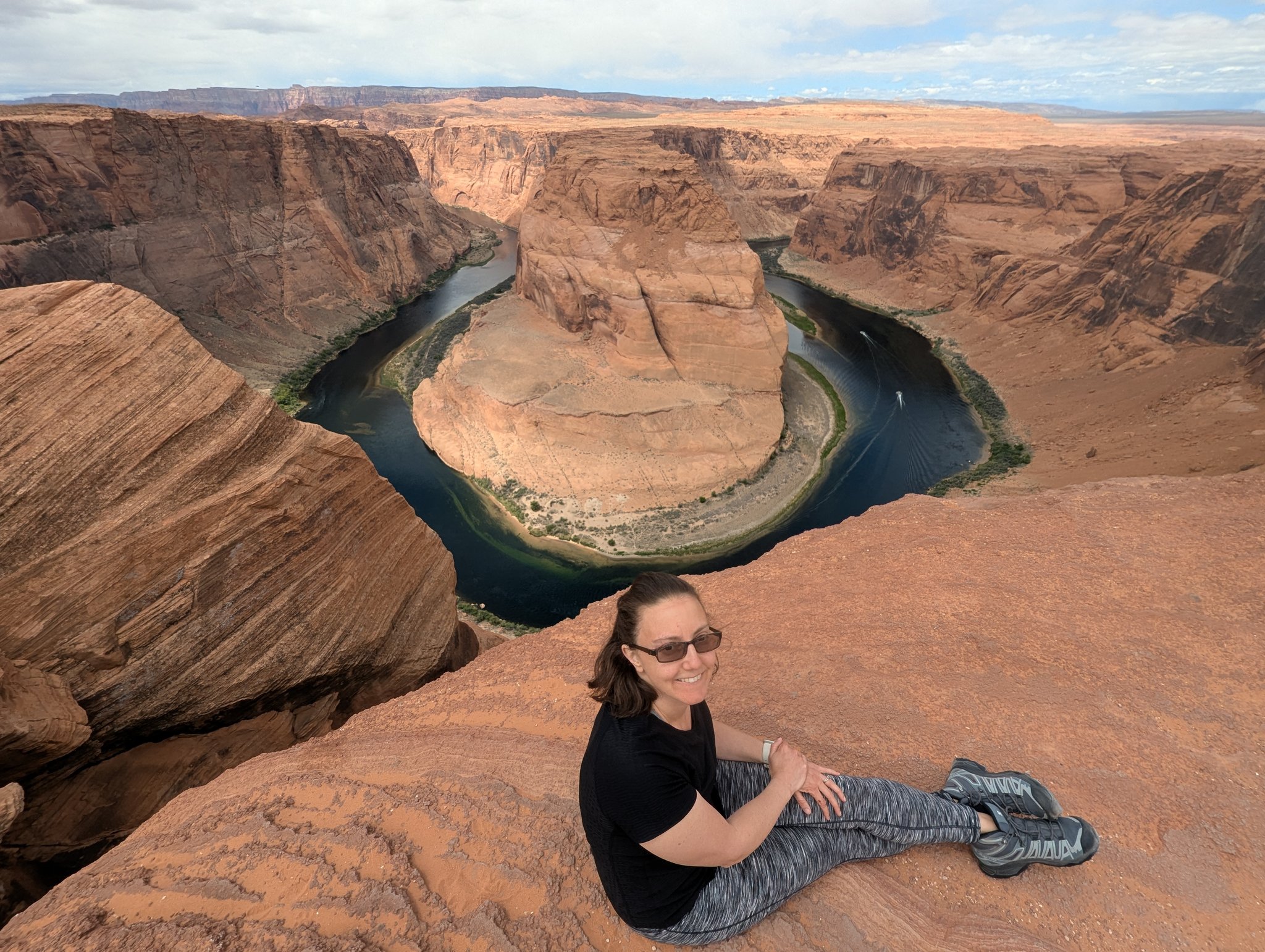
Horseshoe Bend was the packed but undeniably iconic overlook, with the Colorado River curling far below the sandstone rim.
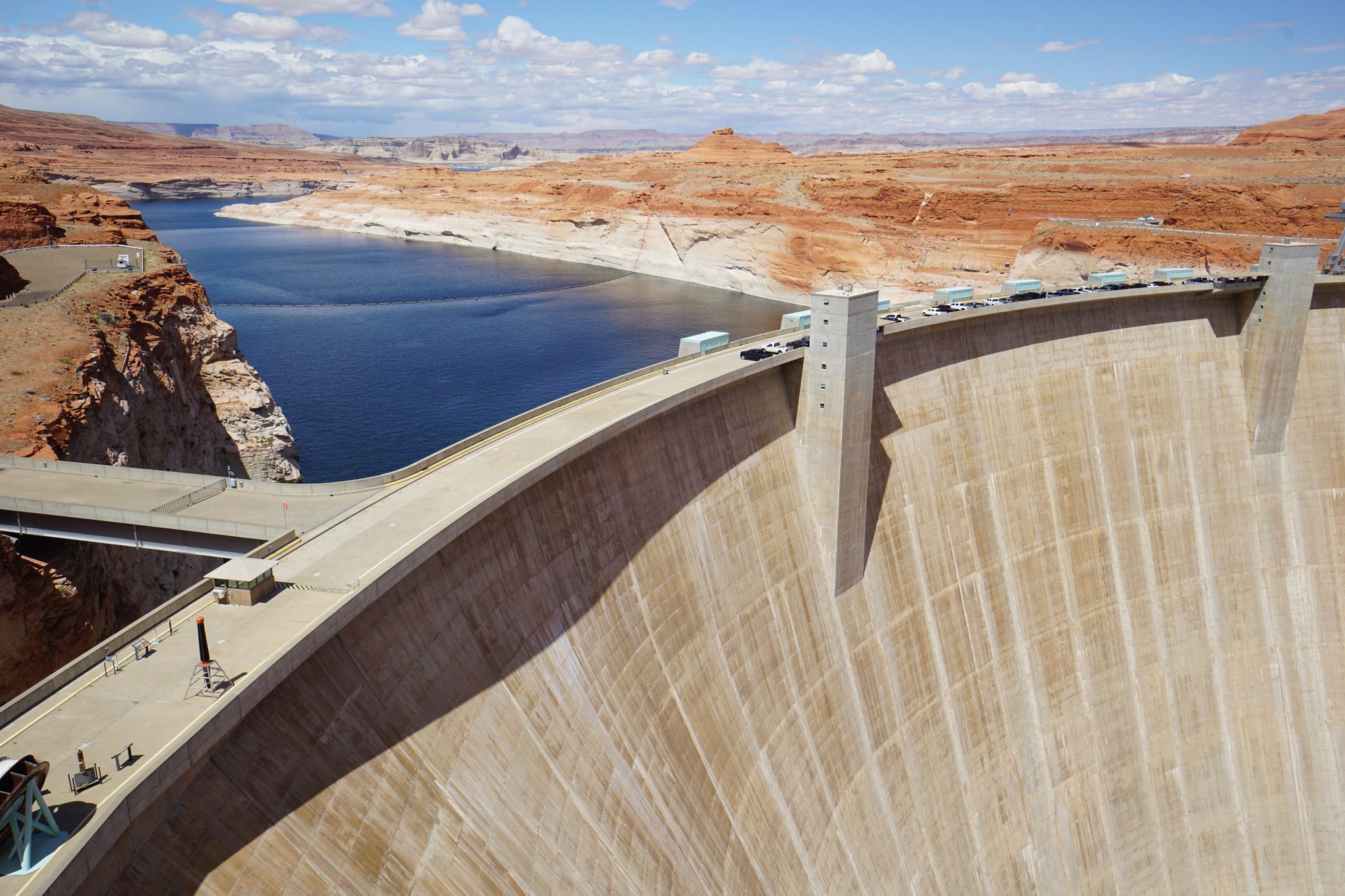
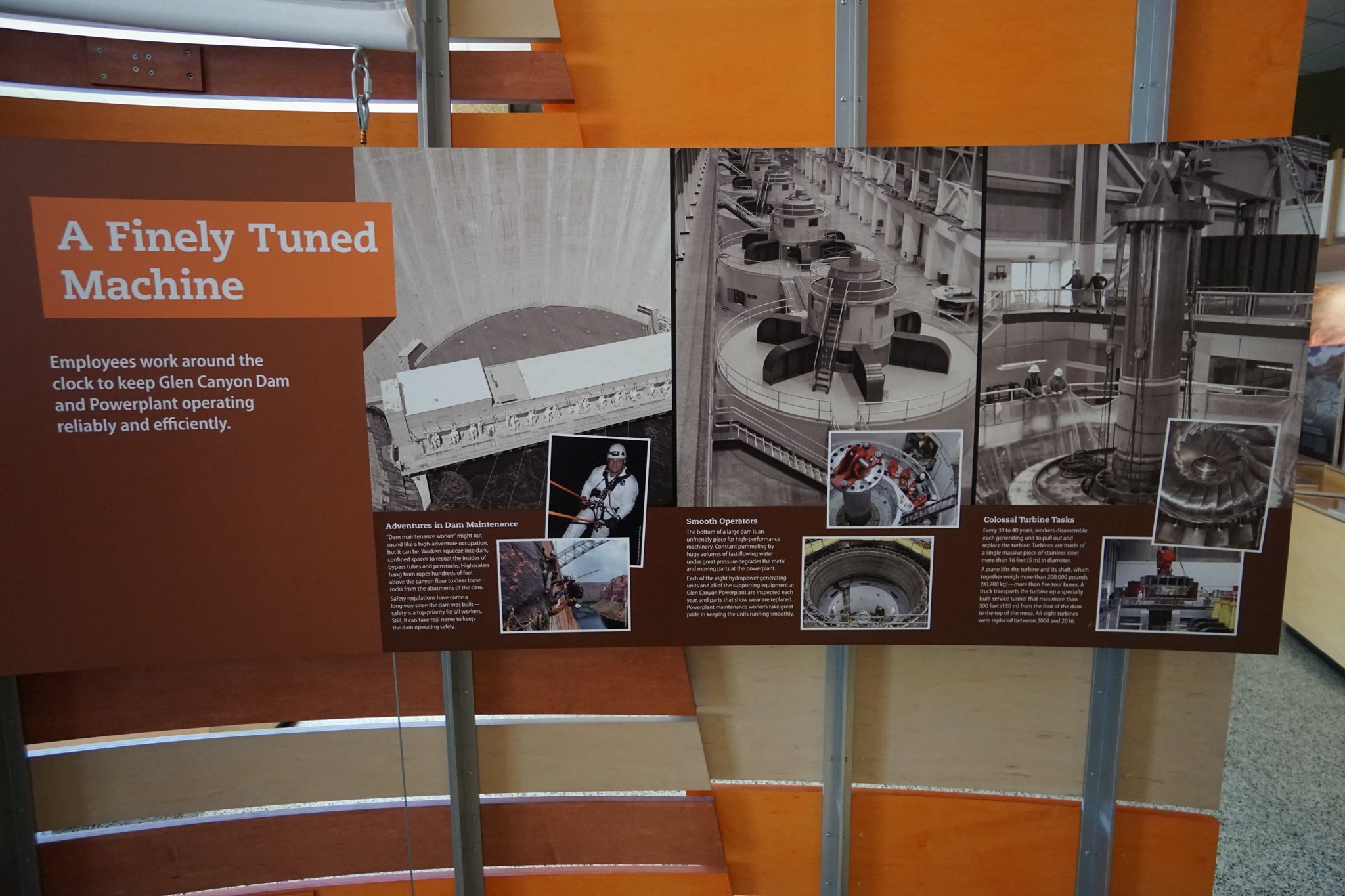
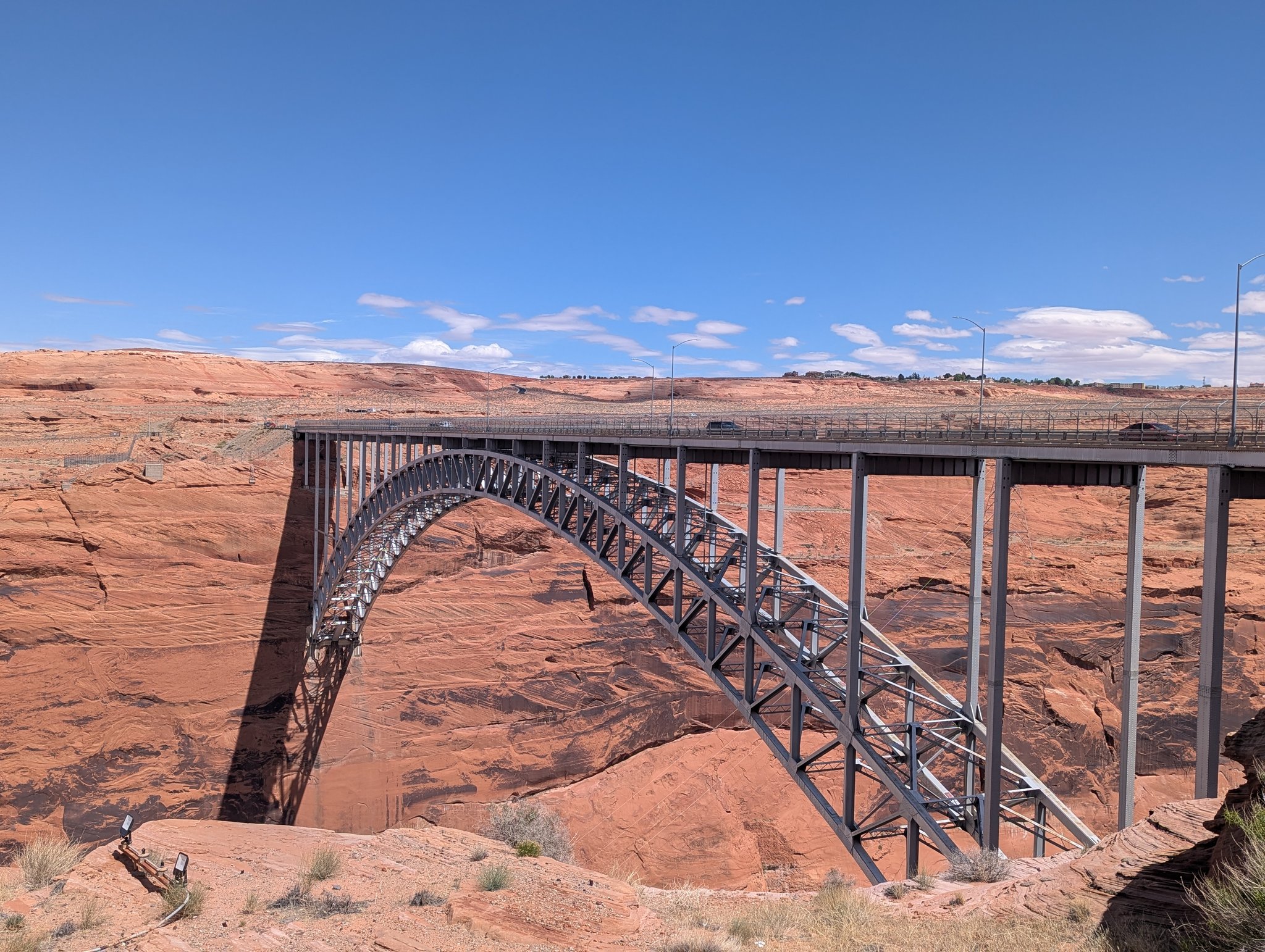
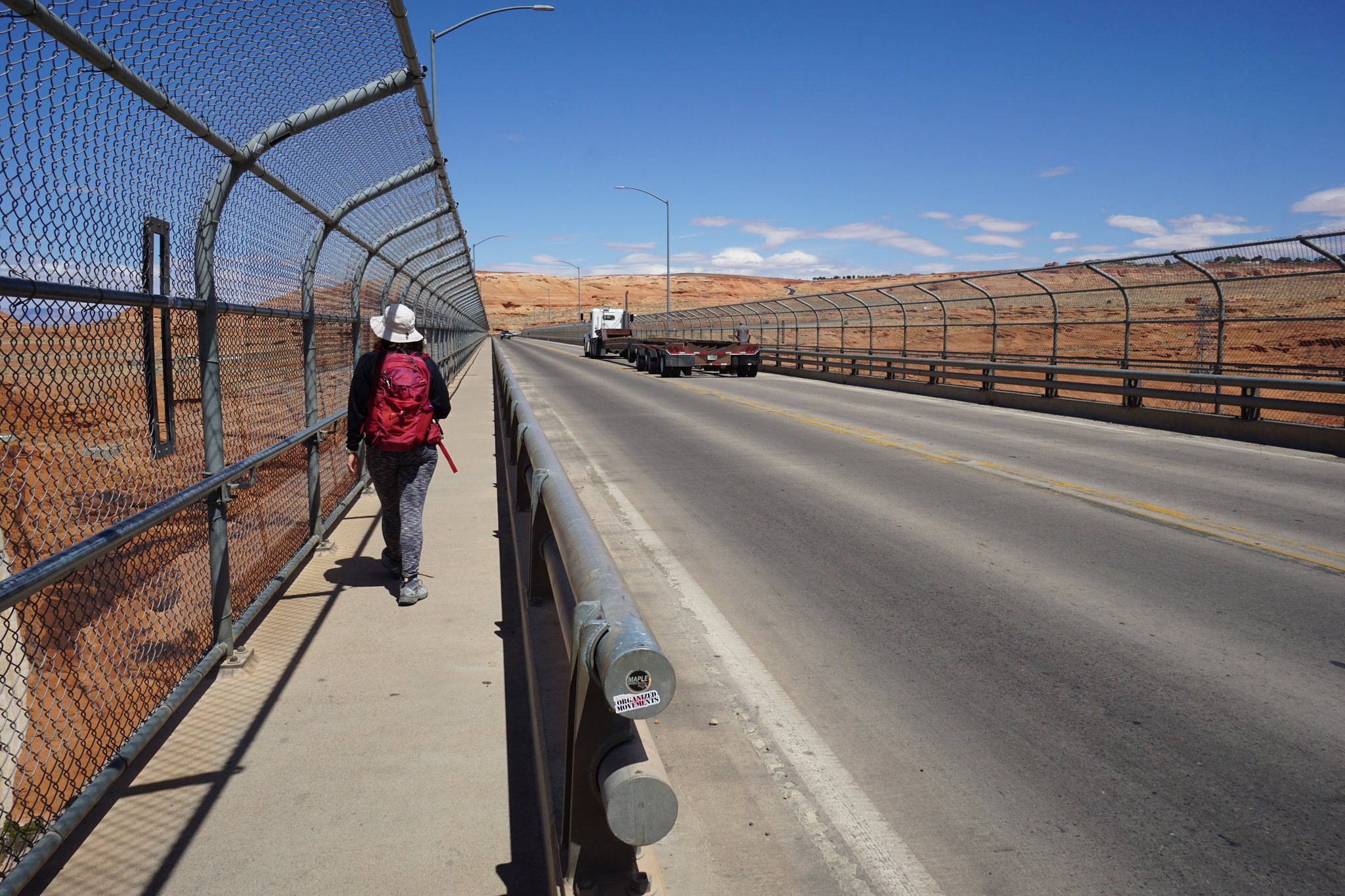
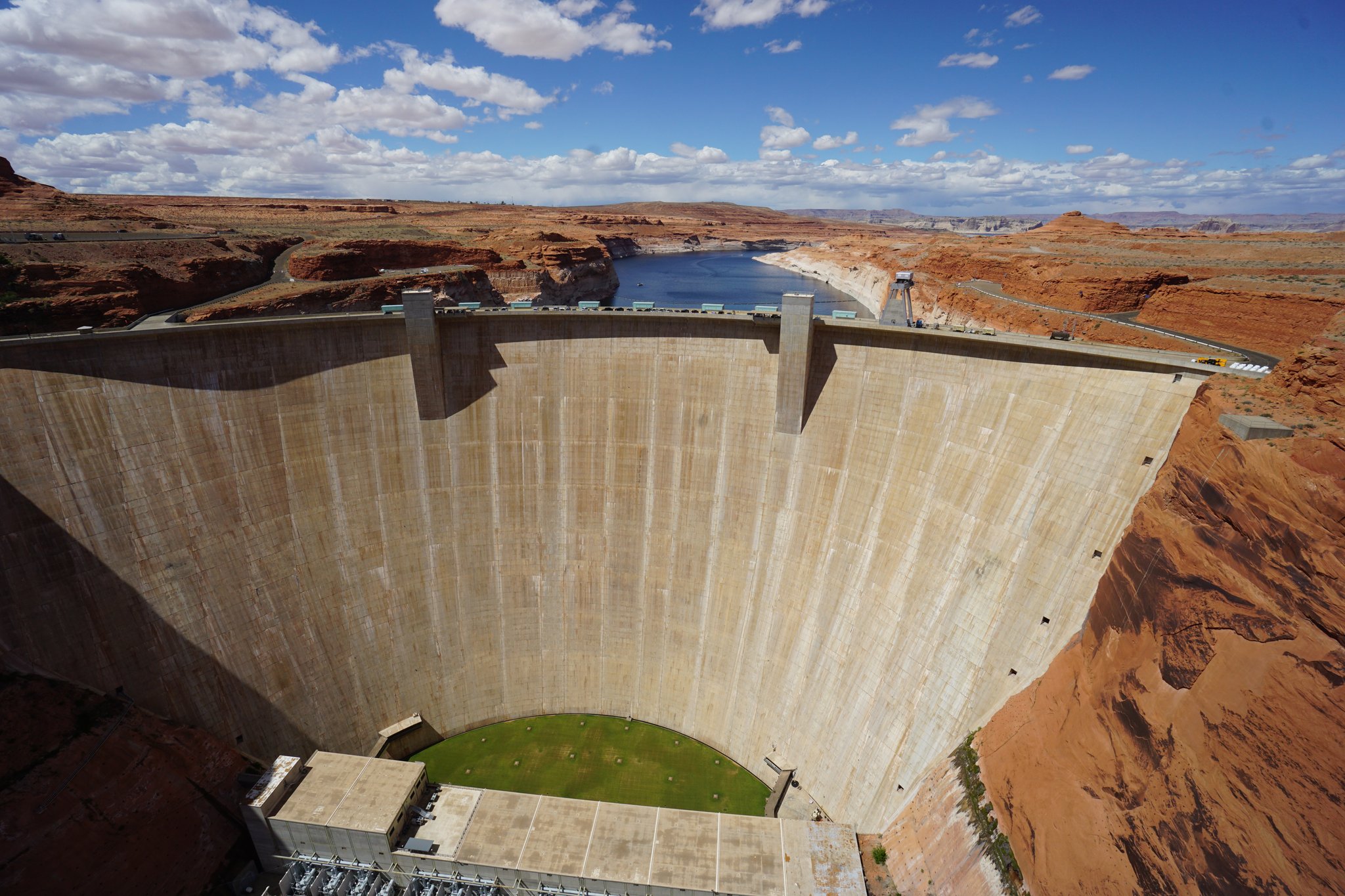
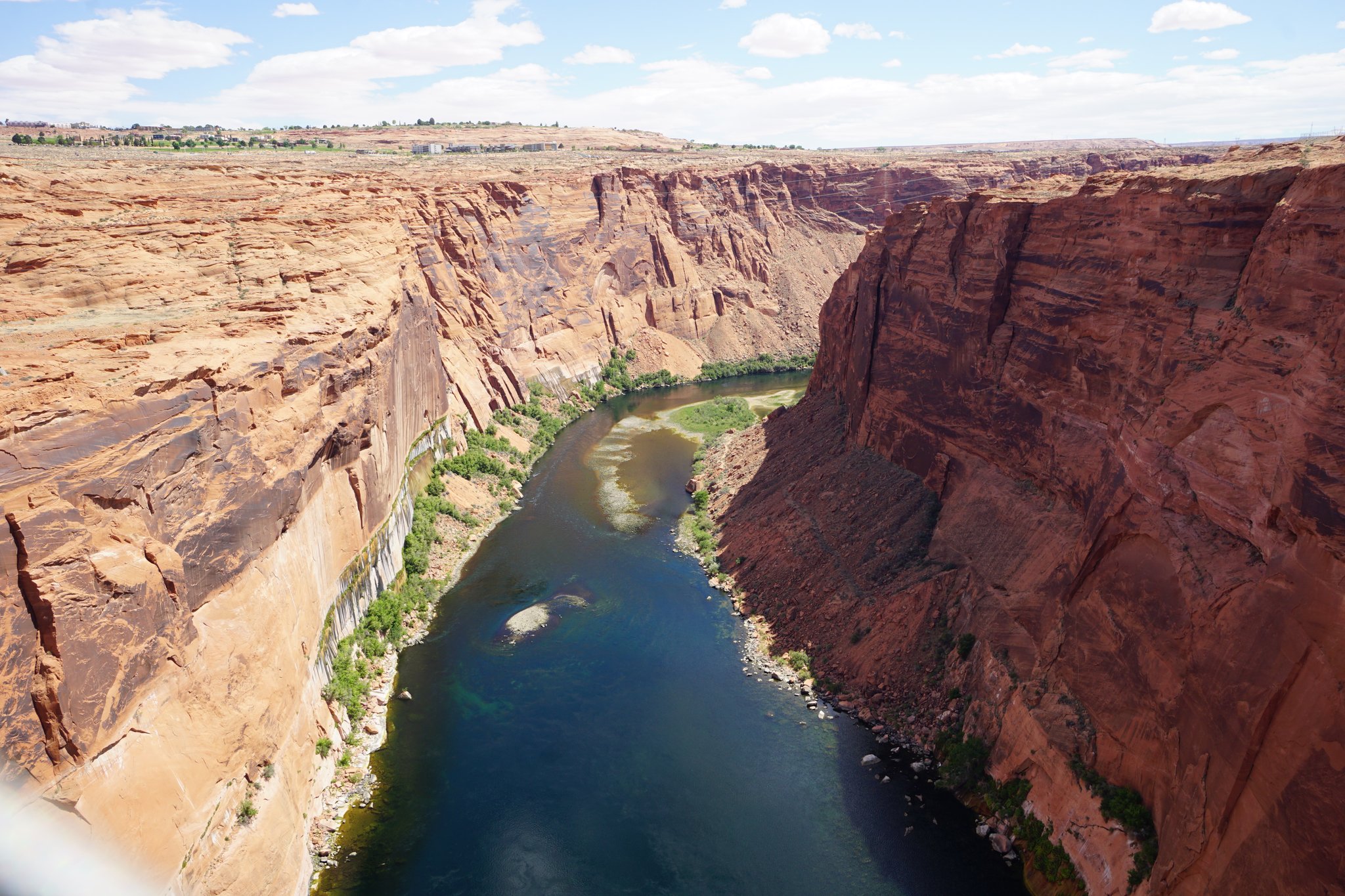
Glen Canyon Dam is one of the major stops in Page, where the Colorado River was dammed to create Lake Powell. The visitor center explains the dam and the lake, and the nearby bridge walkway gives a close view of the dam, the river below, and the canyon walls around it.
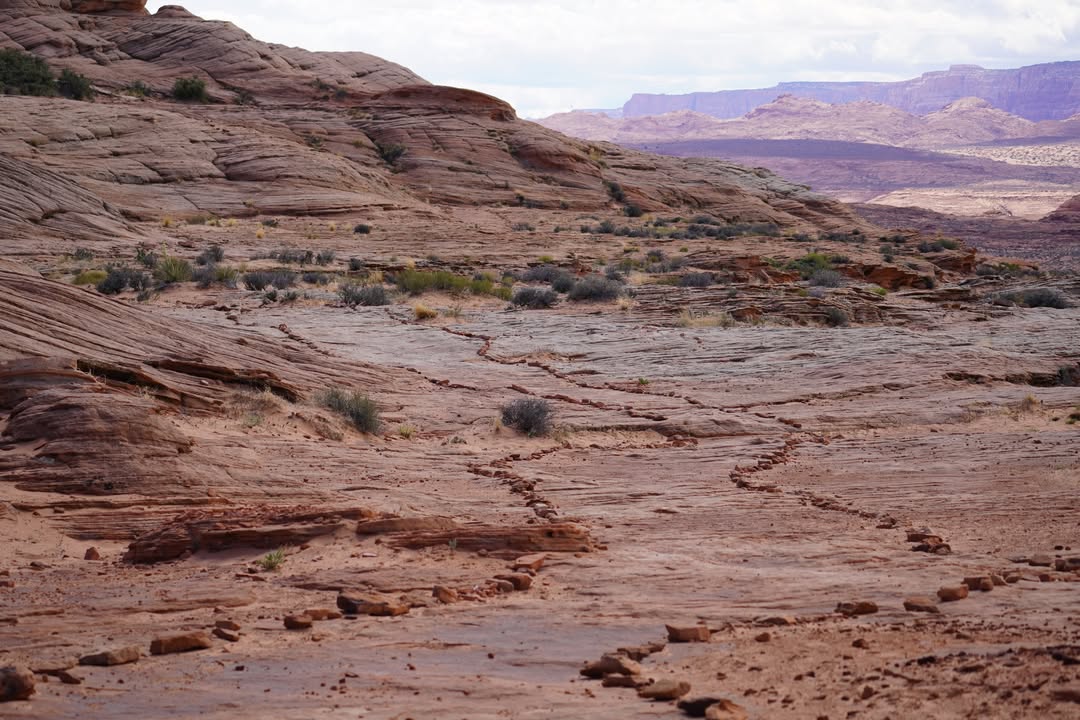
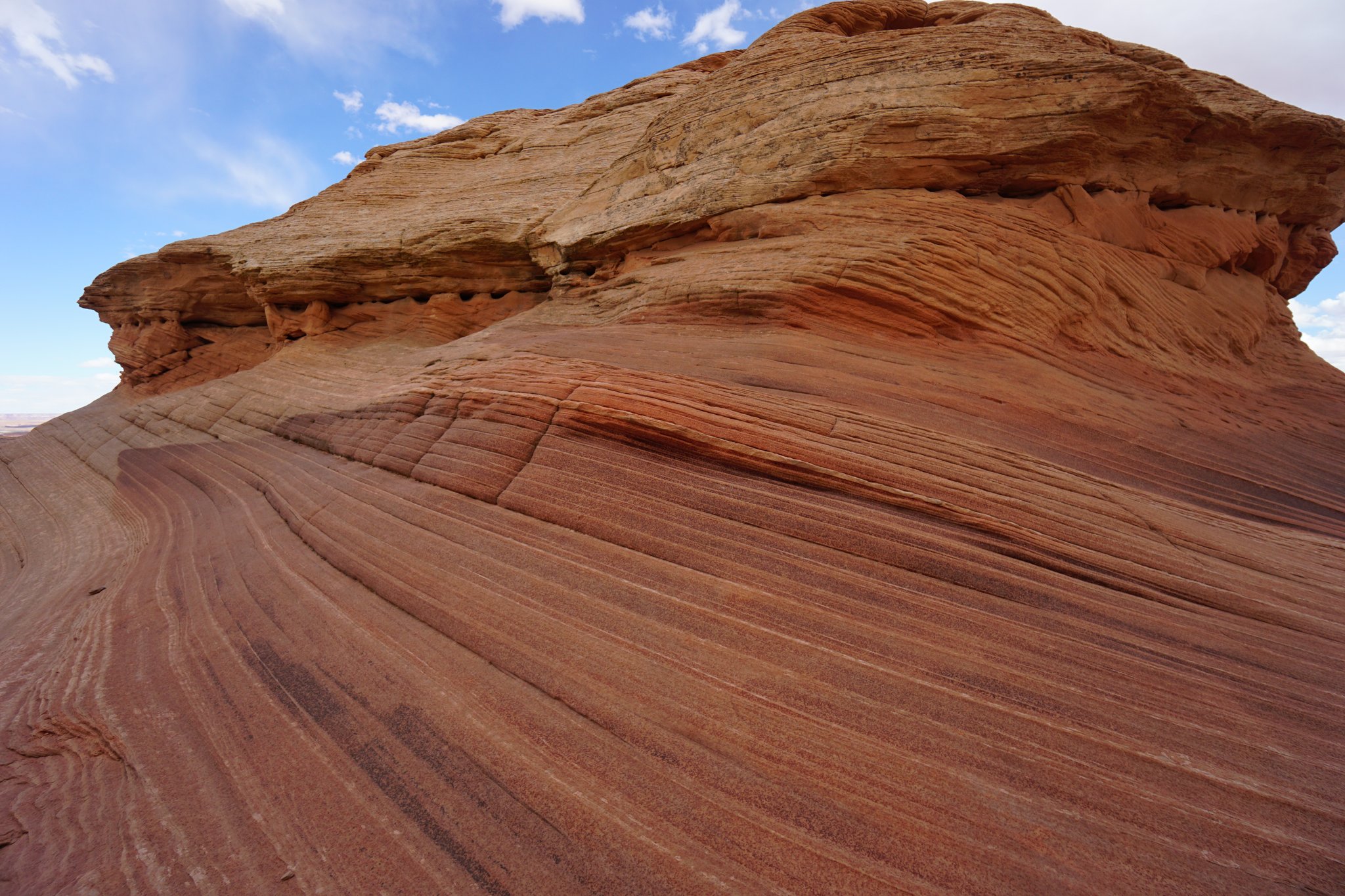
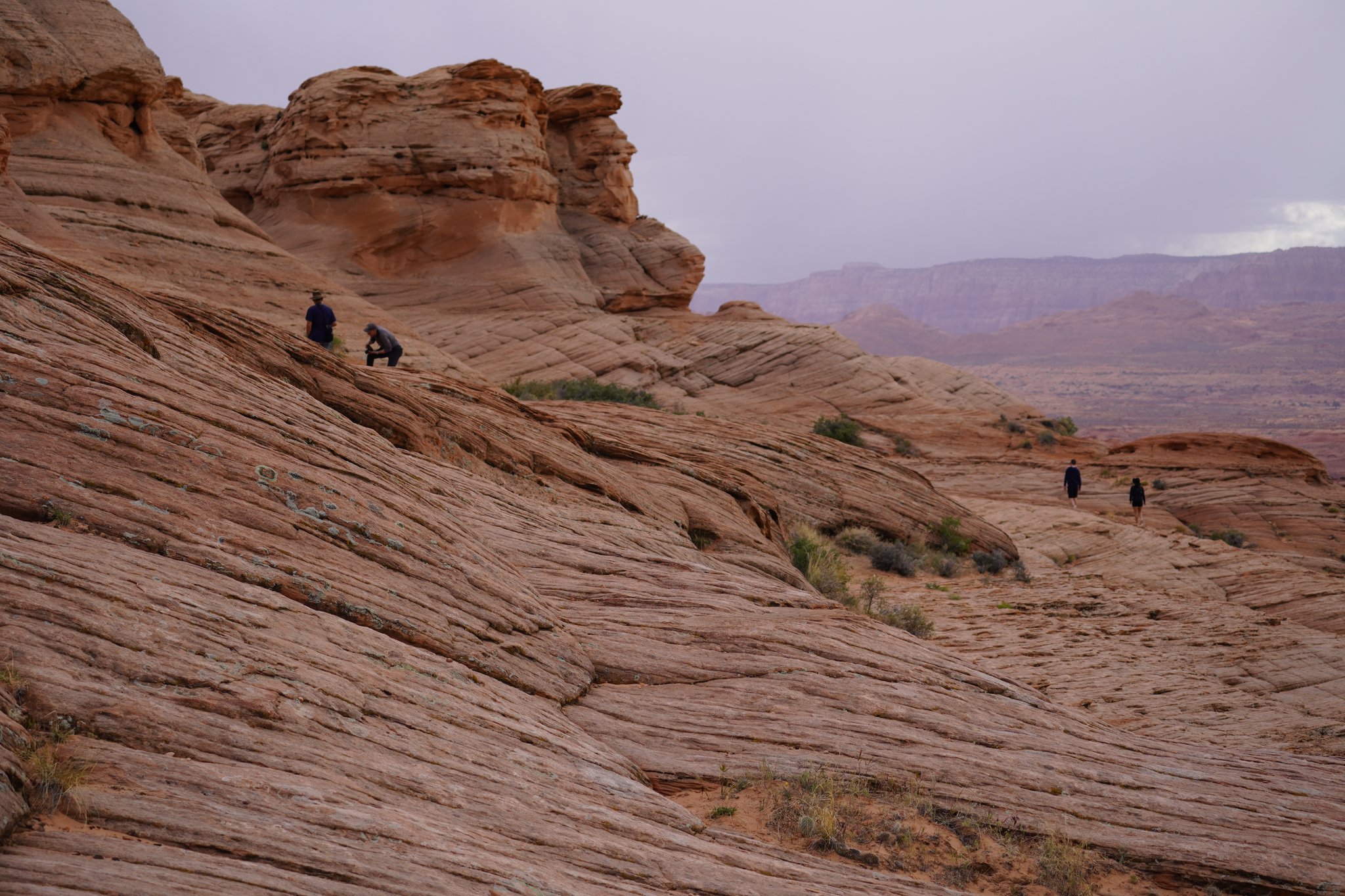
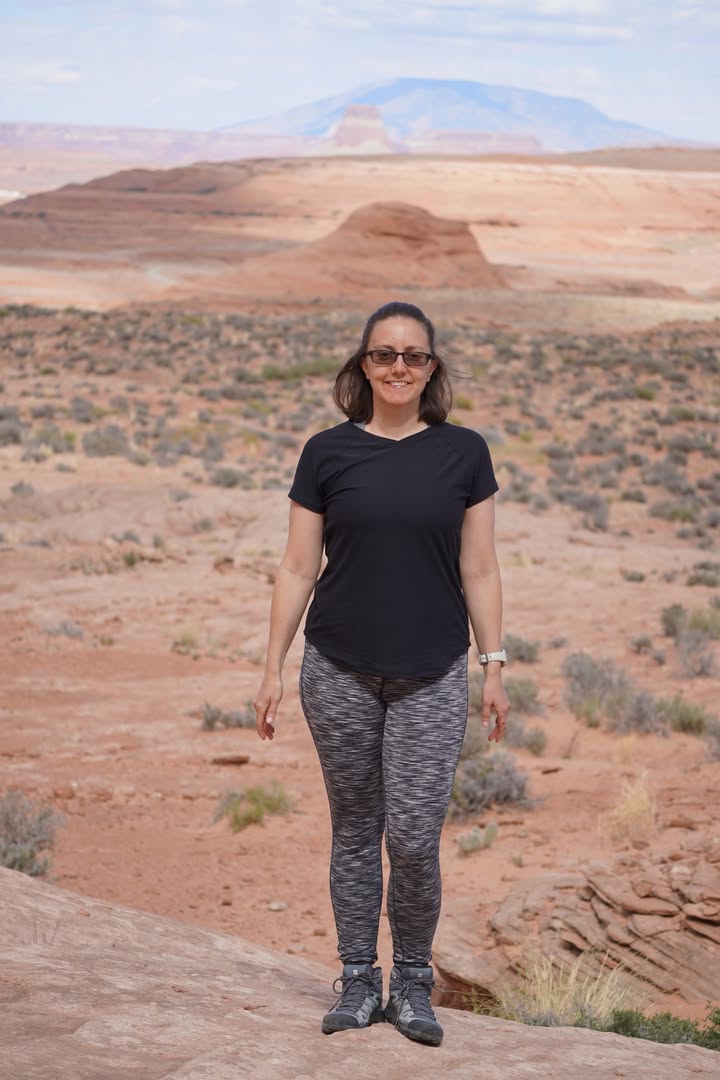
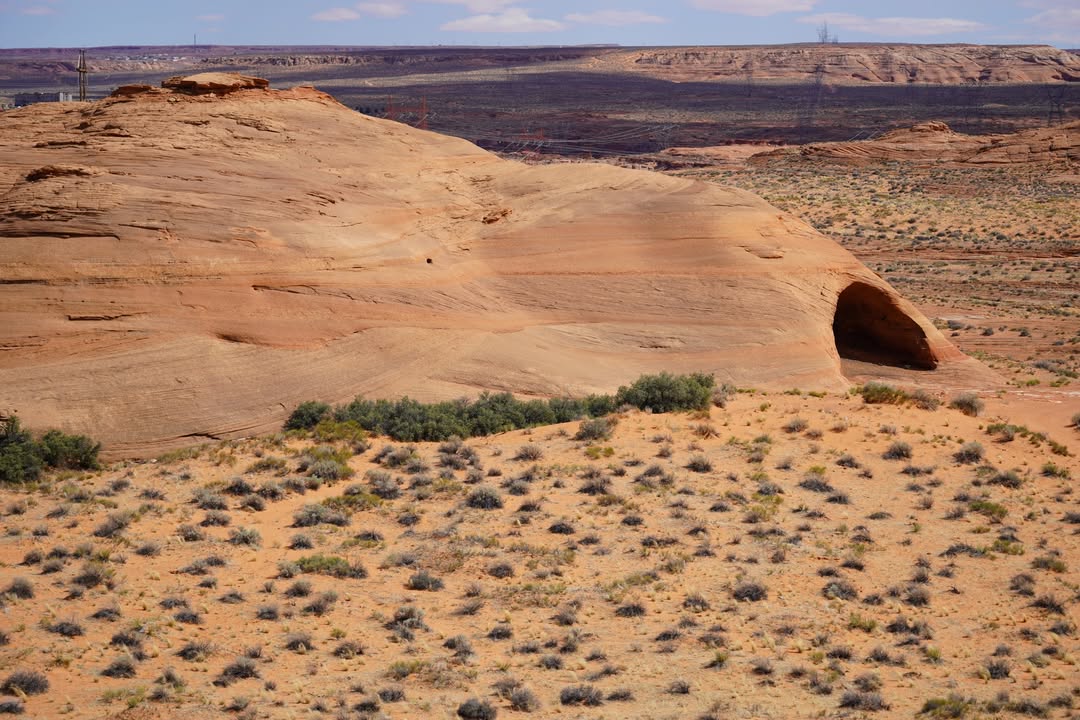
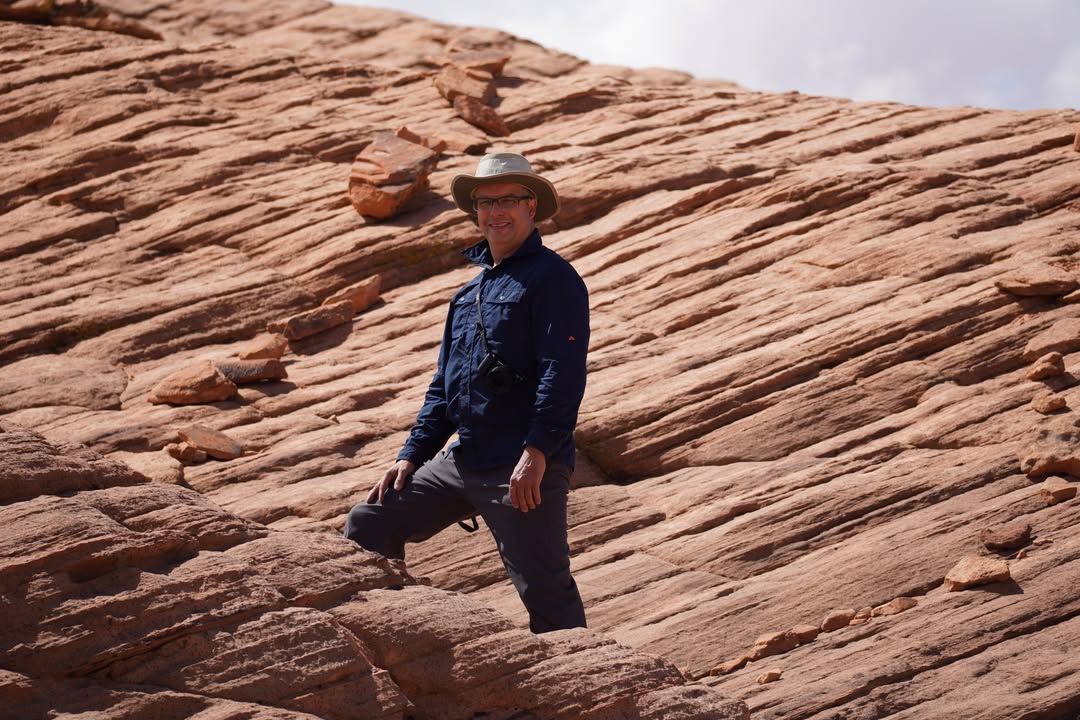
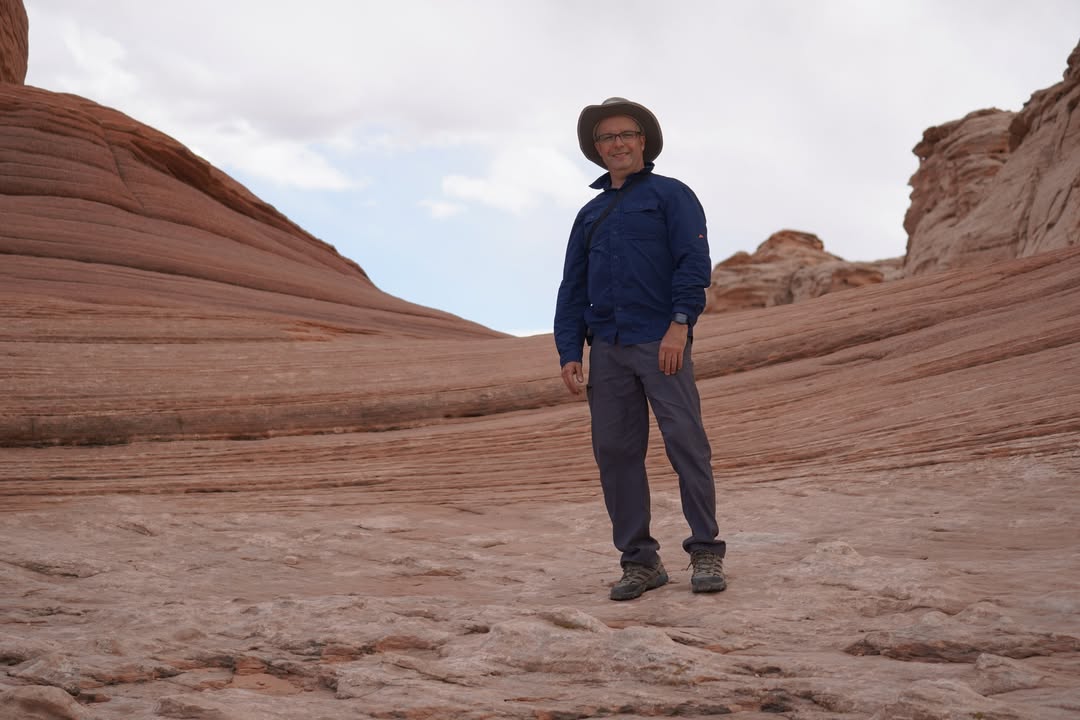
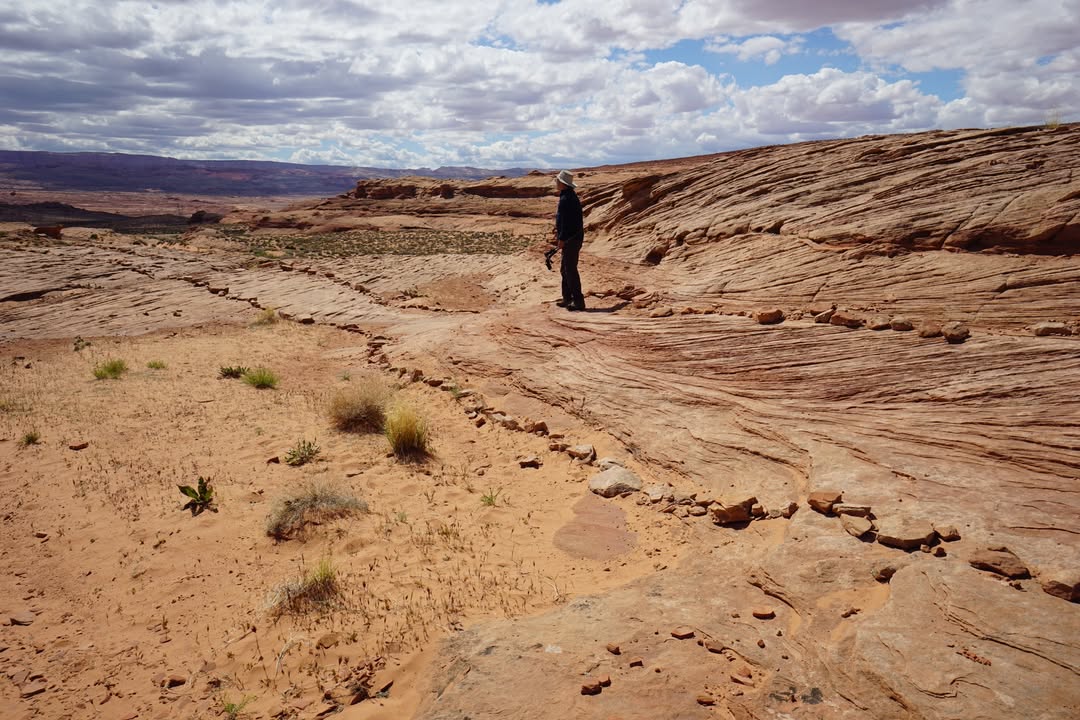
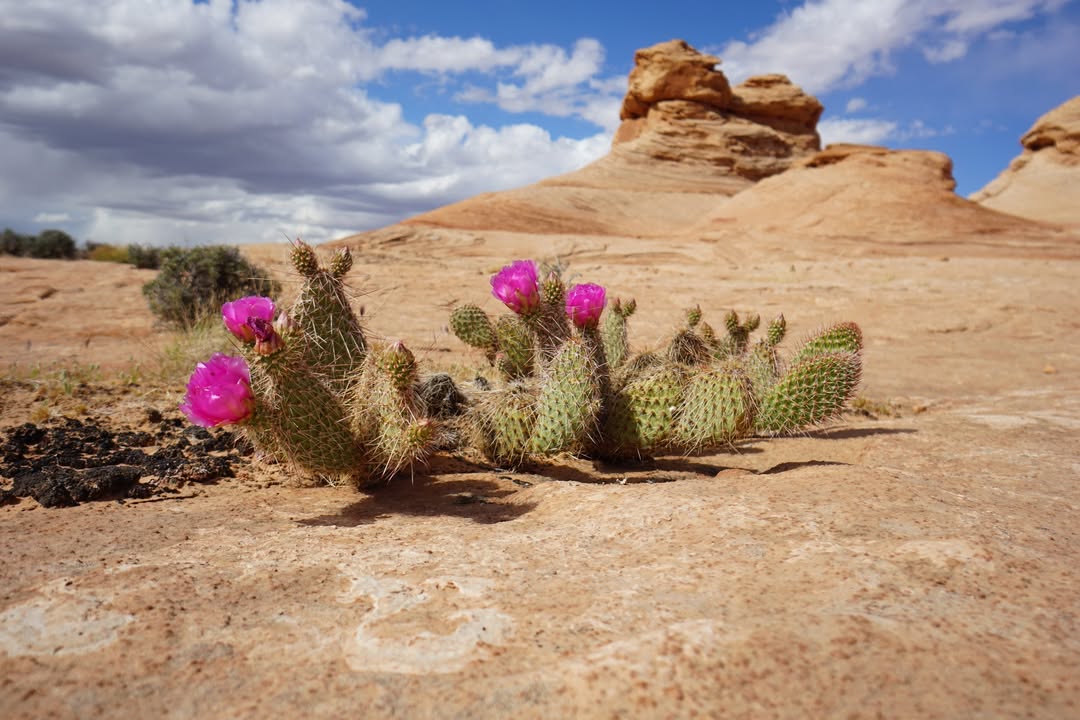
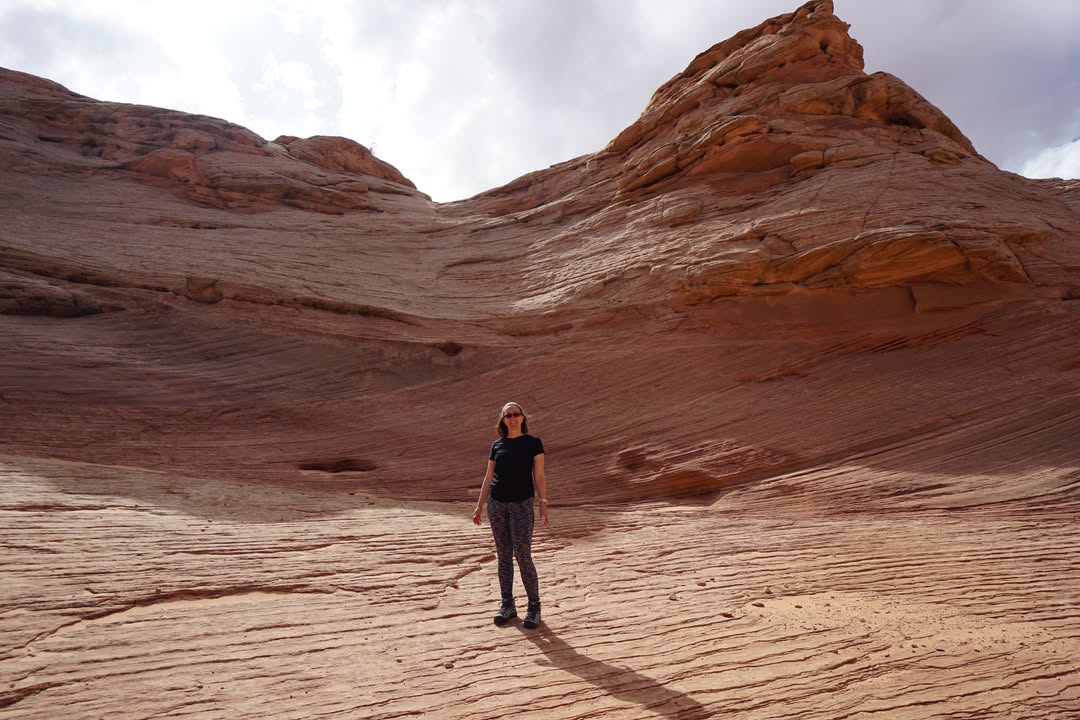
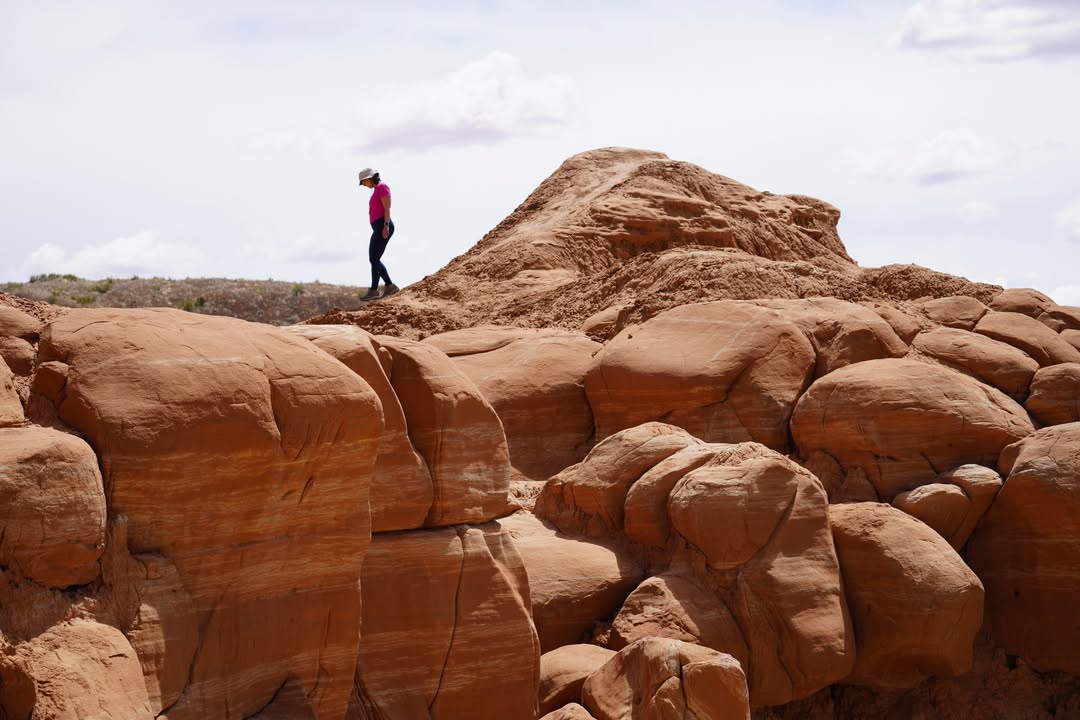
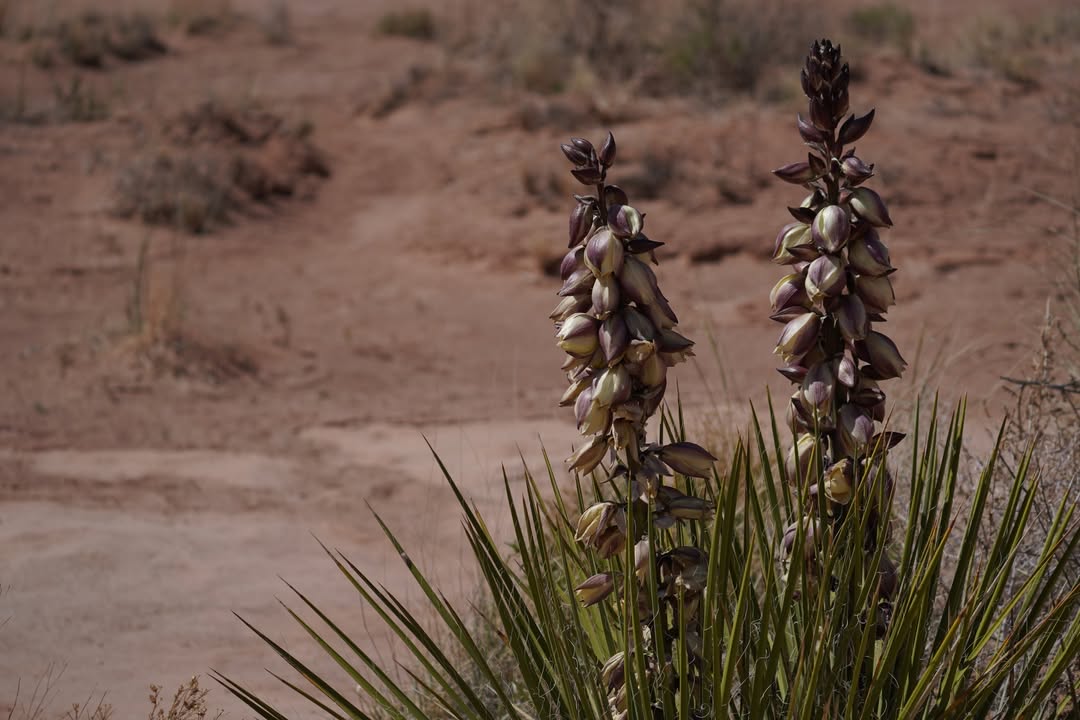
Beehive Trail, also known as the New Wave, was the quiet slickrock hike outside Page after the packed Horseshoe Bend overlook. It is a short wander through swirled sandstone, beehive-shaped domes, desert views, and cactus blooms, with enough open rock to feel playful without turning into a major hike.
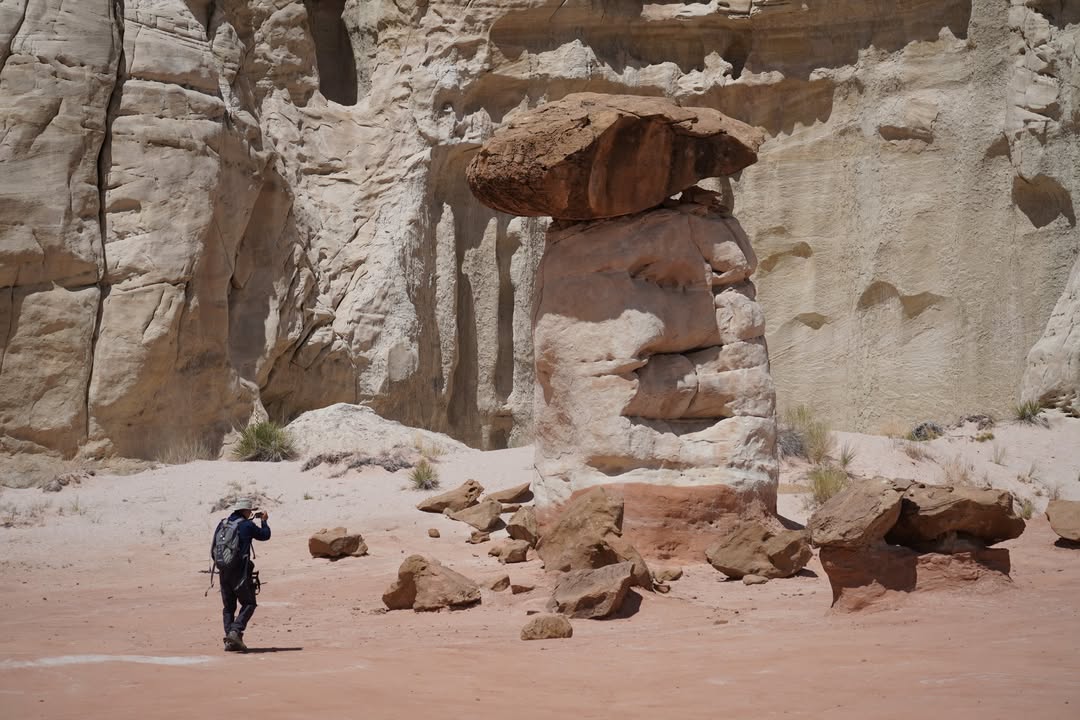
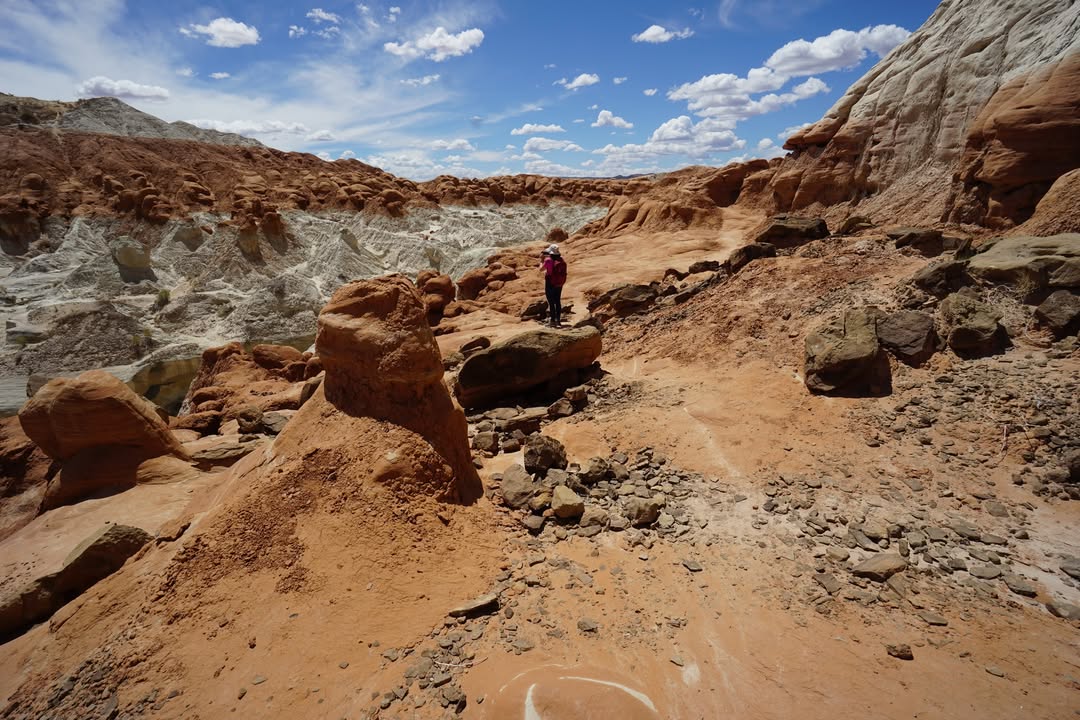
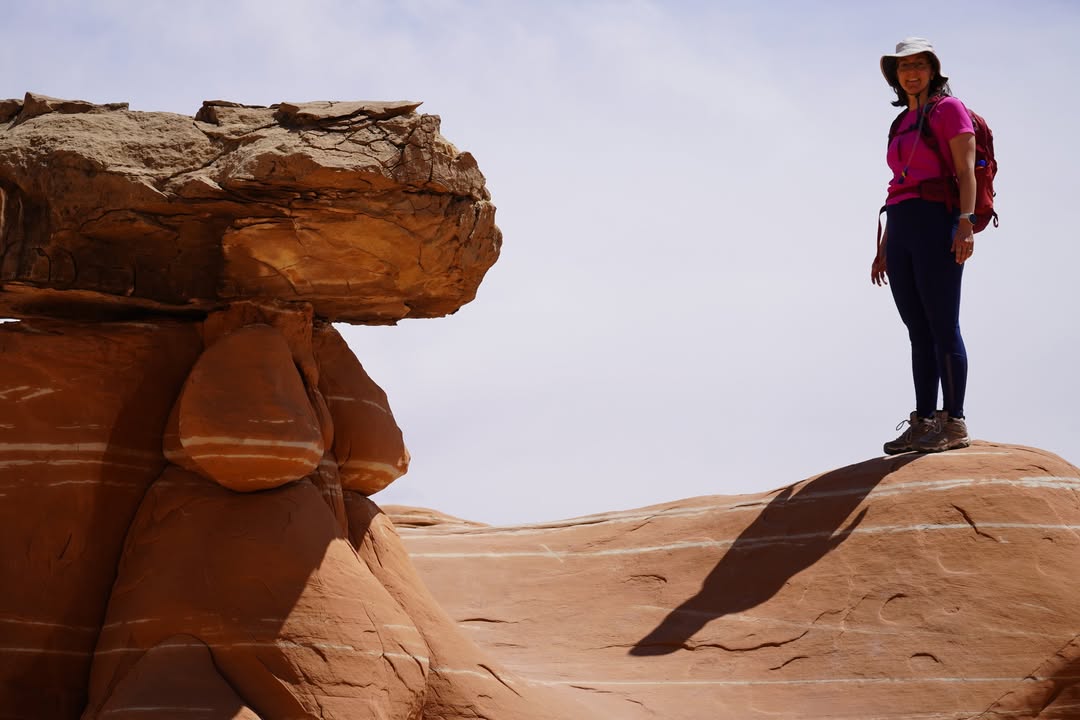
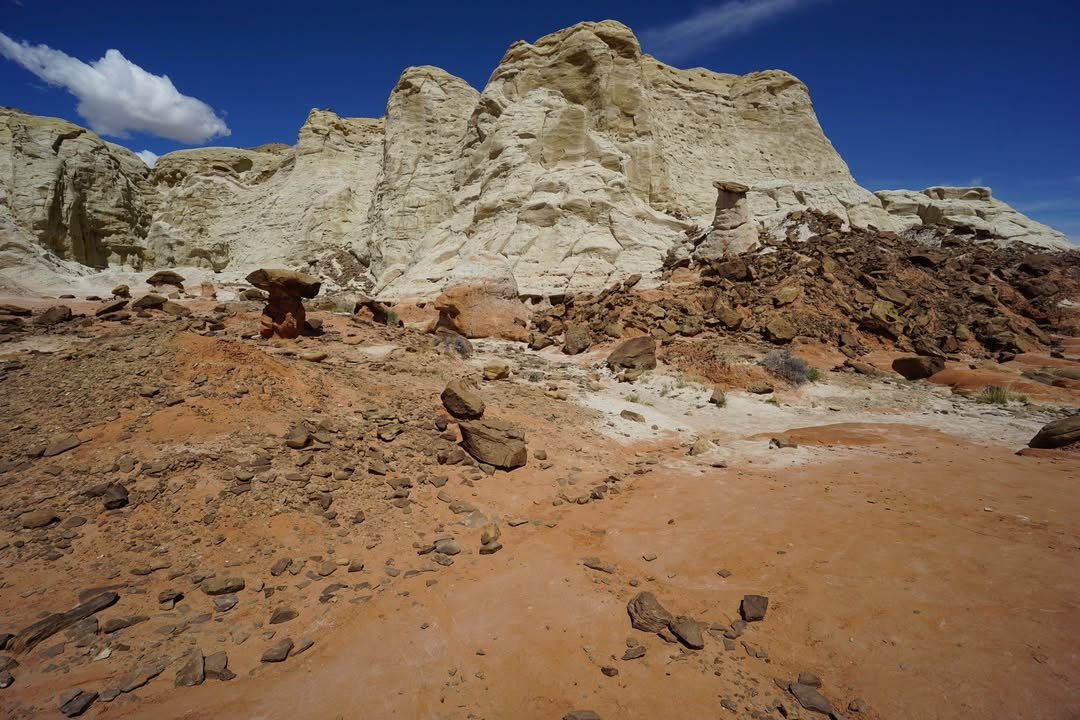
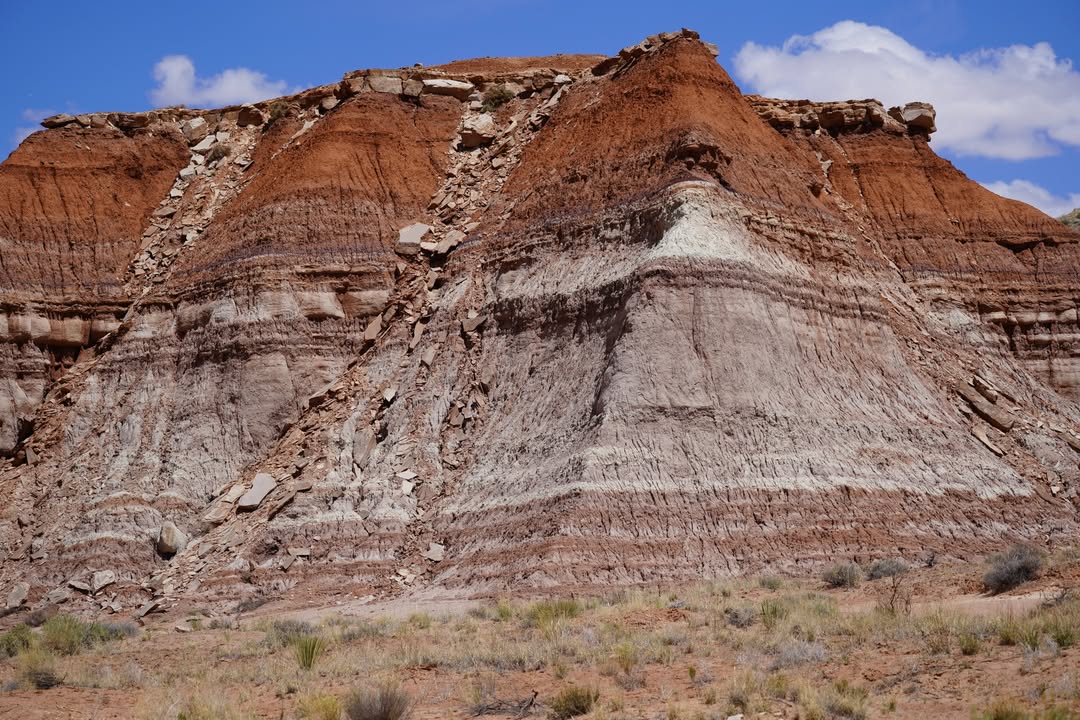
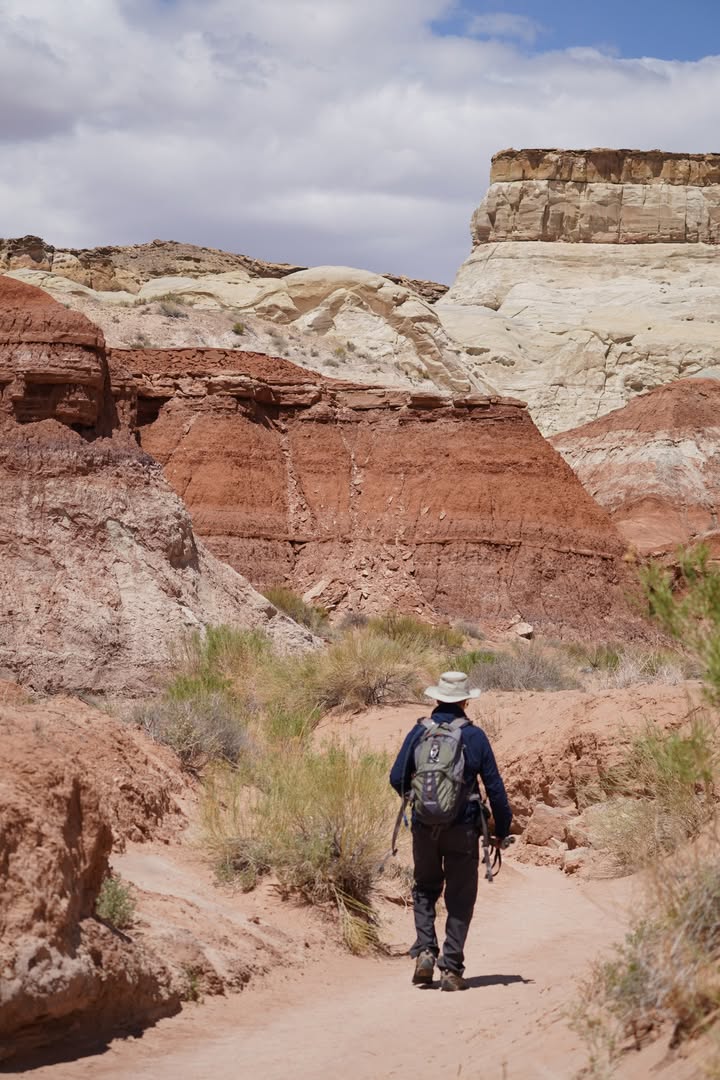
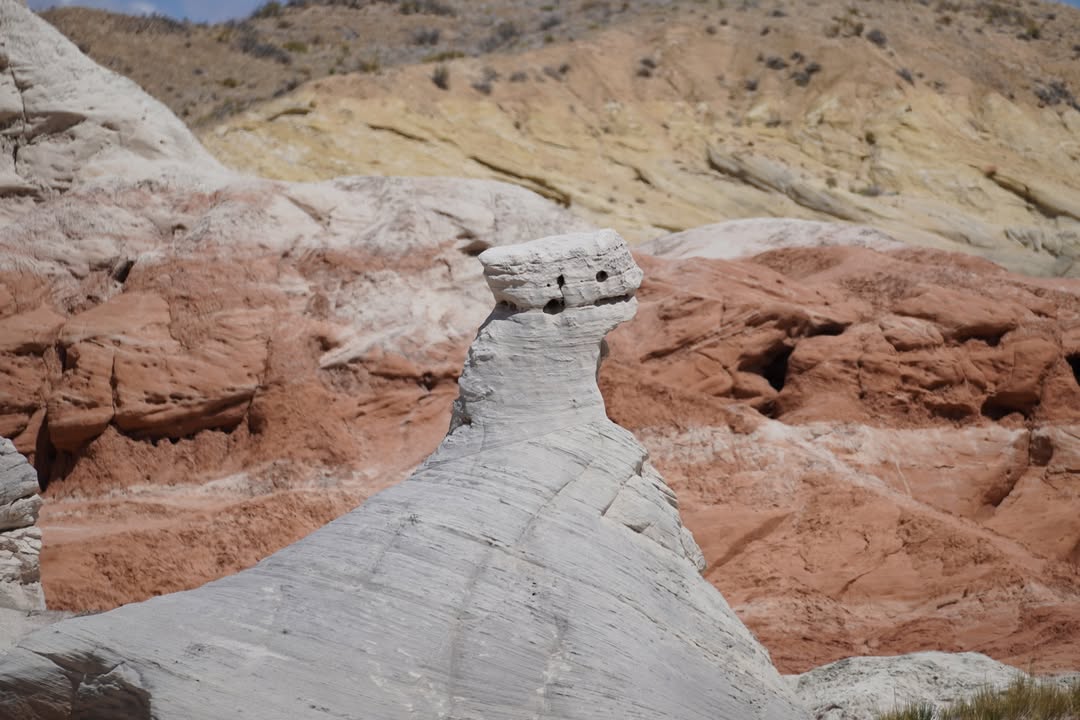
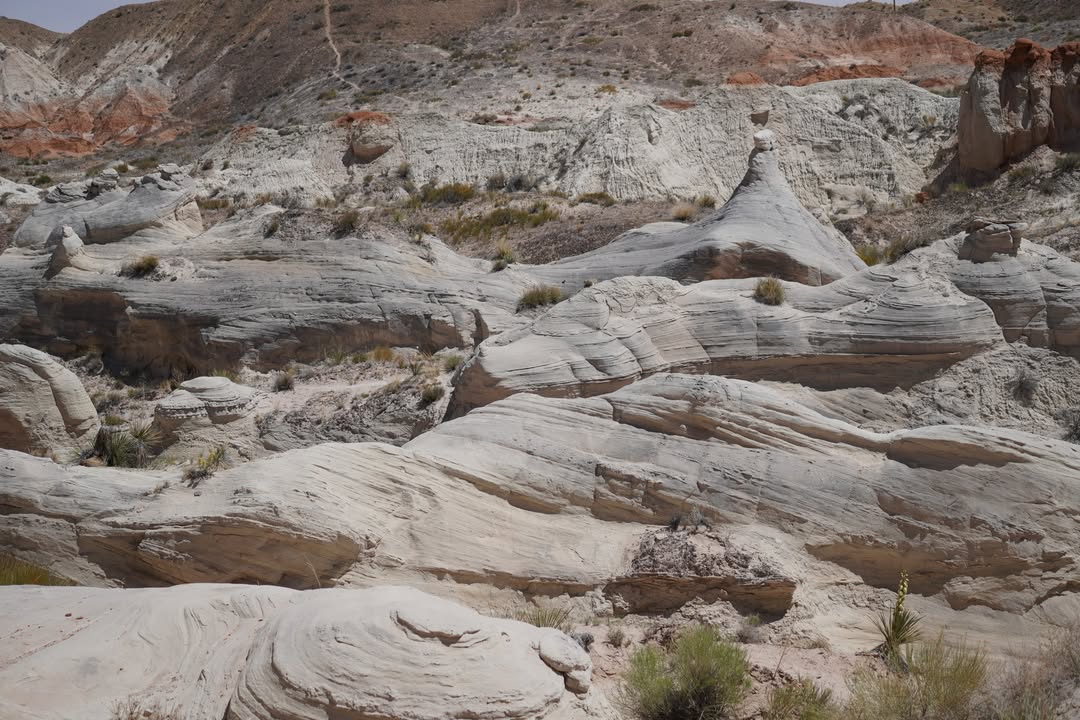
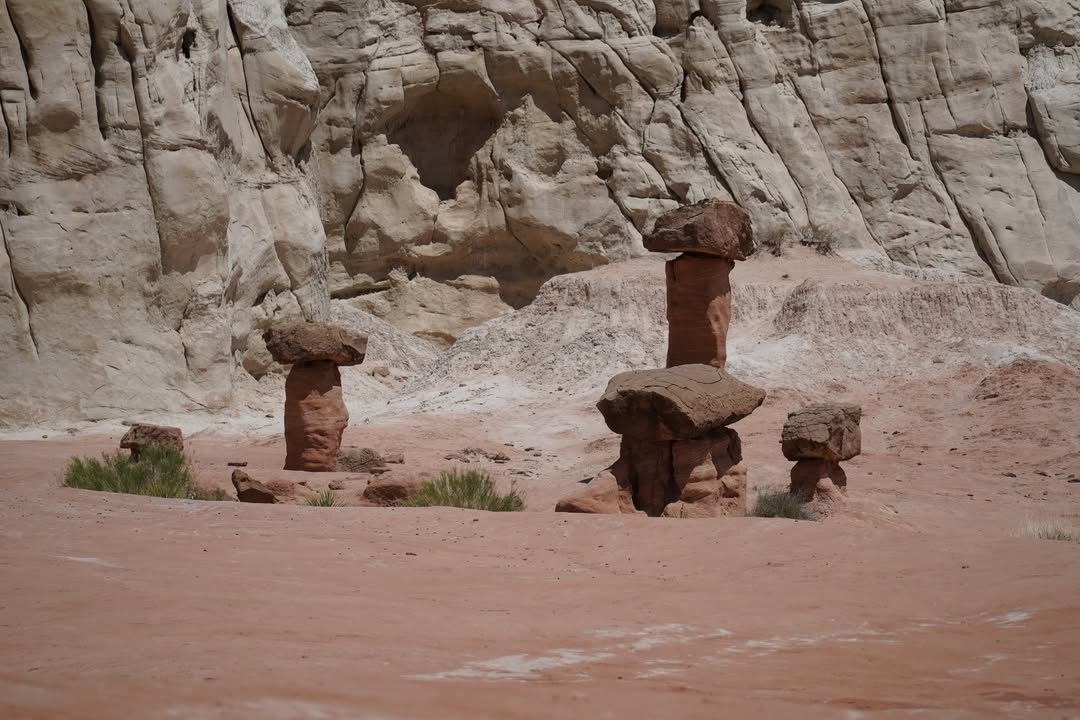
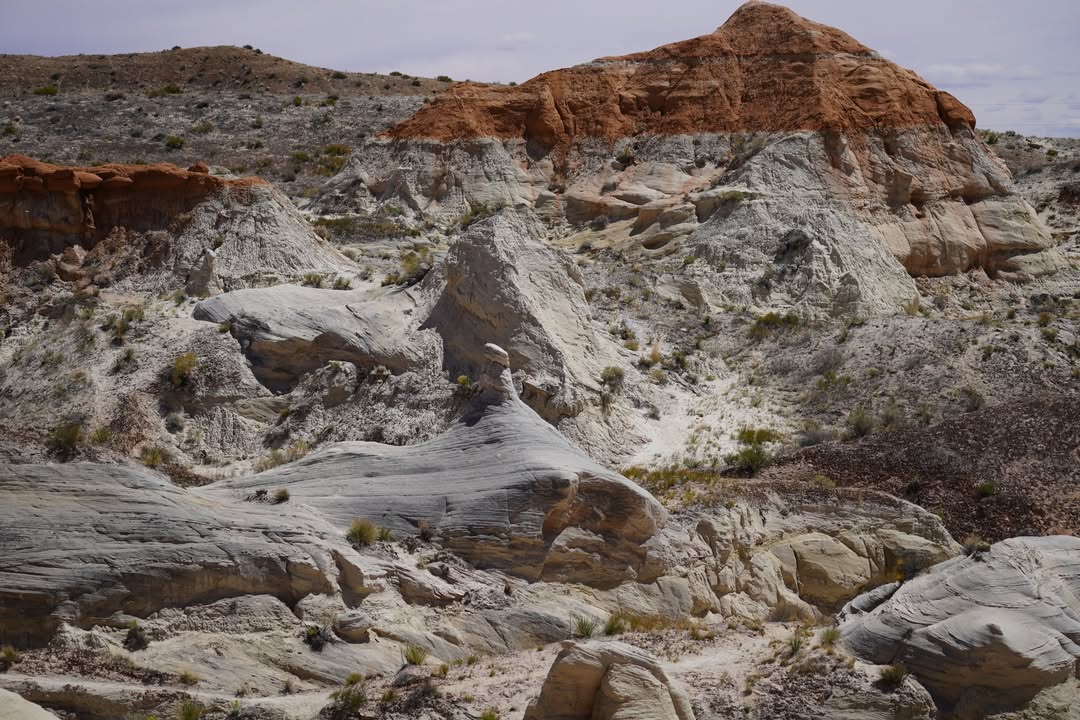
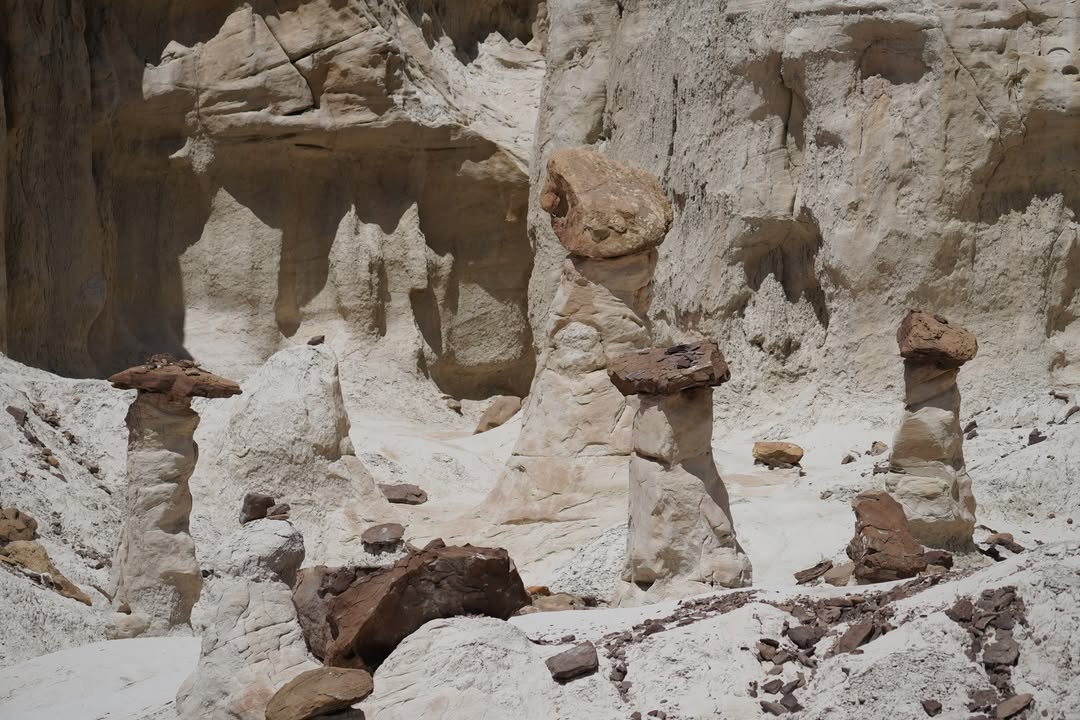
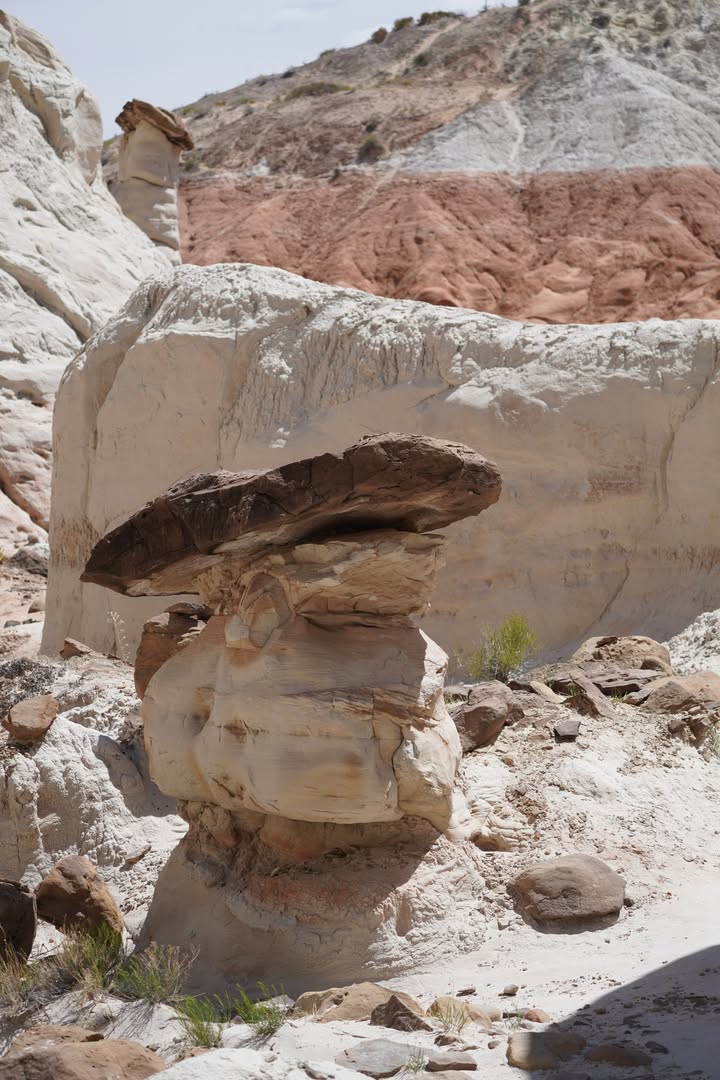
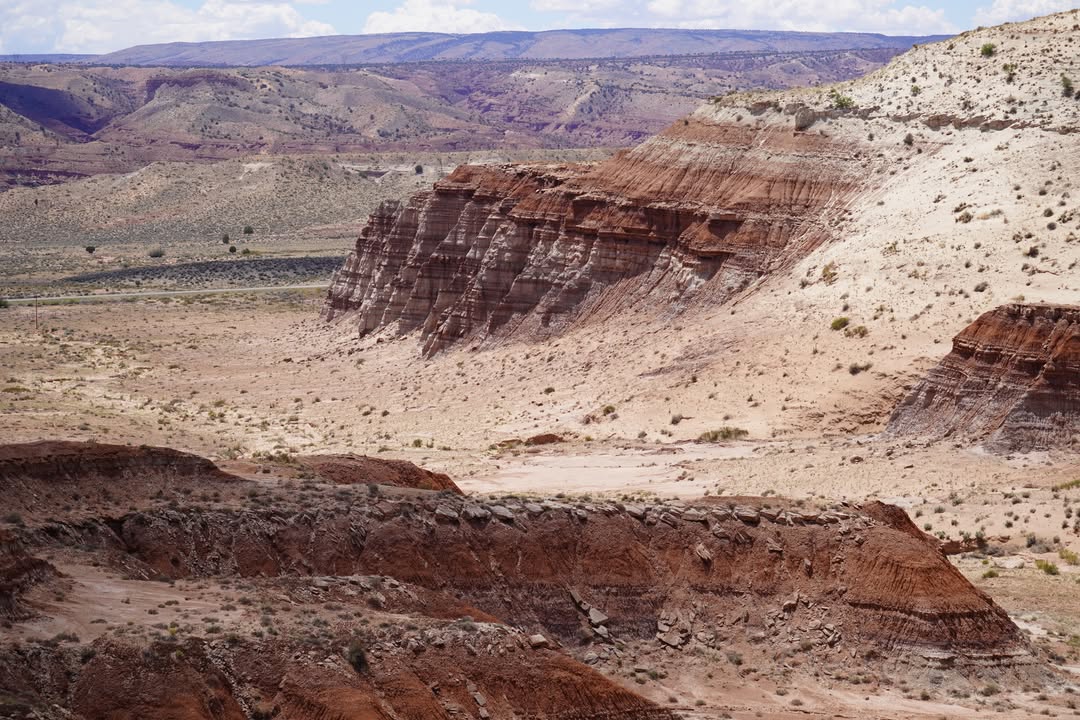
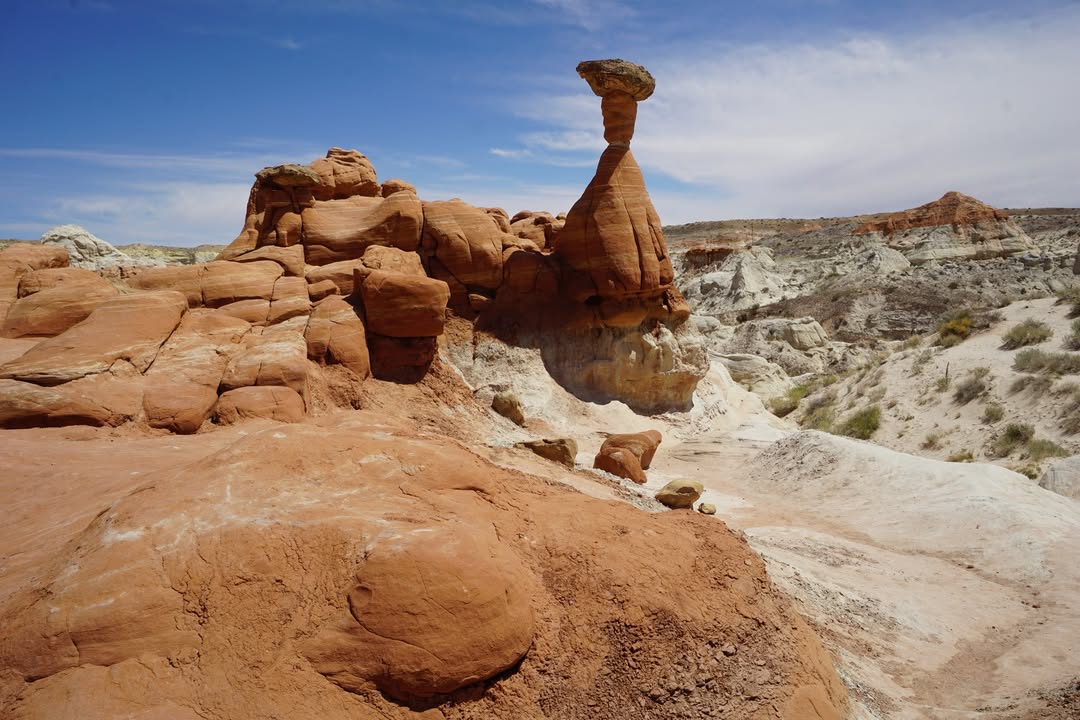
Toadstool Hoodoo Trail in Grand Staircase-Escalante National Monument was a short, high-payoff walk through pale badlands, banded cliffs, and balanced hoodoos. The main toadstool is the obvious draw, but the surrounding formations, side views, and desert blooms made it worth lingering and wandering beyond the first photo stop.
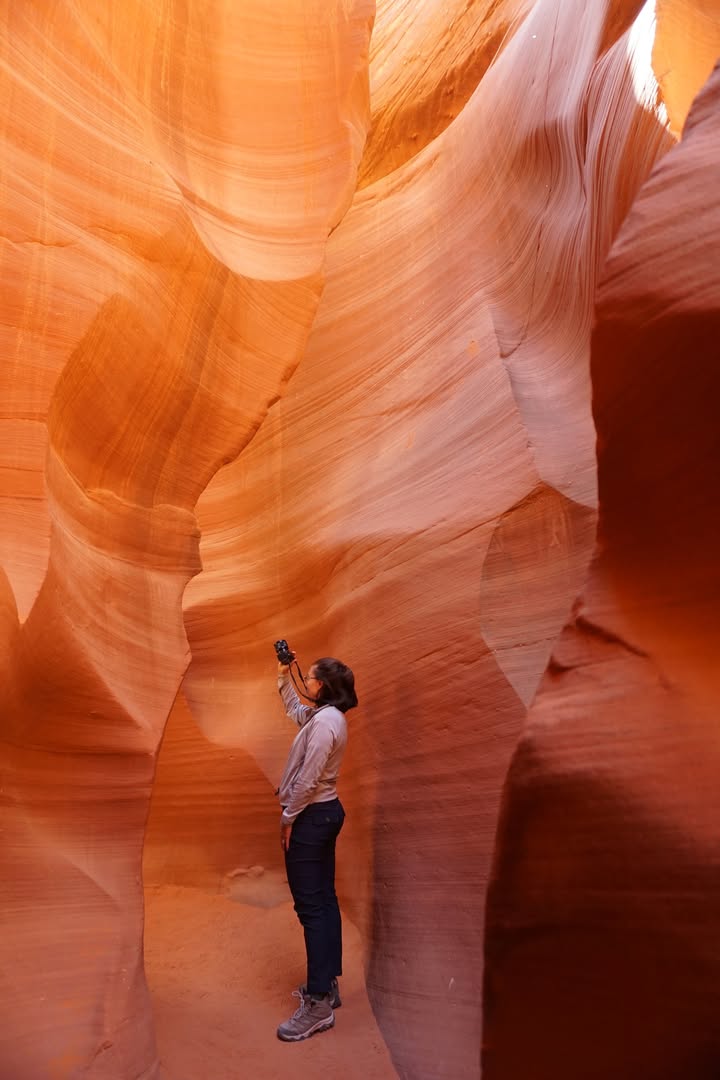
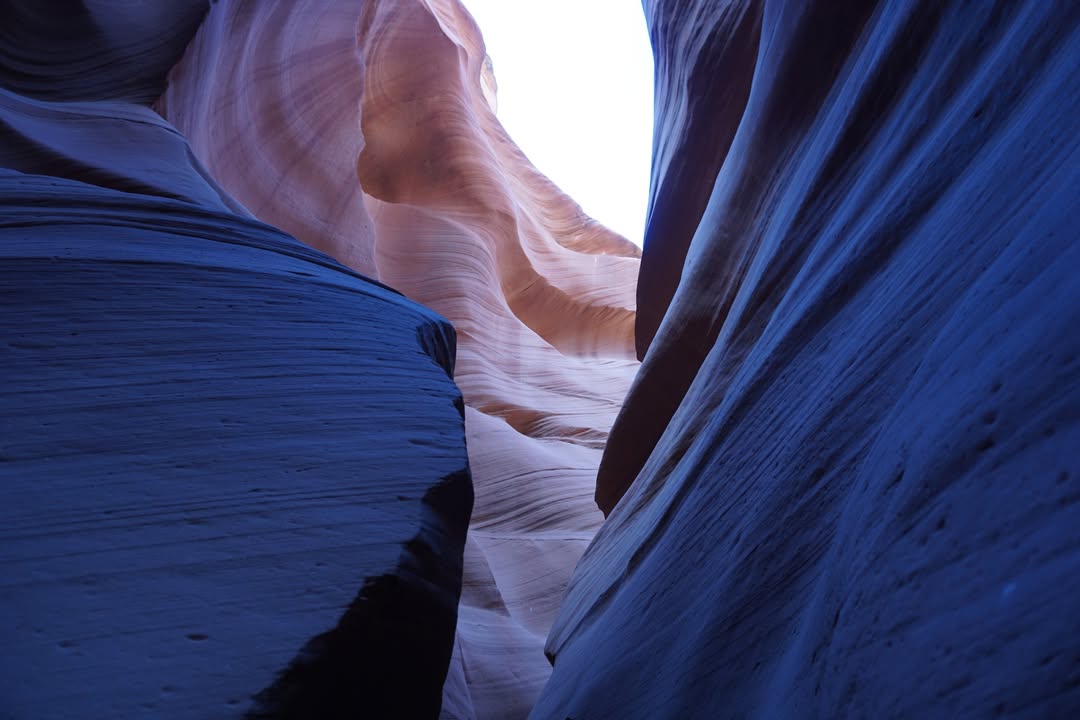
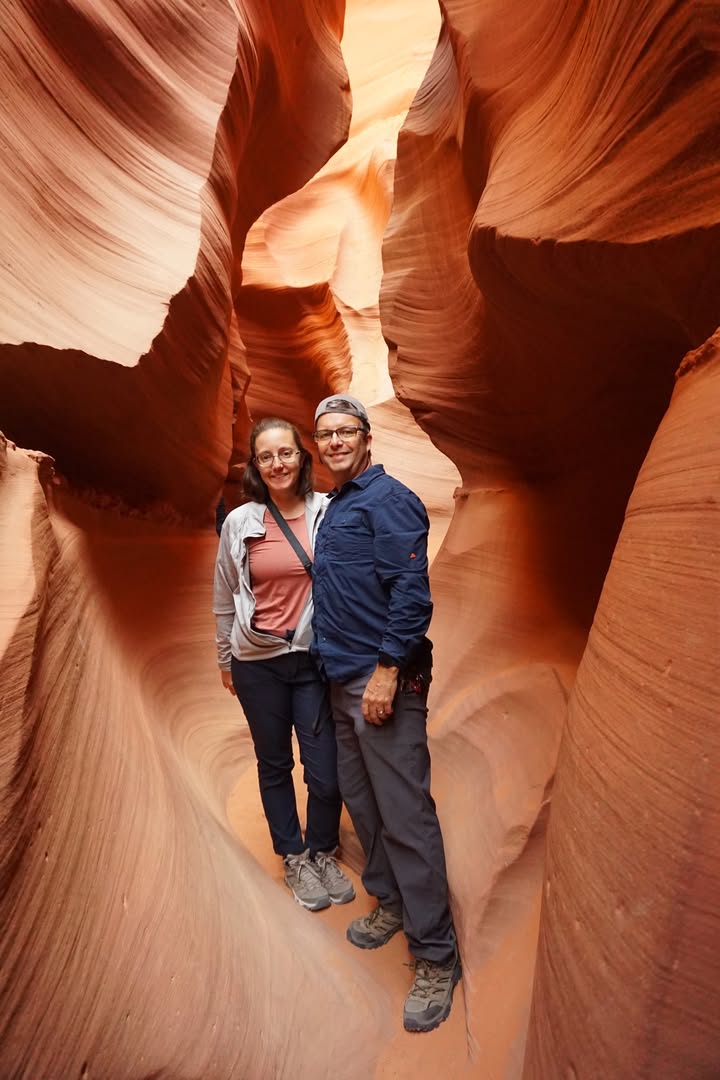
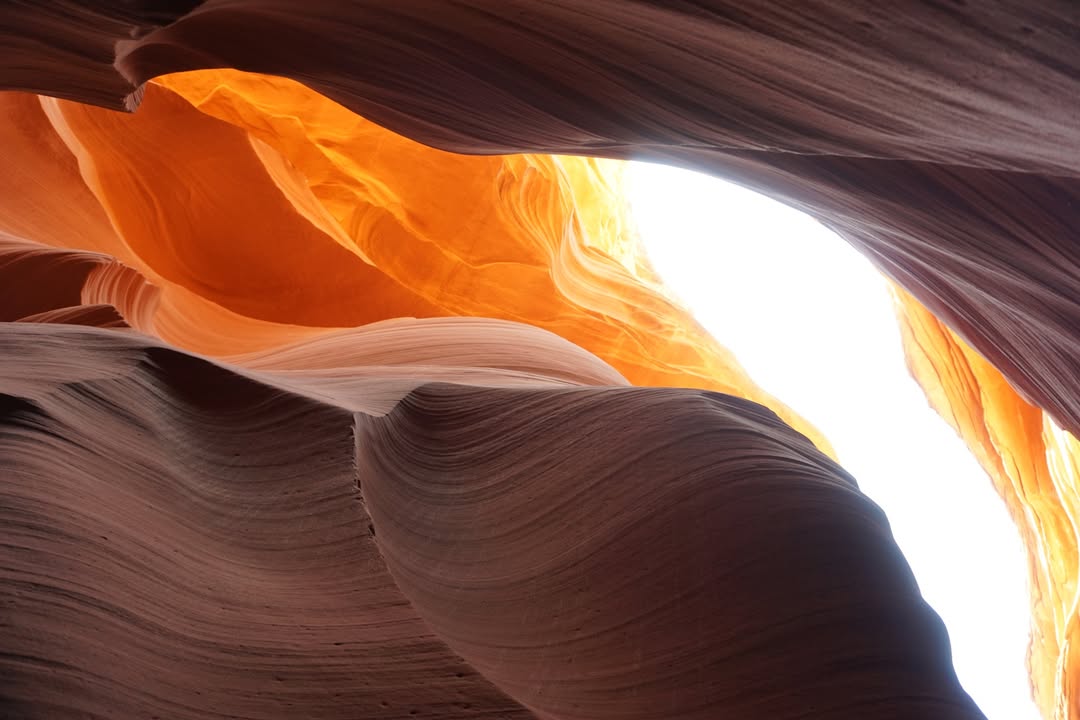
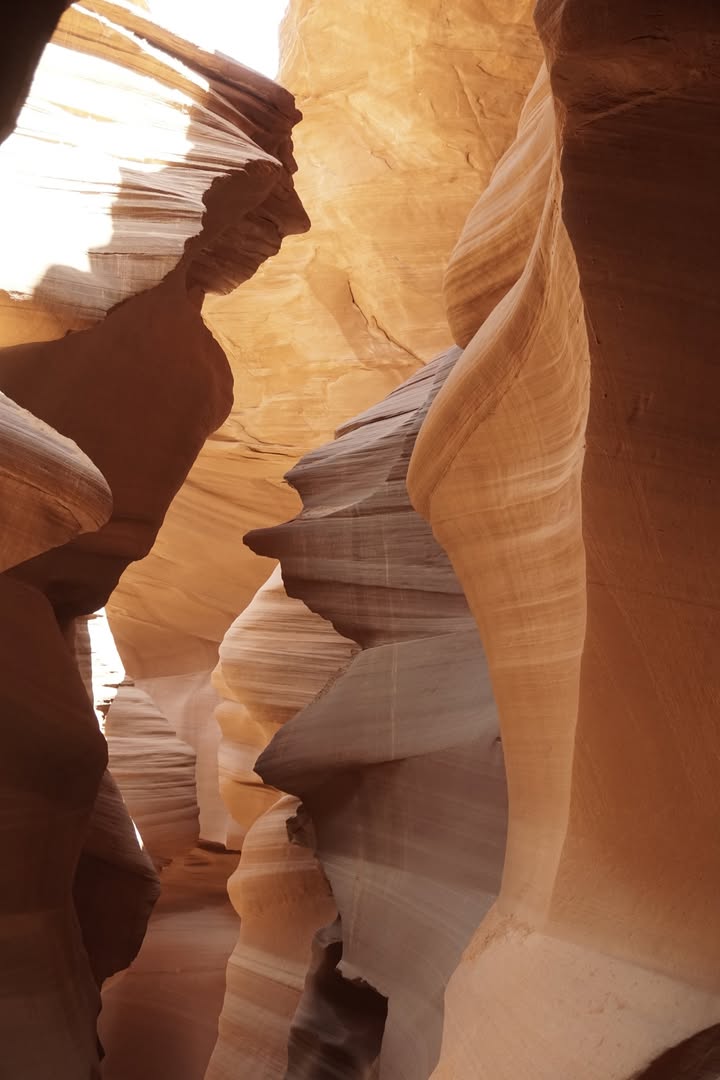
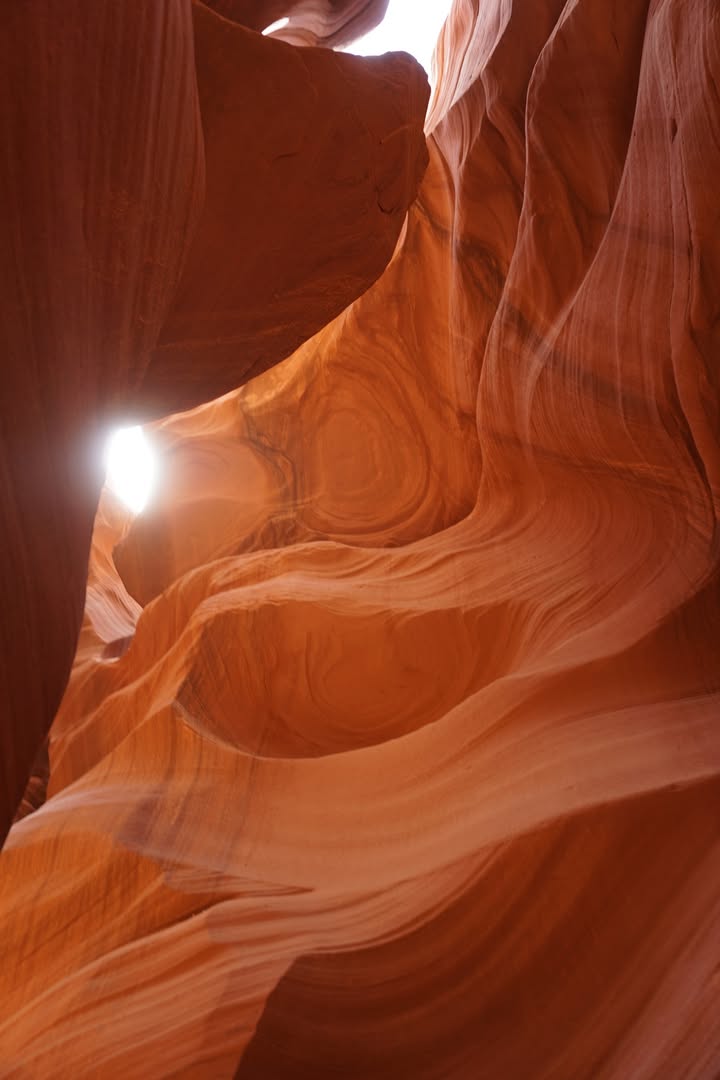
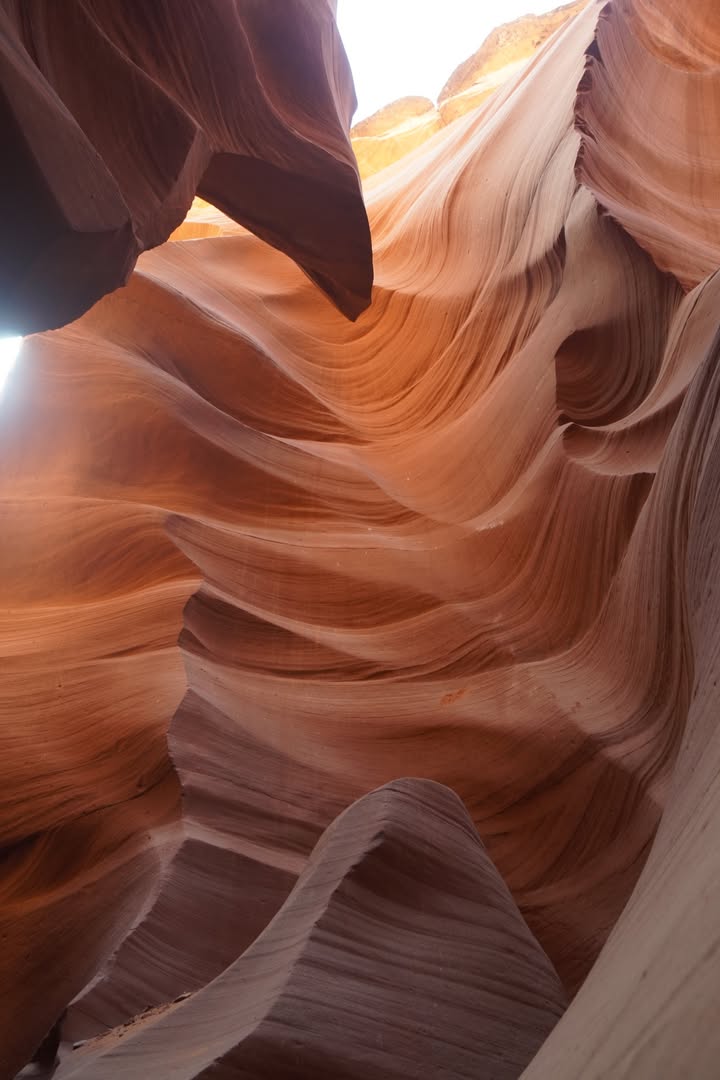
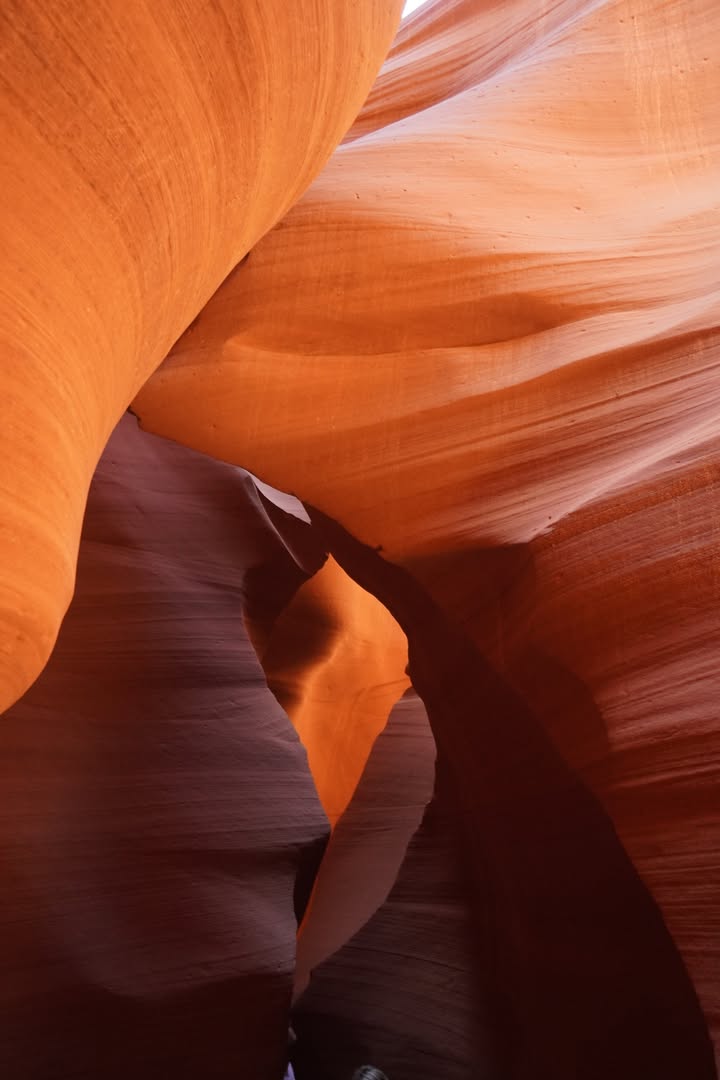
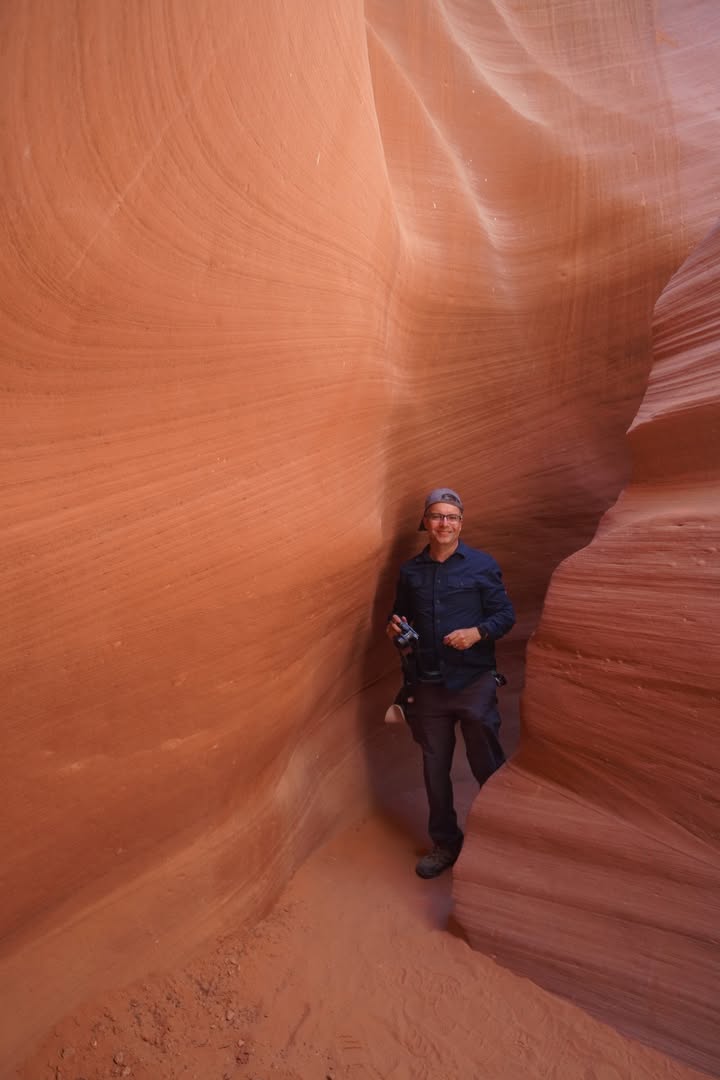
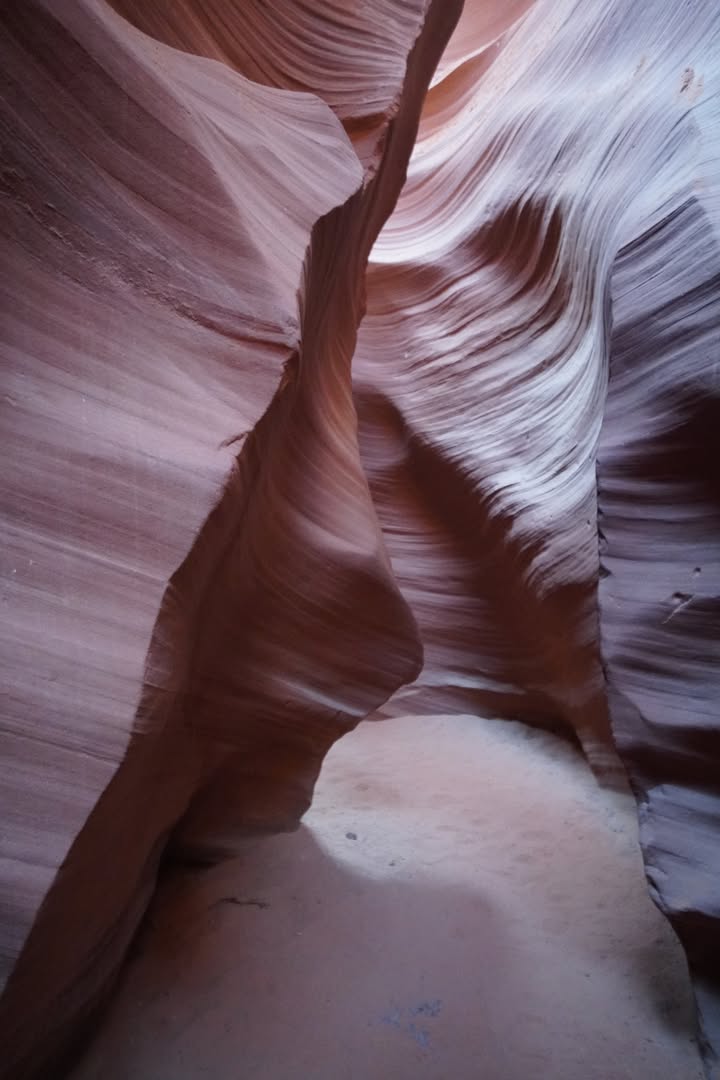
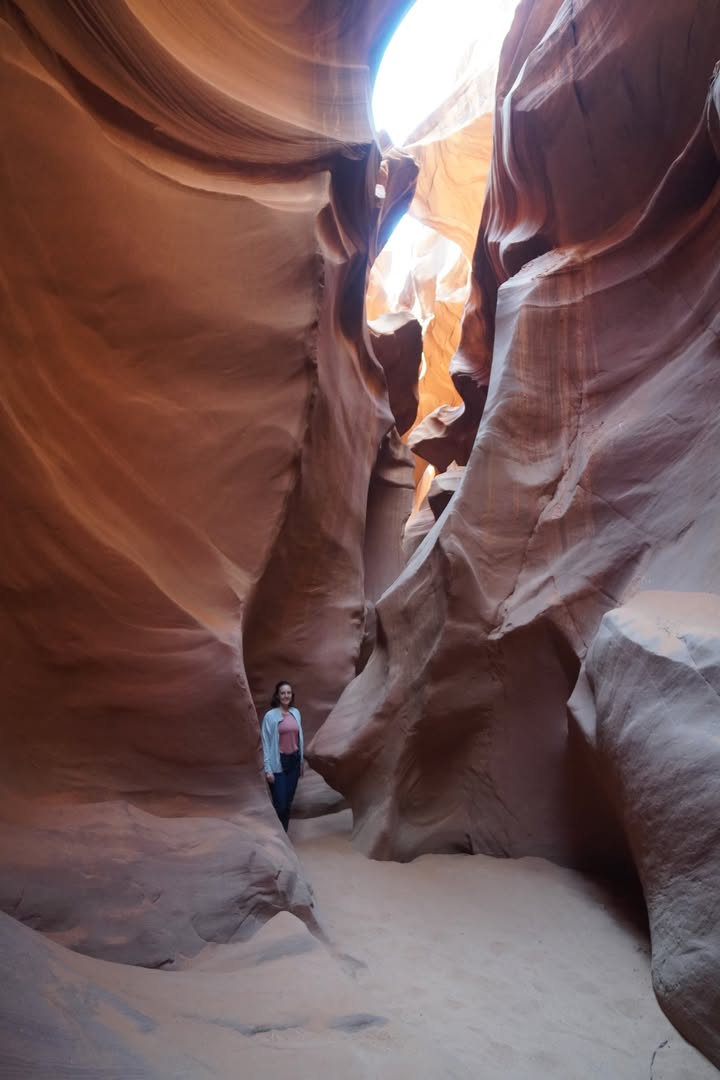
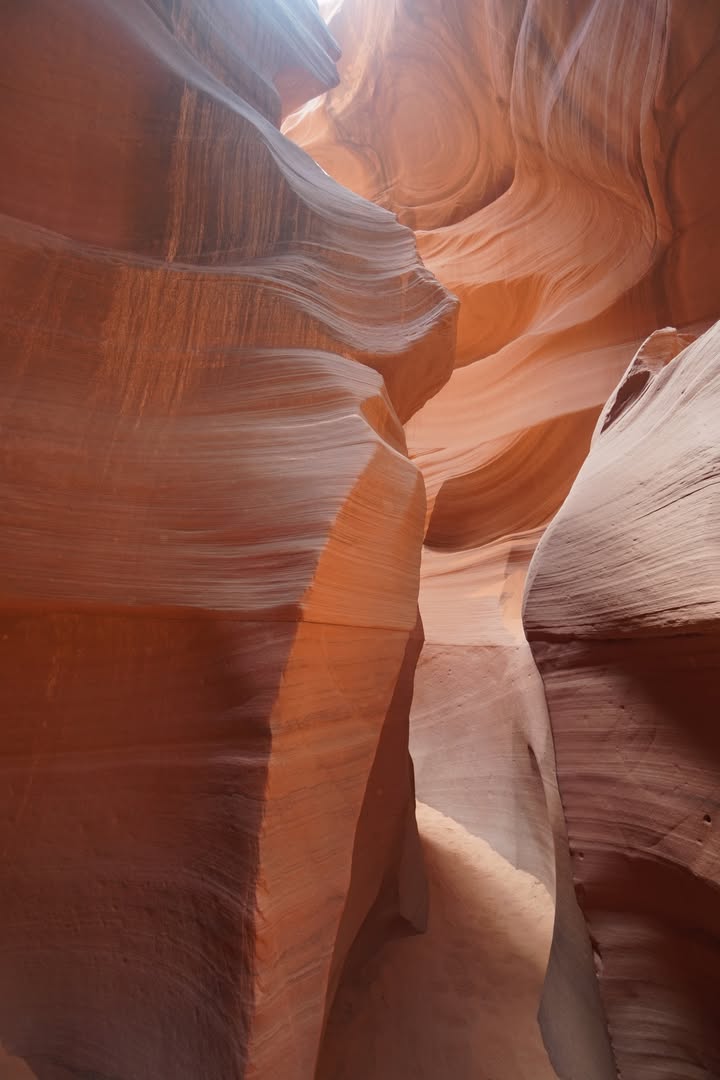
Lower Antelope Canyon was the slot canyon stop, all curves, light, and narrow walls that make even a short tour feel dramatic.
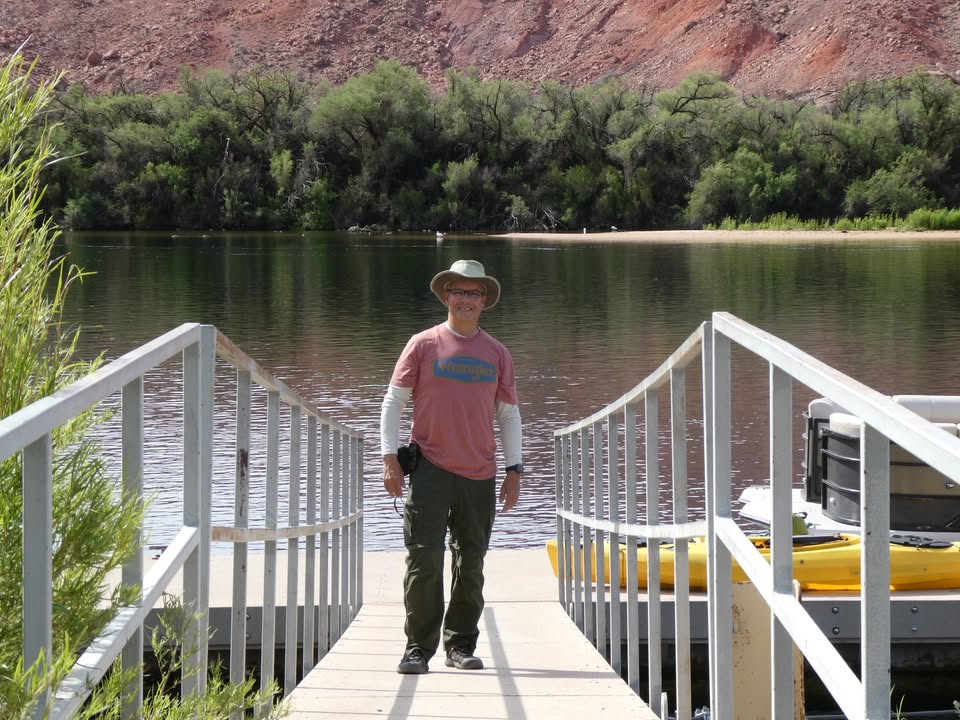
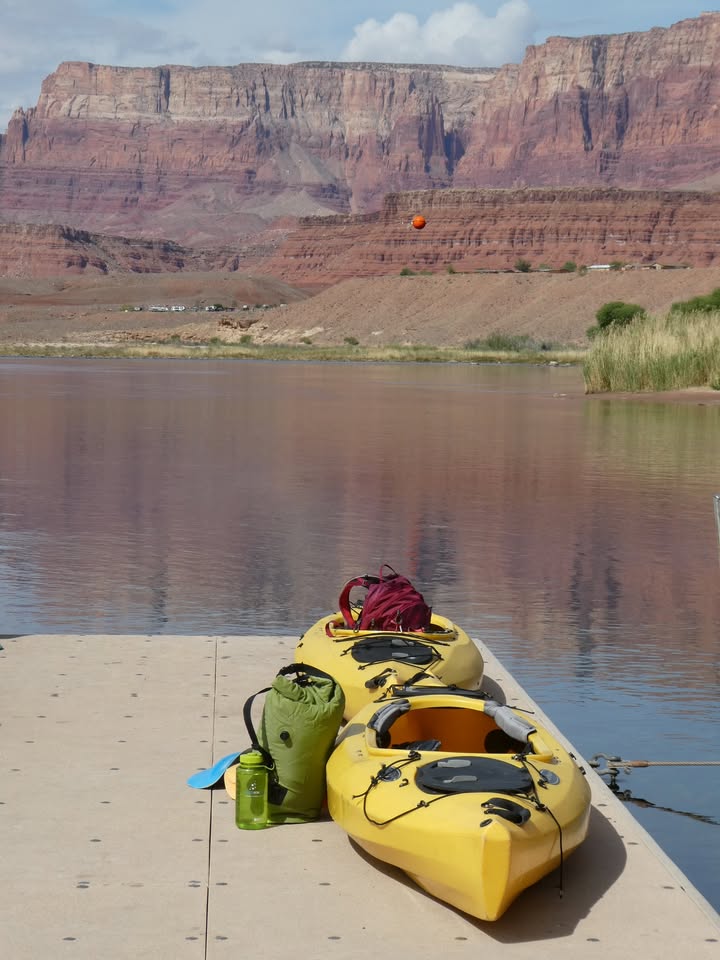
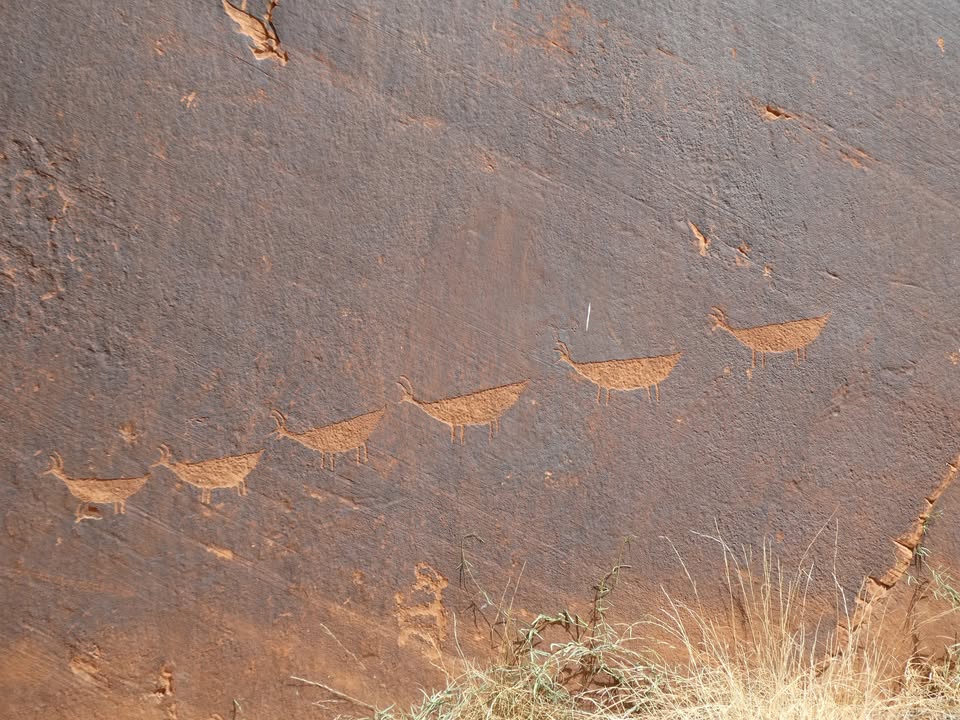
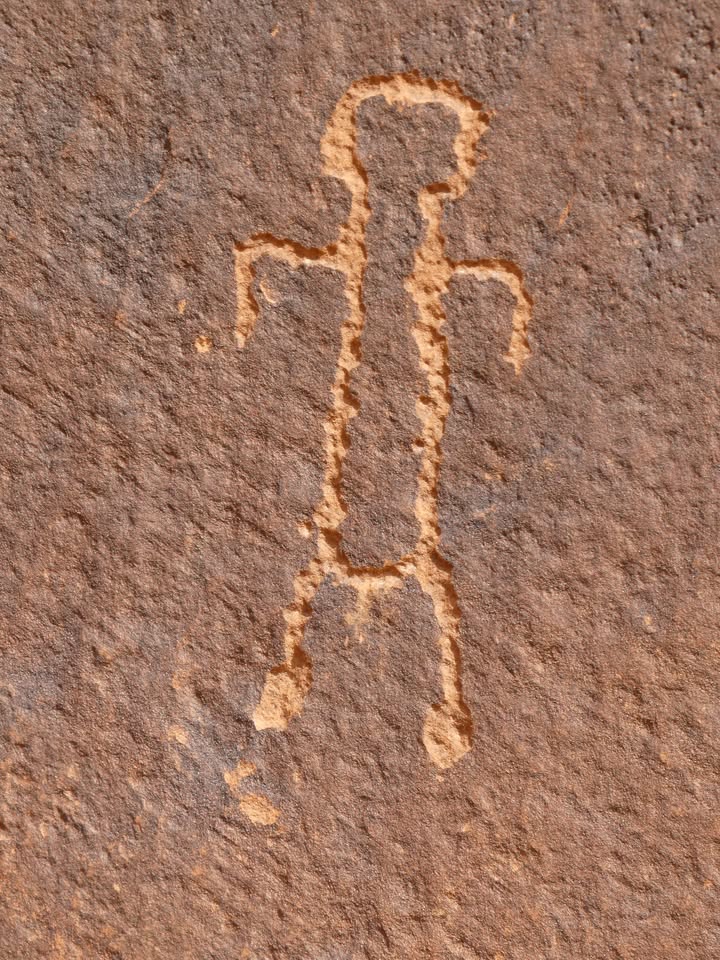
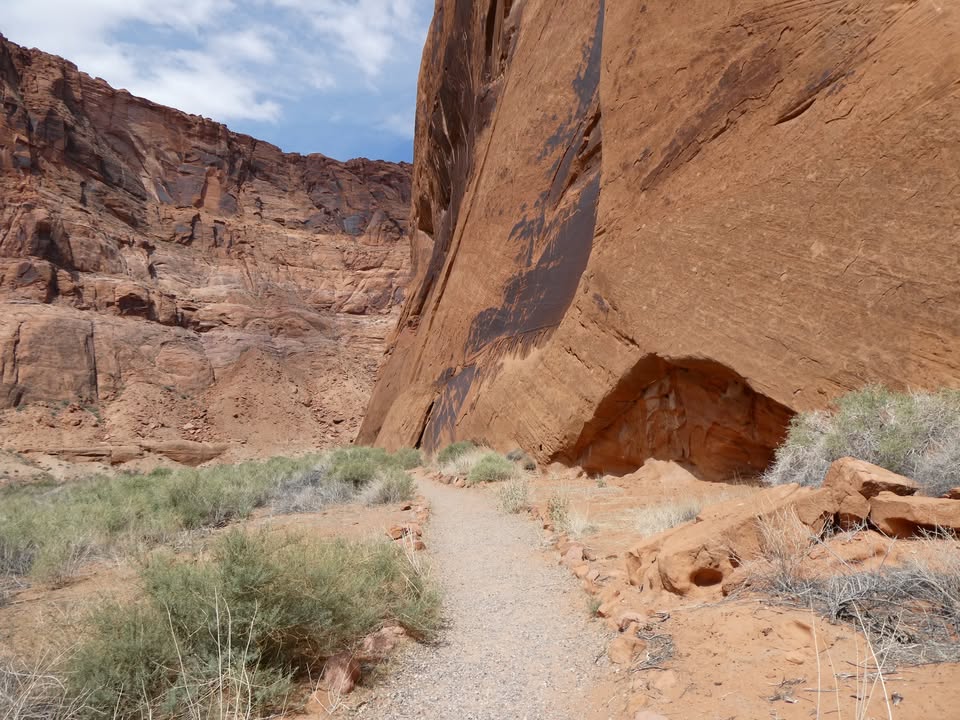
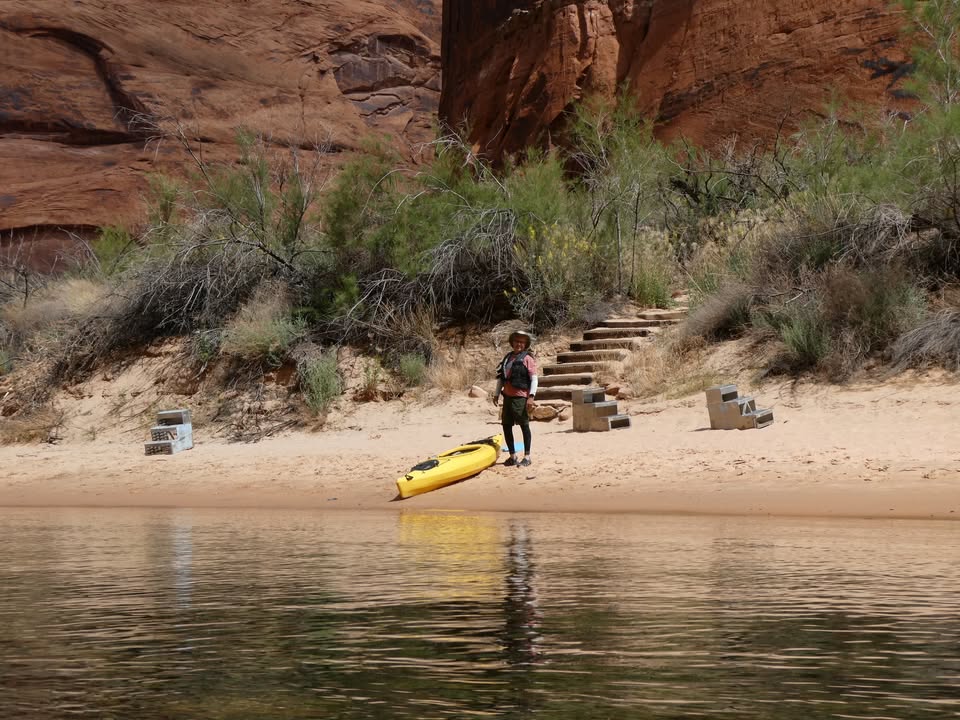
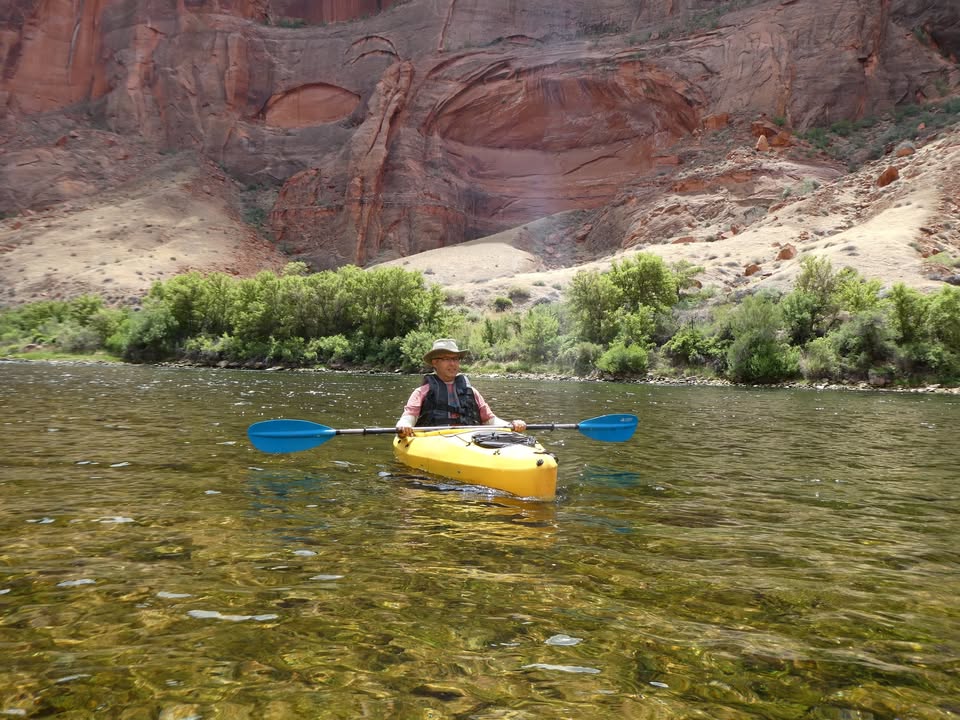
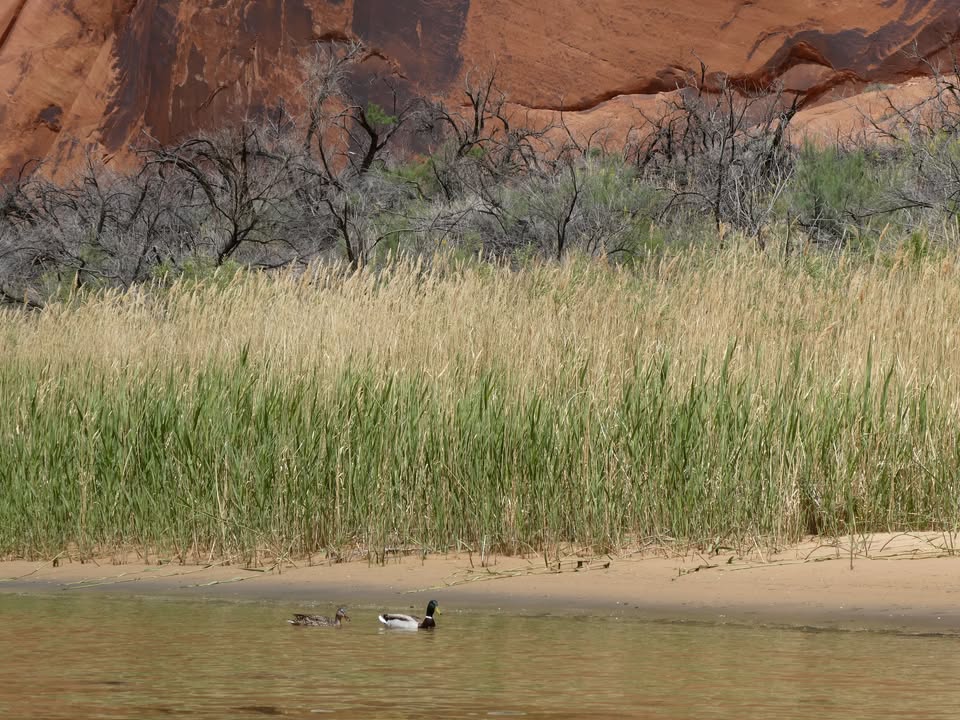
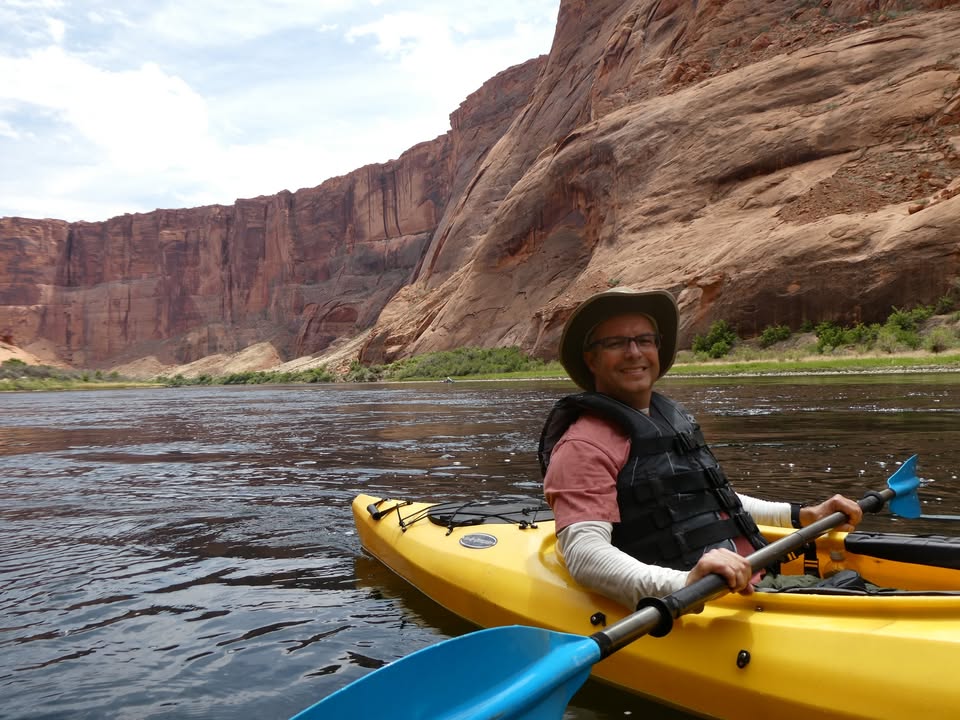
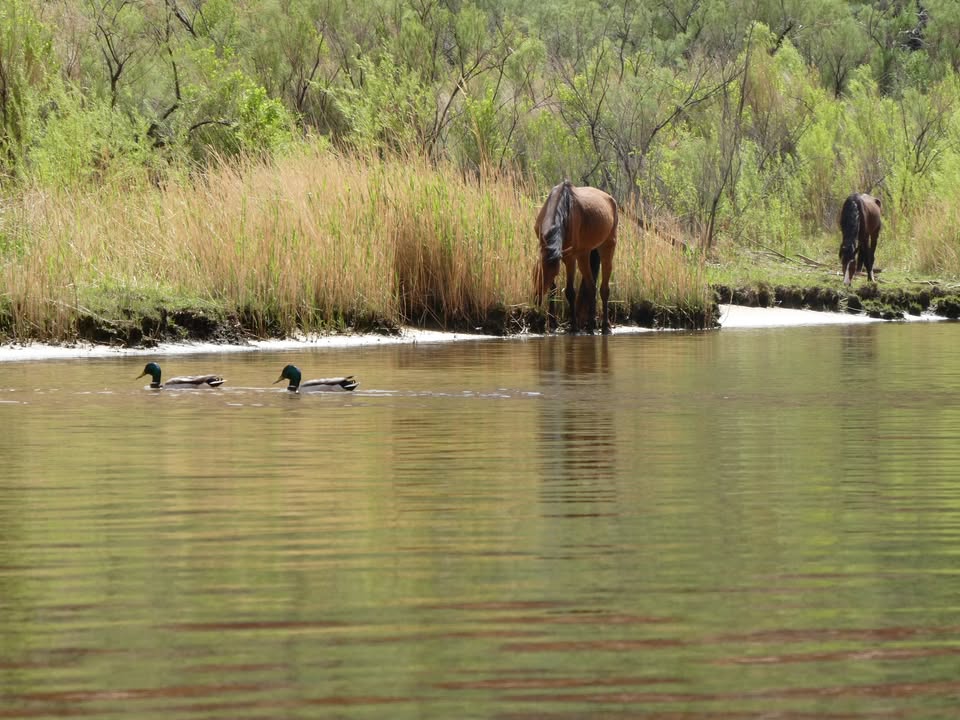
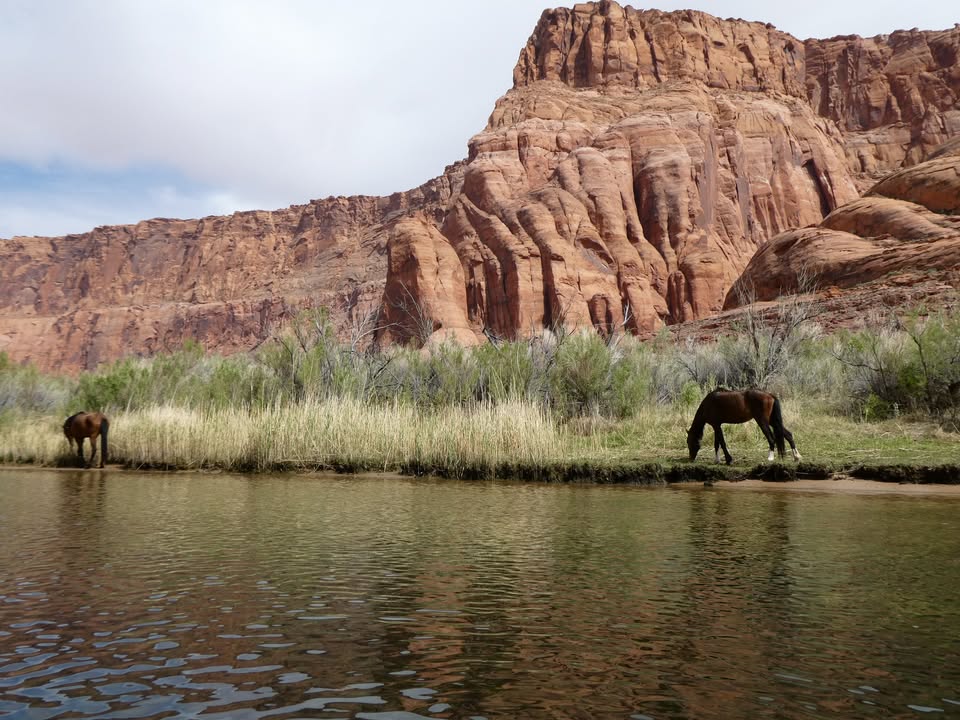
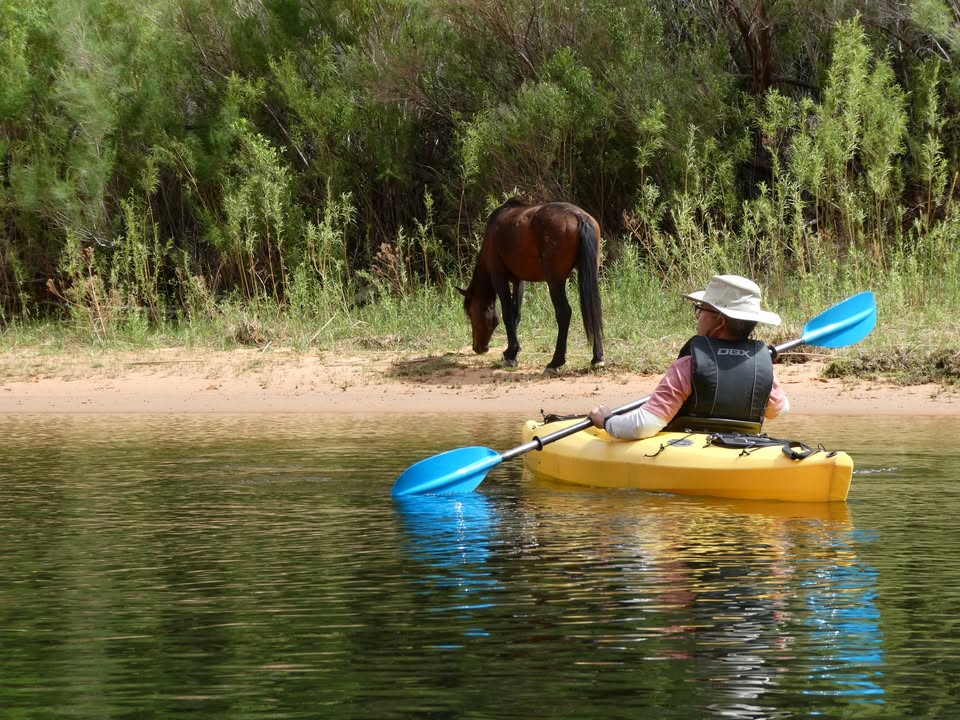
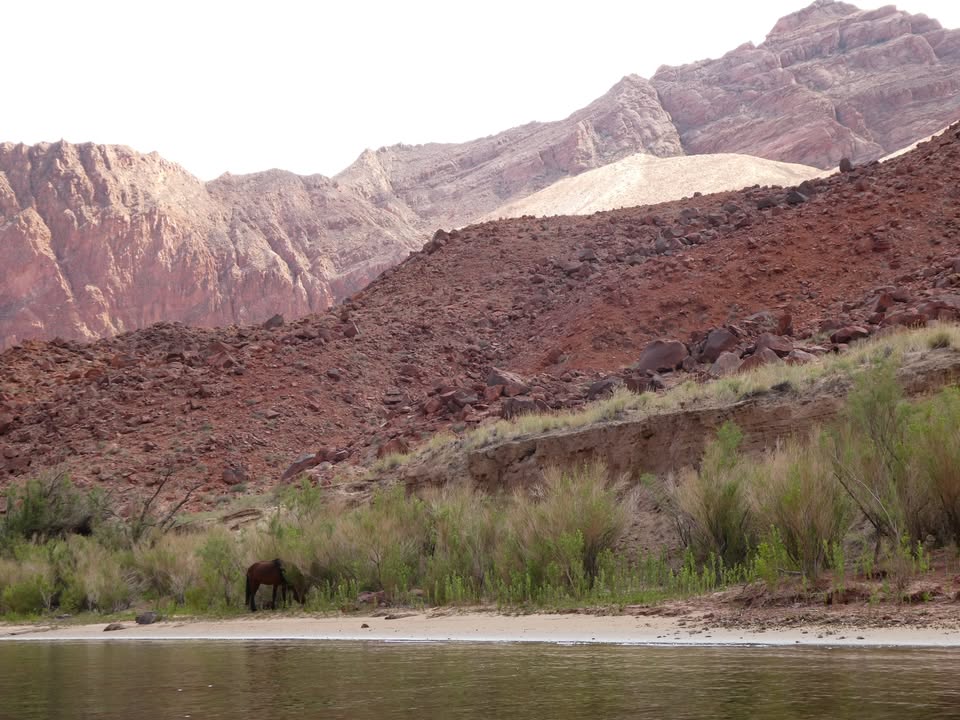
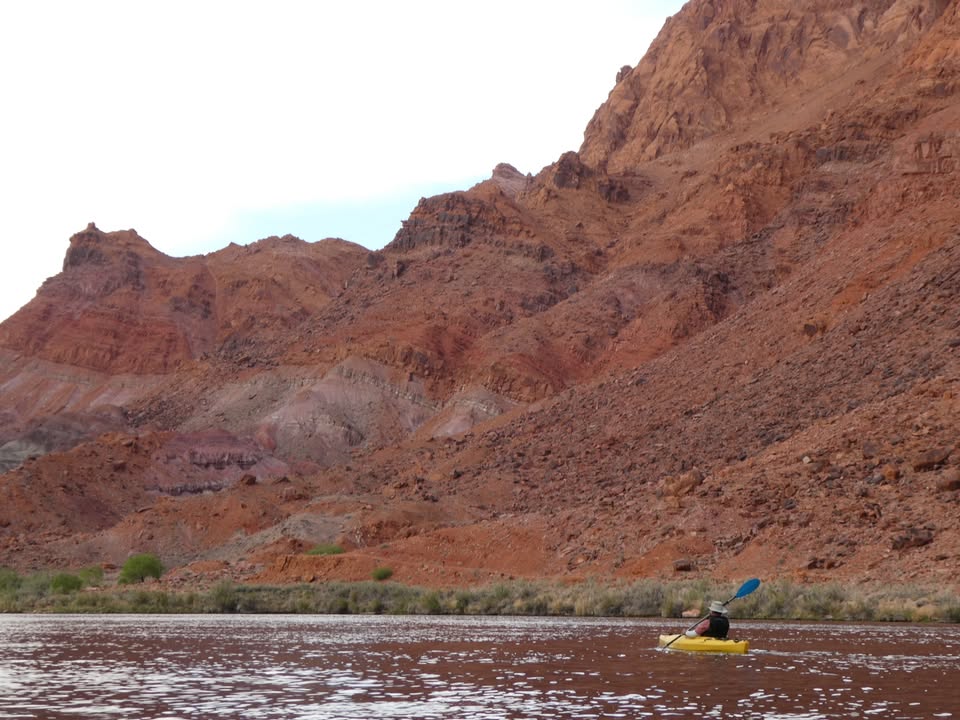
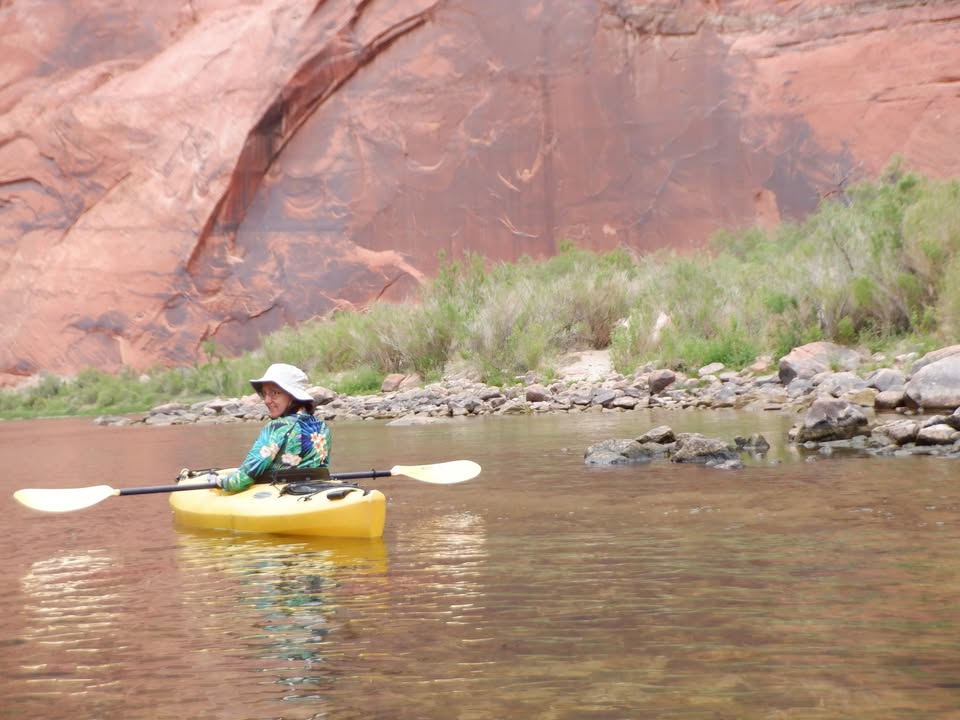
After seeing Horseshoe Bend from the top, we wanted to experience it from below on the Colorado River. To make that happen, we camped at Lees Ferry Campground, then caught a shuttle about 10 miles upstream to Petroglyph Beach, just past Horseshoe Bend. From there, we launched the kayaks and paddled downstream through Horseshoe Bend back to Lees Ferry.
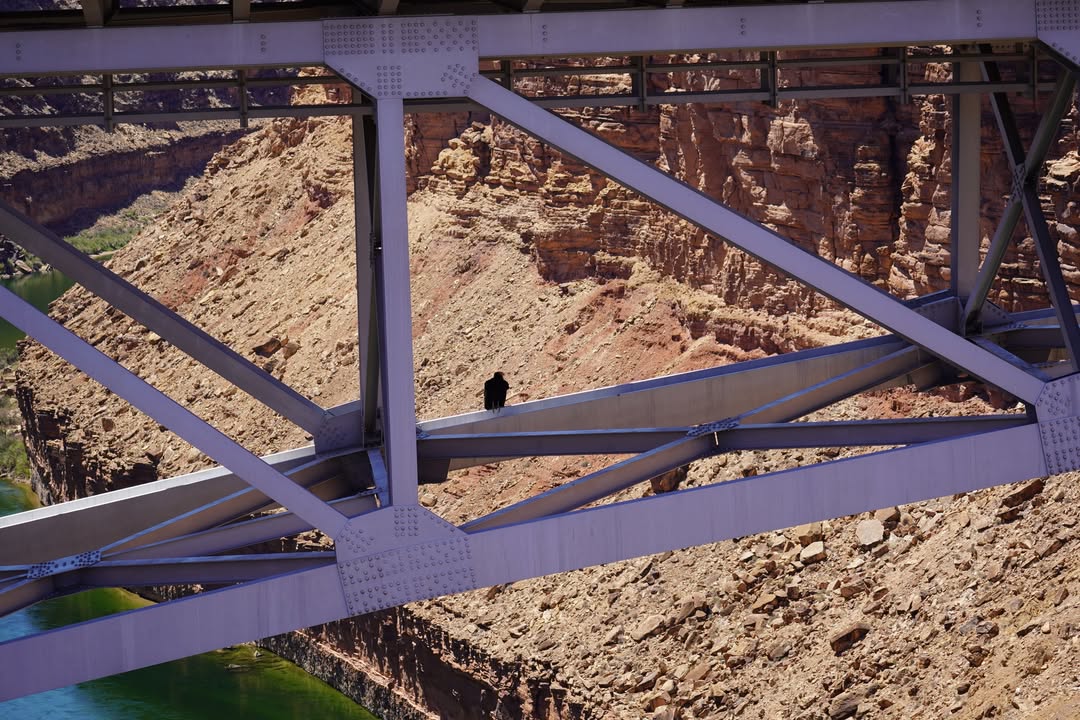
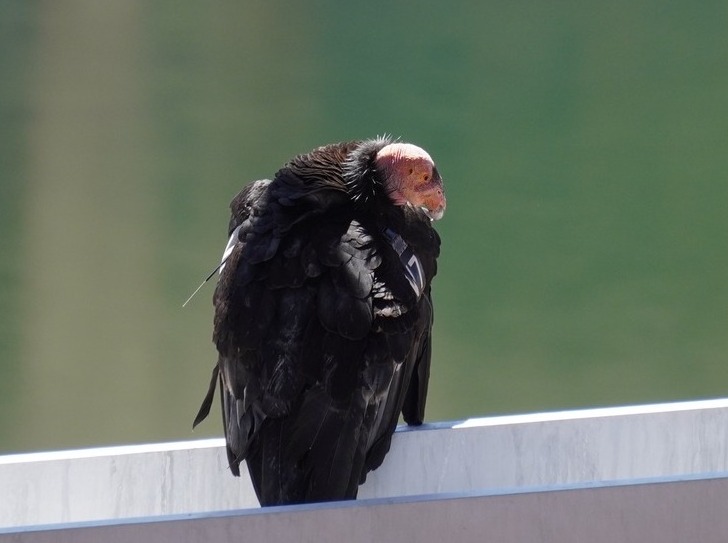
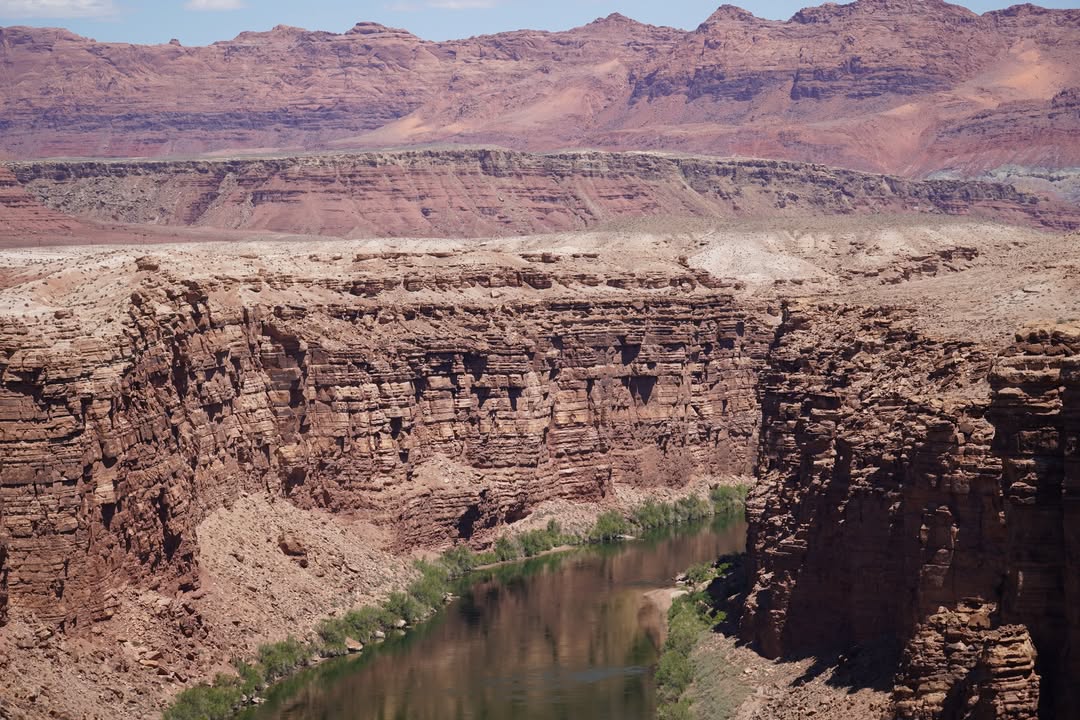
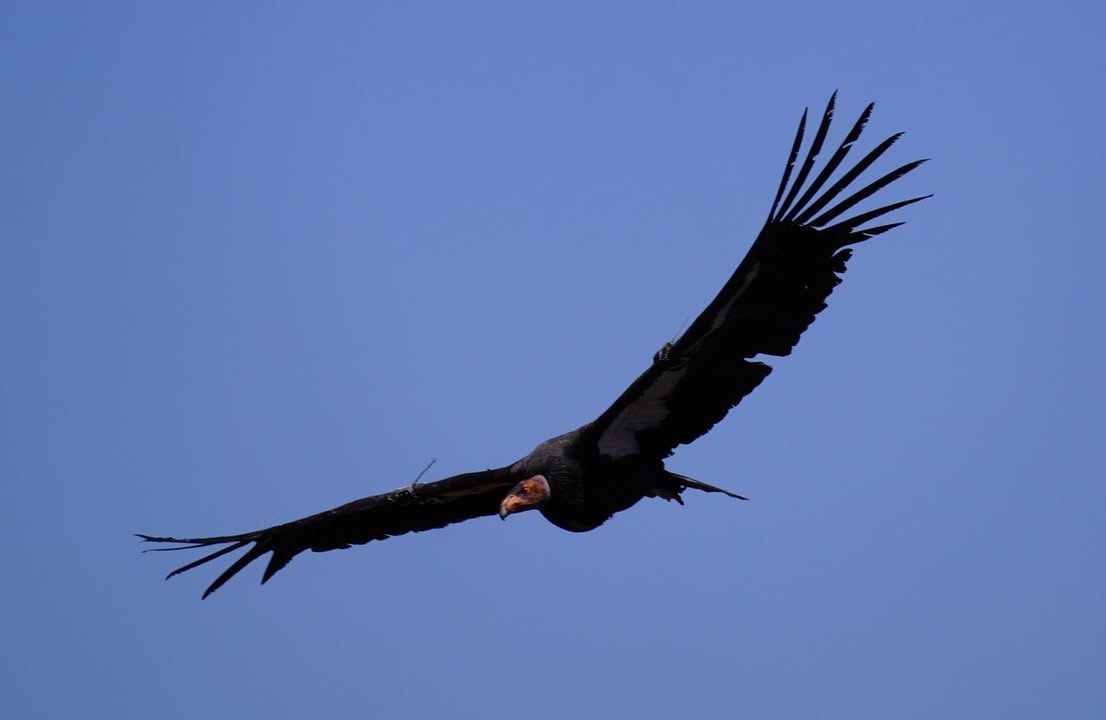
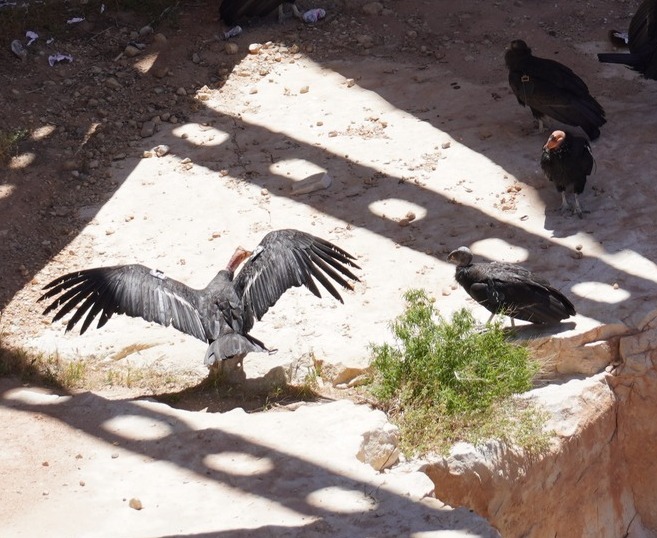
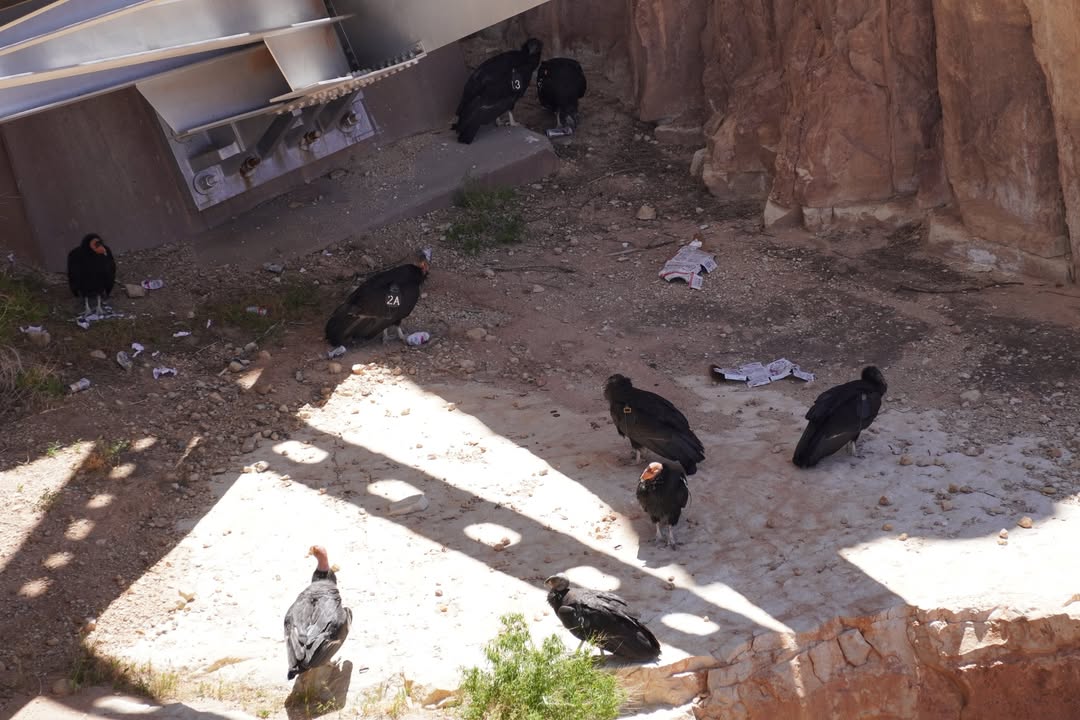
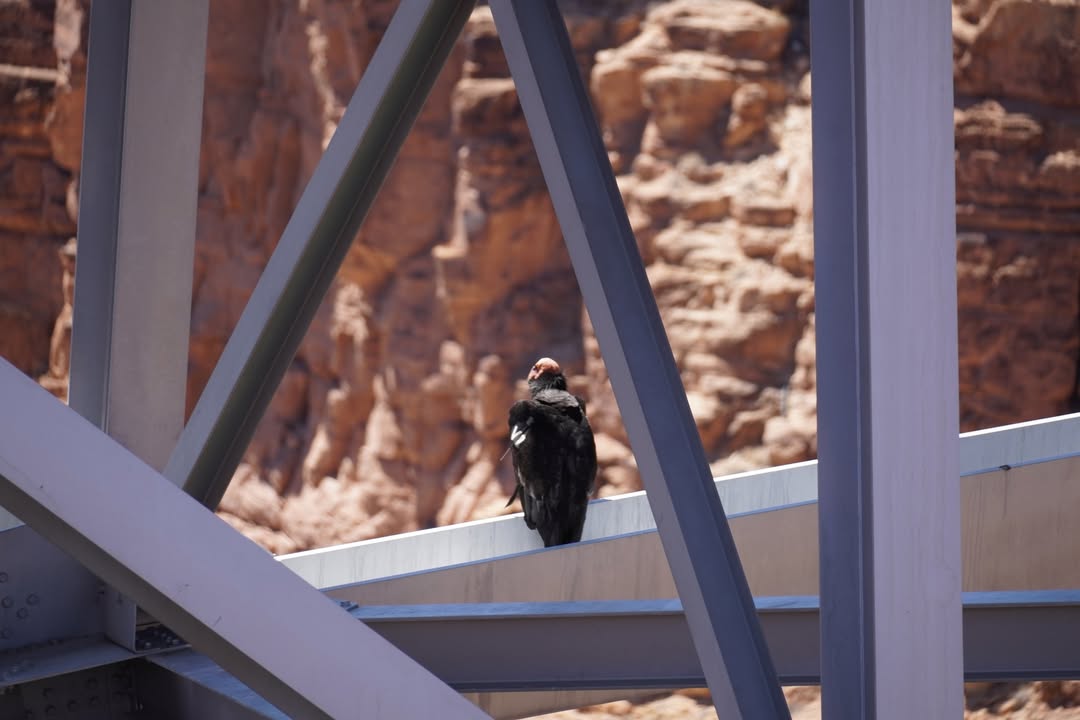
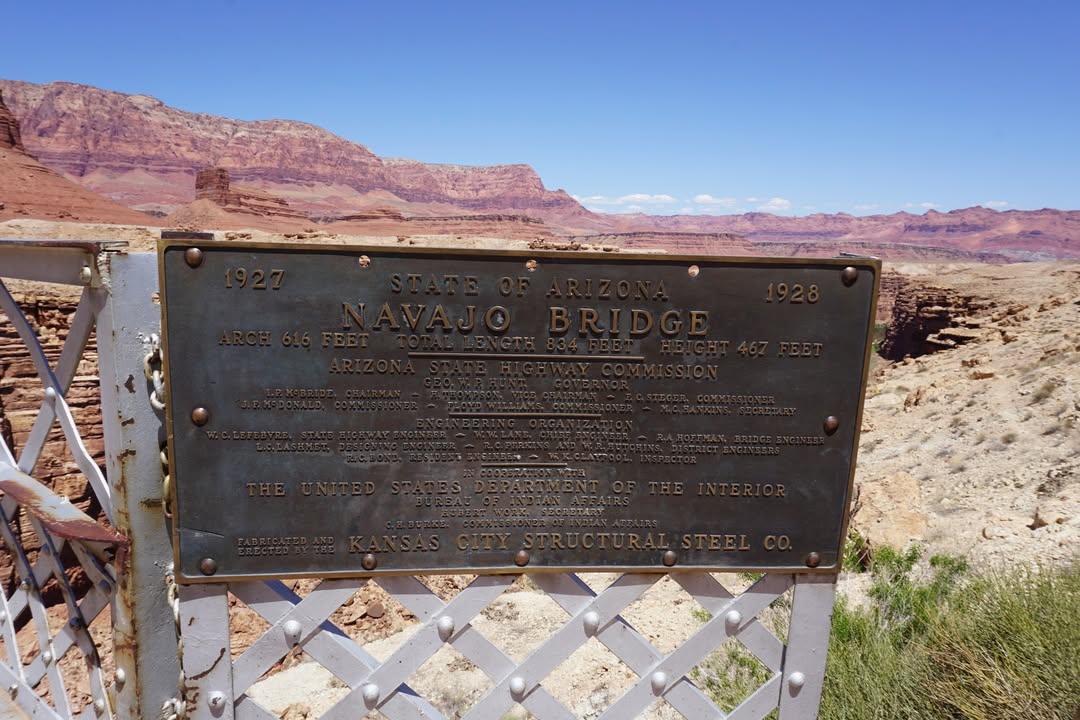
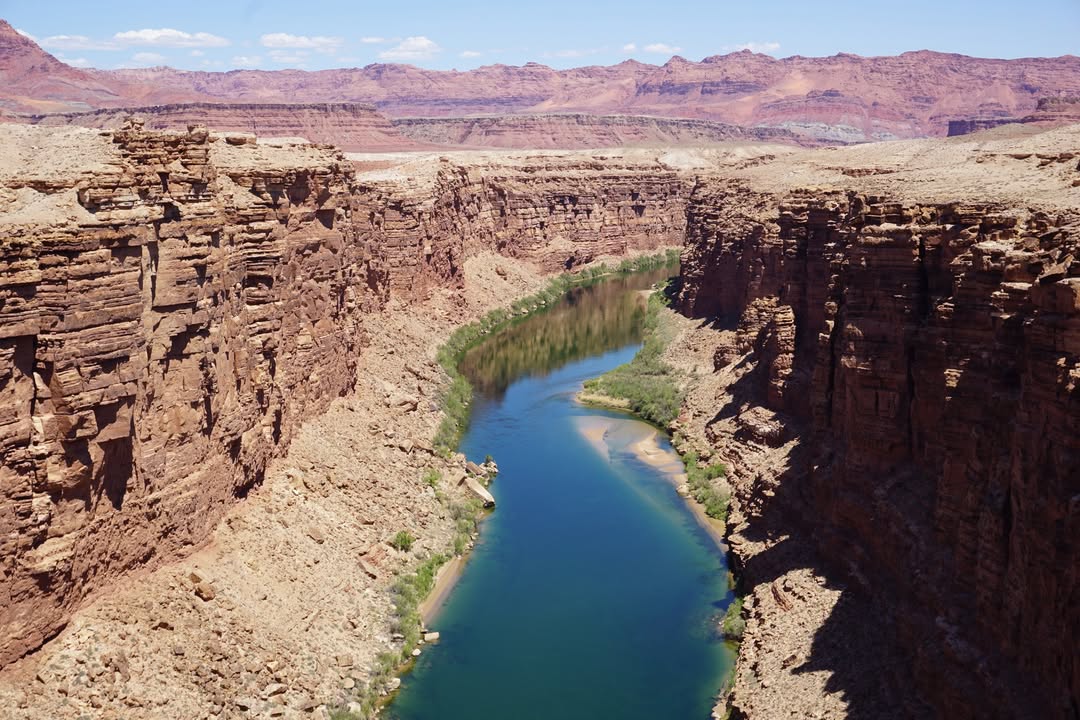
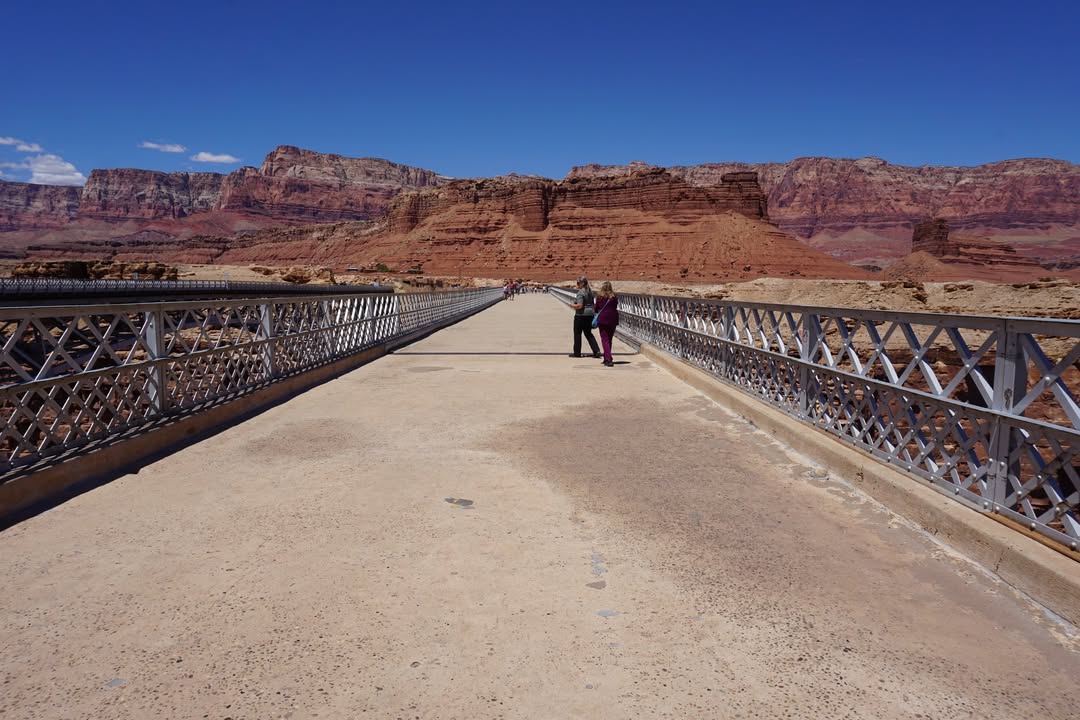
Navajo Bridge started as a quick roadside stop over the Colorado River and turned into one of the best wildlife moments of the trip. From the pedestrian bridge we looked down into the gorge and across the steel trusses, then realized the large birds perched nearby were California Condors, wing tags and all. Seeing a group of condors that close made the bridge feel less like a viewpoint and more like a front-row seat to a conservation comeback story.
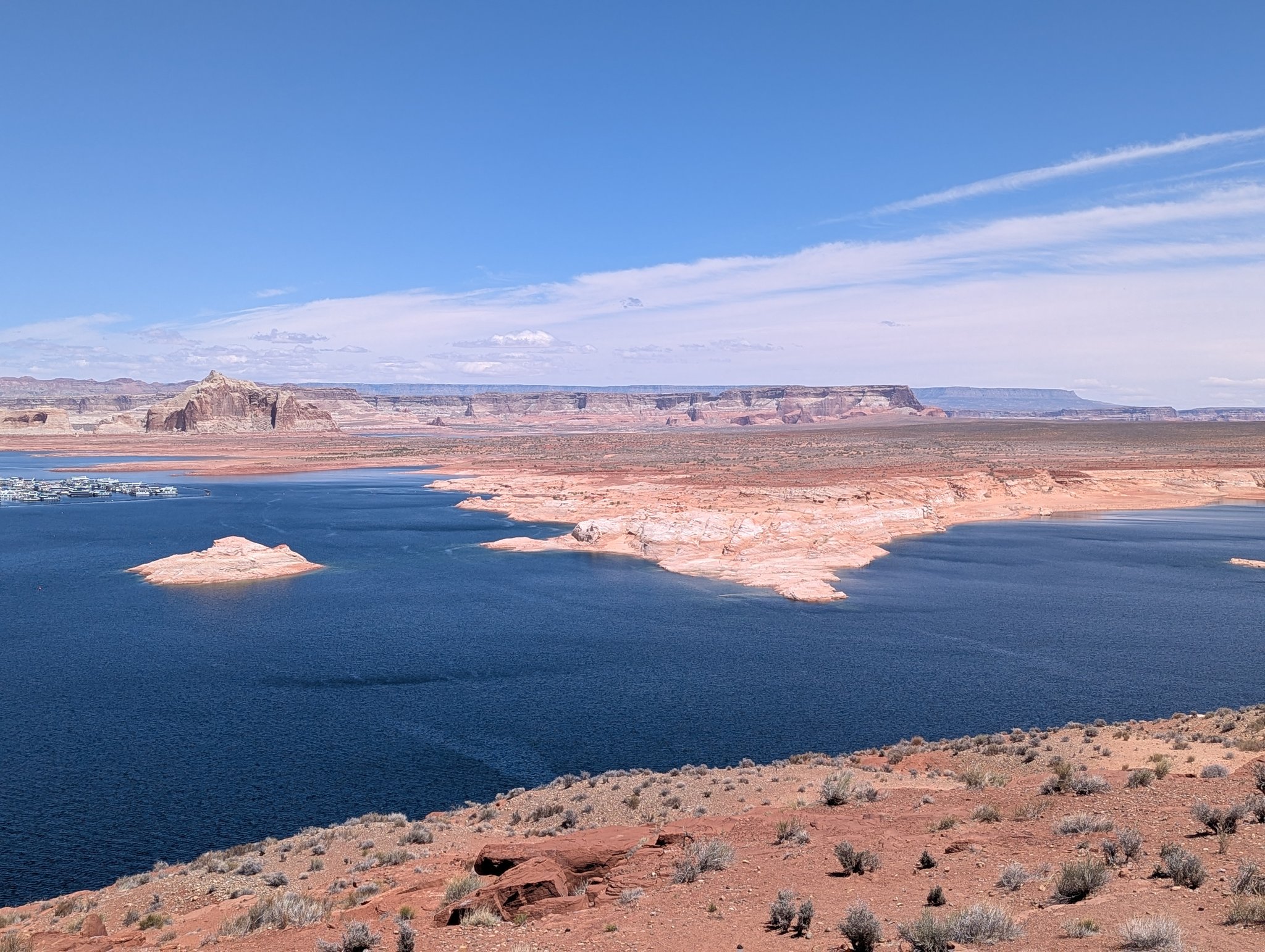
Wahweap was the roomy, scenic home base for the first stretch in Page, with Lake Powell views, desert sunsets, and enough breathing room for a slower day.
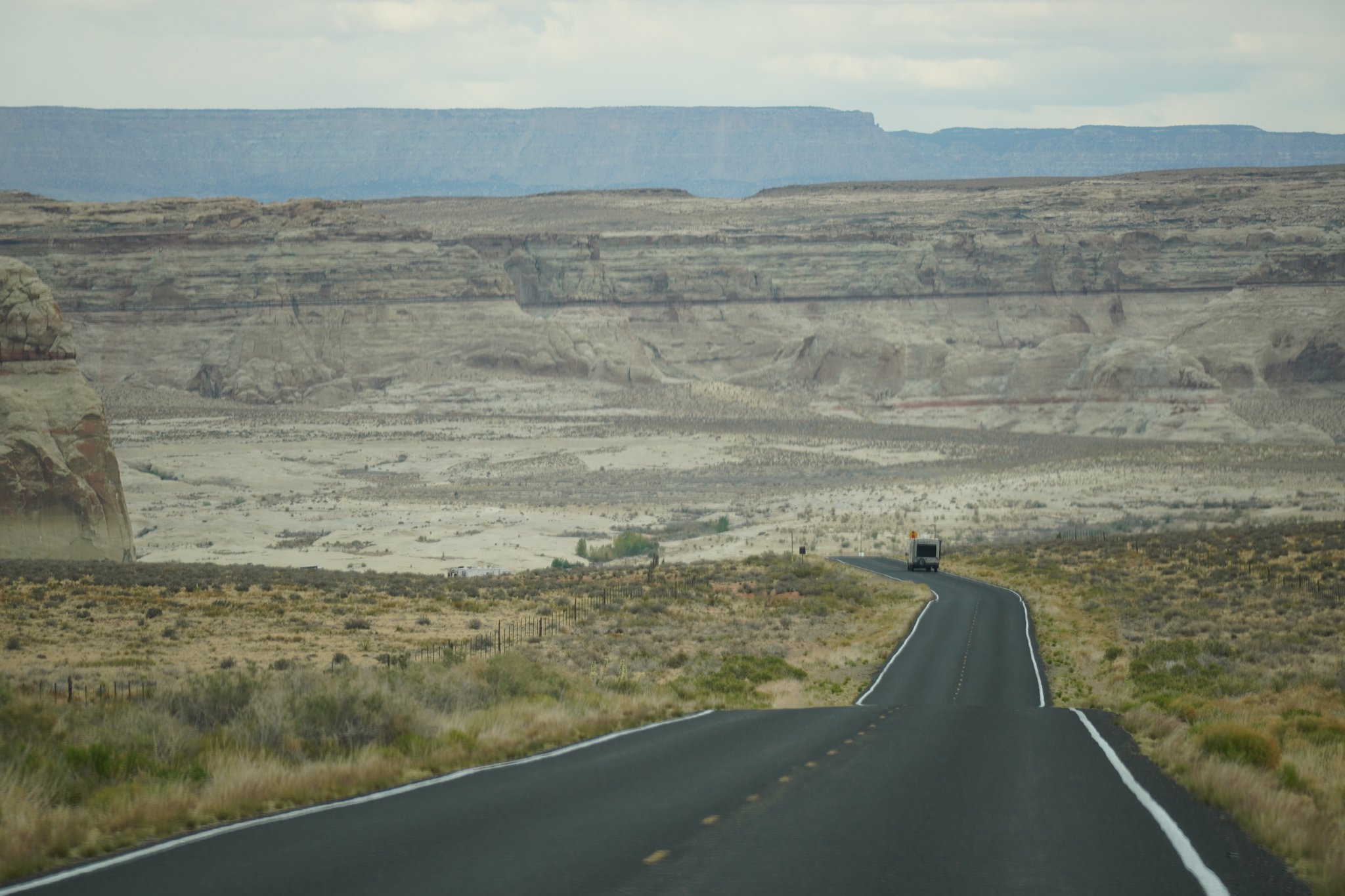
Lone Rock was the sand test turned beach camp, with wide-open shoreline, easy mornings, and a very different feel from a standard campground.
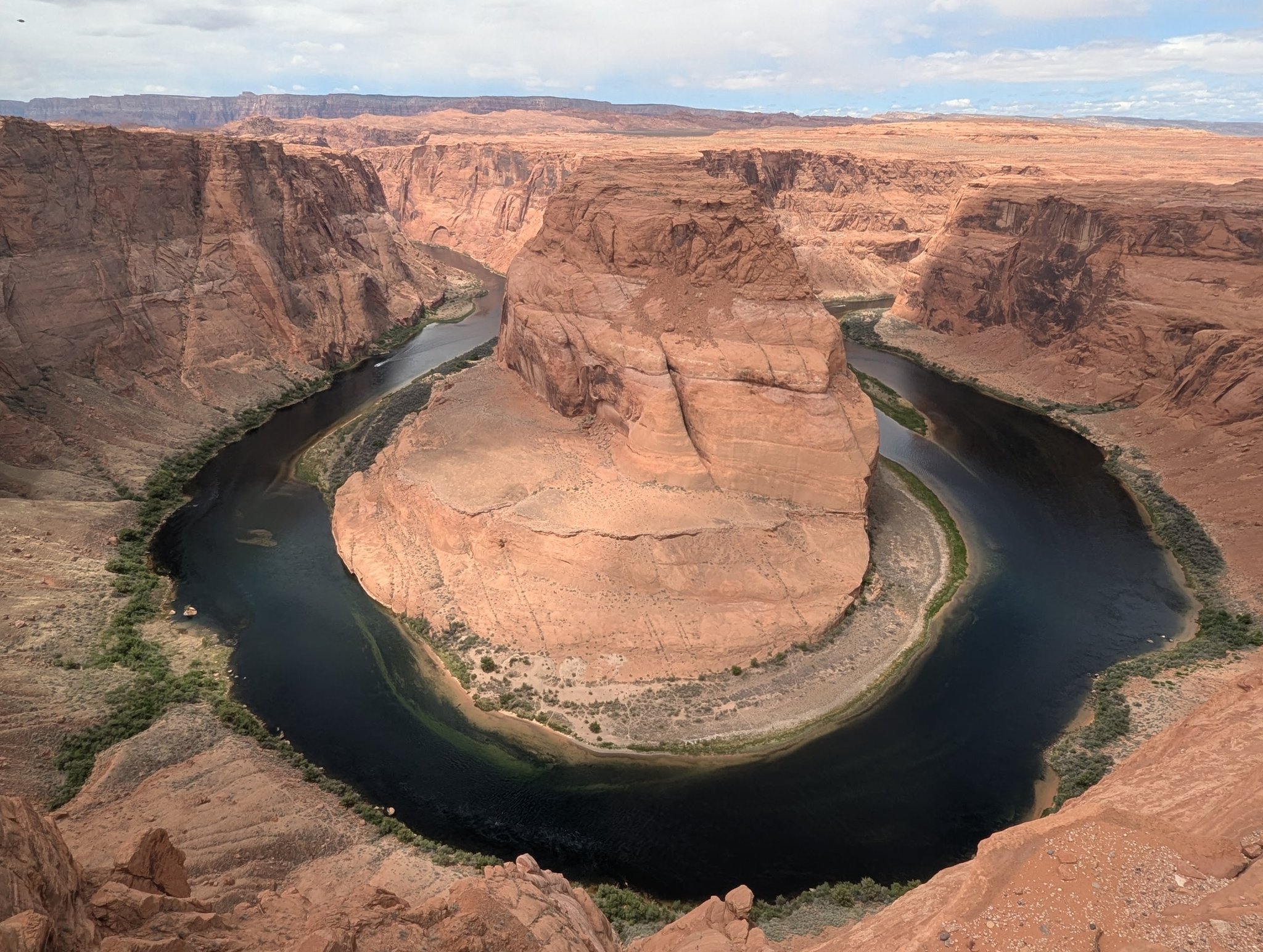
Horseshoe Bend was the packed but undeniably iconic overlook, with the Colorado River curling far below the sandstone rim.
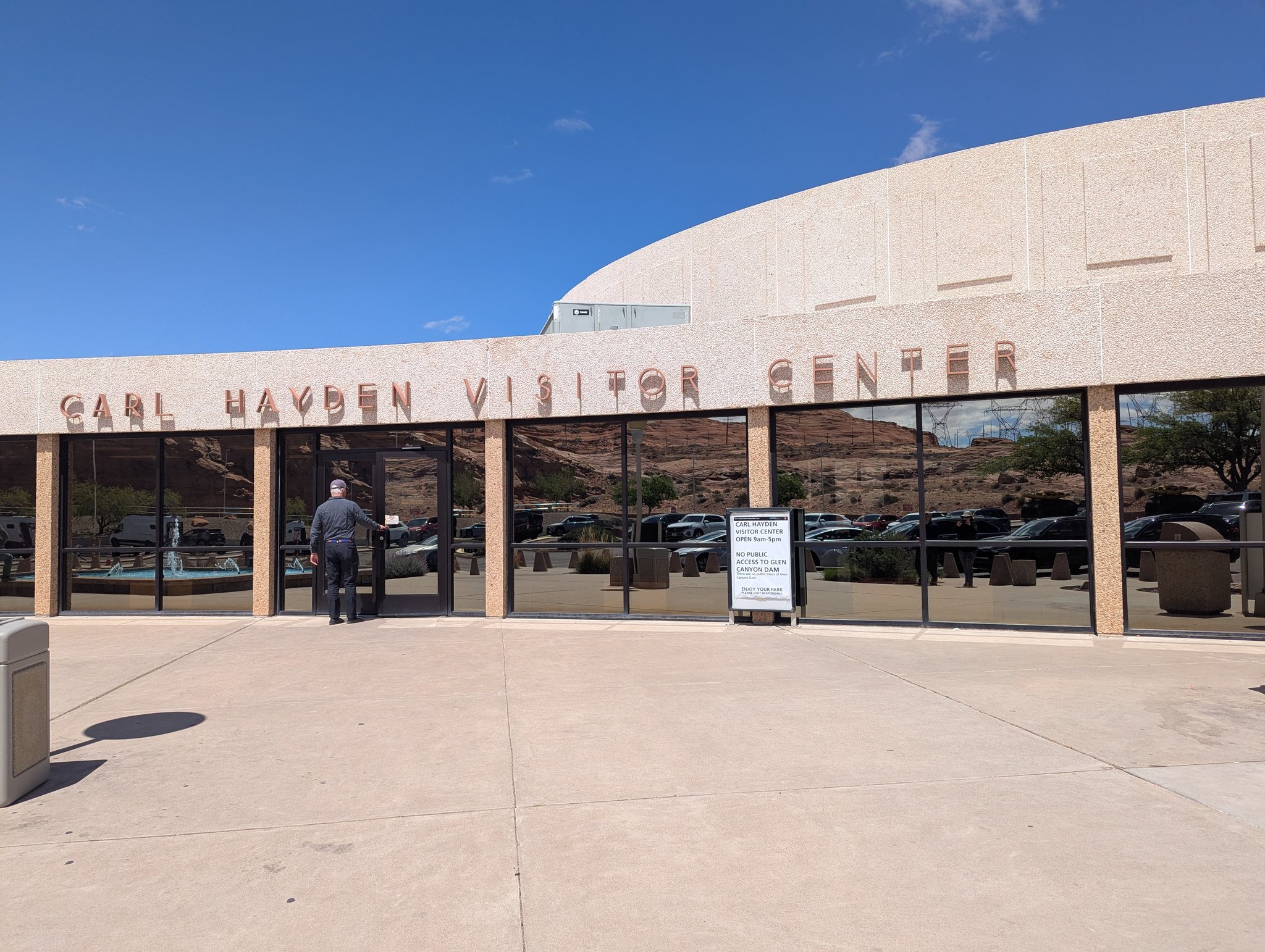
Glen Canyon Dam is one of the major stops in Page, where the Colorado River was dammed to create Lake Powell. The visitor center explains the dam and the lake, and the nearby bridge walkway gives a close view of the dam, the river below, and the canyon walls around it.
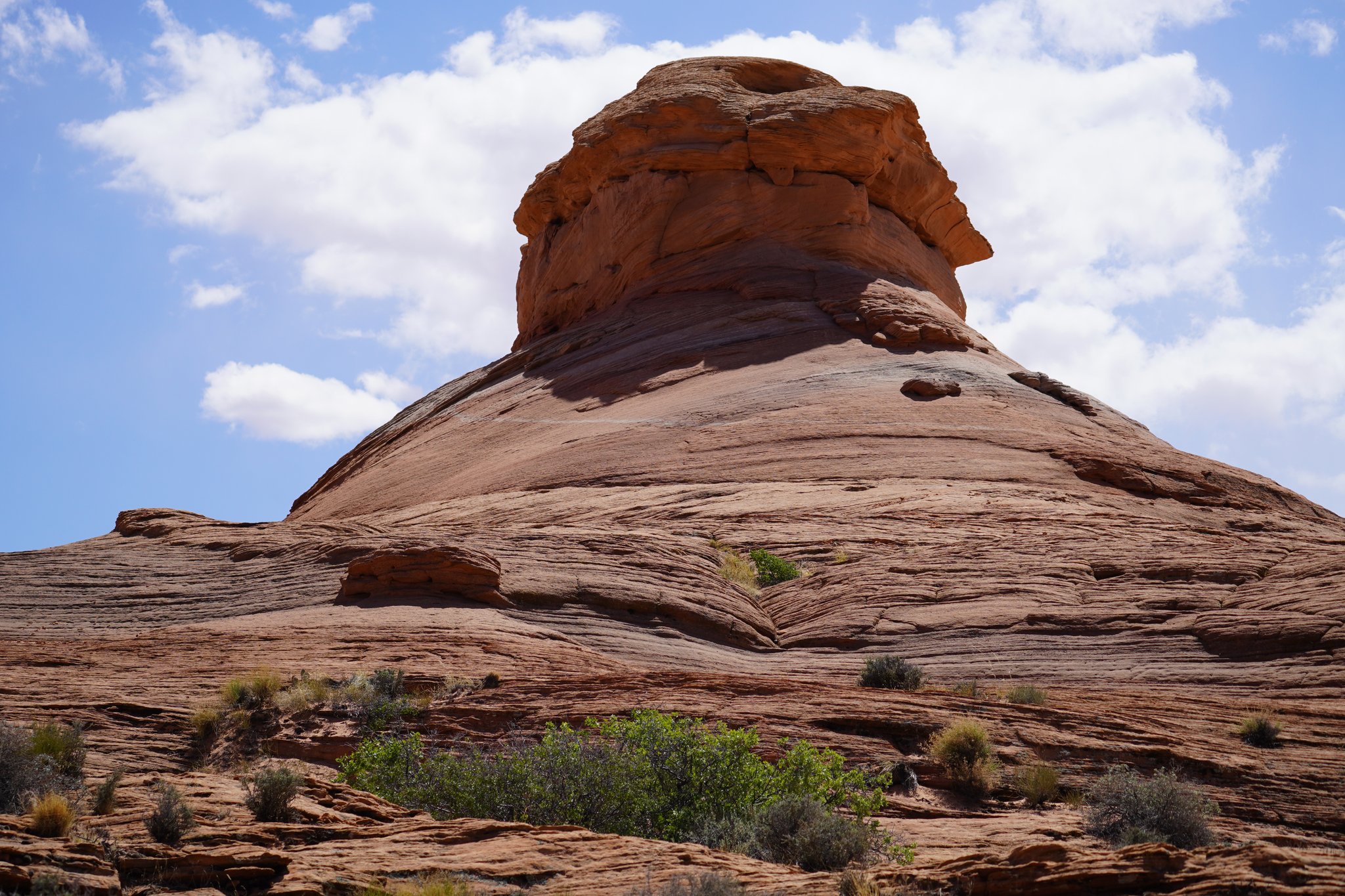
Beehive Trail, also known as the New Wave, was the quiet slickrock hike outside Page after the packed Horseshoe Bend overlook. It is a short wander through swirled sandstone, beehive-shaped domes, desert views, and cactus blooms, with enough open rock to feel playful without turning into a major hike.
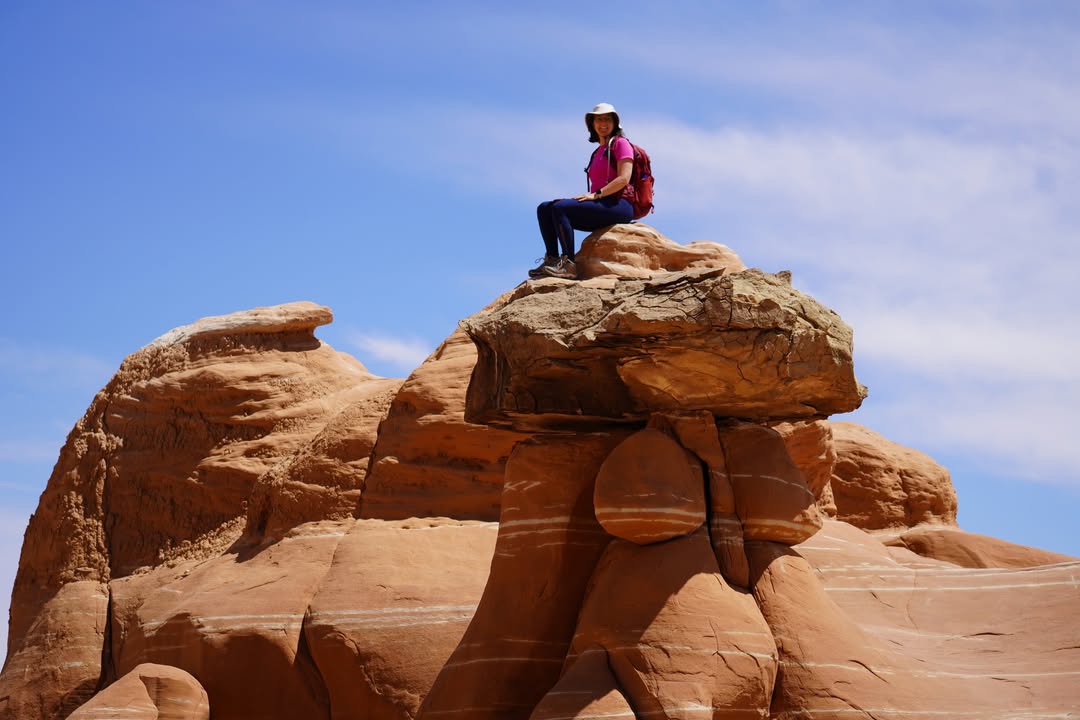
Toadstool Hoodoo Trail in Grand Staircase-Escalante National Monument was a short, high-payoff walk through pale badlands, banded cliffs, and balanced hoodoos. The main toadstool is the obvious draw, but the surrounding formations, side views, and desert blooms made it worth lingering and wandering beyond the first photo stop.
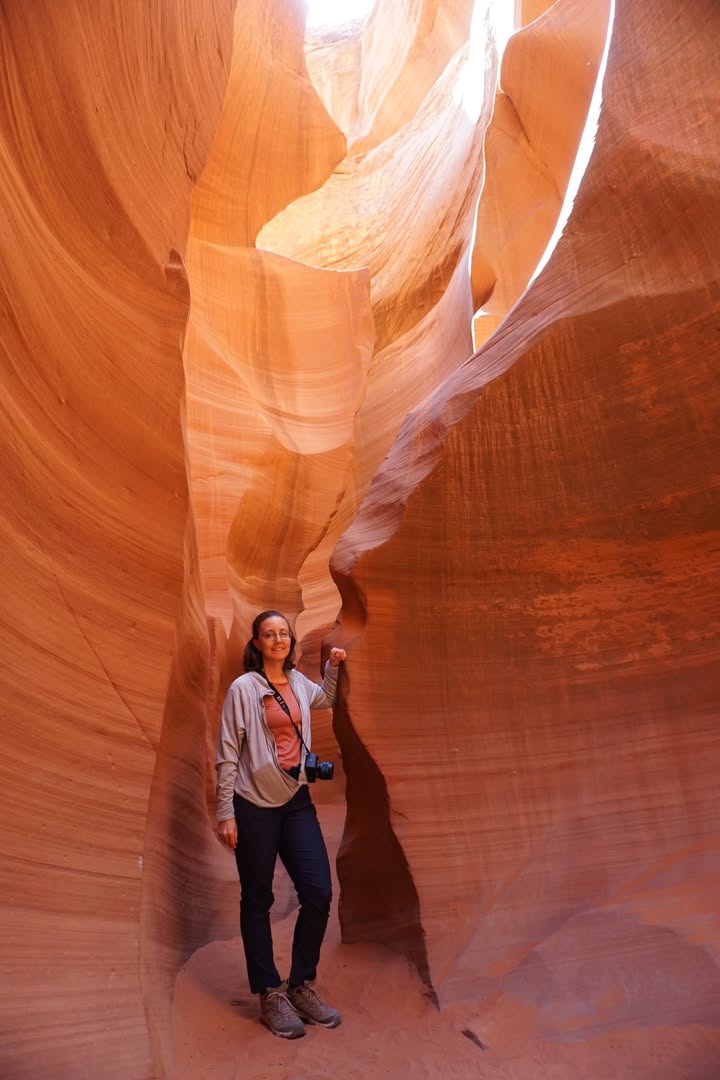
Lower Antelope Canyon was the slot canyon stop, all curves, light, and narrow walls that make even a short tour feel dramatic.
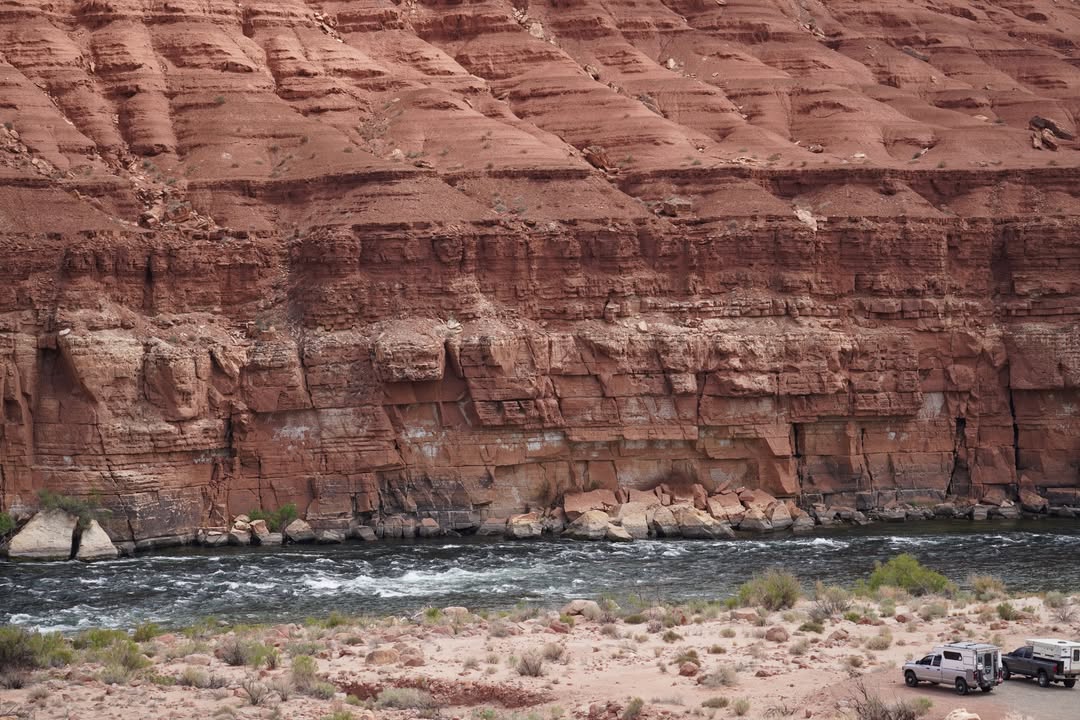
After seeing Horseshoe Bend from the top, we wanted to experience it from below on the Colorado River. To make that happen, we camped at Lees Ferry Campground, then caught a shuttle about 10 miles upstream to Petroglyph Beach, just past Horseshoe Bend. From there, we launched the kayaks and paddled downstream through Horseshoe Bend back to Lees Ferry.
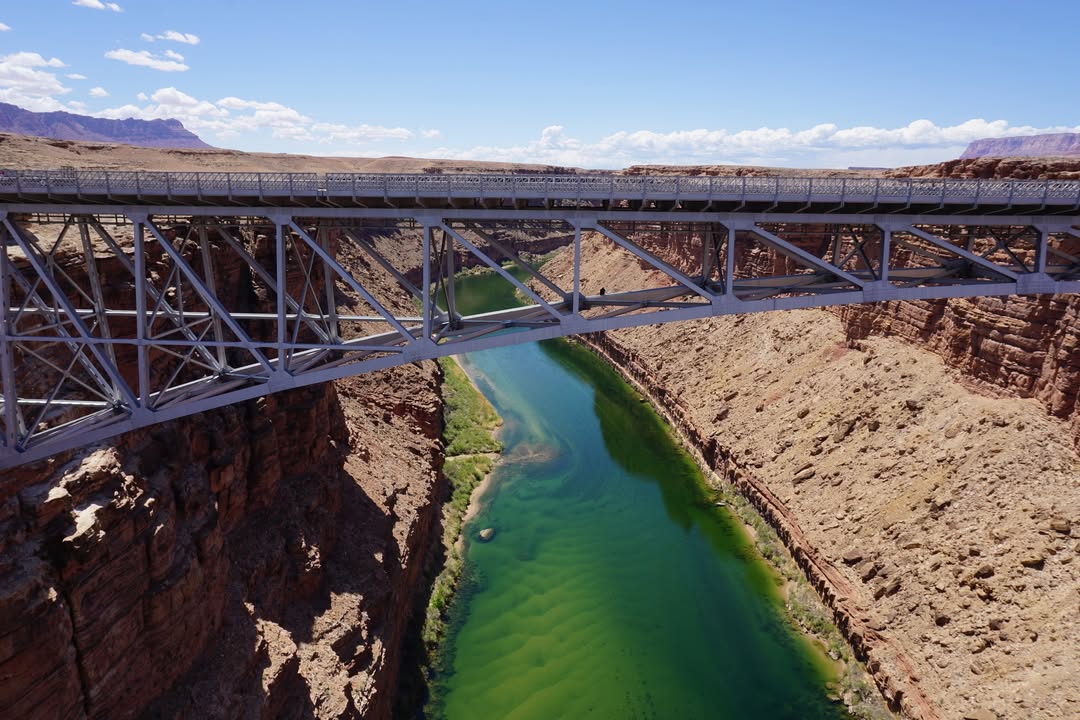
Navajo Bridge started as a quick roadside stop over the Colorado River and turned into one of the best wildlife moments of the trip. From the pedestrian bridge we looked down into the gorge and across the steel trusses, then realized the large birds perched nearby were California Condors, wing tags and all. Seeing a group of condors that close made the bridge feel less like a viewpoint and more like a front-row seat to a conservation comeback story.
On Sunday morning we arose to sweeping views of Lake Powell and sandstone hills beyond it. Wahweap…
After two nights at Wahweap Campground, we traded our proper campsite for open sand and rolled toward $14…
The morning started slow at Lone Rock Beach. Camp chairs in the sand. Coffee. A casual walk along the…
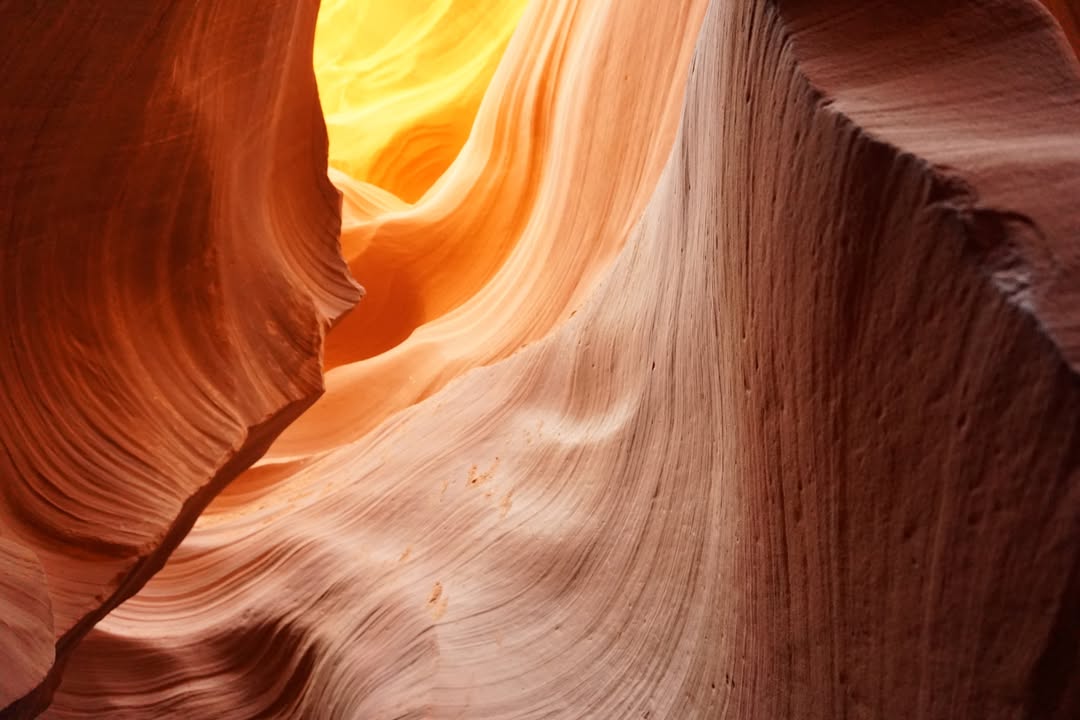
One stop felt non-negotiable in Page: Lower Antelope Canyon. We joined a guided tour through the slot…
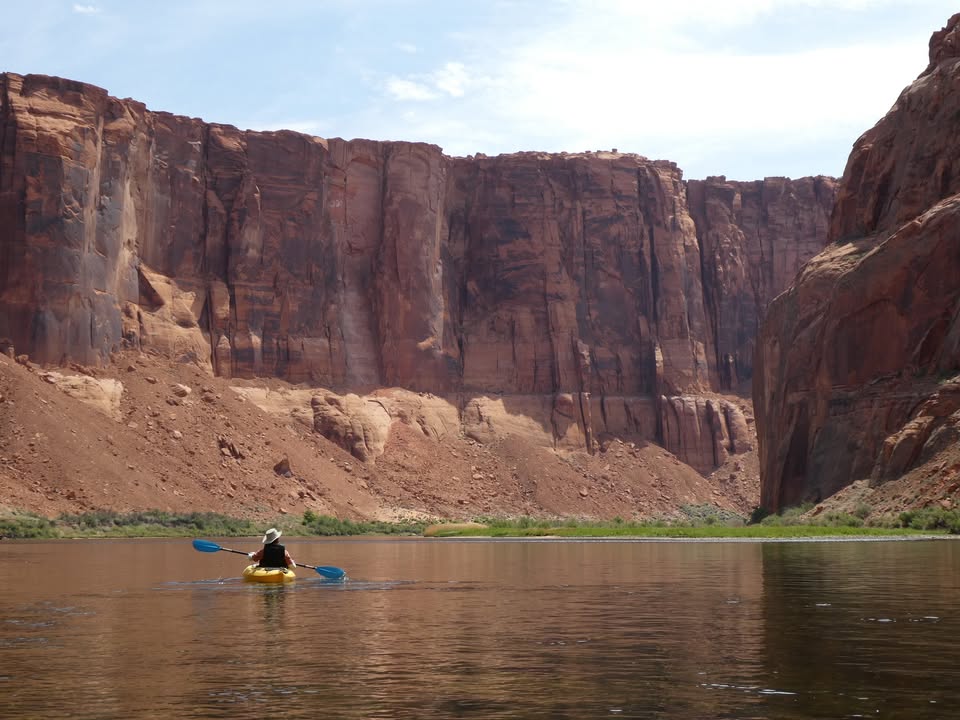
Kayaking Horseshoe Bend was planted in Danny’s head days earlier as he stood at the rim looking down at tiny…
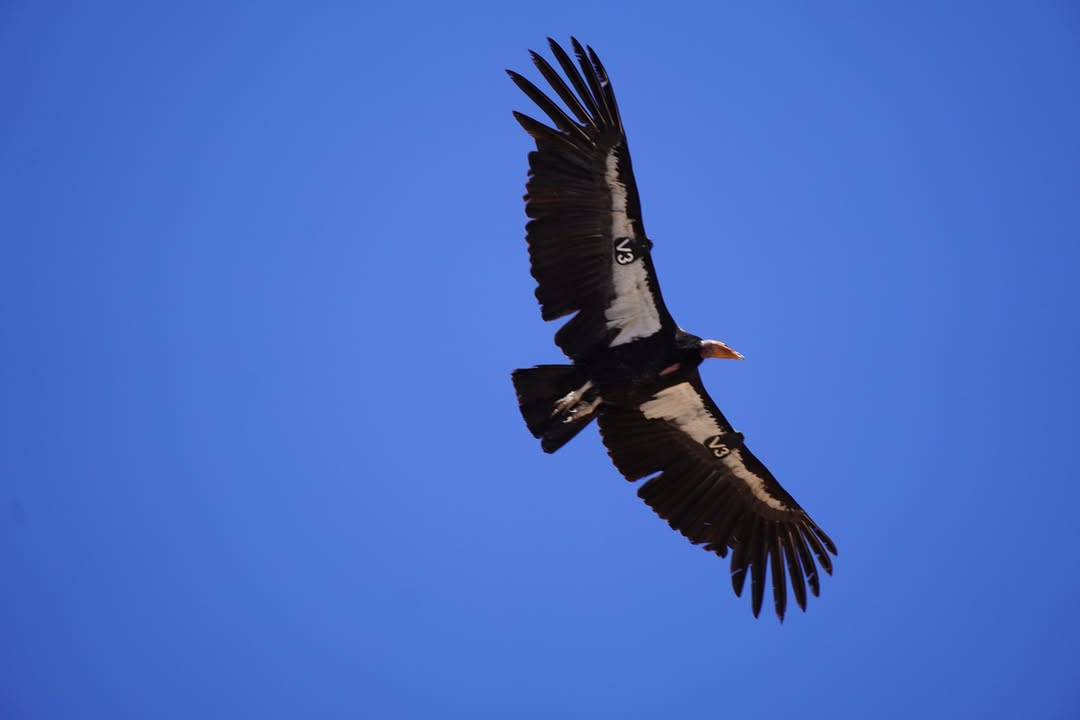
After camping at Lees Ferry, not far from the entrance of the Grand Canyon, we were heading out when I saw a…