Dead Horse Point State Park
5 / 5
Our last morning in Moab started with one more canyon view. Just outside Canyonlands sits Dead Horse Point State Park, perched on a narrow mesa nearly 2,000 feet above the Colorado River. The park name has a backstory. In the late 1800s cowboys reportedly used the narrow neck of land leading to the point as a natural corral for wild mustangs. Horses could be driven onto the mesa and the entrance blocked off. According to the story, a group of horses were accidentally left trapped there without water and died within sight of the river far below.
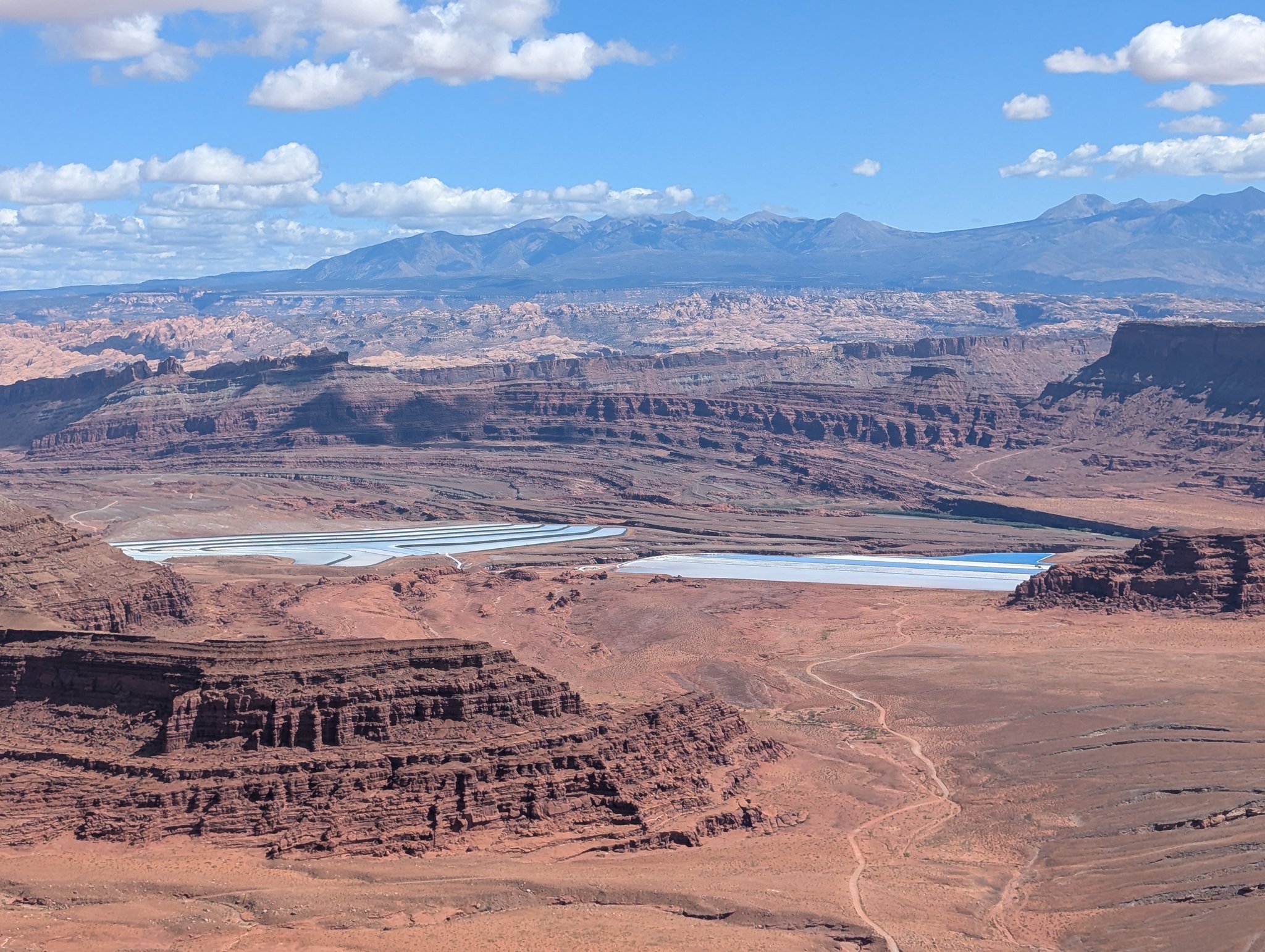
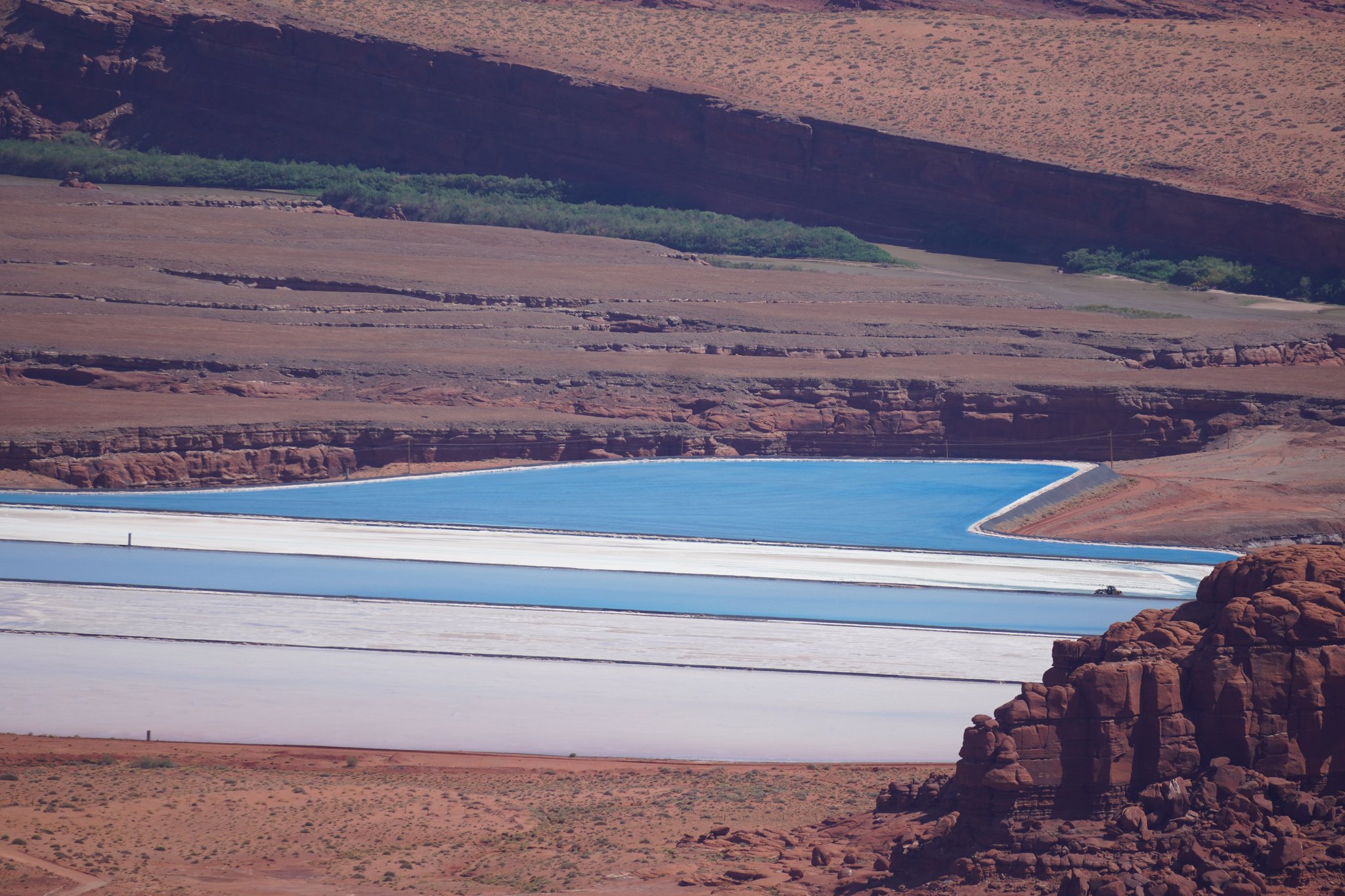
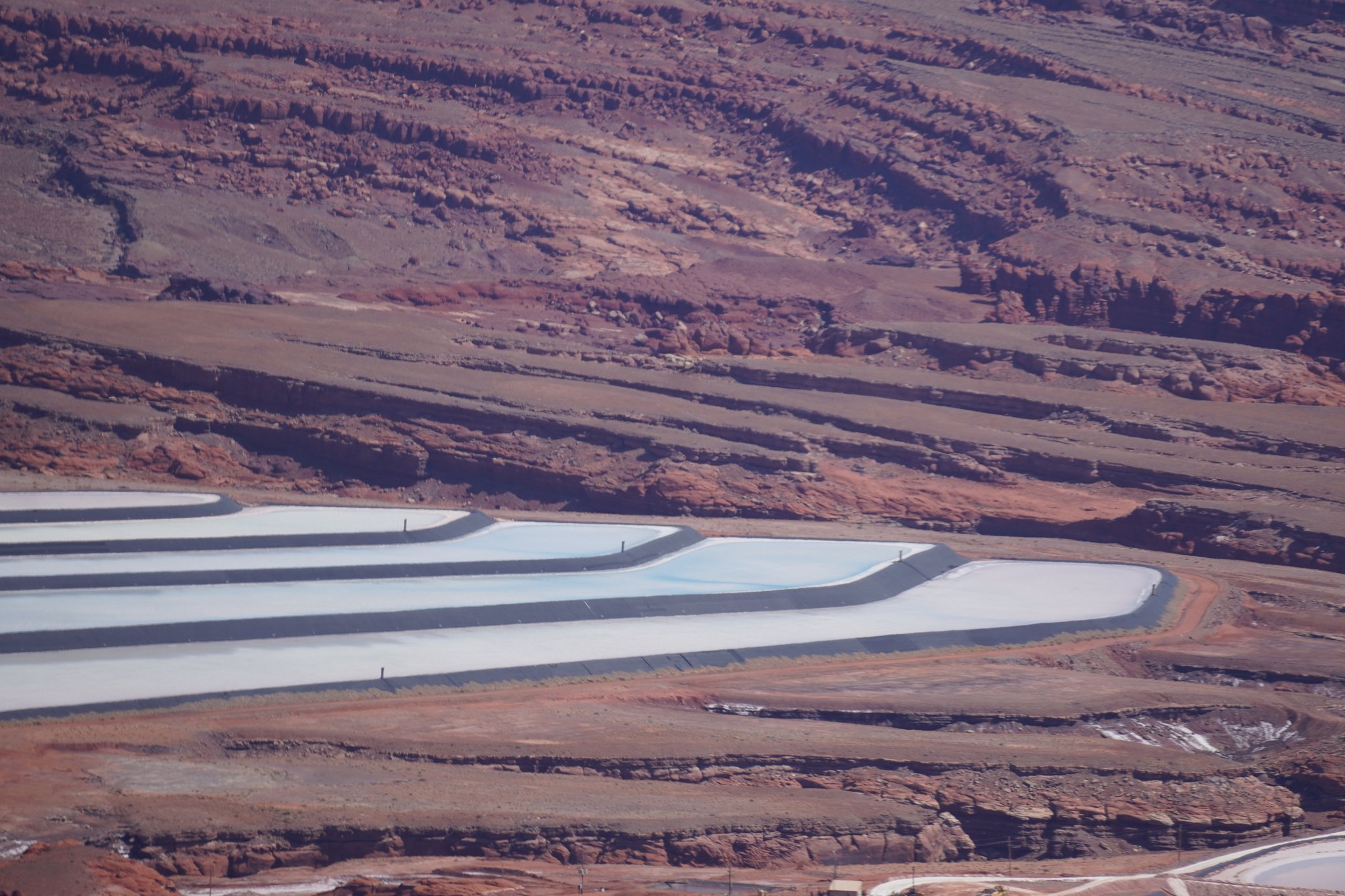
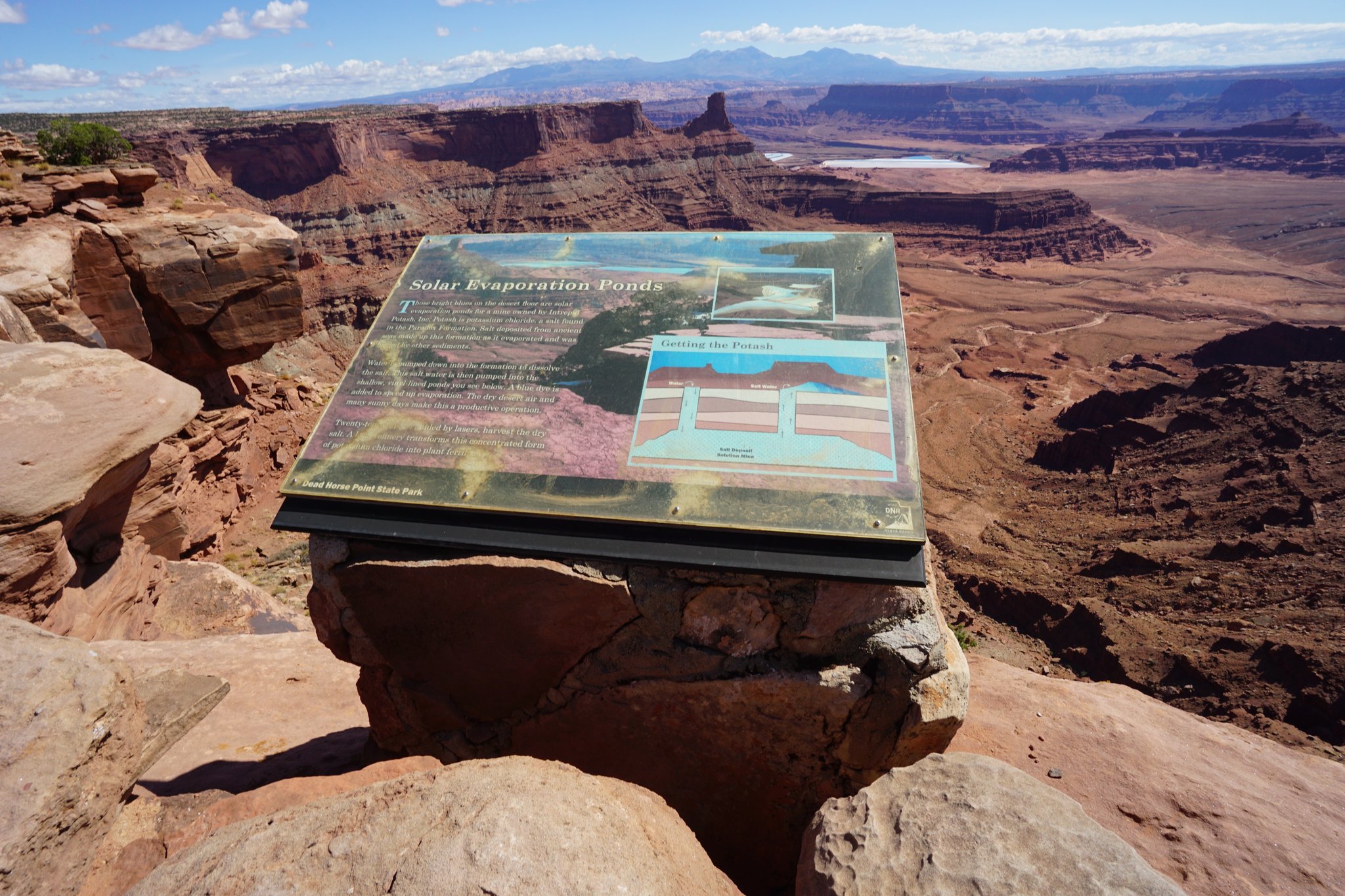
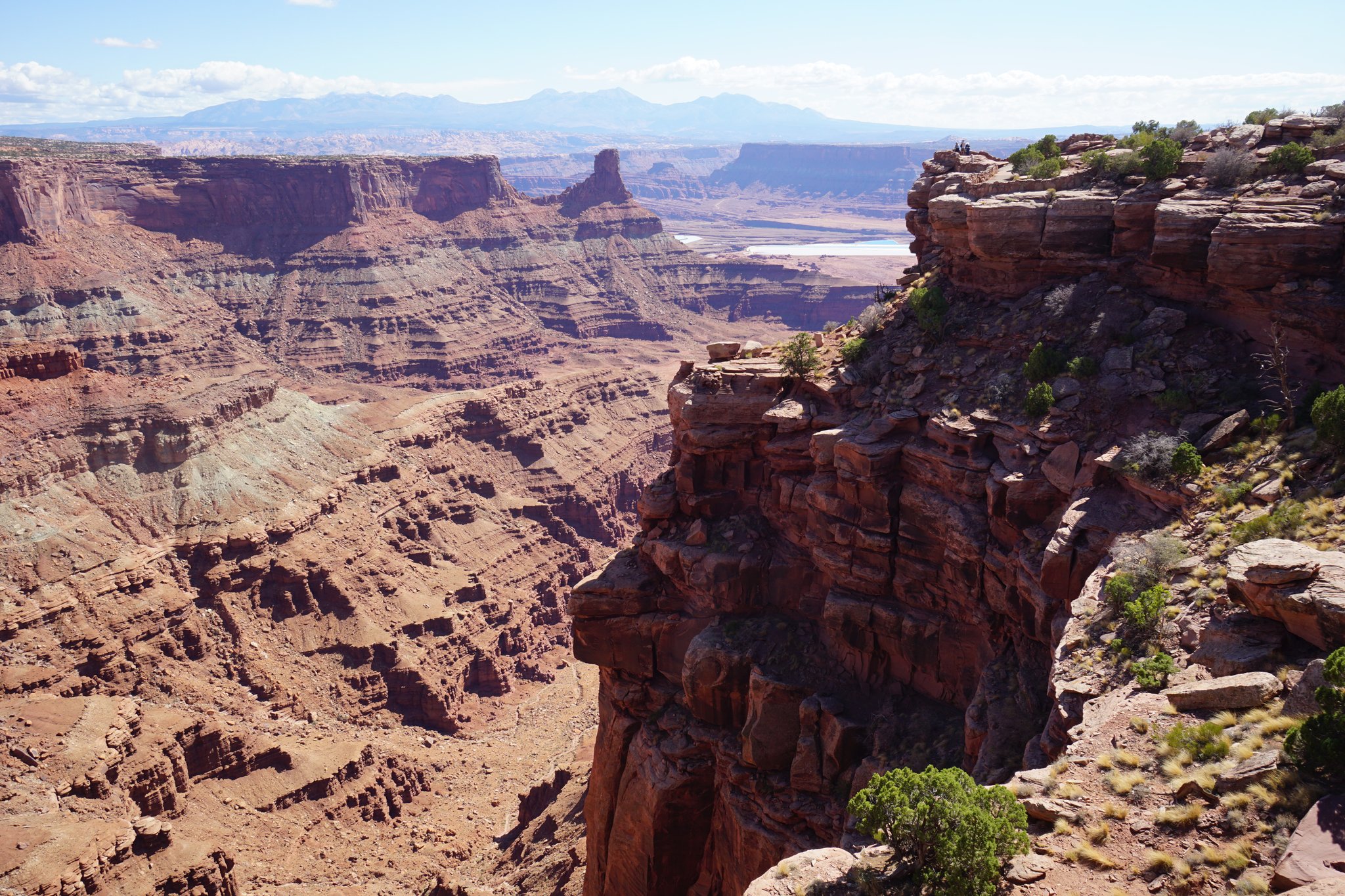
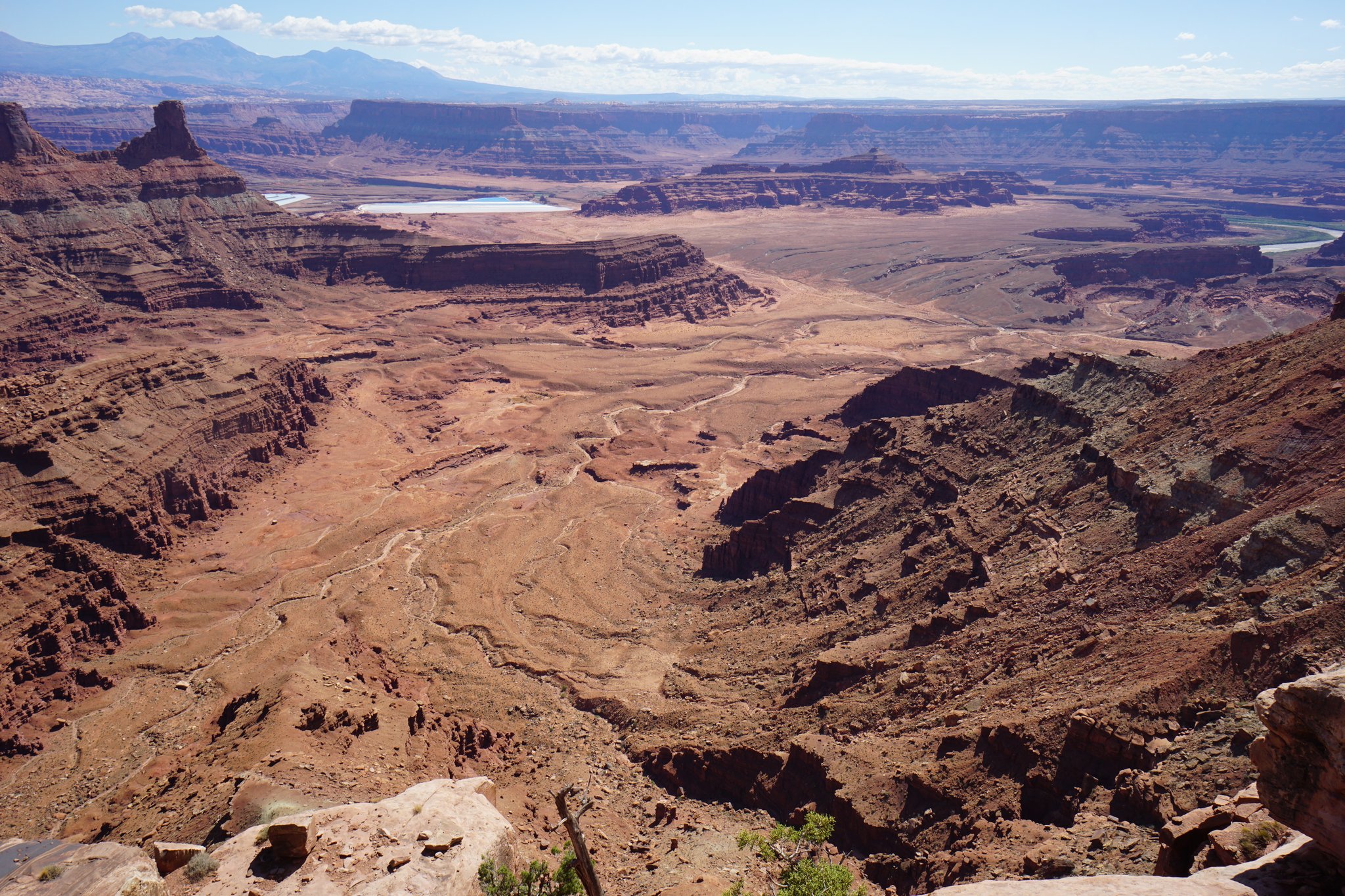
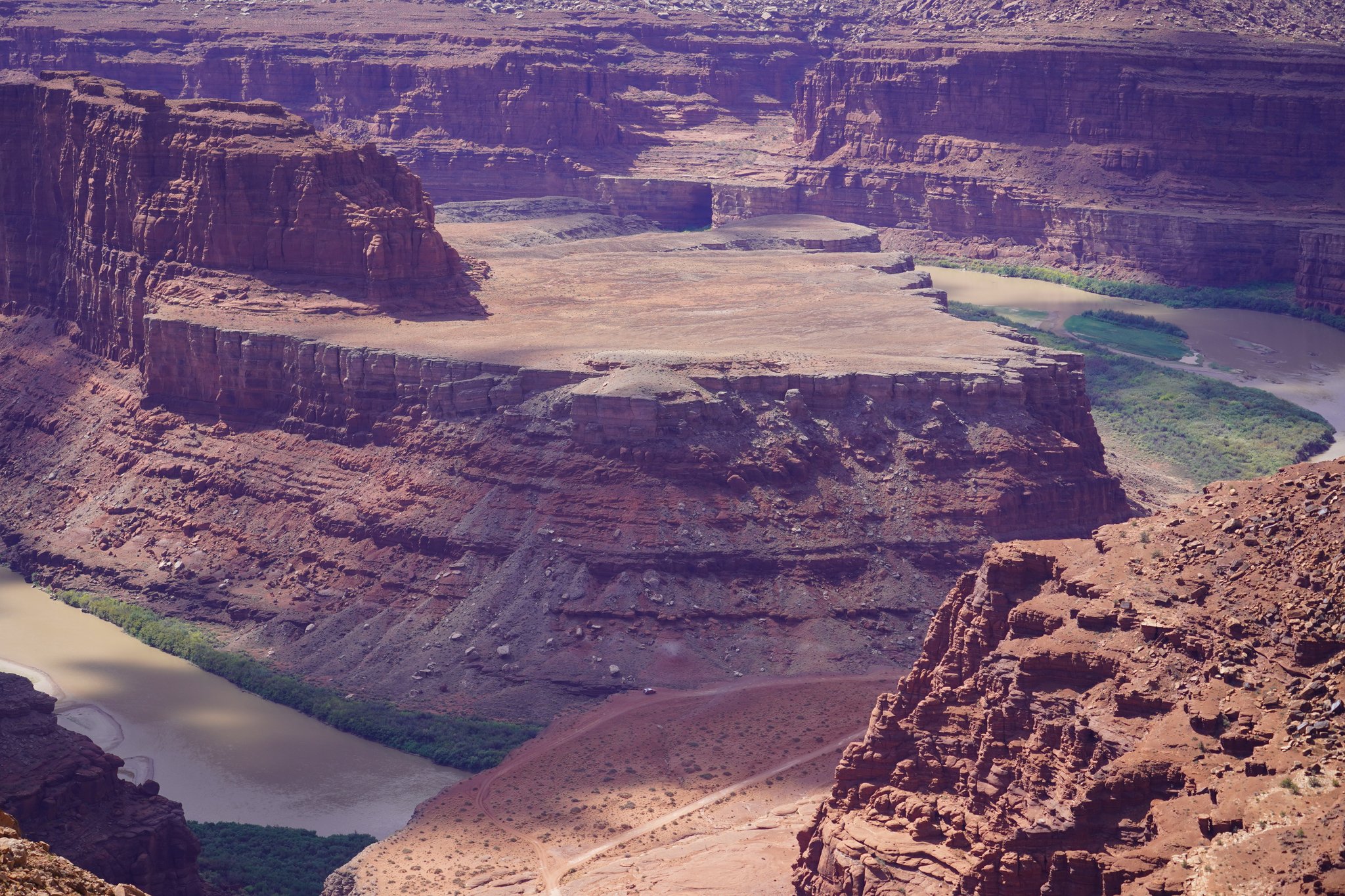
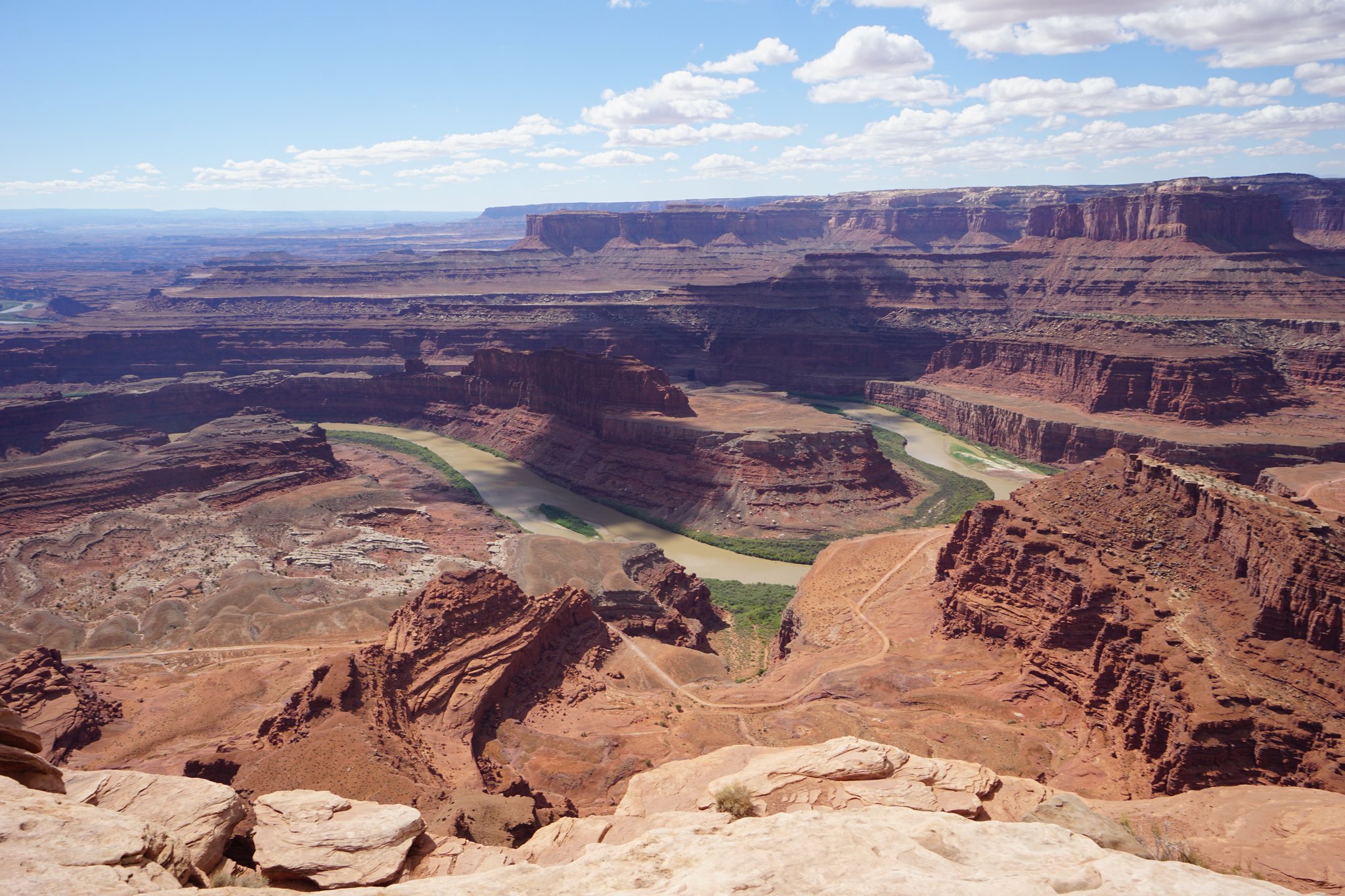
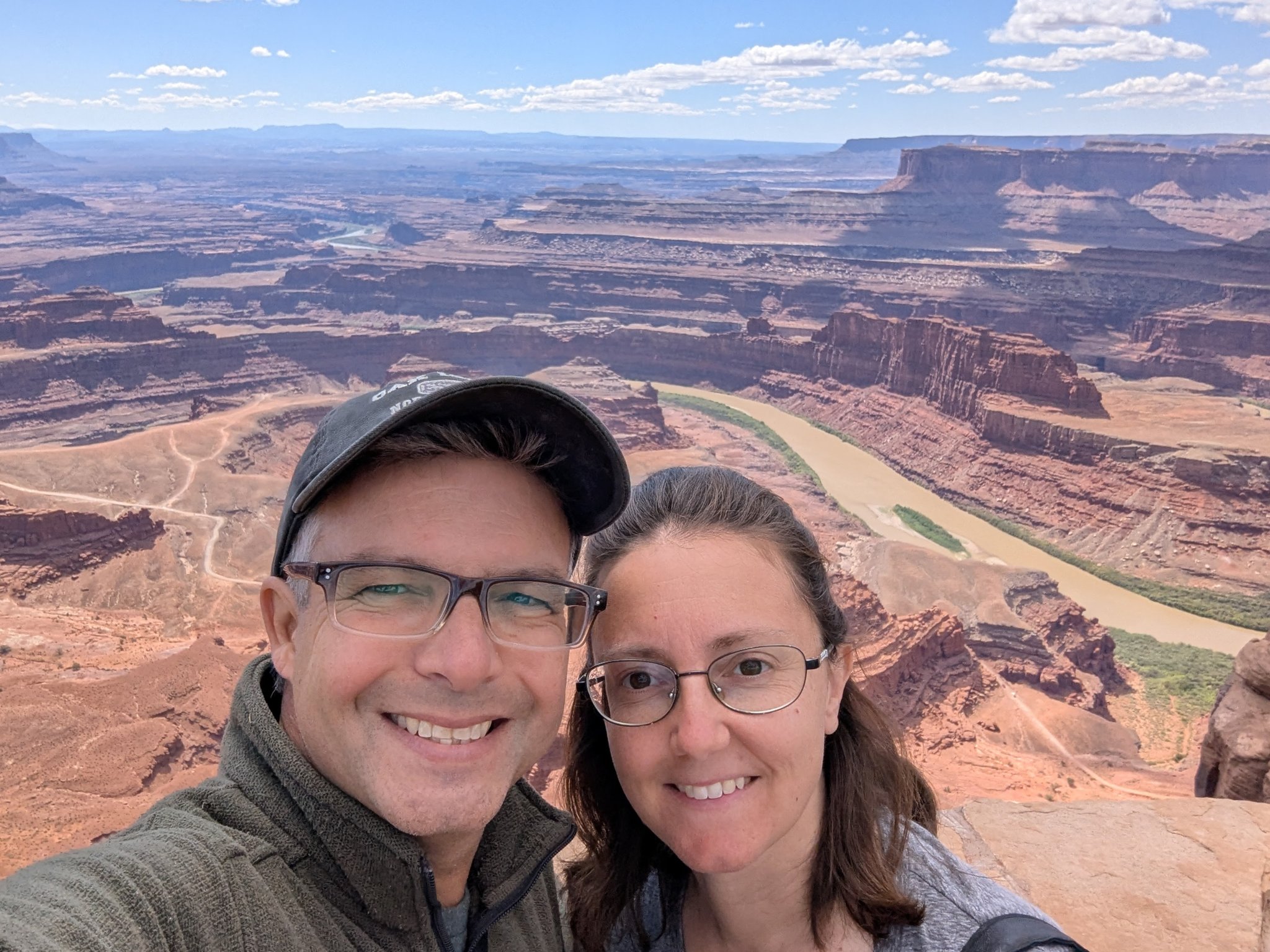
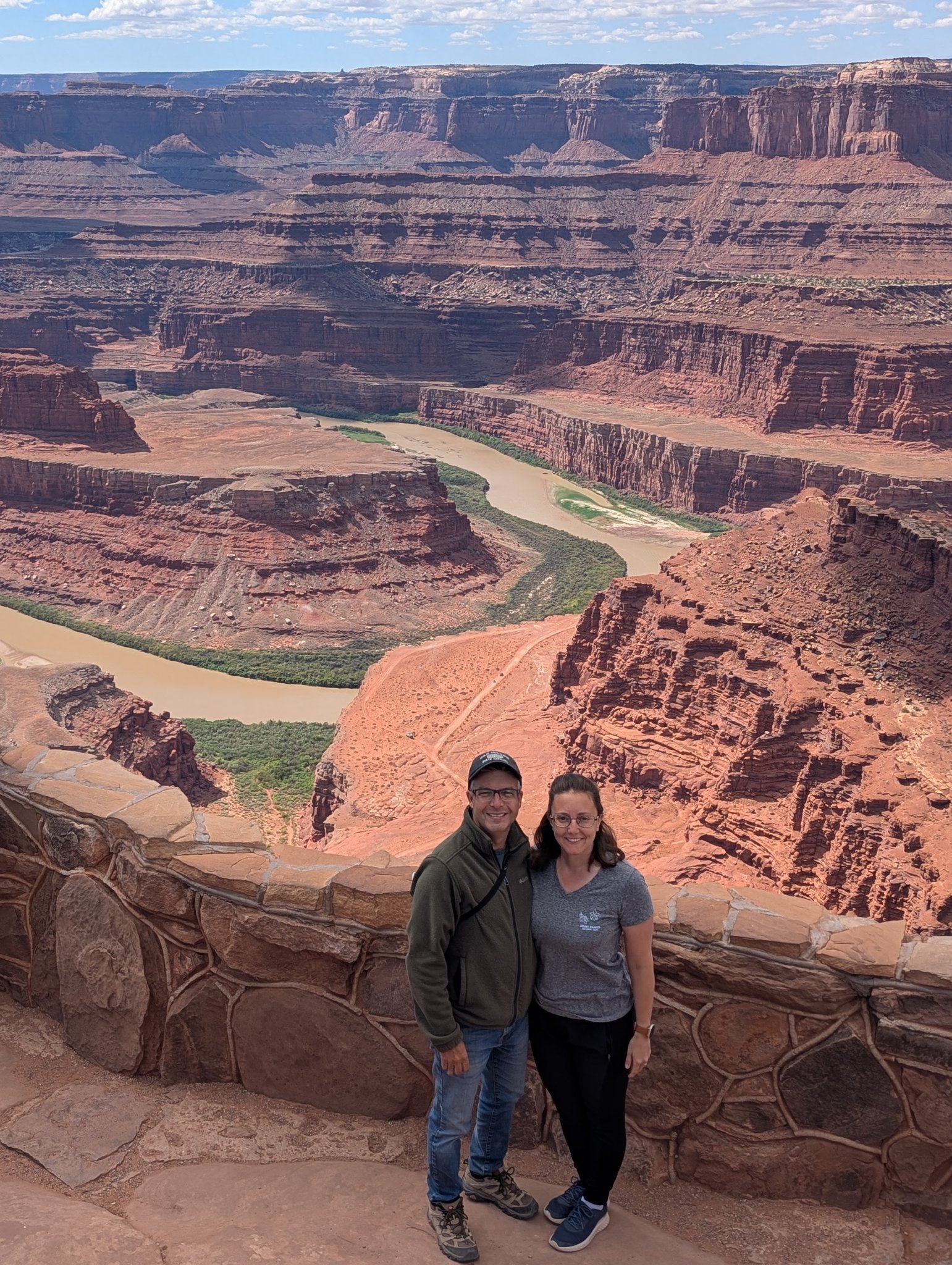
We started at the visitor center and walked out to the overlook right behind it. From there the canyon opens up in every direction. Far below, the Colorado River threads its way through the rock, while the bright blue potash ponds stand out against the red desert. These man-made evaporation ponds are used to extract potash for fertilizer, and are one of the rare industrial sights that can be called beautiful.
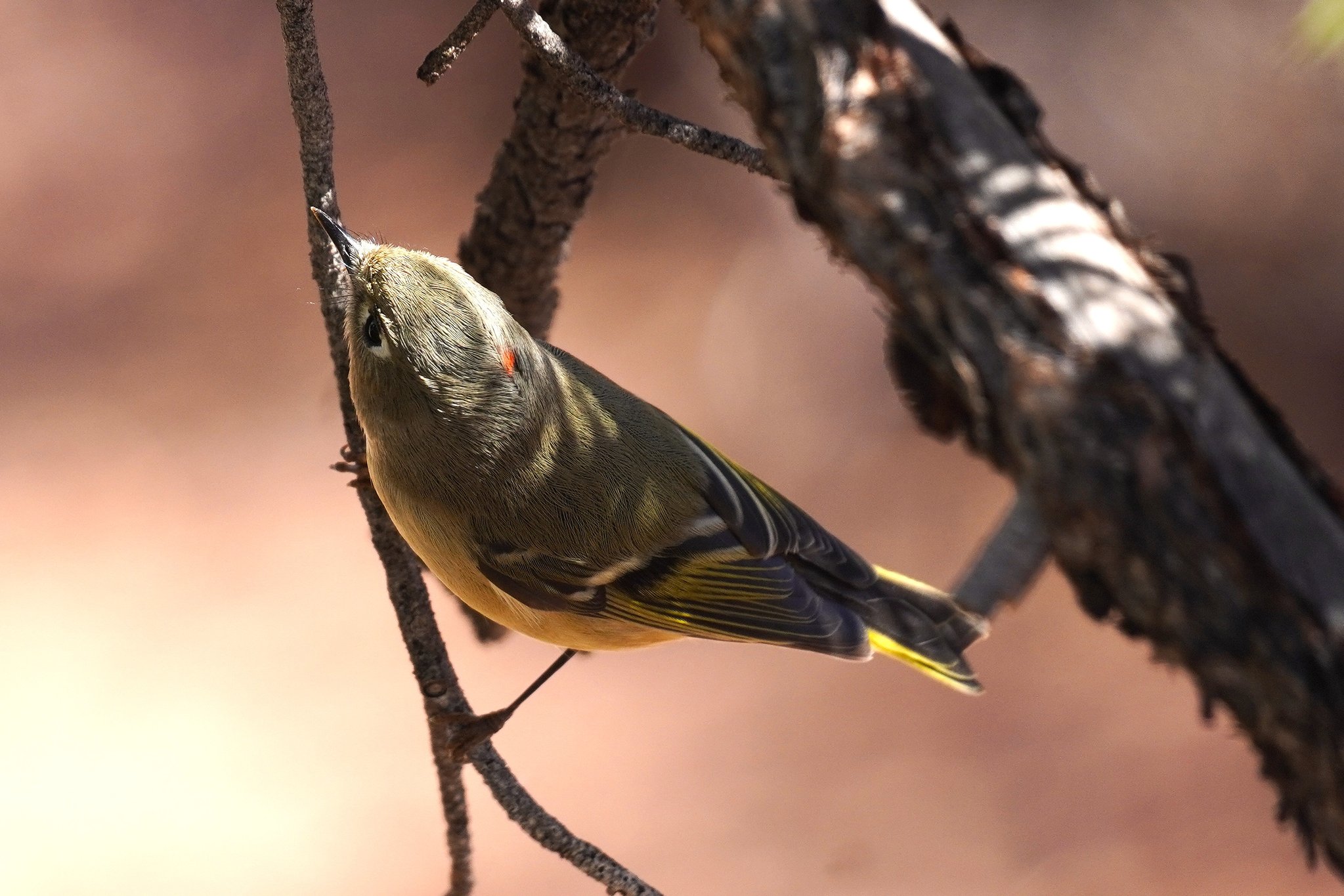
A tiny bird was bouncing all over a nearby Utah juniper. It wouldn't stay still for more than a second, darting from branch to branch and occasionally flashing a tiny red crown on its head before disappearing again. A Ruby-crowned Kinglet, and very much living up to its reputation for being overflowing with energy.
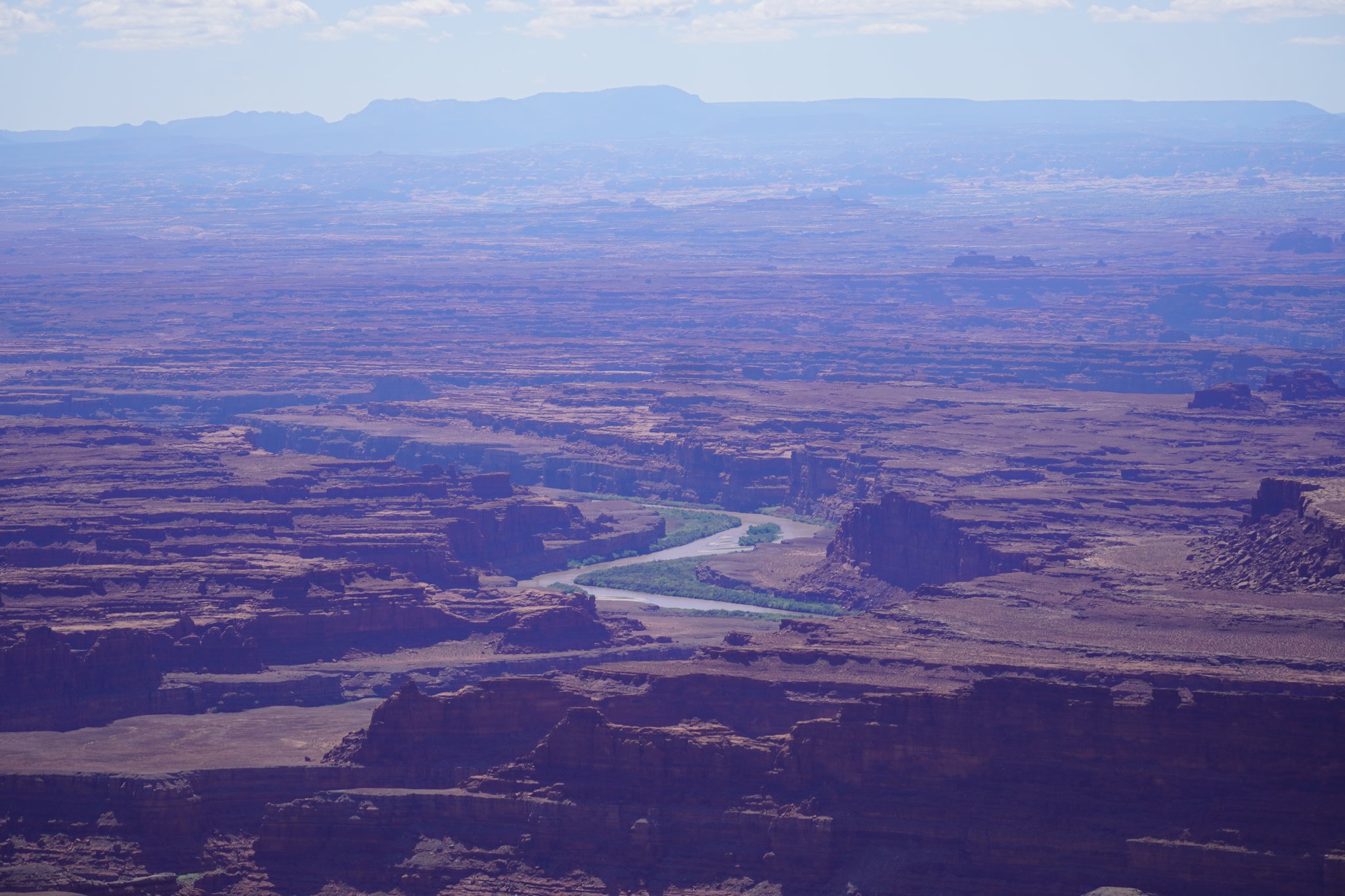
From there we drove out to the actual point and settled in for lunch. The cliffs drop away on three sides, and far below the Colorado River makes a massive looping bend through the canyon before disappearing behind the rock walls.
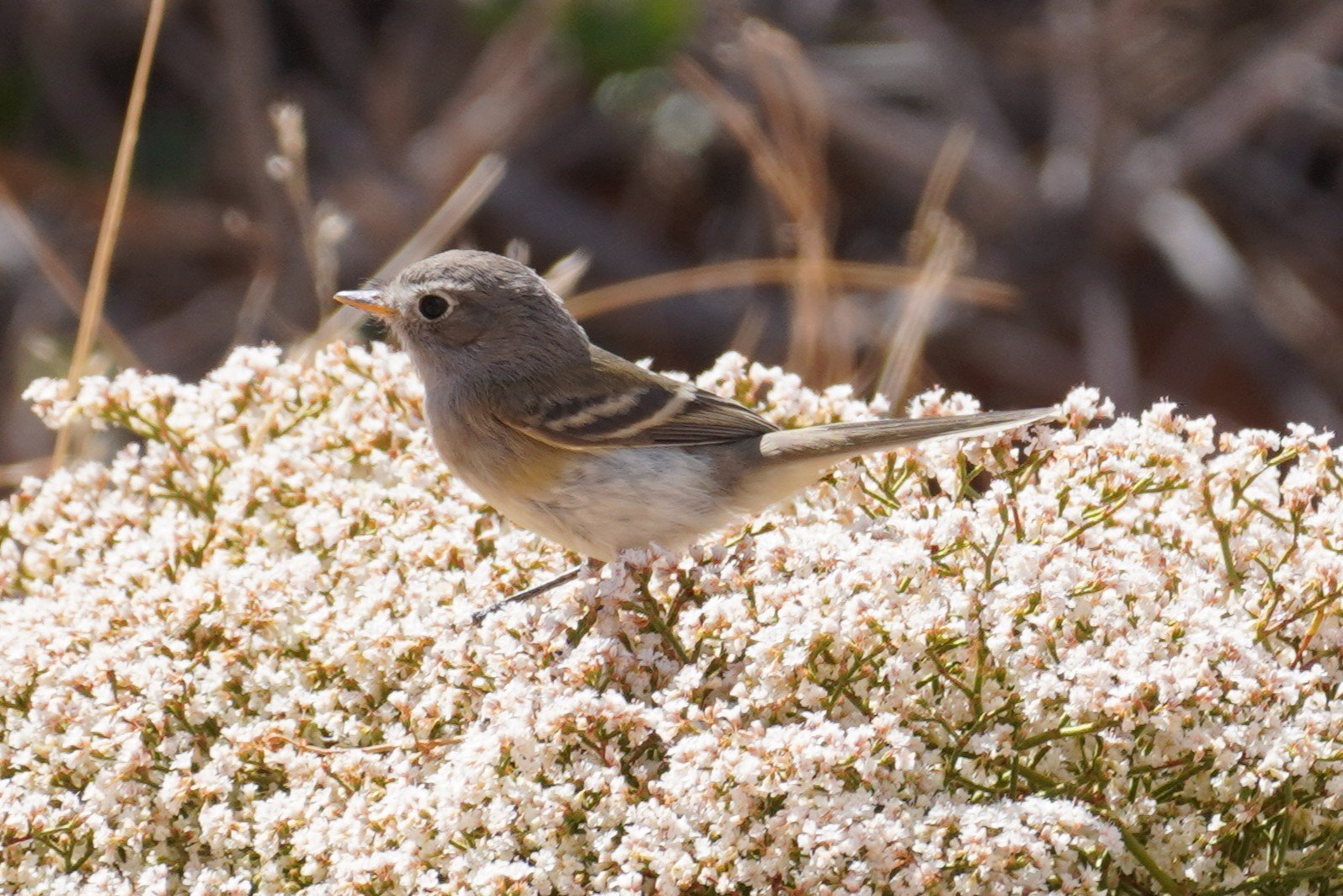
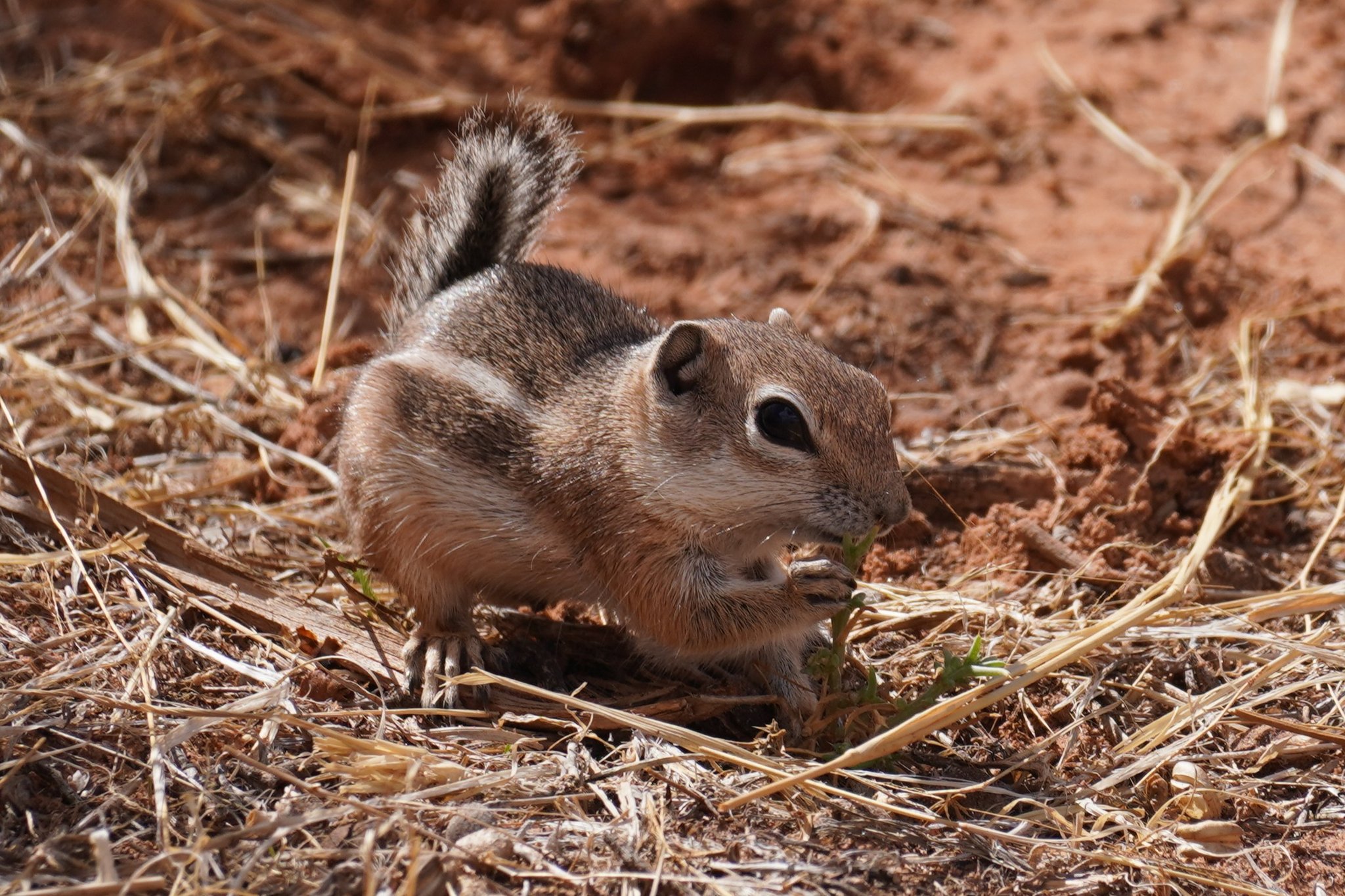
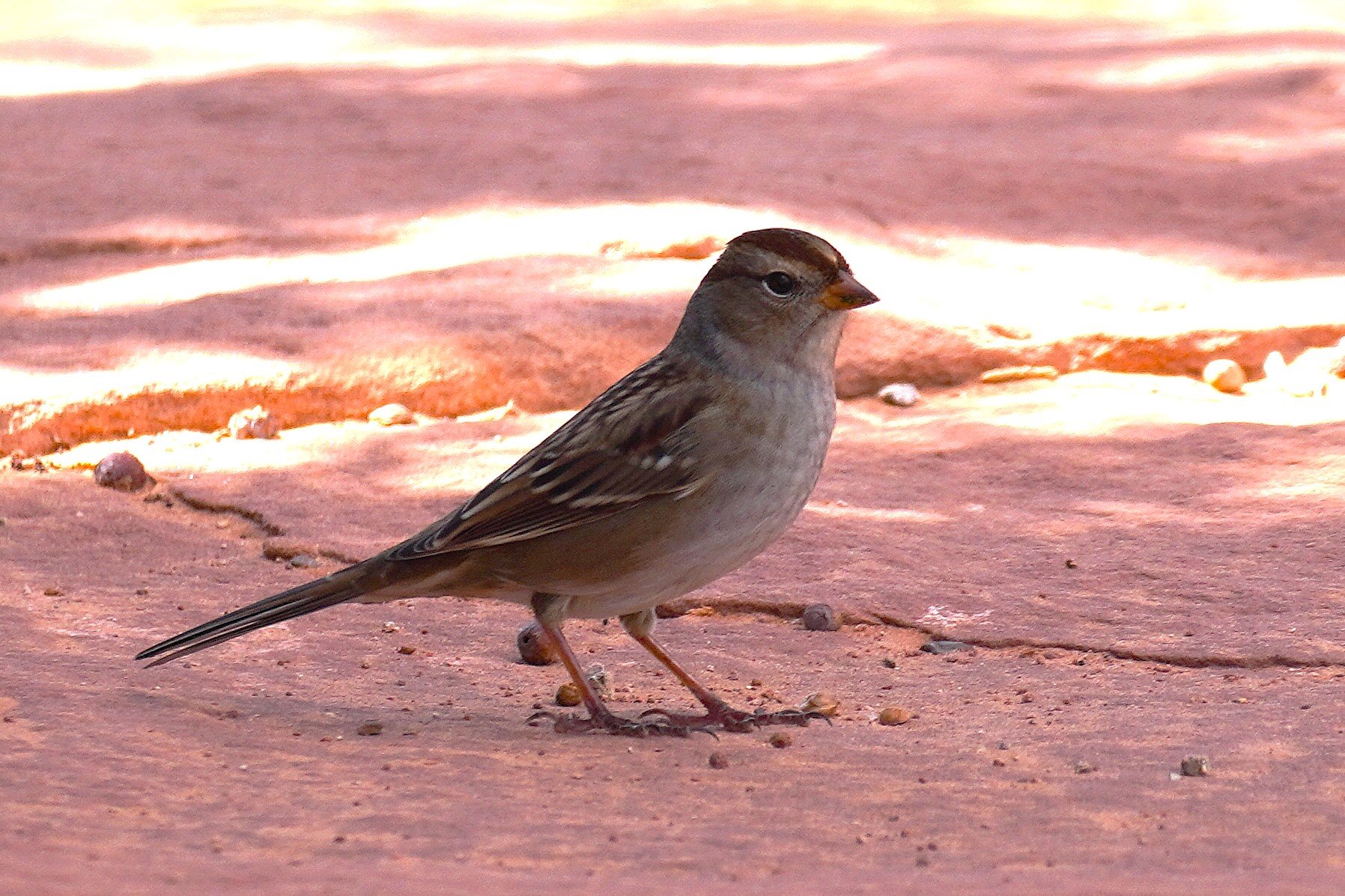
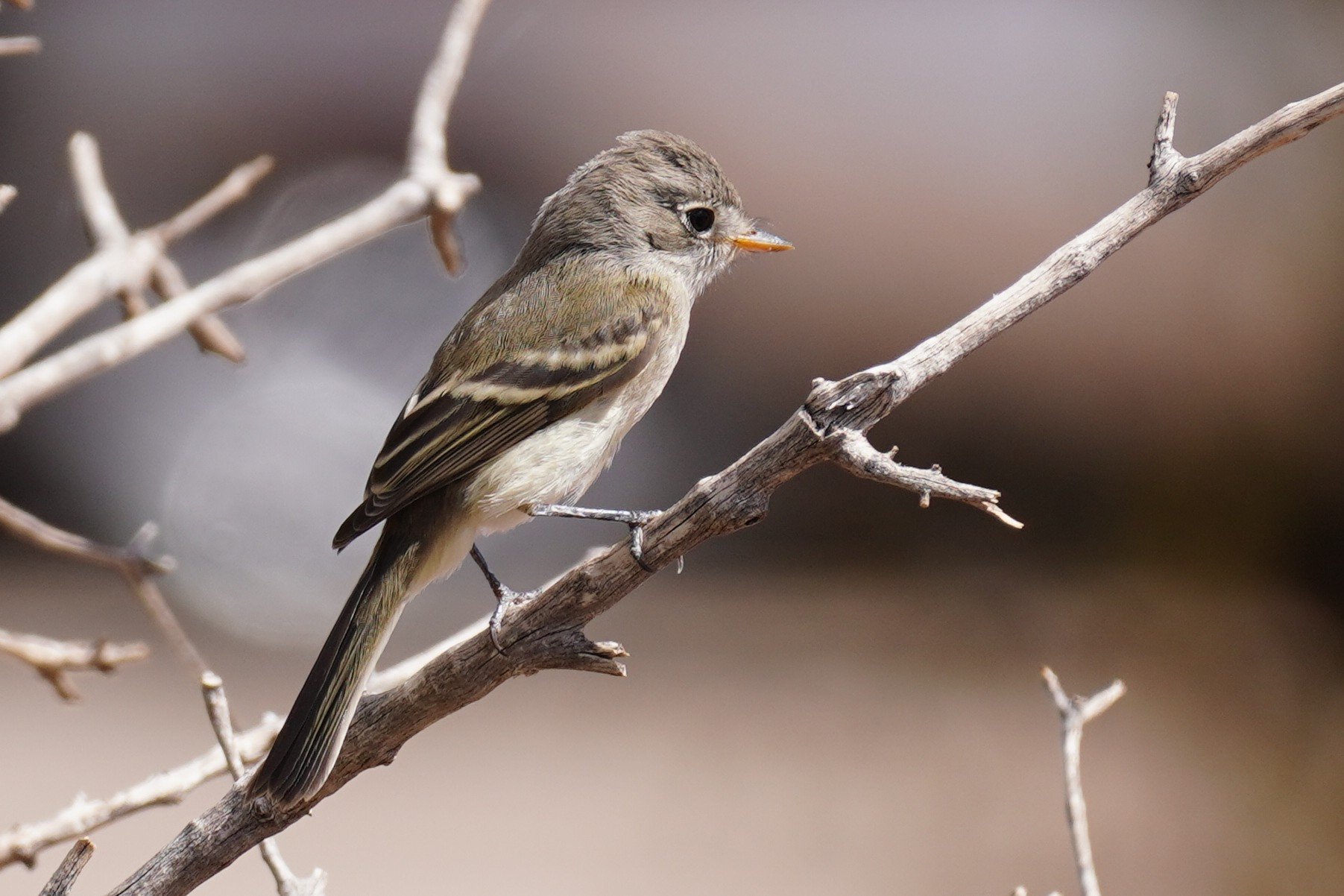
The point turned out to be full of activity. A gray flycatcher perched quietly on a blooming cliffrose, while a Chipping Sparrow hopped around on the ground looking for seeds. A very cute little cliff chipmunk also made an appearance, happily nibbling away on a plant.
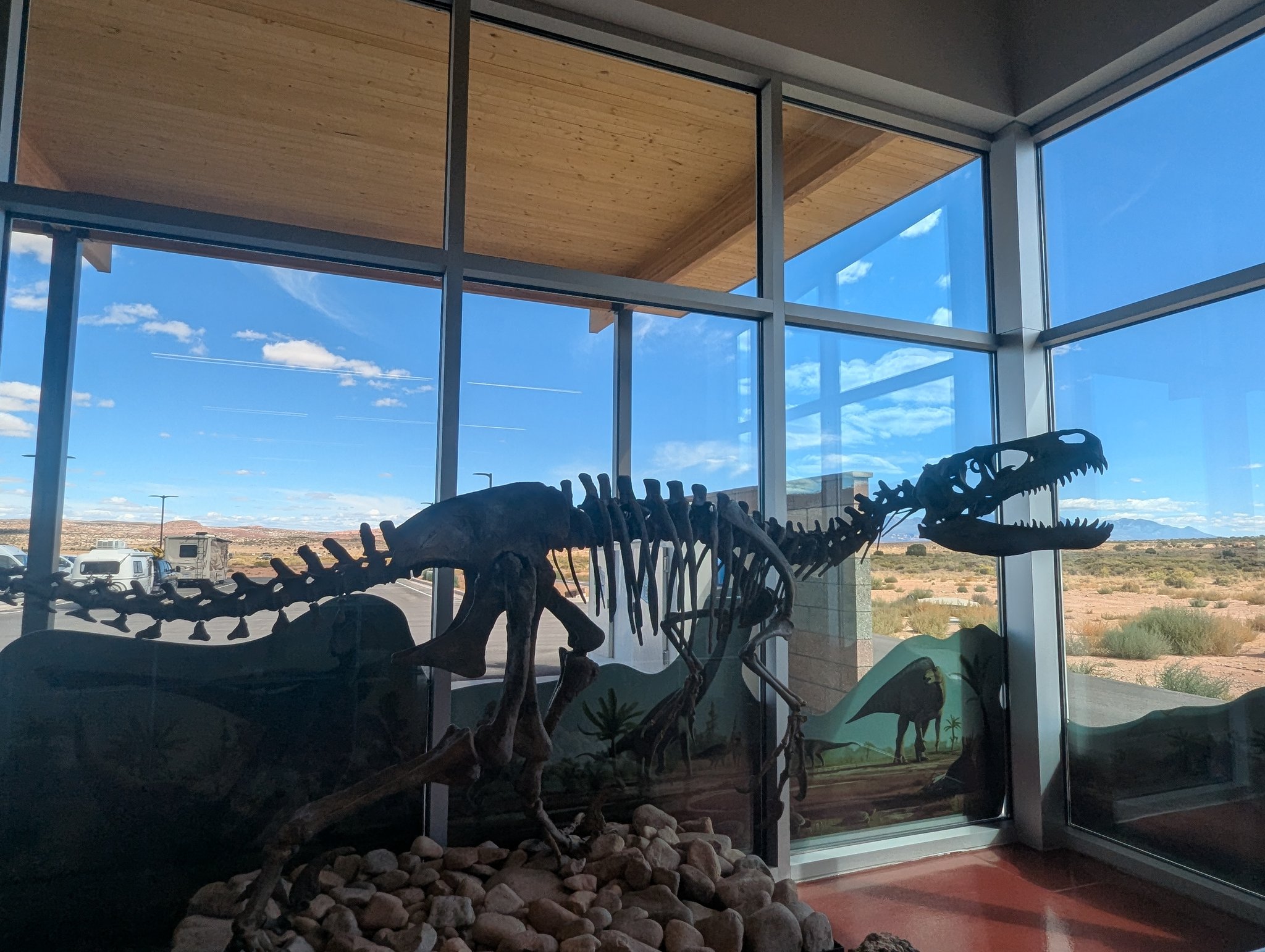
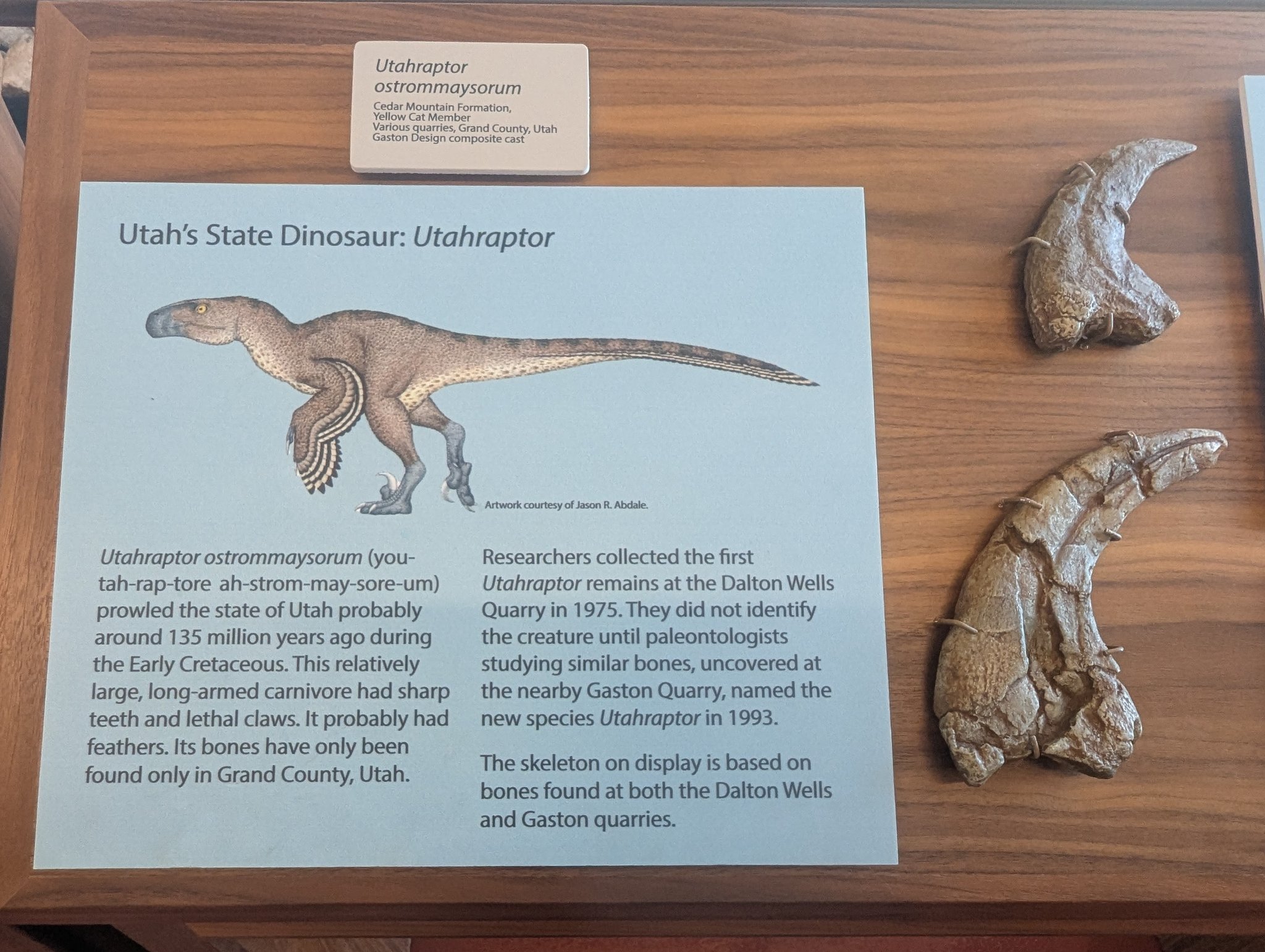
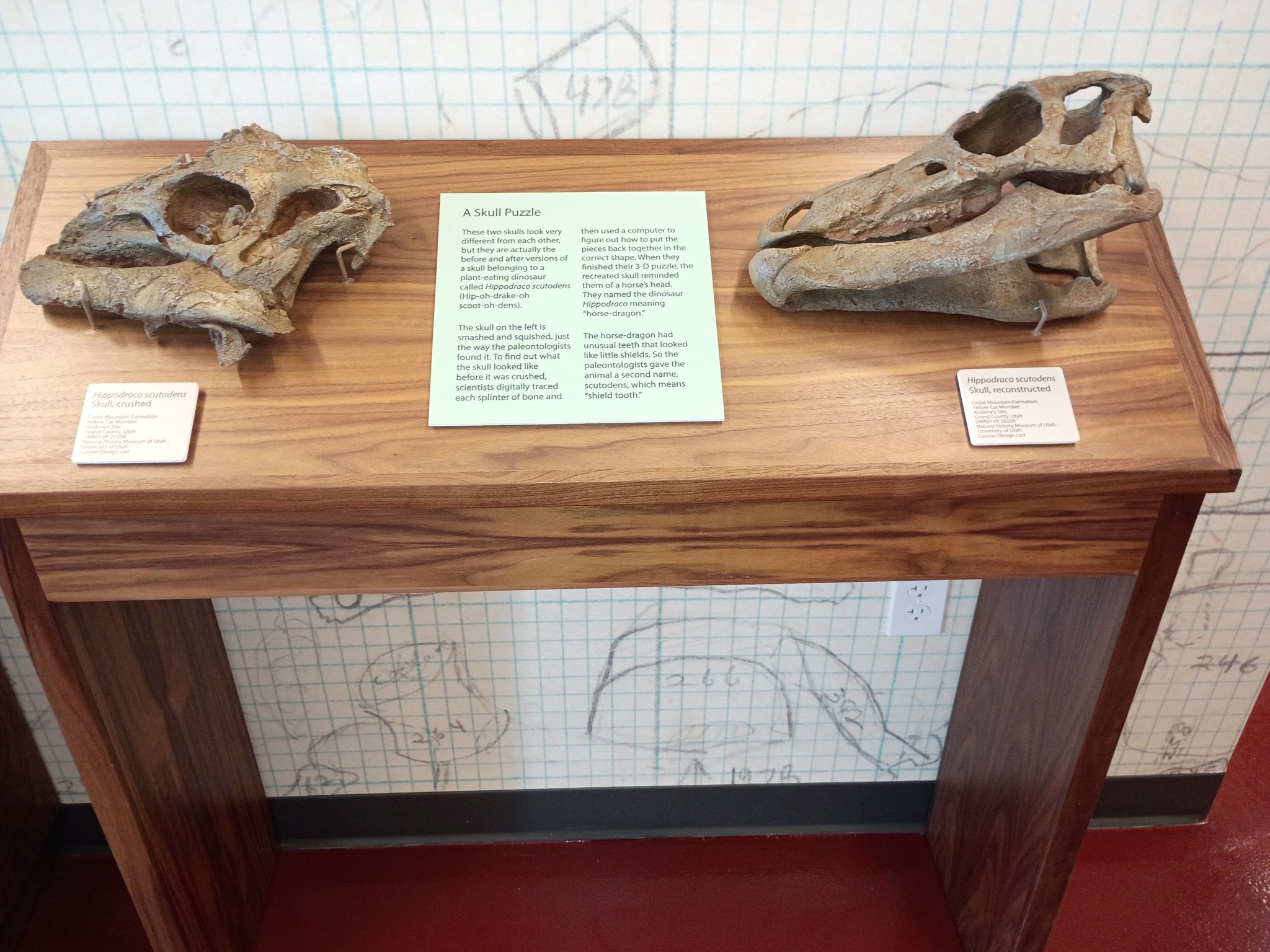
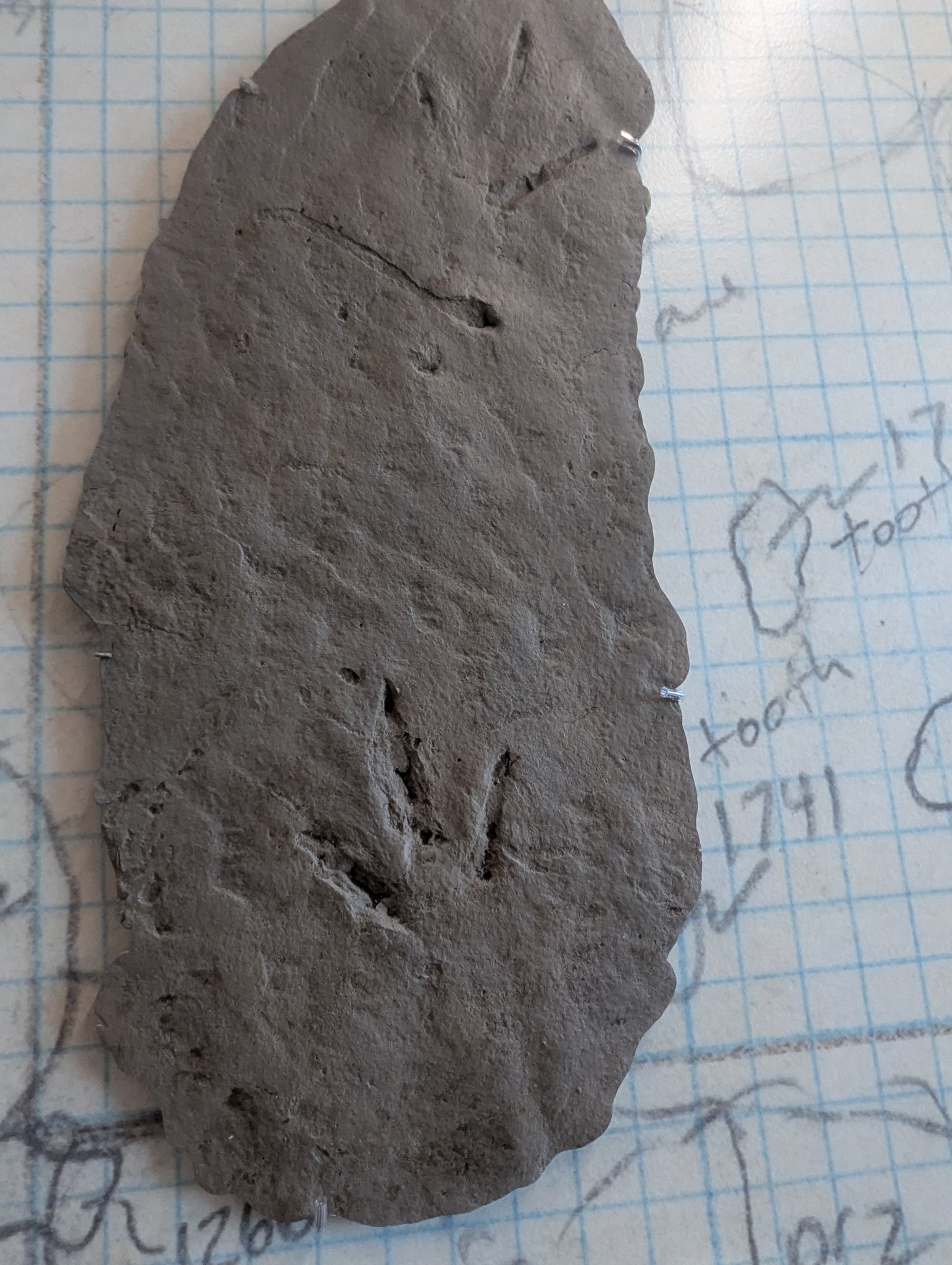
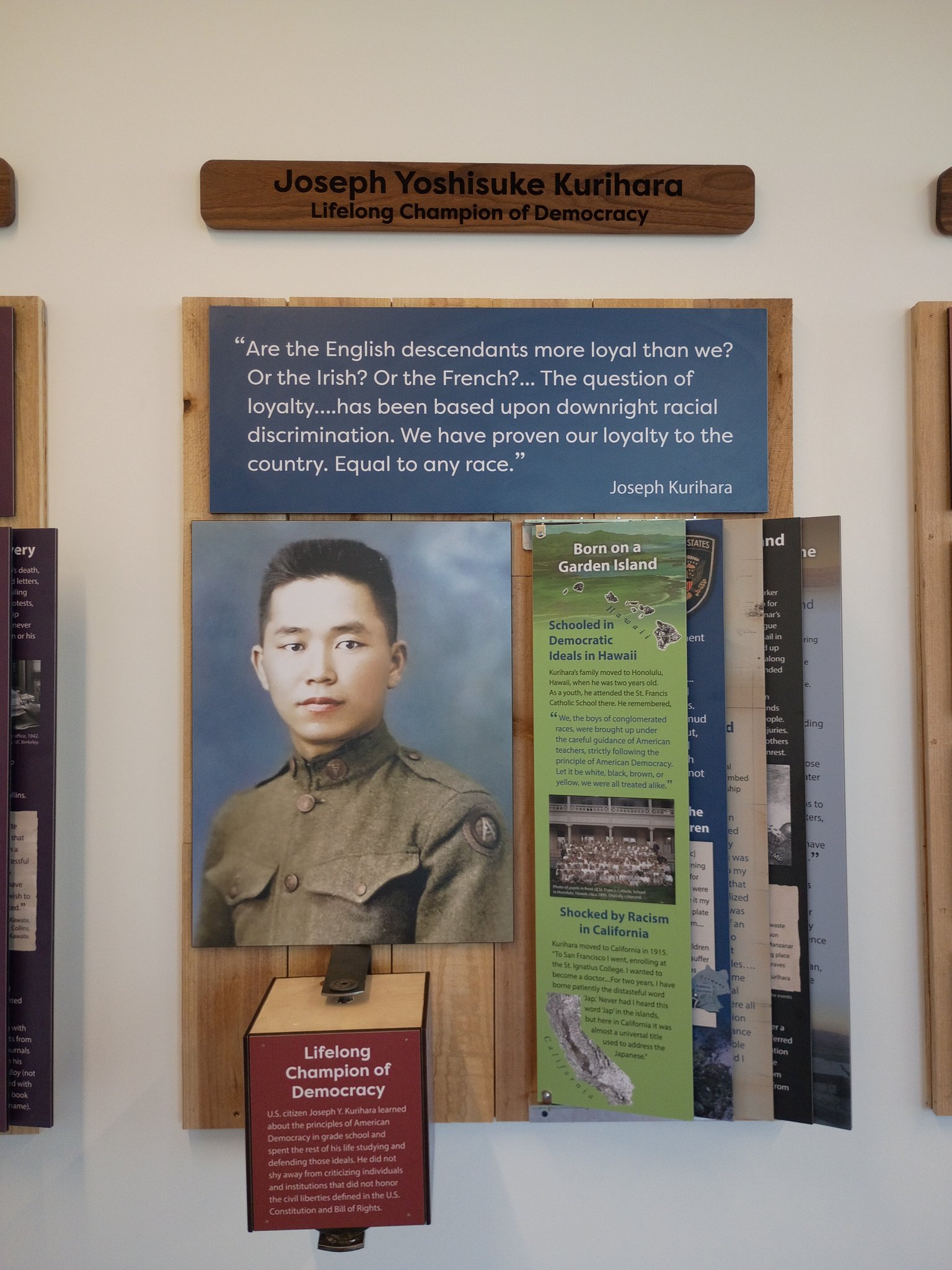
After lunch we headed back to our dispersed camping spot to pick up the camper. Before leaving town, we needed to use the dump station at nearby Utahraptor State Park. While there we stepped into the small museum to learn about the park. Utah's newest state park is named after the Utahraptor dinosaur, a giant 20-foot-long predator built for speed and armed with a curved sickle claw. The museum also had an exhibit about the Moab Isolation Center, a WWII internment site located just outside Moab where Japanese-American men who protested conditions in other camps were temporarily held before being transferred elsewhere.
With that, our time in Moab came to an end and we turned our wheels toward Black Canyon of the Gunnison in Colorado. By late afternoon we reached a dispersed camping area just outside the park. The road in was a bit rough and the maneuvering tight in a few spots, but Danny handled it like a pro and soon we were settled in for the night.
A tiny bird was bouncing all over a nearby Utah juniper. It wouldn't stay still for more than a second, darting from branch to branch and occasionally flashing a tiny red crown on its head before disappearing again. A Ruby-crowned Kinglet, and very much living up to its reputation for being overflowing with energy.
From there we drove out to the actual point and settled in for lunch. The cliffs drop away on three sides, and far below the Colorado River makes a massive looping bend through the canyon before disappearing behind the rock walls.
The point turned out to be full of activity. A gray flycatcher perched quietly on a blooming cliffrose, while a Chipping Sparrow hopped around on the ground looking for seeds. A very cute little cliff chipmunk also made an appearance, happily nibbling away on a plant.
After lunch we headed back to our dispersed camping spot to pick up the camper. Before leaving town, we needed to use the dump station at nearby Utahraptor State Park. While there we stepped into the small museum to learn about the park. Utah's newest state park is named after the Utahraptor dinosaur, a giant 20-foot-long predator built for speed and armed with a curved sickle claw. The museum also had an exhibit about the Moab Isolation Center, a WWII internment site located just outside Moab where Japanese-American men who protested conditions in other camps were temporarily held before being transferred elsewhere.
With that, our time in Moab came to an end and we turned our wheels toward Black Canyon of the Gunnison in Colorado. By late afternoon we reached a dispersed camping area just outside the park. The road in was a bit rough and the maneuvering tight in a few spots, but Danny handled it like a pro and soon we were settled in for the night.