Black Canyon of the Gunnison
1 / 1
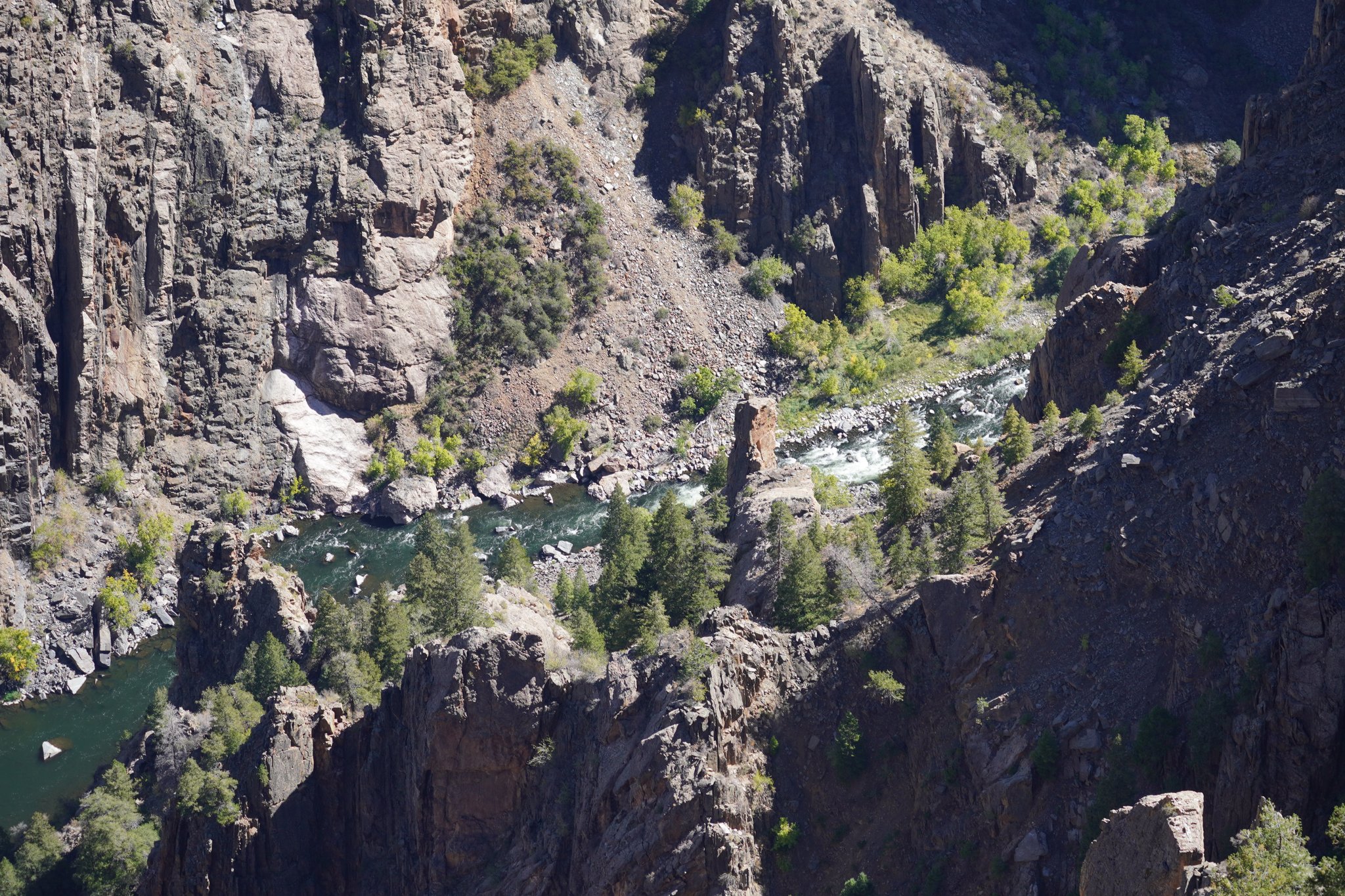
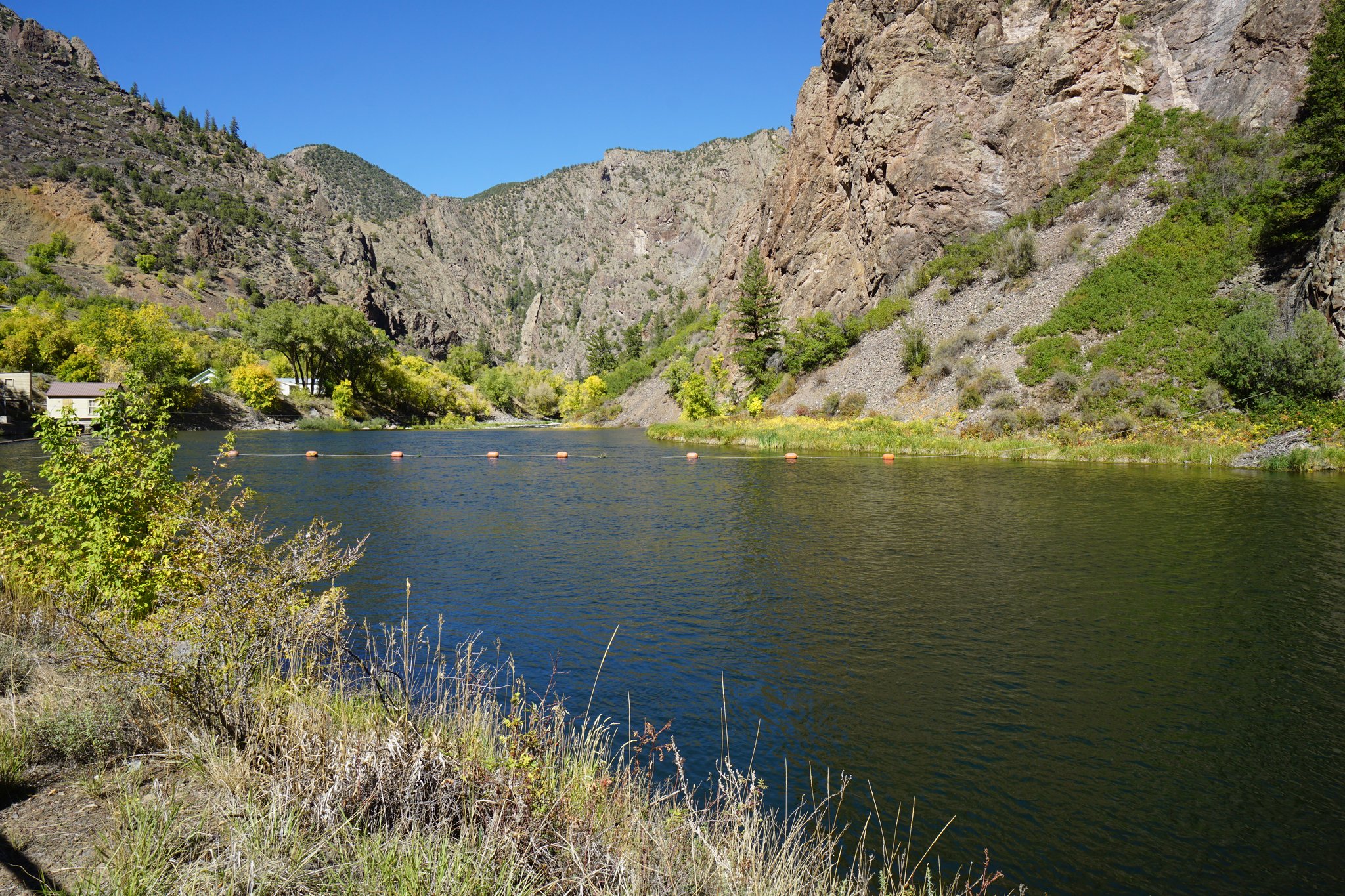
Black Canyon of the Gunnison National Park is a dramatic place. Sweeping black, jagged walls plunge nearly 2,000 feet toward the Gunnison River far below, creating one of the steepest and most rugged canyons in North America.
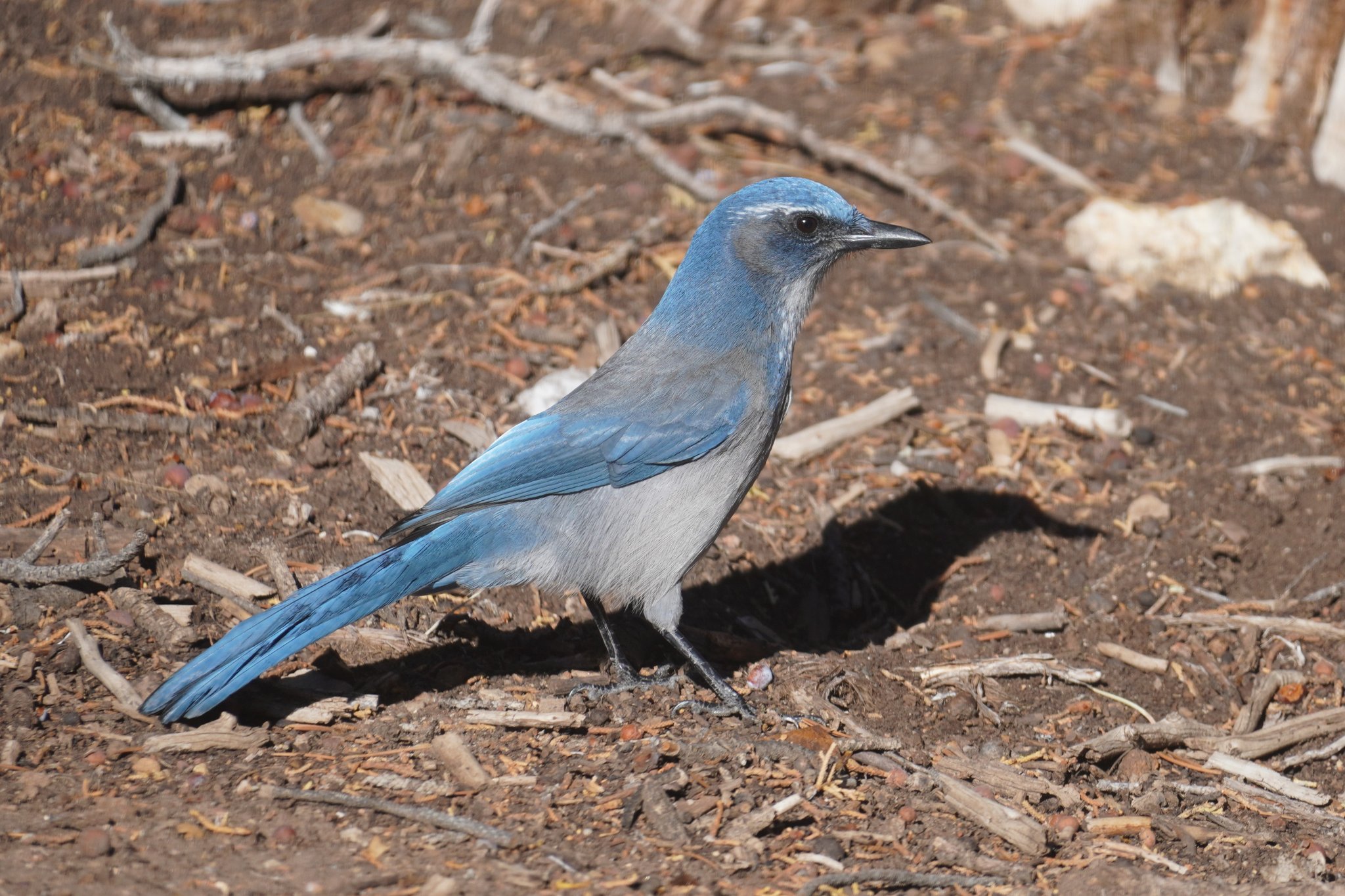
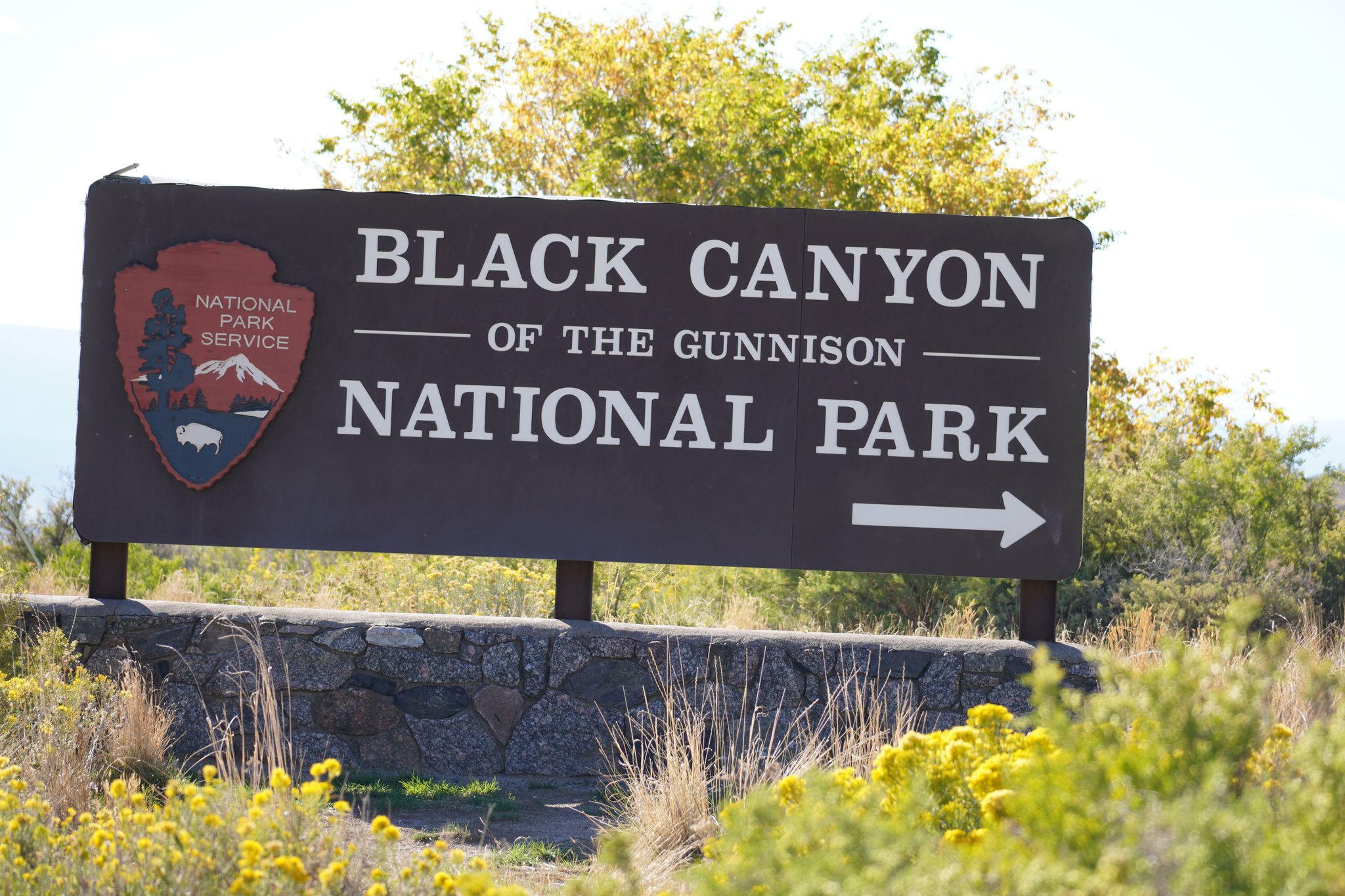
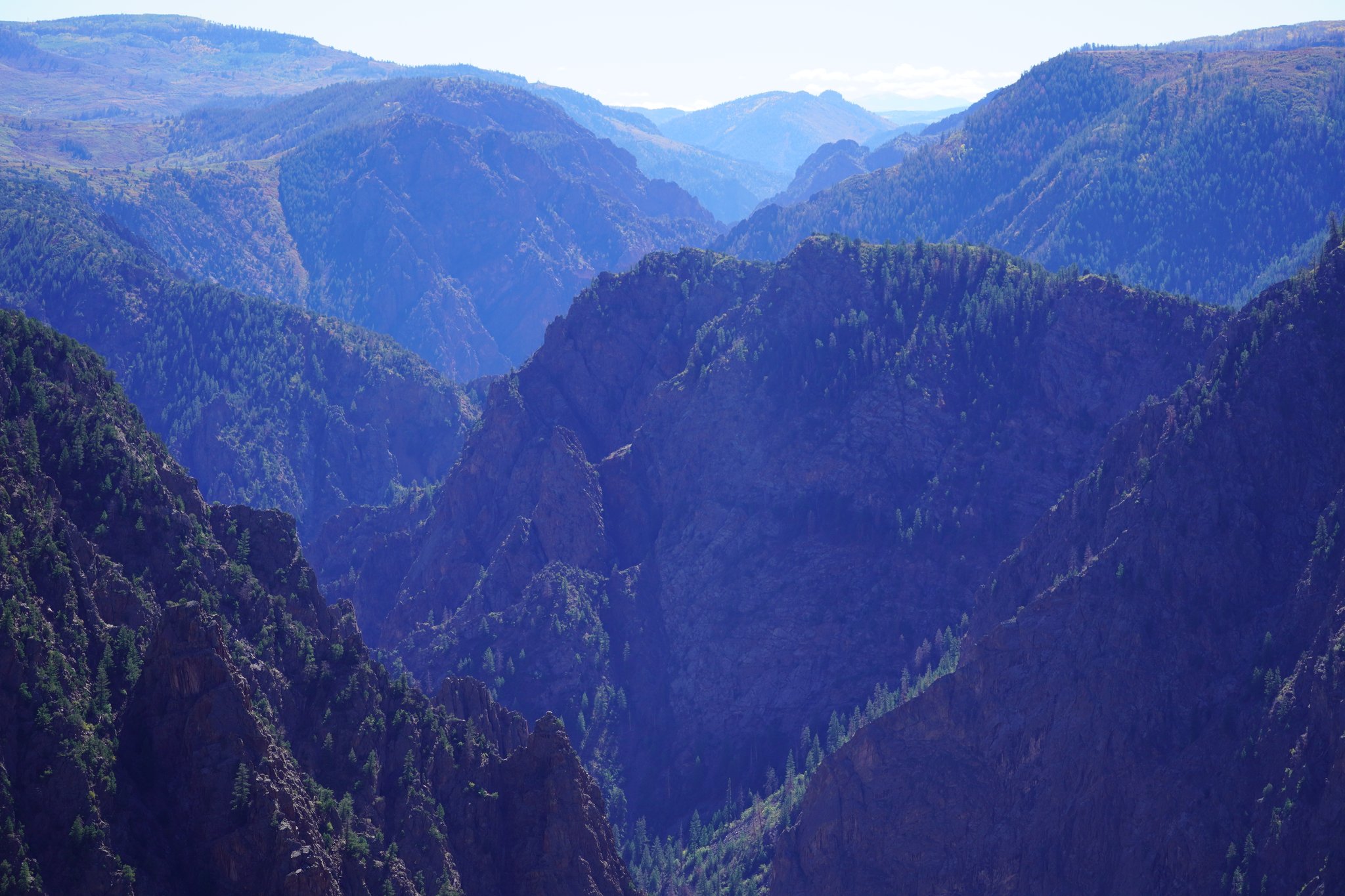
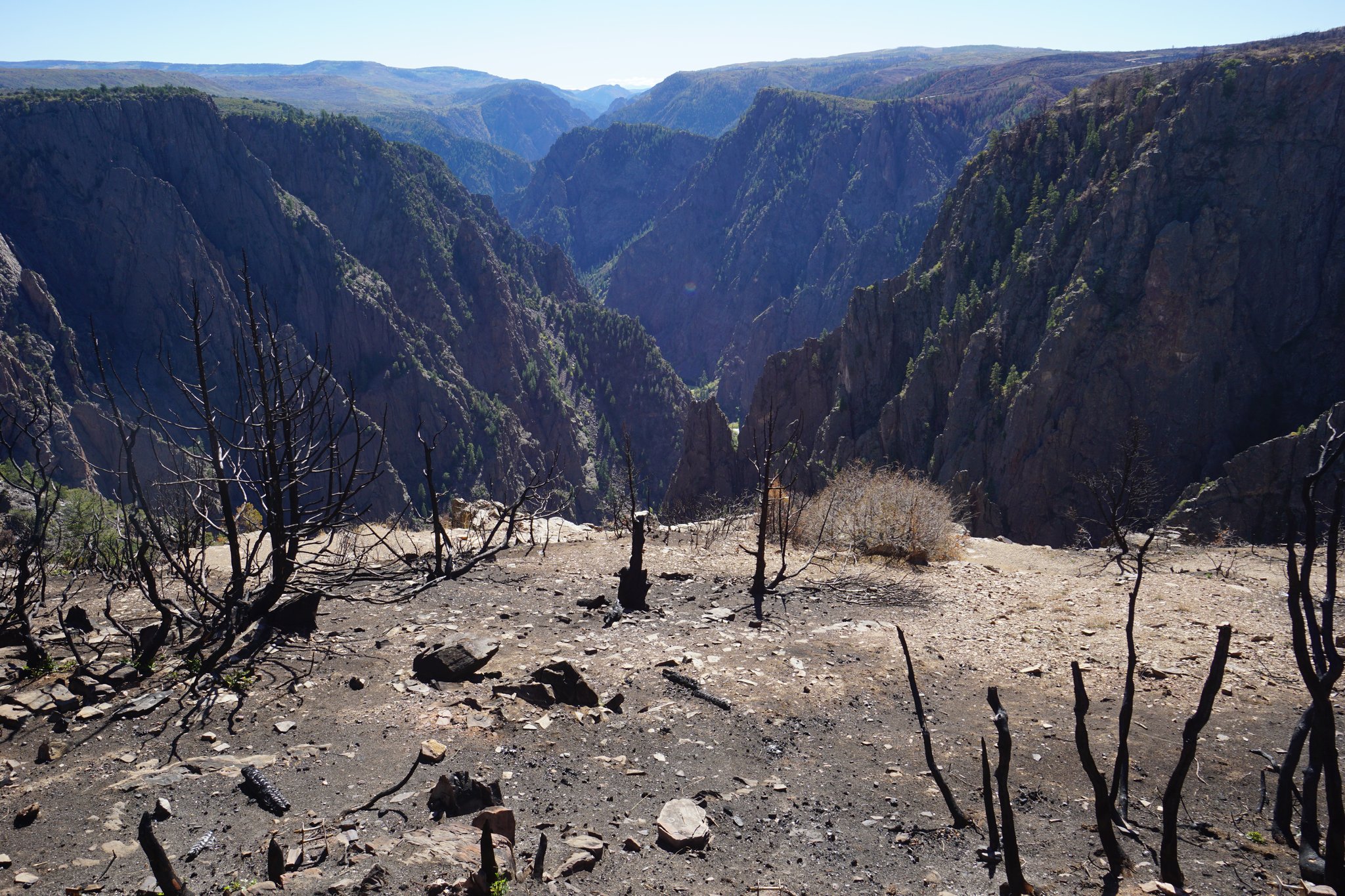
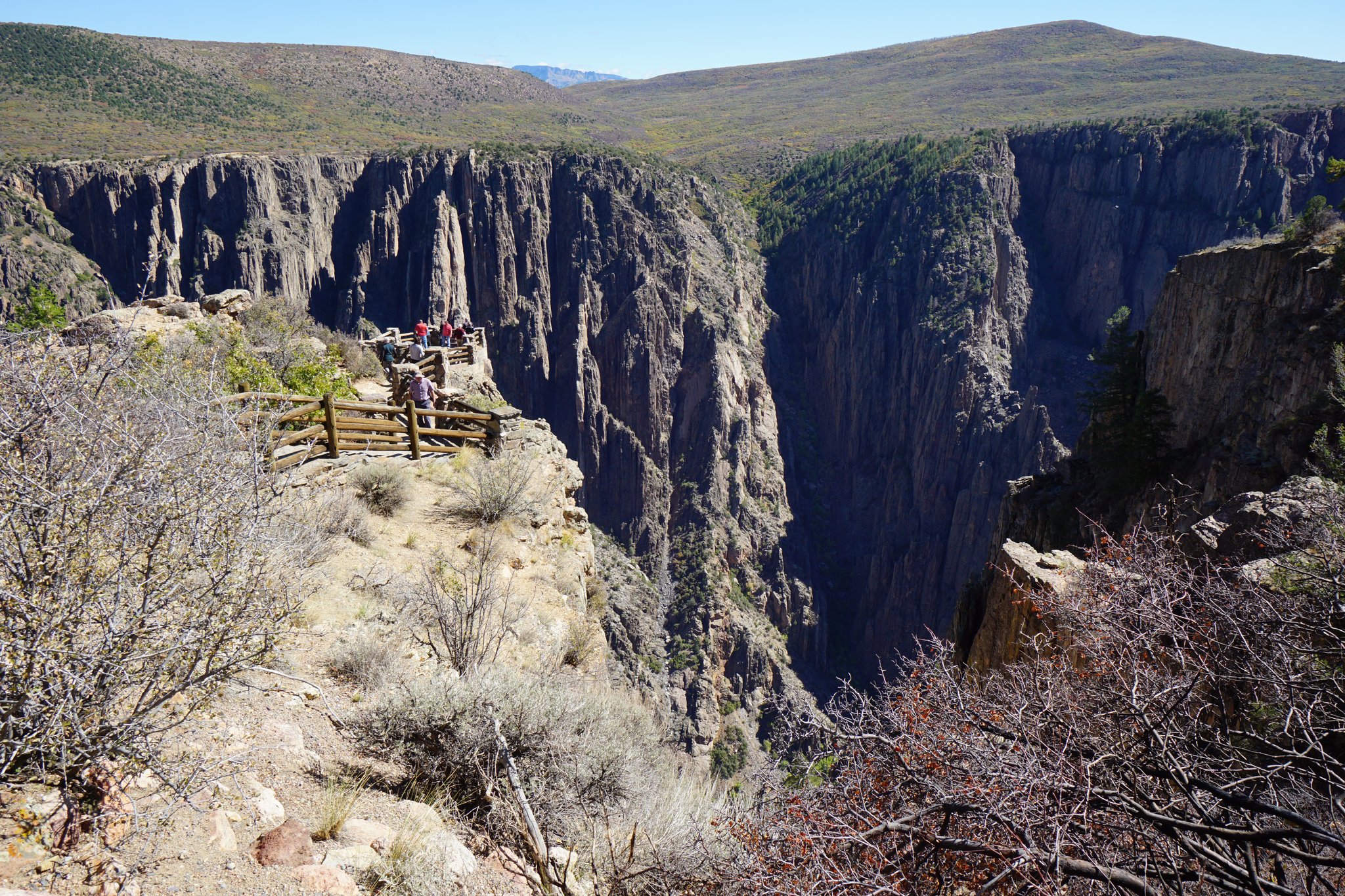
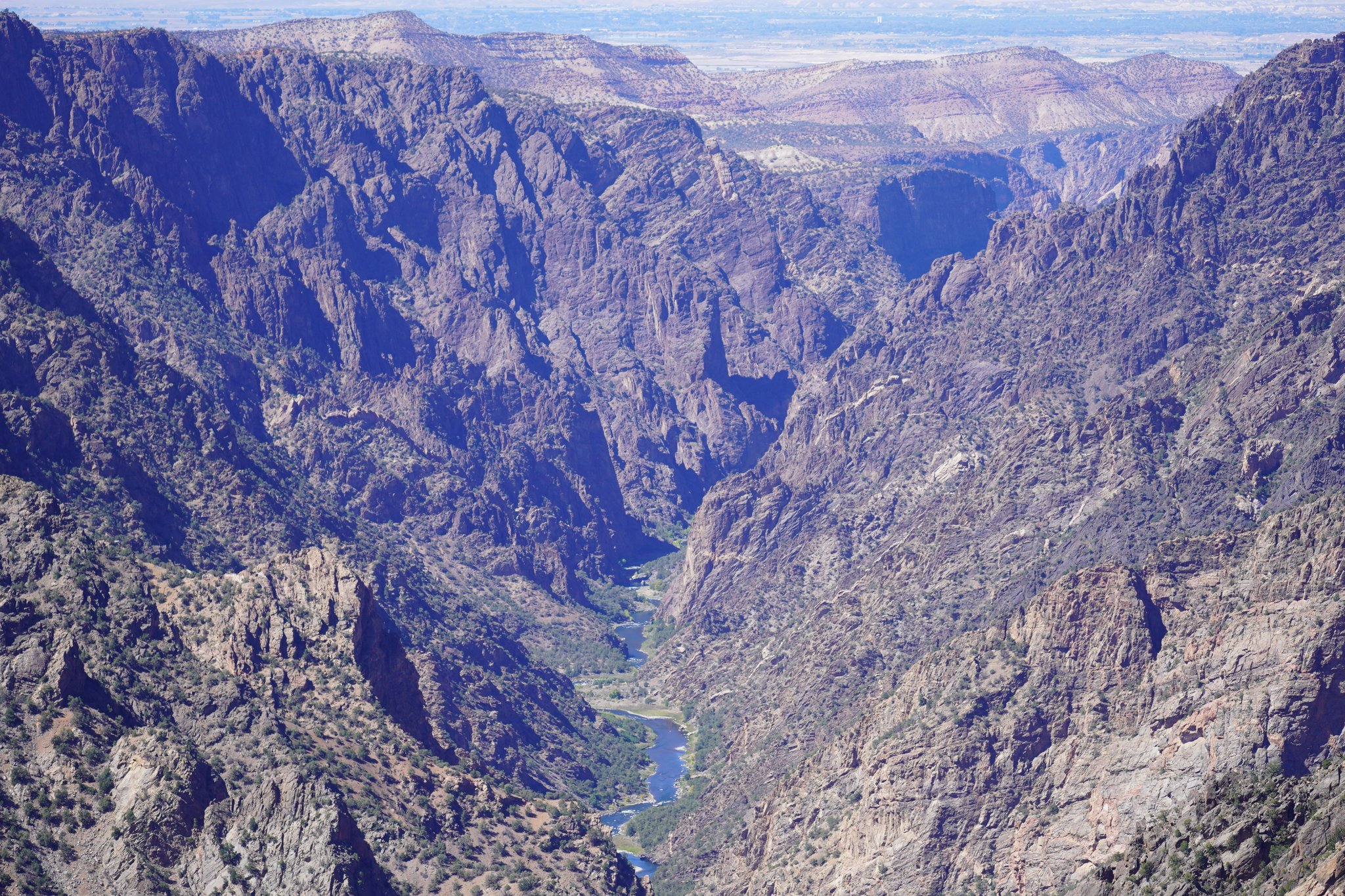
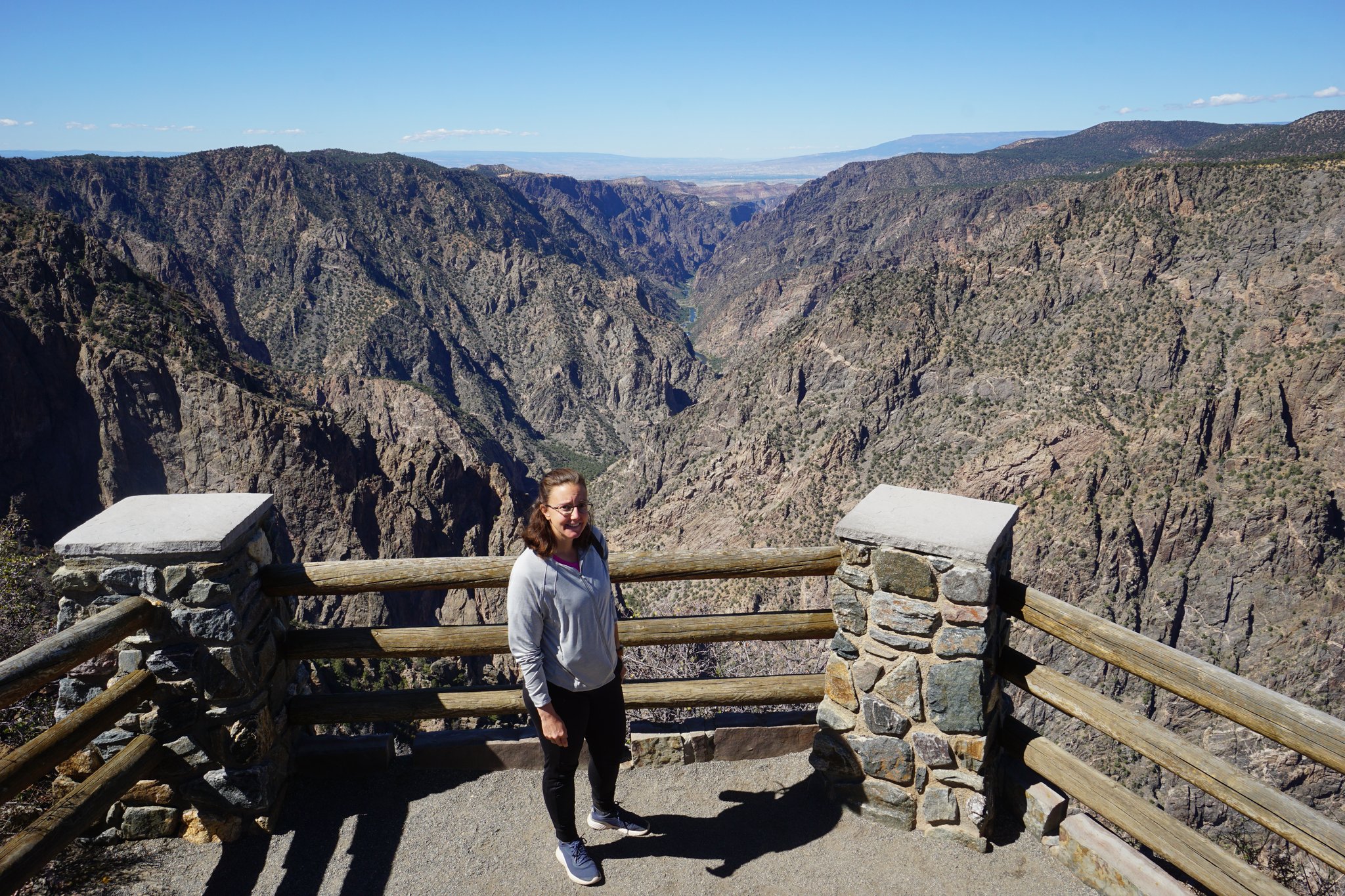
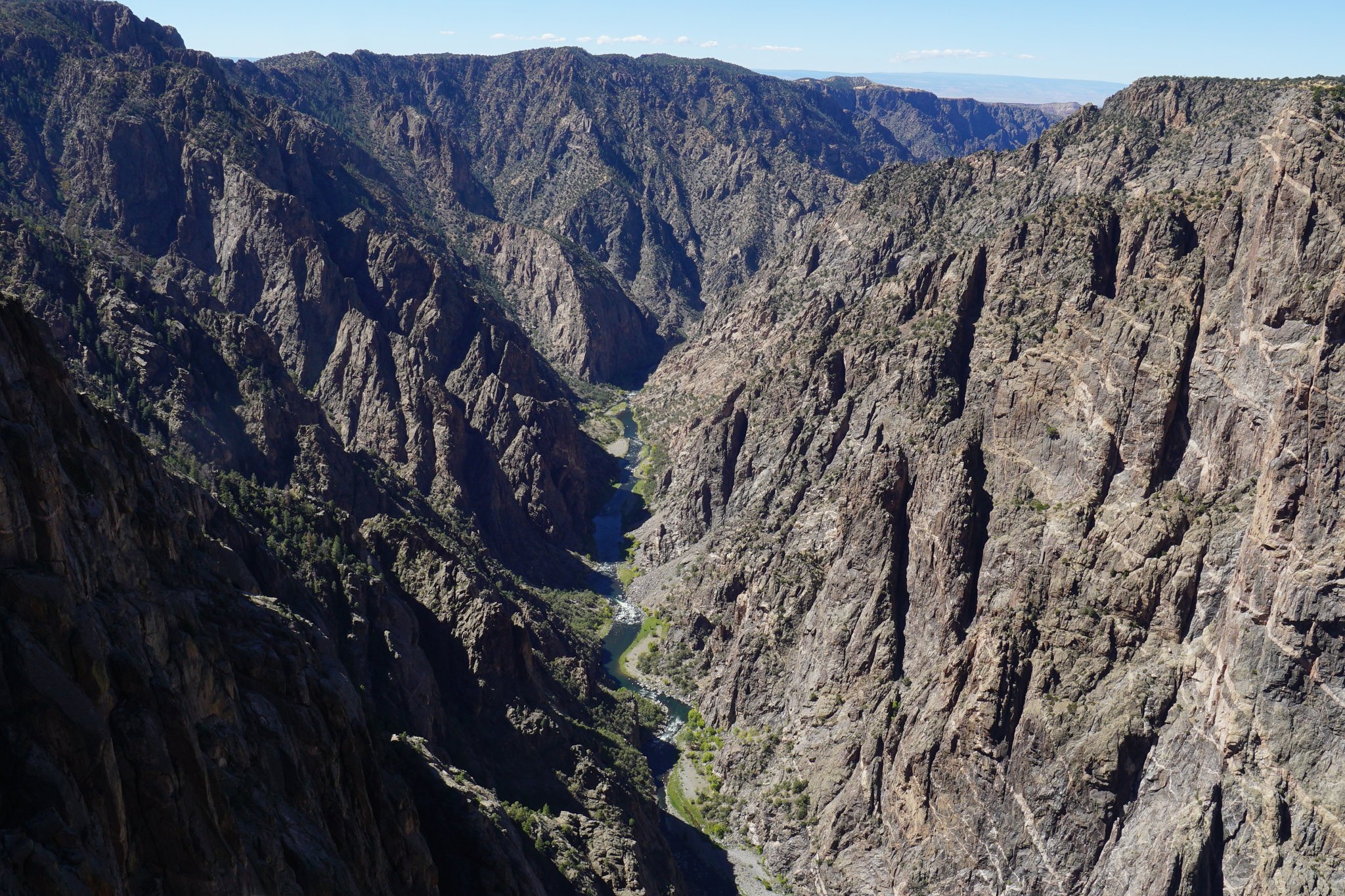
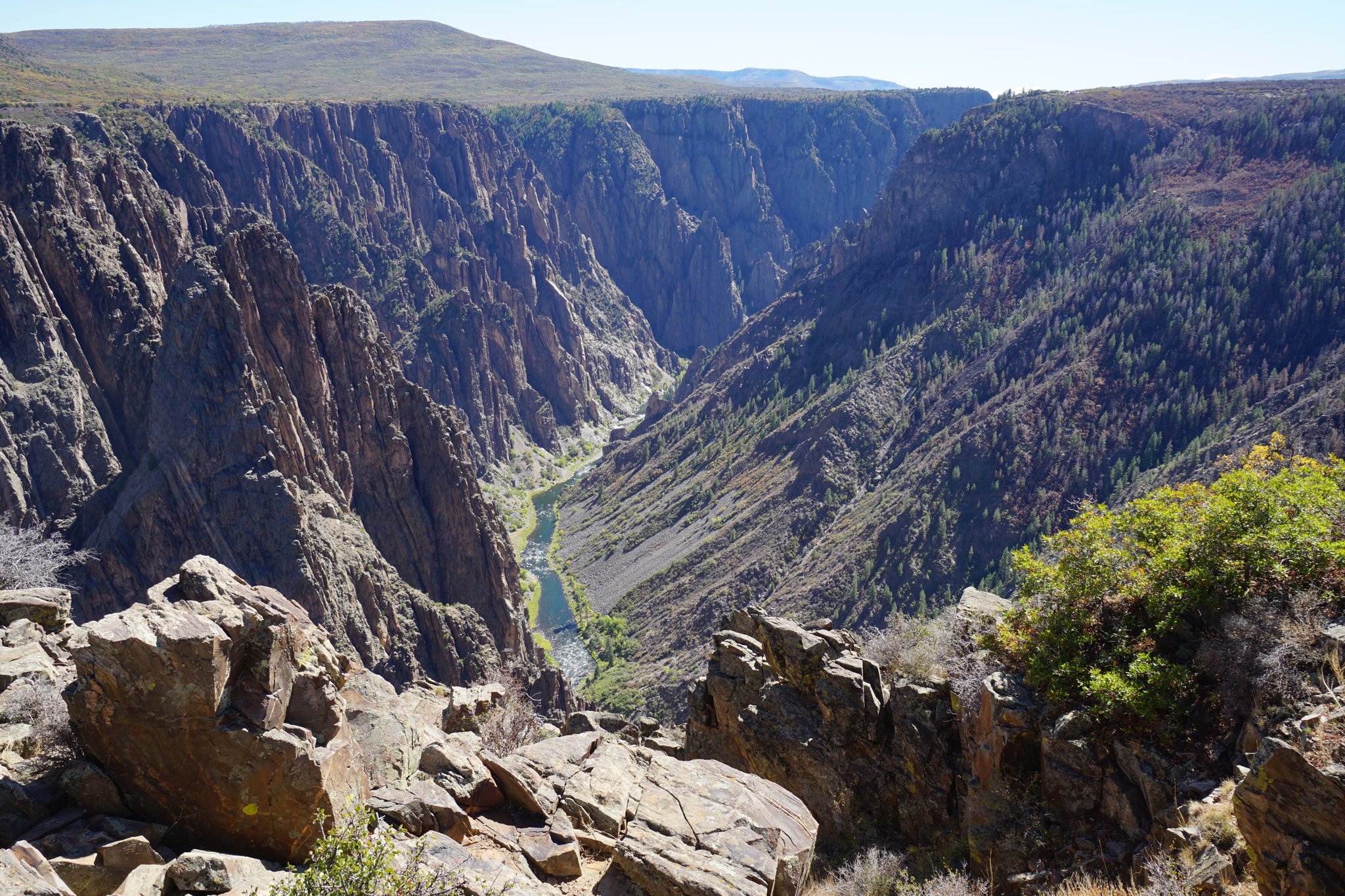
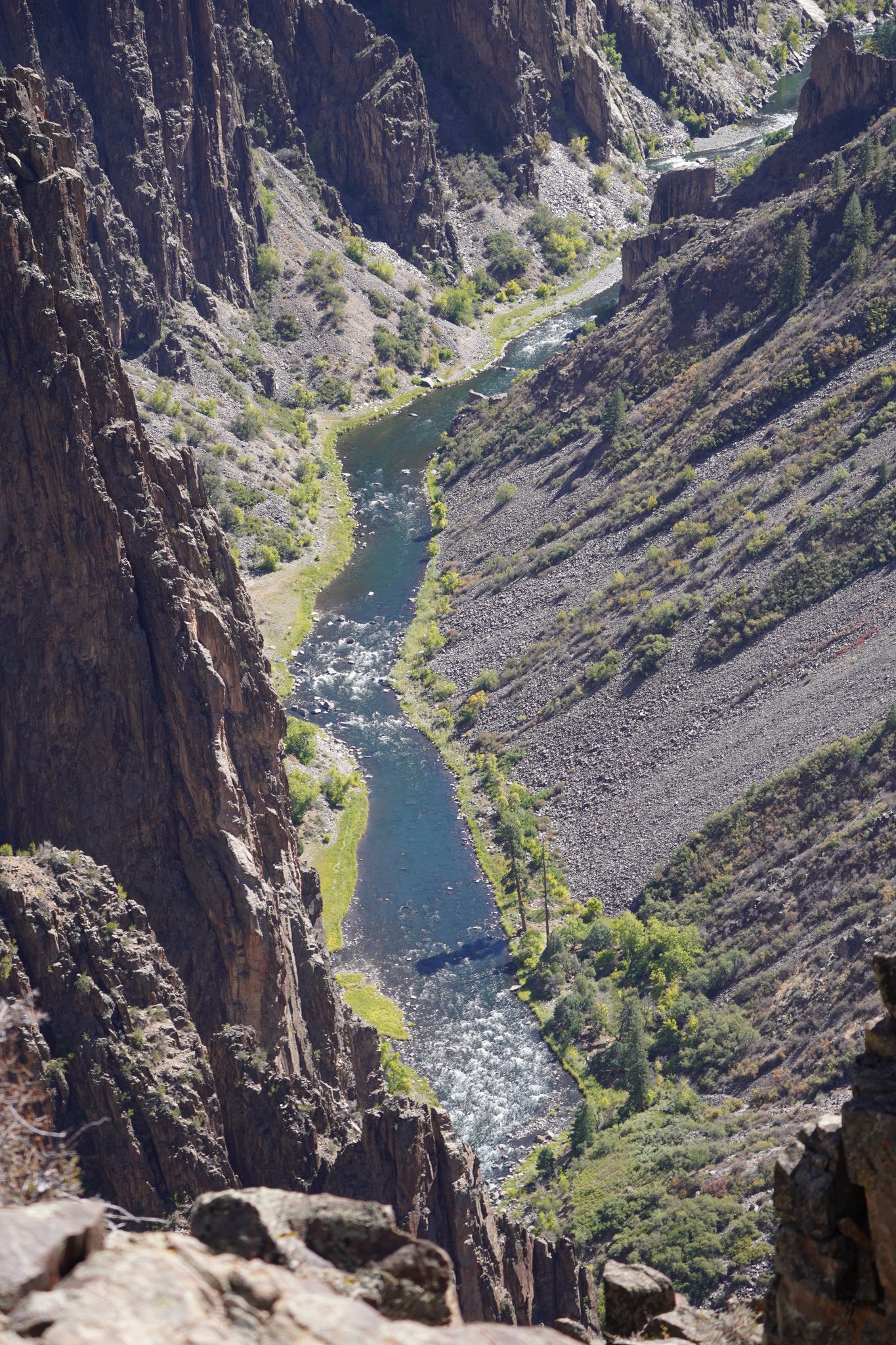
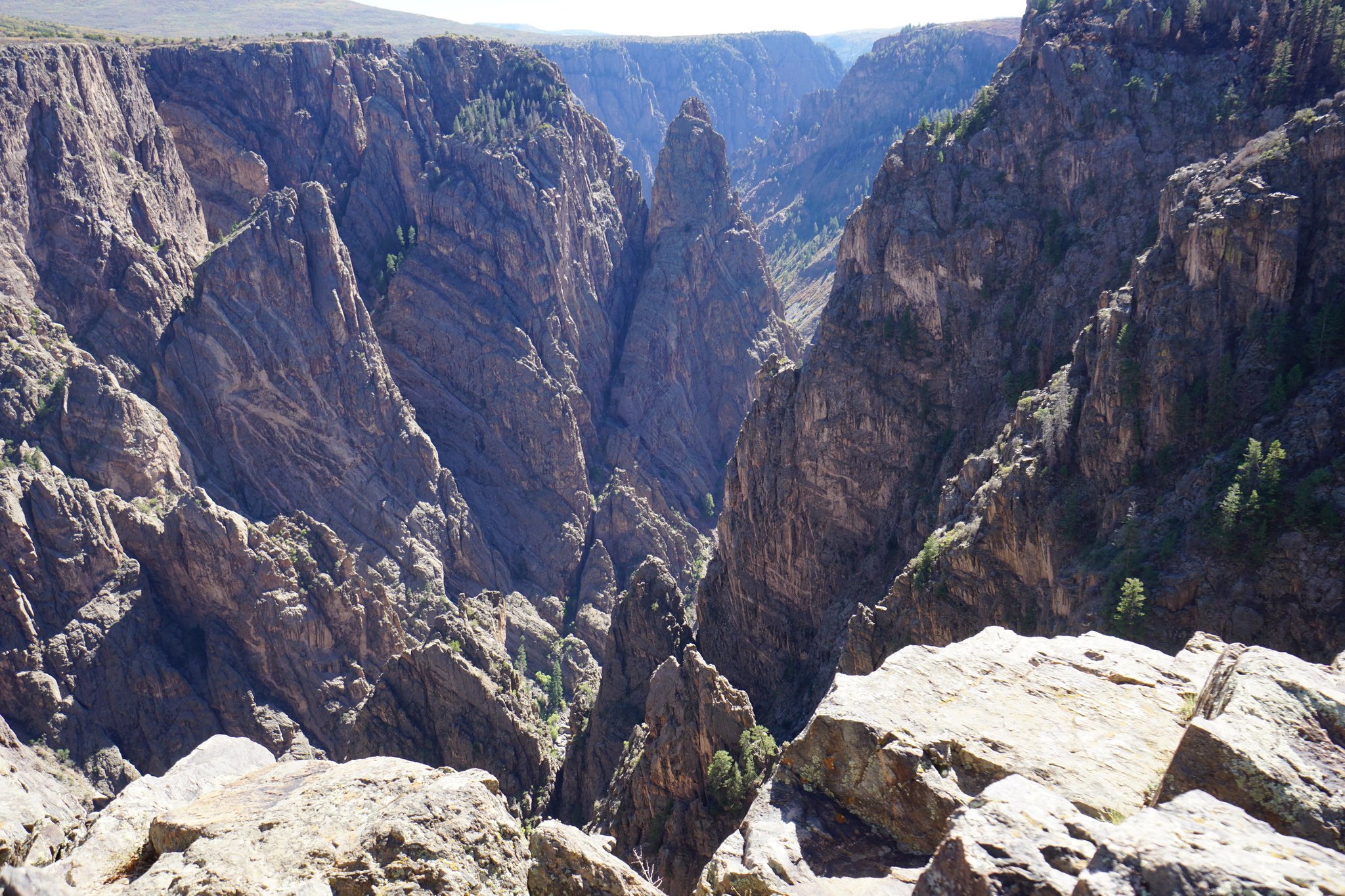
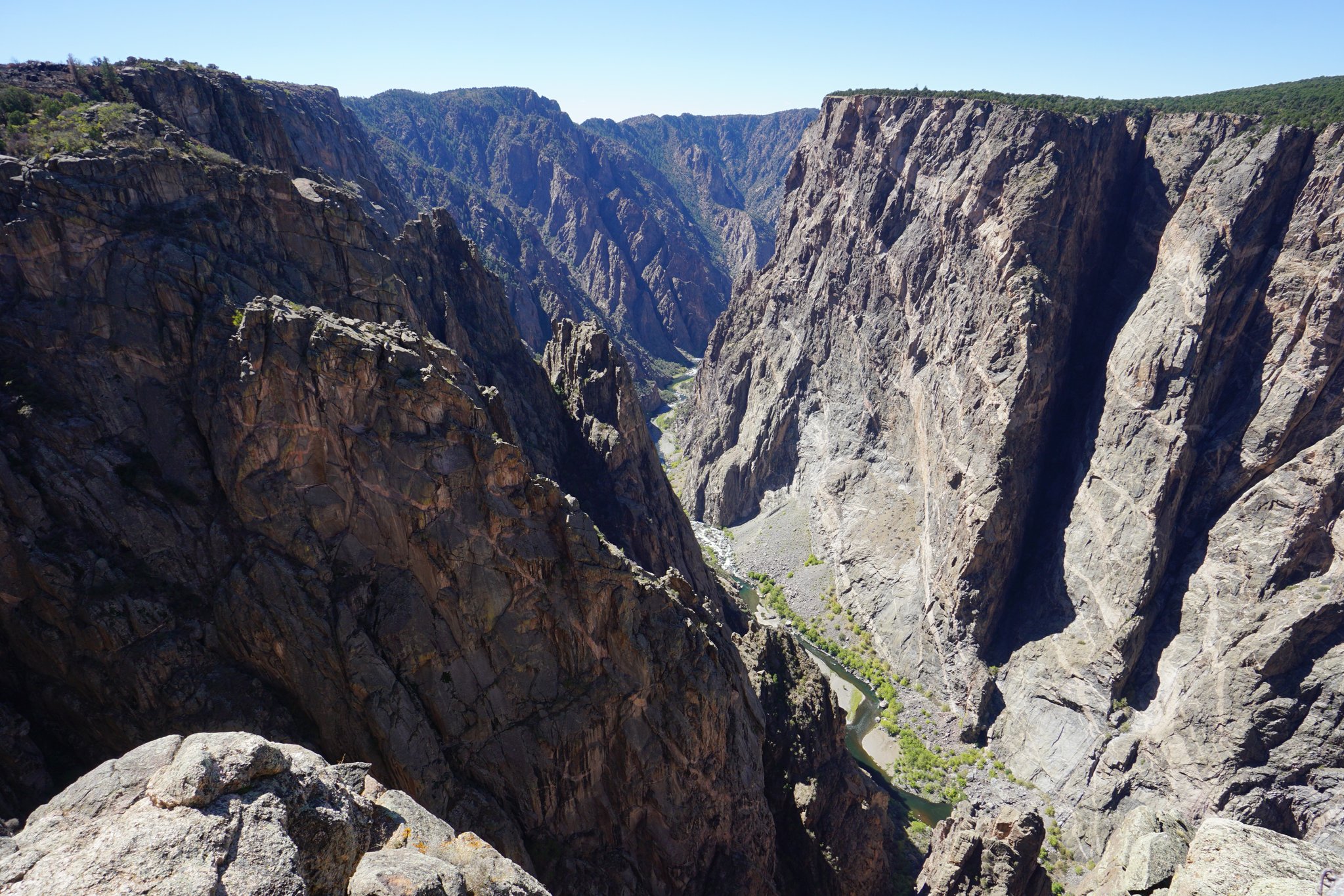
As we prepared to leave camp that morning, a Woodhouse's Scrub-Jay hopped around on the ground nearby and bid us farewell before we drove into the park. After a stop at the visitor center, we made our way along South Rim Drive, stopping at overlooks along the seven-mile road. Each viewpoint offered another look down into the narrow canyon carved by the Gunnison River.
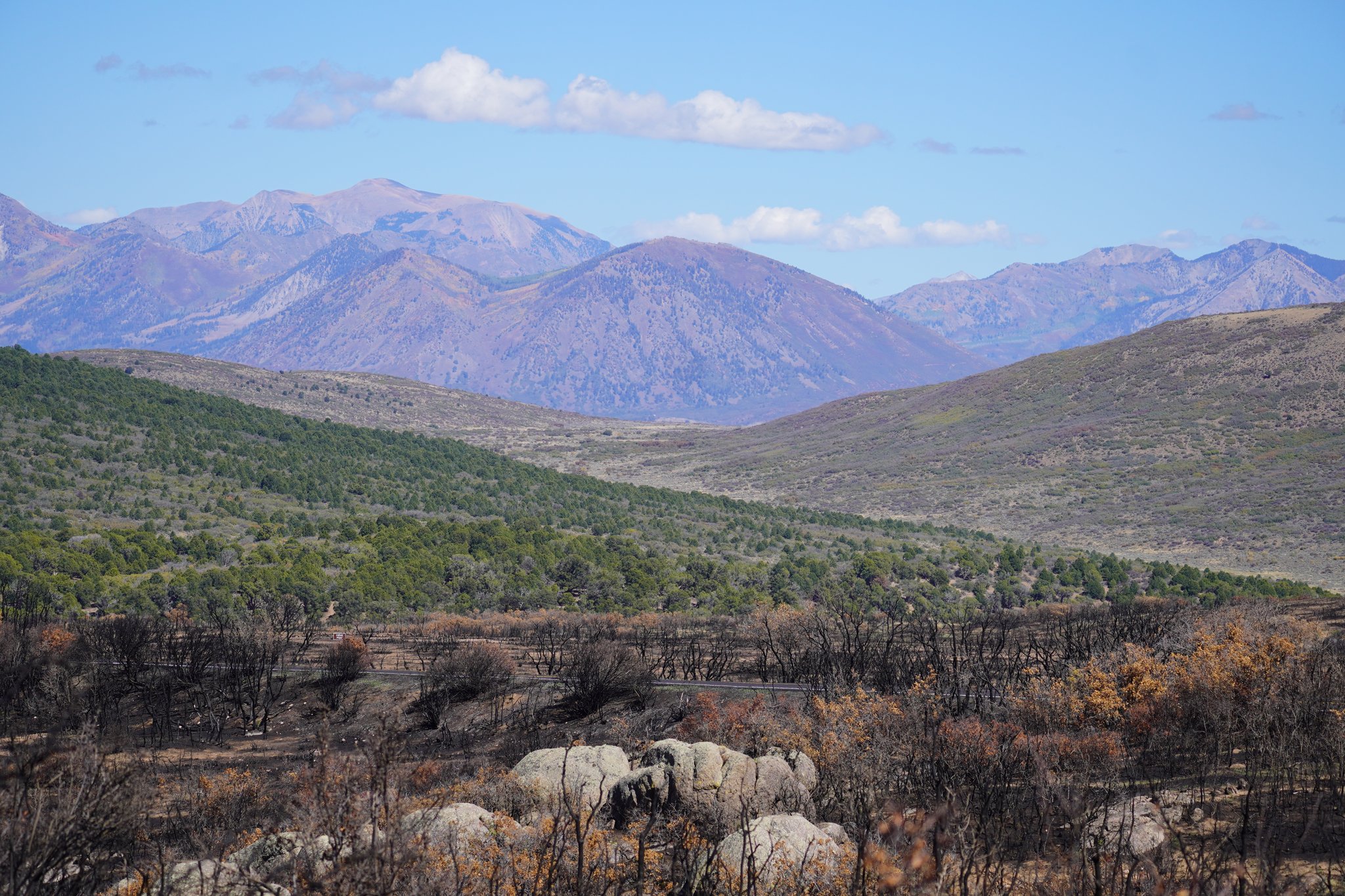
Much of the rim had burned just a few months earlier in the South Rim Fire, which began with a lightning strike on July 10, 2025 and forced the park to close for a time. Nearly the entire drive passed through charred hillsides, and the faint smell of smoke still lingered in the air. It was sad to see, but fire is part of the natural cycle in western forests. We were grateful the park had reopened in time for our visit.
At the far end of the road we reached the trailhead for Warner Point Trail, one of the park’s popular viewpoints. The trail had recently reopened after the fire, but on the day we arrived crews had temporarily closed it while they treated invasive plants. We had our picnic lunch there instead, watching the workers move through the area with their spray tanks.
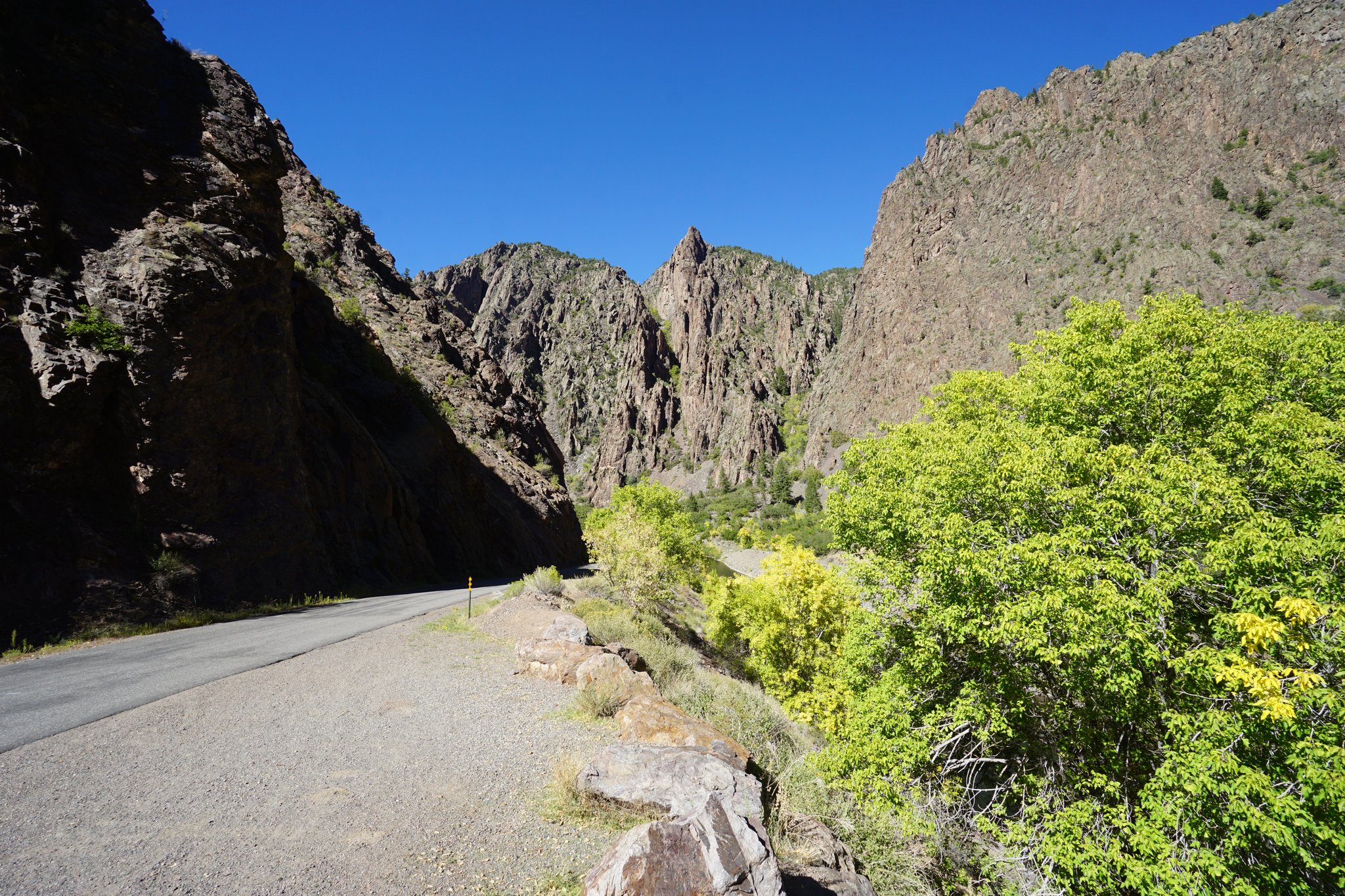
After visiting the overlooks, we decided to see the canyon from the bottom. Danny drove the Tahoe down the steep East Portal Road, winding sharply down the canyon wall toward the river far below. We drove the short road at the bottom of the canyon, before
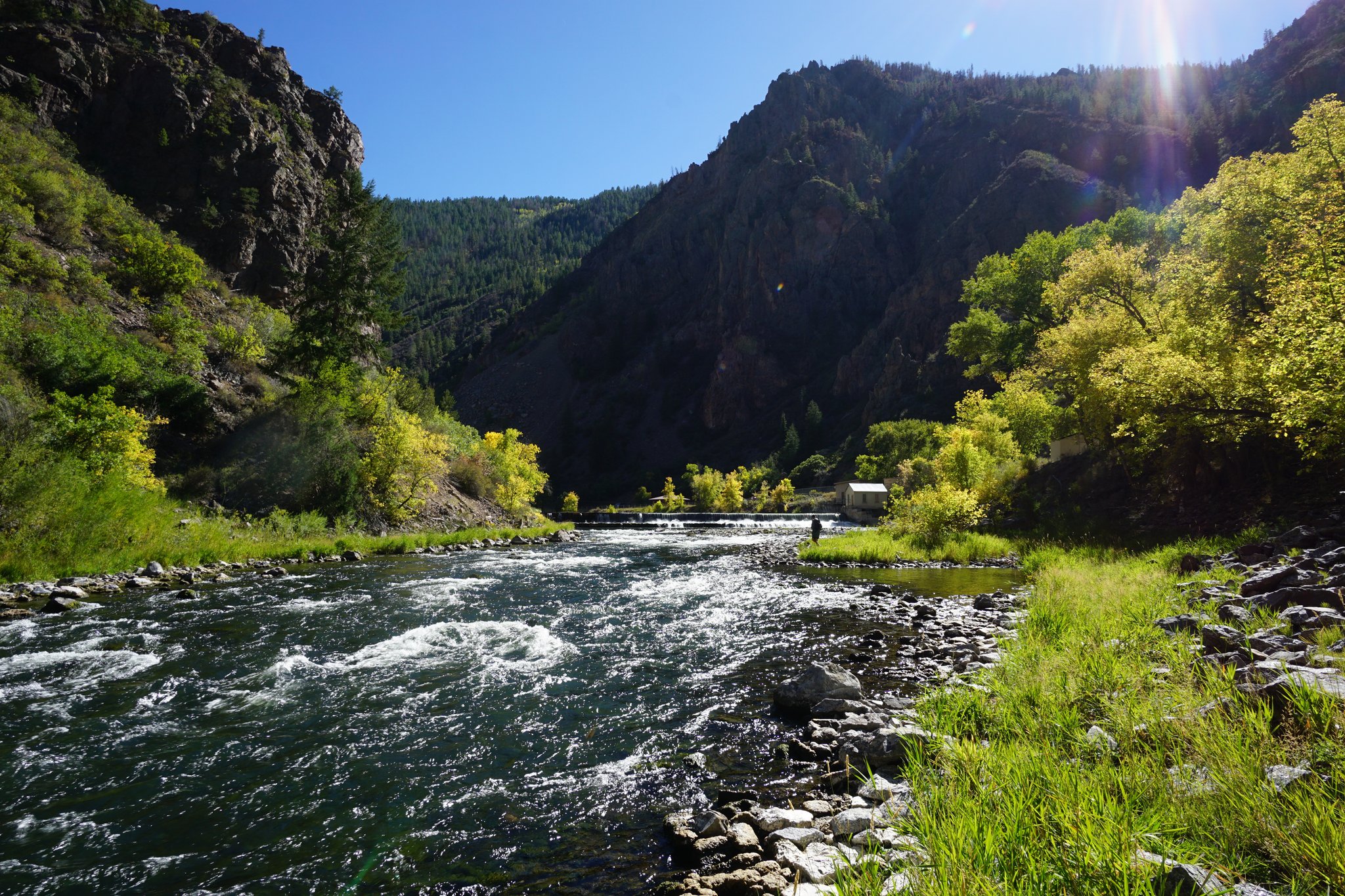
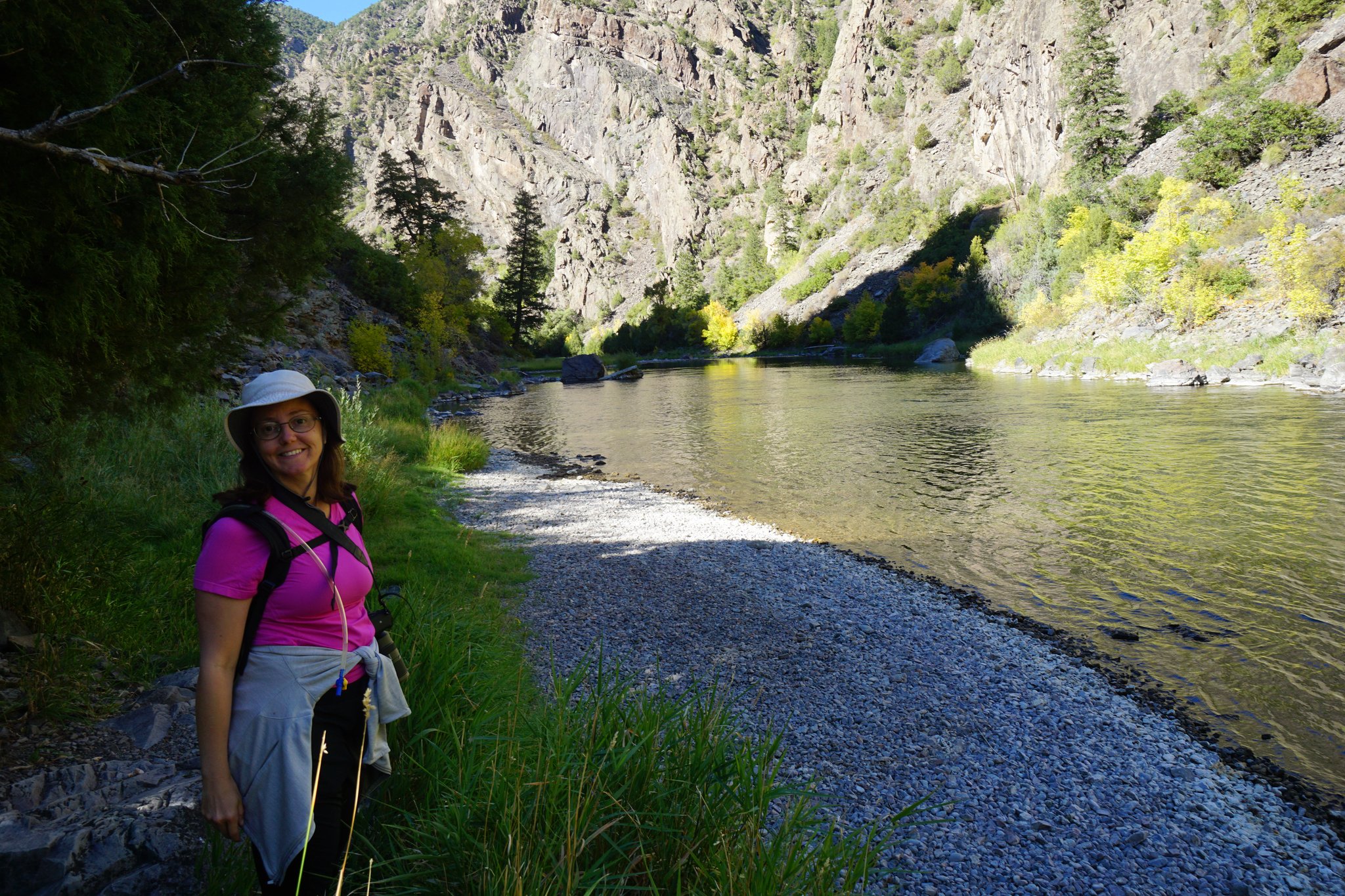
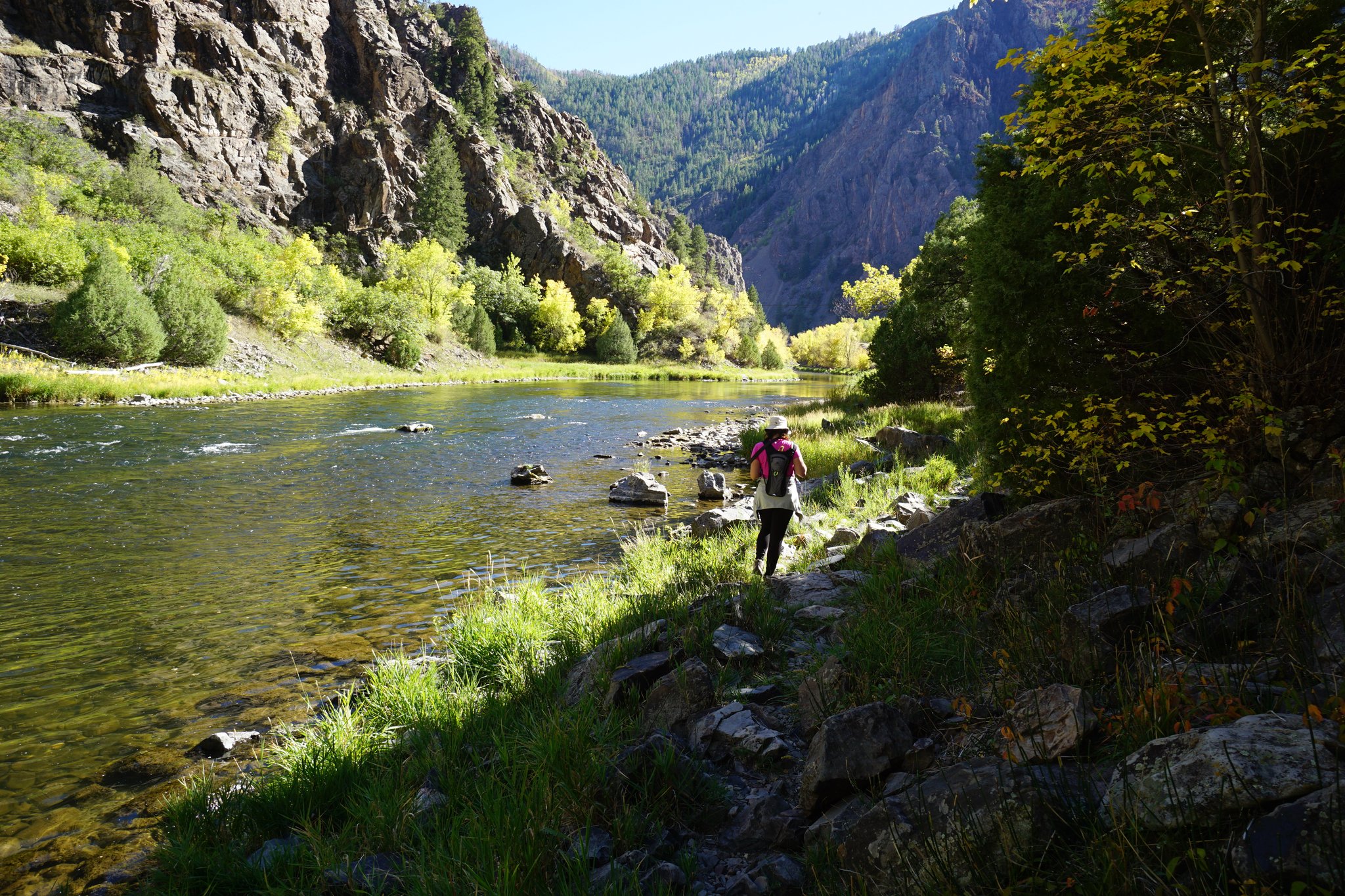
setting out along the Gunnison River Primitive Trail. Primitive turned out to be an accurate description. There was no obvious trailhead, and we had to scout around before finding a steep way down to the water. From there we carefully followed the rocky shoreline.
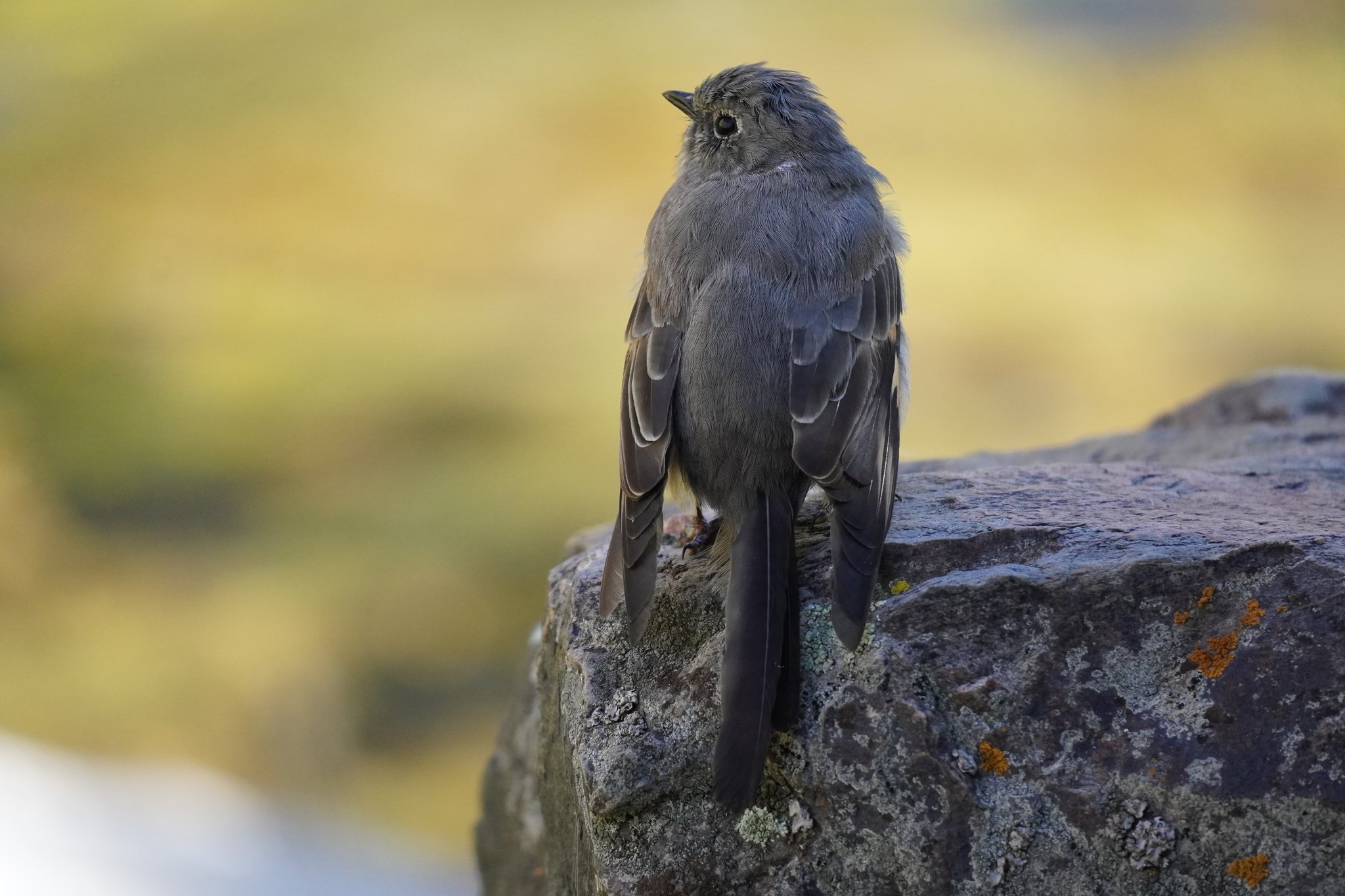
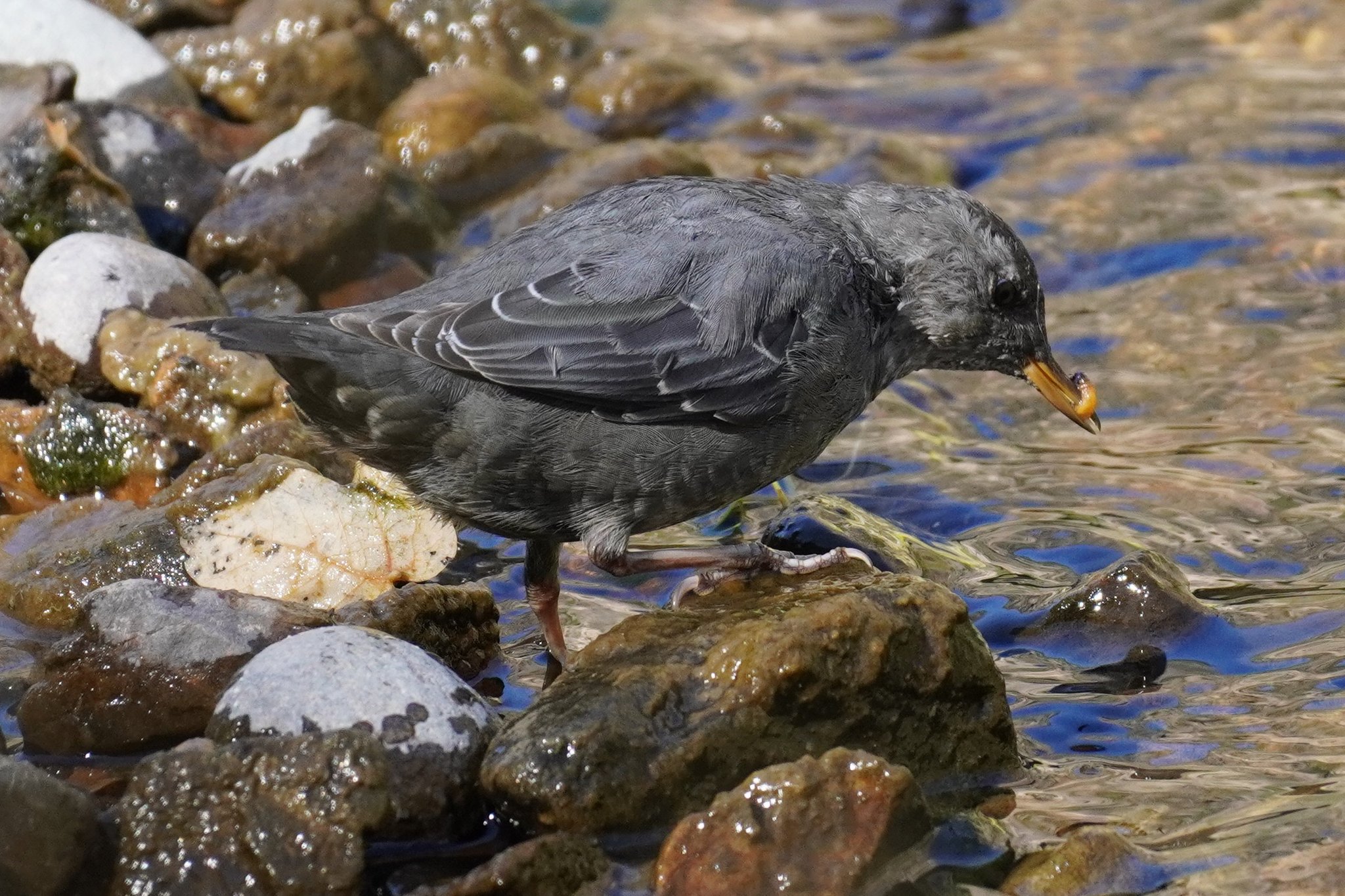
Along the way we encountered an American Dipper working the river. The dipper clearly had a system: hunt for worms, fly a little farther downstream whenever we got close, then go right back to hunting. We eventually accepted our role as the annoying hikers interrupting its workday.
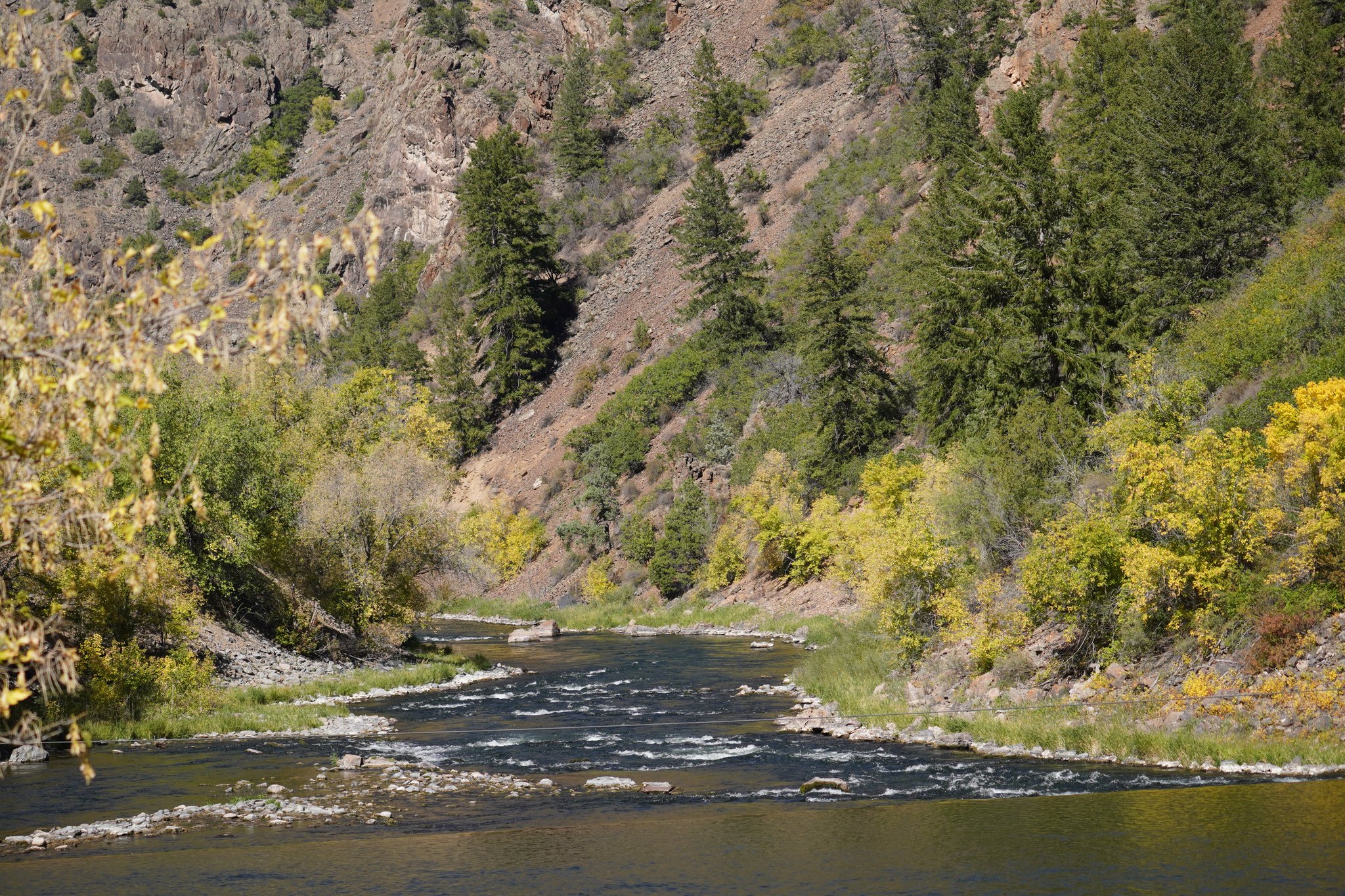
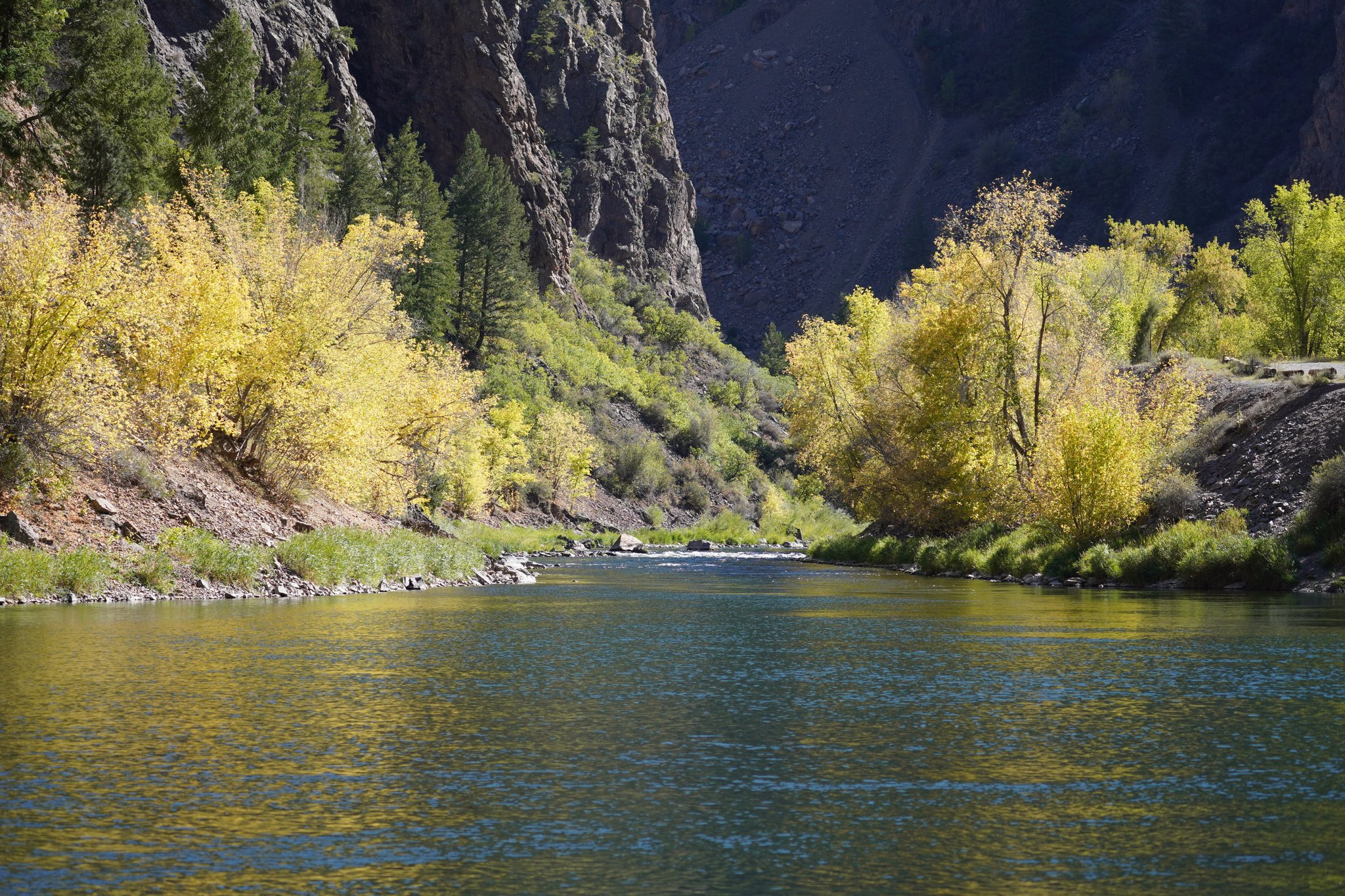
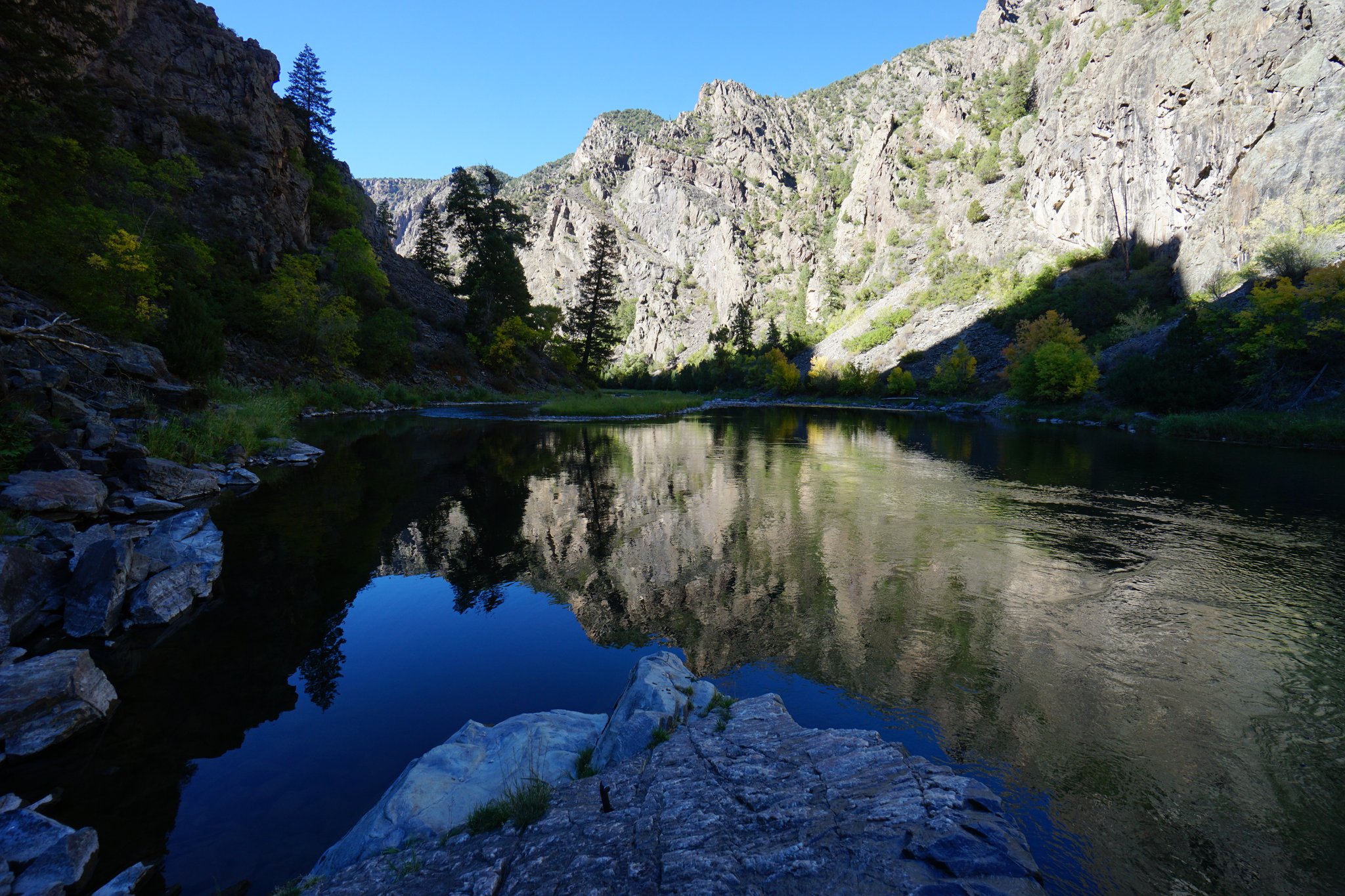
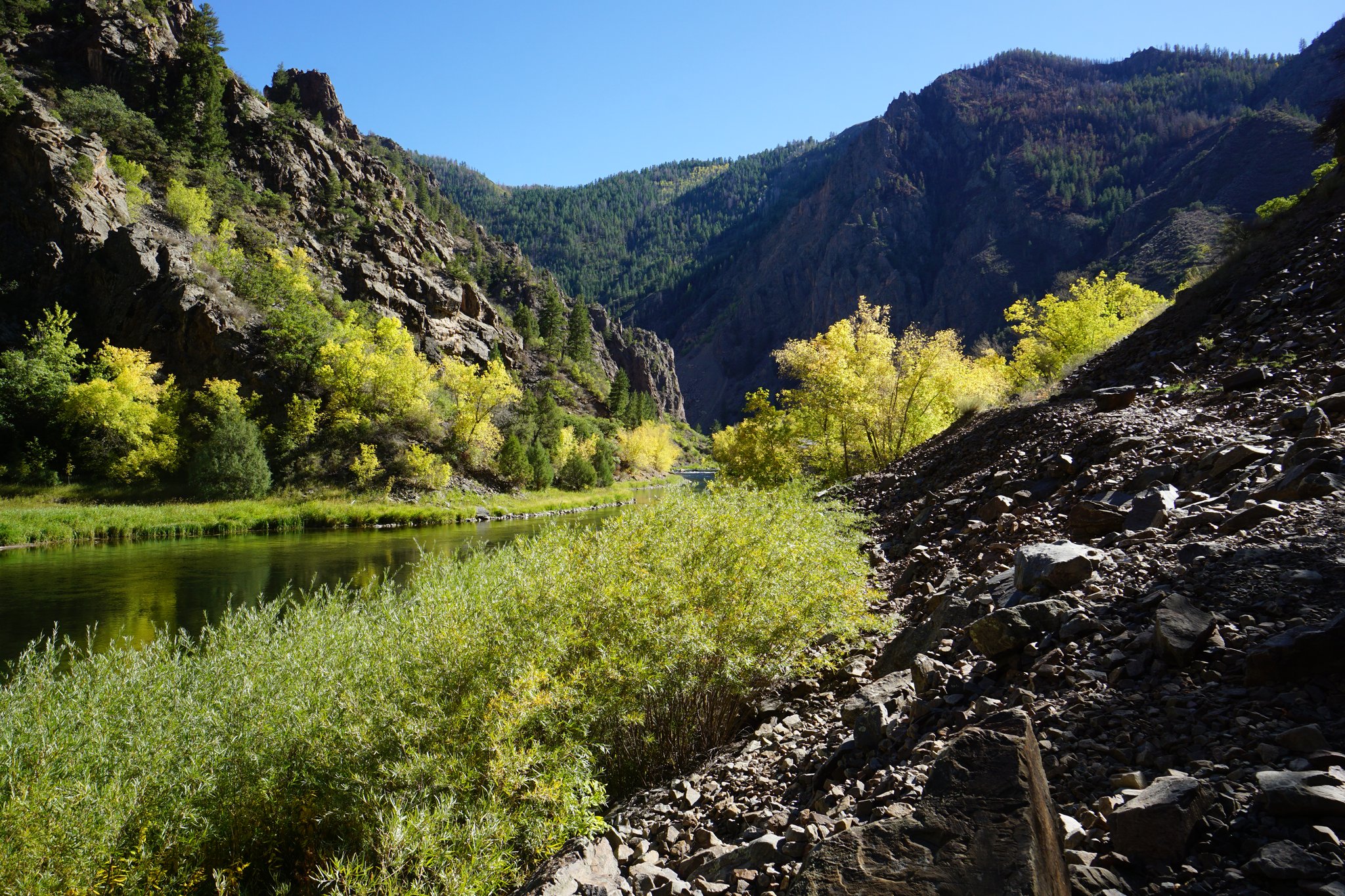
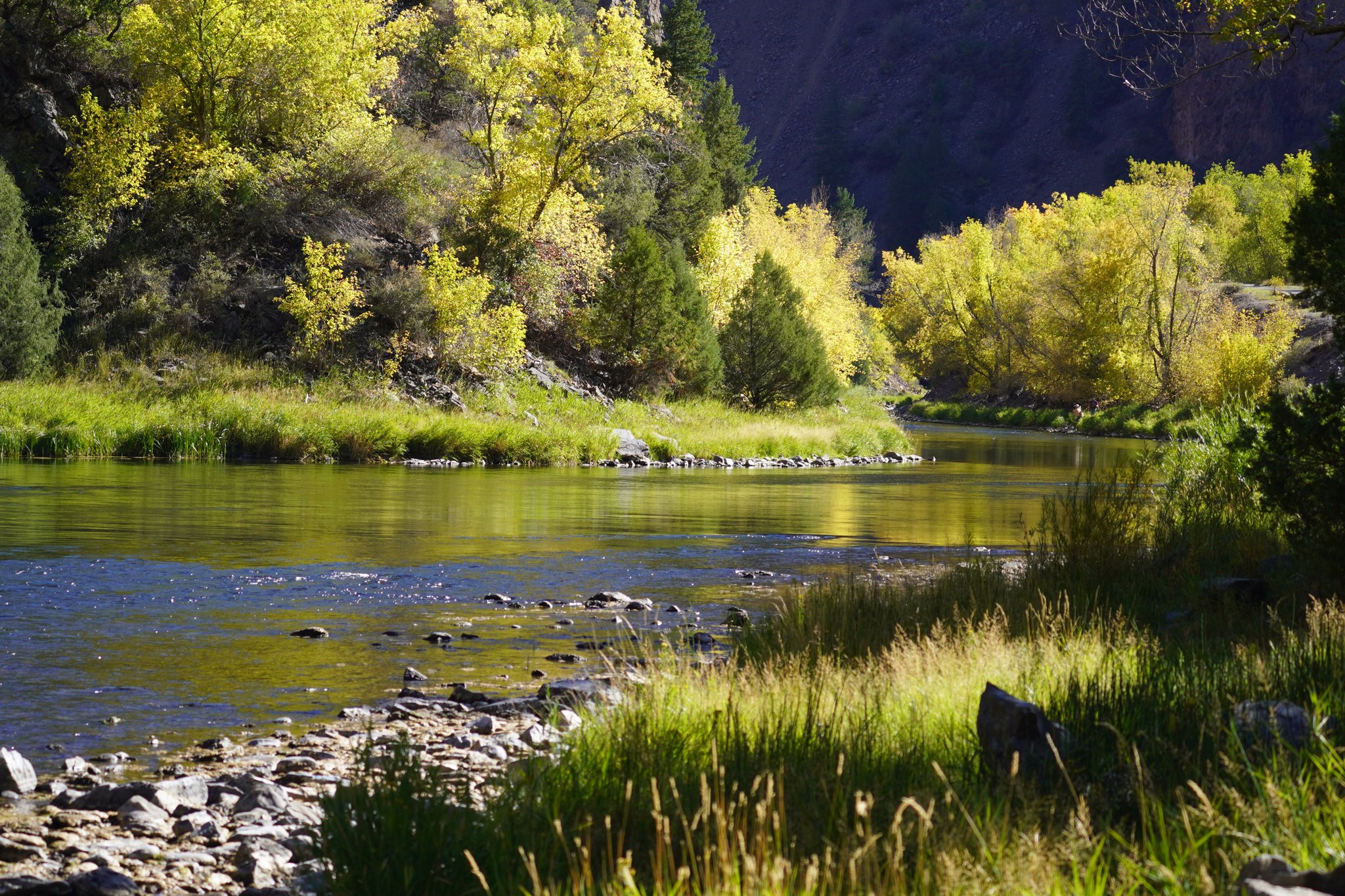
The scenery along the river was spectacular. At one point the water slowed and turned glassy, reflecting the canyon walls and trees above with perfect clarity. It felt like a fitting grand finale for the hike, so we turned around and headed back.
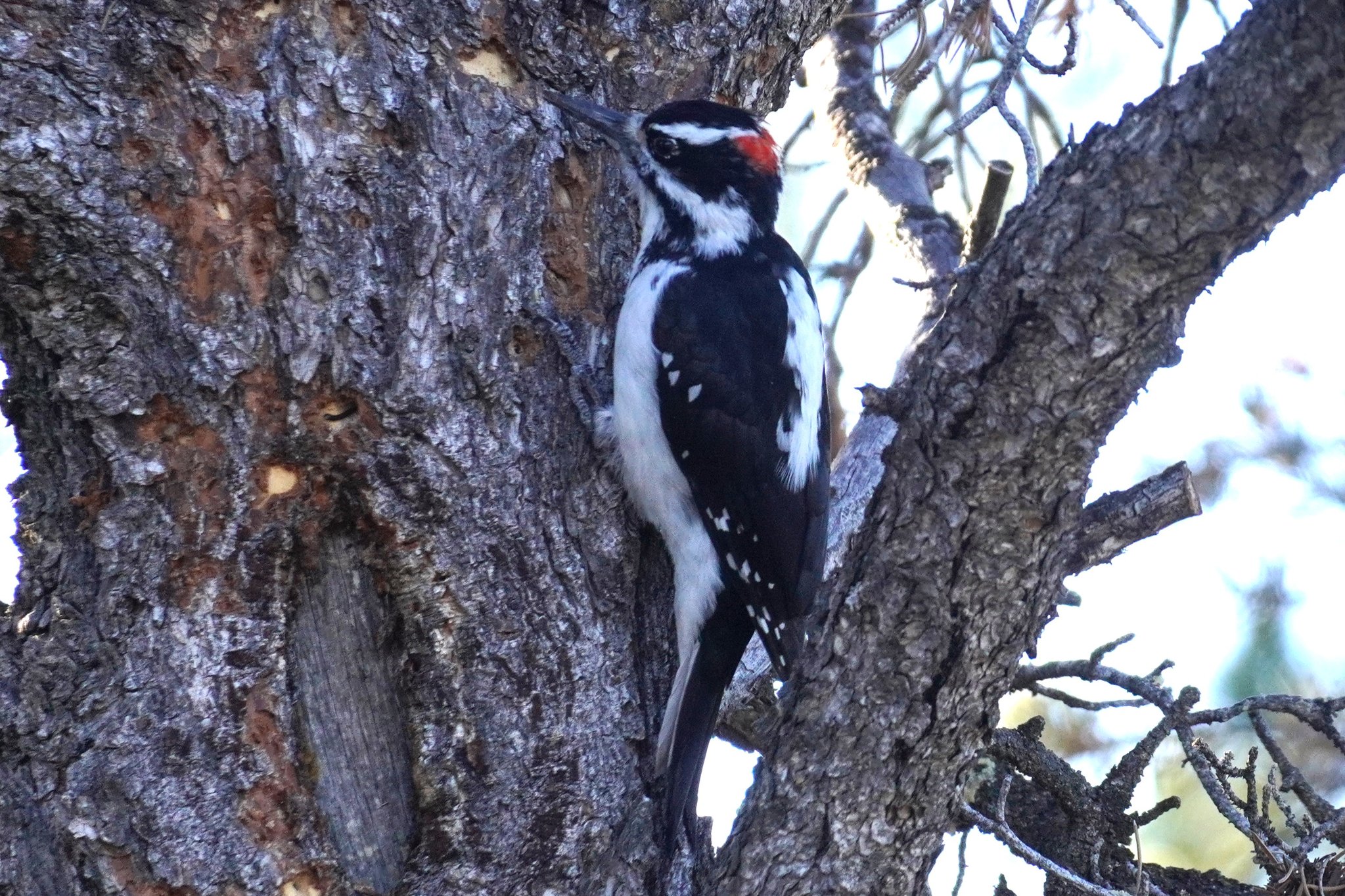
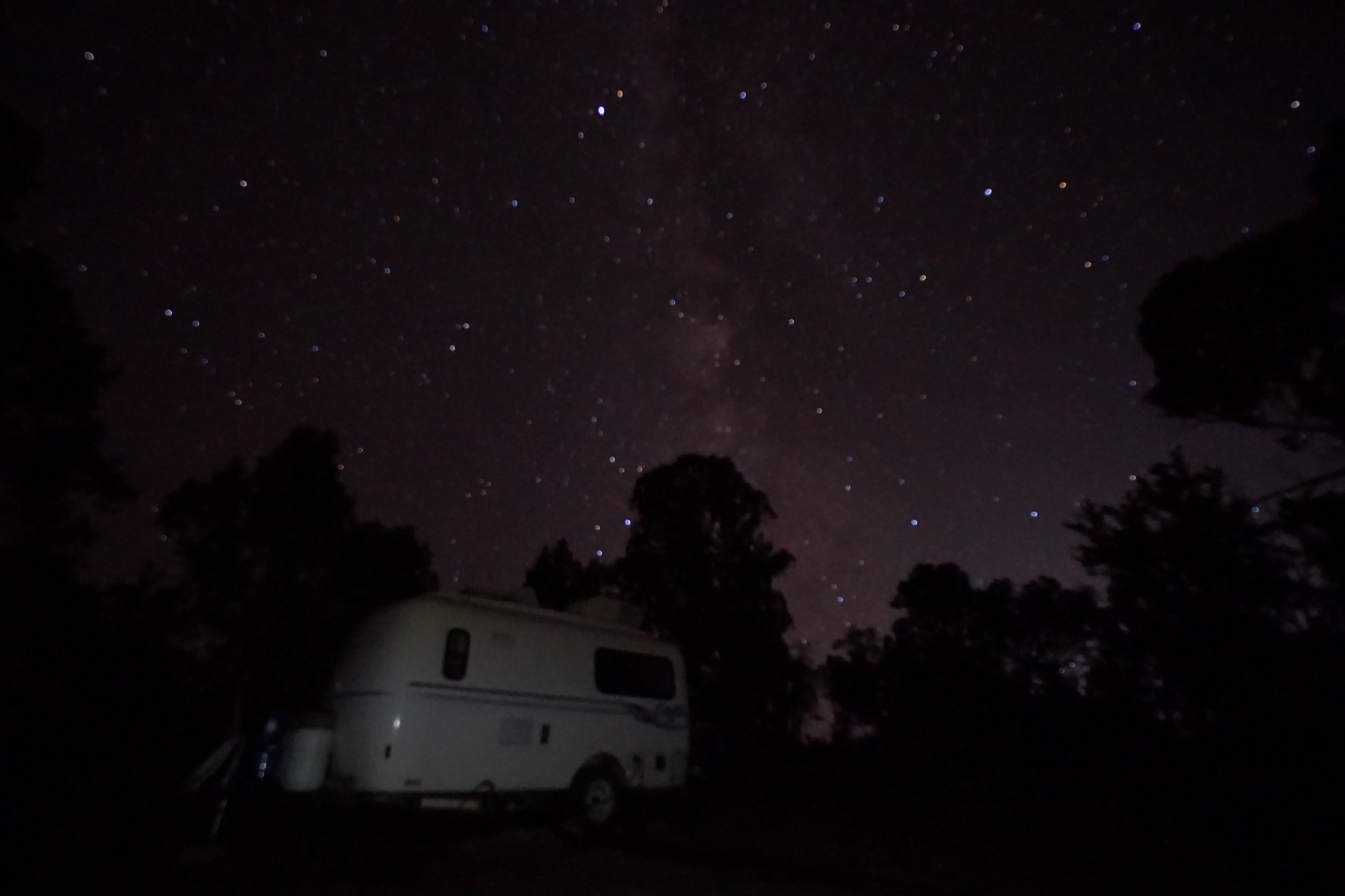
When we returned to a dispersed camping site on BLM land that evening, a Hairy Woodpecker was tapping away in the trees nearby. After the scrub jay that had seen us off that morning, it felt like the canyon had sent one bird to say goodbye and another to welcome us home.
Much of the rim had burned just a few months earlier in the South Rim Fire, which began with a lightning strike on July 10, 2025 and forced the park to close for a time. Nearly the entire drive passed through charred hillsides, and the faint smell of smoke still lingered in the air. It was sad to see, but fire is part of the natural cycle in western forests. We were grateful the park had reopened in time for our visit.
At the far end of the road we reached the trailhead for Warner Point Trail, one of the park’s popular viewpoints. The trail had recently reopened after the fire, but on the day we arrived crews had temporarily closed it while they treated invasive plants. We had our picnic lunch there instead, watching the workers move through the area with their spray tanks.
After visiting the overlooks, we decided to see the canyon from the bottom. Danny drove the Tahoe down the steep East Portal Road, winding sharply down the canyon wall toward the river far below. We drove the short road at the bottom of the canyon, before
setting out along the Gunnison River Primitive Trail. Primitive turned out to be an accurate description. There was no obvious trailhead, and we had to scout around before finding a steep way down to the water. From there we carefully followed the rocky shoreline.
Along the way we encountered an American Dipper working the river. The dipper clearly had a system: hunt for worms, fly a little farther downstream whenever we got close, then go right back to hunting. We eventually accepted our role as the annoying hikers interrupting its workday.
The scenery along the river was spectacular. At one point the water slowed and turned glassy, reflecting the canyon walls and trees above with perfect clarity. It felt like a fitting grand finale for the hike, so we turned around and headed back.
When we returned to a dispersed camping site on BLM land that evening, a Hairy Woodpecker was tapping away in the trees nearby. After the scrub jay that had seen us off that morning, it felt like the canyon had sent one bird to say goodbye and another to welcome us home.