Monument Valley
1 / 2
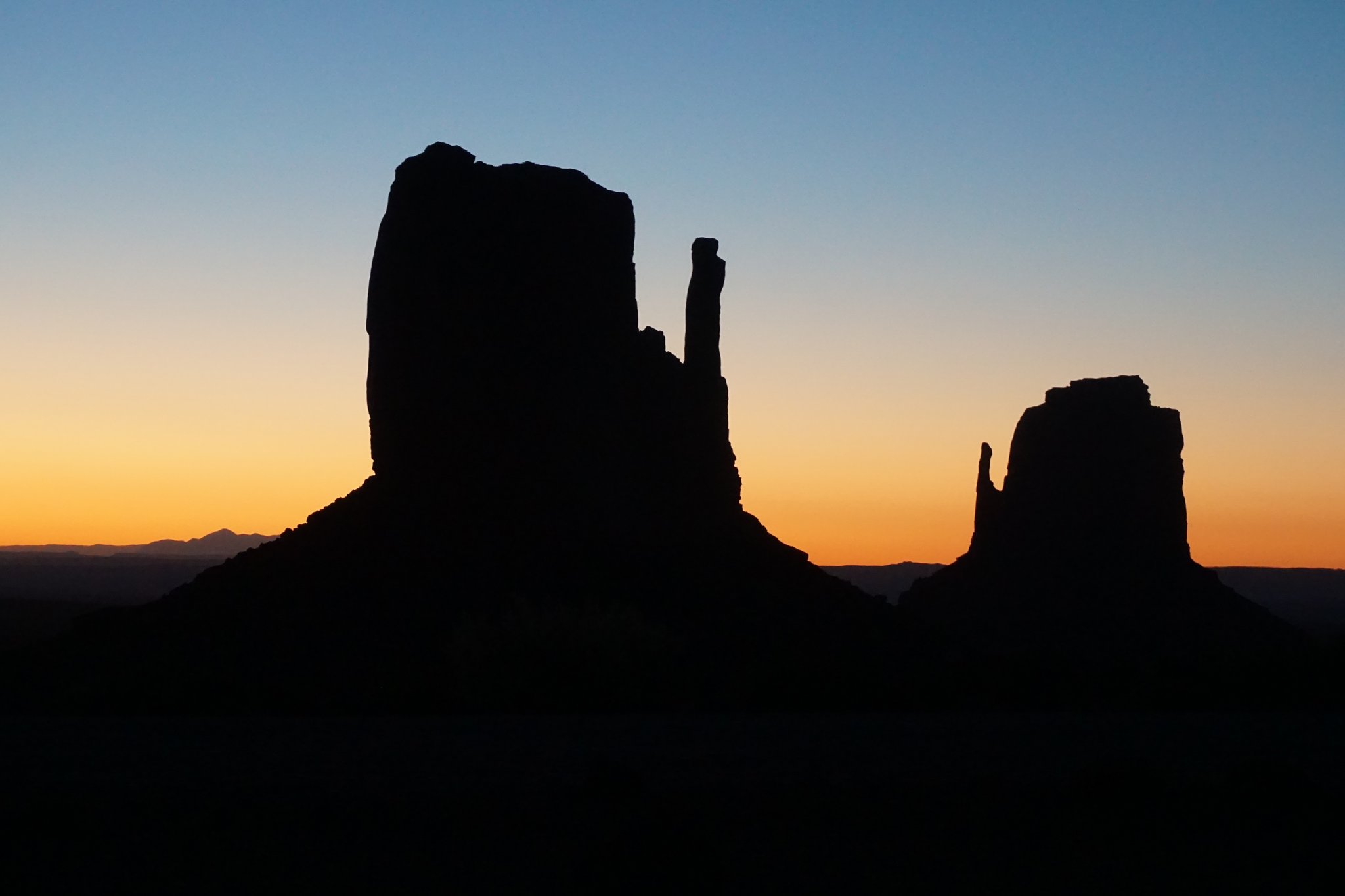
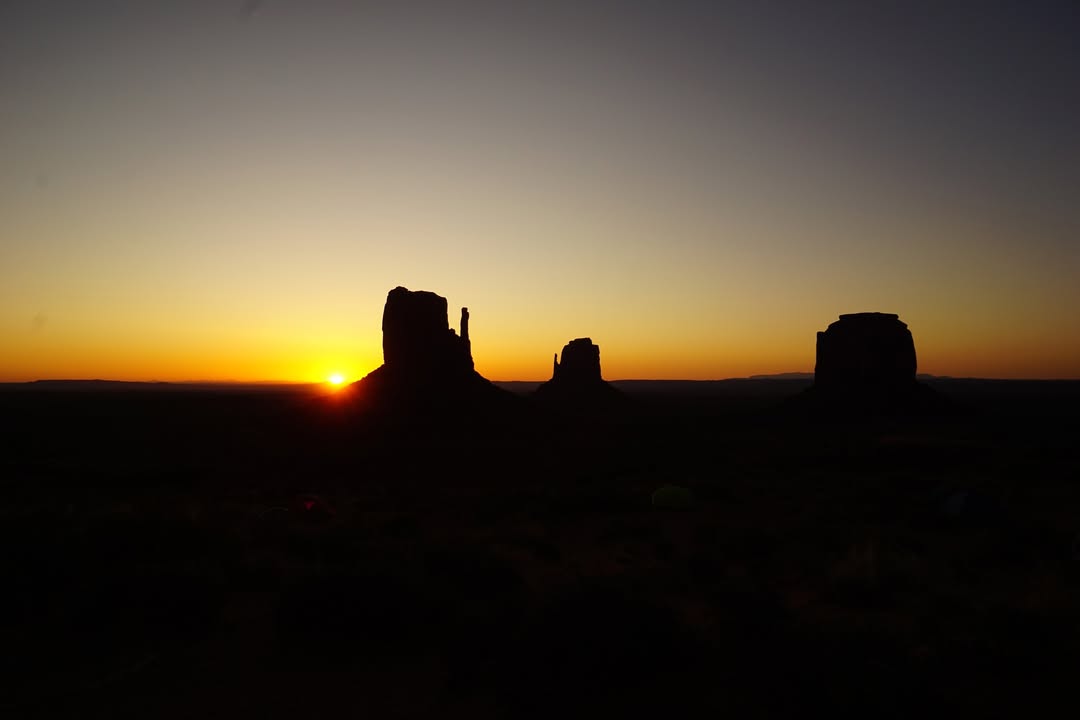
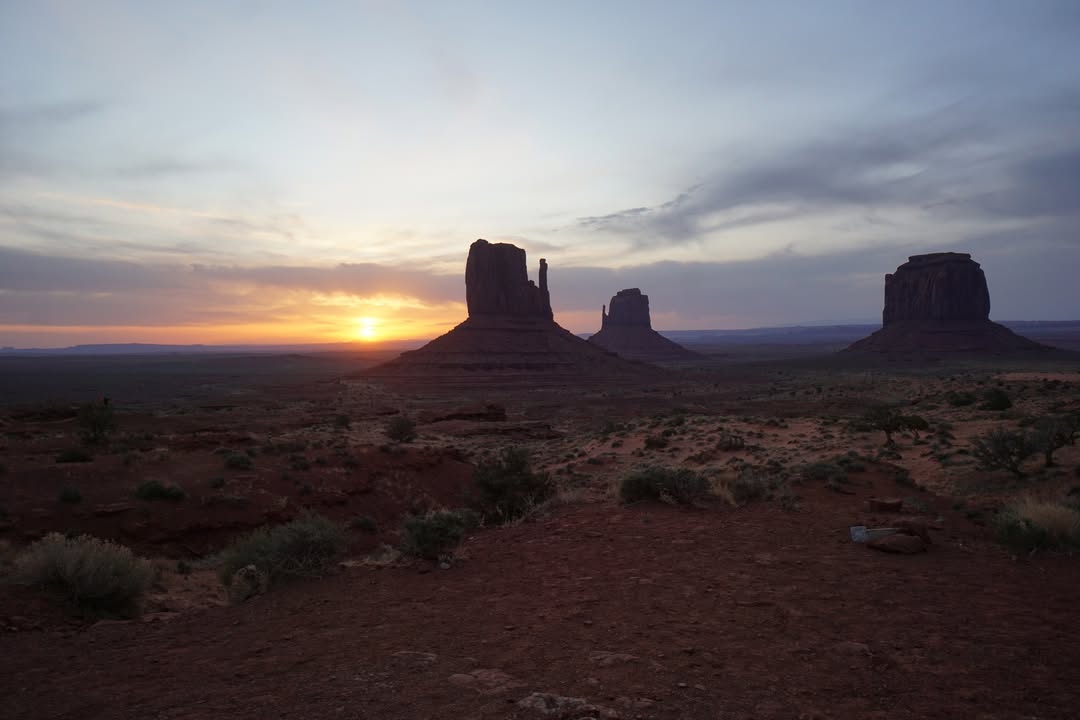
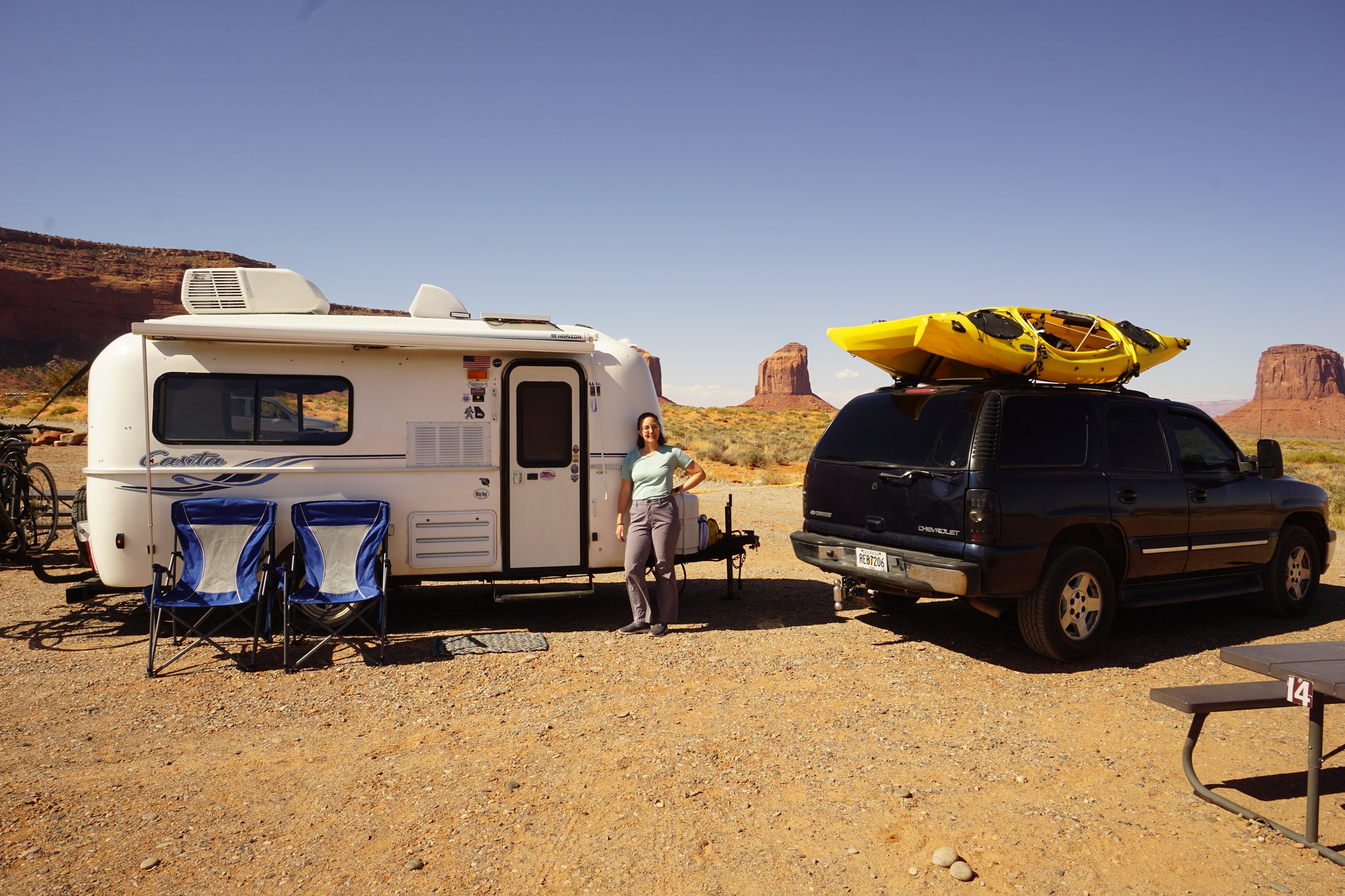
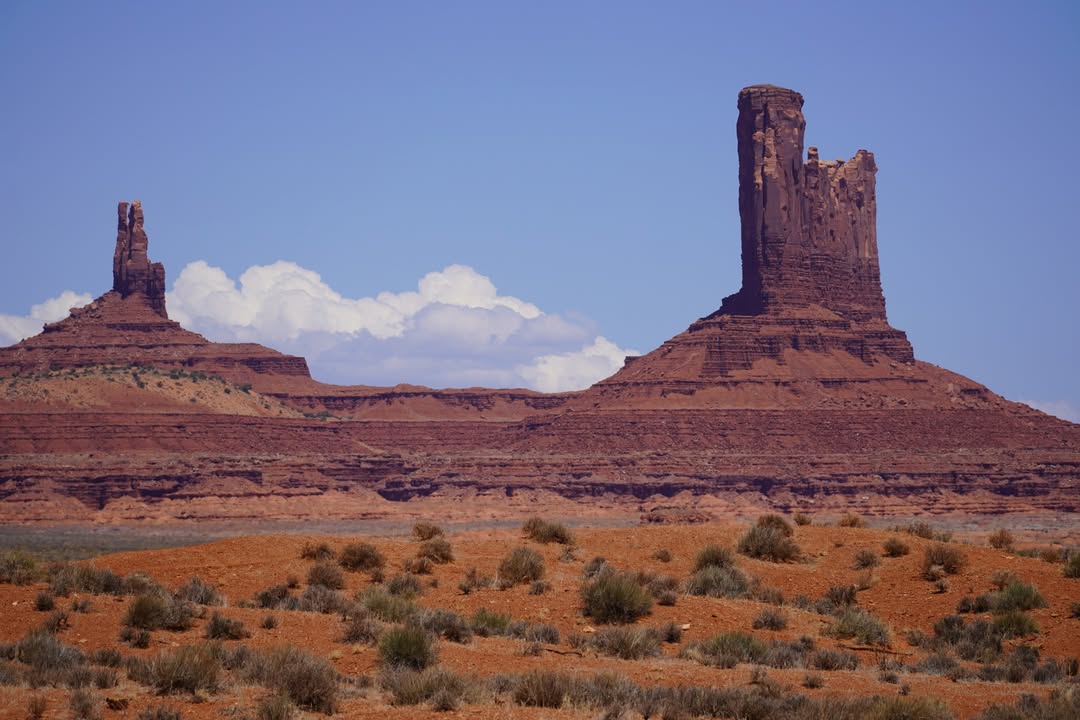
Monument Valley gave us front-row seats to some of the Southwest’s most iconic scenery. Our campground was very aptly named “The View.” I was up before 6 a.m., stepping into the frigid desert air to catch the sunrise as the Mittens stood in perfect silhouette against a glowing band of orange and gold.
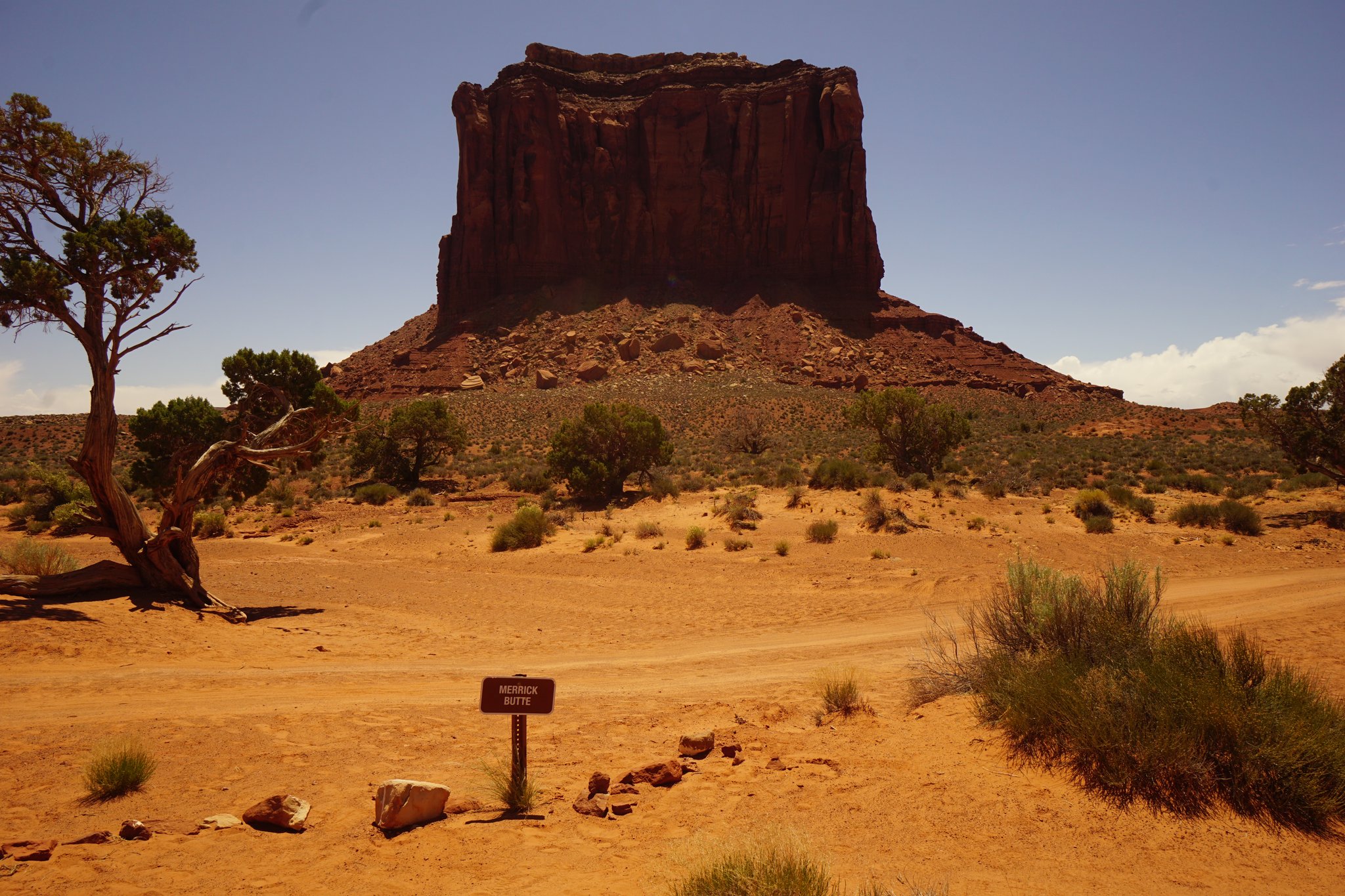
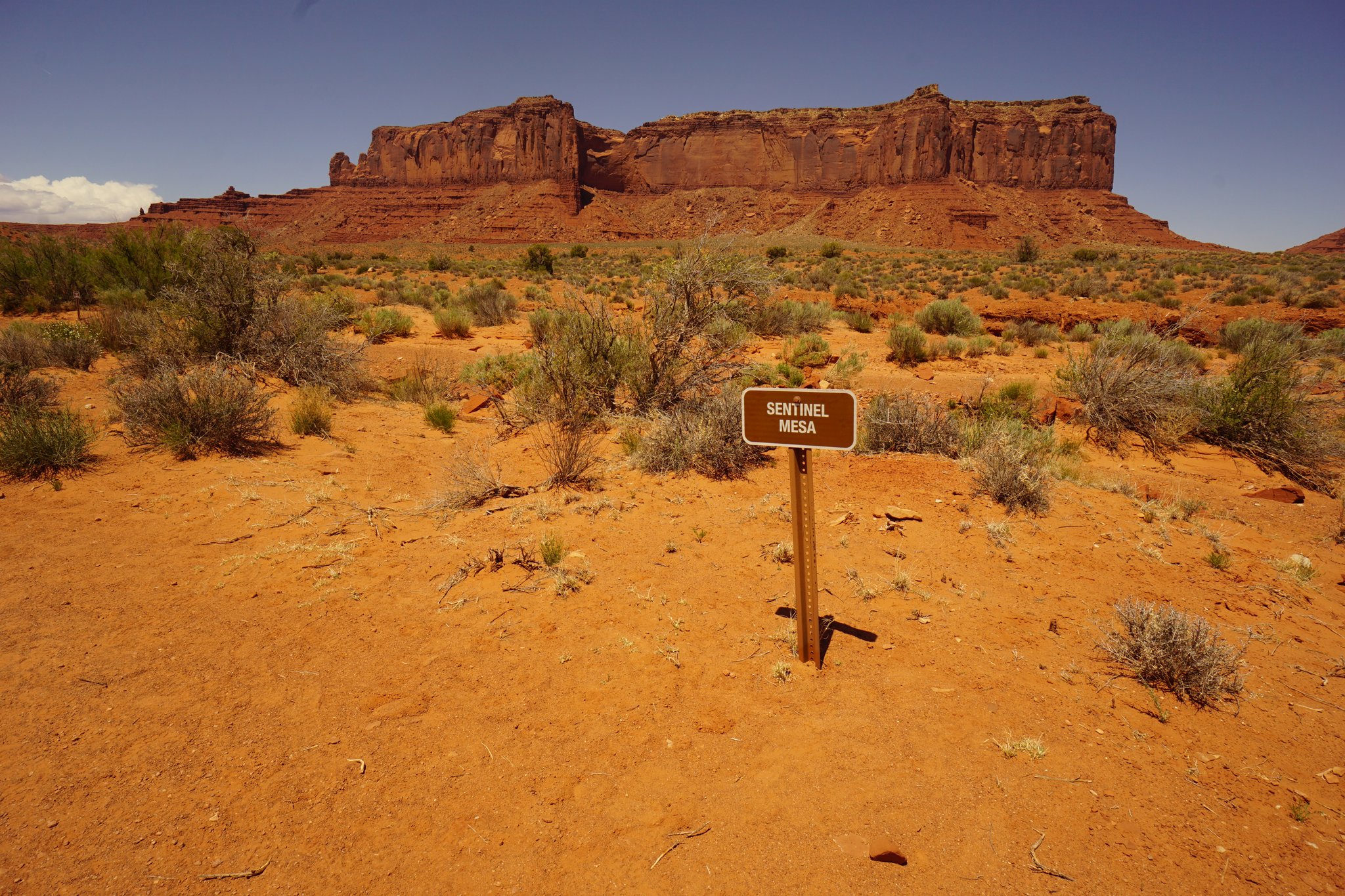
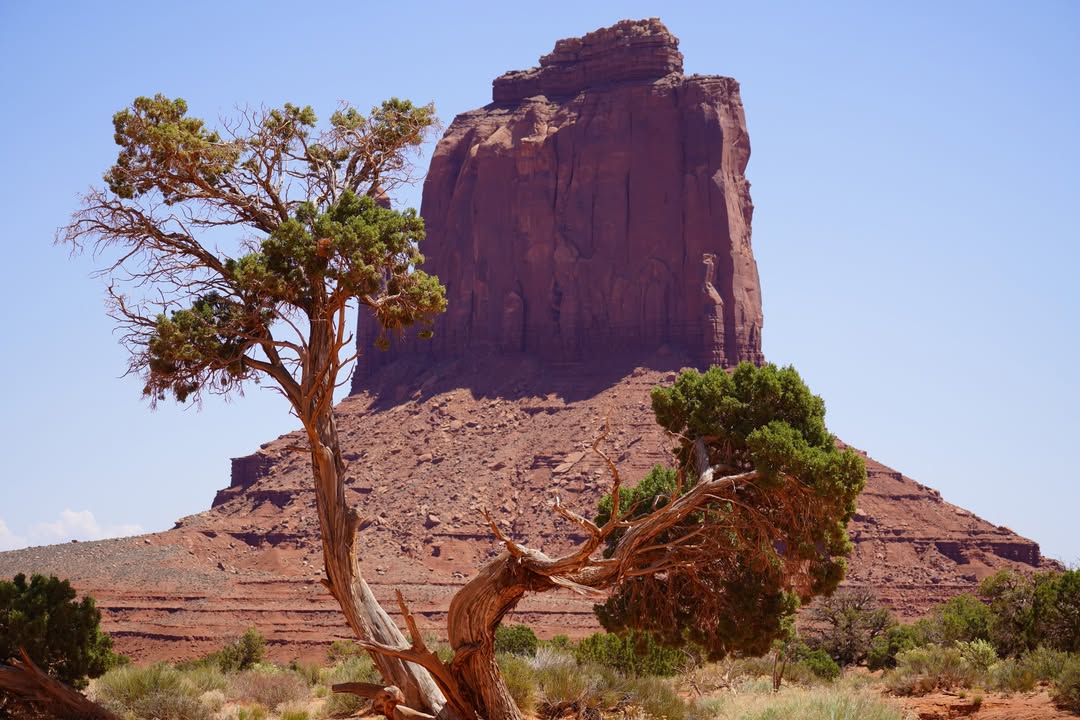
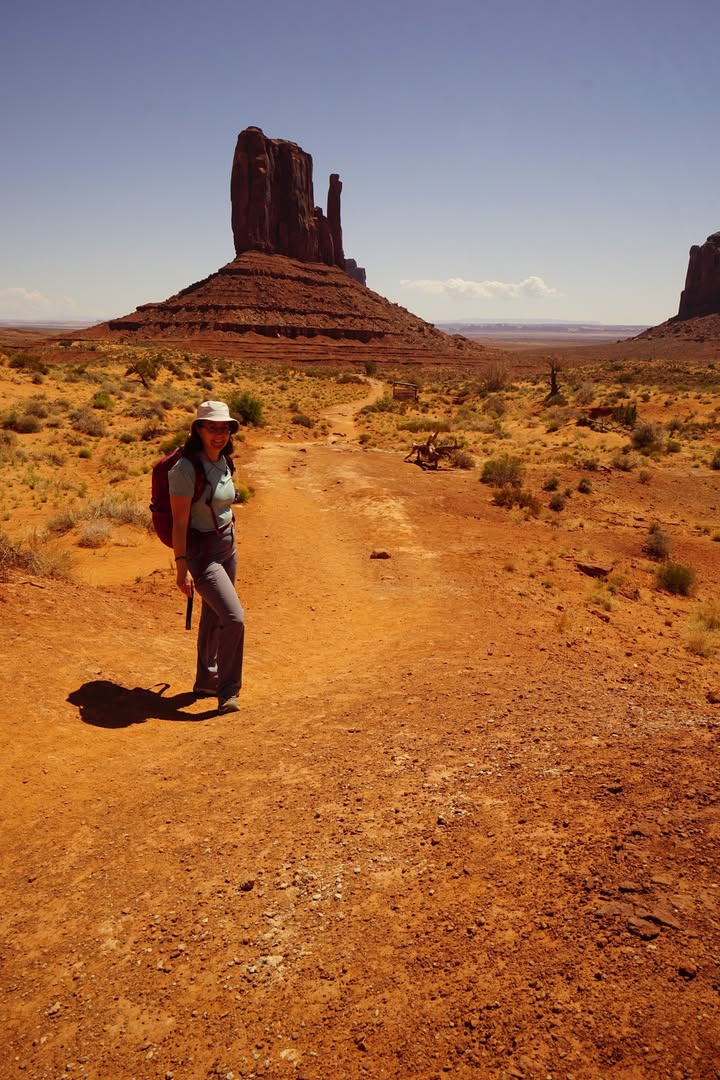
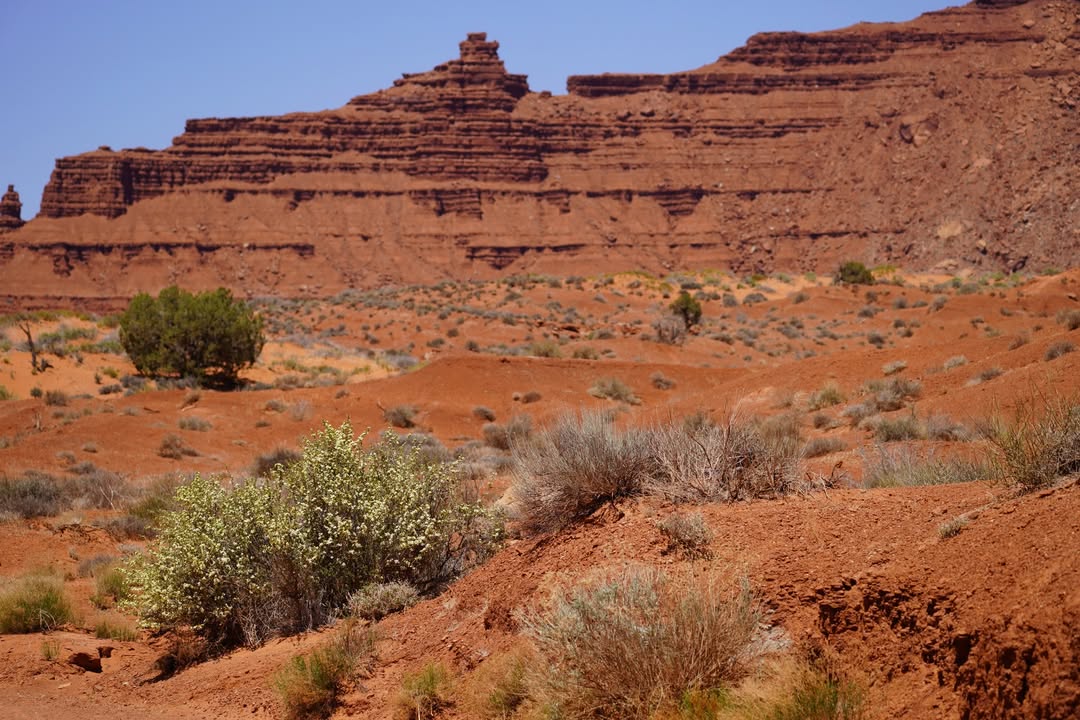
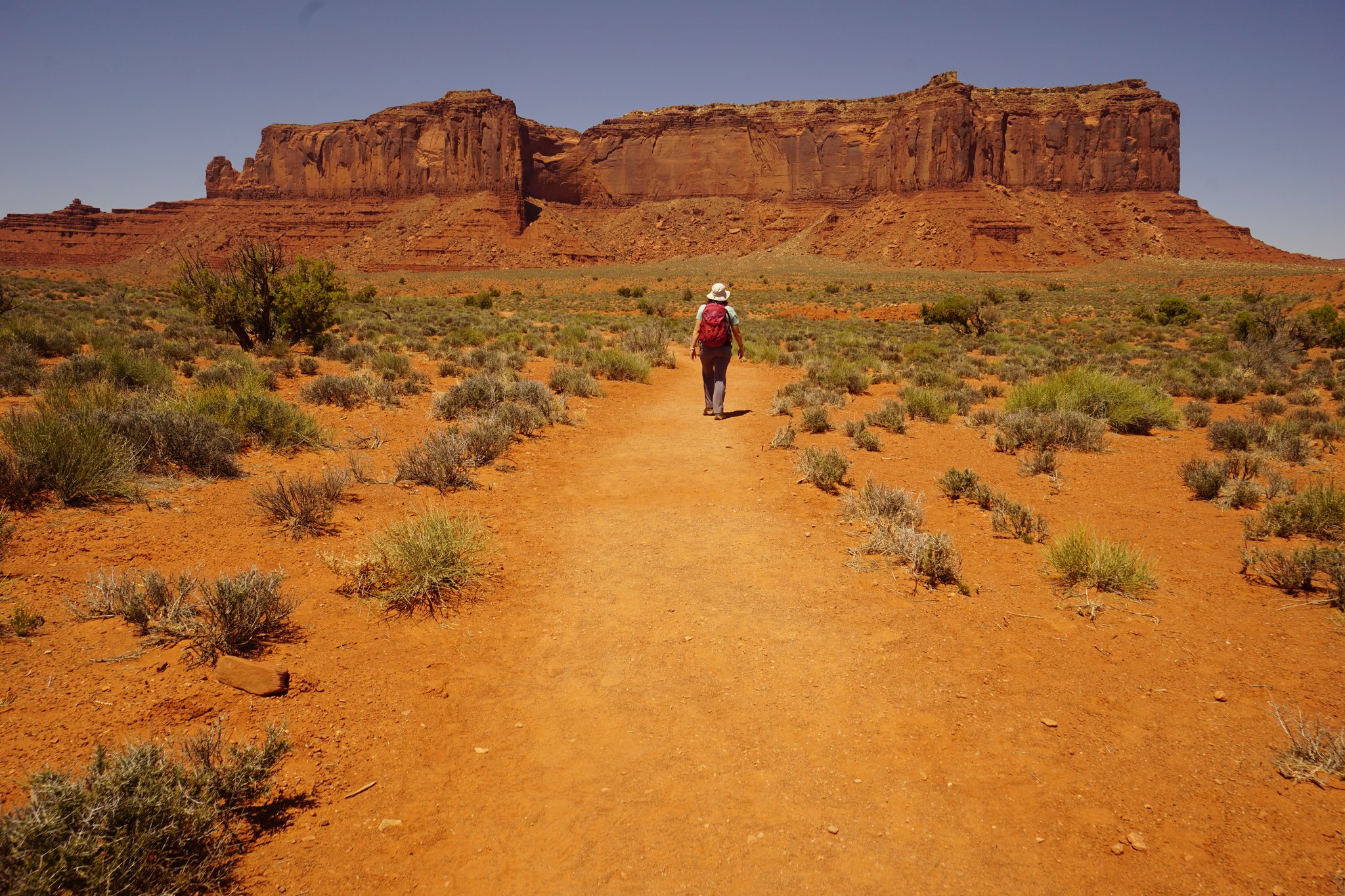
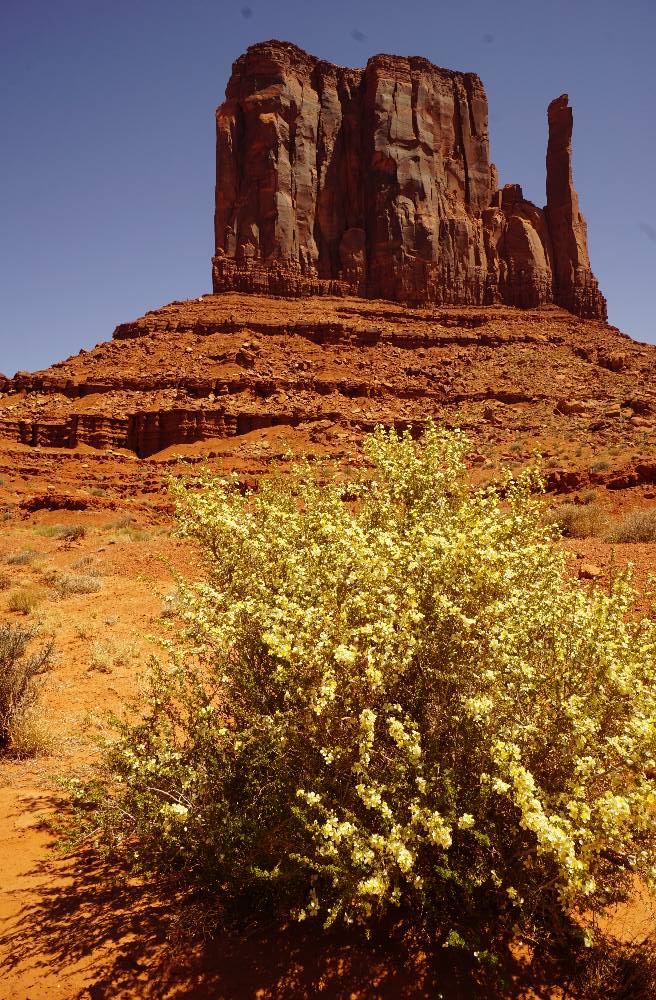
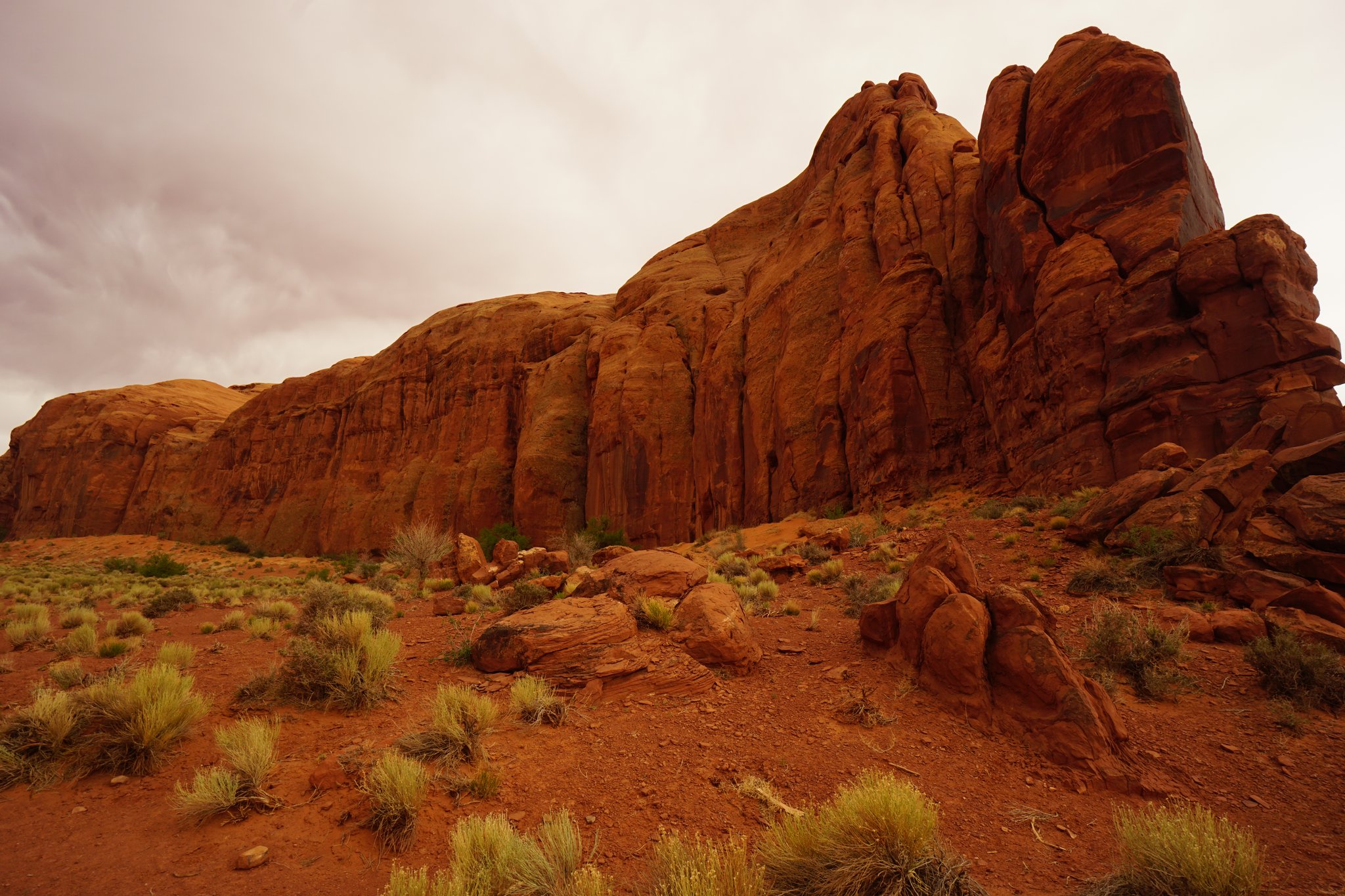
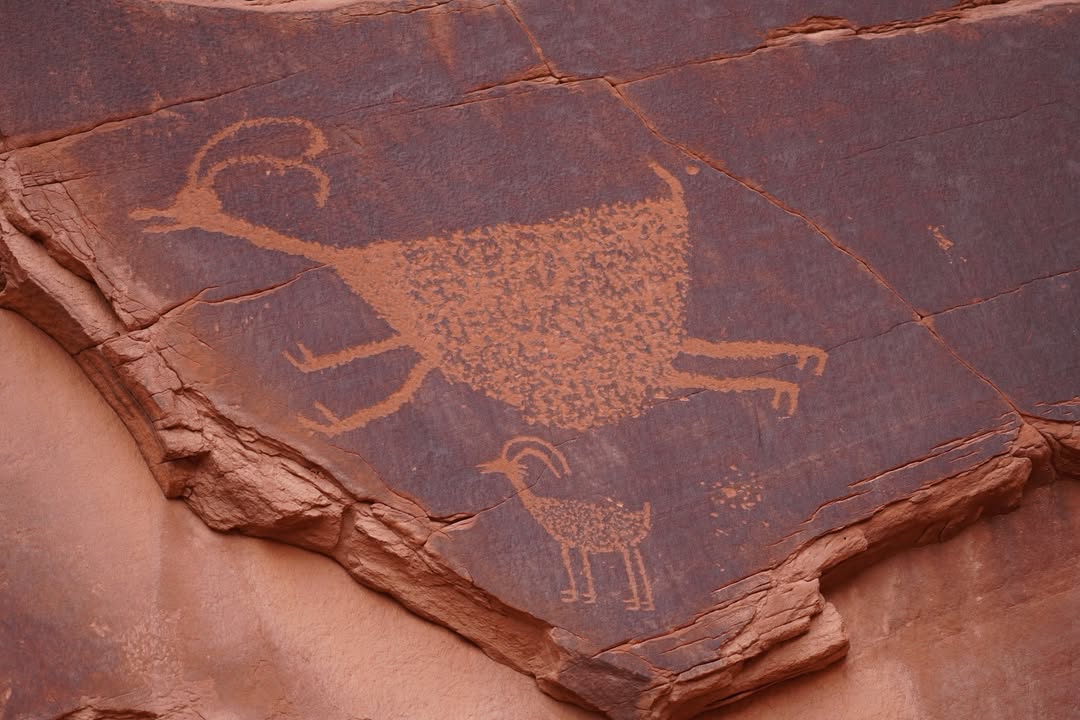
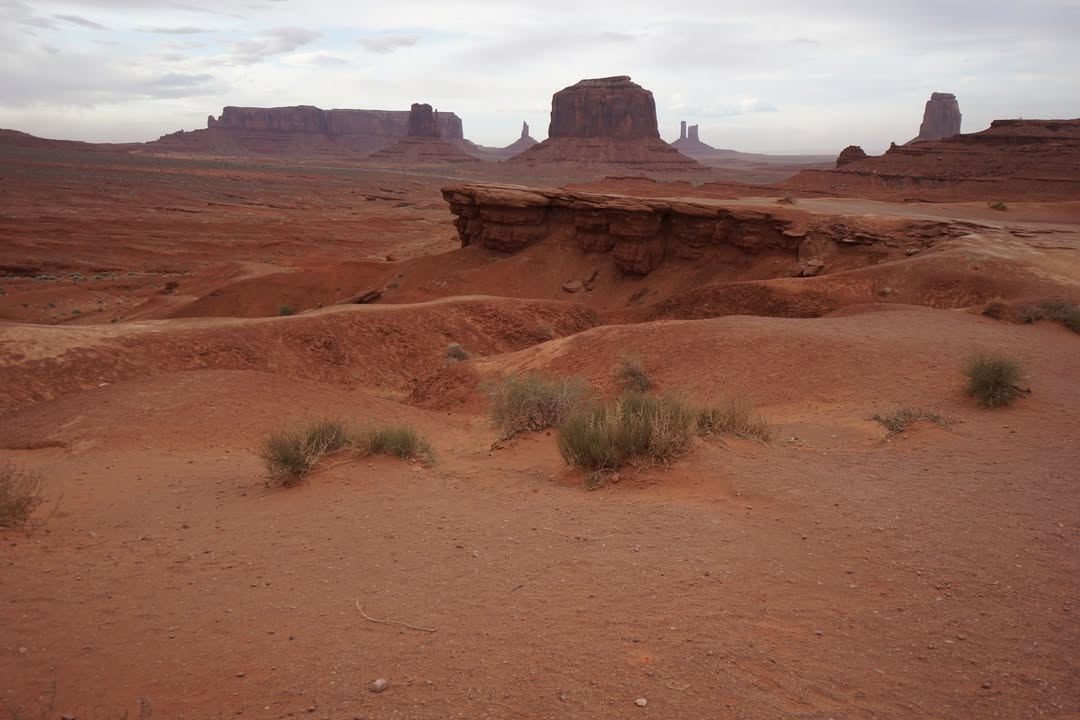
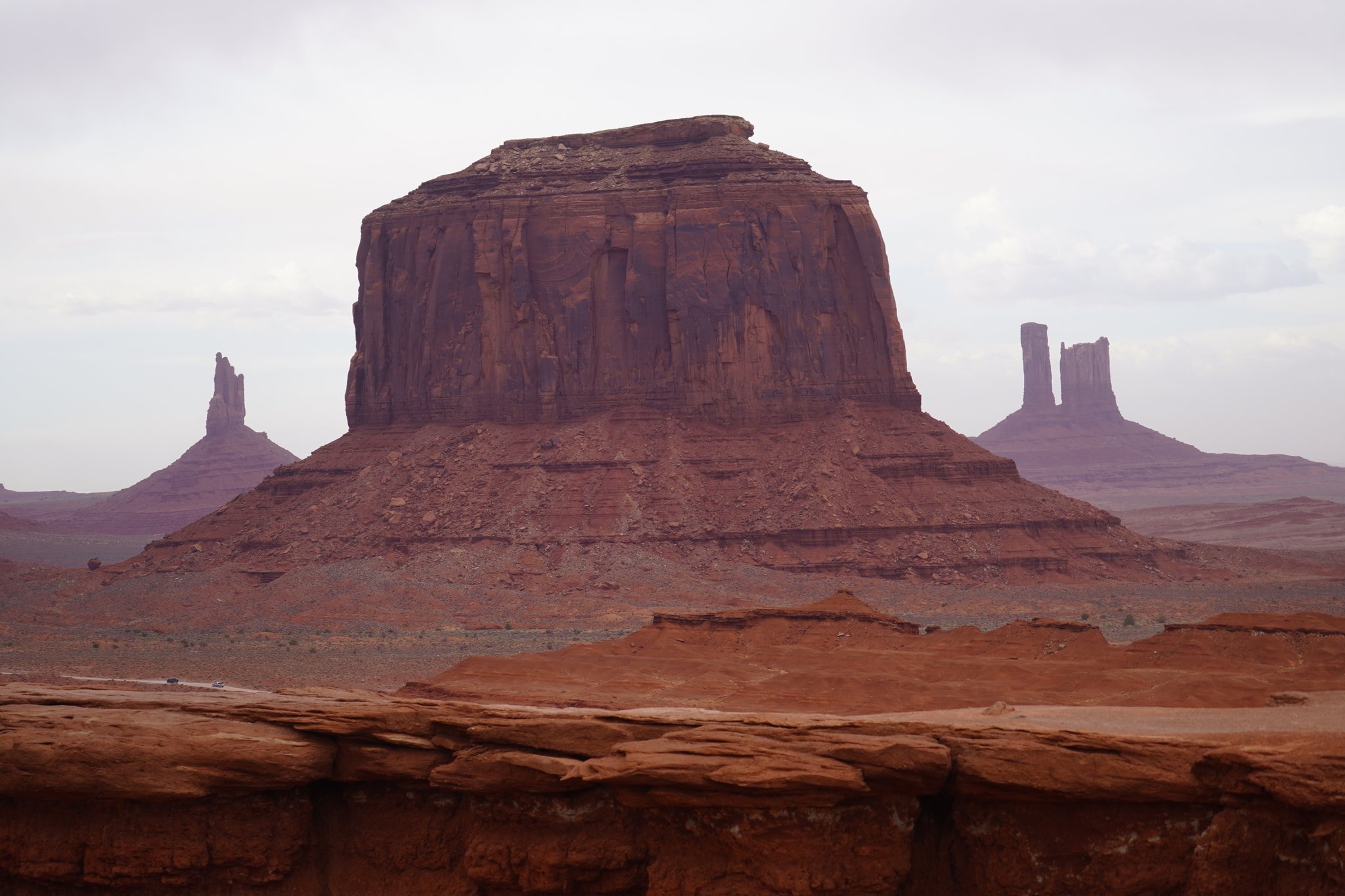
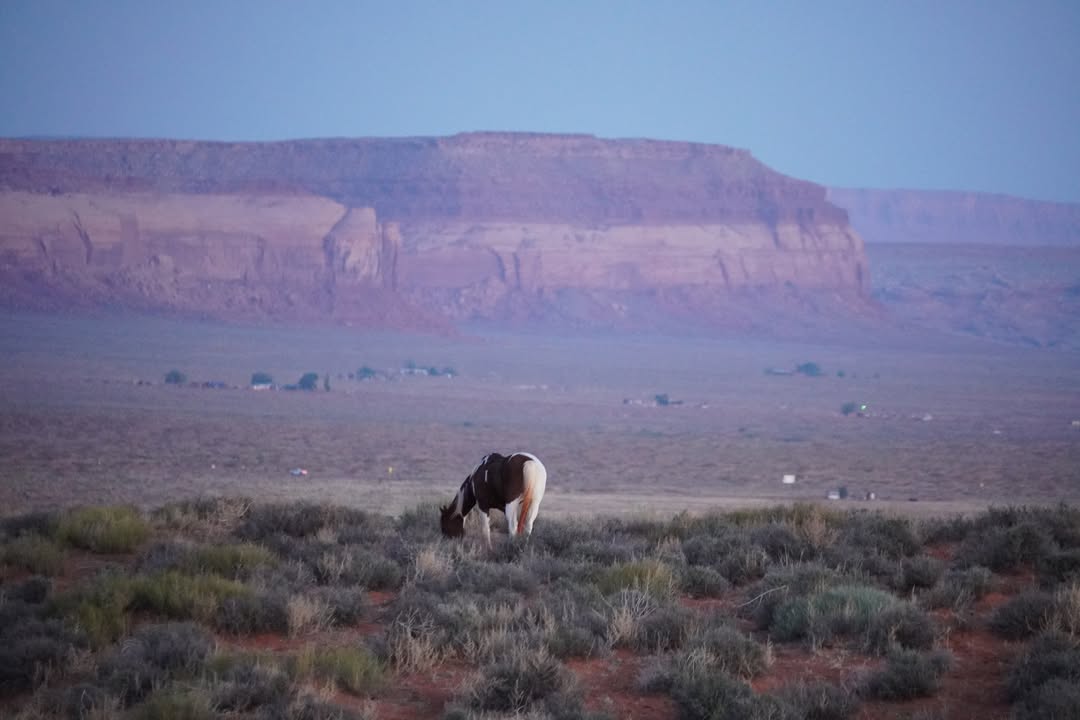
Later that morning, we hiked the 3.7 mile Wildcat Trail loop around Mitten Butte. The crisp dawn chill had surrendered to heat. It was only about 80 degrees, but under a relentless sun with no shade, it felt much hotter. About halfway through, we found relief in the form of a bench beneath a lone, scrappy tree and unpacked our sandwiches.
We were not alone.
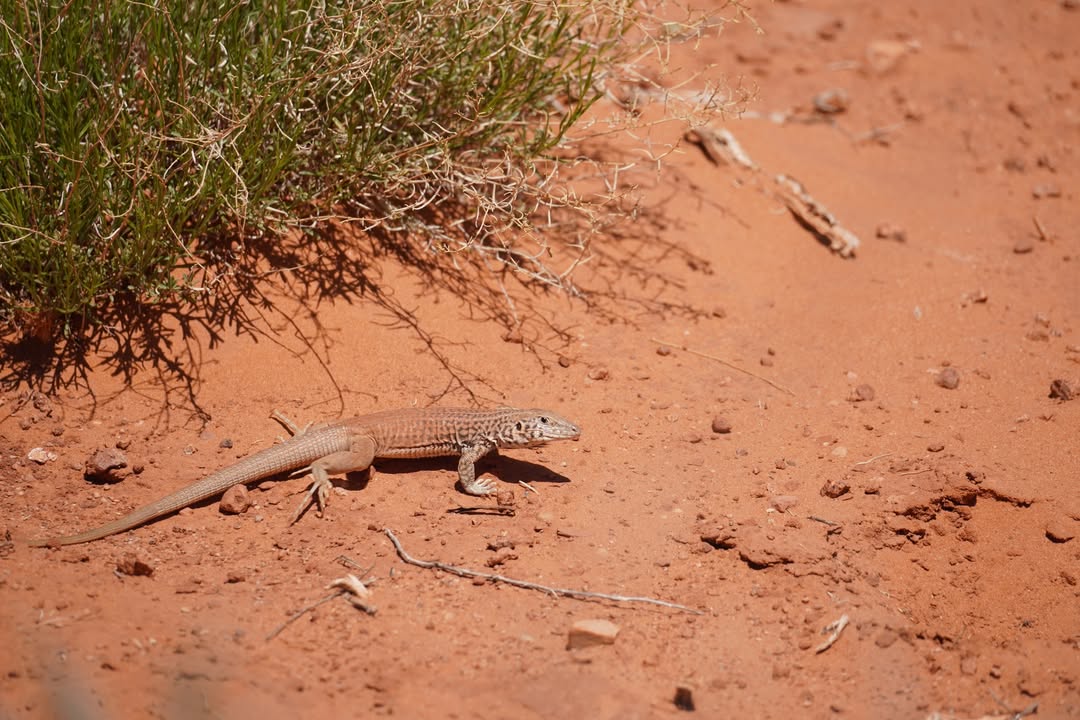
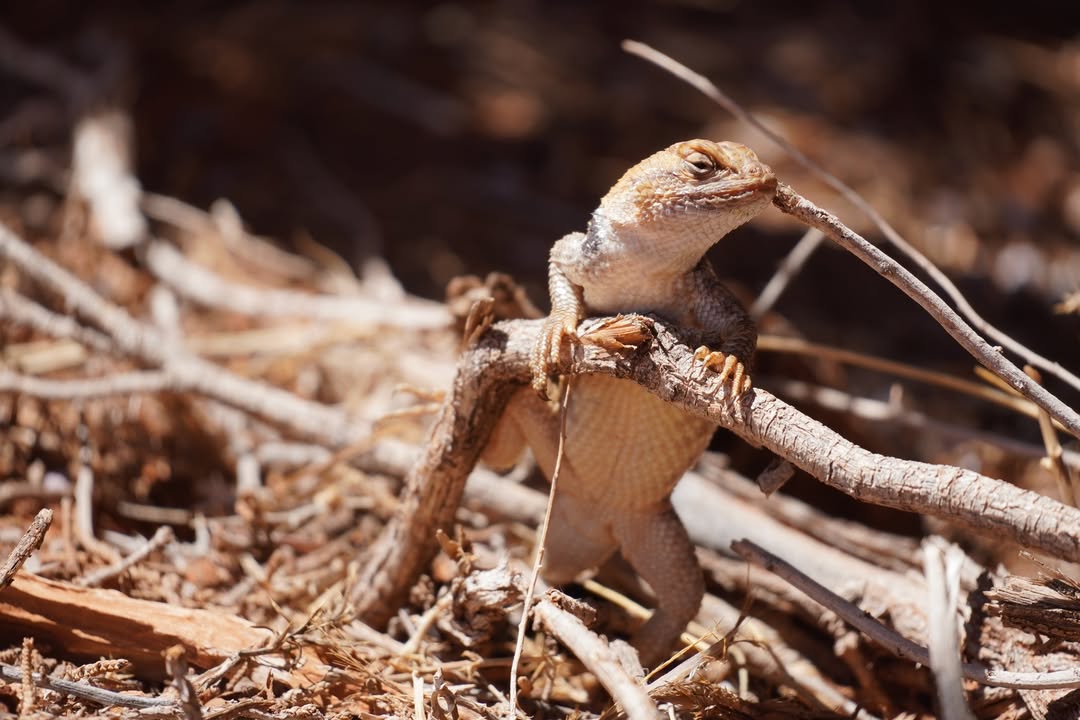
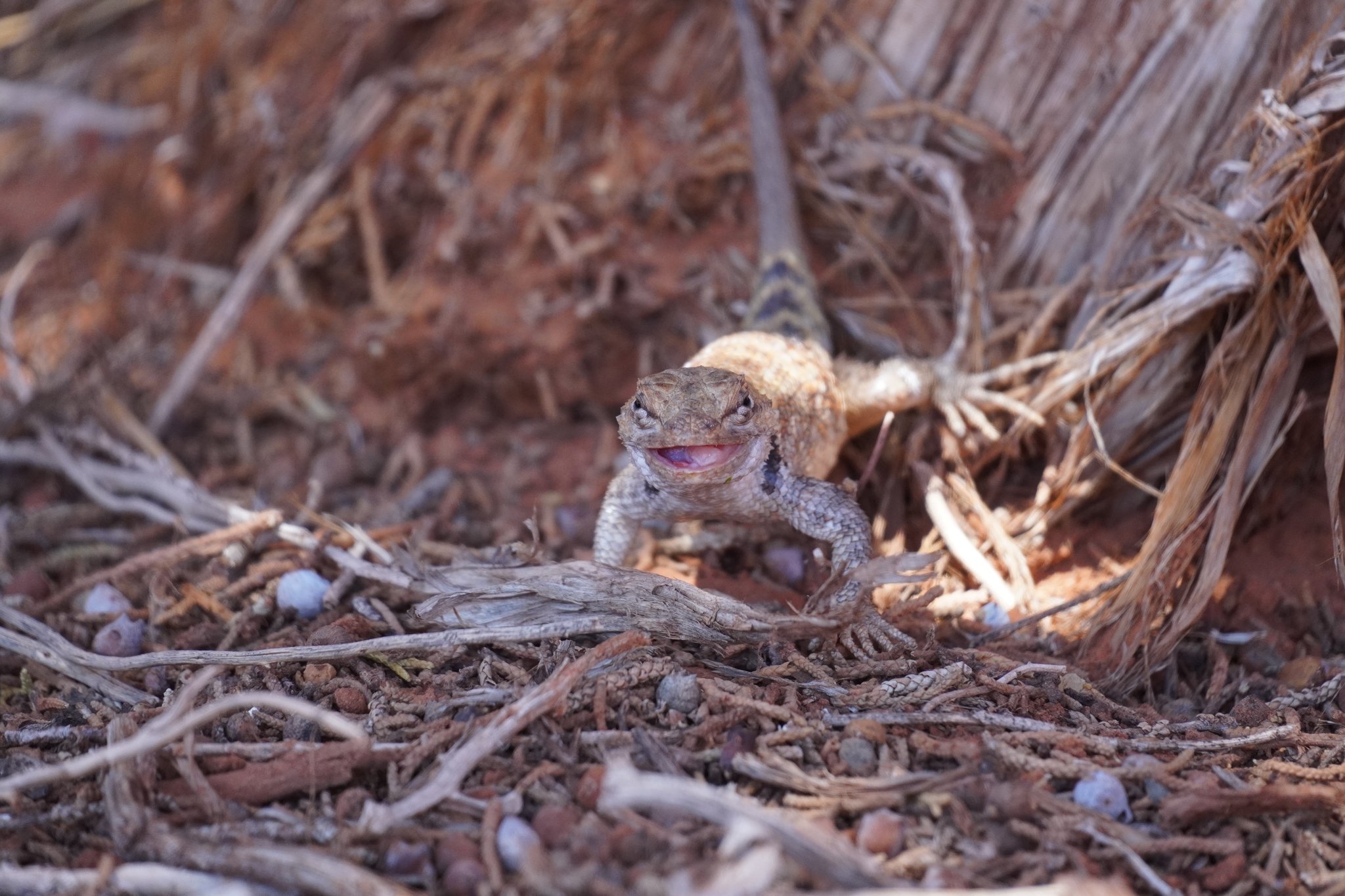
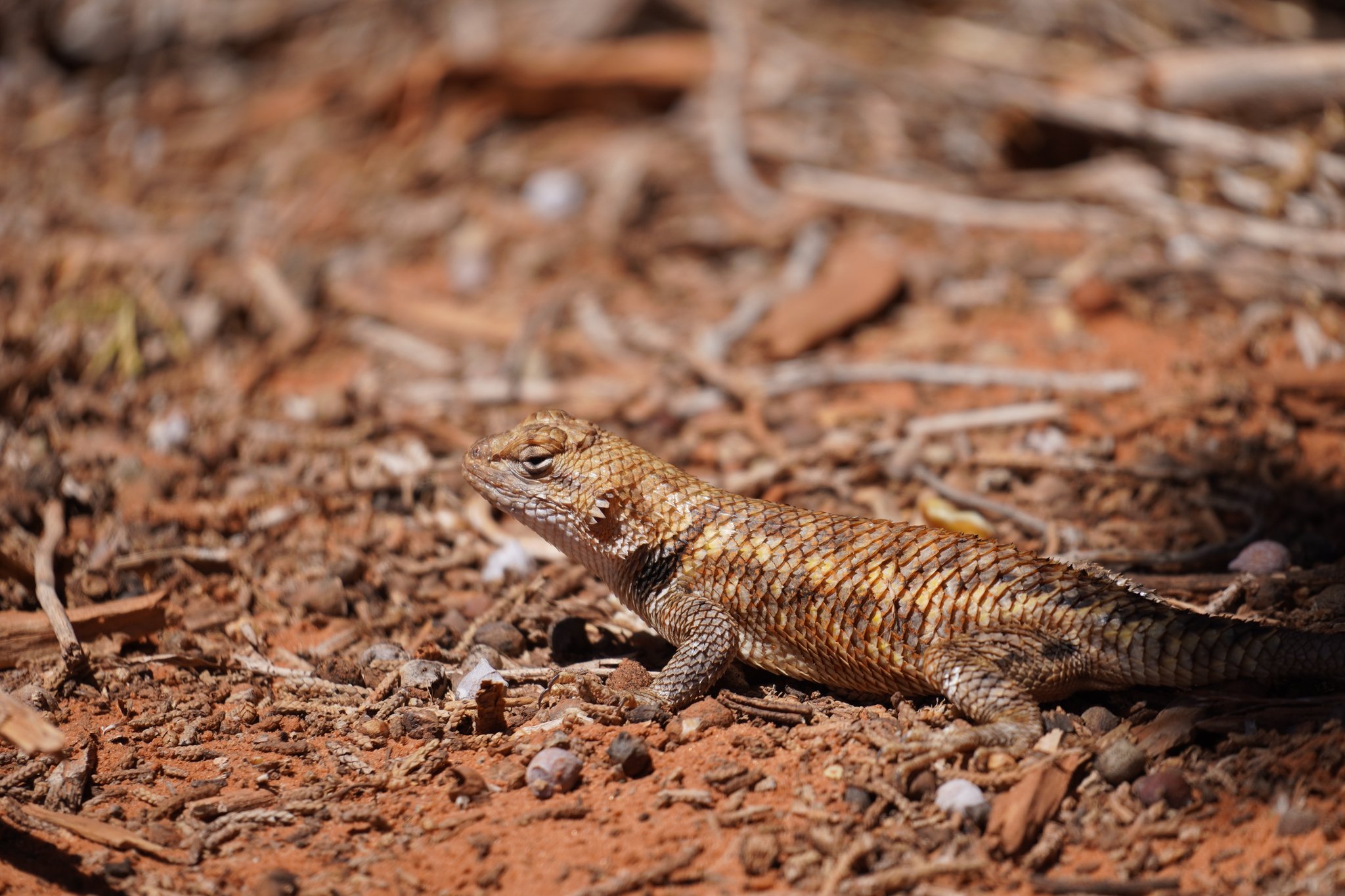
A lizard prowled around the base of the tree like a self-appointed landlord. He struck a few poses that said, "Yes, I’m all that and a little more," as if the desert, the tree, and possibly the entire butte were under his jurisdiction. After our short break, we stepped back into the sun and continued on, the towering face of Mitten Butte still rising ahead of us. After our short break, we stepped back into the sun and continued on, the towering face of Mitten Butte still rising ahead of us. Once we finished the trail, we rested up and had an early dinner, looking forward to the guided sunset tour we had booked earlier that morning.
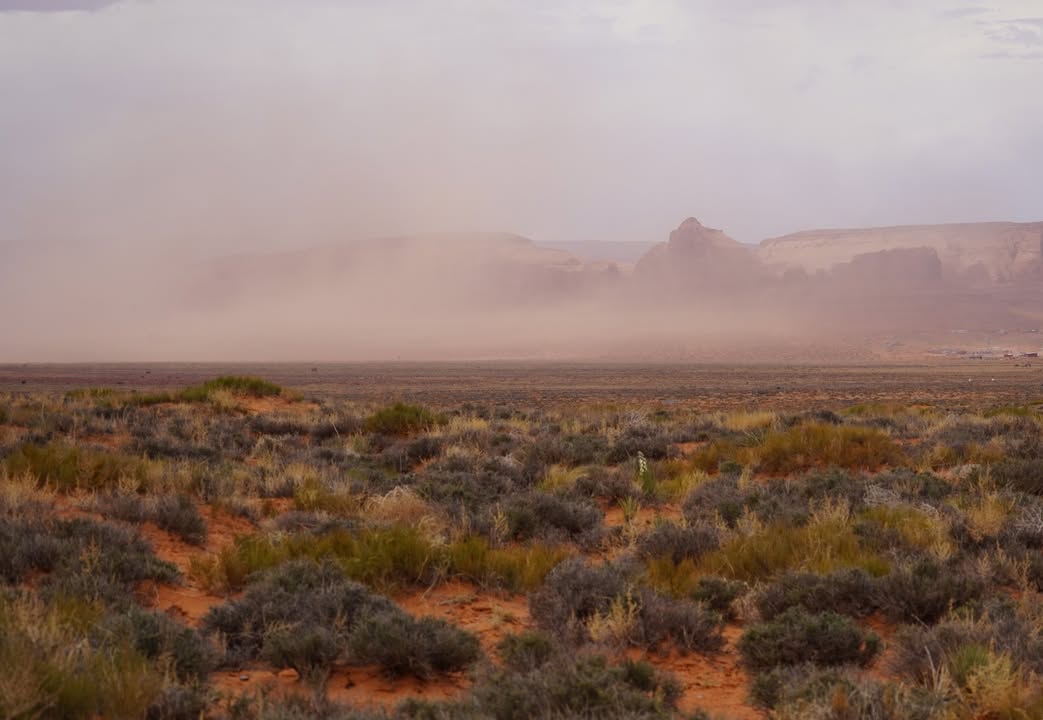
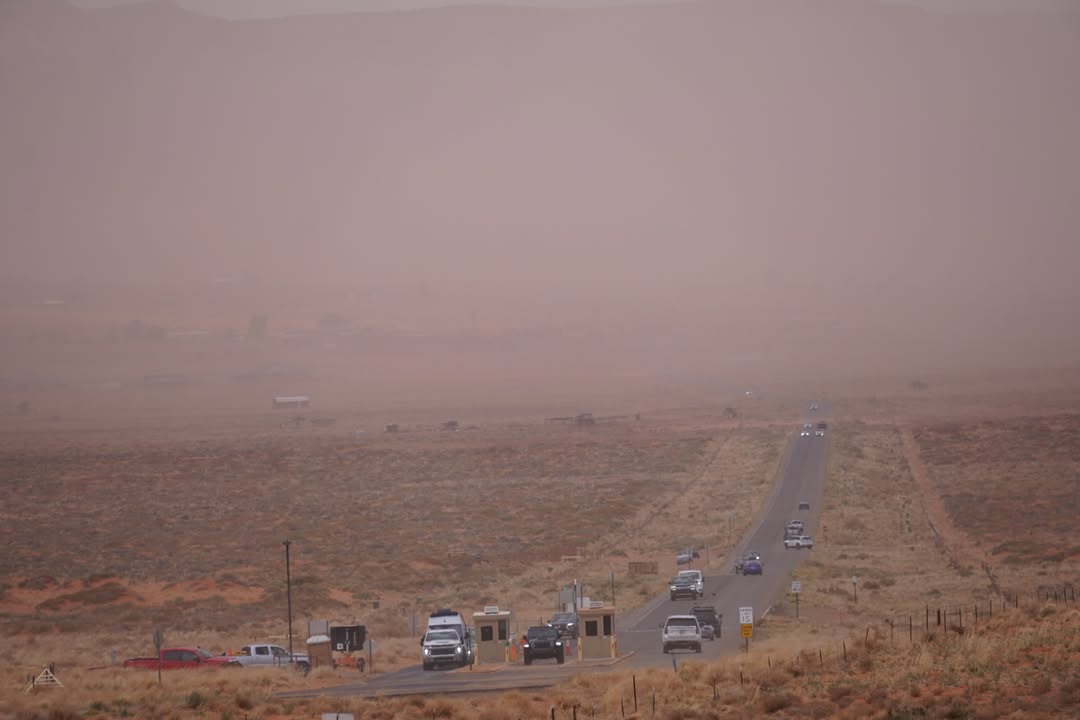
Not even an hour before departure, a dust storm kicked into full gear. The sky turned hazy and the wind whipped across the valley floor, and we wondered if our tour was about to be cancelled. Just as suddenly as it arrived, the storm settled. We walked over to the resort parking area and met our Navajo guide, climbing into an open-air vehicle that carried us deeper into the valley.
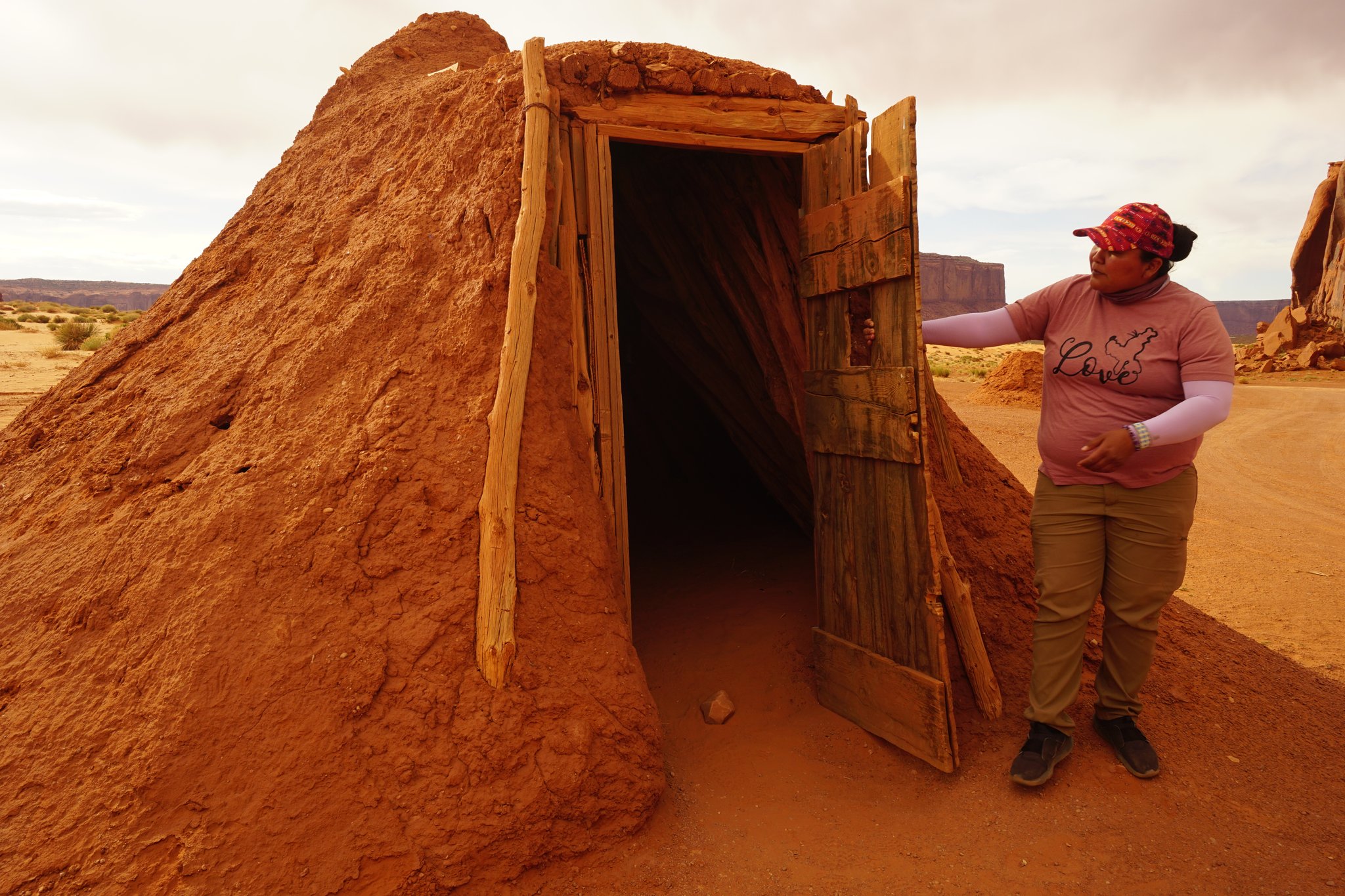
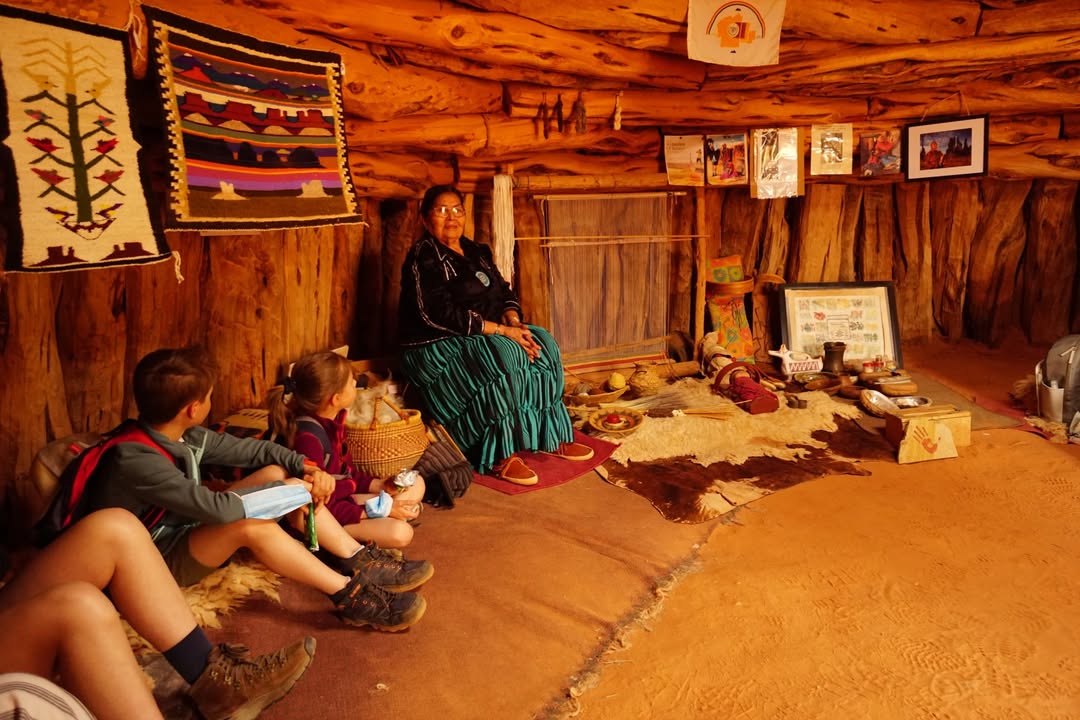
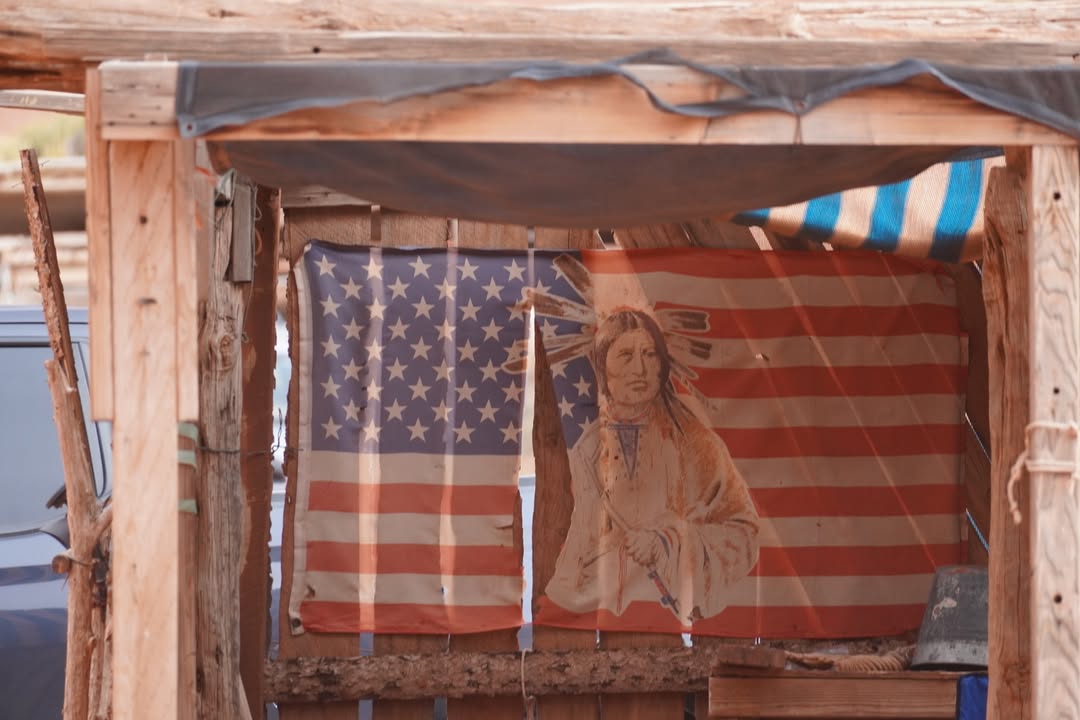
Our first stop was a traditional hogan, a dome-shaped mud home built around a wooden frame. It stood at a small homestead where the Diné woman who lived there shared how blankets are made from raw wool, cleaning, spinning, and weaving everything by hand. While many people say Navajo, they call themselves Diné, meaning “The People.” Hogans are still used for ceremonies, though most Diné families now live in modern homes nearby.
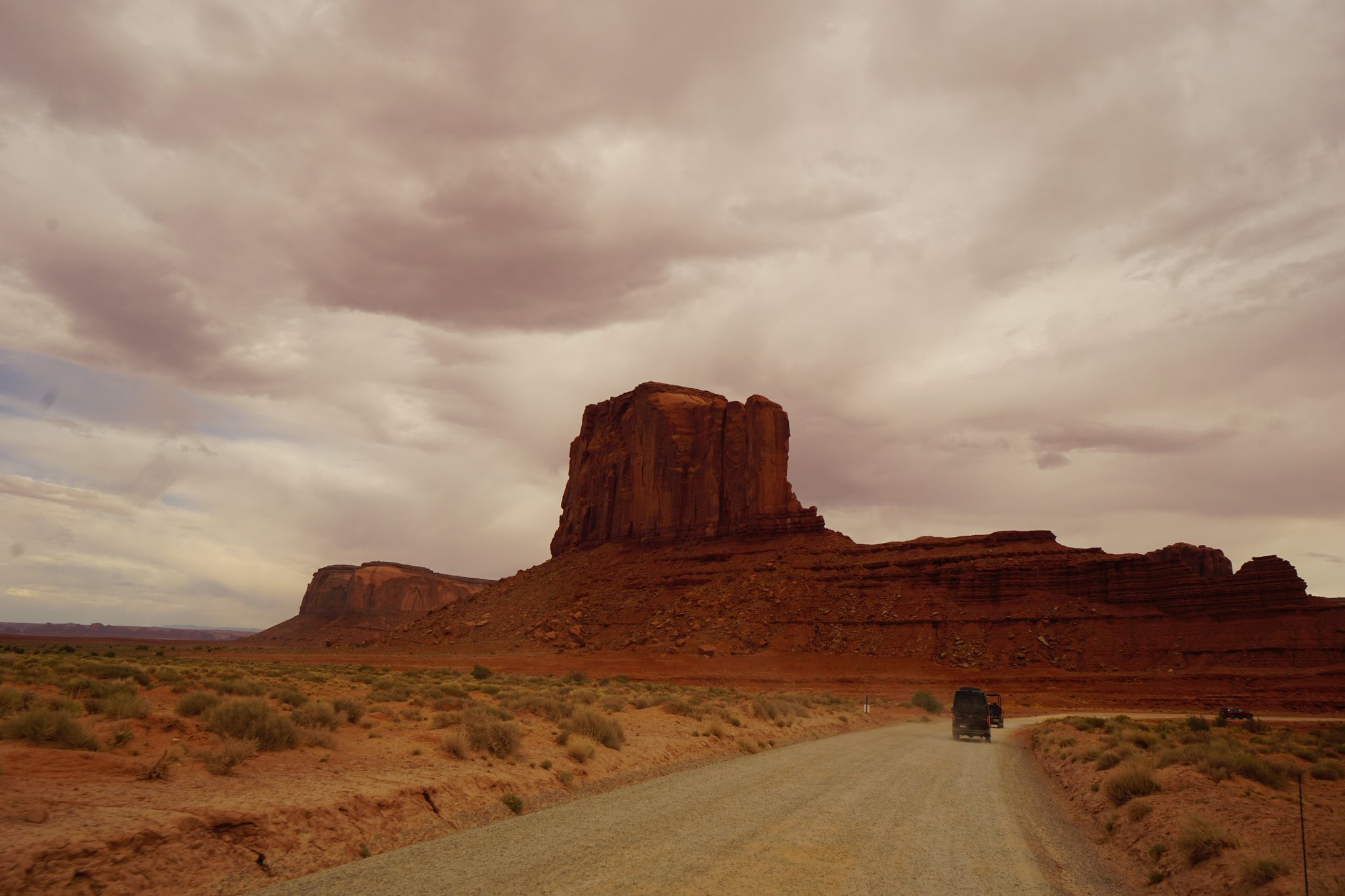
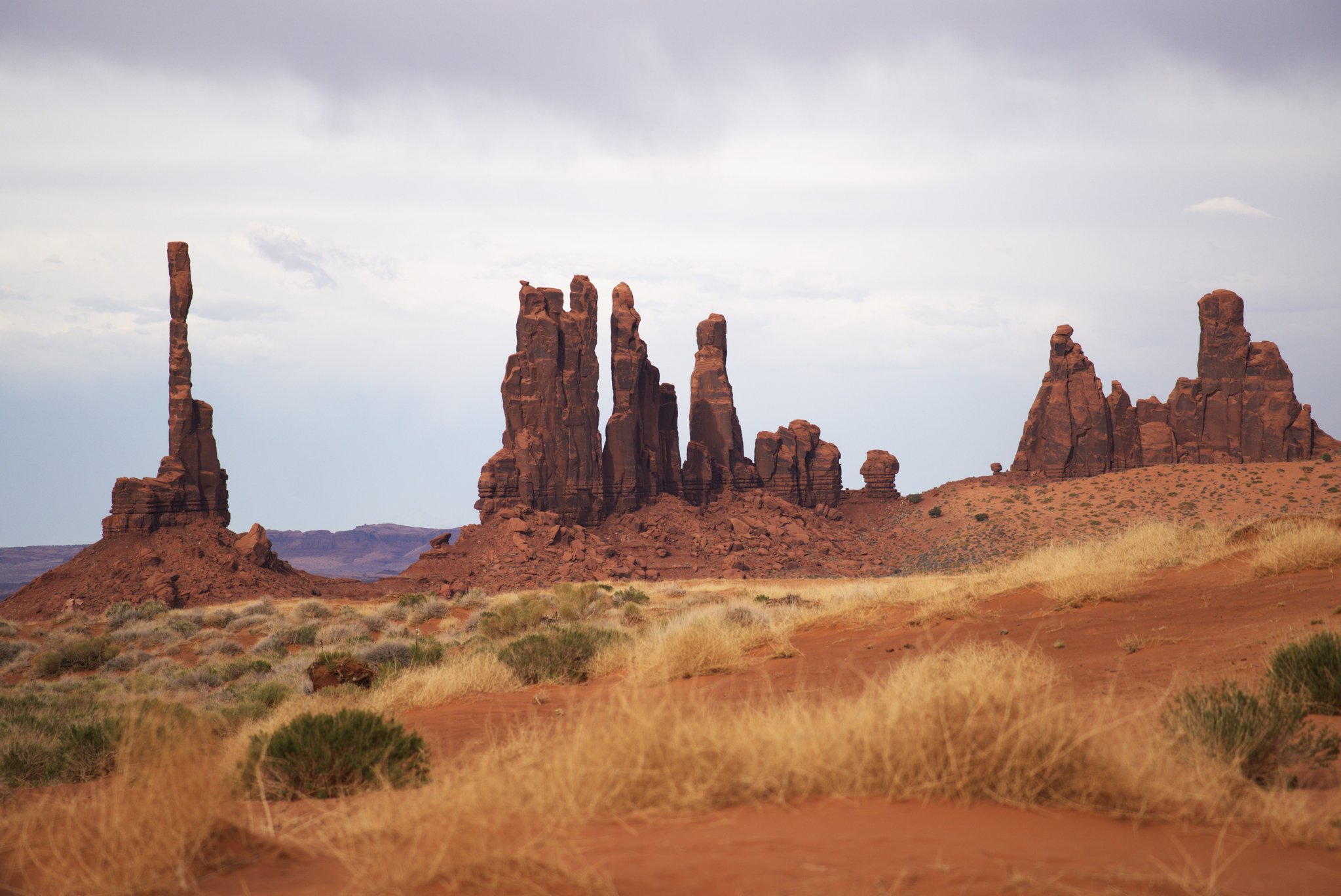
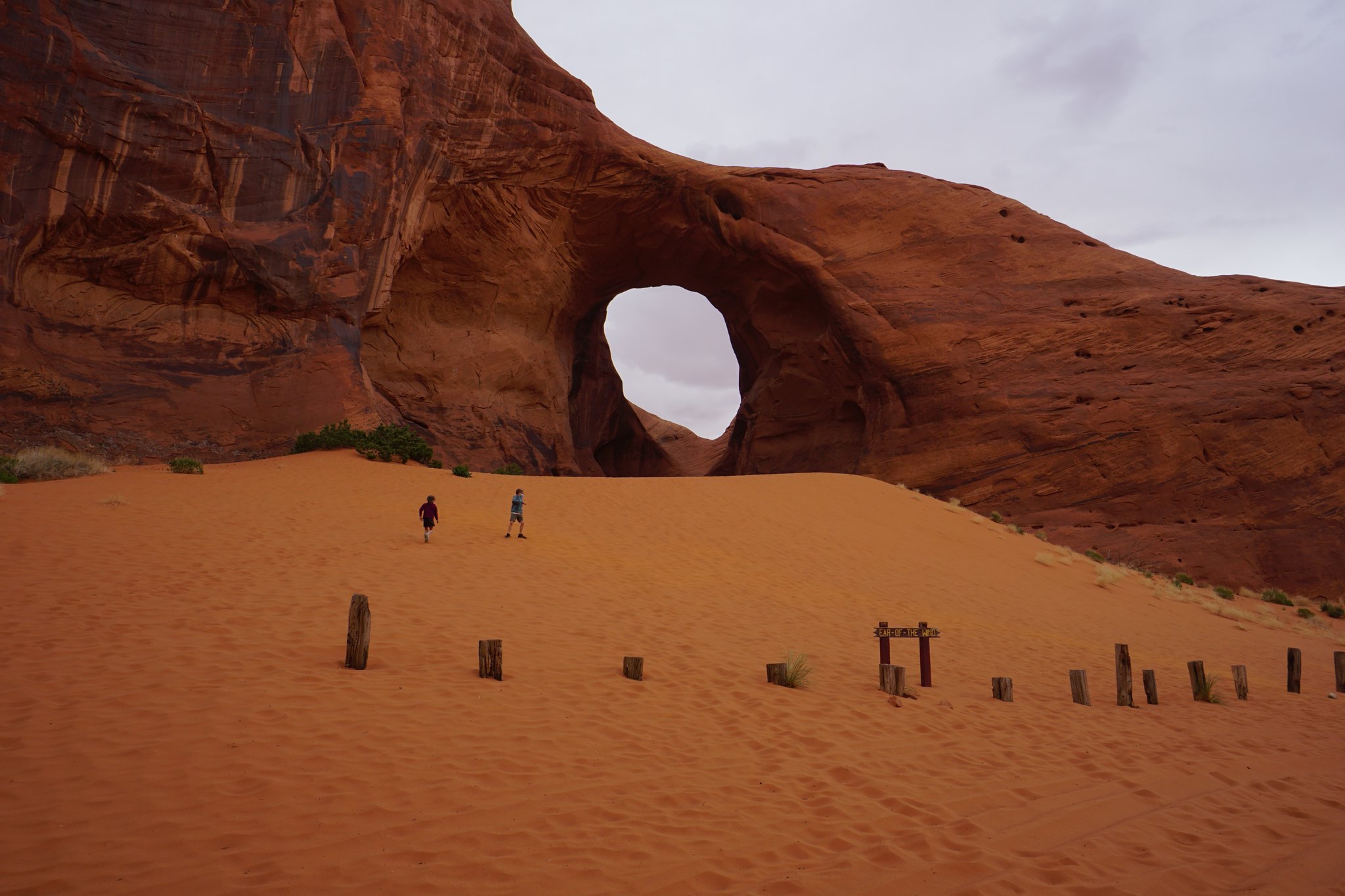
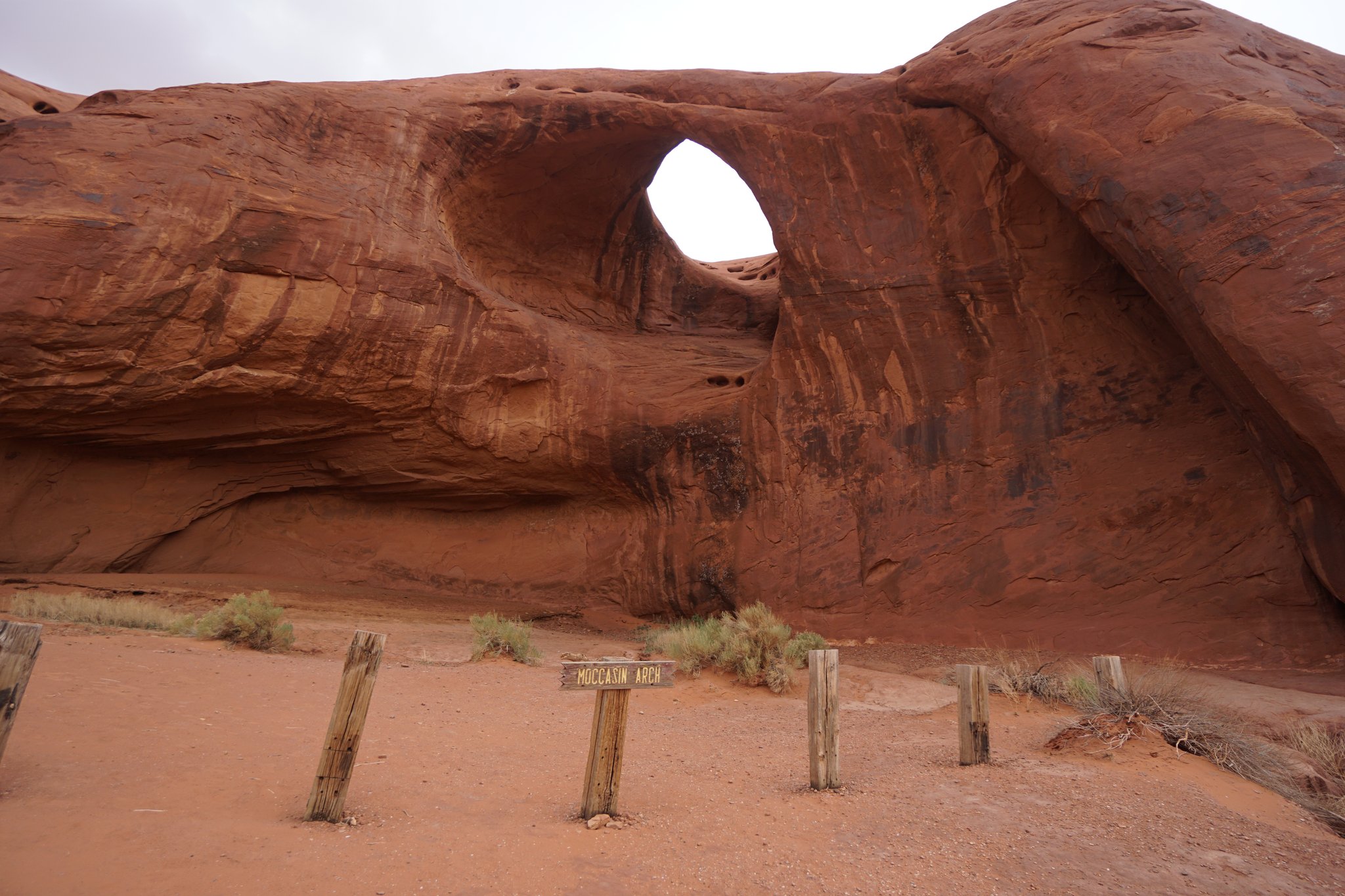
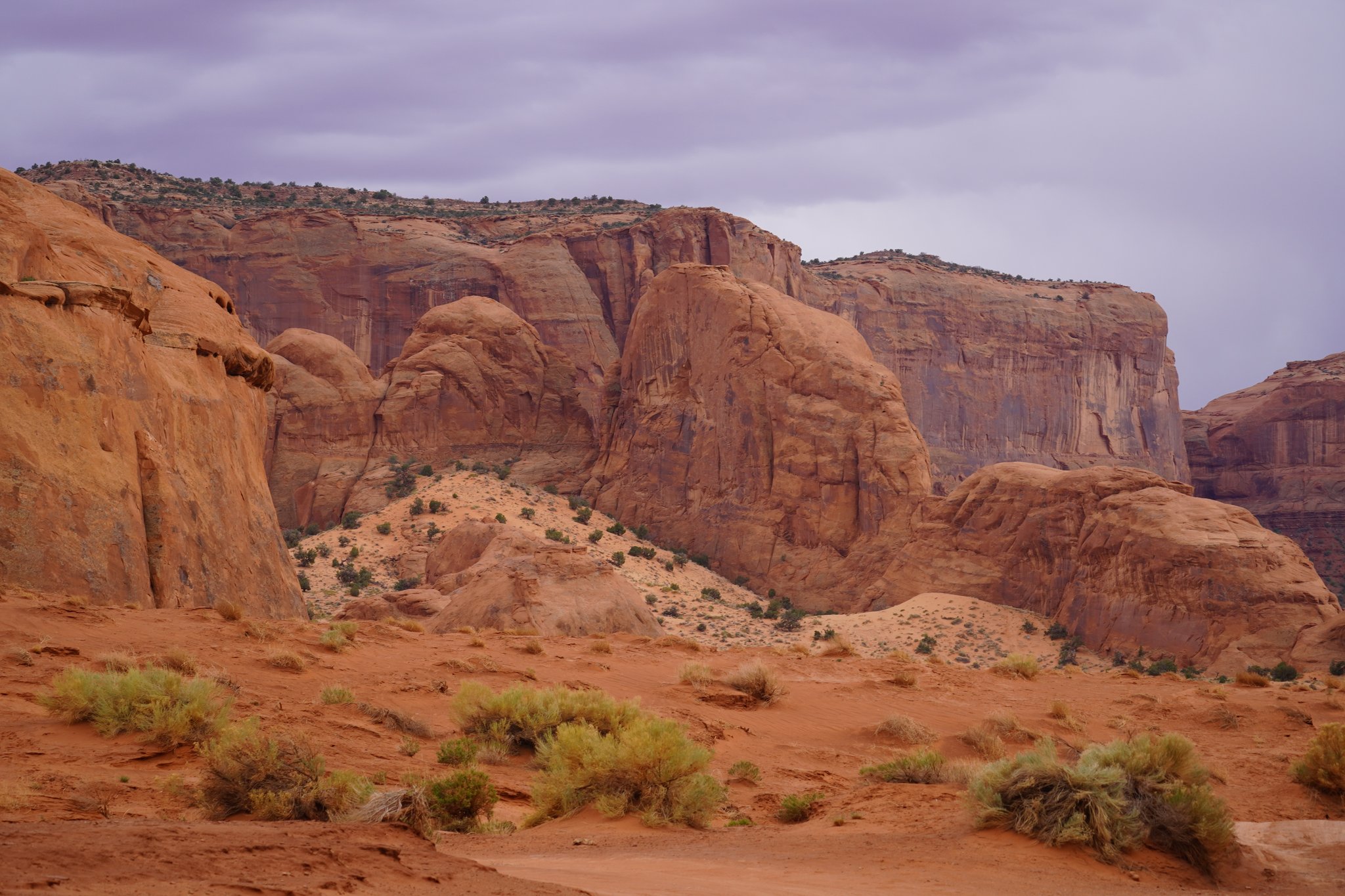
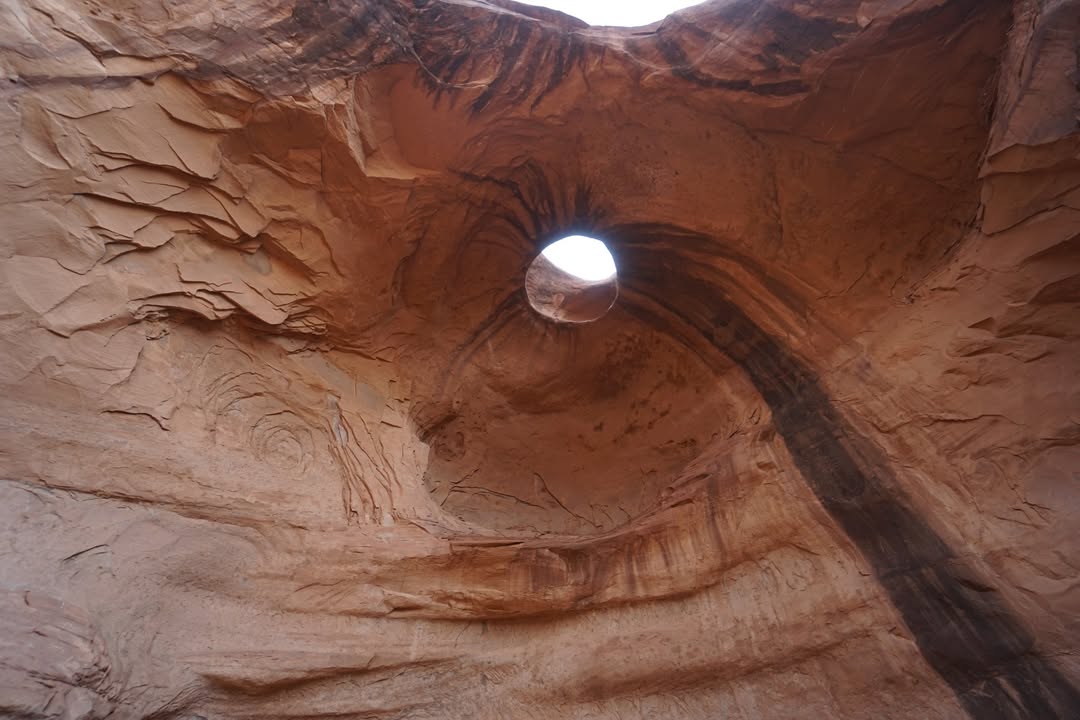
From there, we continued along sandy back roads to towering spires and sandstone arches that are only accessible by guided tour. It was while we were exploring the arches that the wind returned. The open-air truck offered no protection, and by the second half of the tour we were being sandblasted. As evening settled in, the temperature dropped quickly. Our guide handed out blankets, and I wrapped mine around my shoulders and pulled part of it up to shield my face from the blowing grit.
We ended at John Ford Point, made famous by classic Westerns like Stagecoach and The Searchers. There was no dramatic sunset that evening because of the cloud cover, but the landscape did not need it to be iconic.
We were not alone.
A lizard prowled around the base of the tree like a self-appointed landlord. He struck a few poses that said, "Yes, I’m all that and a little more," as if the desert, the tree, and possibly the entire butte were under his jurisdiction. After our short break, we stepped back into the sun and continued on, the towering face of Mitten Butte still rising ahead of us. After our short break, we stepped back into the sun and continued on, the towering face of Mitten Butte still rising ahead of us. Once we finished the trail, we rested up and had an early dinner, looking forward to the guided sunset tour we had booked earlier that morning.
Not even an hour before departure, a dust storm kicked into full gear. The sky turned hazy and the wind whipped across the valley floor, and we wondered if our tour was about to be cancelled. Just as suddenly as it arrived, the storm settled. We walked over to the resort parking area and met our Navajo guide, climbing into an open-air vehicle that carried us deeper into the valley.
Our first stop was a traditional hogan, a dome-shaped mud home built around a wooden frame. It stood at a small homestead where the Diné woman who lived there shared how blankets are made from raw wool, cleaning, spinning, and weaving everything by hand. While many people say Navajo, they call themselves Diné, meaning “The People.” Hogans are still used for ceremonies, though most Diné families now live in modern homes nearby.
From there, we continued along sandy back roads to towering spires and sandstone arches that are only accessible by guided tour. It was while we were exploring the arches that the wind returned. The open-air truck offered no protection, and by the second half of the tour we were being sandblasted. As evening settled in, the temperature dropped quickly. Our guide handed out blankets, and I wrapped mine around my shoulders and pulled part of it up to shield my face from the blowing grit.
We ended at John Ford Point, made famous by classic Westerns like Stagecoach and The Searchers. There was no dramatic sunset that evening because of the cloud cover, but the landscape did not need it to be iconic.