Quick Take
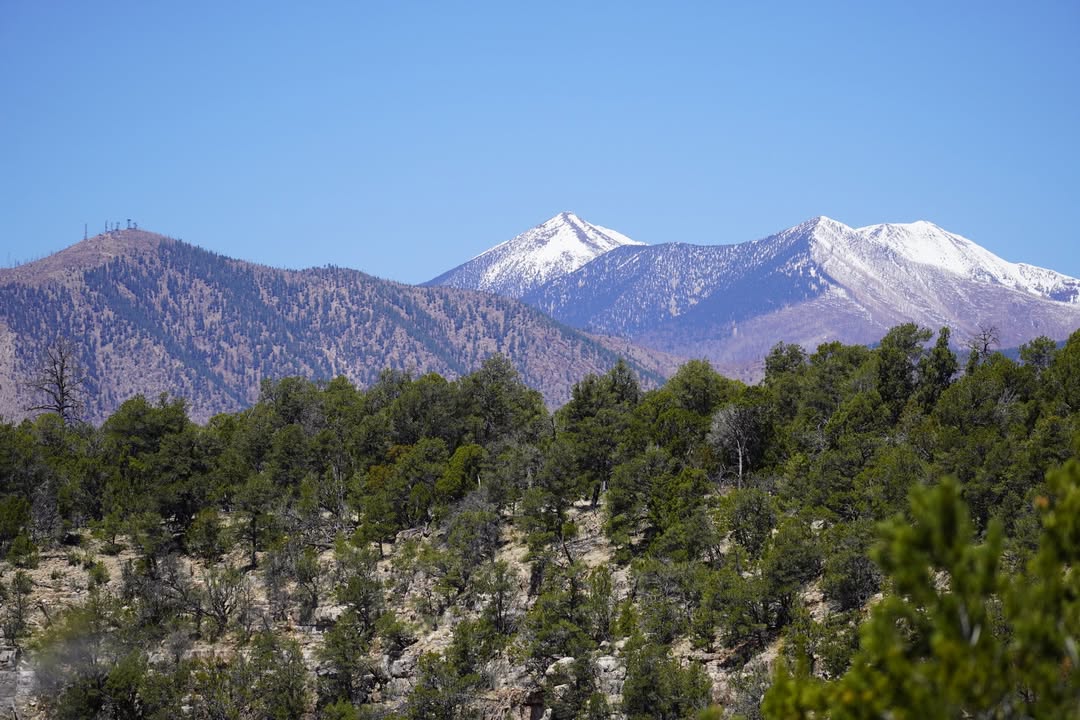
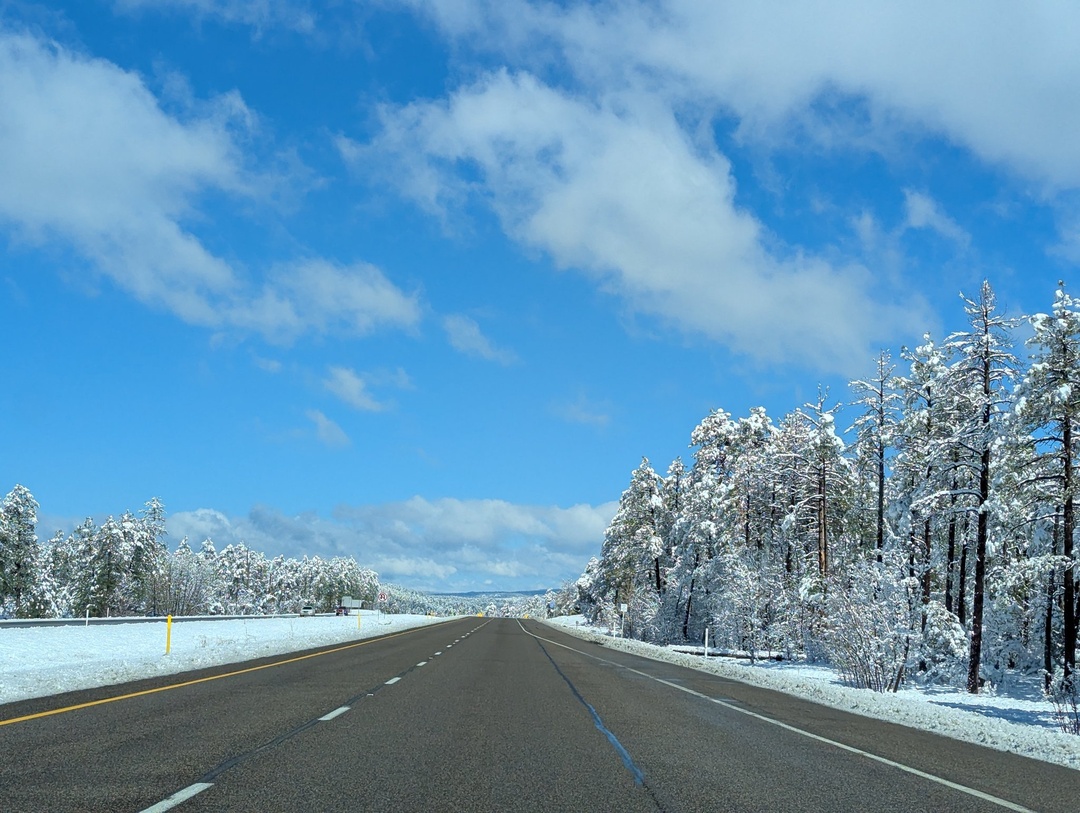
We left Dead Horse Ranch State Park in Cottonwood and headed north toward Flagstaff, trading red rock and creekside scenery for higher elevation and colder weather. The day after the snowstorm, the forecast finally looked promising.
Pick a stop to see its story and photos.
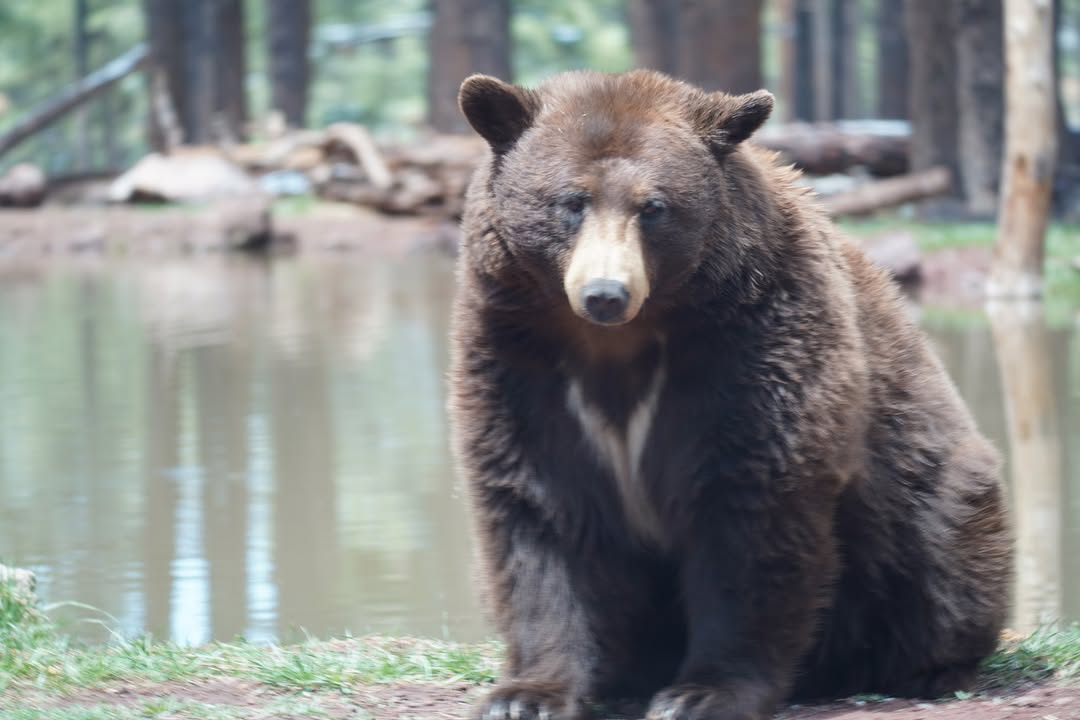
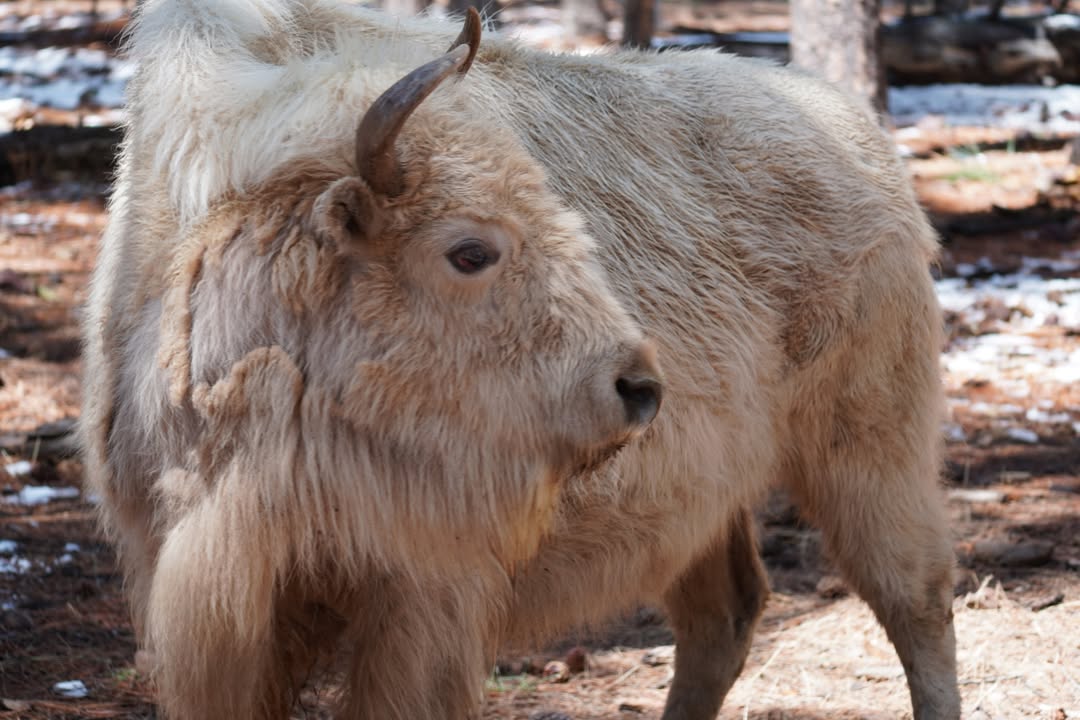
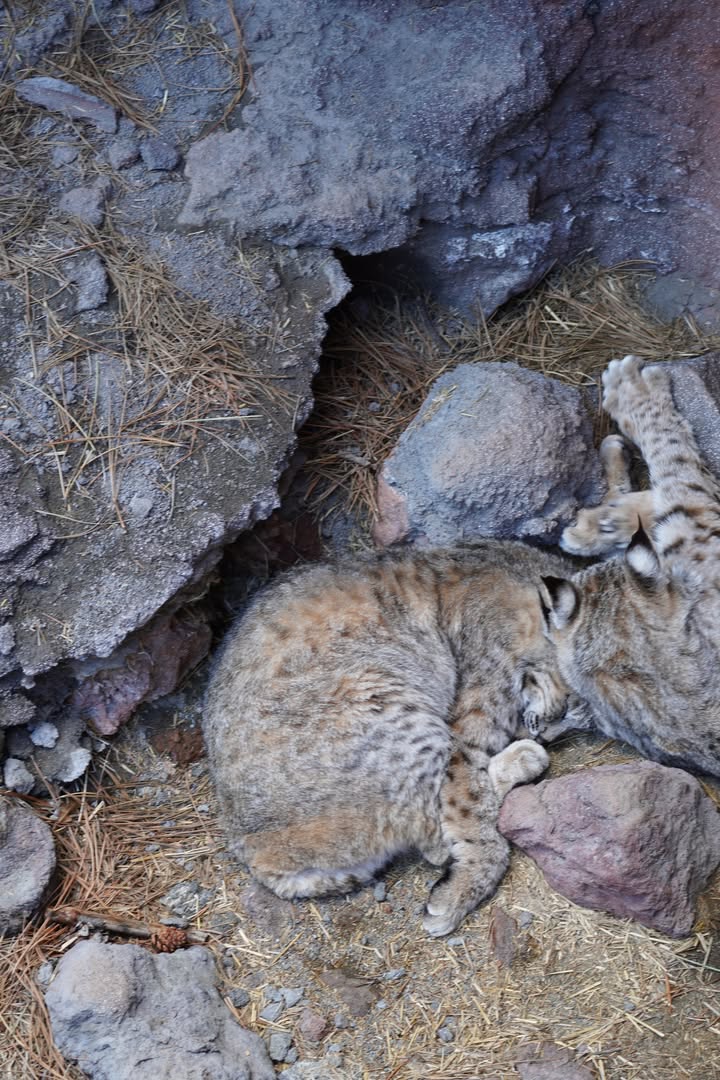
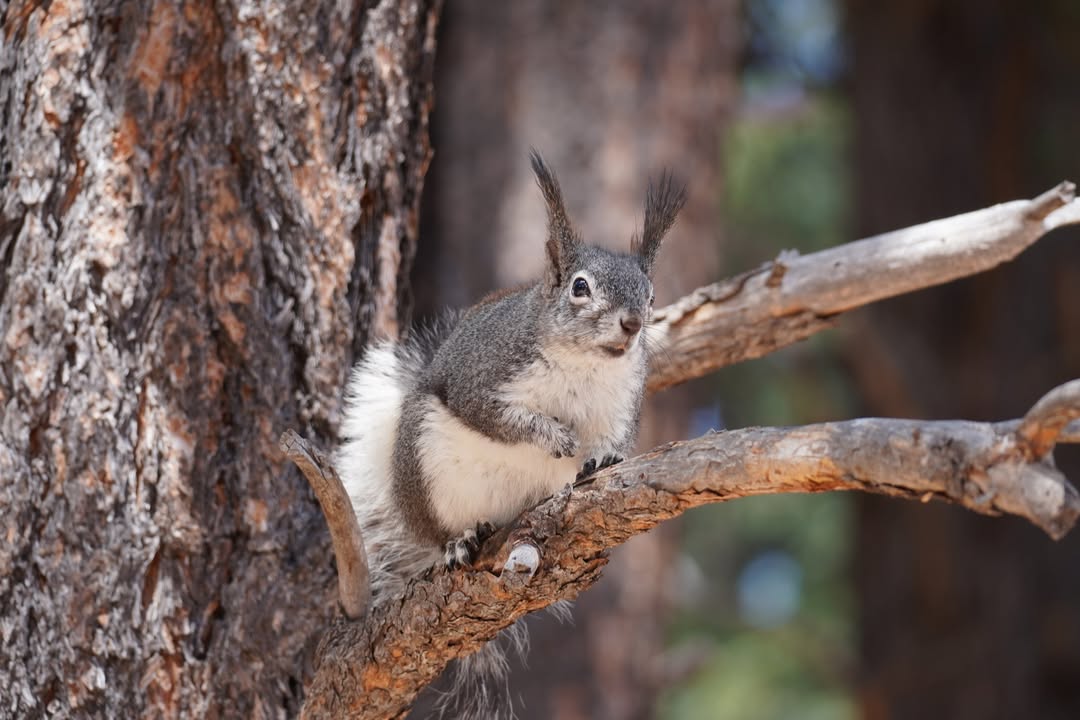
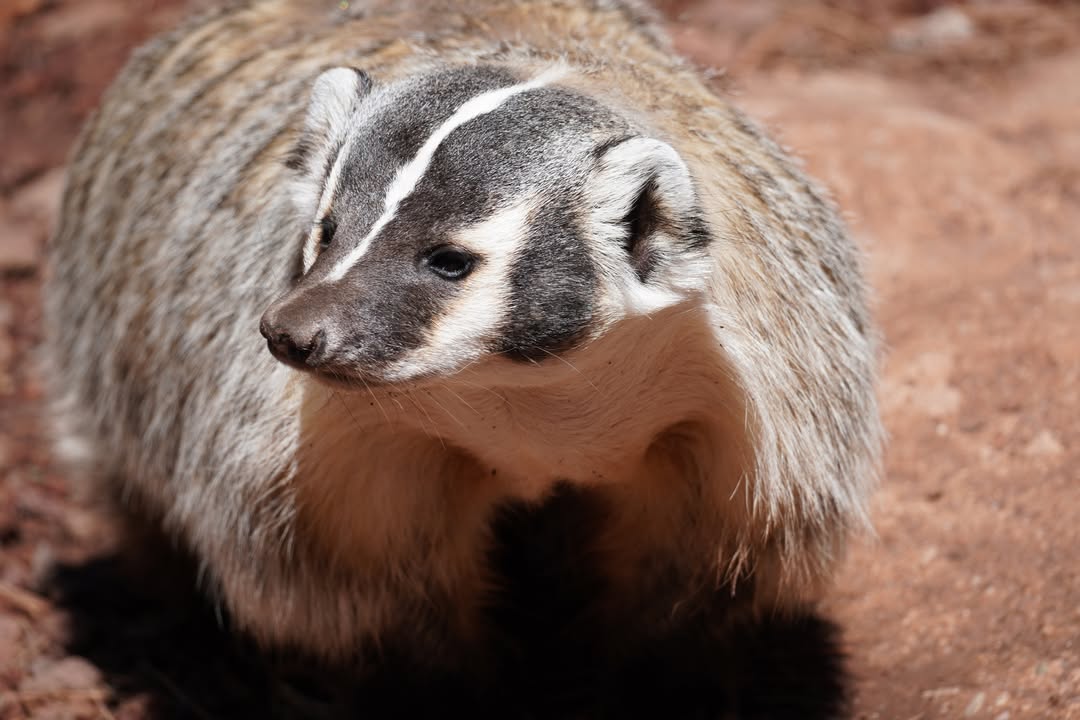
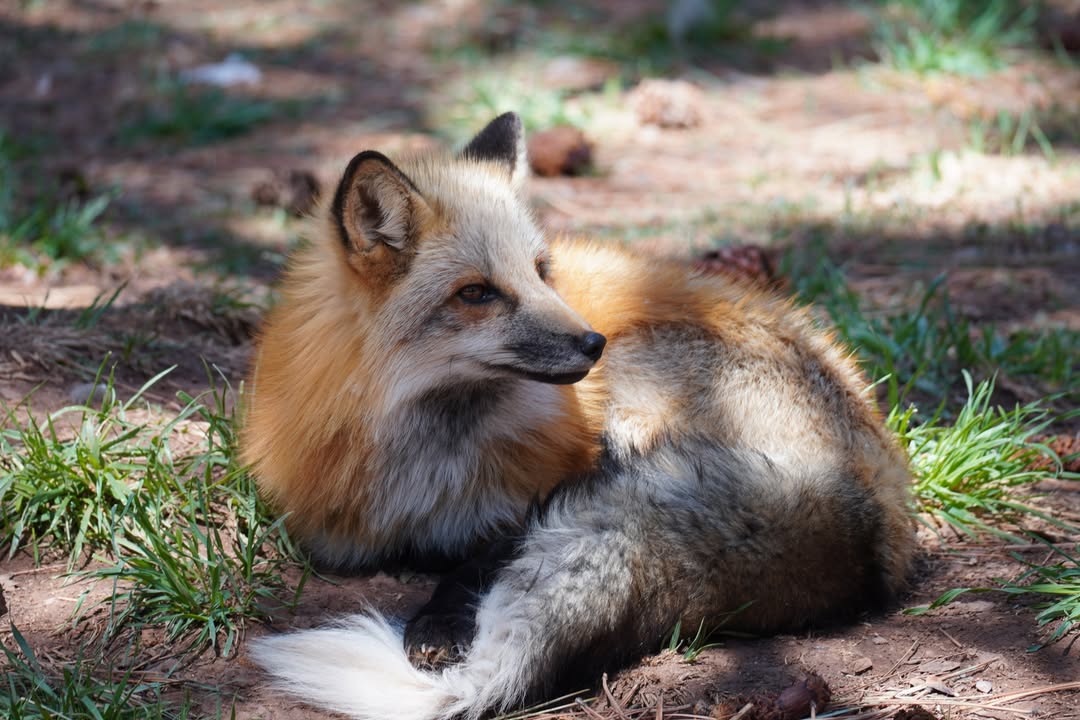
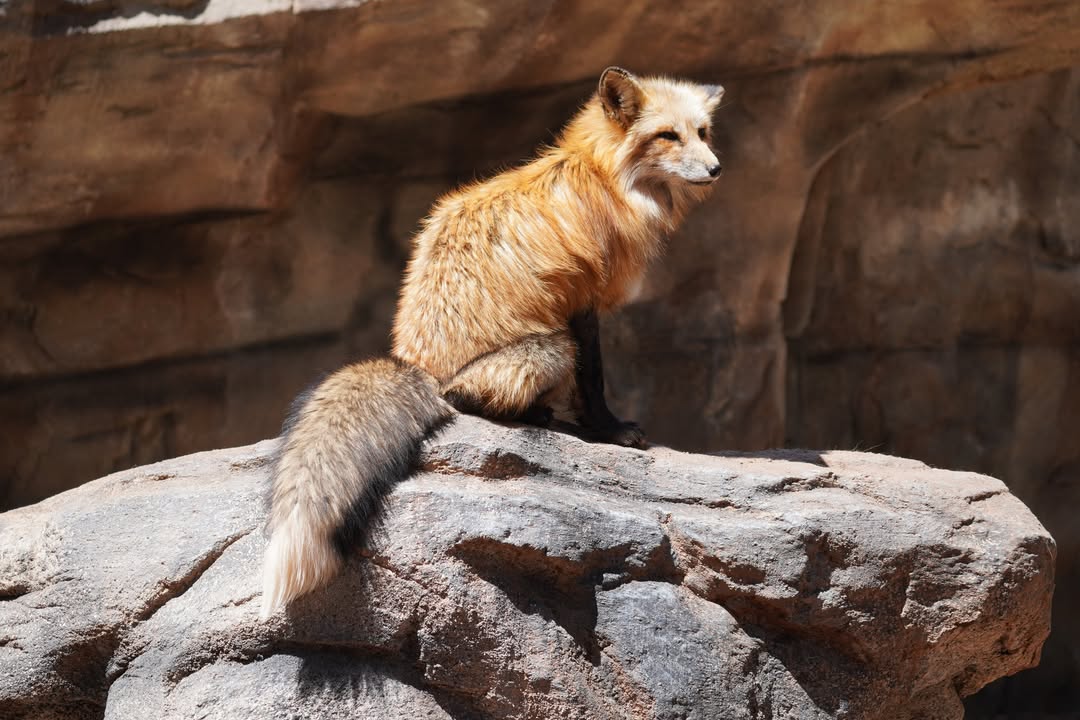
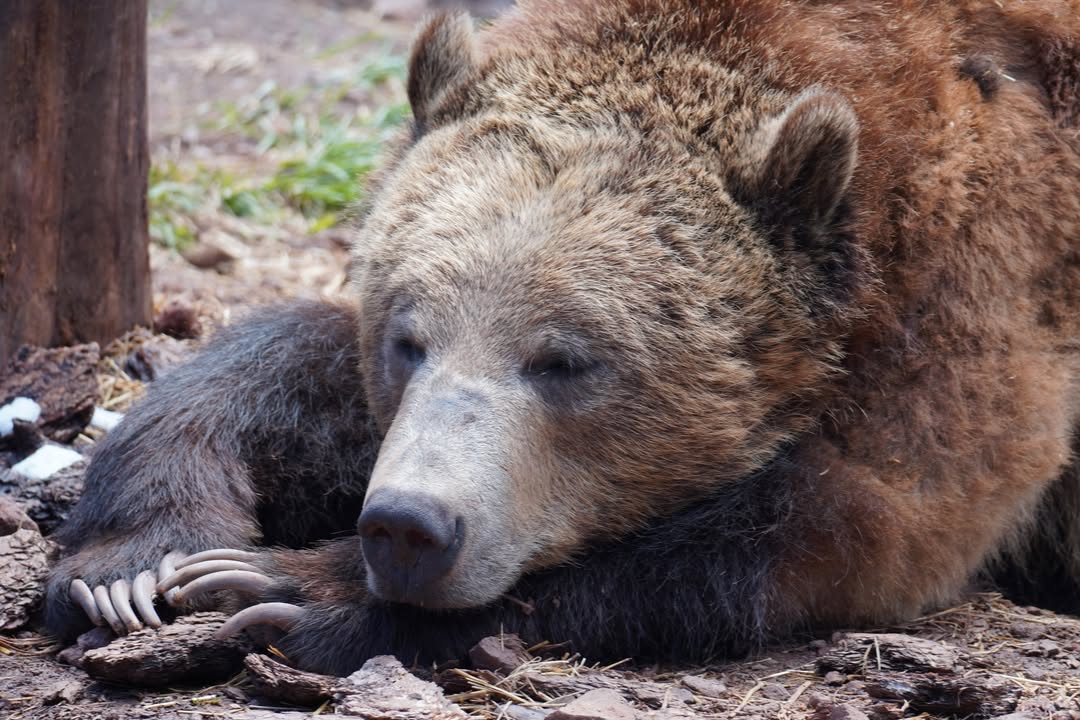
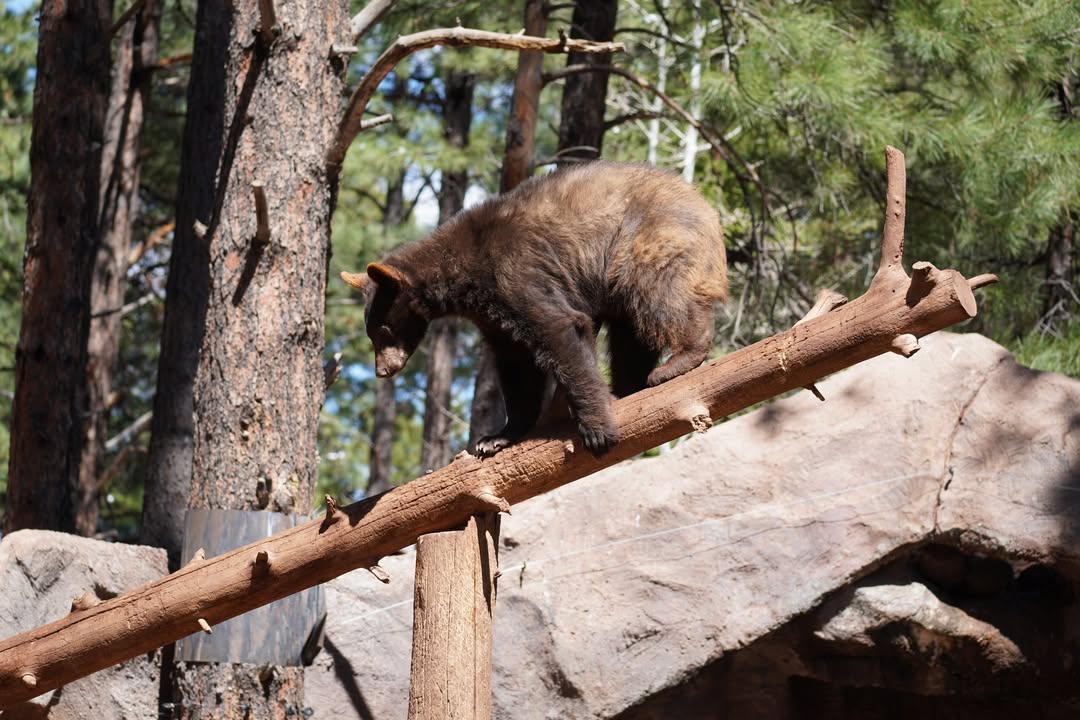
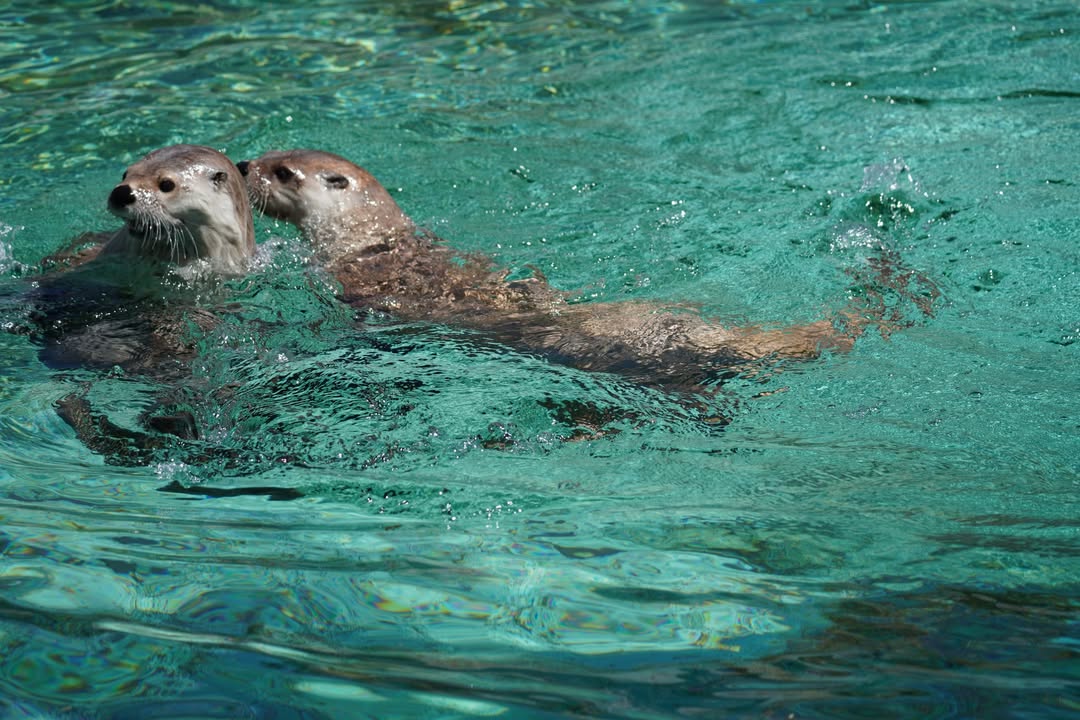
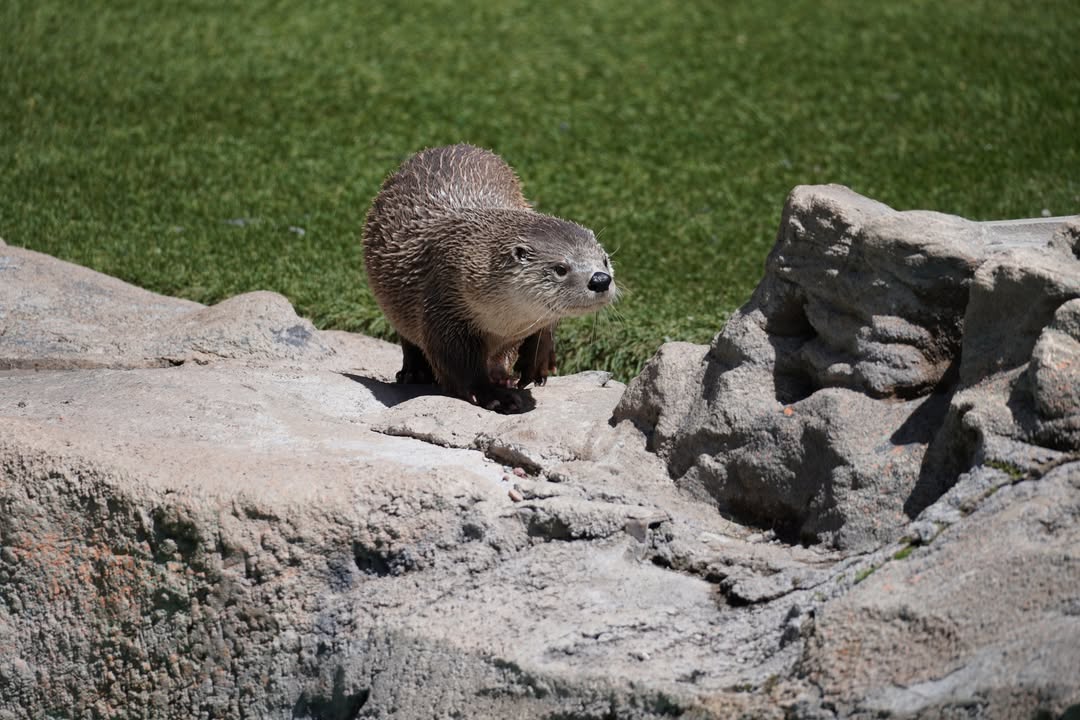
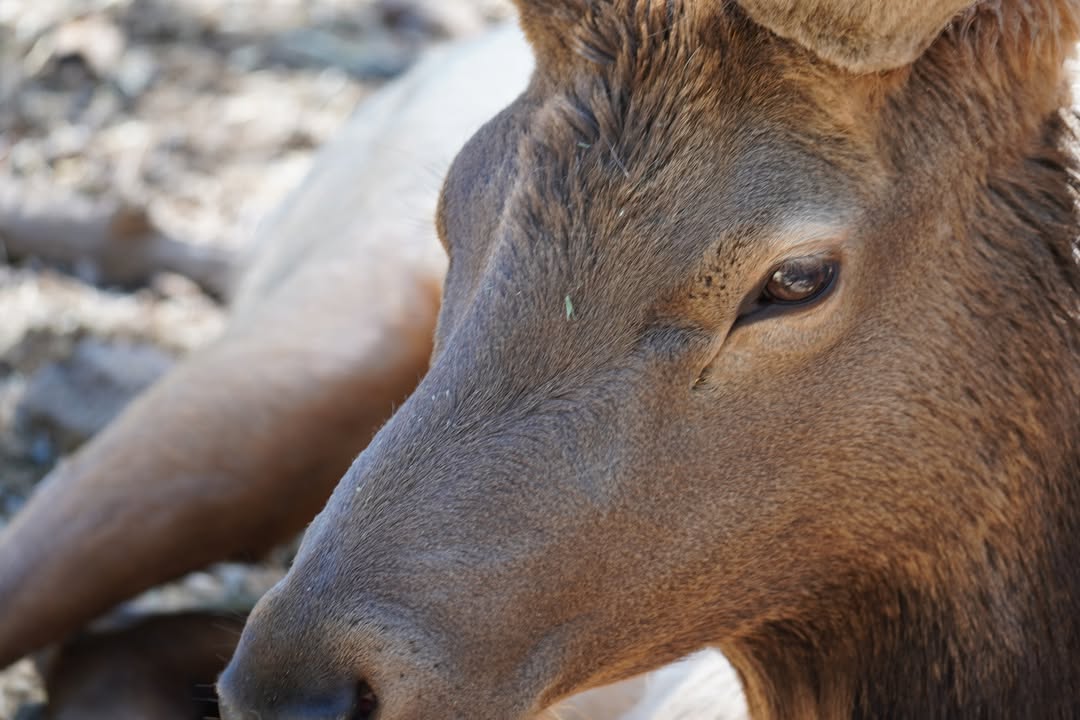
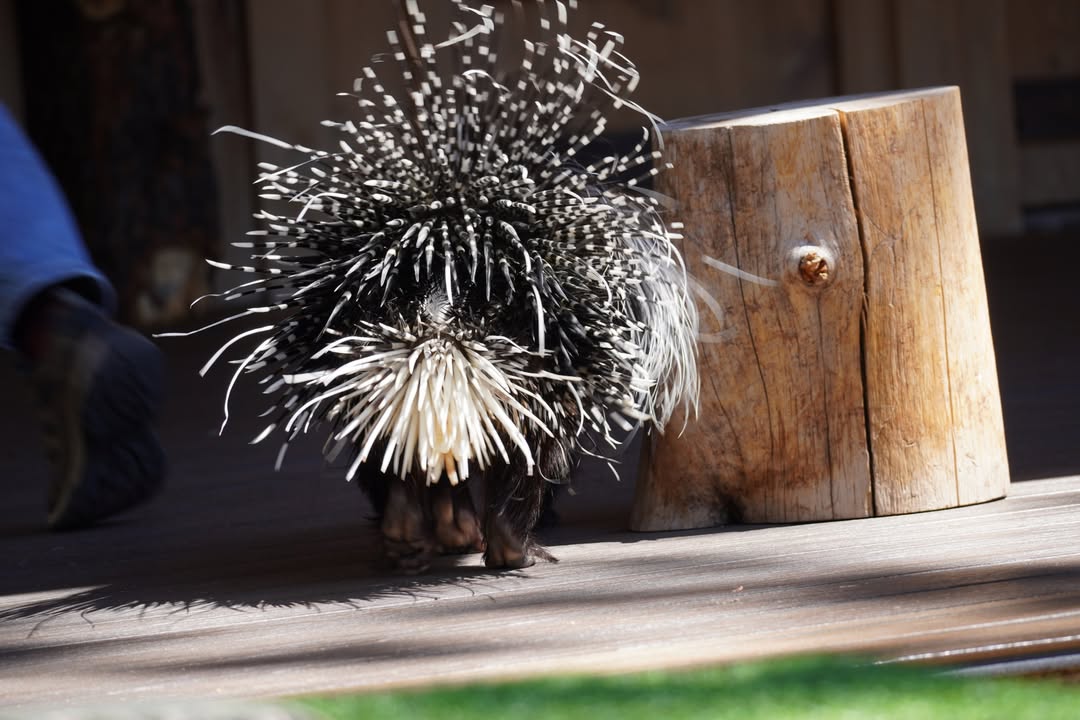
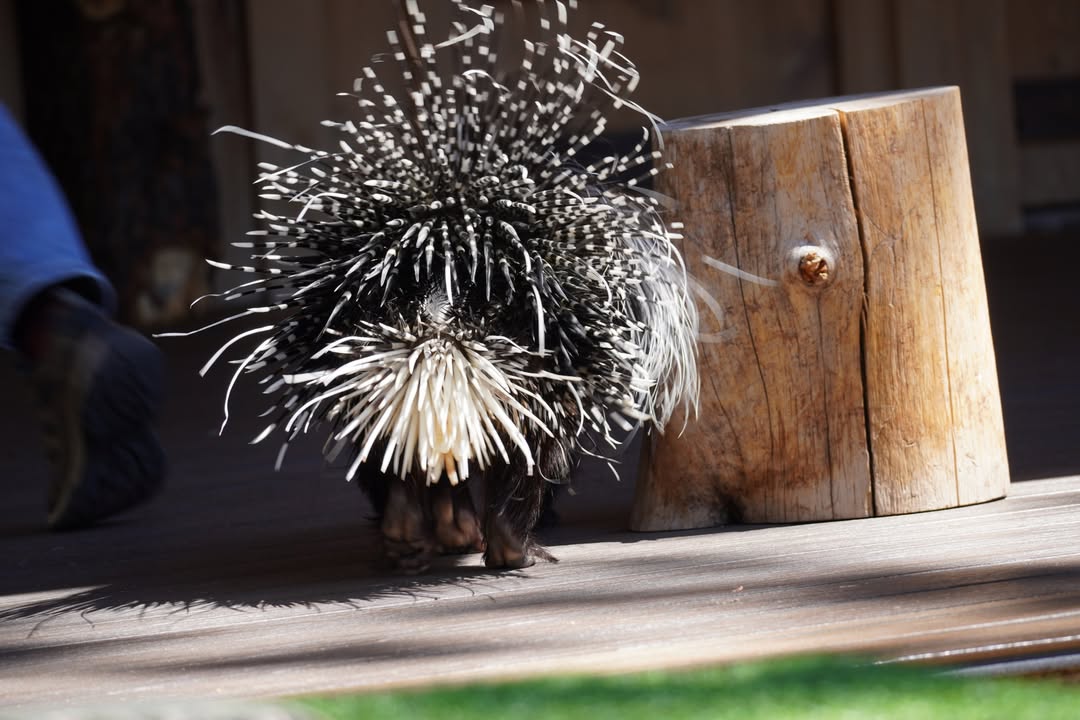
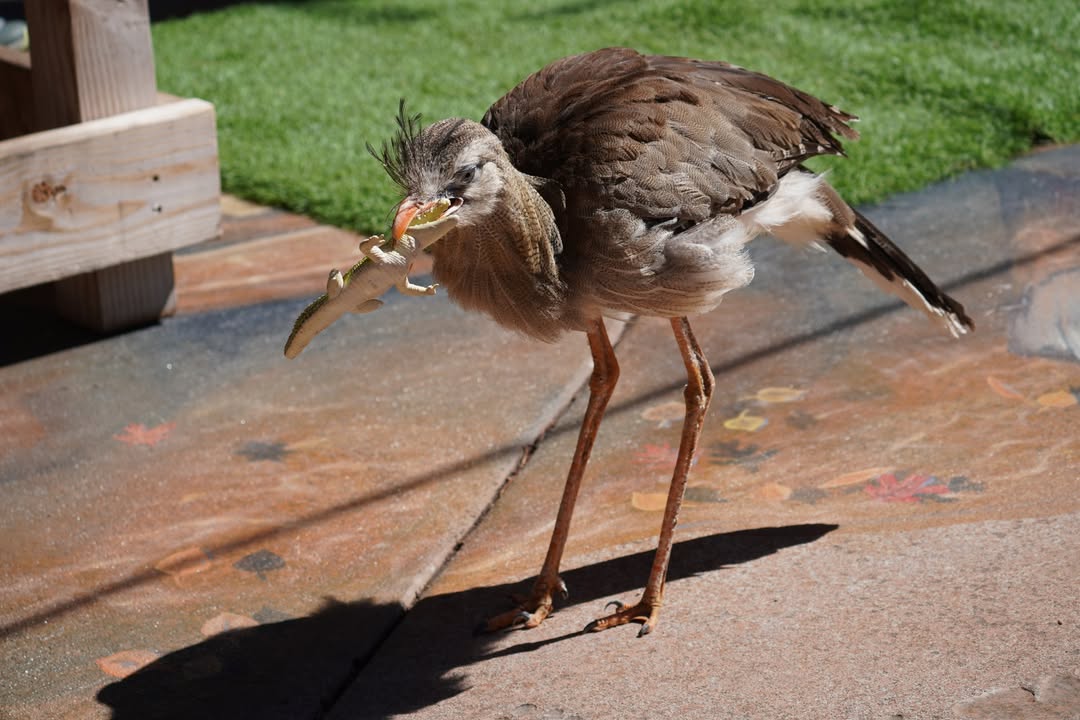
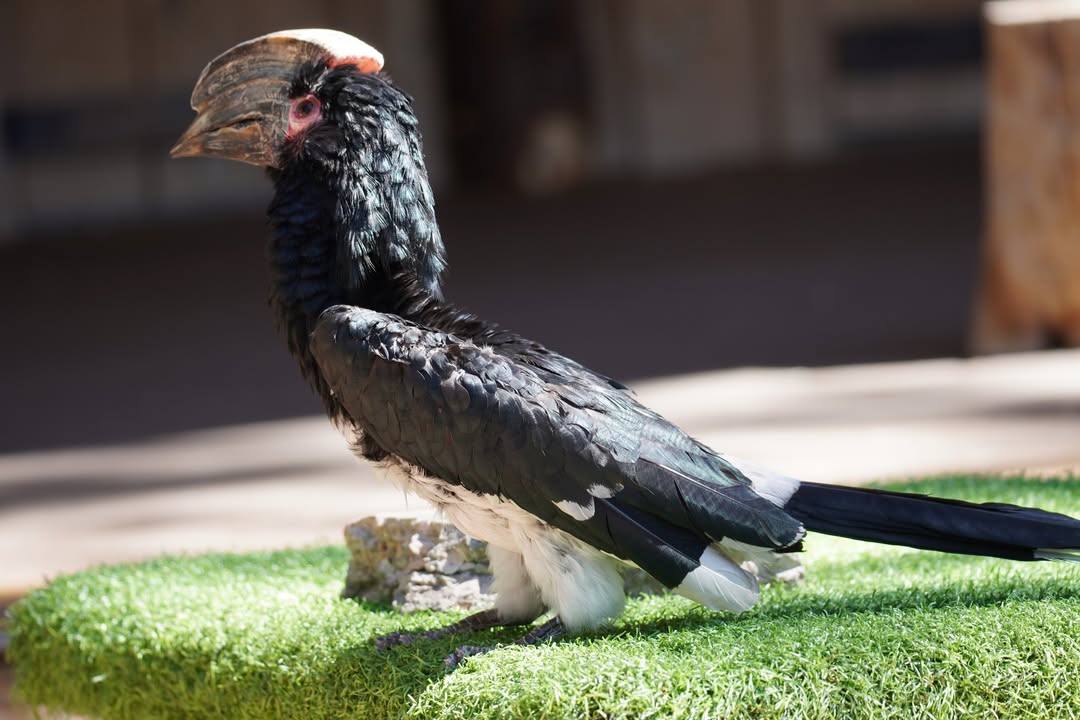
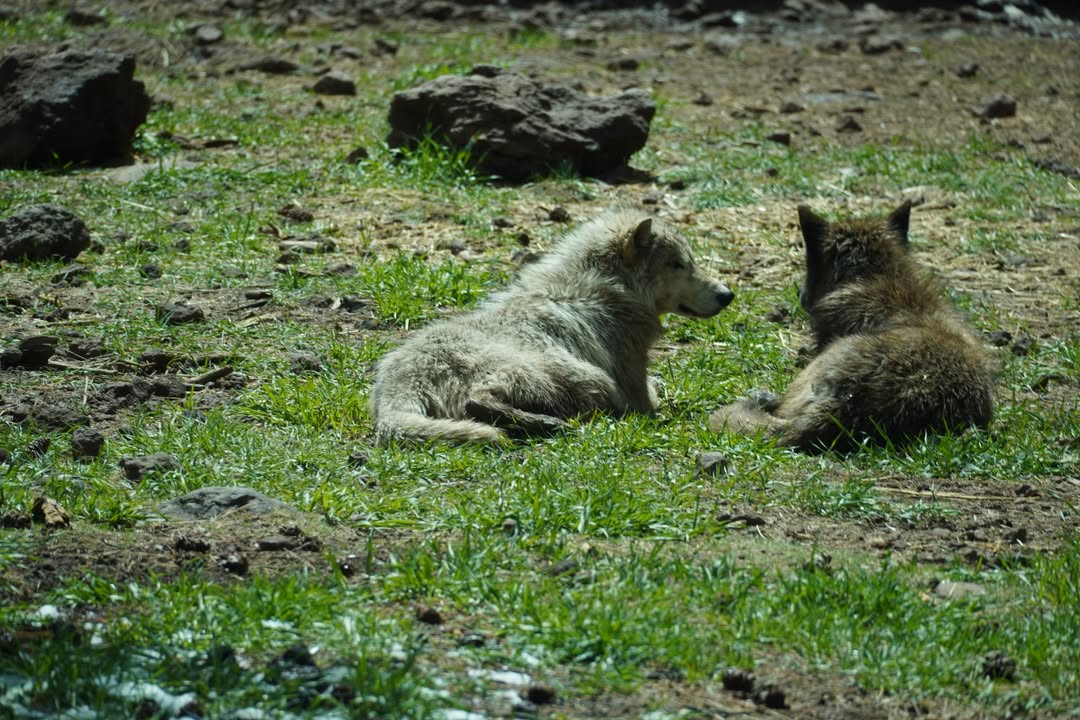
Bearizona was the wildlife-heavy rebound after a snowstorm the day before, with a drive-through section for bears, wolves, and larger animals plus a walk-through area full of otters, foxes, badgers, birds, and other animals with a lot more personality than expected.
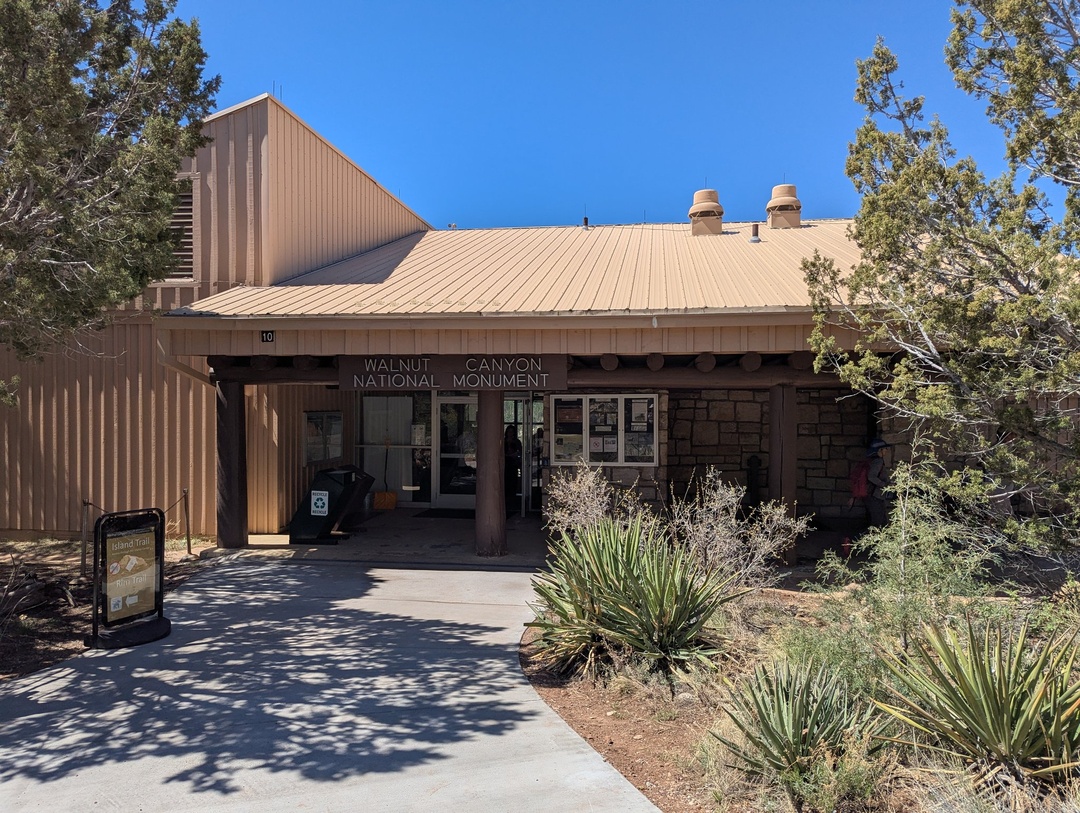
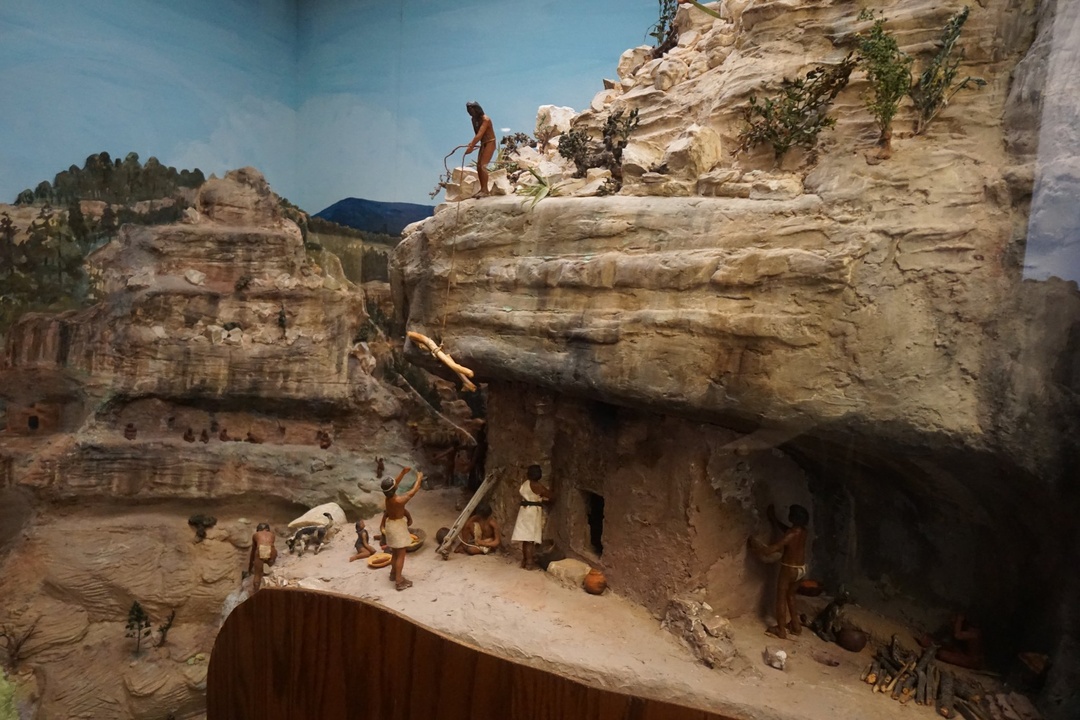
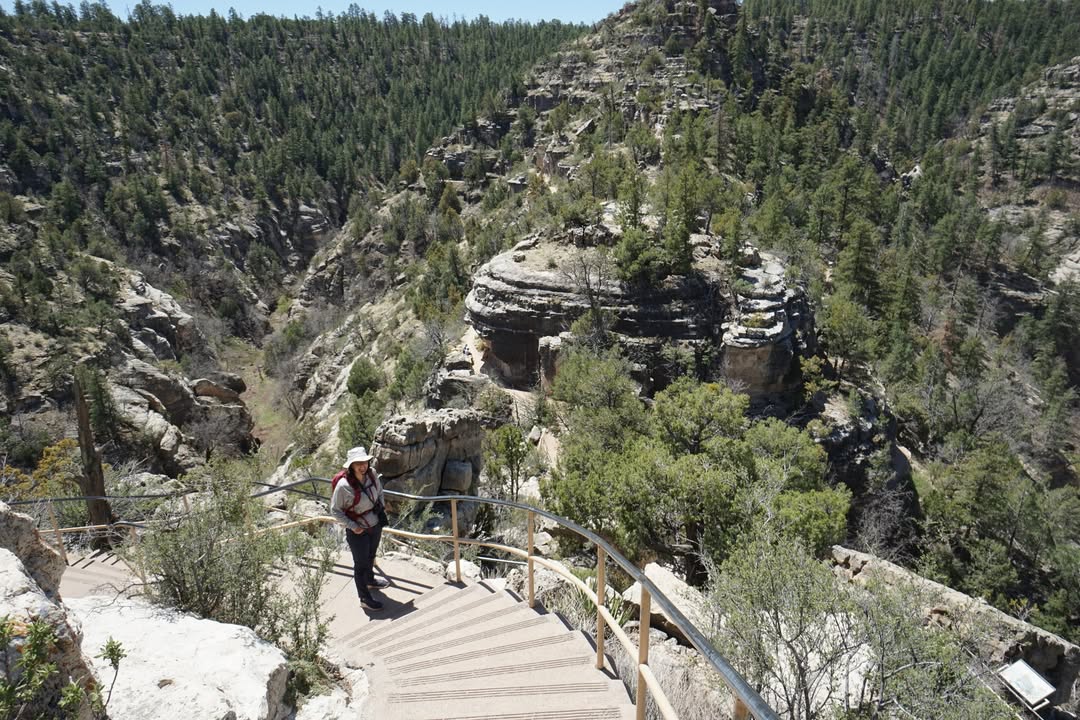
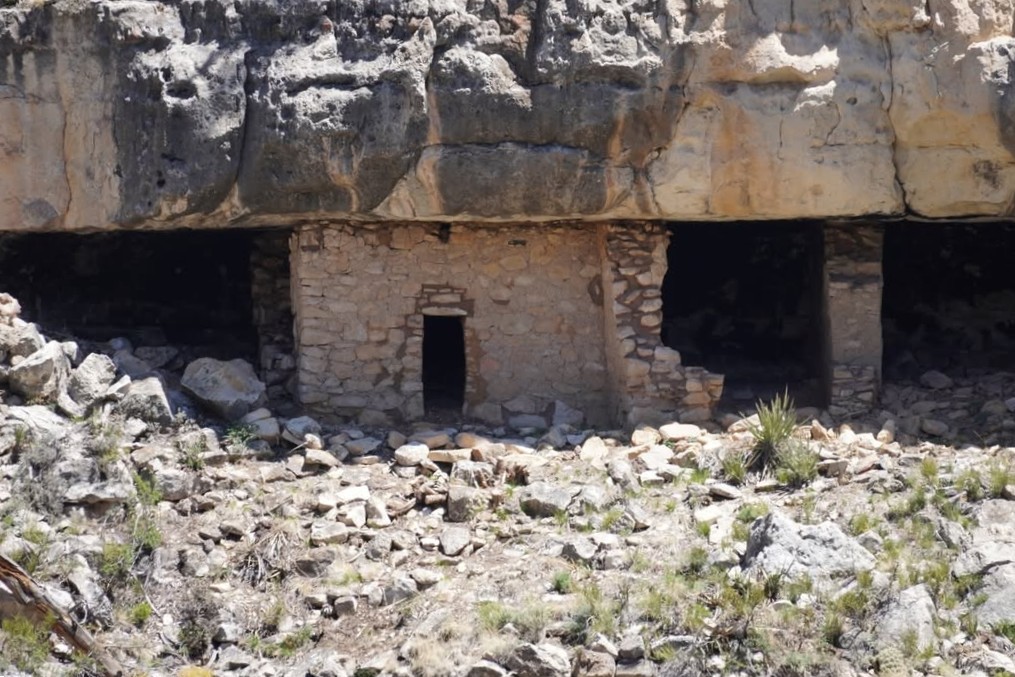
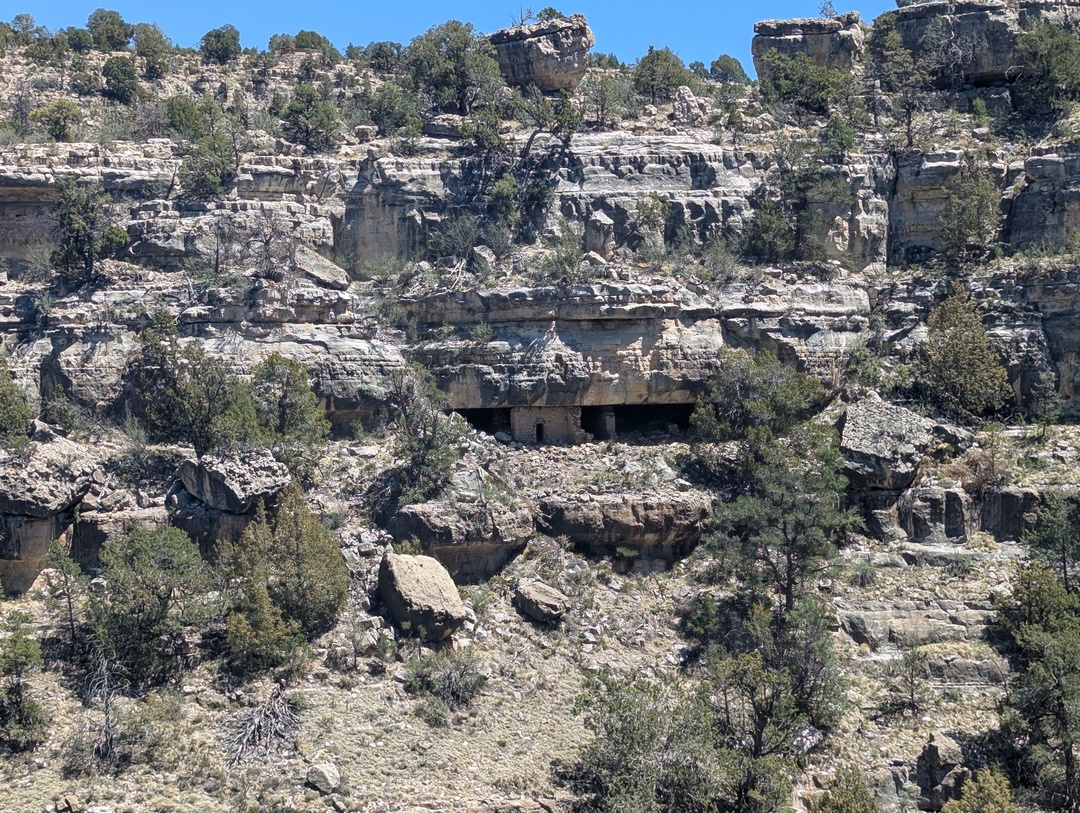
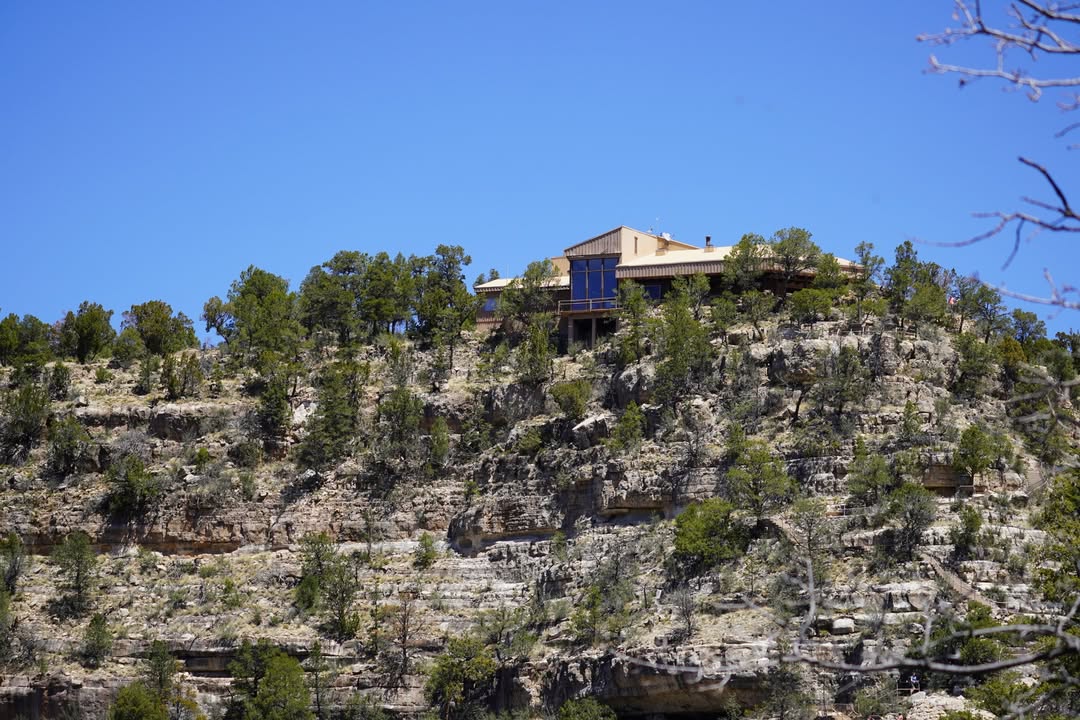
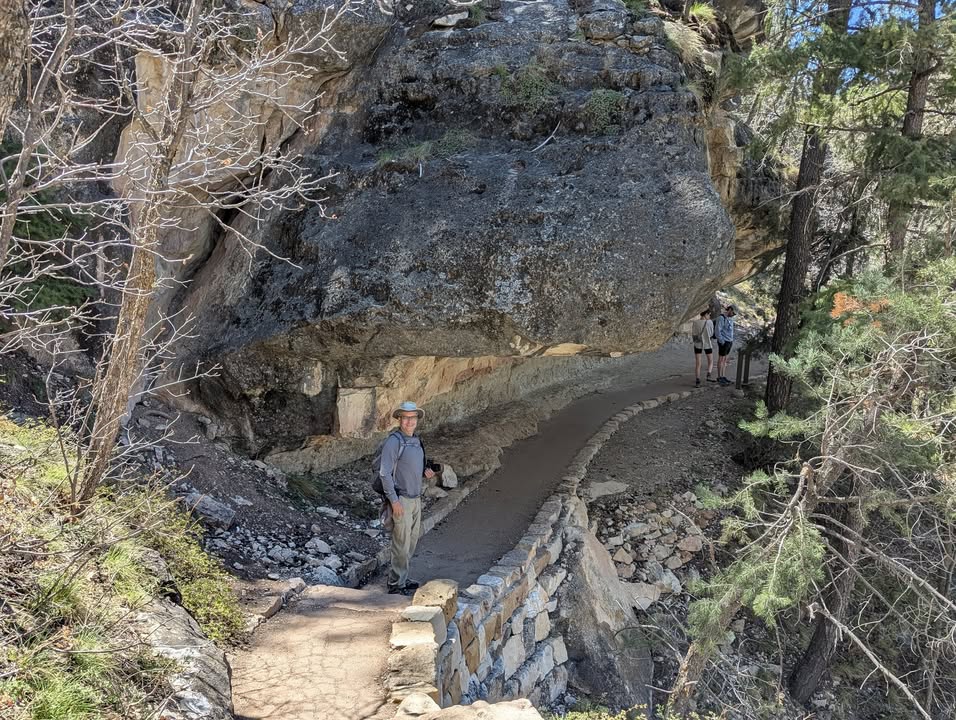
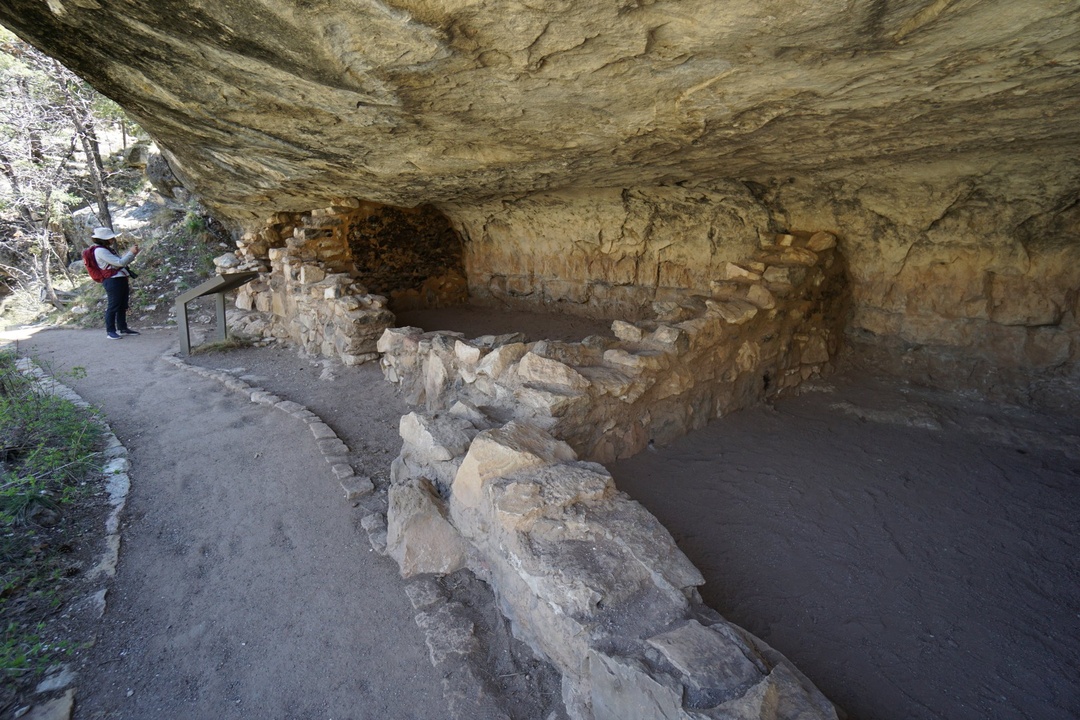
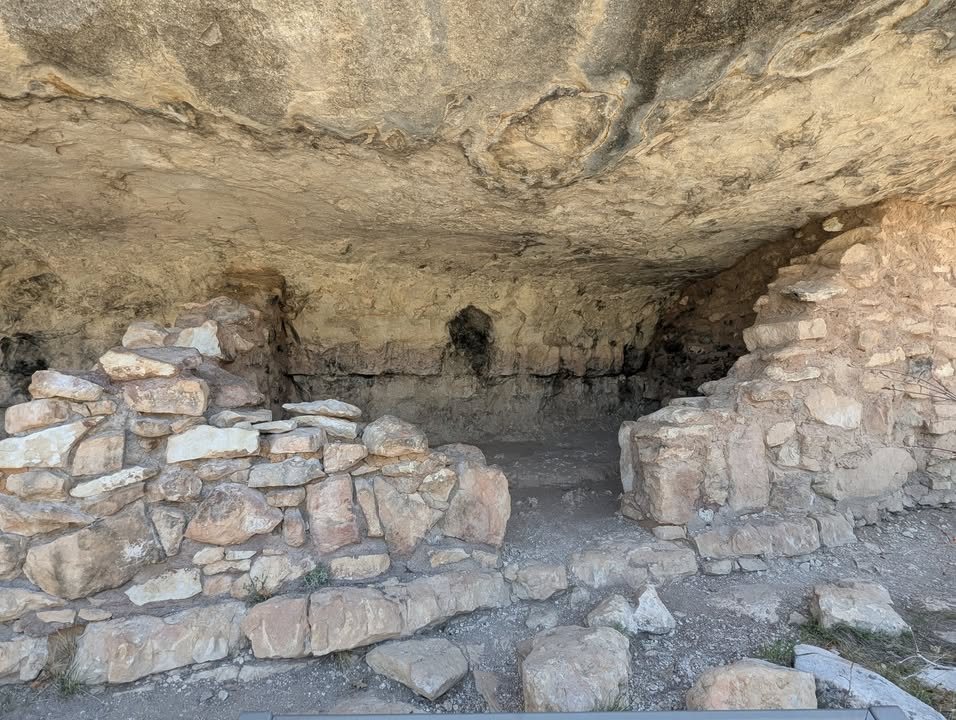
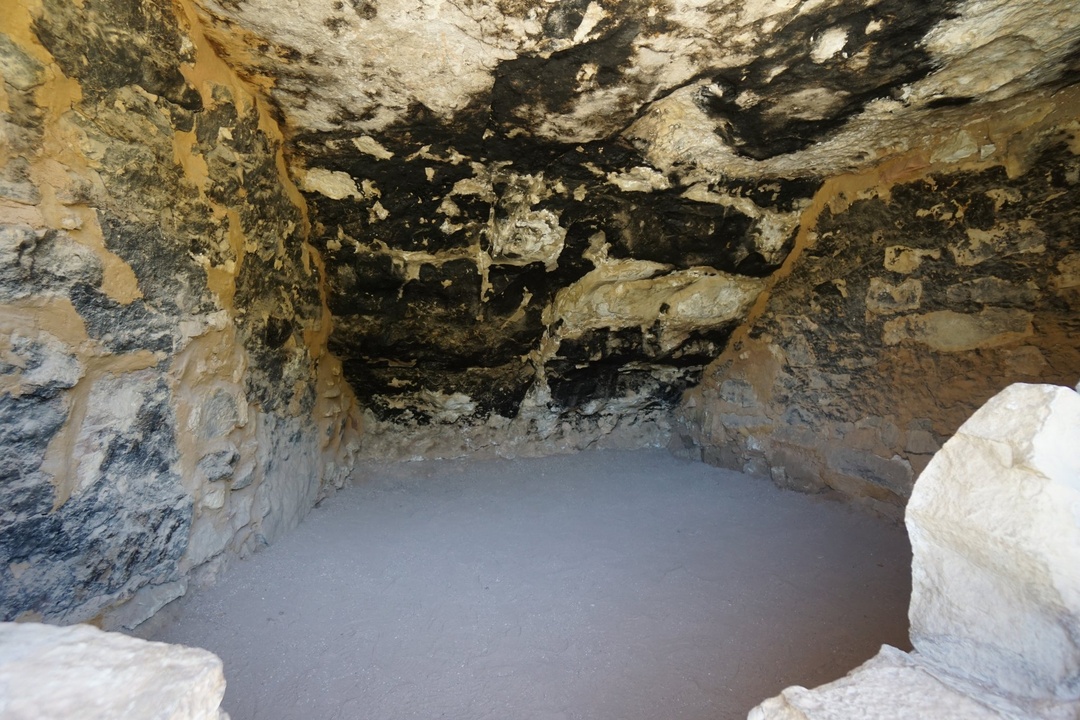
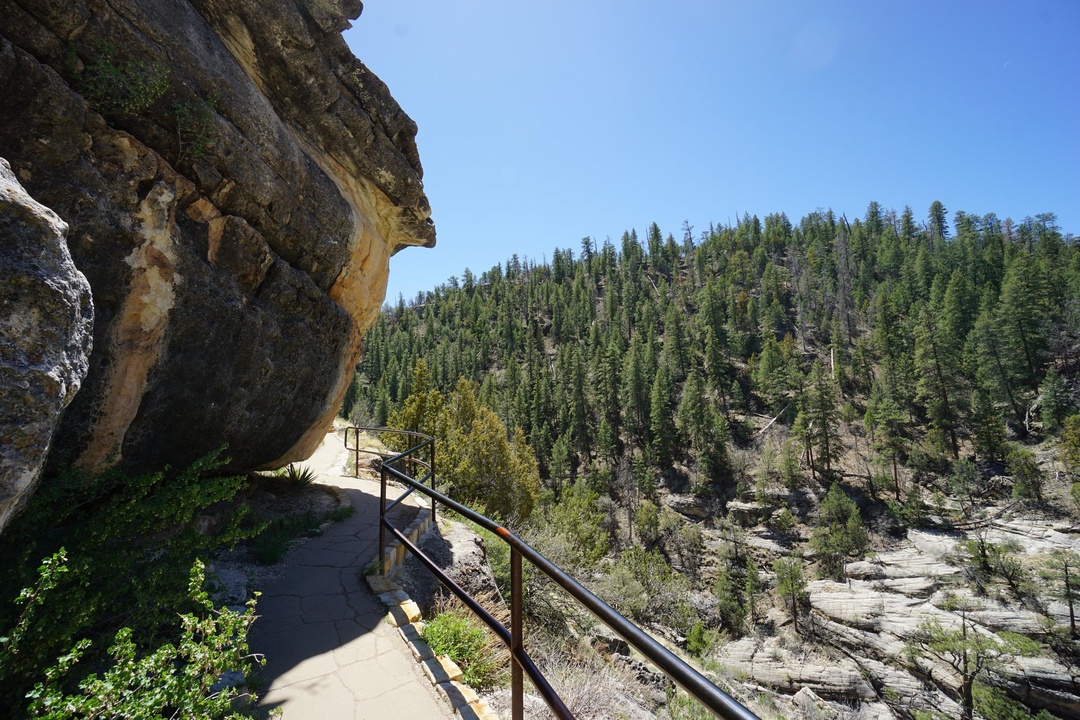
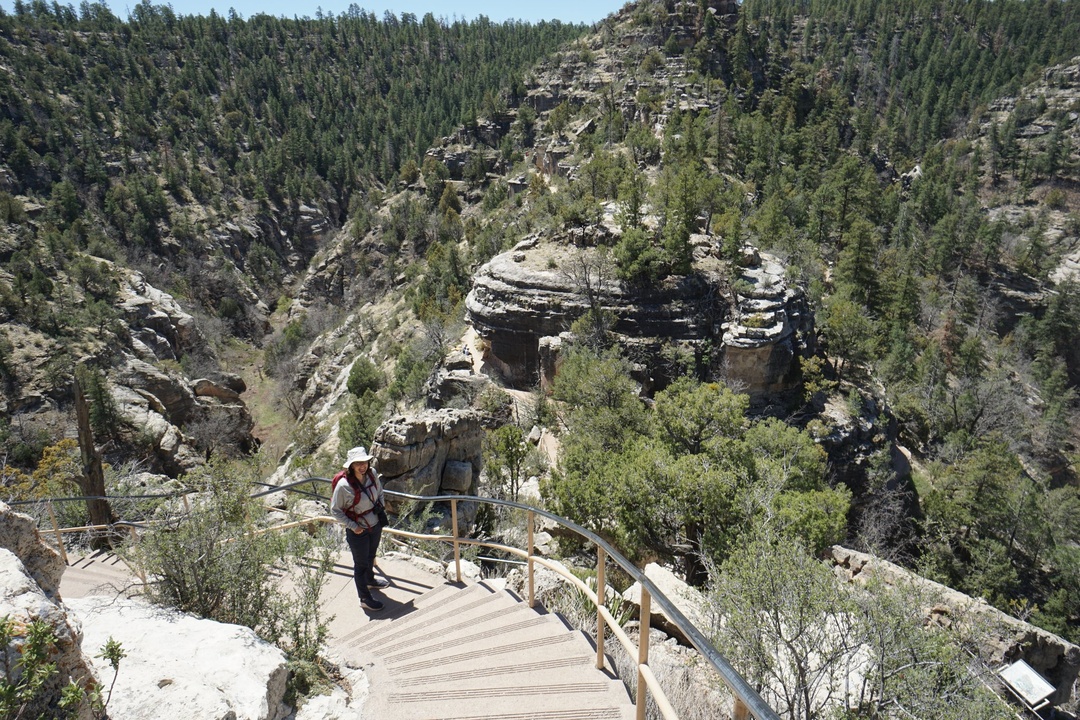
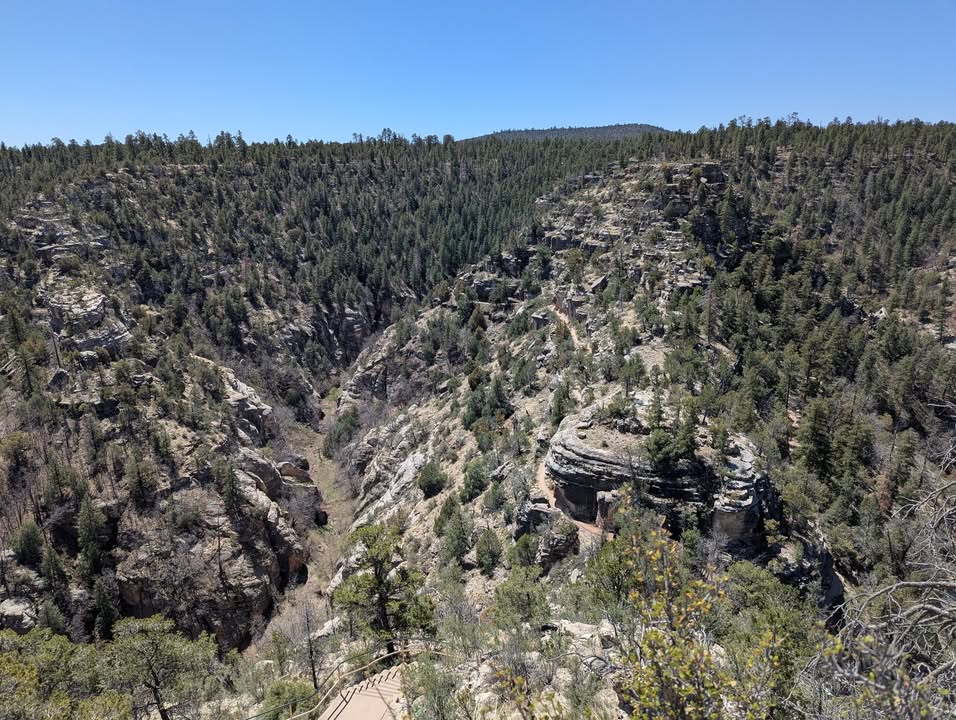
Walnut Canyon National Monument became the ruins-and-hiking day near Flagstaff. The Island Trail drops into the canyon and follows the ledges past Sinagua cliff dwellings tucked into natural limestone alcoves, while the Rim Trail adds a quieter look at pit house foundations and the canyon from above.
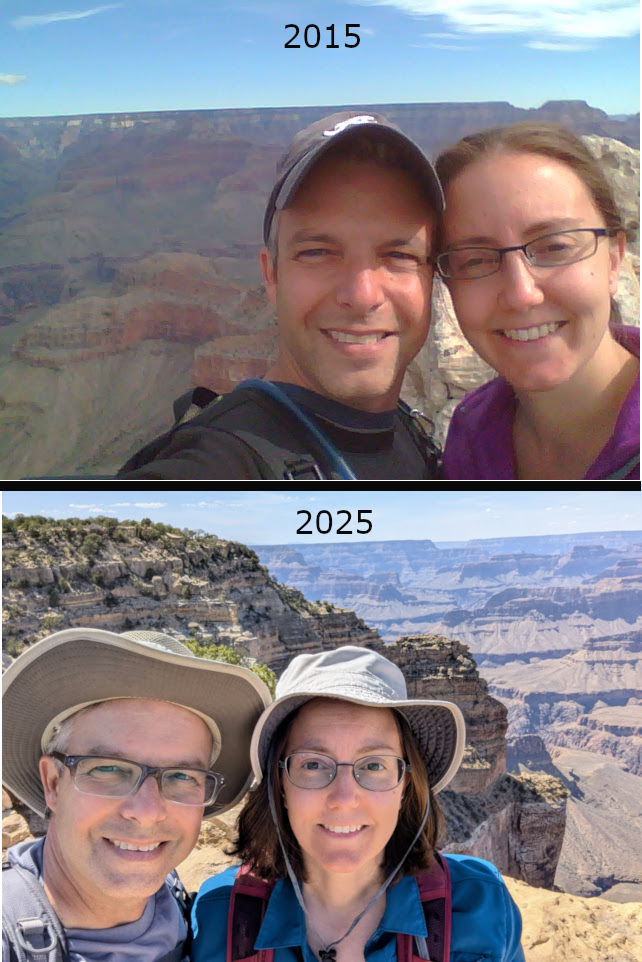
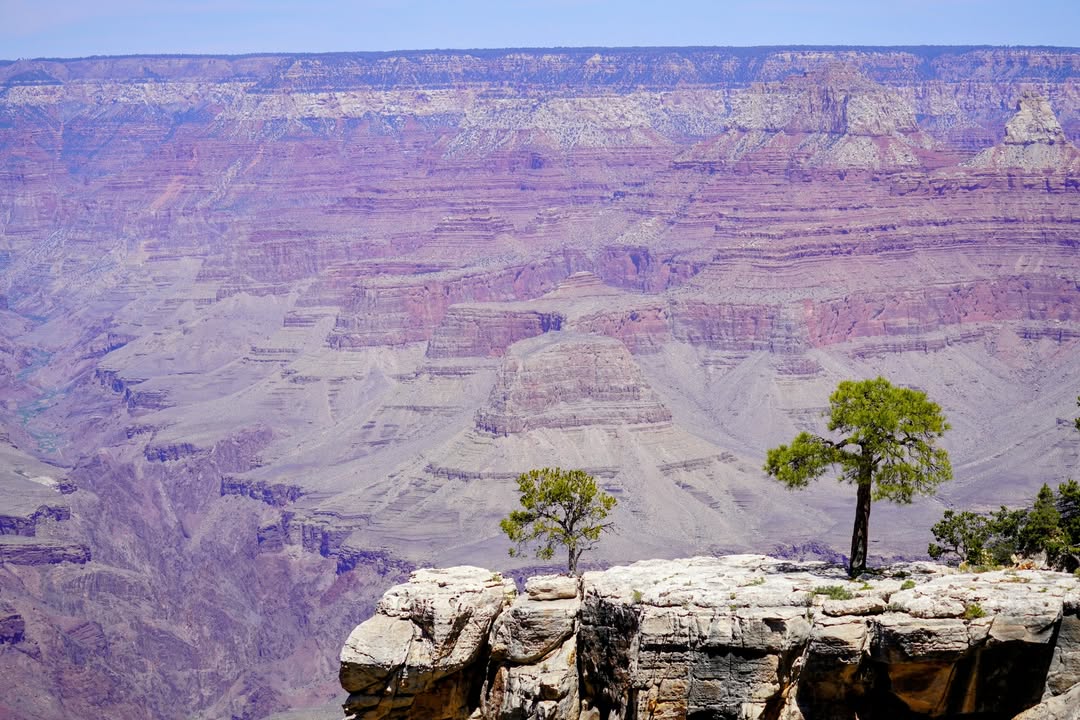
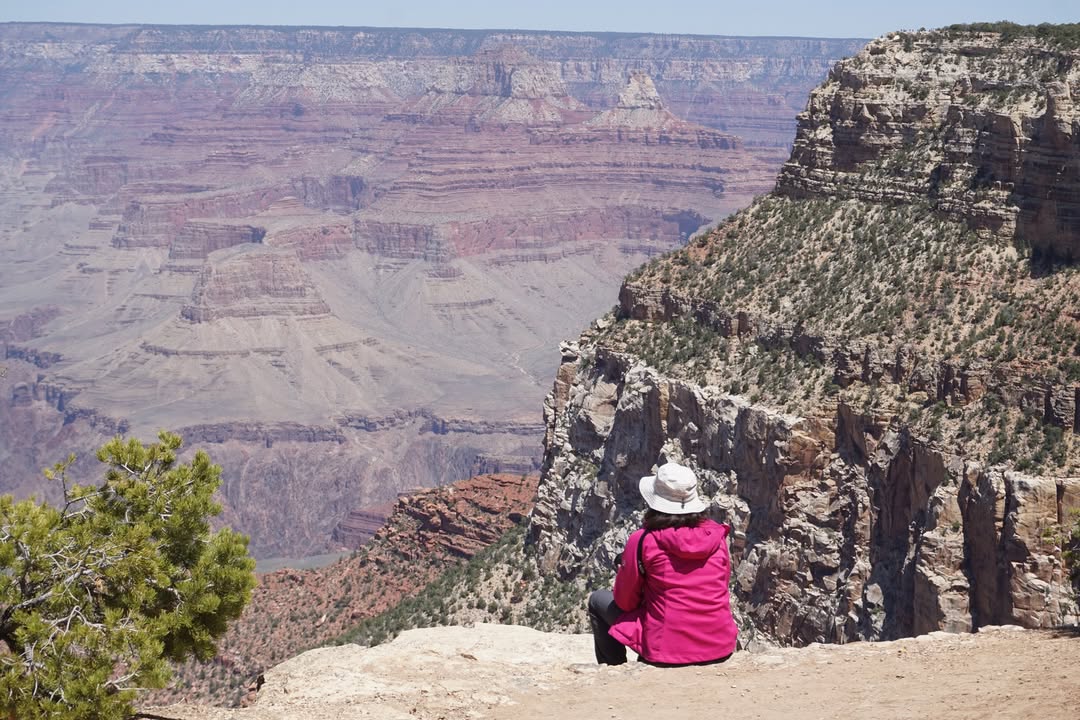
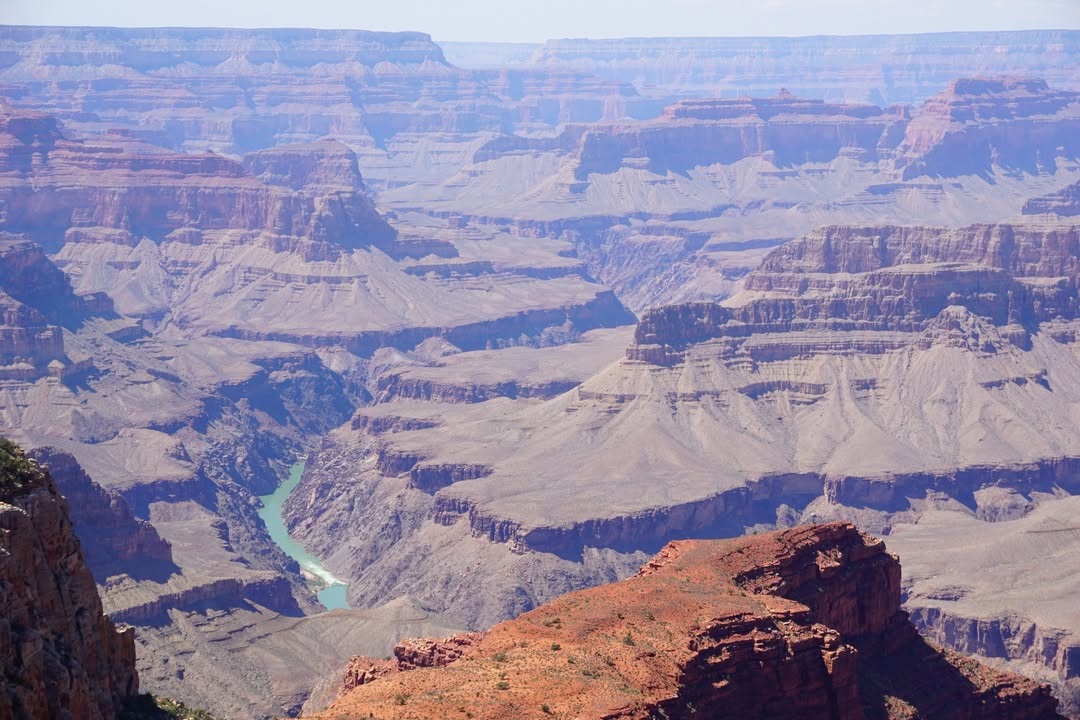
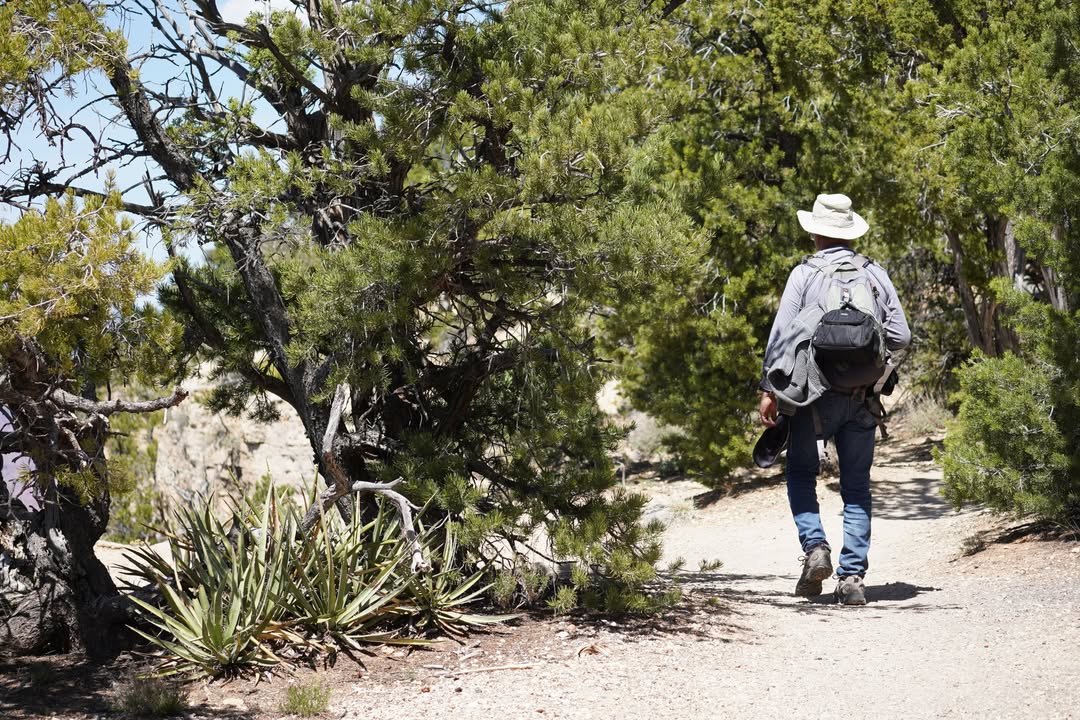
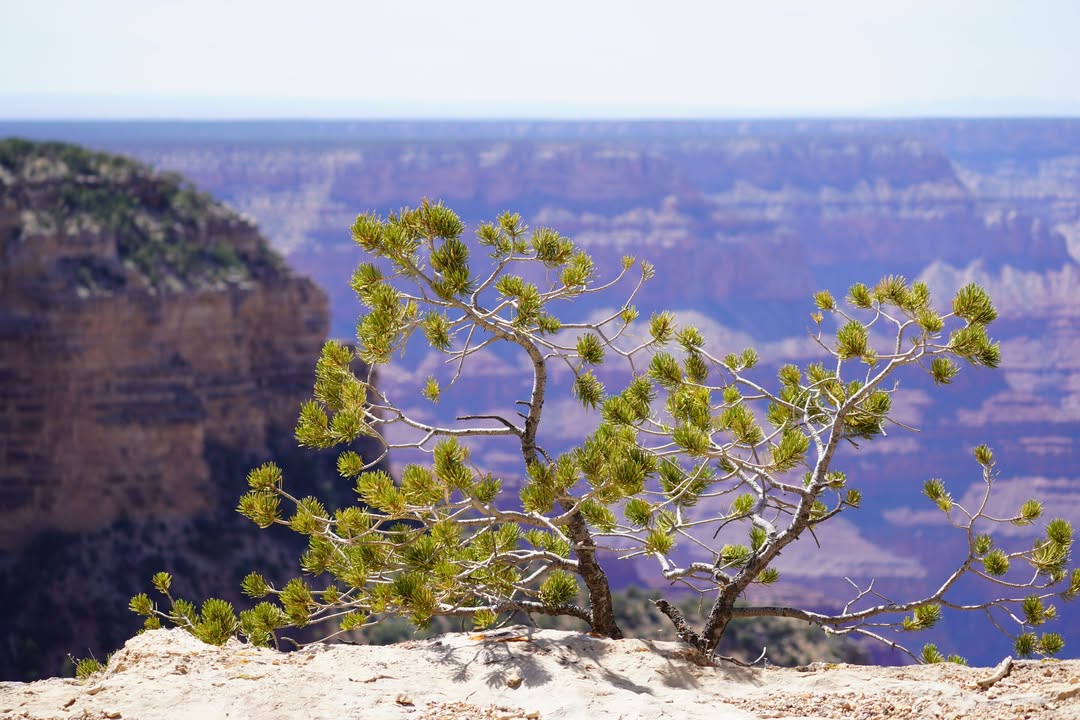
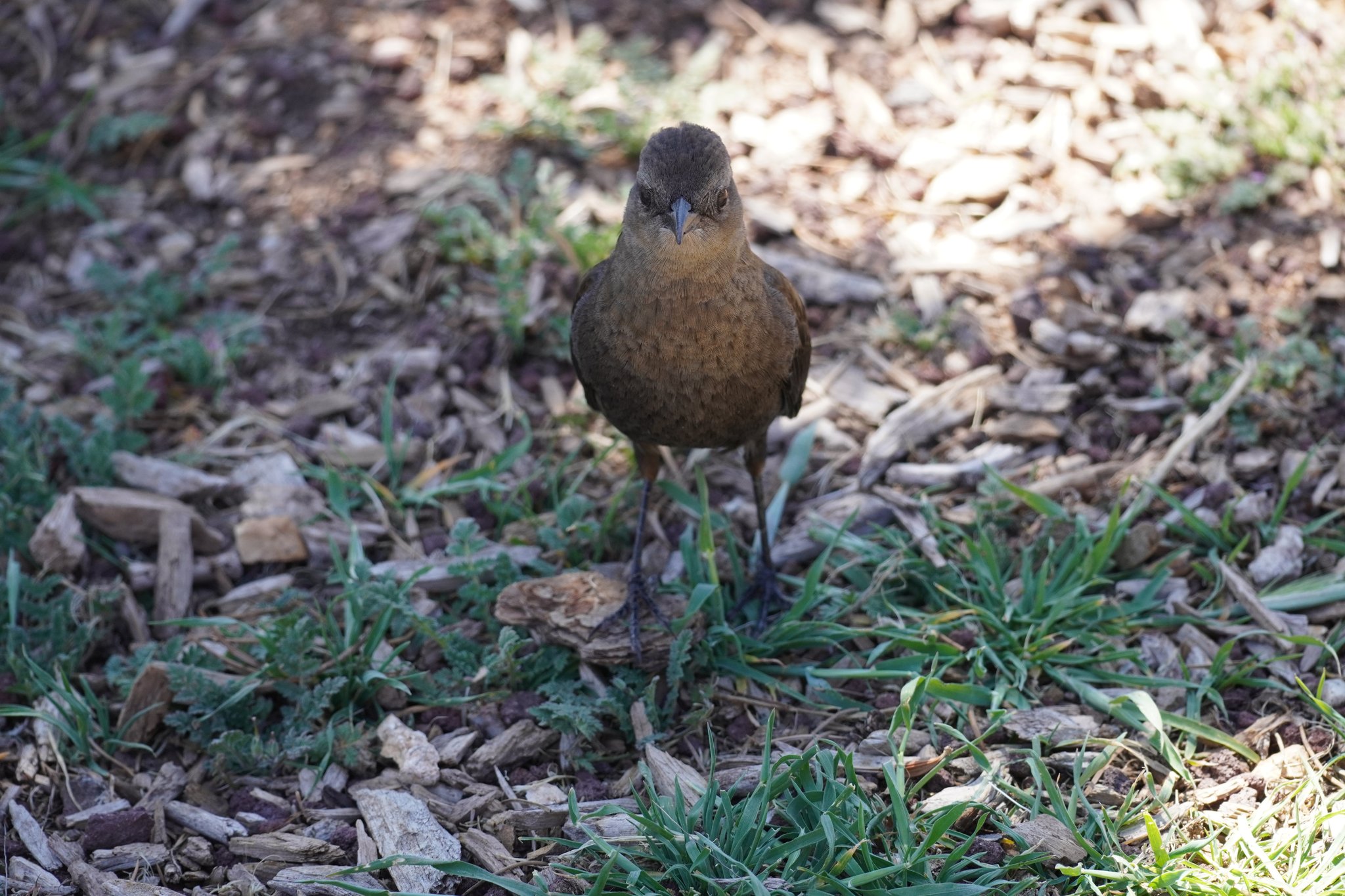
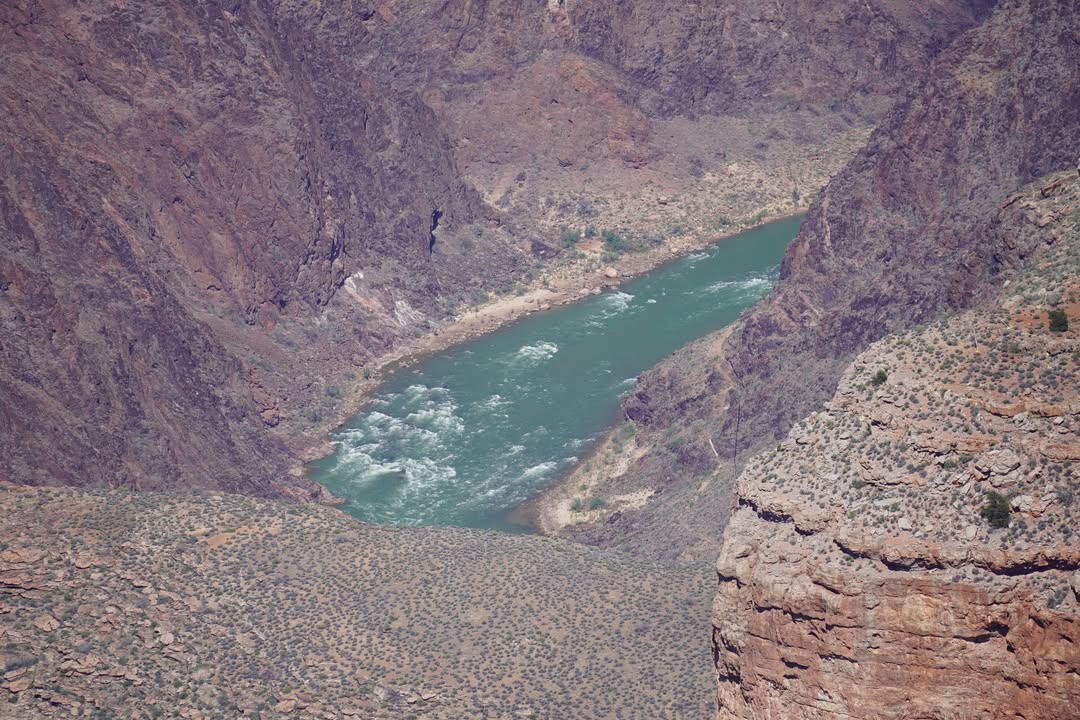
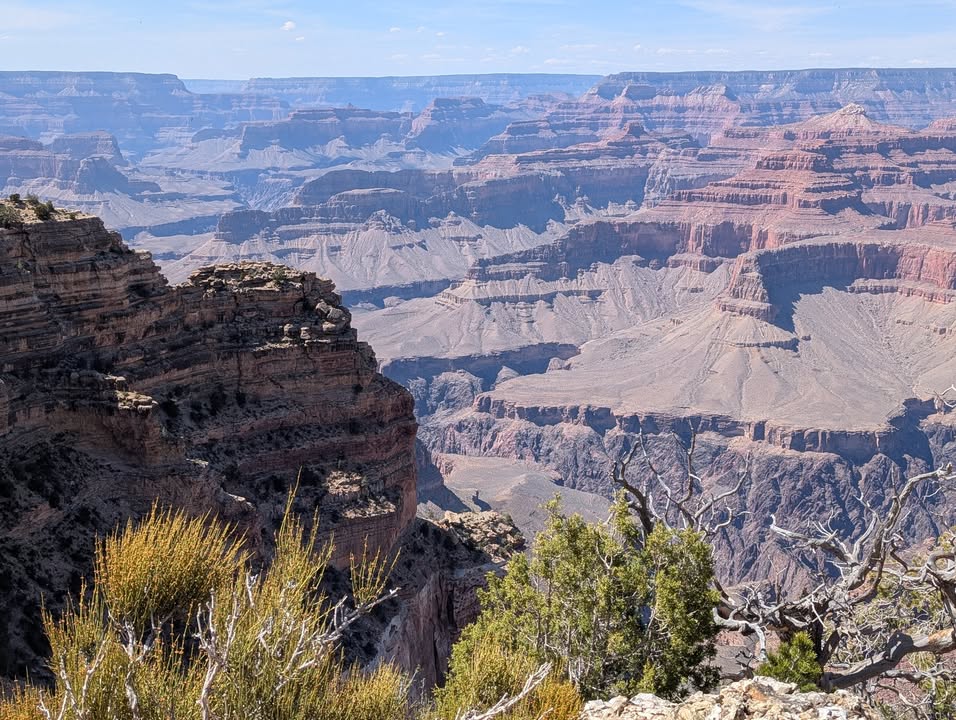
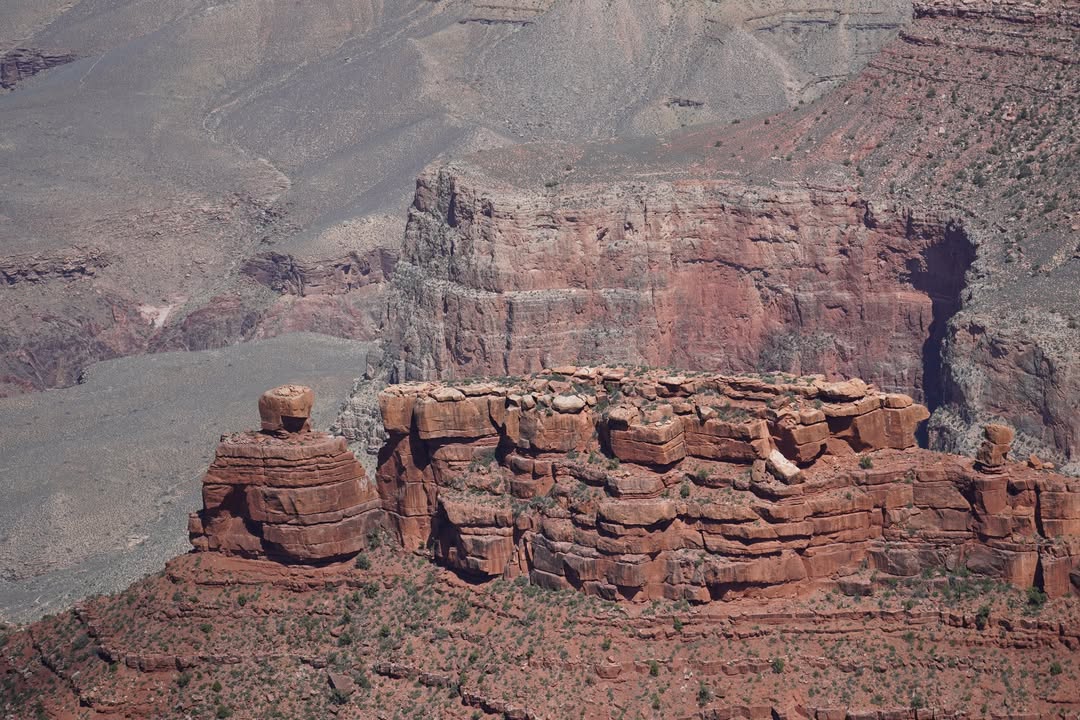
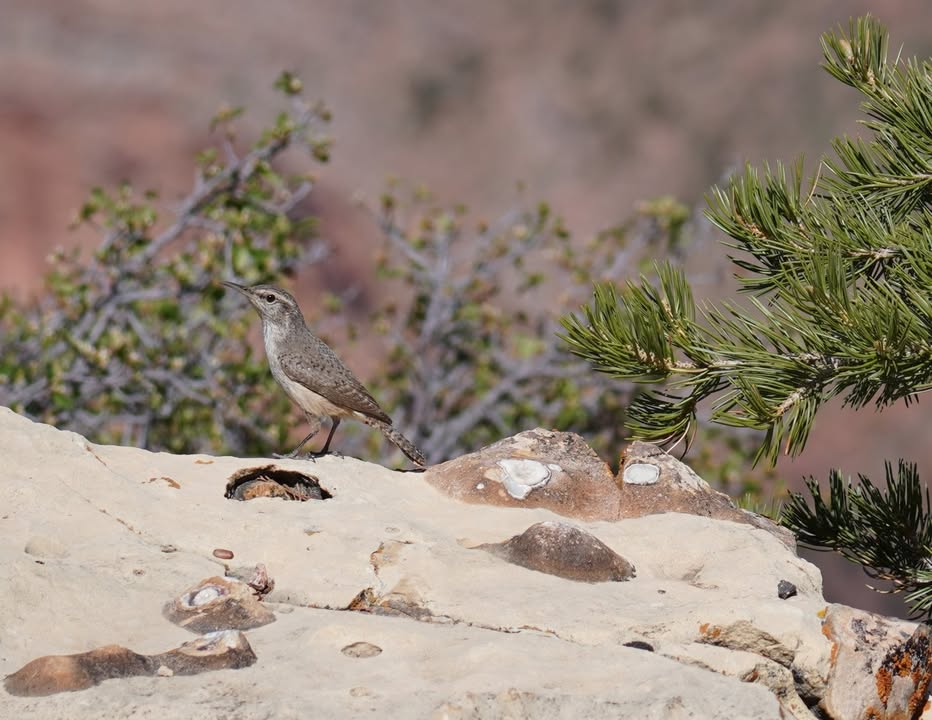
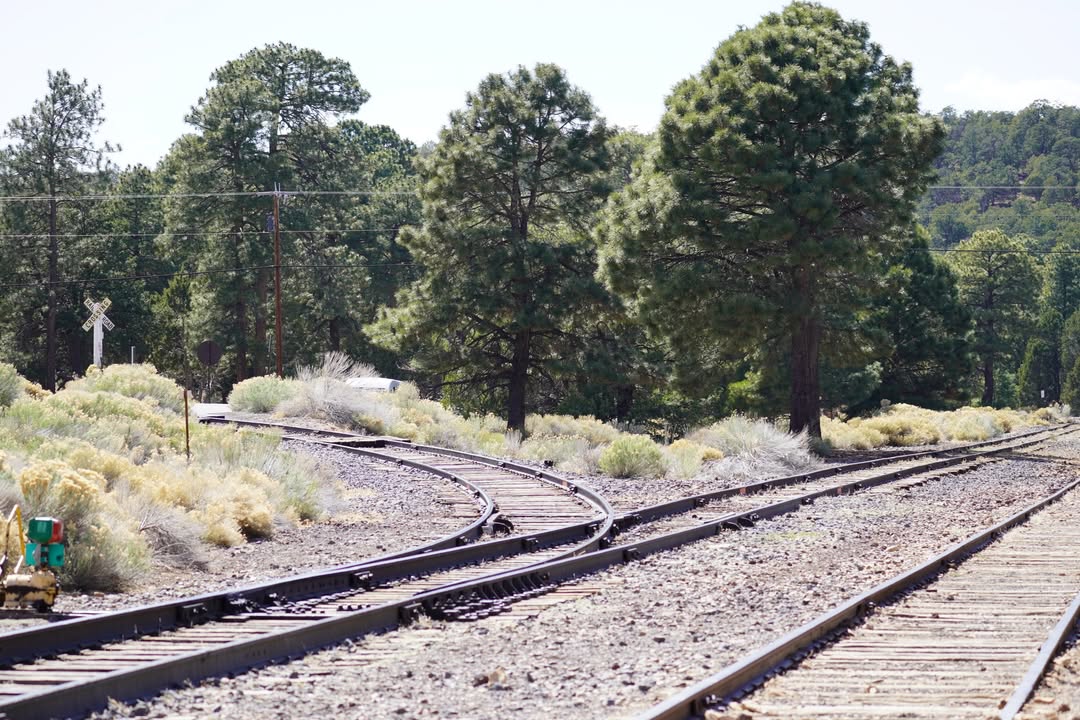
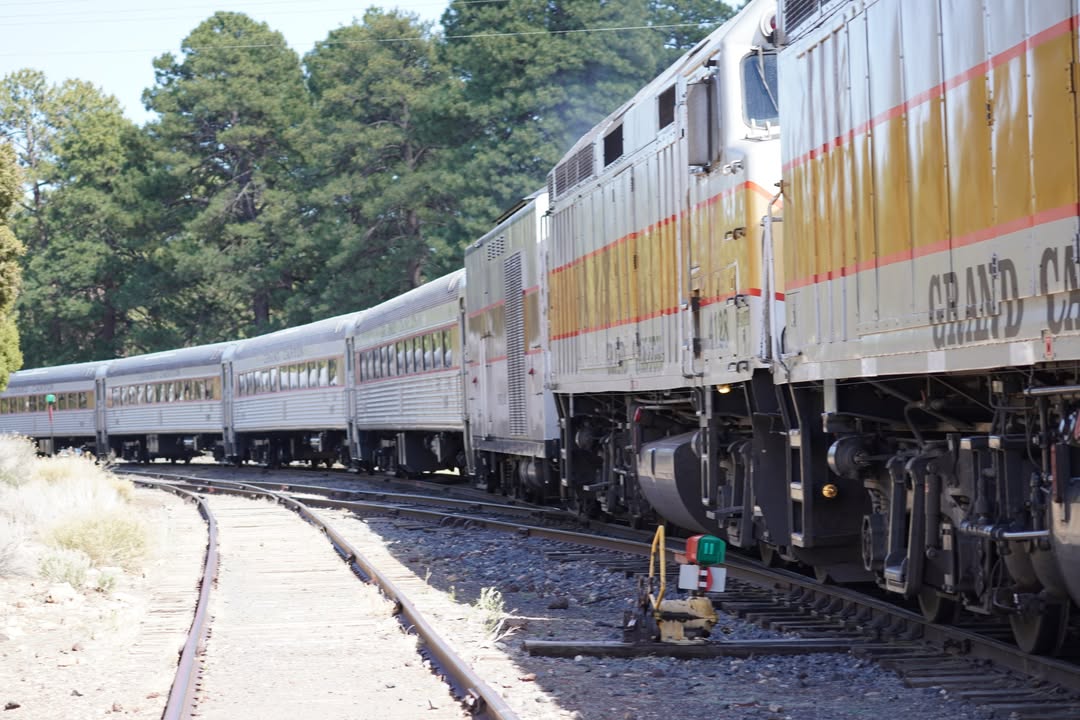
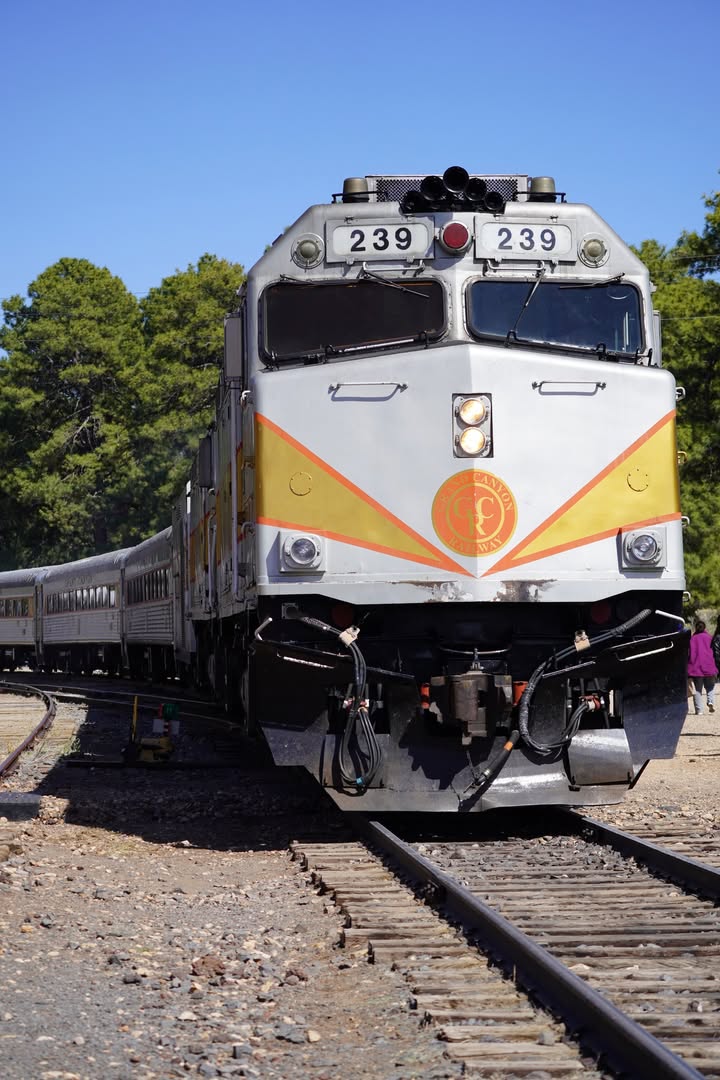
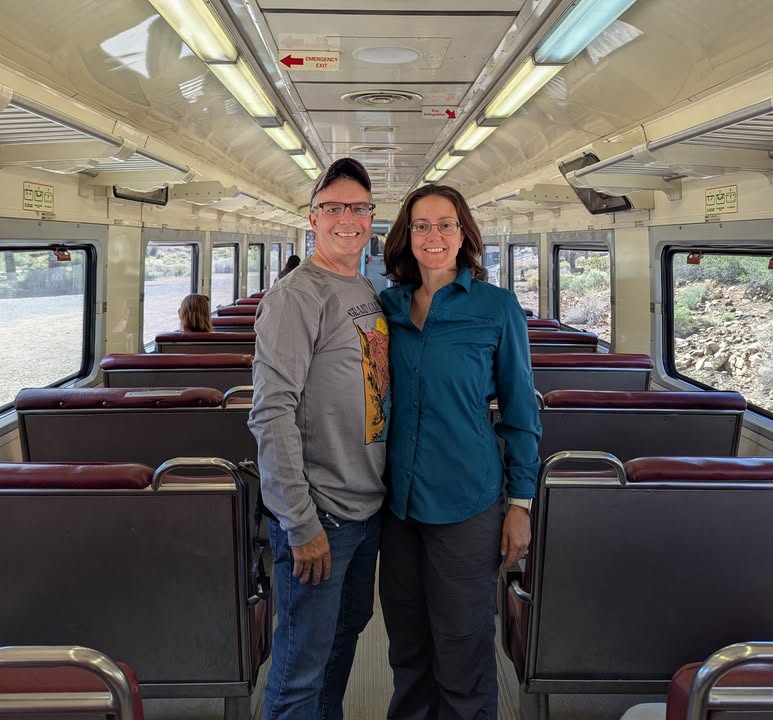
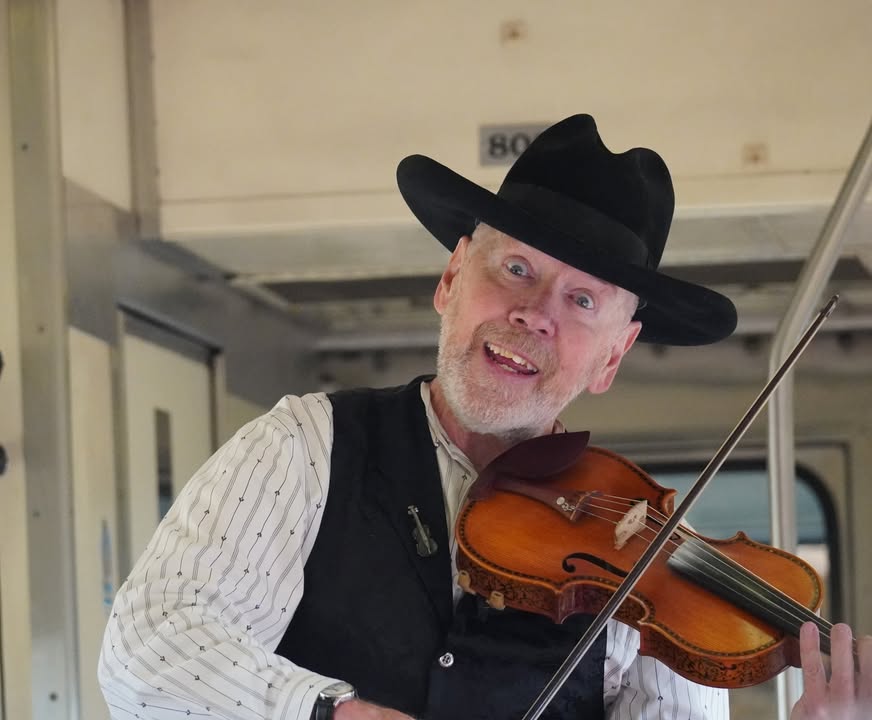
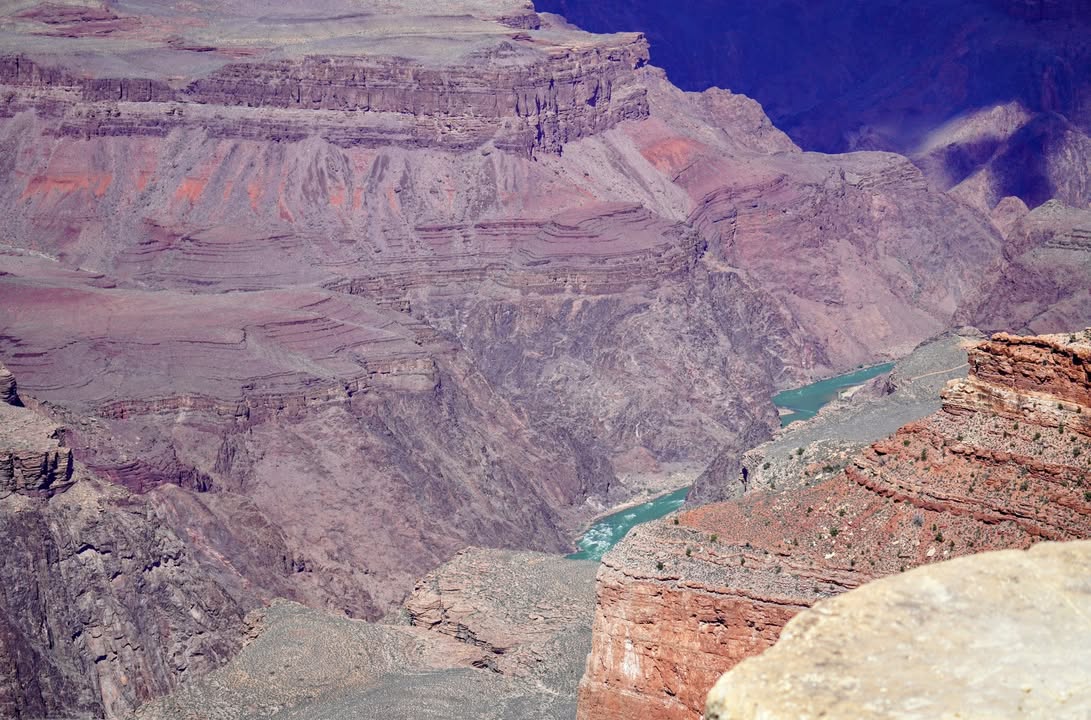
The Grand Canyon fit into the Flagstaff stretch as a full day trip from Williams on the Grand Canyon Railway. Once at the South Rim, we picnicked, rode the shuttle, walked part of the Rim Trail, looked down to the Colorado River, and compared the view with our visit from ten years earlier.
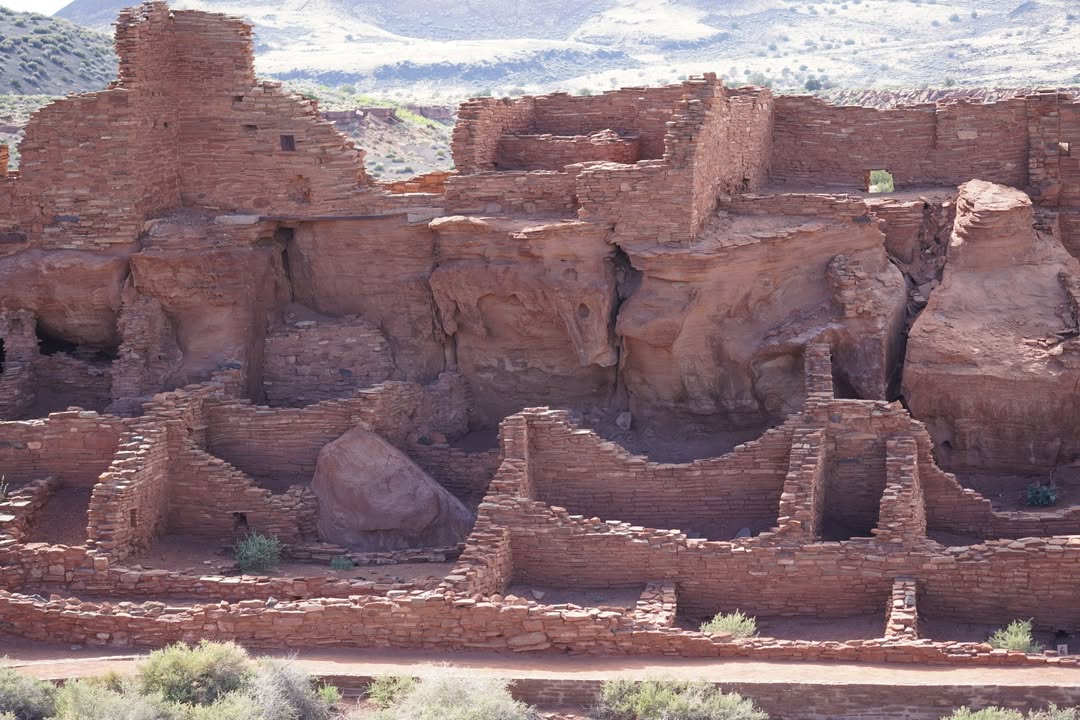
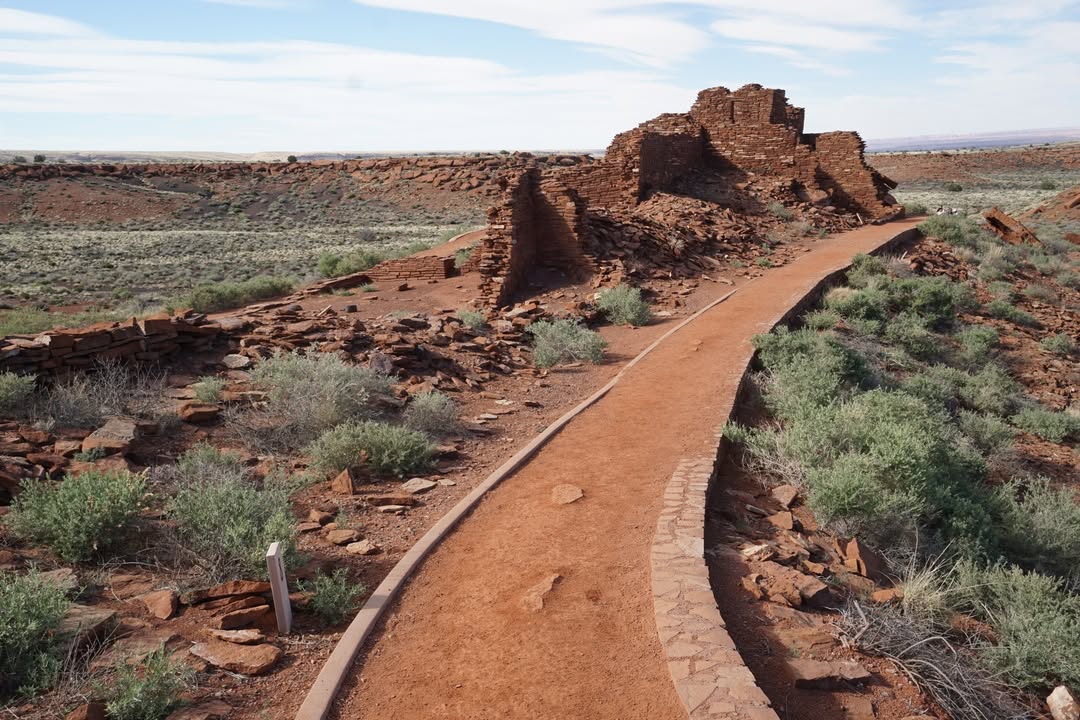
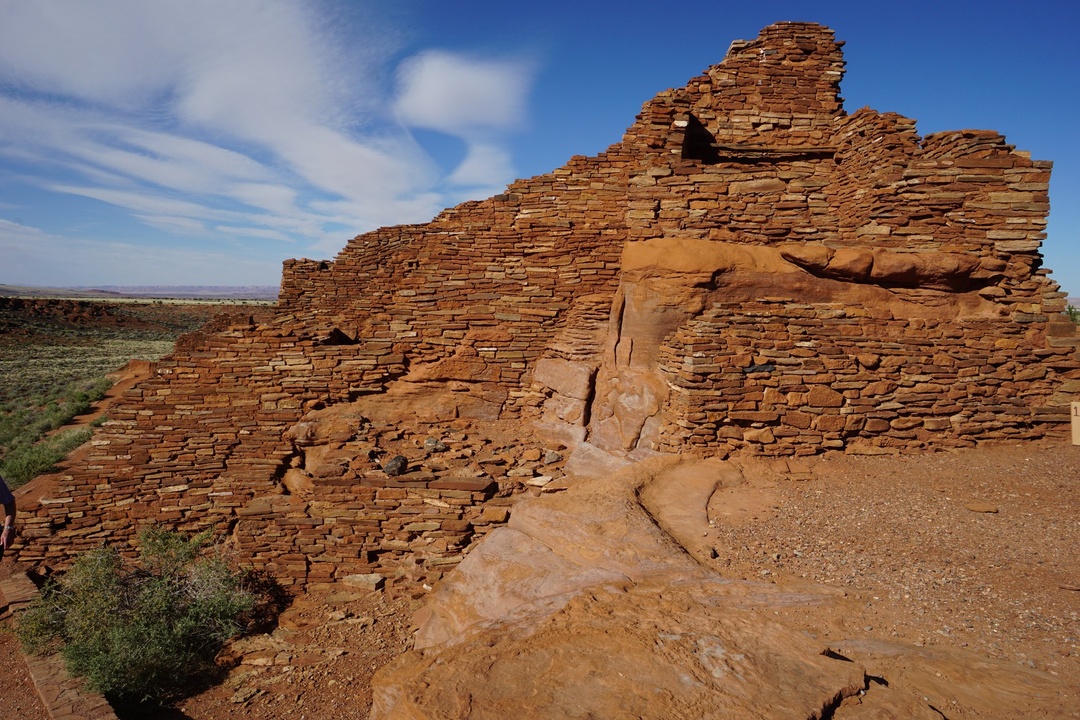
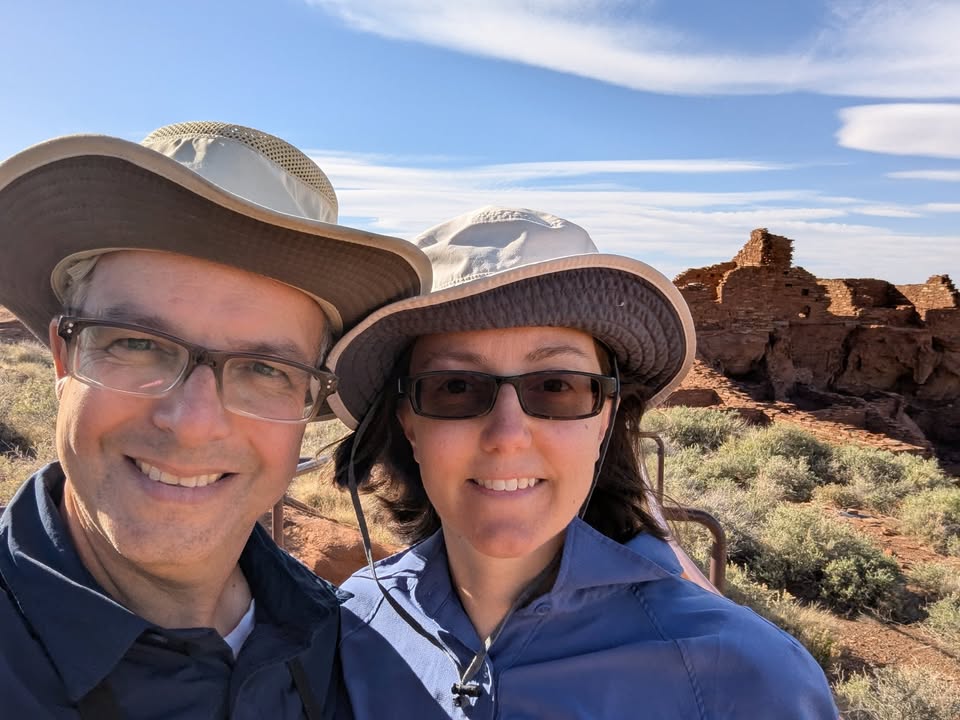
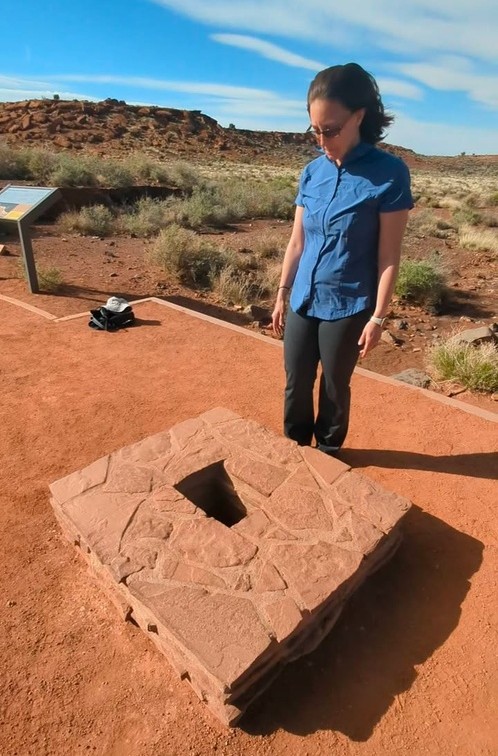
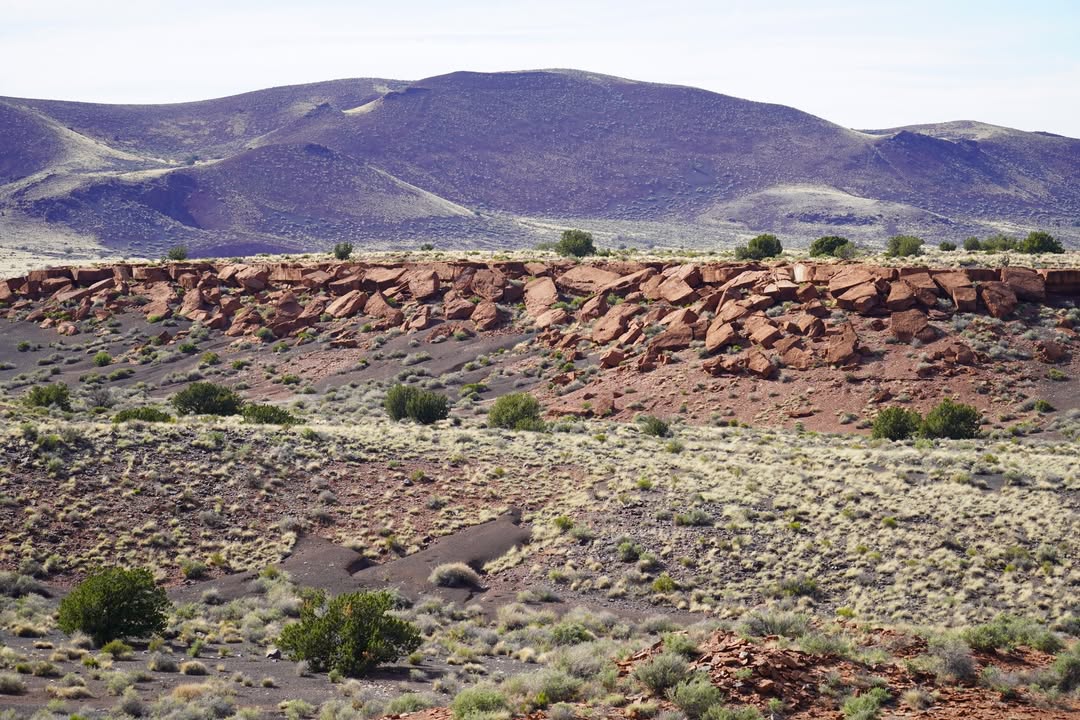
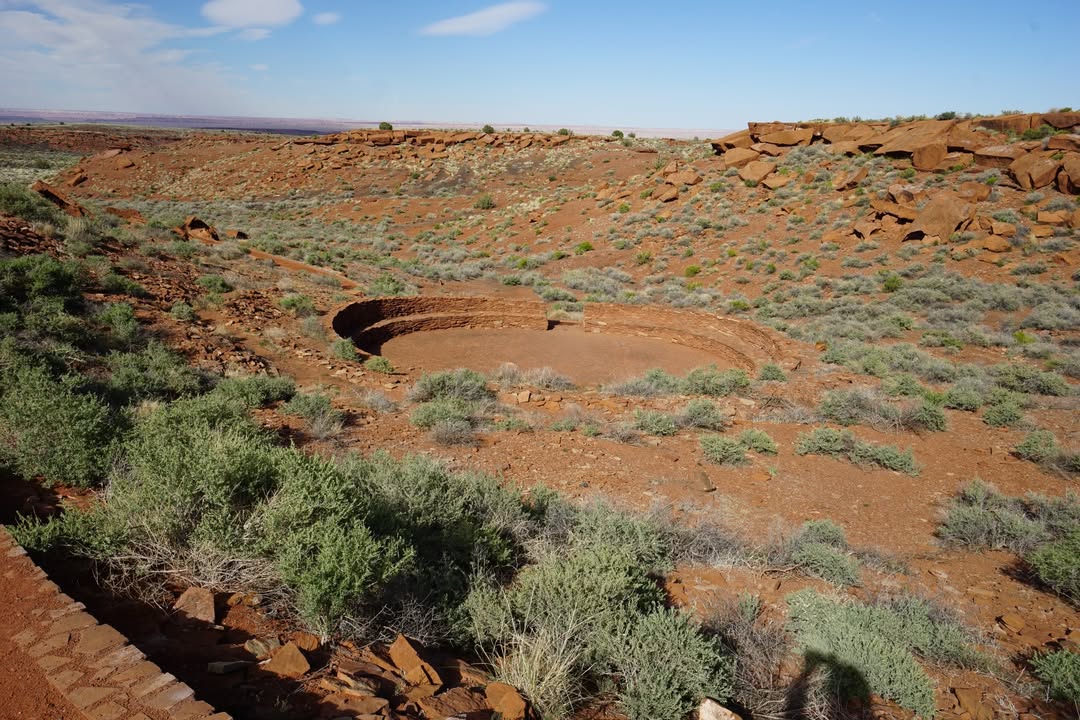
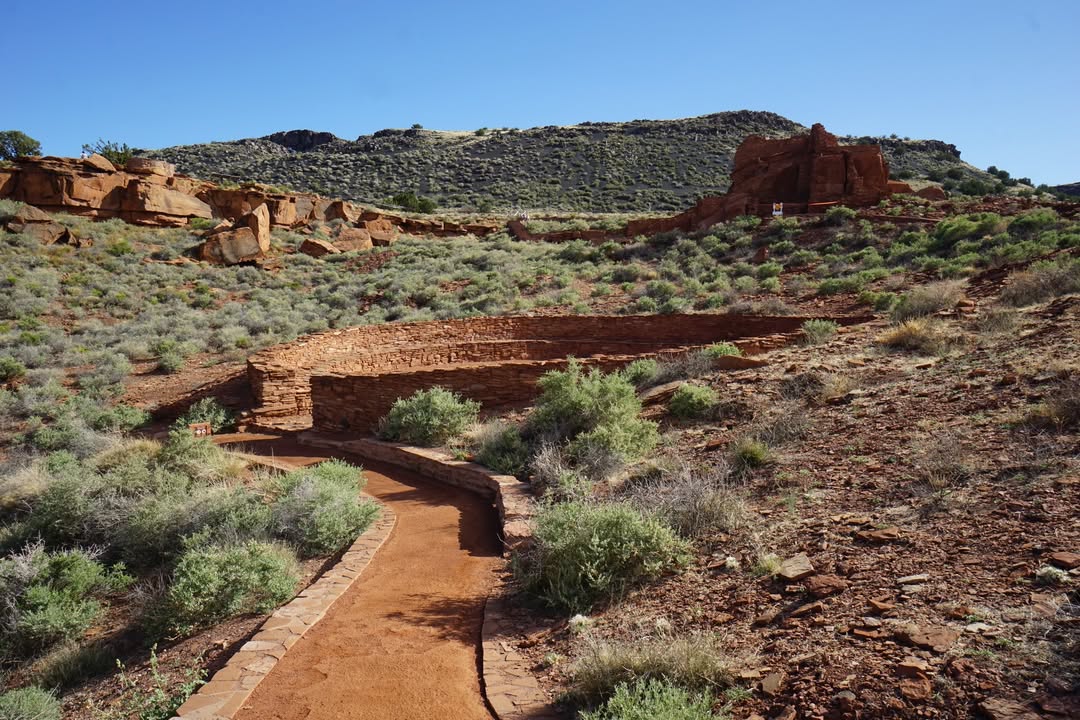
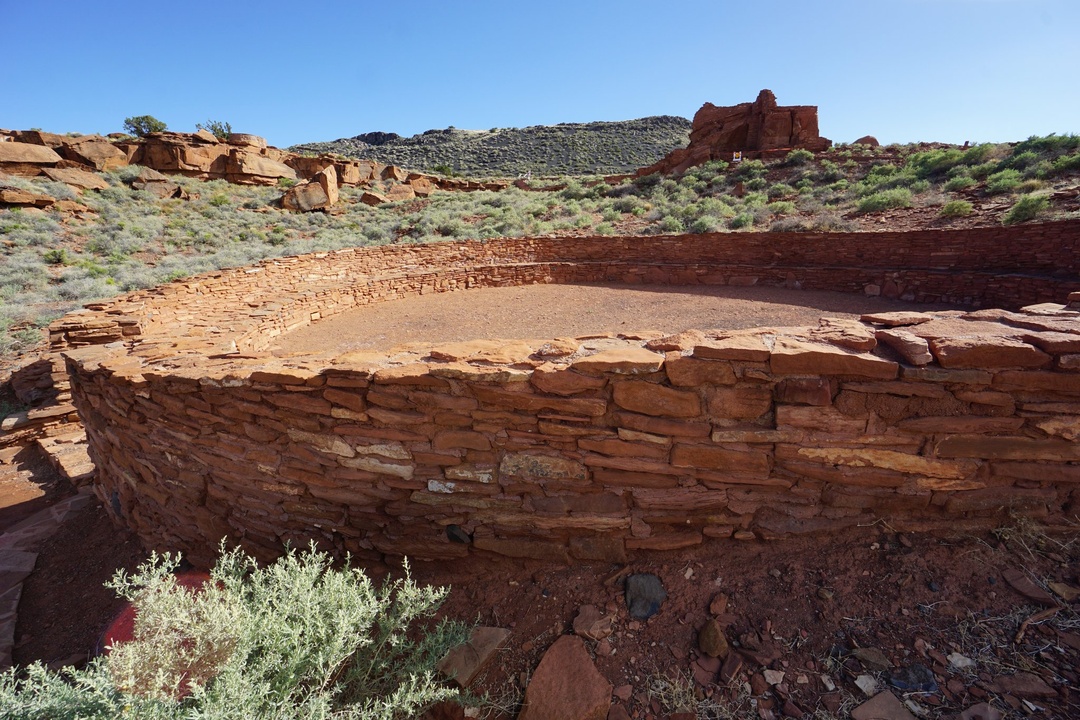
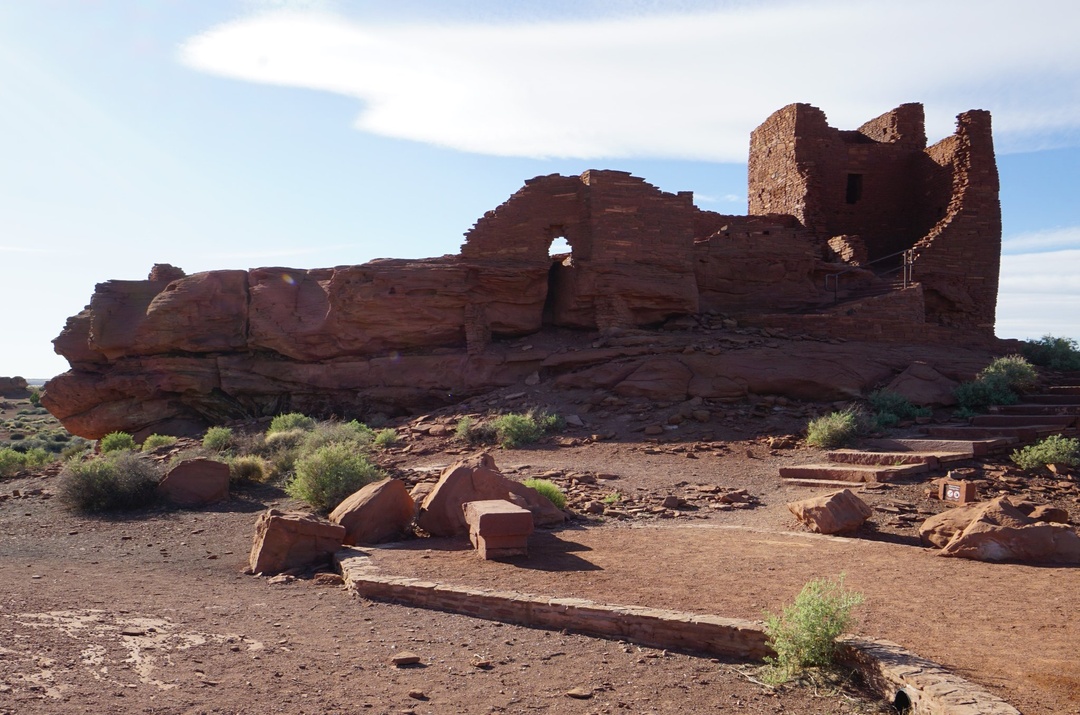
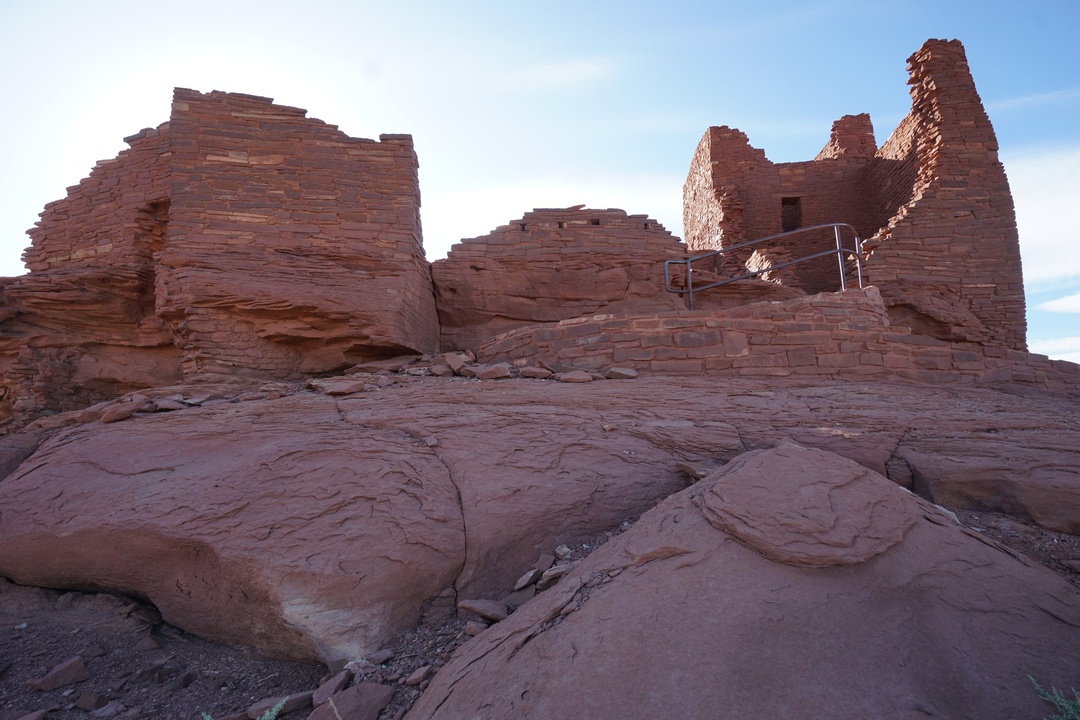
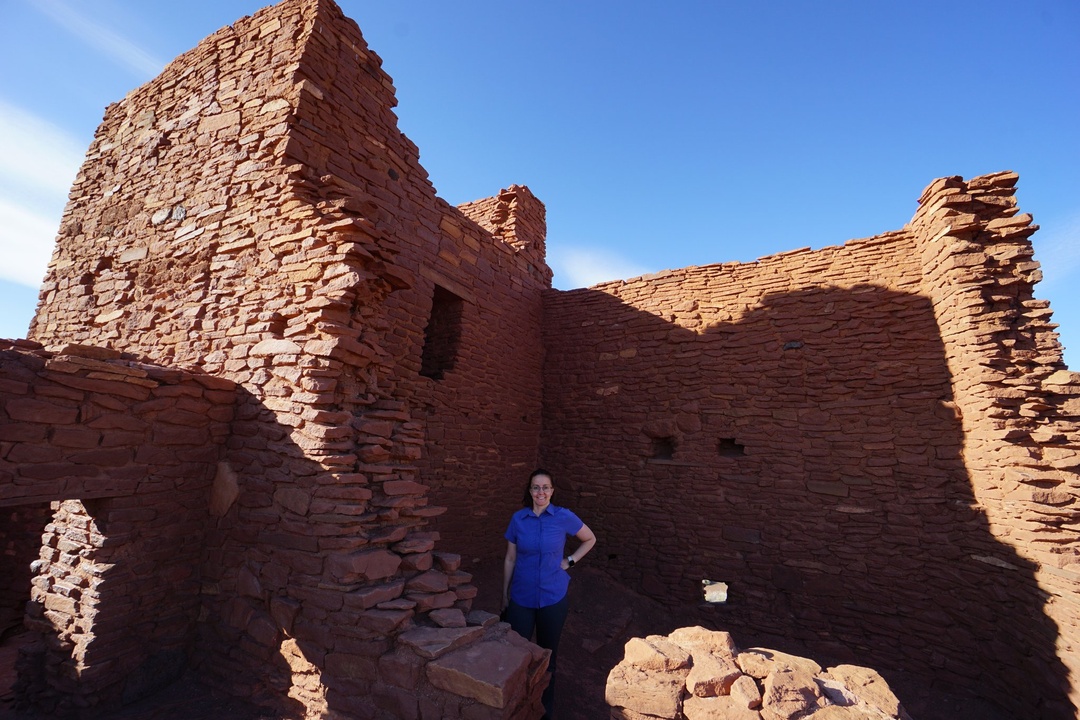
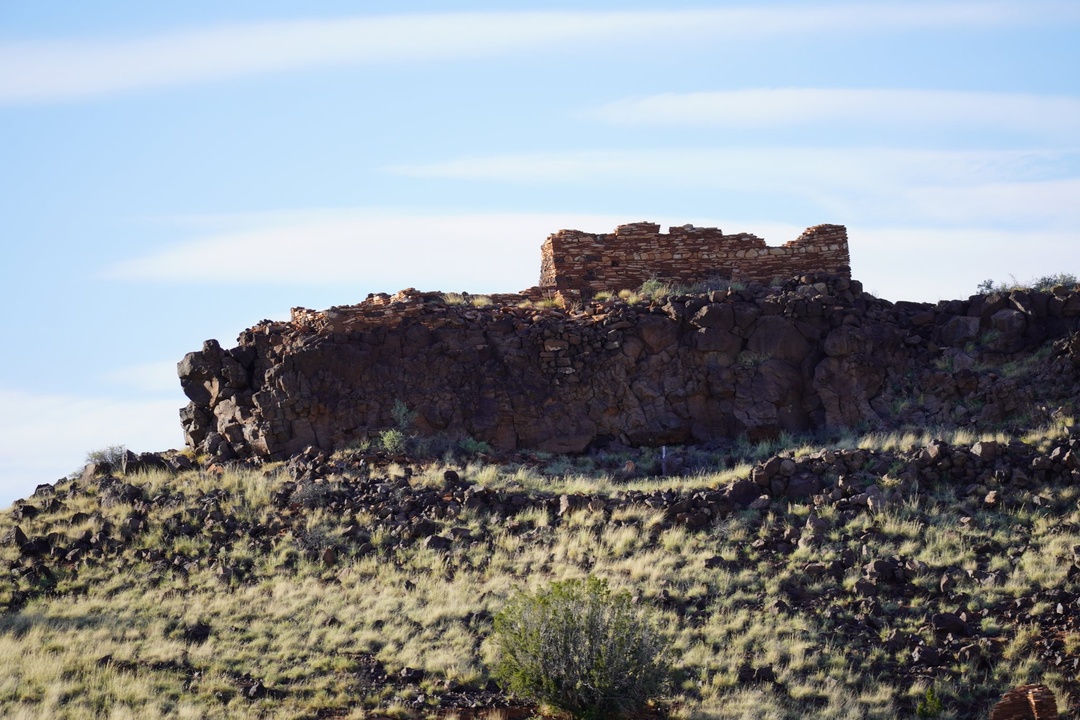
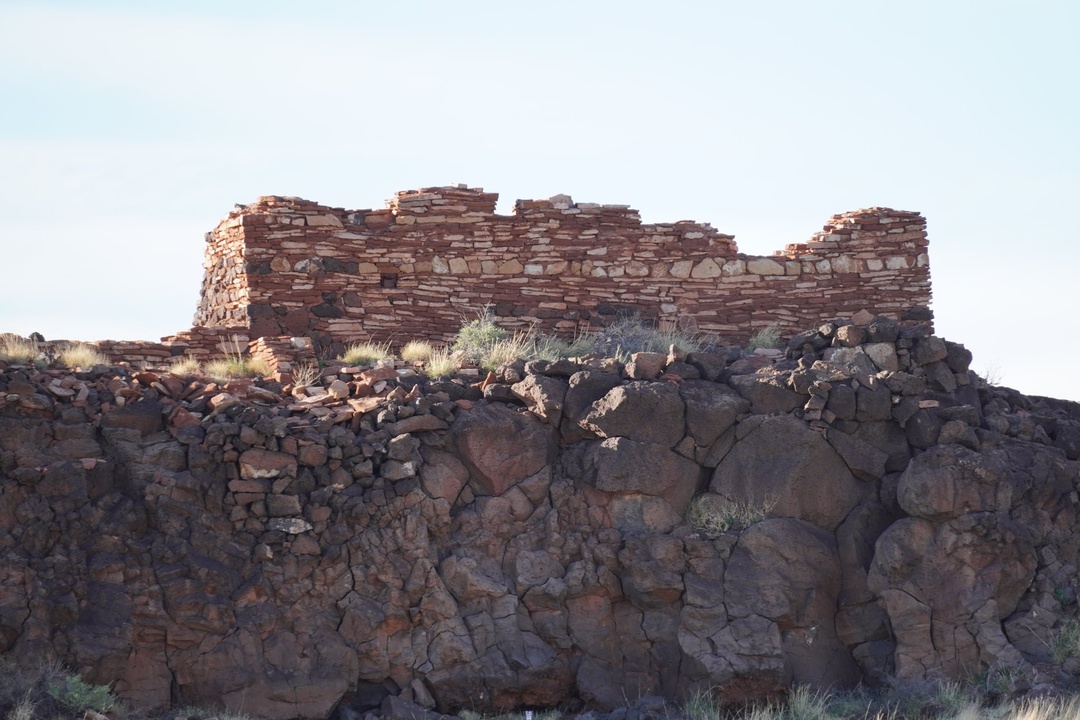
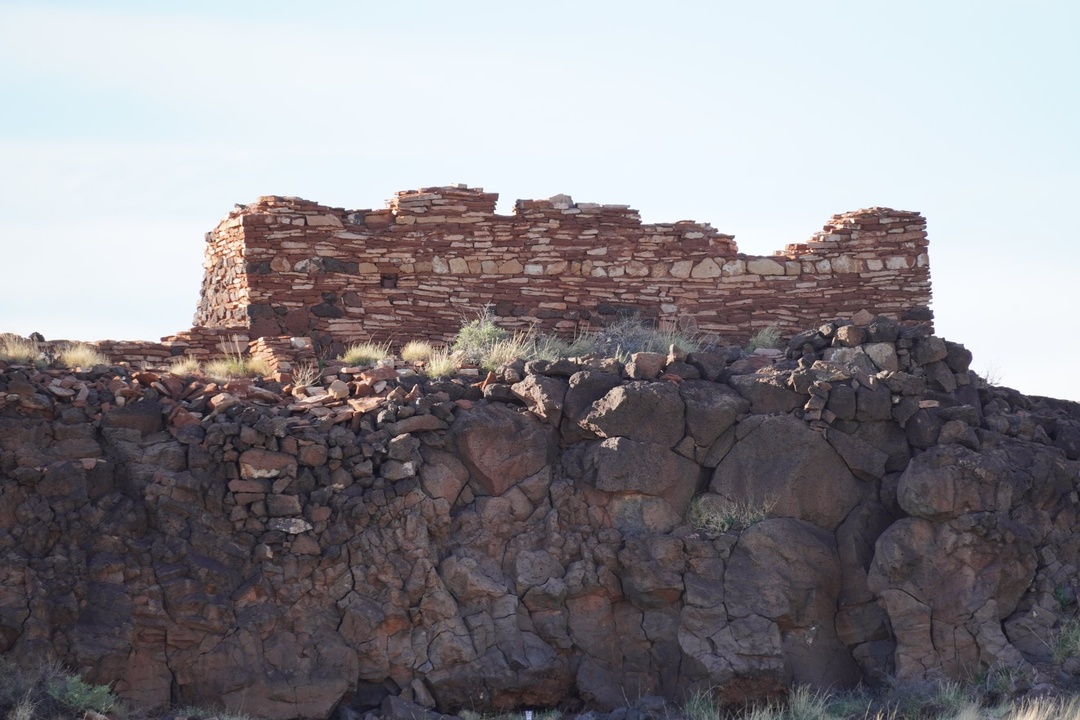
Wupatki National Monument pulled the pueblo sites north of Flagstaff into one stop: the main Wupatki Pueblo with its multi-story red stone rooms, ballcourt, and blowhole, plus the side visits to Wukoki Pueblo and Citadel Pueblo across the open desert landscape.
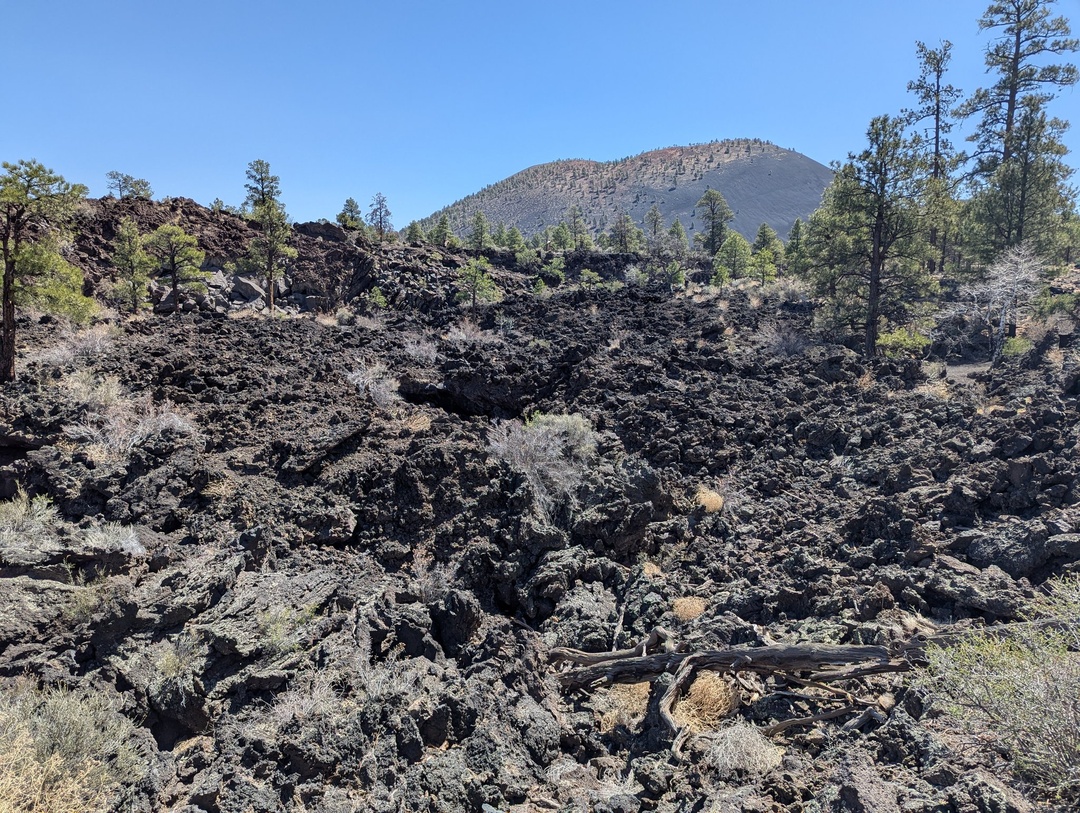
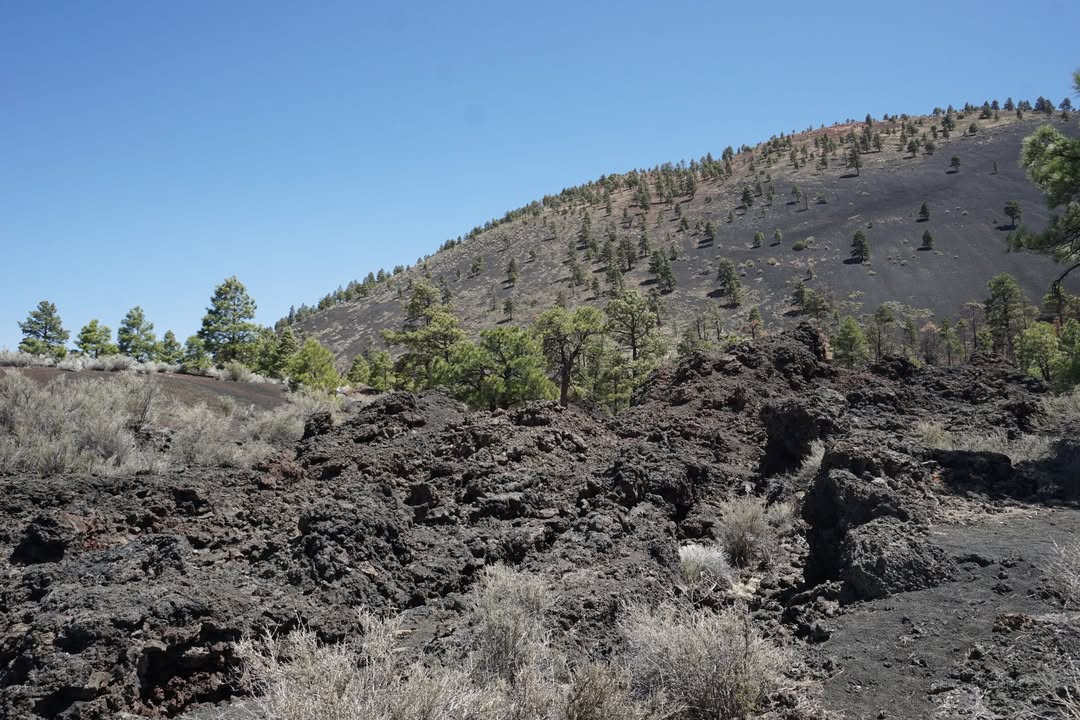
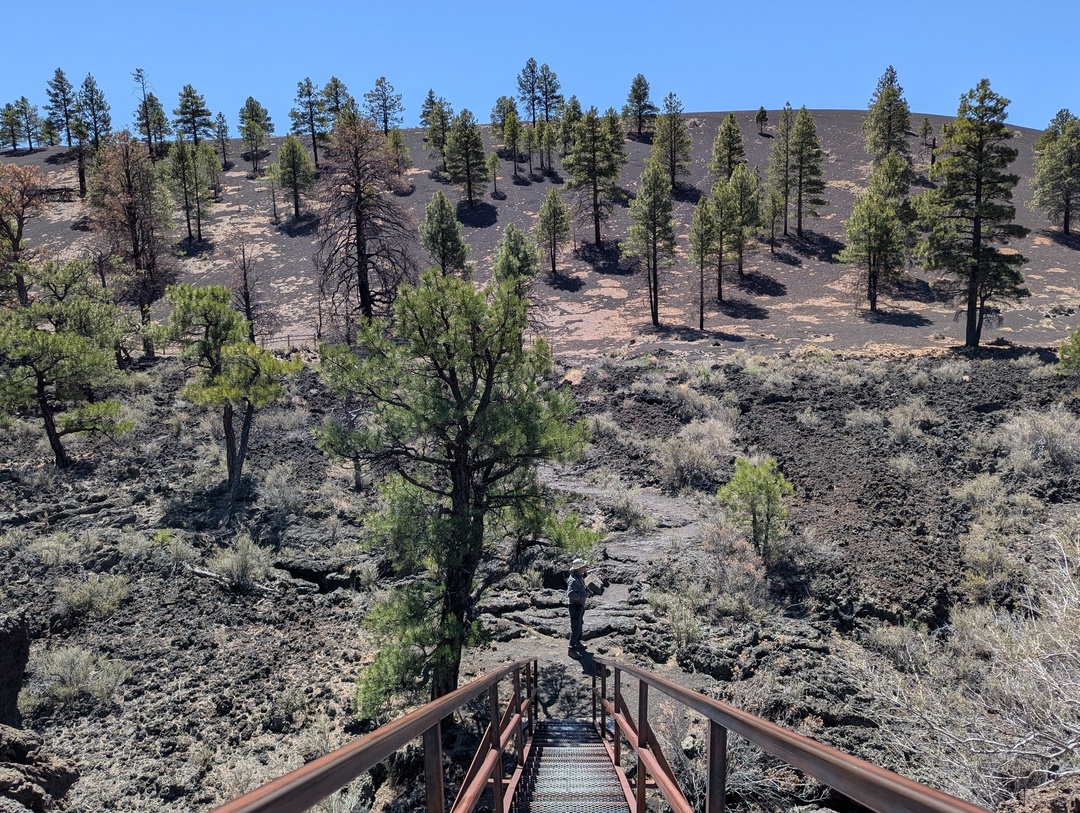
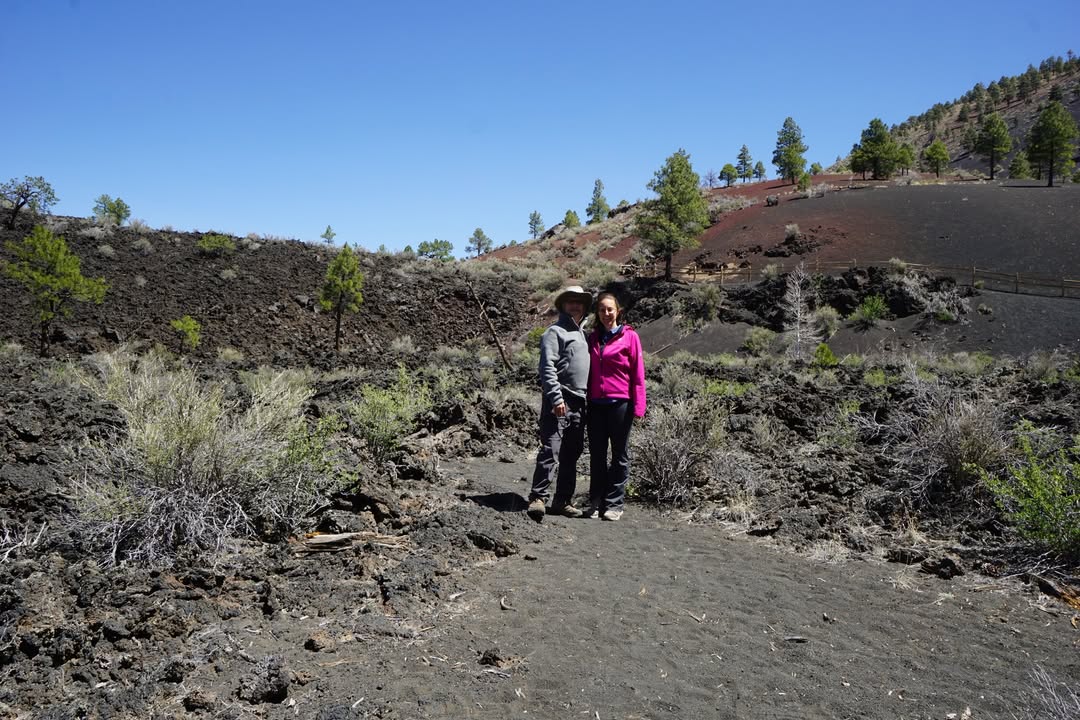
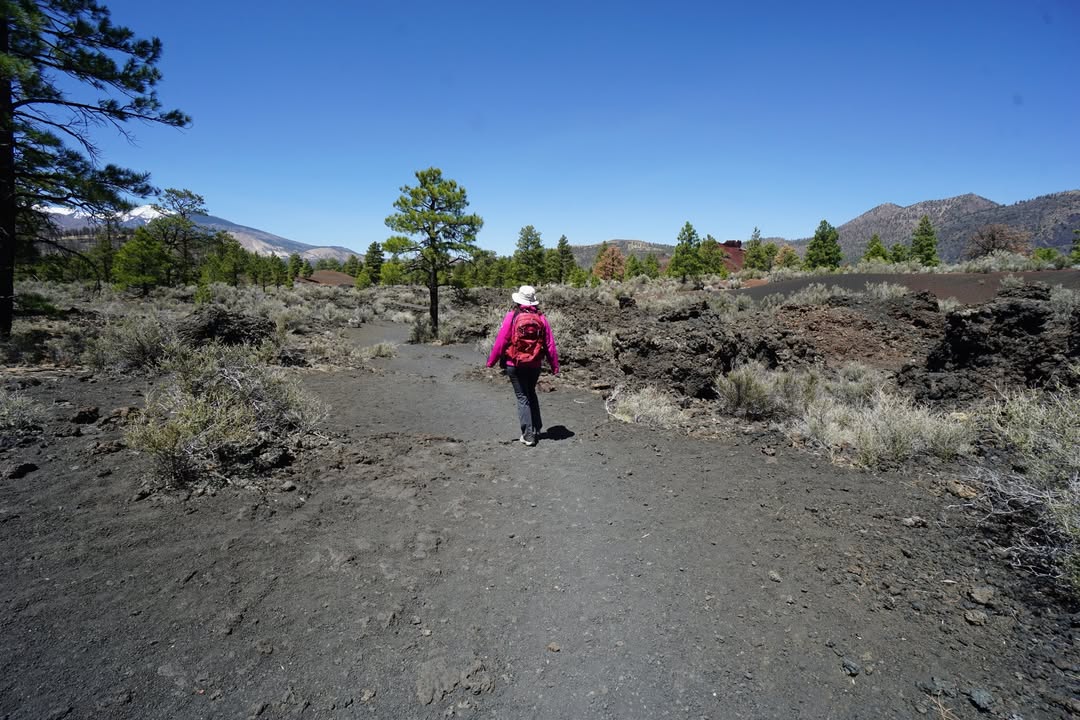
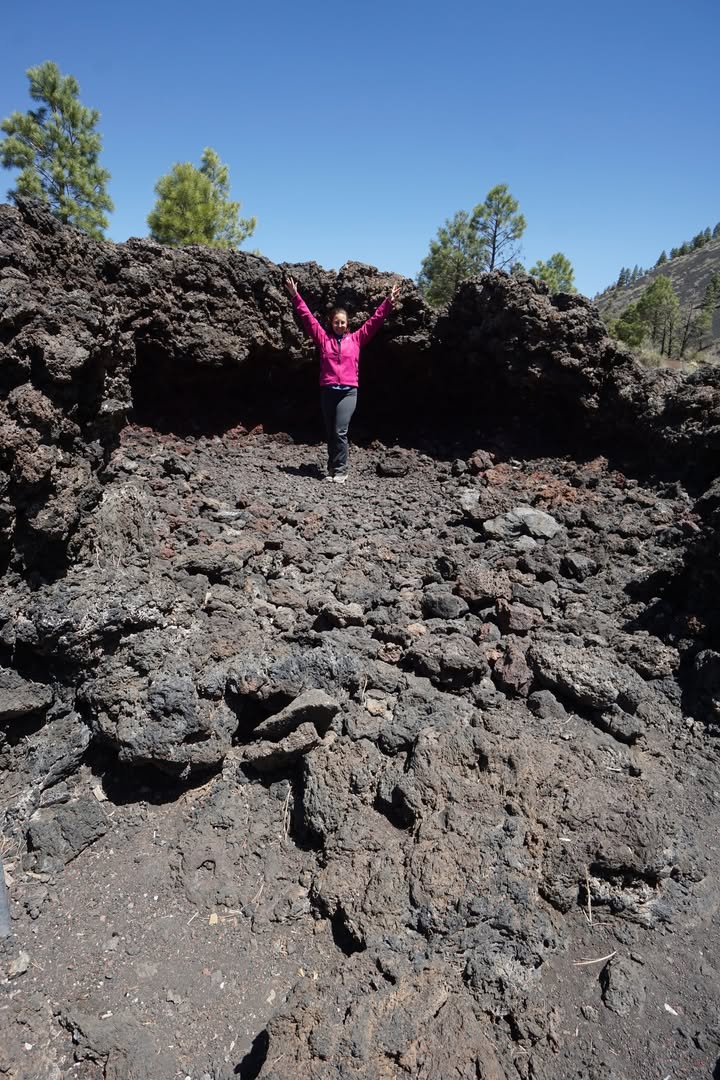
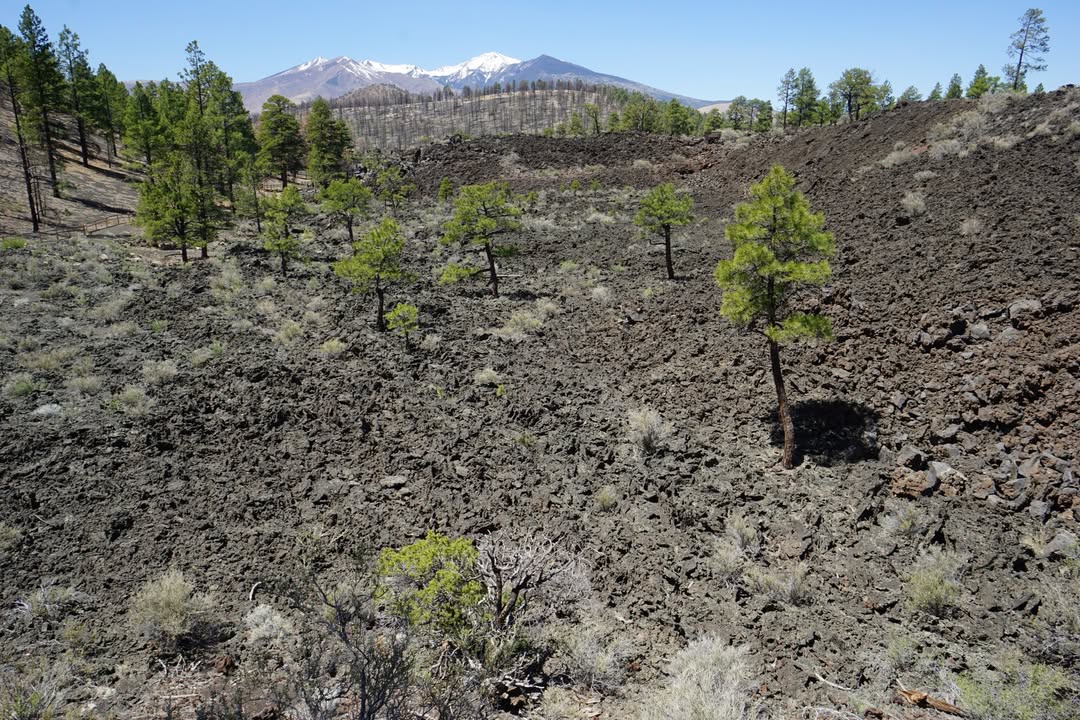
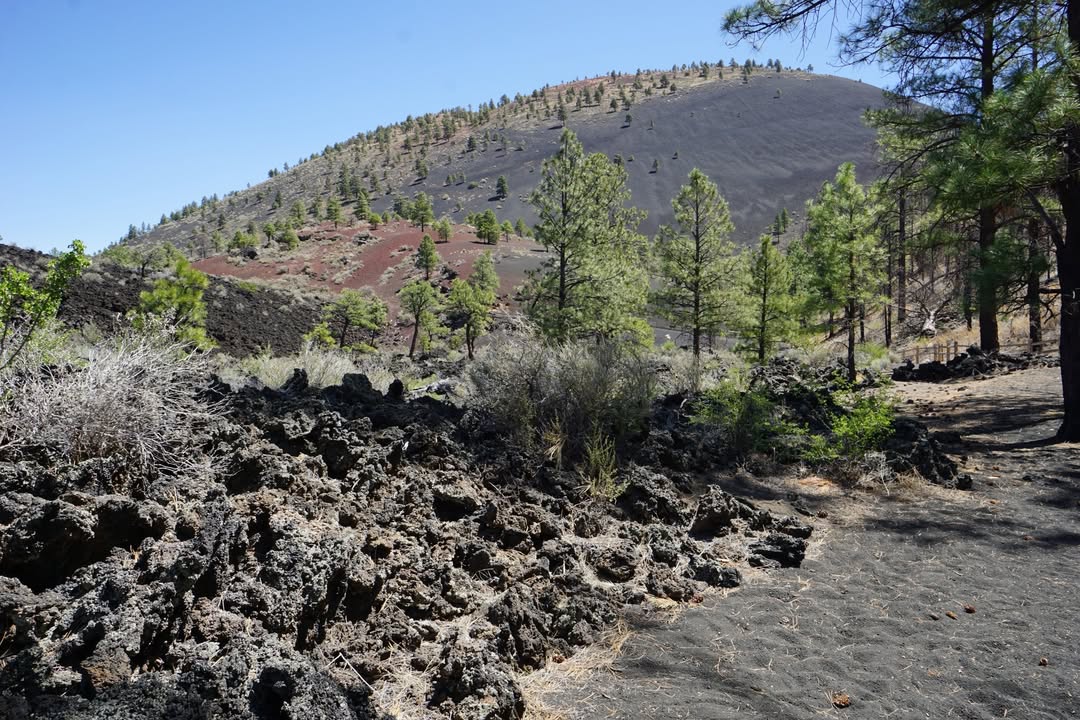
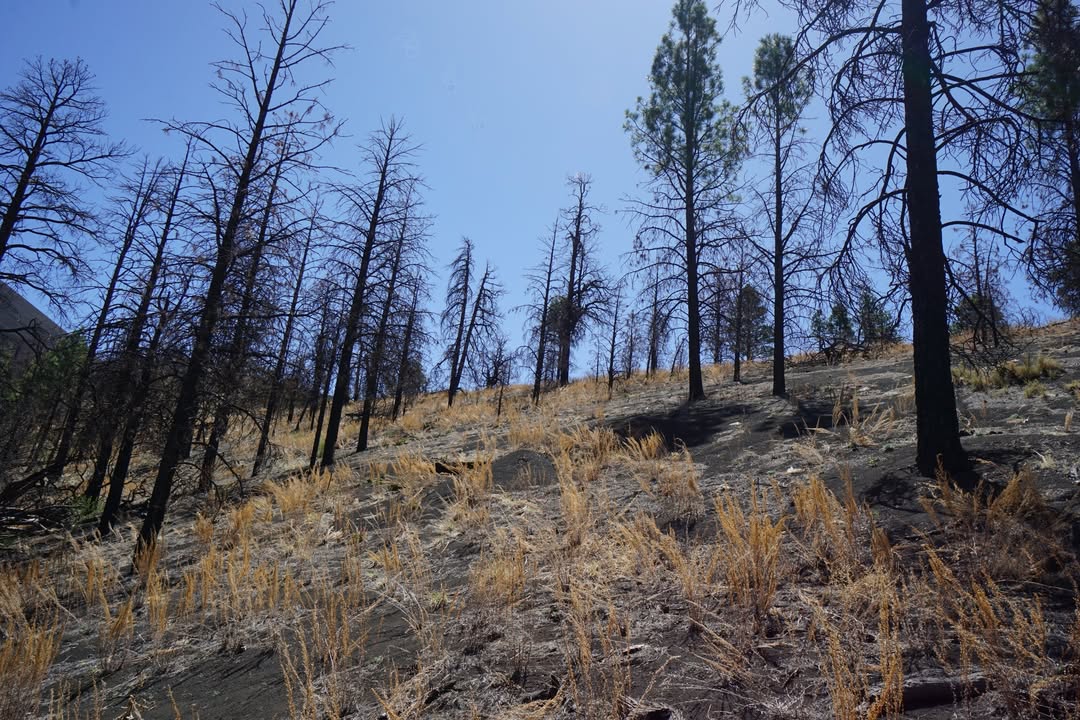
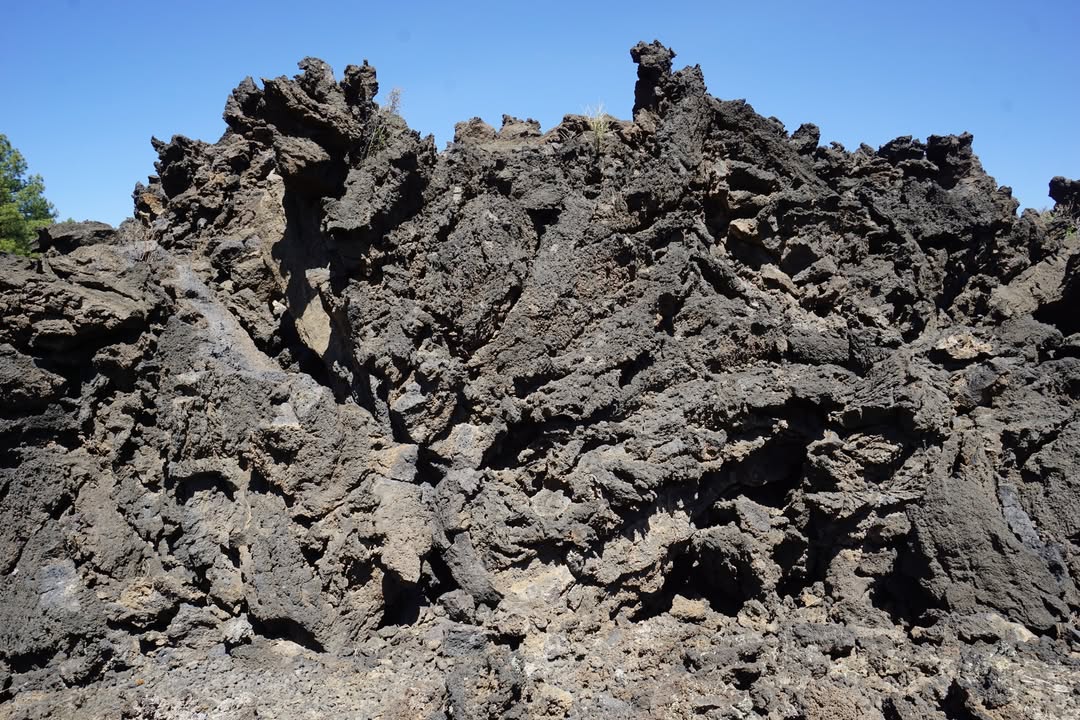
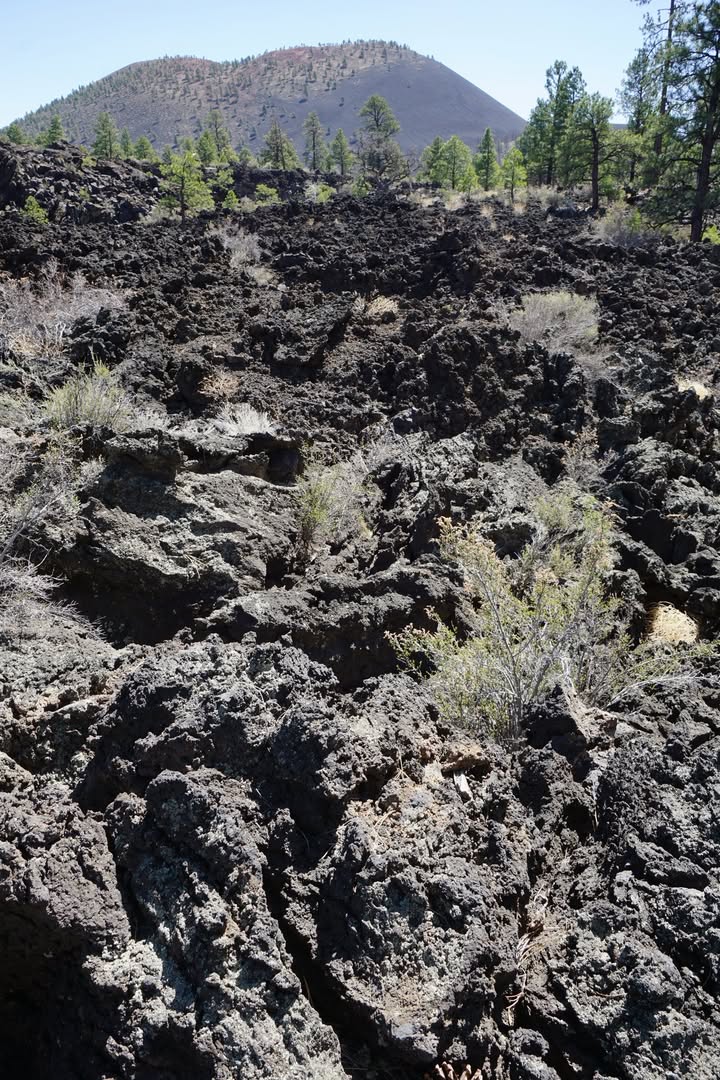
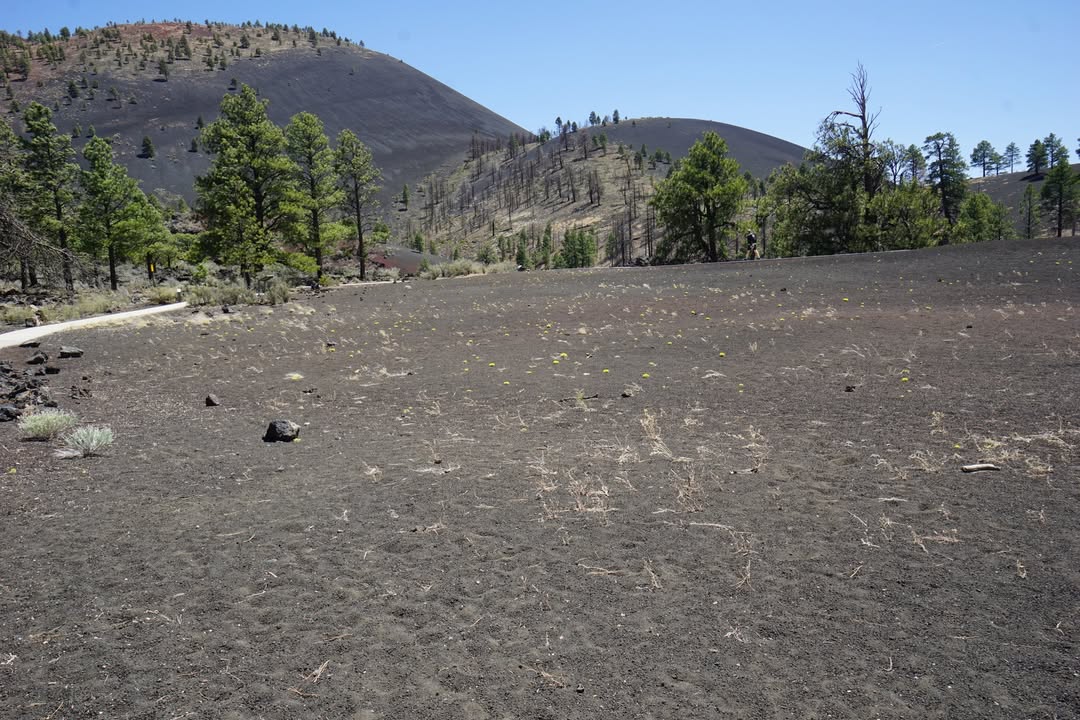
Sunset Crater Volcano National Monument was the volcanic finale of the Flagstaff area. The short A'a Trail and Lava Flow Trail put us right in the black cinders and lava rock from an eruption about 1,000 years ago, with wind, burned forest, and dark volcanic ground making the place feel raw and exposed.
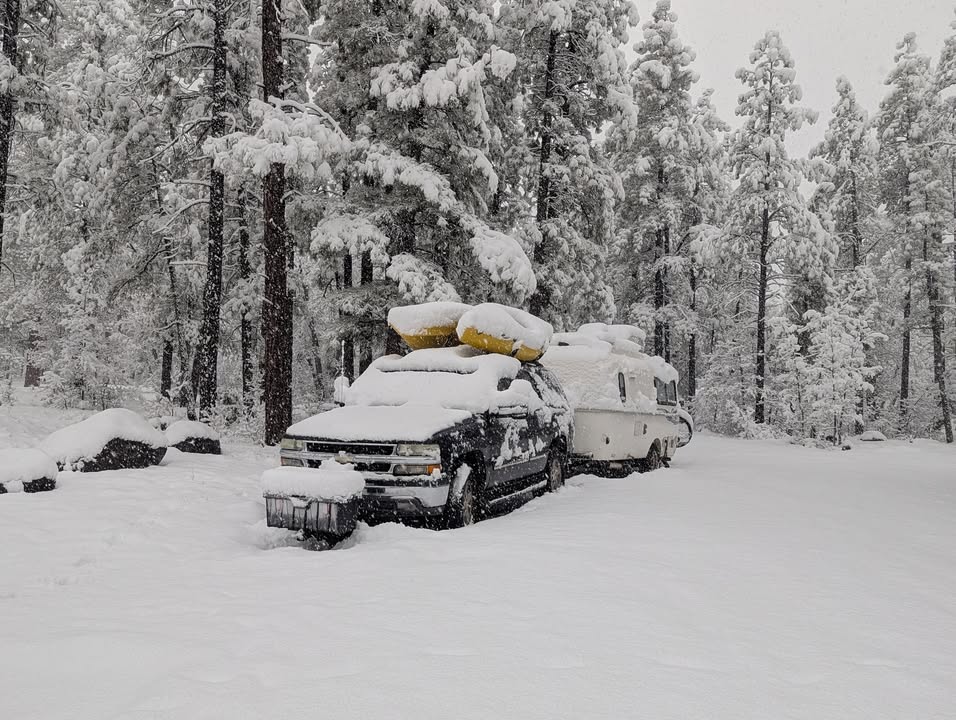
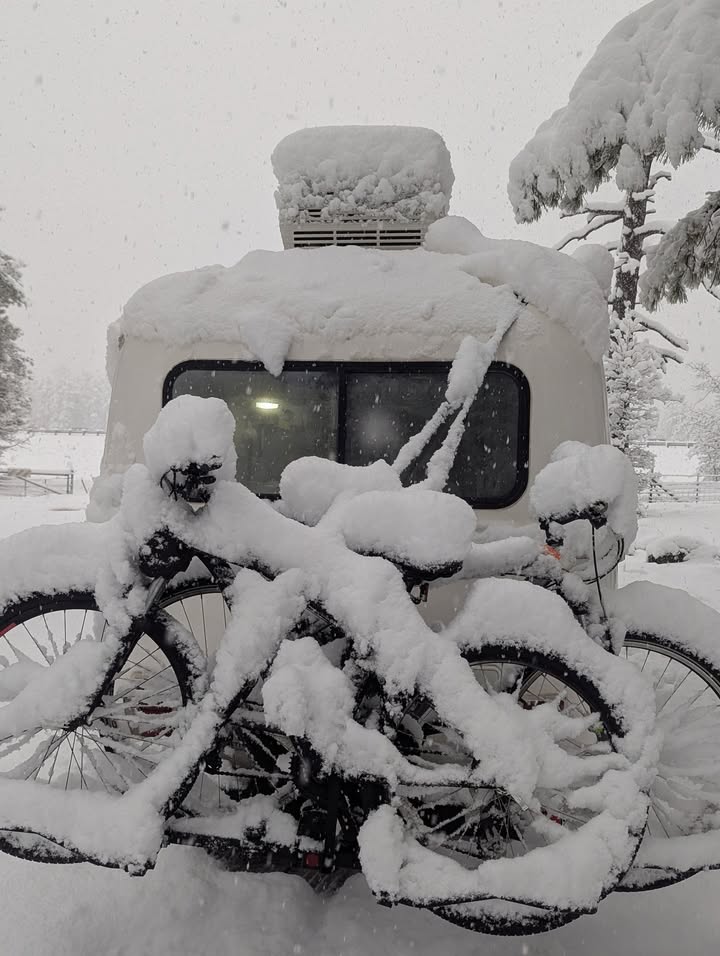
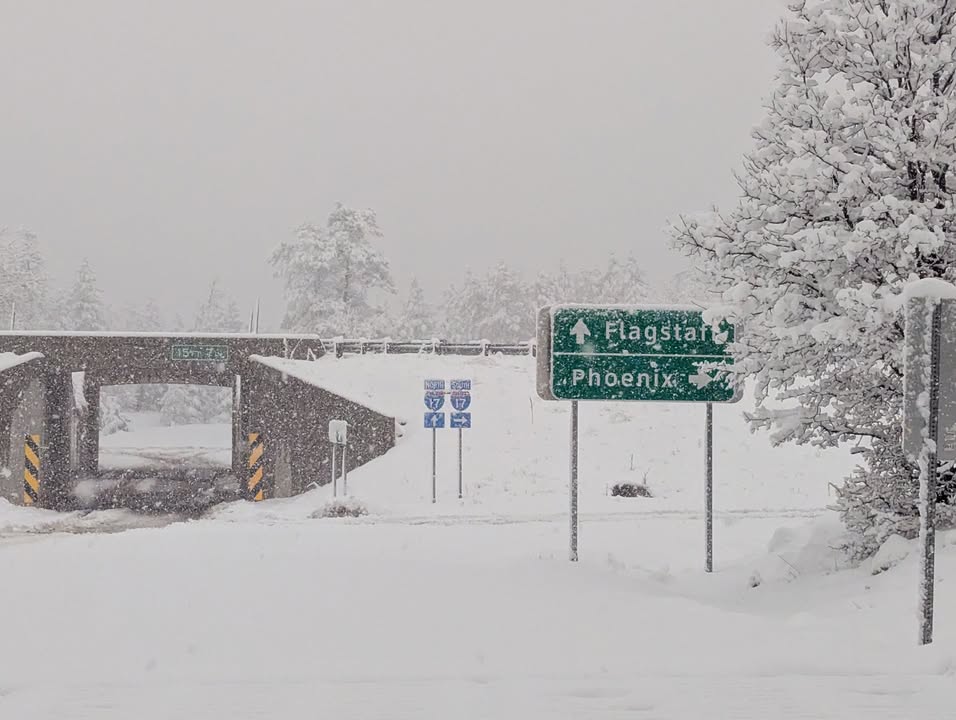
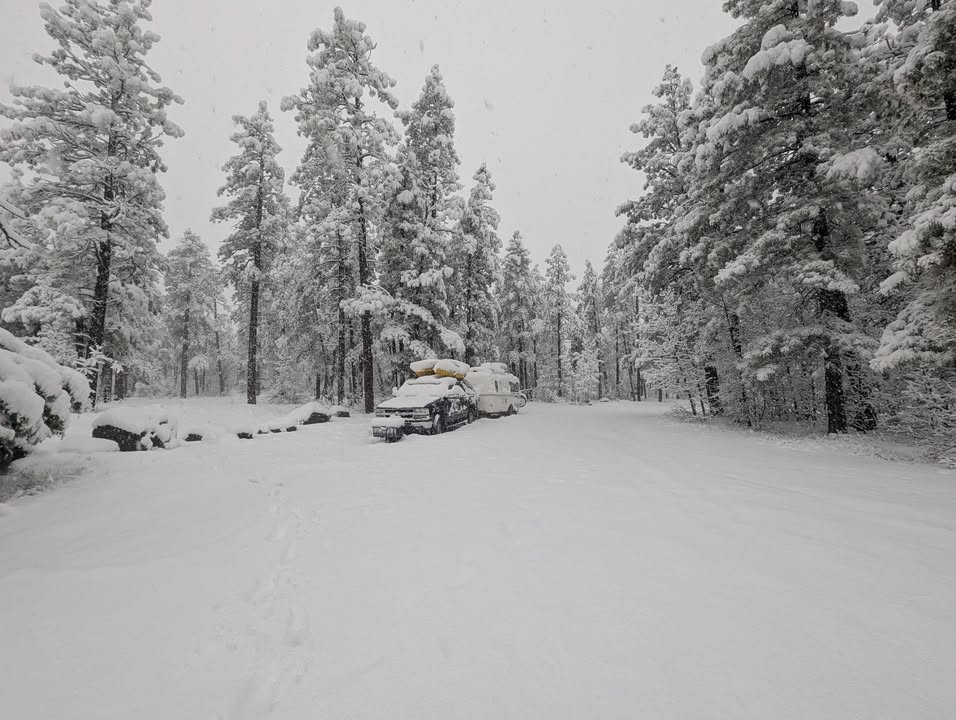
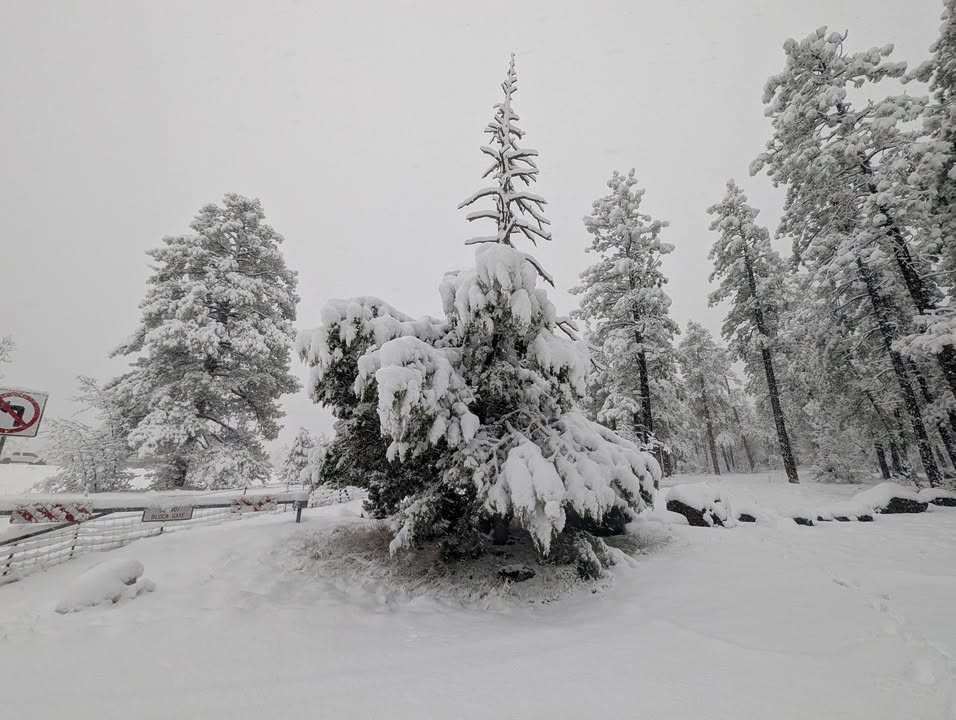
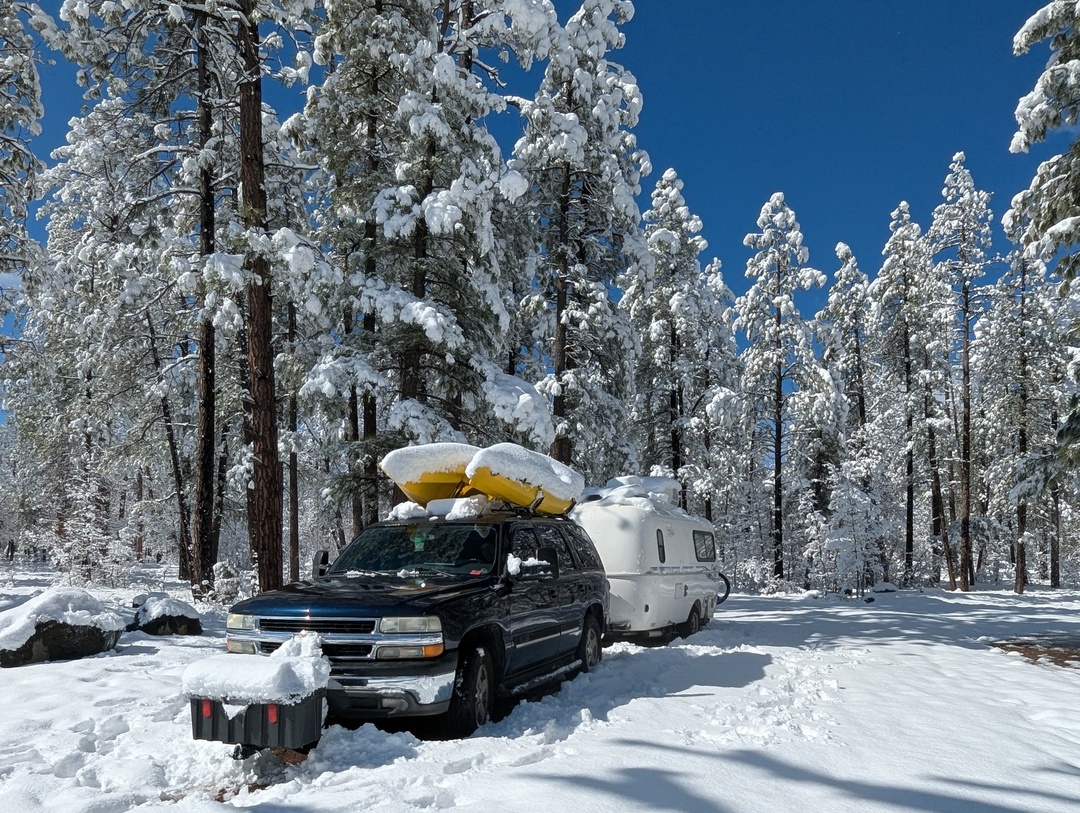
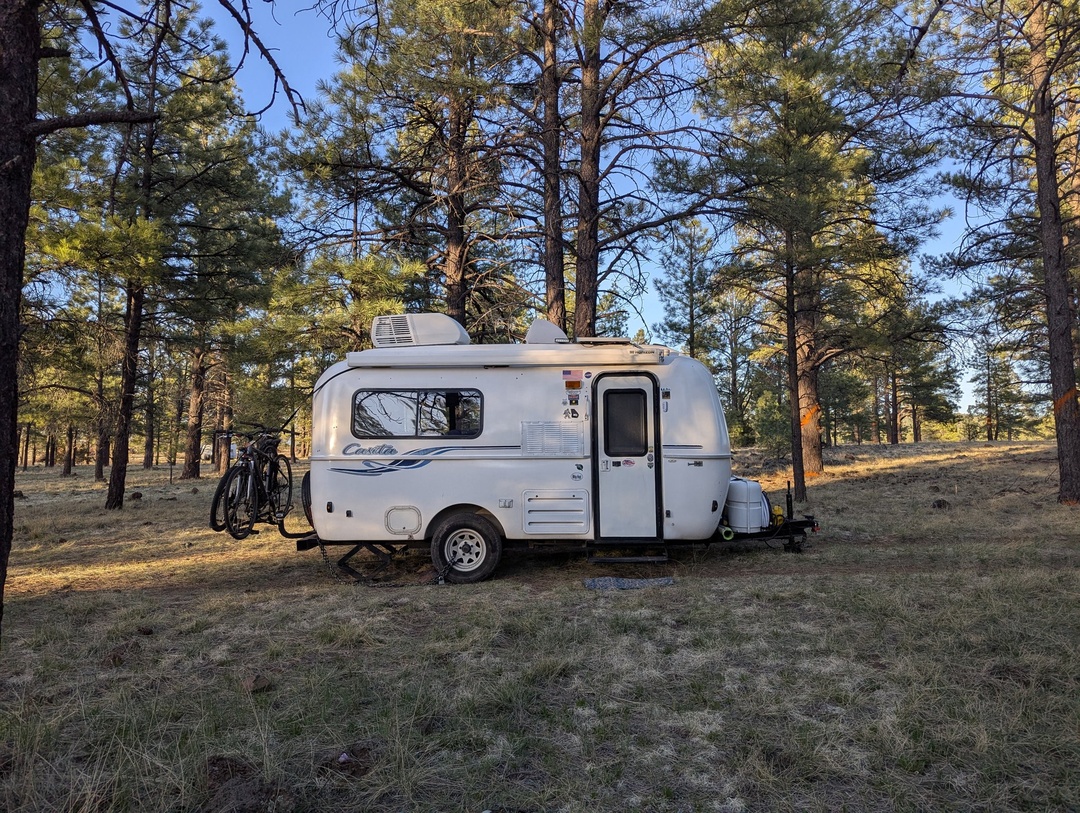
I-17 Snow Camp was the unexpected first night of the Flagstaff stop. After a snowstorm rolled in and made slick conditions, we pulled off with I-17 still in sight, and woke up to six to eight inches of snow around the camper.
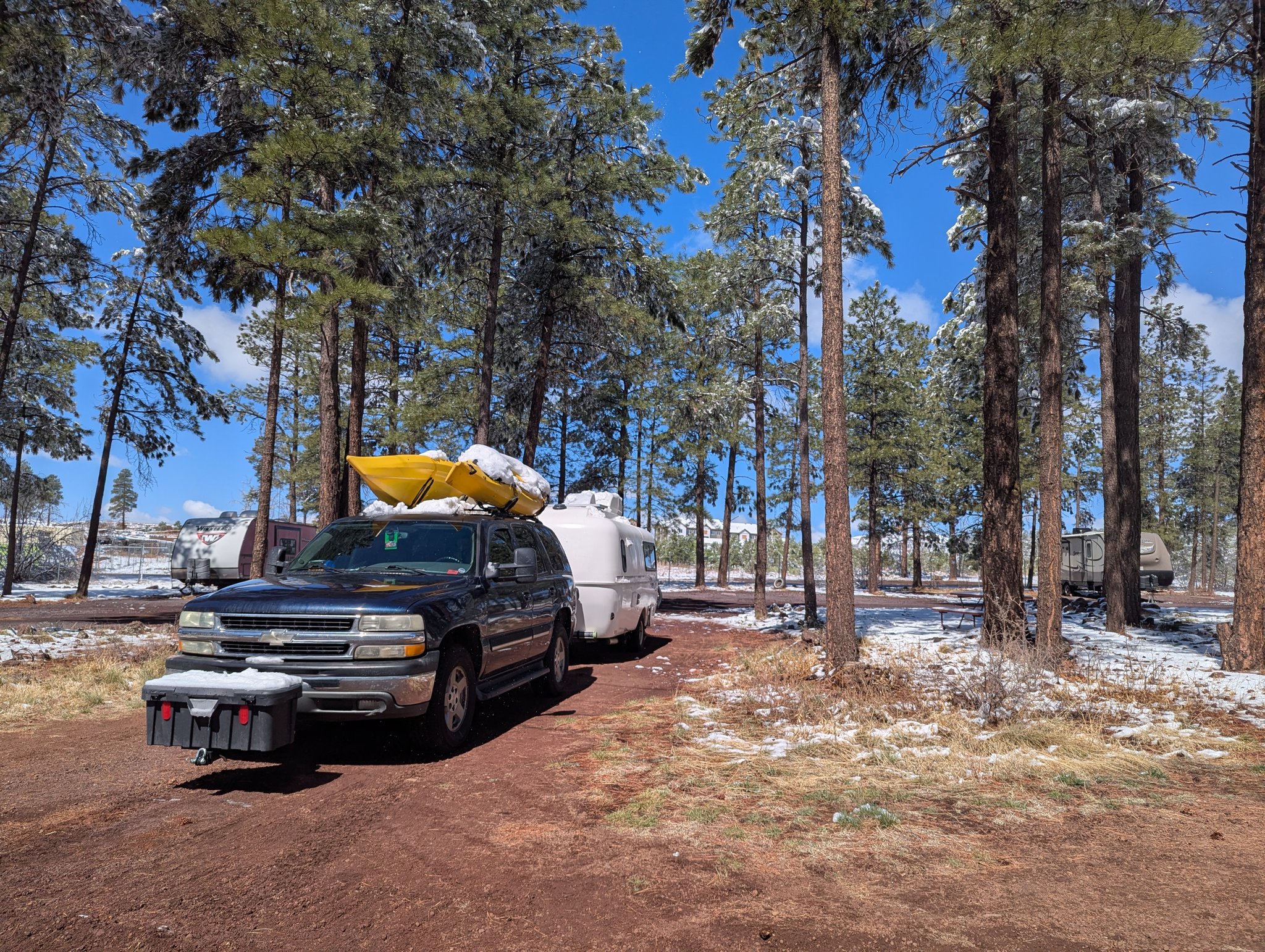
Woody Mountain Campground was the practical reset after the snowstorm: expensive for a dirt patch, but dry enough and safe enough to keep us from testing muddy forest roads with the camper.
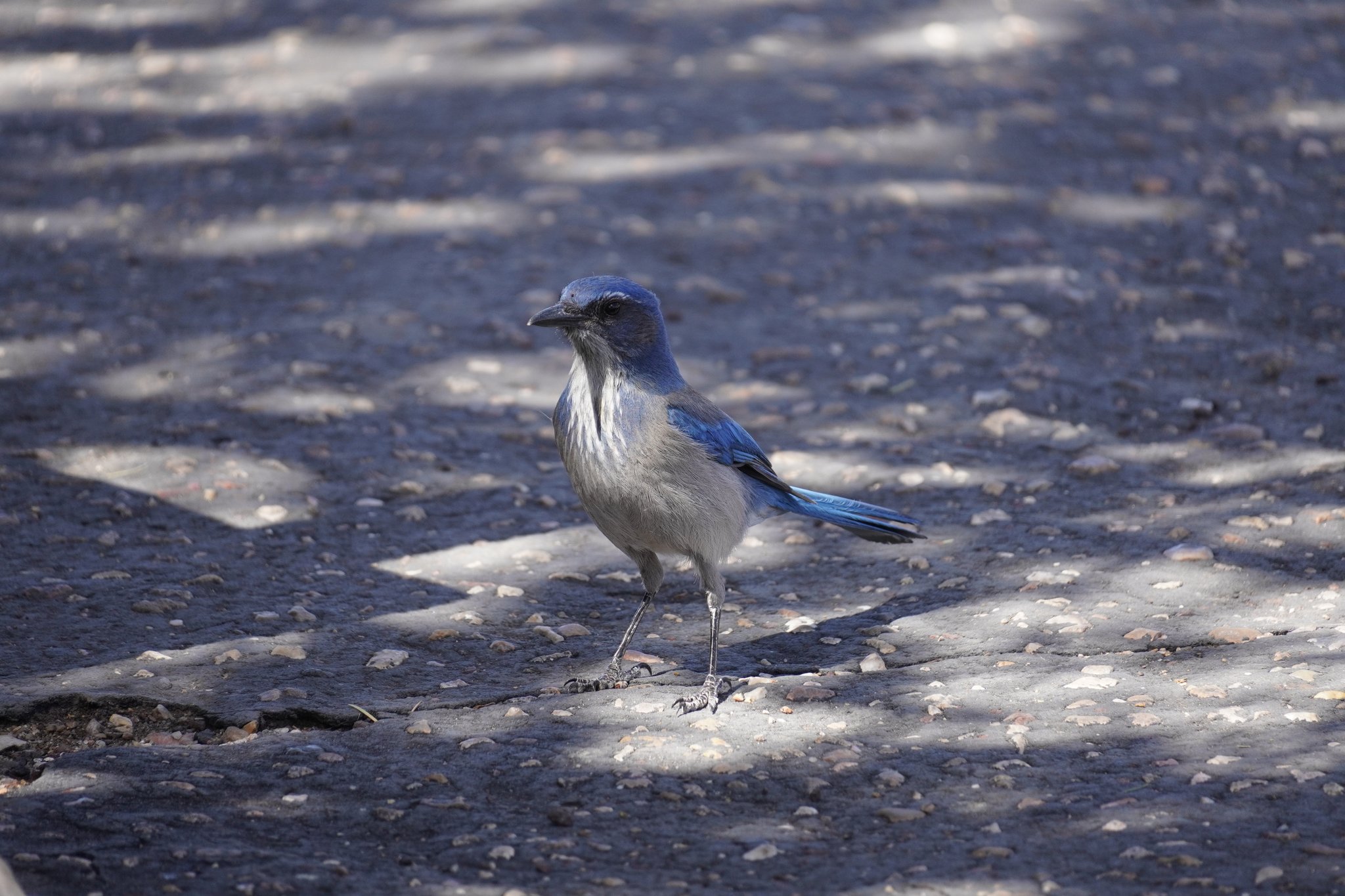
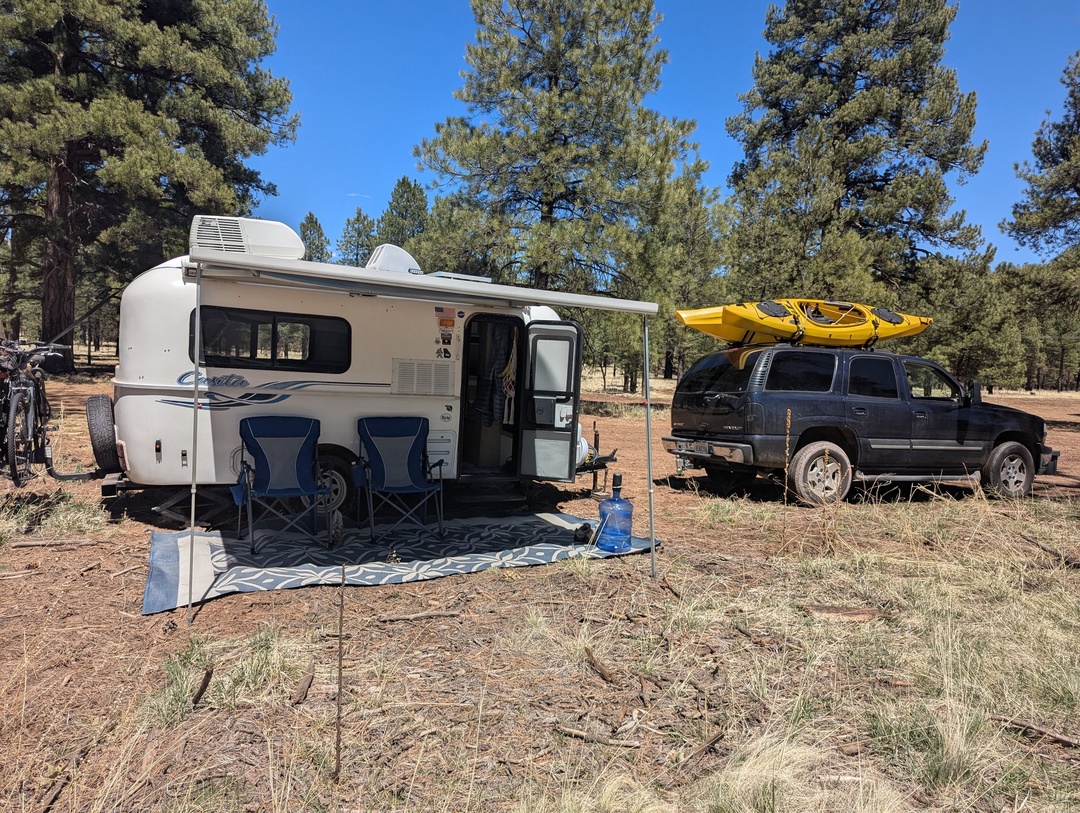
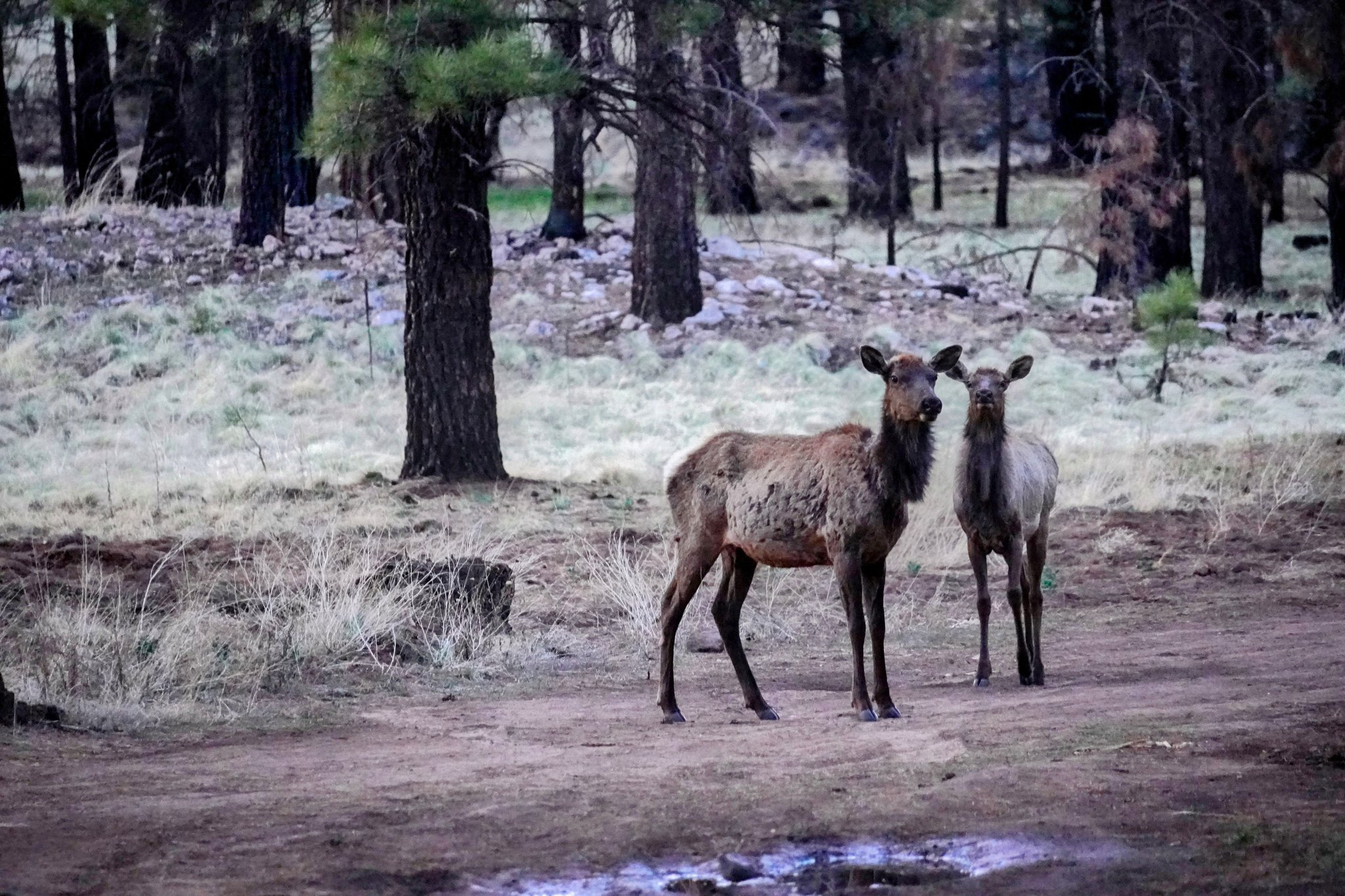
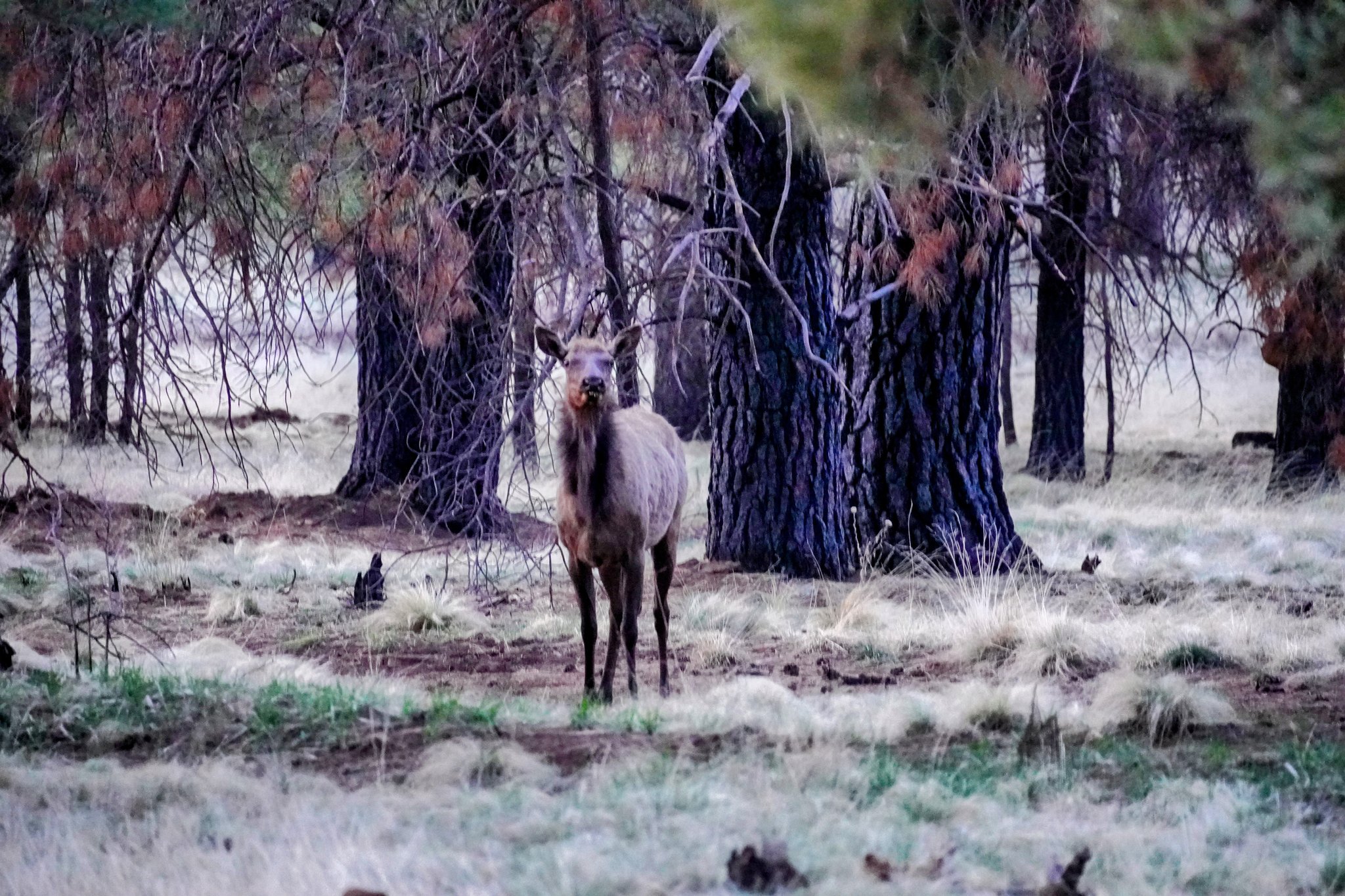
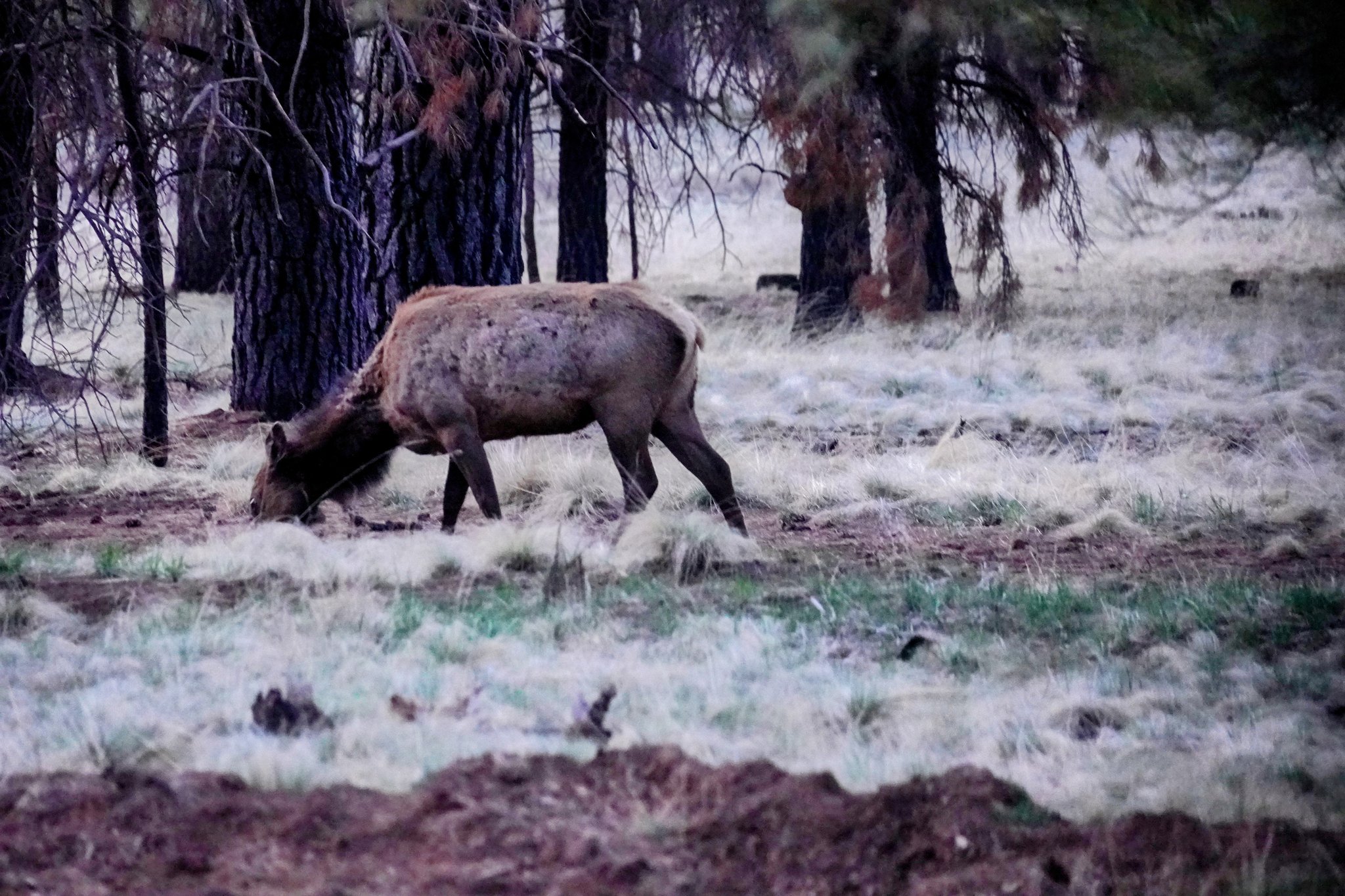
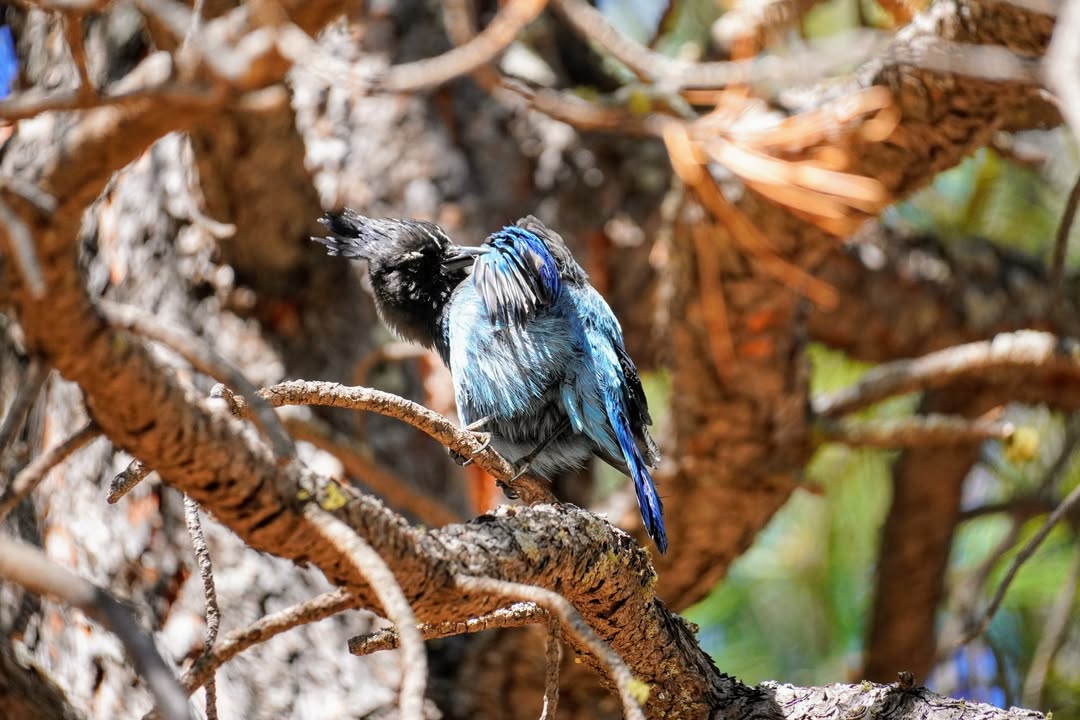
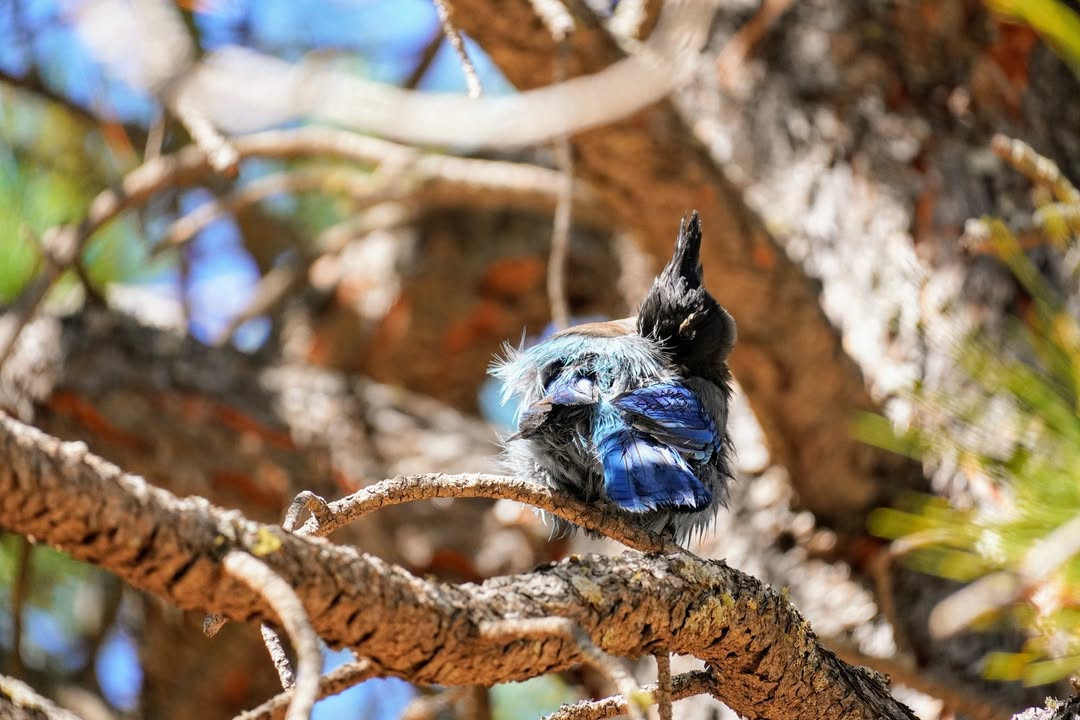
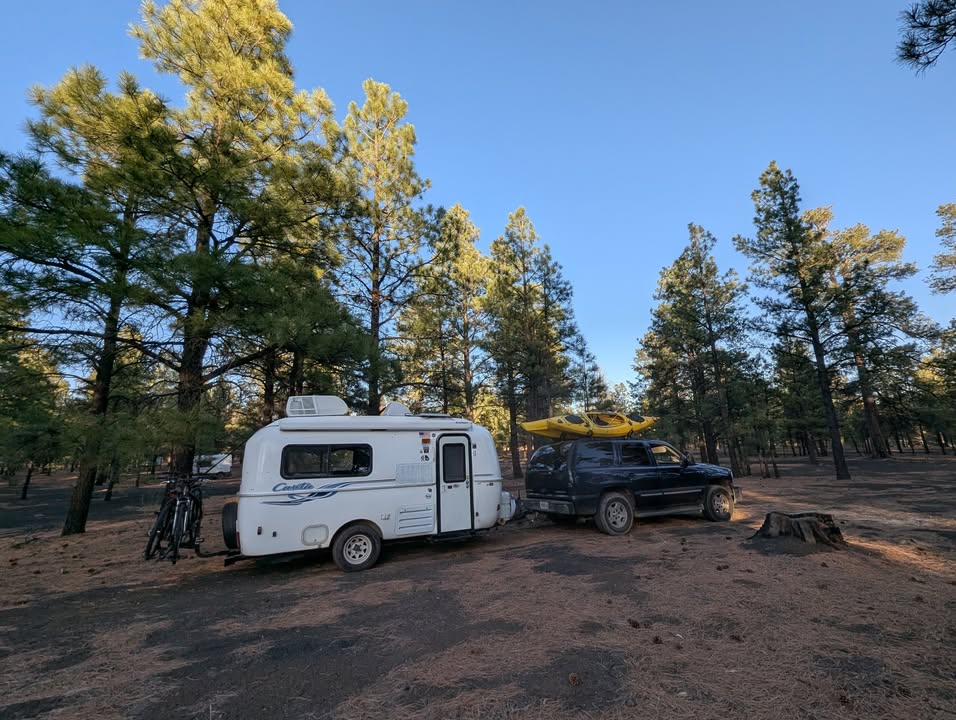
Lake Mary gave us a nice Flagstaff base, with a quiet Coconino National Forest campsite (until a 4am generator wake-up), warm sun after the snow, Stellar Jays in the trees, and elk moving through the woods at dusk.
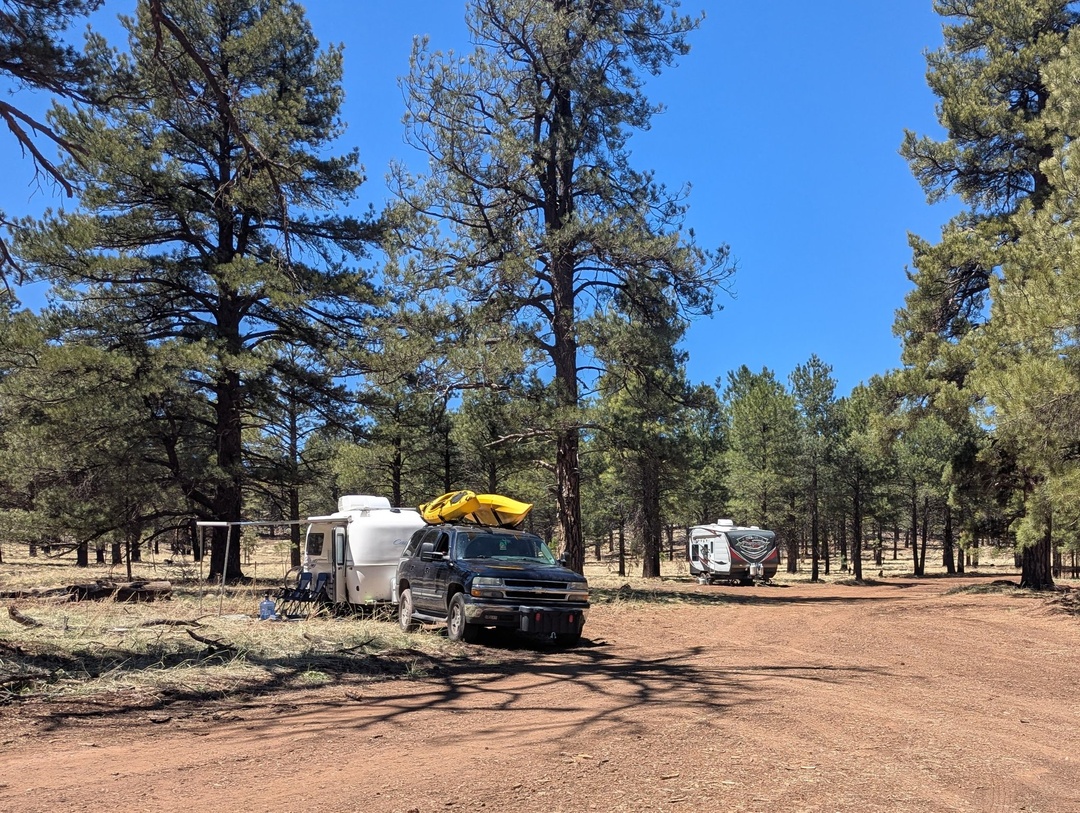
Garland Prairie Road Camping was the quiet forest spot outside Williams that set us up for the Grand Canyon Railway day and gave us a good place to return to after a long day.
Cinder Hills Camping wrapped up the Flagstaff-area nights near Sunset Crater and Wupatki, giving us a quieter forest base before the final volcano stop and the drive north toward Page.
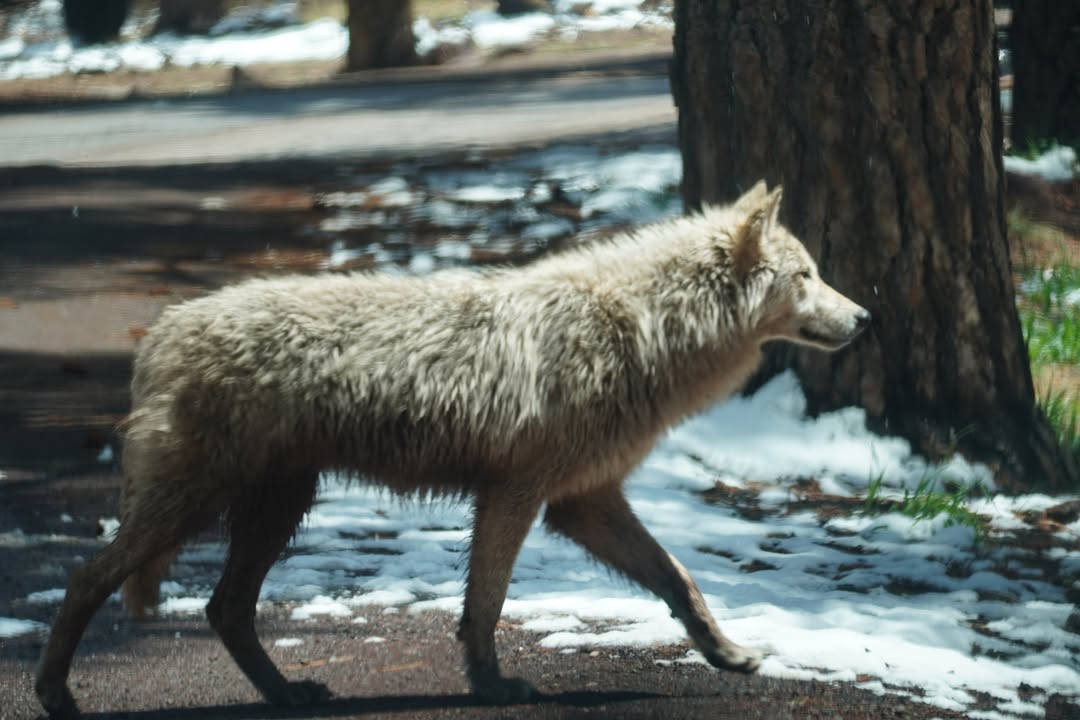
Bearizona was the wildlife-heavy rebound after a snowstorm the day before, with a drive-through section for bears, wolves, and larger animals plus a walk-through area full of otters, foxes, badgers, birds, and other animals with a lot more personality than expected.
Walnut Canyon National Monument became the ruins-and-hiking day near Flagstaff. The Island Trail drops into the canyon and follows the ledges past Sinagua cliff dwellings tucked into natural limestone alcoves, while the Rim Trail adds a quieter look at pit house foundations and the canyon from above.
The Grand Canyon fit into the Flagstaff stretch as a full day trip from Williams on the Grand Canyon Railway. Once at the South Rim, we picnicked, rode the shuttle, walked part of the Rim Trail, looked down to the Colorado River, and compared the view with our visit from ten years earlier.
Wupatki National Monument pulled the pueblo sites north of Flagstaff into one stop: the main Wupatki Pueblo with its multi-story red stone rooms, ballcourt, and blowhole, plus the side visits to Wukoki Pueblo and Citadel Pueblo across the open desert landscape.
Sunset Crater Volcano National Monument was the volcanic finale of the Flagstaff area. The short A'a Trail and Lava Flow Trail put us right in the black cinders and lava rock from an eruption about 1,000 years ago, with wind, burned forest, and dark volcanic ground making the place feel raw and exposed.
I-17 Snow Camp was the unexpected first night of the Flagstaff stop. After a snowstorm rolled in and made slick conditions, we pulled off with I-17 still in sight, and woke up to six to eight inches of snow around the camper.
Woody Mountain Campground was the practical reset after the snowstorm: expensive for a dirt patch, but dry enough and safe enough to keep us from testing muddy forest roads with the camper.
Lake Mary gave us a nice Flagstaff base, with a quiet Coconino National Forest campsite (until a 4am generator wake-up), warm sun after the snow, Stellar Jays in the trees, and elk moving through the woods at dusk.
Garland Prairie Road Camping was the quiet forest spot outside Williams that set us up for the Grand Canyon Railway day and gave us a good place to return to after a long day.
Cinder Hills Camping wrapped up the Flagstaff-area nights near Sunset Crater and Wupatki, giving us a quieter forest base before the final volcano stop and the drive north toward Page.
We left Dead Horse Ranch State Park in Cottonwood and headed north toward Flagstaff, trading red rock and…
The day after the snowstorm, the forecast finally looked promising. Highs in the 50s. By the time we were up…
After a rough night in the Cracker Barrel parking lot, we decided to keep the next day light. The plan was…
We all like to start the day looking our best, and this sleek black-and-blue Stellar Jay was clearly no…
Danny and I hopped on the Grand Canyon Railway in Williams for a day trip to the Grand Canyon. We first…
We left Williams and headed north of Flagstaff with plans to visit Sunset Crater Volcano National Monument…
In the morning, we circled back to Sunset Crater Volcano National Monument before continuing on toward Page.…