Places We Visited
Pick a stop to see its story and photos.
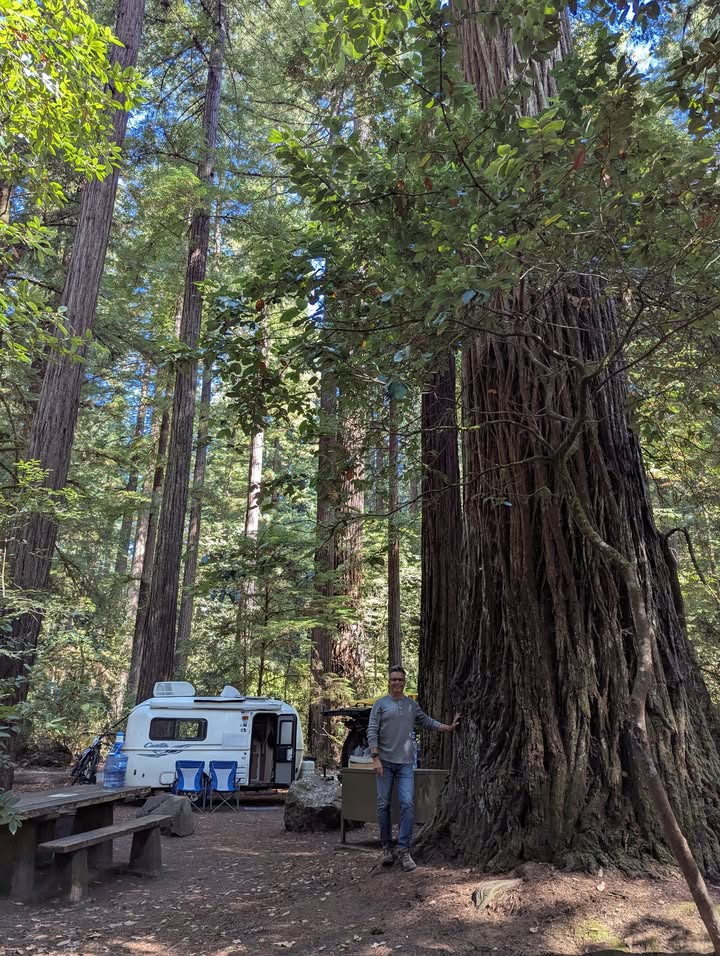
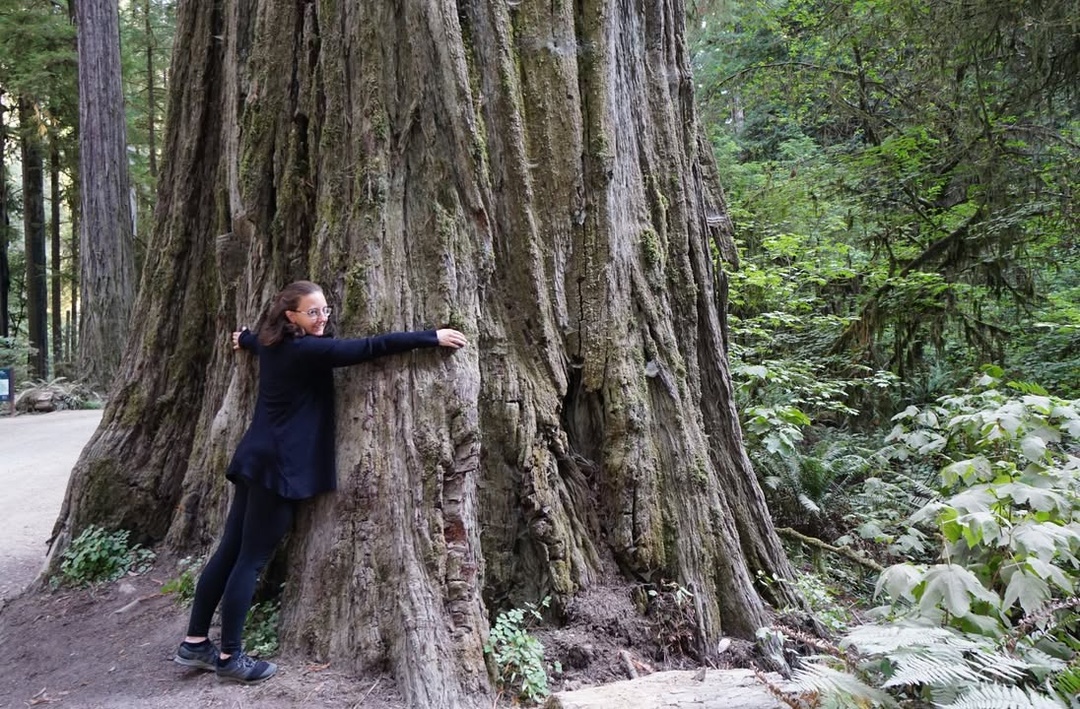
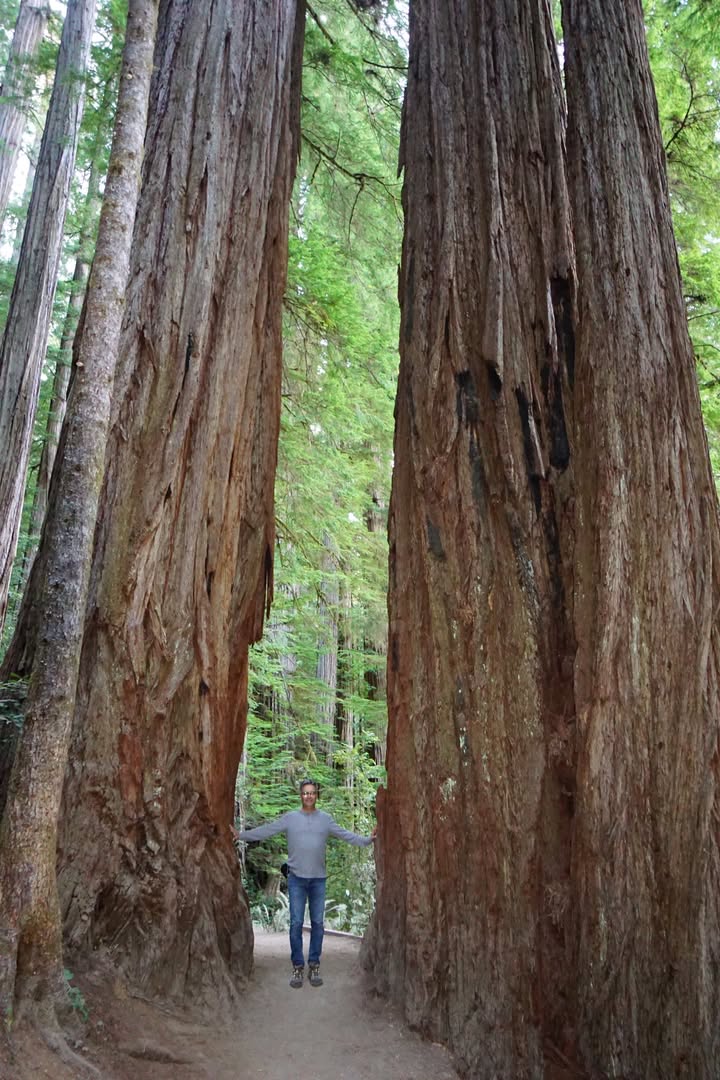
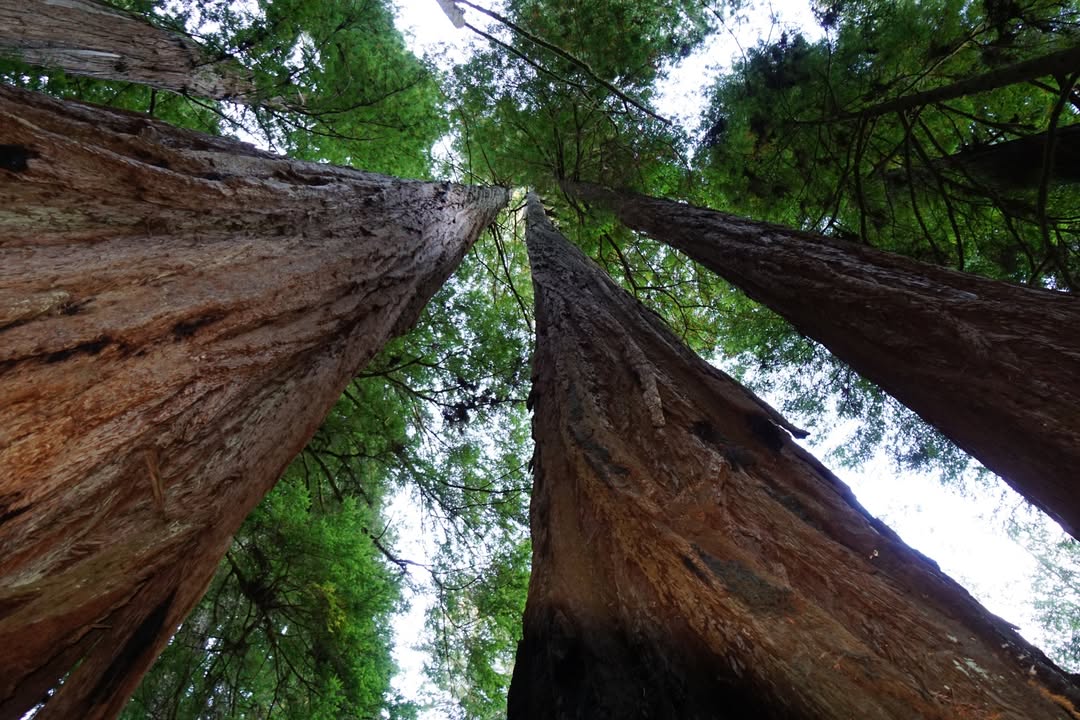
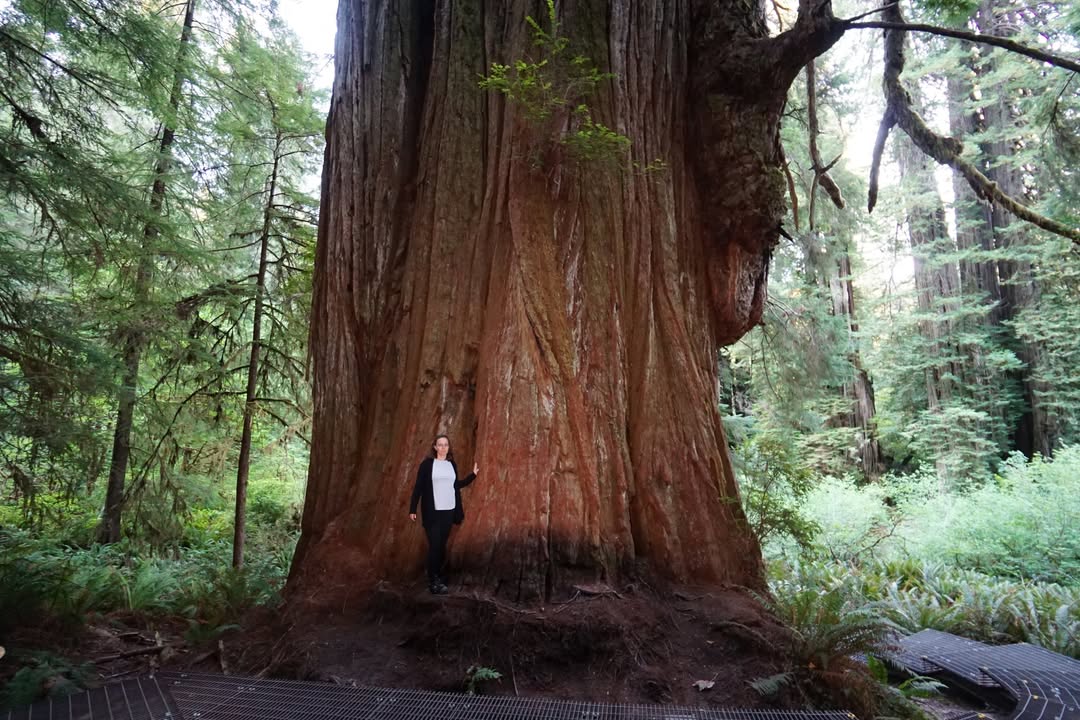
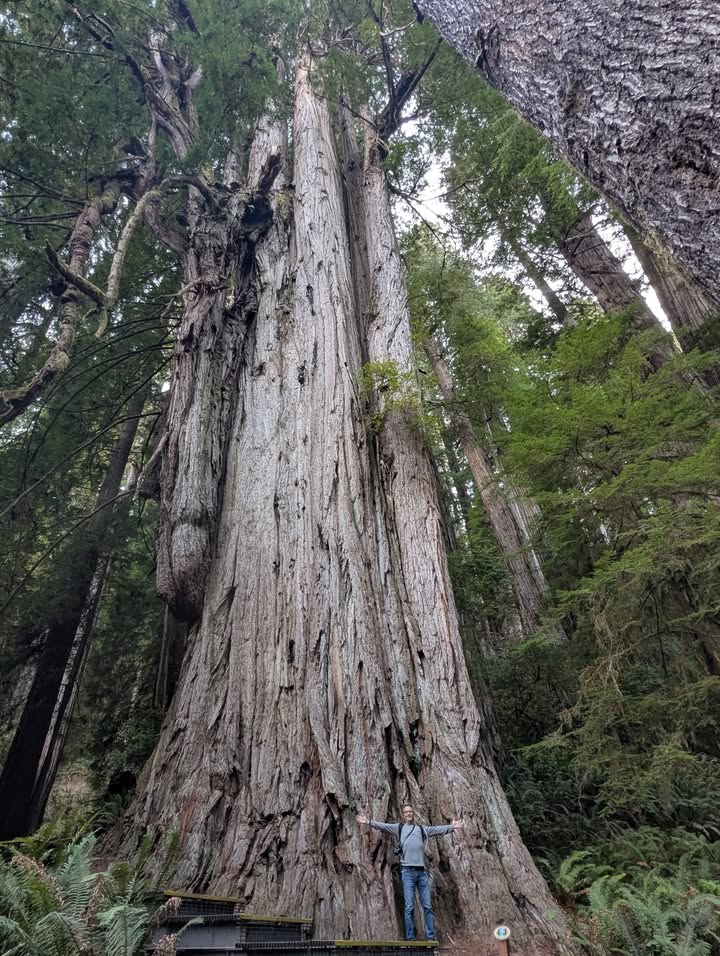
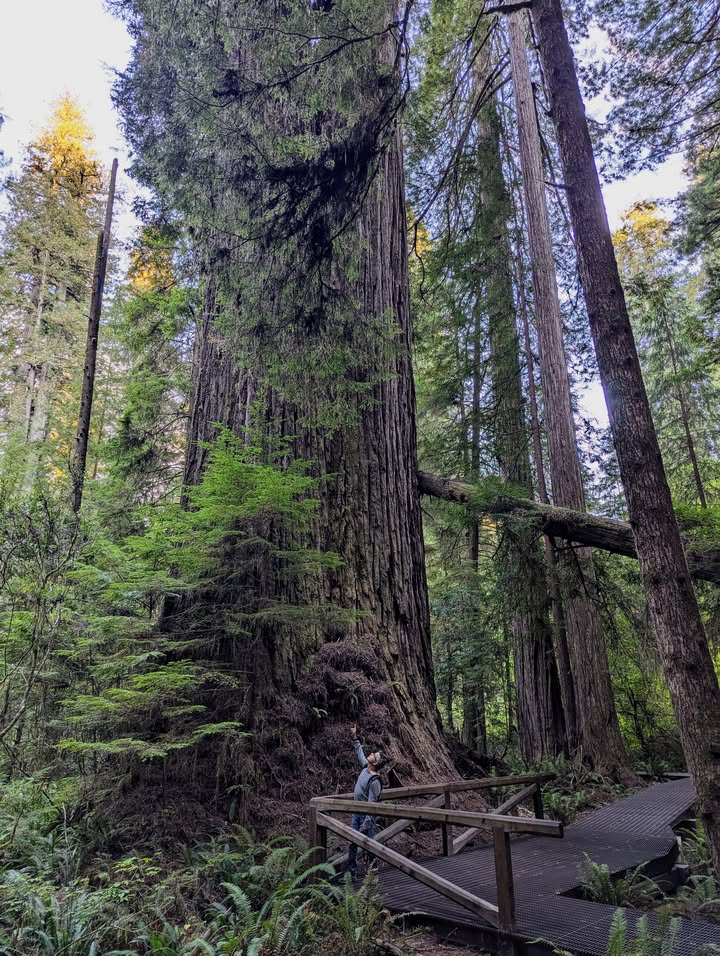
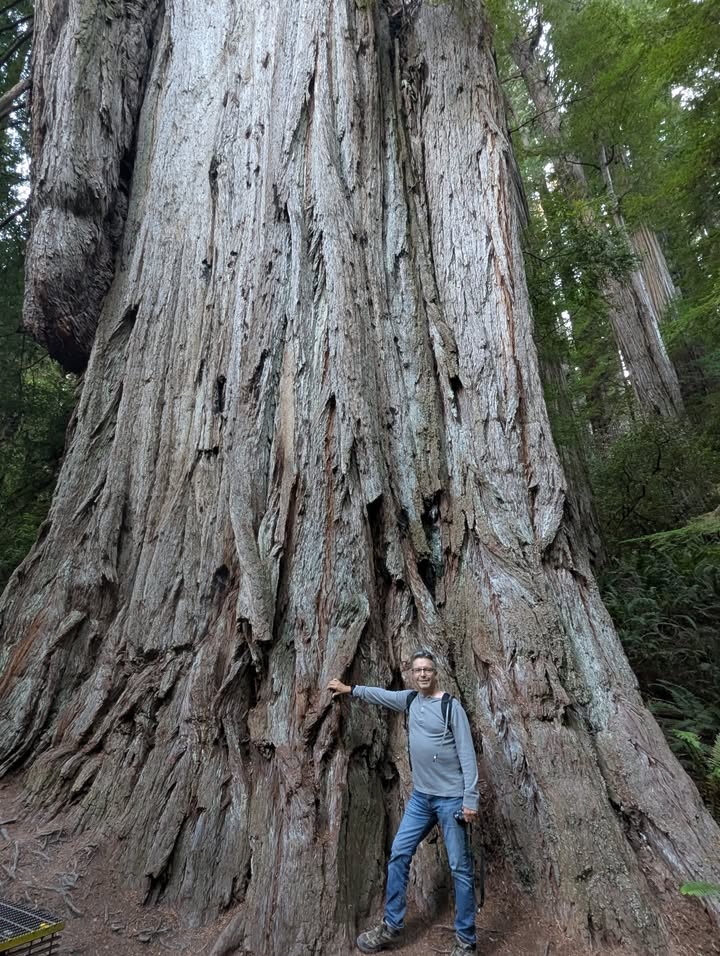
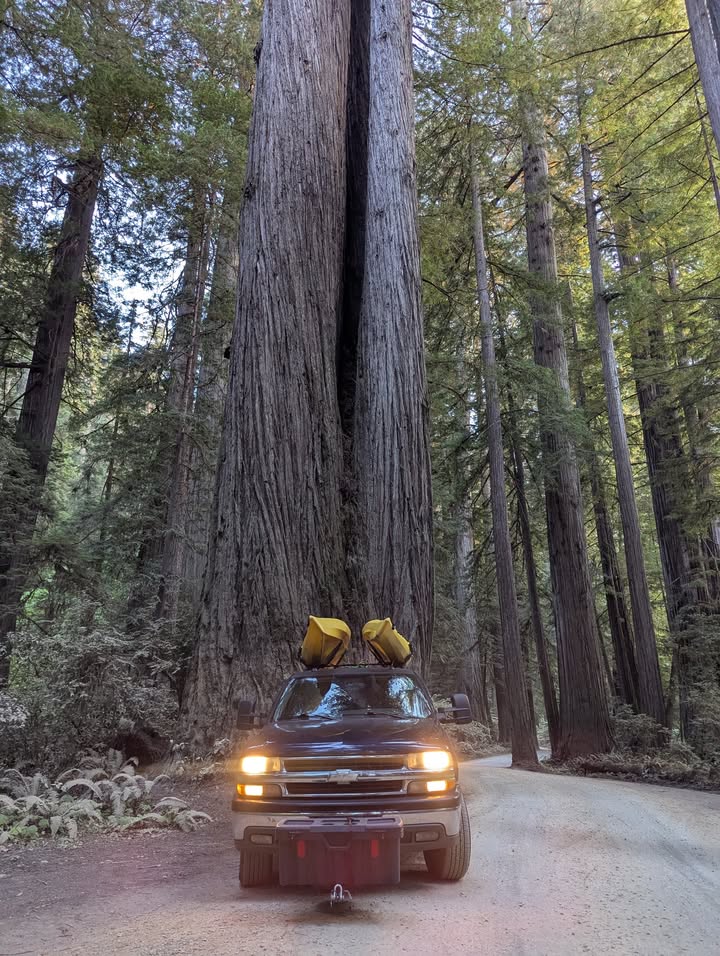
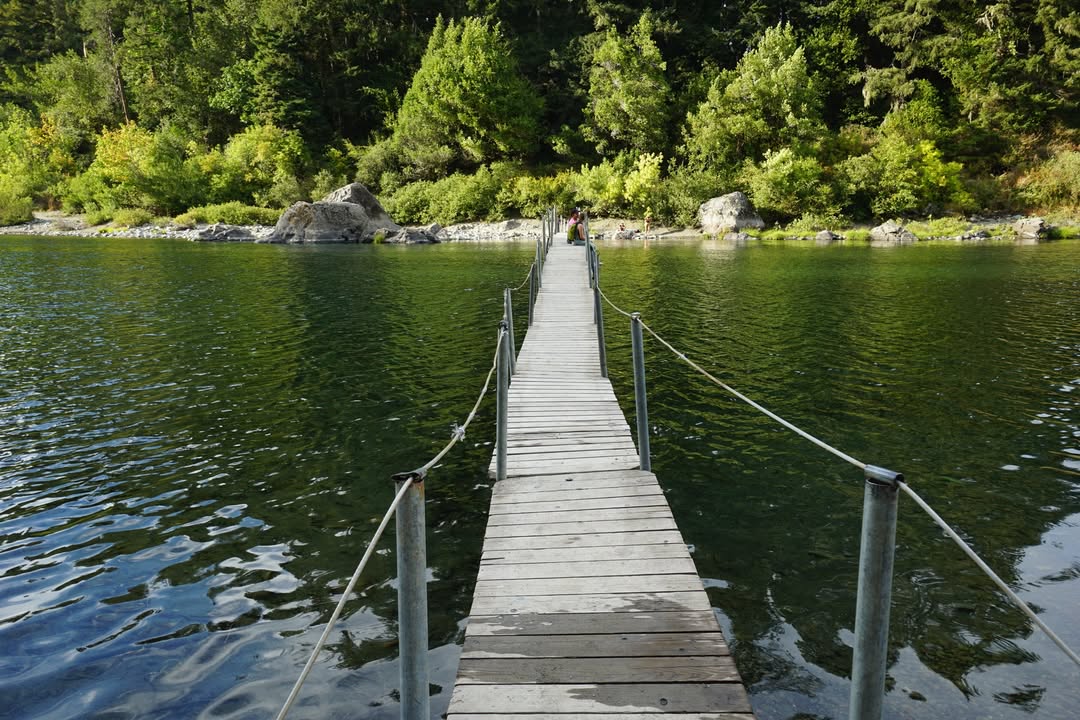
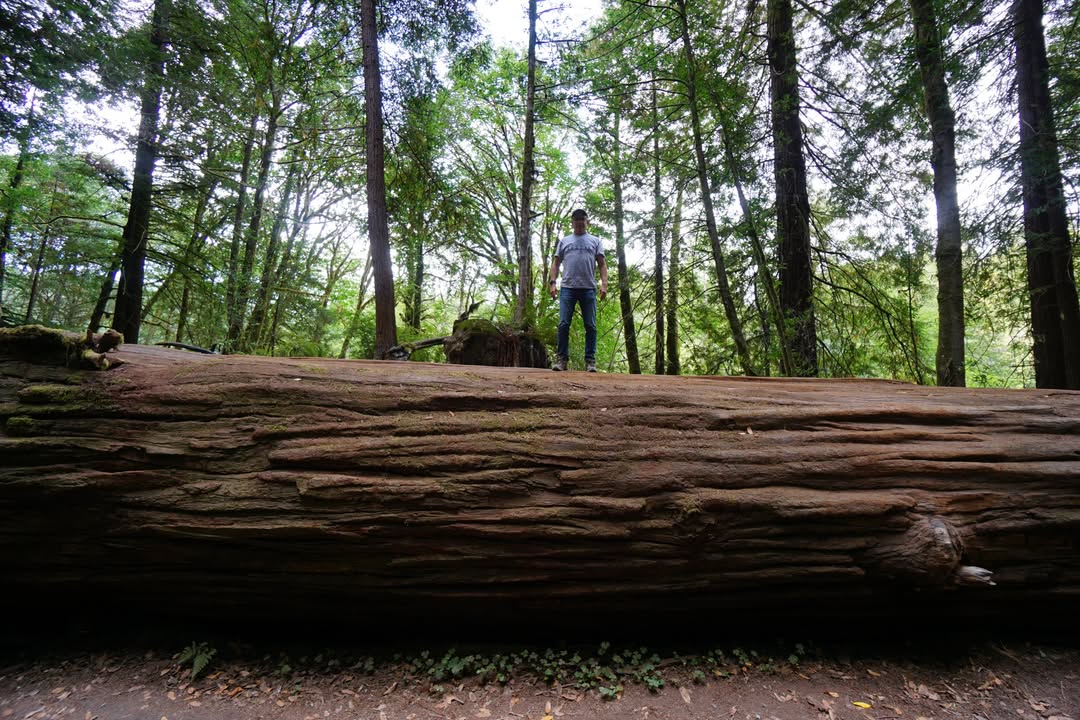
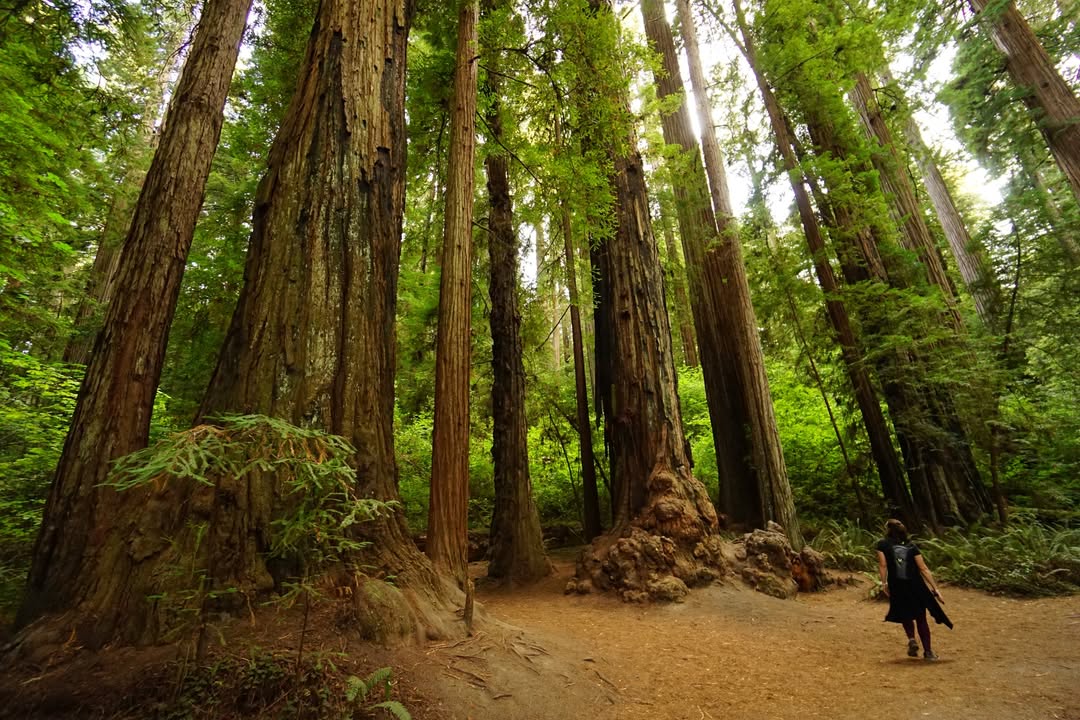
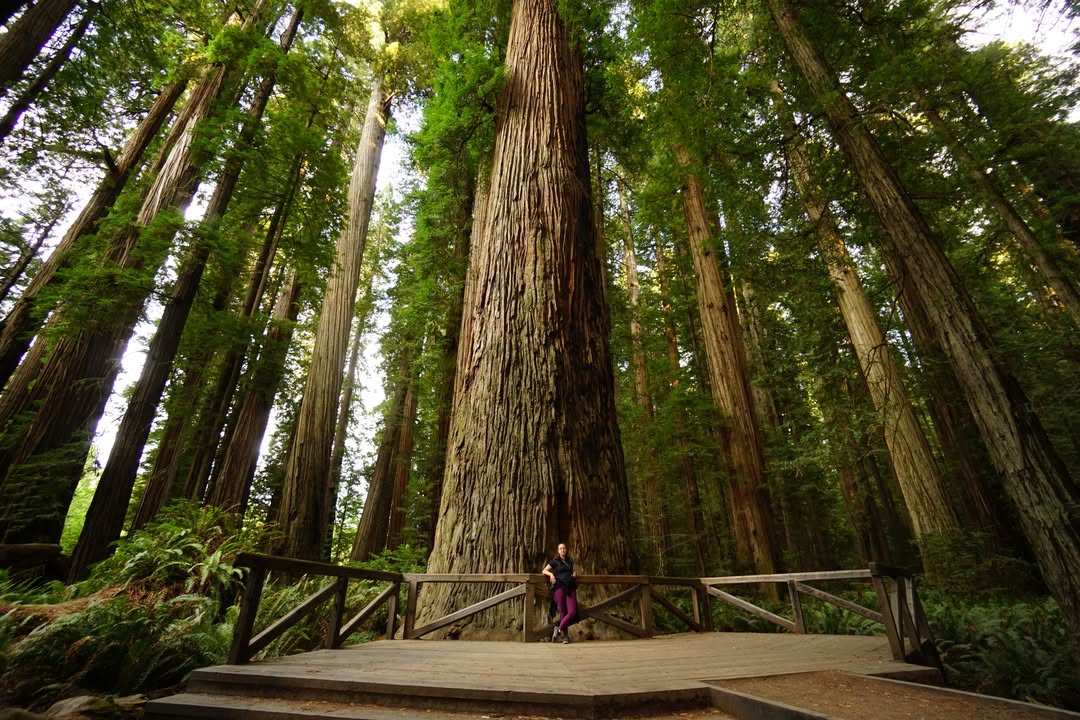
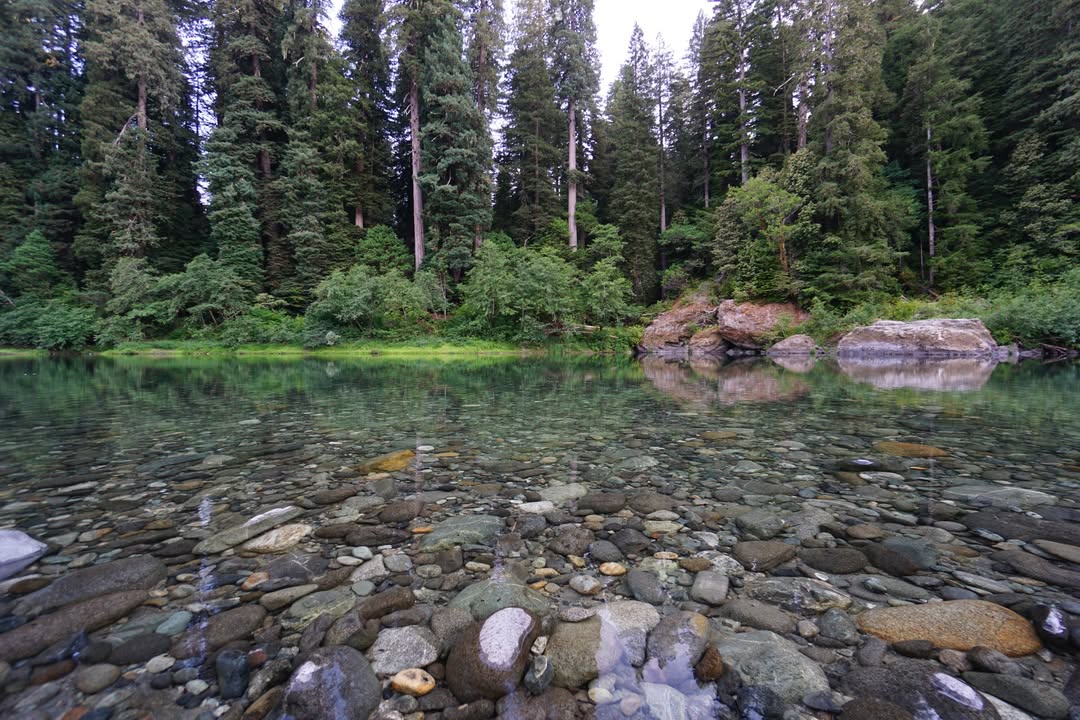
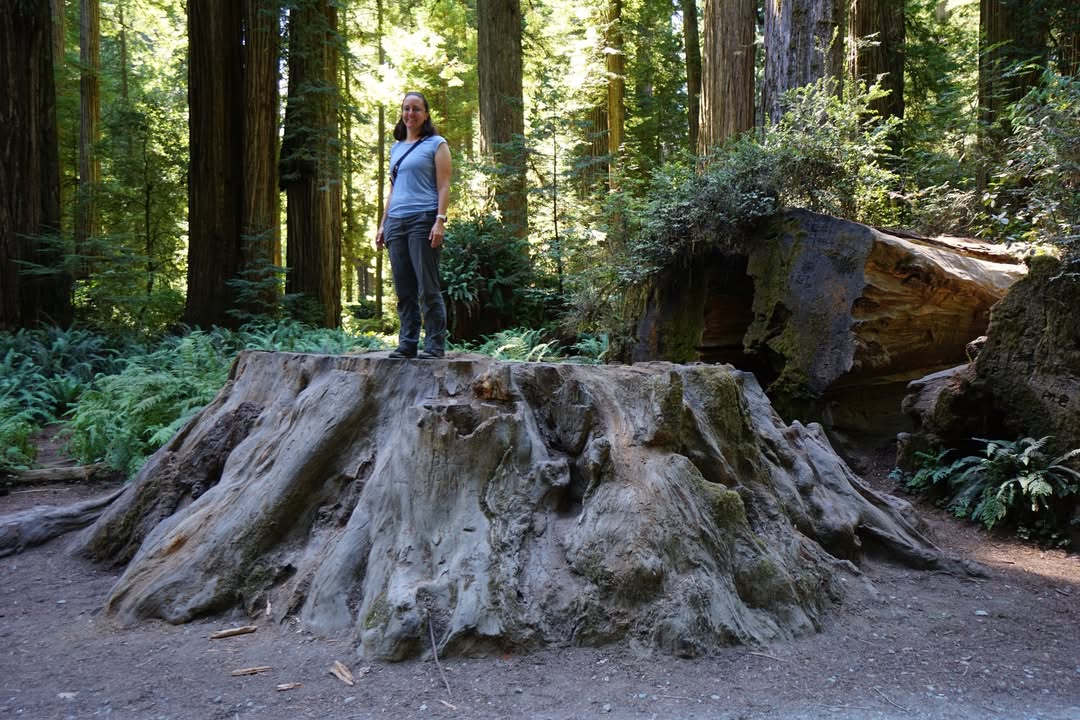
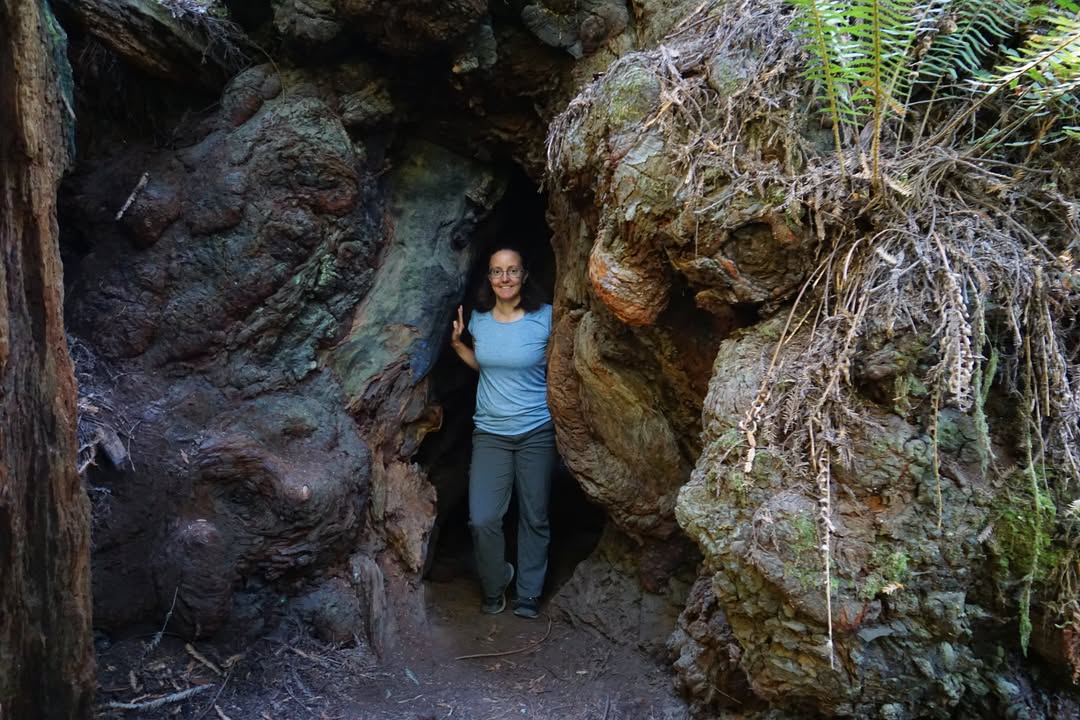
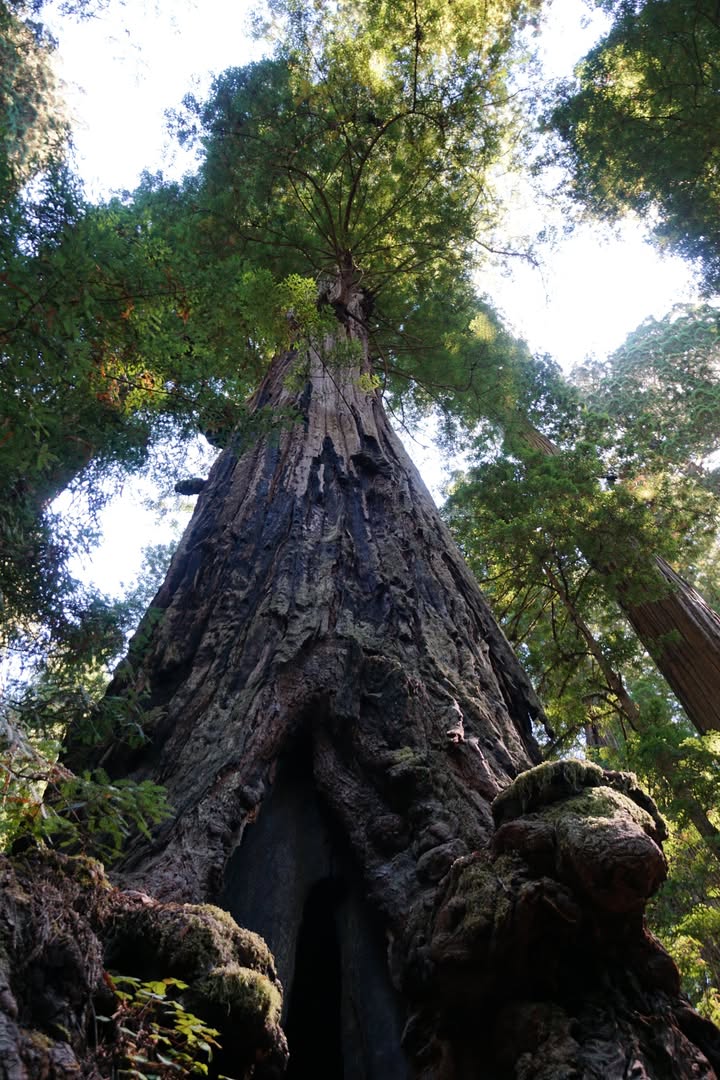
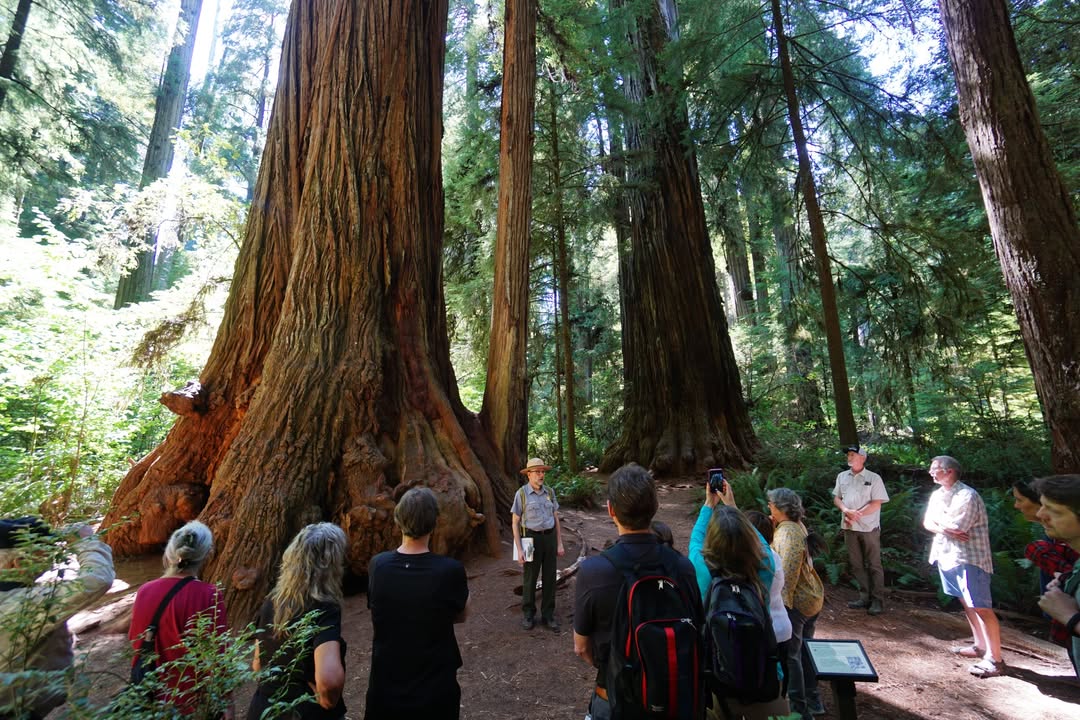
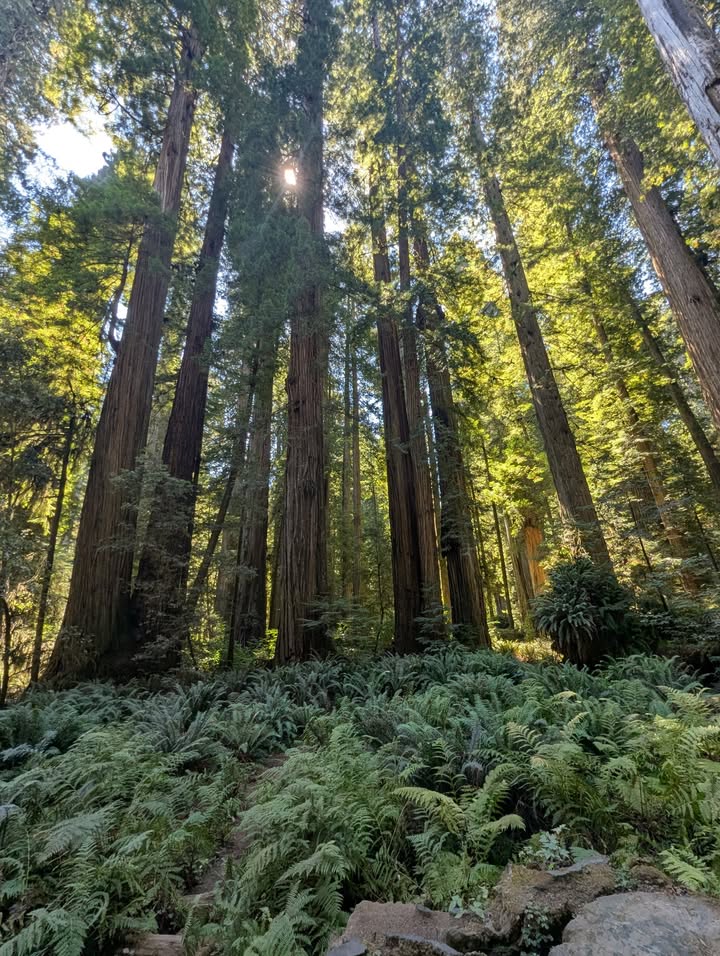
Jedediah Smith Redwoods State Park was our northern redwoods base, with Grove of the Titans, Stout Grove, Simpson-Reed Trail, Peterson Memorial Trail, and Smith River views.
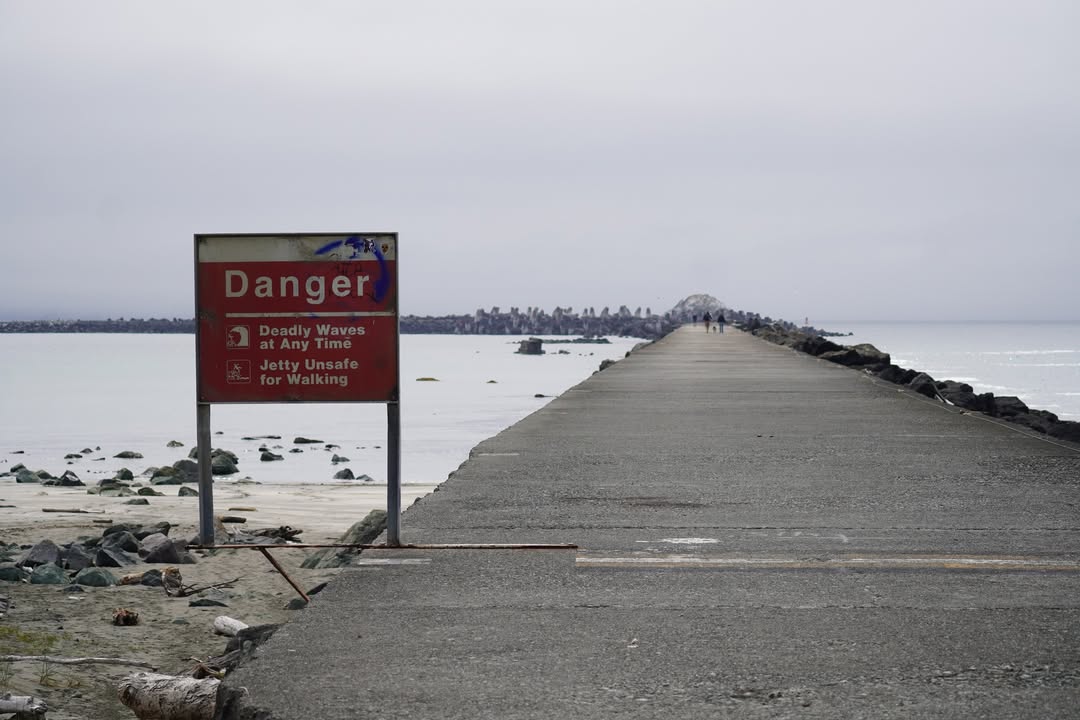
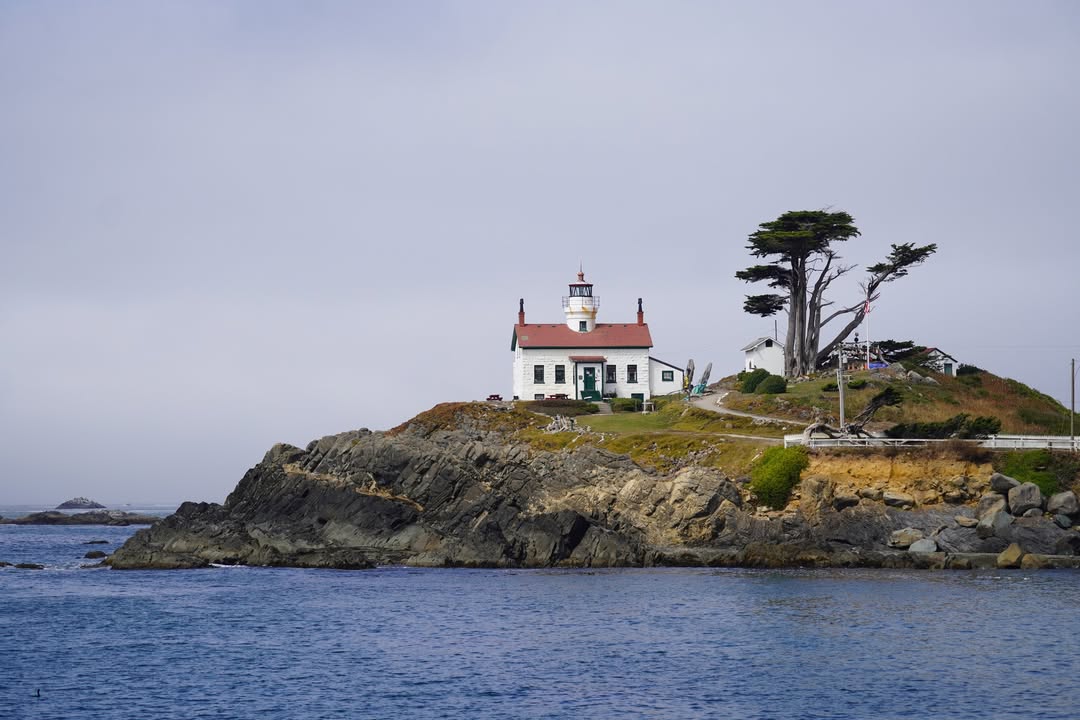
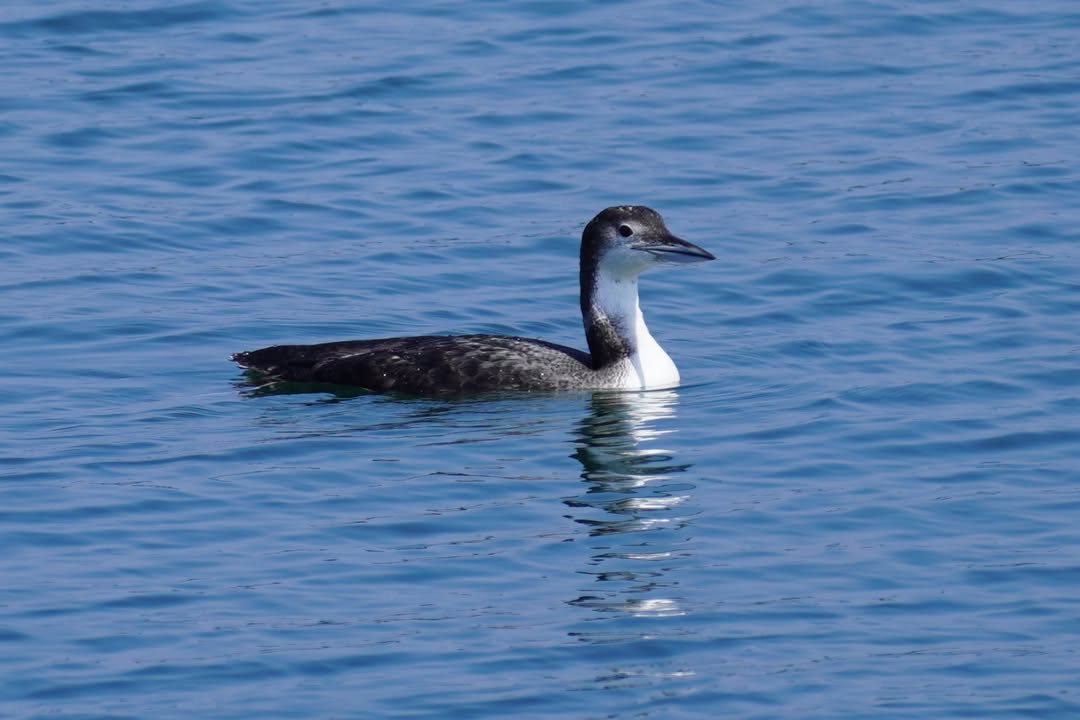
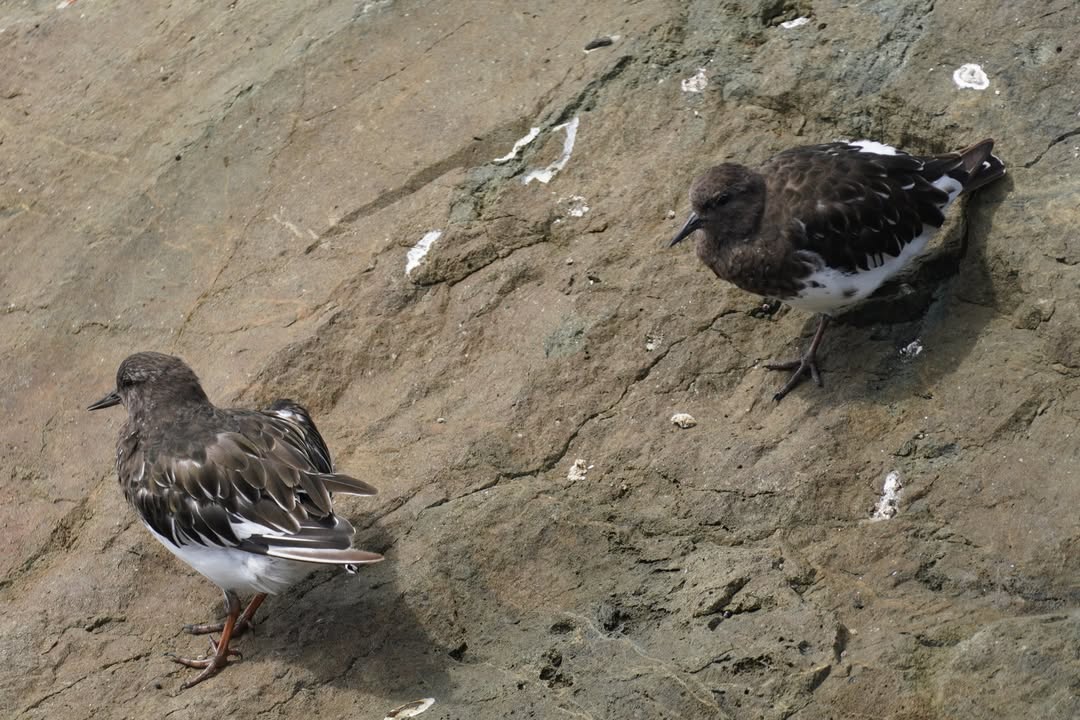
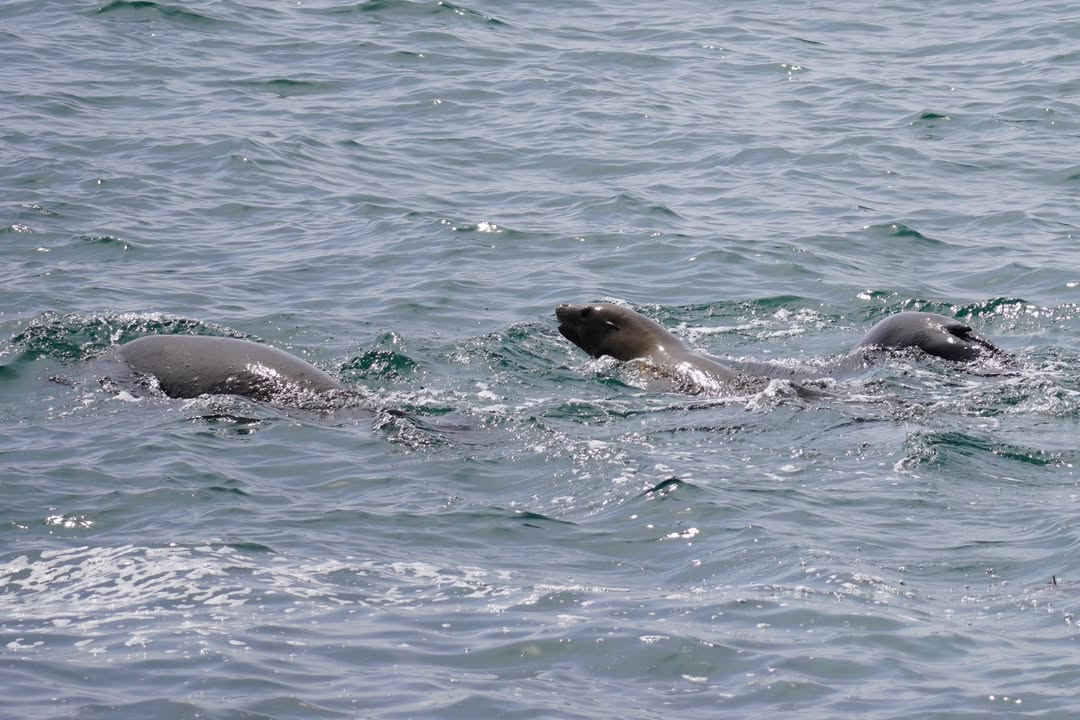
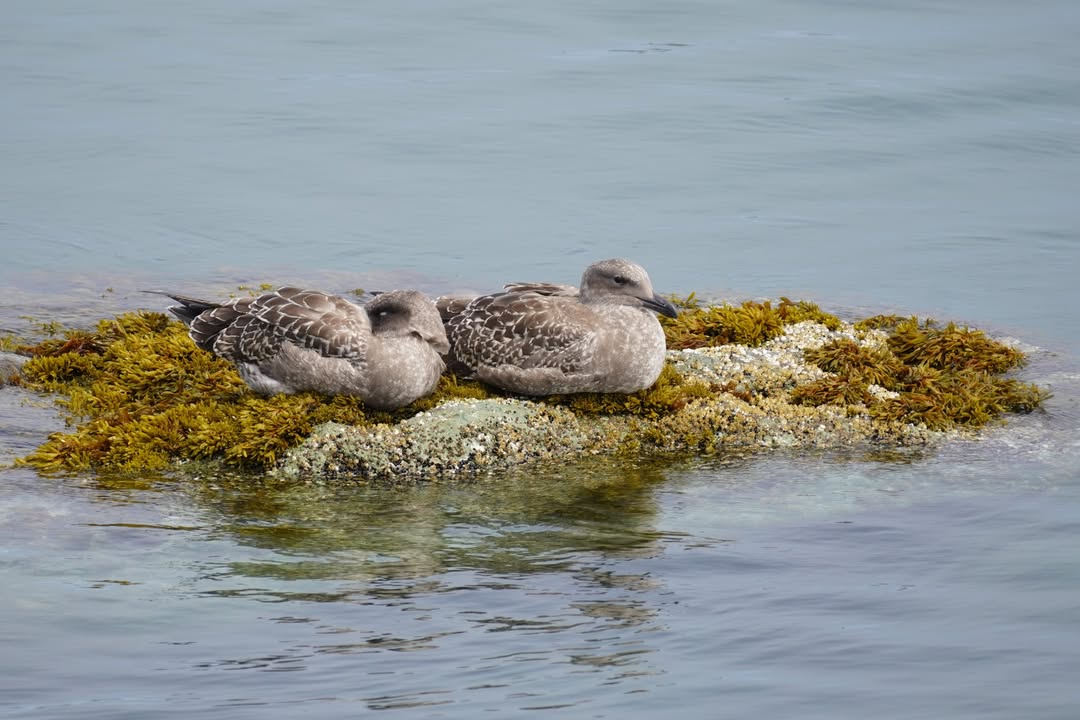
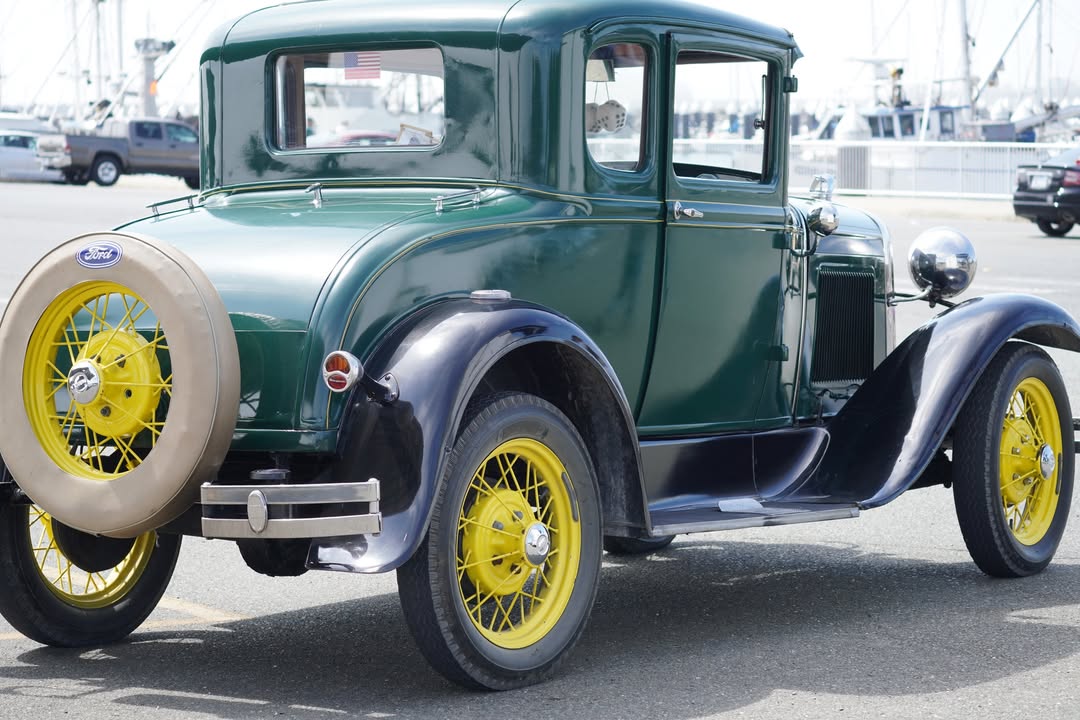
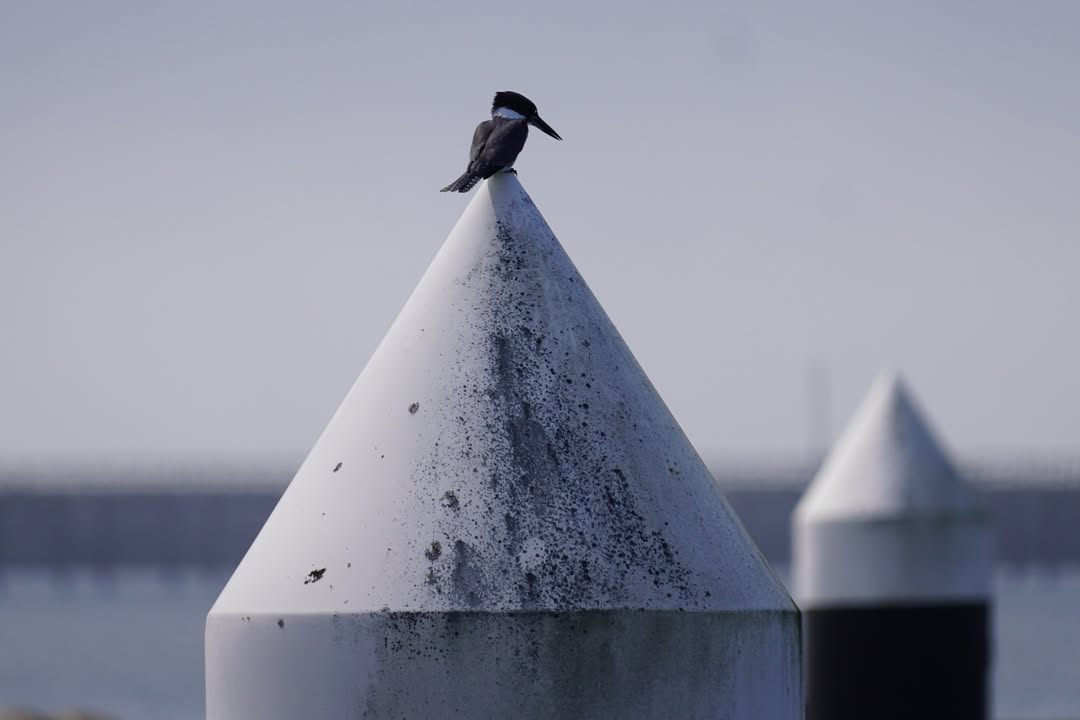
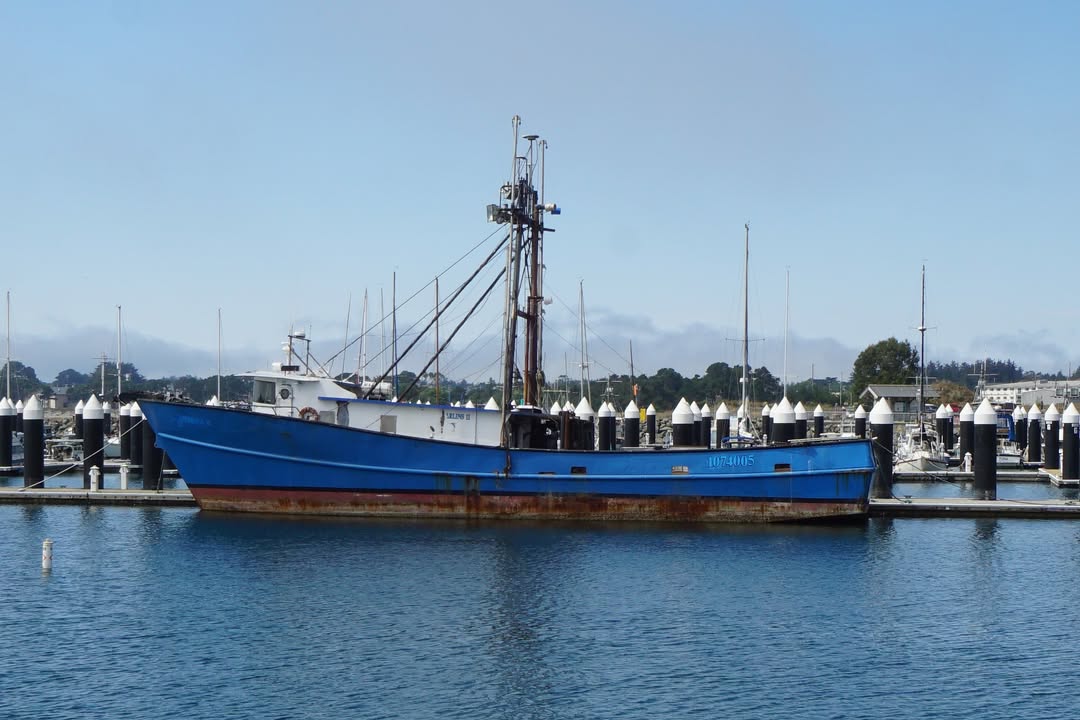
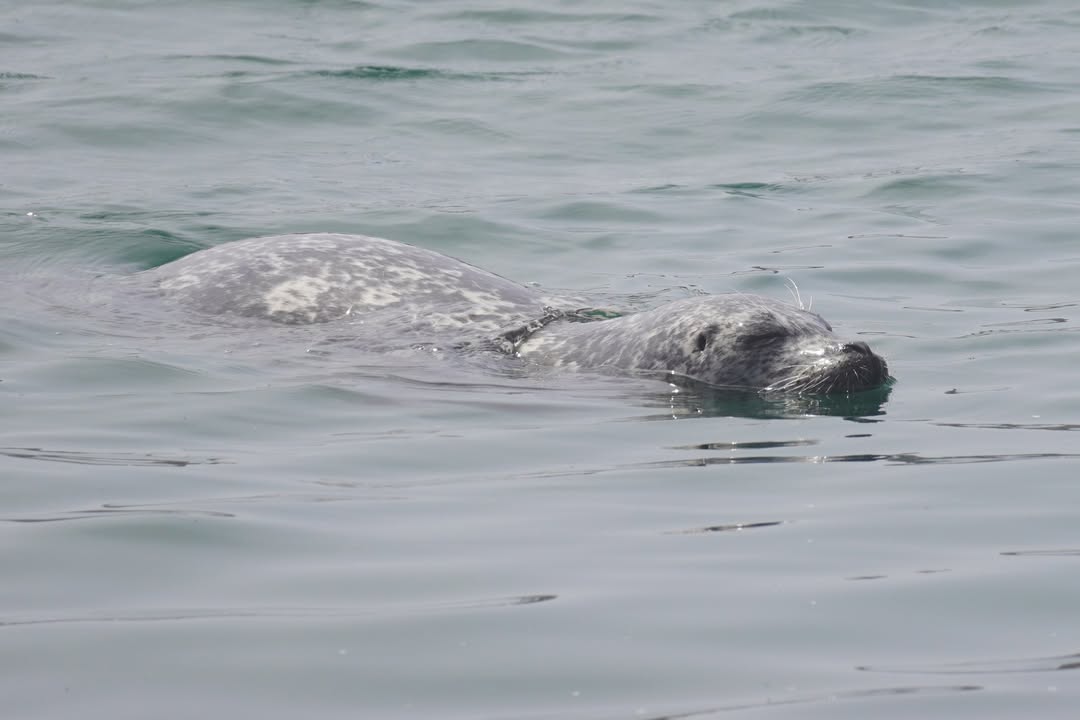
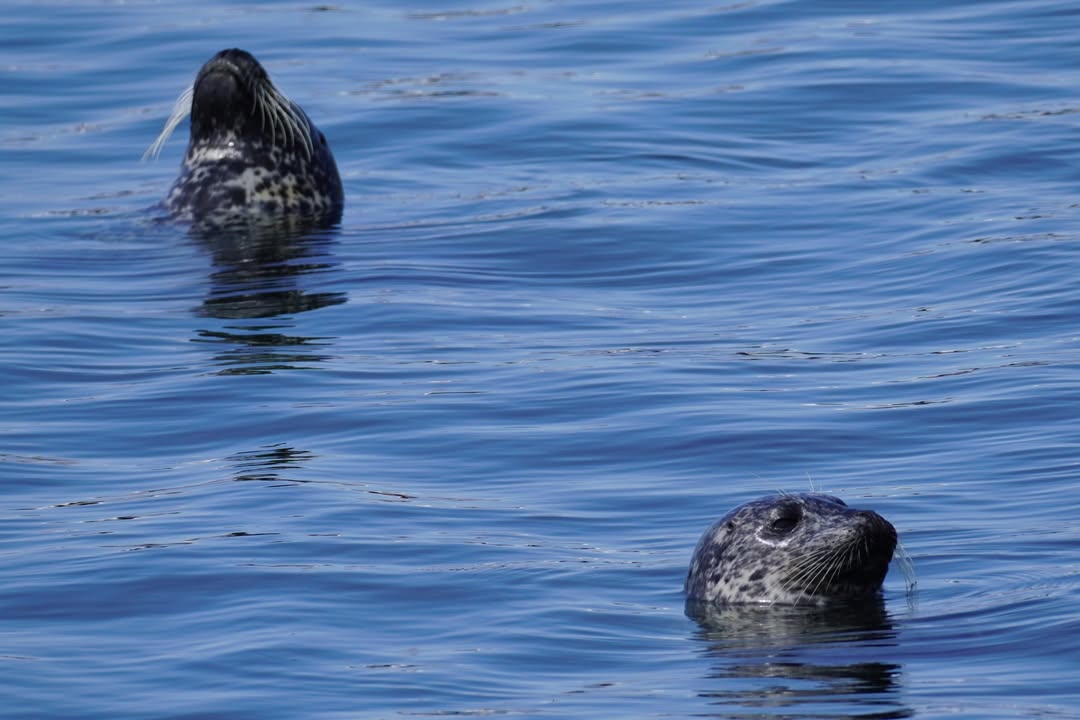
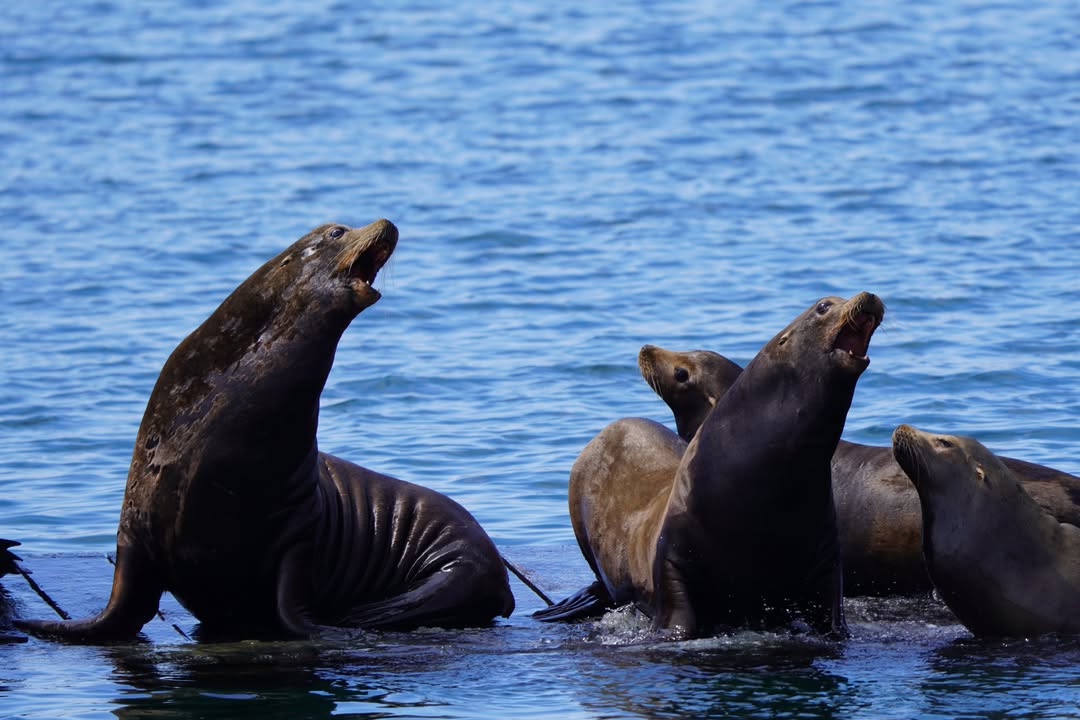
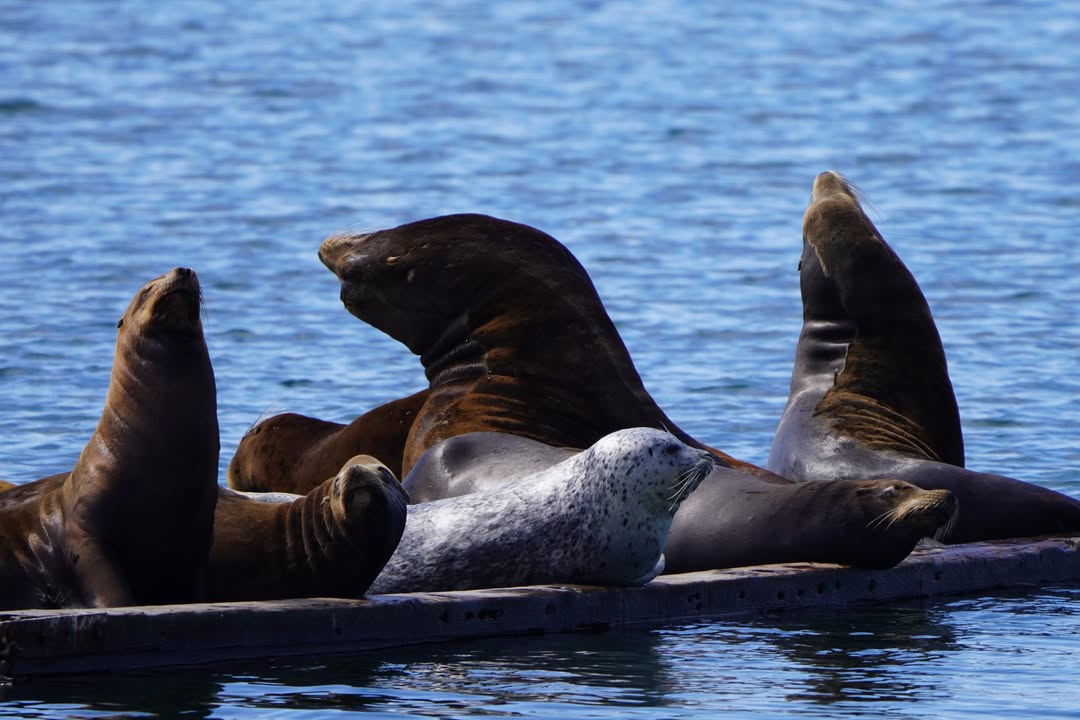
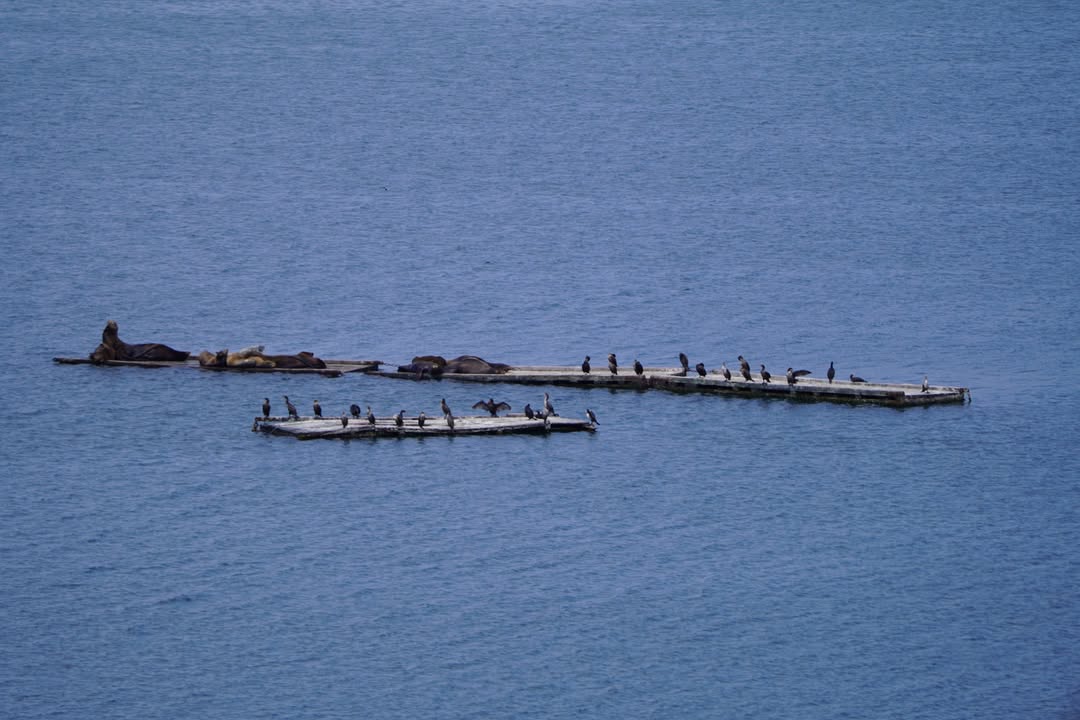
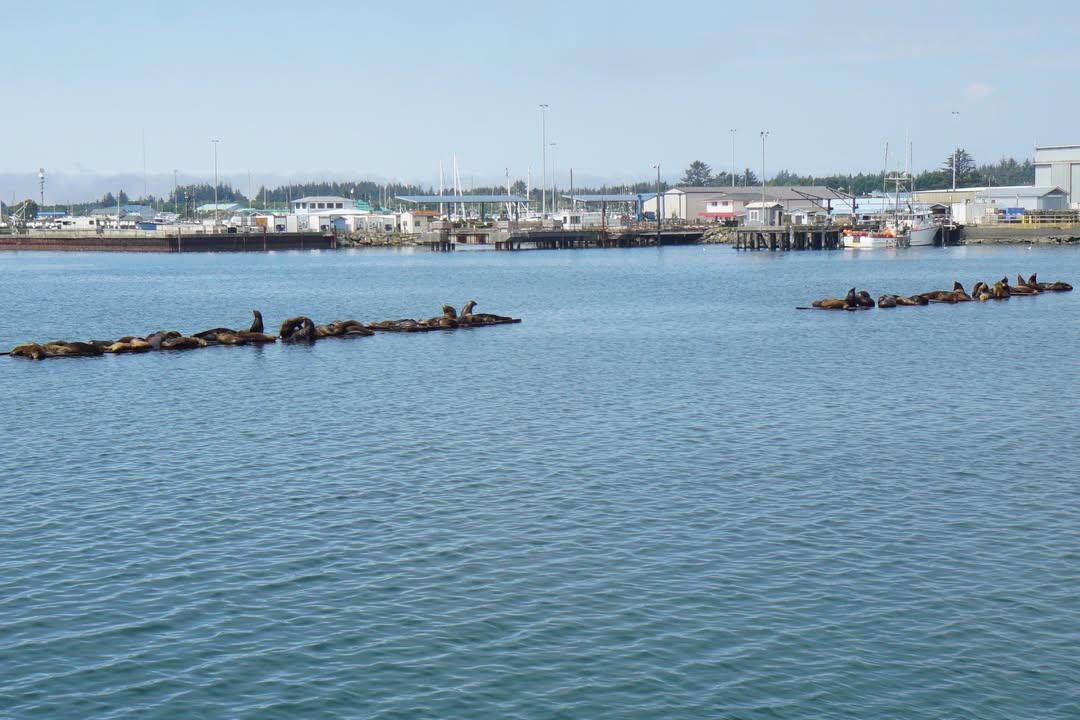
Crescent City covered our waterfront stops around Battery Point Lighthouse, the jetty, marina, and harbor. We watched seals, sea lions, loons, turnstones, gulls, and a kingfisher around the bay.
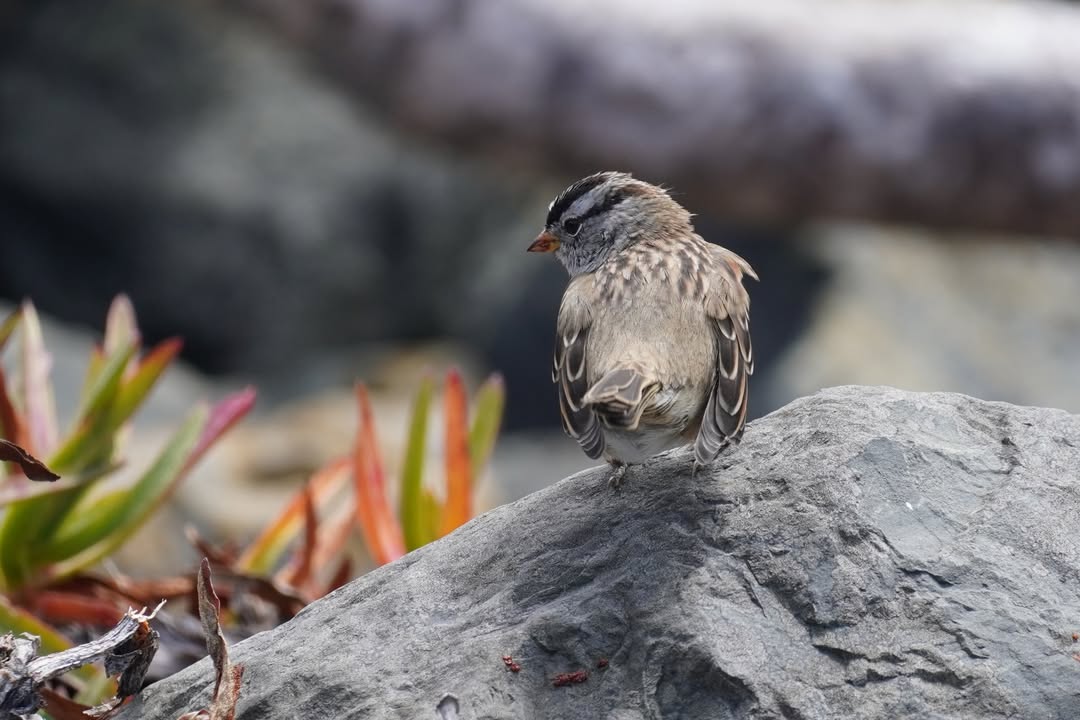
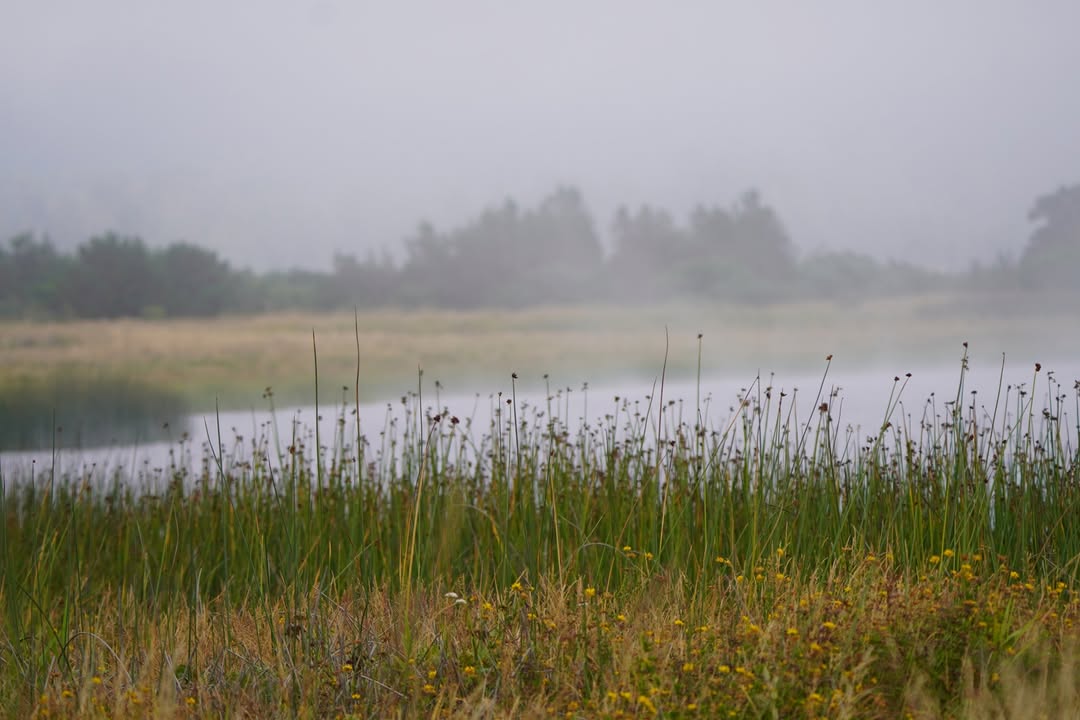
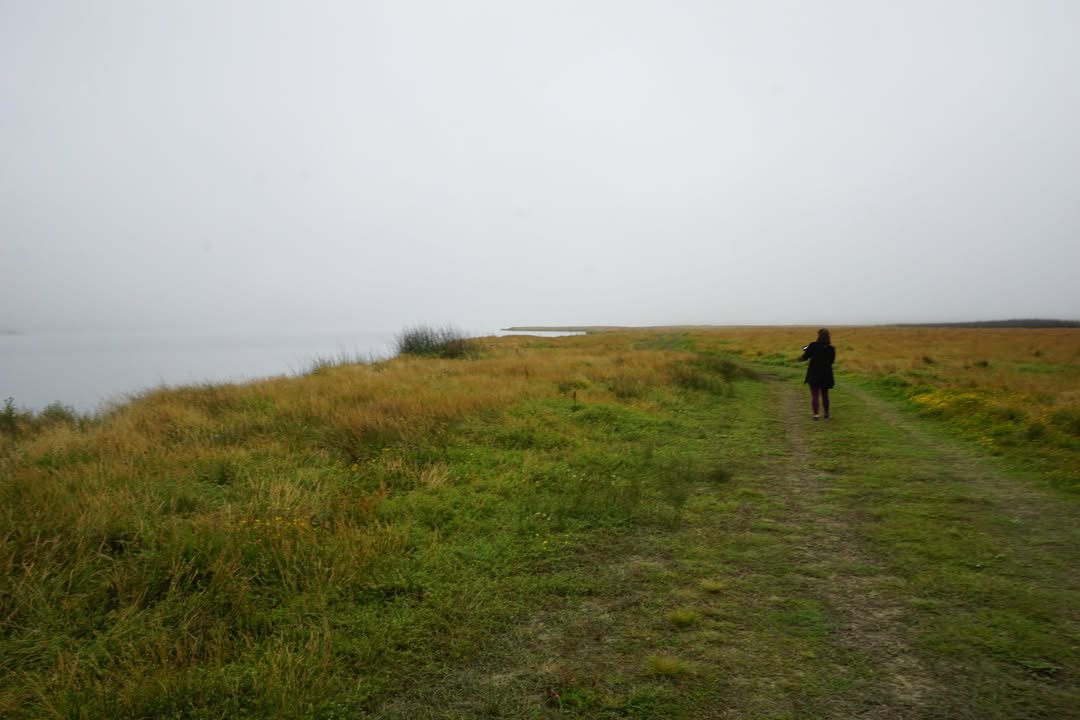
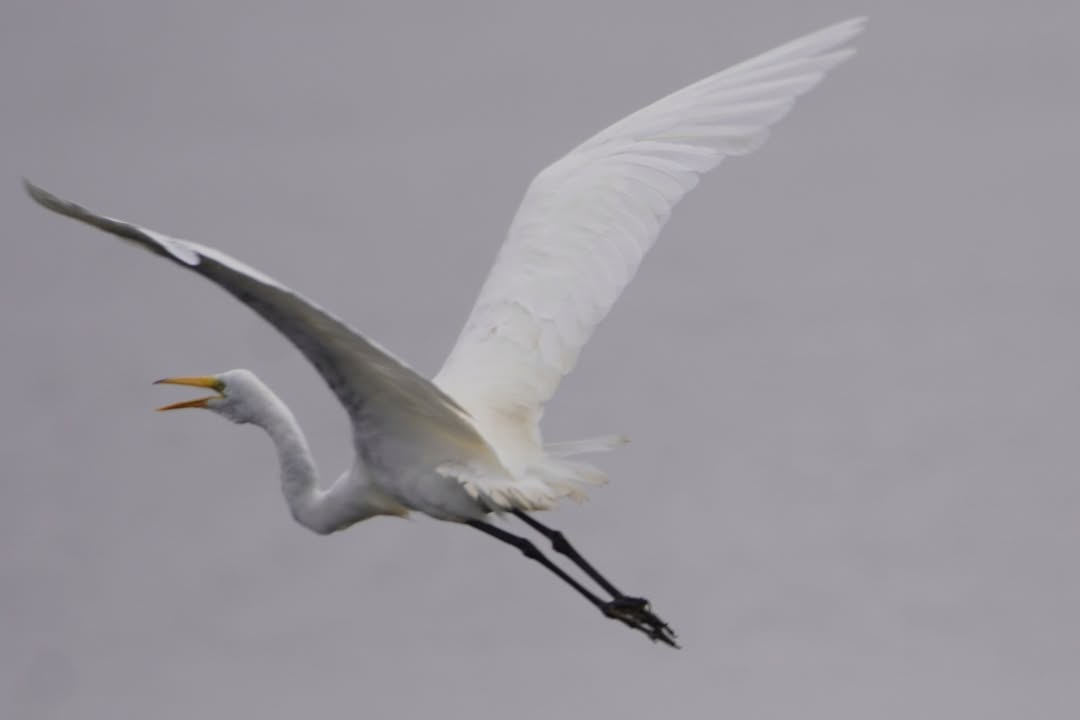
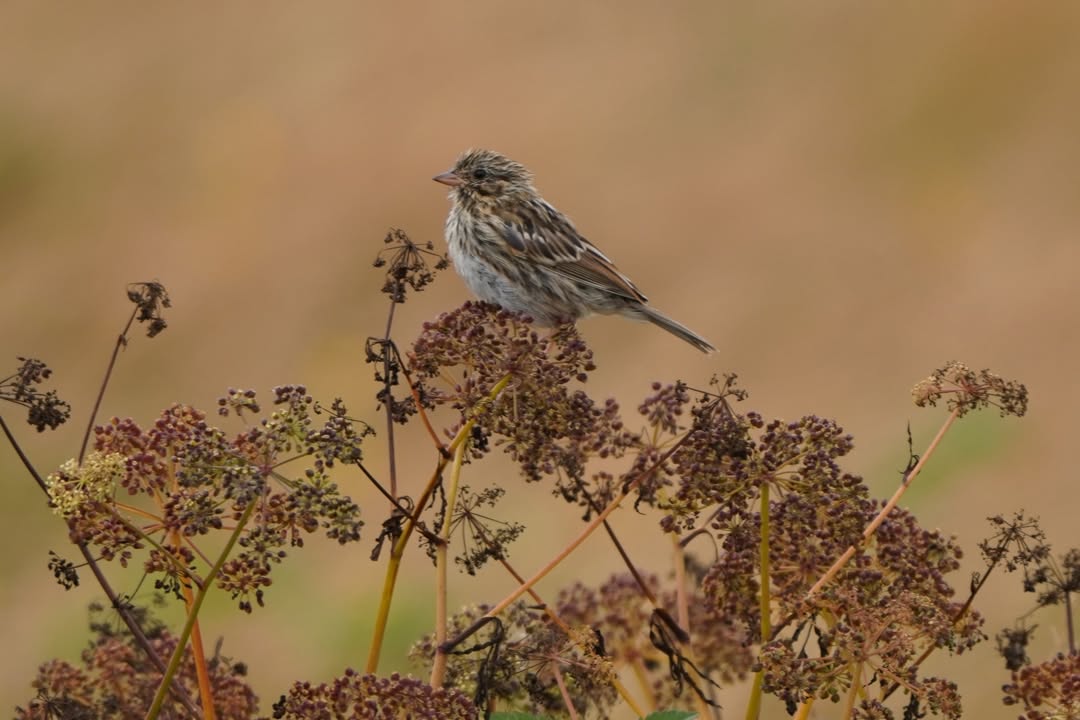
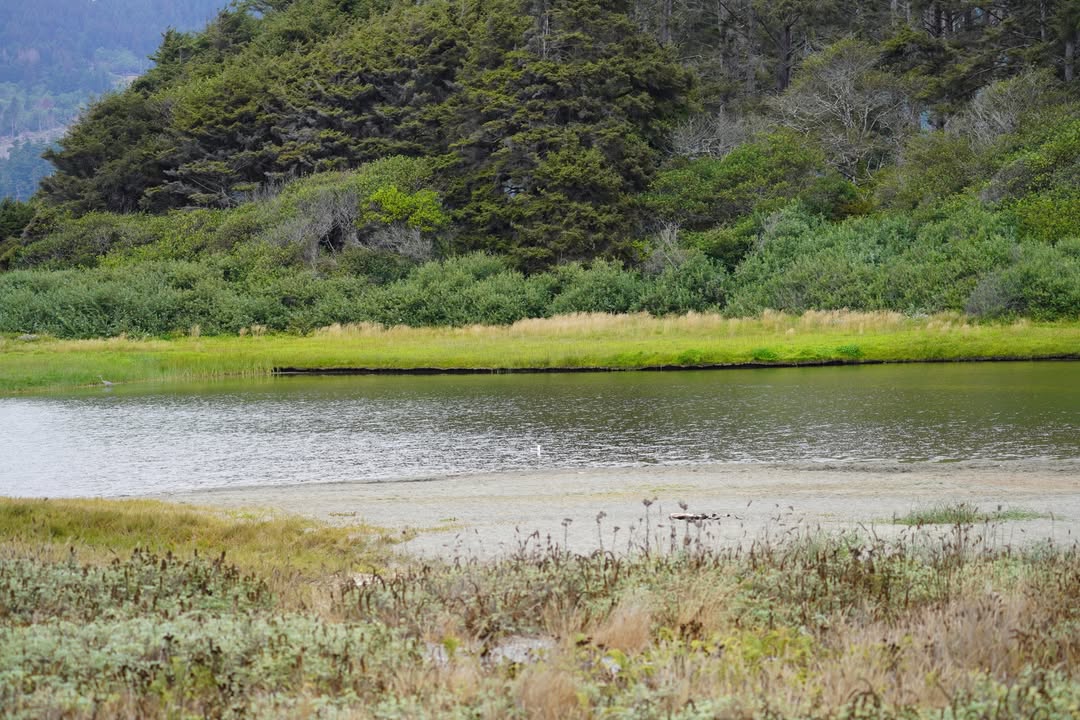
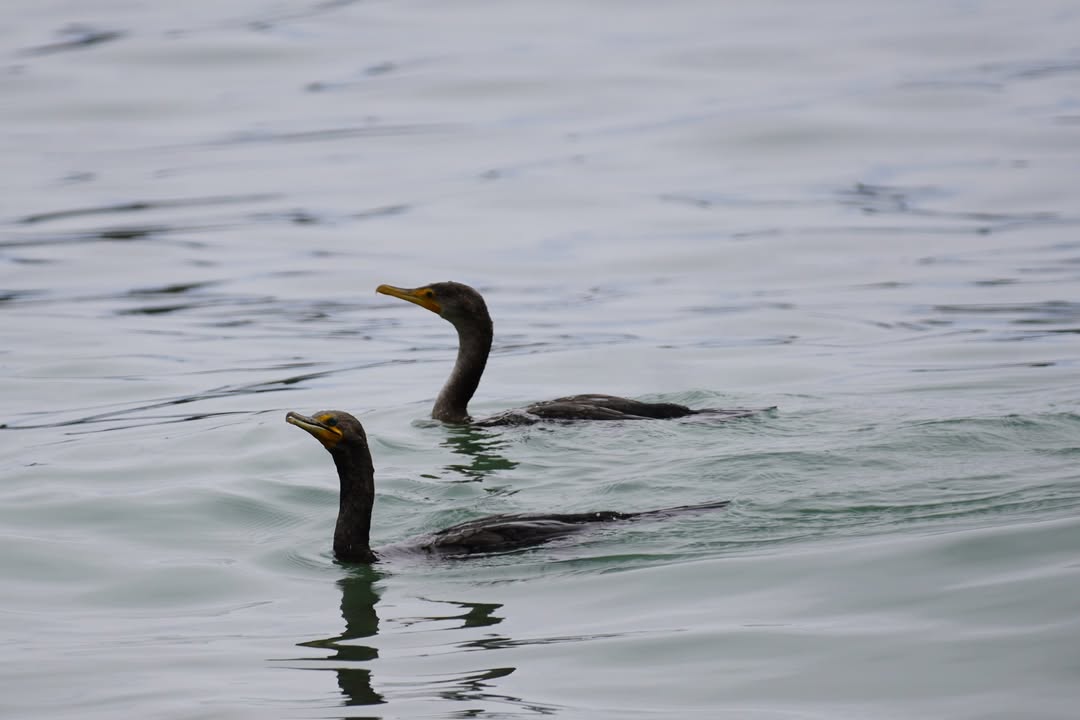
Tolowa Dunes State Park has coastal dunes, wetlands, beach, and lake area north of Crescent City. We visited the Tolowa Lake area looking for birds in the fog and came away with cormorants, a Great Egret, and a cooperative Savannah Sparrow.
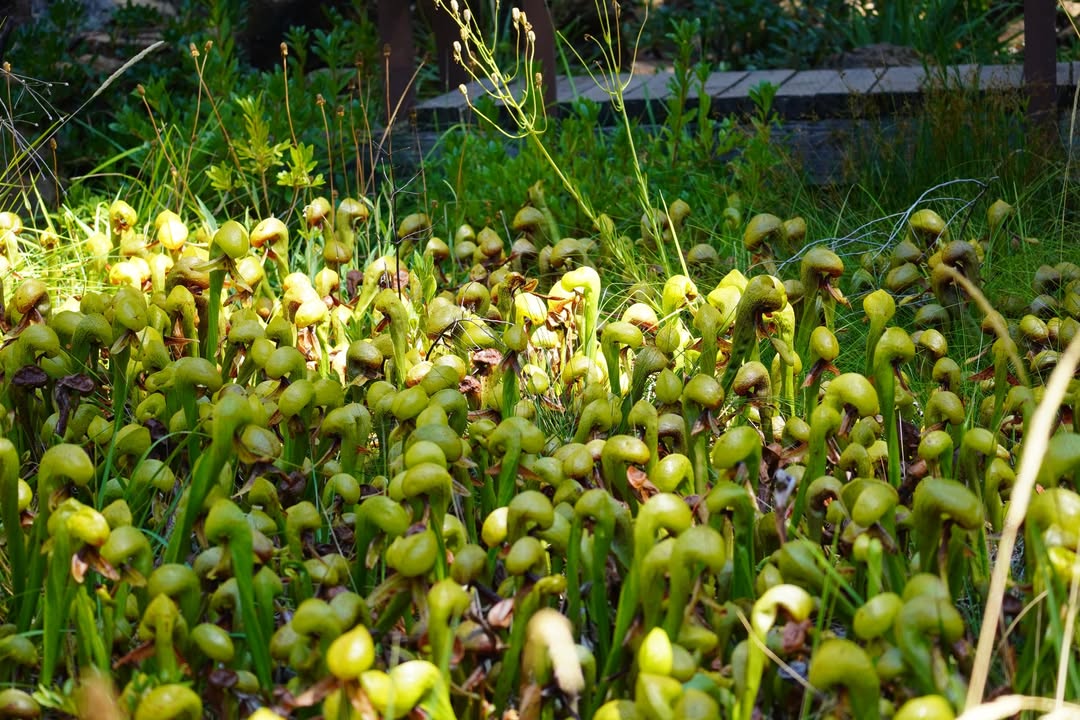
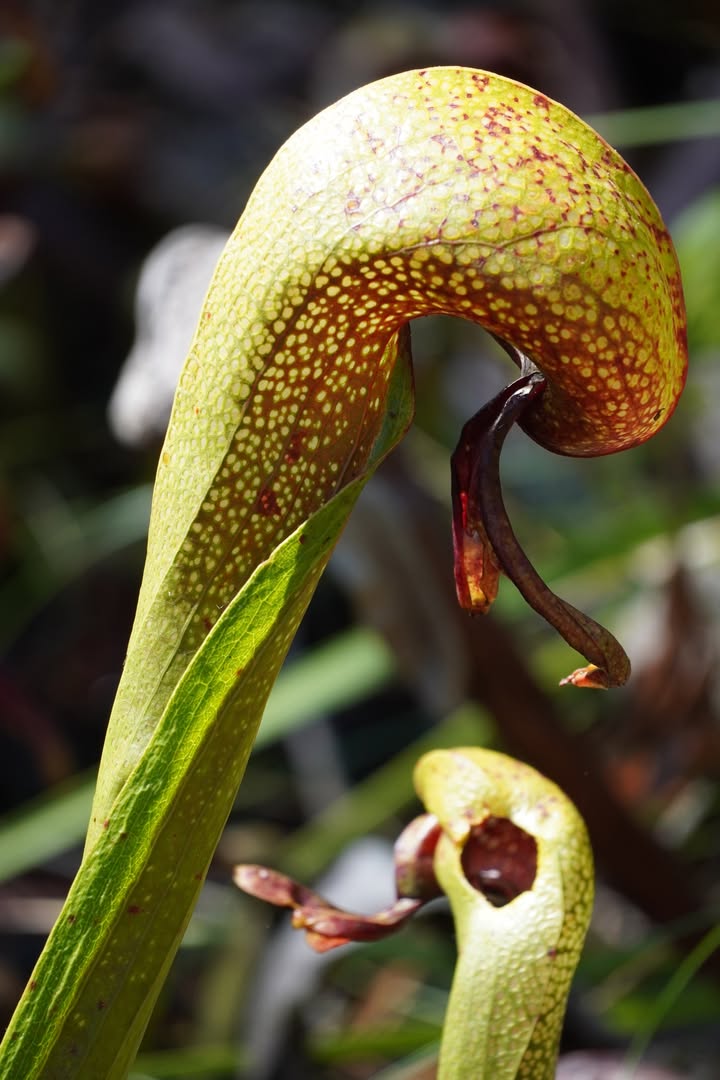
Darlingtonia Trail is a botanical loop in the Smith River National Recreation Area, not part of Jedediah Smith Redwoods State Park. The trail crosses a bog filled with California pitcher plants, also called cobra lilies, whose hooded leaves trap insects.
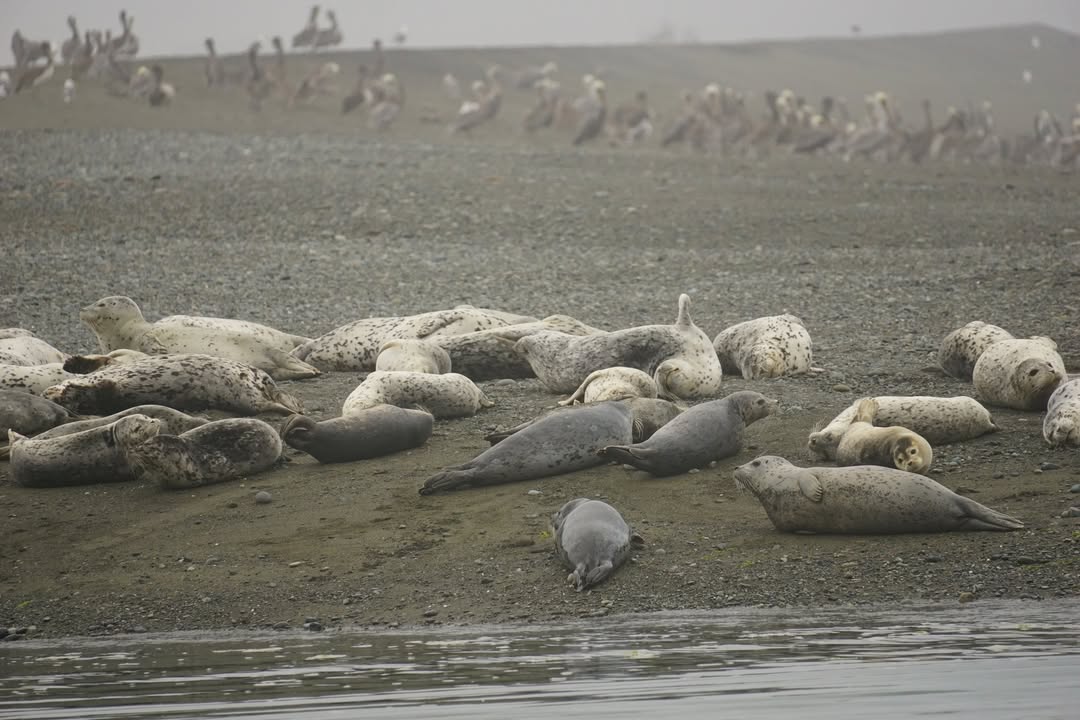
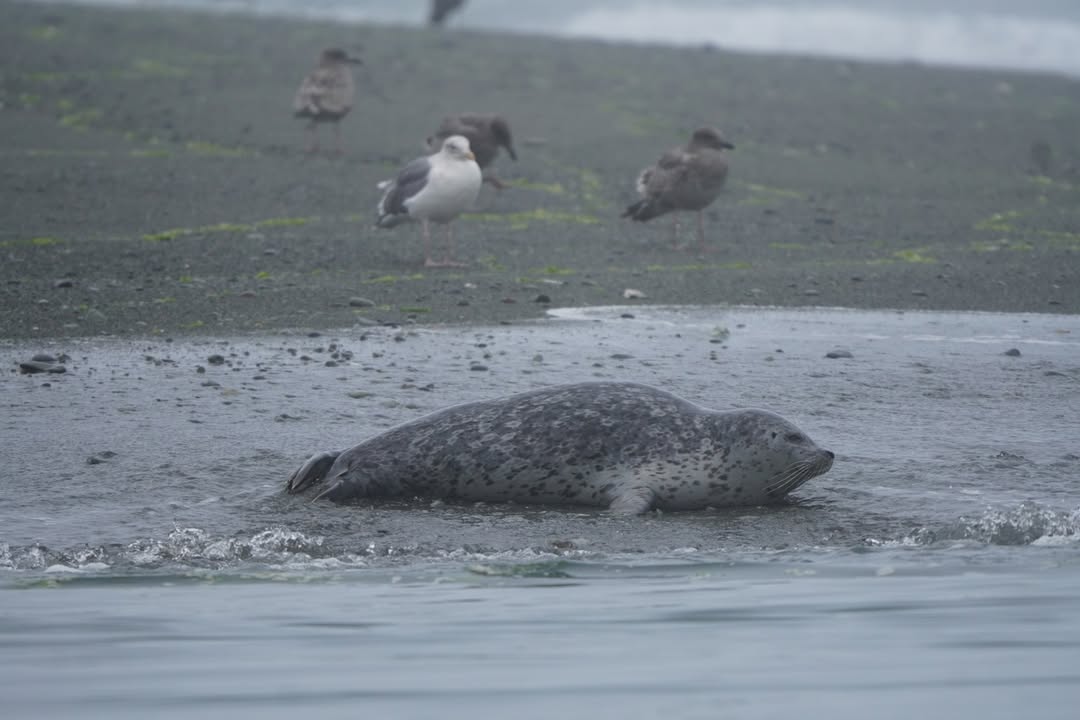
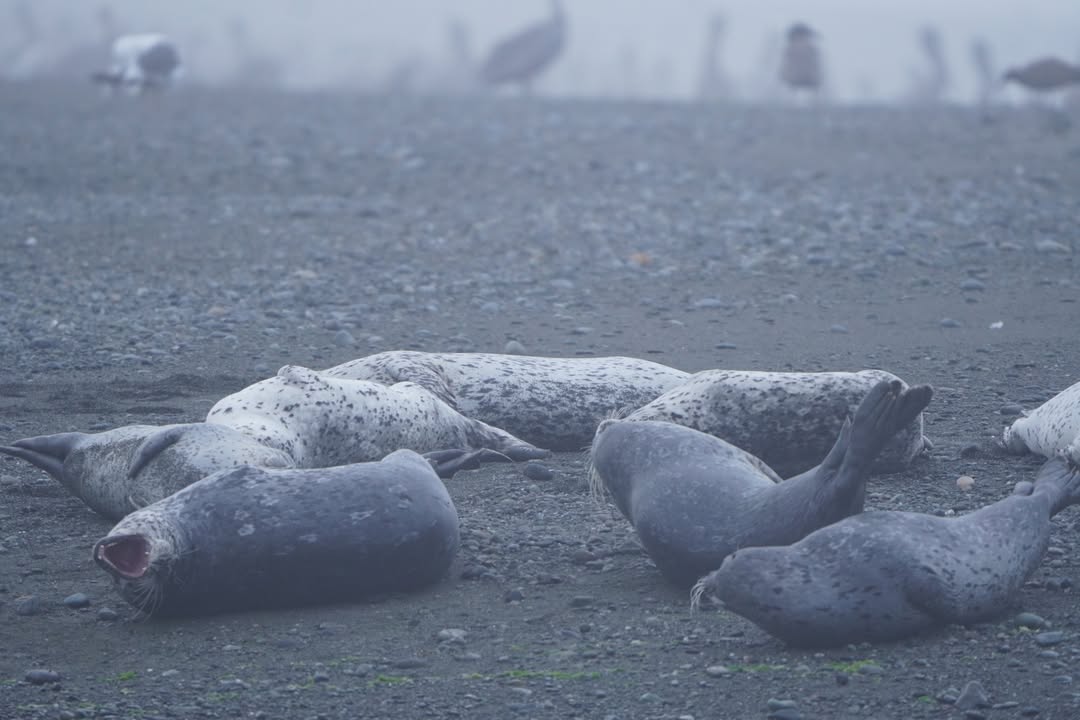
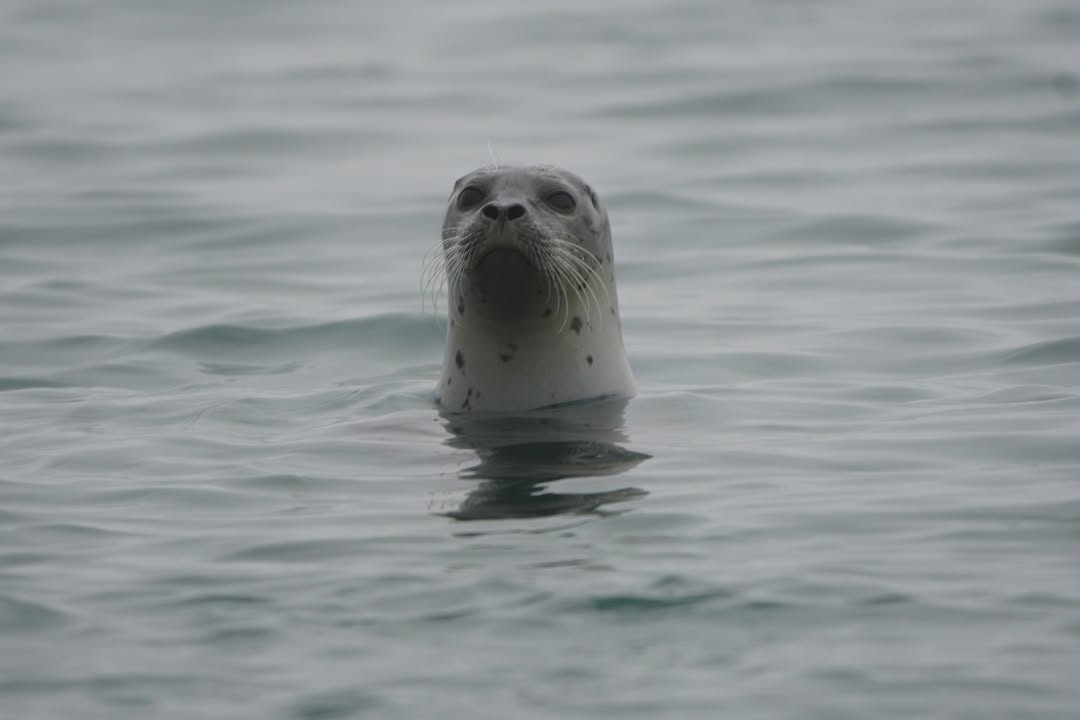
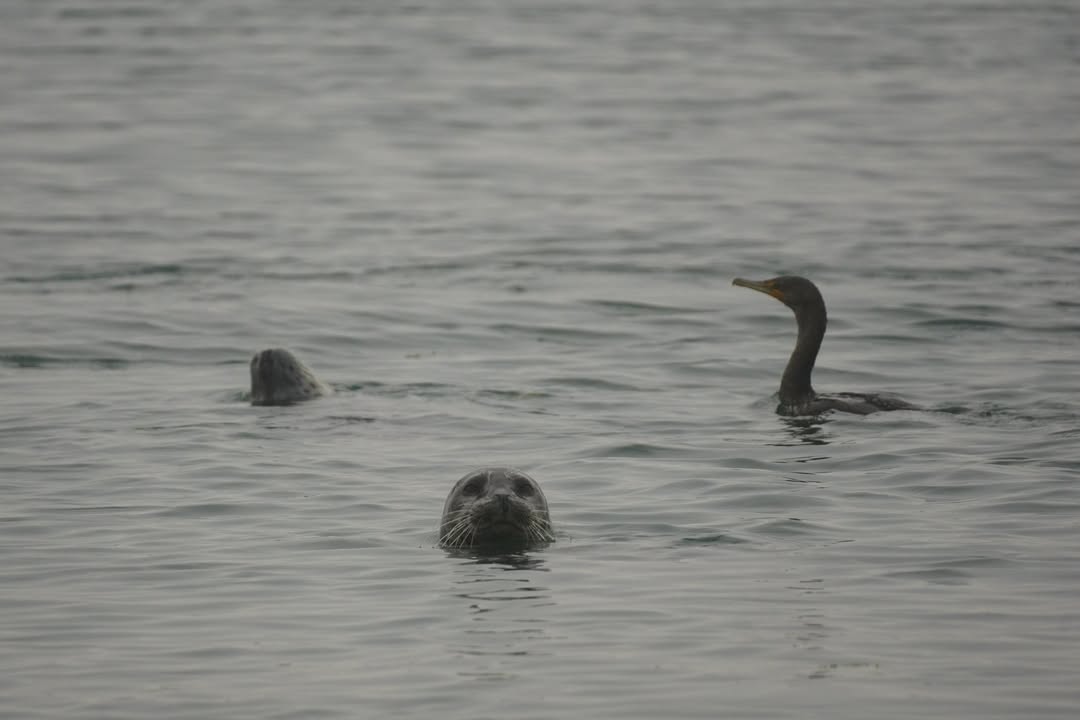
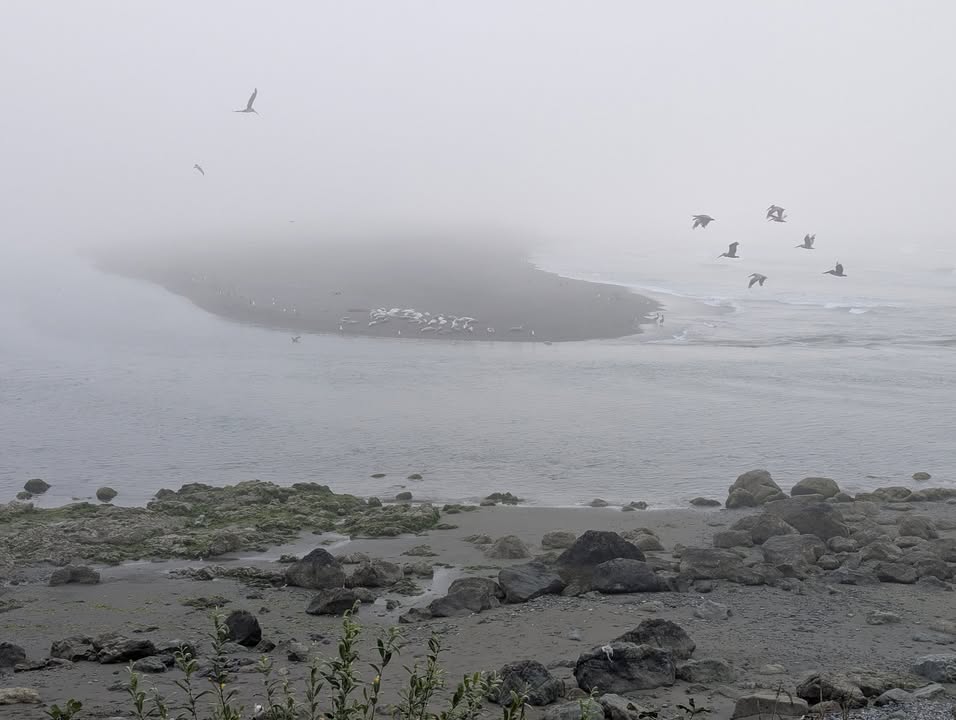
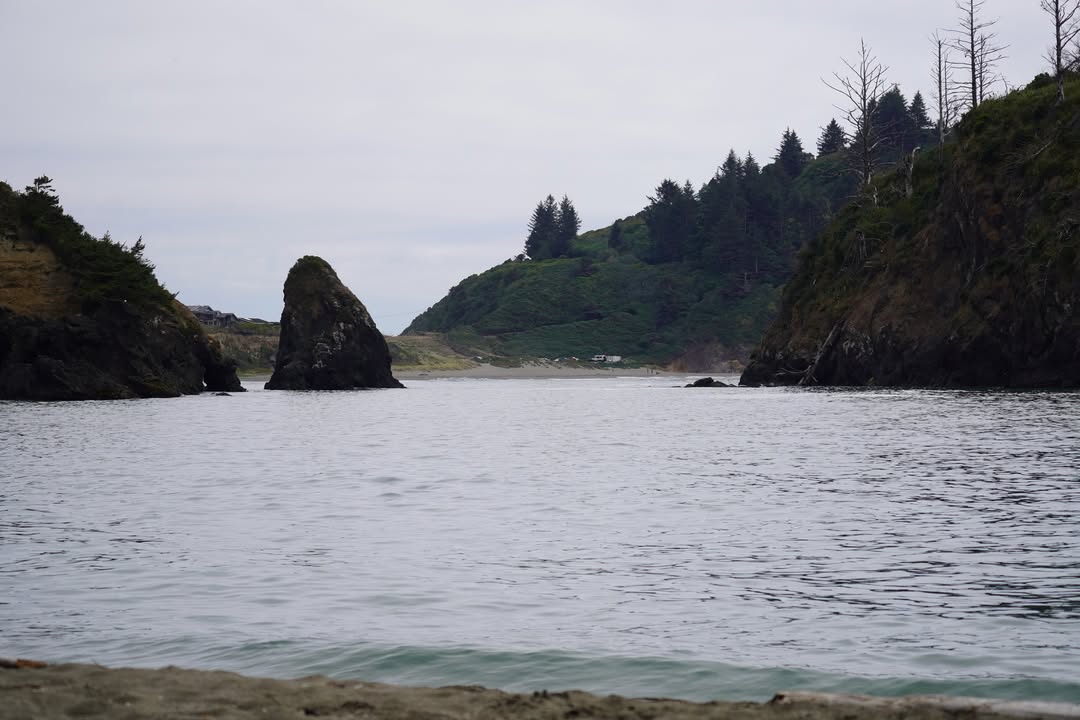
The Mouth of the Smith River is a coastal wildlife stop north of Crescent City, where the Smith River reaches the Pacific Ocean. We watched harbor seals across the channel while gulls, pelicans, and cormorants worked the shoreline and water.
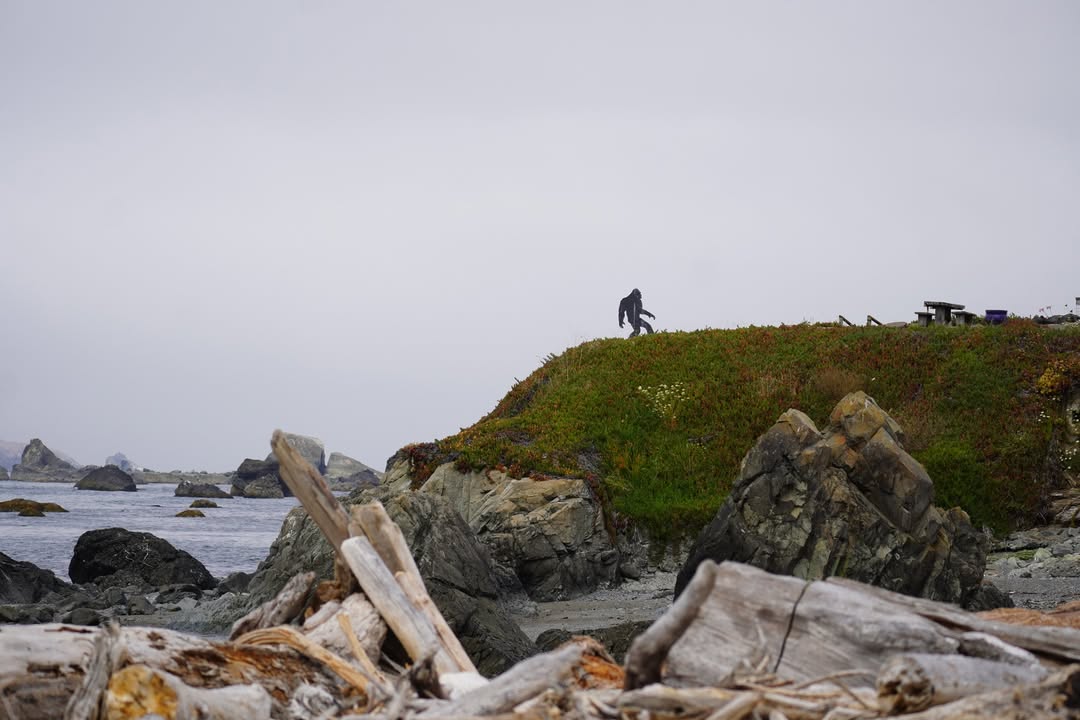
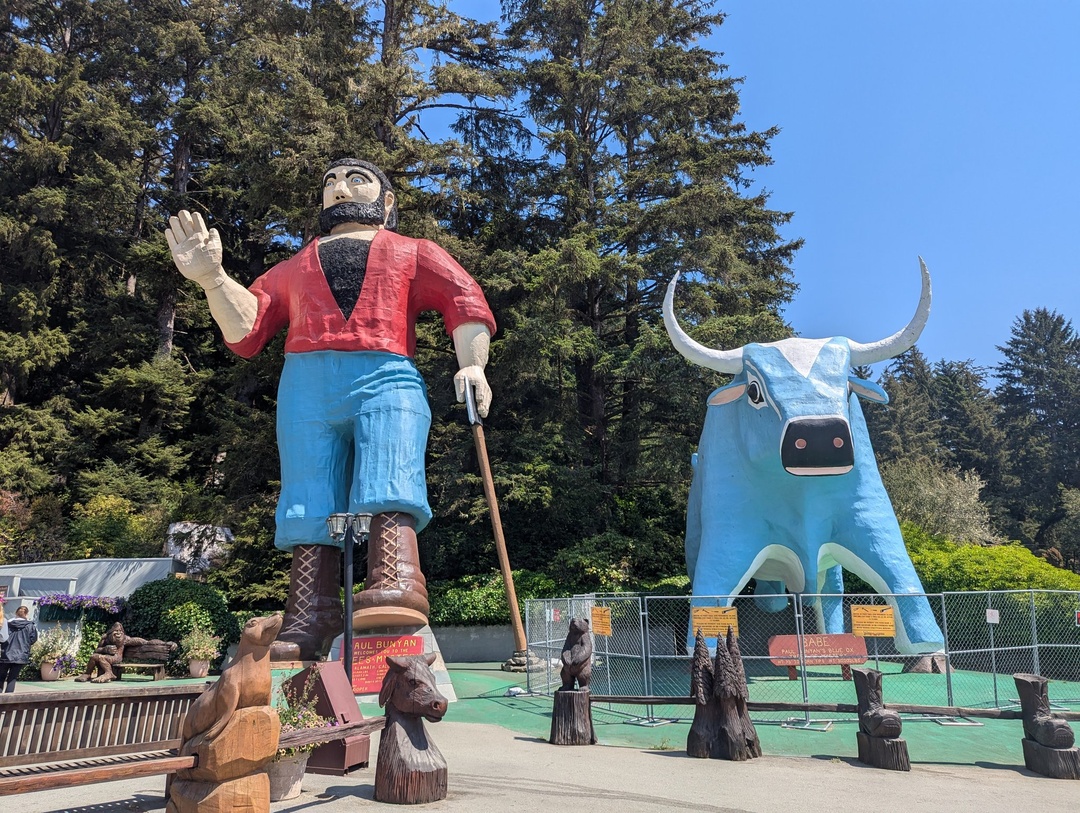
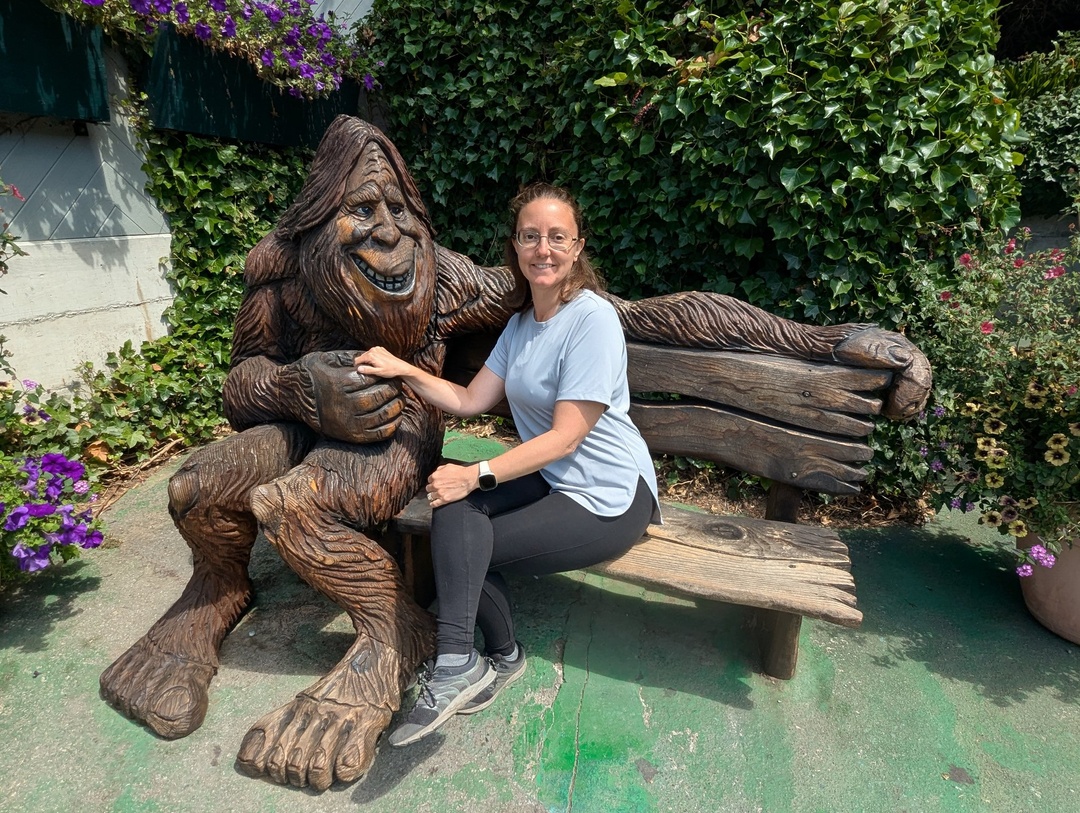
Trees of Mystery is a classic redwood roadside attraction on Highway 101. We skipped the paid attraction but stopped for the oversized Paul Bunyan, Babe the Blue Ox, and Bigfoot displays outside.
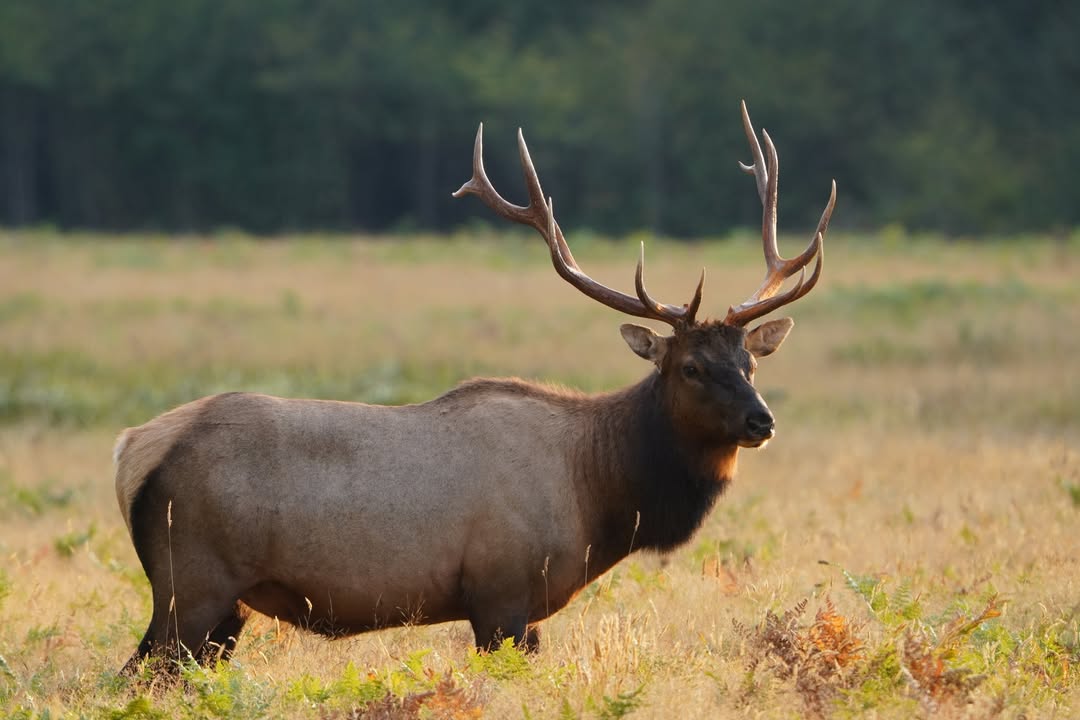
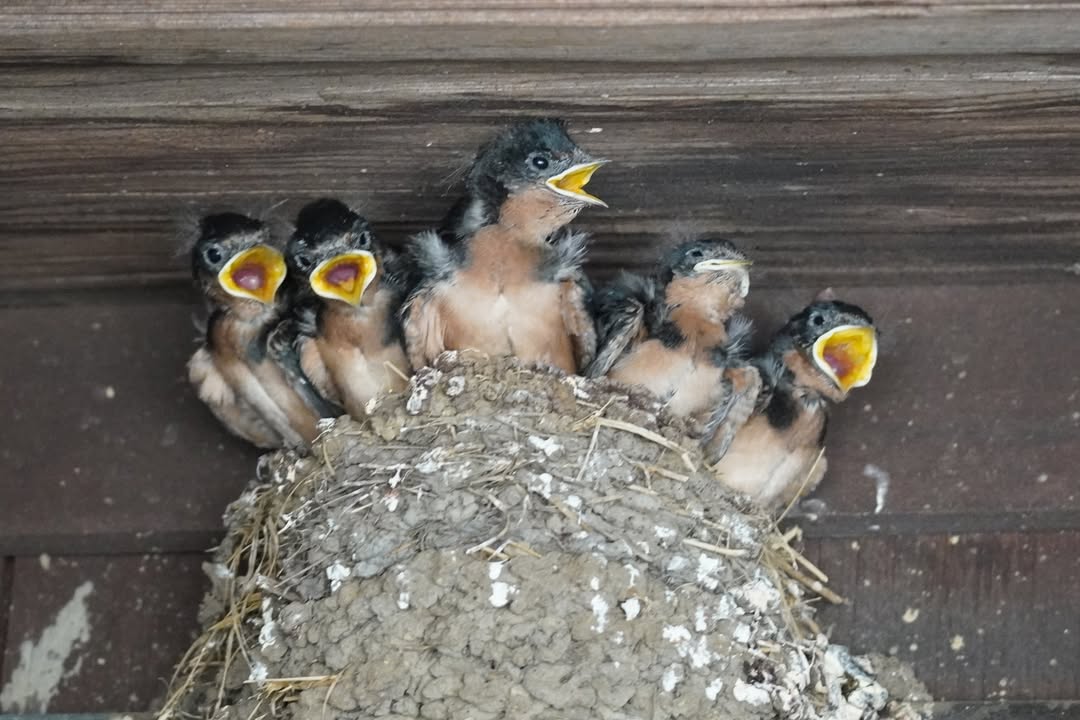
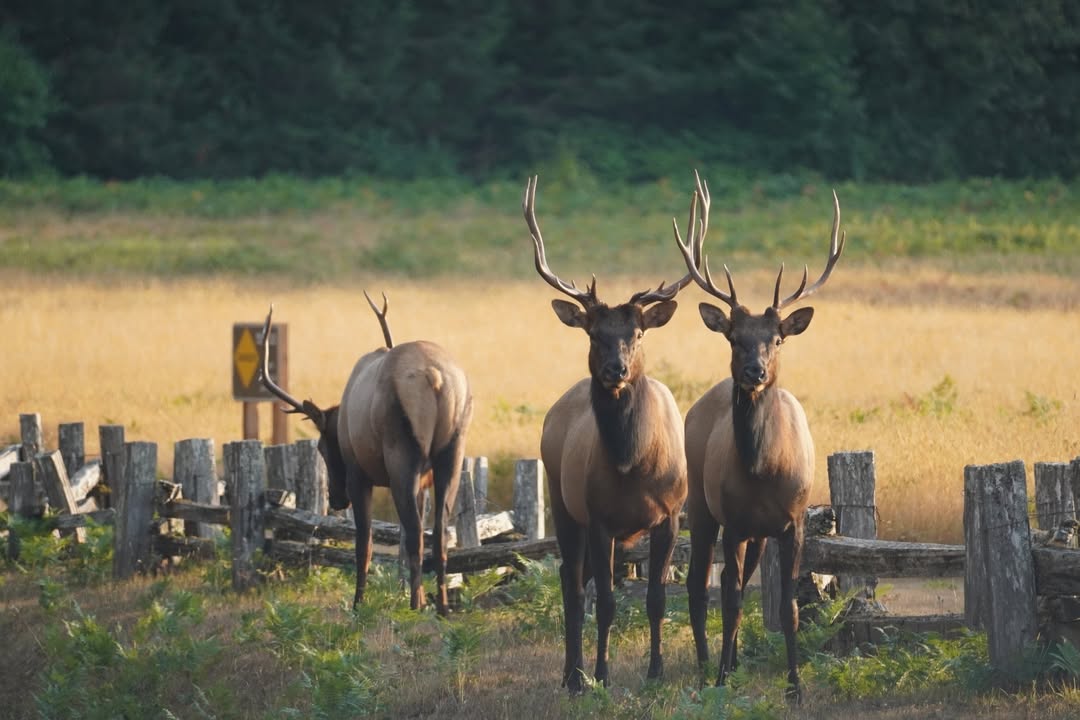
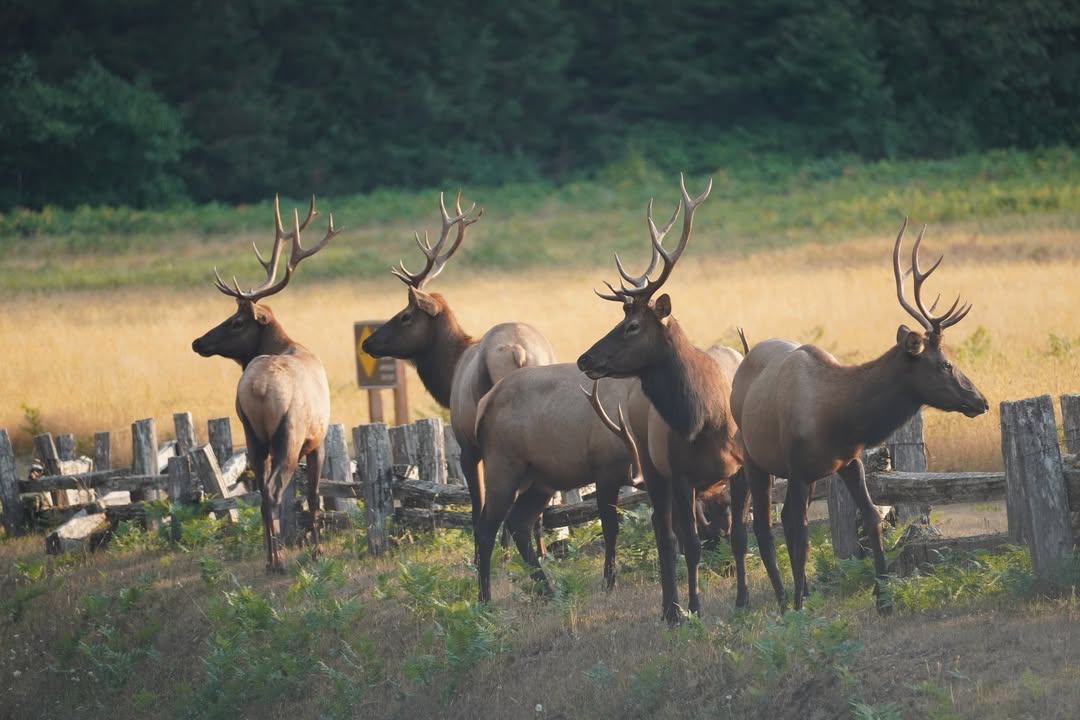
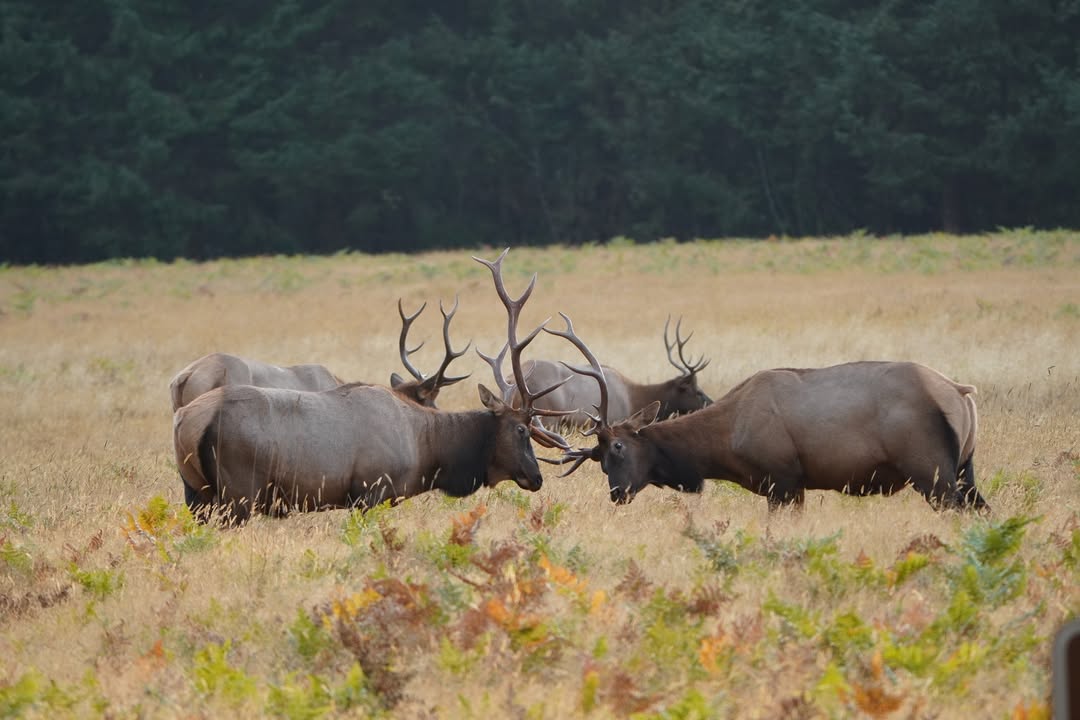
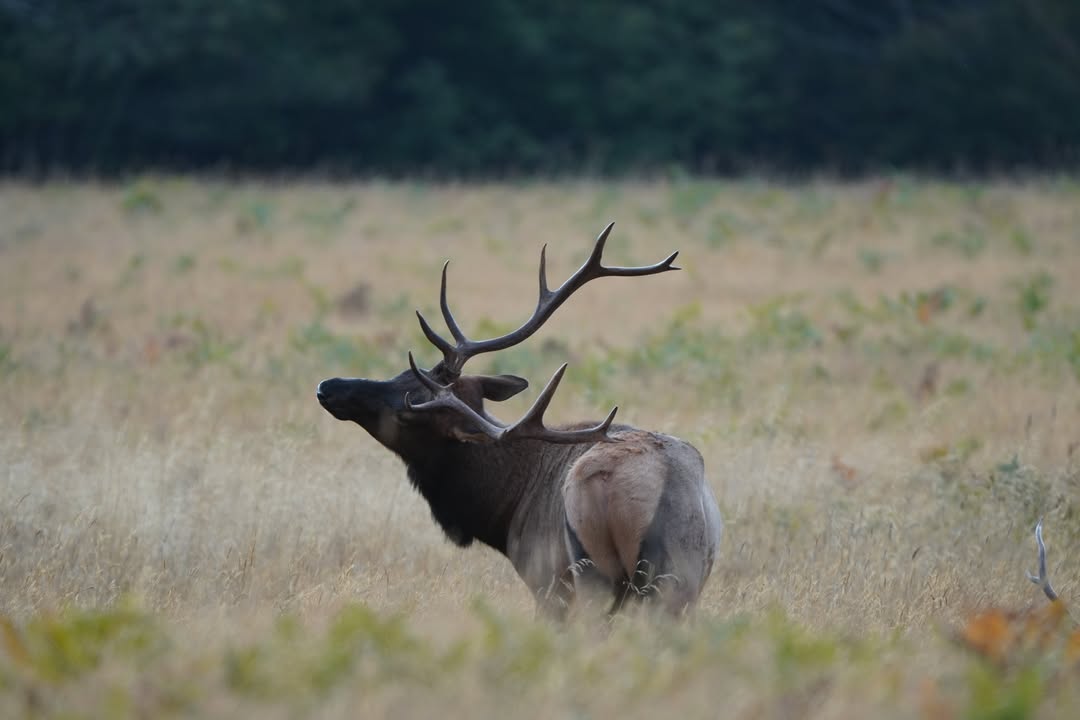
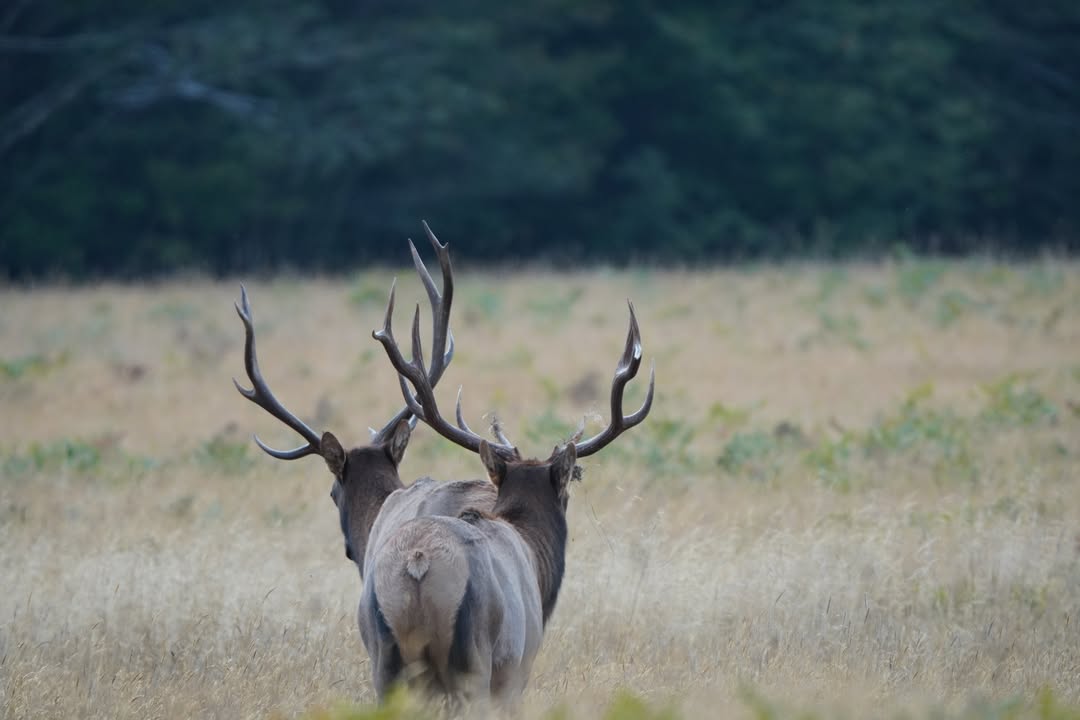
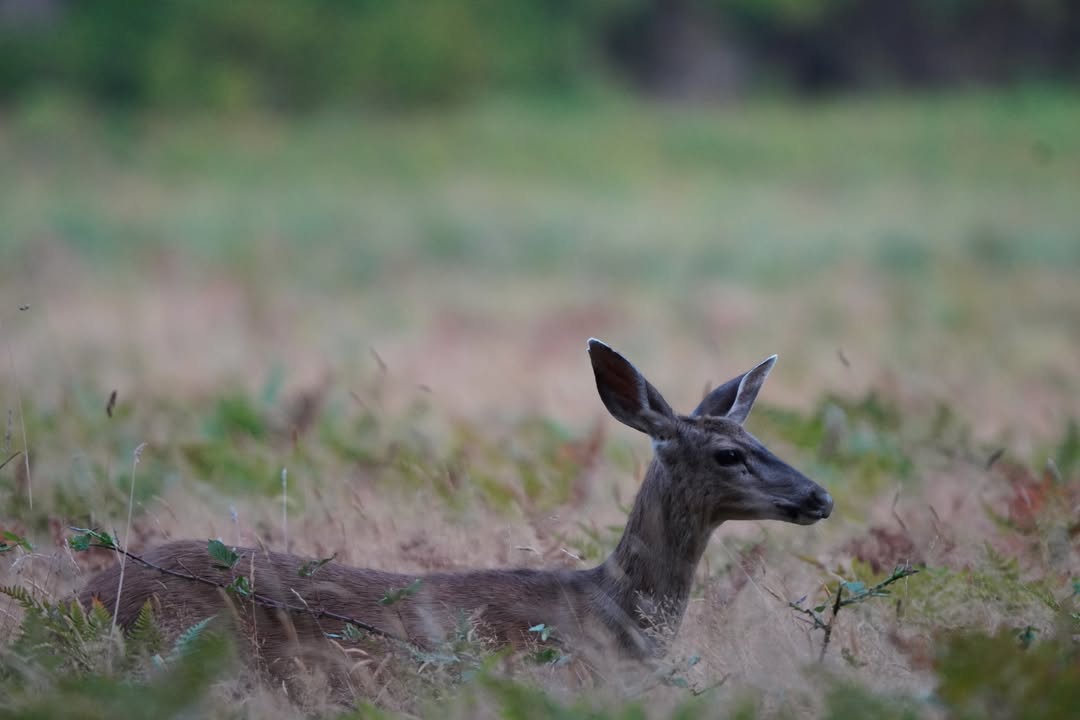
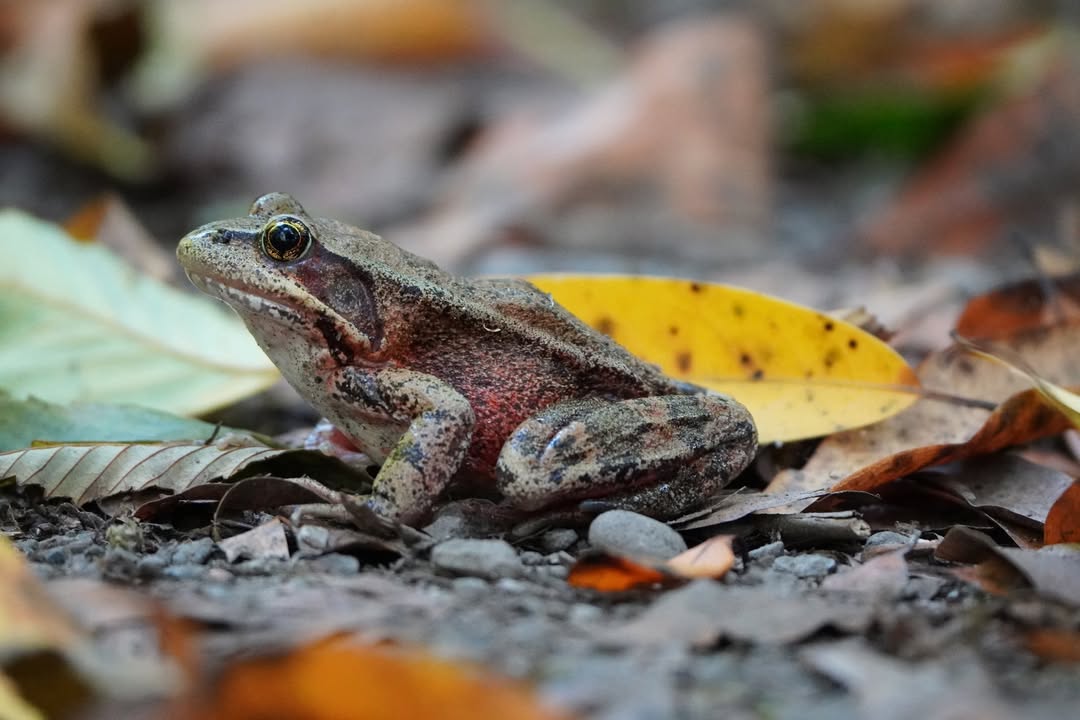
Prairie Creek Redwoods State Park was our southern redwoods base, centered around Elk Prairie Campground, the visitor center, open meadow habitat, and nearby wildlife sightings. We watched Roosevelt elk, swallows, pheasants, deer, and a red-legged frog in this area.
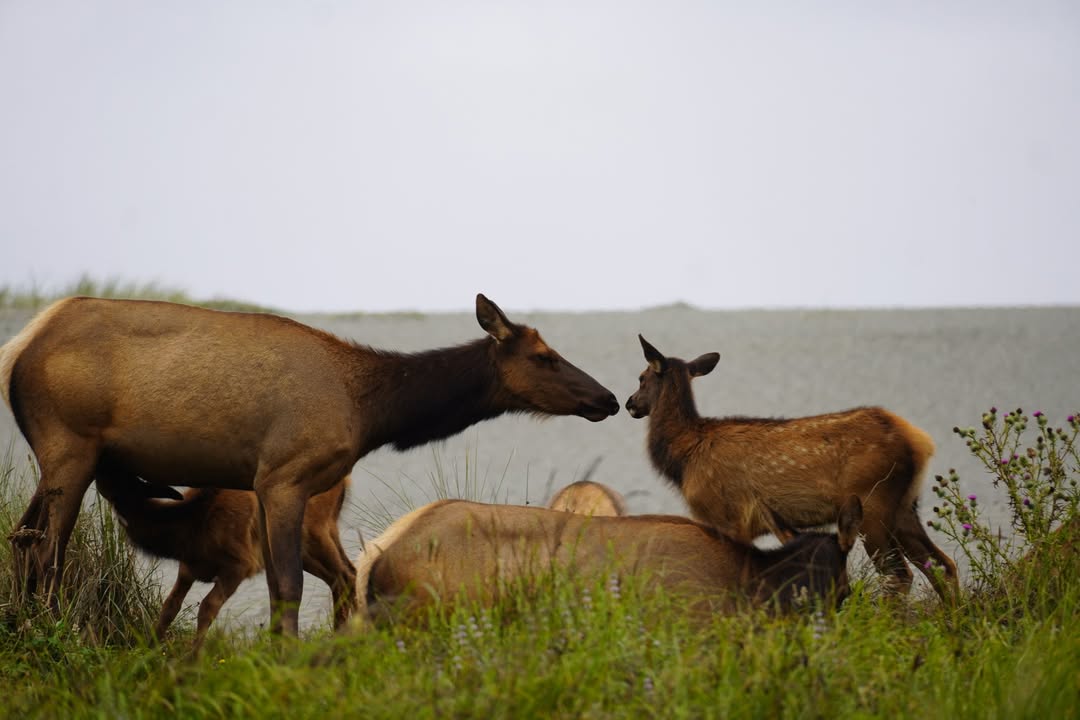
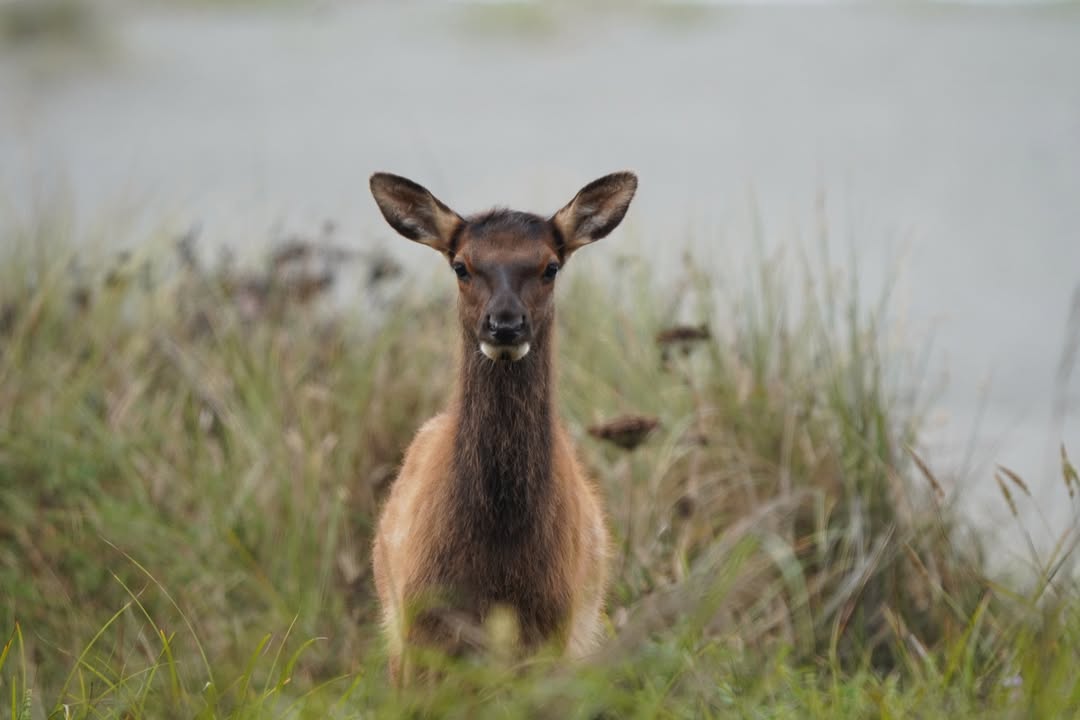
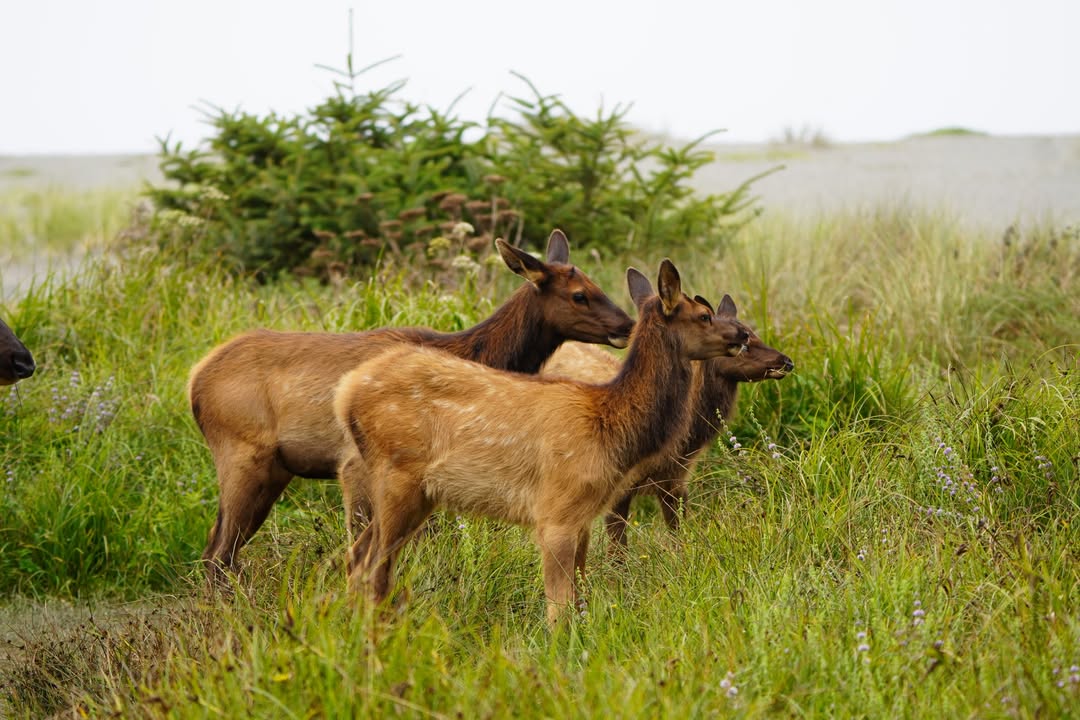
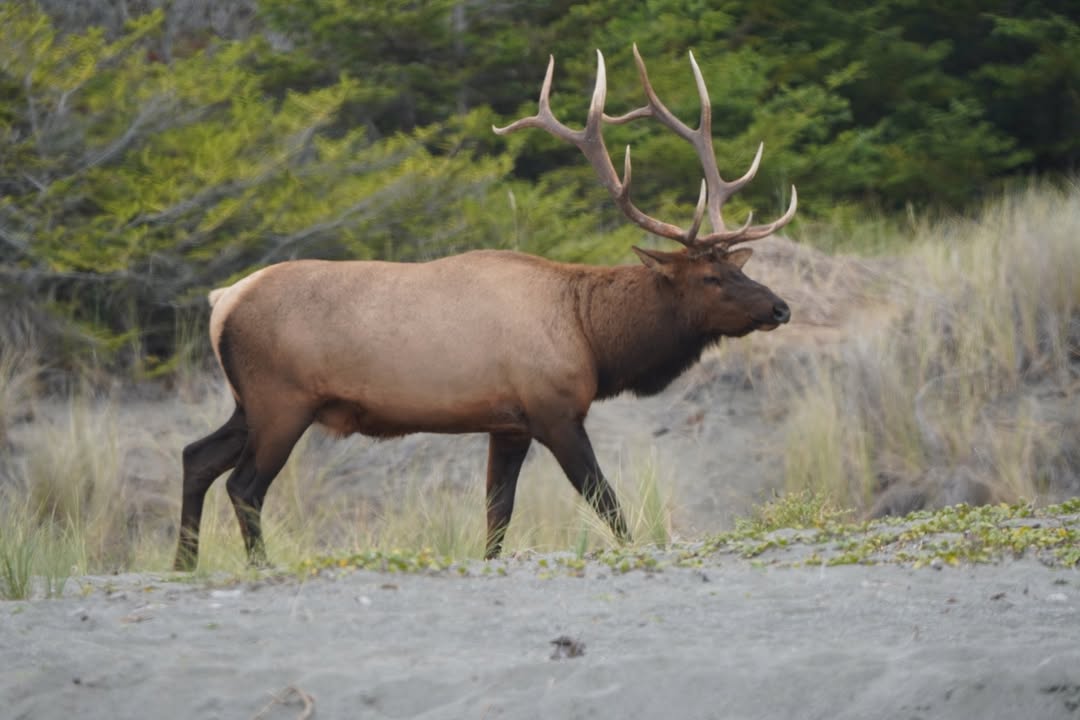
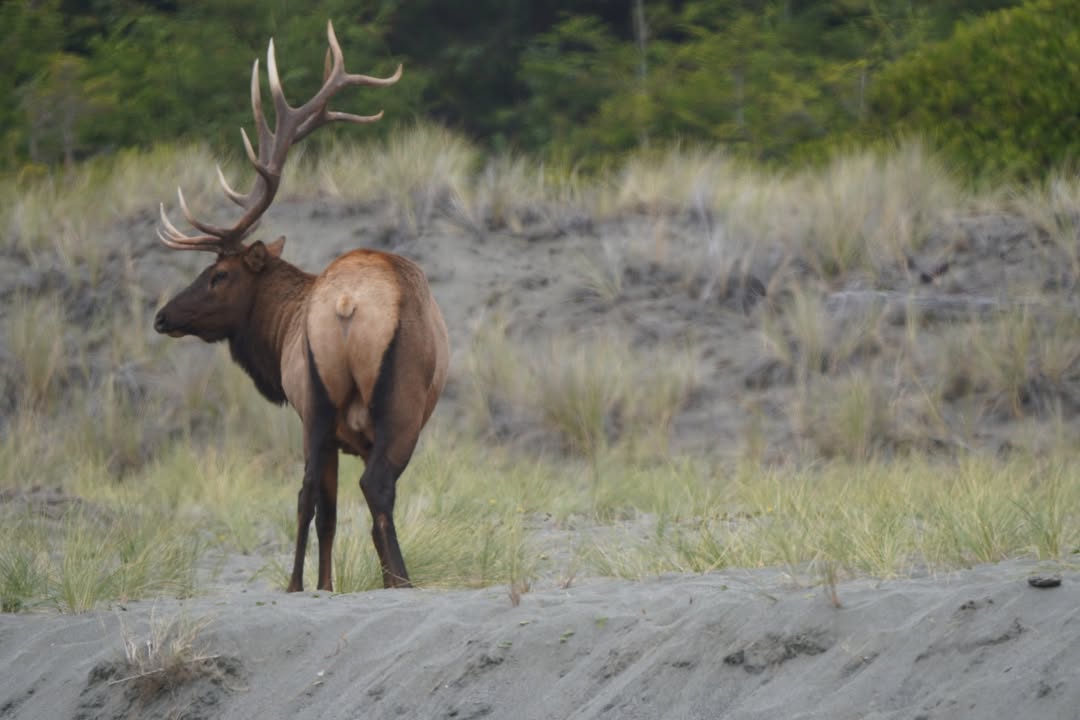
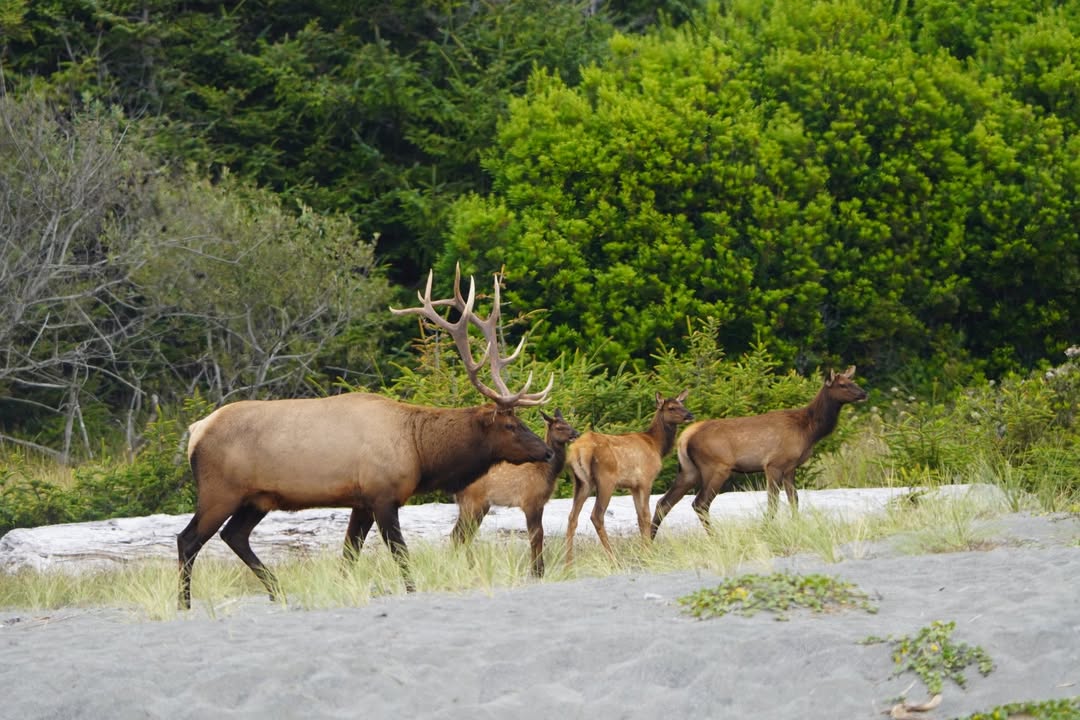
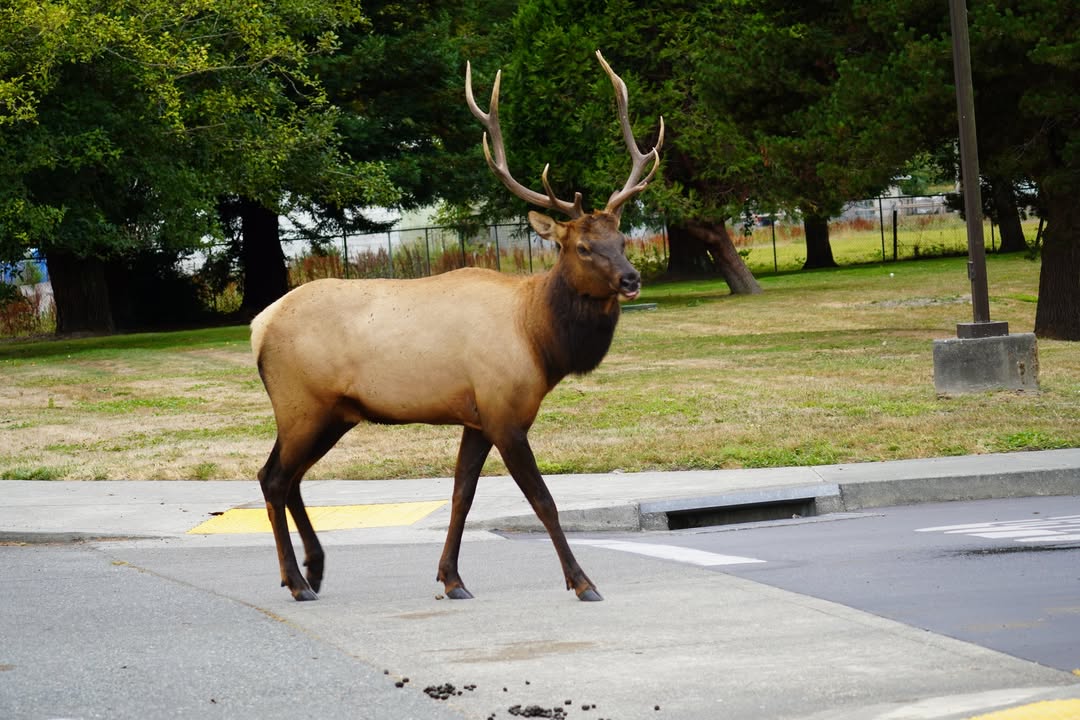
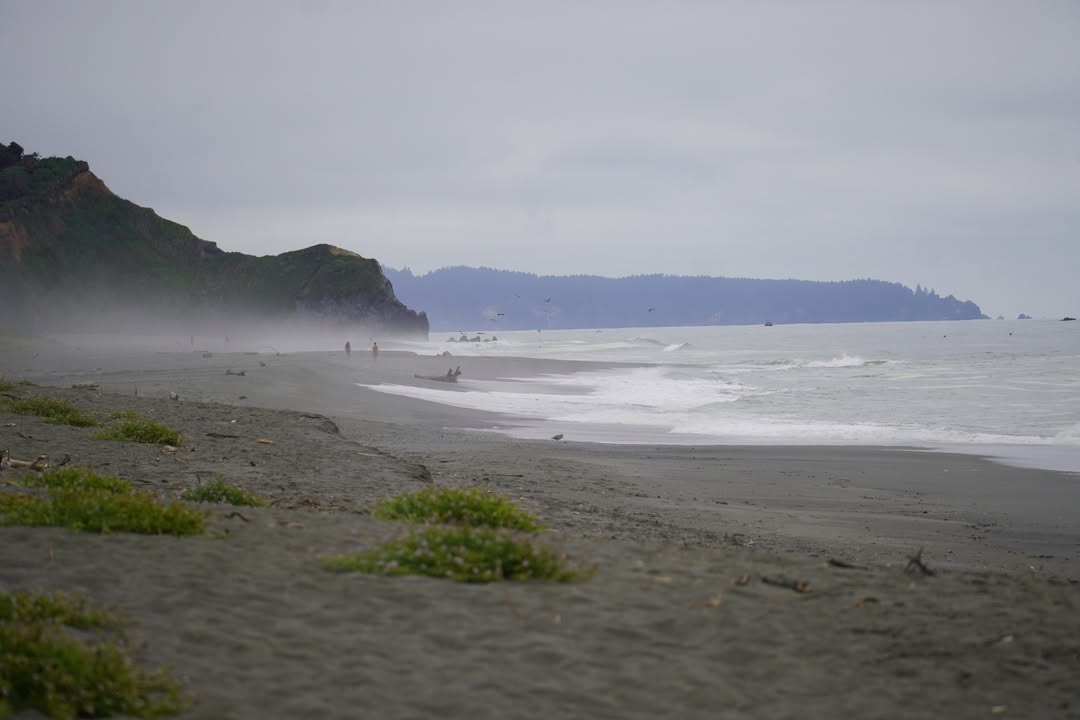
Gold Bluffs Beach is the remote shoreline west of Prairie Creek, reached by a long gravel road. The standout moment was seeing Roosevelt elk grazing right near the sand.
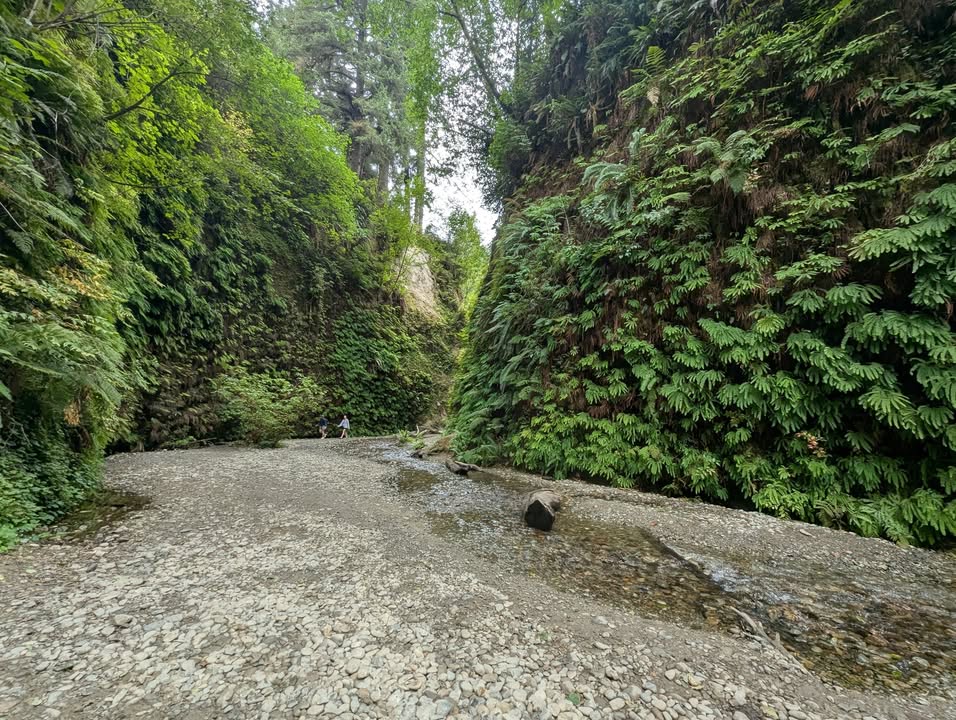
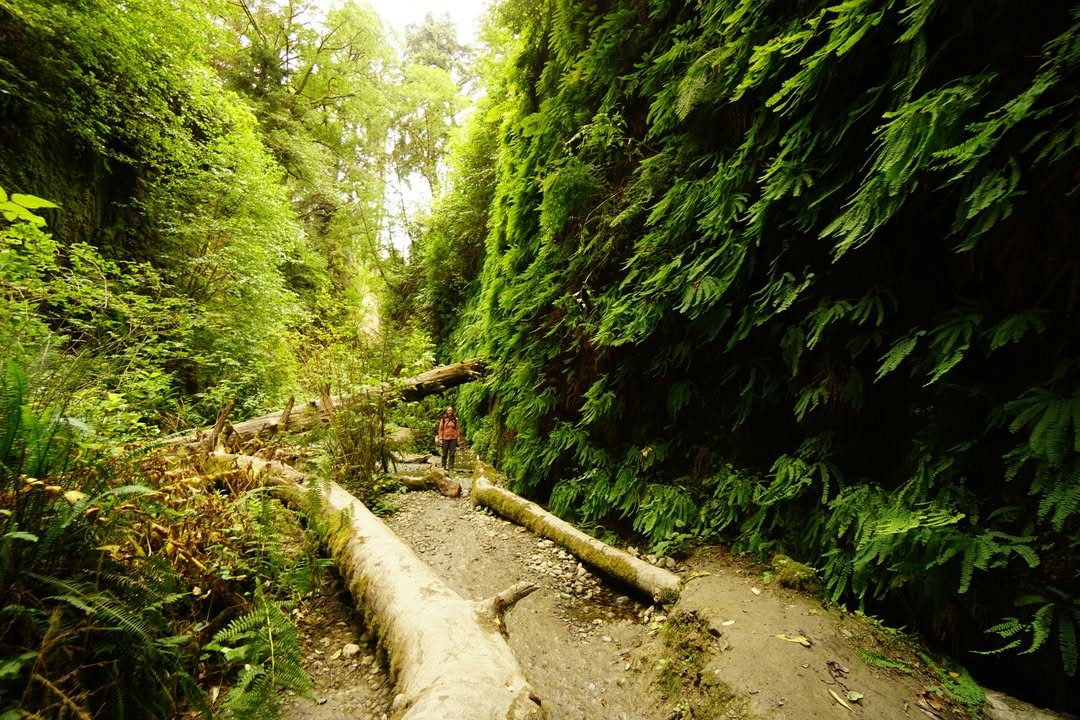
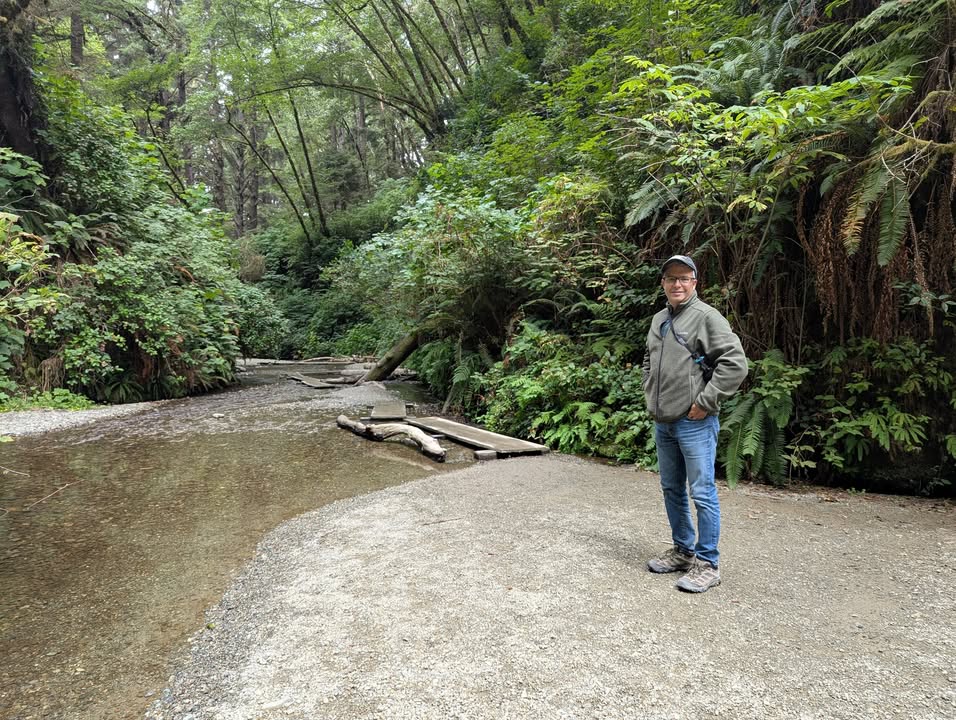
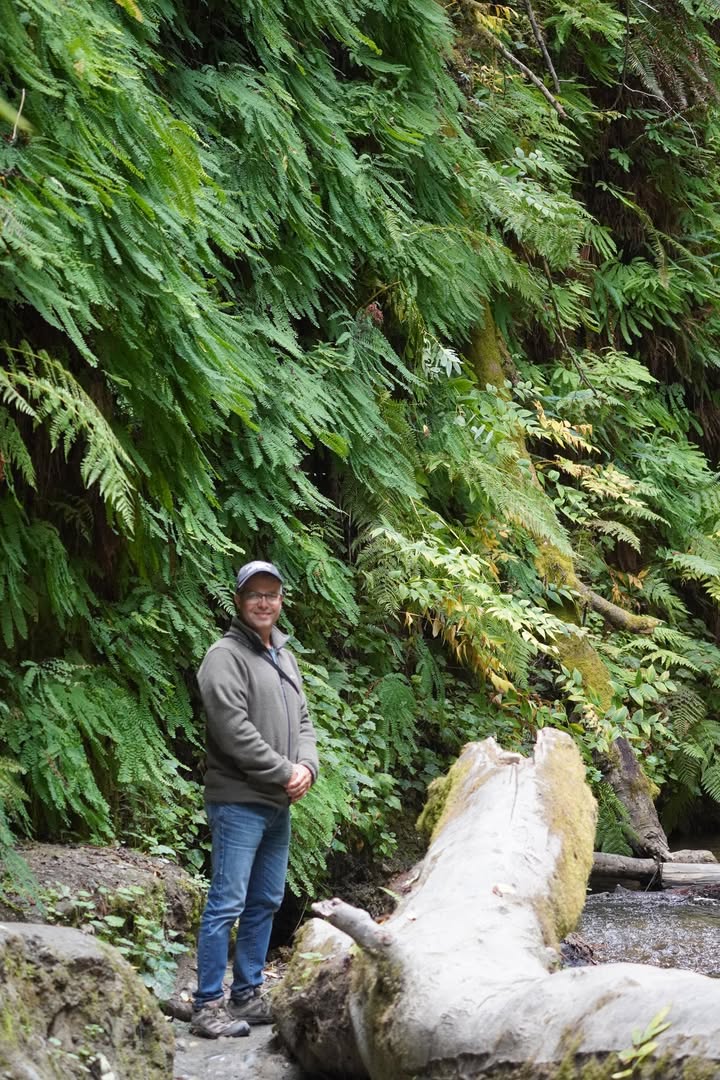
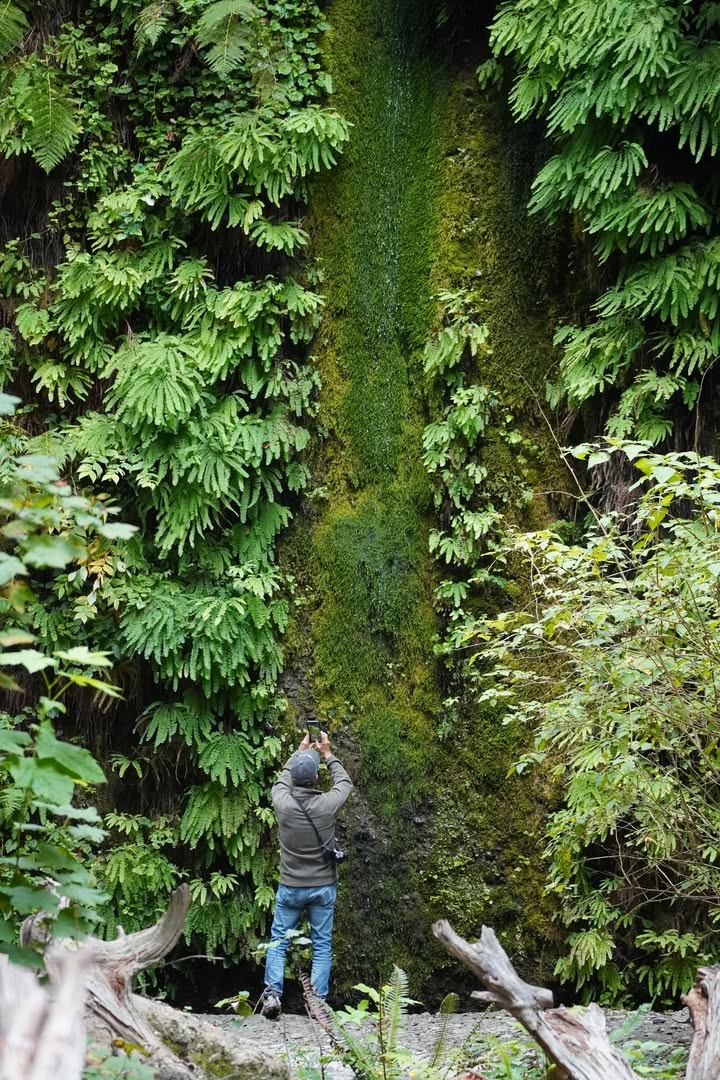
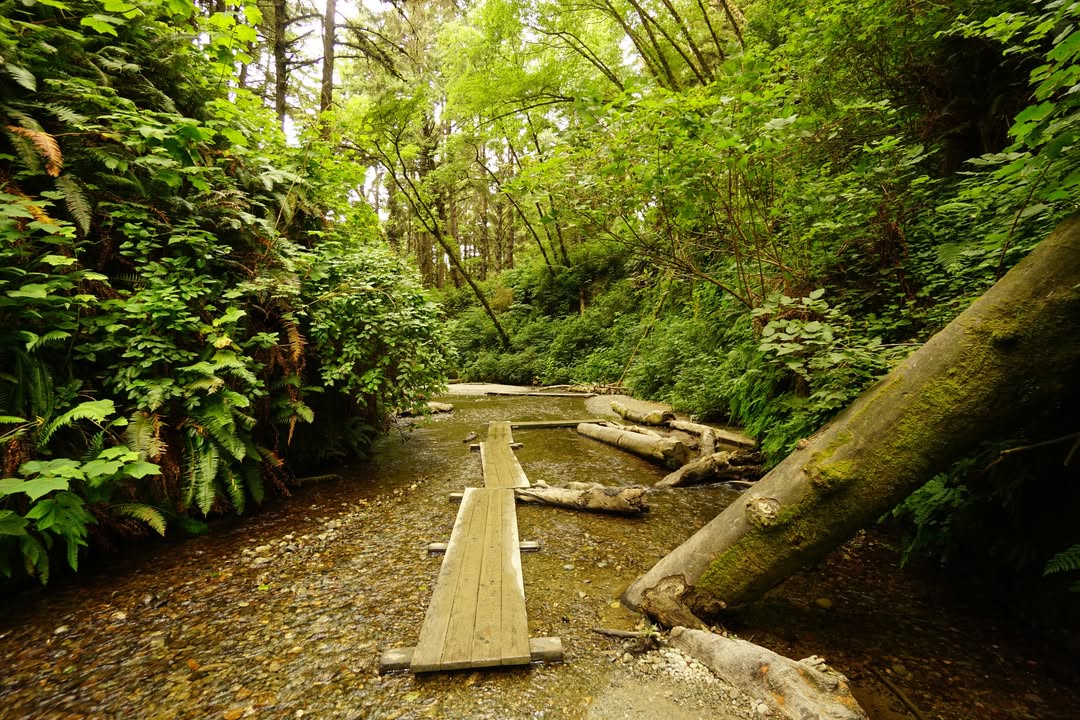
Fern Canyon follows a shallow creek between steep walls covered in ferns and moss. The short hike feels prehistoric, which explains why it has the Jurassic Park reputation.
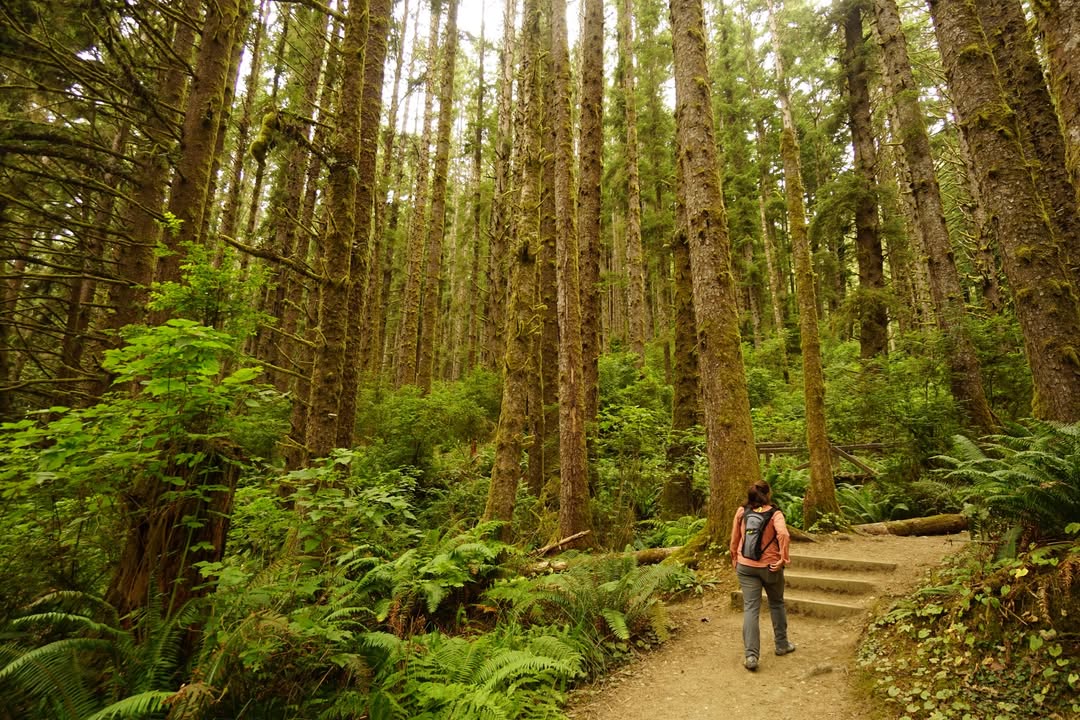
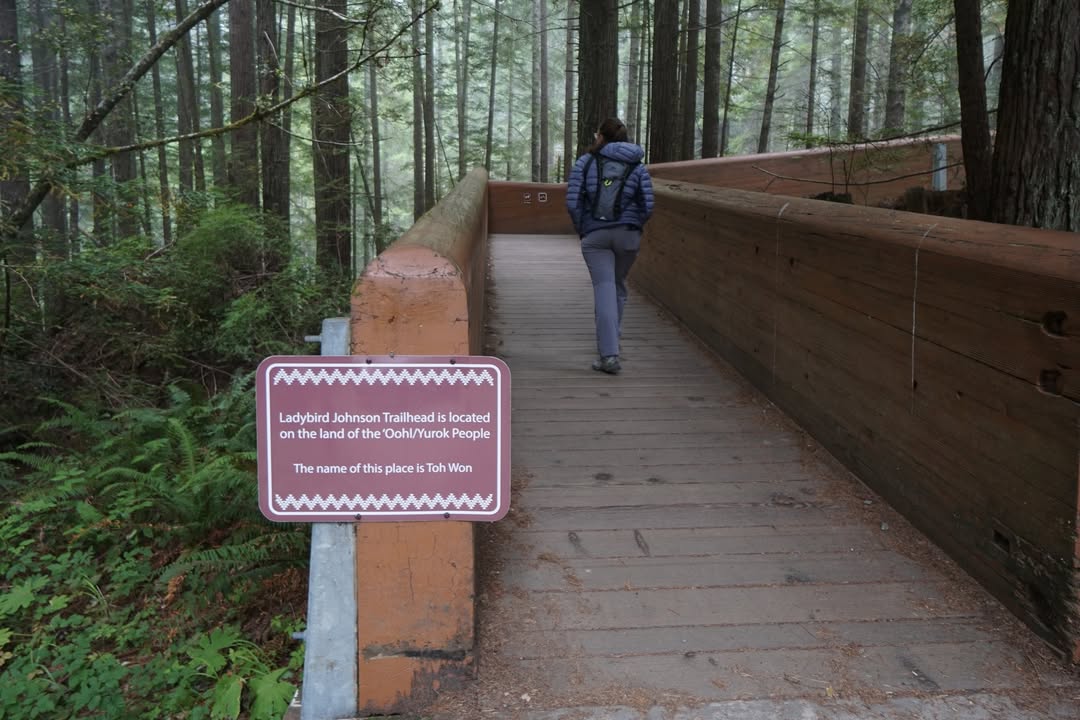
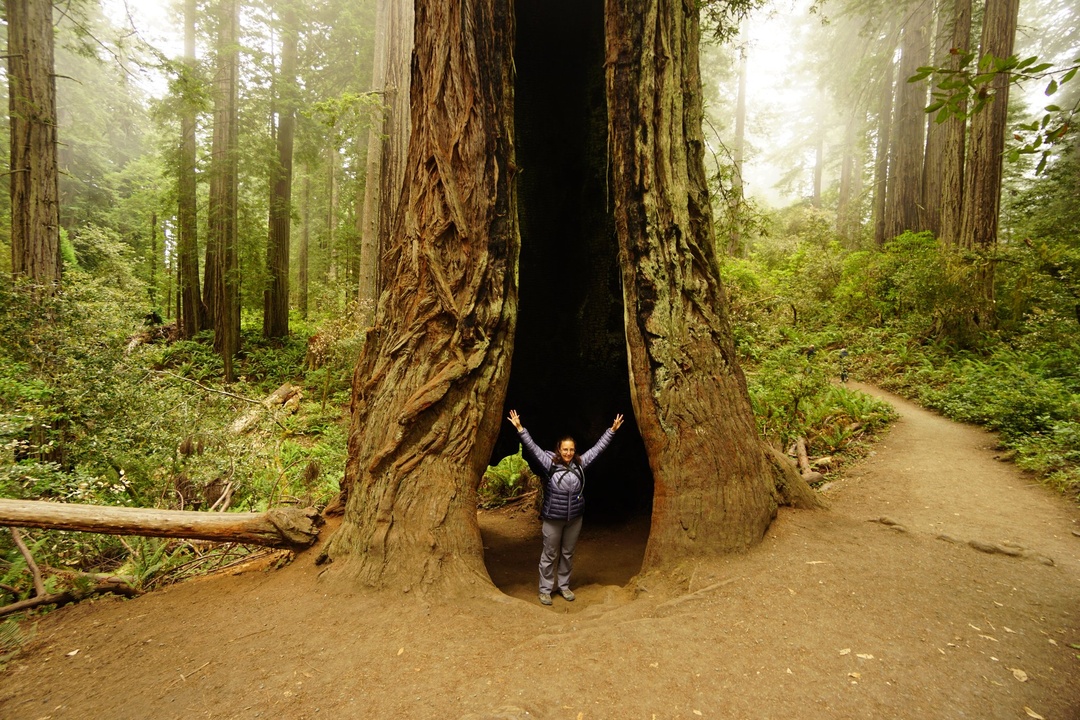
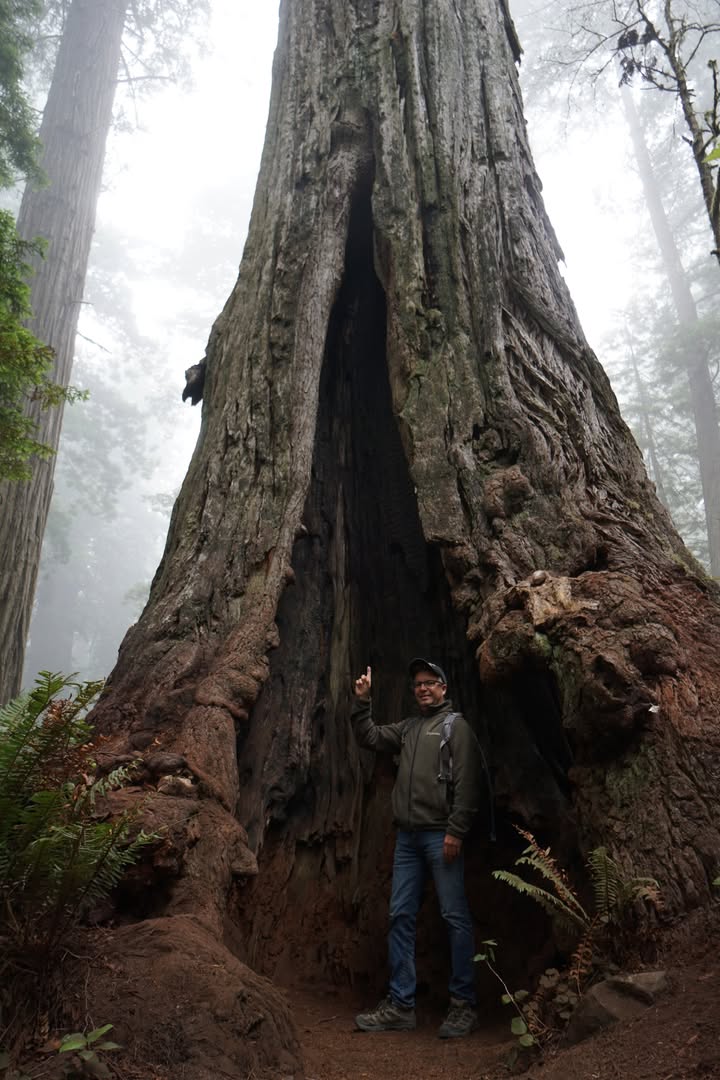
Lady Bird Johnson Grove is a short ridge-top redwood loop dedicated to the former first lady's conservation work. Fog in the trees gave the trail a calm, almost magical feel.
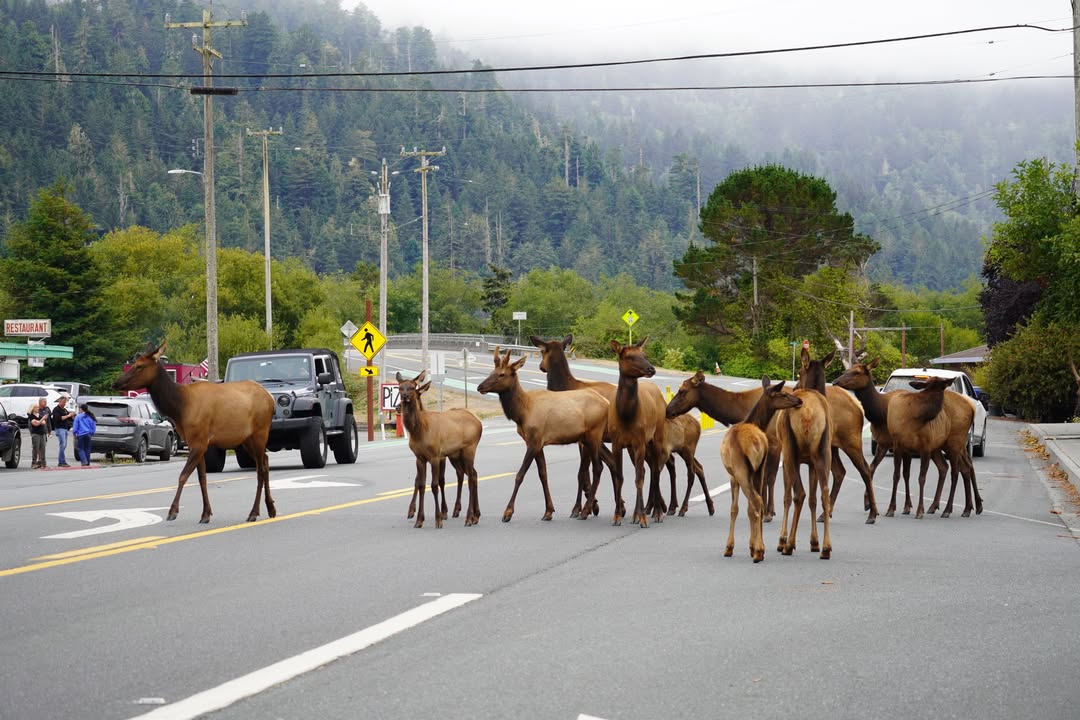
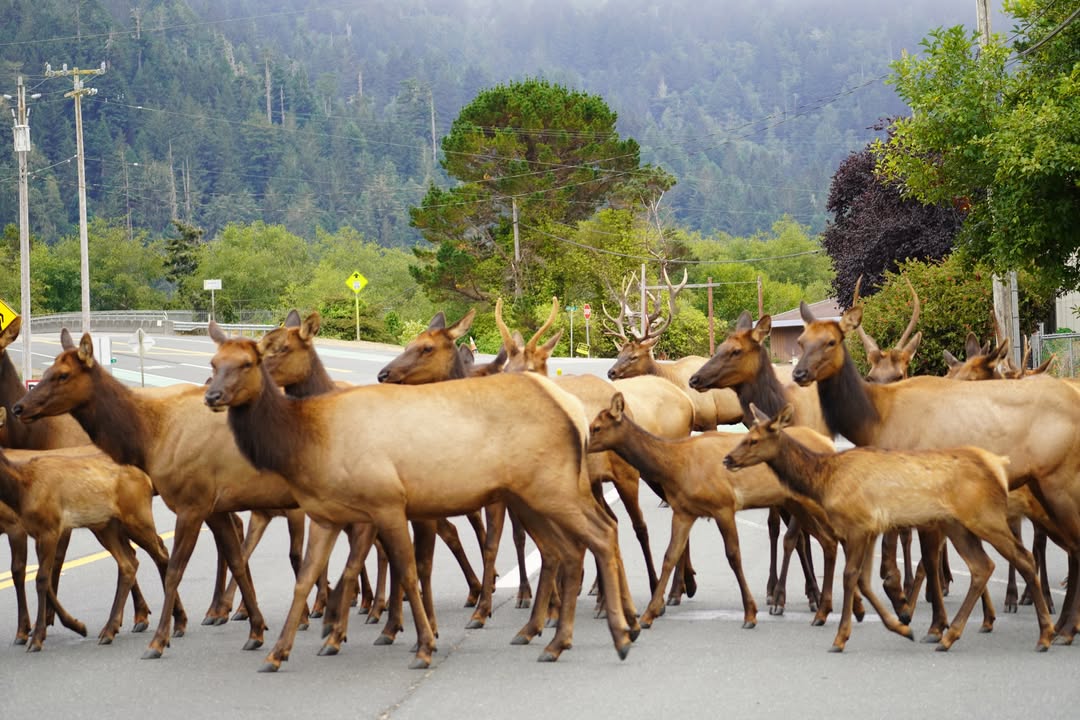
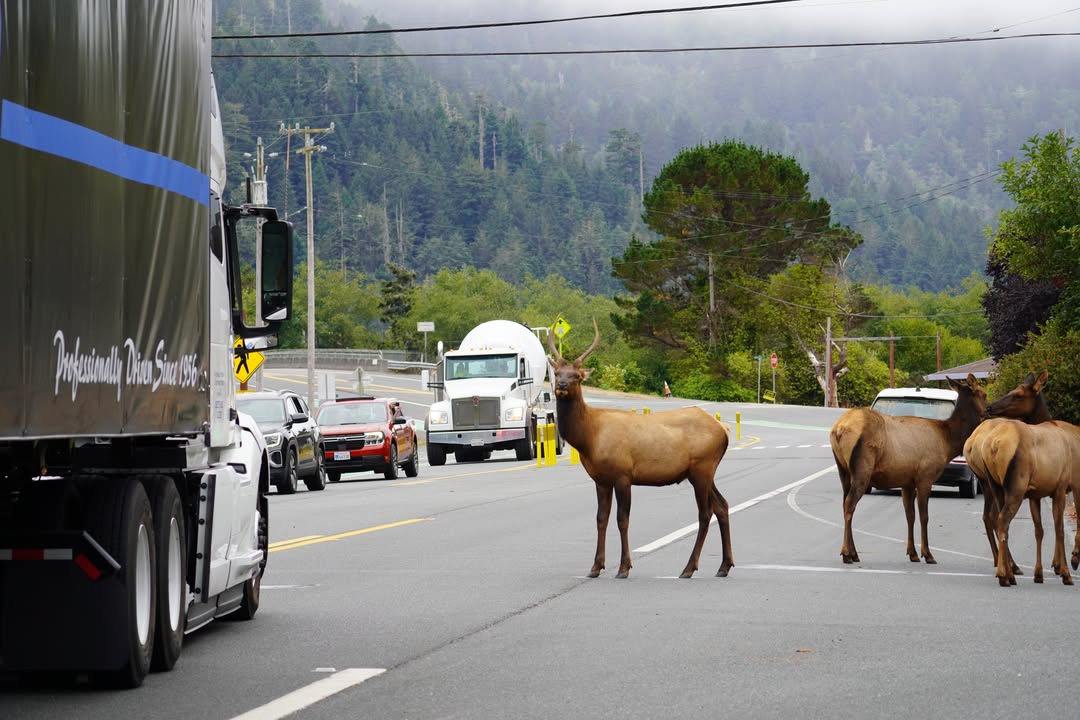
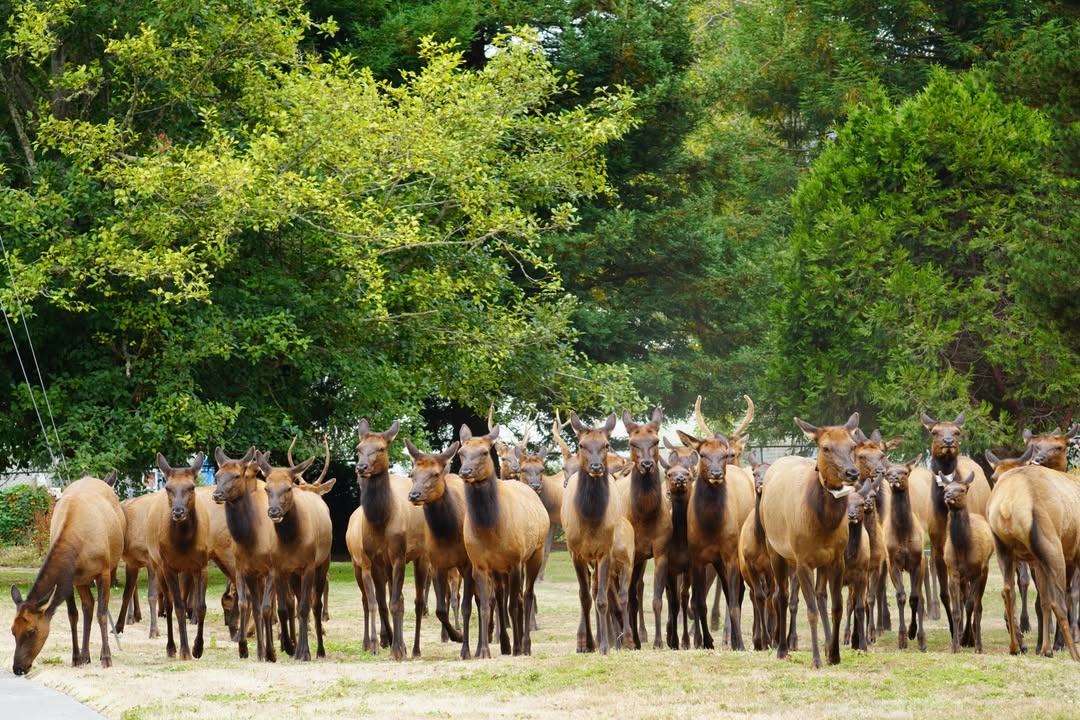
Orick gave us an impromptu roadside wildlife stop when a large Roosevelt elk herd wandered through and briefly turned the highway into an elk-viewing area.
Thomas H. Kuchel Visitor Center is the southern park visitor center near Orick, set right by the beach. We stopped there for lunch and easy coastal access.
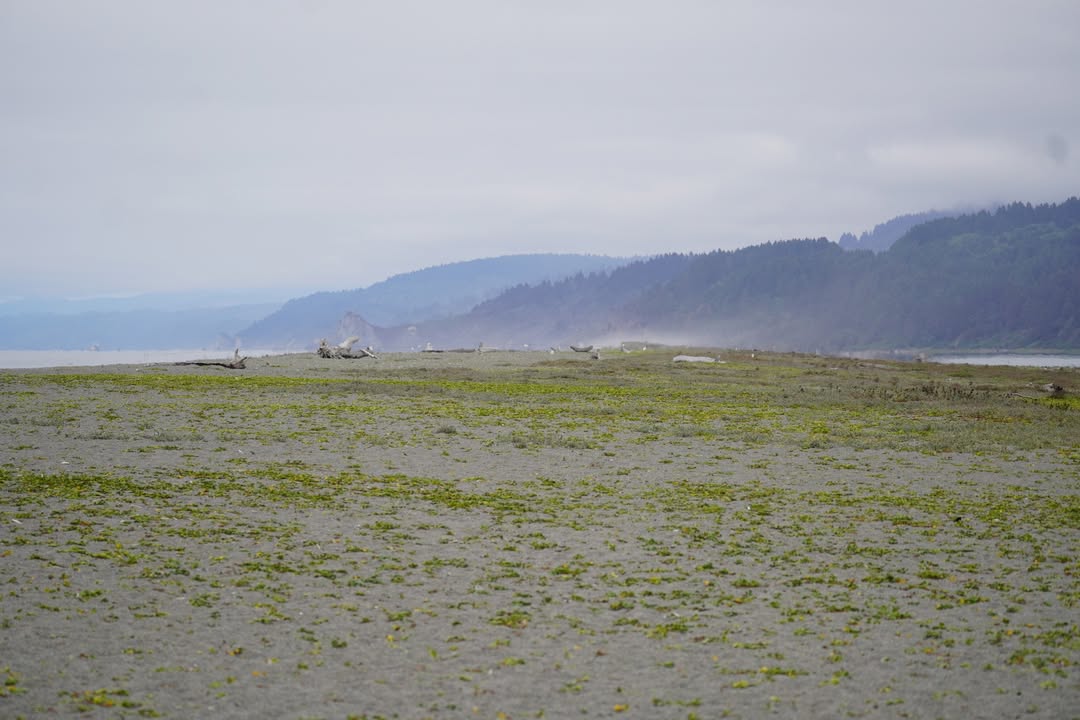
Big Lagoon County Park gave us access to the spit between the lagoon and ocean. It looked promising for birds from the road, though our walk turned up more scenery than wildlife.
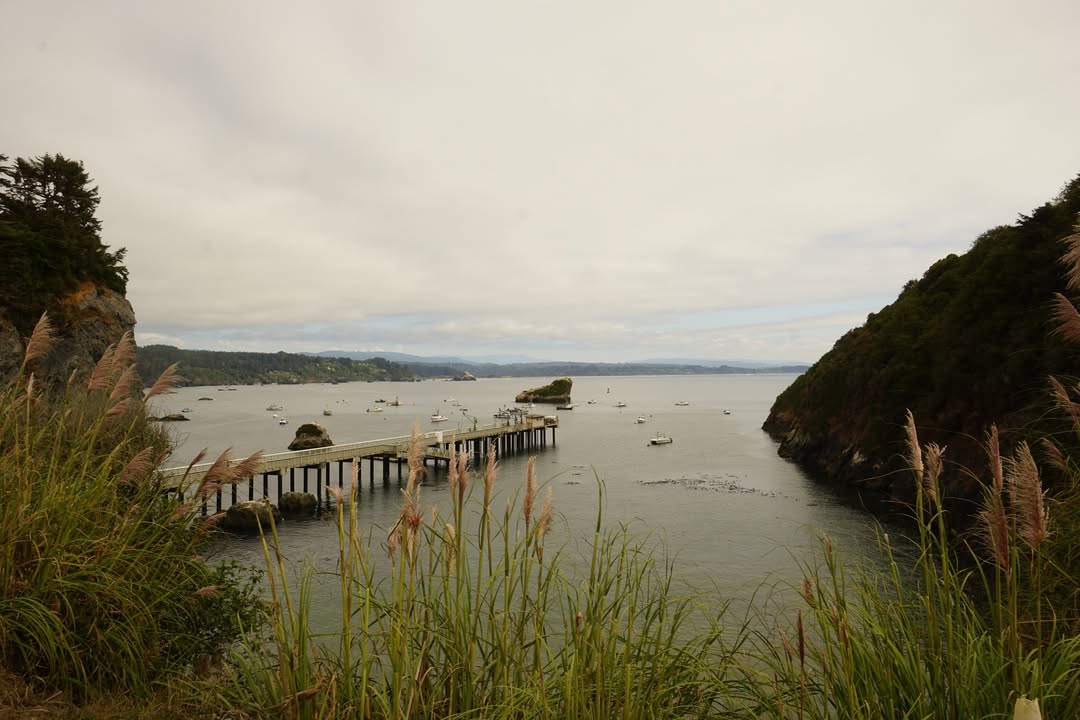
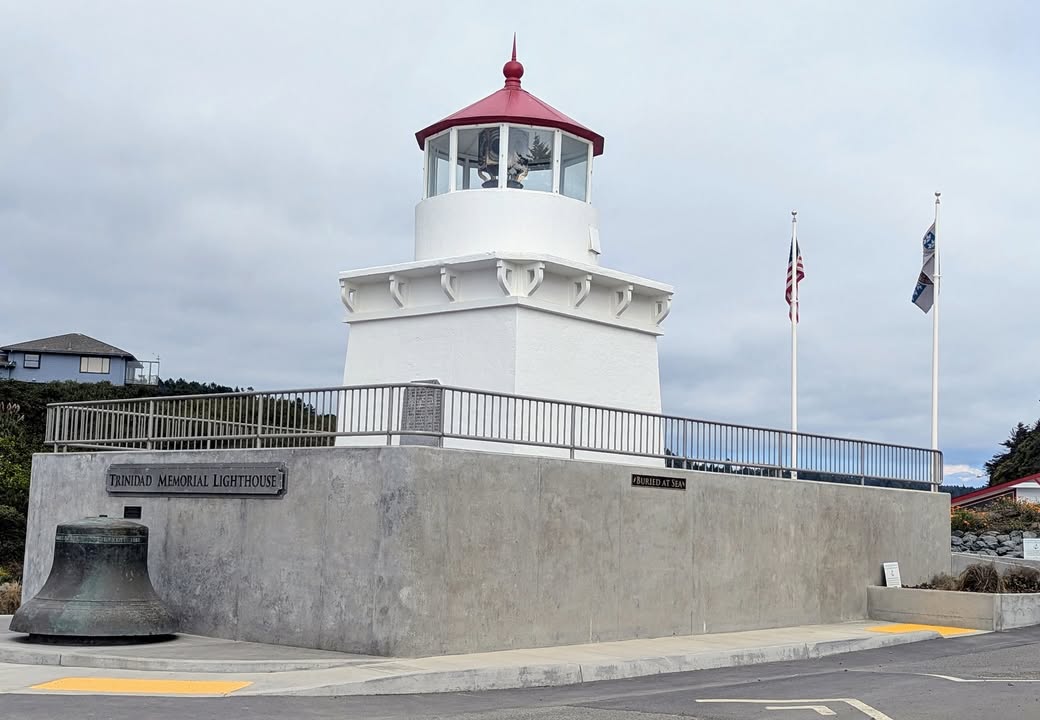
The Trinidad coast gave us rocky coves, College Cove, the harbor area, and the Trinidad Memorial Lighthouse. It is separate from Big Lagoon, which sits farther north and felt like its own stop.