White Sands Missile Range Museum
1 / 2
We packed up and left Oliver Lee Memorial State Park in the morning, heading south with plans to stop at the White Sands Missile Range Museum before continuing on to Aguirre Spring Campground, about two hours away. Right outside the park, we got on US-54, the same stretch of road where we’d brushed up against a dust storm the night before. A few miles in, we spotted an unexpected roadside attraction: silver alien statues standing out front like they were guarding the place. The store was Trader Jerry’s, and obviously, we stopped.
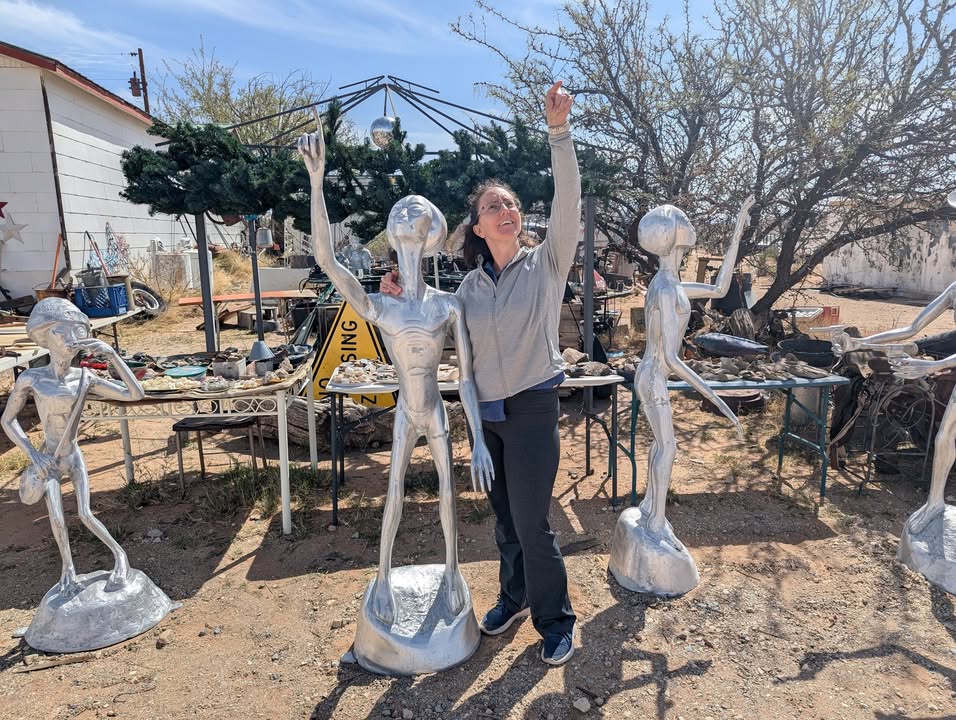
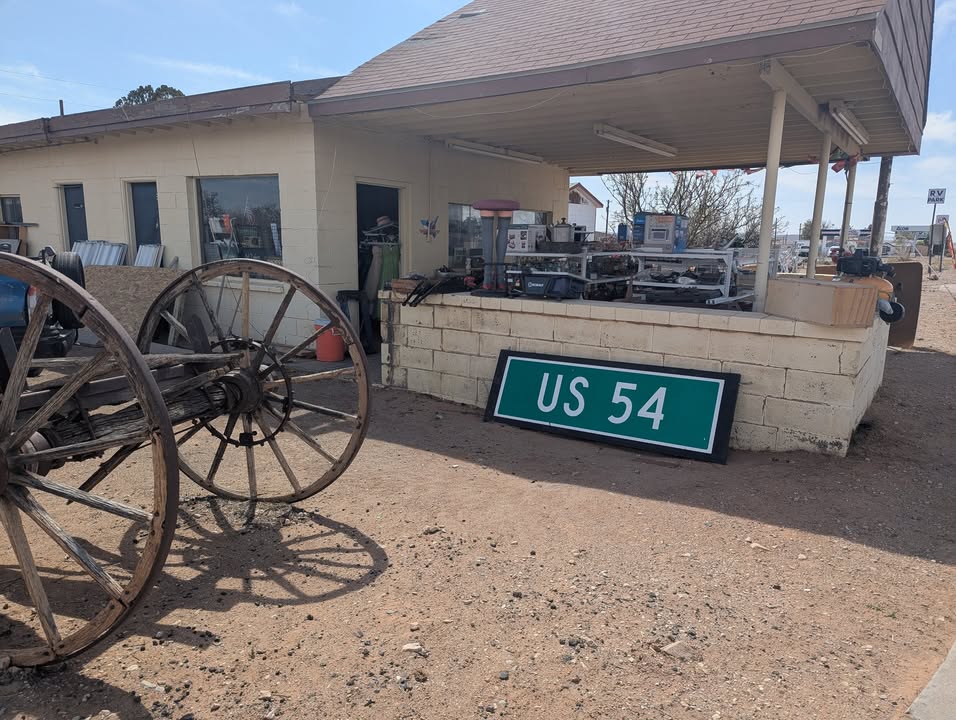
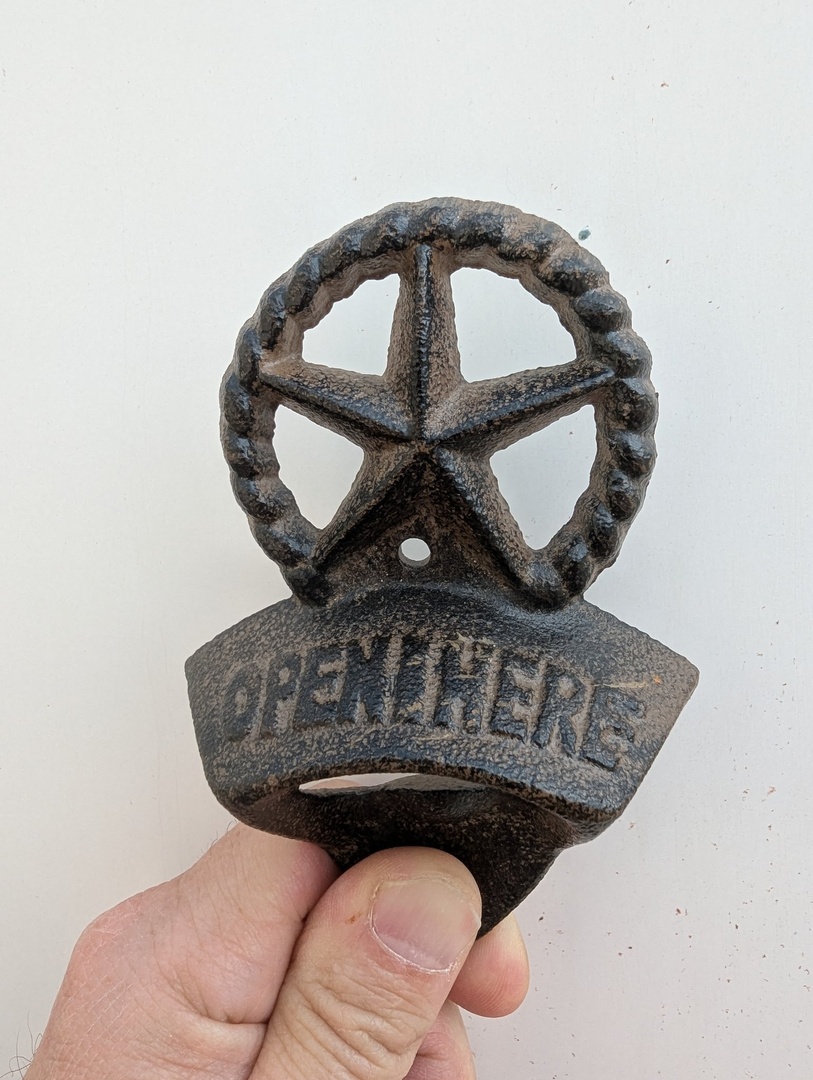
Inside was a collection of odd knickknacks and desert curiosities, and we ended up chatting with the owner for a bit. When we mentioned the dust storm from the night before, he told us it had been intense. Winds were whipping dust around at nearly 60 miles per hour. That explained a lot. Turns out we’d missed the worst of it by just a few miles. Danny left with an antique bottle opener, which felt like a reasonable souvenir from a roadside shop guarded by aliens.
Back on the road, Google Maps confidently sent us down a long, empty stretch of pavement that felt increasingly wrong the farther we went. According to the app, this was the way to the missile museum. According to reality, it was not. We dead-ended at tall fences and very clear signs that we’d reached a military base entrance we were absolutely not allowed to use. The frustrating part was that we were technically there. This was the same military base the museum sits on, just not an entrance open to the public. So close, yet very far away.
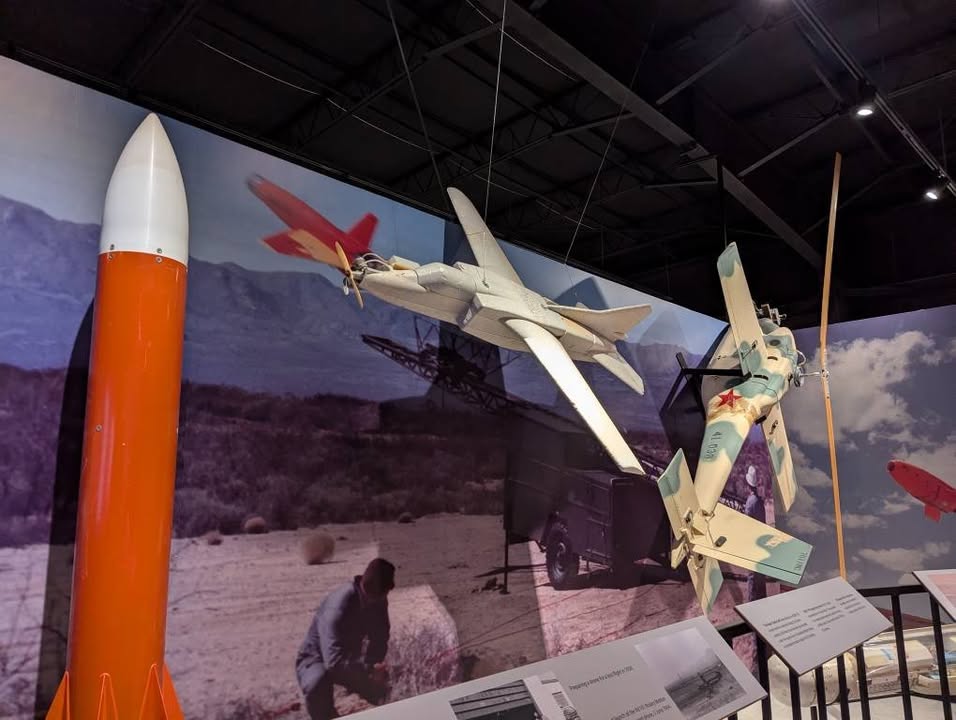
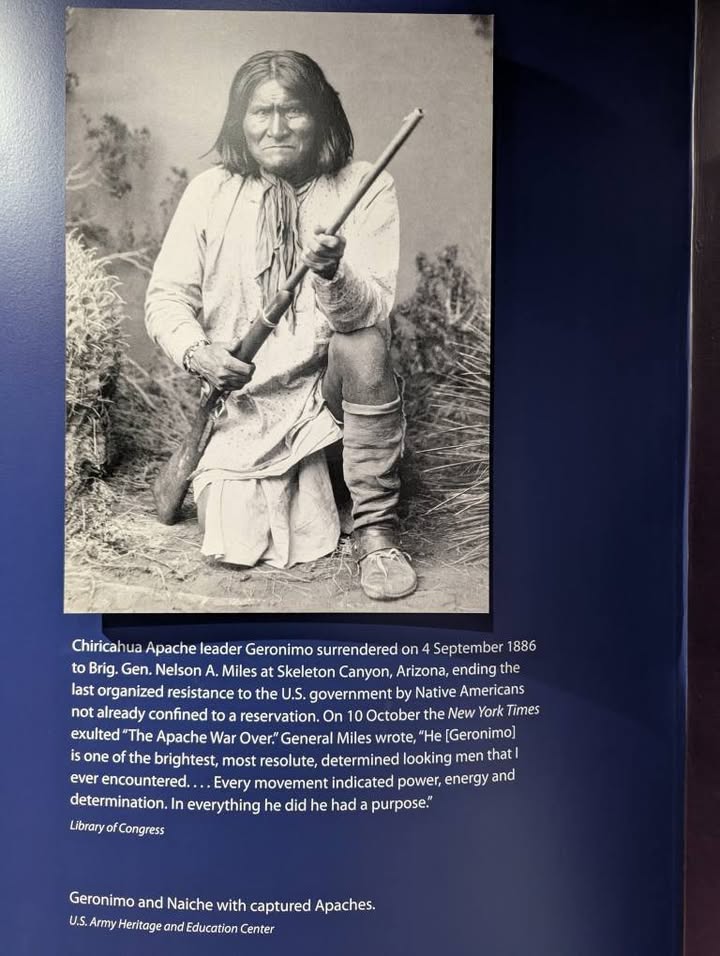
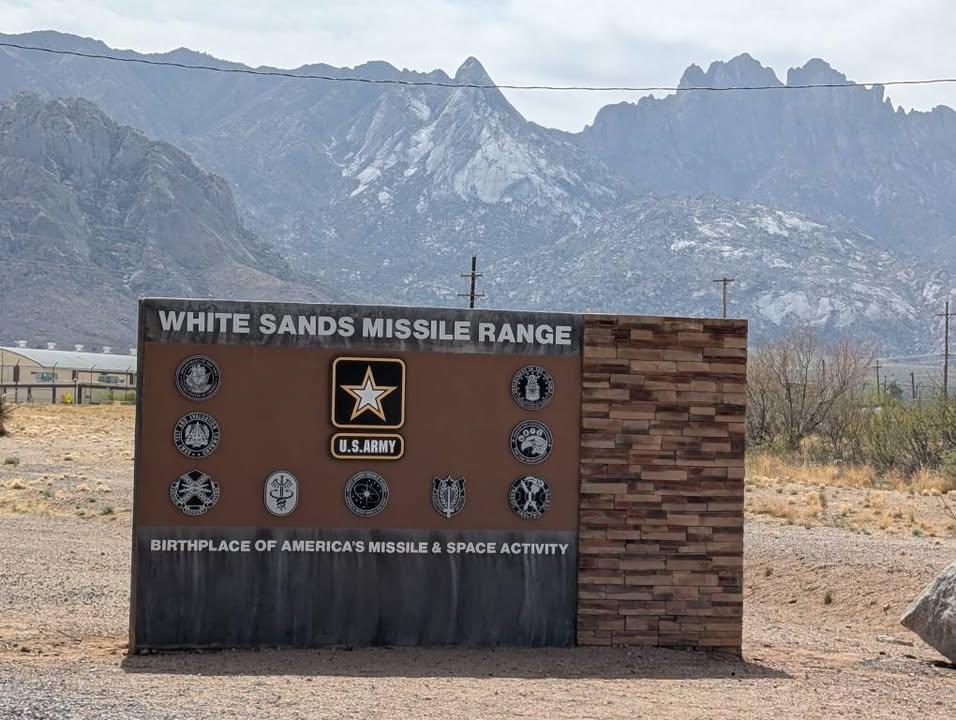
There was nothing to do but turn around, backtrack a good distance, head north, and then loop back south again using the correct access road. Between the wrong turn and the reroute, we lost over an hour. Google Maps was officially fired for the day. Eventually, we made it to the proper entrance and into the White Sands Missile Range Museum. Entry requires a background check. We passed. Whew. Inside, the museum was packed with New Mexico’s military history, far more extensive than I expected.
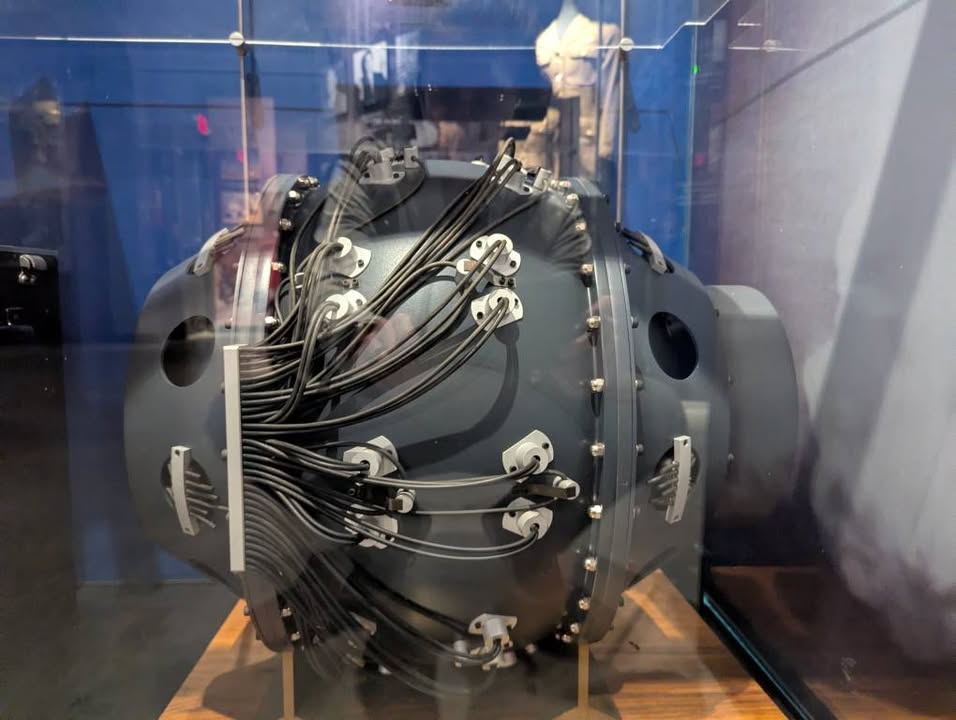
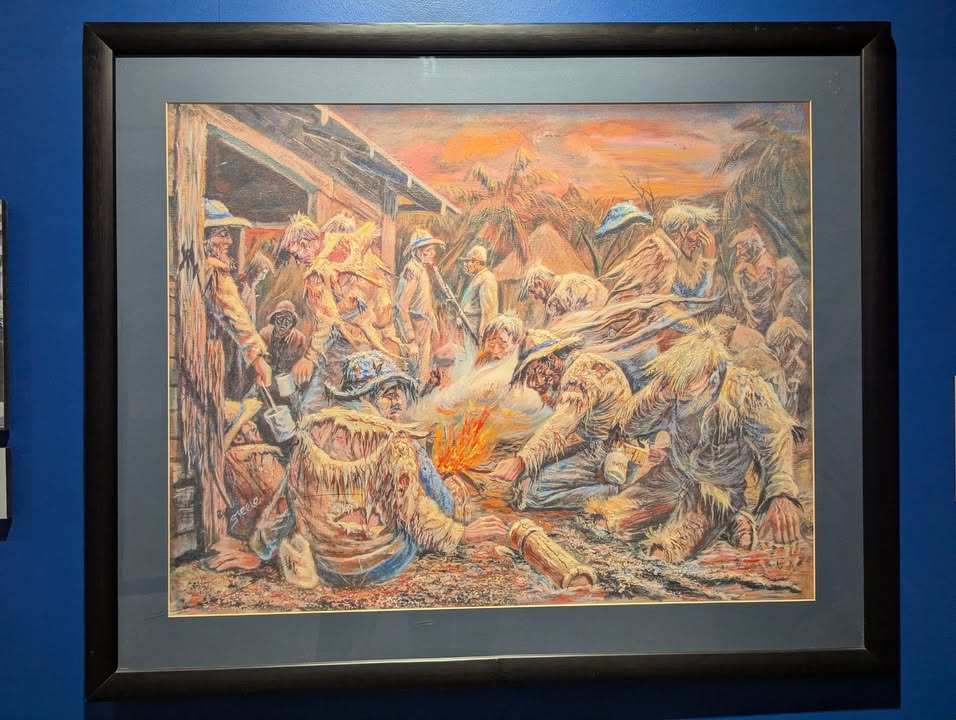
One piece that really stood out was the Bataan Death March. Just hours after the attack on Pearl Harbor, New Mexican soldiers stationed in the Philippines were attacked, captured, and forced to march more than 60 miles under brutal conditions with little food or water. Thousands died along the way. More than half of one New Mexican regiment never made it home. Heavy stuff. The museum also covered the Trinity Site atomic bomb test and the missile development and testing that still happens at the range today, making it clear this place isn’t just about the past.
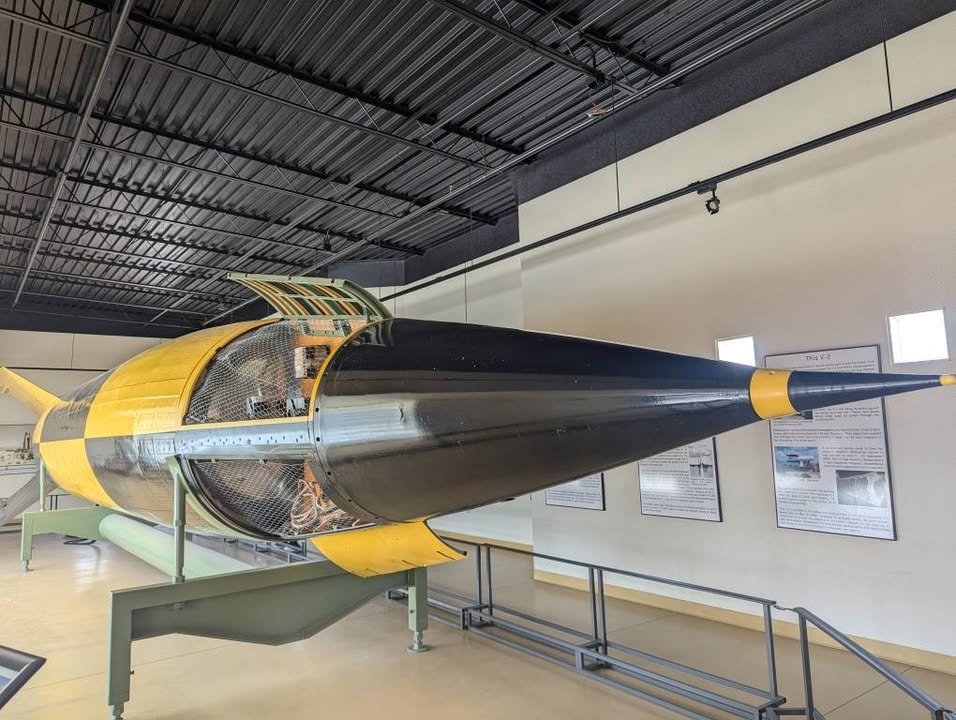
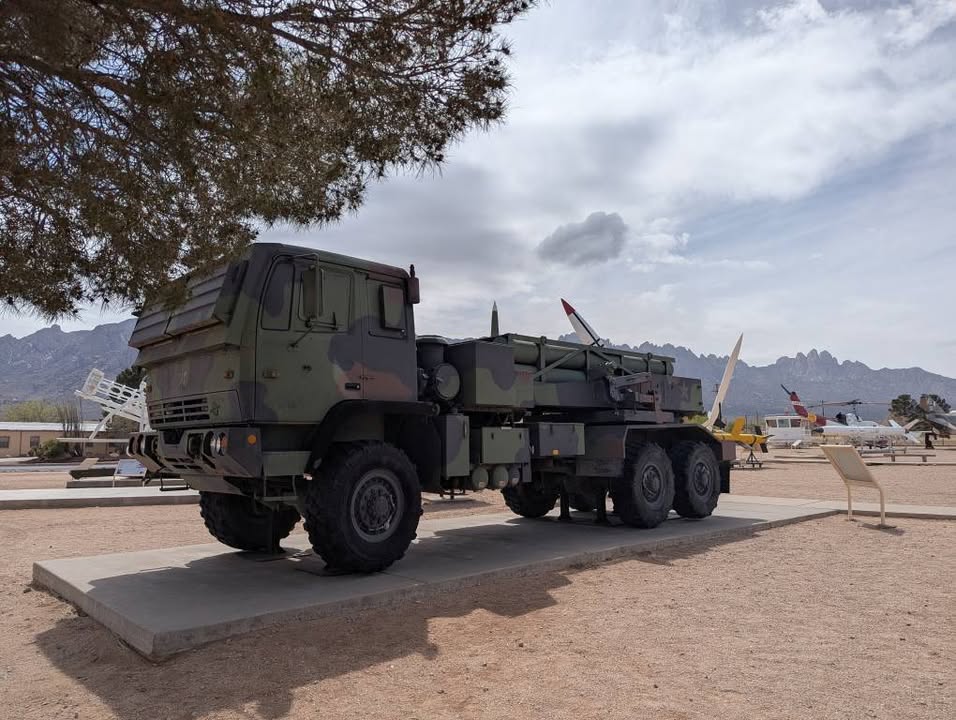
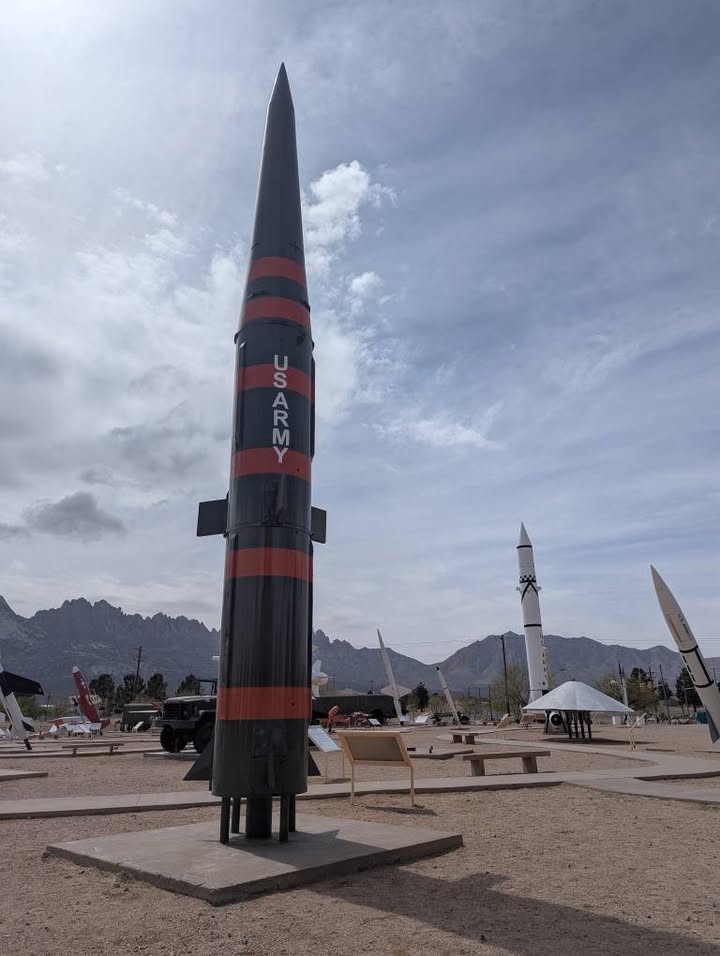
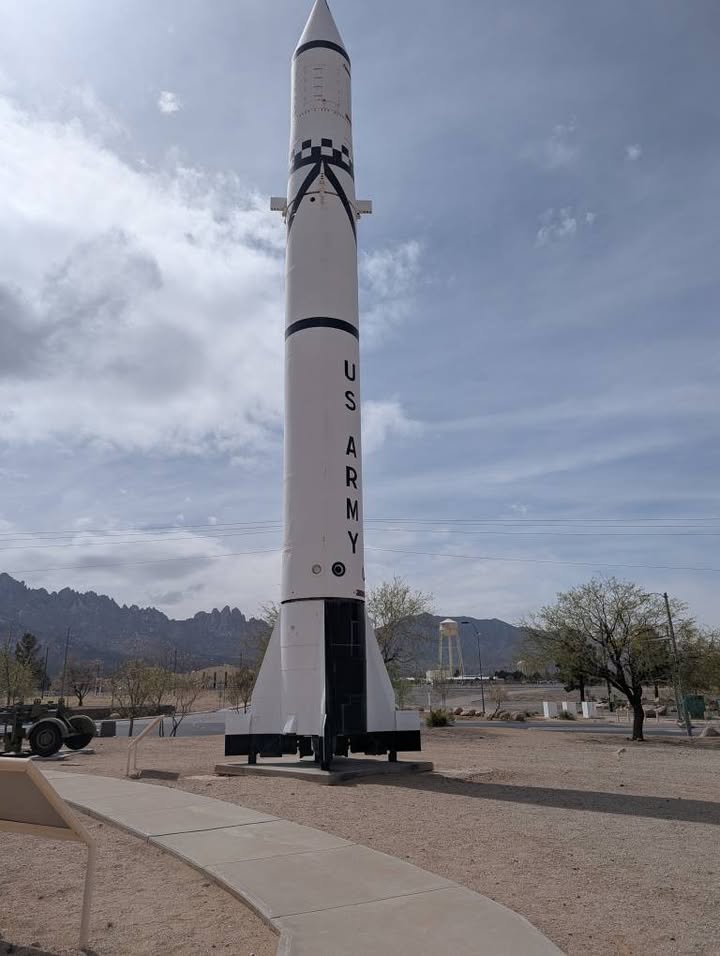
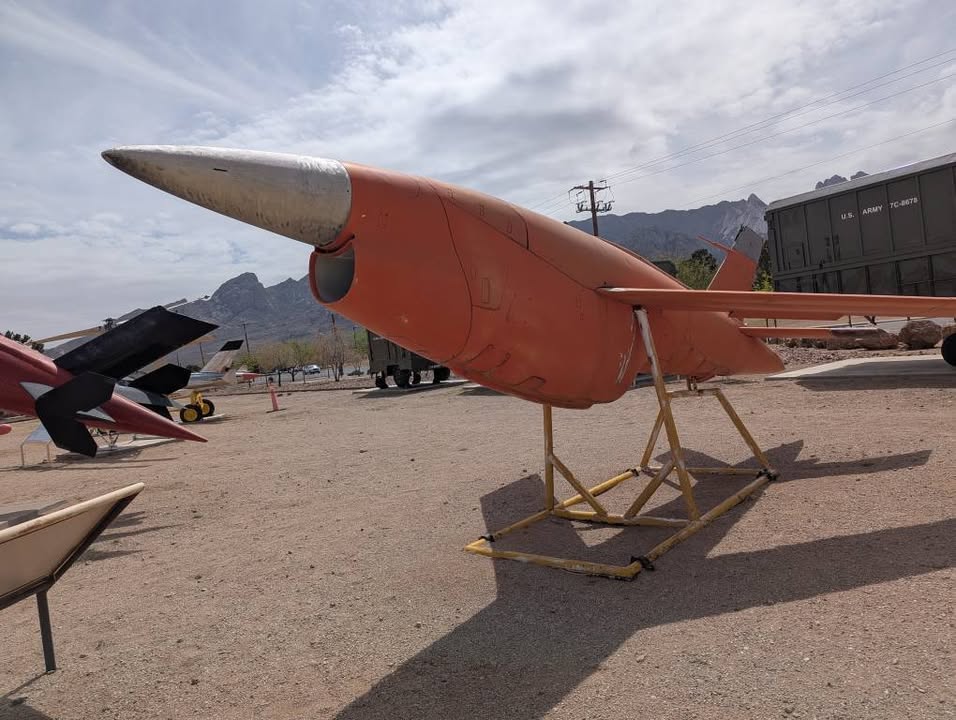
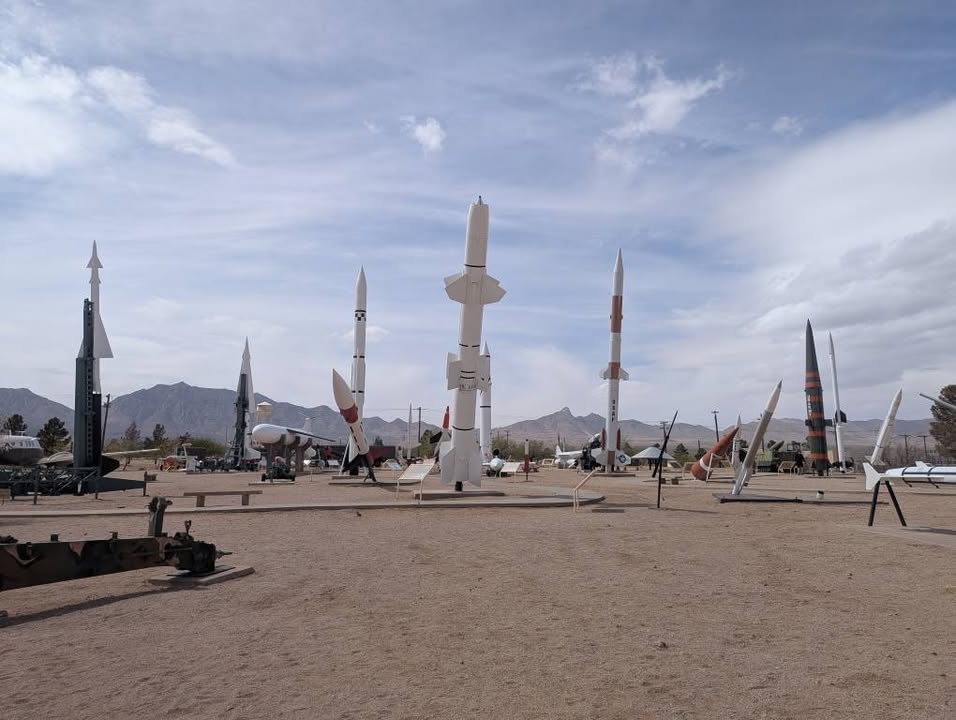
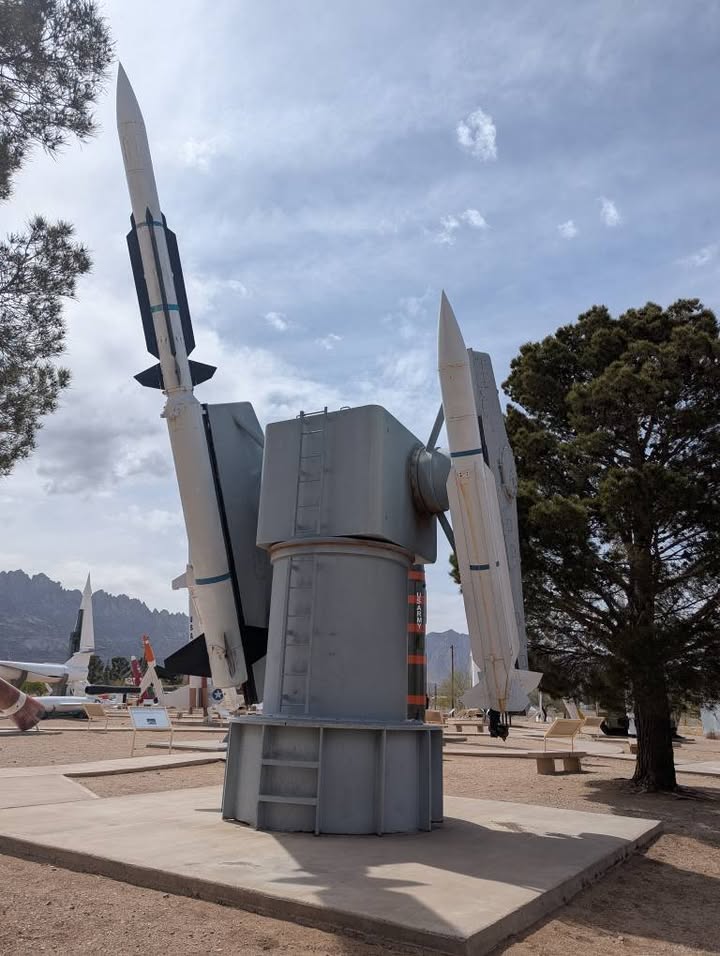
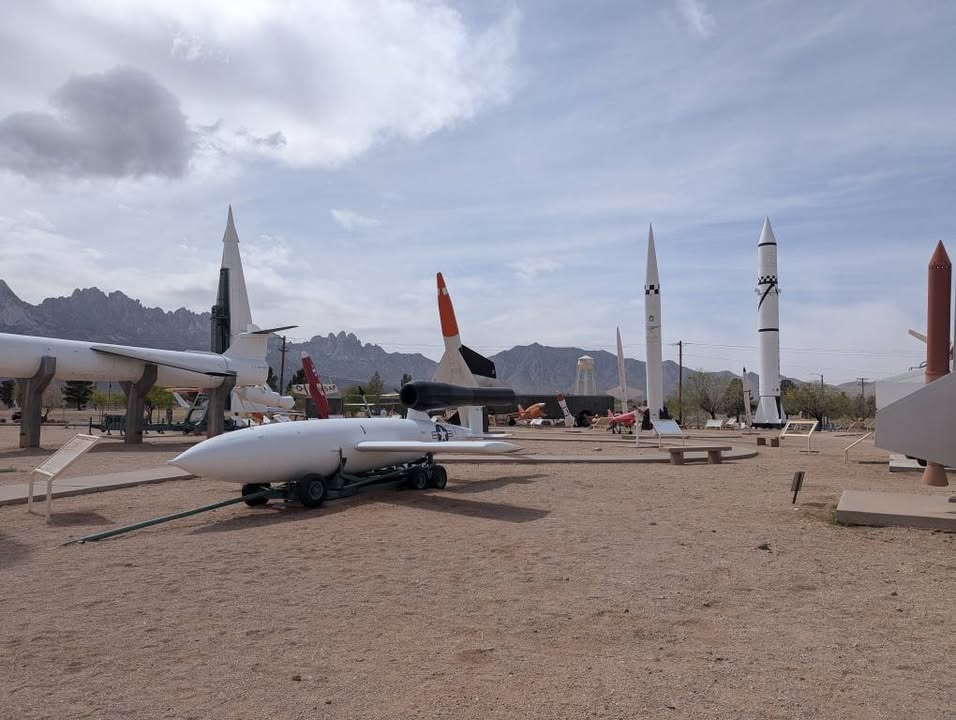
Outside, a lineup of massive rockets and missiles stood casually in the desert. We were instructed to only take photos facing the mountain range. Naturally, I wondered exactly what was happening in the other direction. After the museum, we finally pointed the car toward the Organ Mountains and rolled into Aguirre Spring Campground that evening, ready for cooler air, quieter views, and a night without detours.
Back on the road, Google Maps confidently sent us down a long, empty stretch of pavement that felt increasingly wrong the farther we went. According to the app, this was the way to the missile museum. According to reality, it was not. We dead-ended at tall fences and very clear signs that we’d reached a military base entrance we were absolutely not allowed to use. The frustrating part was that we were technically there. This was the same military base the museum sits on, just not an entrance open to the public. So close, yet very far away.
There was nothing to do but turn around, backtrack a good distance, head north, and then loop back south again using the correct access road. Between the wrong turn and the reroute, we lost over an hour. Google Maps was officially fired for the day. Eventually, we made it to the proper entrance and into the White Sands Missile Range Museum. Entry requires a background check. We passed. Whew. Inside, the museum was packed with New Mexico’s military history, far more extensive than I expected.
One piece that really stood out was the Bataan Death March. Just hours after the attack on Pearl Harbor, New Mexican soldiers stationed in the Philippines were attacked, captured, and forced to march more than 60 miles under brutal conditions with little food or water. Thousands died along the way. More than half of one New Mexican regiment never made it home. Heavy stuff. The museum also covered the Trinity Site atomic bomb test and the missile development and testing that still happens at the range today, making it clear this place isn’t just about the past.
Outside, a lineup of massive rockets and missiles stood casually in the desert. We were instructed to only take photos facing the mountain range. Naturally, I wondered exactly what was happening in the other direction. After the museum, we finally pointed the car toward the Organ Mountains and rolled into Aguirre Spring Campground that evening, ready for cooler air, quieter views, and a night without detours.