Places We Visited
Pick a stop to see its story and photos.
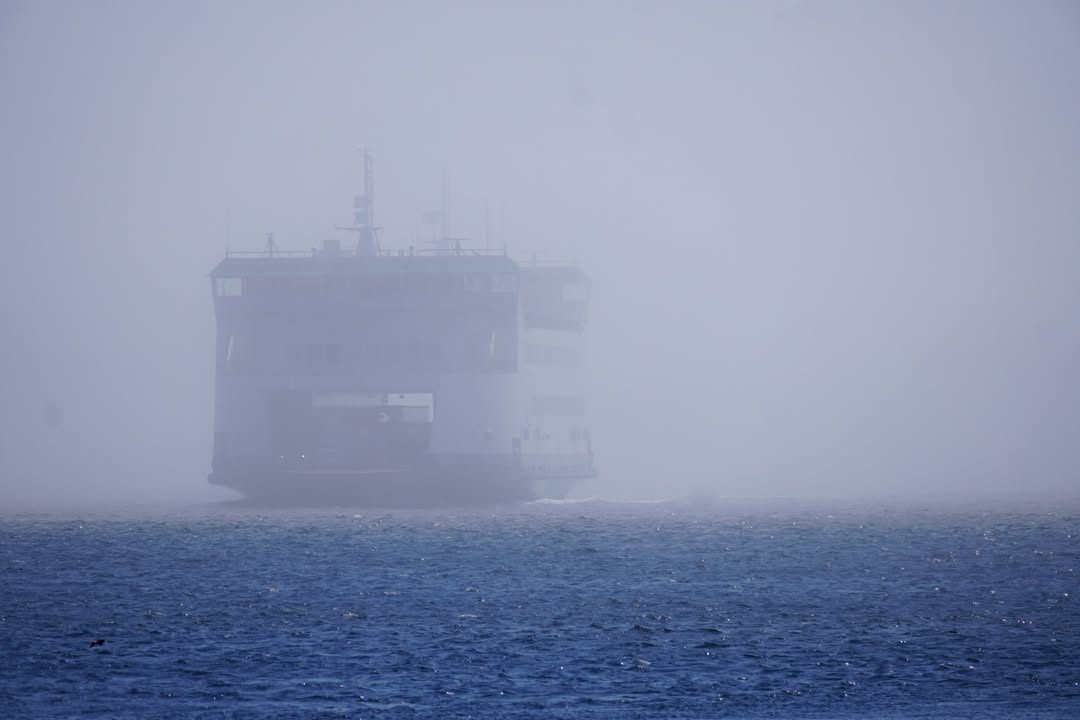
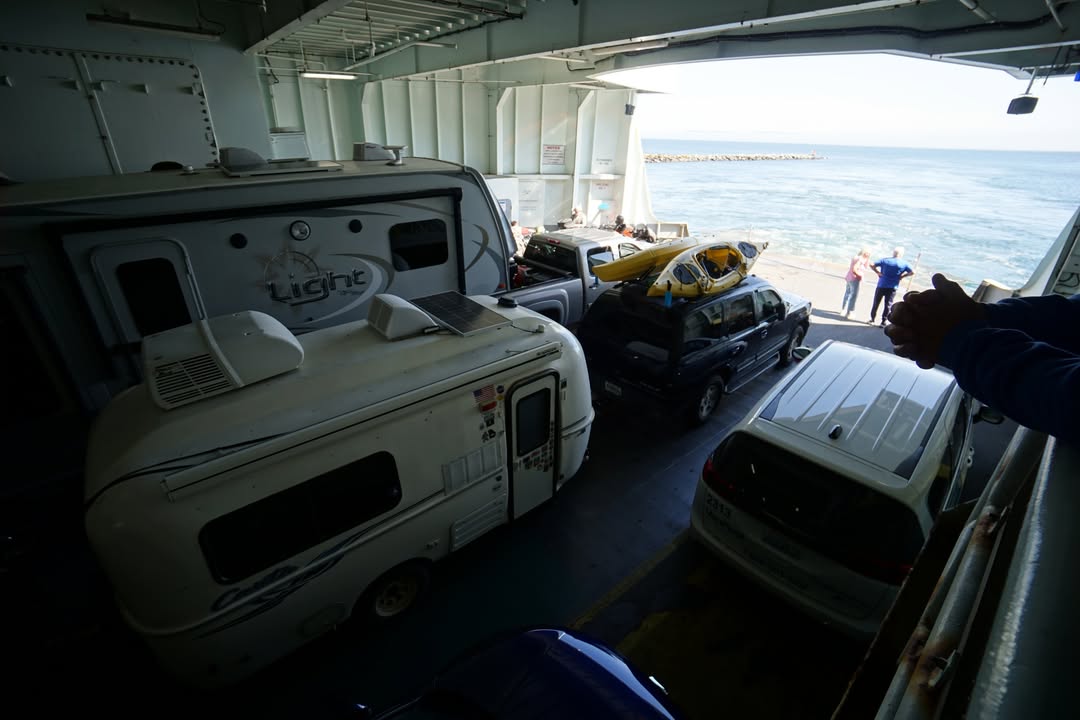
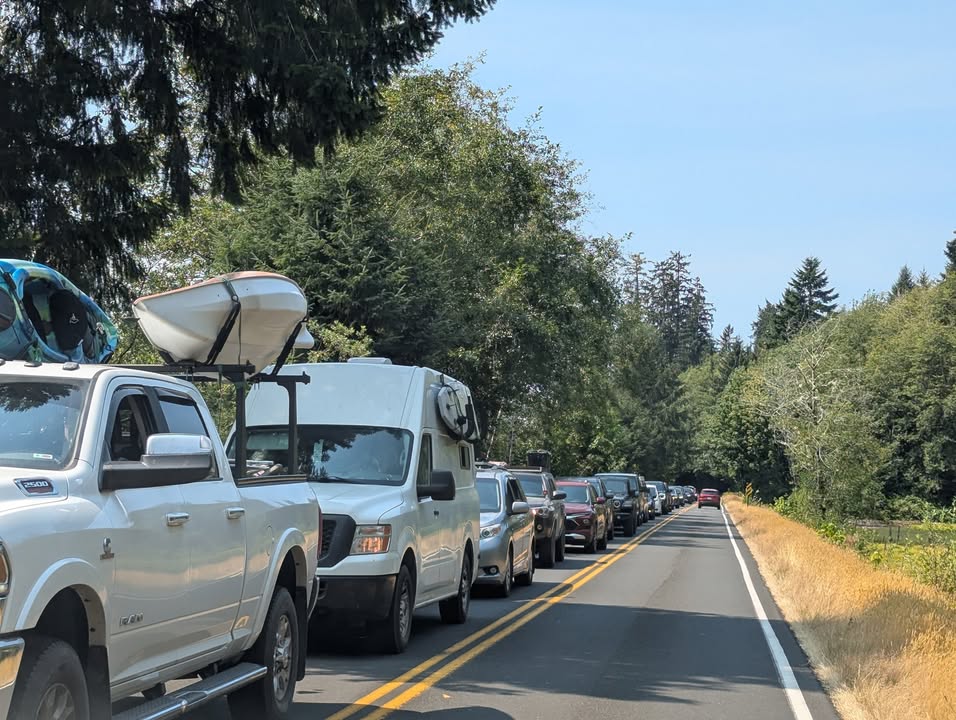
The Coupeville–Port Townsend ferry crosses Admiralty Inlet between Whidbey Island and the Olympic Peninsula. We used it to avoid Seattle traffic while towing the camper and to reach the north side of Olympic.
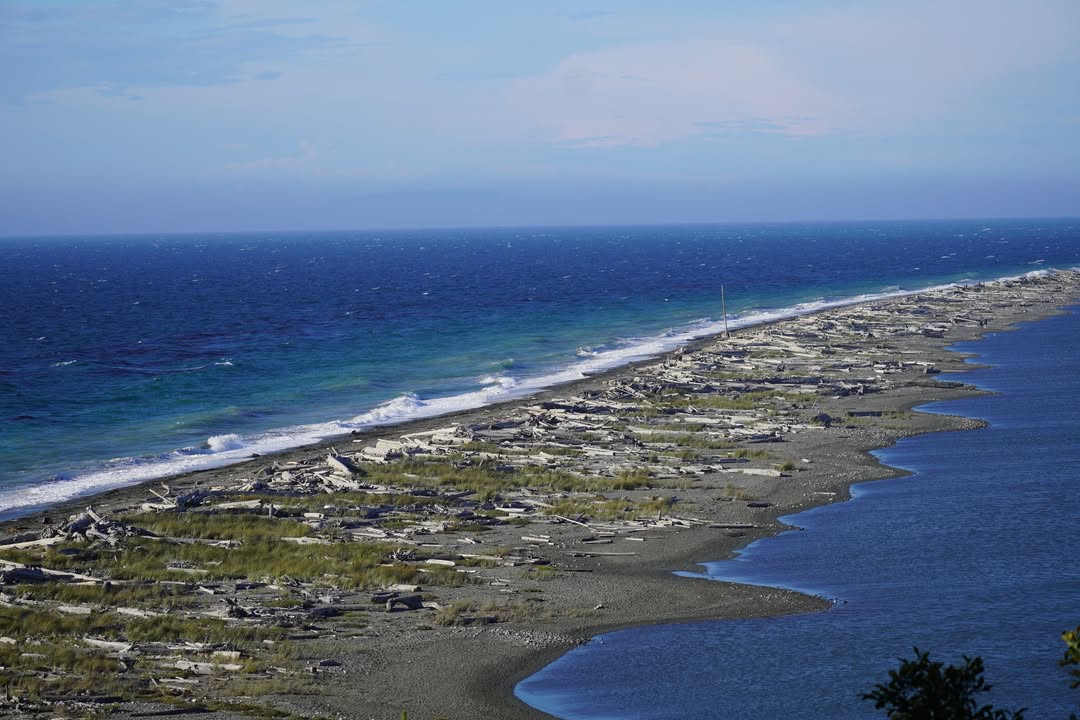
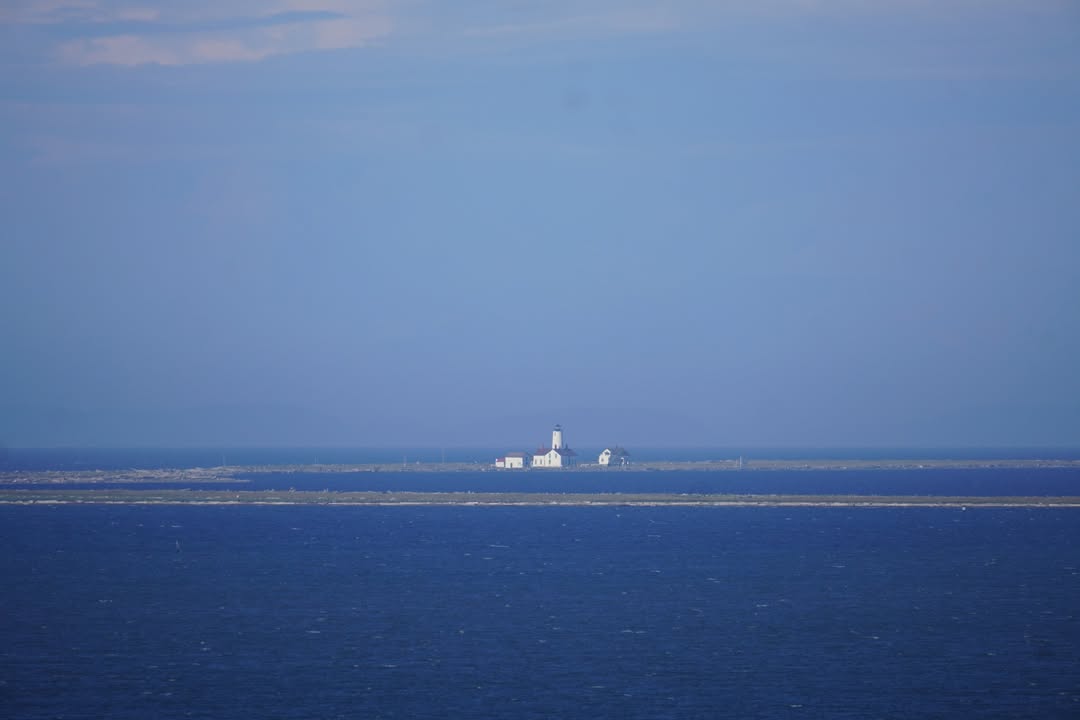
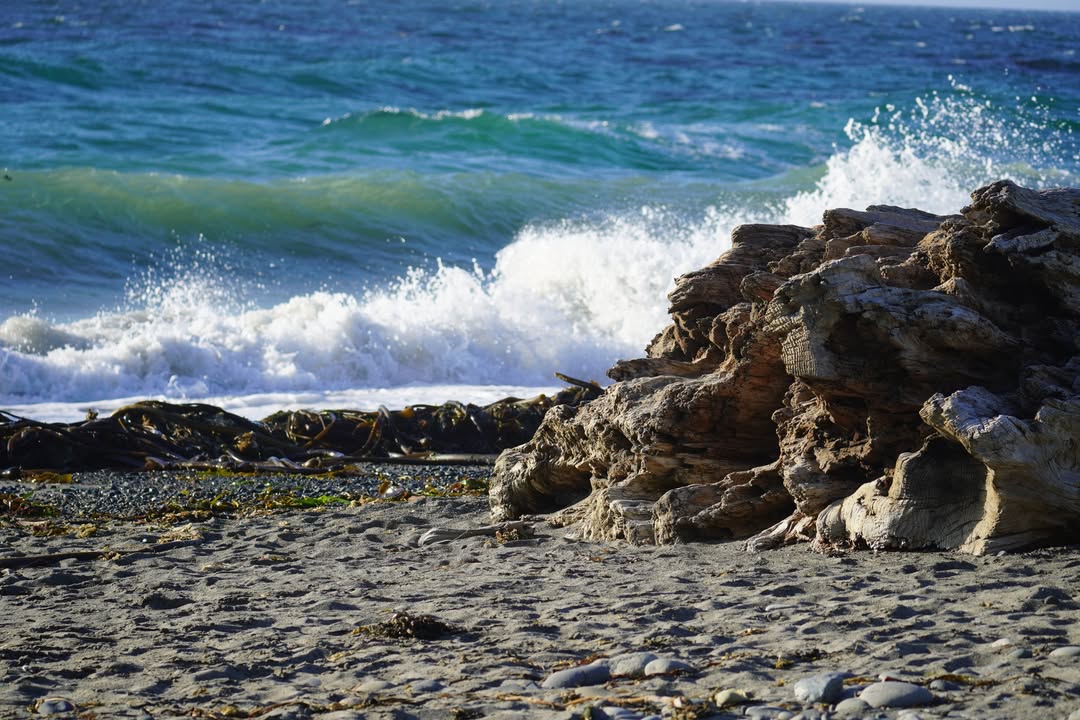
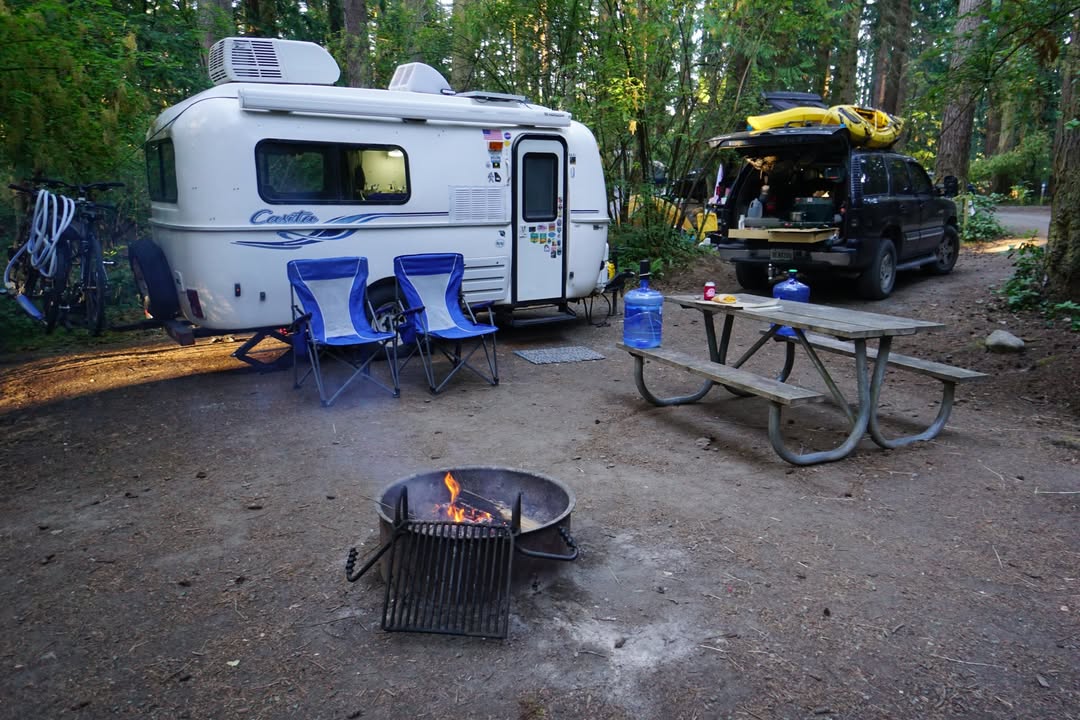
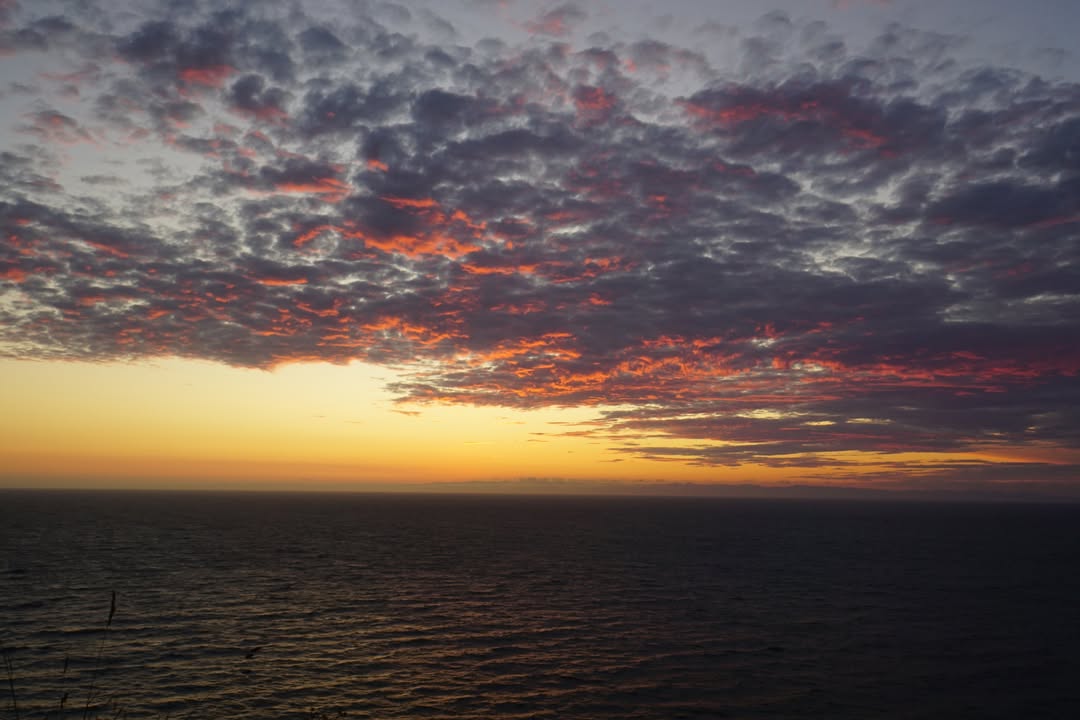
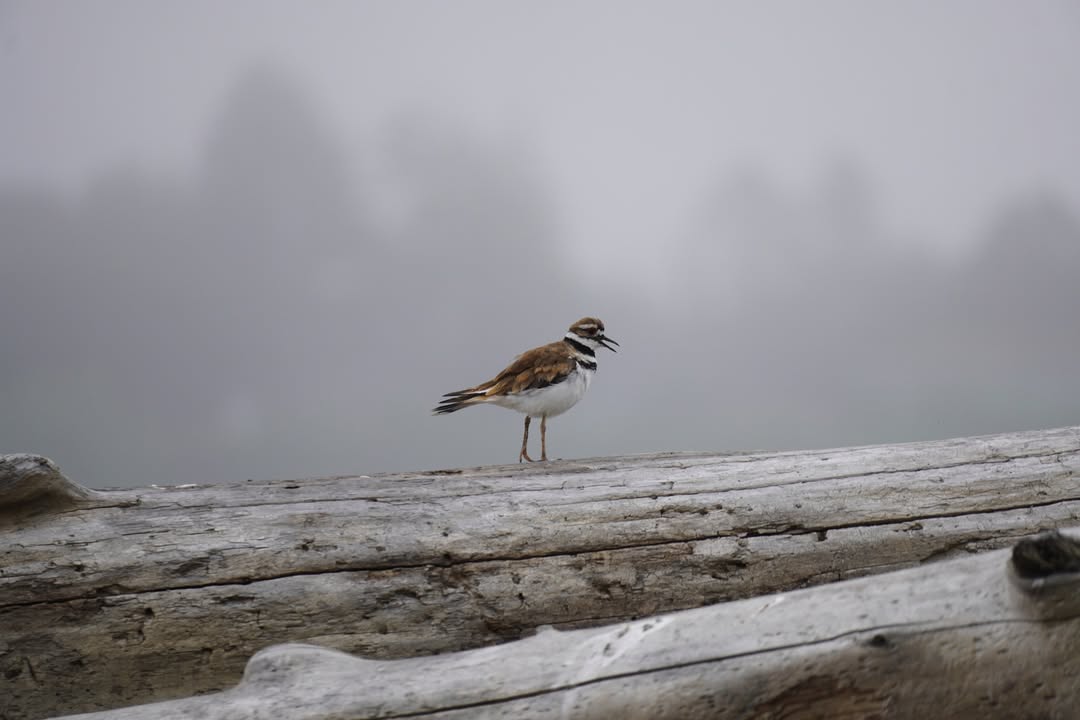
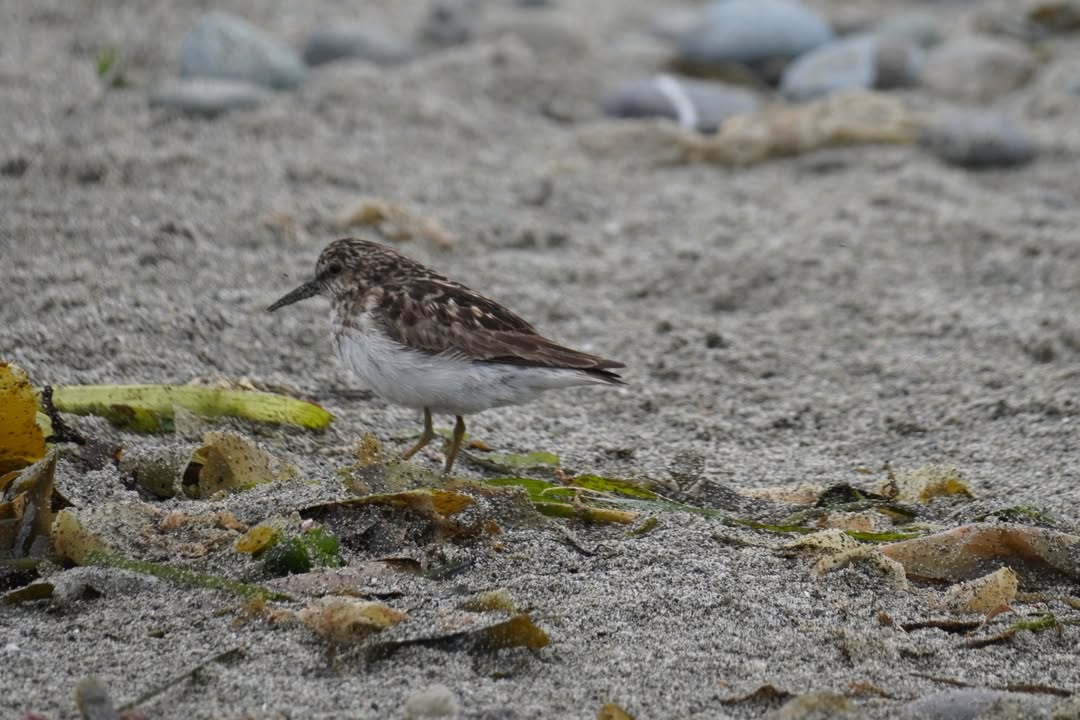
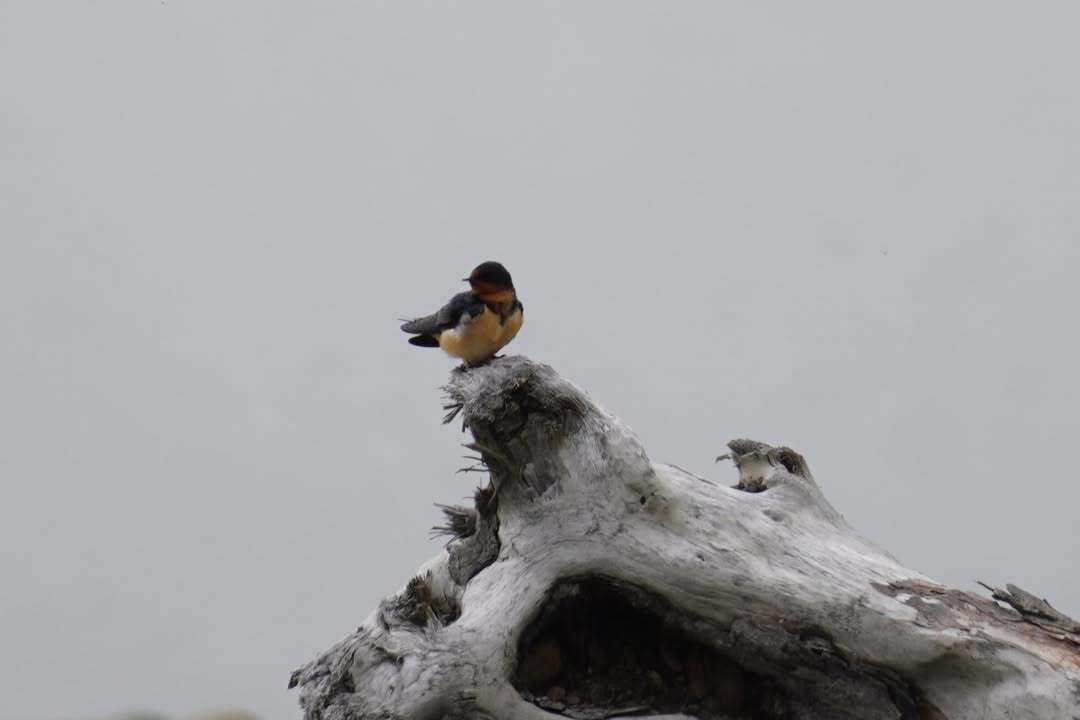
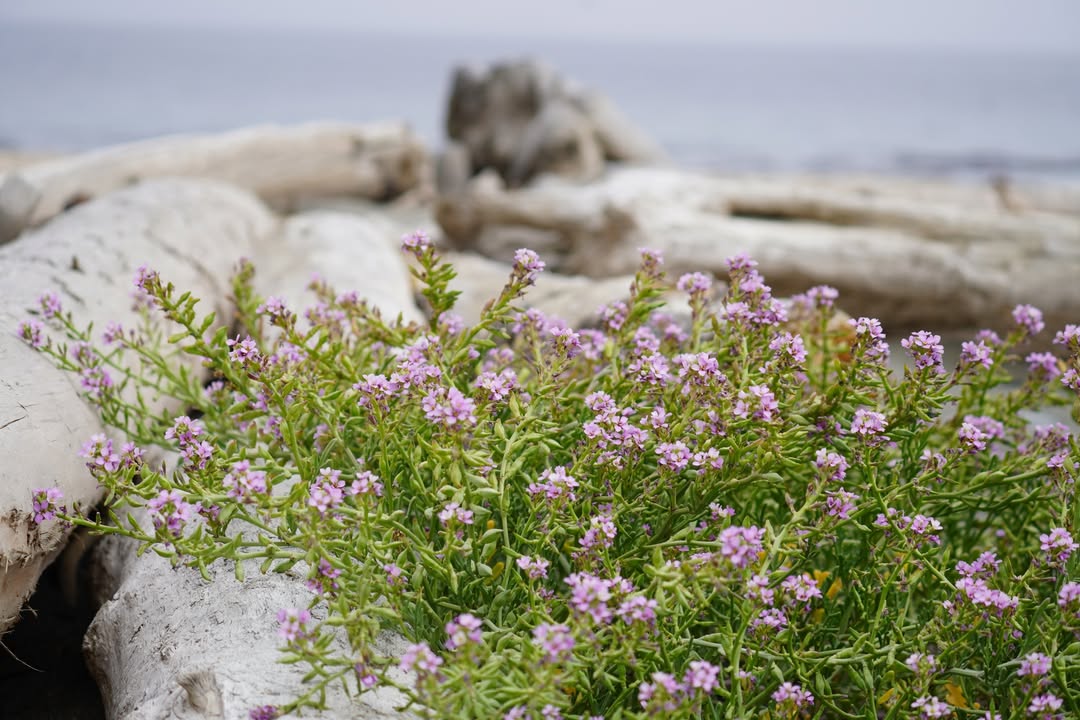
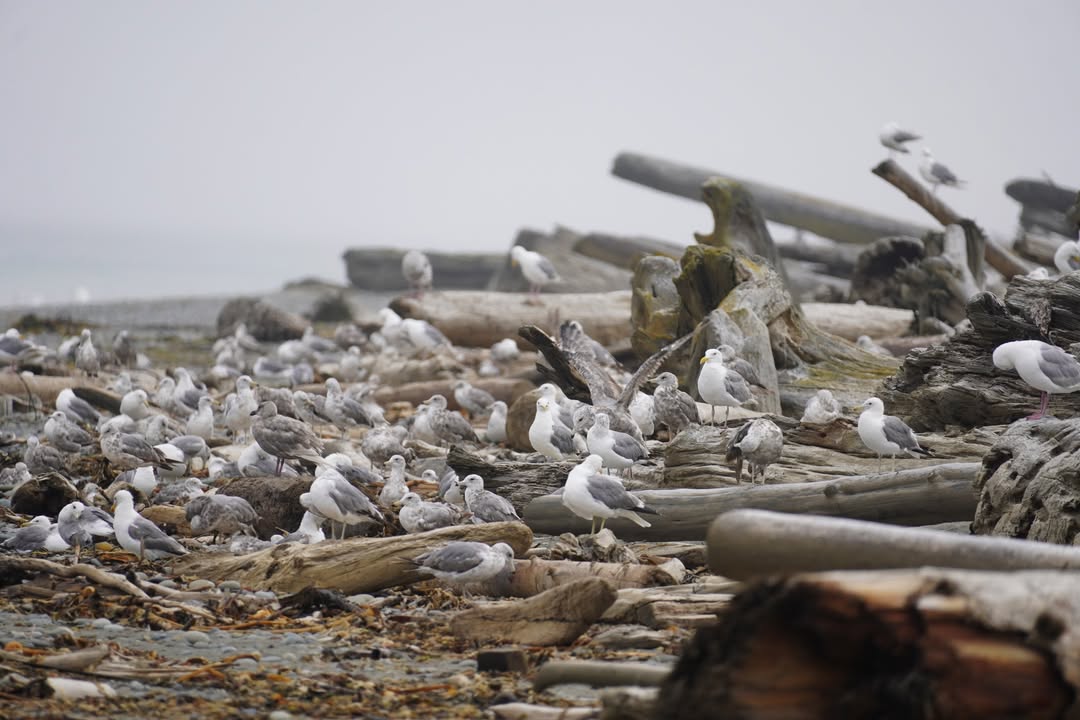
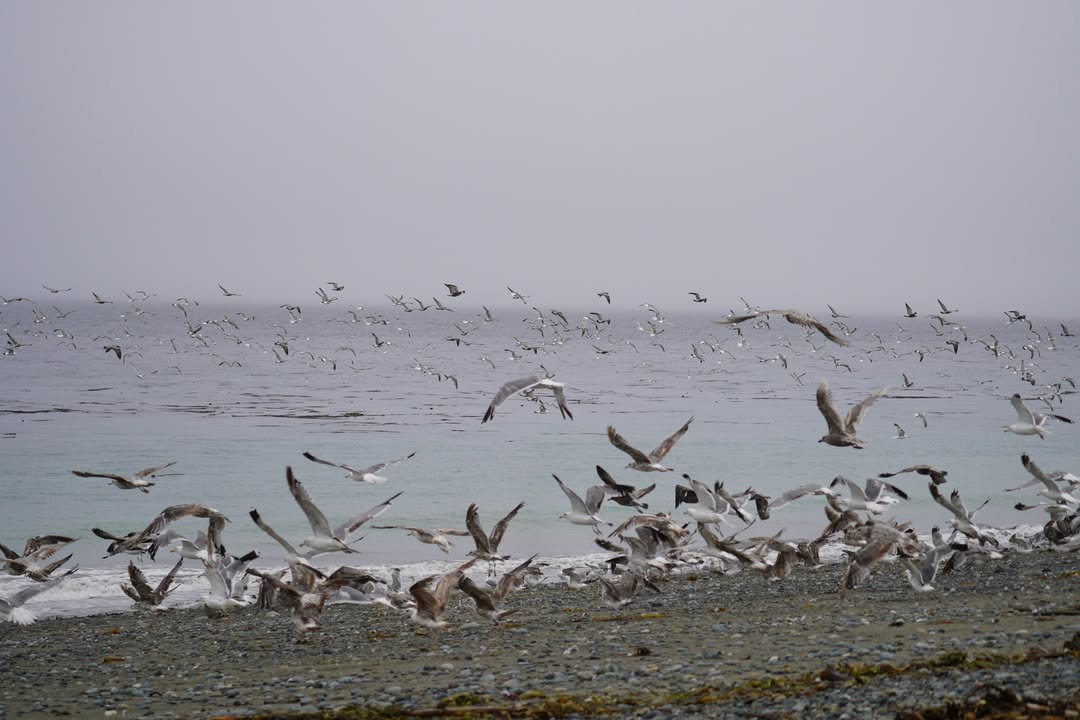
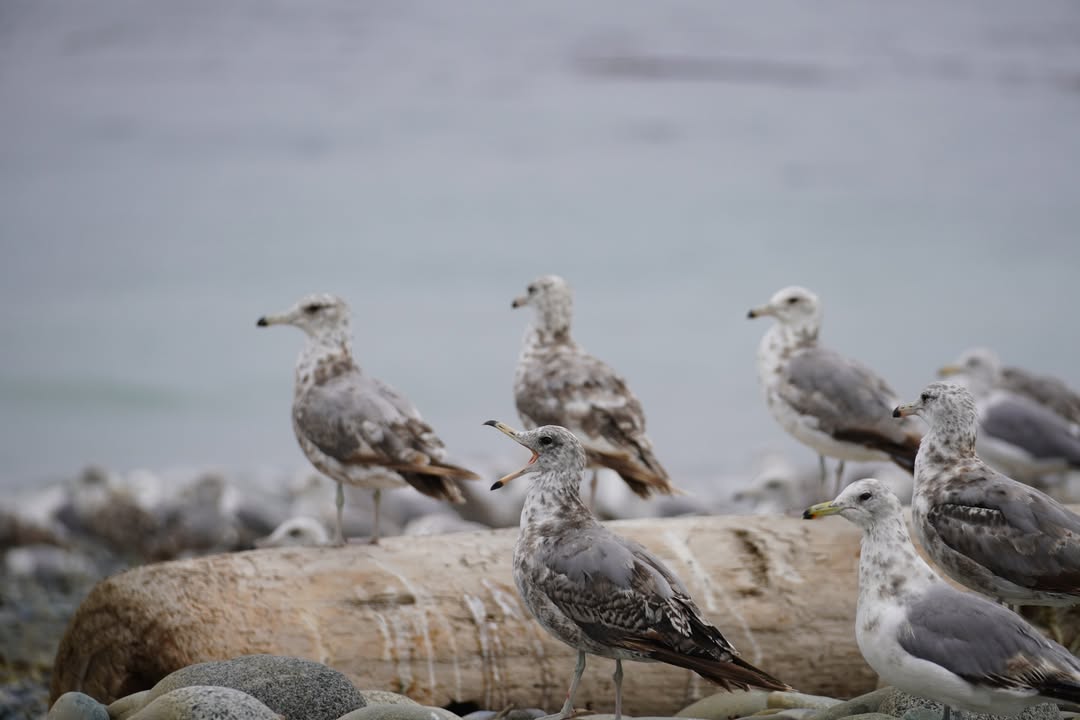
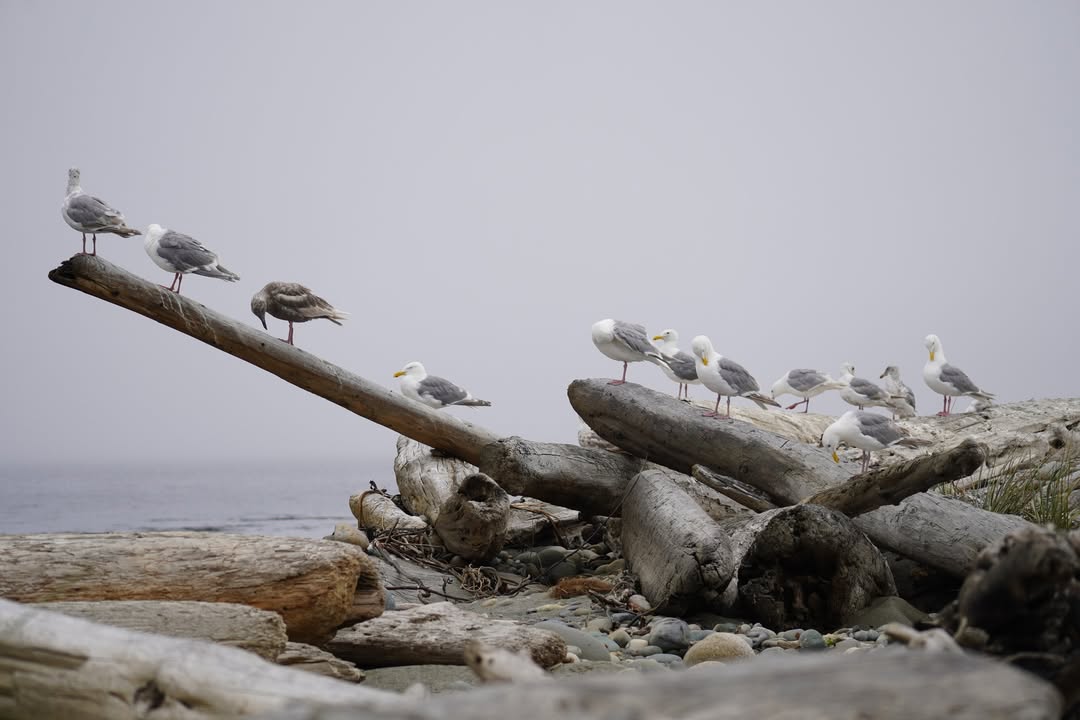
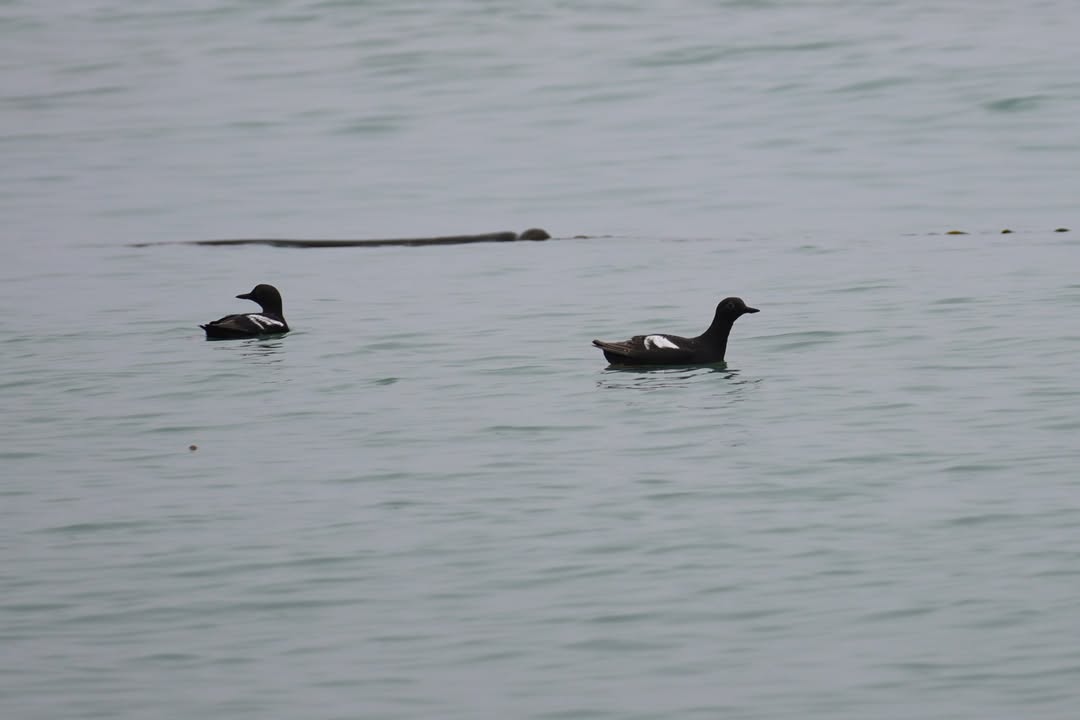
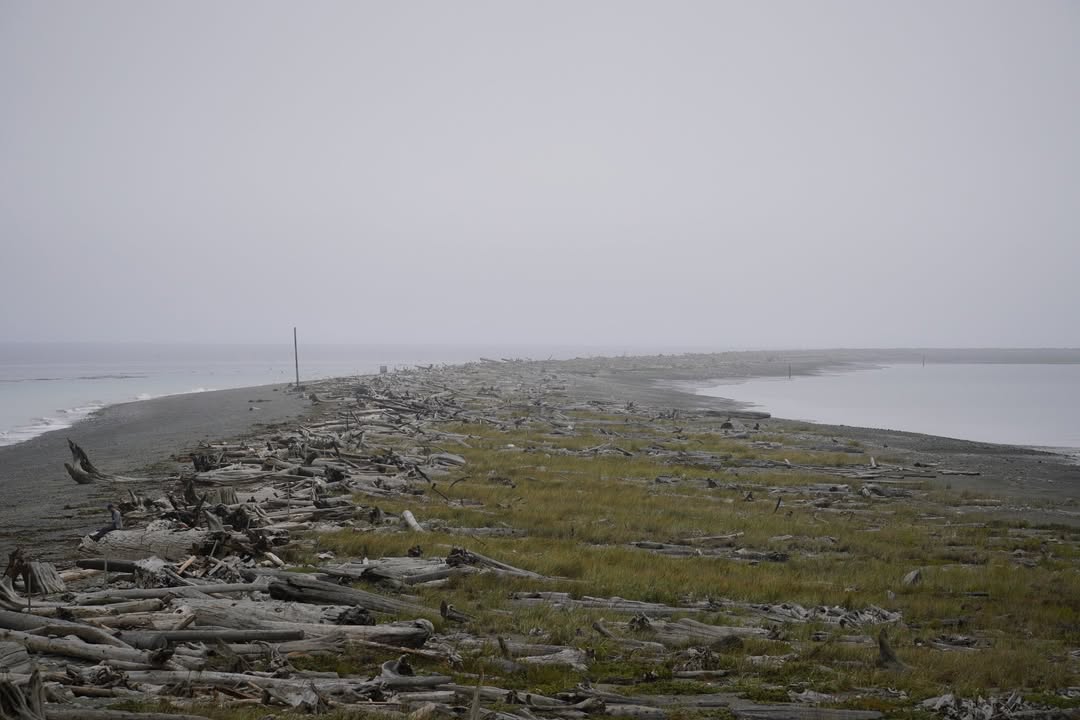
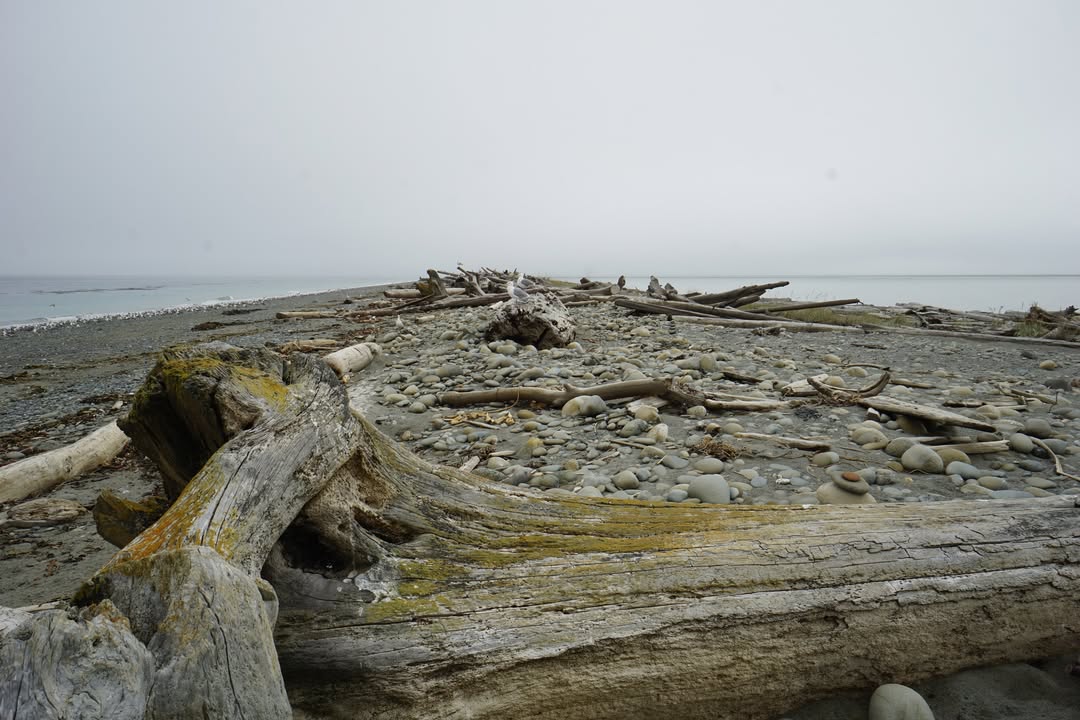
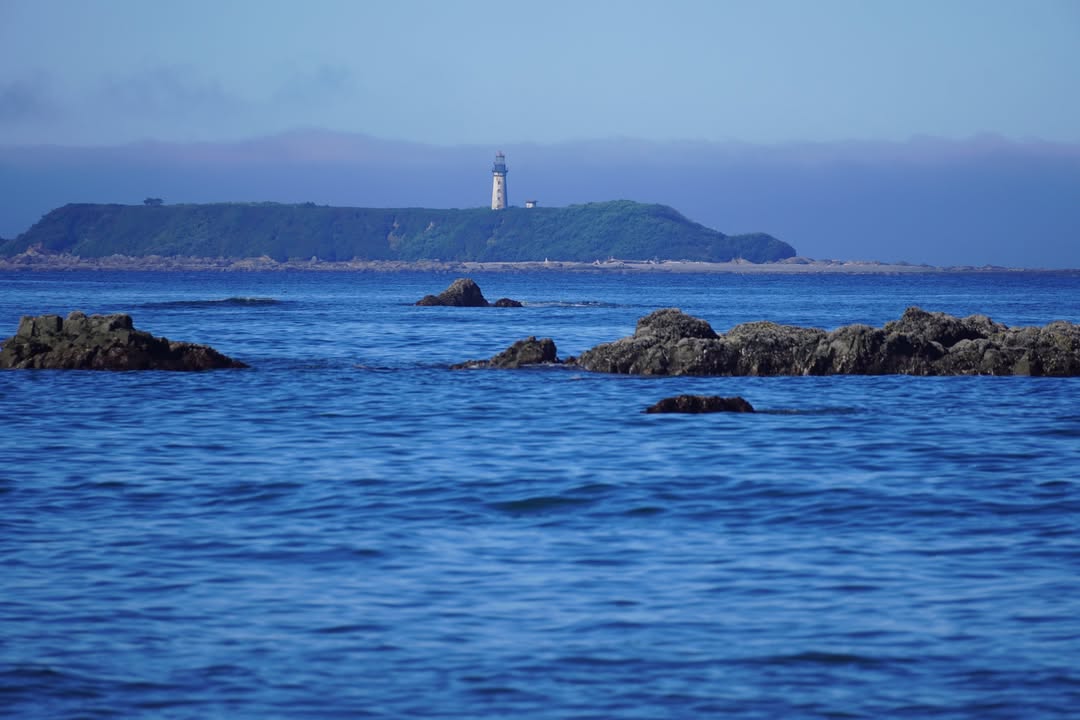
Dungeness Spit extends more than five miles into the Strait of Juan de Fuca, with driftwood beaches, bird habitat, and a lighthouse at the far end. We camped nearby and visited the shoreline twice for sunset and birding.
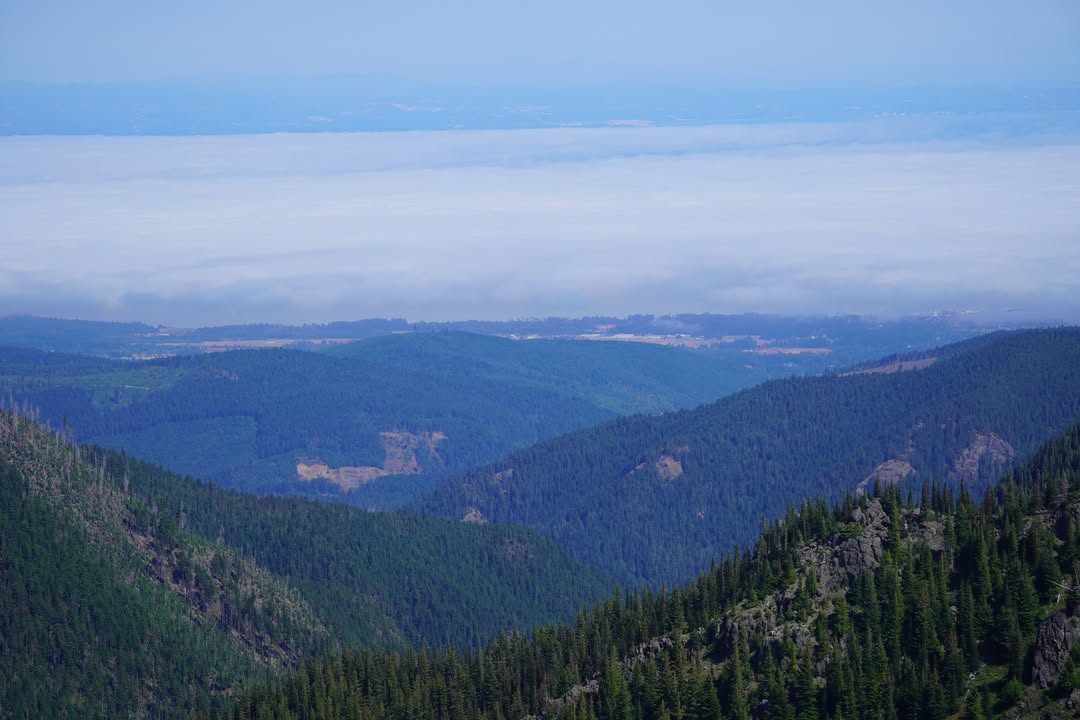
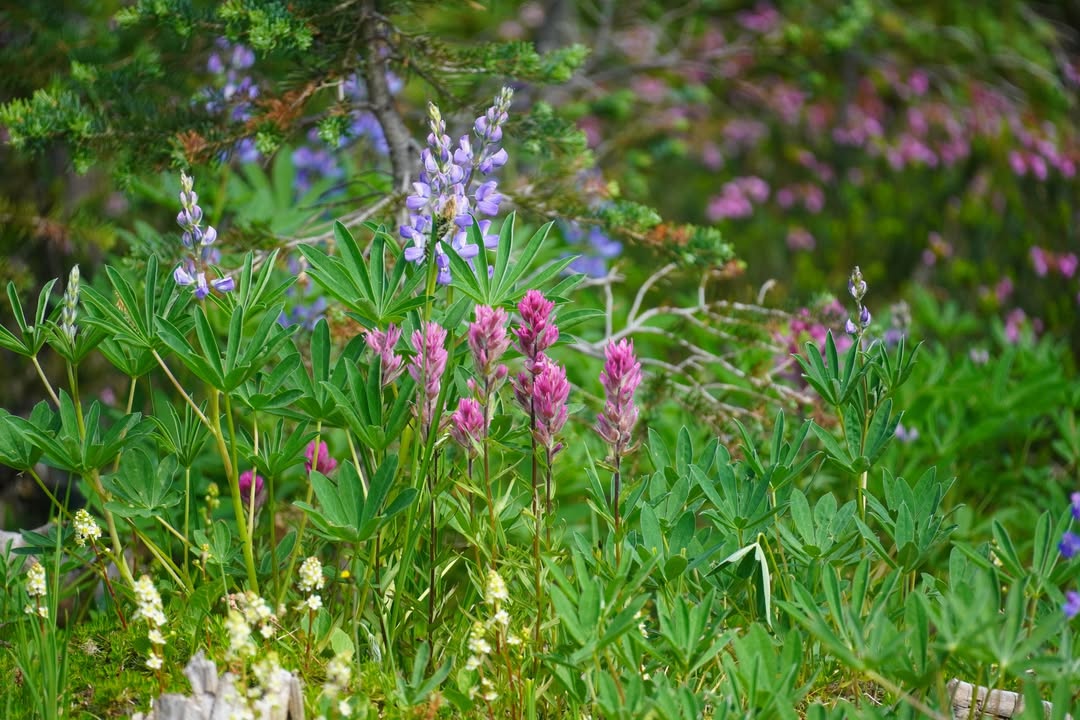
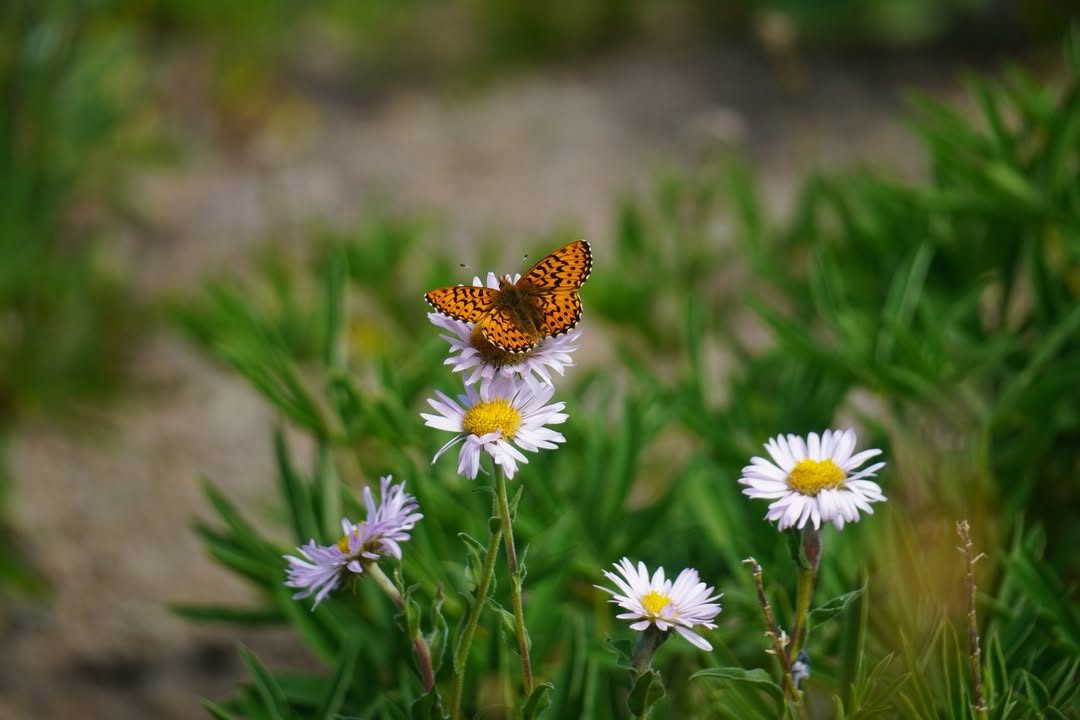
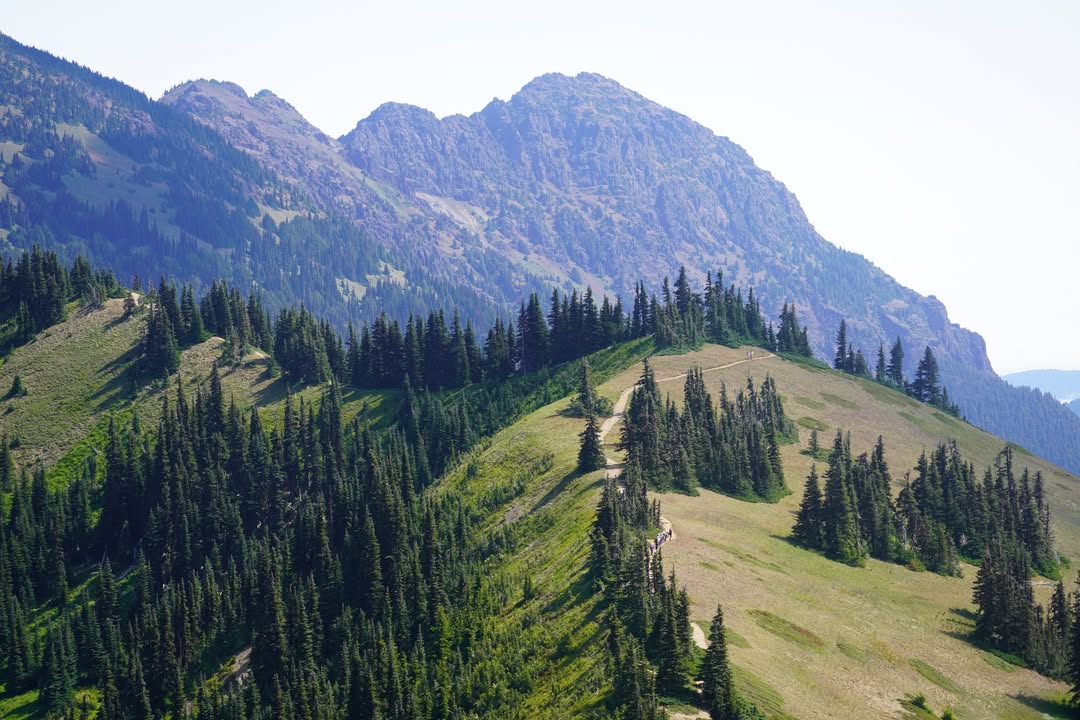
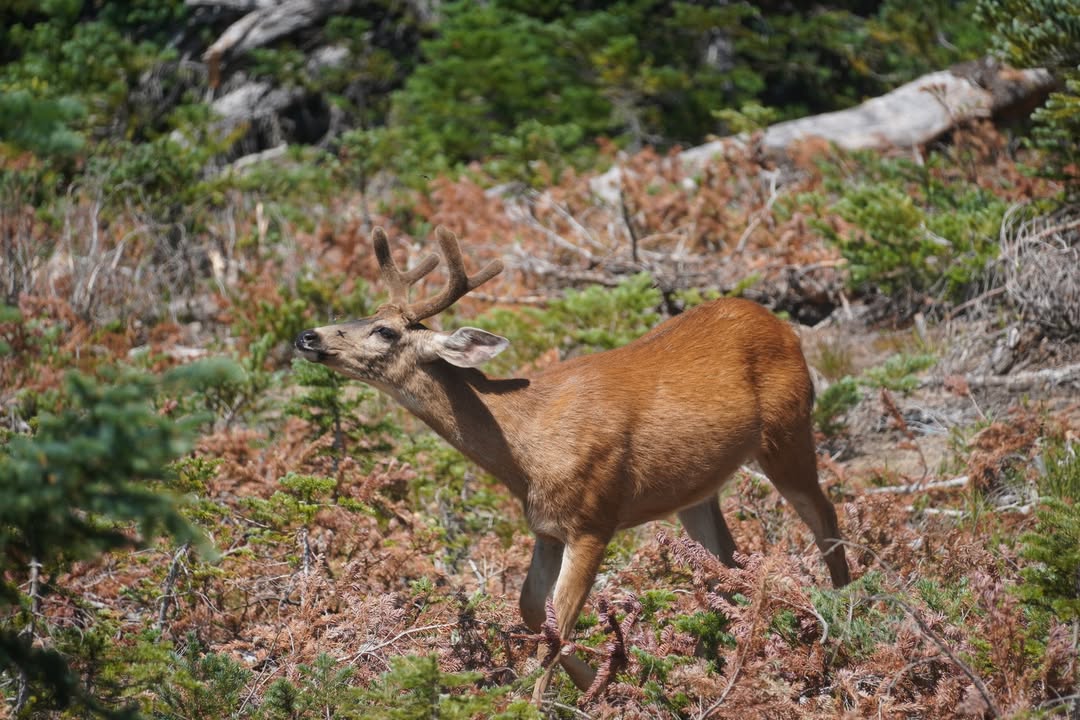
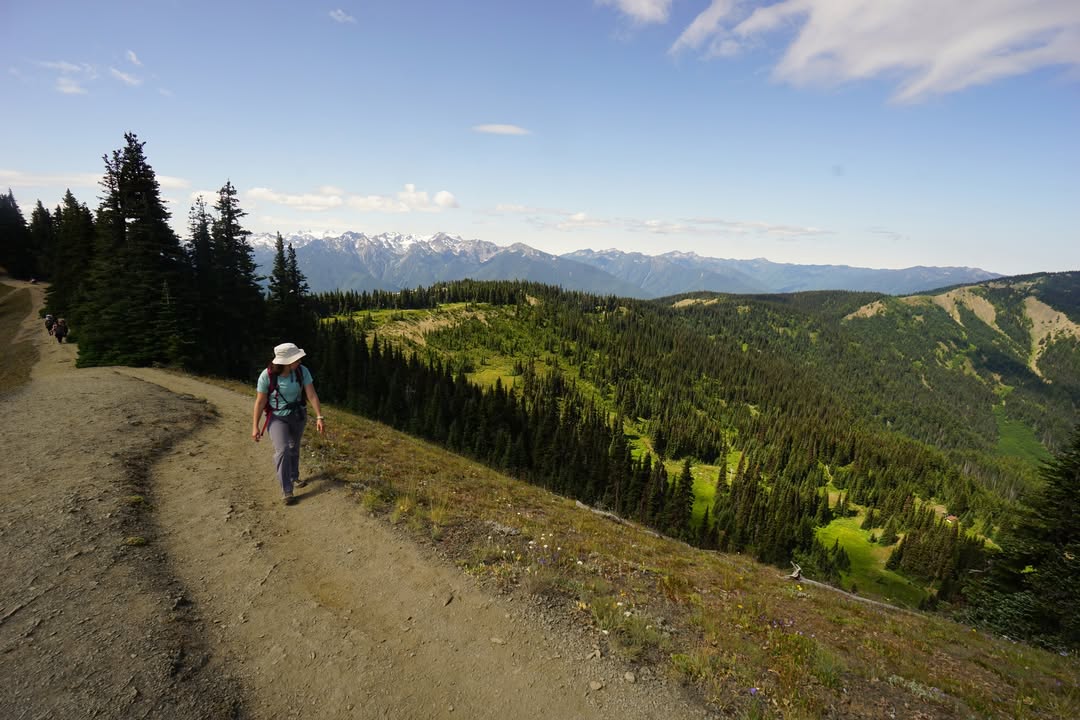
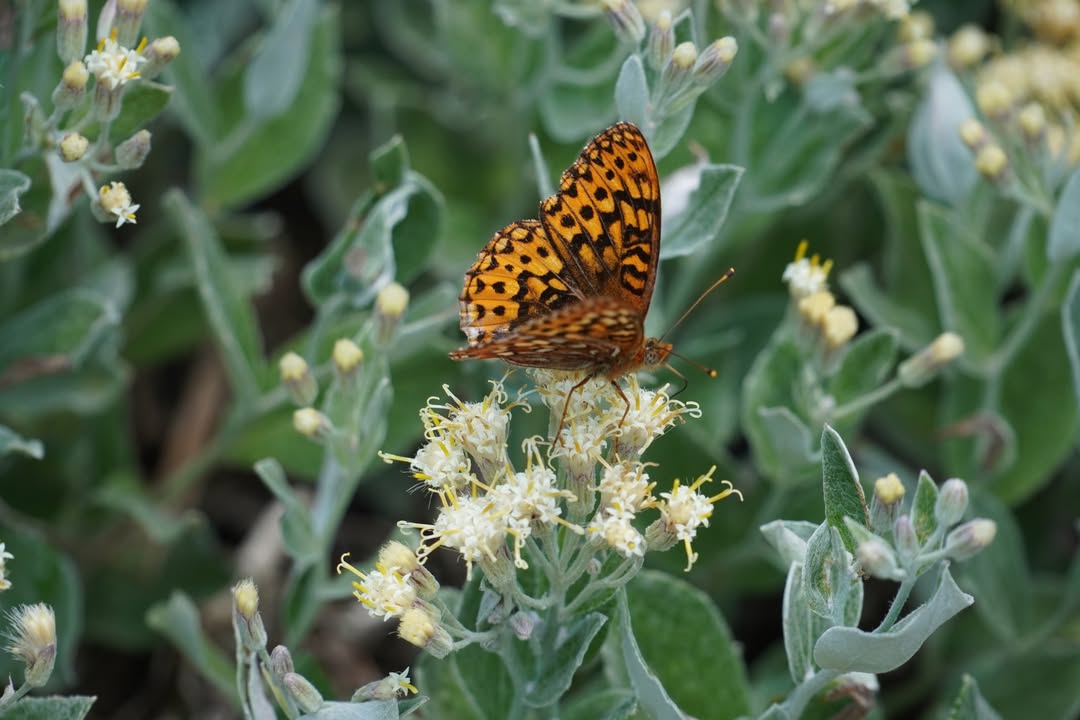
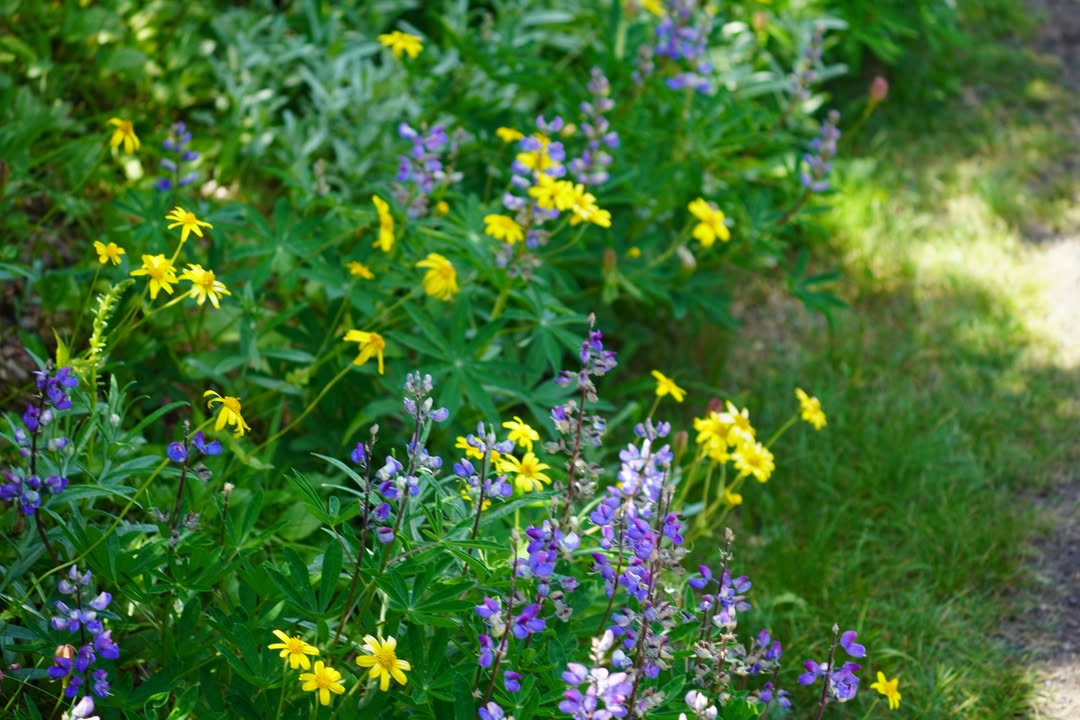
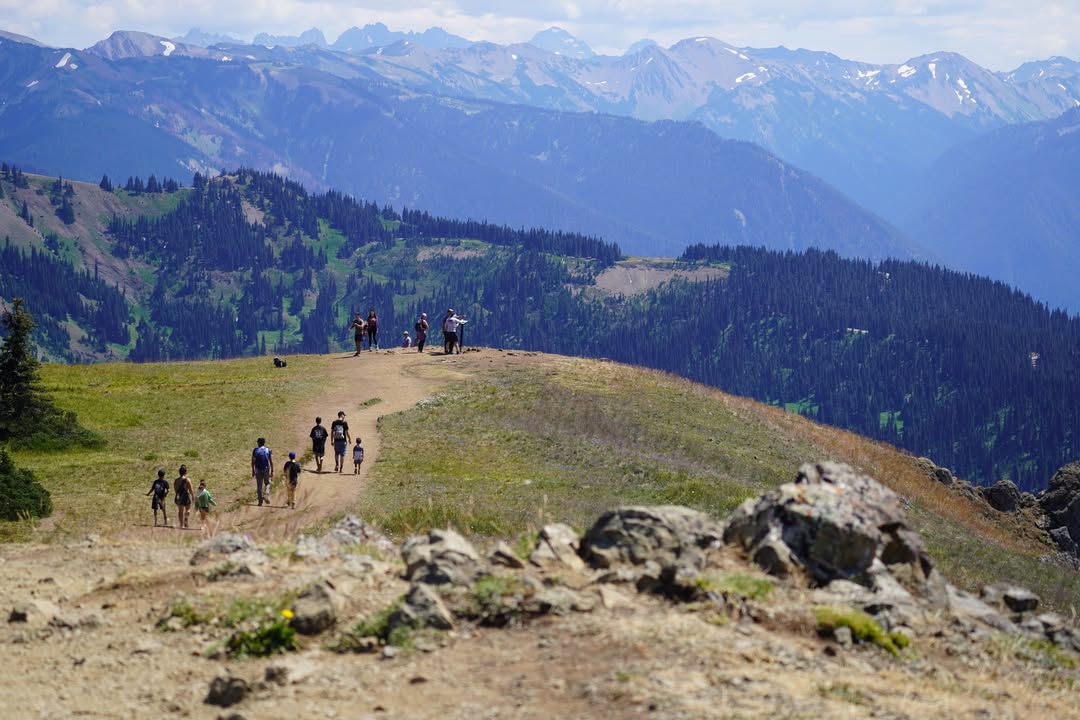
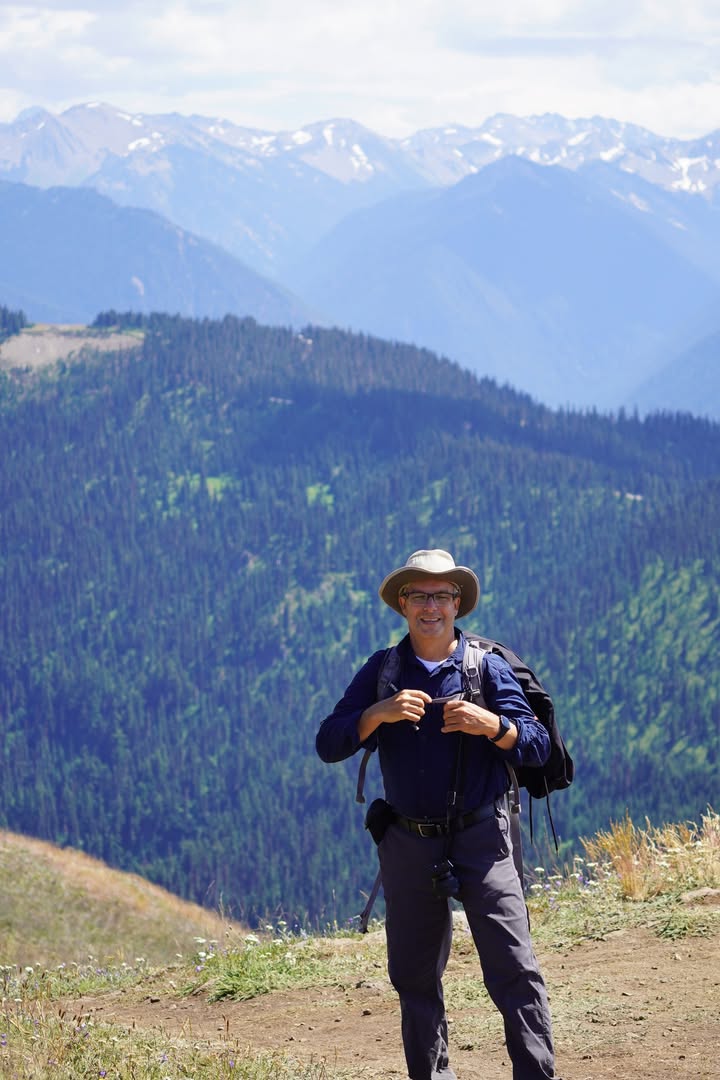
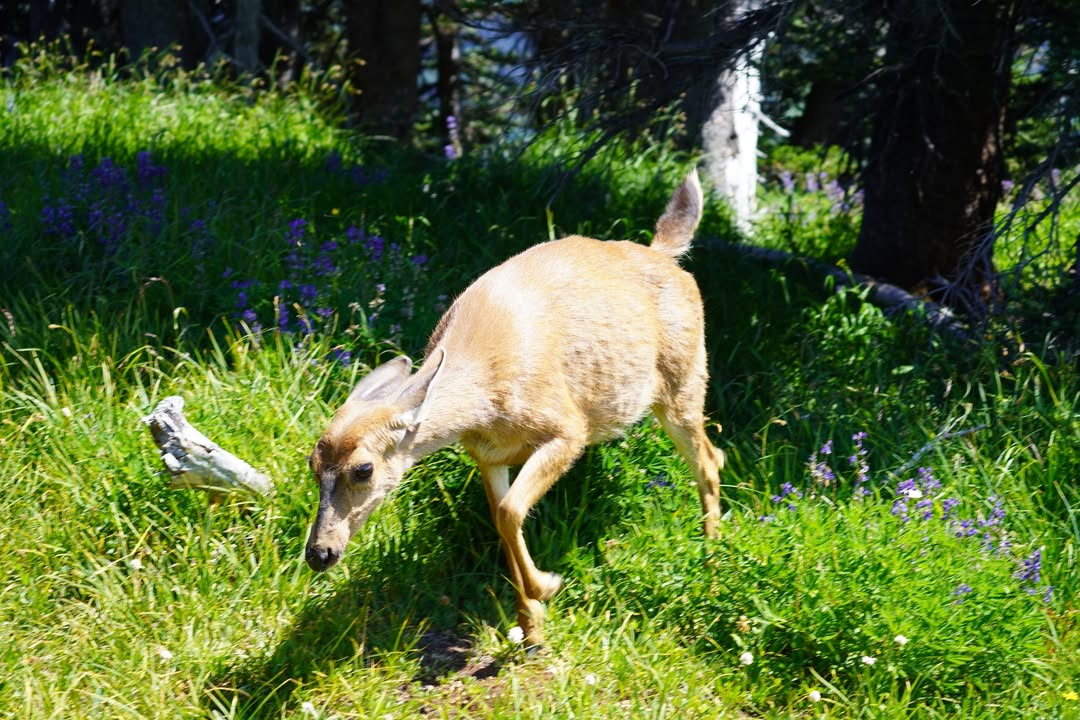
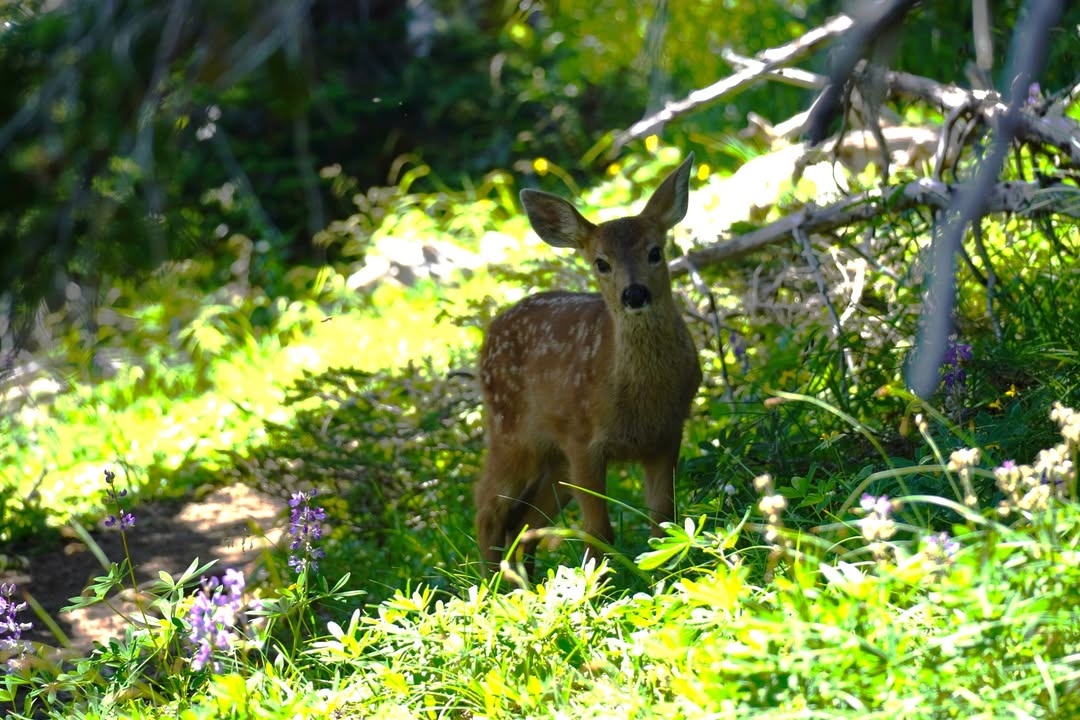
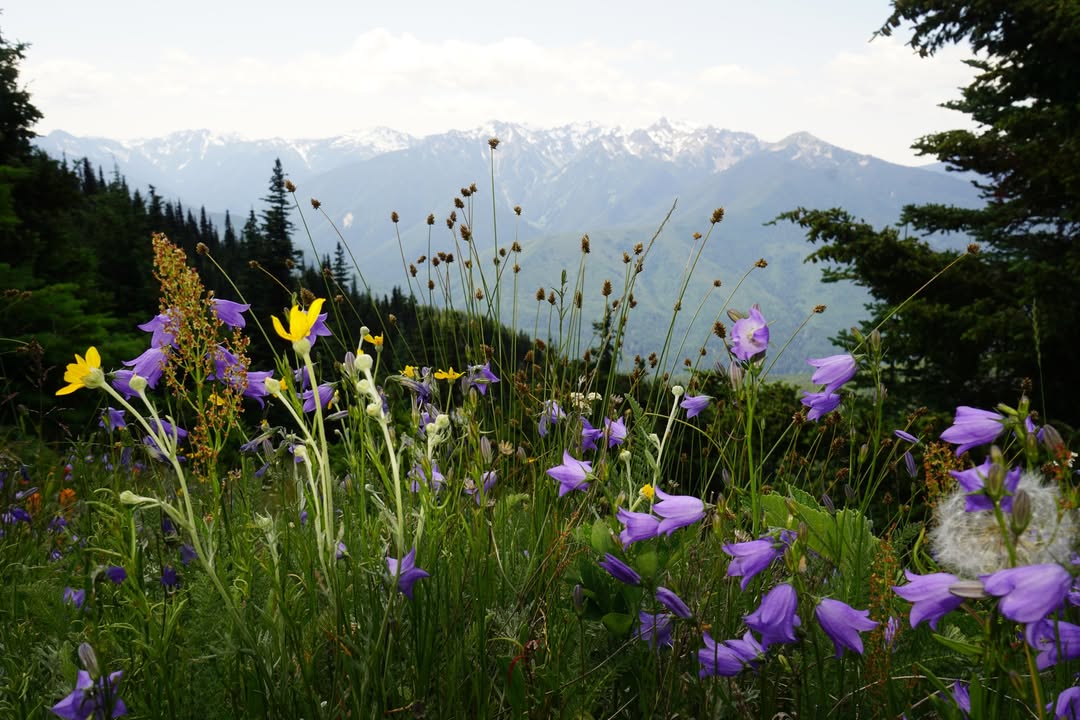
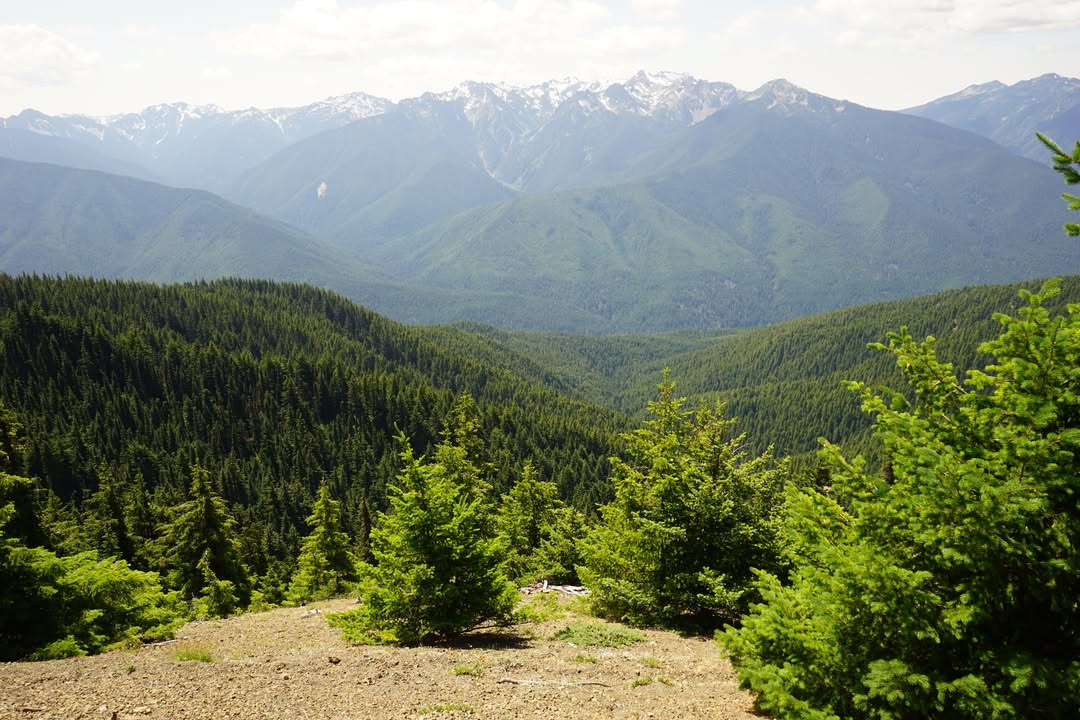
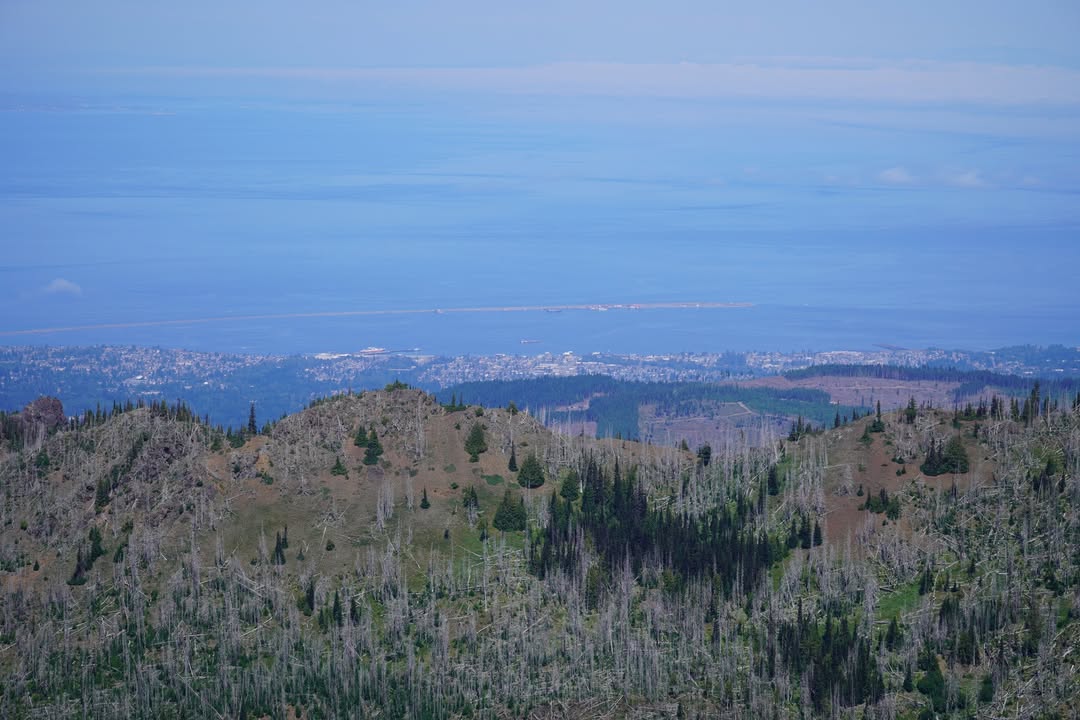
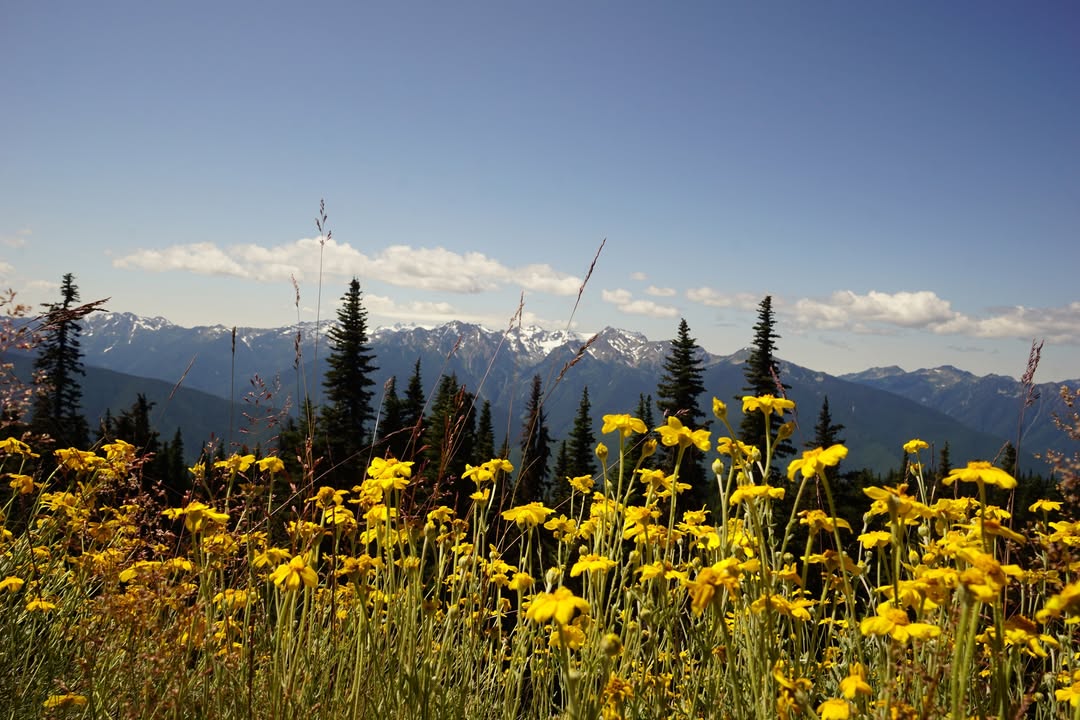
Hurricane Ridge provides Olympic's most accessible alpine views. We combined the short Cirque Rim walk with Hurricane Hill, a paved climb through wildflower slopes with deer and views across the Strait of Juan de Fuca.
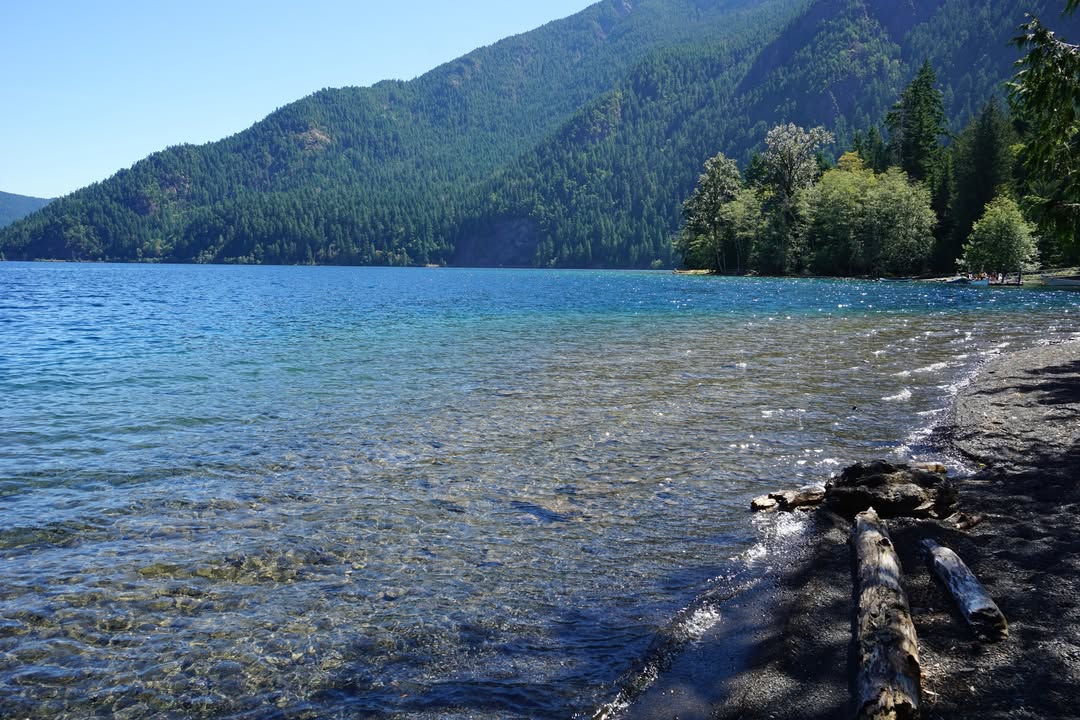
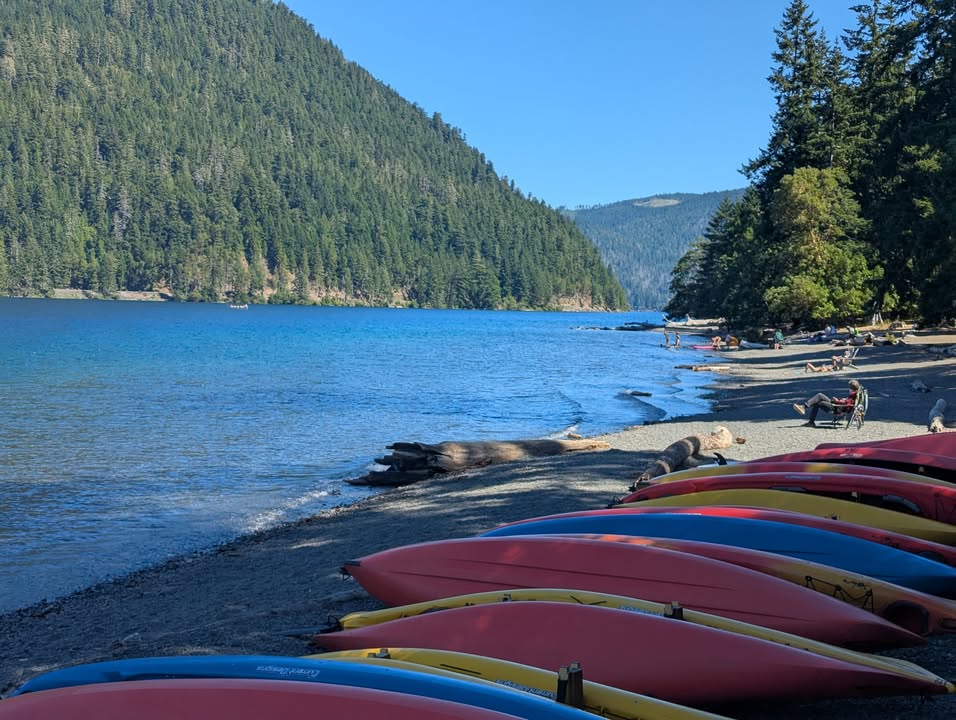
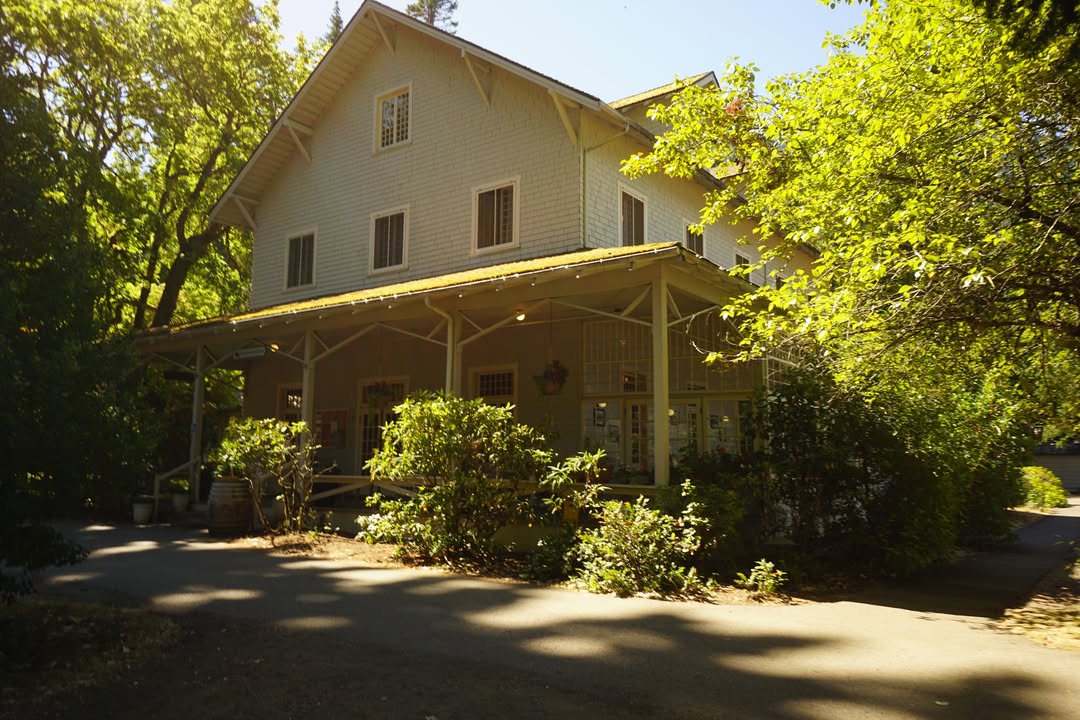
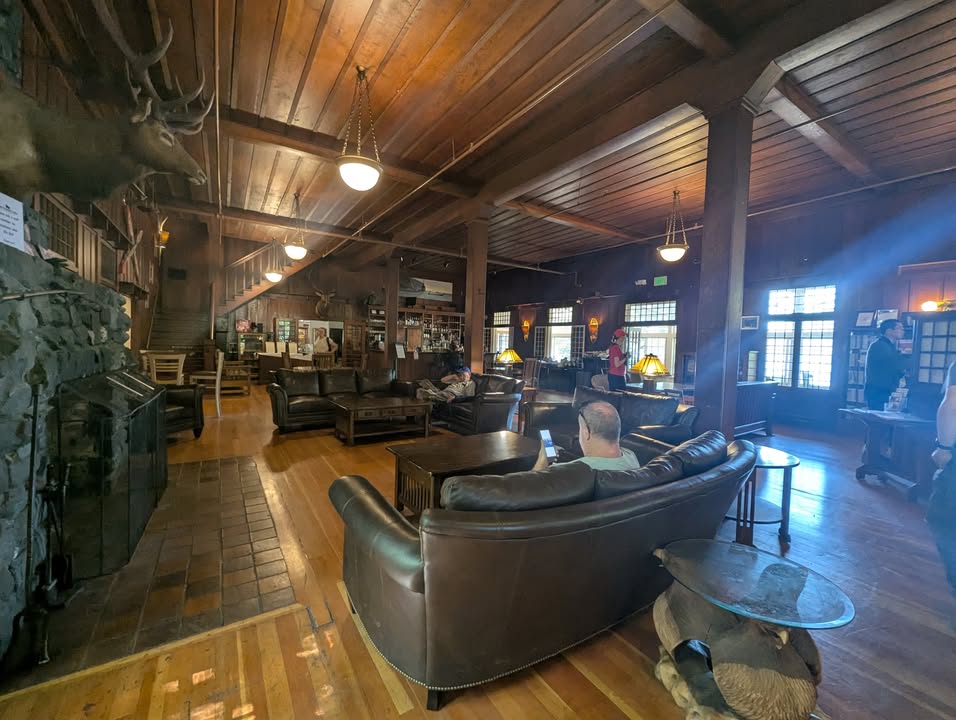
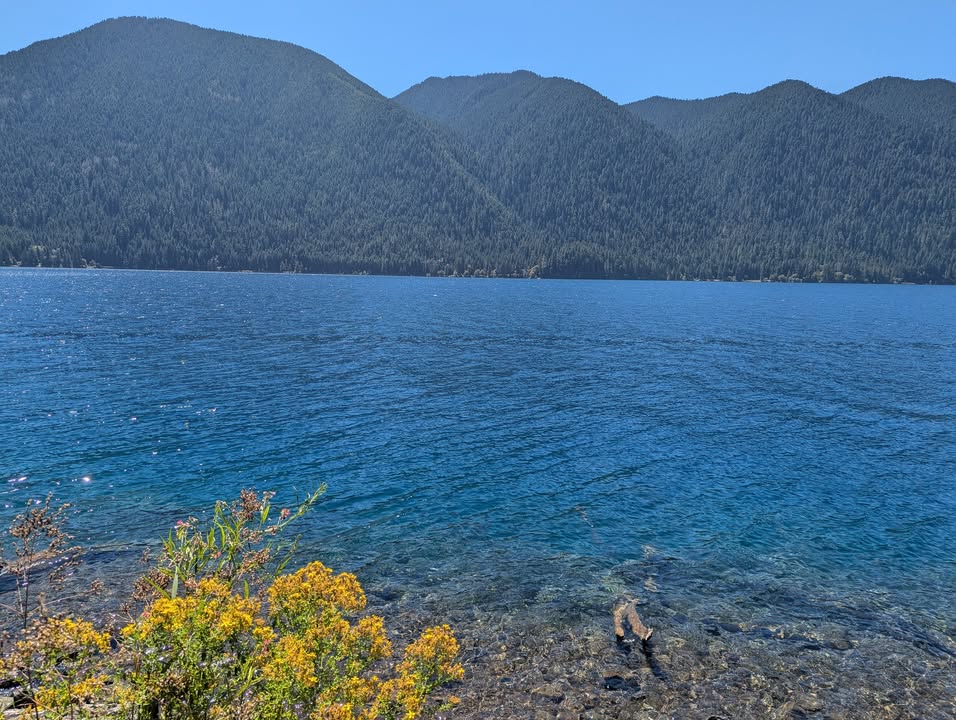
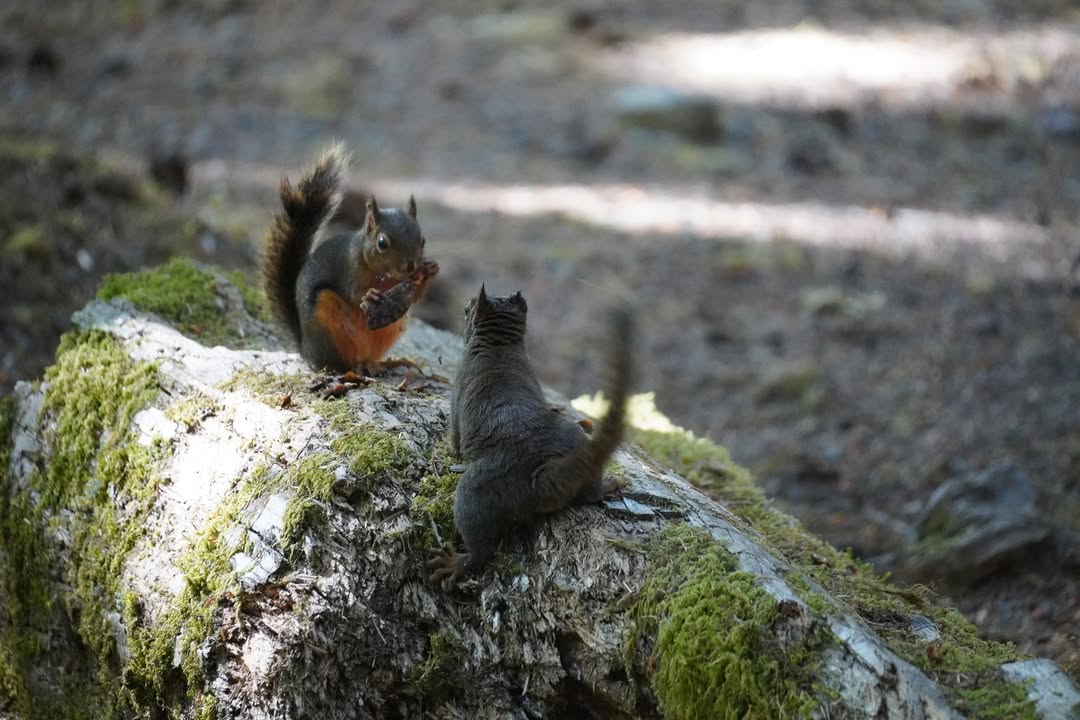
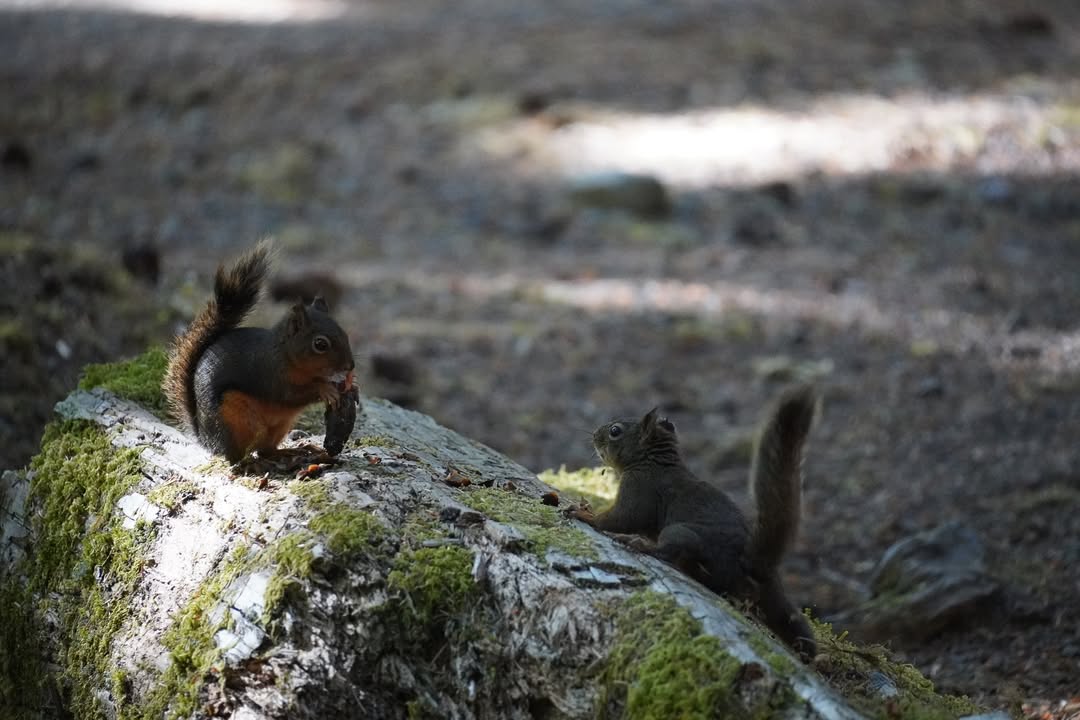
Lake Crescent is a deep glacial lake with a historic lodge, picnic areas, short forest walks, and several trailheads. We used the lodge area as a base for wildlife watching and the nearby Moments in Time loop.
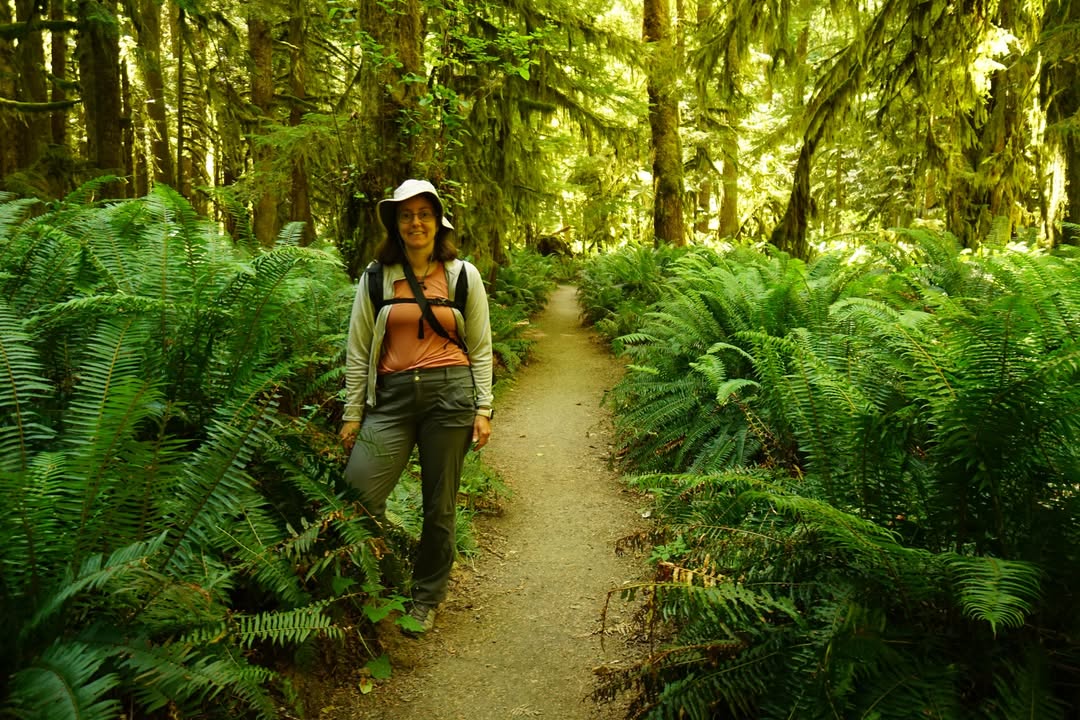
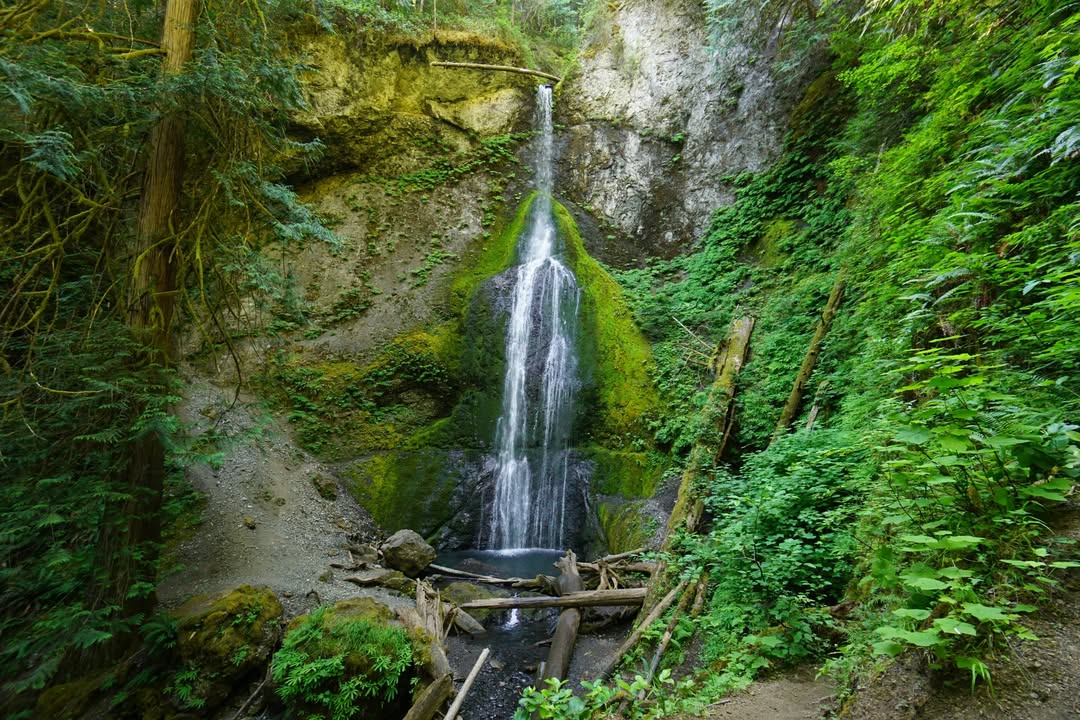
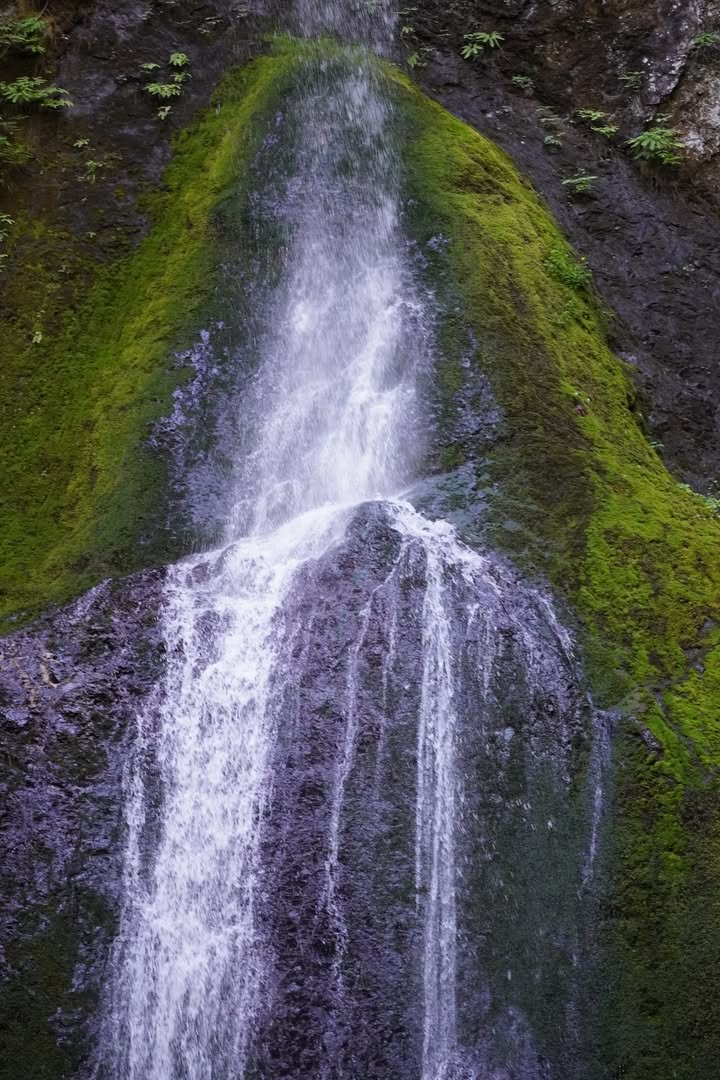
Marymere Falls Trail is a short old-growth forest hike from Lake Crescent to a 90-foot waterfall. The final section climbs to viewpoints above the moss-lined ravine.
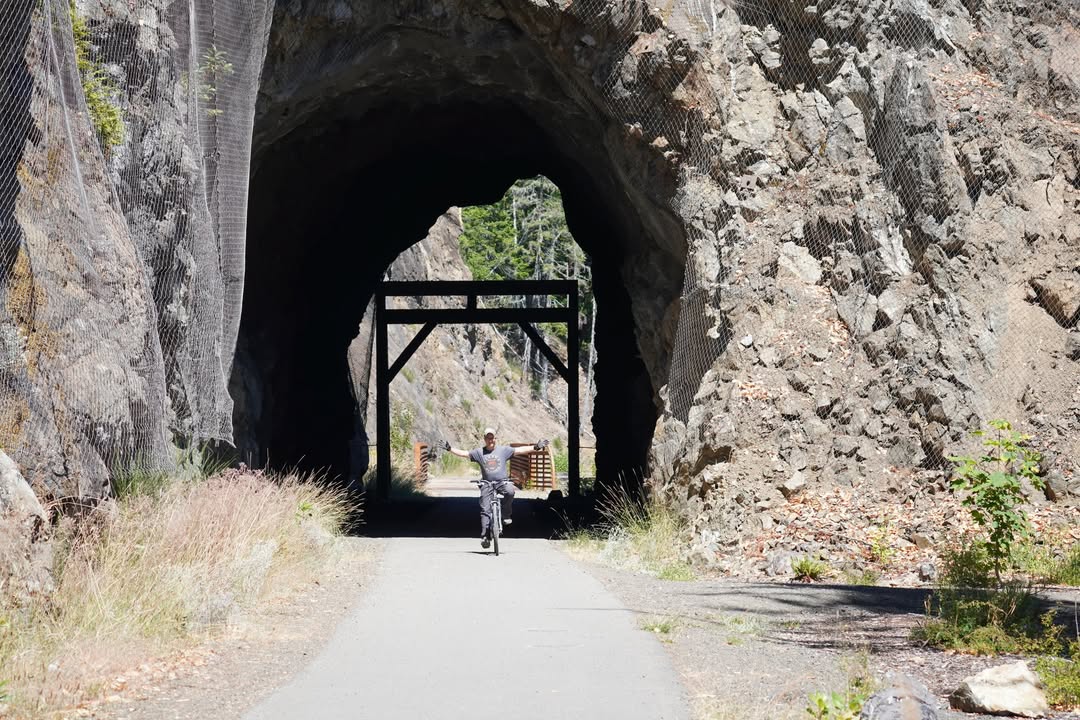
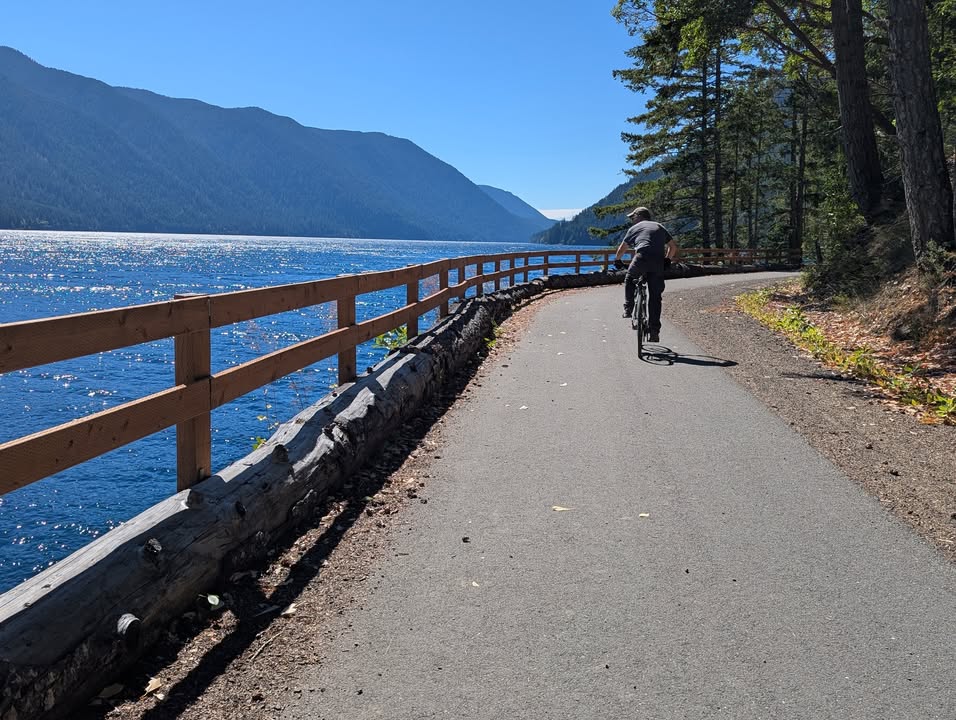
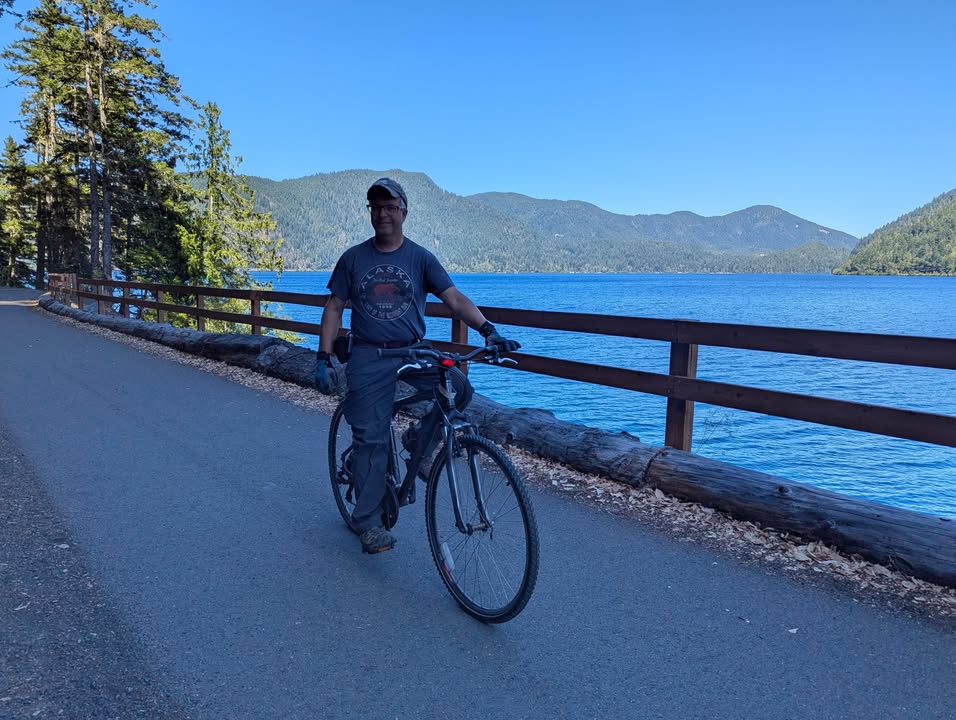
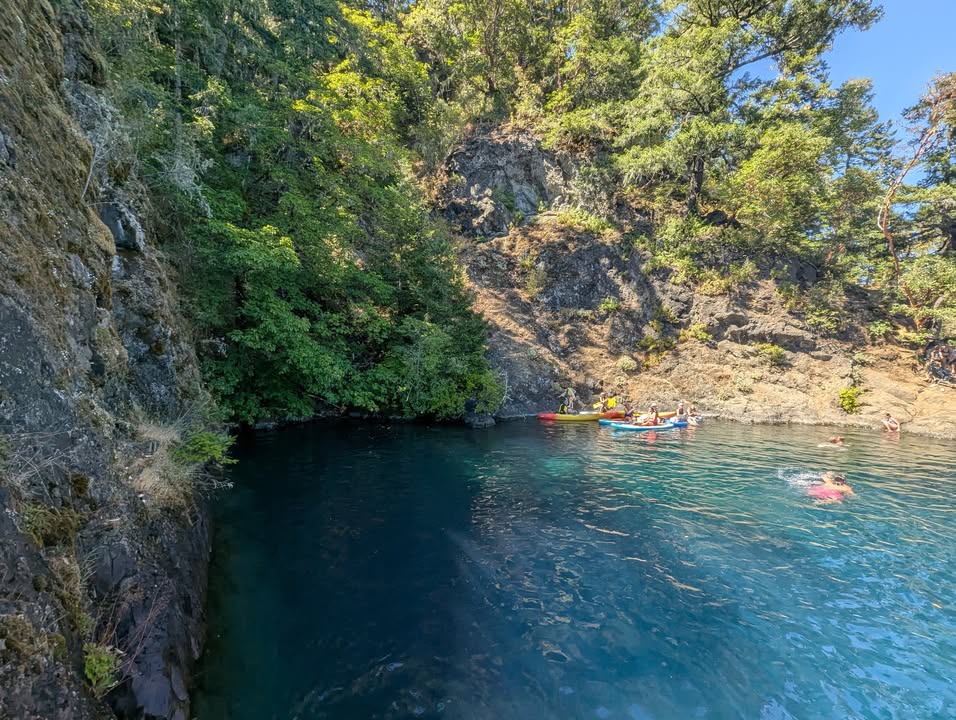
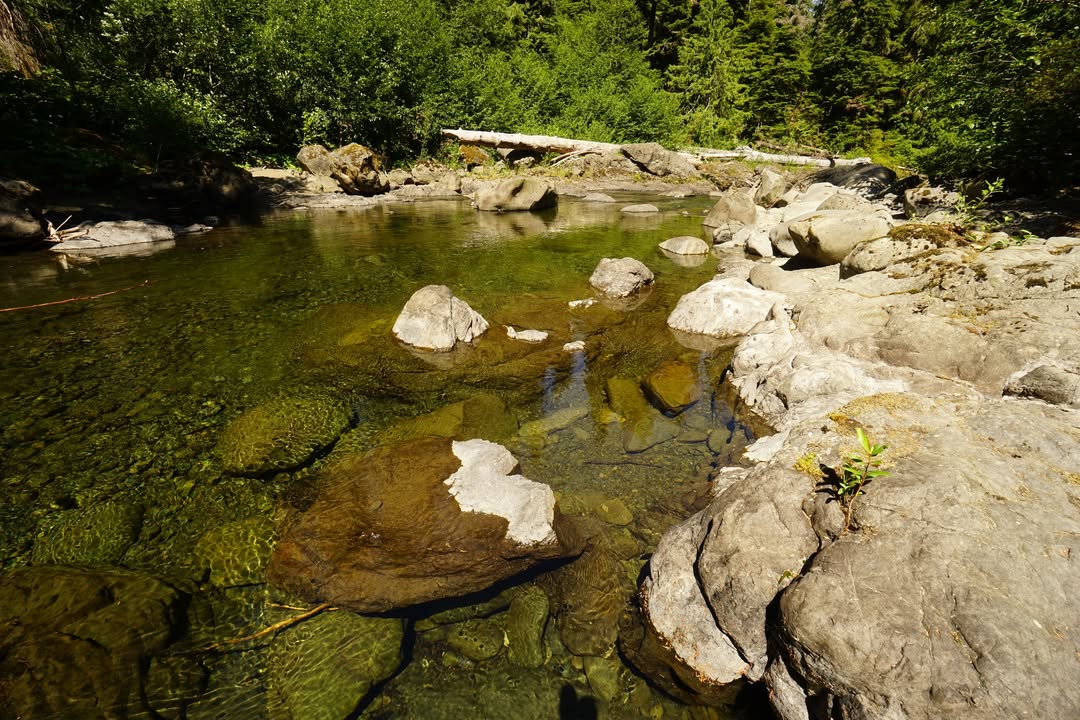
The Spruce Railroad Trail follows the north shore of Lake Crescent on a former rail grade. We biked the smooth lakeside route through tunnels and stopped at Devil's Punchbowl, a clear blue swimming cove.
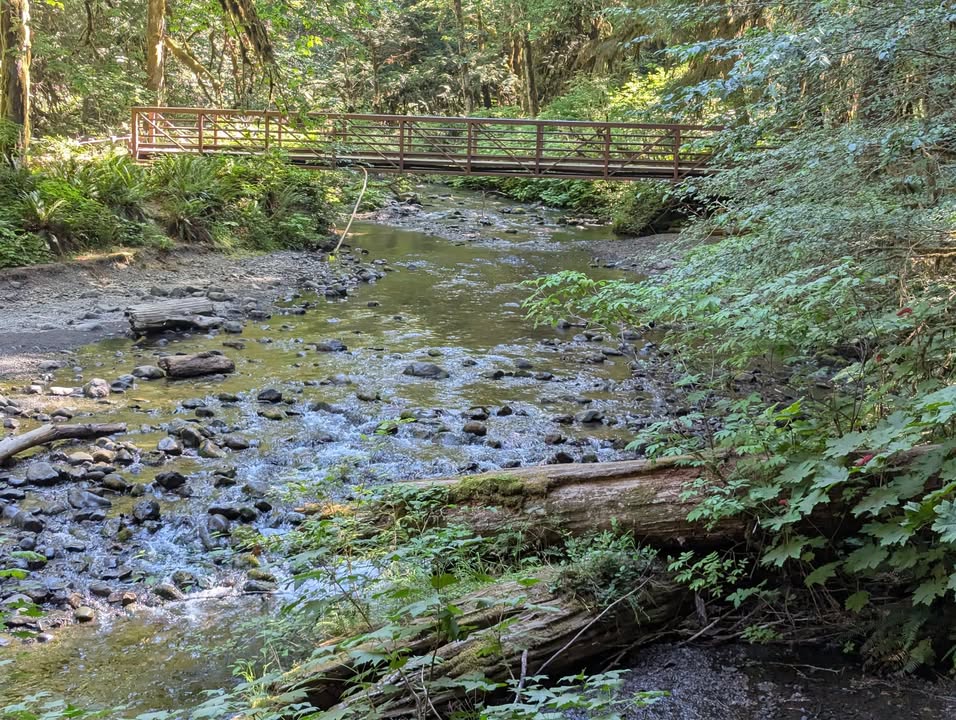
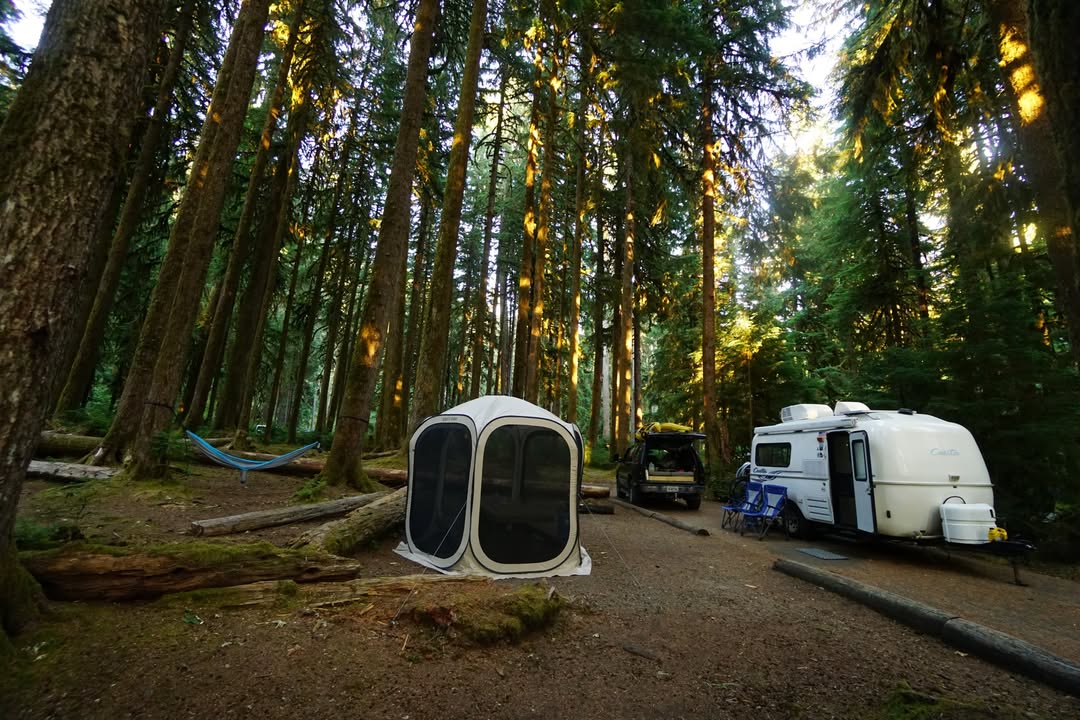
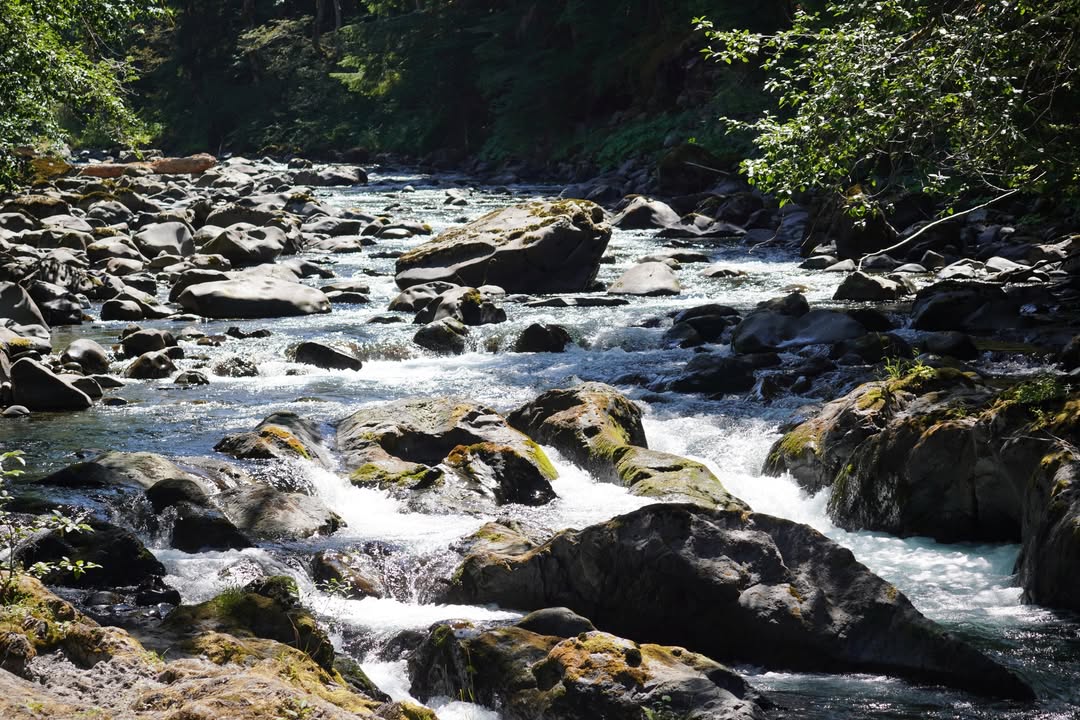
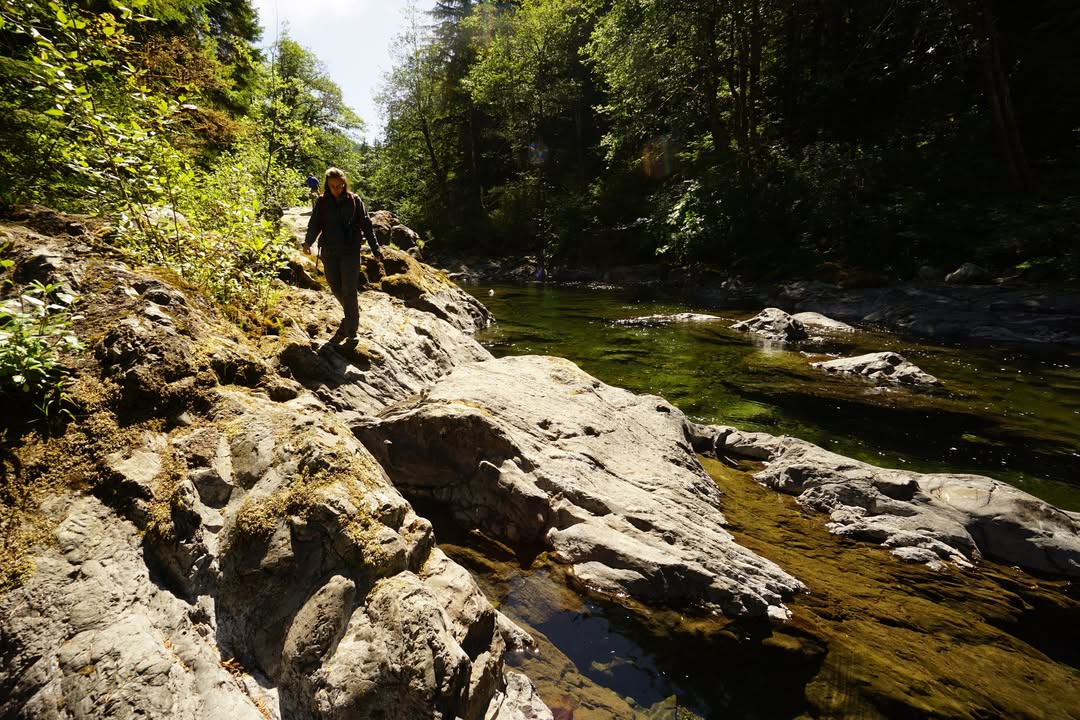
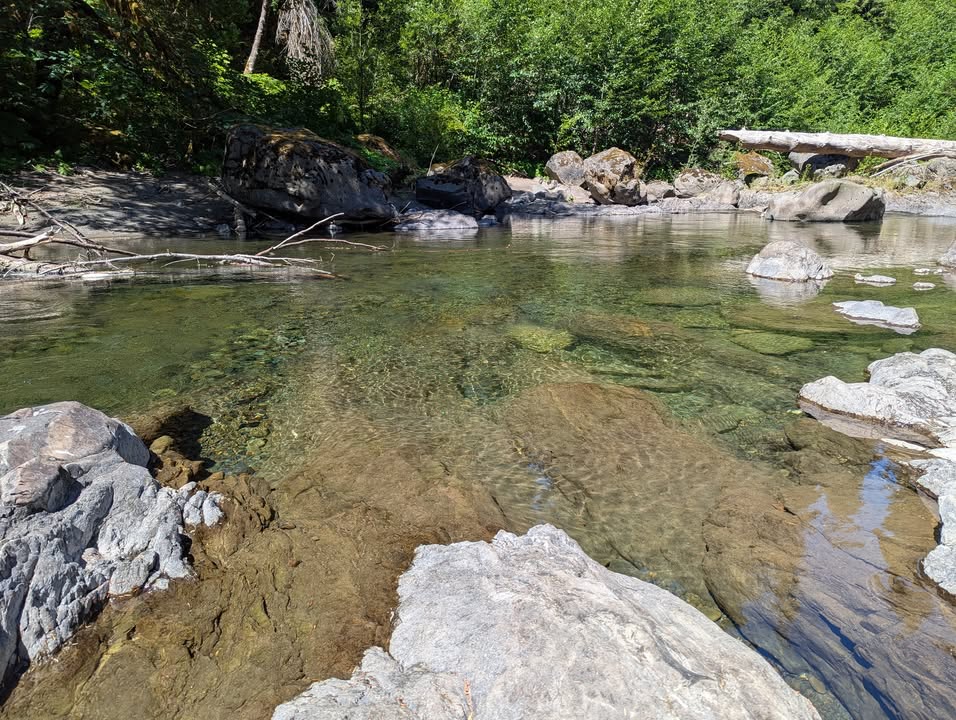
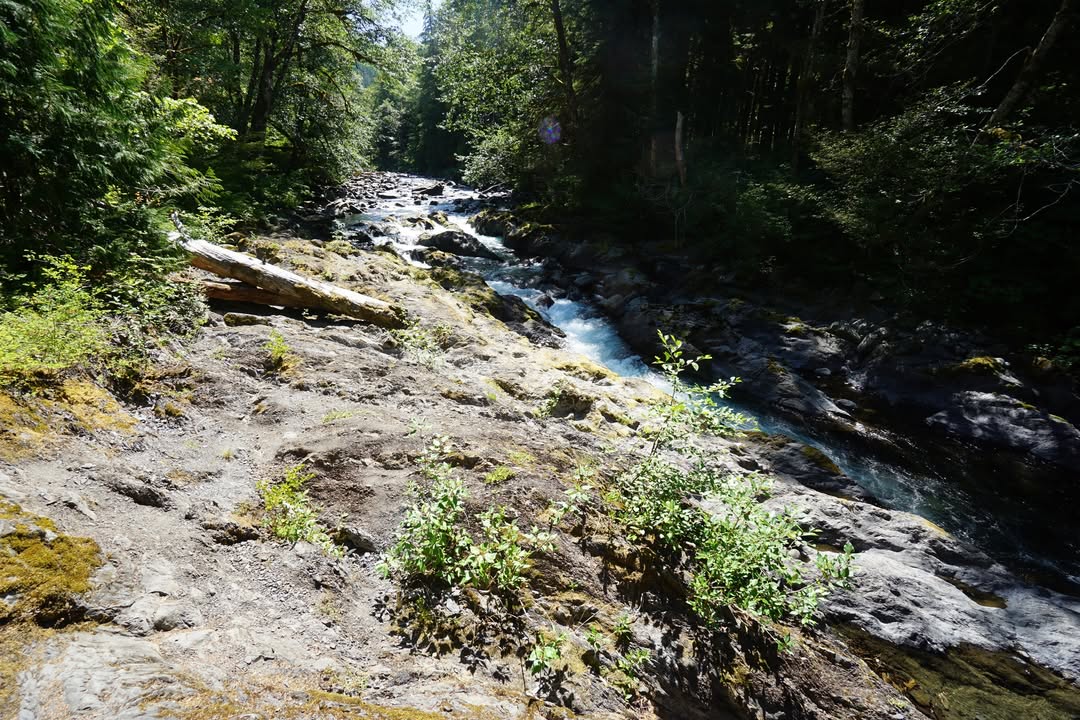
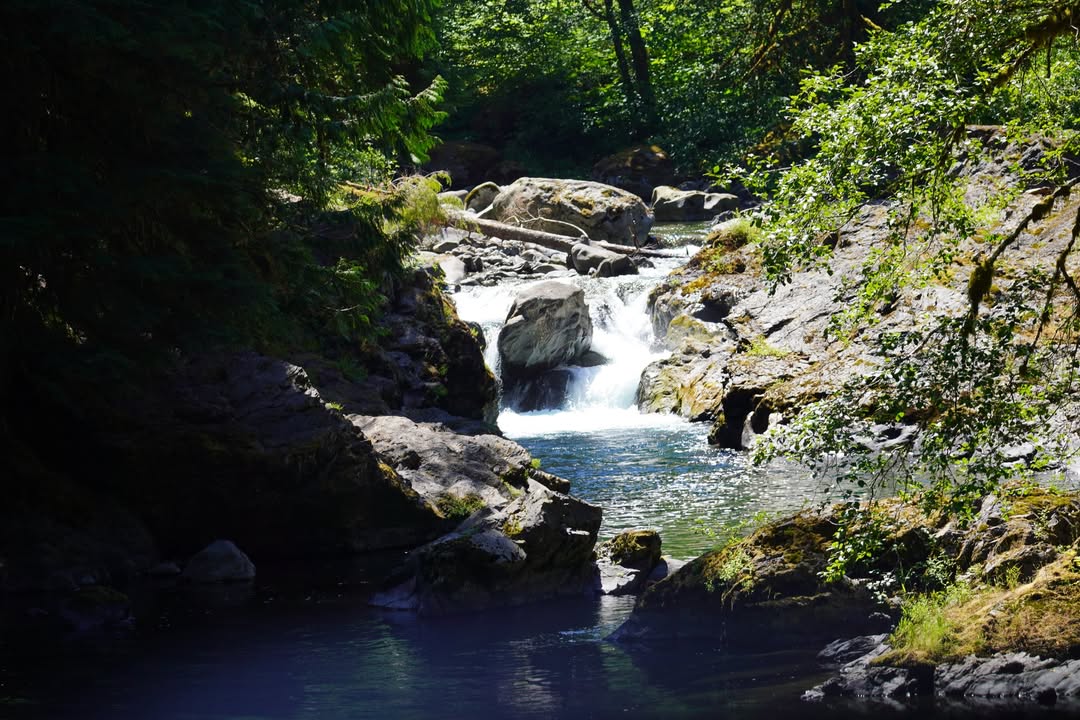
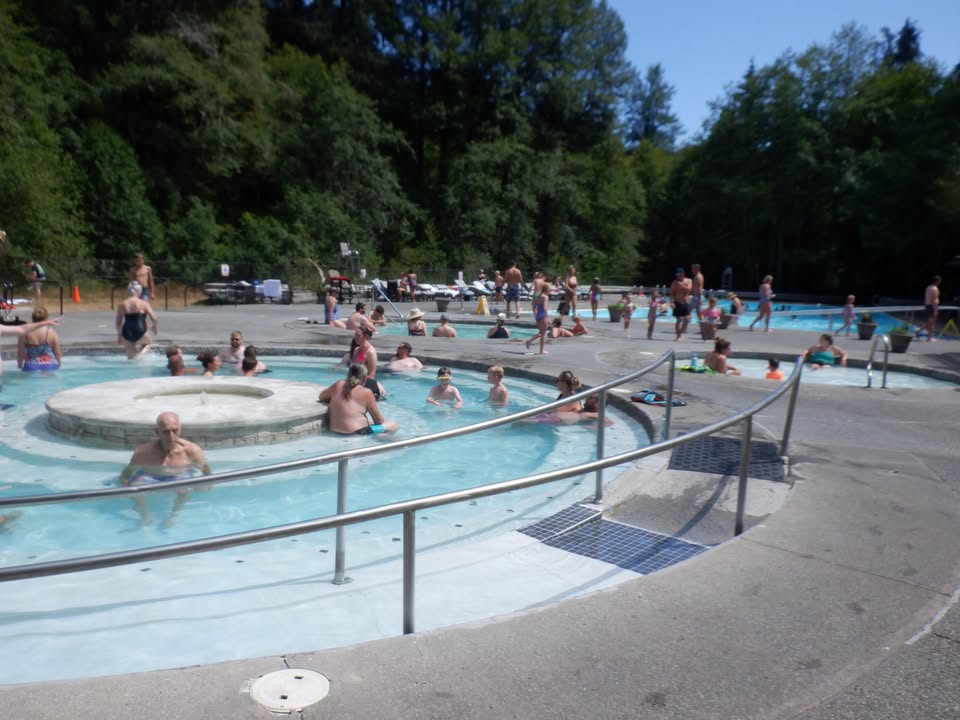
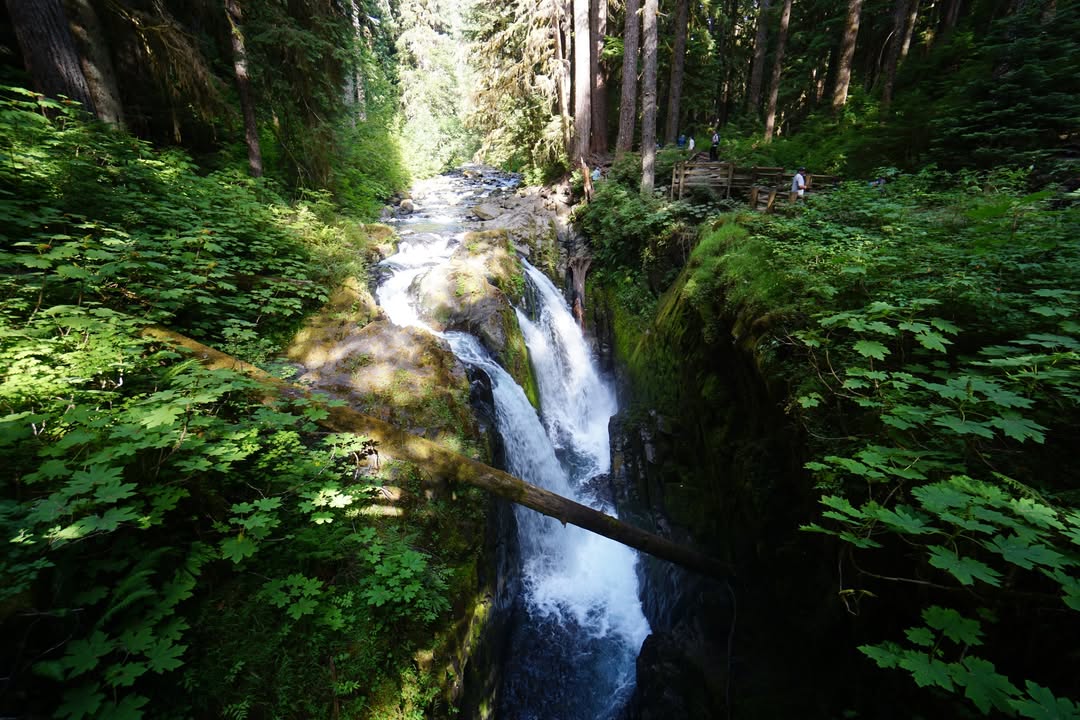
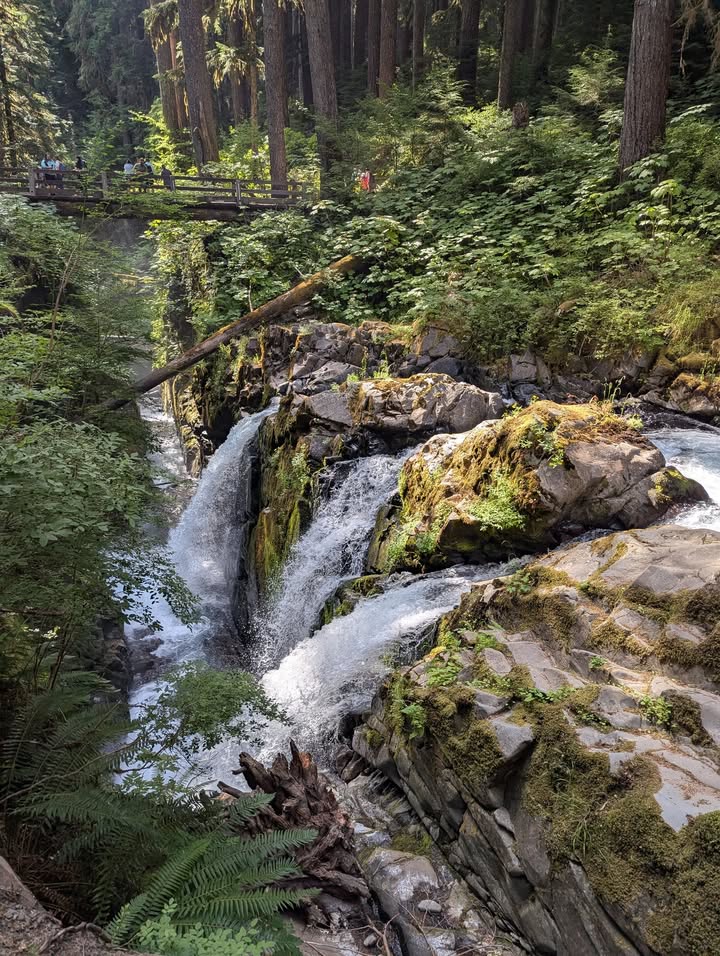
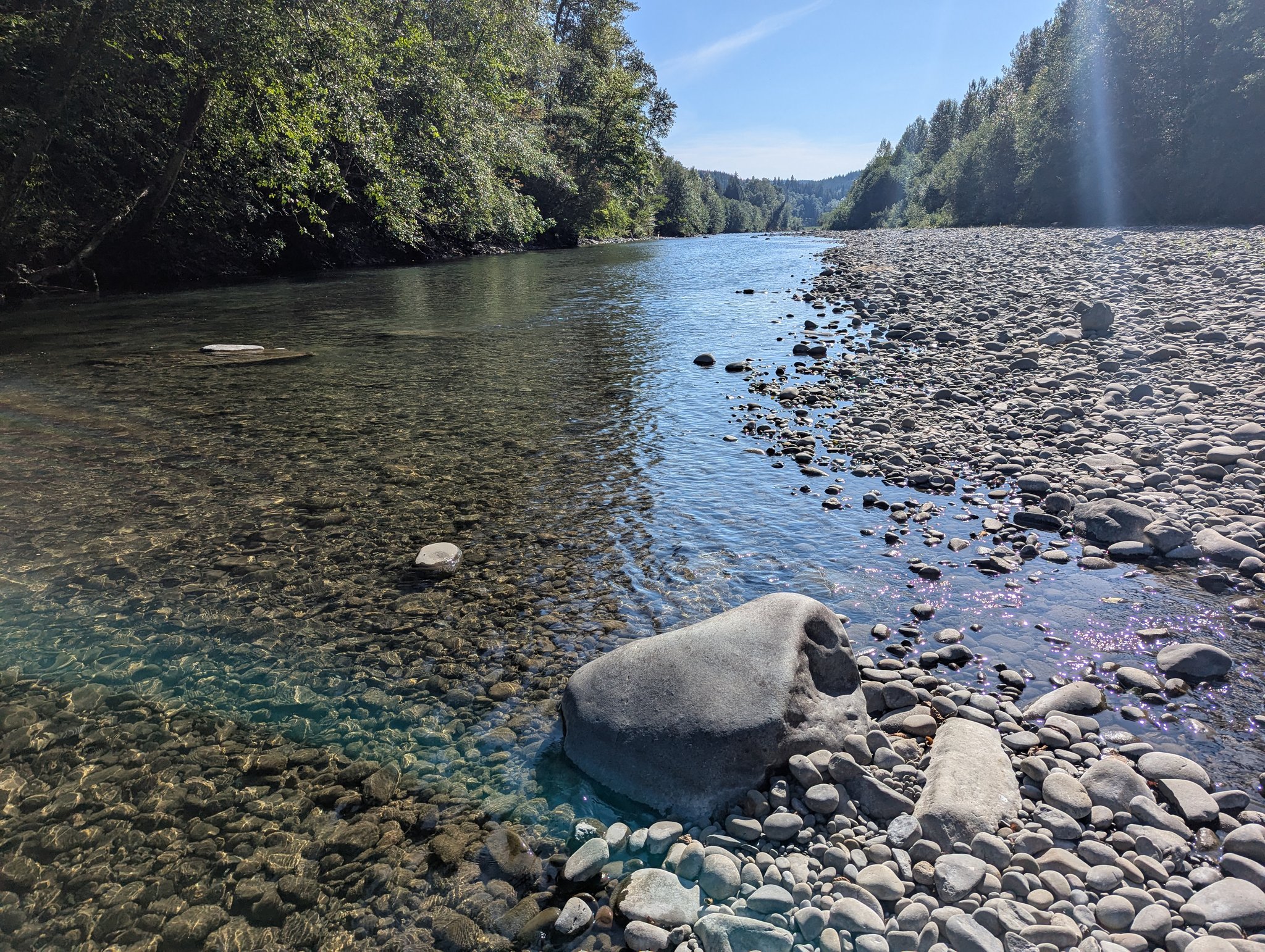
The Sol Duc Valley combines a forest campground, river overlooks, mineral hot springs, Salmon Cascades, and the short hike to Sol Duc Falls. We spent three nights here and used it as our base for the northern interior of the park.
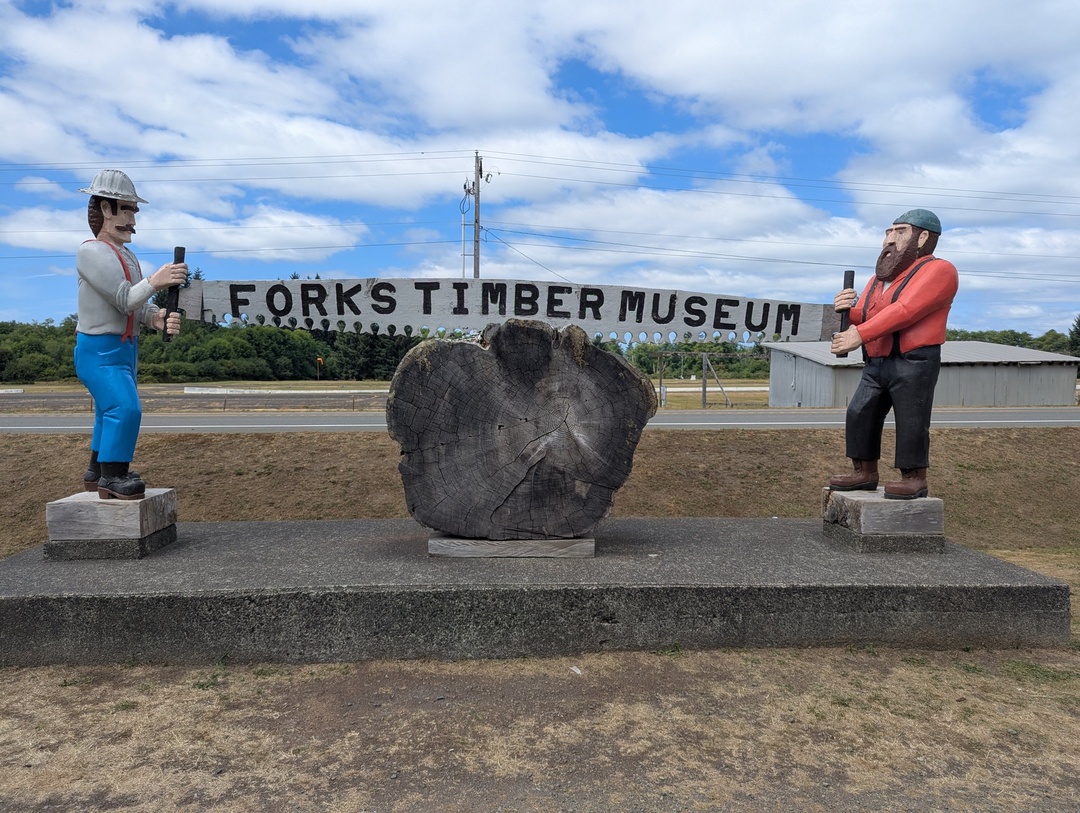
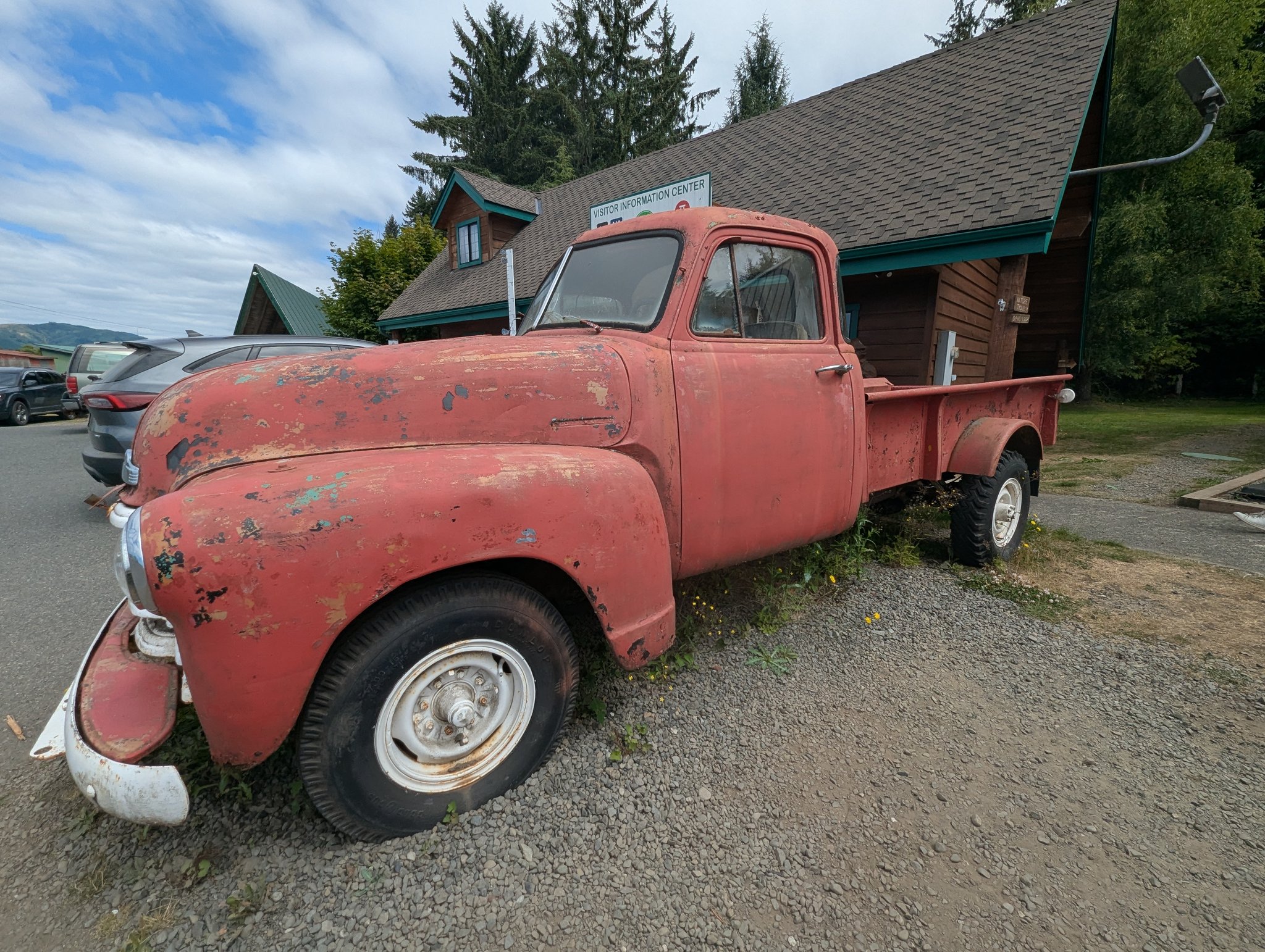
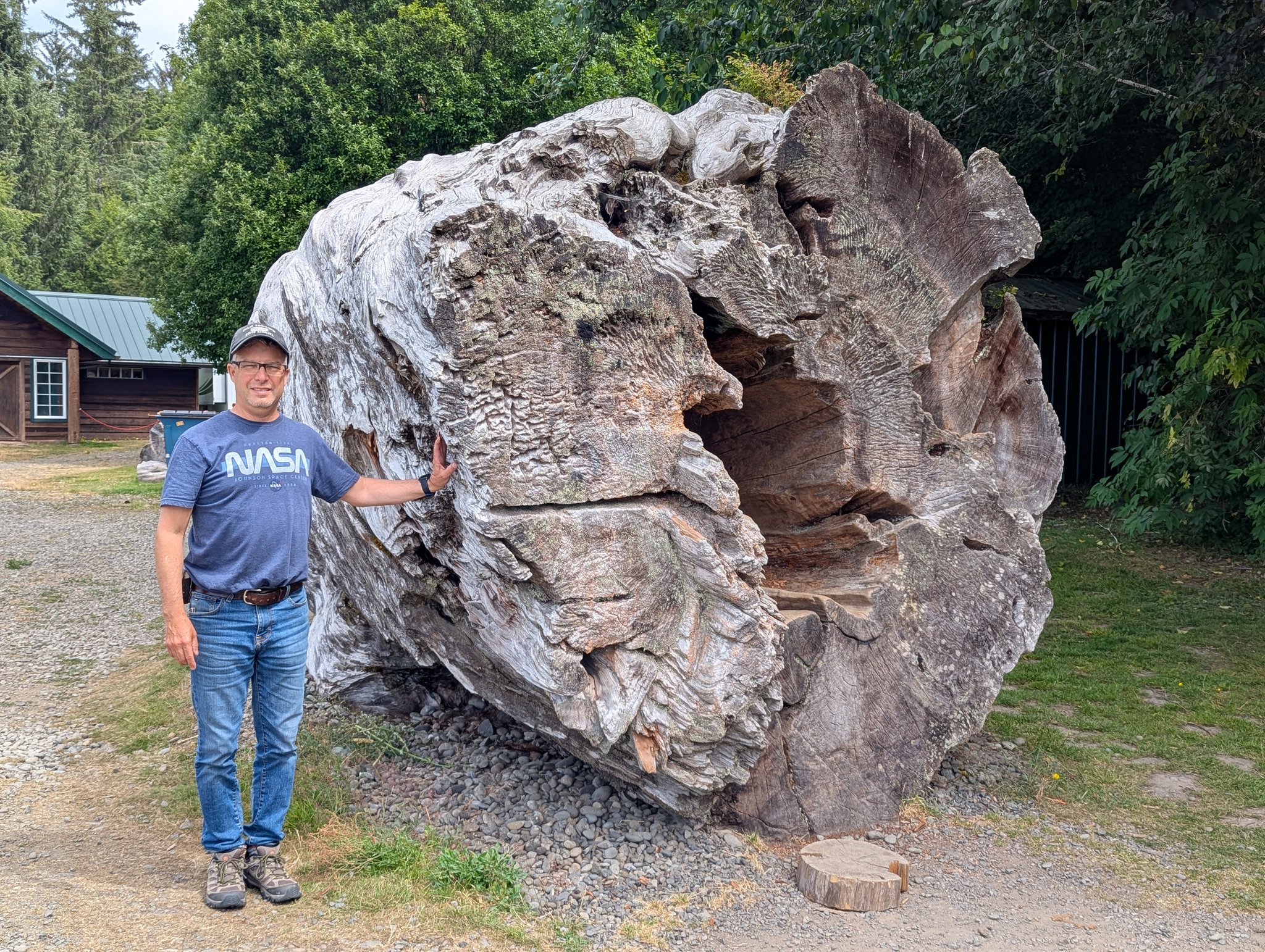
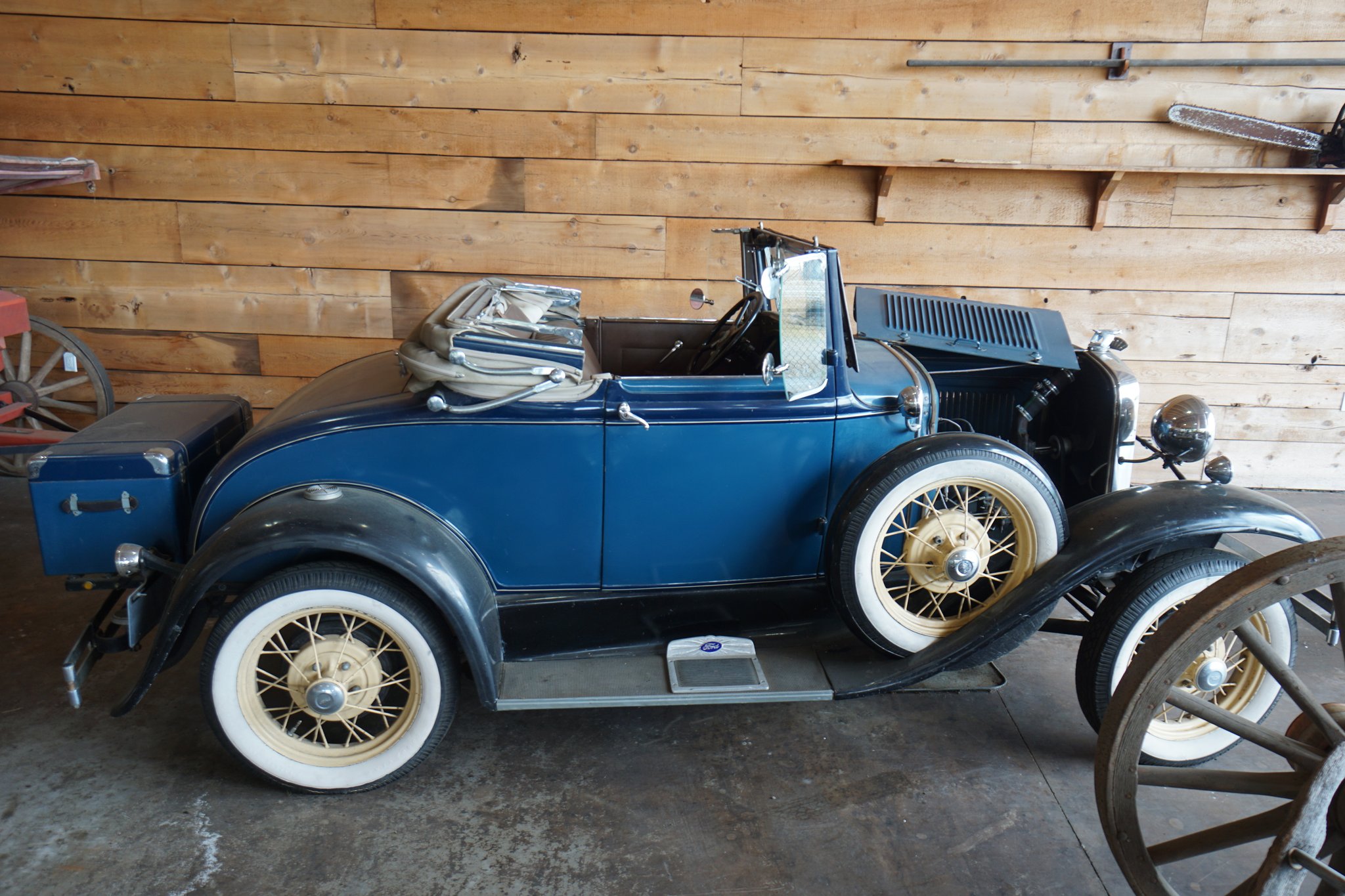
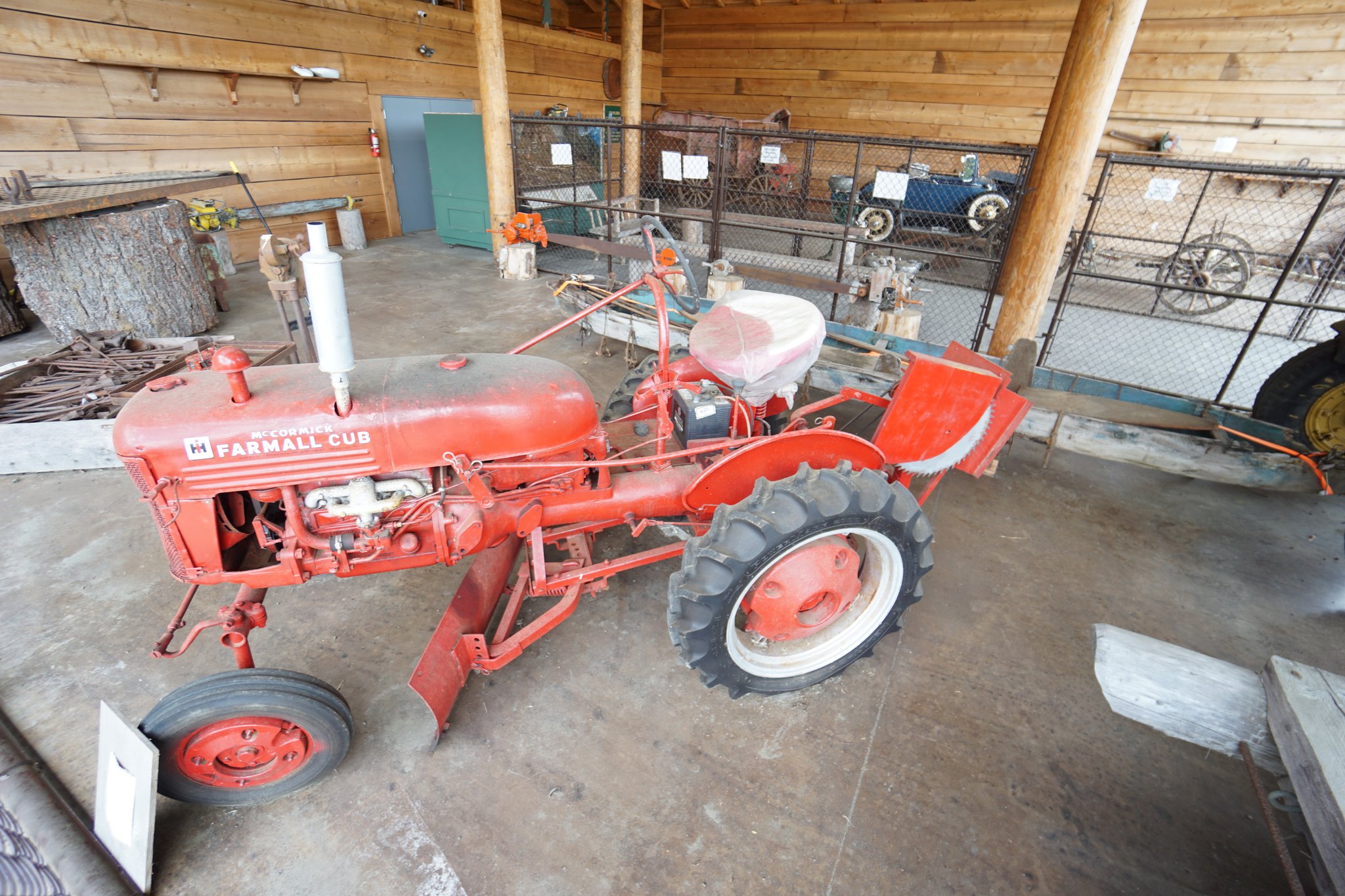
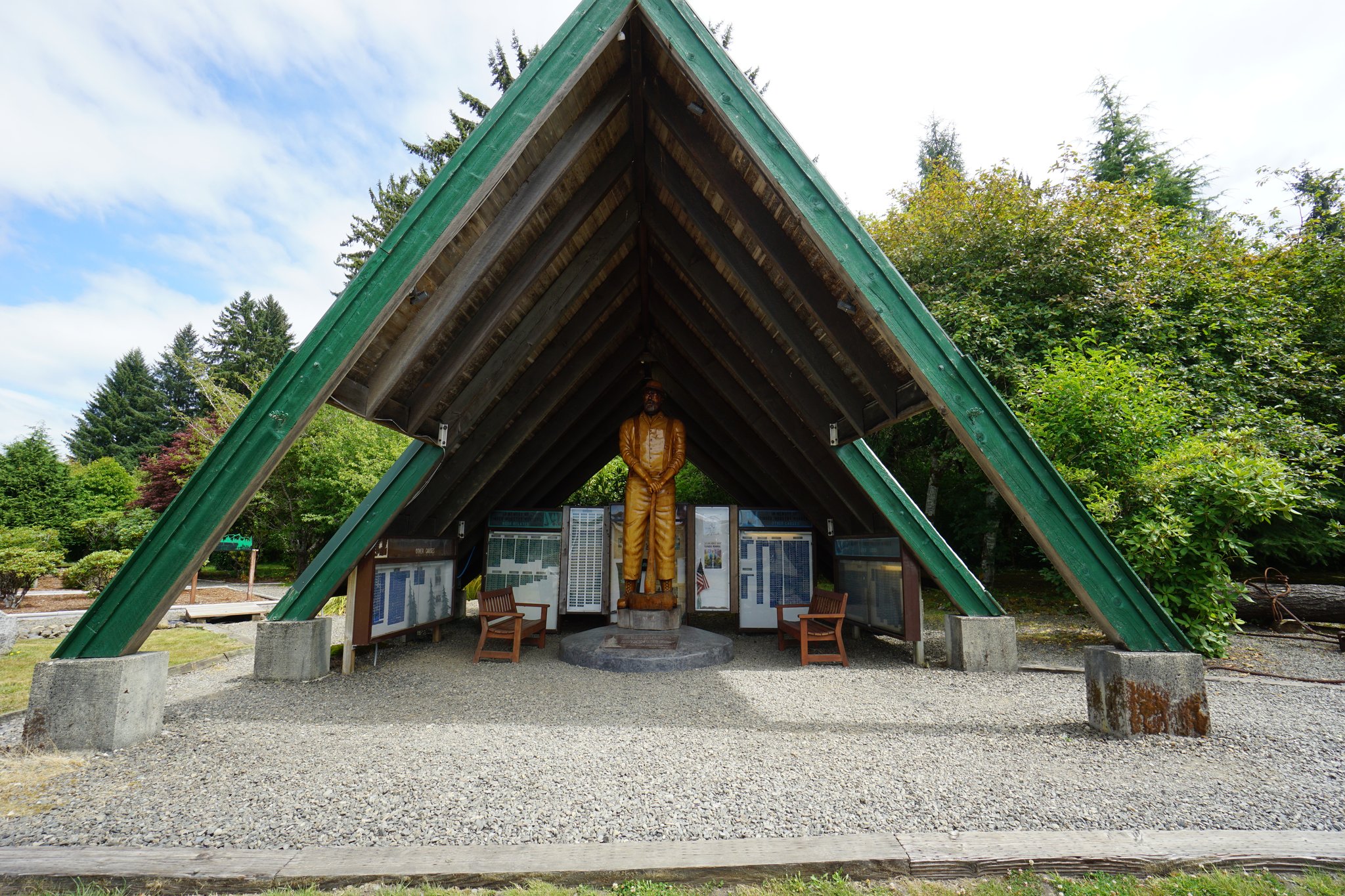
Forks is the main service town for Olympic's west side and preserves the area's logging history at the Timber Museum. Nearby Bogachiel State Park gave us a central campground for the Hoh Rain Forest and coastal beaches.
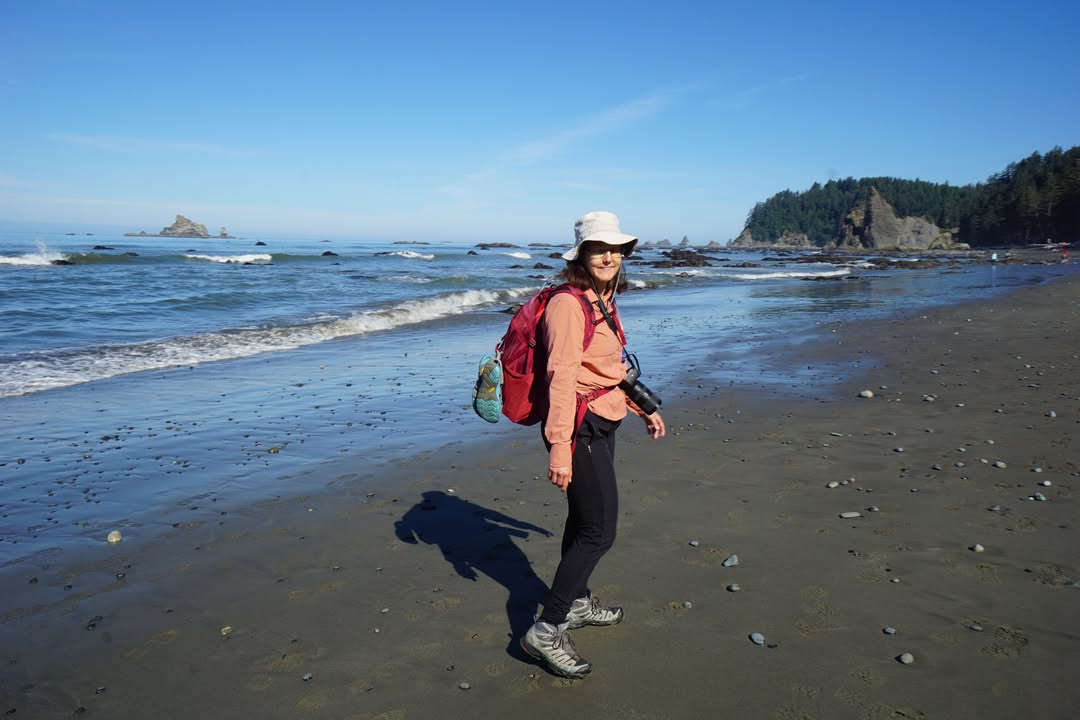
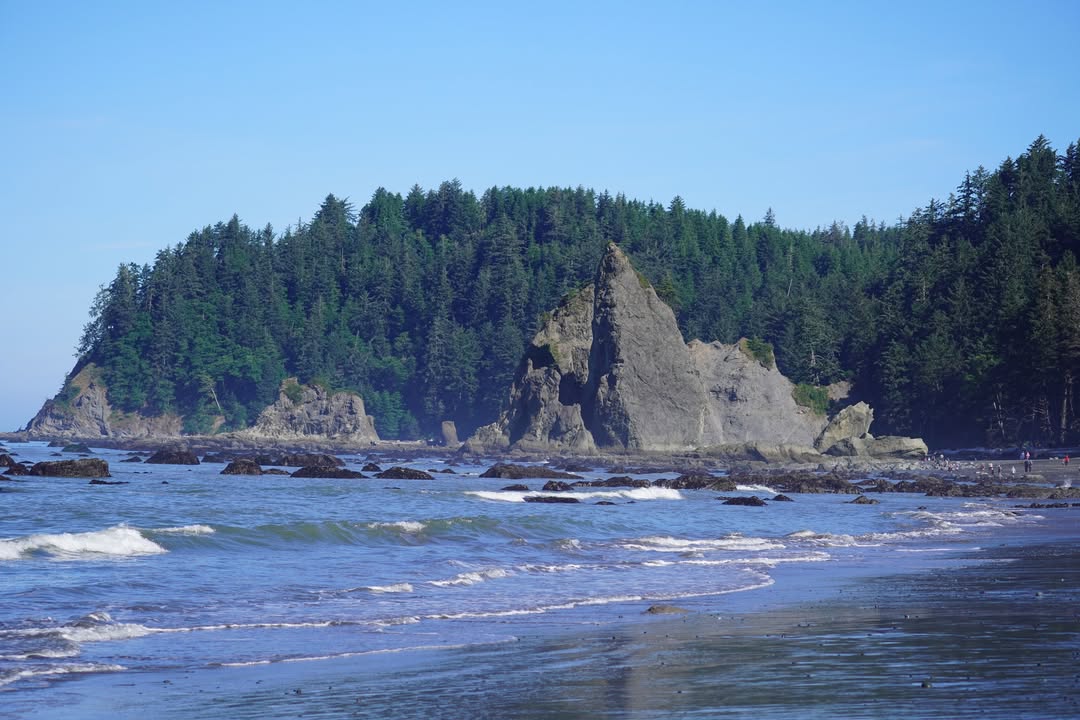
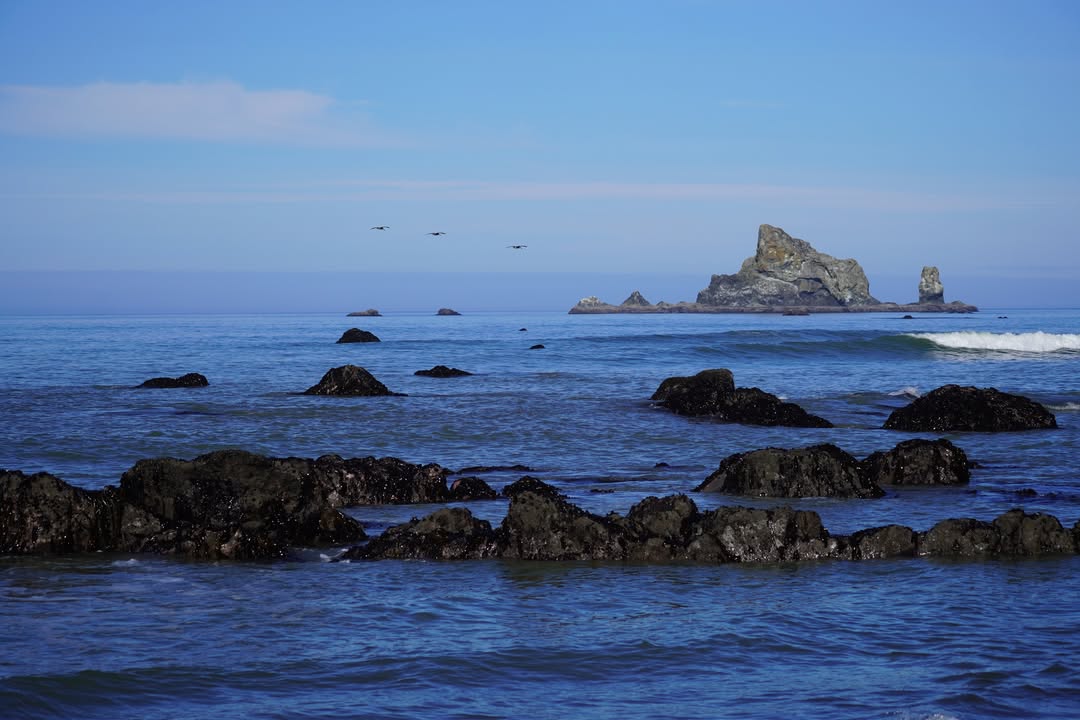
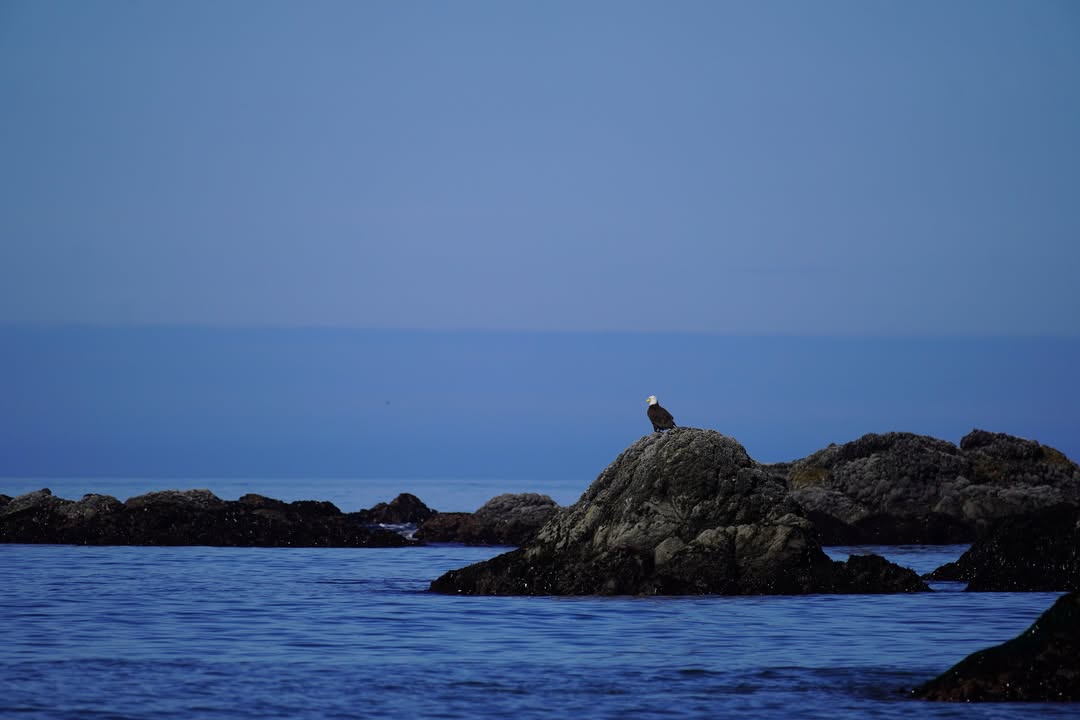
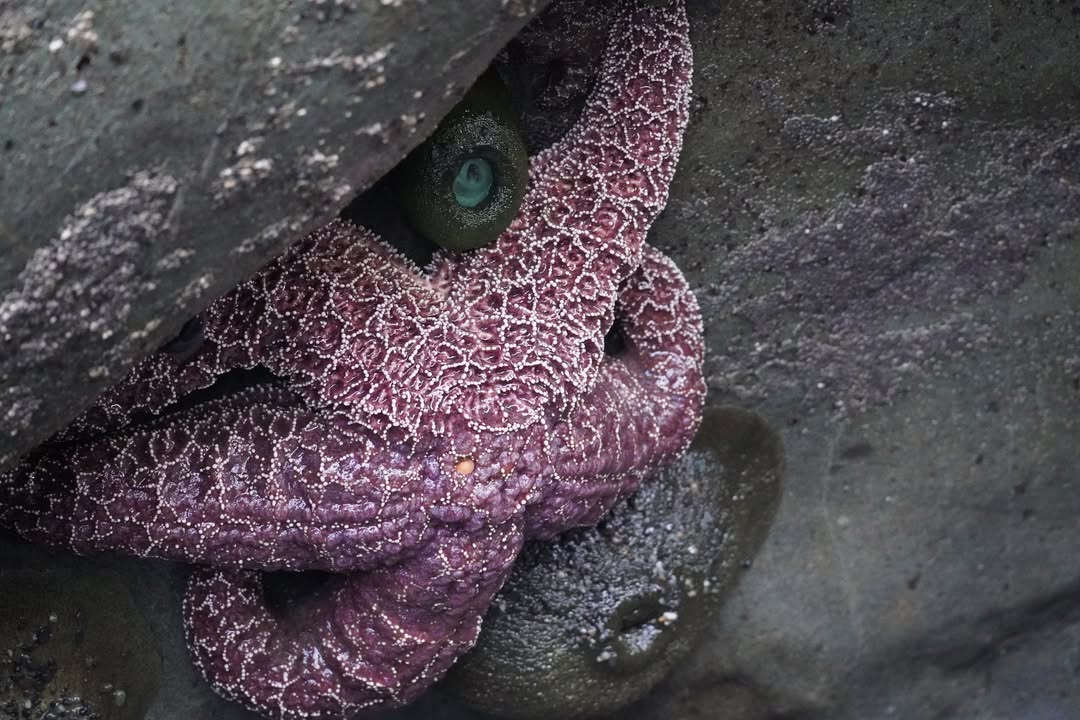
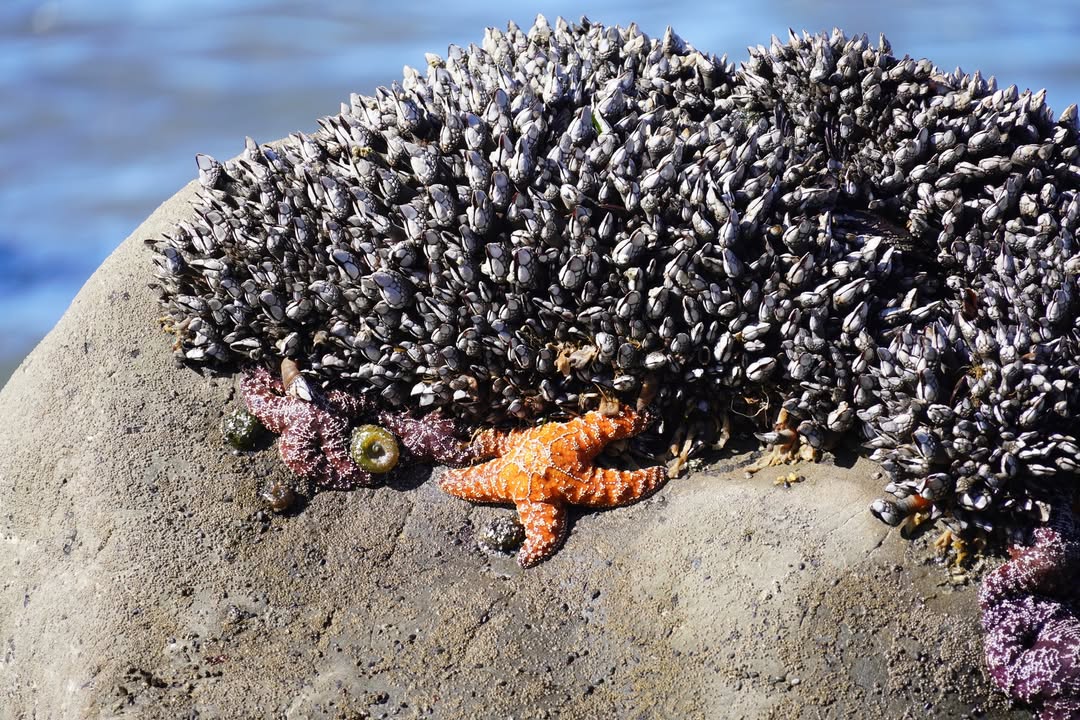
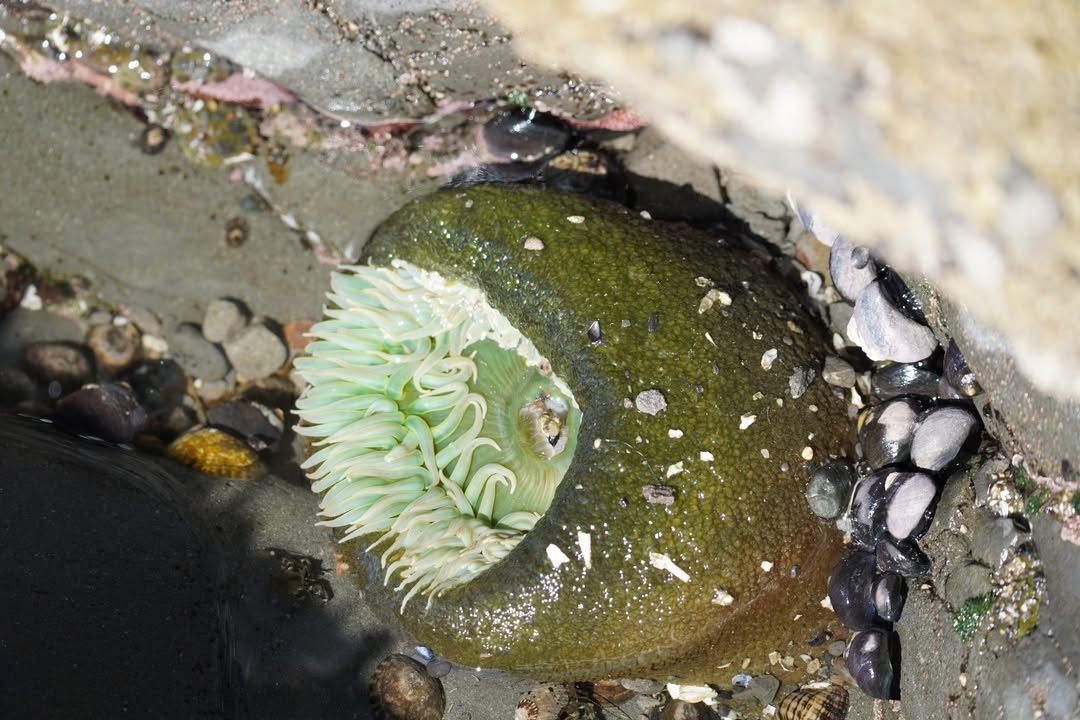
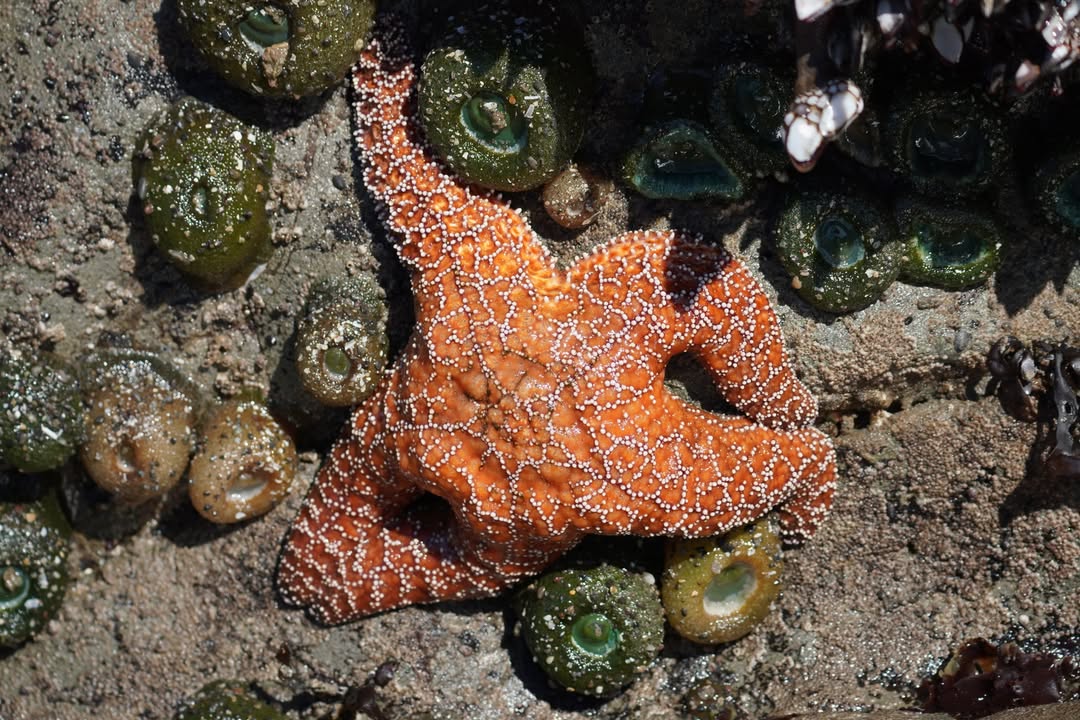
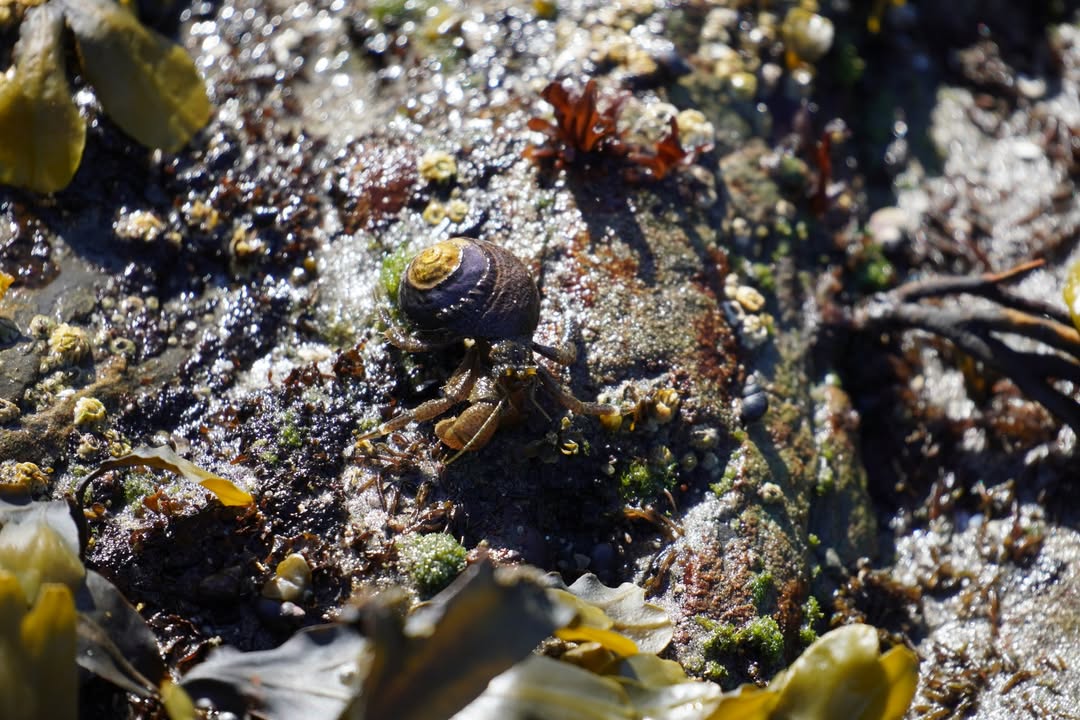
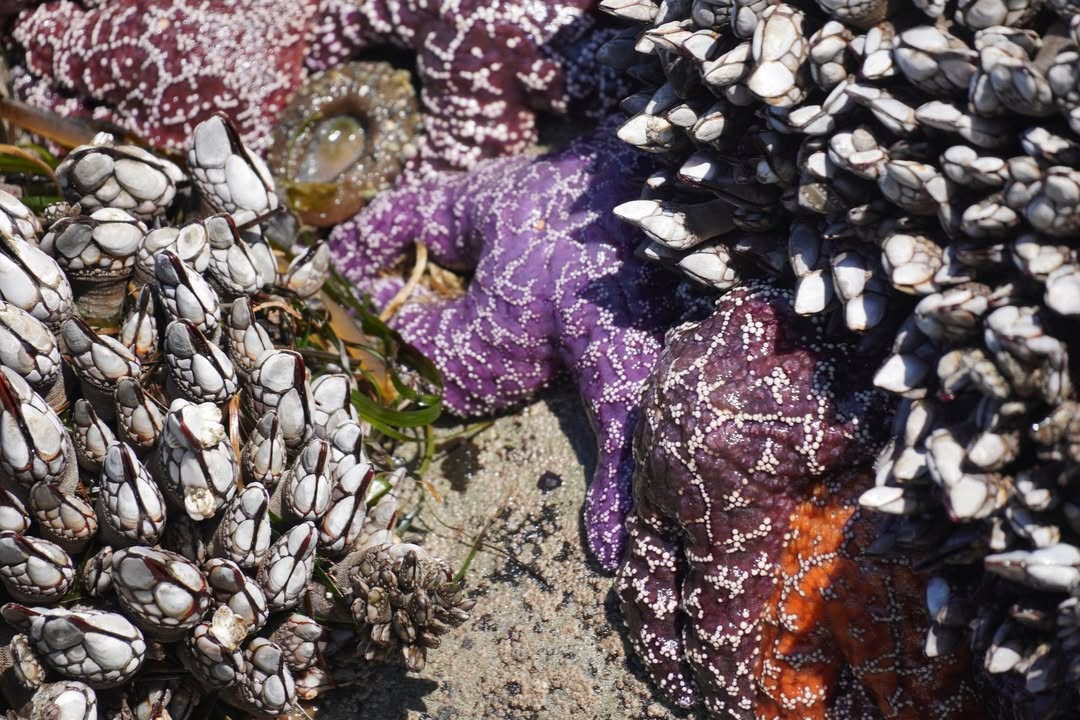
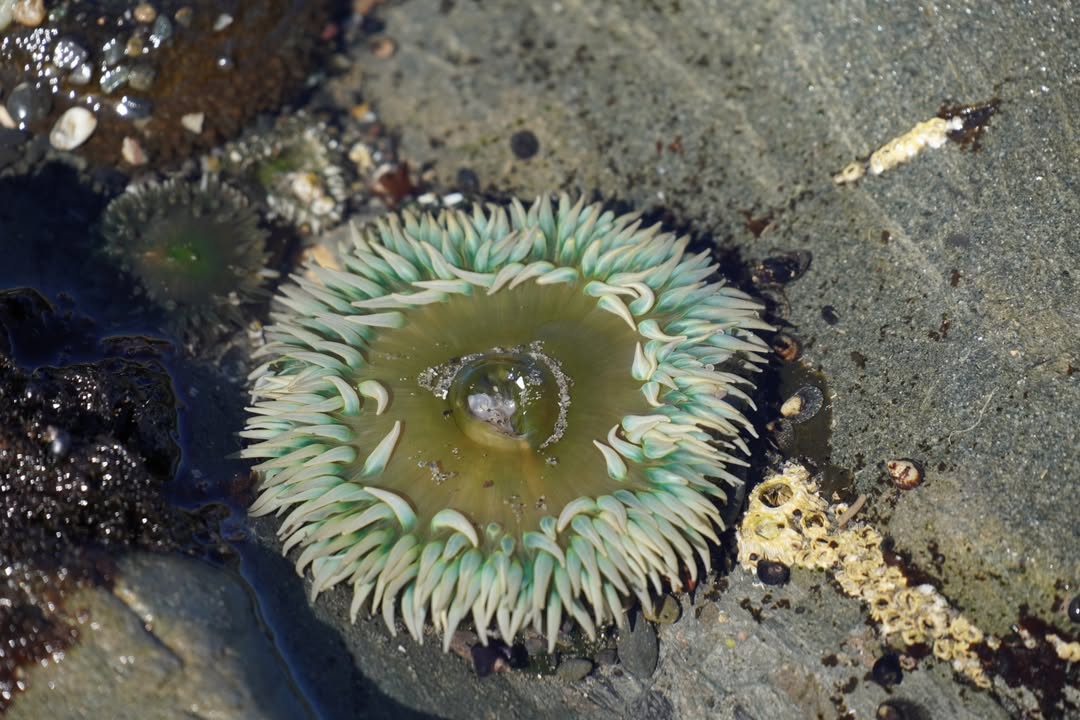
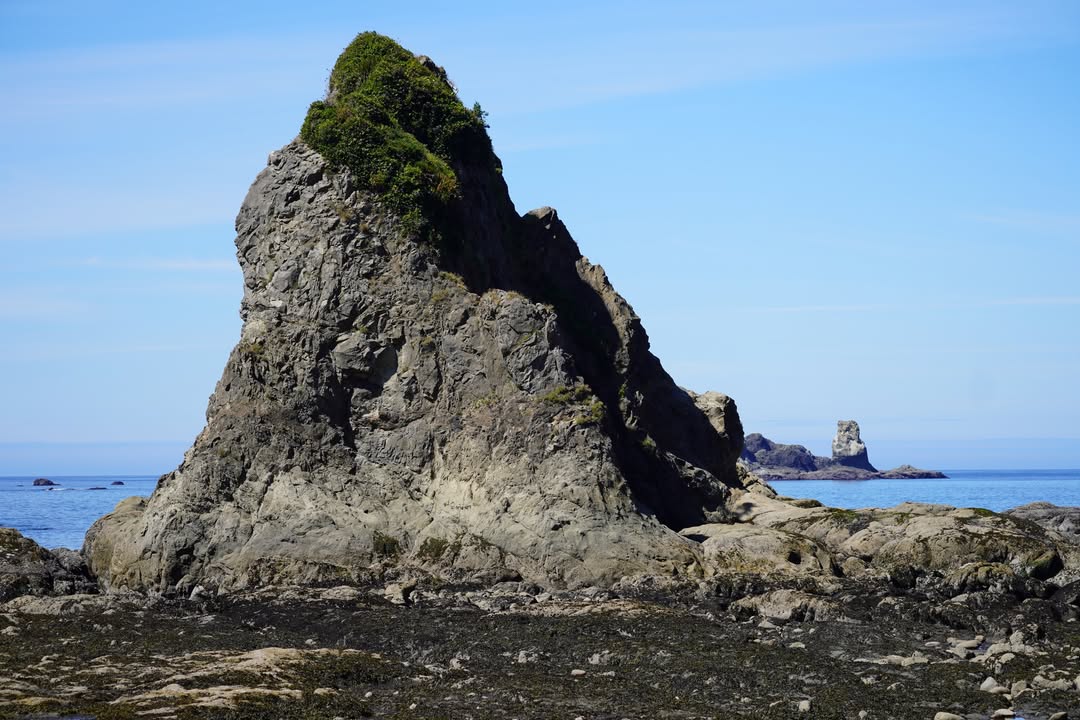
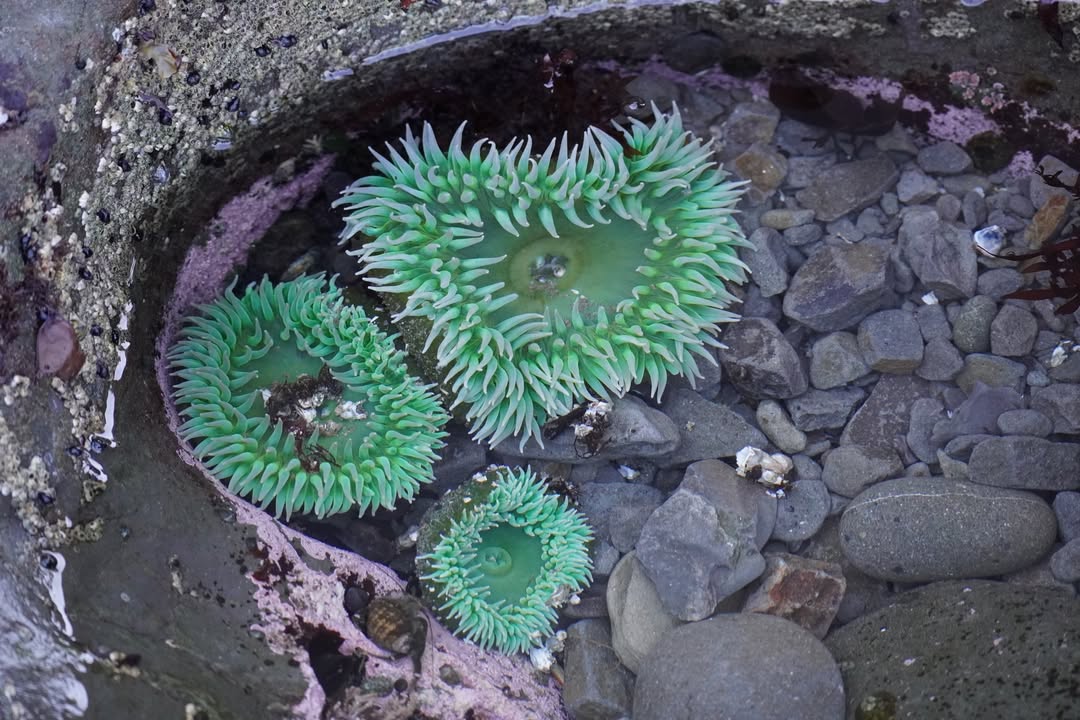
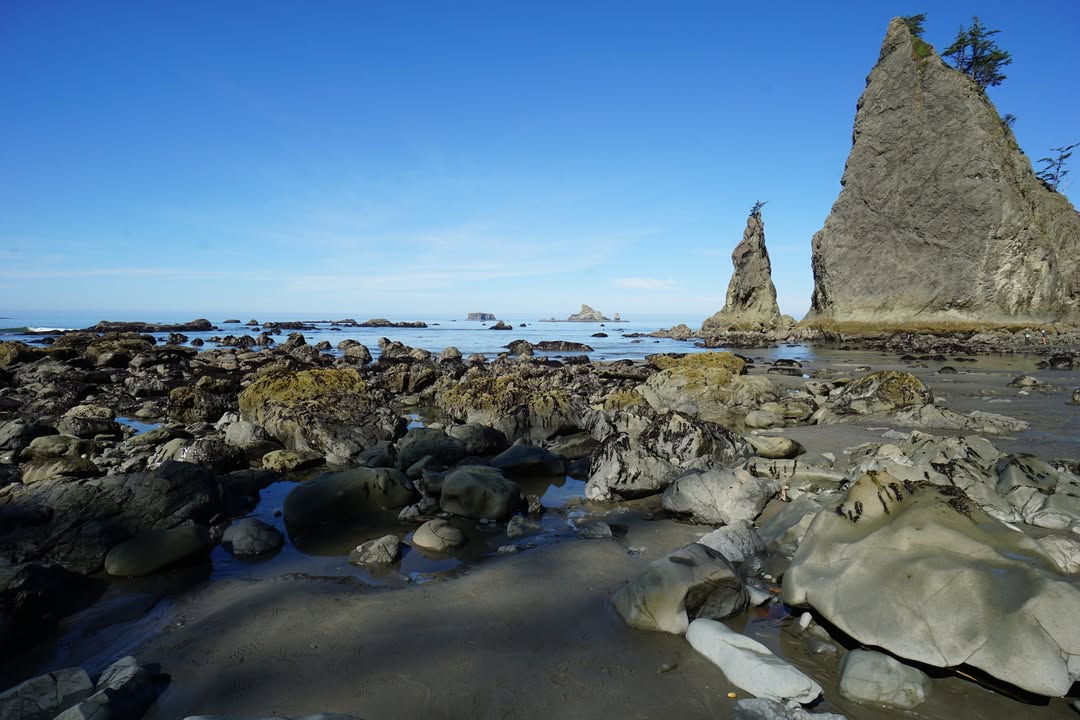
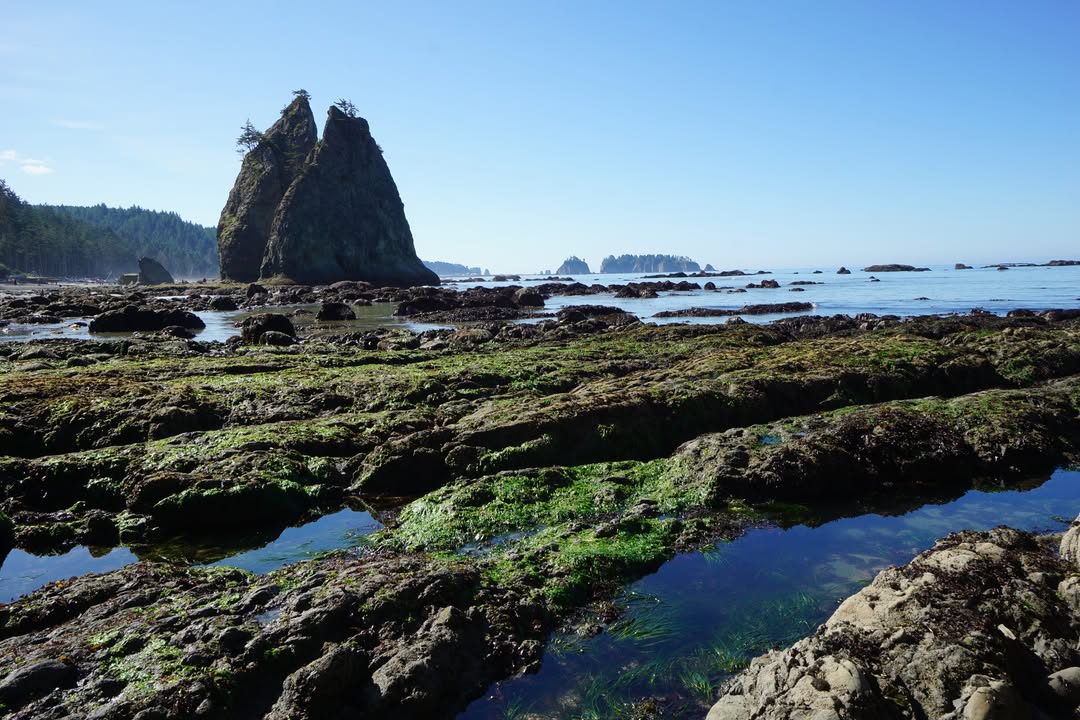
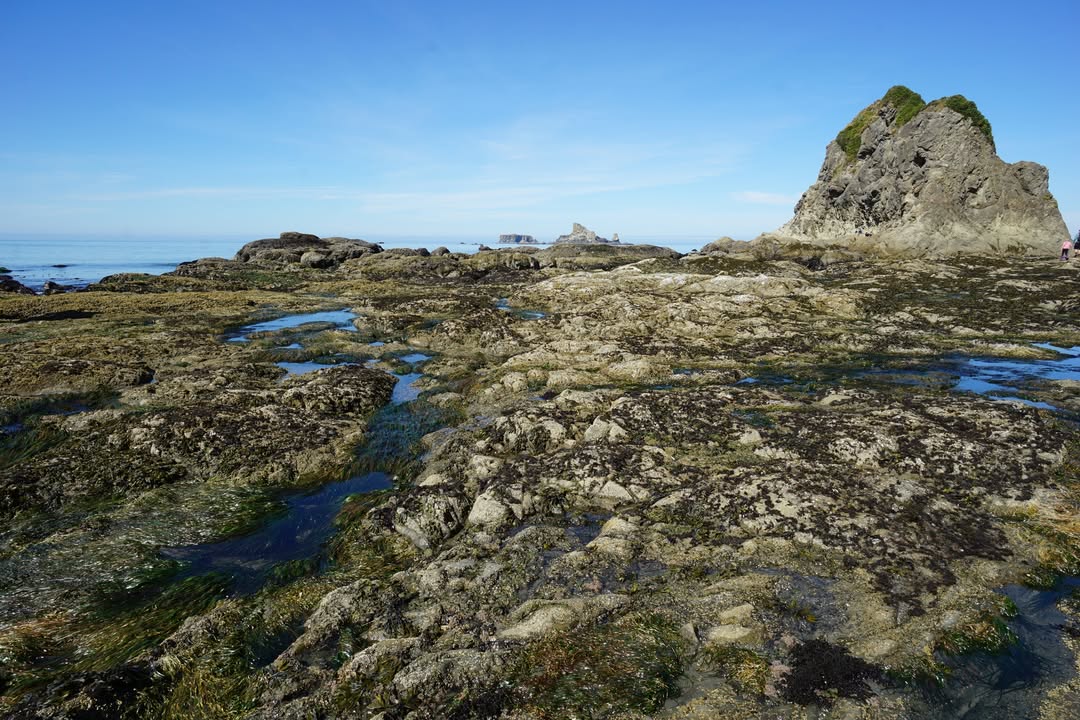
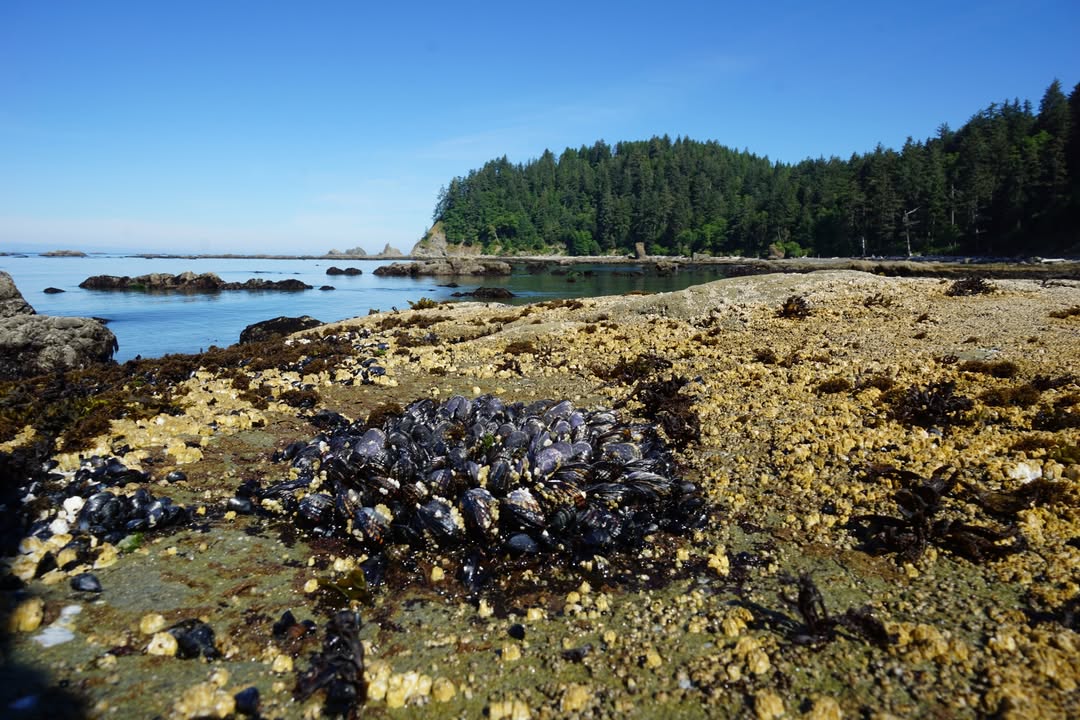
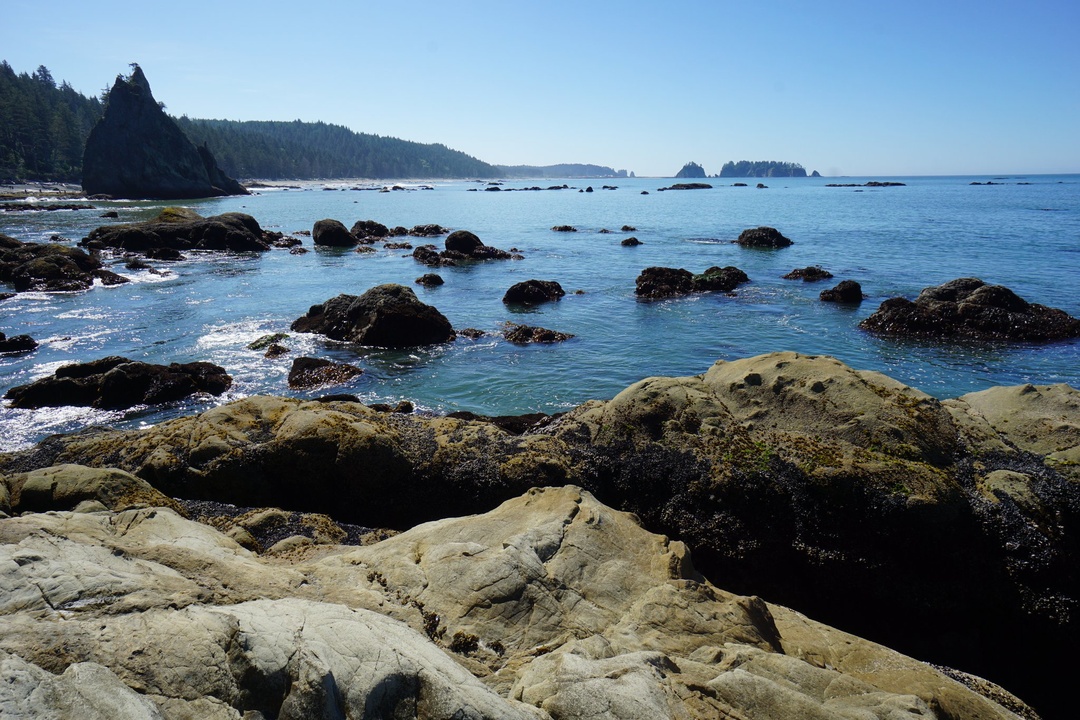
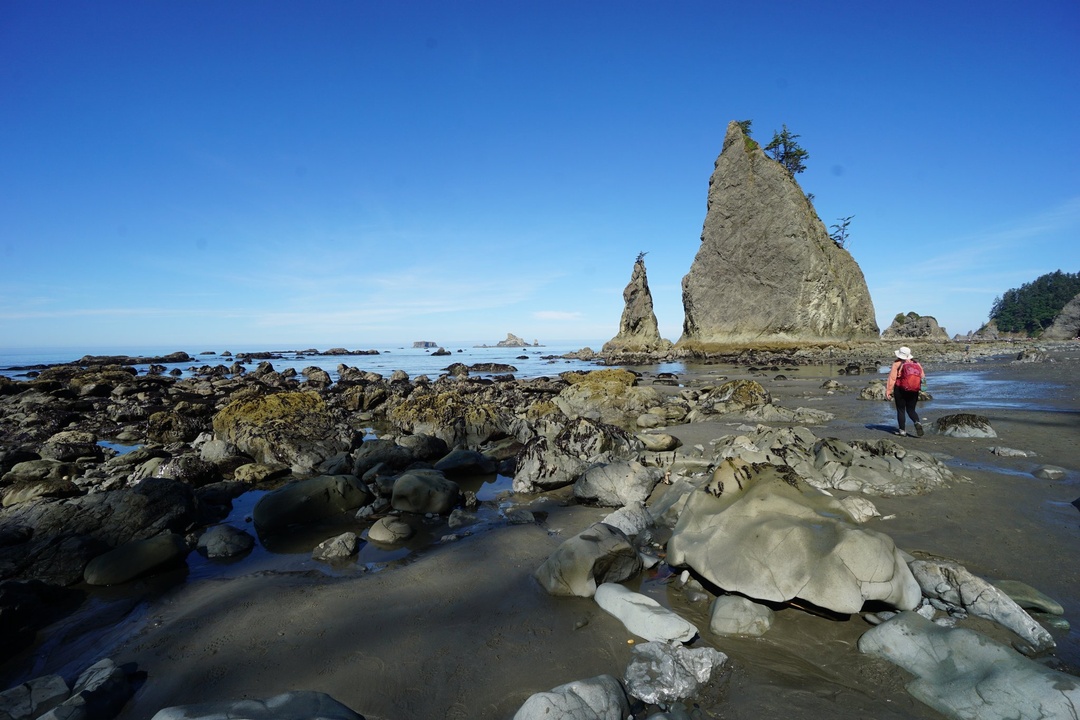
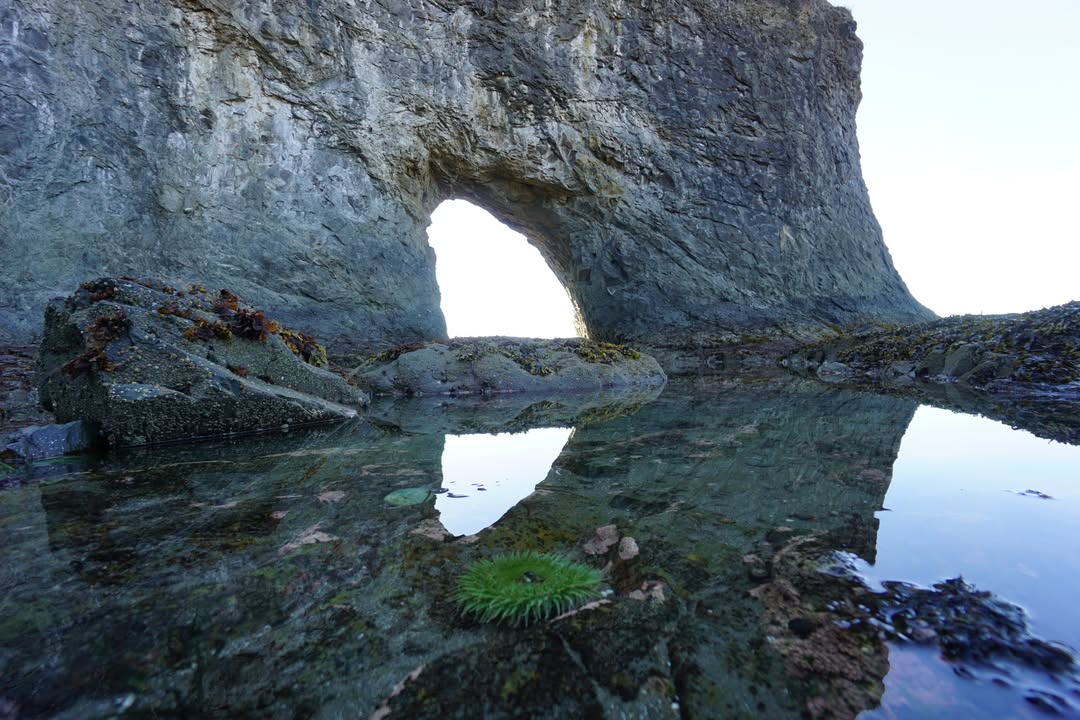
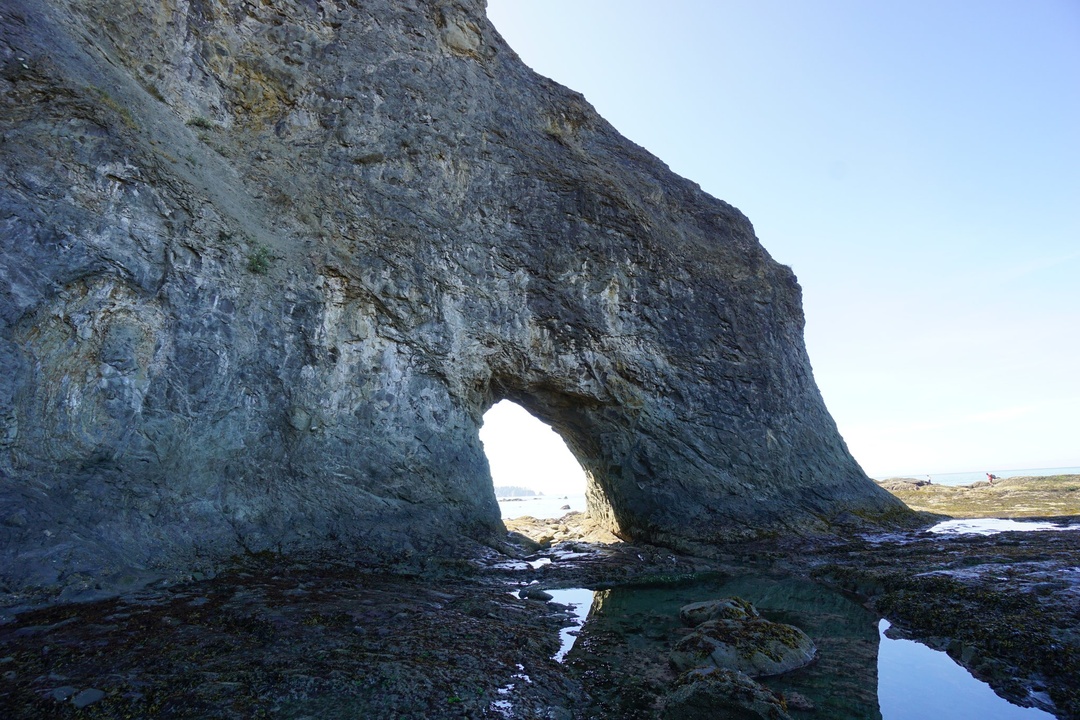
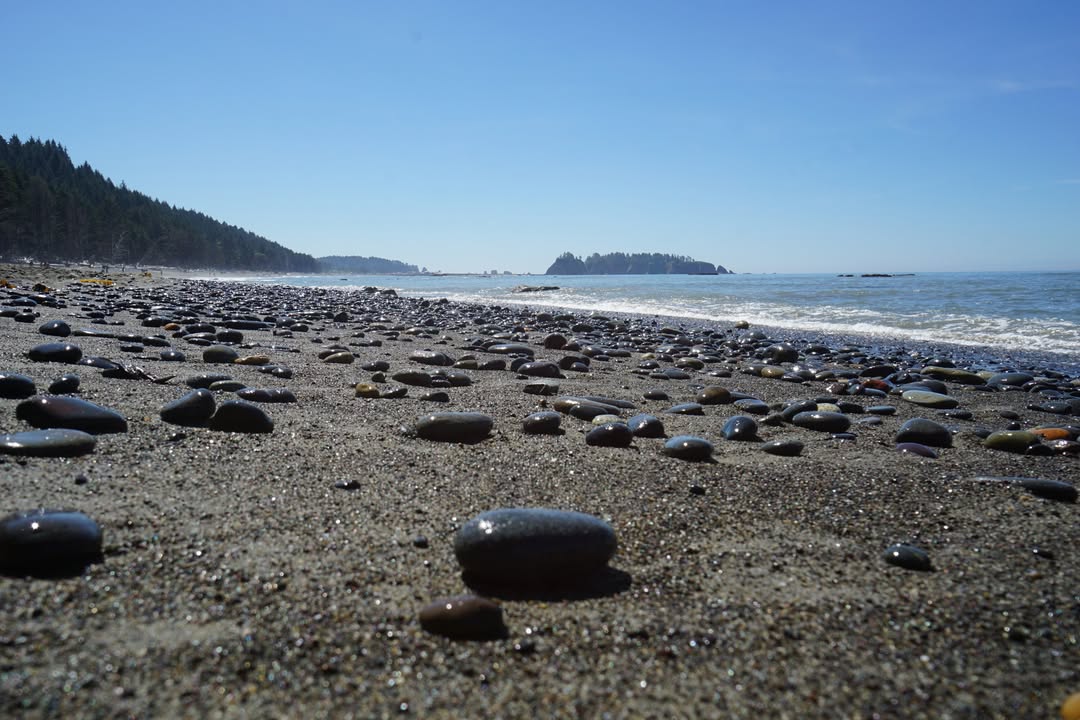
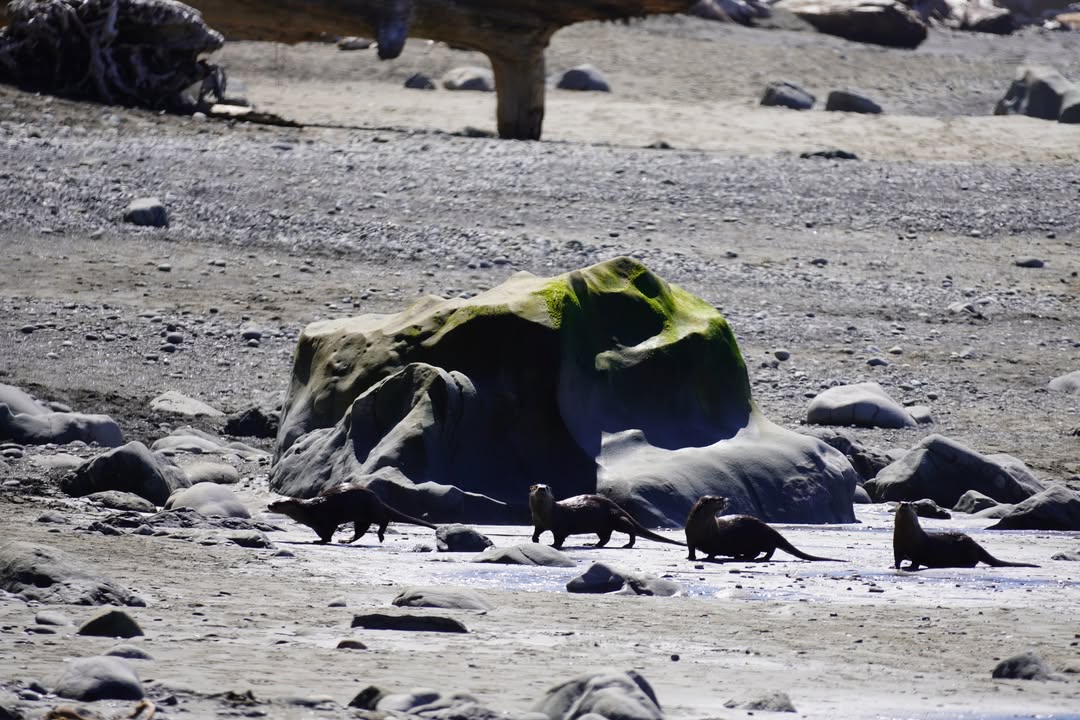
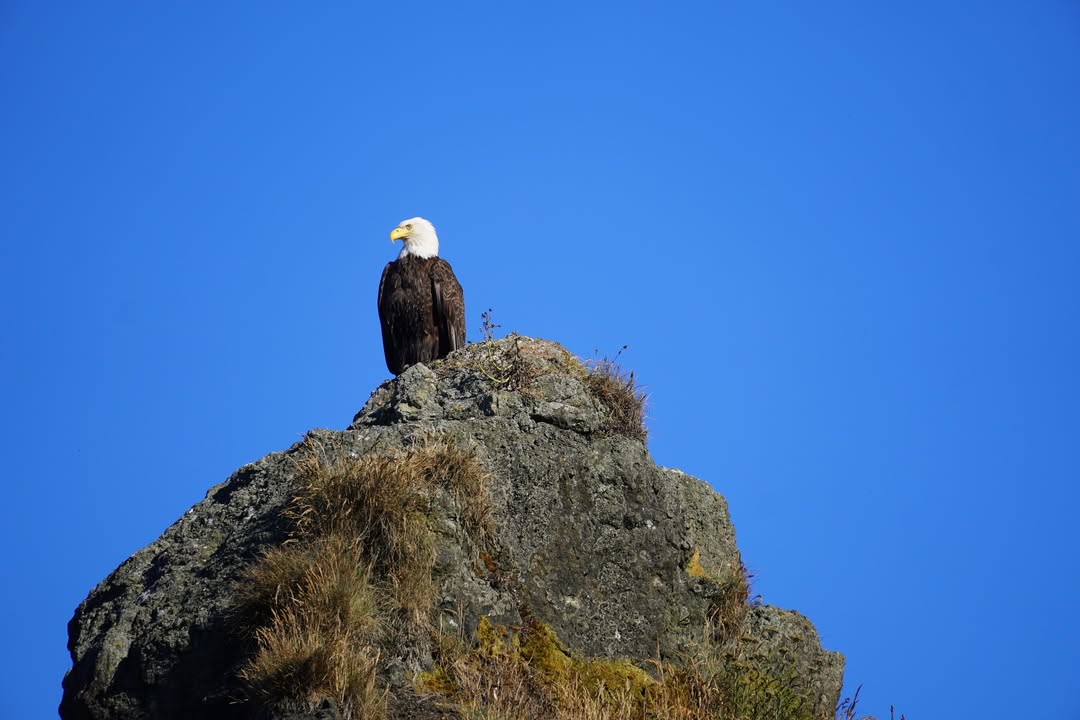
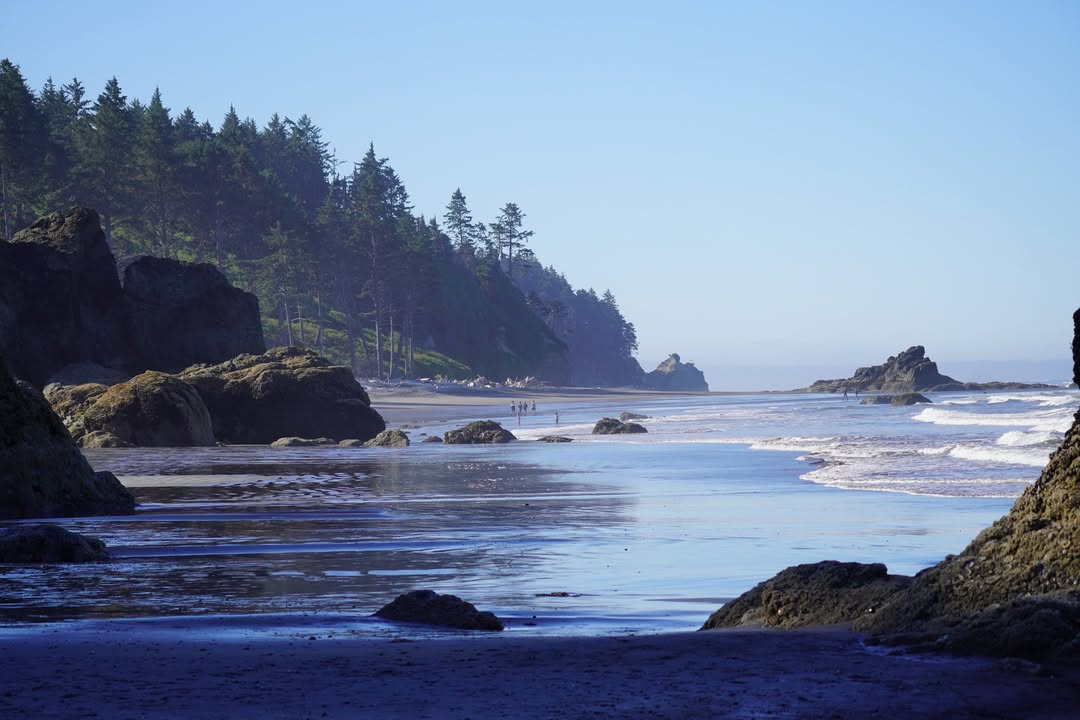
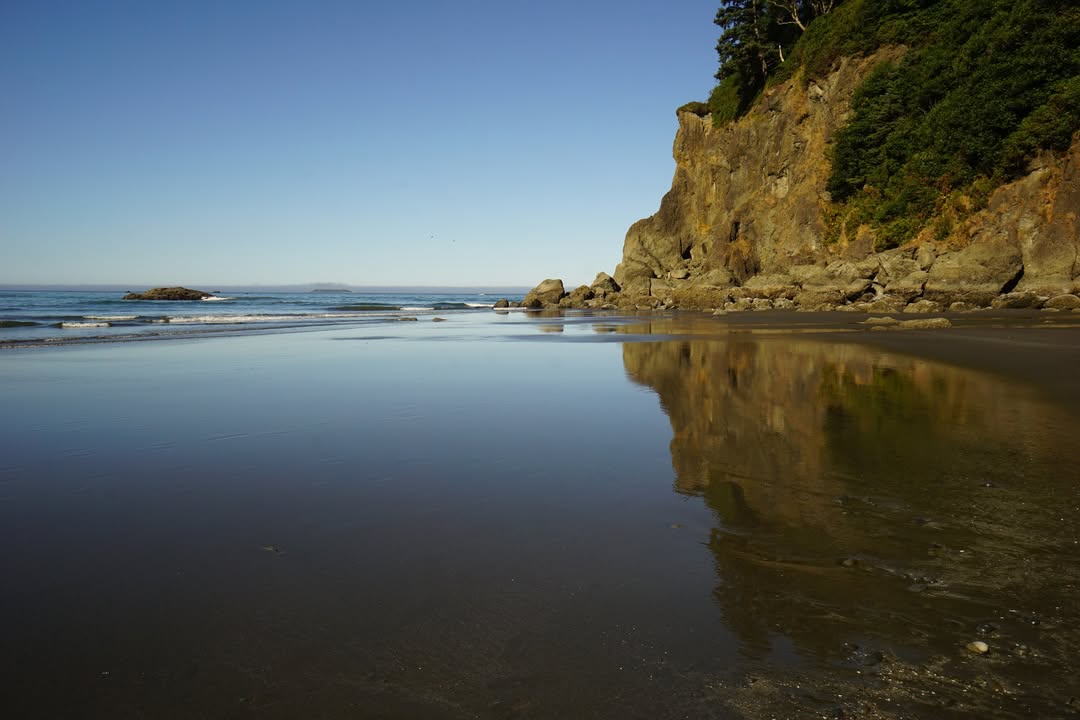
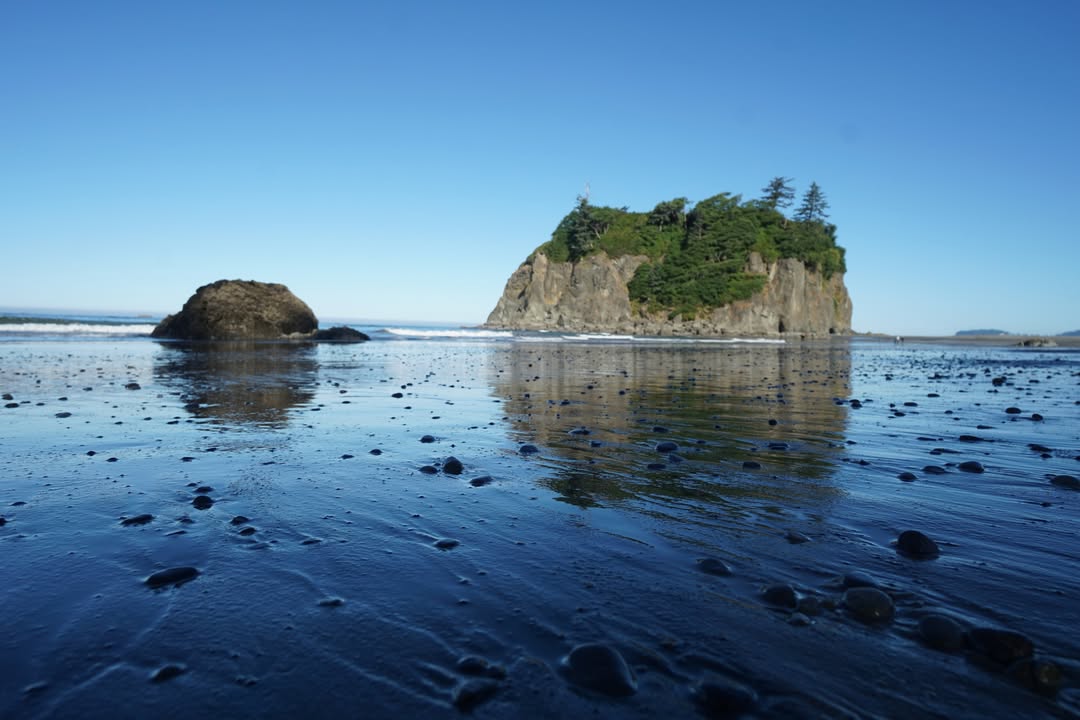
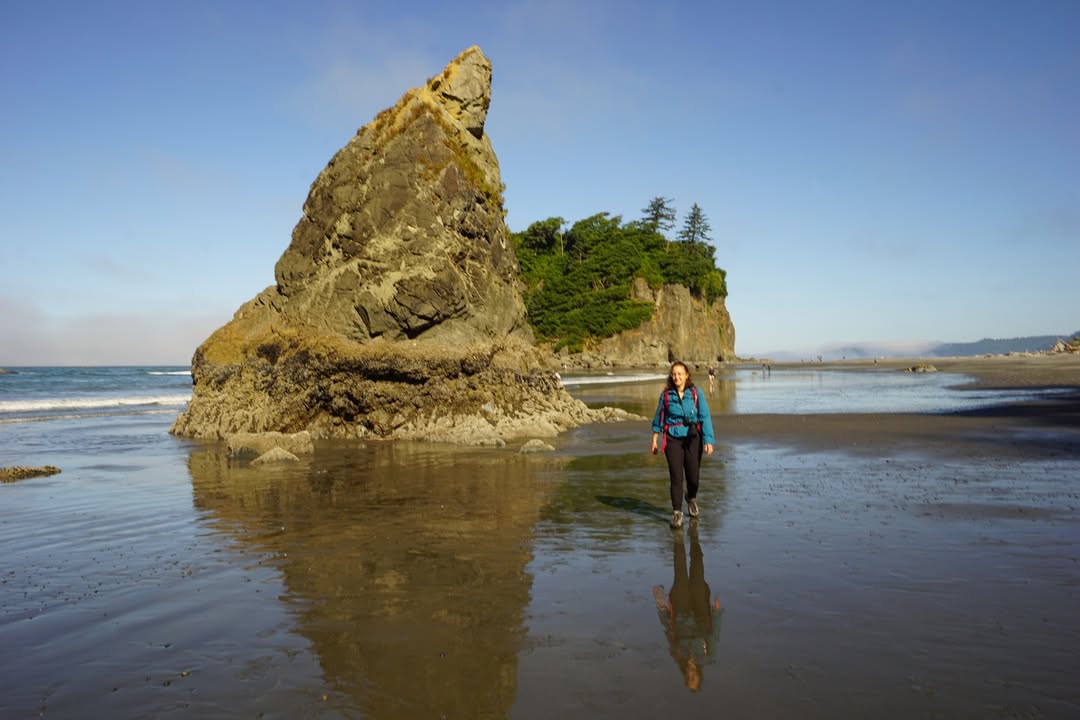
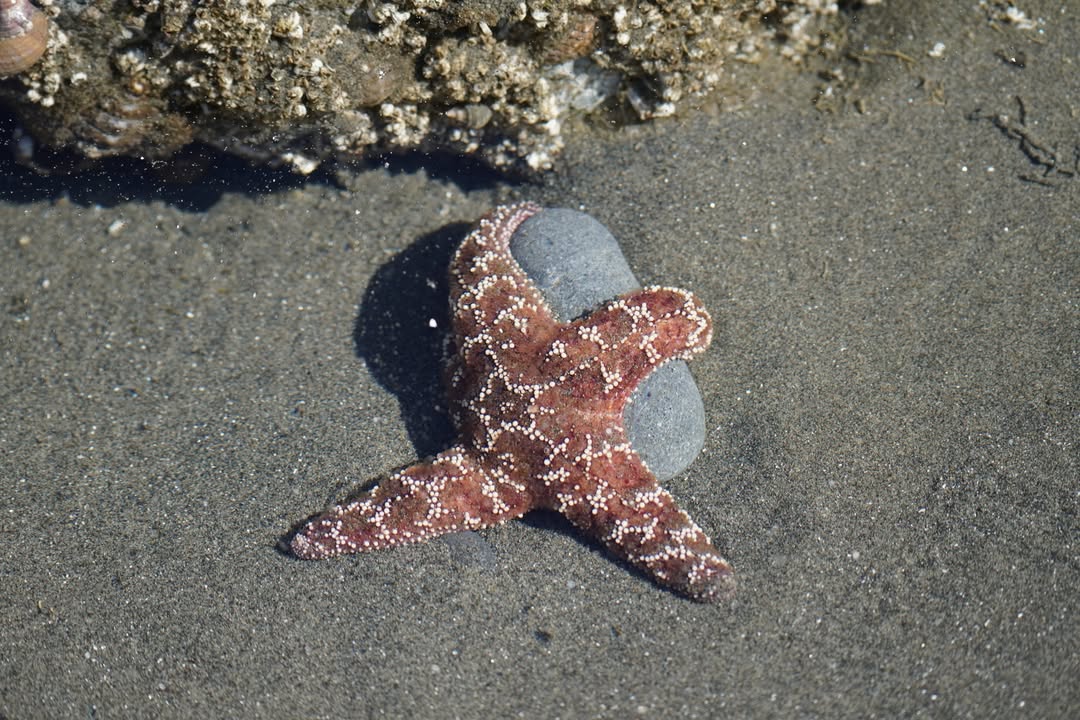
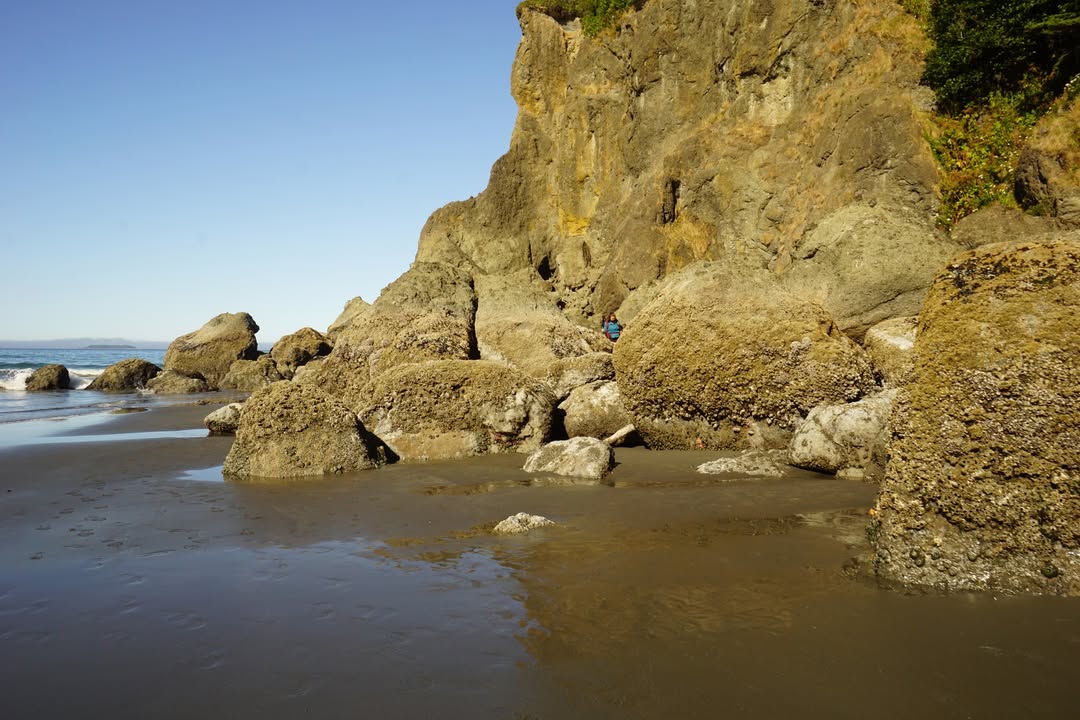
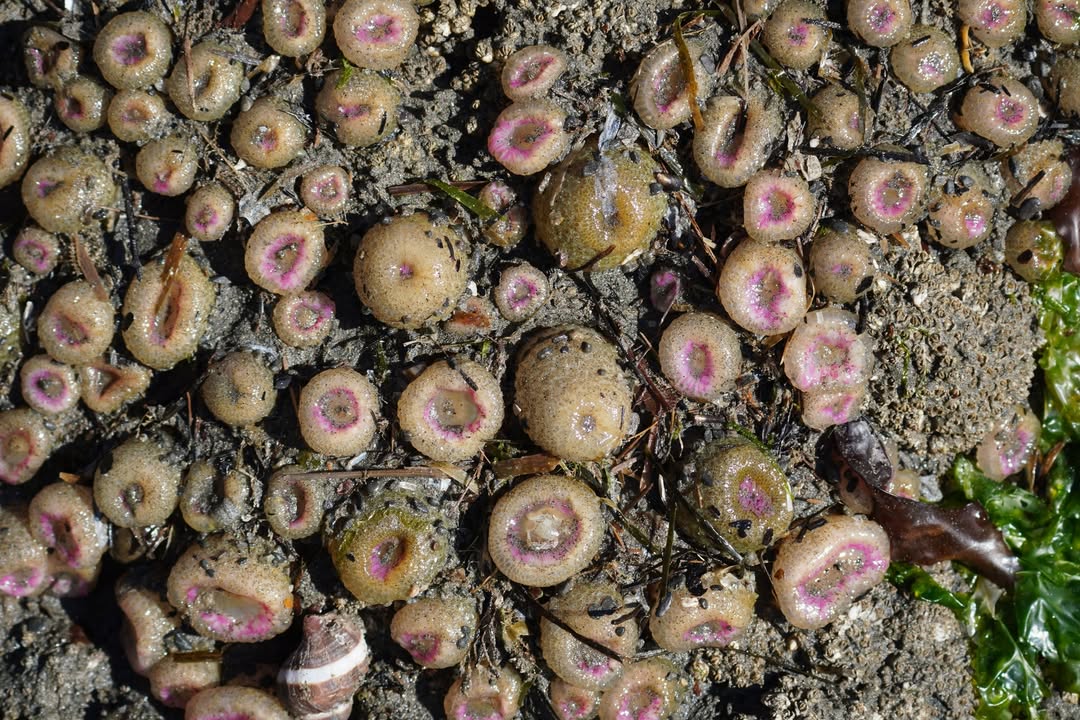
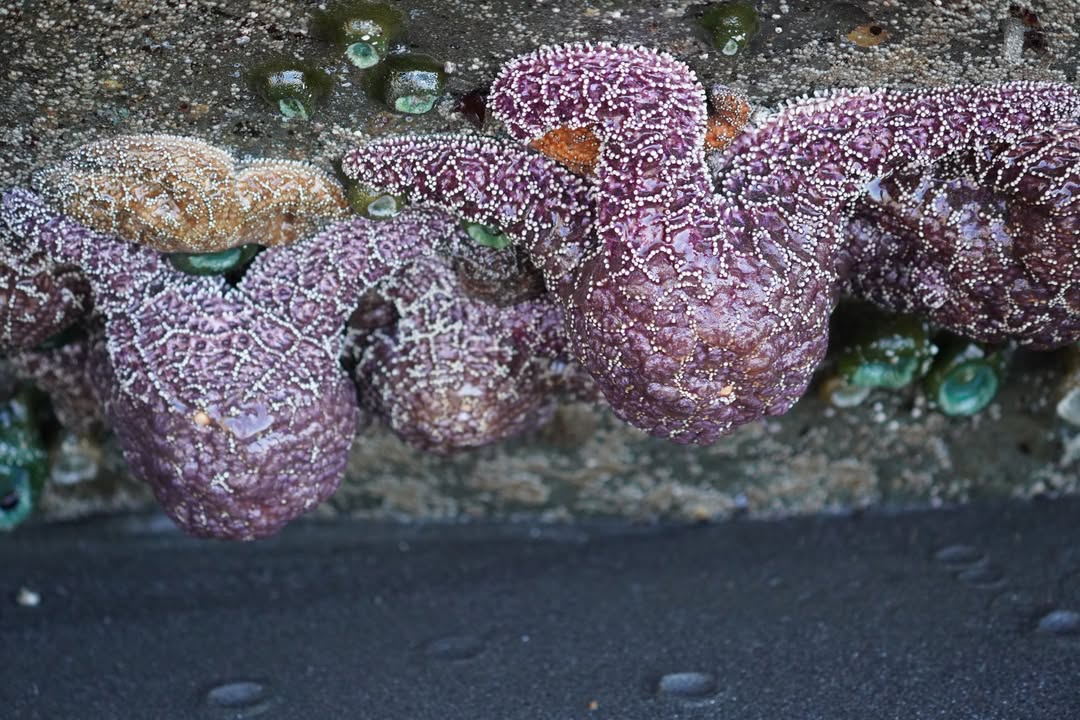
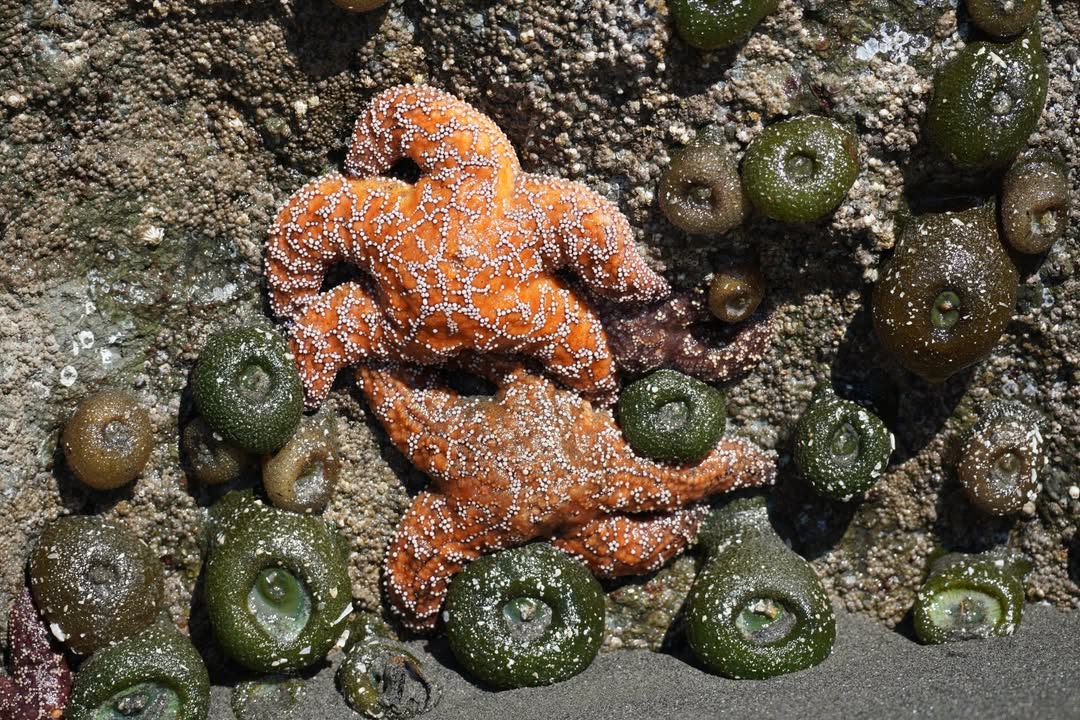
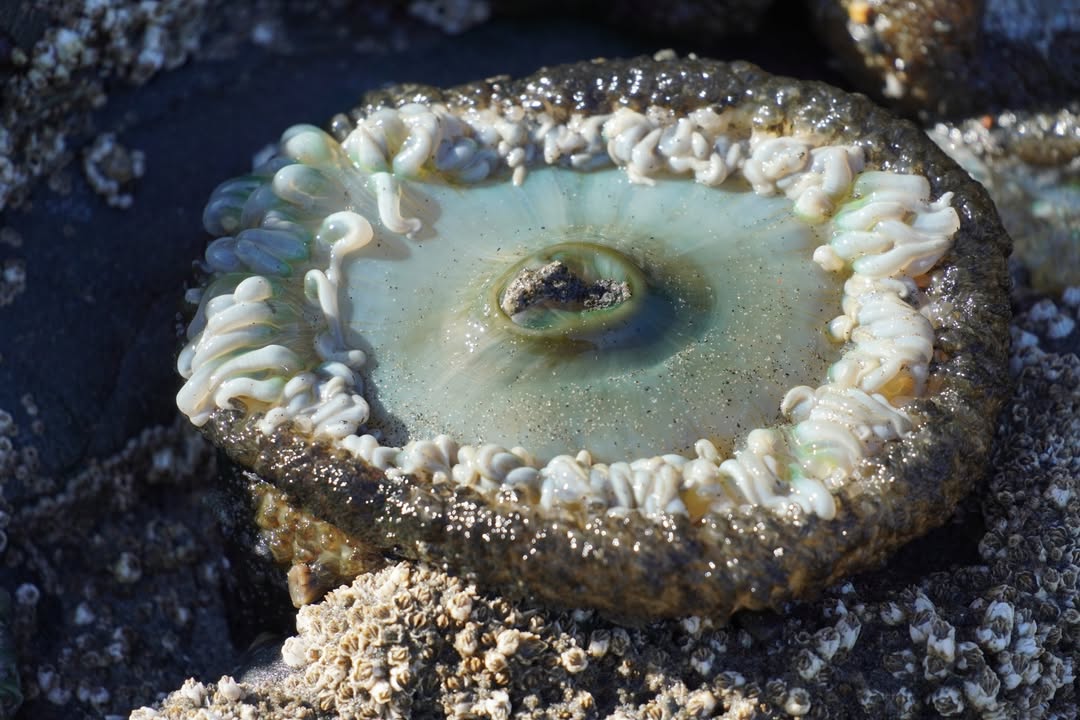
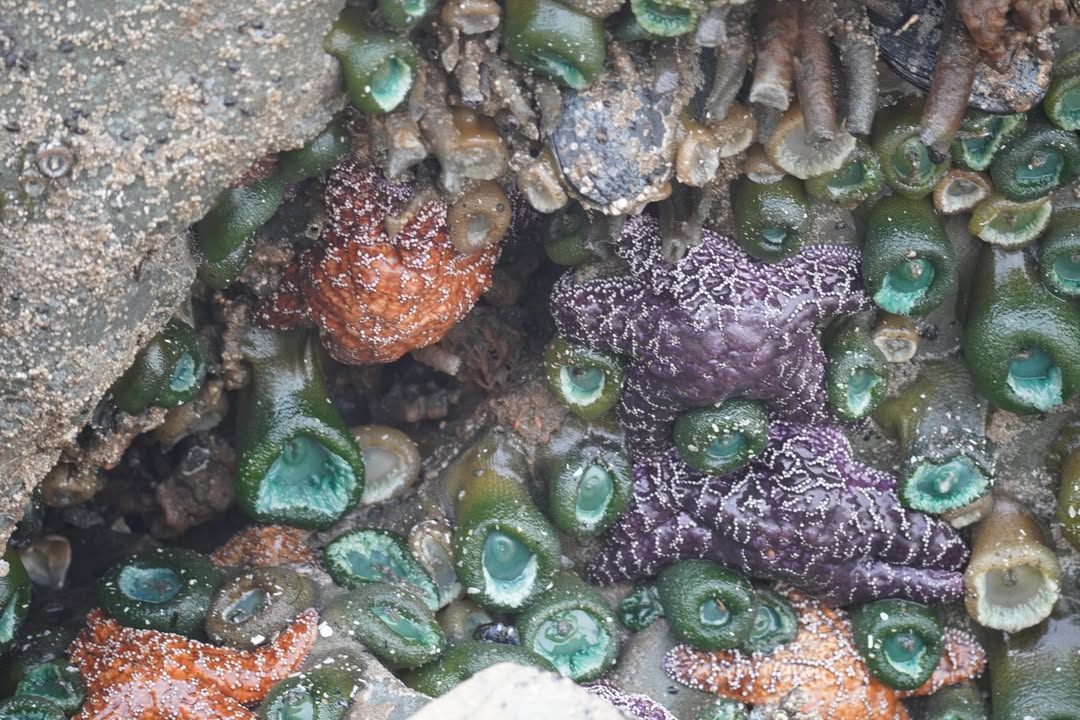
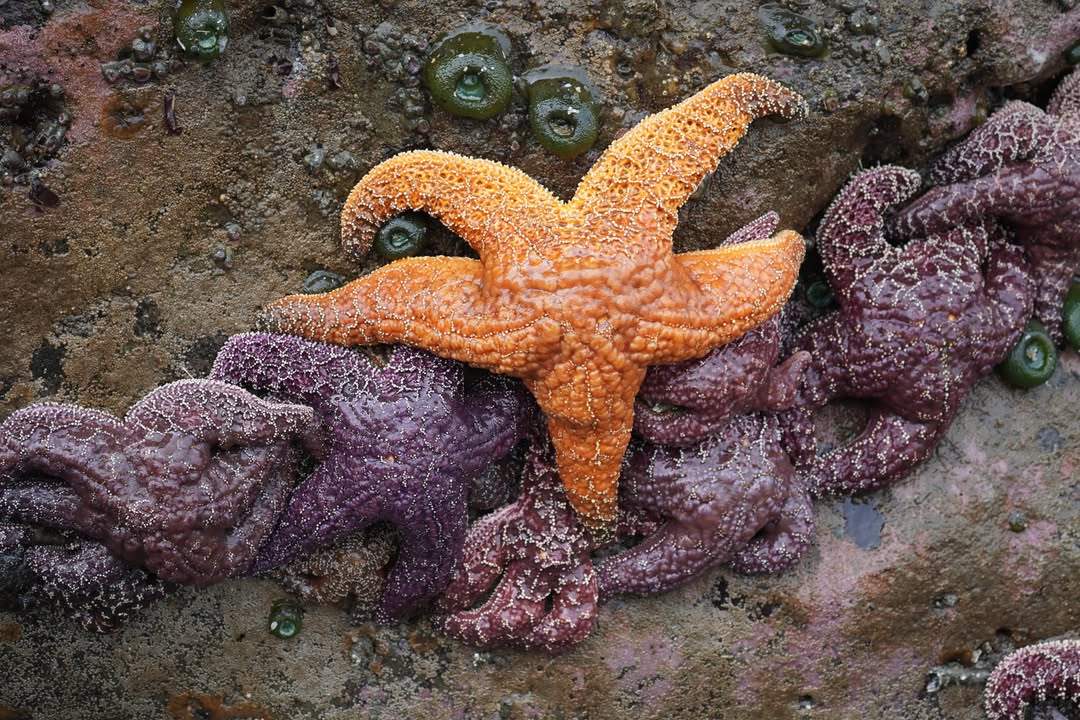
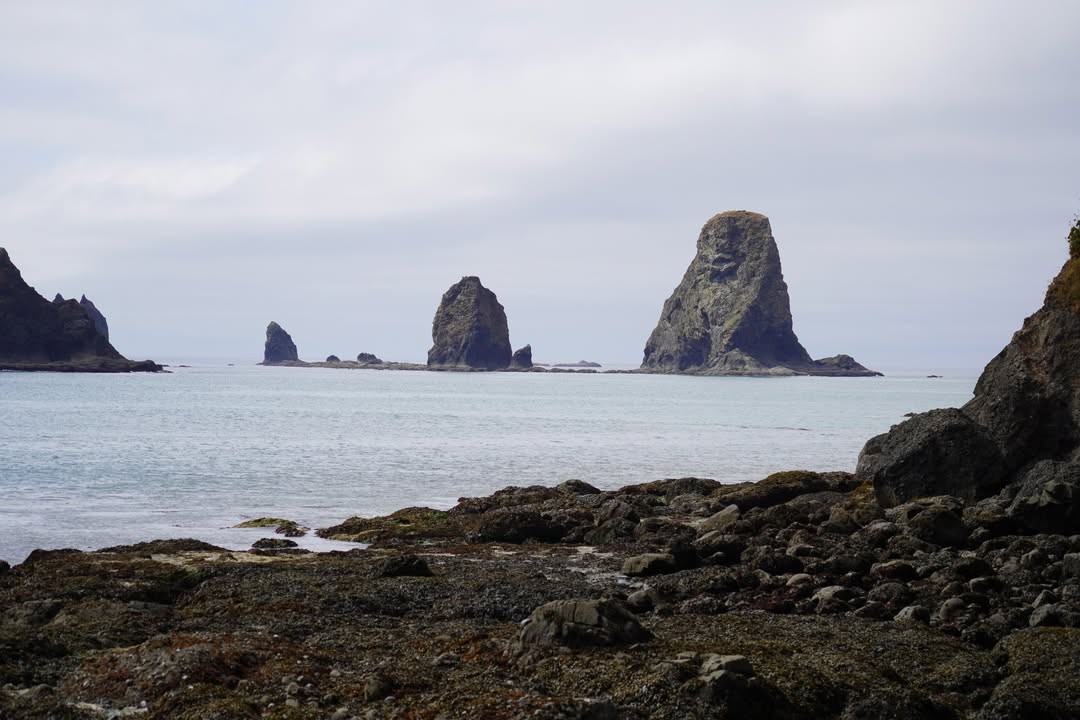
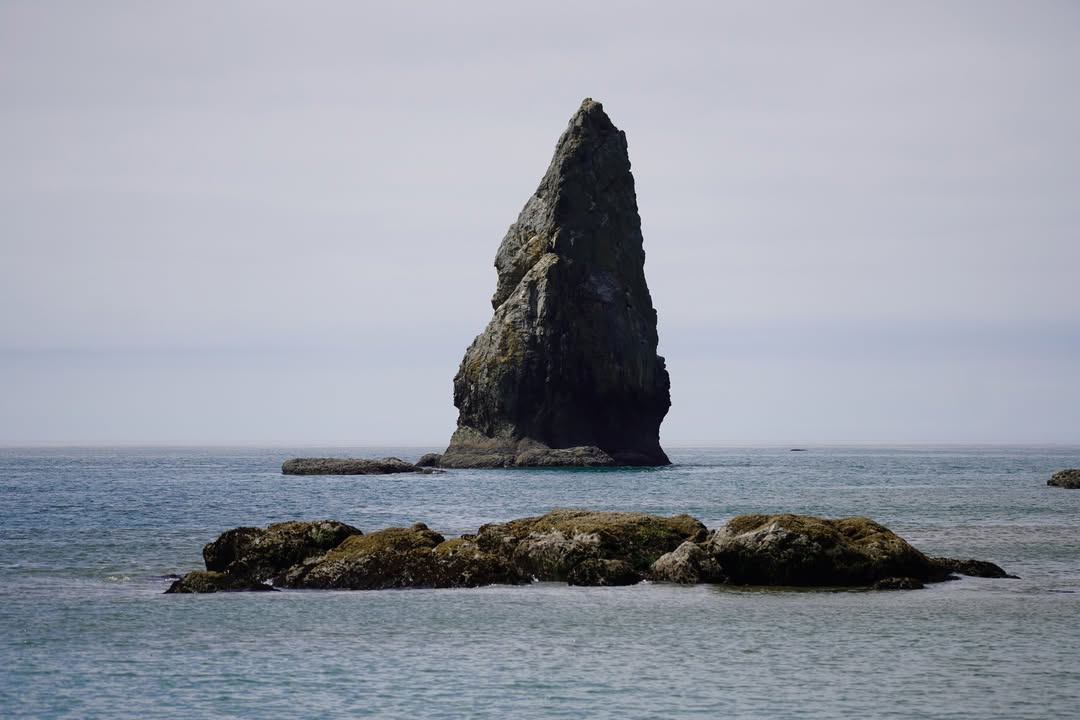
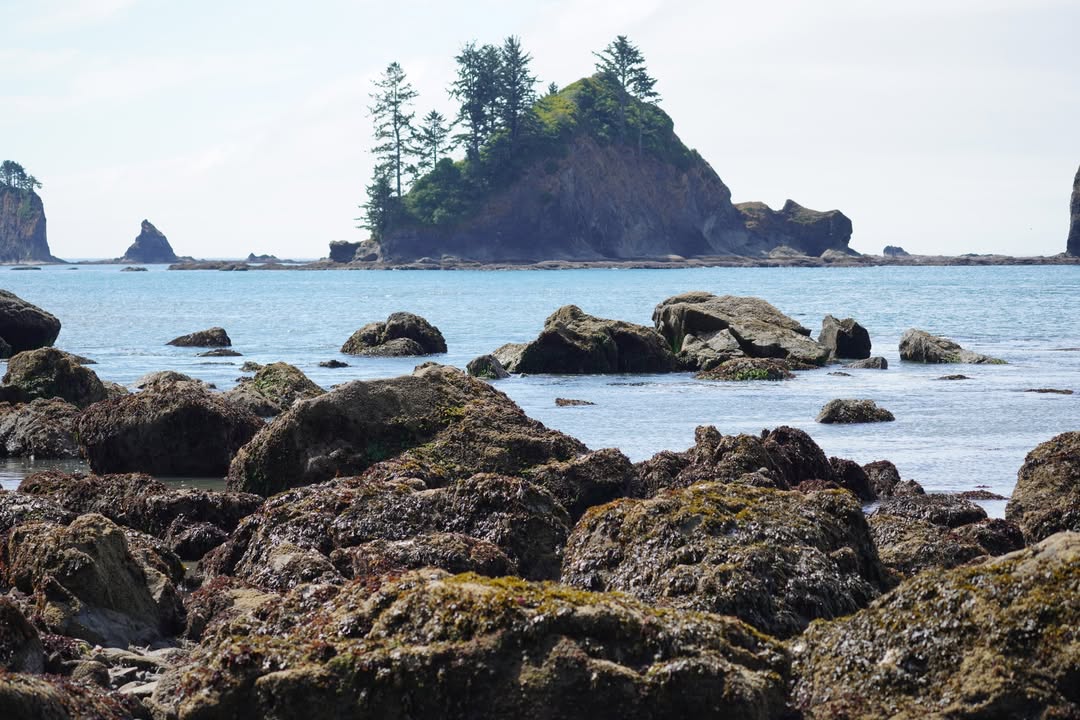
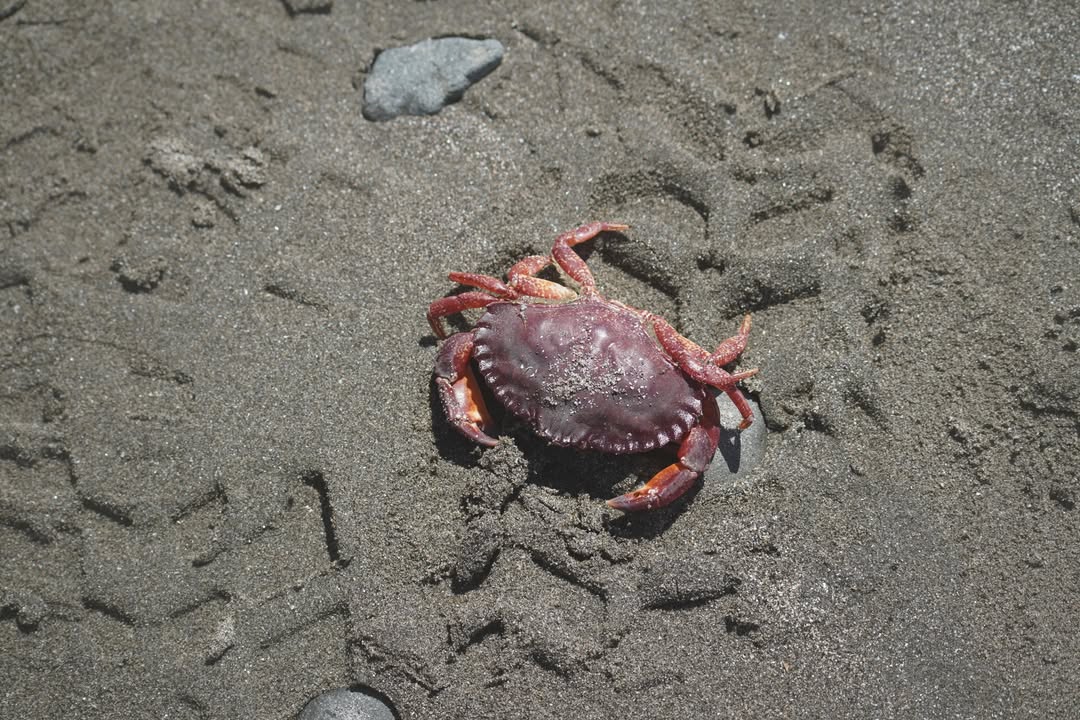
Rialto Beach is a rugged coast of sea stacks, driftwood, and tidepools. We timed the 1.5-mile beach walk to Hole-in-the-Wall for low tide and found sea stars, anemones, mussels, a bald eagle, and four river otters.
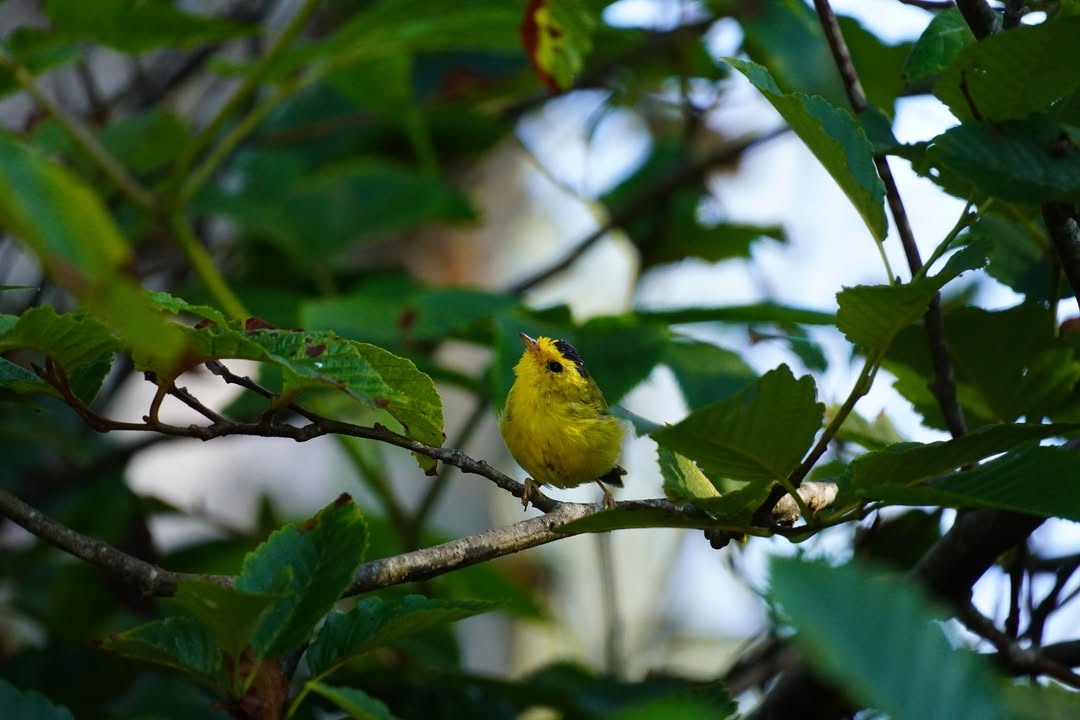
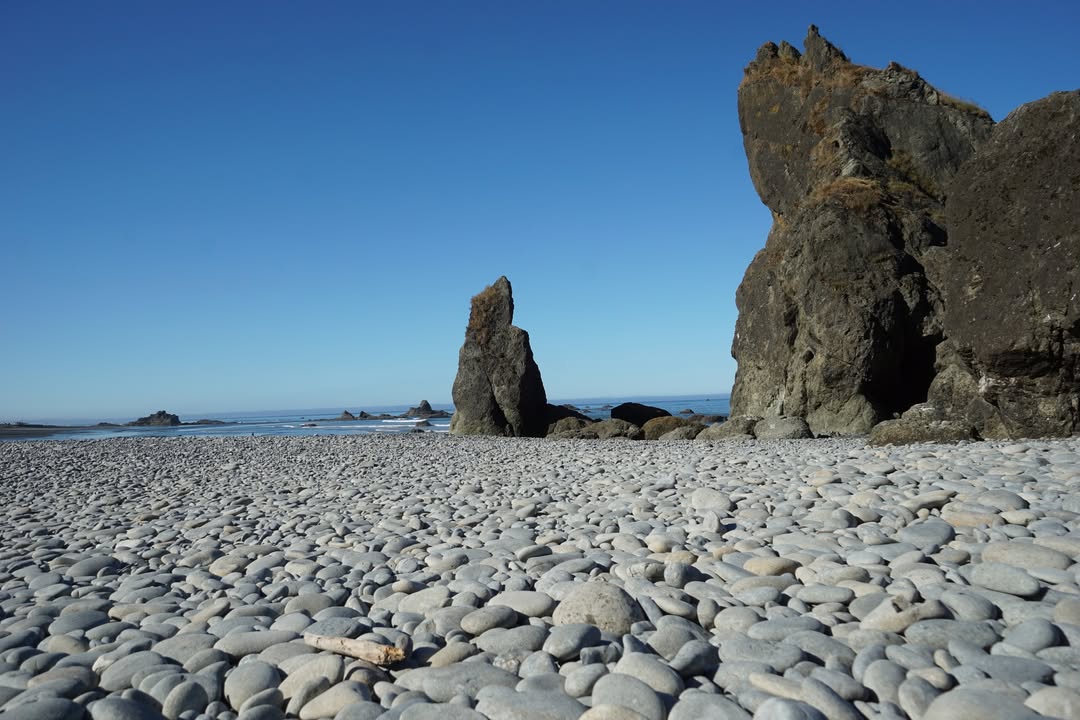
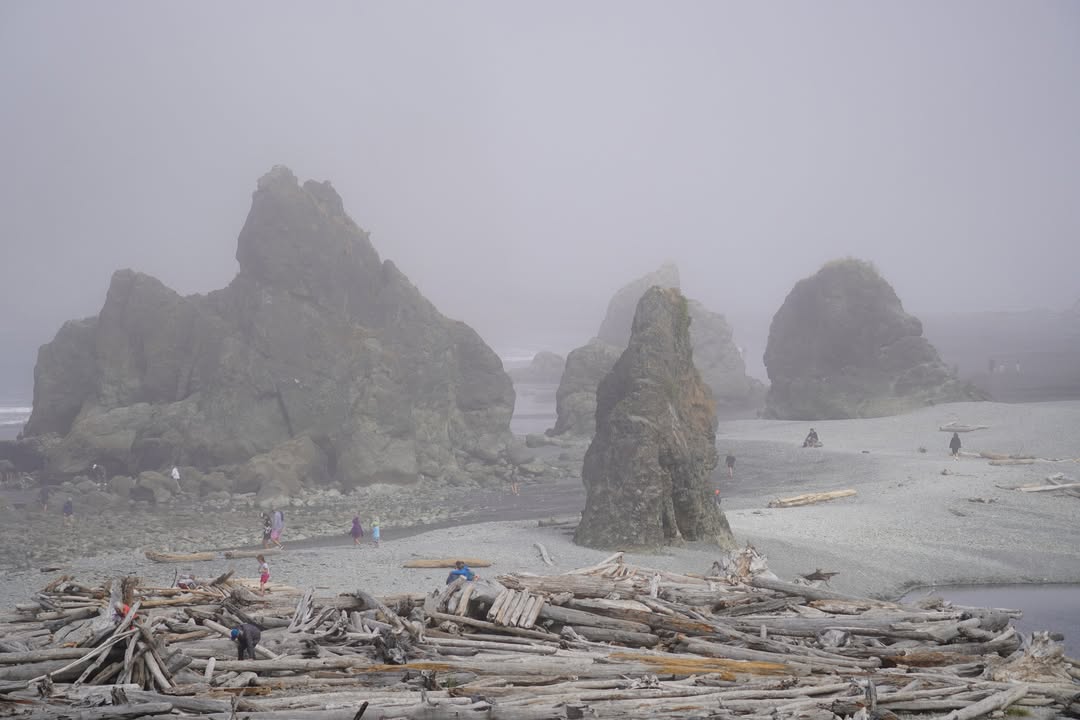
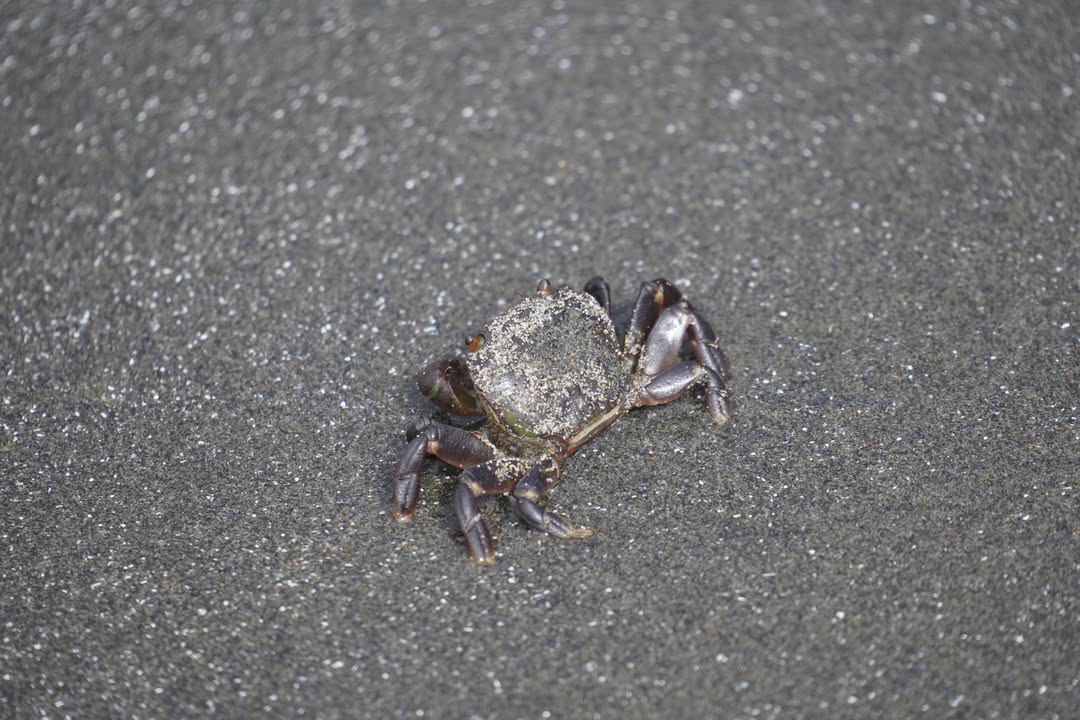
Ruby Beach is one of Olympic's best-known coastal stops, with sea stacks, tidepools, driftwood, and rapidly changing fog. Our morning included a bald eagle, a Wilson's warbler, and exposed marine life at low tide.
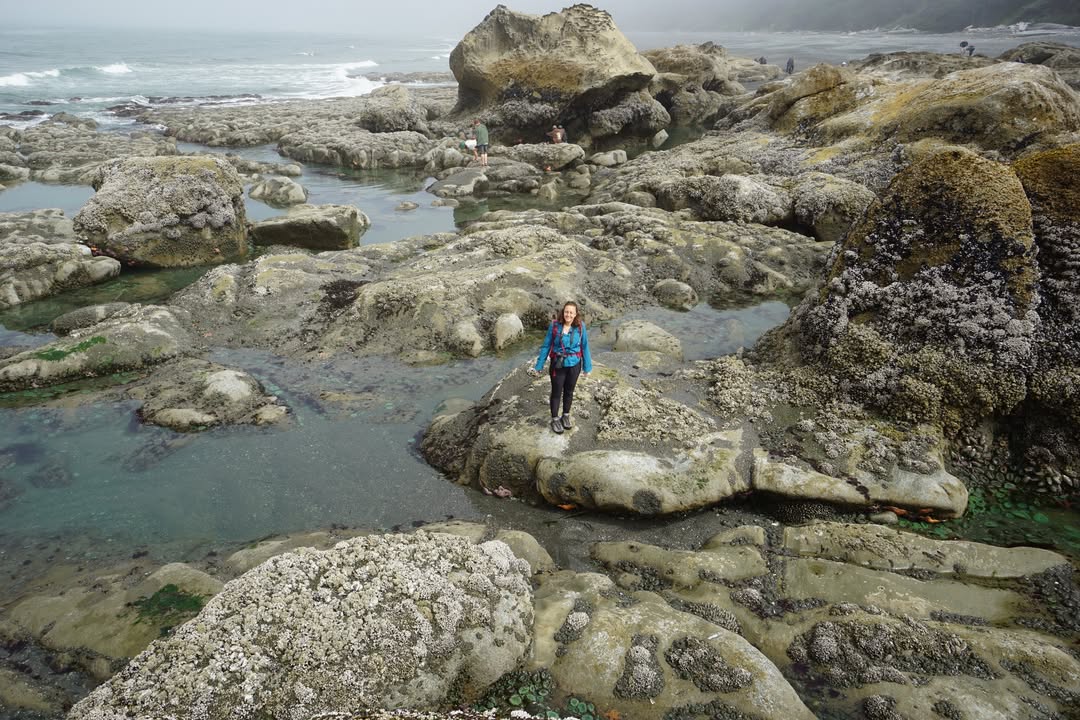
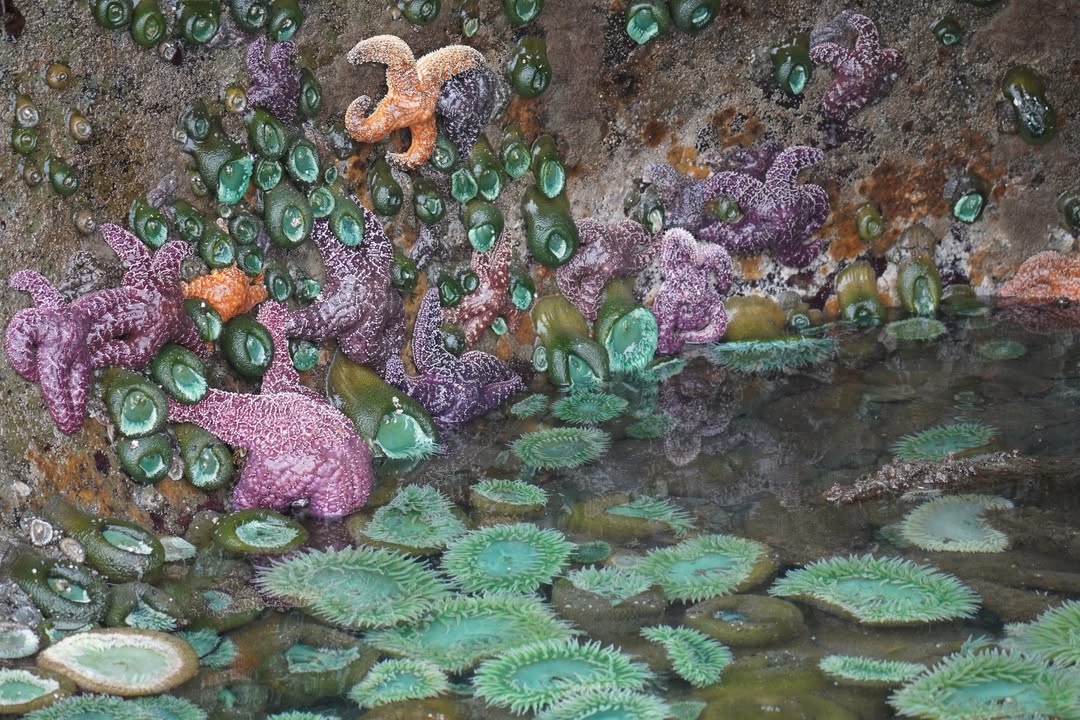
Beach 1 is a southern Kalaloch-area beach access on Olympic's Pacific coast. We stopped here for tidepooling among the rocks, finding one of the strongest collections of anemones, mussels, barnacles, and other exposed marine life from that coastal day.
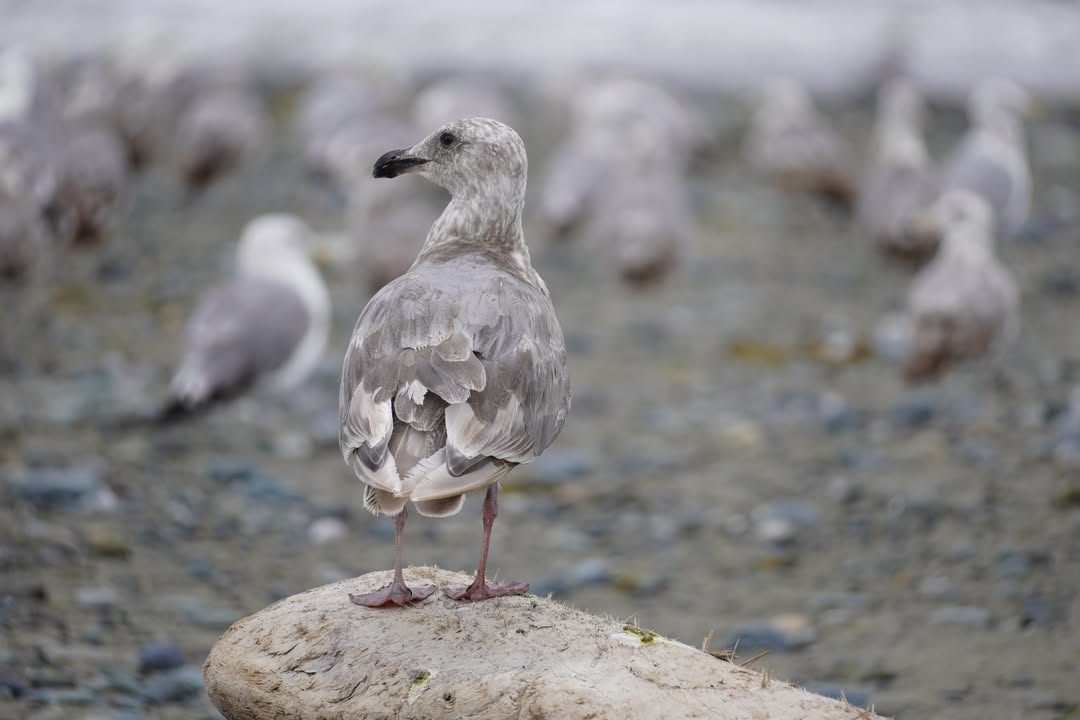
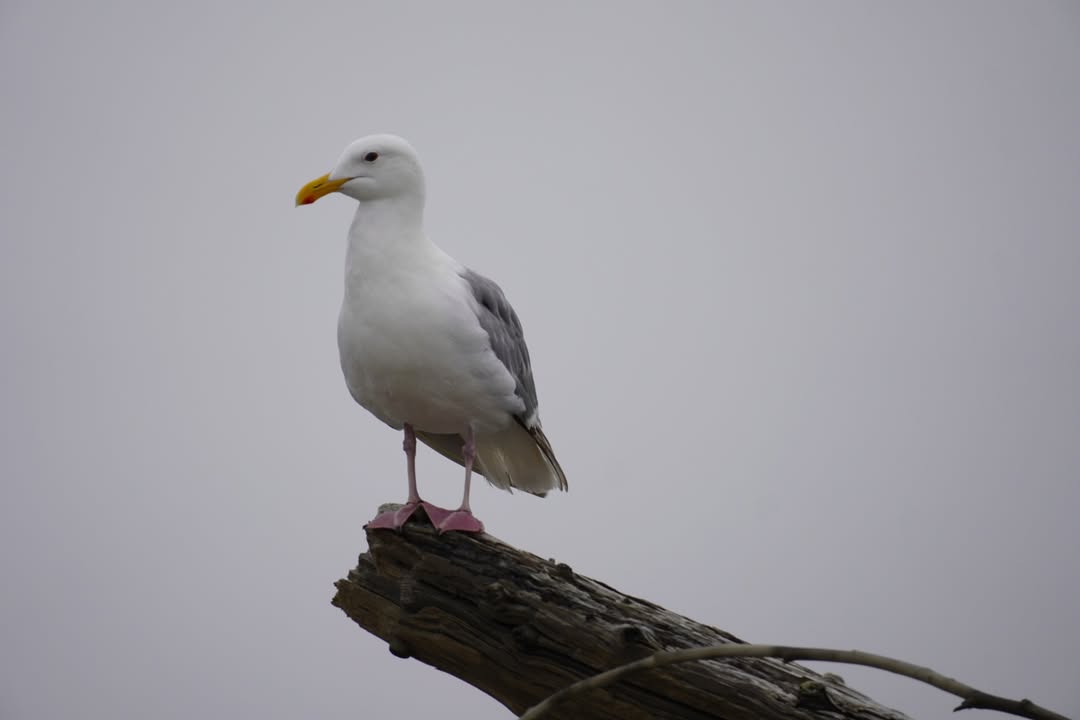
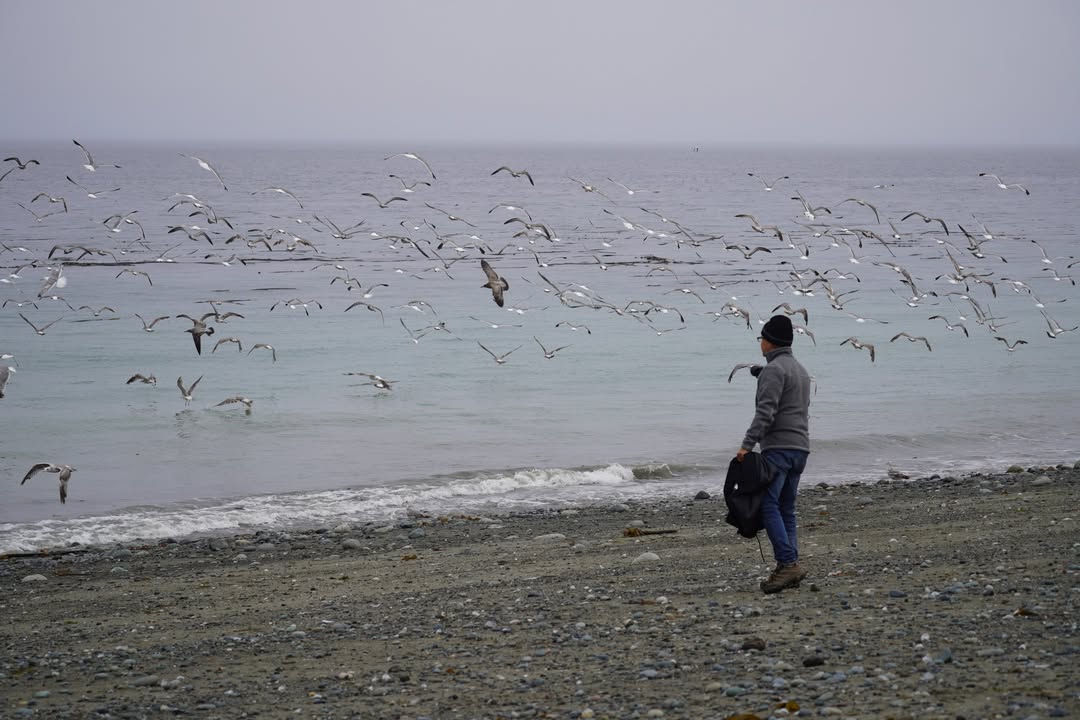
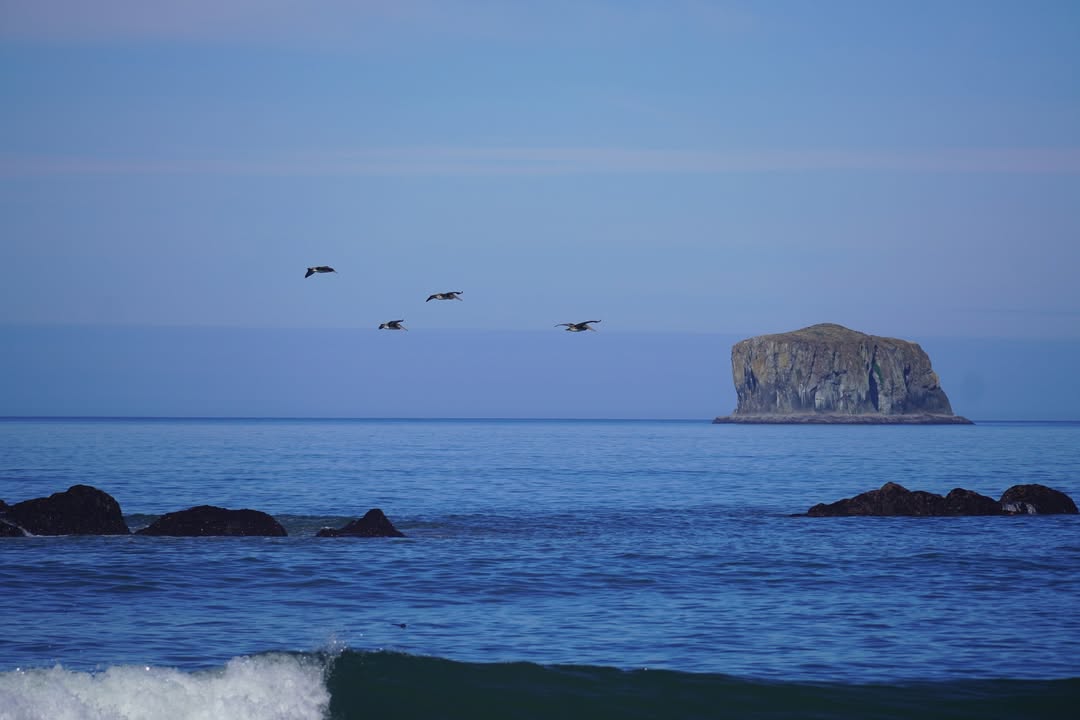
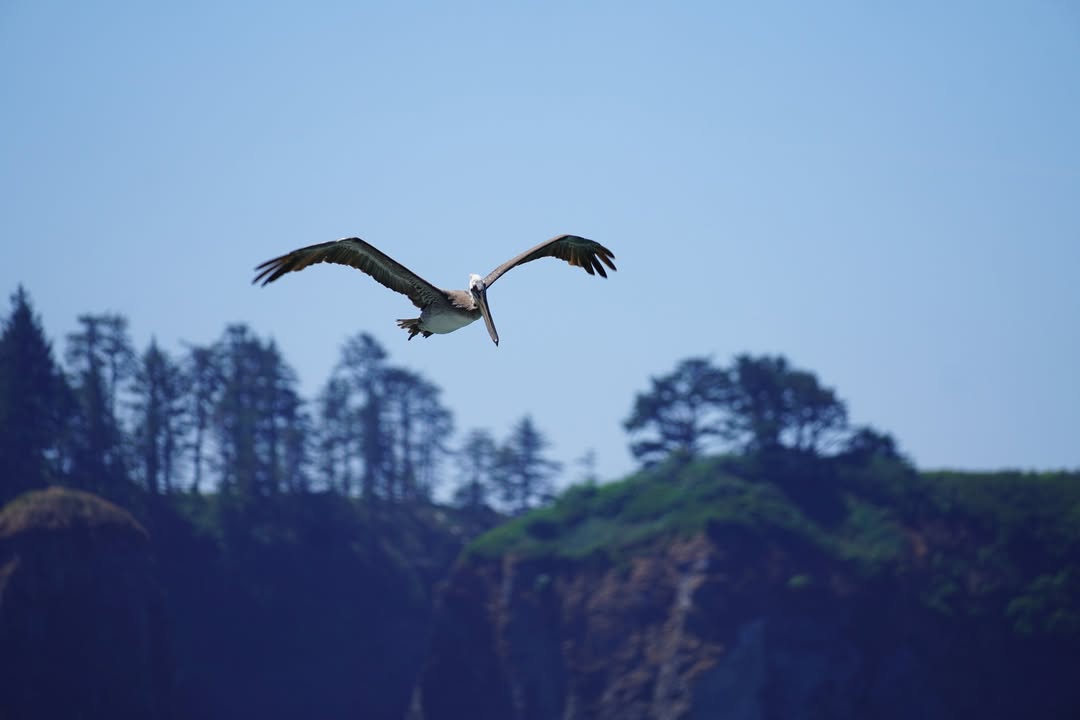
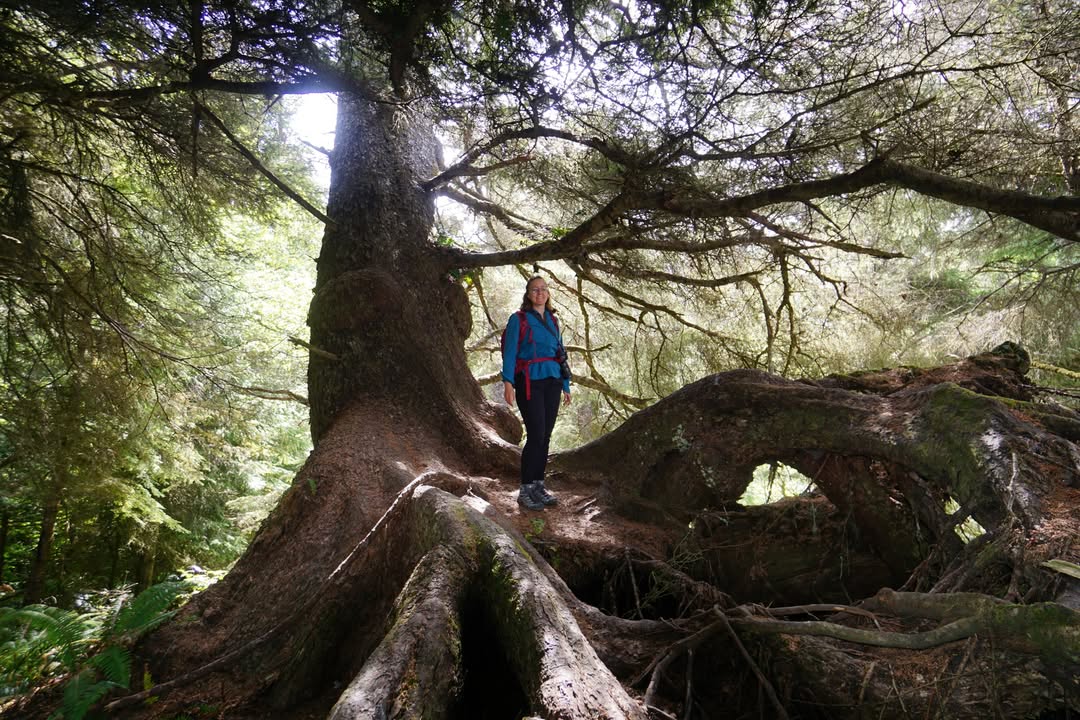
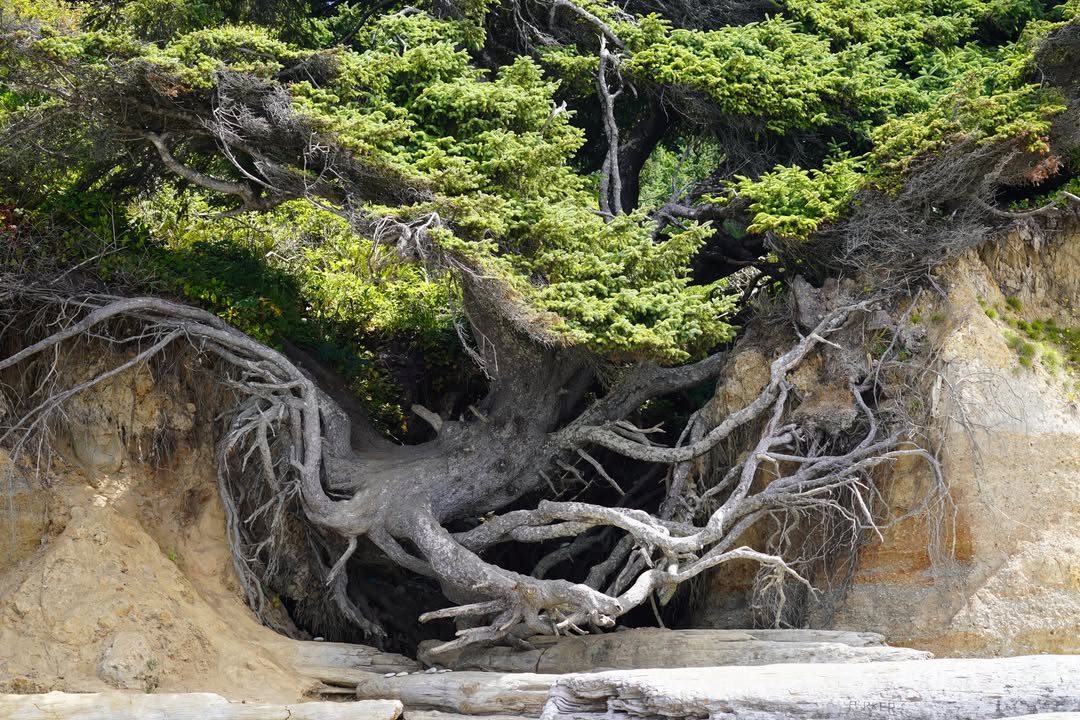
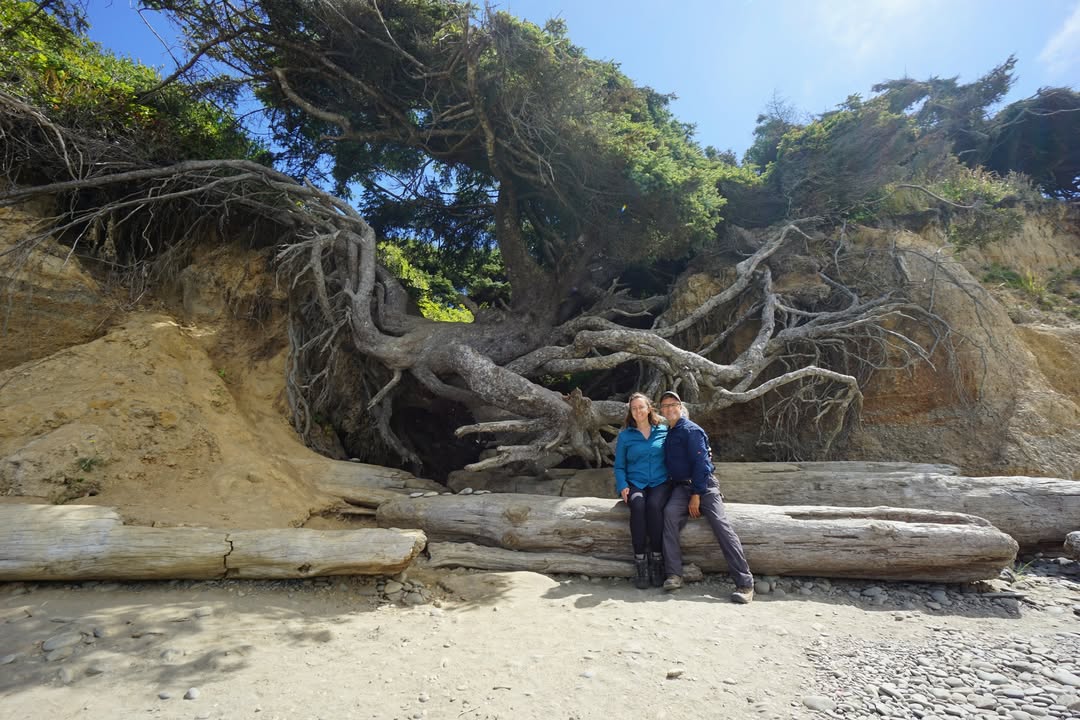
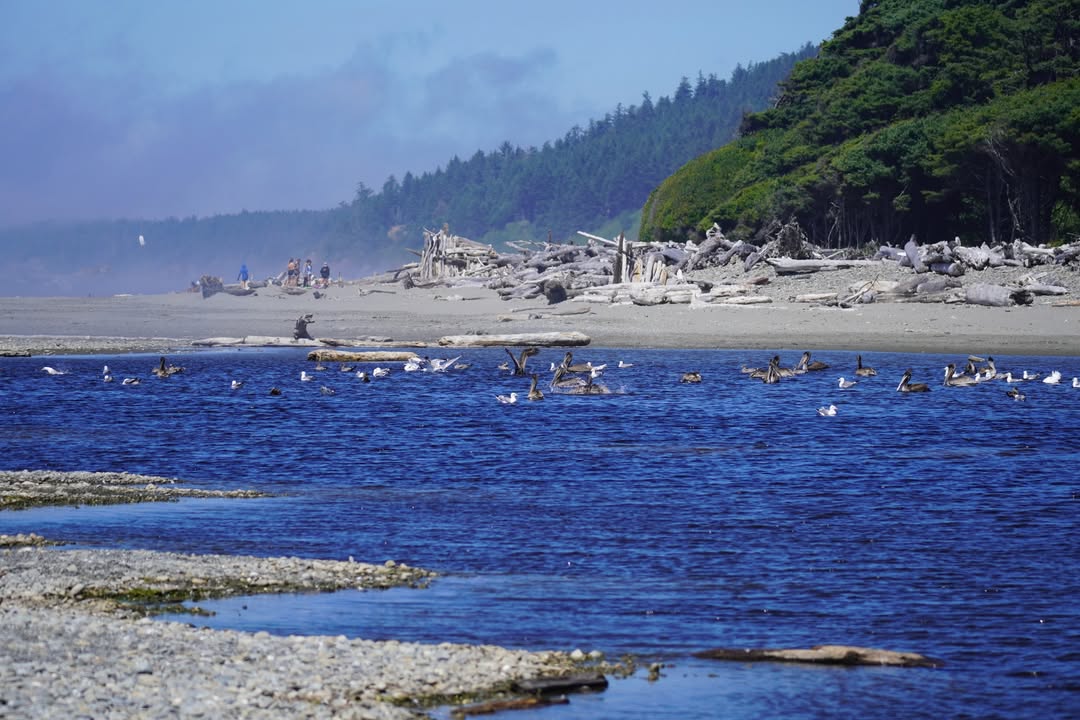
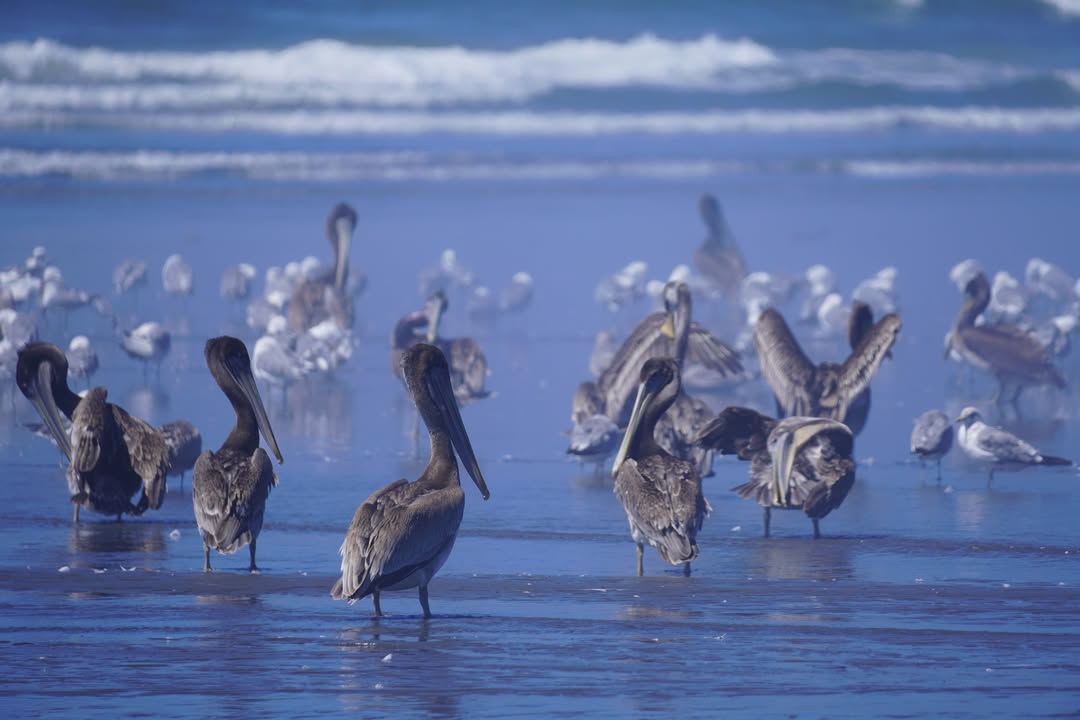
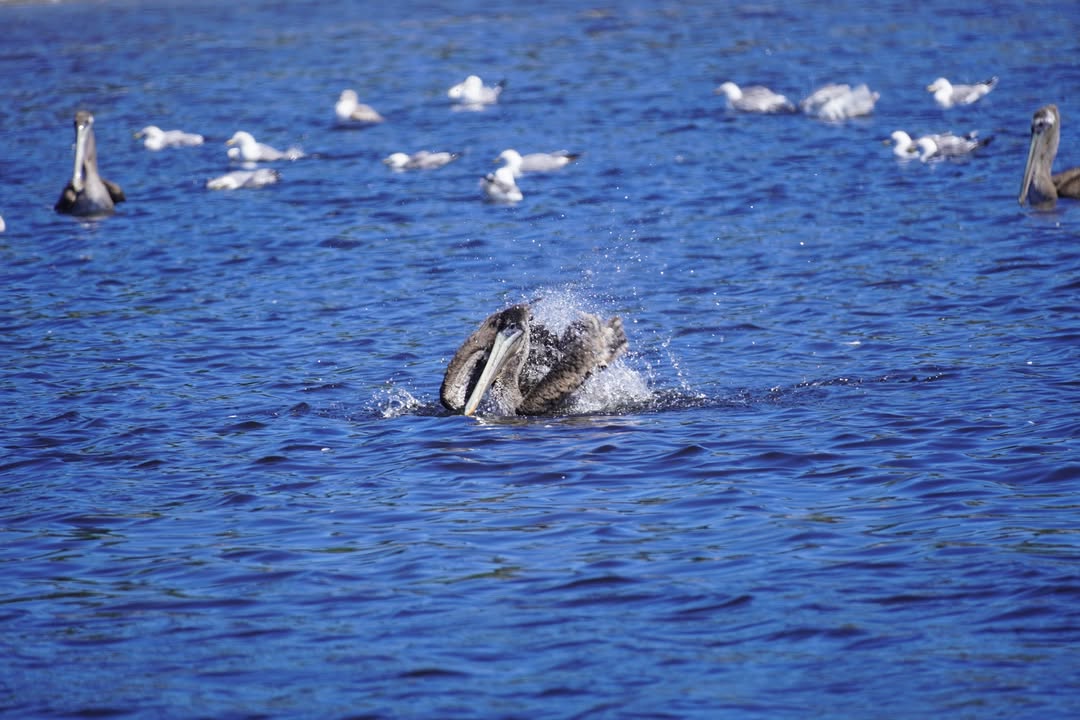
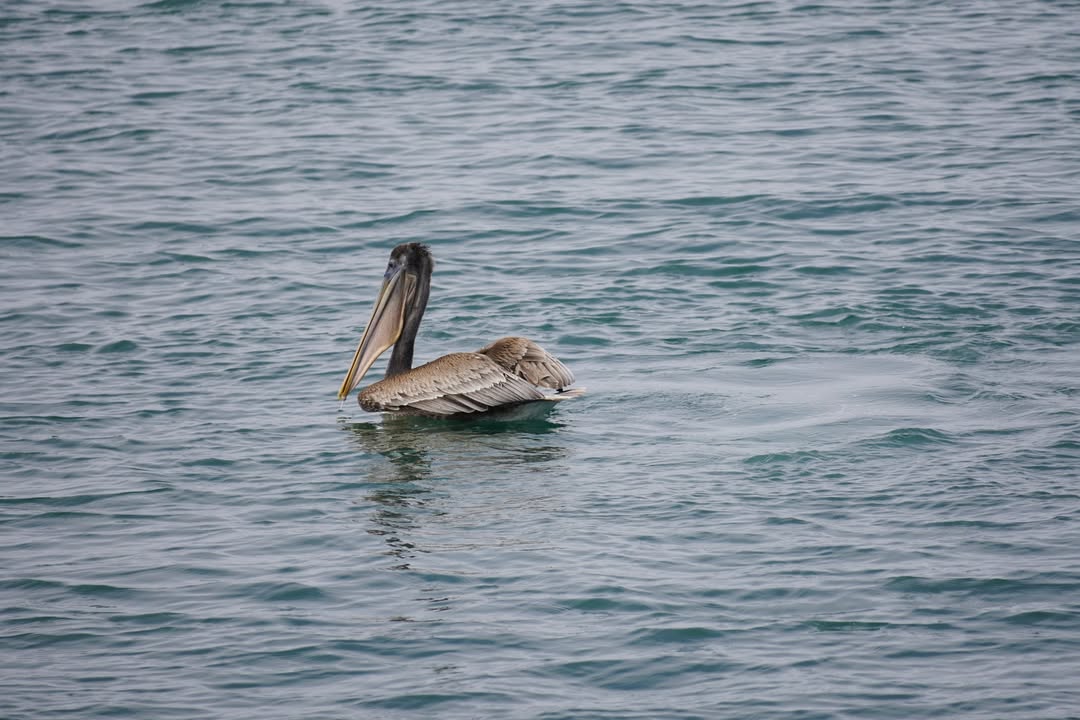
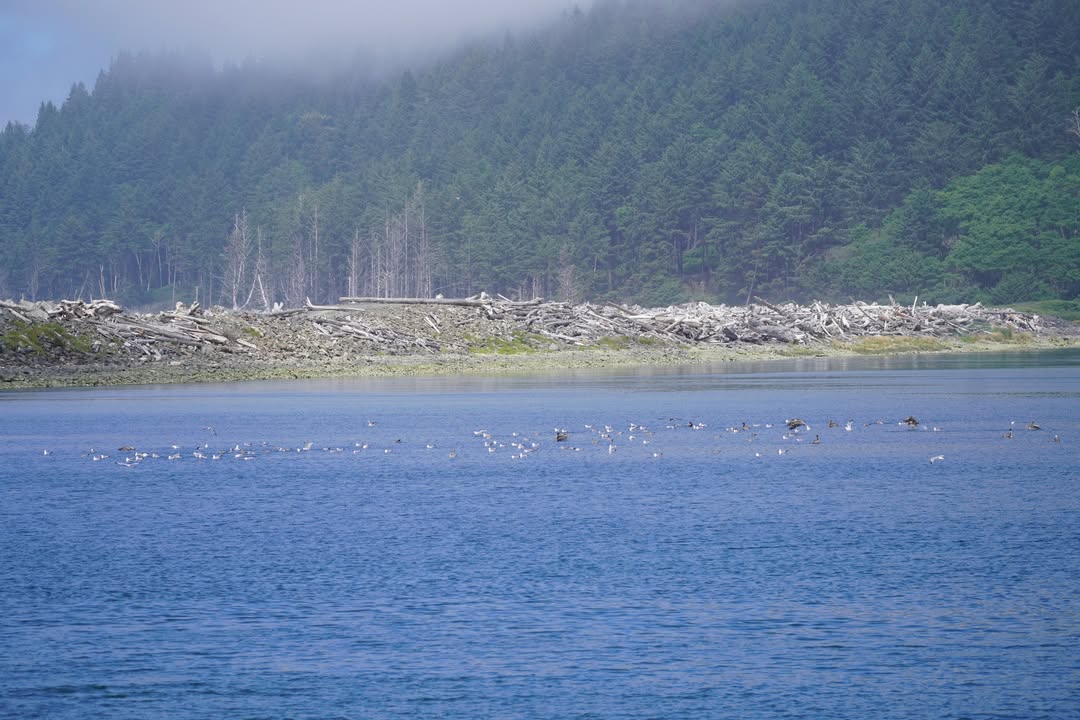
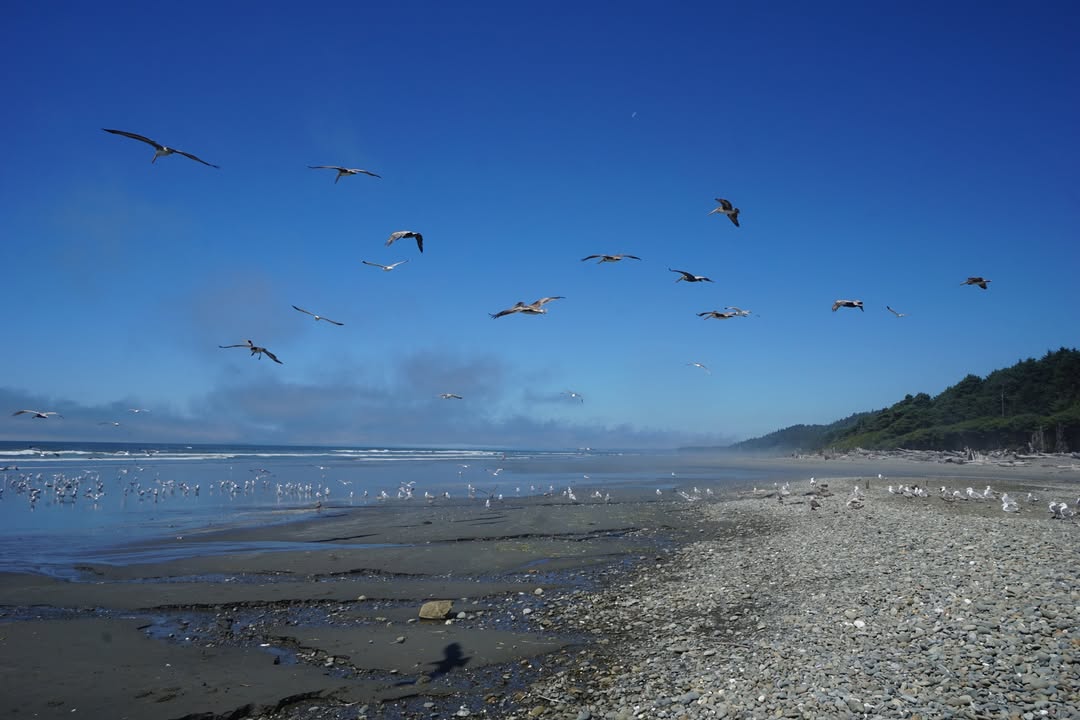
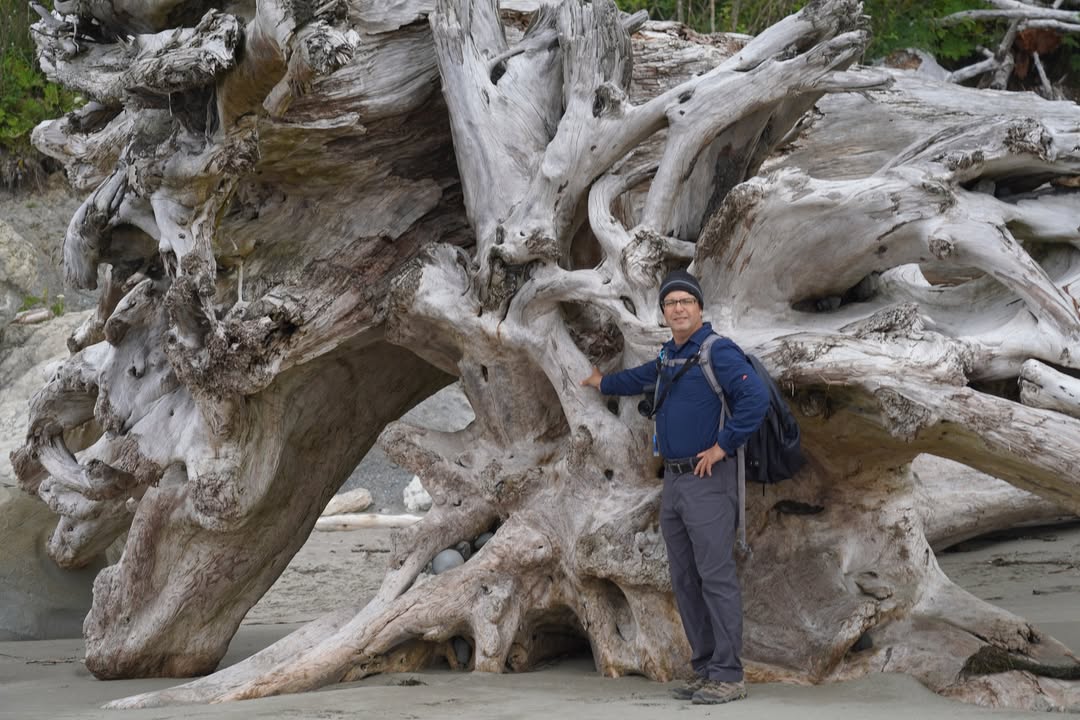
The Kalaloch section of Olympic's coast includes Kalaloch Lodge, the Tree of Life, and broad beach access near the campground and lodge. We stopped here for lunch, visited the exposed-root spruce, and watched gulls and pelicans using the freshwater pool on the sand.
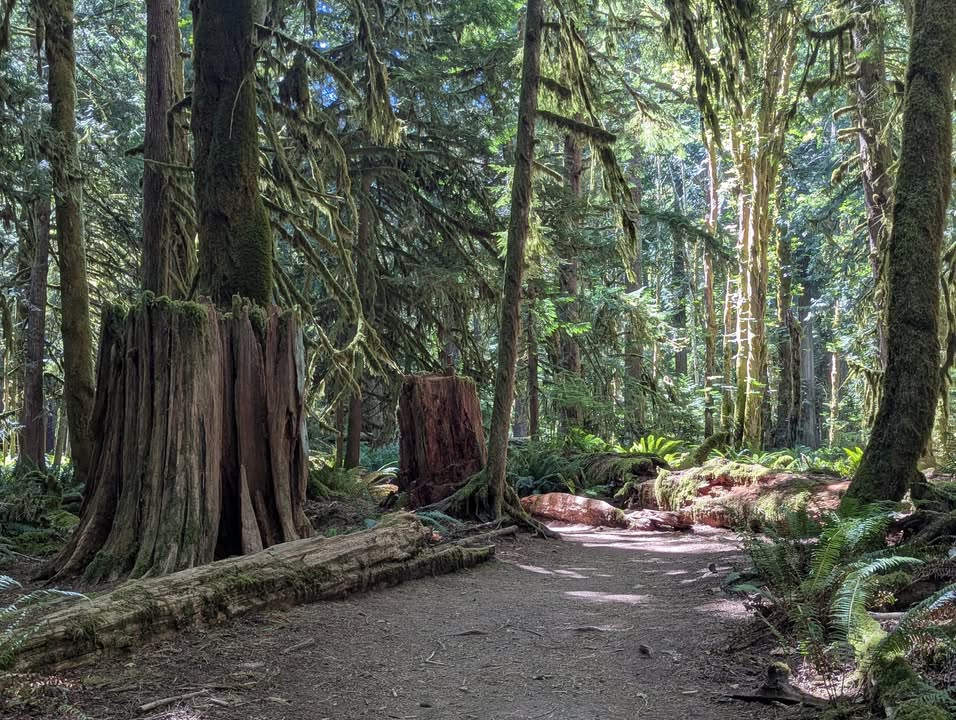
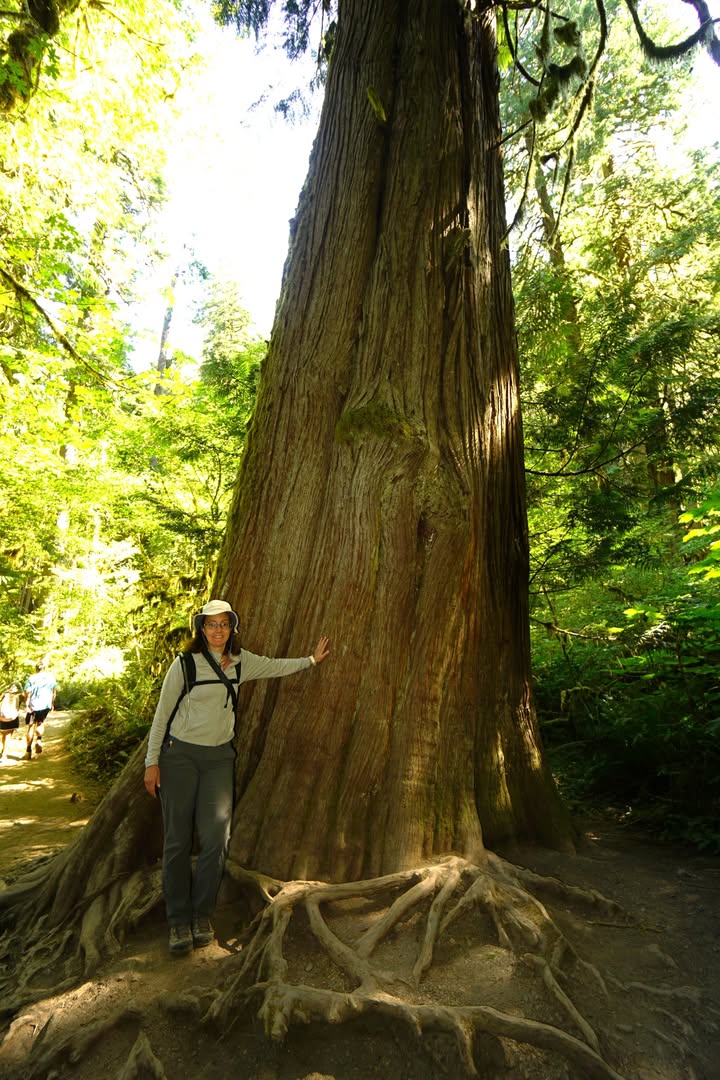
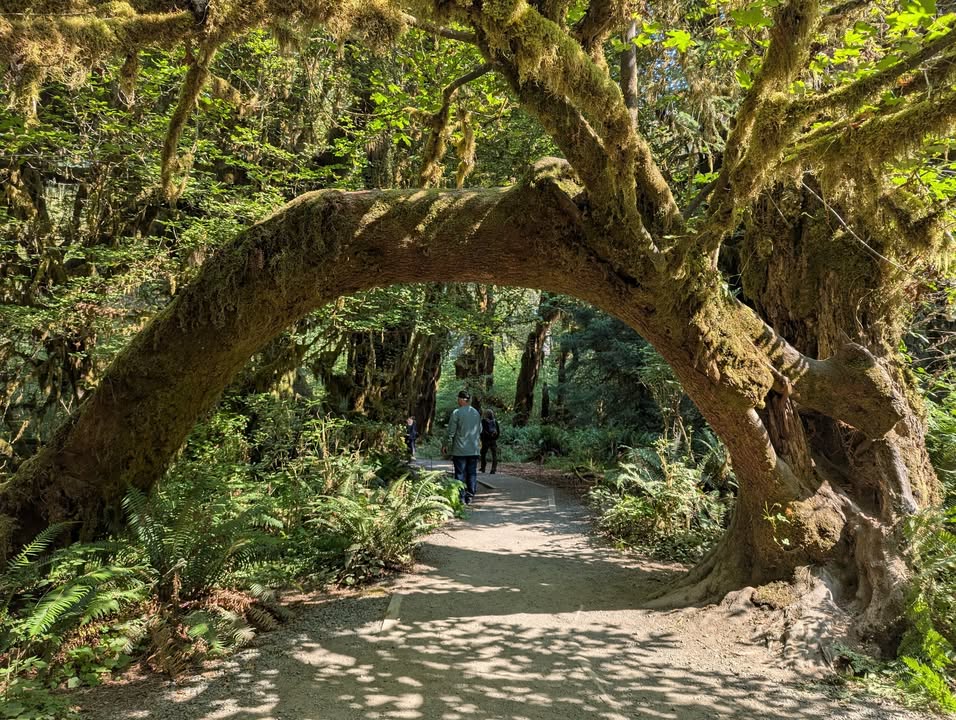
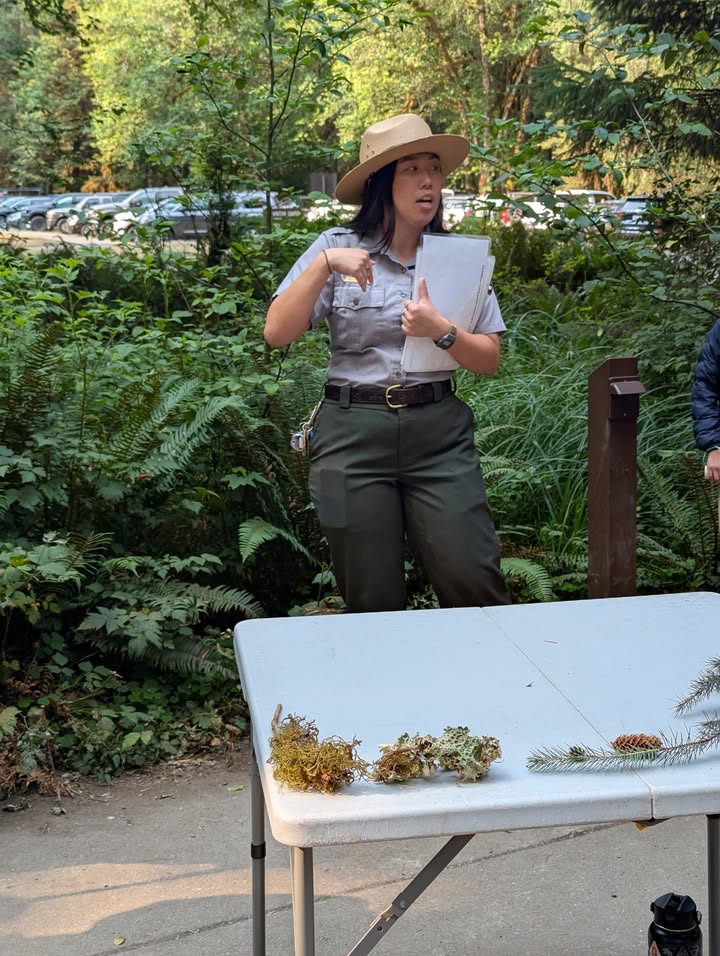
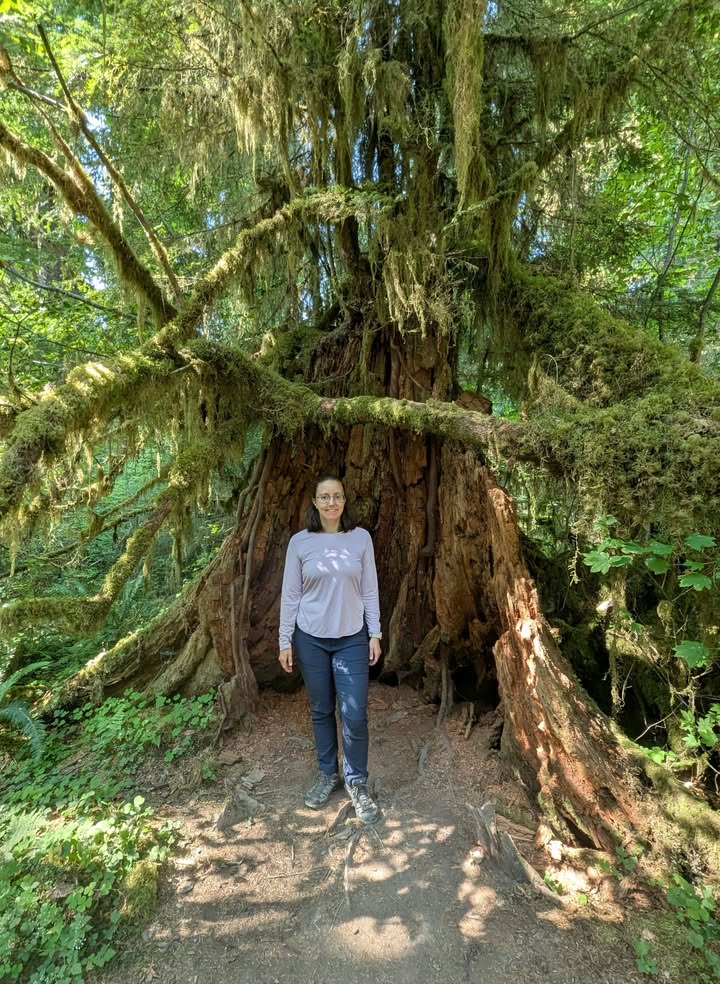
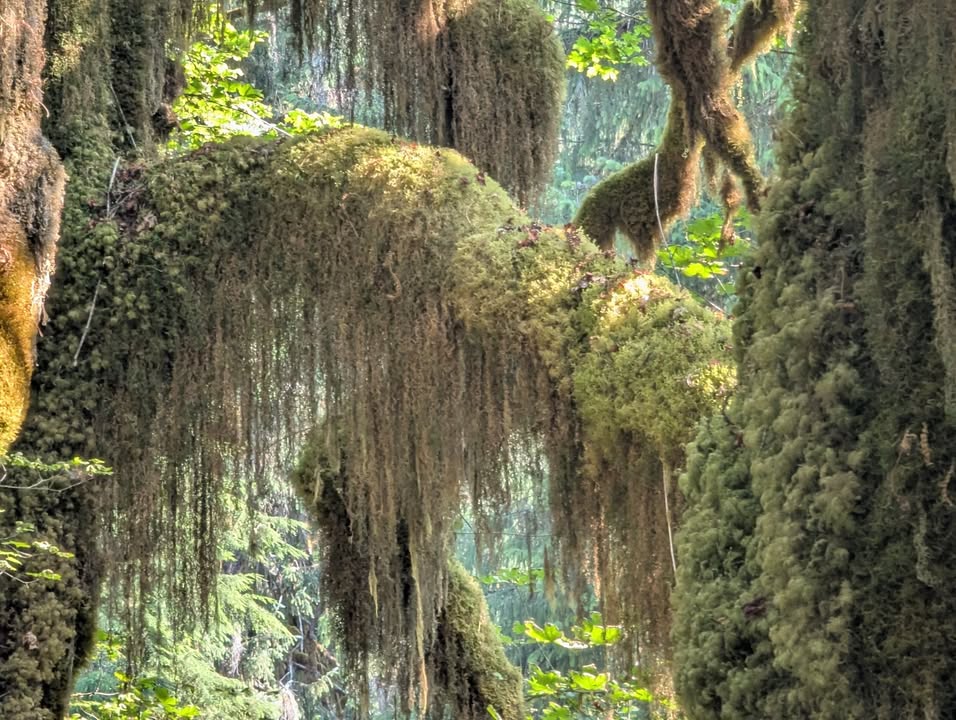
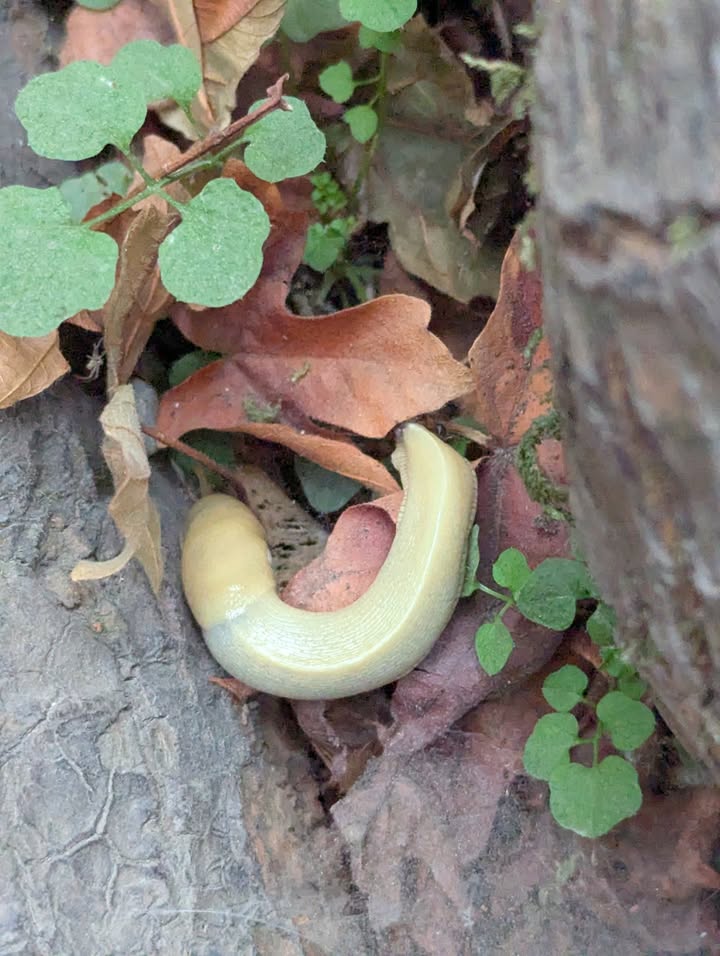
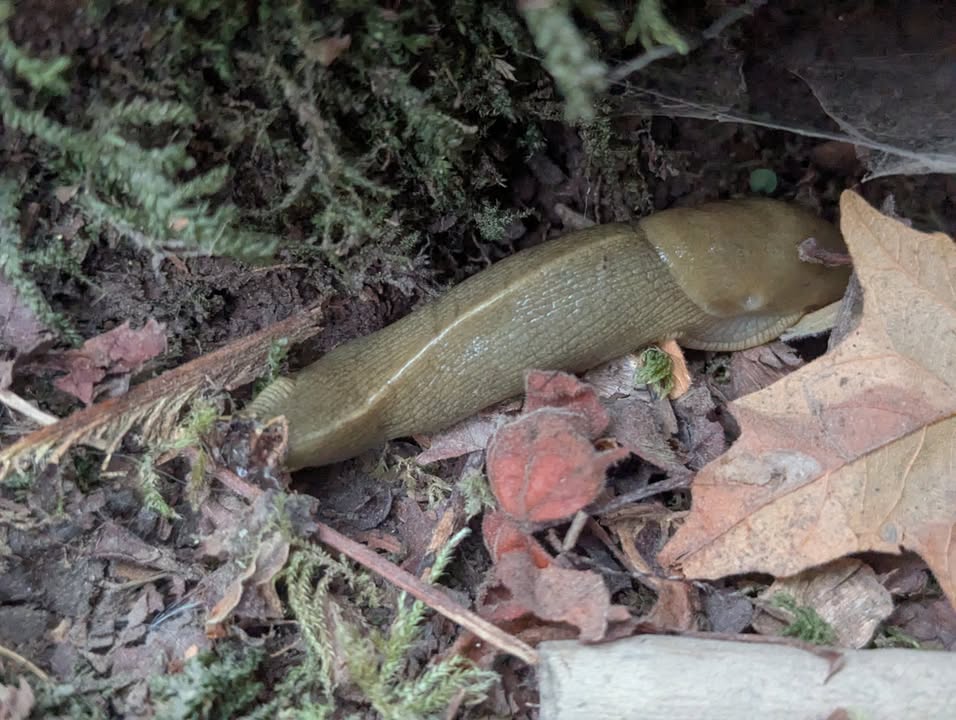
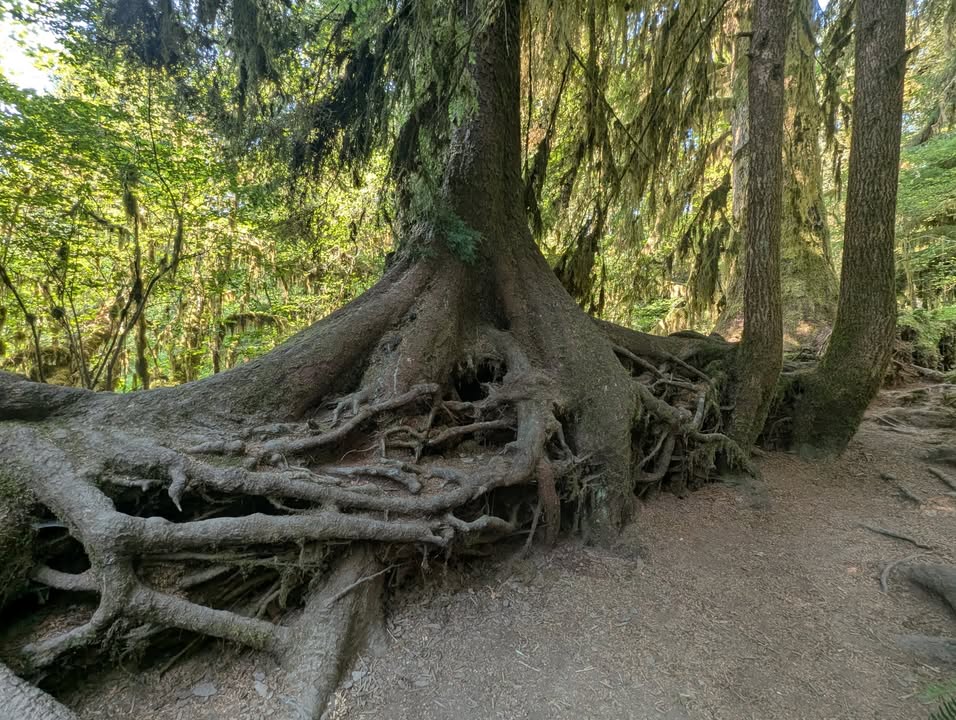
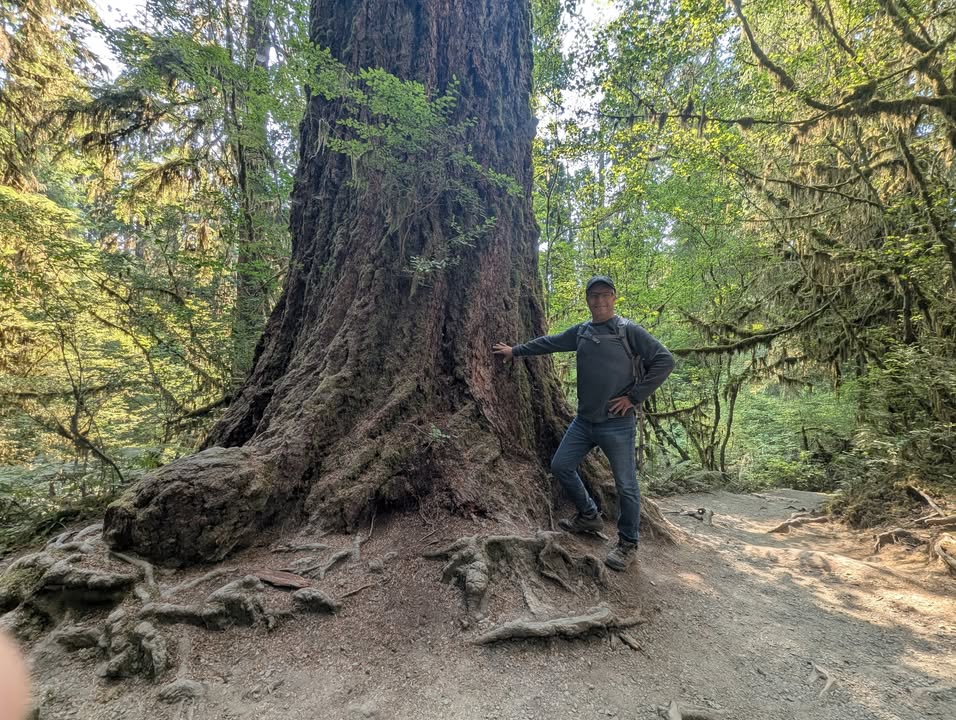
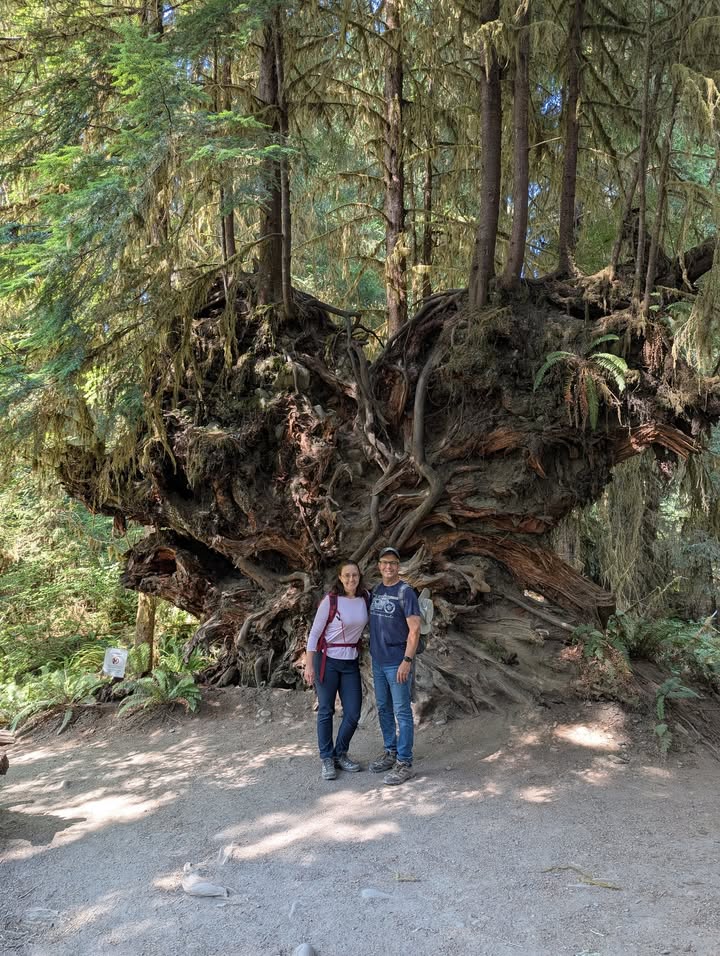
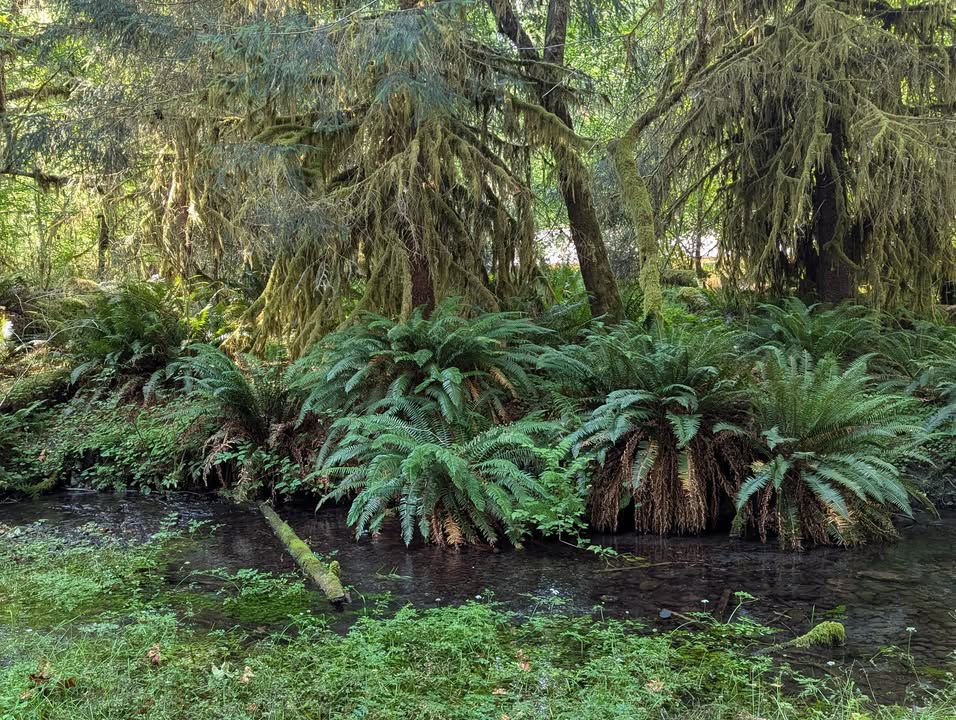
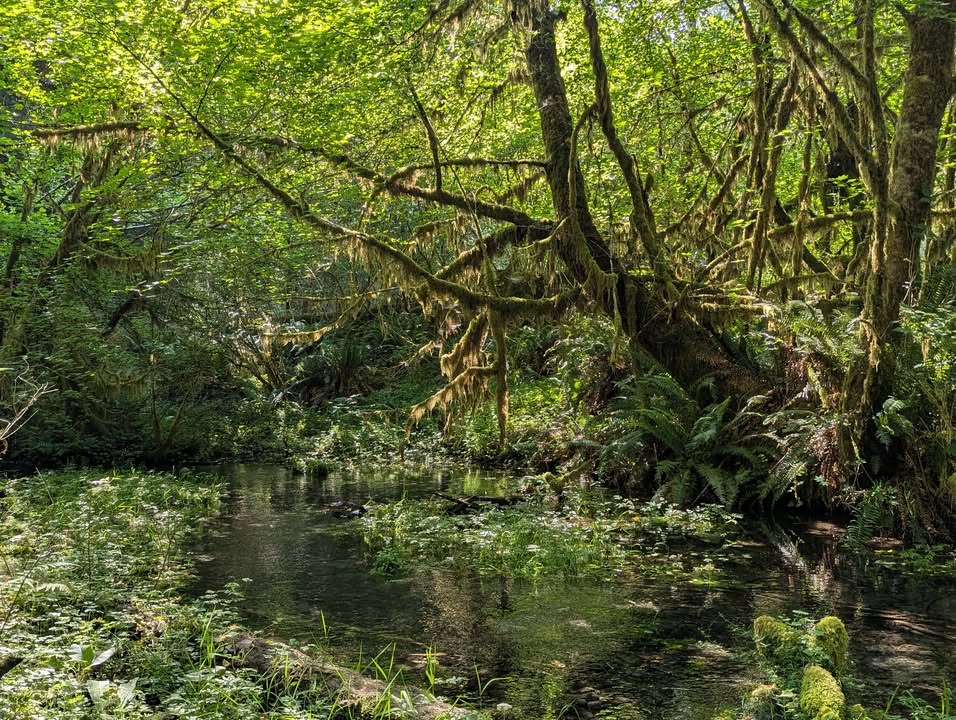
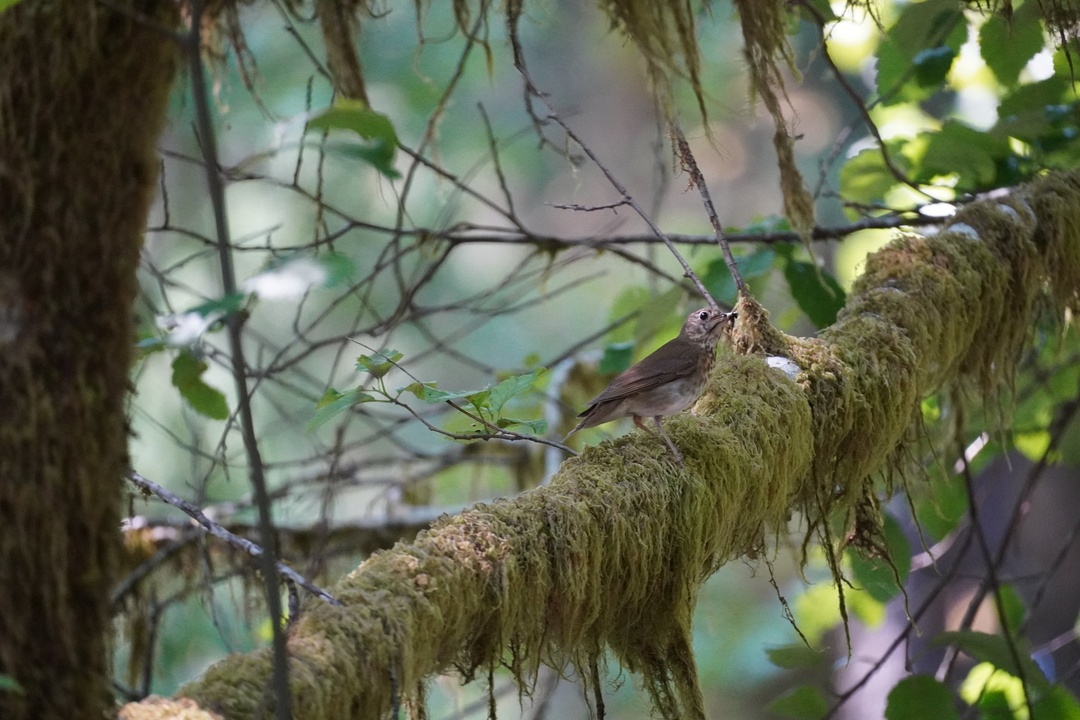
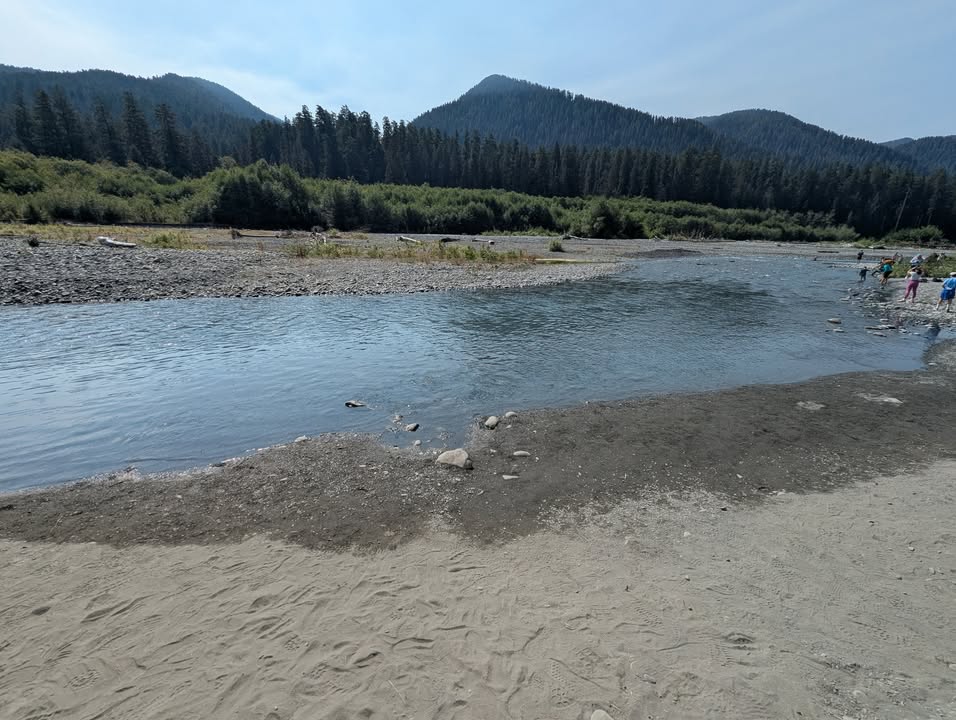
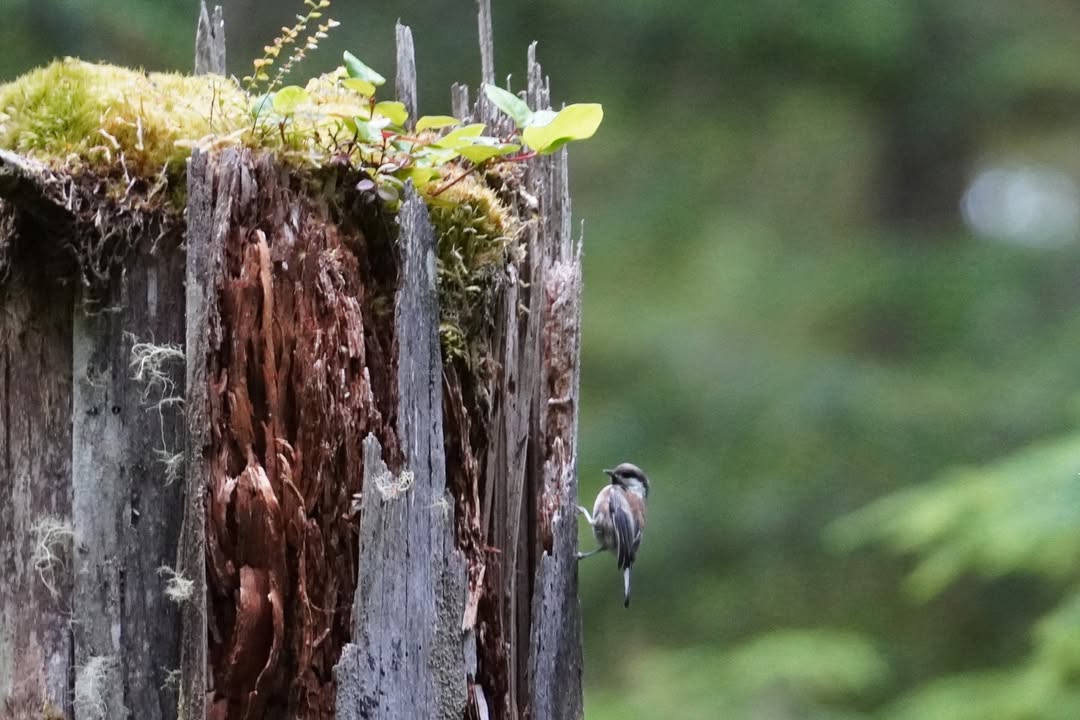
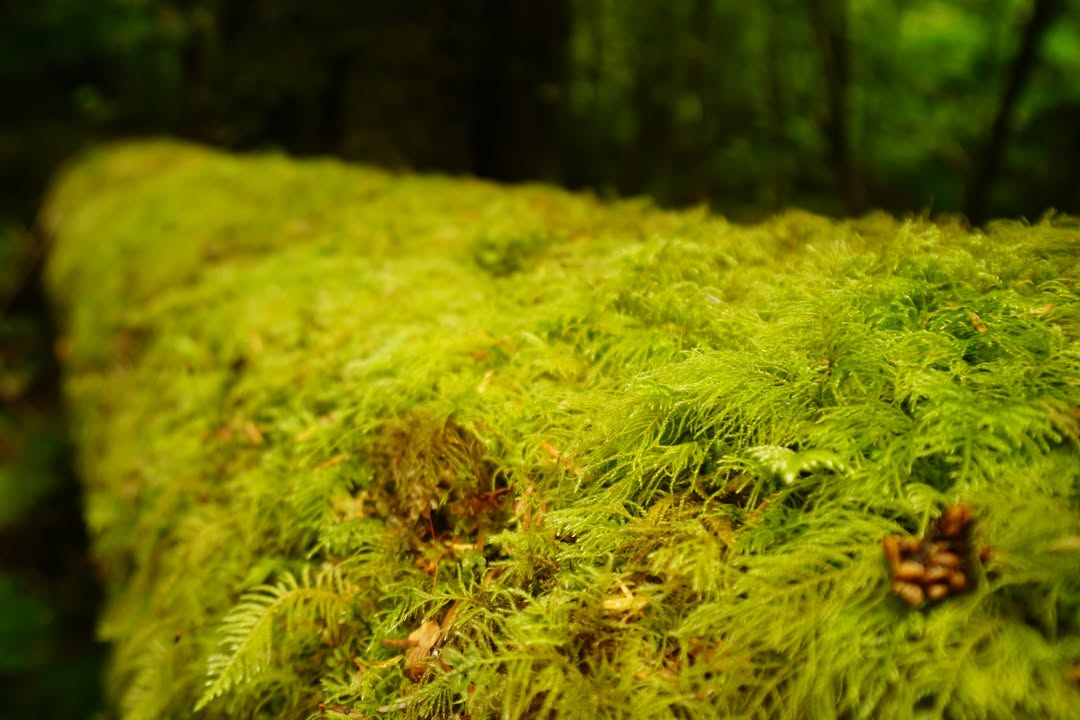
The Hoh Rain Forest protects old-growth Sitka spruce and western hemlock along the Hoh River. We walked the Hall of Mosses and Spruce Nature Trail, where nurse logs, dense moss, banana slugs, and river views explain the forest's ecology.
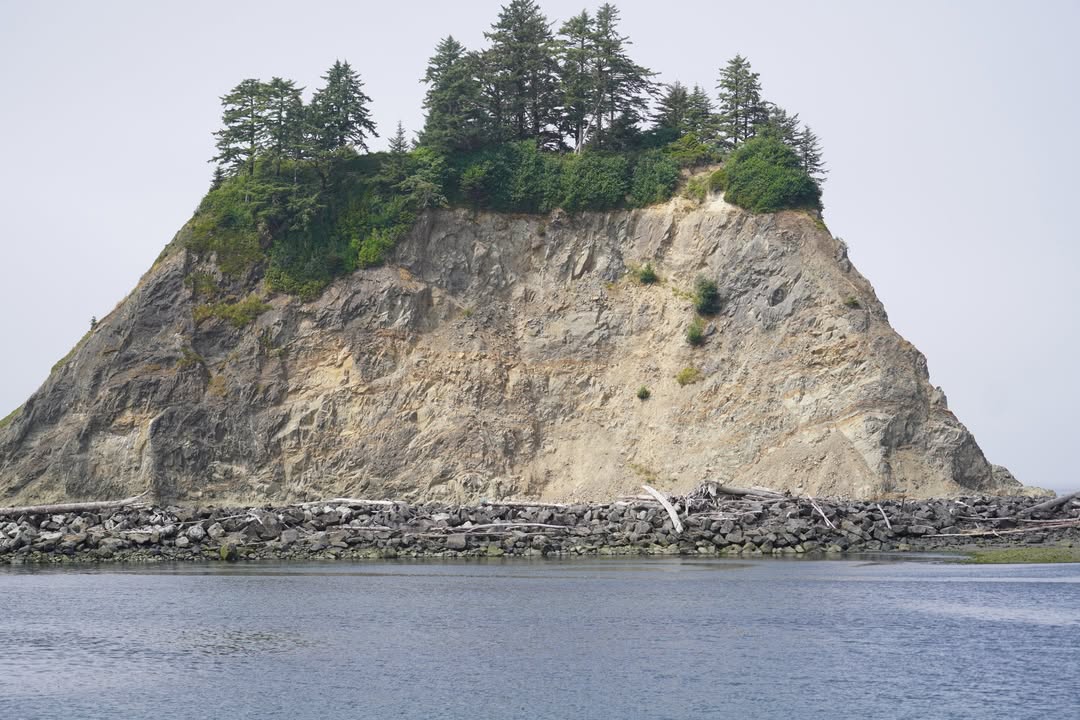
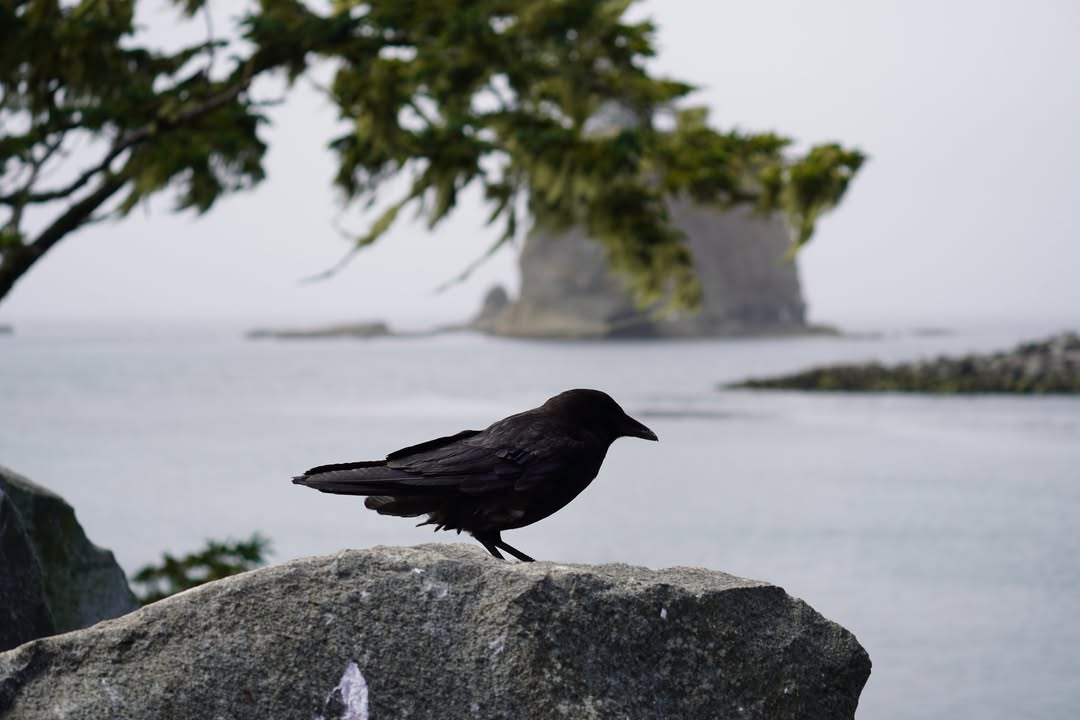
La Push is the coastal Quileute village at the mouth of the Quillayute River, near First Beach and the Olympic wilderness coast. We stopped there on a low-key day for lunch on the bluff, ocean views, and ravens working the crowd.
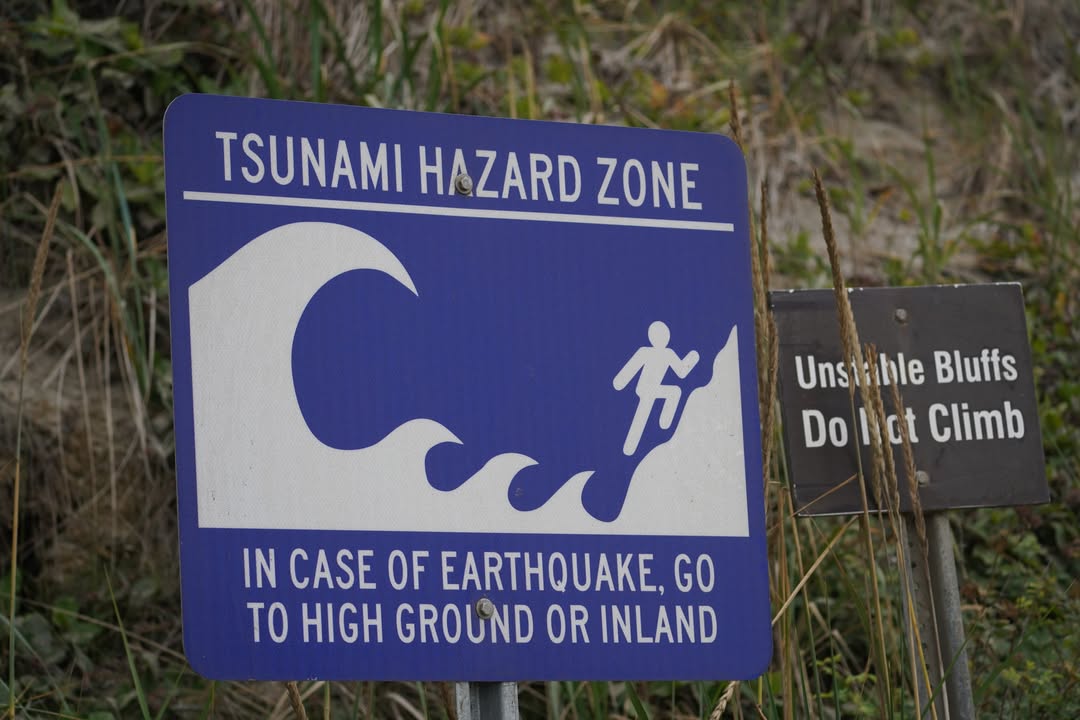
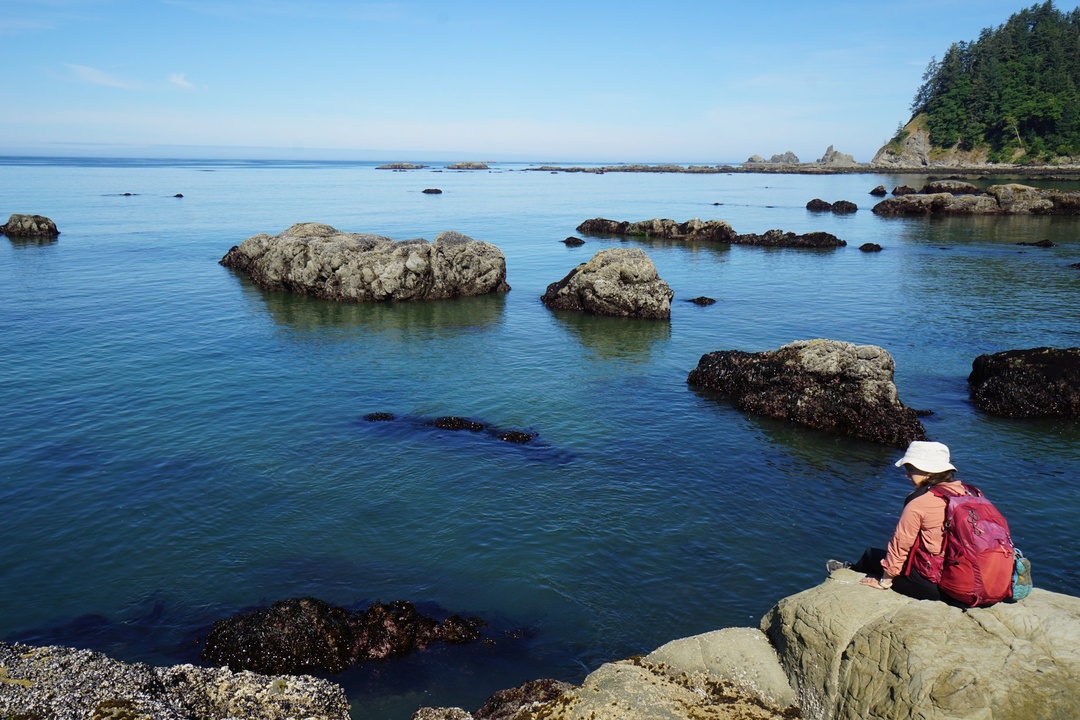
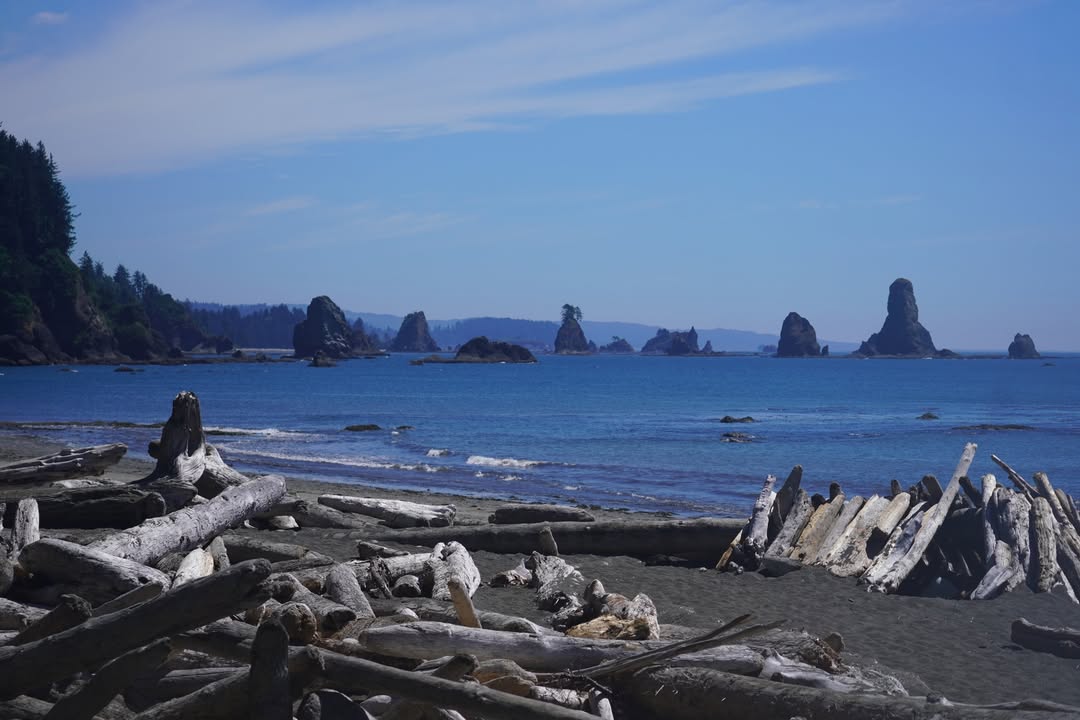
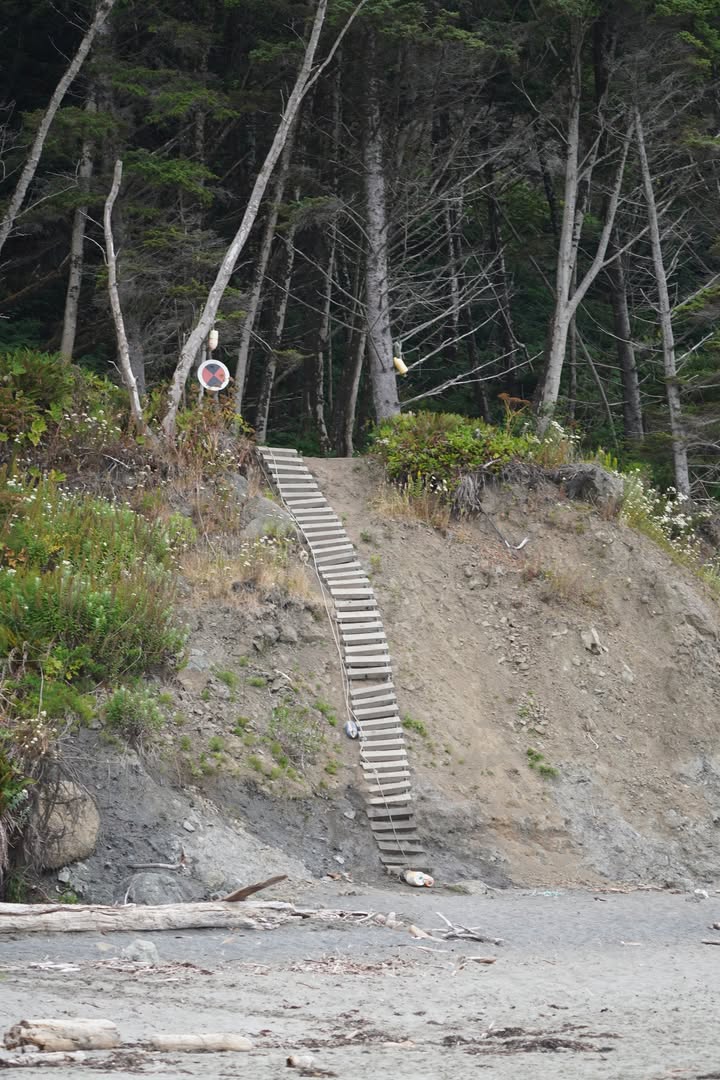
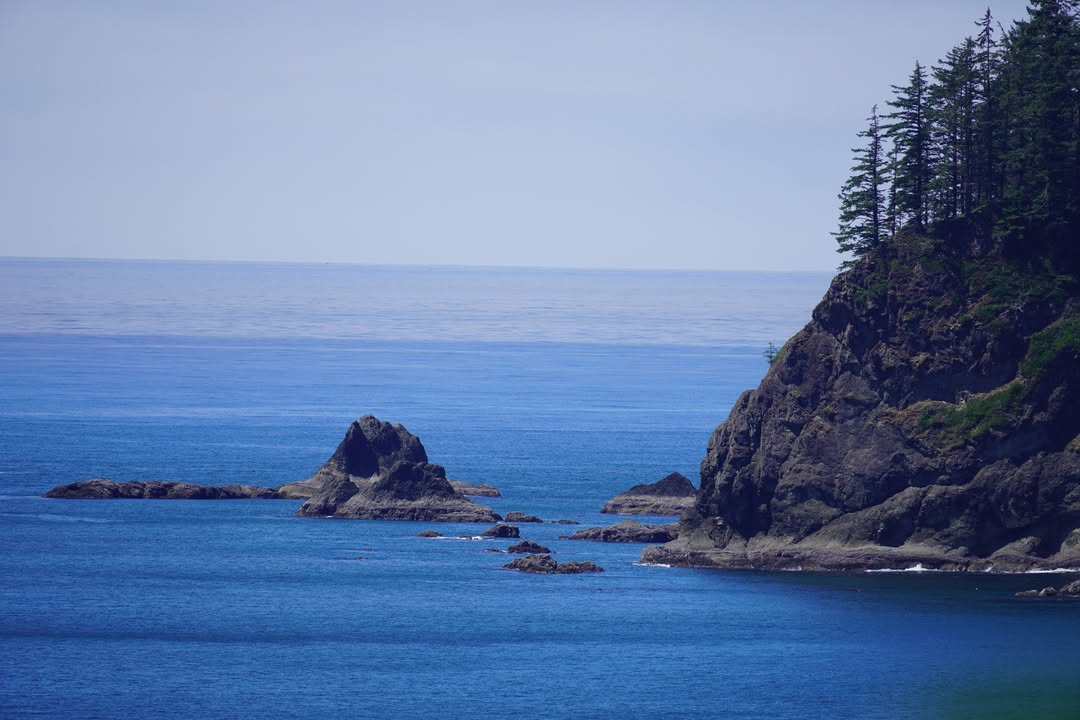
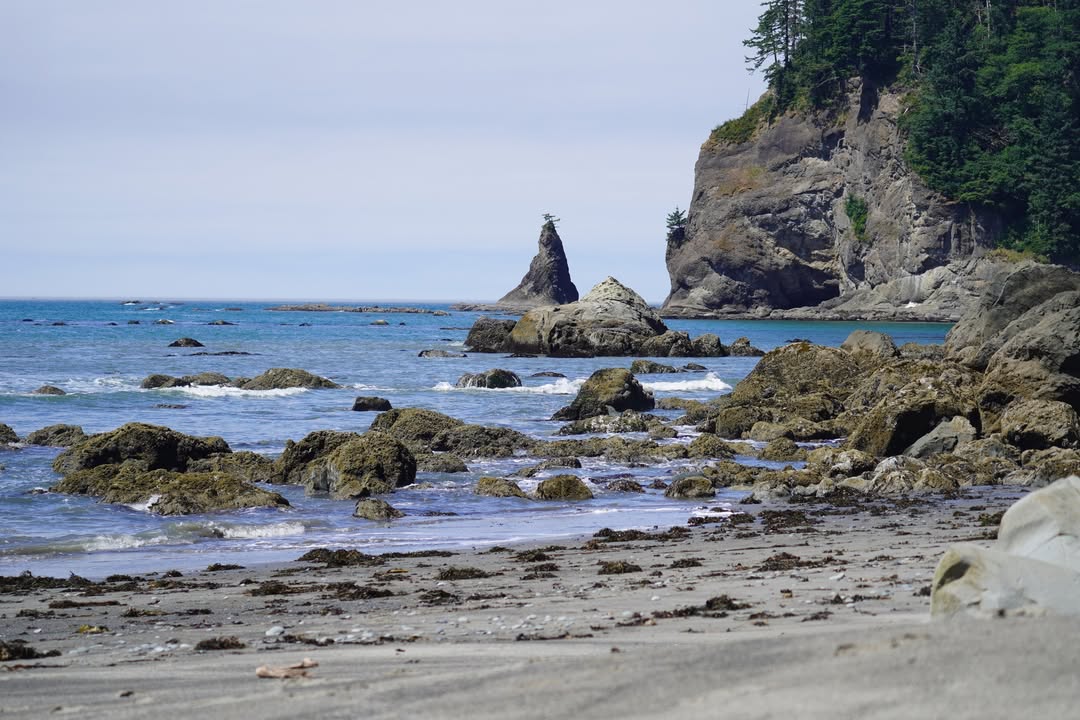
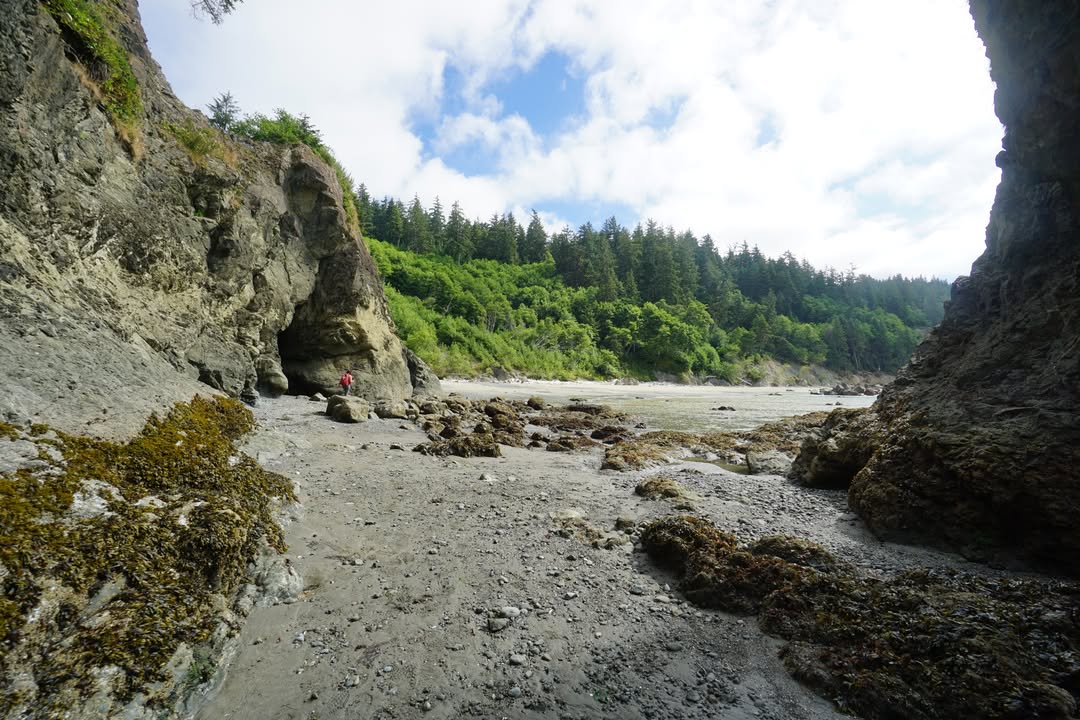
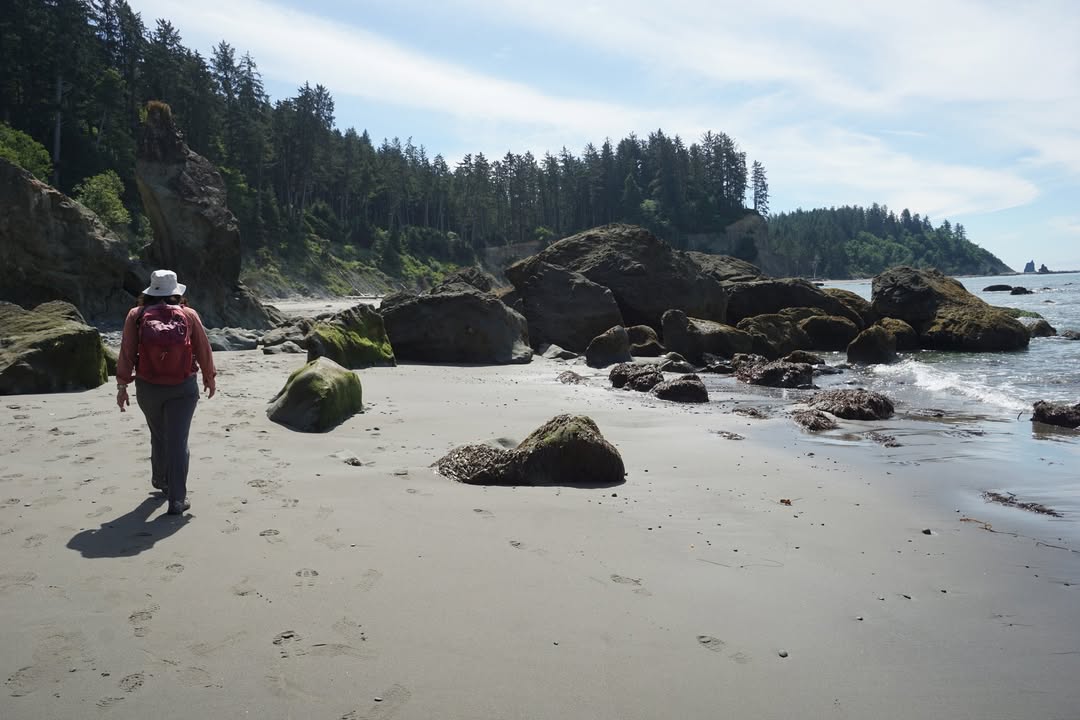
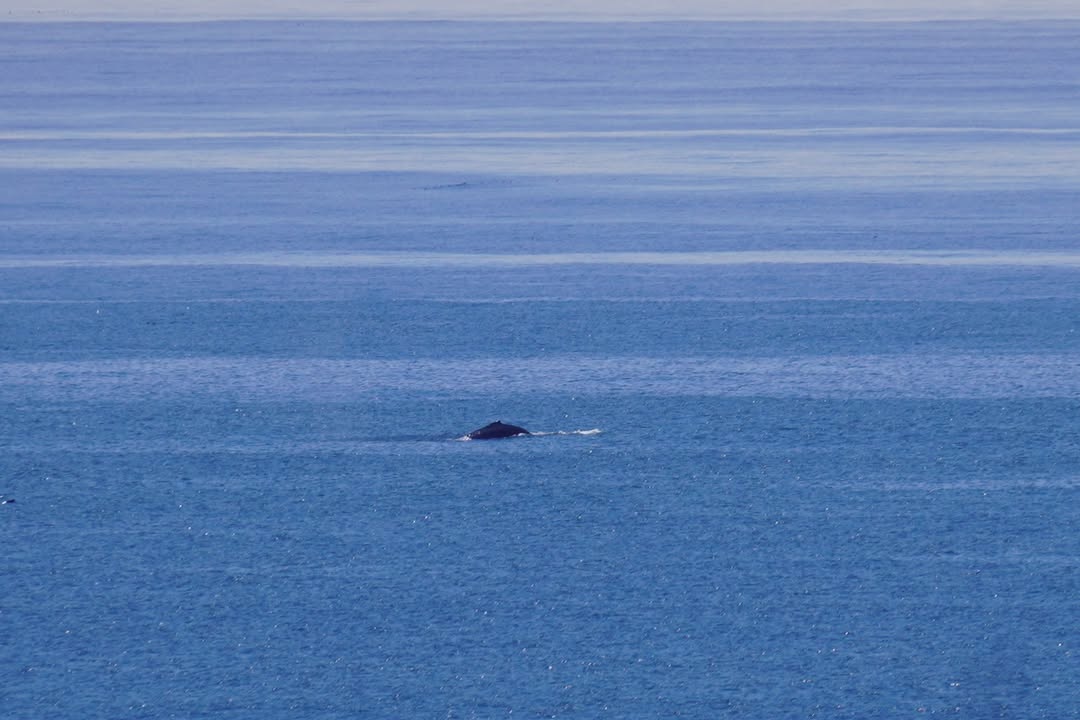
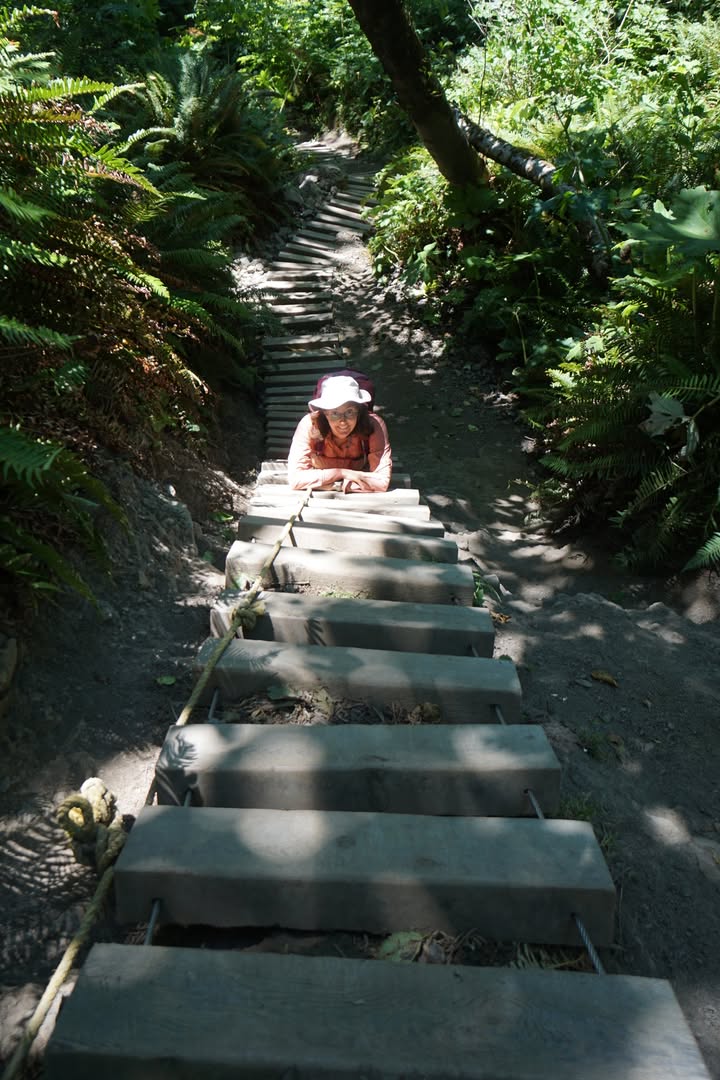
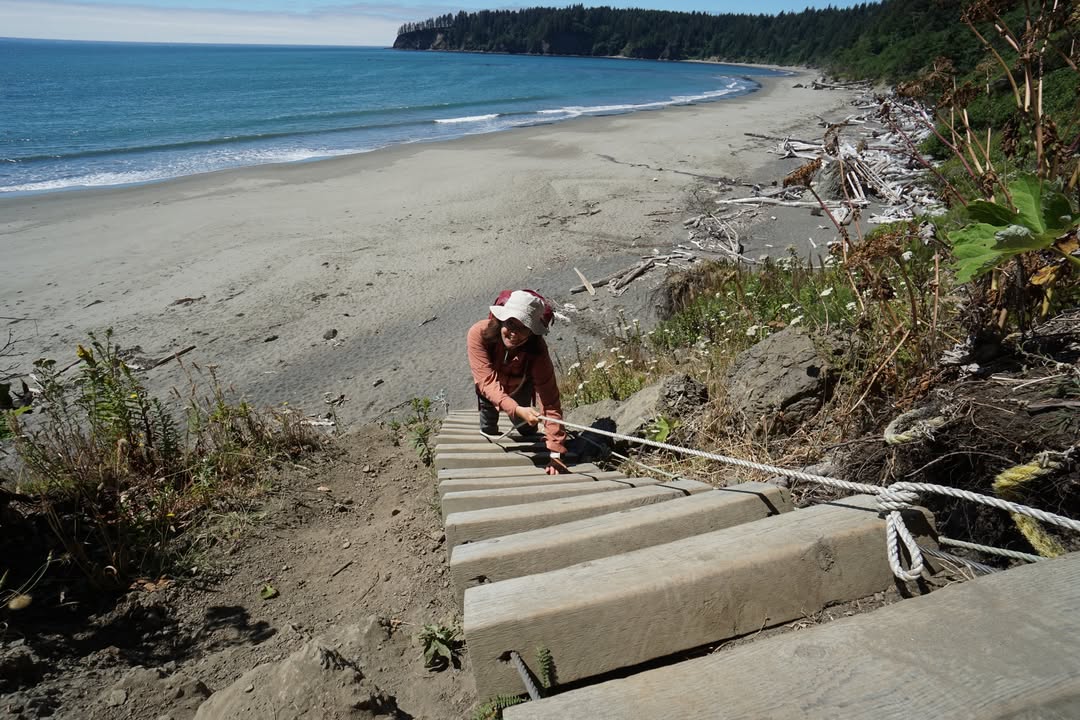
3rd Beach begins with a forested trail from La Push Road before descending to the coast. Our hike continued south past the beach toward Taylor Point, with steep cable-and-plank ladder sections, forested bluff travel, a quiet stretch of shoreline, and a distant humpback whale sighting on the way back.