Exploring Mesa Verde
1 / 3
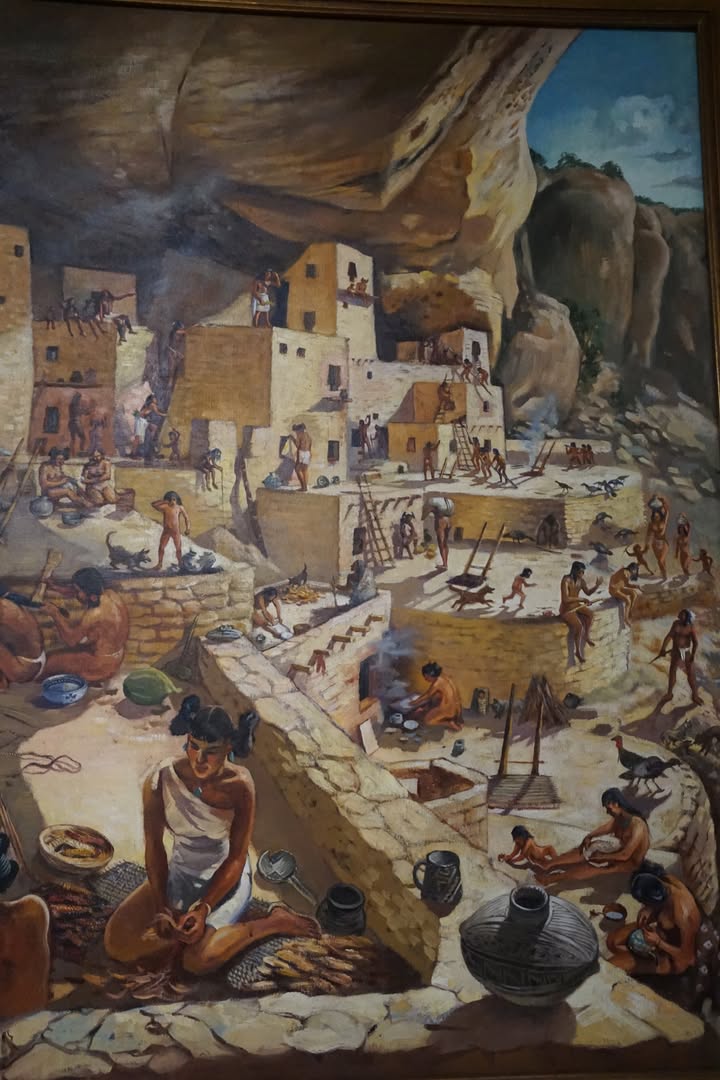
Mesa Verde National Park protects some of the best-preserved Ancestral Puebloan cliff dwellings in North America. For more than 700 years, Indigenous communities lived and farmed on these high mesa tops before building the intricate stone villages tucked into the cliffs that the park is known for today.
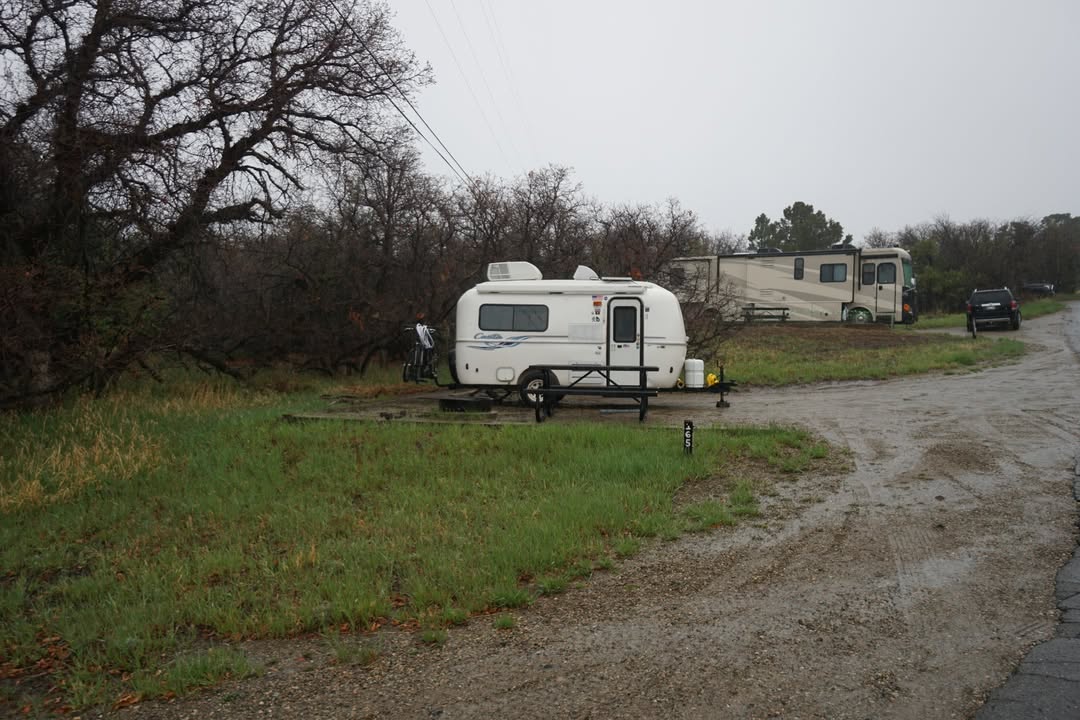
We woke up at Morefield Campground, inside the park, to cold and rainy weather. The sky was low and gray, but we were not about to sit this one out.
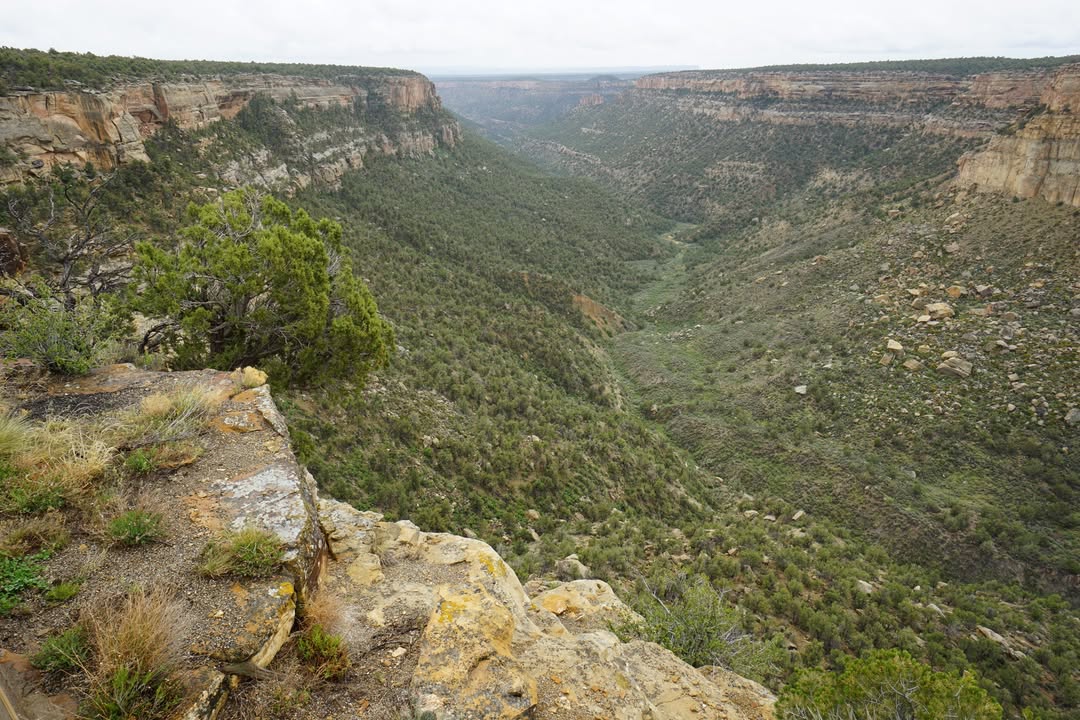
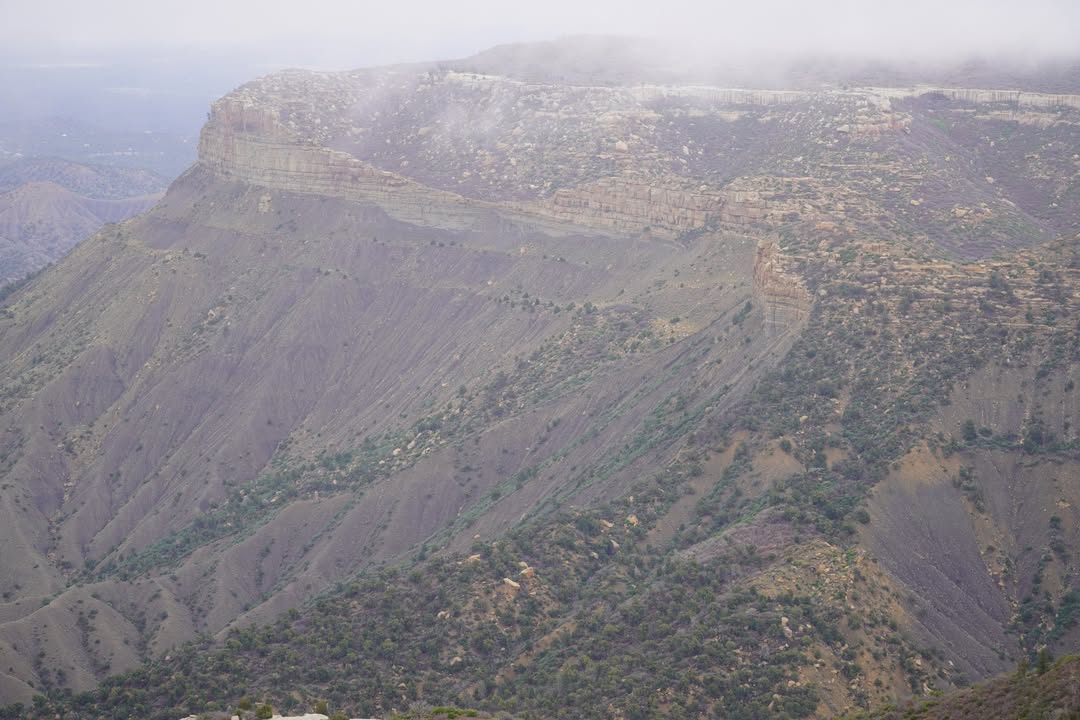
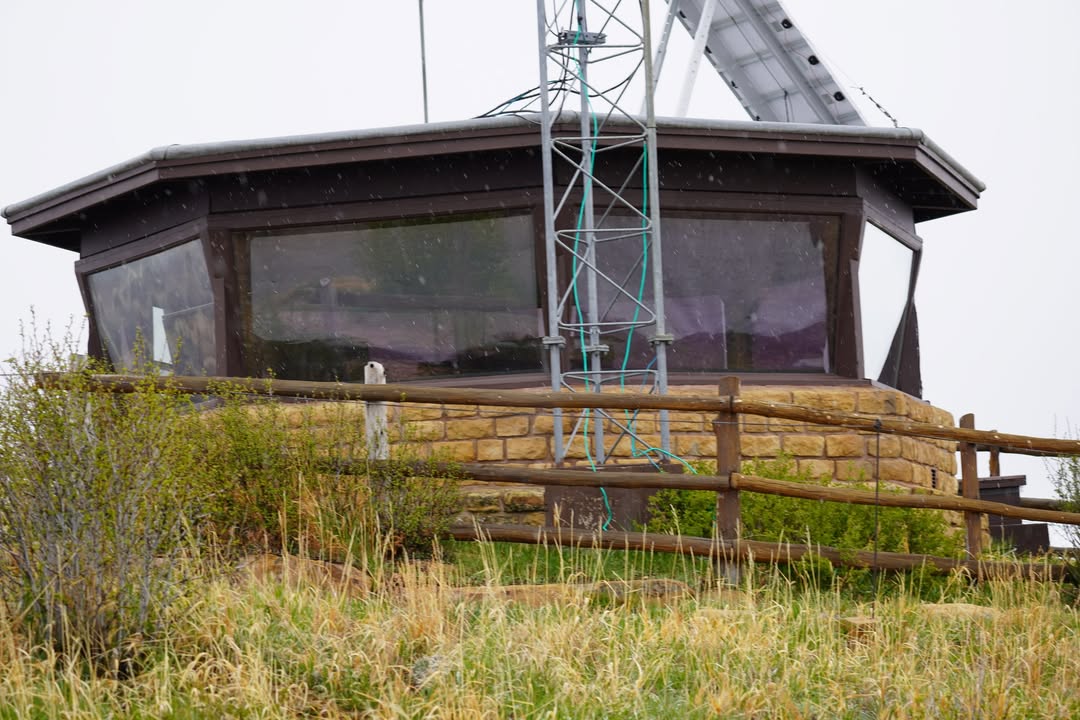
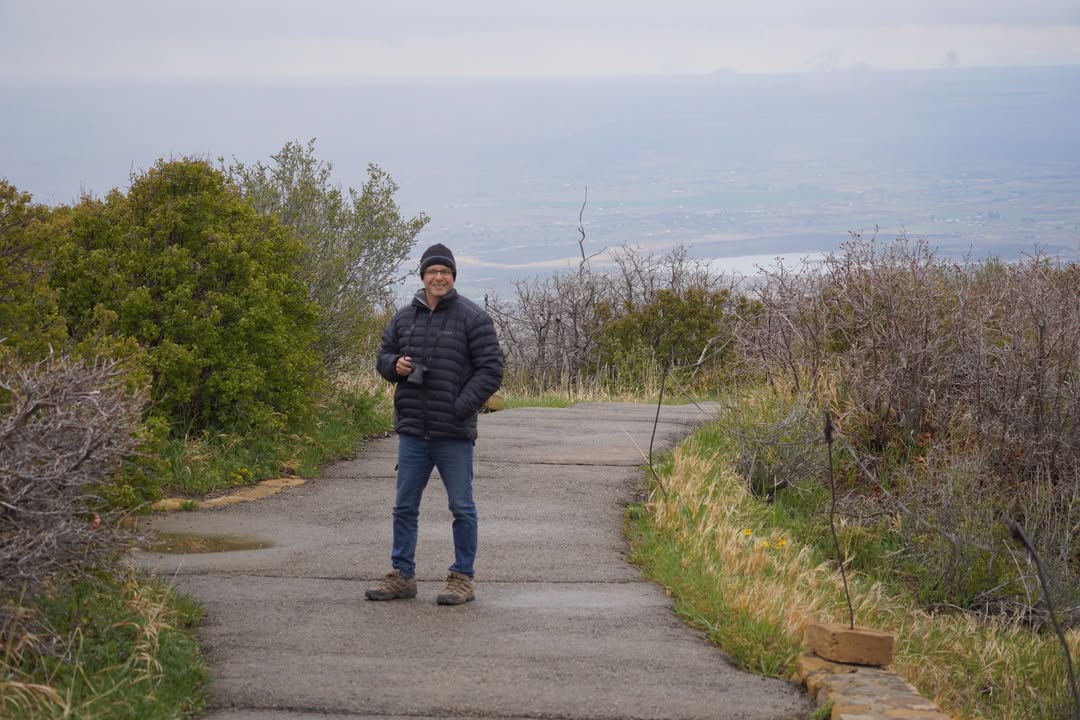
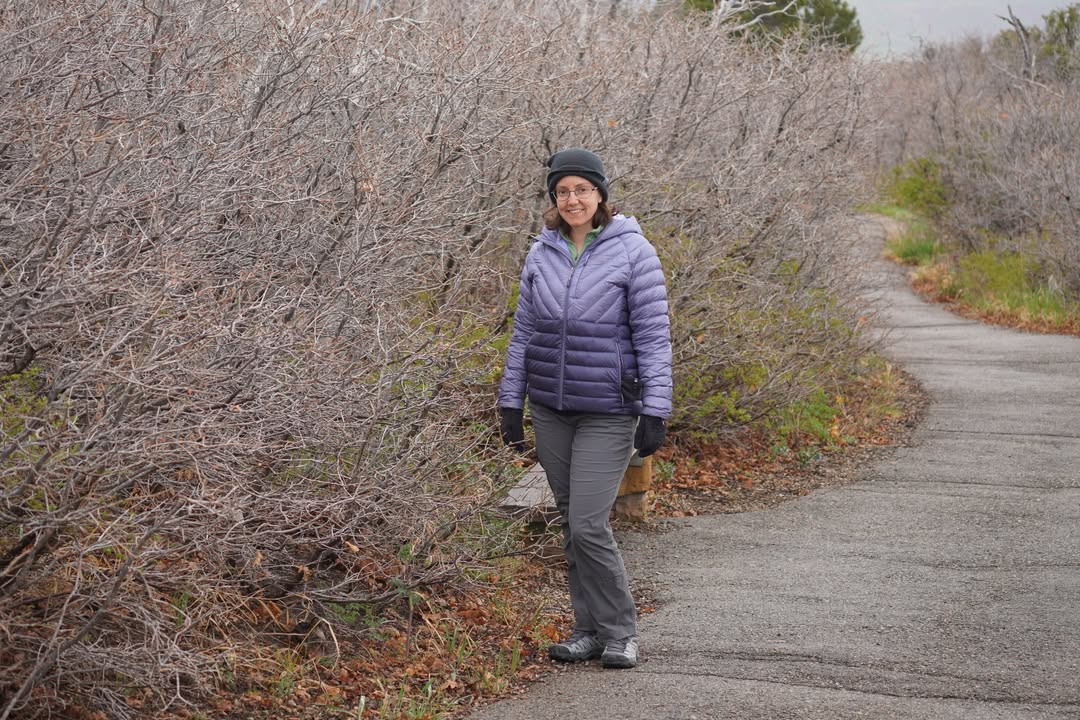
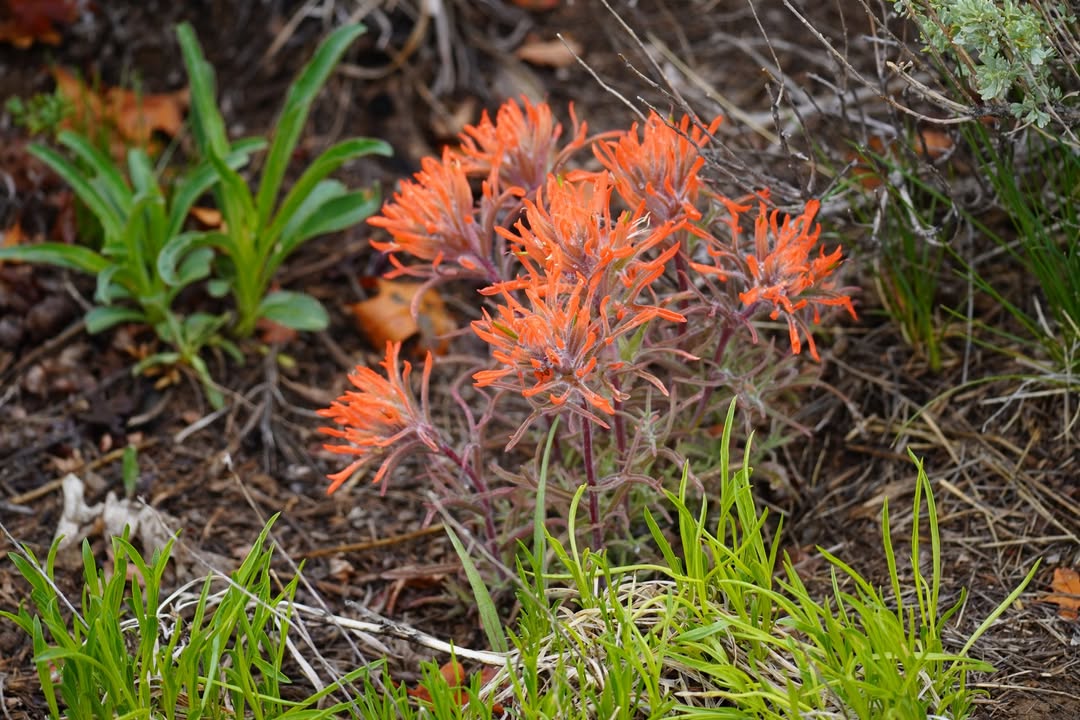
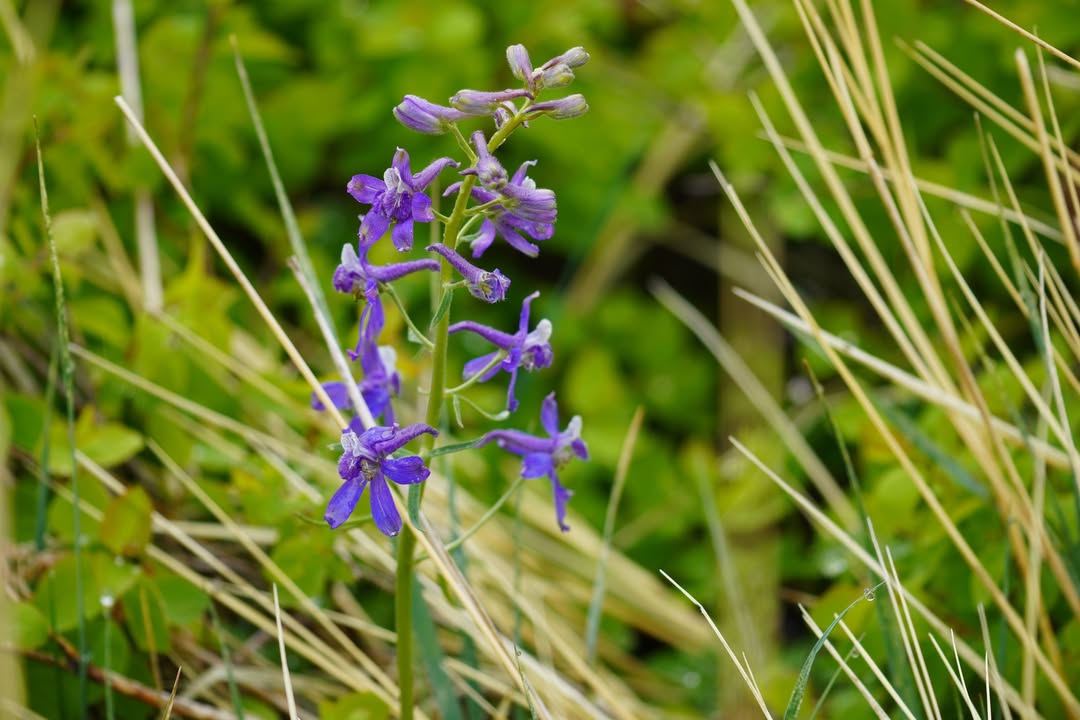
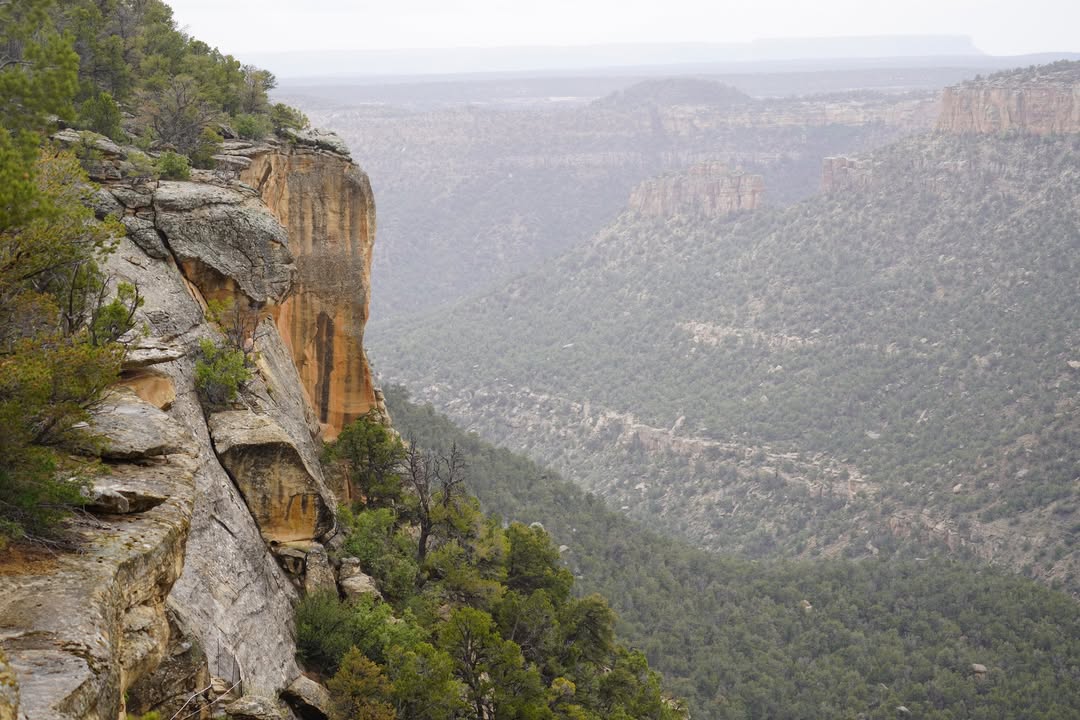
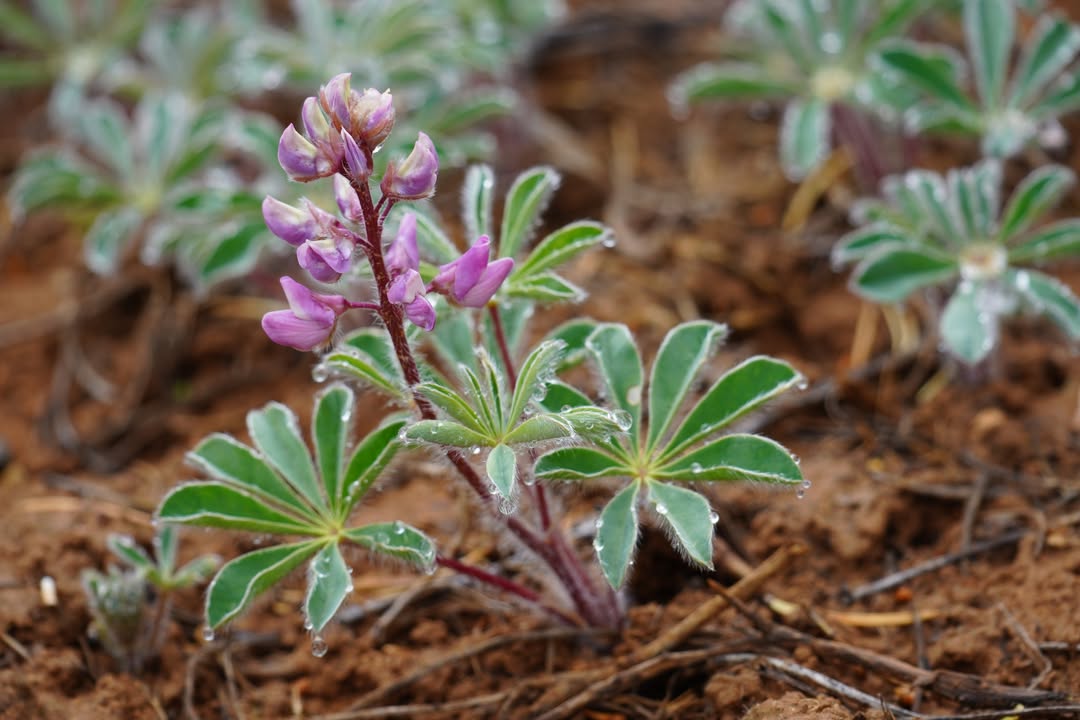
We started the morning pulling off at a few scenic overlooks shrouded in fog. Wildflowers dotted the path, bright against the muted tones of the foggy morning. One stop was the Park Point Fire Lookout, still an active fire post and the highest point in the park at 8,572 feet.
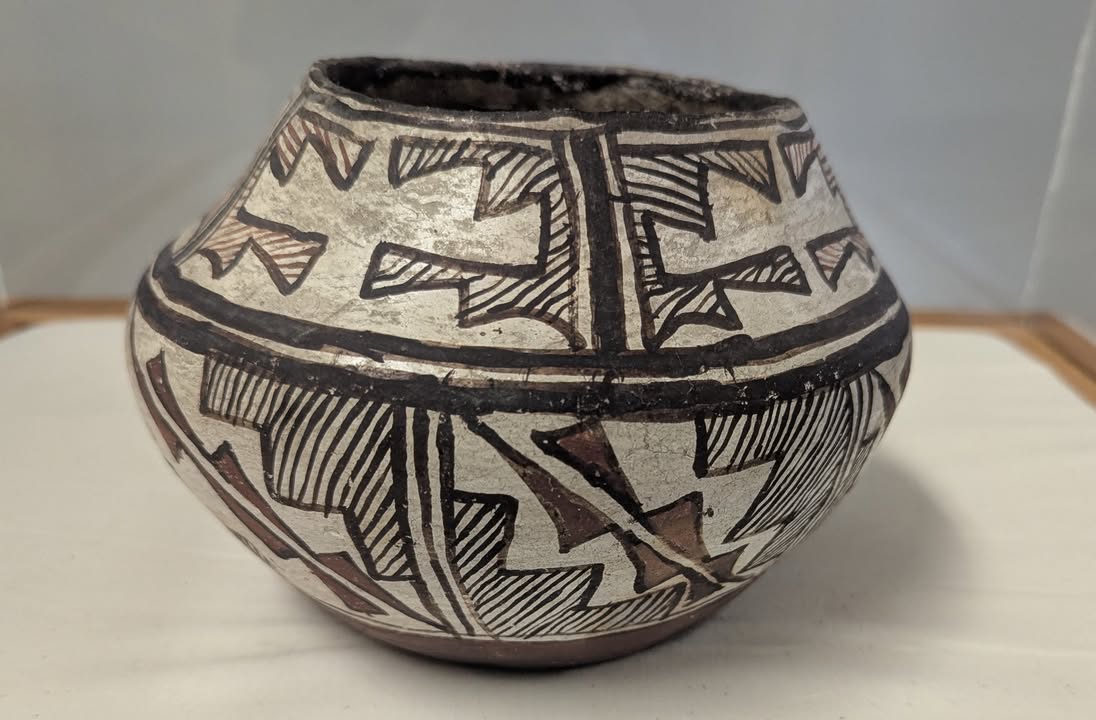
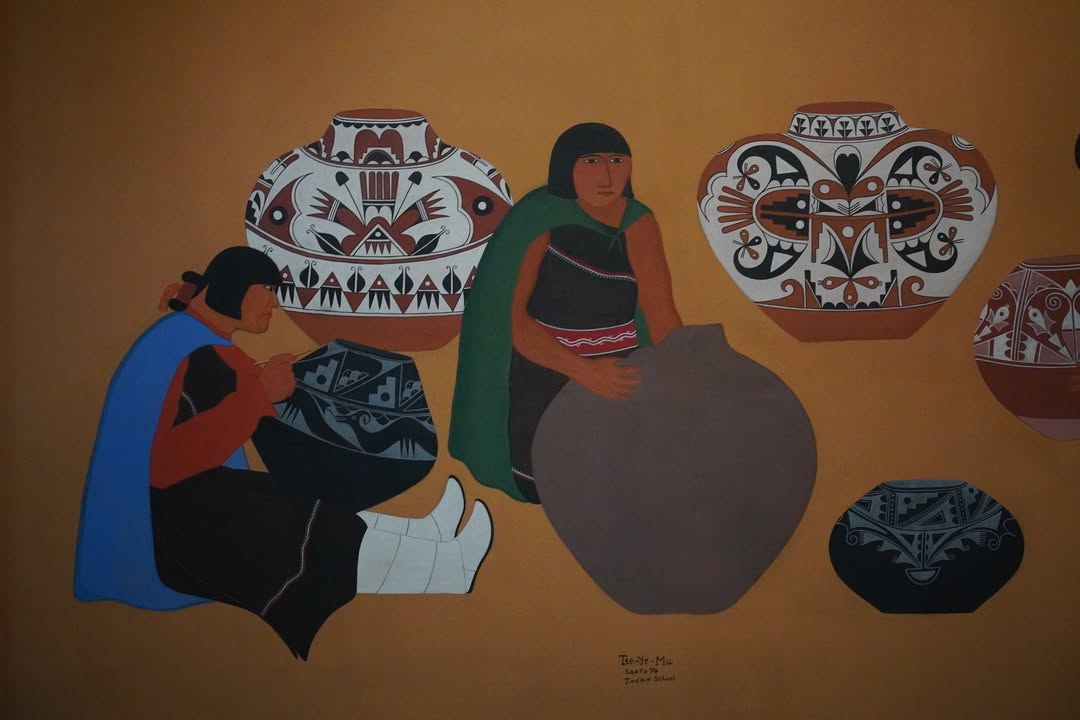
Next, we visited the Chapin Mesa Museum, which features Puebloan pottery, jewelry, tools, and traditional art from the region. Seeing the craftsmanship up close gave us a deeper appreciation for the culture behind the ruins we would be walking through.
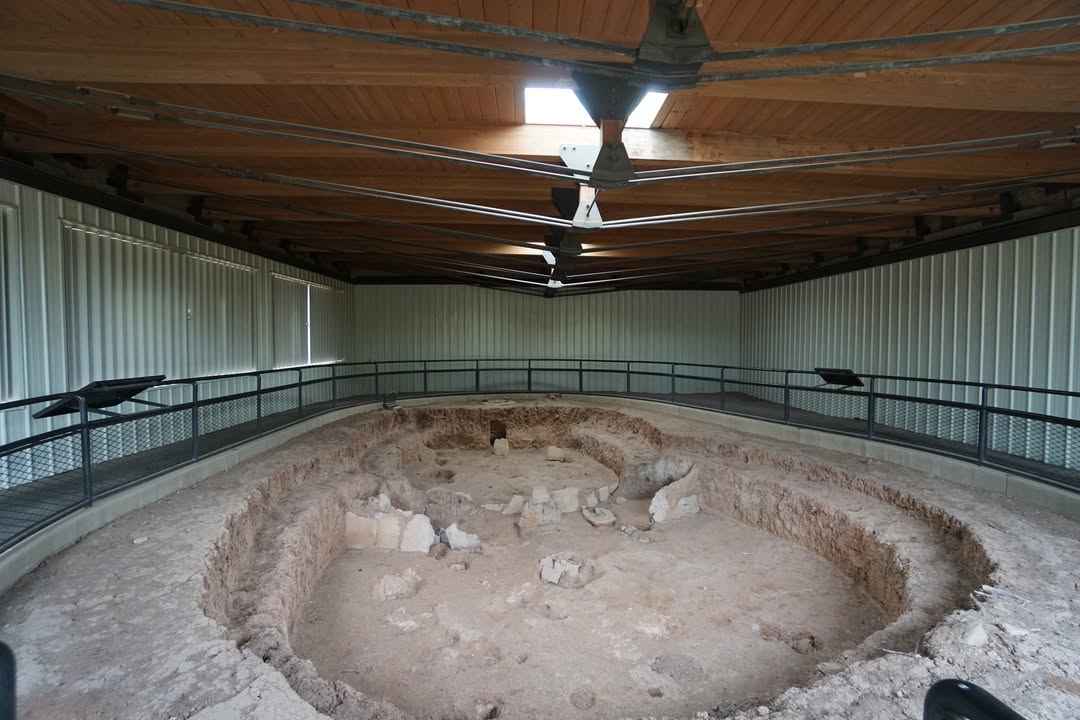
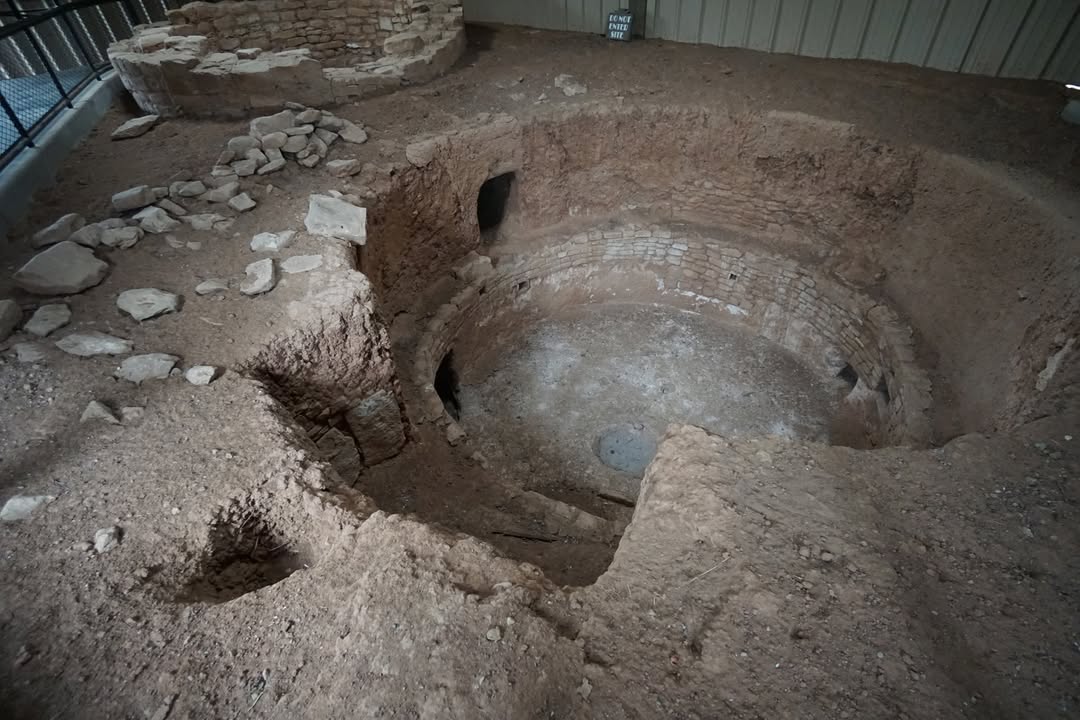
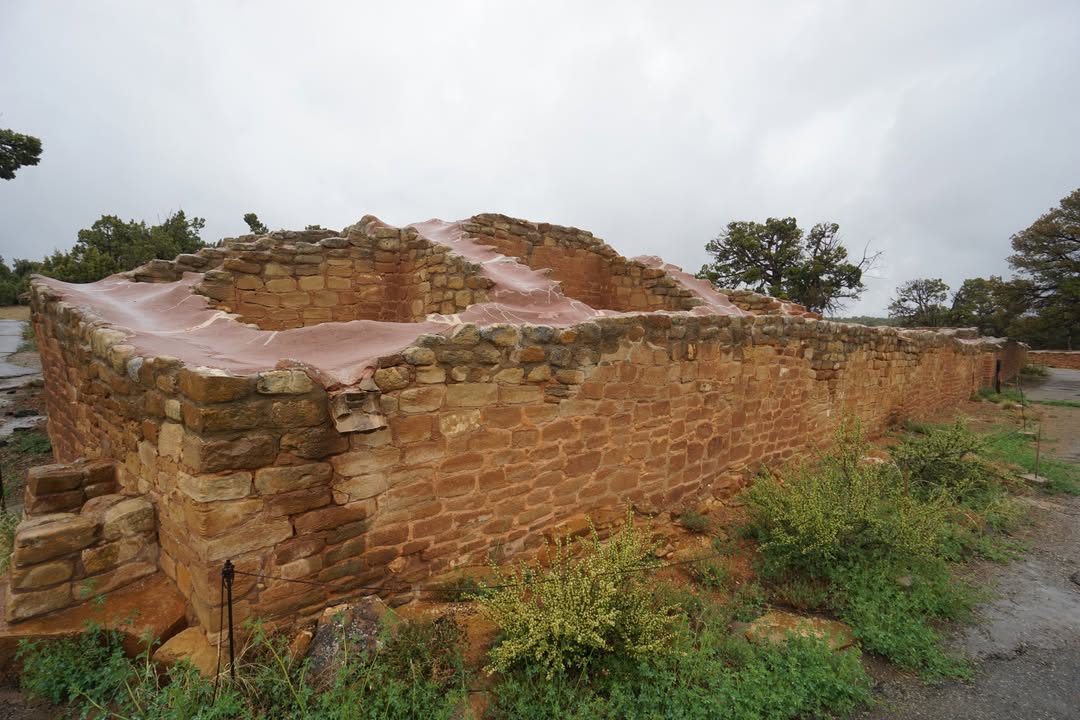
From there, we explored early Puebloan pit houses and kivas, the original dwellings built into the ground before the more famous cliff homes came later. Some of these structures are more than 1,400 years old and offer a glimpse into how the Ancestral Puebloans lived on the mesa tops, farming the Three Sisters, corn, beans, and squash.
At one of the pit house sites, we came across a small group speaking with three archaeologists. We joined in and ended up in a fascinating conversation about how sacred this land is to 26 present-day tribes. That very day, tribal leaders were meeting in the park to help shape future decisions about its management.
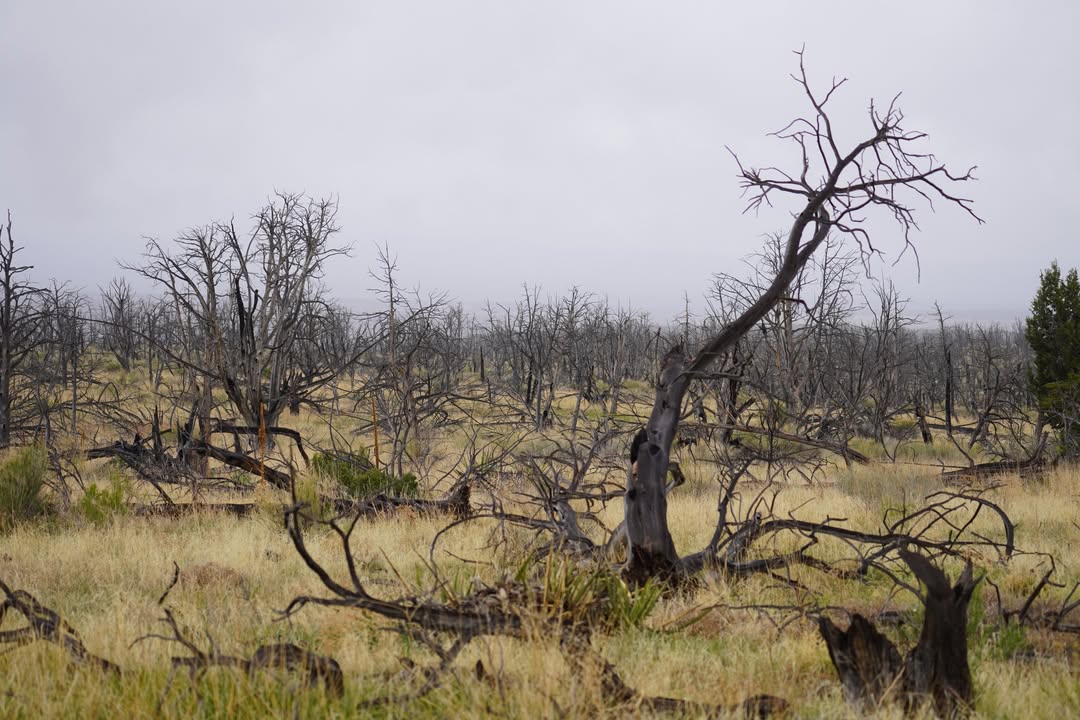
As we drove through the park, we passed large sections of landscape scarred by past fires. The archaeologists explained that while lightning has always sparked fires here, today’s burns are more severe. Invasive grasses introduced decades ago for grazing now fuel hotter fires. One area that burned in 2002 remains largely barren more than 20 years later. Juniper forests in this region can take anywhere from 200 to 700 years to fully reestablish.
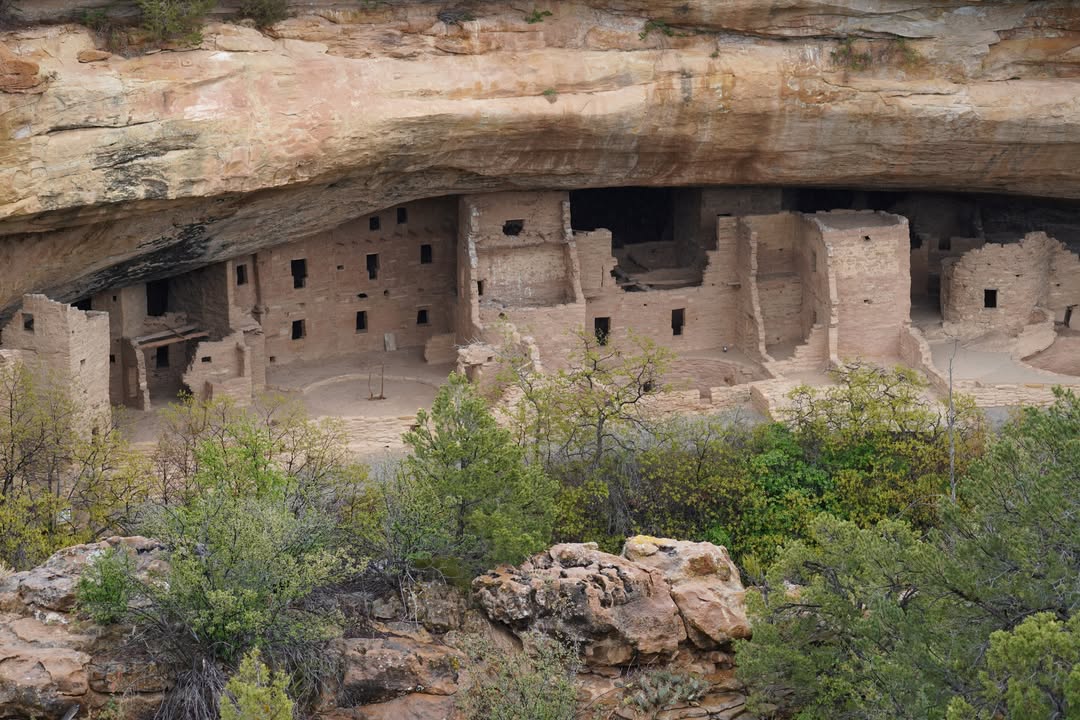
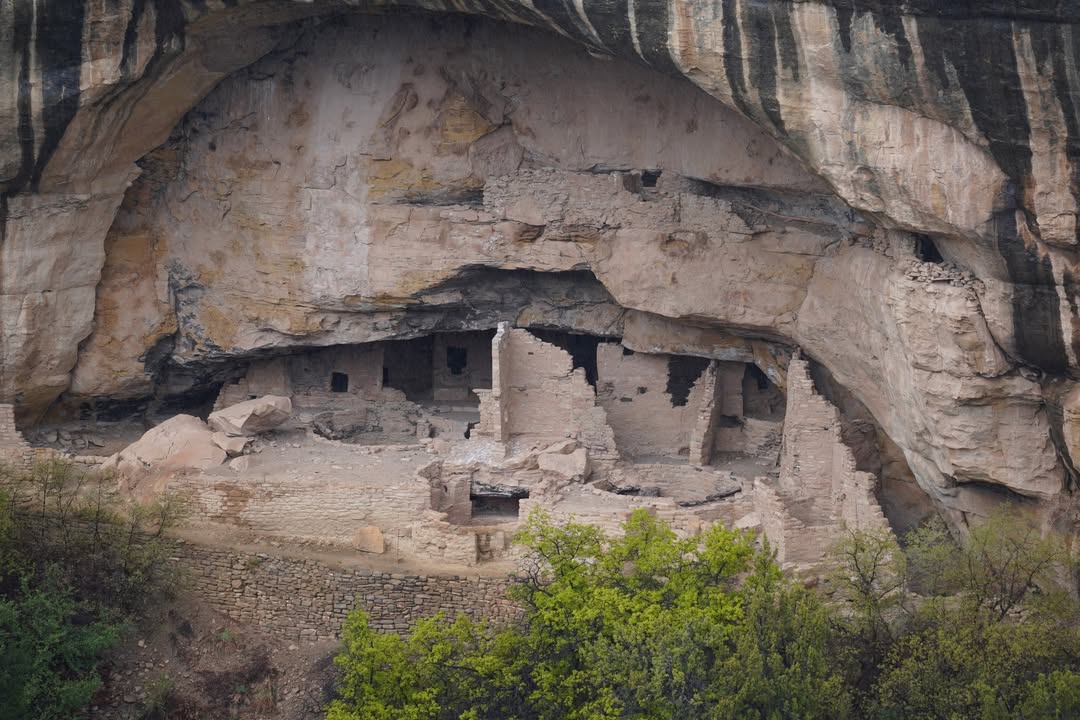
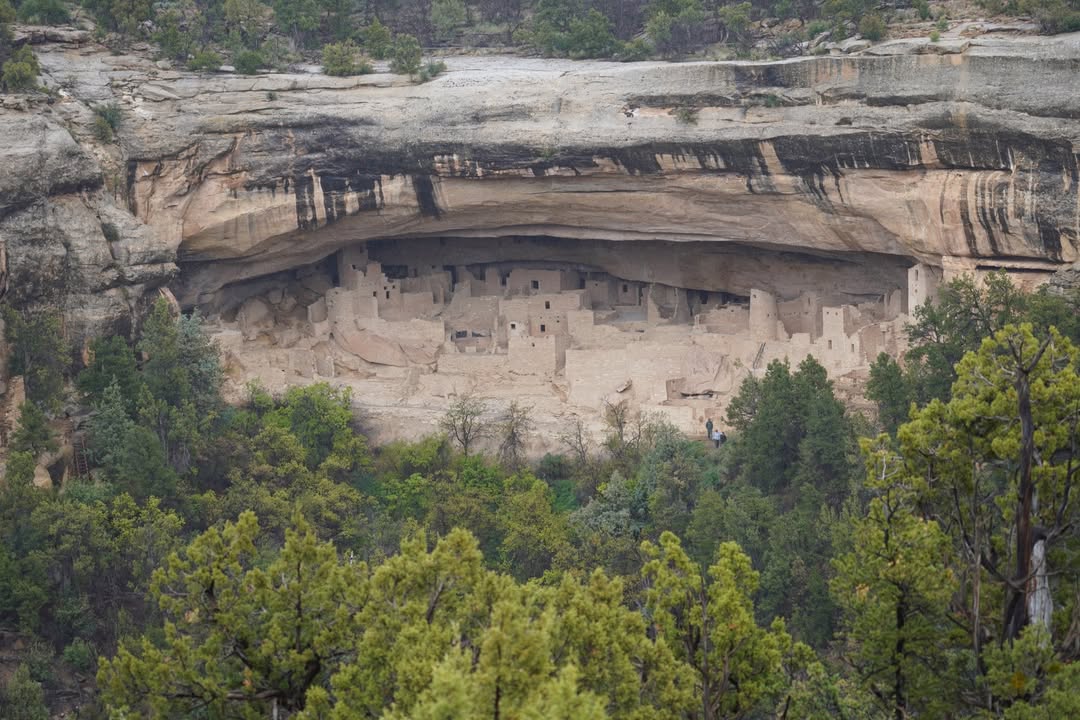
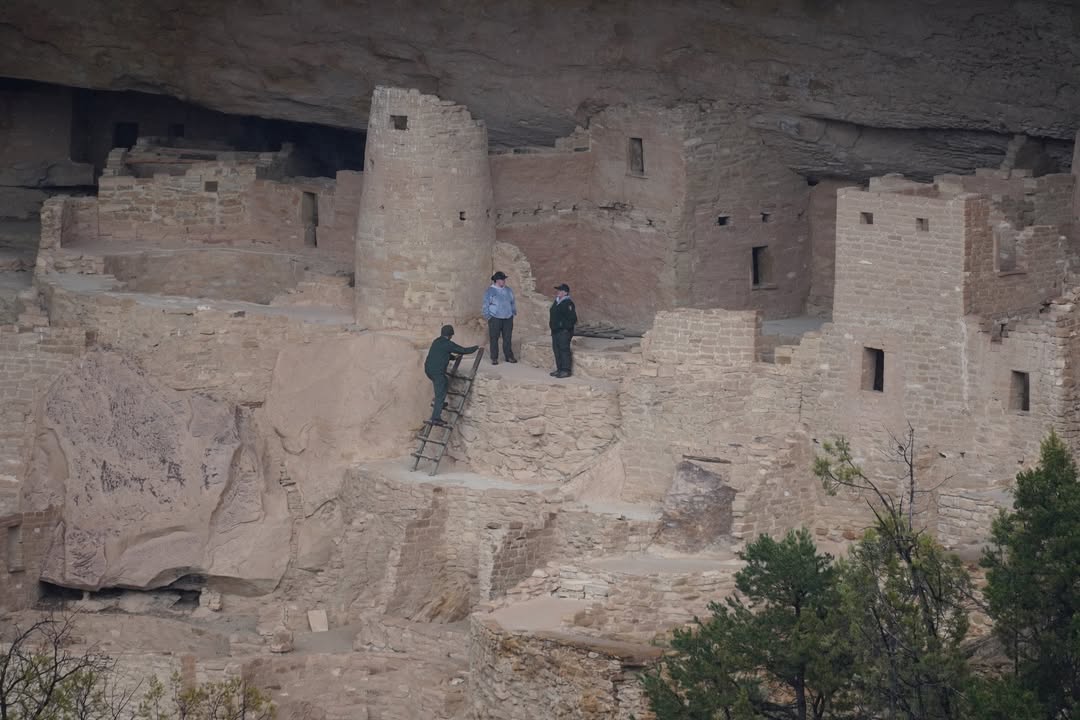
Near the end of the afternoon, we stopped at an overlook of Cliff Palace, the park’s most iconic cliff dwelling. I zoomed in and spotted the same three archaeologists inside. Danny gave a big arm wave and got one back across the canyon.
We started the morning pulling off at a few scenic overlooks shrouded in fog. Wildflowers dotted the path, bright against the muted tones of the foggy morning. One stop was the Park Point Fire Lookout, still an active fire post and the highest point in the park at 8,572 feet.
Next, we visited the Chapin Mesa Museum, which features Puebloan pottery, jewelry, tools, and traditional art from the region. Seeing the craftsmanship up close gave us a deeper appreciation for the culture behind the ruins we would be walking through.
From there, we explored early Puebloan pit houses and kivas, the original dwellings built into the ground before the more famous cliff homes came later. Some of these structures are more than 1,400 years old and offer a glimpse into how the Ancestral Puebloans lived on the mesa tops, farming the Three Sisters, corn, beans, and squash.
At one of the pit house sites, we came across a small group speaking with three archaeologists. We joined in and ended up in a fascinating conversation about how sacred this land is to 26 present-day tribes. That very day, tribal leaders were meeting in the park to help shape future decisions about its management.
As we drove through the park, we passed large sections of landscape scarred by past fires. The archaeologists explained that while lightning has always sparked fires here, today’s burns are more severe. Invasive grasses introduced decades ago for grazing now fuel hotter fires. One area that burned in 2002 remains largely barren more than 20 years later. Juniper forests in this region can take anywhere from 200 to 700 years to fully reestablish.
Near the end of the afternoon, we stopped at an overlook of Cliff Palace, the park’s most iconic cliff dwelling. I zoomed in and spotted the same three archaeologists inside. Danny gave a big arm wave and got one back across the canyon.