Big Bend National Park
1 / 5
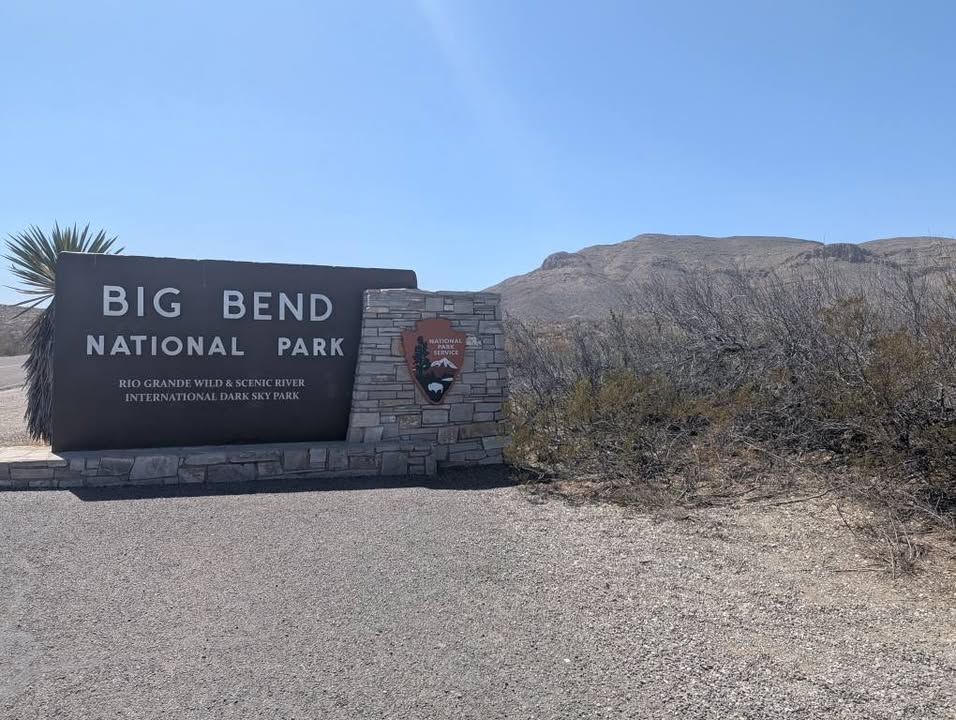
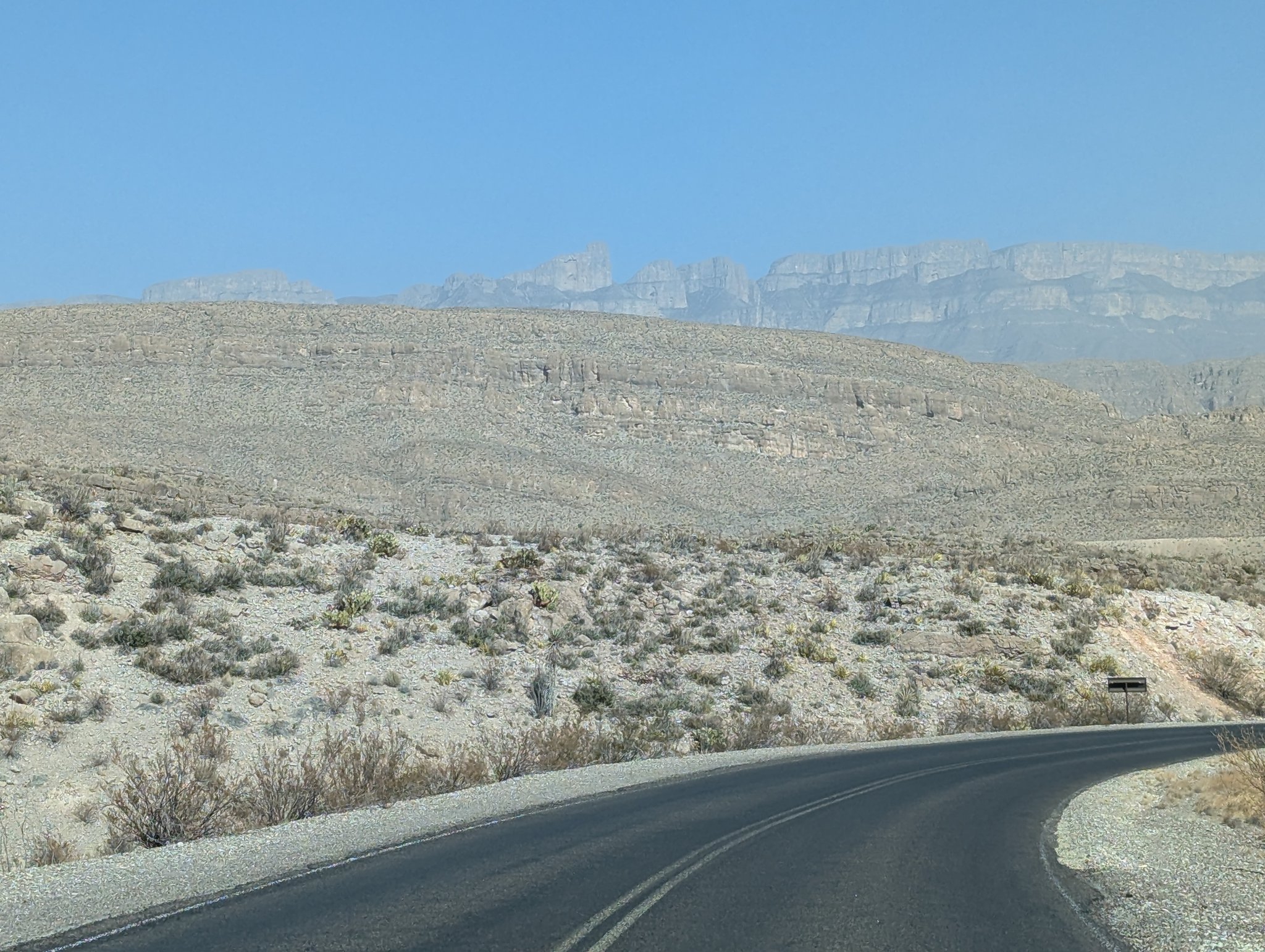
Our first National Park stop of the trip was Big Bend. After miles of driving through open desert, it still took nearly an hour from the park entrance to reach our campground at Rio Grande Village. That drive alone was our first real clue to just how vast and spread out the park actually is.
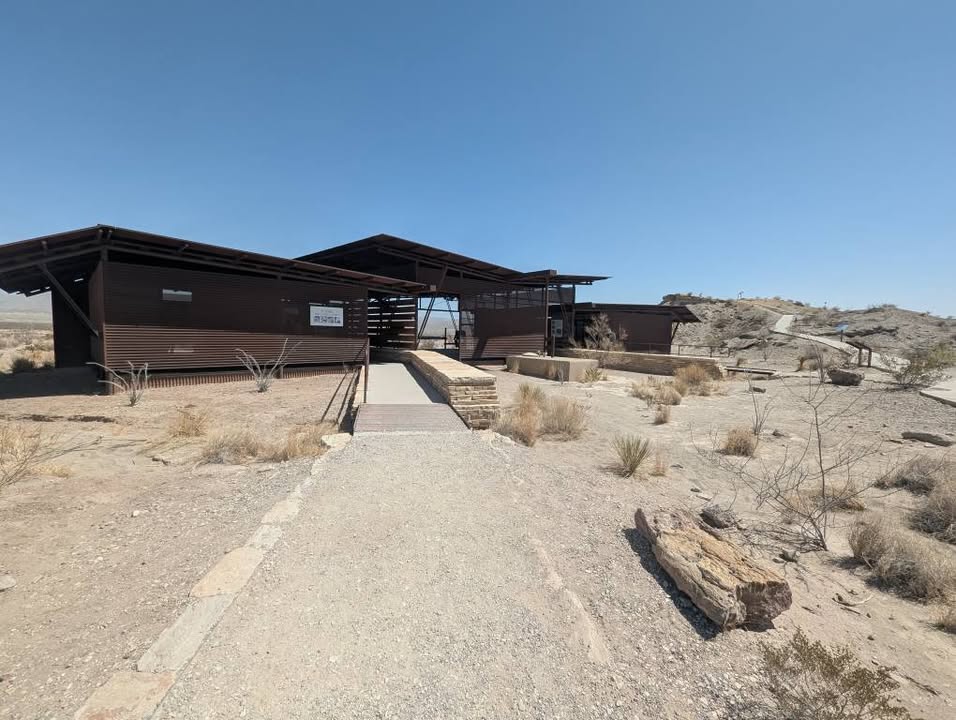
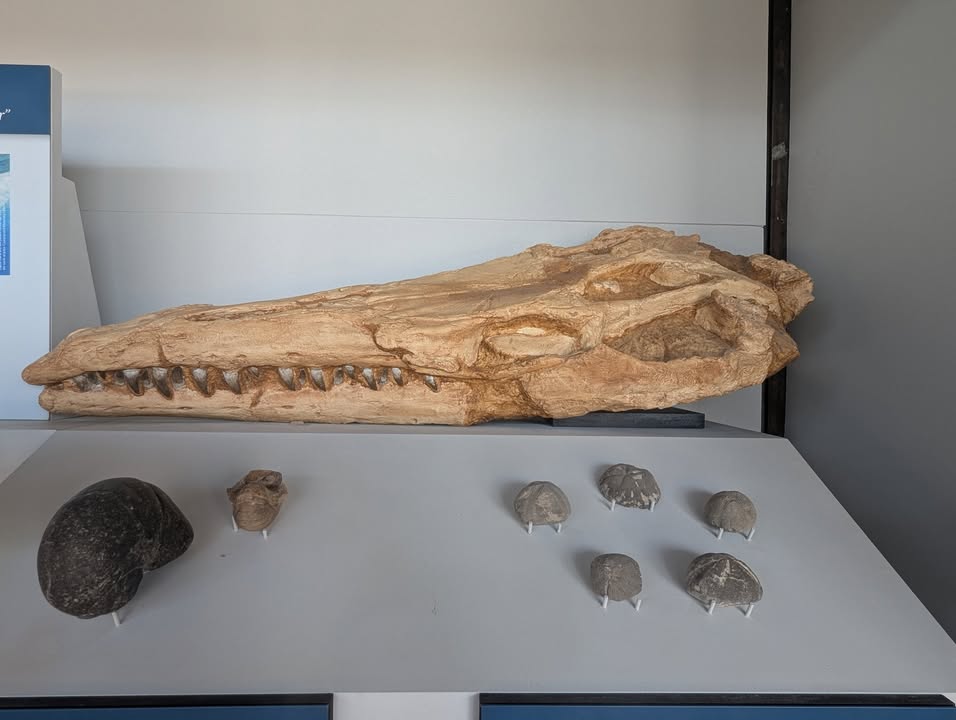
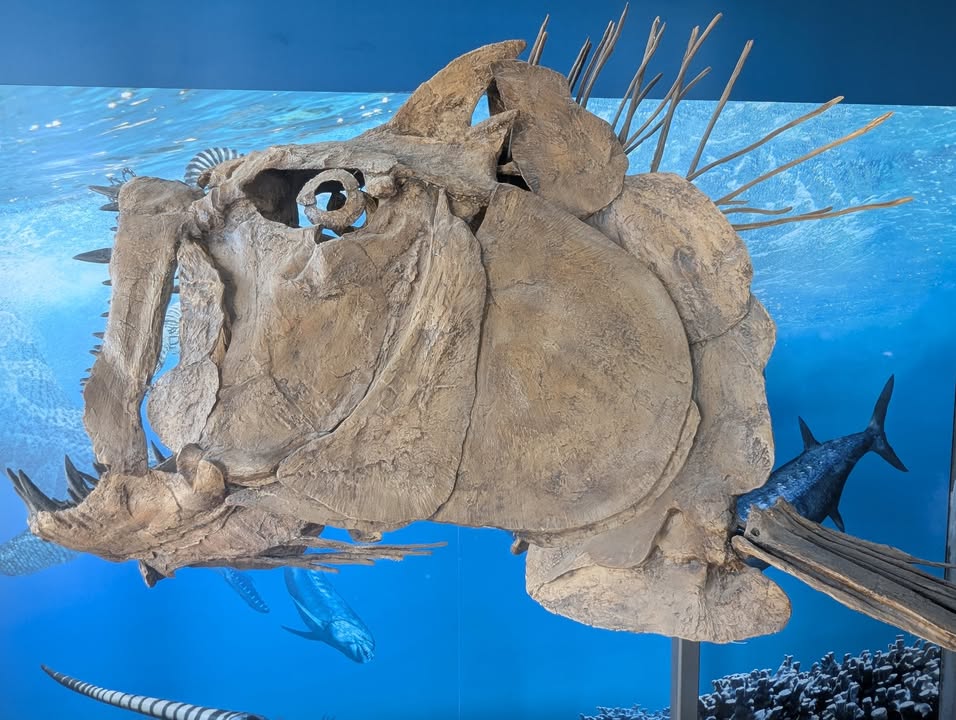
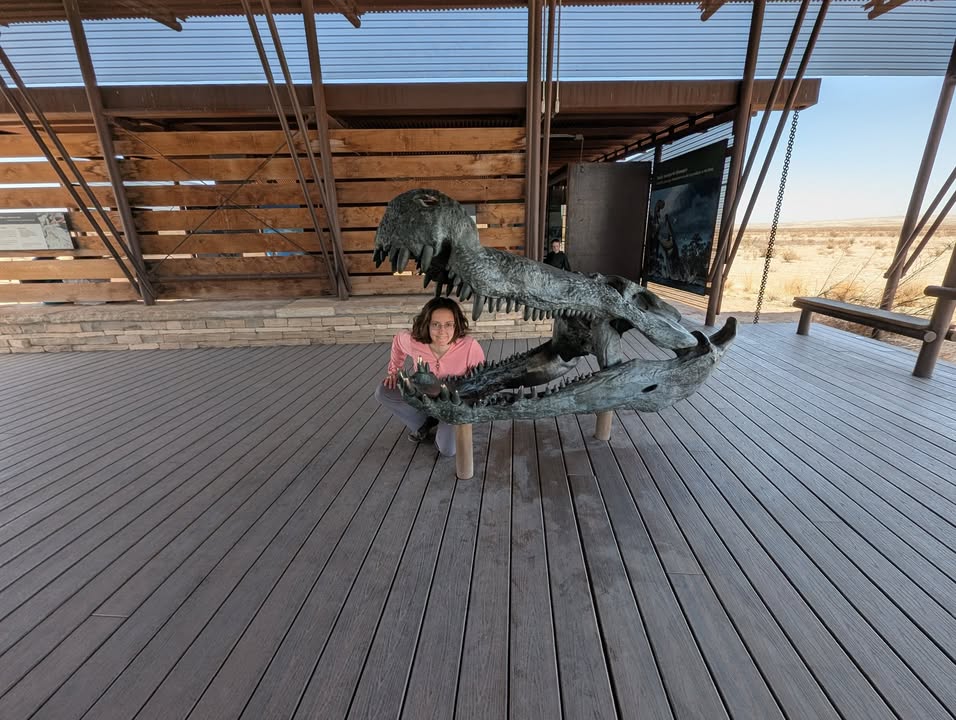
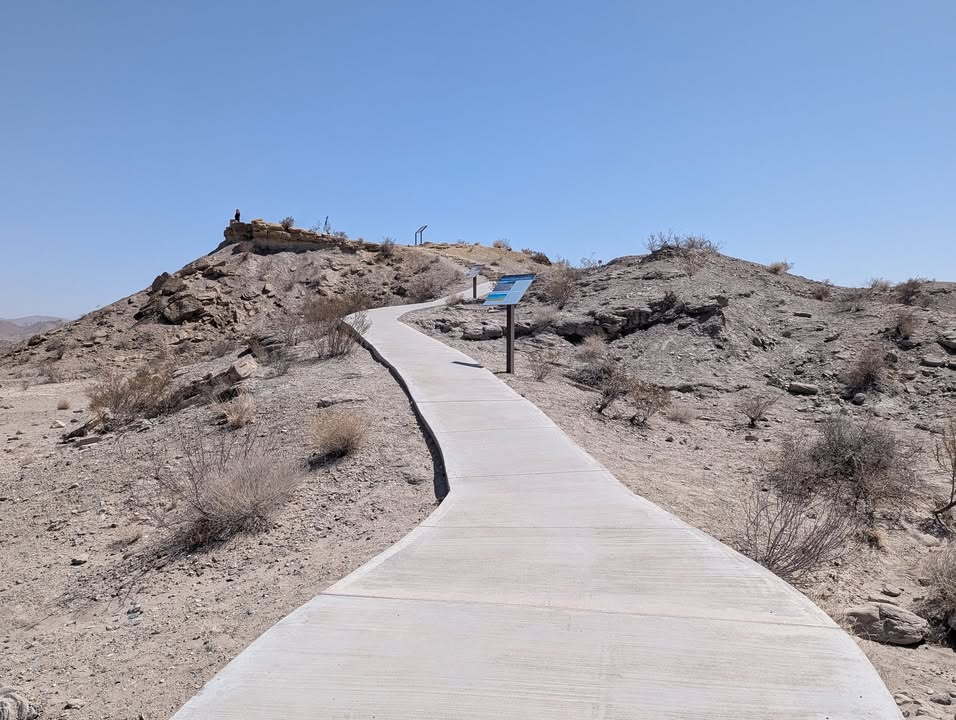
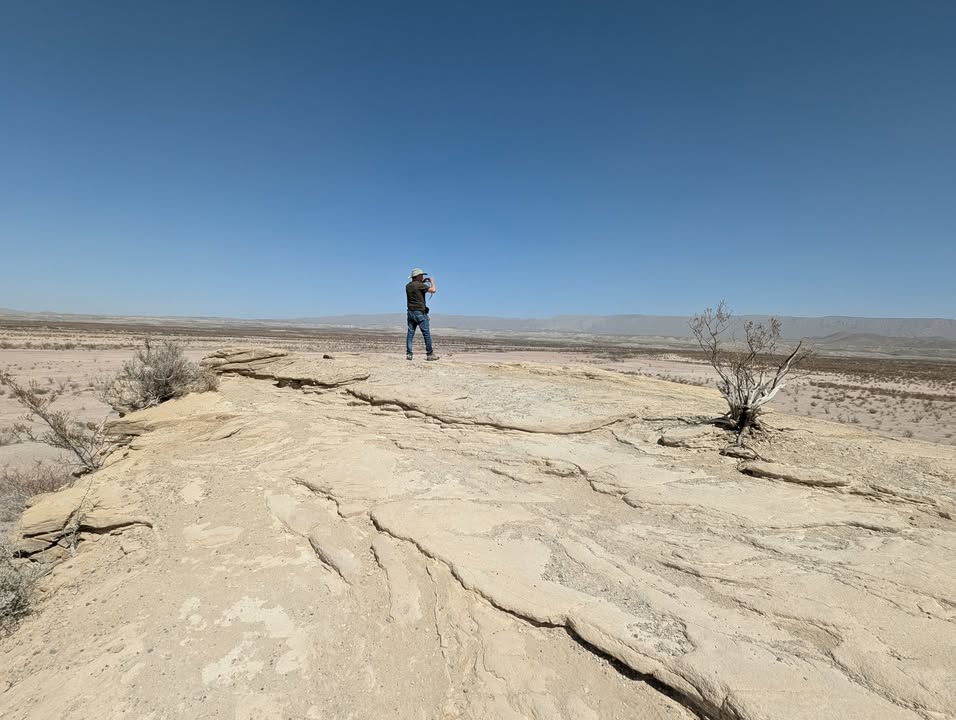
On the way in, we stopped at the Fossil Discovery Exhibit, which sits on an active dig site. Fossils found here date back about 54 million years and include ancient turtles, early horses, and pantodonts. The original fossils were once displayed at the site, but after several theft attempts they were removed and replaced with plaster replicas. The exhibit still features casts from around the Big Bend region, including a giant crocodile and an enormous prehistoric fish. It was hard to imagine that this dry desert landscape once supported rivers full of fish and crocodiles.
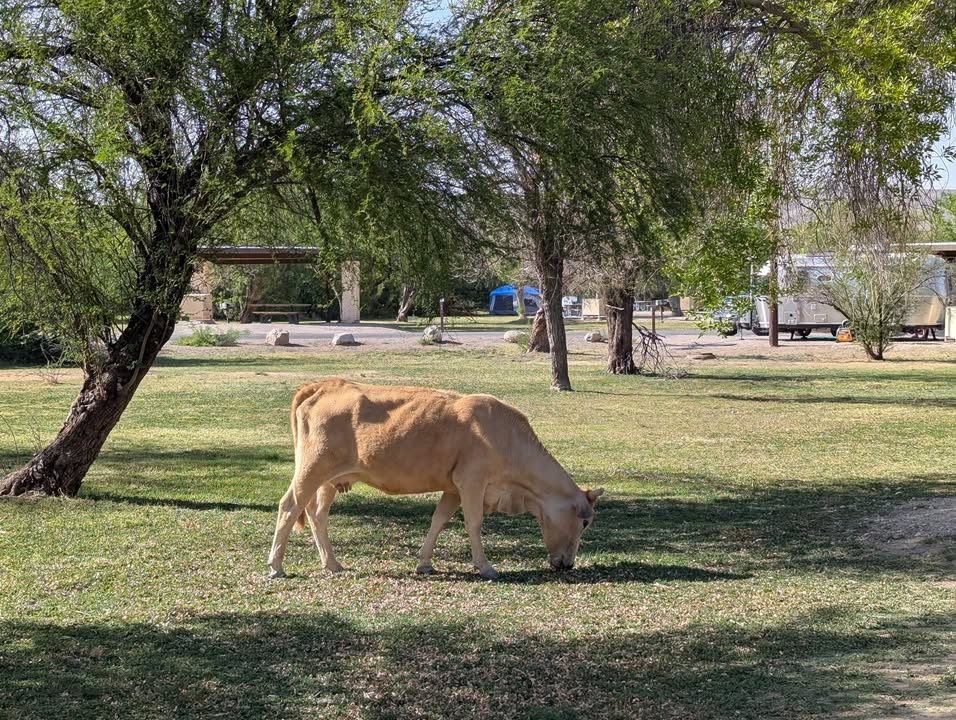
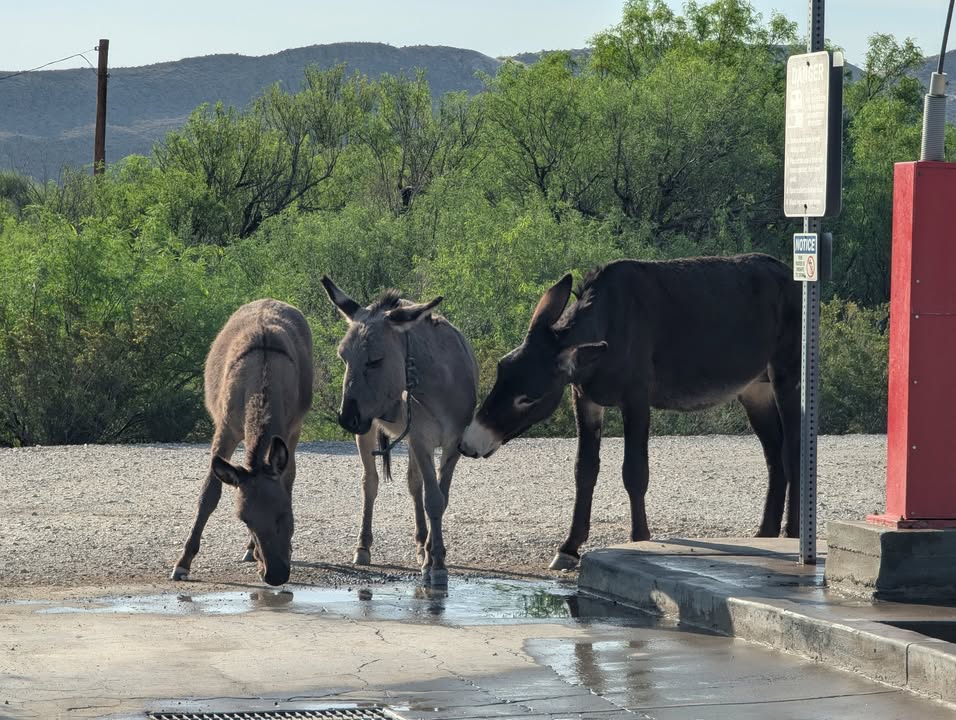
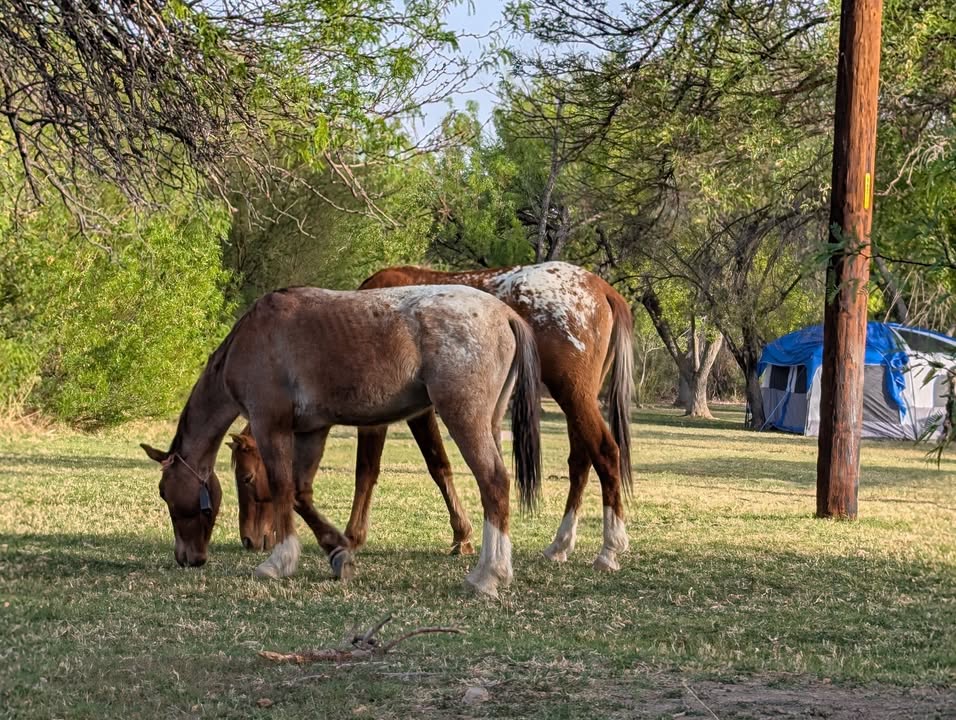
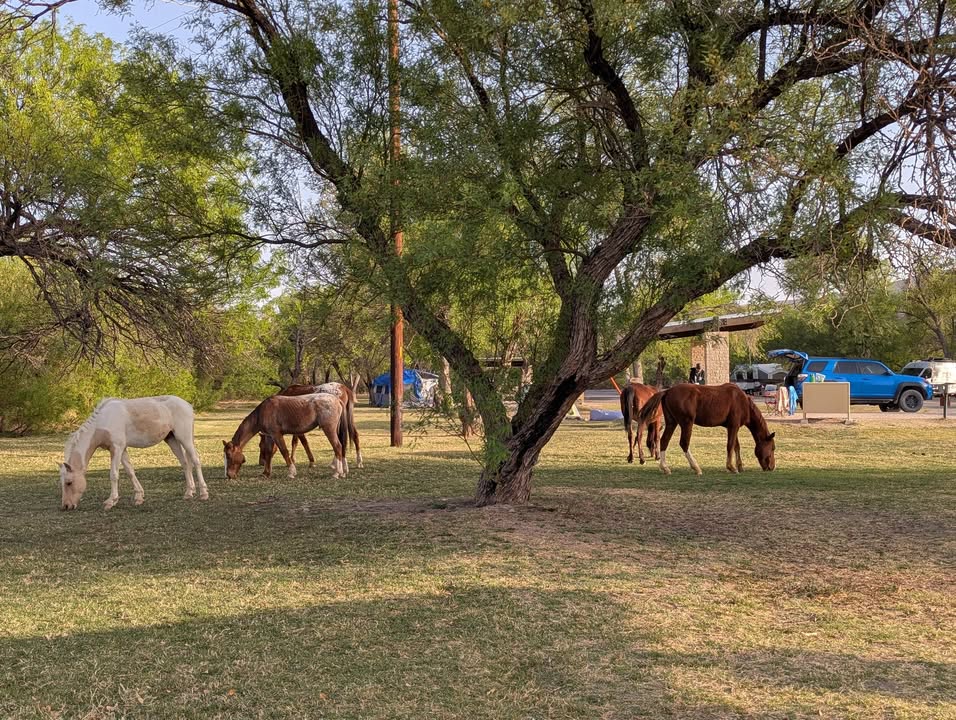
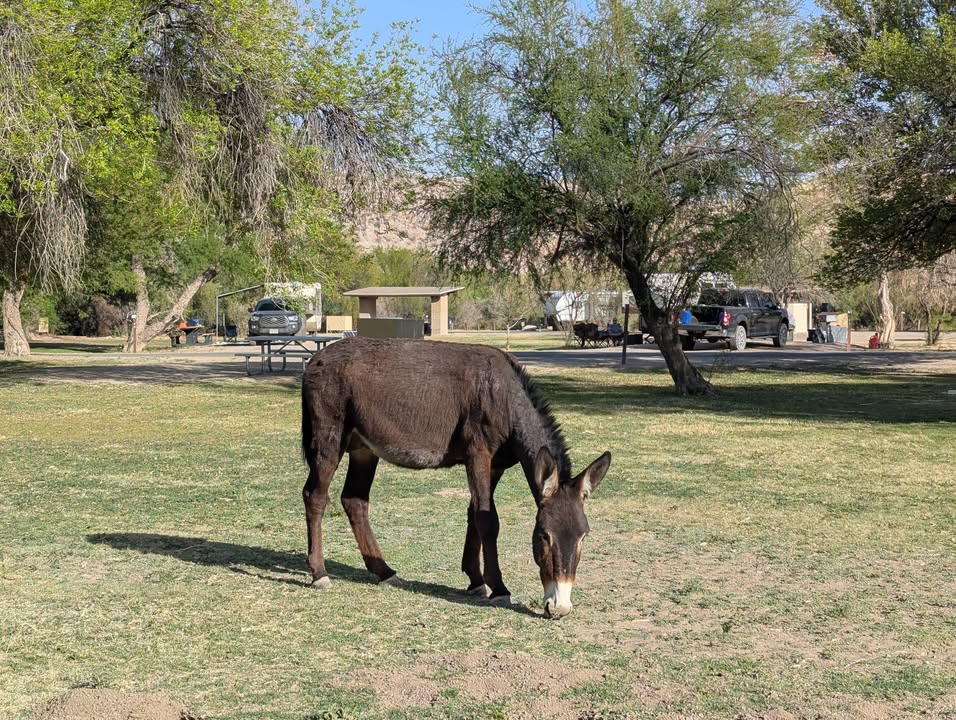
When we arrived at Rio Grande Village Campground, we were greeted by something neither of us expected to see. A cow was calmly wandering through the campground. After chatting with a park ranger, we learned that livestock from Mexico, including cows, donkeys, and horses, regularly cross the Rio Grande in search of grazing. In some places the river runs shallow enough to make the crossing easy. While the Park Service considers them nuisances, it was hard not to find the situation a little amusing. The ranger admitted he was not a fan of cleanup duty.
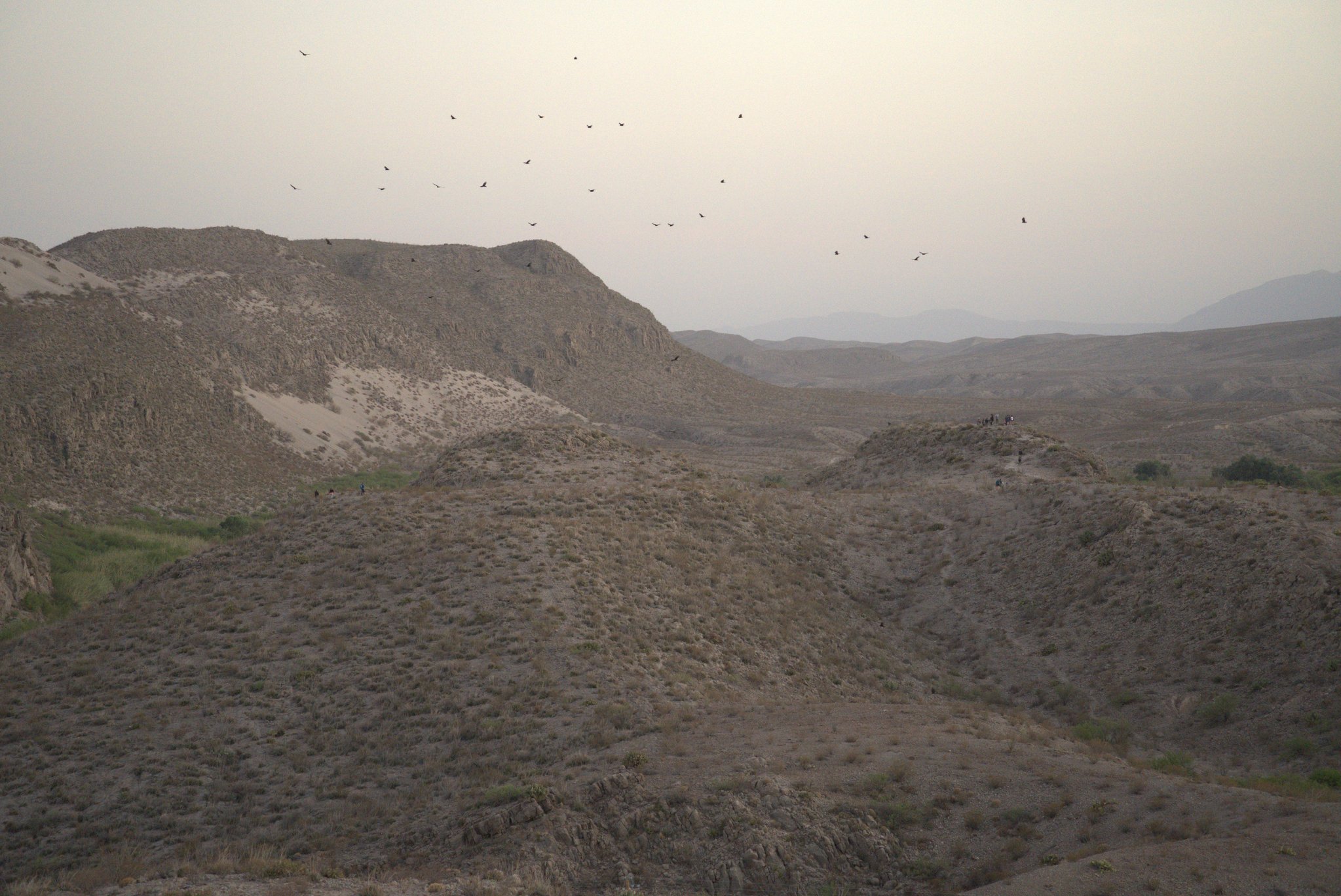
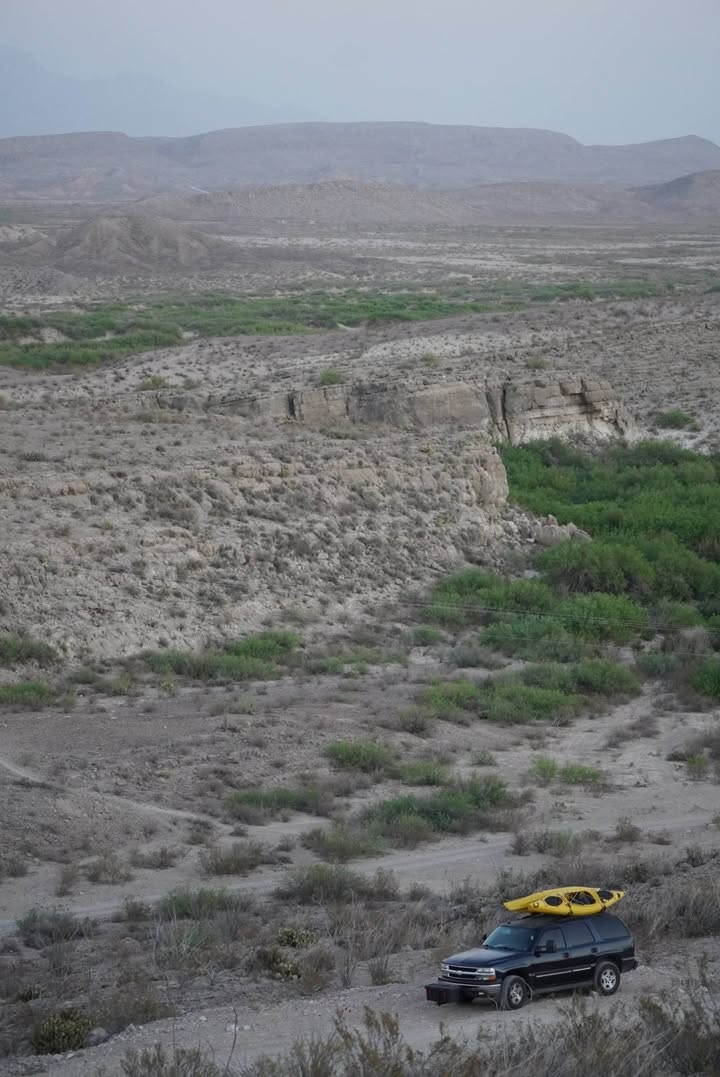
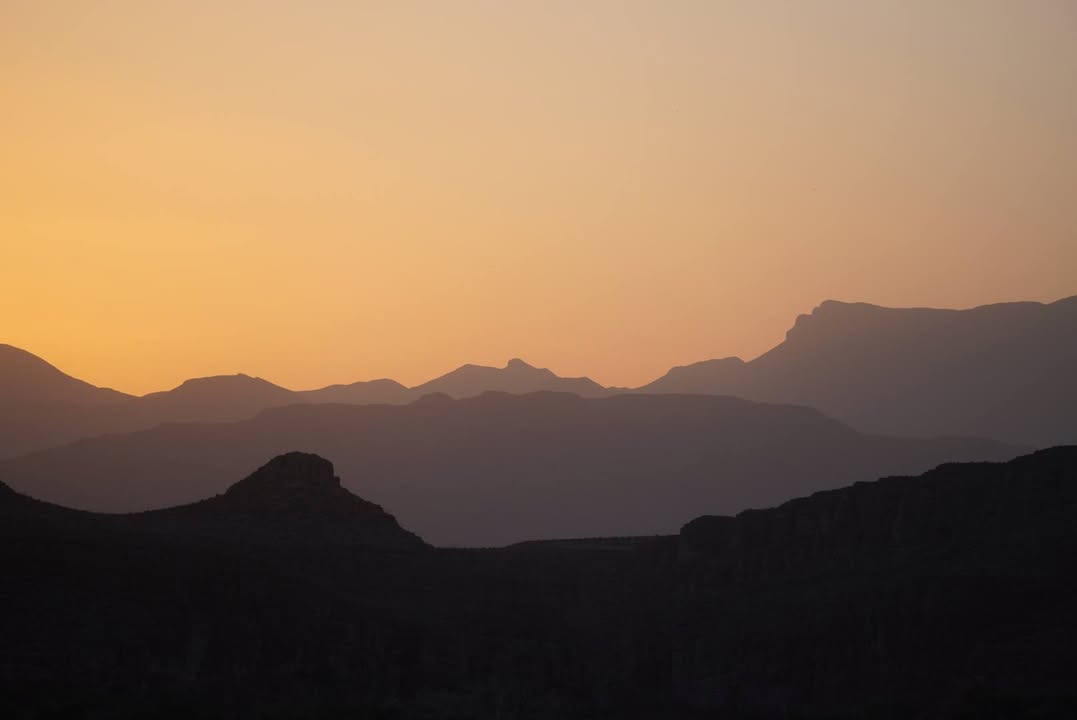
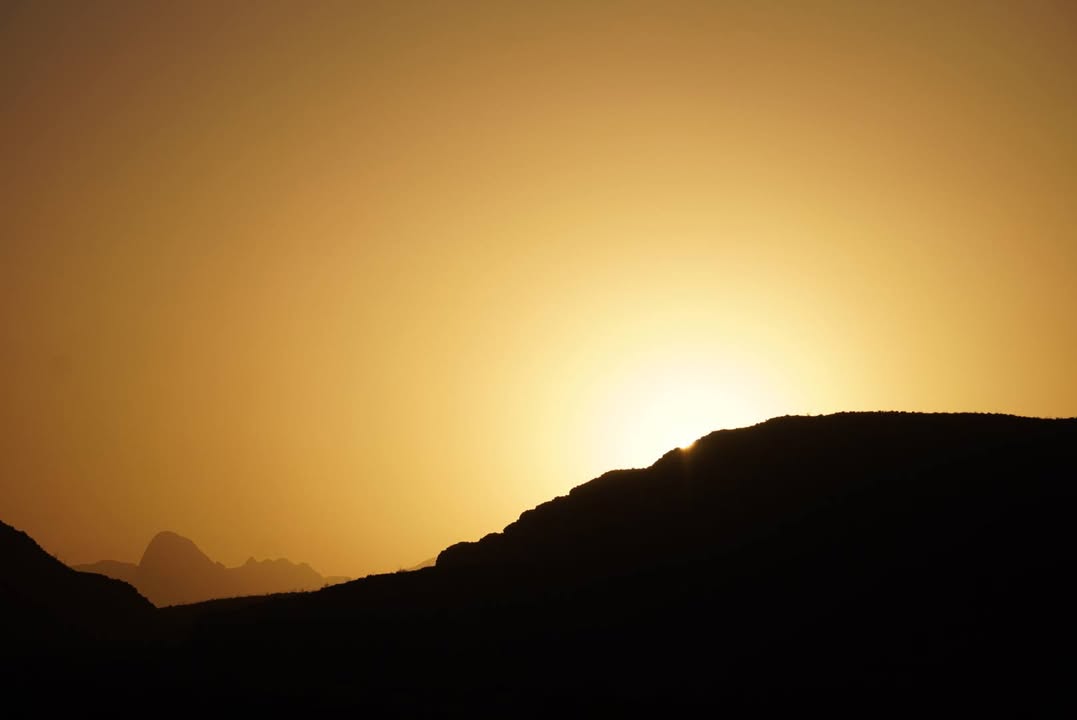
That evening we took a drive along some of the park’s rougher back roads, bouncing along until we found an elevated pullout. From there we watched the sun sink behind the desert as the light shifted across the mountains and valleys. The landscape grew quiet and still, and it felt like the perfect way to end our first day in the park.
For our first National Park of the trip, Big Bend introduced itself through long distances, unexpected details, and moments that challenged what we thought we knew about the desert. By the end of the day, it was clear this was a place that rewards patience and curiosity.
When we arrived at Rio Grande Village Campground, we were greeted by something neither of us expected to see. A cow was calmly wandering through the campground. After chatting with a park ranger, we learned that livestock from Mexico, including cows, donkeys, and horses, regularly cross the Rio Grande in search of grazing. In some places the river runs shallow enough to make the crossing easy. While the Park Service considers them nuisances, it was hard not to find the situation a little amusing. The ranger admitted he was not a fan of cleanup duty.
That evening we took a drive along some of the park’s rougher back roads, bouncing along until we found an elevated pullout. From there we watched the sun sink behind the desert as the light shifted across the mountains and valleys. The landscape grew quiet and still, and it felt like the perfect way to end our first day in the park.
For our first National Park of the trip, Big Bend introduced itself through long distances, unexpected details, and moments that challenged what we thought we knew about the desert. By the end of the day, it was clear this was a place that rewards patience and curiosity.