Mount Lemmon
4 / 6
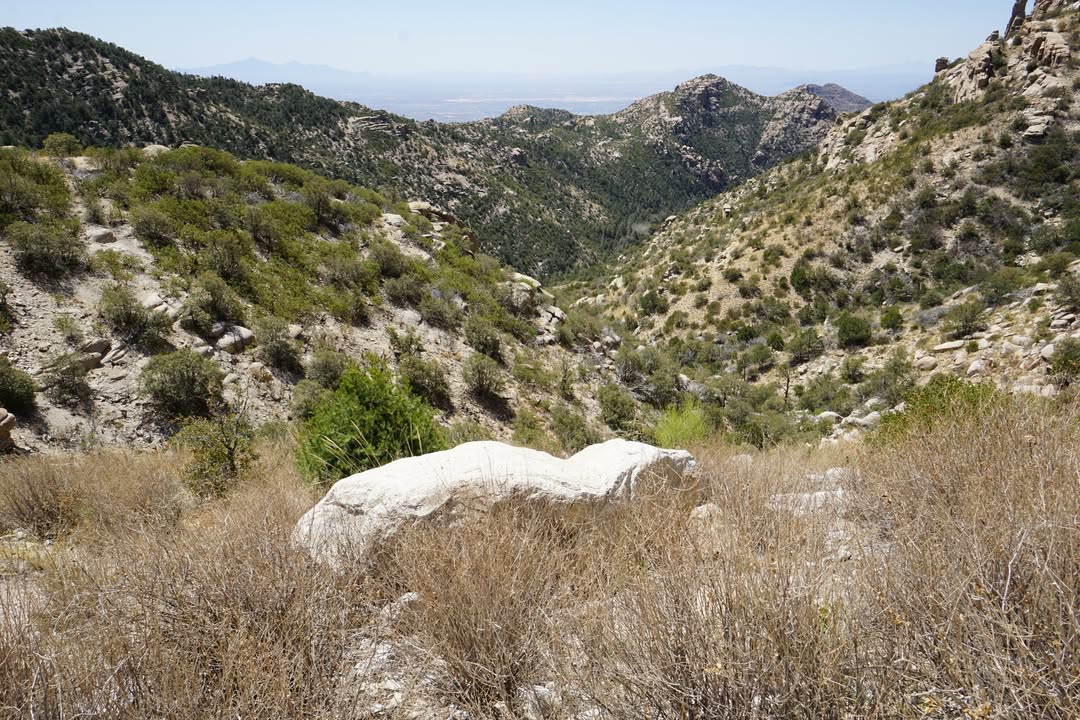
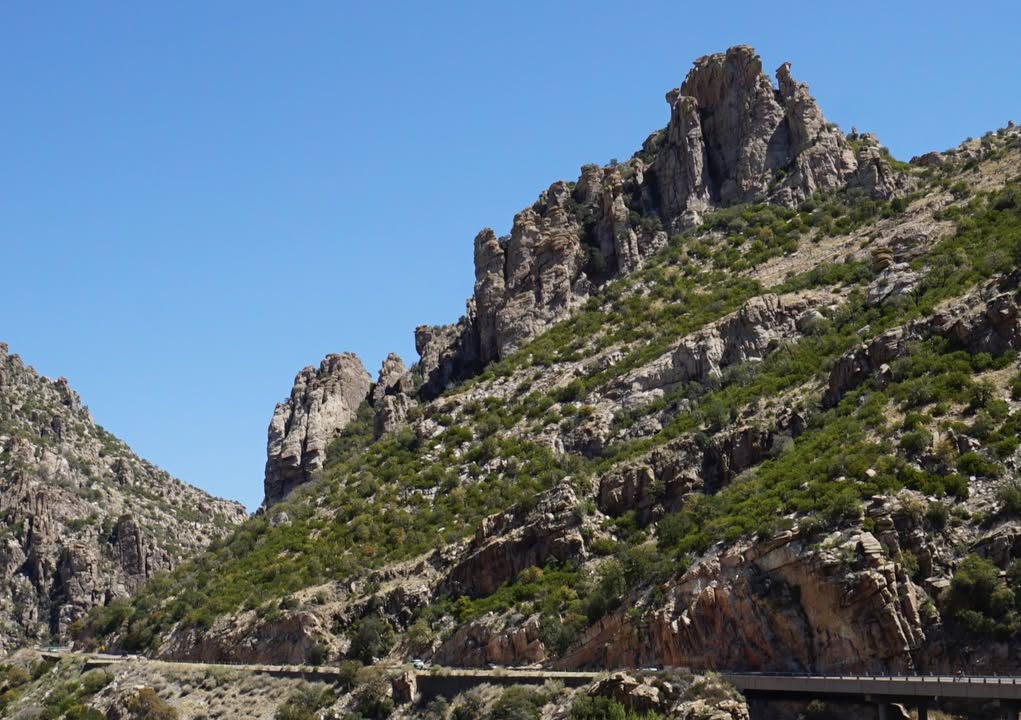
Mount Lemmon towers over Tucson and offers a total change of scenery, and perhaps just as important, a change of temperature too. We drove the Catalina Highway toward the summit for the SkyCenter Observatory program, and the drive itself was part of the adventure. The road climbs over 6,000 feet from the desert floor to the summit, which tops out at 9,159 feet. As you climb, the landscape shifts dramatically — from saguaro-studded desert to pine forest.




1 / 25
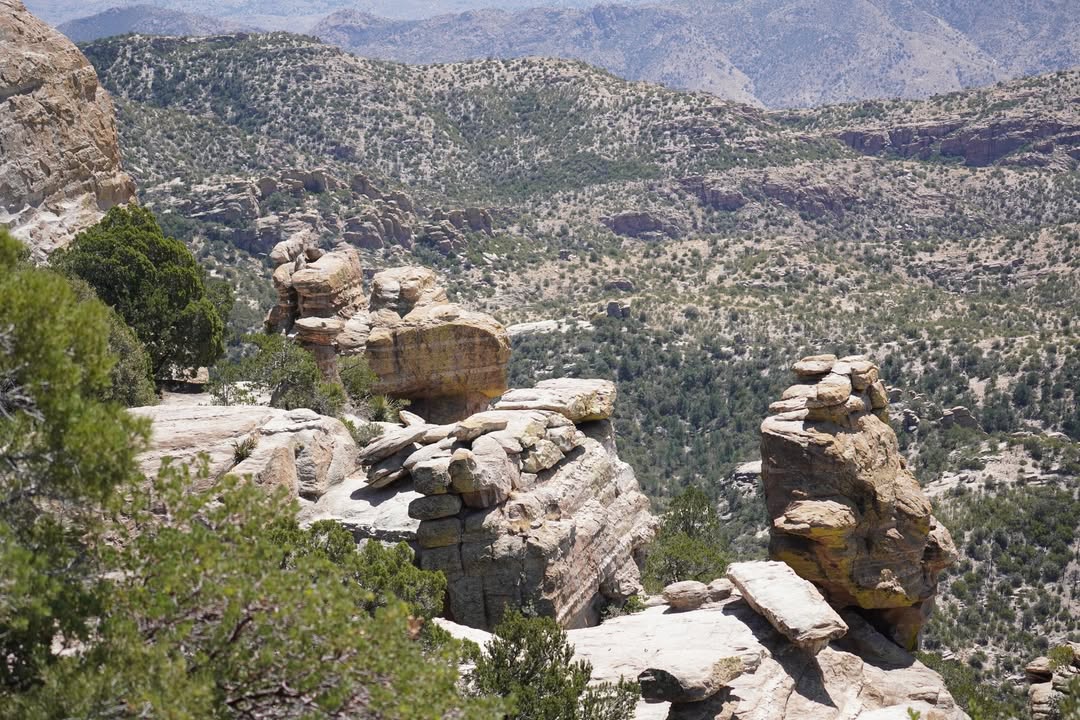
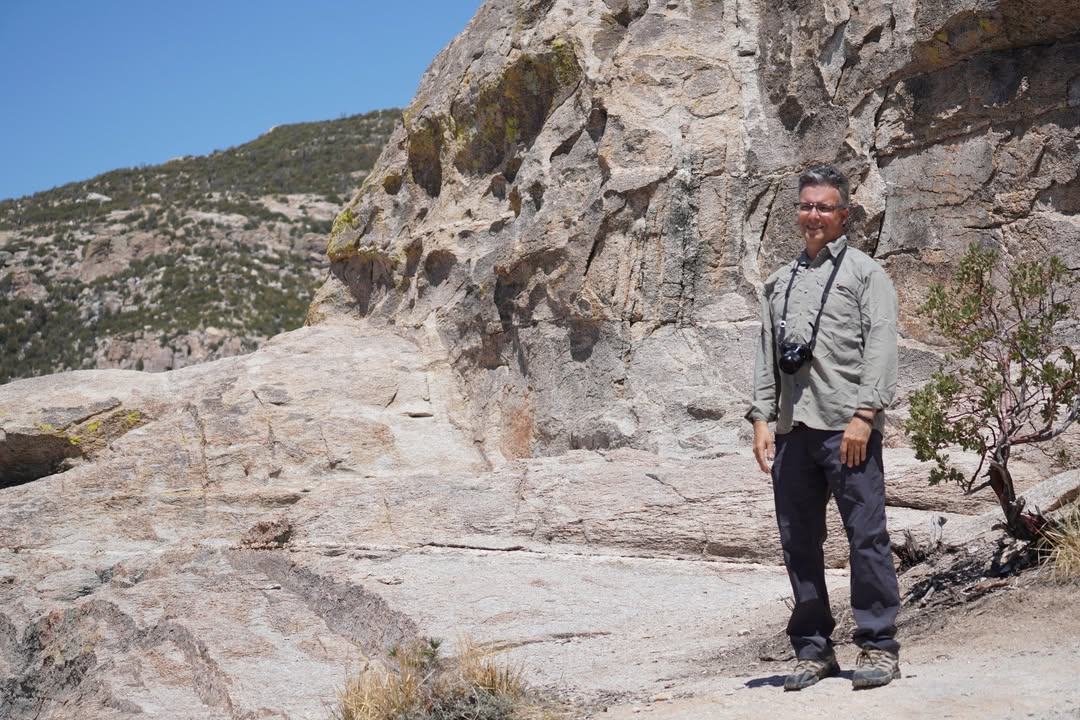
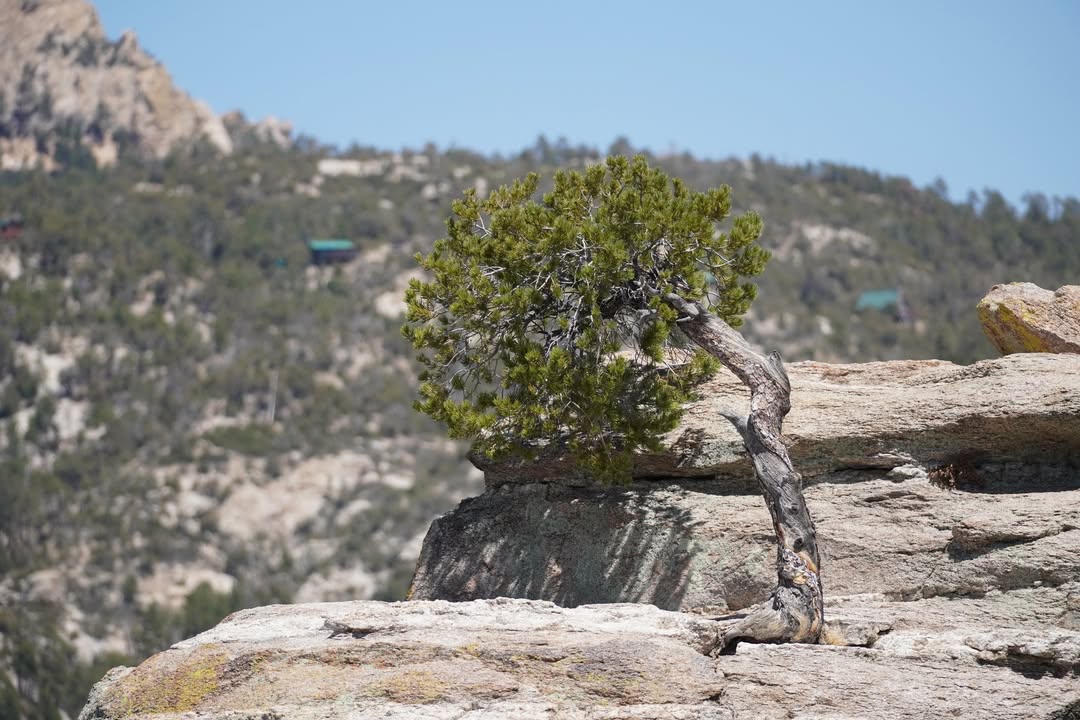
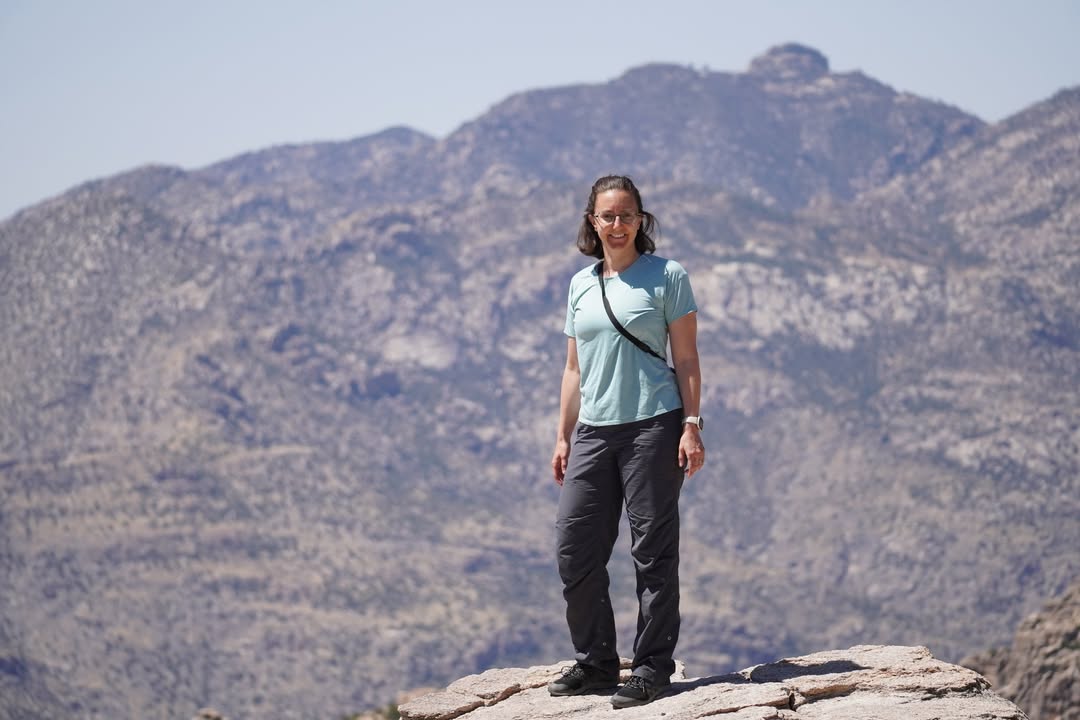
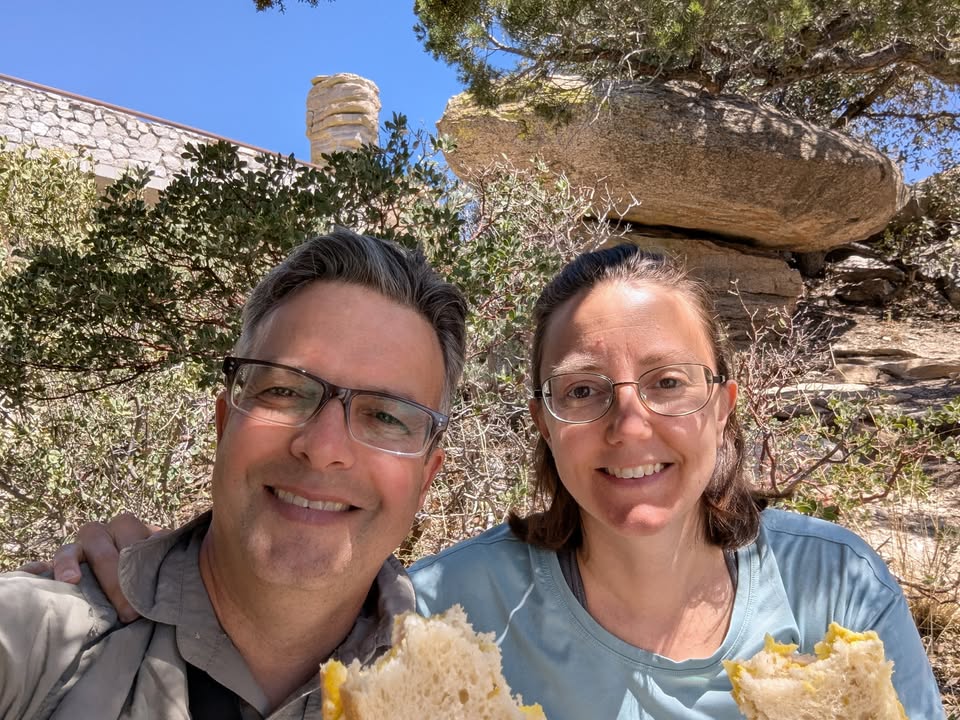
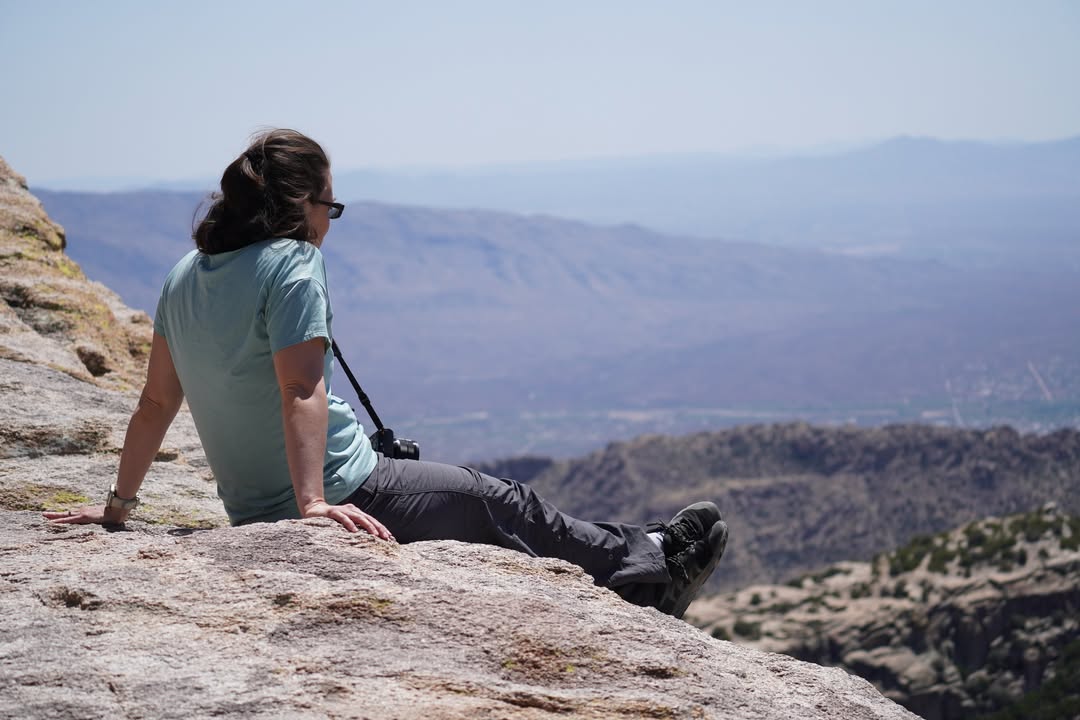
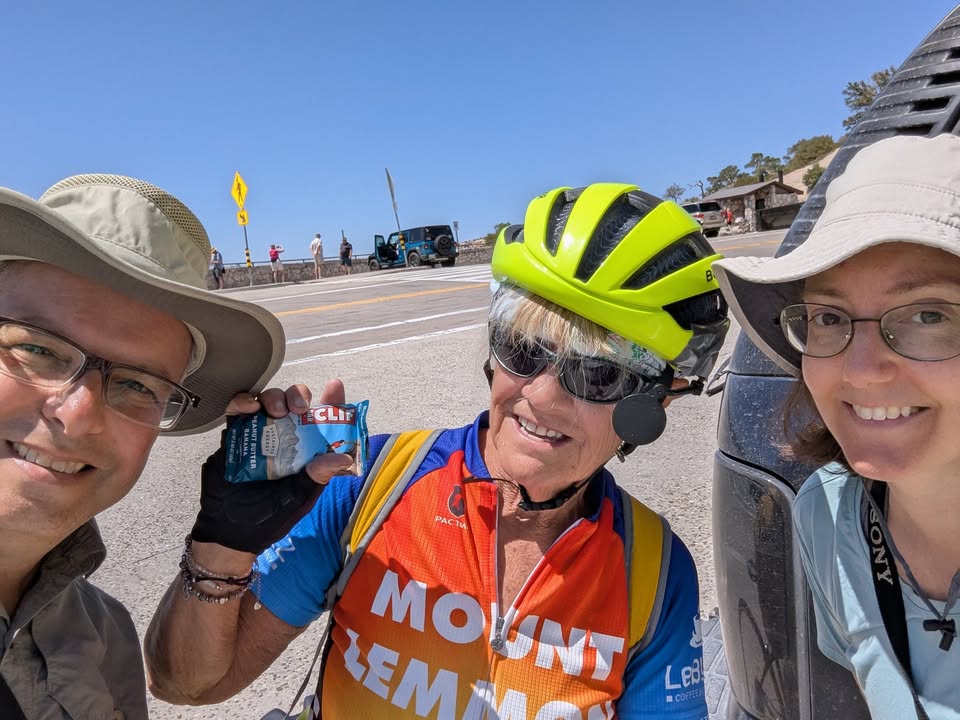
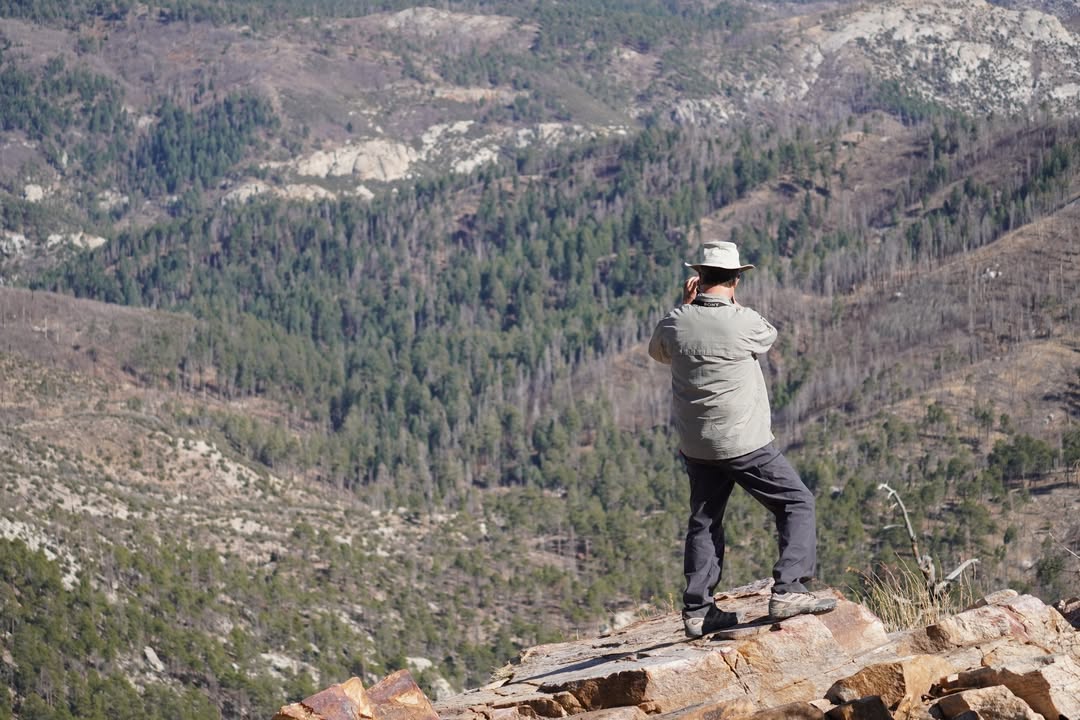
We stopped at Windy Point Vista for lunch, and the views there were phenomenal. You can see clear across the desert floor, with sheer cliffs and rock formations all around. It’s a perfect place to pause and take it all in. While we were there, we chatted with a cyclist who had pedaled all the way up the mountain — no small feat, considering Windy Point sits at about 6,600 feet in elevation. She mentioned she’d forgotten her protein bars, so we gladly shared a few of ours. She was incredibly grateful. And get this — she was 76 years old and currently resides in South Carolina, where I grew up. Talk about inspiring!
By the time we reached the top, we’d left the 100+ degree heat of Tucson behind. The summit was about 30 degrees cooler, with crisp mountain air. We spotted a short-horned lizard at the higher elevation, camouflaged perfectly against the rocks. If threatened, they can actually squirt blood from their eyes. I admit, I did do a little stalking trying to get a good pic, so thankfully I didn't upset him!
The climb to the top took a few hours including the stops, but the views and the gradual shift in ecosystems made every stop along the way worth it.
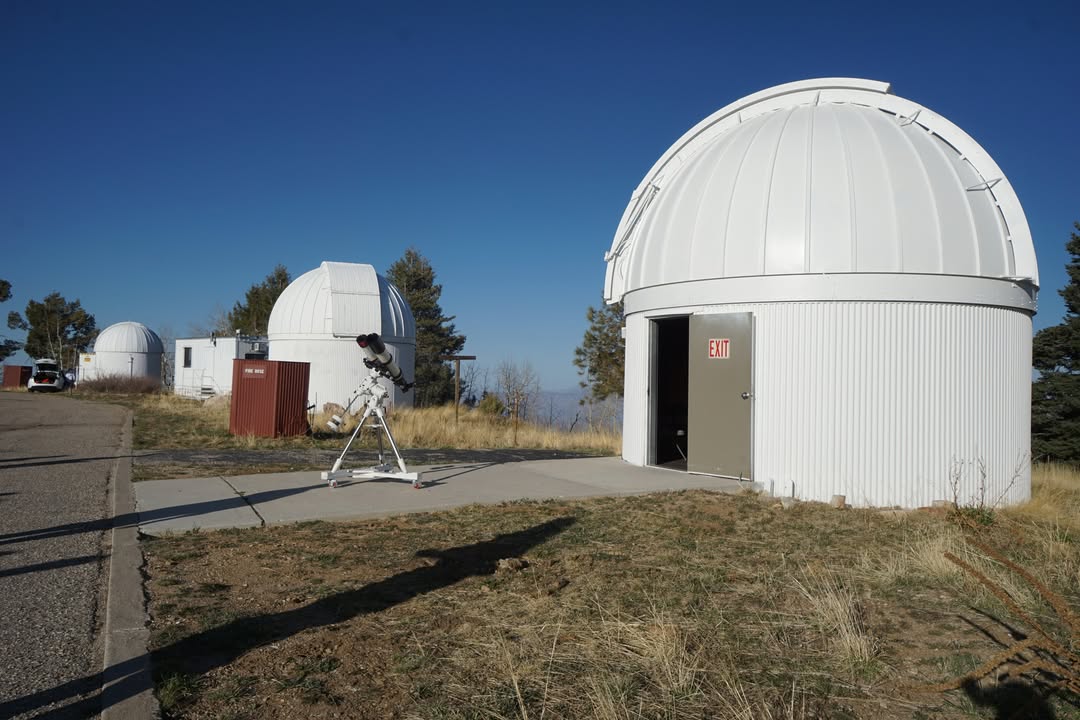
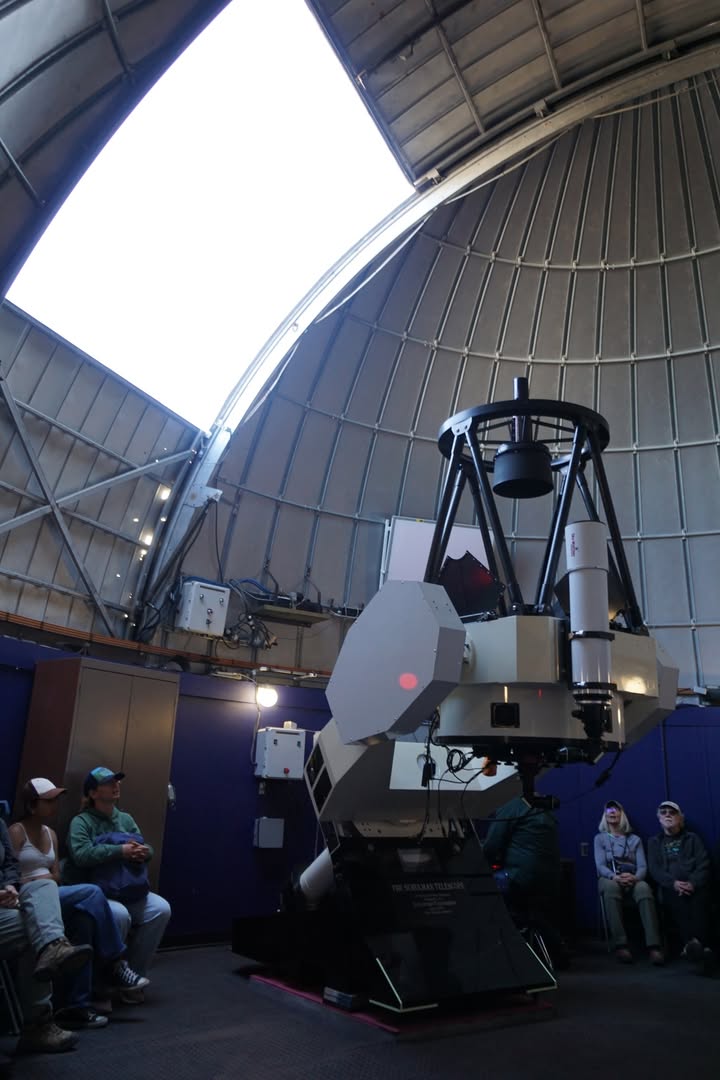
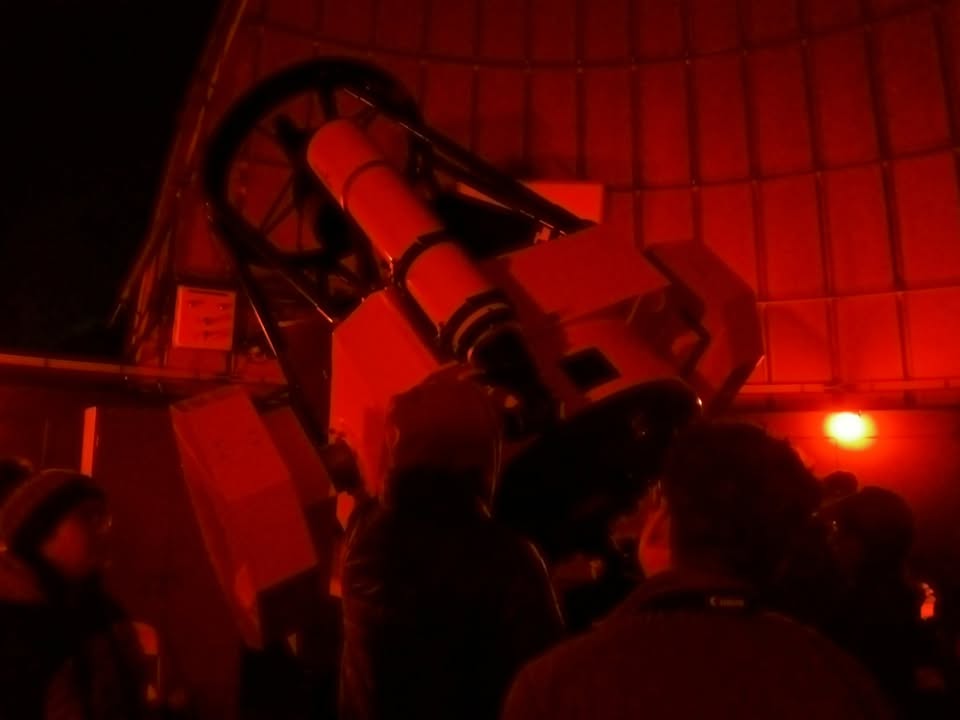
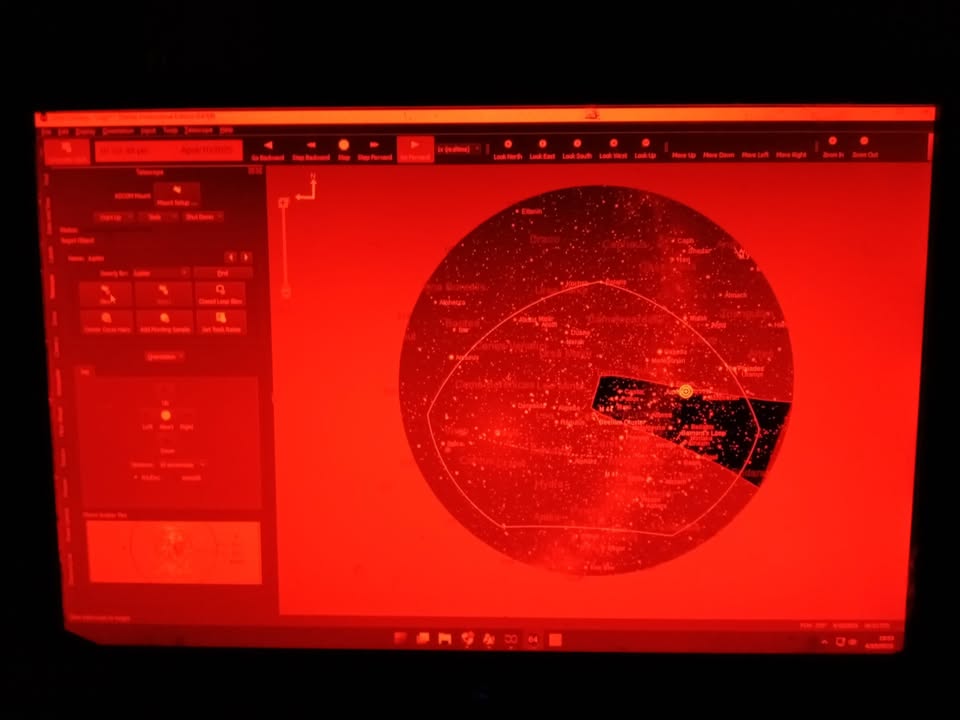
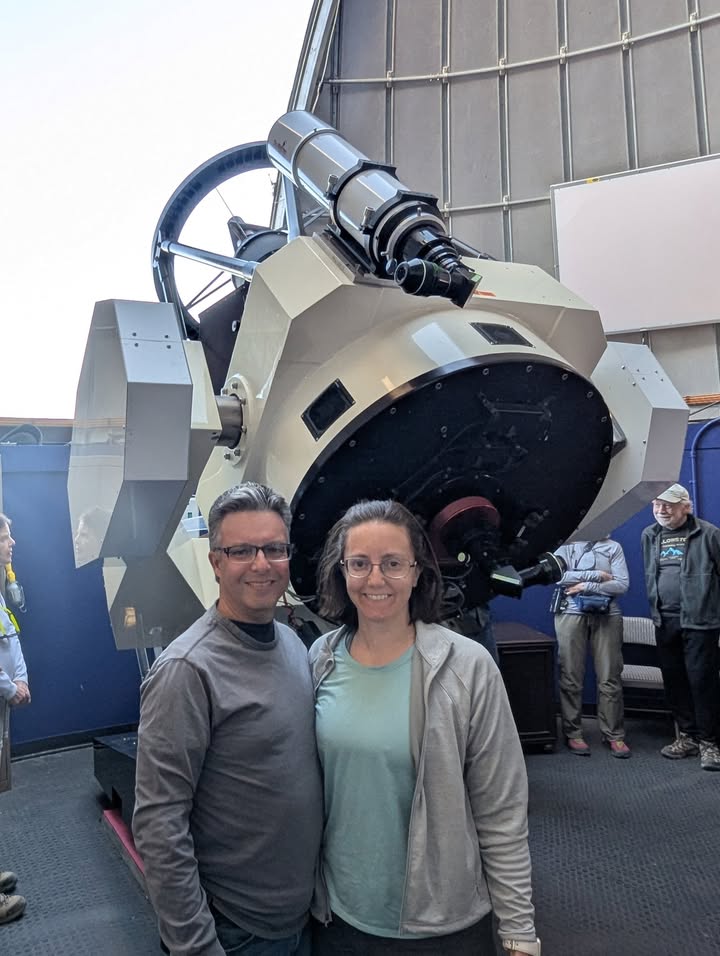
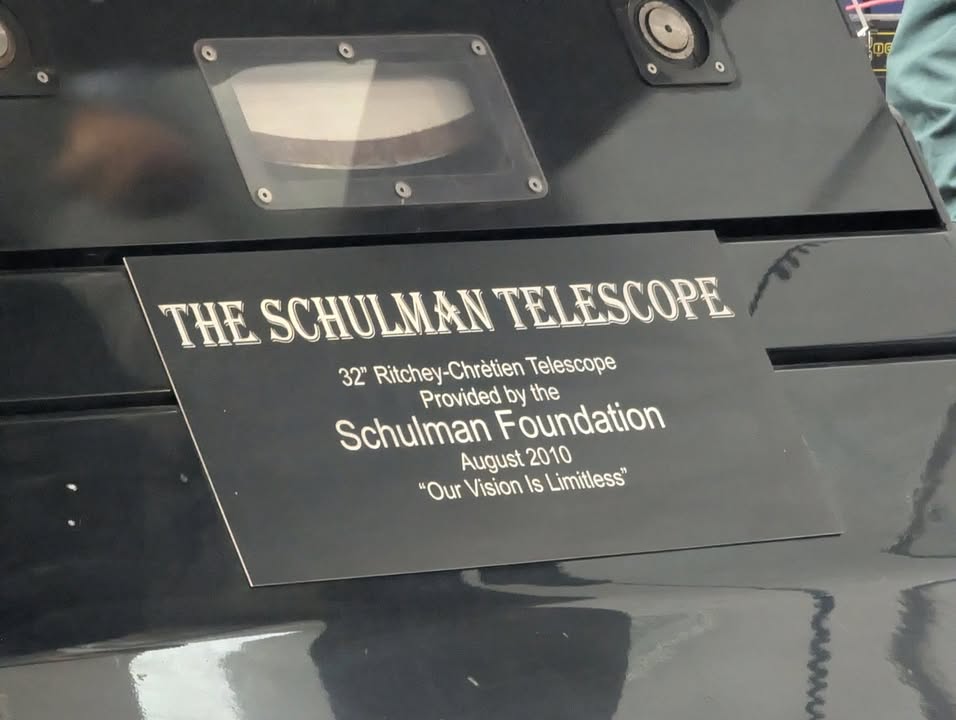
We spent the evening at the Mount Lemmon SkyCenter Observatory, home to the largest telescope allowed for public use in the U.S. — the 32-inch Schulman Telescope.
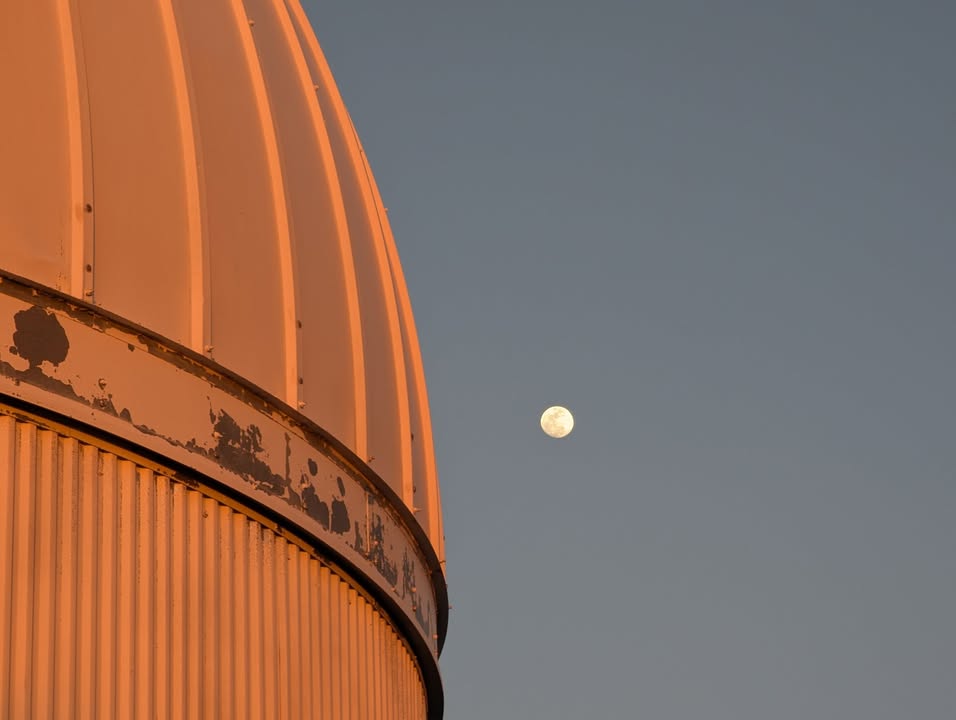
At nearly 9,157 feet, with Tucson’s strict dark-sky ordinances minimizing light pollution, it’s one of the best vantage points for stargazing . Even with a full moon, the views were incredible.
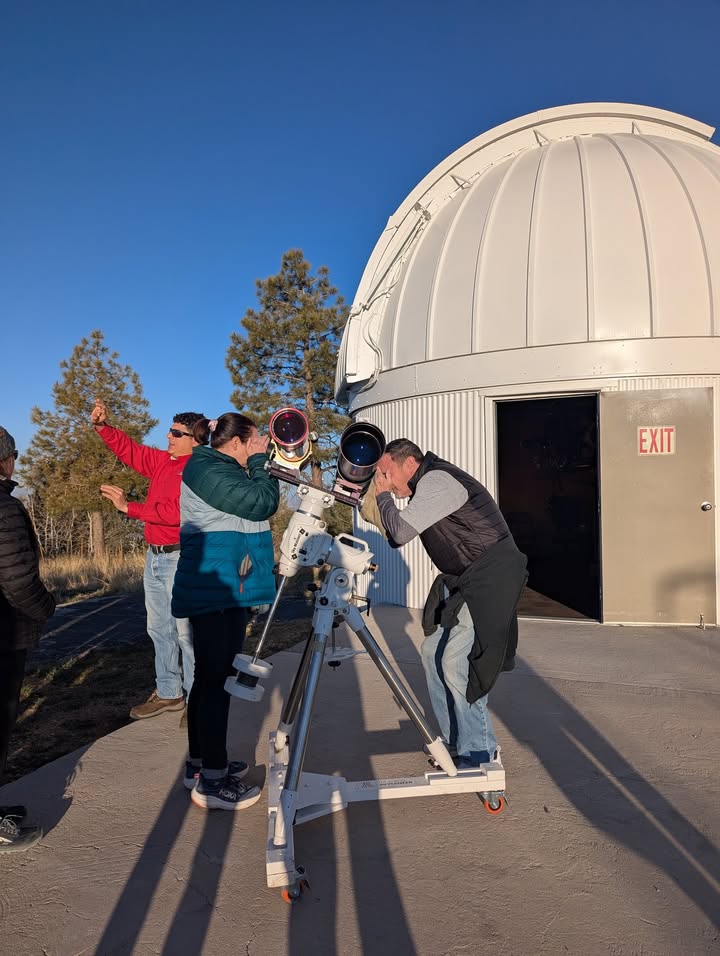
Before sunset, we safely viewed the sun through specialized solar telescopes — one showed coronal mass ejections or little red flares on the outer edge, the other, sunspots. Pro tip: never try this at home. One peek through a regular telescope at the sun, and that eye’s done for good.
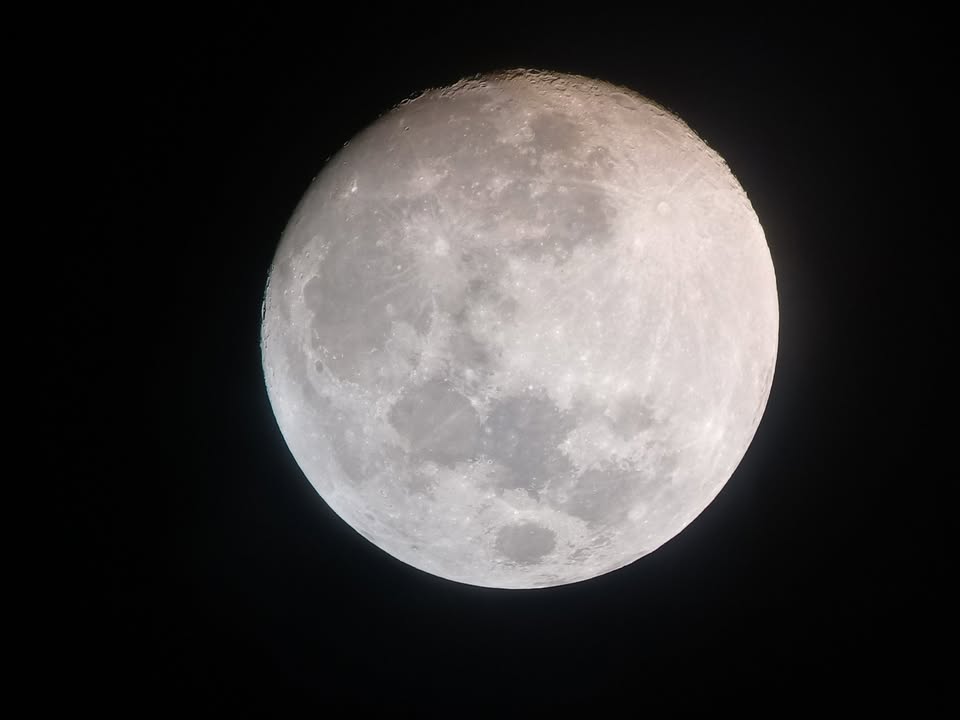
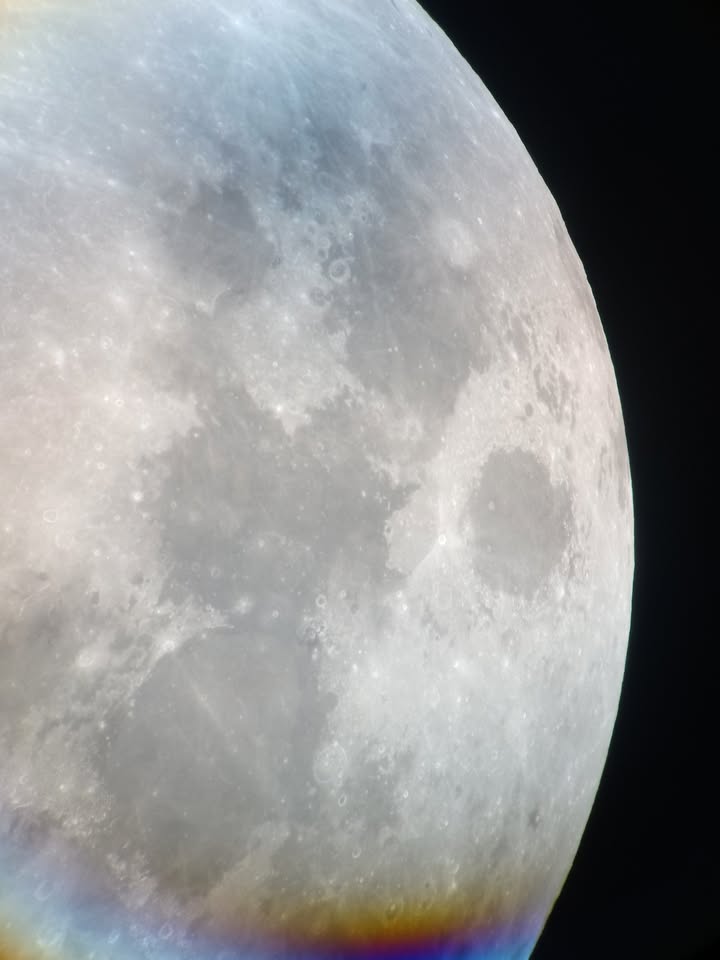
We observed Jupiter with its moons and glowing bands, the Orion Nebula and its dreamy blue cloud, and even Sirius during daylight, shining like a diamond in the blue sky. We also viewed the remnants of a supernova, glowing with bands of hydrogen, and finished with a close-up of the blindingly bright moon. The one eye was toast for several minutes afterward, as the pupil adjusted back to night vision.
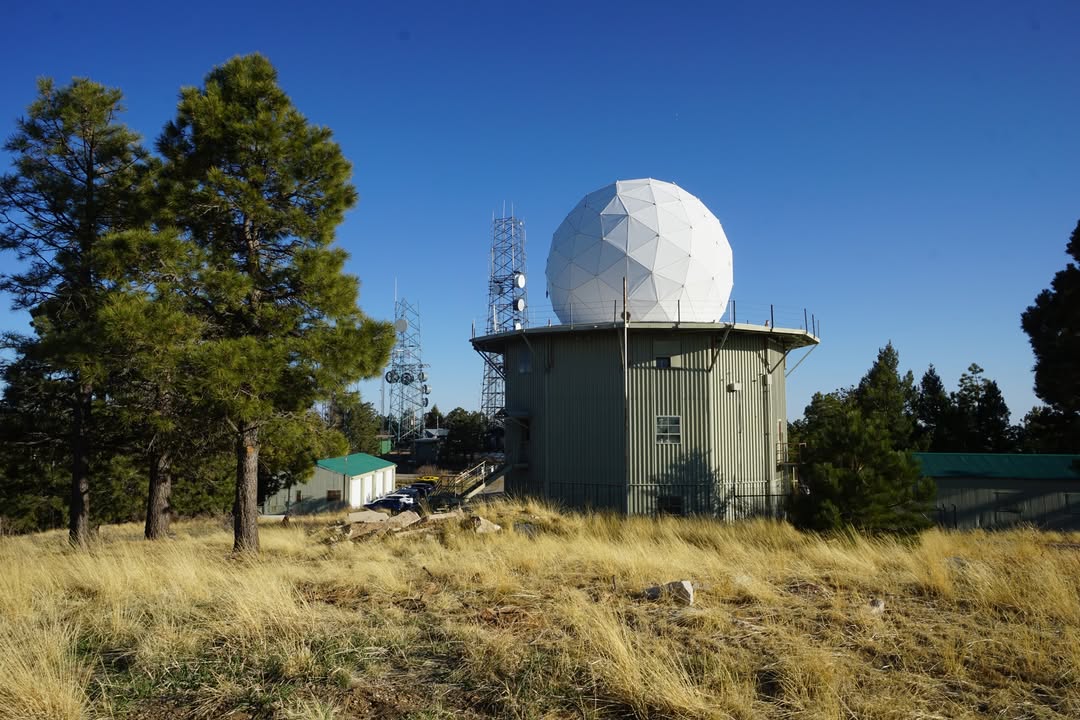
The observatory is managed by the University of Arizona and shared with other institutions. The site was once a Cold War radar installation, but now it’s used for astrophysics research, light pollution studies, and tracking near-Earth objects .
The science is impressive, but the night sky stole the show. This was truly a once in the lifetime opportunity with access to a million dollar telescope!
By the time we reached the top, we’d left the 100+ degree heat of Tucson behind. The summit was about 30 degrees cooler, with crisp mountain air. We spotted a short-horned lizard at the higher elevation, camouflaged perfectly against the rocks. If threatened, they can actually squirt blood from their eyes. I admit, I did do a little stalking trying to get a good pic, so thankfully I didn't upset him!
The climb to the top took a few hours including the stops, but the views and the gradual shift in ecosystems made every stop along the way worth it.
We spent the evening at the Mount Lemmon SkyCenter Observatory, home to the largest telescope allowed for public use in the U.S. — the 32-inch Schulman Telescope.
At nearly 9,157 feet, with Tucson’s strict dark-sky ordinances minimizing light pollution, it’s one of the best vantage points for stargazing . Even with a full moon, the views were incredible.
Before sunset, we safely viewed the sun through specialized solar telescopes — one showed coronal mass ejections or little red flares on the outer edge, the other, sunspots. Pro tip: never try this at home. One peek through a regular telescope at the sun, and that eye’s done for good.
We observed Jupiter with its moons and glowing bands, the Orion Nebula and its dreamy blue cloud, and even Sirius during daylight, shining like a diamond in the blue sky. We also viewed the remnants of a supernova, glowing with bands of hydrogen, and finished with a close-up of the blindingly bright moon. The one eye was toast for several minutes afterward, as the pupil adjusted back to night vision.
The observatory is managed by the University of Arizona and shared with other institutions. The site was once a Cold War radar installation, but now it’s used for astrophysics research, light pollution studies, and tracking near-Earth objects .
The science is impressive, but the night sky stole the show. This was truly a once in the lifetime opportunity with access to a million dollar telescope!