Jedediah Smith Redwoods State Park
1 / 6
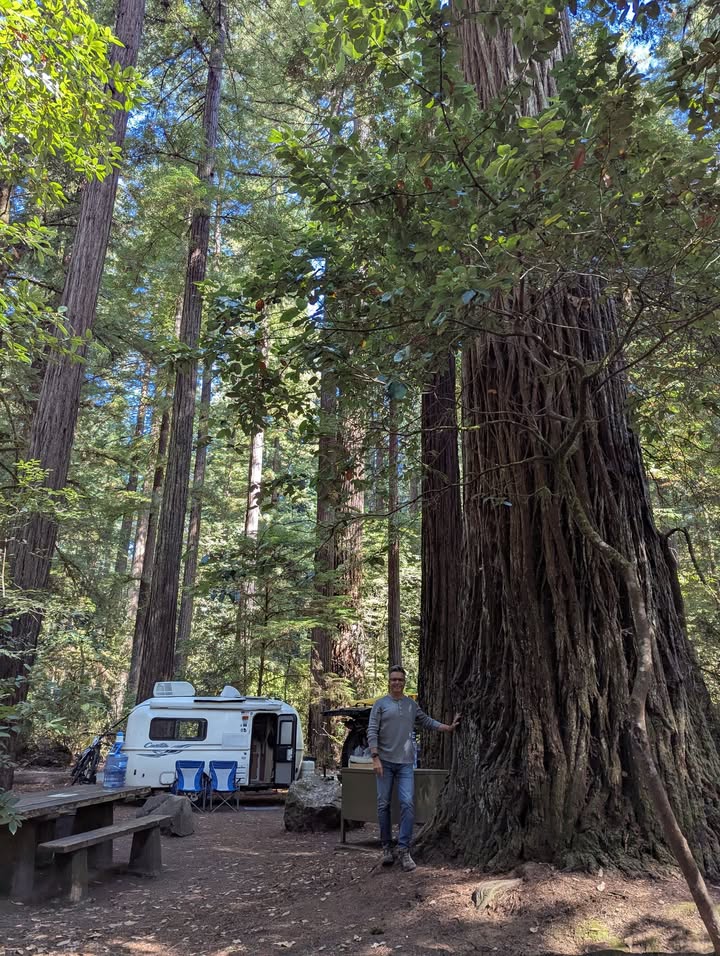
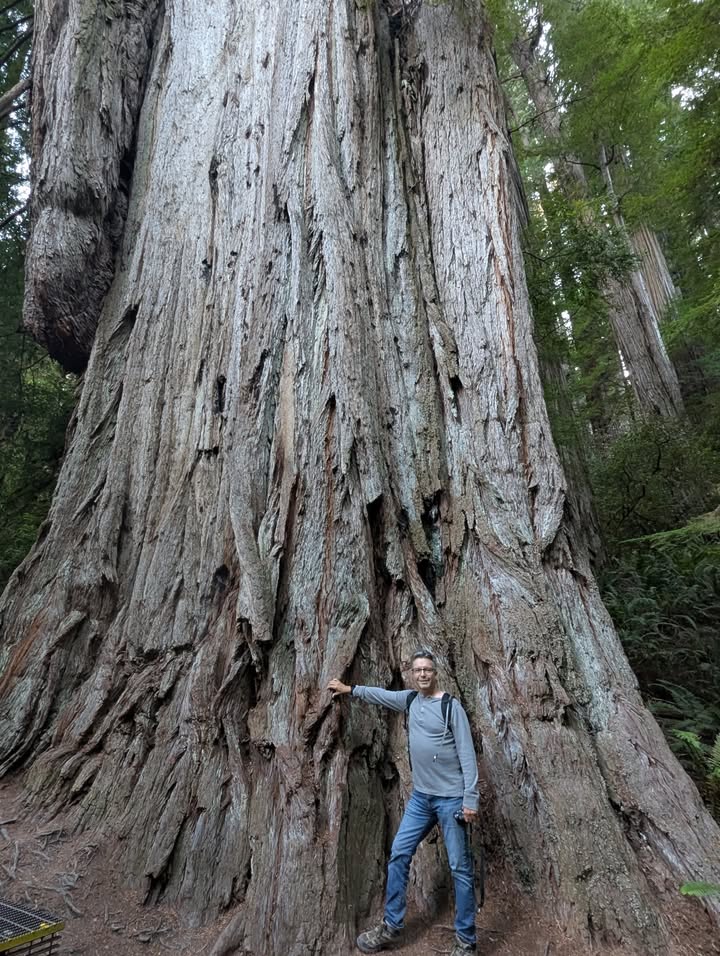
We arrived at camp in Jedediah Smith Redwoods State Park, a forest of towering redwoods along the Smith River. It’s also part of a unique setup where California’s redwood state parks and Redwood National Park overlap and are managed together - the only arrangement like it in the country. Right in our campsite stood a massive redwood, beautiful in its own right, though little did we know it would soon be overshadowed.
Jebediah Smith campsite tree
1 / 16
Our first day was laundry day, so we drove into Crescent City. The town has a laid-back, mid-century vibe, with much of it rebuilt in the 1960s after a tsunami wiped out the waterfront. We cruised the small streets, found a laundromat, and grabbed some lunch before heading back into the forest.
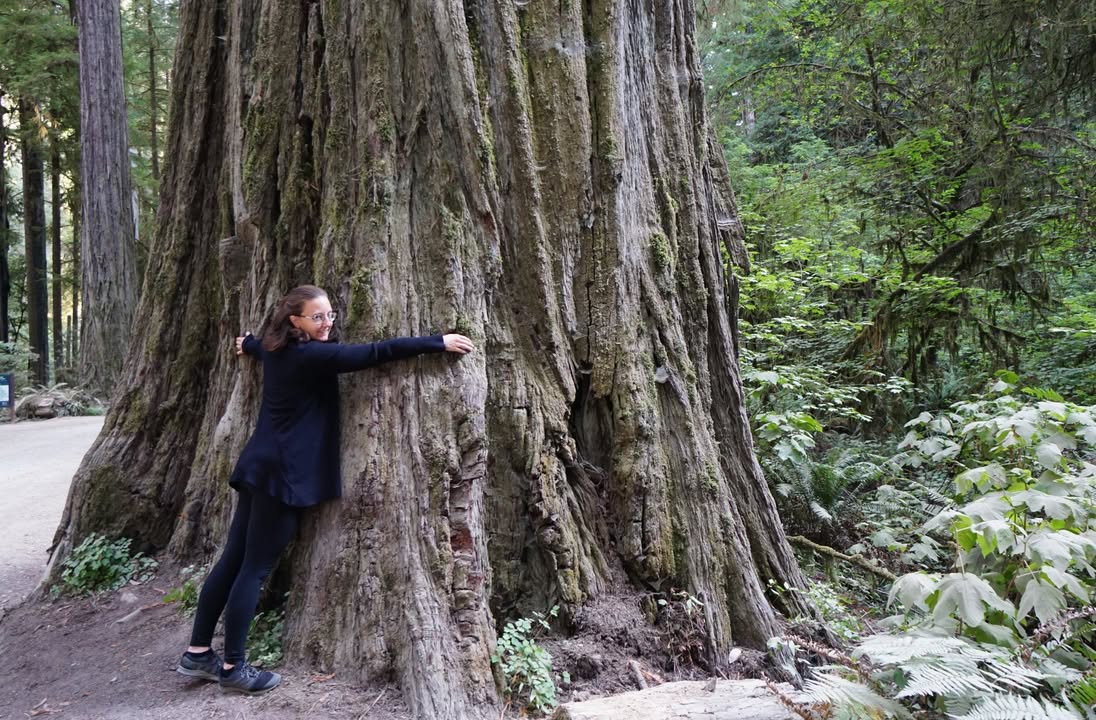
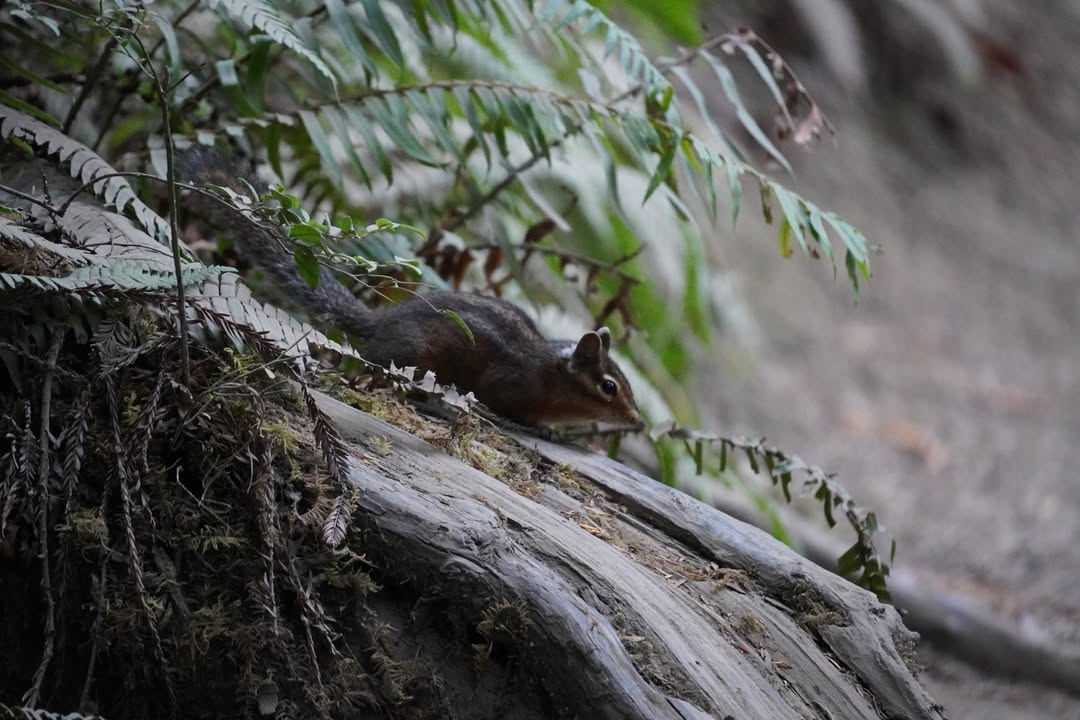
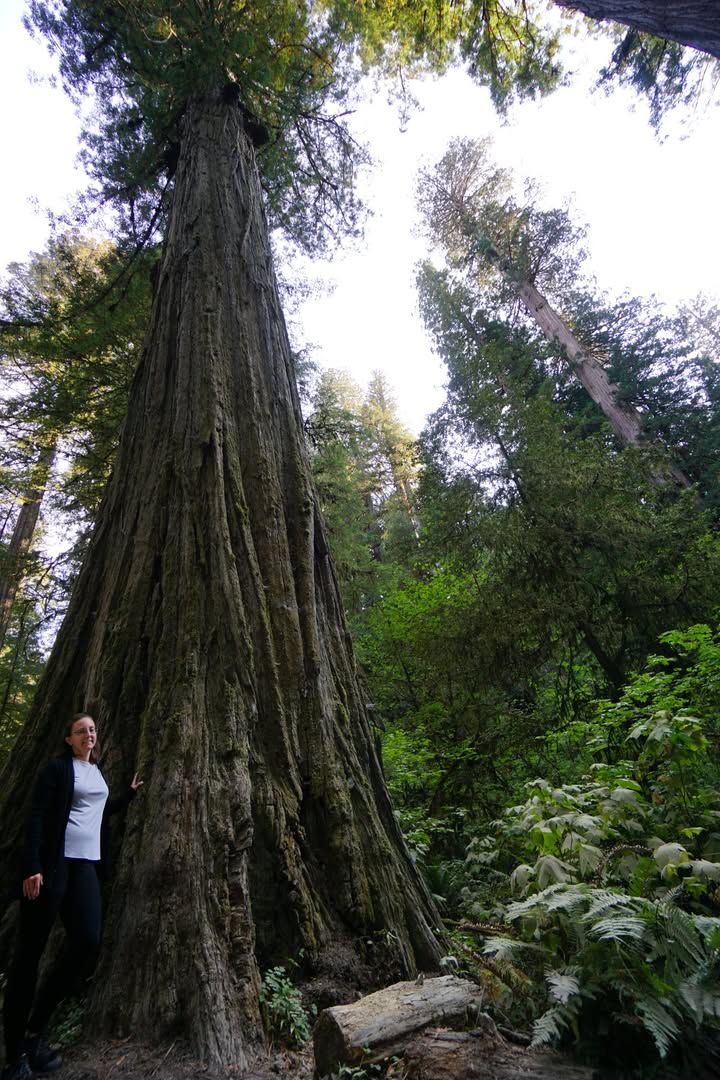
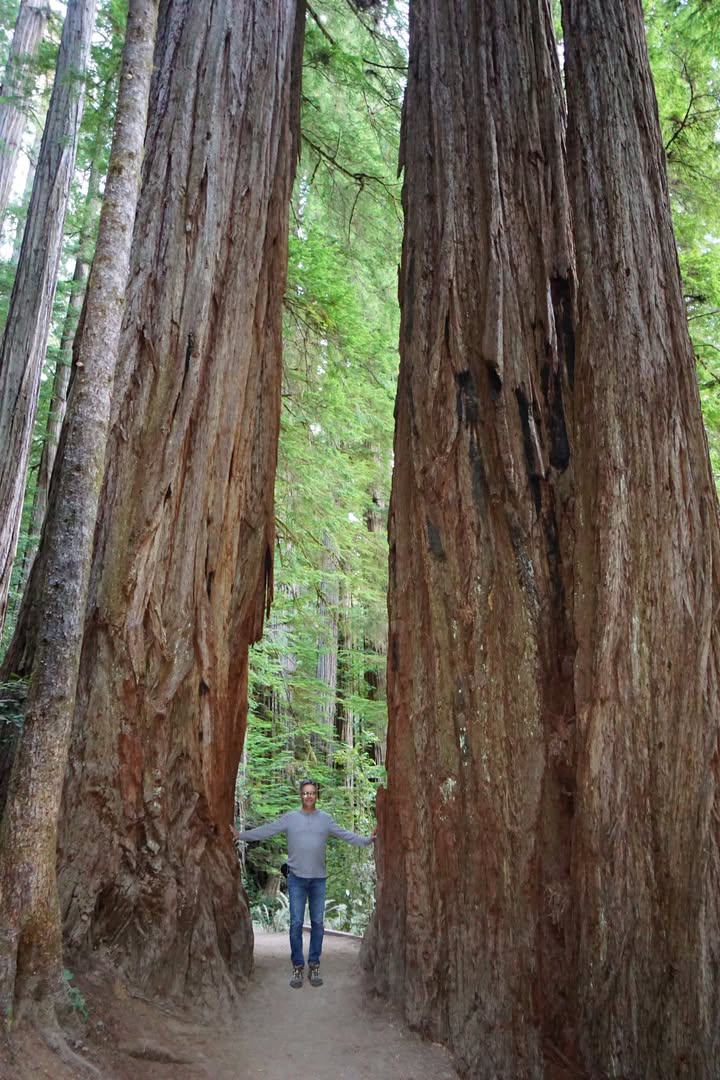
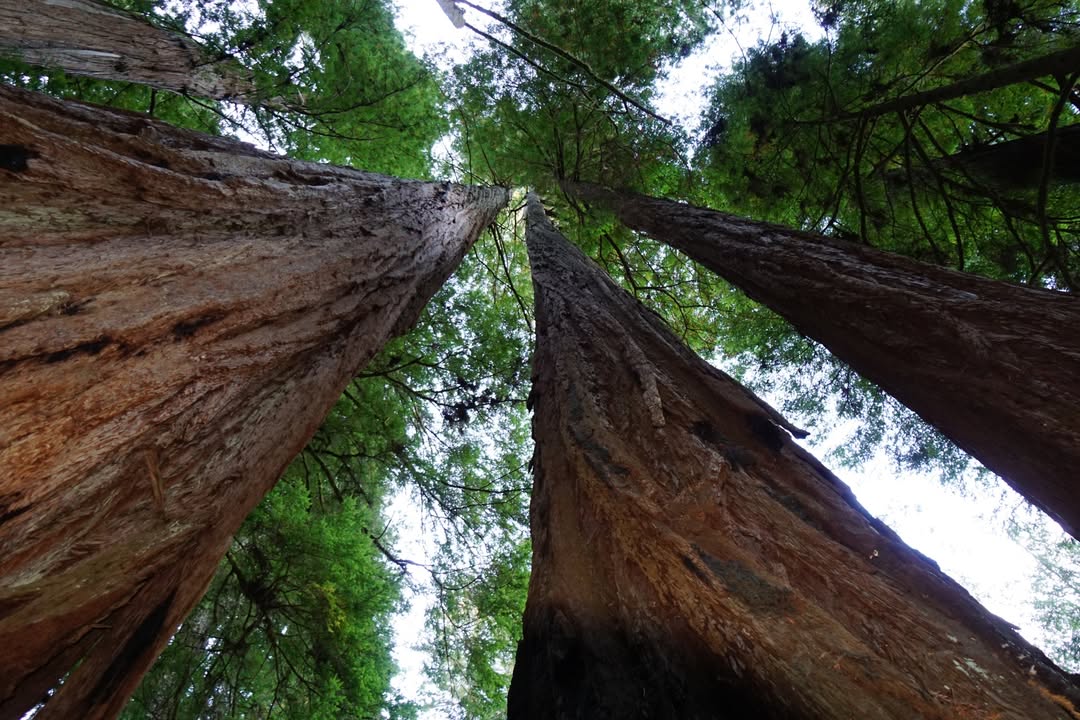
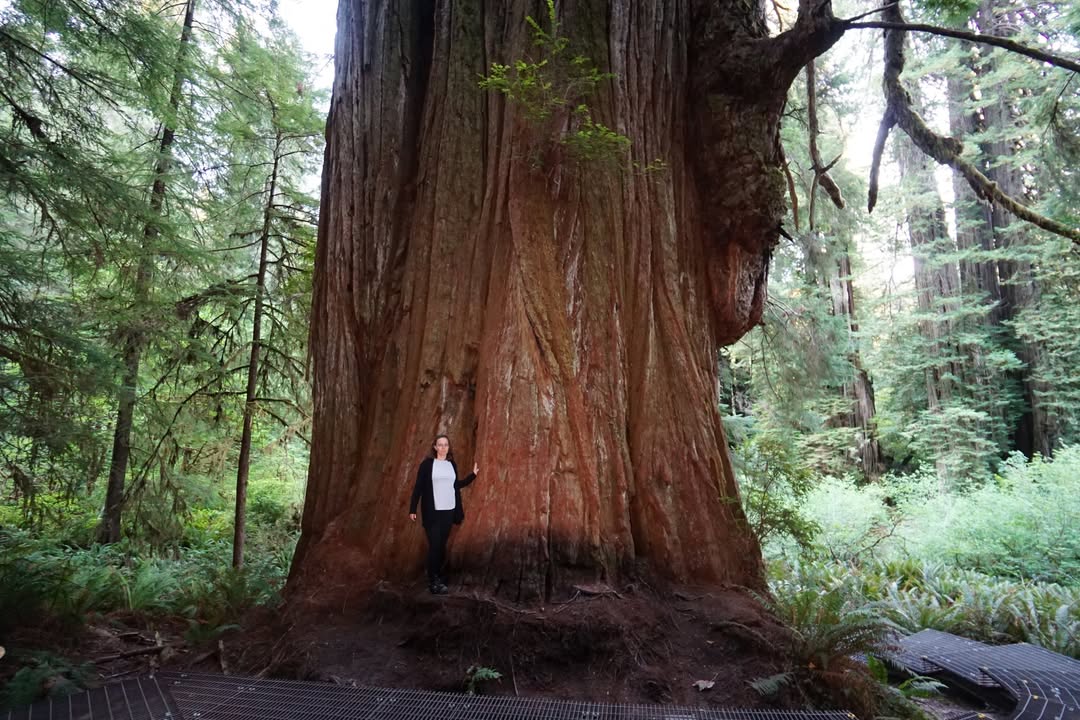
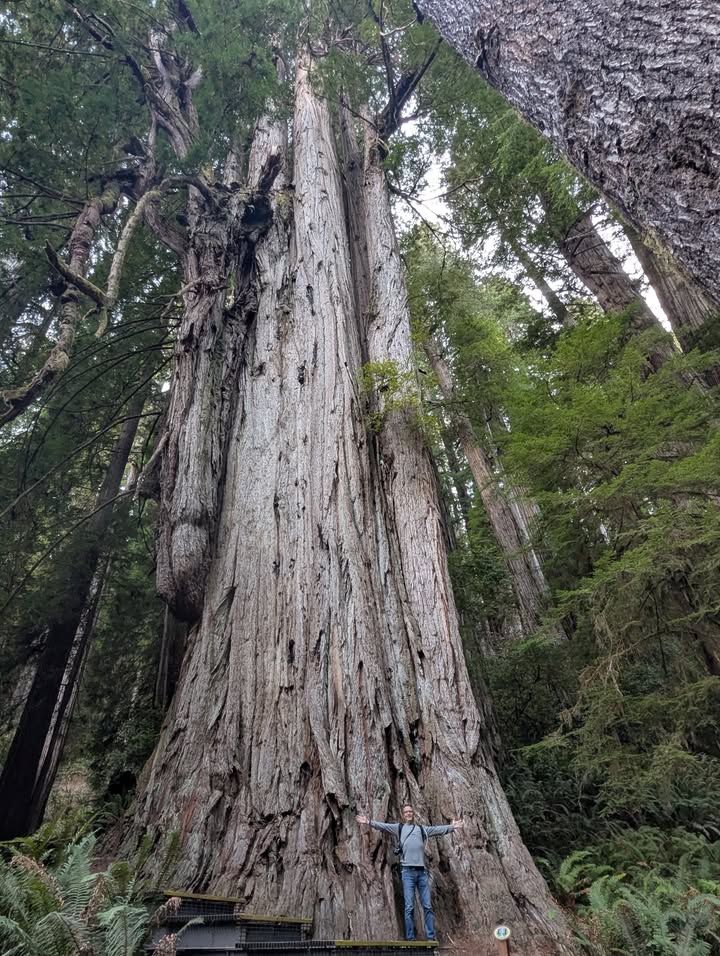
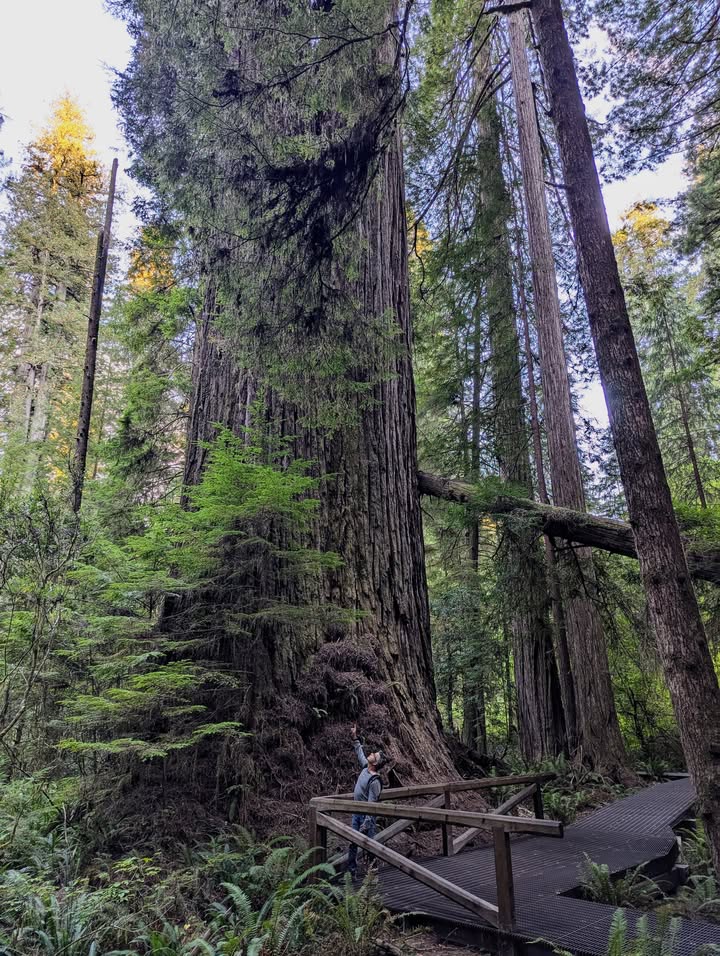
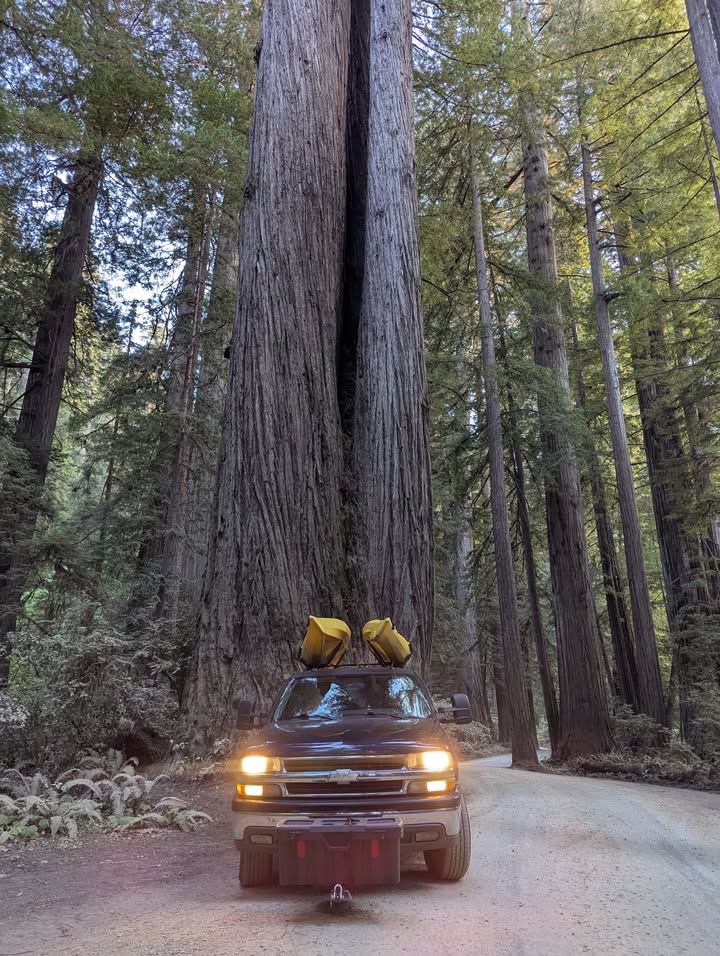
We drove the narrow one-lane Howland Hill dirt road to the Grove of Titans Trail. This grove contains some of the largest coast redwoods known to exist, with mammoth trees that soar well over 300 feet tall and stretch 20 to 25 feet across at their bases. Our campsite tree lost some of its glory in comparison. Along the way we spotted a yellow-cheeked chipmunk, a little stripe-faced local found only in the redwoods region.
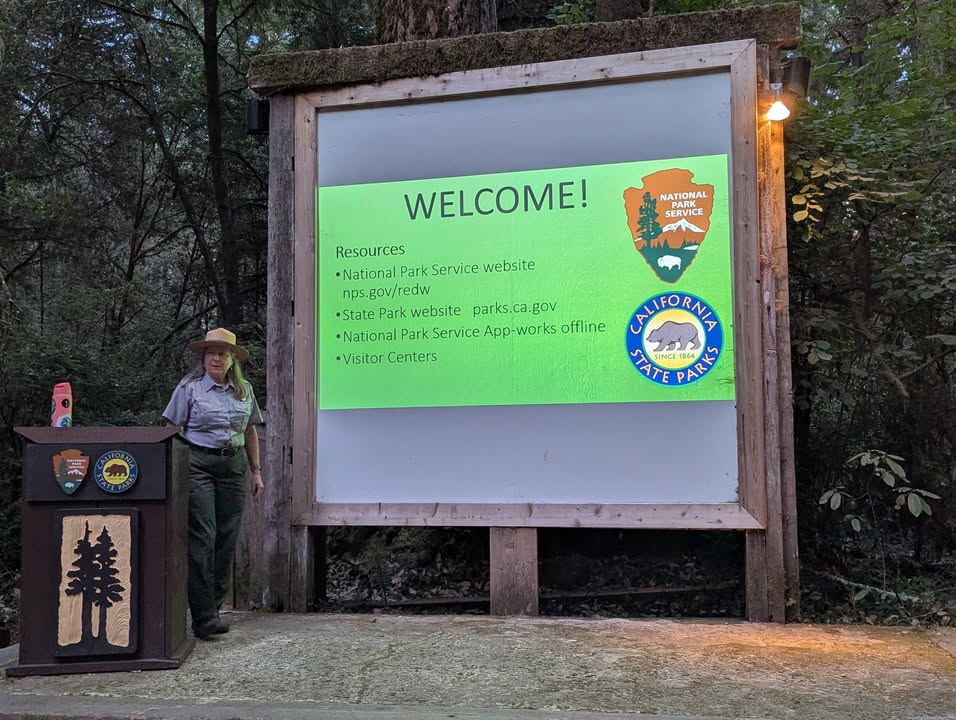
That evening at camp, we joined a ranger talk and learned just how ancient these trees really are. Their ancestors go all the way back to the Jurassic period, when redwoods stretched across much of North America alongside the dinosaurs. In more recent geological history, they retreated to the cool, misty strip along the Pacific coast. These are coast redwoods, the tallest trees in the world. Their cousins, the giant sequoias of California’s Sierra Nevada, grow larger at the base and in total volume, but they do not reach the same heights. When settlers arrived, heavy logging up until the 1950s wiped out about 95% of the old growth redwoods. Thankfully, conservation efforts stepped in to save the groves we get to walk in today.
We drove the narrow one-lane Howland Hill dirt road to the Grove of Titans Trail. This grove contains some of the largest coast redwoods known to exist, with mammoth trees that soar well over 300 feet tall and stretch 20 to 25 feet across at their bases. Our campsite tree lost some of its glory in comparison. Along the way we spotted a yellow-cheeked chipmunk, a little stripe-faced local found only in the redwoods region.
That evening at camp, we joined a ranger talk and learned just how ancient these trees really are. Their ancestors go all the way back to the Jurassic period, when redwoods stretched across much of North America alongside the dinosaurs. In more recent geological history, they retreated to the cool, misty strip along the Pacific coast. These are coast redwoods, the tallest trees in the world. Their cousins, the giant sequoias of California’s Sierra Nevada, grow larger at the base and in total volume, but they do not reach the same heights. When settlers arrived, heavy logging up until the 1950s wiped out about 95% of the old growth redwoods. Thankfully, conservation efforts stepped in to save the groves we get to walk in today.