Darlingtonia and Simpson-Reed Trails
3 / 6
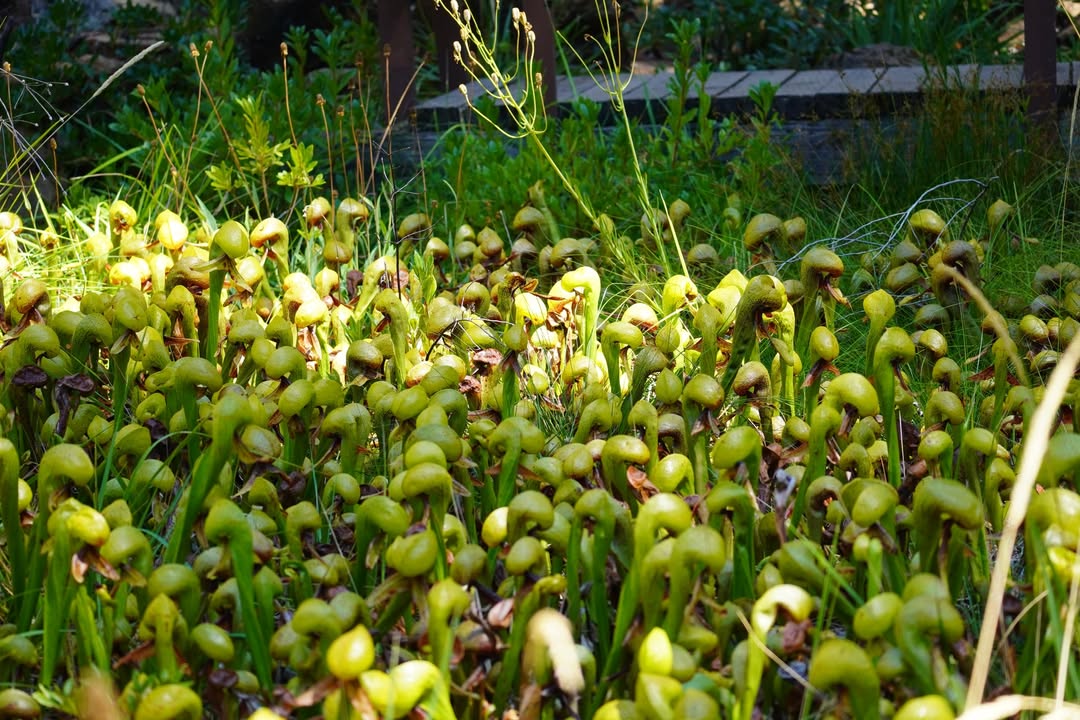
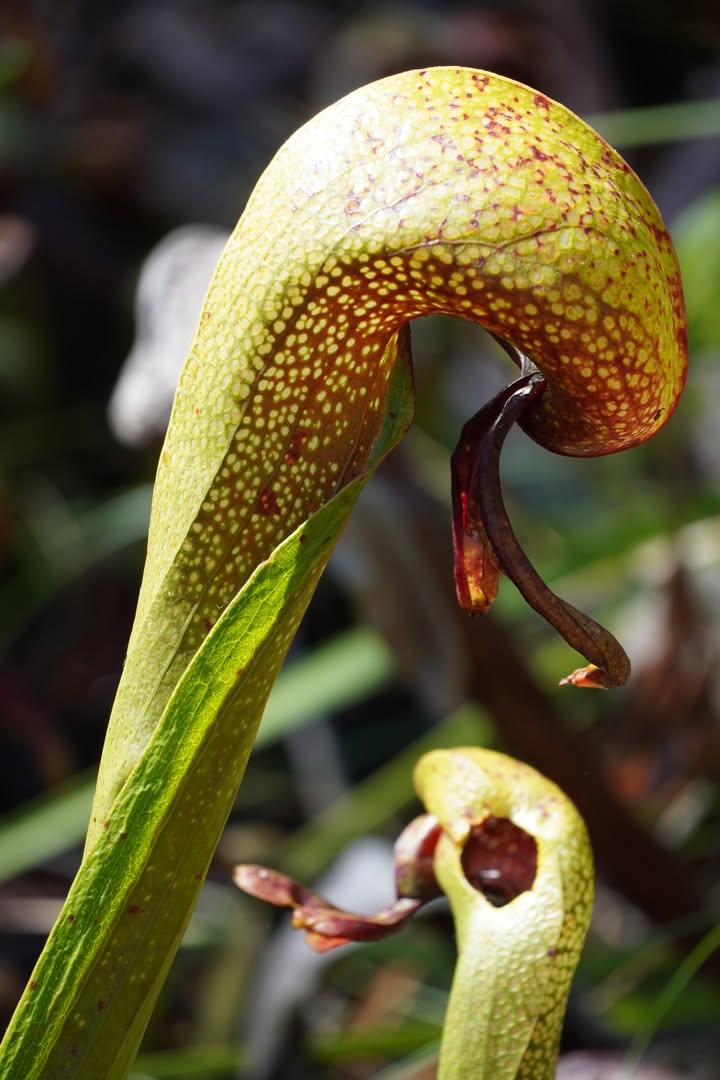
We started our third day at Redwood National Park with a quick detour to the Darlingtonia Trail in the Smith River National Recreation Area. This short loop winds through a boggy meadow filled with Darlingtonia californica, better known as the California pitcher plant. These carnivorous plants stand about two feet tall, with hooded green leaves shaped like cobras ready to strike. The insects fly into the hood, where they get trapped and digested. Not your average wildflower stroll.
California Pitcher Plant on Darlingtonia Trail
1 / 21
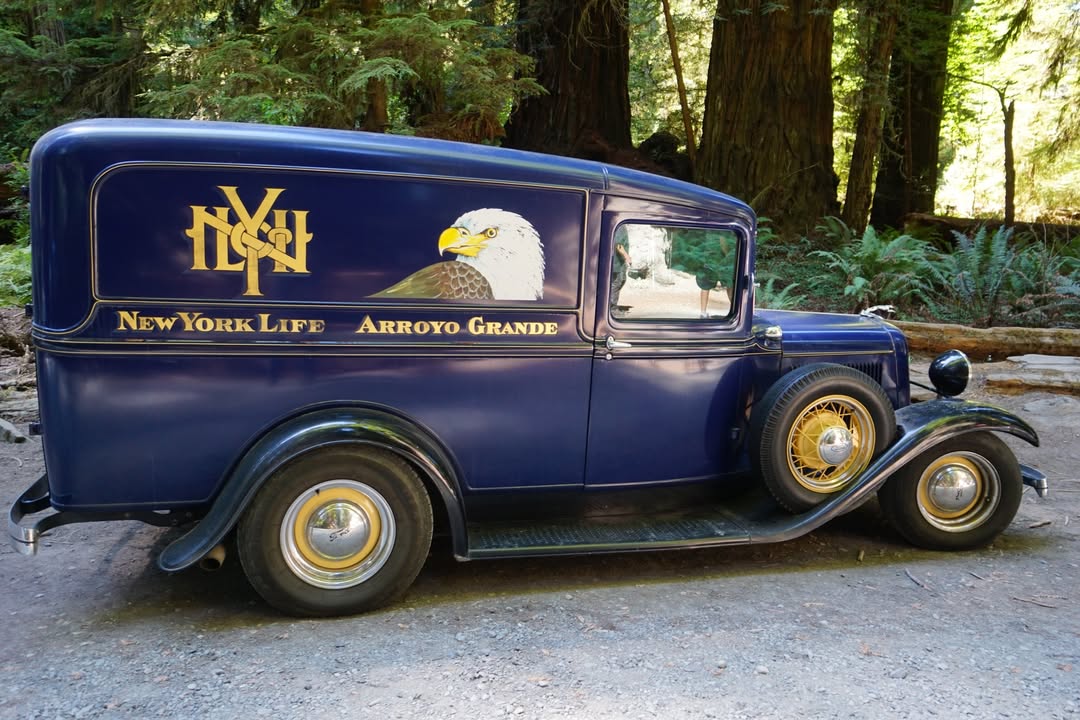
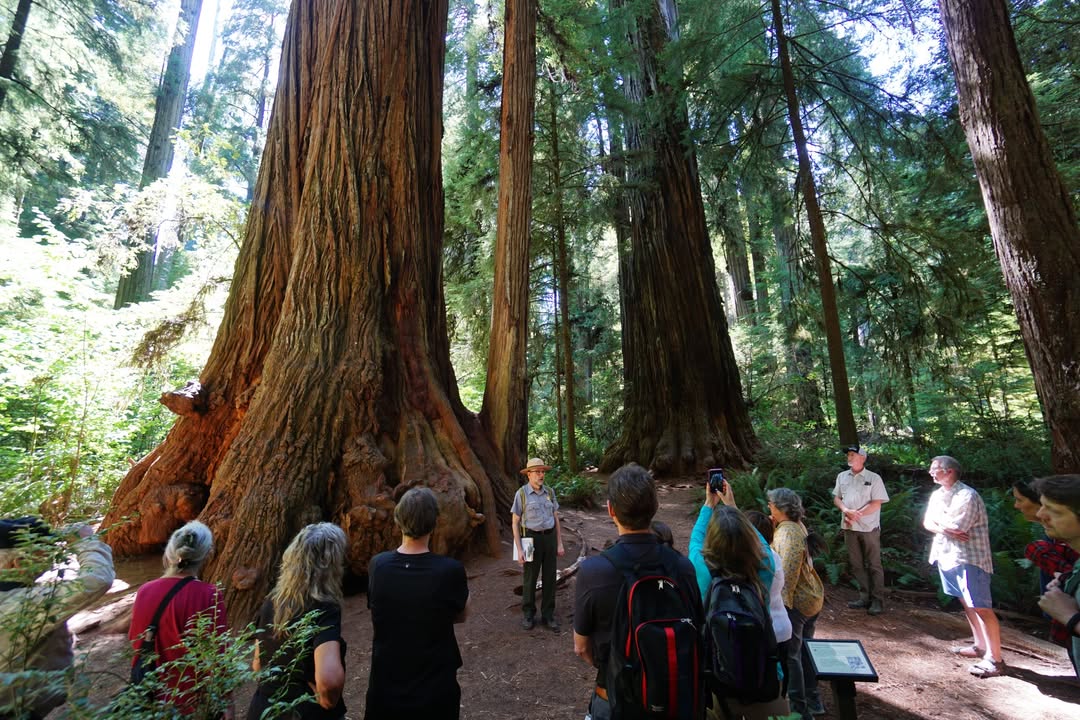
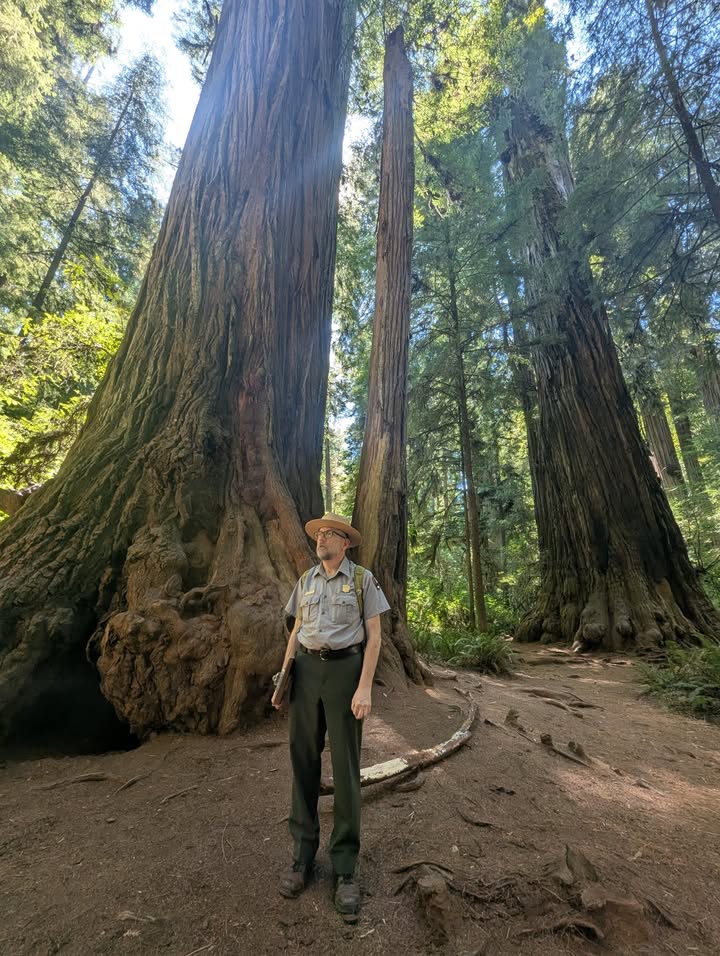
Afterward, we headed back into the redwoods for a ranger led hike at the Simpson-Reed Trailhead. In the parking lot, we spotted our second old timey car sighting in just a couple of days. With some time to kill, we wandered down the nearby Peterson Memorial Trail looking for a good picnic spot. As we walked, I lamented that we still hadn’t seen a banana slug. We’d learned a new banana slug song the night before at a ranger talk, so Danny and I figured if we sang the chorus — Bah-naa-nuh Slug, Banananana, Bah-naa-nuh Slug — the universe might deliver one. No luck. Just some raised eyebrows from the passersby. Unfortunately, August is the dry season, and slugs spend it tucked under leaf litter, not out basking on the trails.
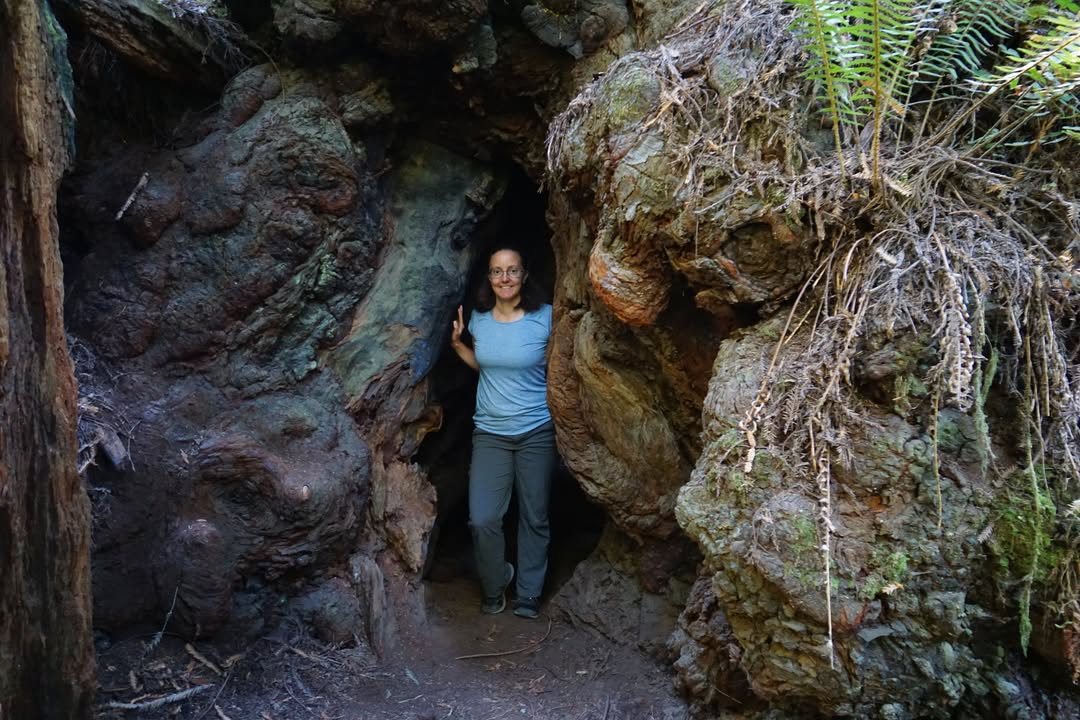
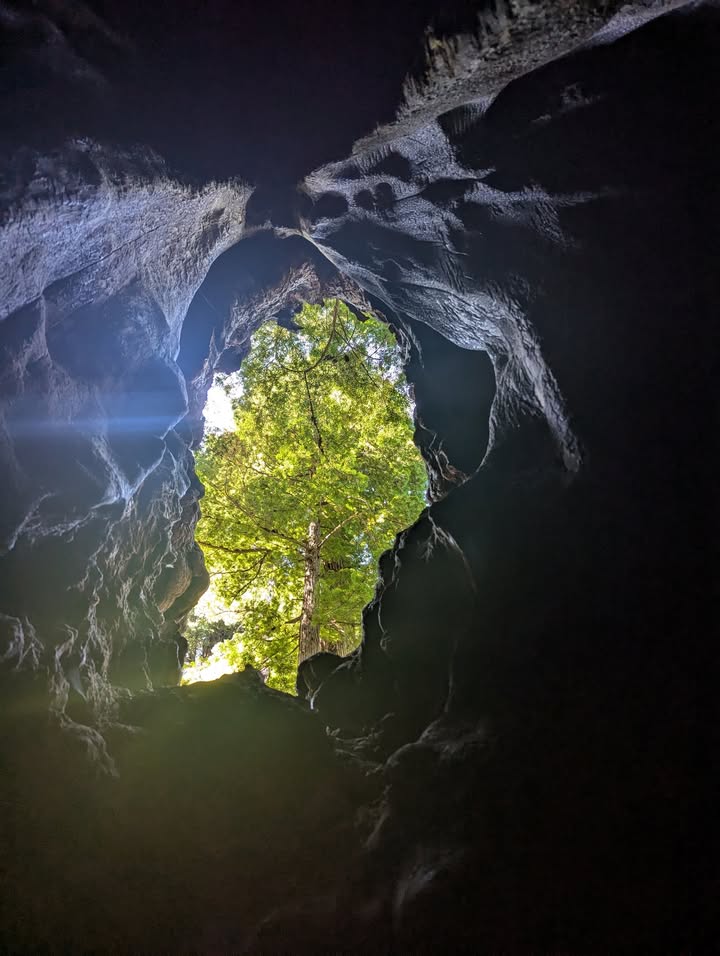
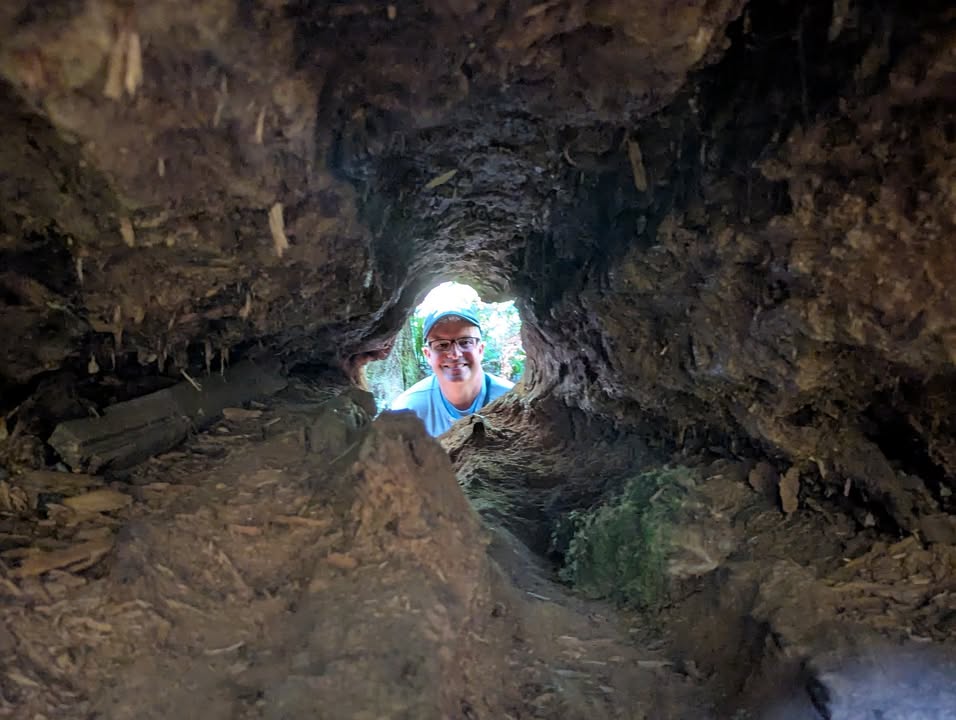
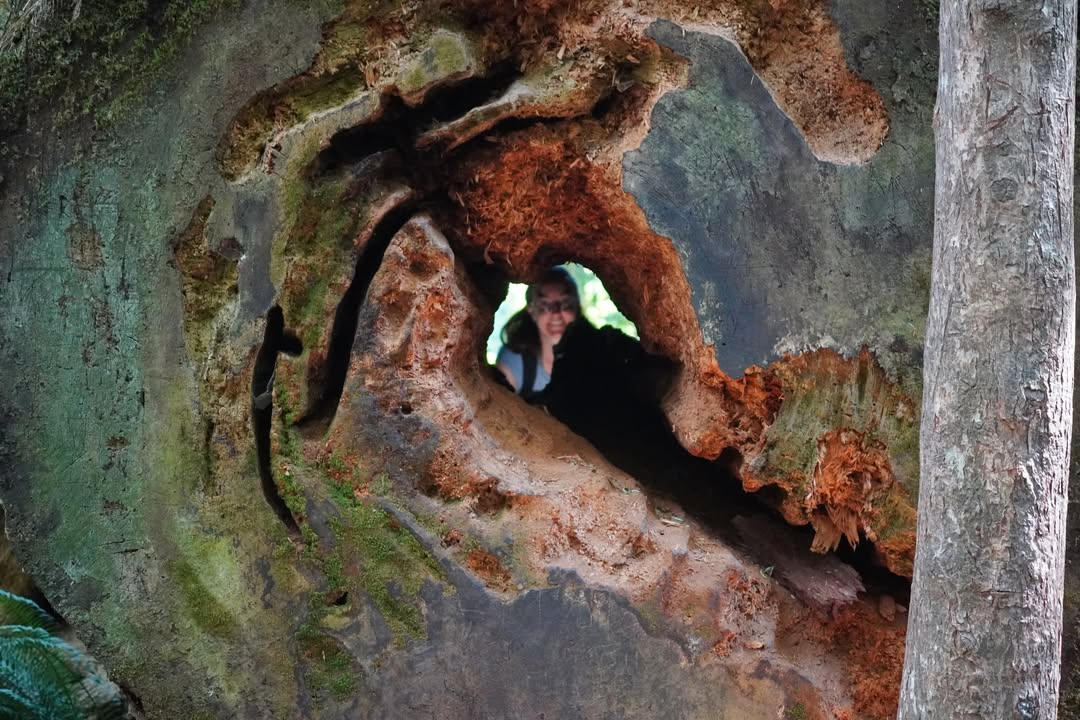
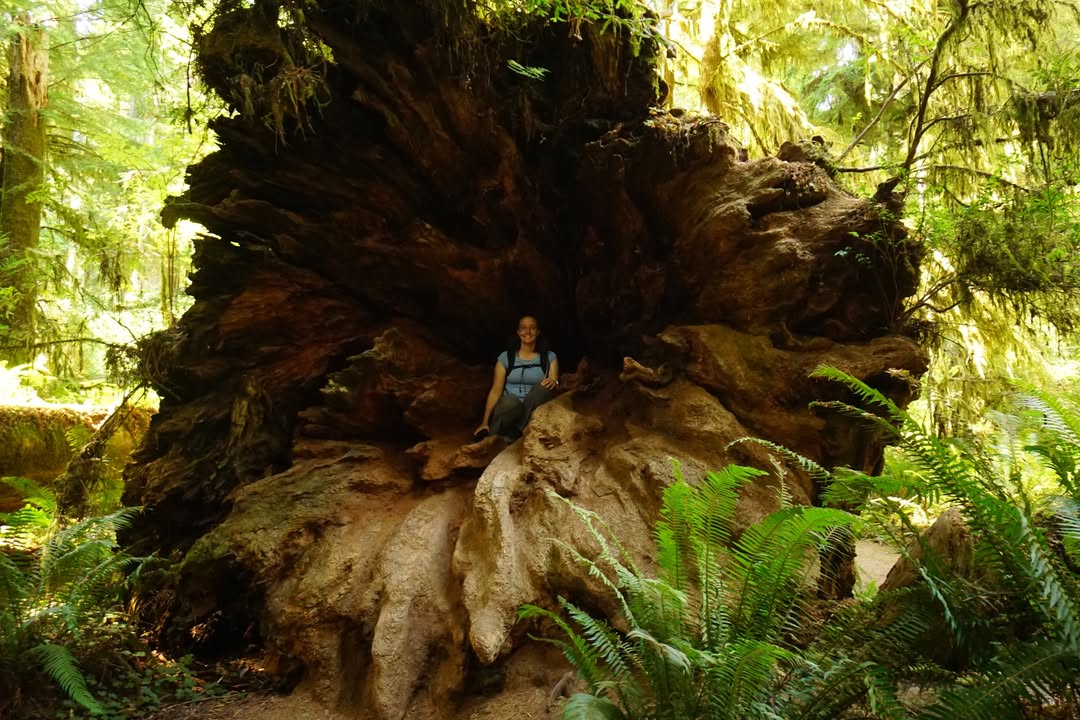
We finally found a nice redwood log for our picnic lunch. As we were munching on sandwiches, an older bearded gentleman walked by, said a few words, and Danny immediately called him out: “You own that old car, don’t you?” The man blinked and said, “How do you know?” (I was wondering the same thing.) Danny just shrugged and said, “I know car guys.” Geesh, if only he used those psychic powers to find the banana slugs. After a long car talk between the two, we headed to meet the ranger. Before exiting the trail, the car guy tipped us off to walk behind one of the massive Redwood trees to find a cavity where you could go inside!
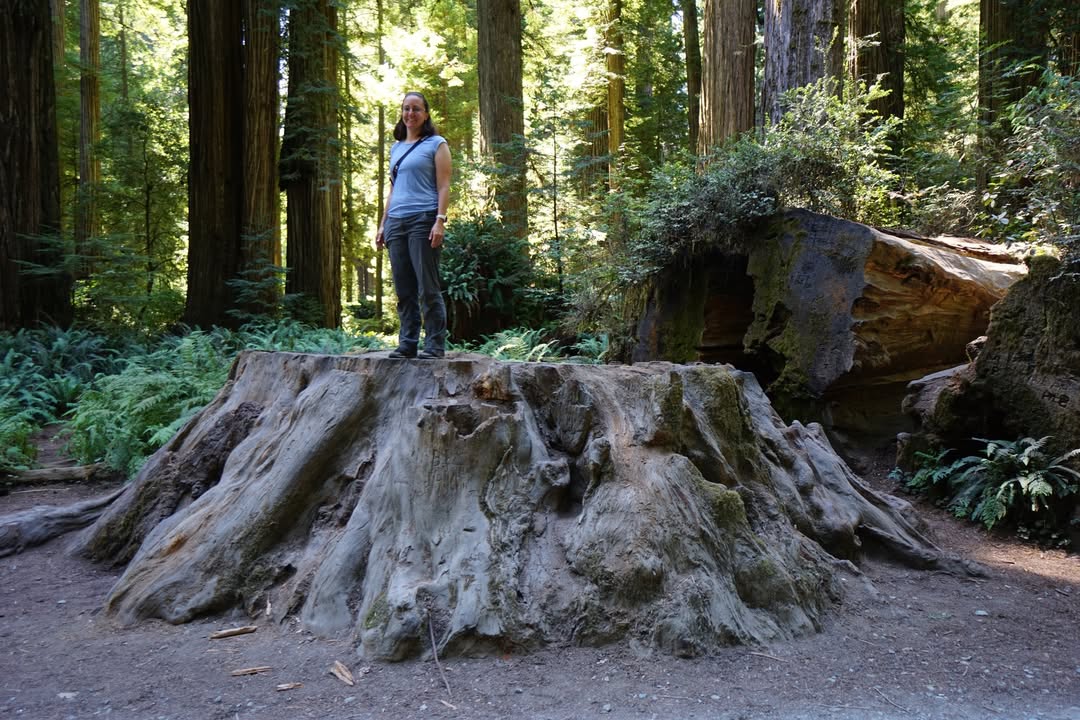
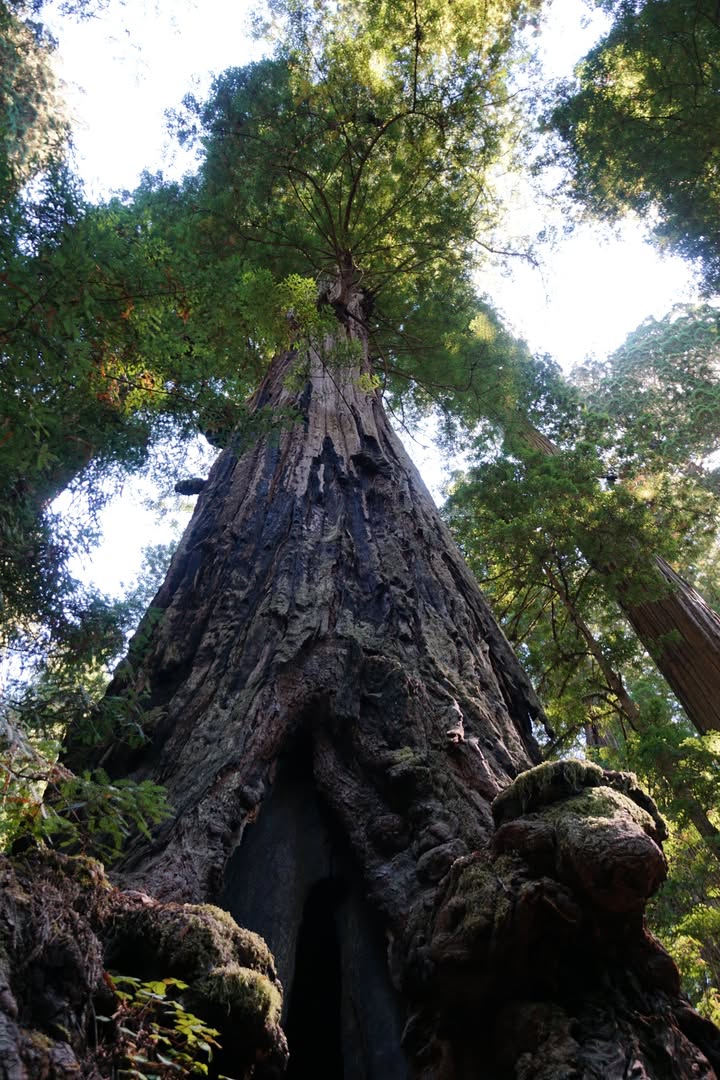
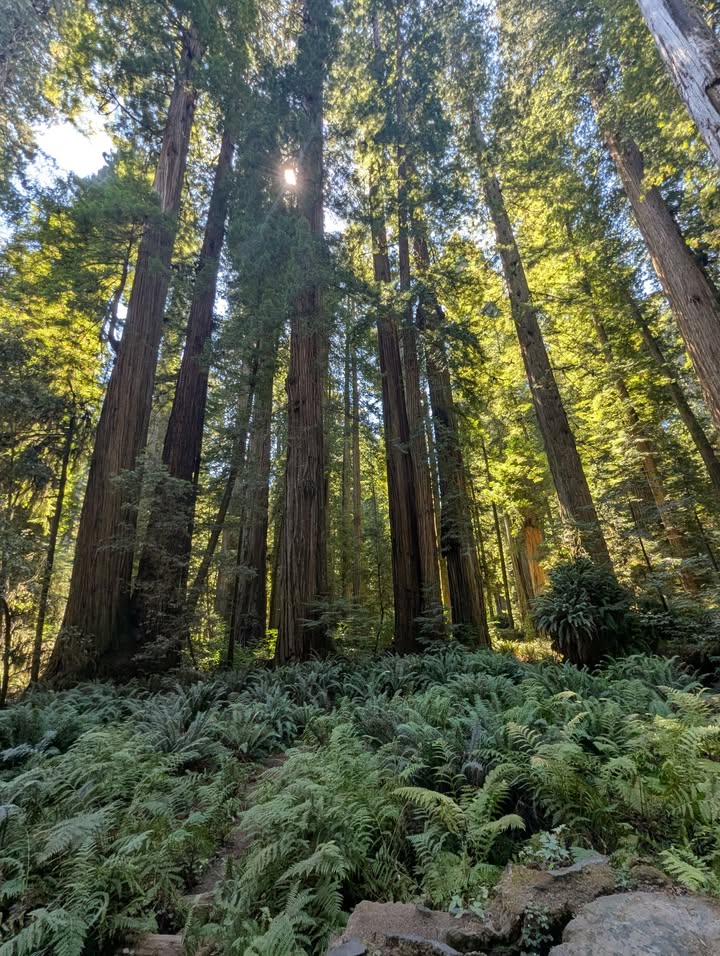
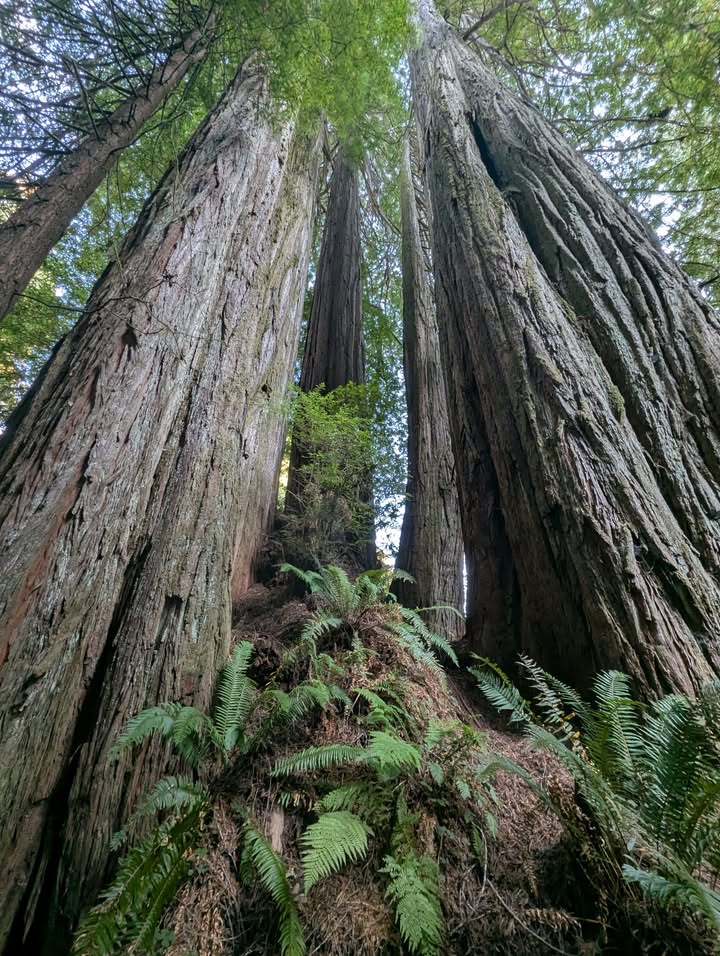
On the hike, we learned that redwoods rarely reproduce by the seeds in their tiny cones. Instead, they mostly clone themselves. When stressed, the trees send up new sprouts from their root system or from growths called burls. Sometimes, they form whole circles of trees around the original parent root system called family rings, pretty cool. I'd already seen quite a few trees with two, sometimes three tree tops on one shared base, and even spotted a family ring a few days earlier at Grove of Titans. The Simpson-Reed Trail itself was an easy loop through dense old-growth, shaded and lush, with ferns covering the understory.
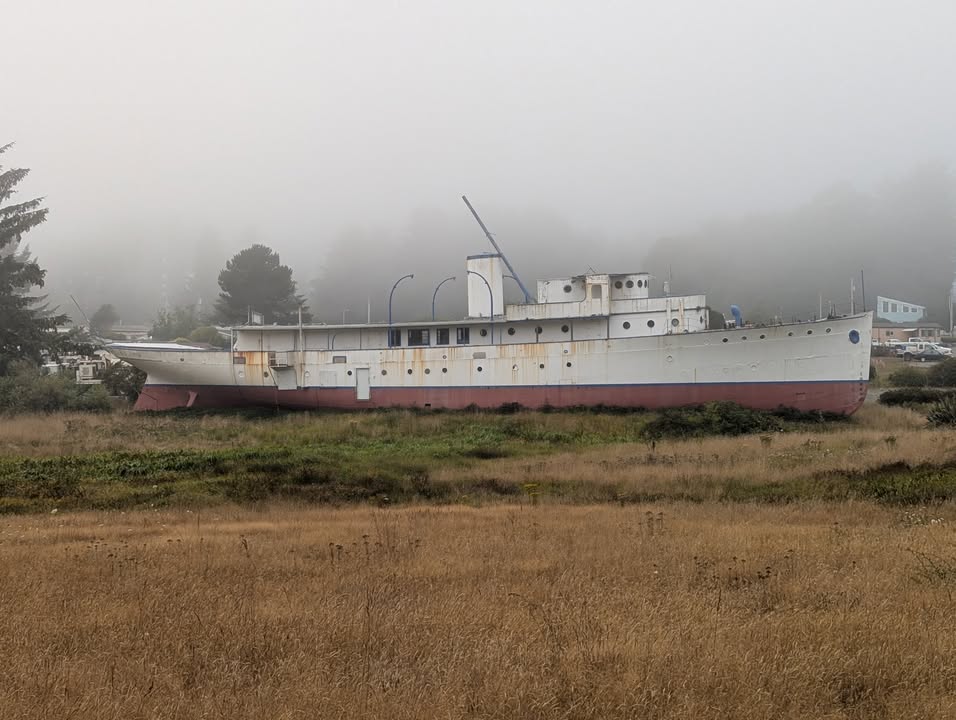
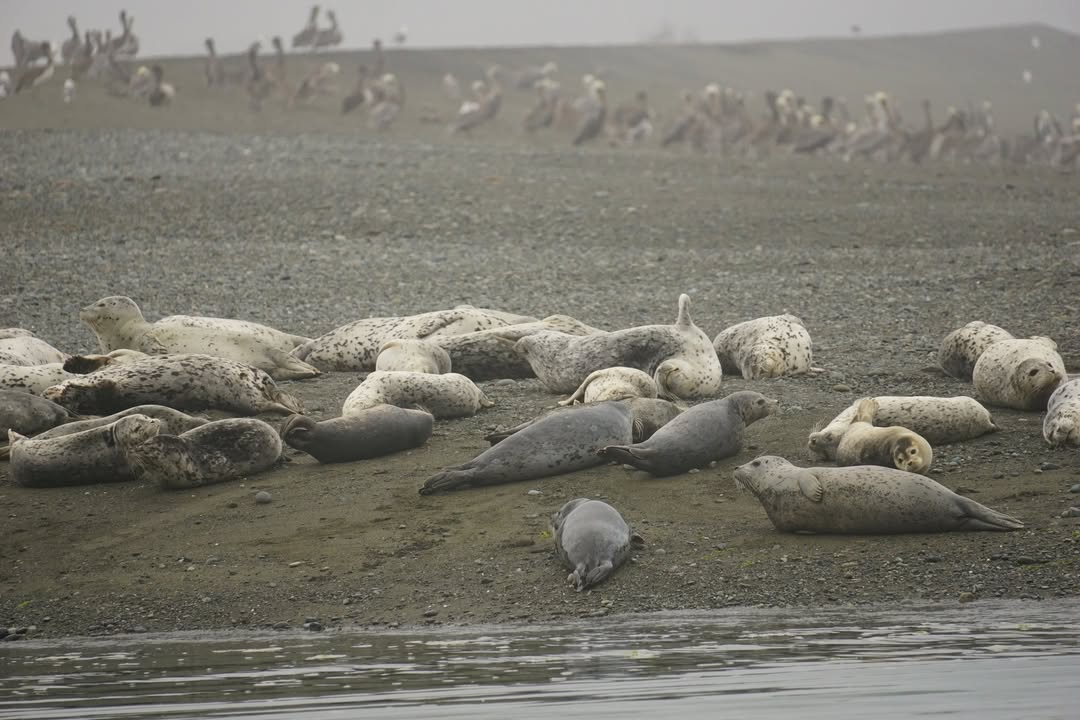
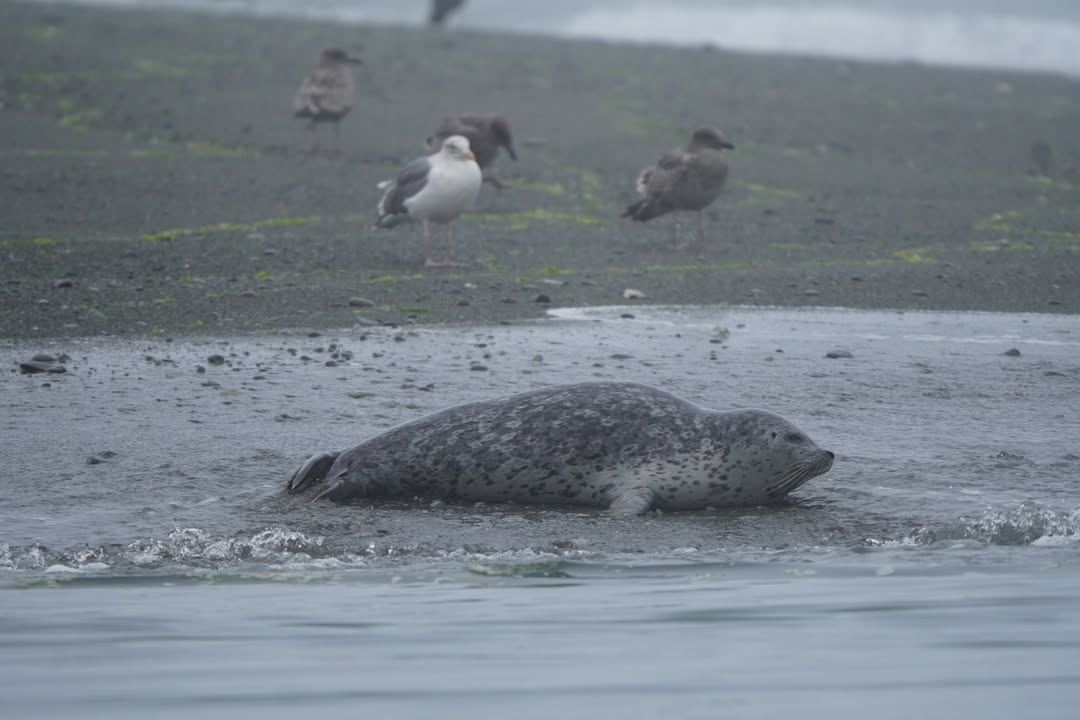
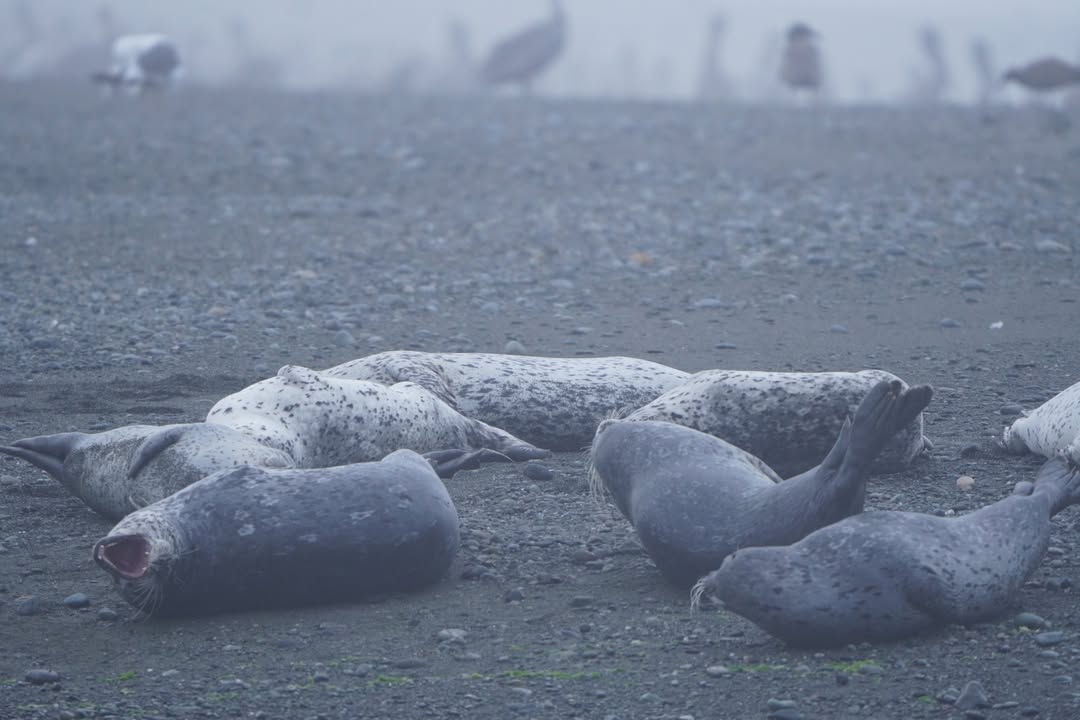
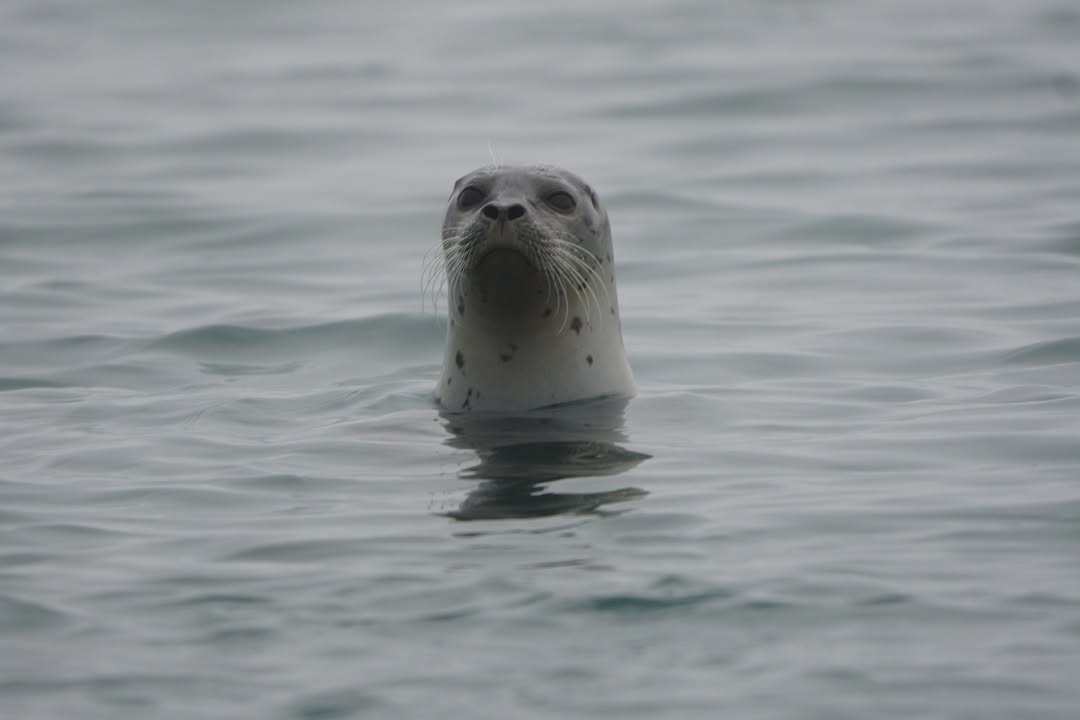
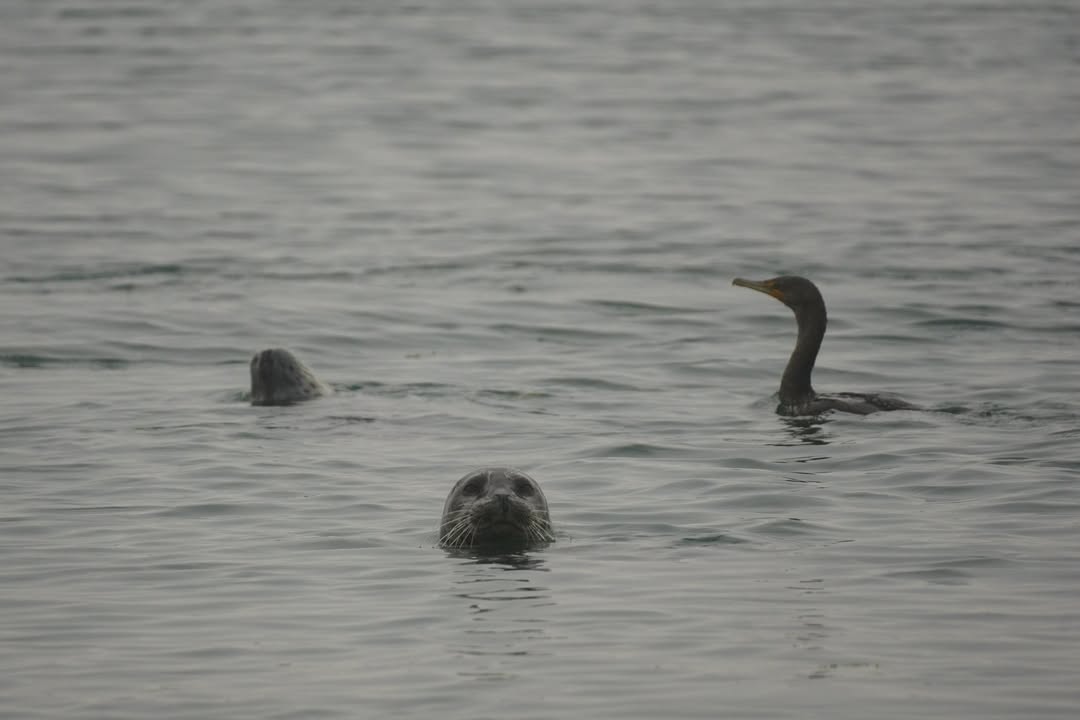
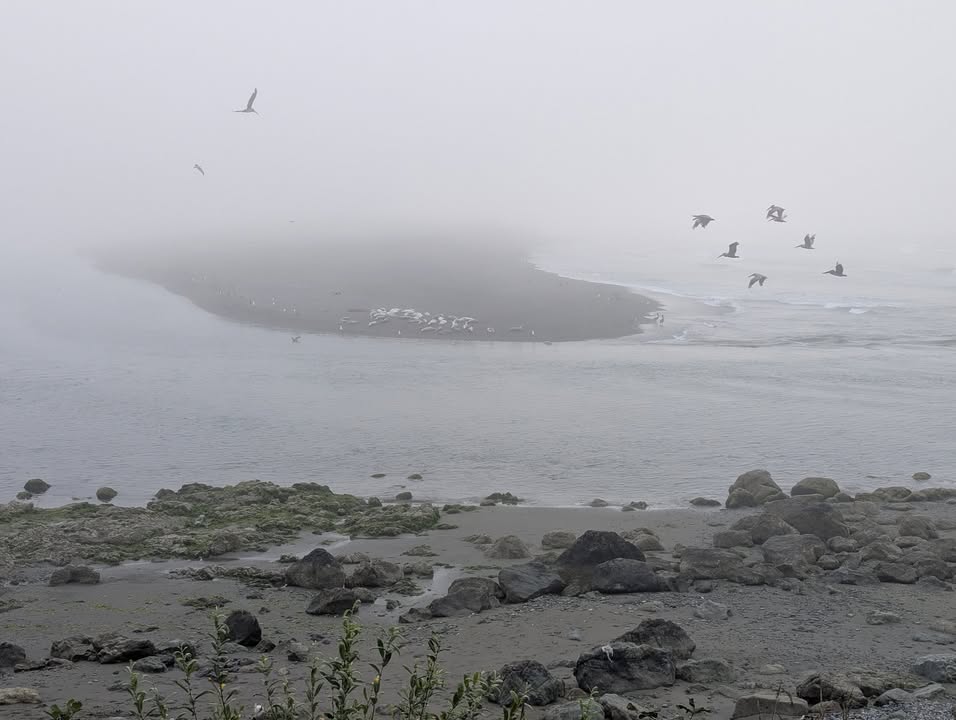
That evening we followed a tip from our ranger talk the night before: head to the Mouth of the Smith River for sea life. On the drive, we passed a huge ship sitting out in a field. Of course we had to pull off and snap a picture. Just one of those bits of quirky roadside charm you stumble on in Northern California. As we arrived, a blanket of fog rolled in, making the place feel wild and untamed. Across the channel, two dozen harbor seals were piled on the beach, while more hunted up and down the shoreline. Gulls and pelicans dove for fish. Cormorants swam in the water and slipped under the surface in quick dives. Even without banana slugs, we’d gotten our wildlife fix for the day.
We finally found a nice redwood log for our picnic lunch. As we were munching on sandwiches, an older bearded gentleman walked by, said a few words, and Danny immediately called him out: “You own that old car, don’t you?” The man blinked and said, “How do you know?” (I was wondering the same thing.) Danny just shrugged and said, “I know car guys.” Geesh, if only he used those psychic powers to find the banana slugs. After a long car talk between the two, we headed to meet the ranger. Before exiting the trail, the car guy tipped us off to walk behind one of the massive Redwood trees to find a cavity where you could go inside!
On the hike, we learned that redwoods rarely reproduce by the seeds in their tiny cones. Instead, they mostly clone themselves. When stressed, the trees send up new sprouts from their root system or from growths called burls. Sometimes, they form whole circles of trees around the original parent root system called family rings, pretty cool. I'd already seen quite a few trees with two, sometimes three tree tops on one shared base, and even spotted a family ring a few days earlier at Grove of Titans. The Simpson-Reed Trail itself was an easy loop through dense old-growth, shaded and lush, with ferns covering the understory.
That evening we followed a tip from our ranger talk the night before: head to the Mouth of the Smith River for sea life. On the drive, we passed a huge ship sitting out in a field. Of course we had to pull off and snap a picture. Just one of those bits of quirky roadside charm you stumble on in Northern California. As we arrived, a blanket of fog rolled in, making the place feel wild and untamed. Across the channel, two dozen harbor seals were piled on the beach, while more hunted up and down the shoreline. Gulls and pelicans dove for fish. Cormorants swam in the water and slipped under the surface in quick dives. Even without banana slugs, we’d gotten our wildlife fix for the day.