Kartchner Caverns
3 / 3
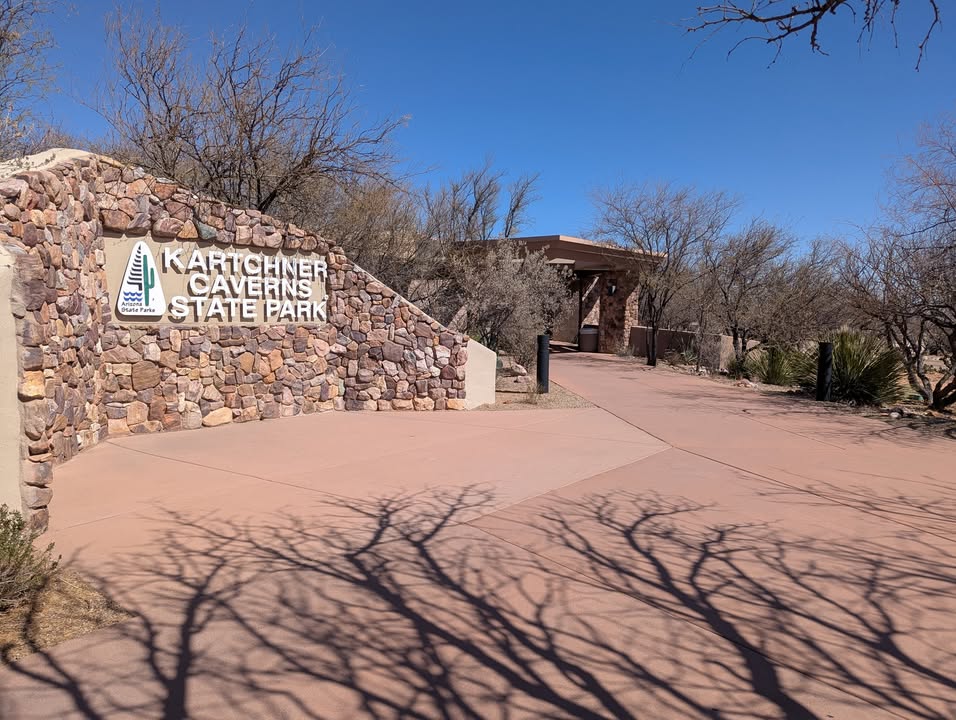
On our final morning, we took the guided Big Room tour of Kartchner Caverns. Arizona's dedication to preserving this living cave is evident: visitors are prohibited from bringing any personal items; shoes previously worn in other caves are sanitized to prevent the spread of White Nose Syndrome, a disease harmful to bats; and a series of airlocks and misting systems maintain the cave's delicate humidity and temperature balance.
Kartchner Caverns State Park
1 / 6
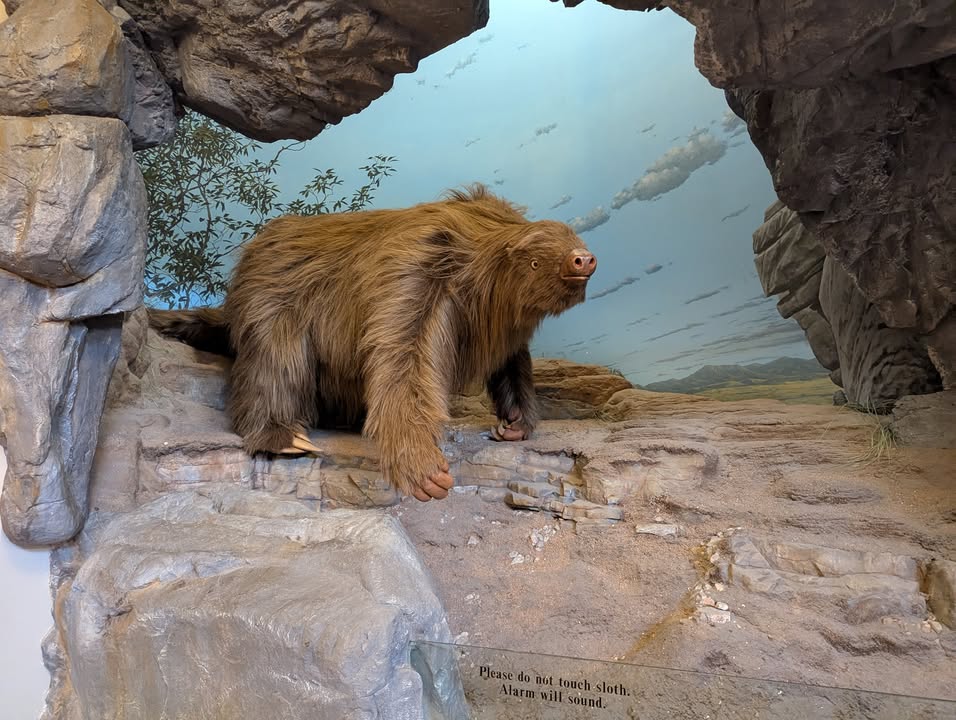
Our tour guide shared fascinating insights: the caverns serve as a nursery roost for cave bats during the summer months, leading to our tour being closed from mid-April to mid-October. Researchers have discovered a surprisingly diverse ecosystem of microbes within the caverns, including bacteria and archaea, some previously unknown to science. Notably, remains of an 80,000-year-old Shasta ground sloth were found within the cave.
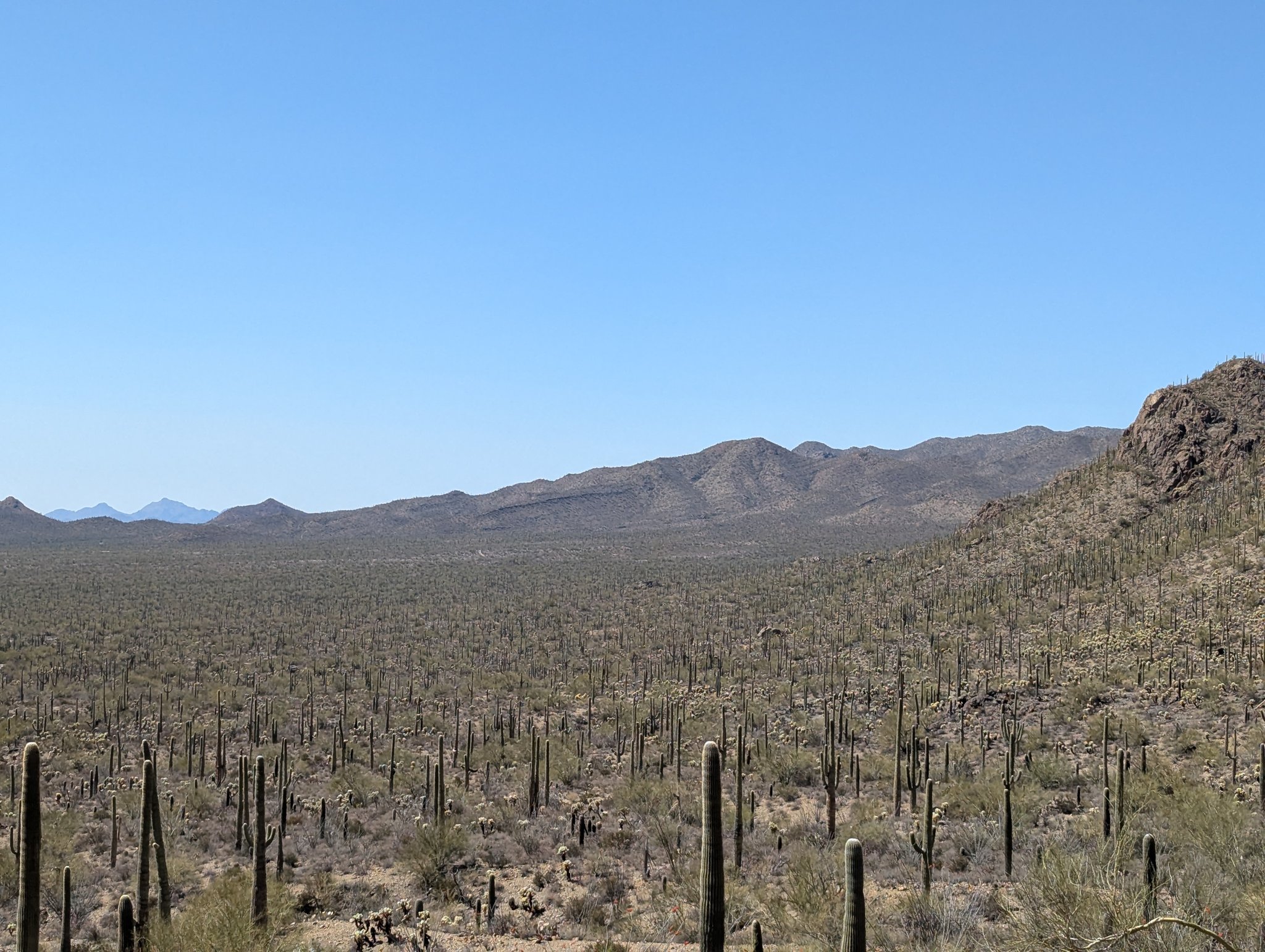
From there, we headed west toward Tucson, driving through a sea of saguaros on the way to Gilbert Ray Campground. Saguaros are slow-growing giants of the Sonoran Desert, often living well over a century and gradually sprouting arms as they age.
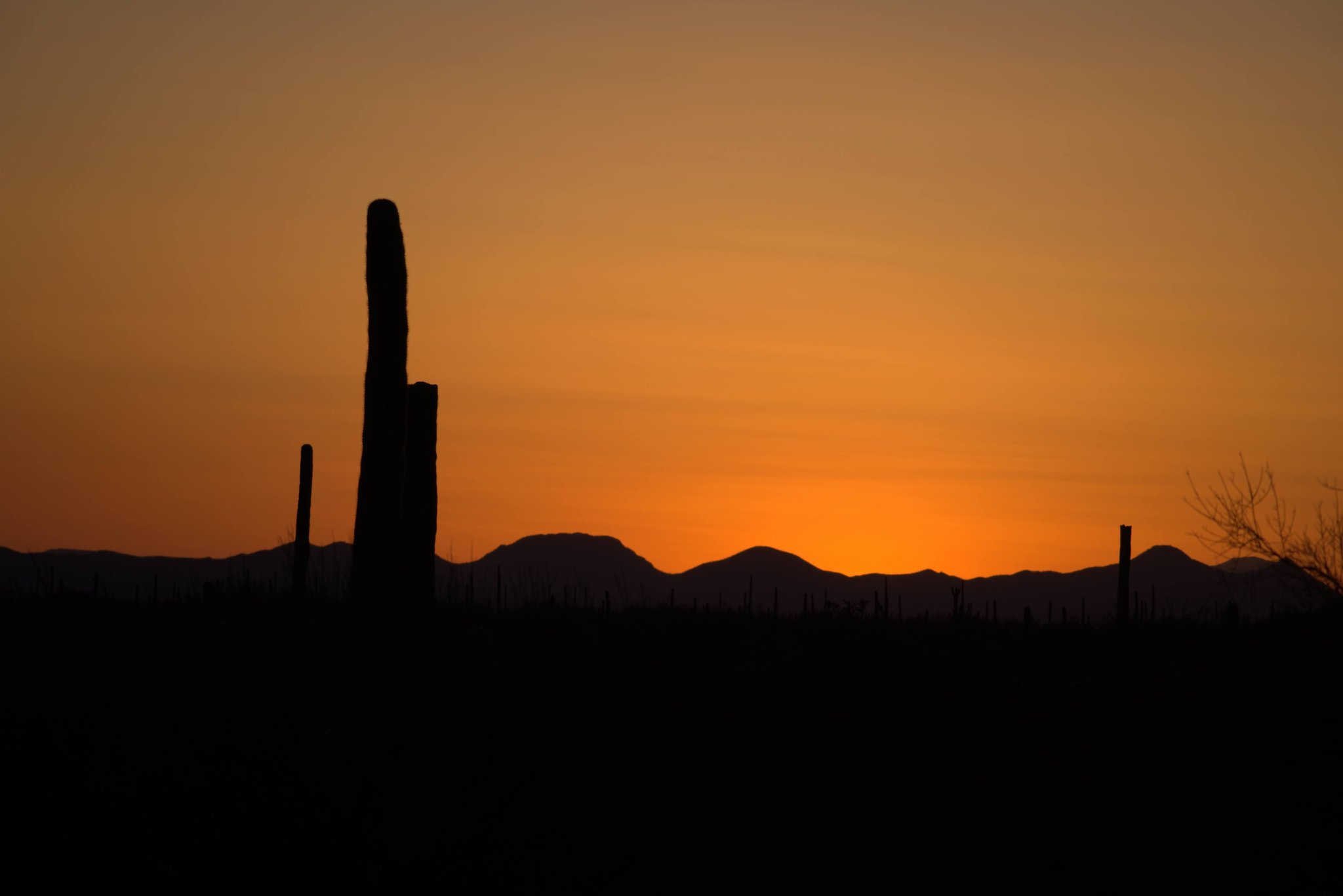
That night, we were treated to a glowing red sunset straight from our campsite. The sky burned orange and red as the sun dropped behind the mountains, with saguaro silhouettes standing tall against the horizon.
From there, we headed west toward Tucson, driving through a sea of saguaros on the way to Gilbert Ray Campground. Saguaros are slow-growing giants of the Sonoran Desert, often living well over a century and gradually sprouting arms as they age.
That night, we were treated to a glowing red sunset straight from our campsite. The sky burned orange and red as the sun dropped behind the mountains, with saguaro silhouettes standing tall against the horizon.