Day 1 at Great Sand Dunes National Park and Preserve
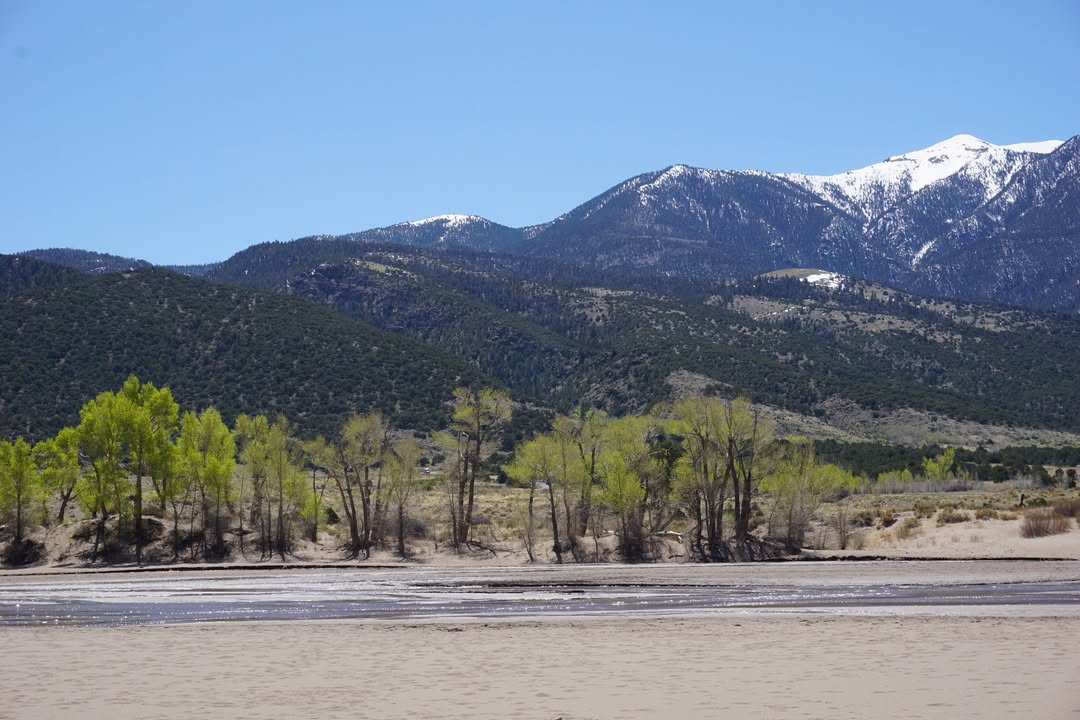
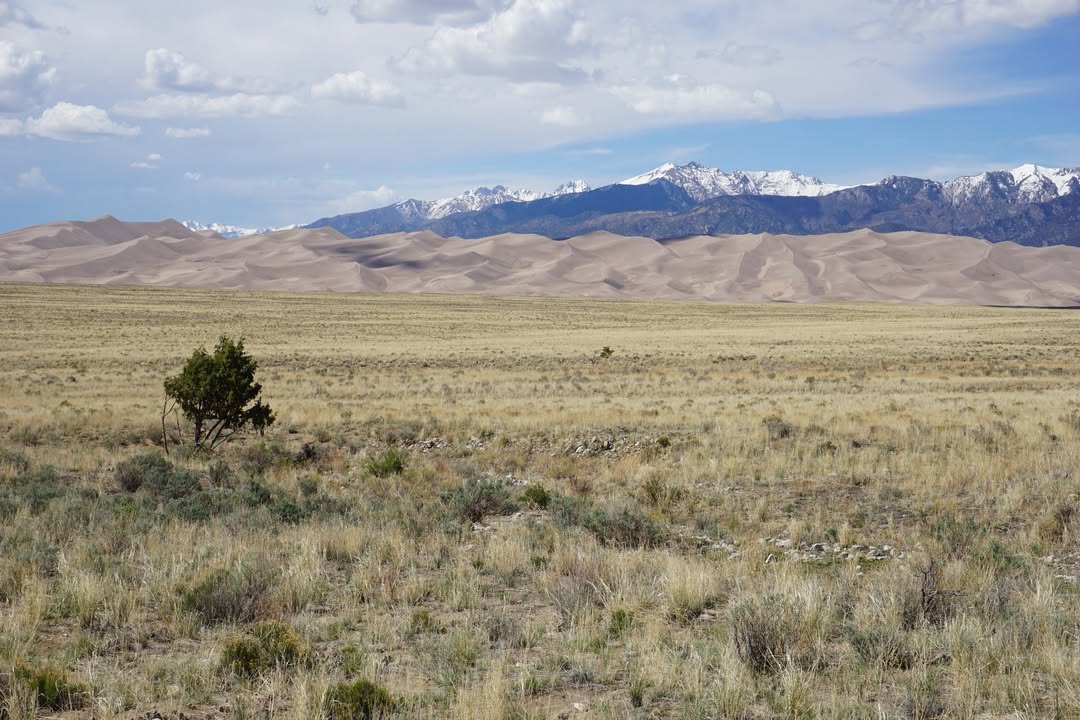
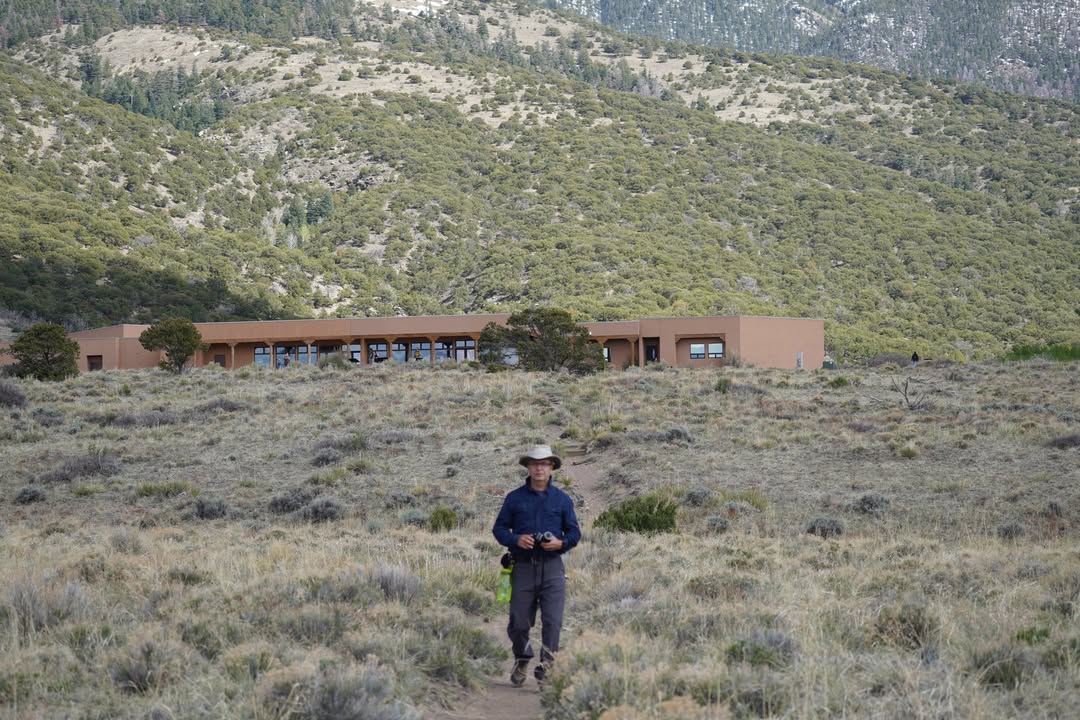
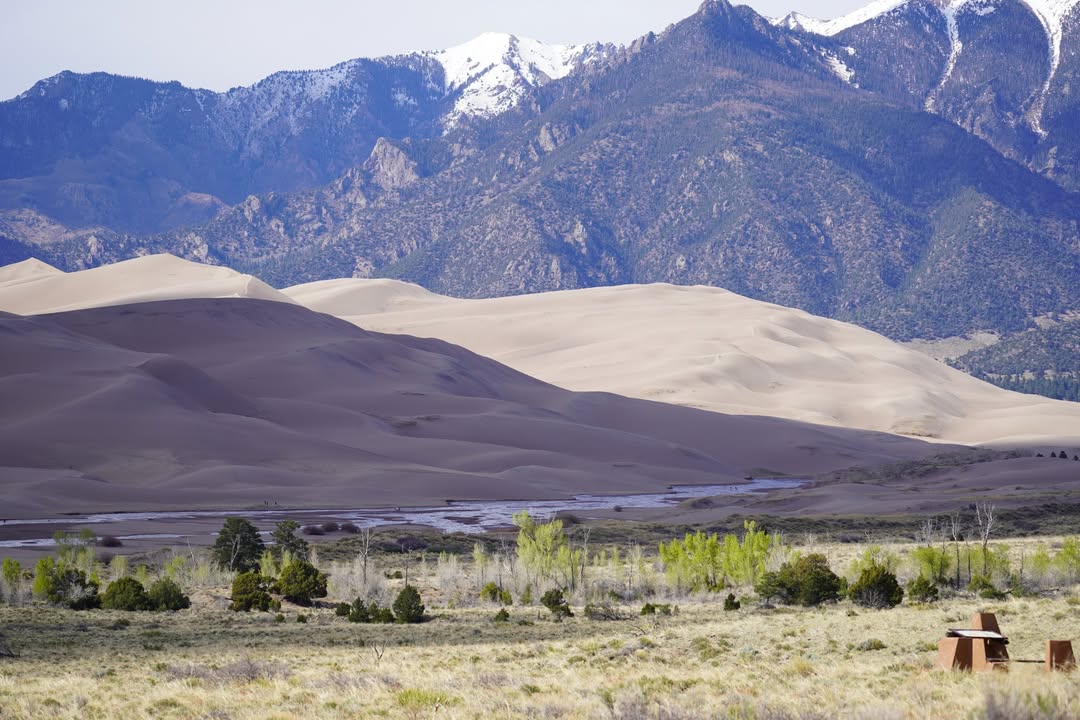
We started at the Great Sand Dunes Visitor Center, where we learned what makes Great Sand Dunes National Park and Preserve so unique. The dunes, the tallest in North America, were formed over thousands of years from sand carried by the Rio Grande and its tributaries. Winds sweeping across the San Luis Valley push that sand up against the Sangre de Cristo Mountains, where it collects into massive, constantly shifting dunes.
Great Sand Dunes National Park and Preserve
1 / 4
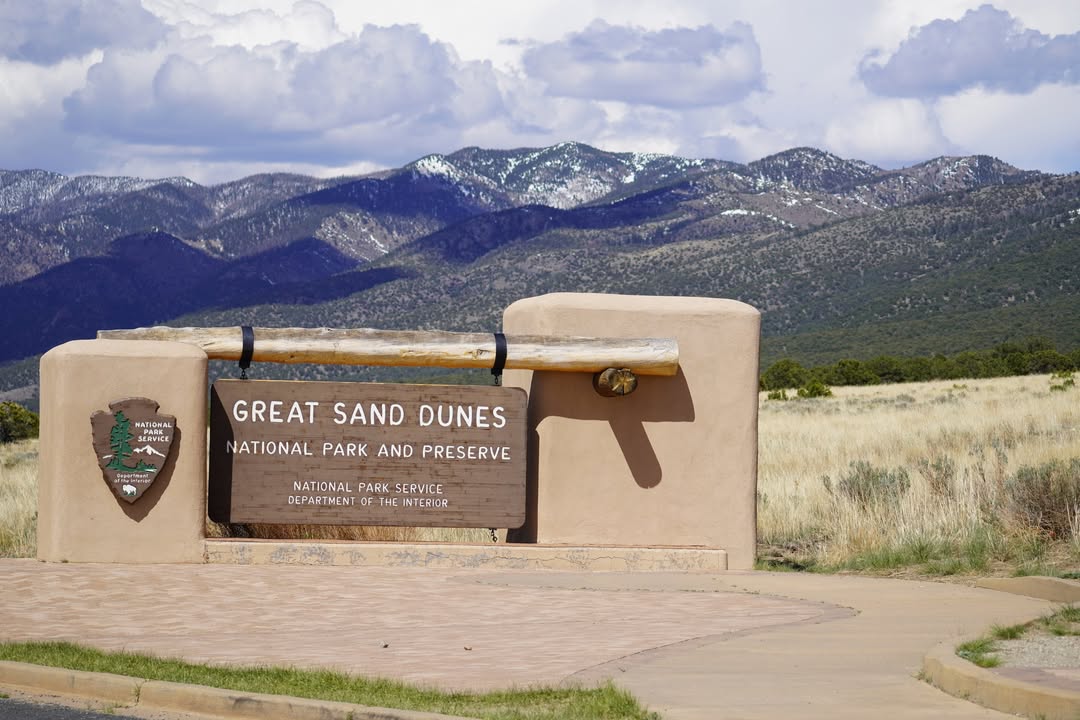
Great Sand Dunes Park Entrance
1 / 18
Interesting side note: the Rio Grande flowing near the park is the same river that eventually forms part of the U.S.–Mexico border. It begins here in southern Colorado and winds nearly 1,900 miles to the Gulf of Mexico.
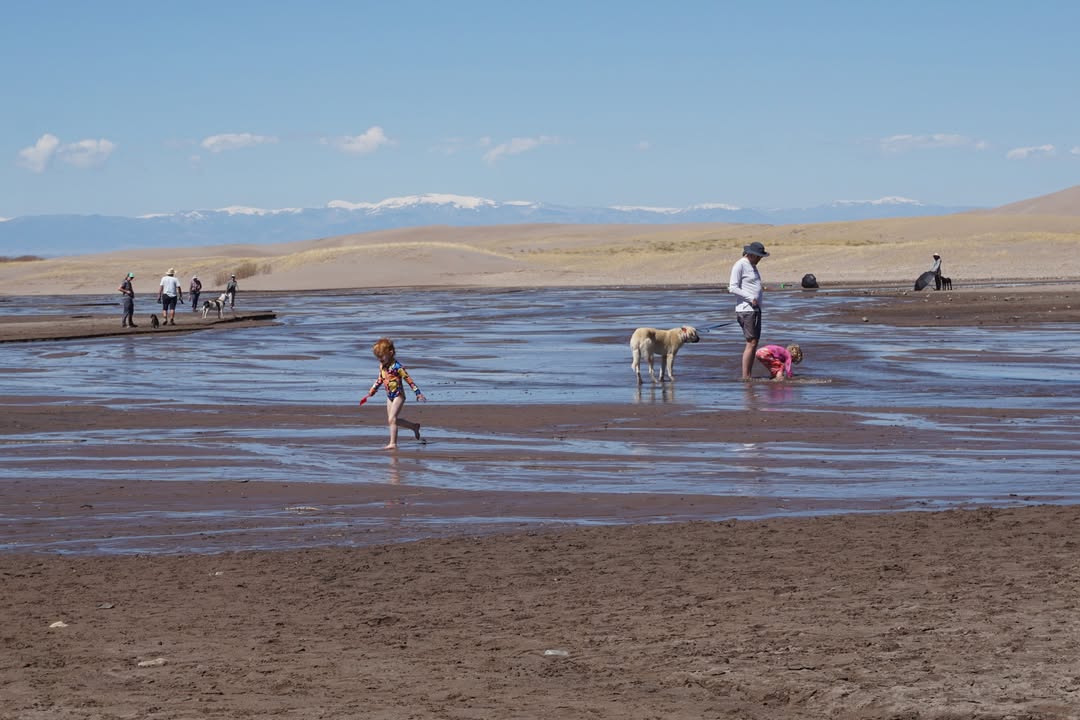
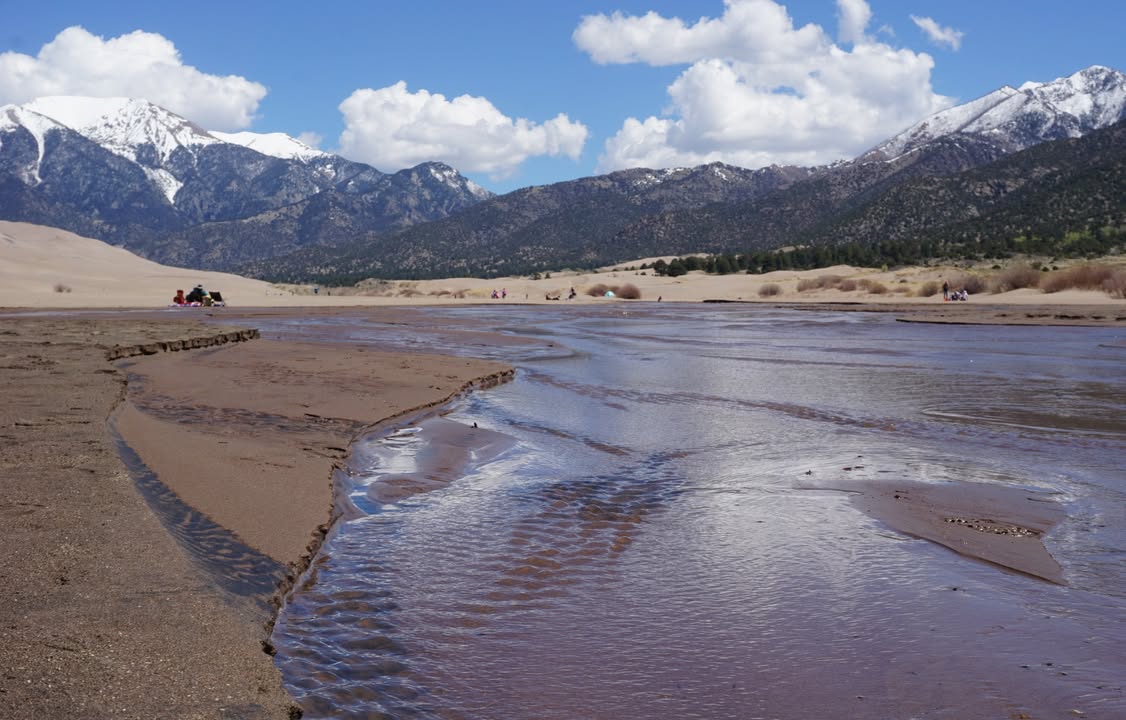
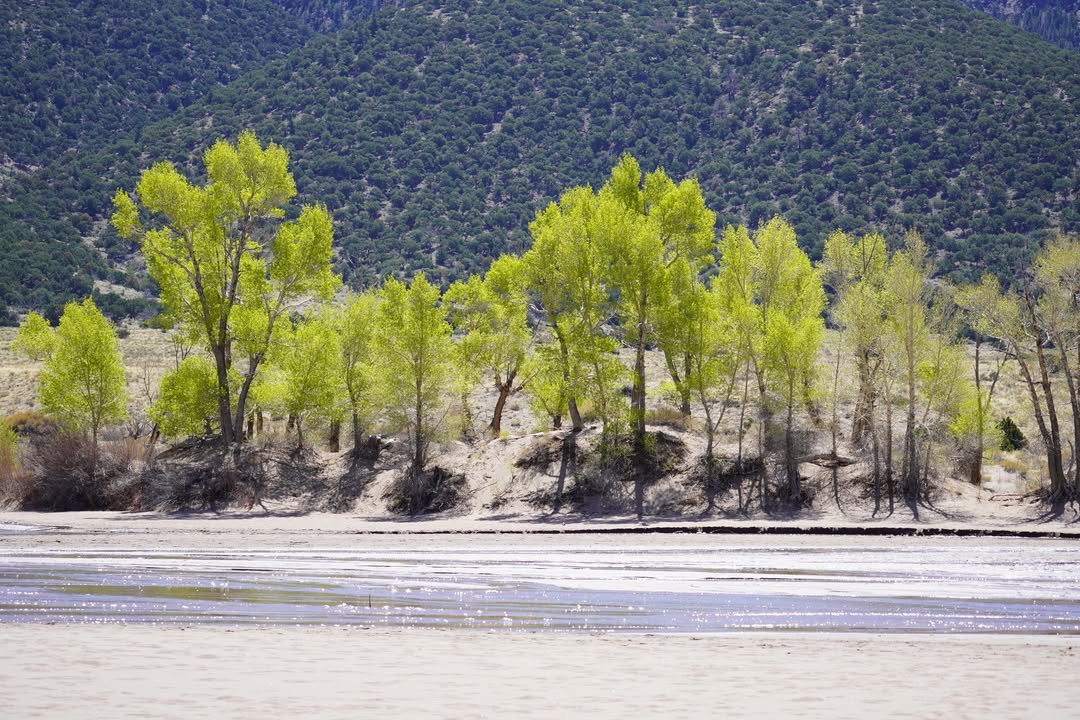
From there, we visited Medano Creek, which only flows for a short window each spring when snowmelt feeds it. In many years, that window lasts just a few weeks. We happened to be there at the right time. Kids were splashing around despite the cool breeze, and the water was surprisingly warm. Seeing flowing water at the base of towering sand dunes, with snow-capped peaks behind them, is something you do not expect to find in Colorado.
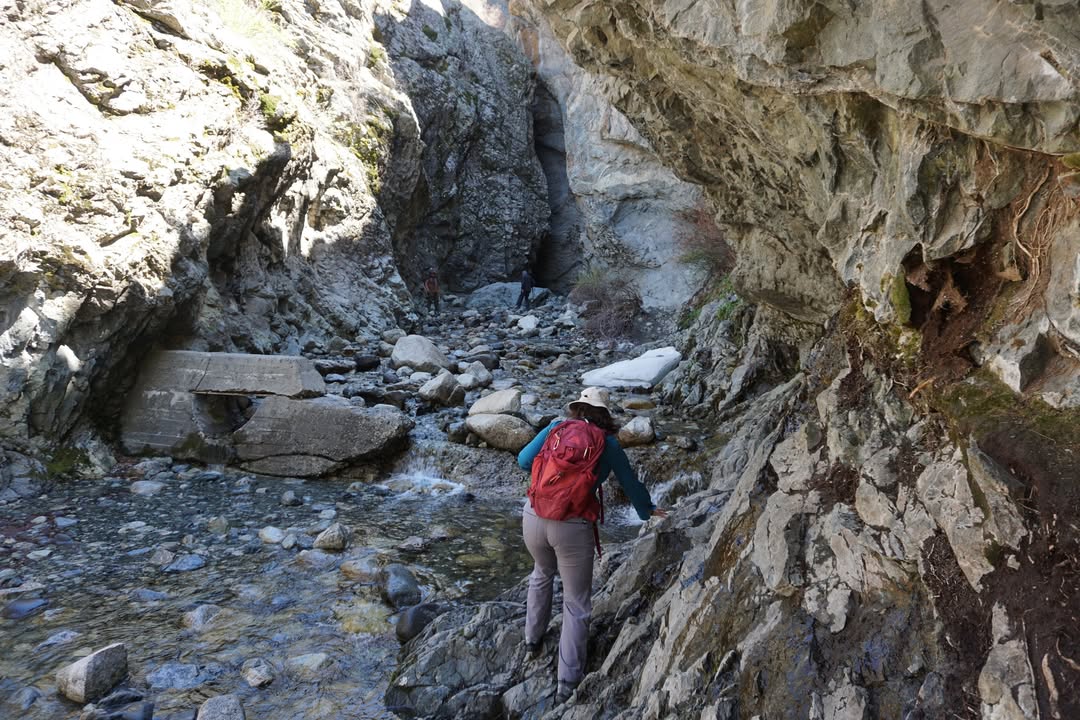
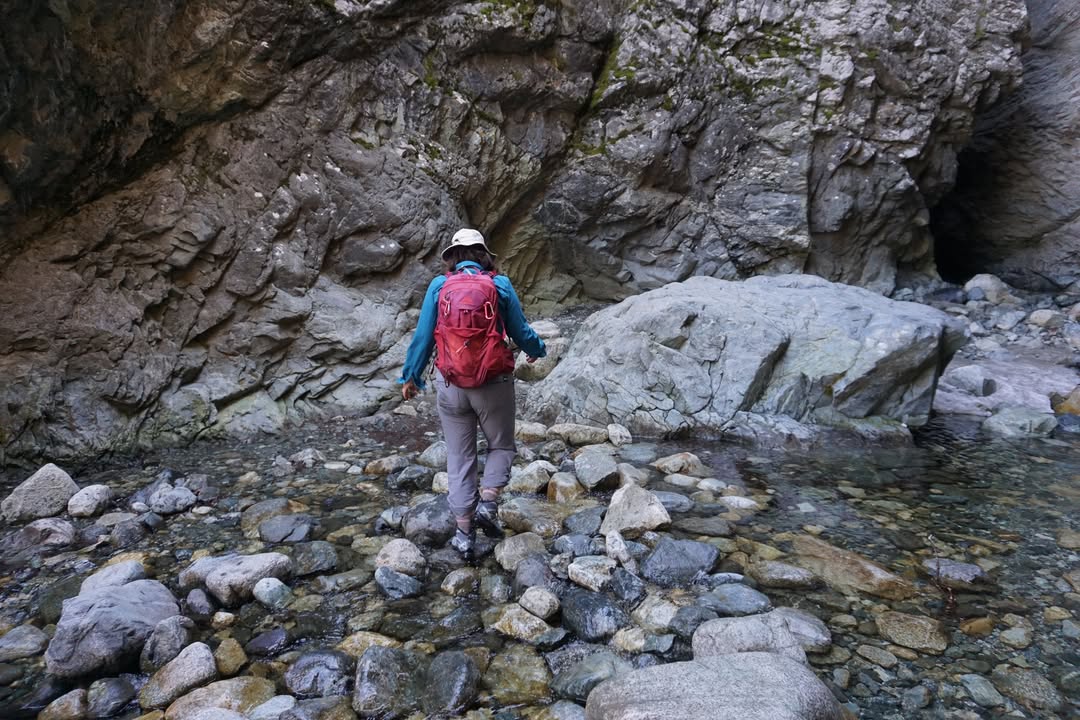
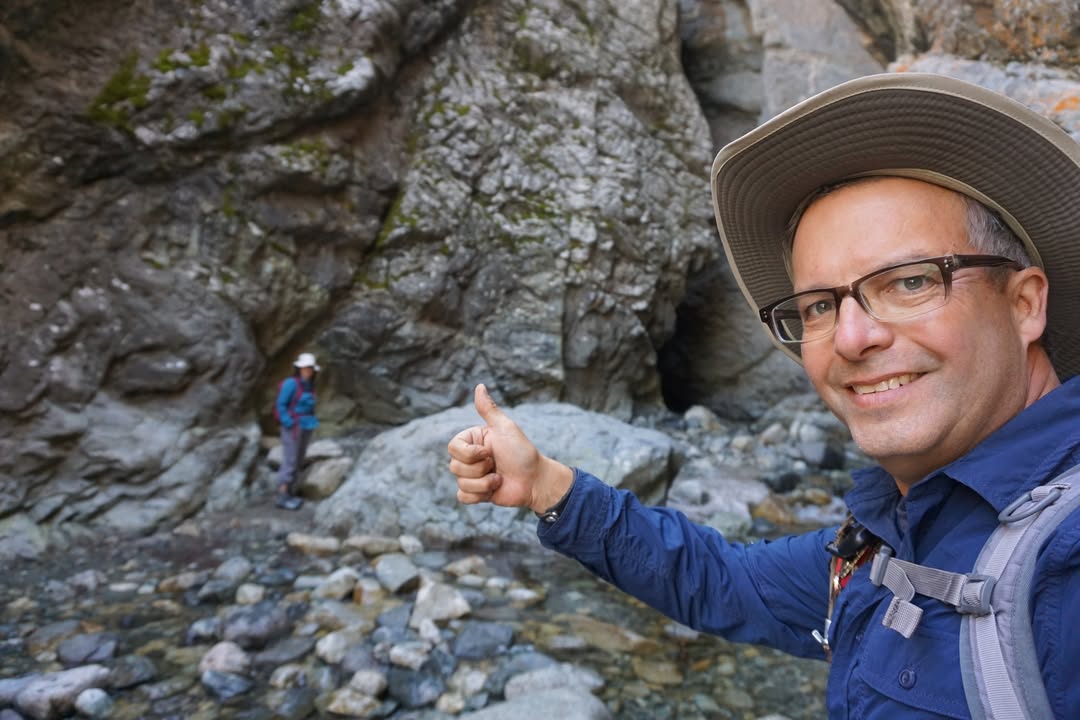
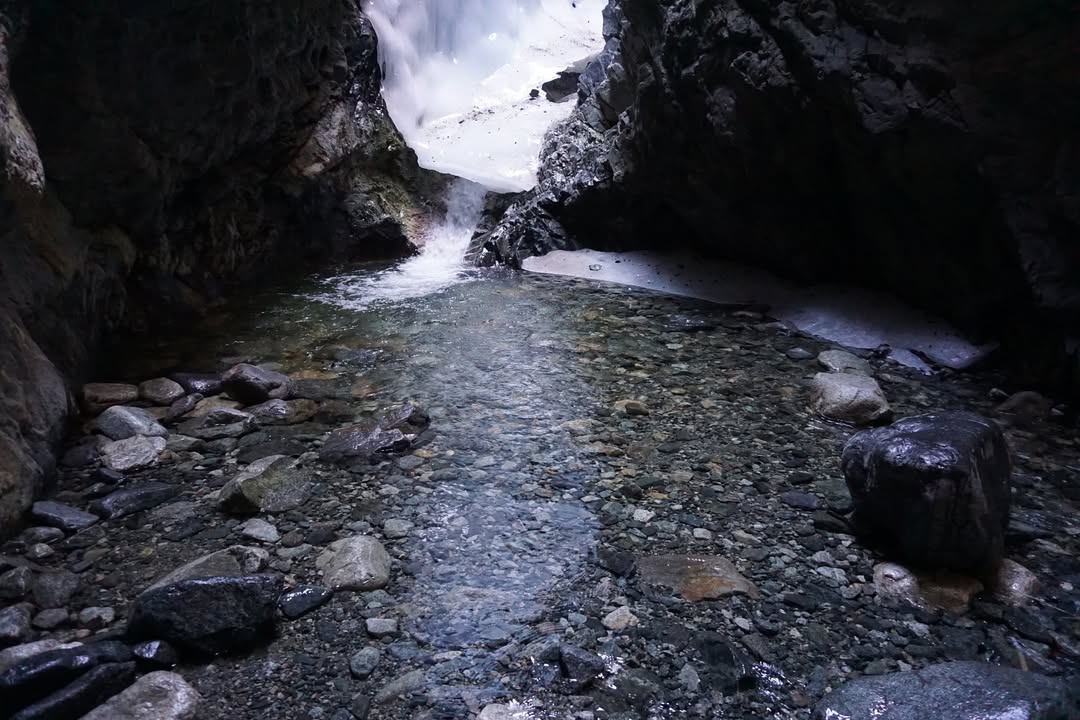
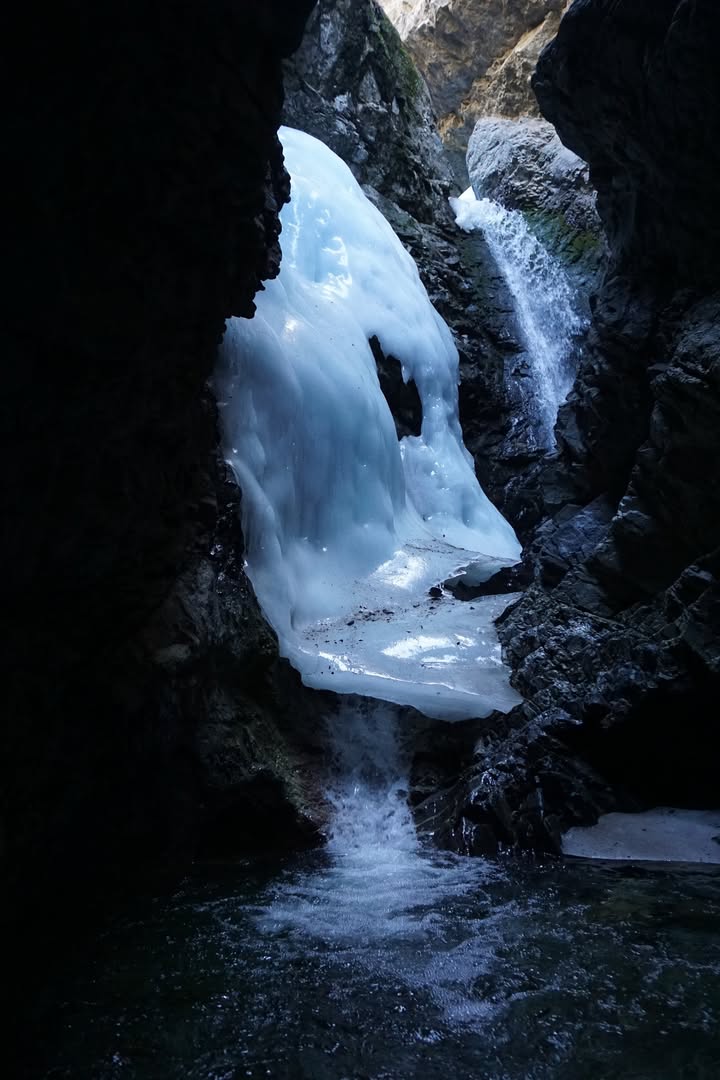
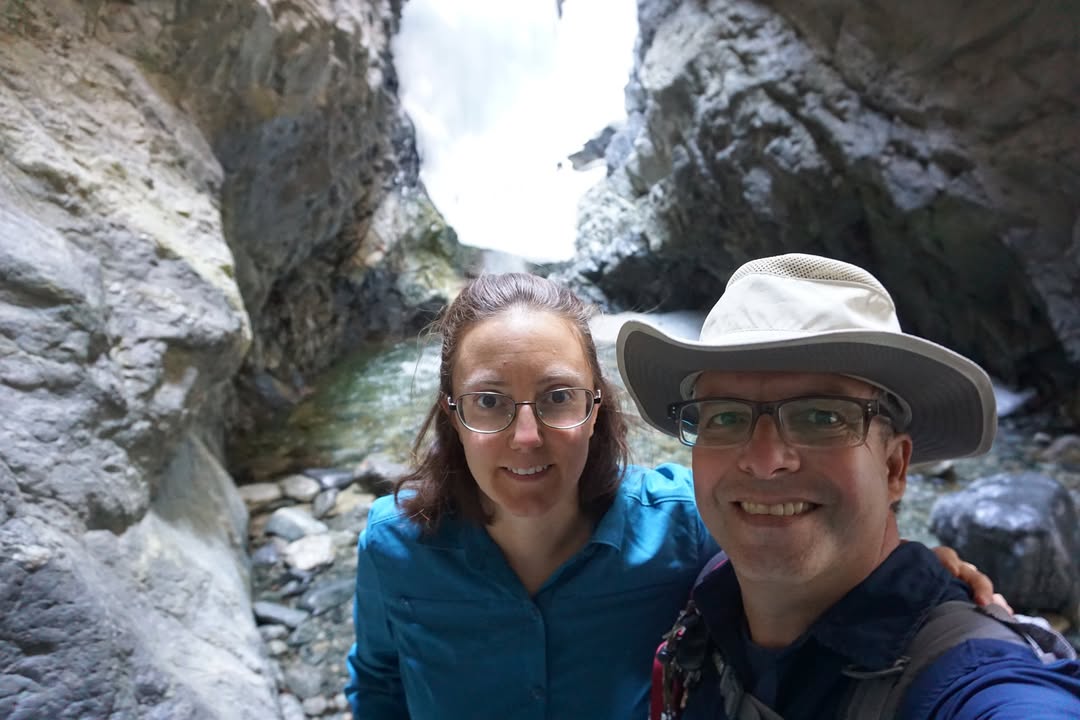
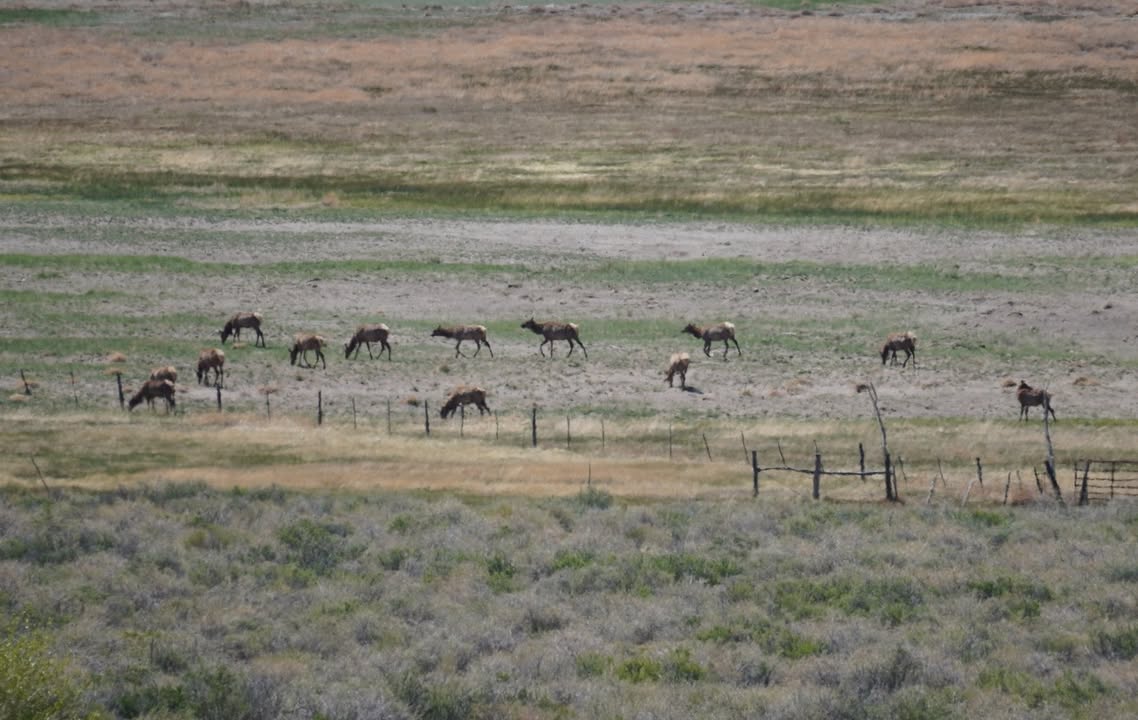
Next, we drove about 40 minutes outside the park to hike Zapata Falls. The trail is short, about 0.9 miles round trip, with a modest climb that ends at a narrow rock crevice where the waterfall is hidden from view. To reach it, we had to walk through a shallow stream covered in rocks, stepping carefully so water would not spill over the tops of my waterproof boots. The falls were still partially frozen, and the rock walls around them were dark and cool. On the drive back toward the park, we spotted a herd of elk grazing in the distance.
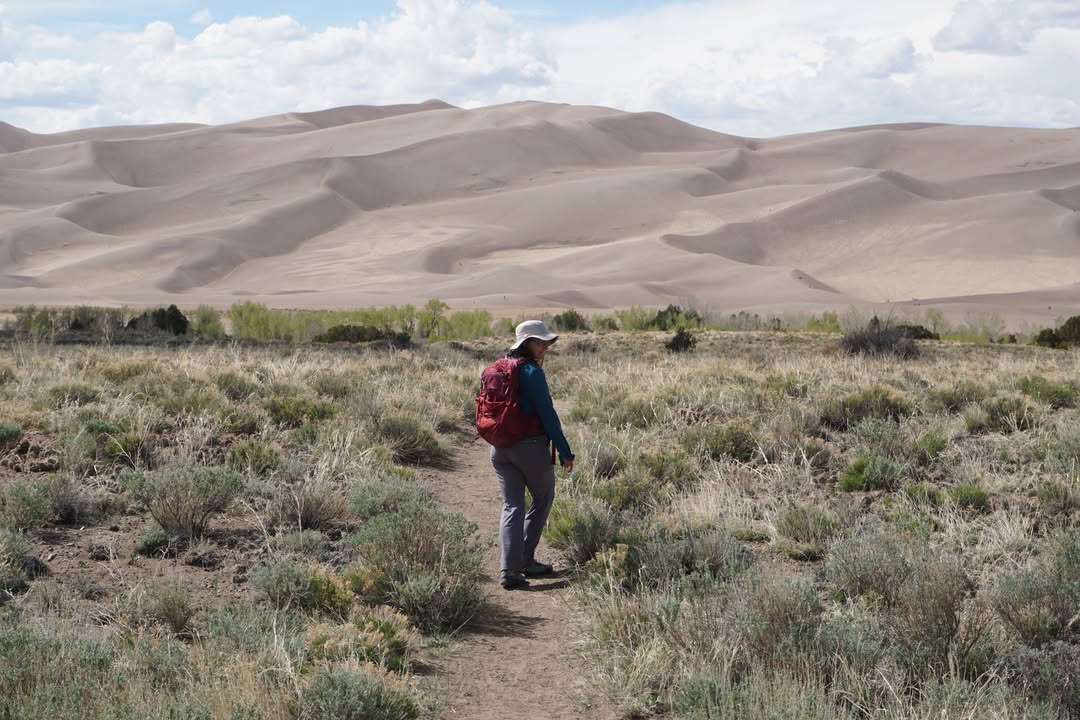
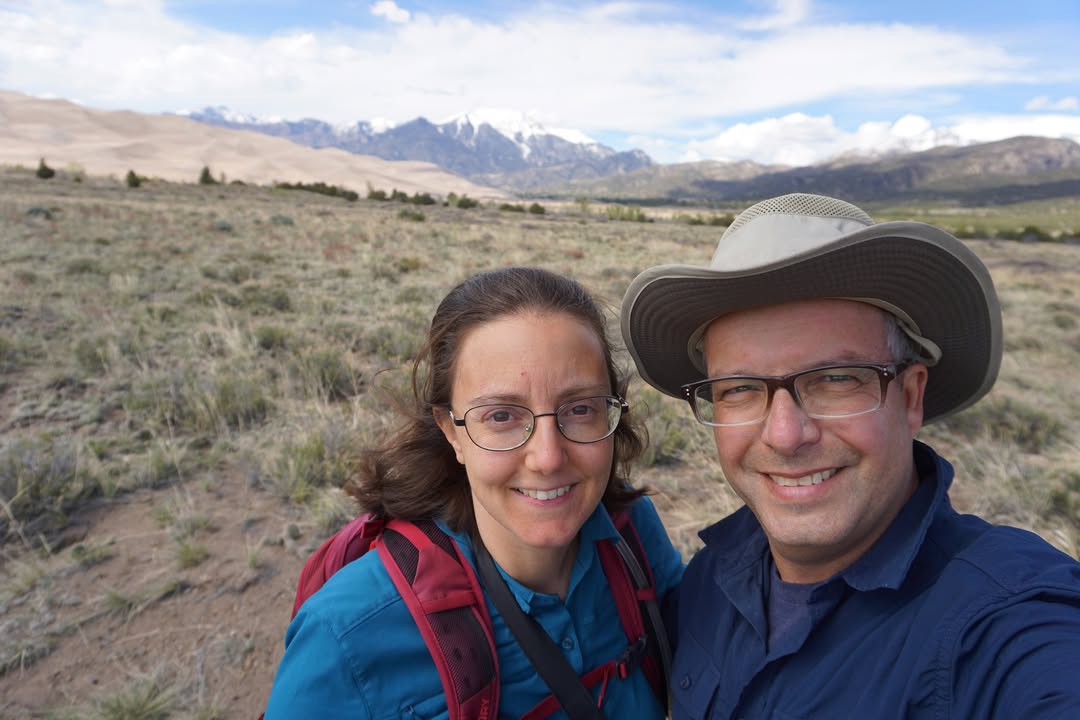
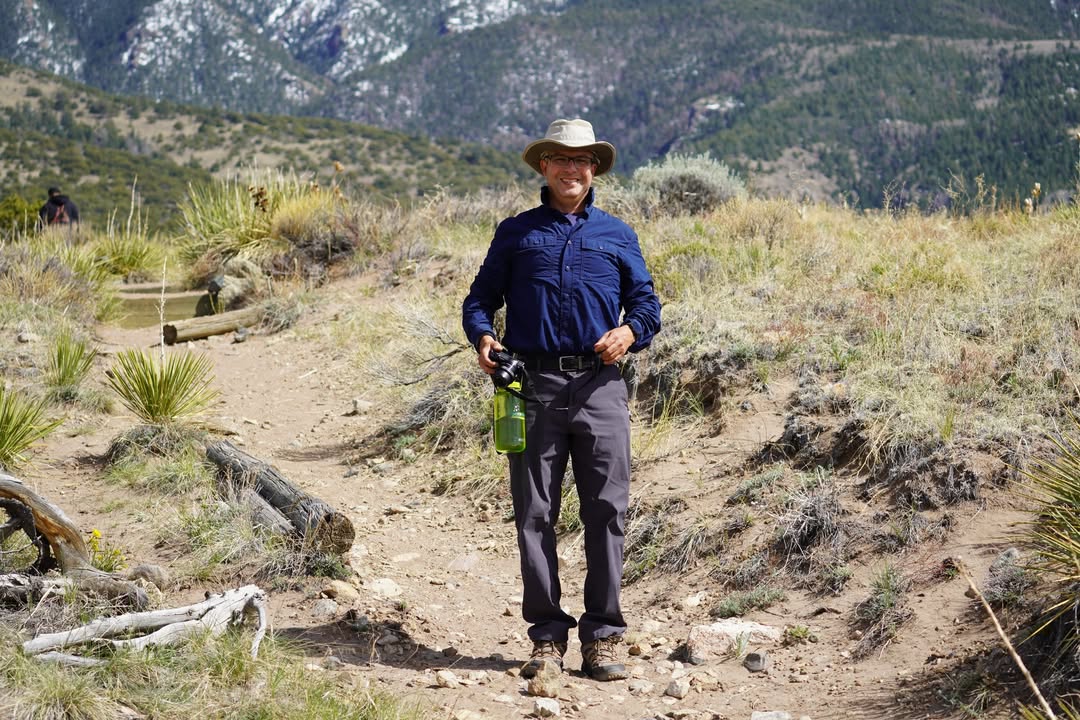
We wrapped up the day with a short hike near the Visitor Center, taking in the view of the dunes rising against snow-capped peaks.
From there, we visited Medano Creek, which only flows for a short window each spring when snowmelt feeds it. In many years, that window lasts just a few weeks. We happened to be there at the right time. Kids were splashing around despite the cool breeze, and the water was surprisingly warm. Seeing flowing water at the base of towering sand dunes, with snow-capped peaks behind them, is something you do not expect to find in Colorado.
Next, we drove about 40 minutes outside the park to hike Zapata Falls. The trail is short, about 0.9 miles round trip, with a modest climb that ends at a narrow rock crevice where the waterfall is hidden from view. To reach it, we had to walk through a shallow stream covered in rocks, stepping carefully so water would not spill over the tops of my waterproof boots. The falls were still partially frozen, and the rock walls around them were dark and cool. On the drive back toward the park, we spotted a herd of elk grazing in the distance.
We wrapped up the day with a short hike near the Visitor Center, taking in the view of the dunes rising against snow-capped peaks.