Exploring Arches
1 / 1
Arches National Park in Utah has more natural stone arches than anywhere else in the world, over 2,000 of them. The story starts about 300 million years ago when this area was covered by an inland sea. The sea kept flooding and drying up, leaving behind thick layers of salt. Over time, other sediments piled on top, pressing down until the salt shifted and warped, cracking the sandstone. Then, wind, water, and ice went to work carving those cracks into fins. Holes opened in the fins, grew bigger, and eventually became the arches we see today. The process hasn’t stopped. Old arches collapse, new ones form, and the landscape keeps changing.
Antelope at Camp

1 / 38
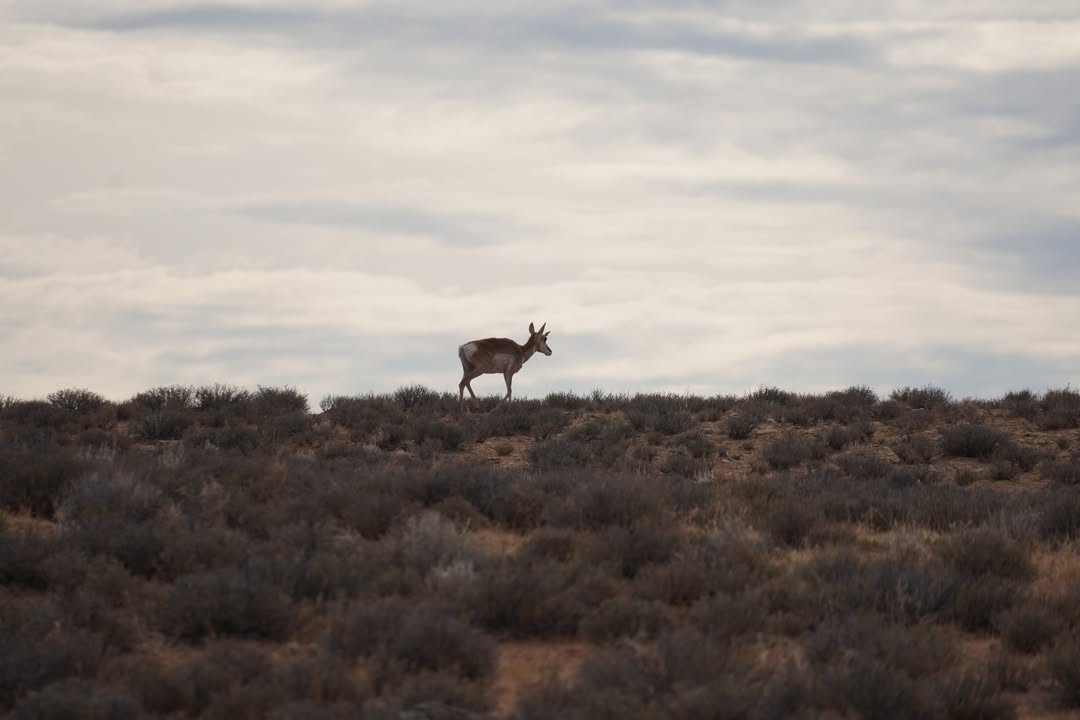
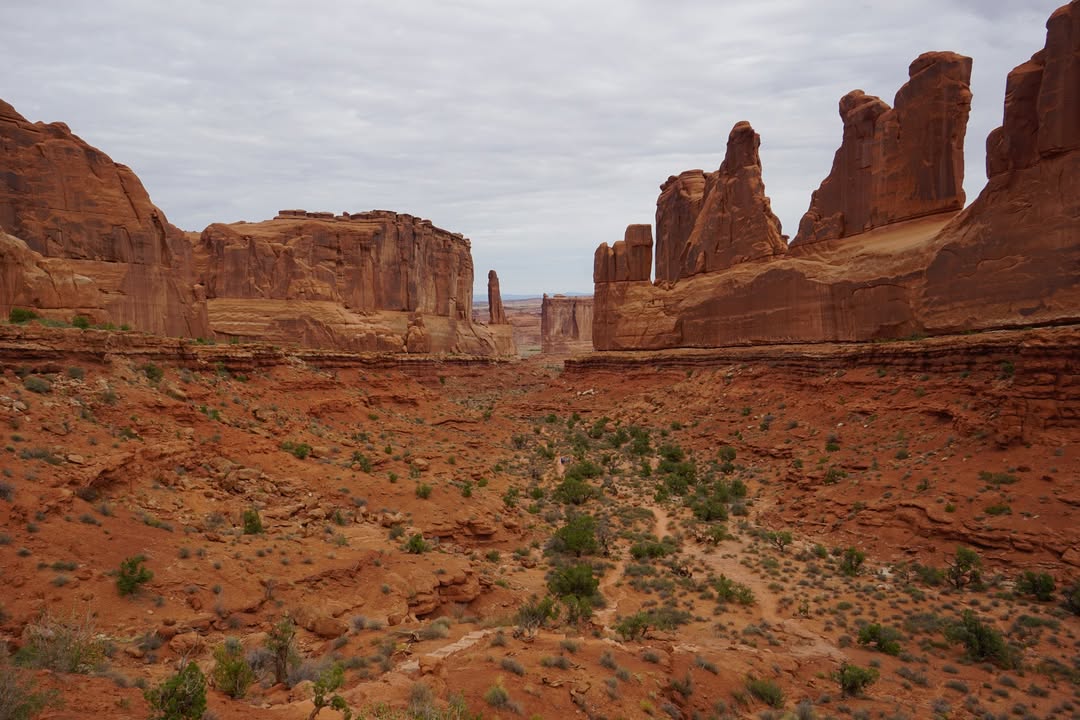
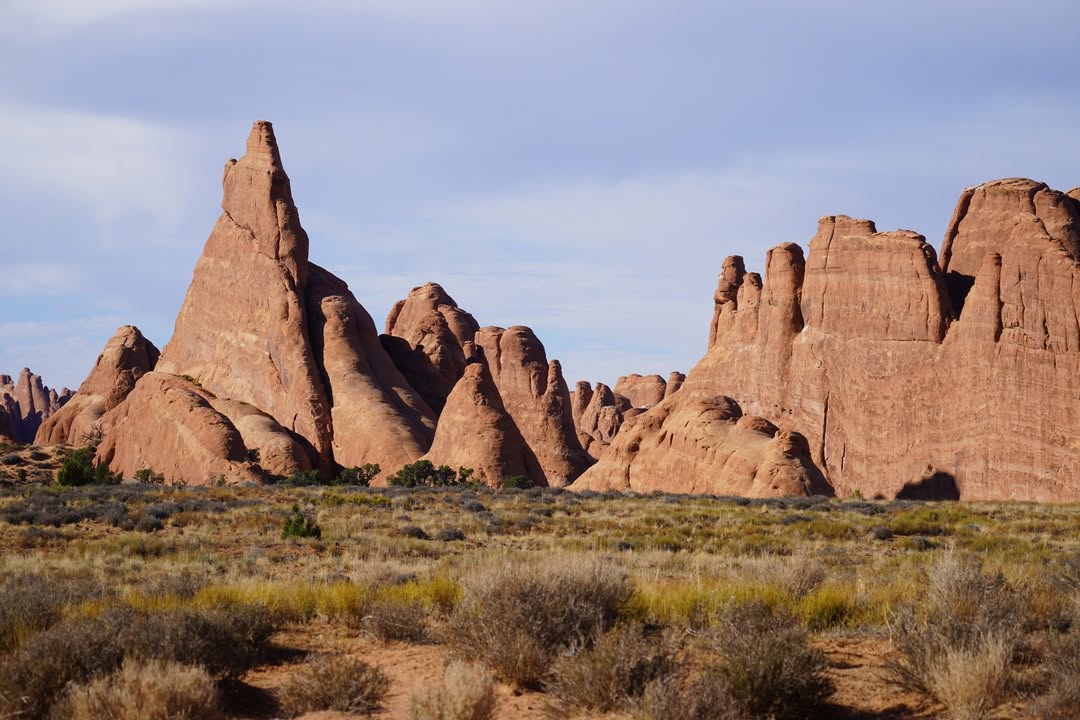
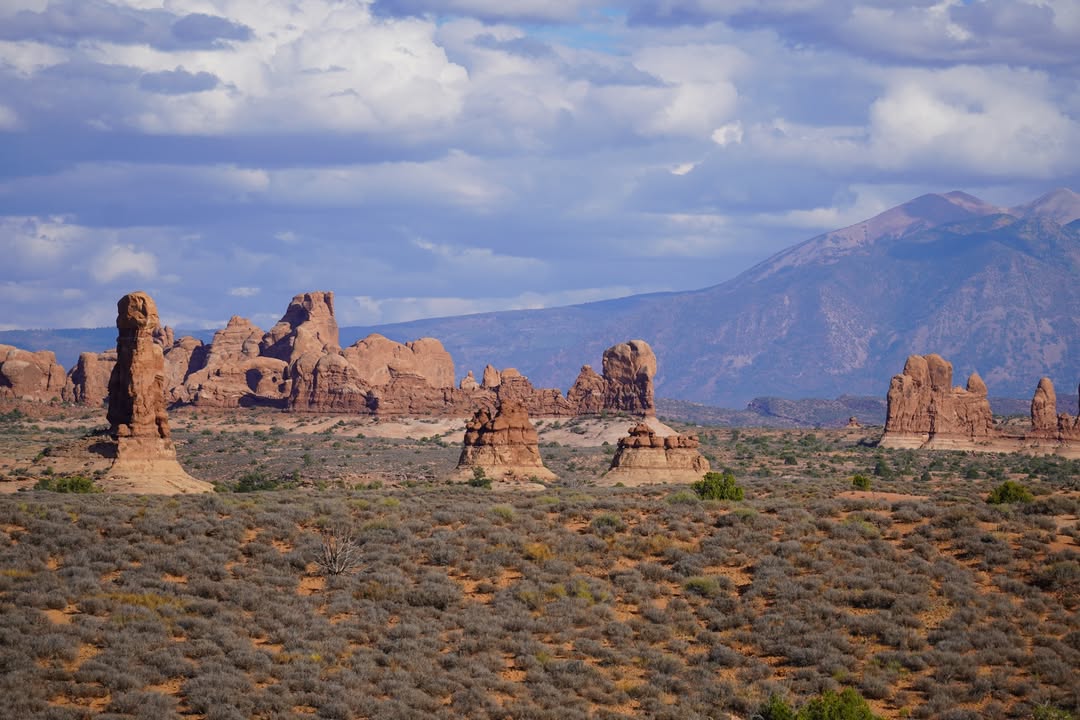
As we left camp for Arches that morning, we spotted antelope on the horizon, a reminder that even out here in the harsh desert life persists. After a short stop at the visitor center, we set out to discover what the park had to offer. First stop was at Park Avenue Viewpoint, where sandstone cliffs rise straight up from the canyon floor.
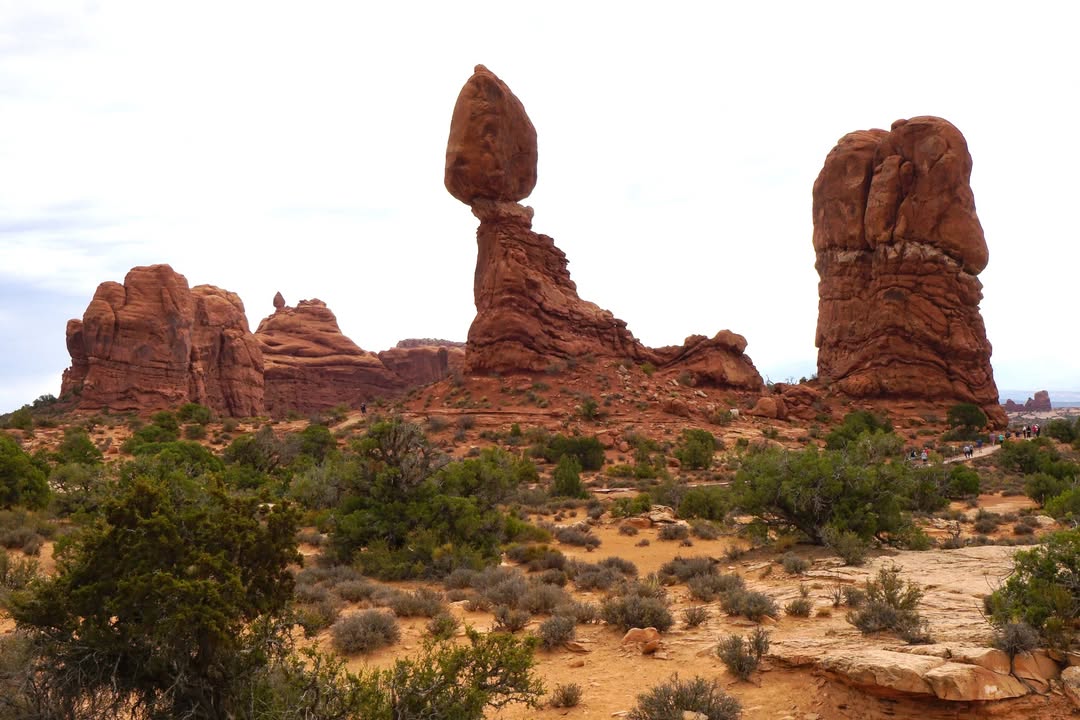
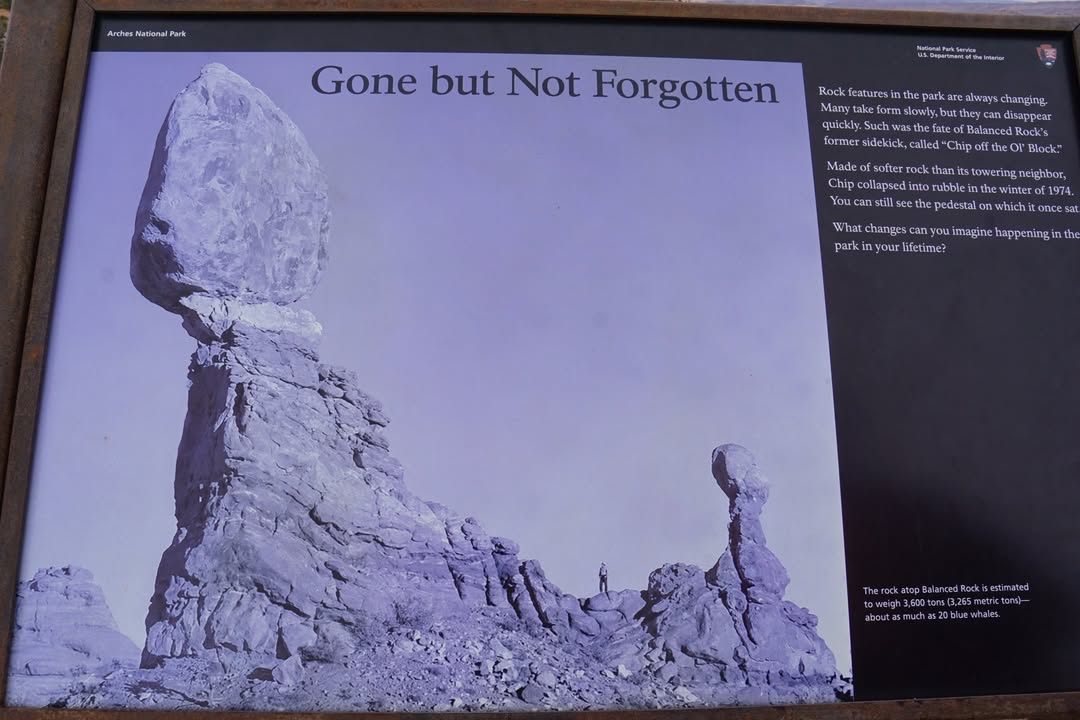
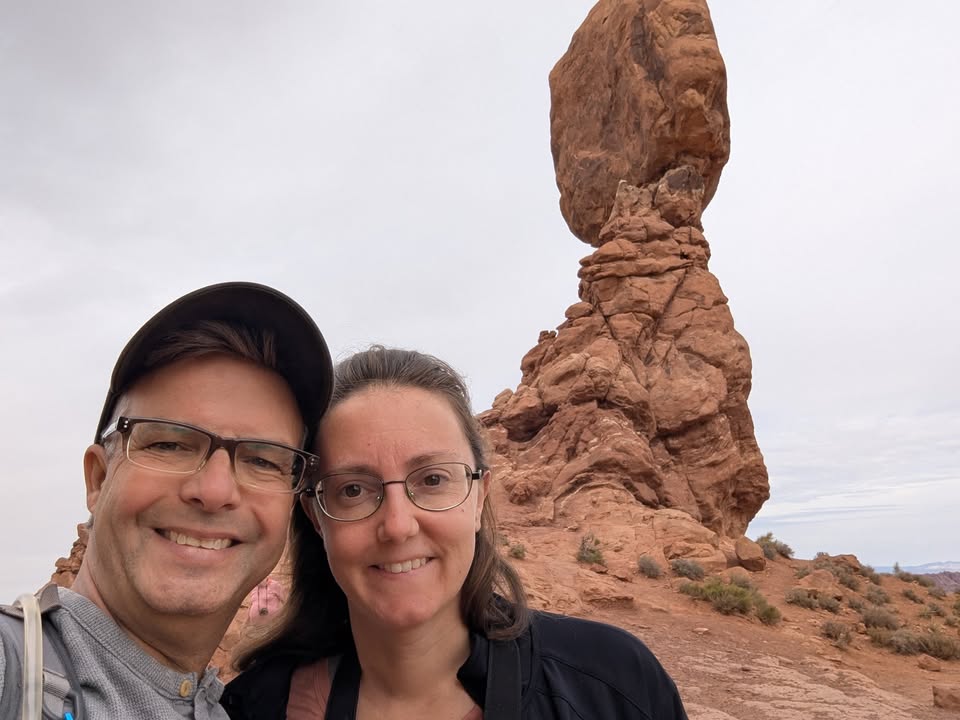
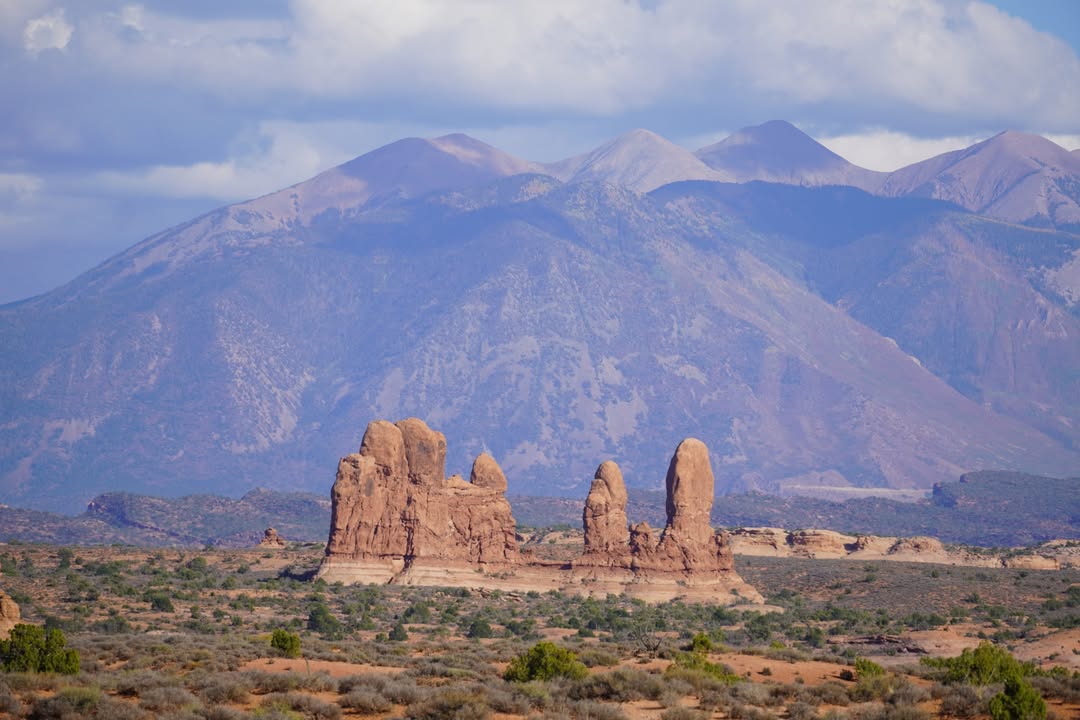
Balanced Rock was next. We walked the short loop around the massive boulder perched on a narrow pedestal. It used to have a smaller neighbor nicknamed Chip Off the Old Block, but that one toppled in the 1970s. Someday Balanced Rock will fall too, just like every arch in the park.
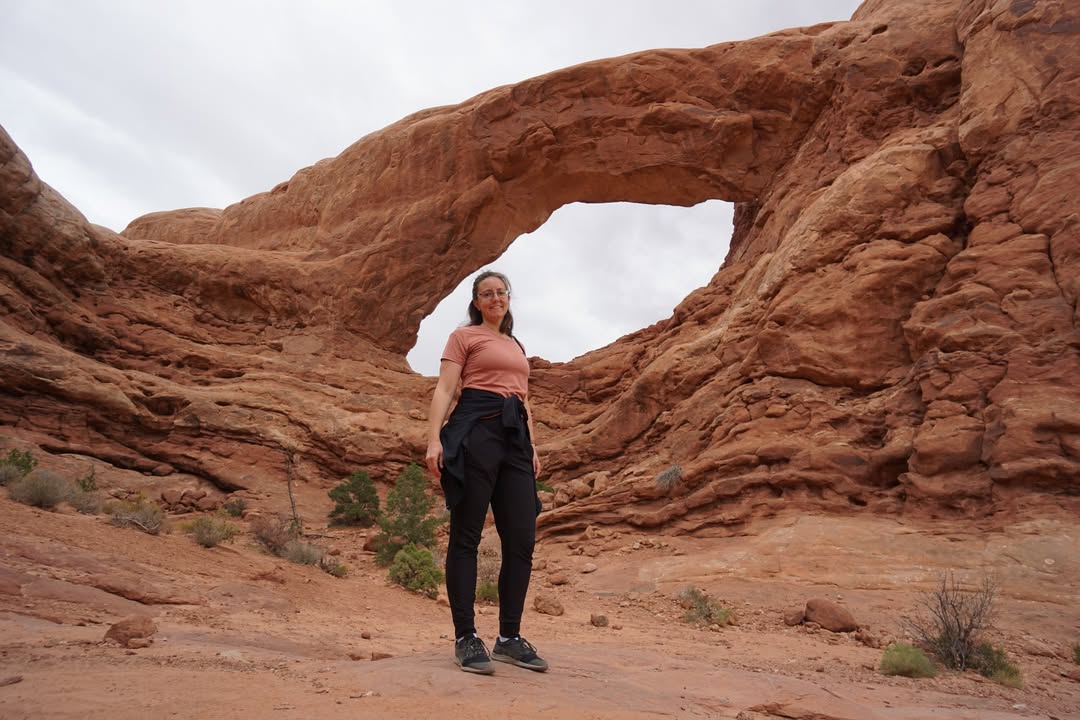
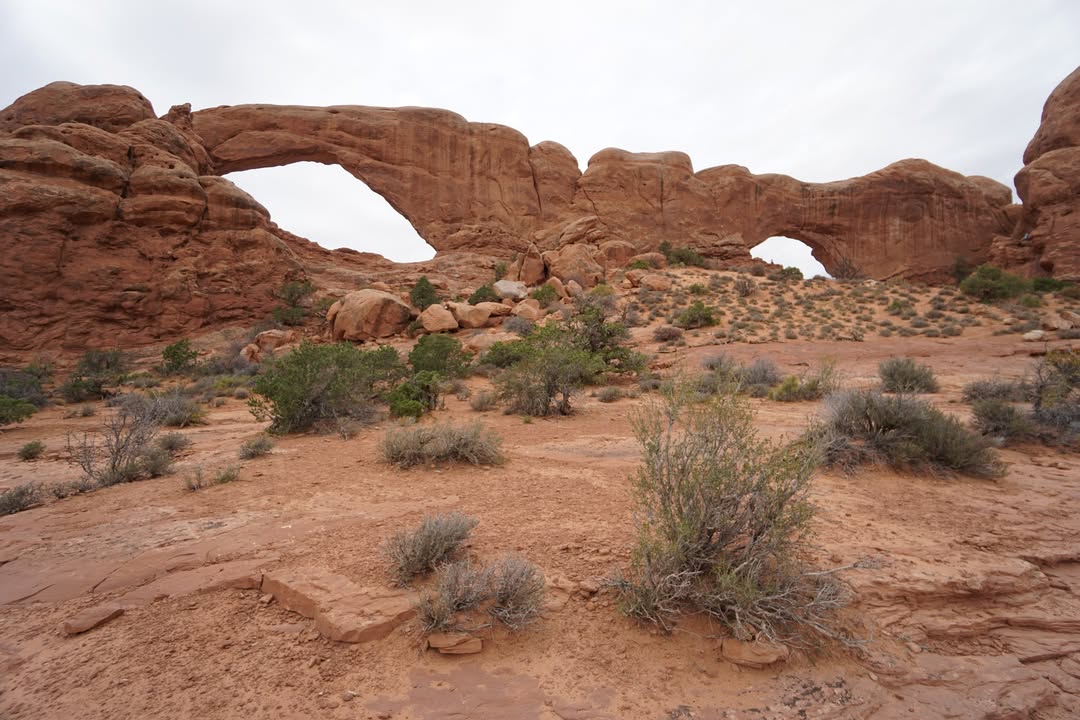
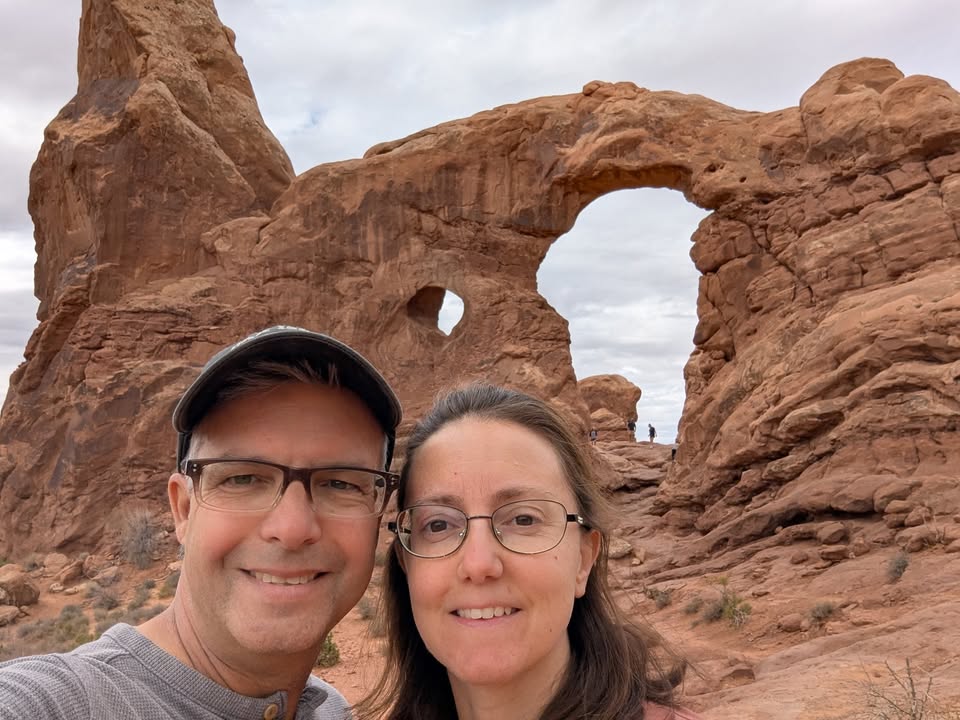
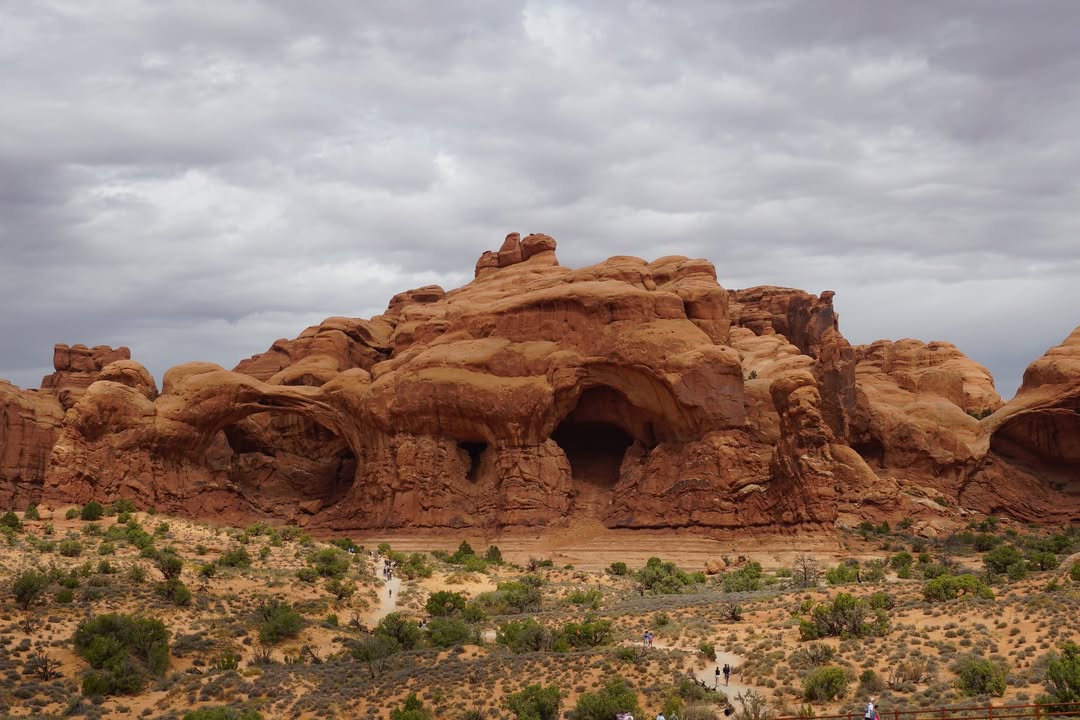
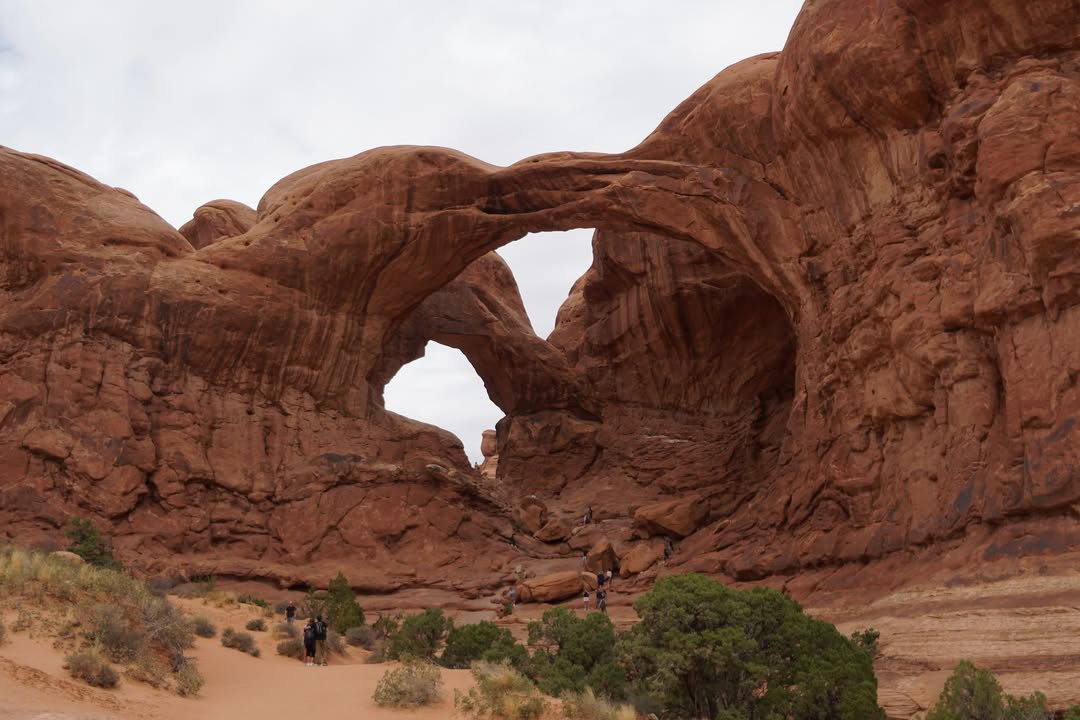
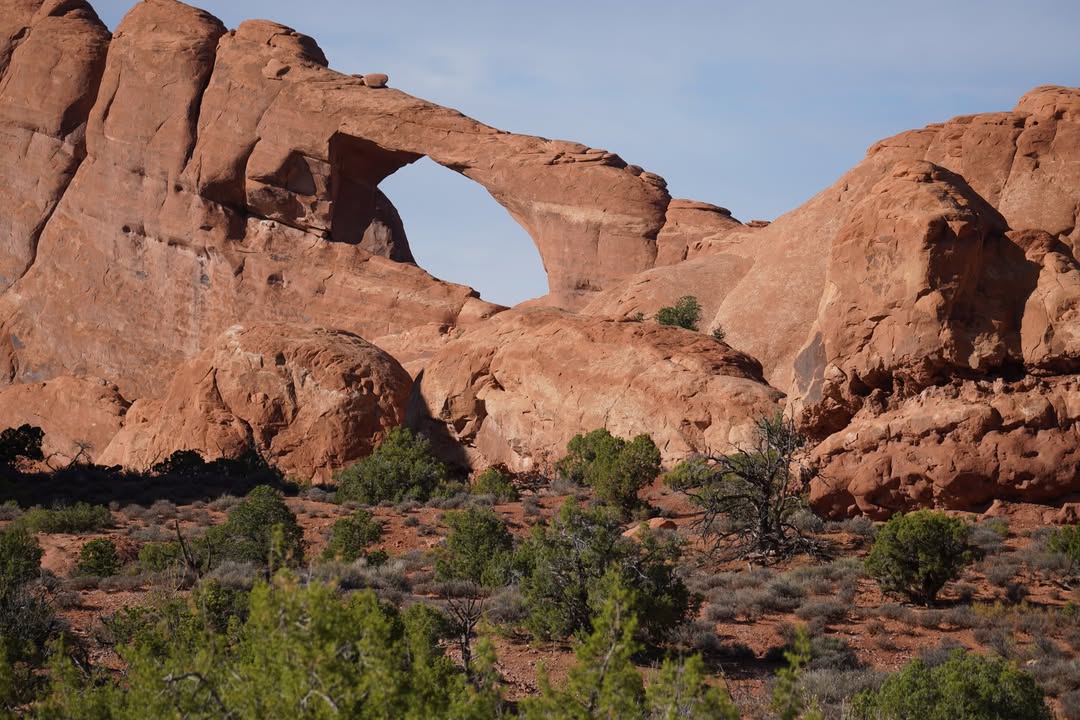
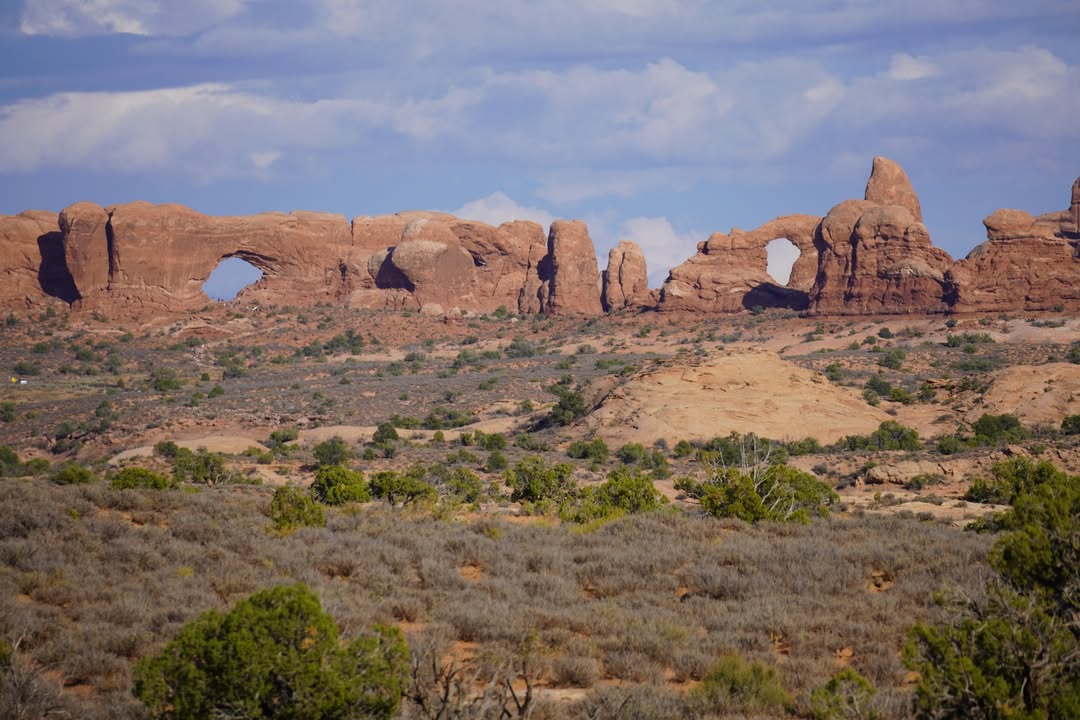
Then we headed to the Windows section. The trail gave us three arches in one stop: North Window, South Window, and Turret Arch. Just down the way we continued to Double Arch, where two arches rise from the same sandstone wall.
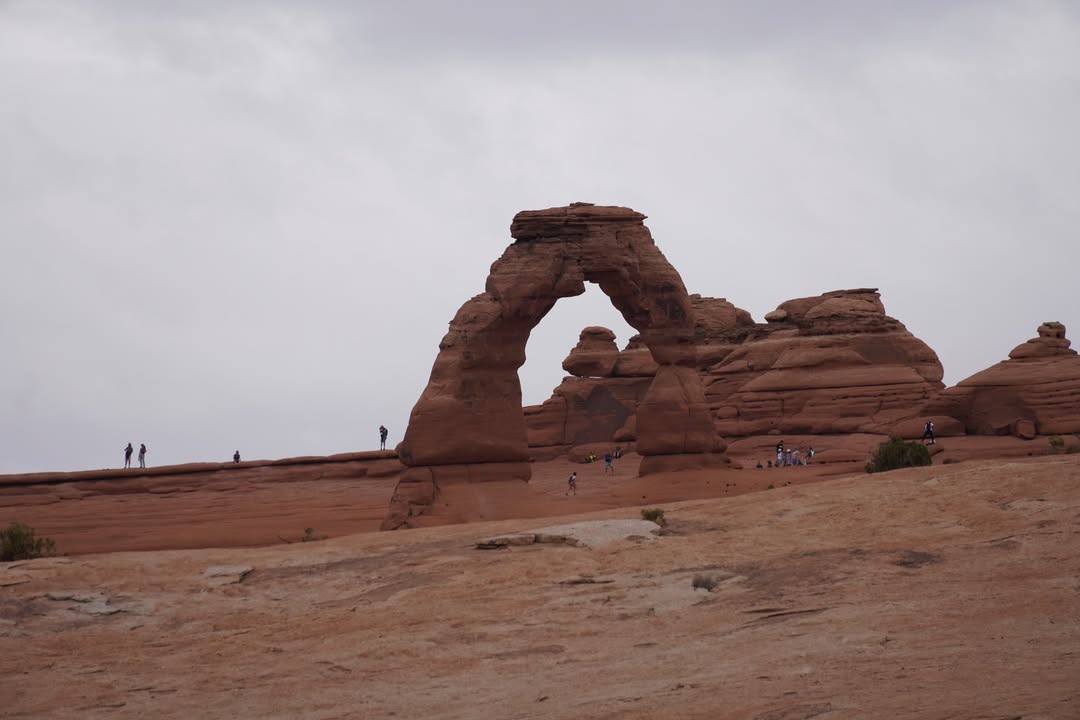
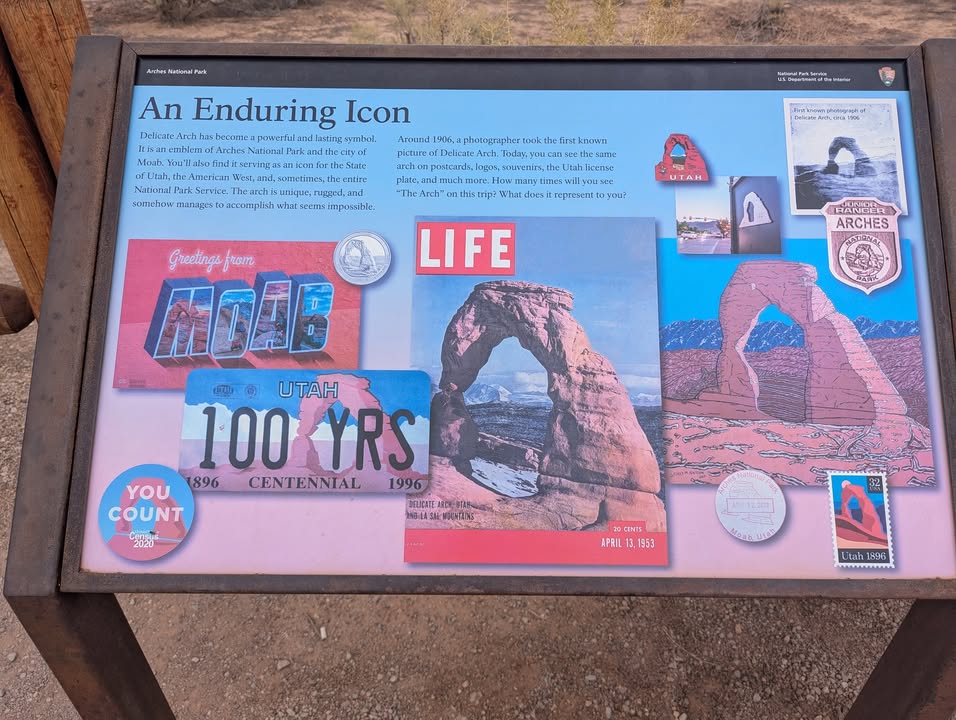
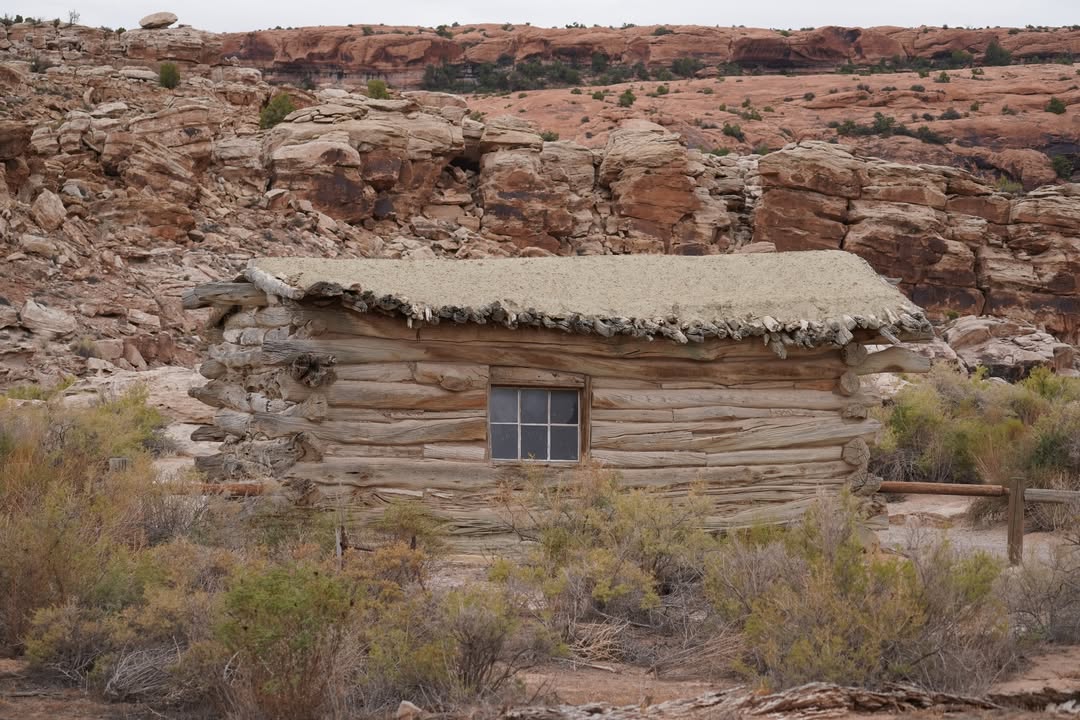
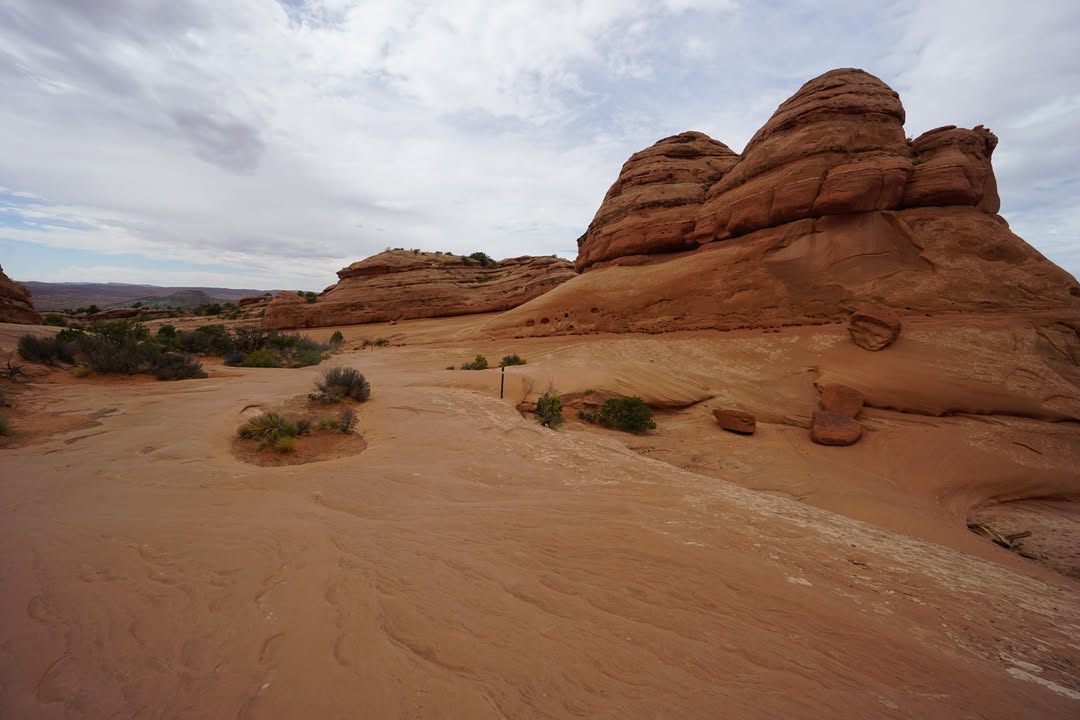
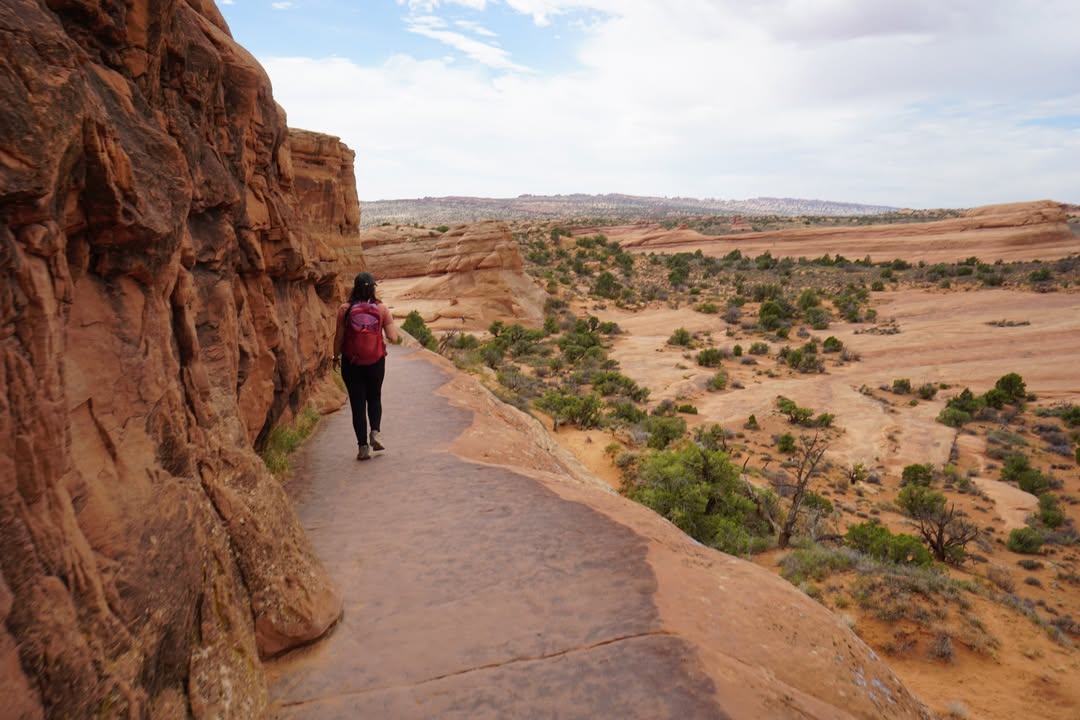
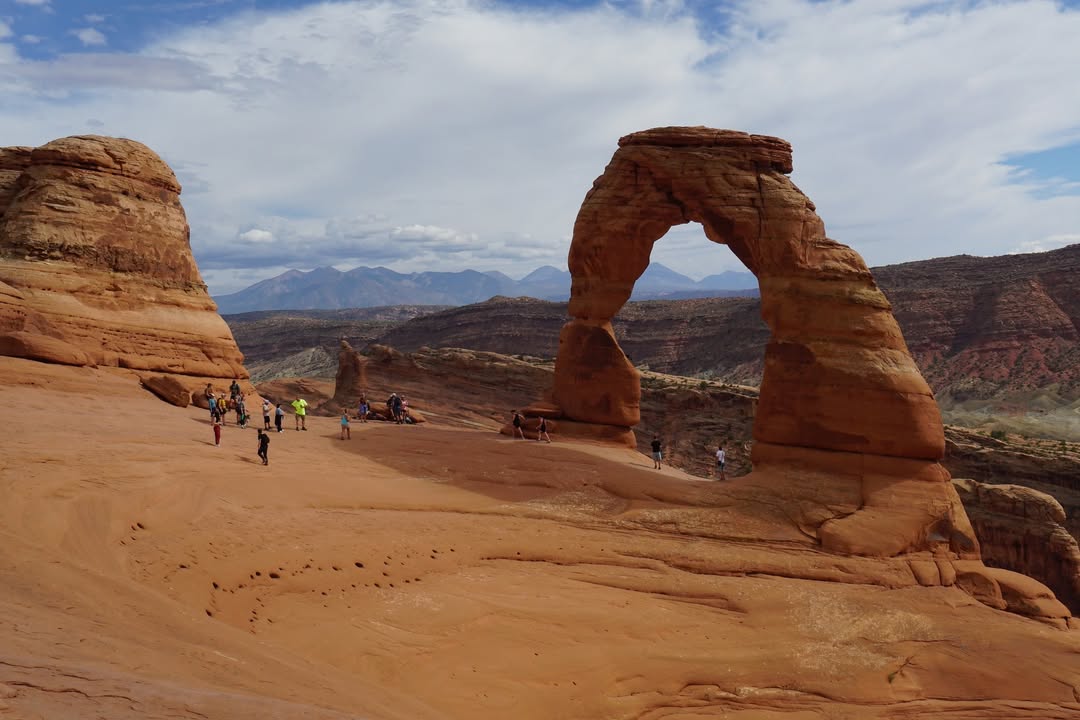
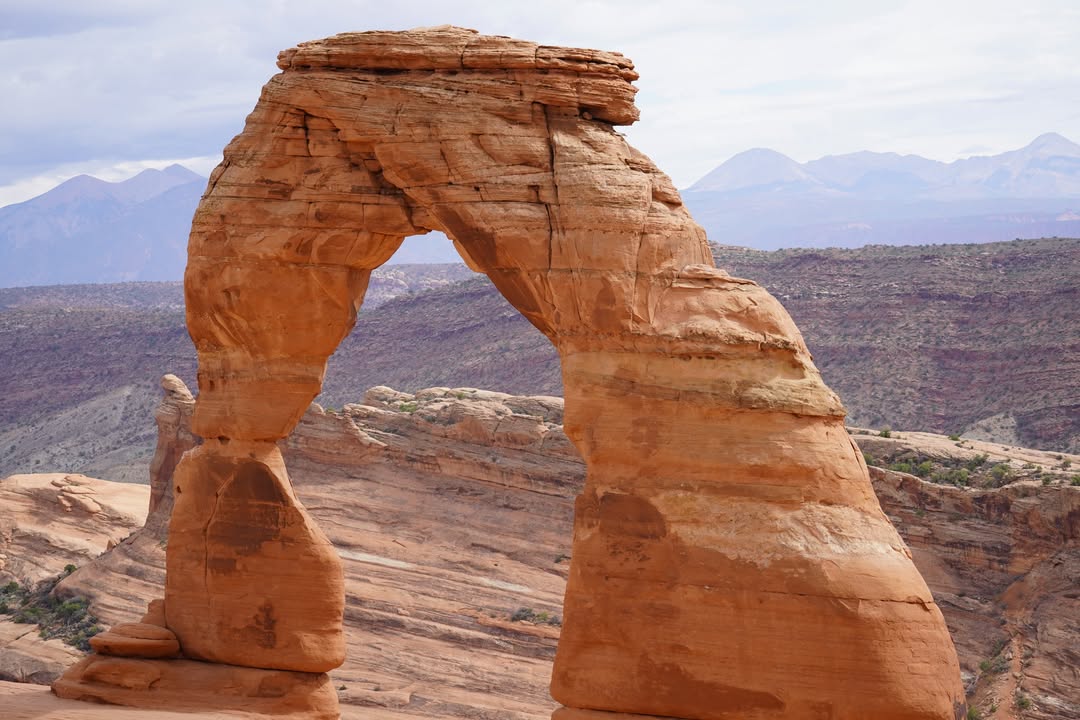
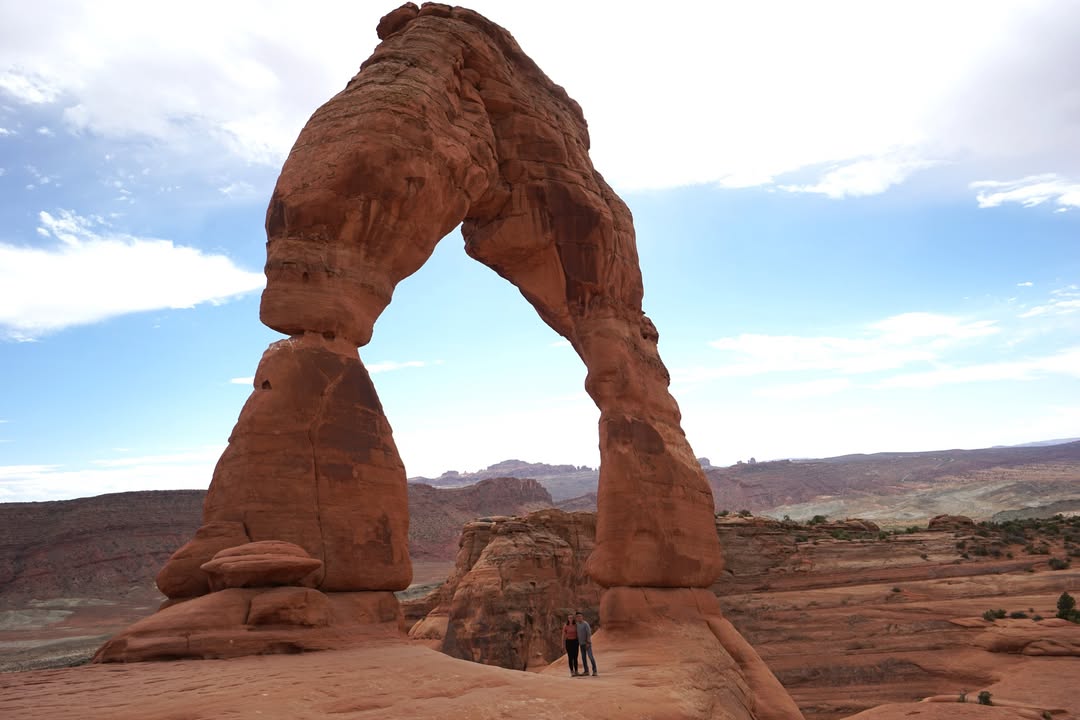
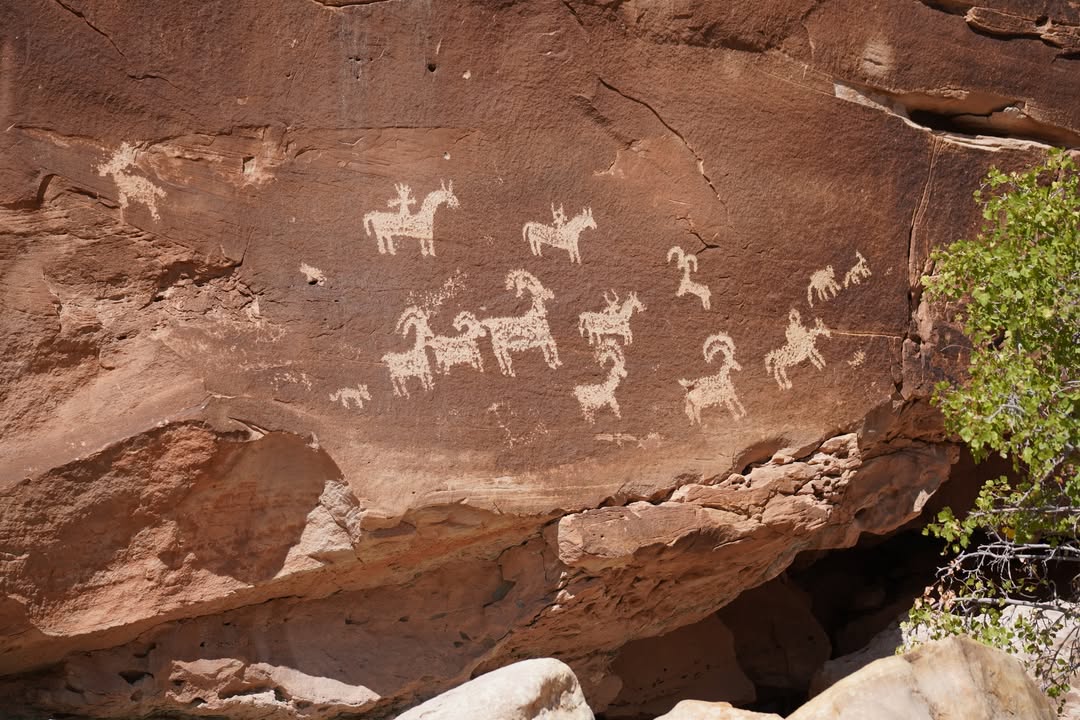
In the afternoon we made our way to Delicate Arch, the most famous of them all. It is the emblem of Arches National Park, the symbol of Moab, and even the design on Utah’s license plates. We first saw it from the viewpoint across the canyon, then set out on the trail itself. The hike is about three miles round trip with 500 feet of climbing, mostly across slickrock. At the start we passed Wolfe Ranch, a small pioneer cabin where, amazingly, a family of six once lived in that cramped space. At the end the arch suddenly comes into view. Being there in person, standing beneath it, was the highlight of the day.
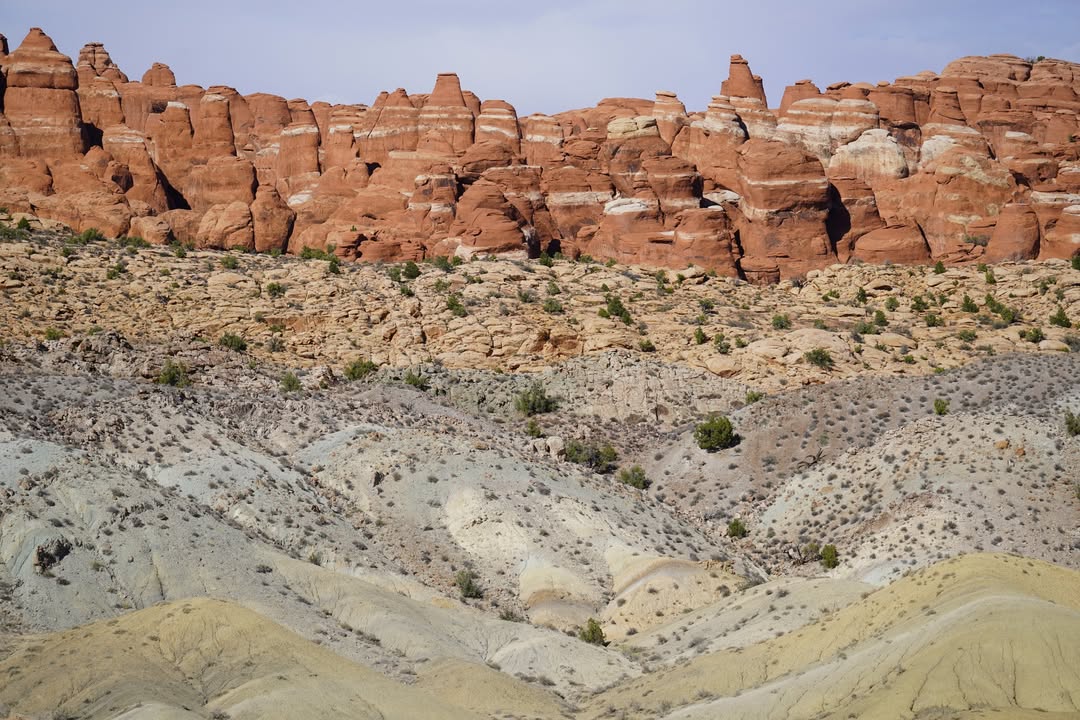
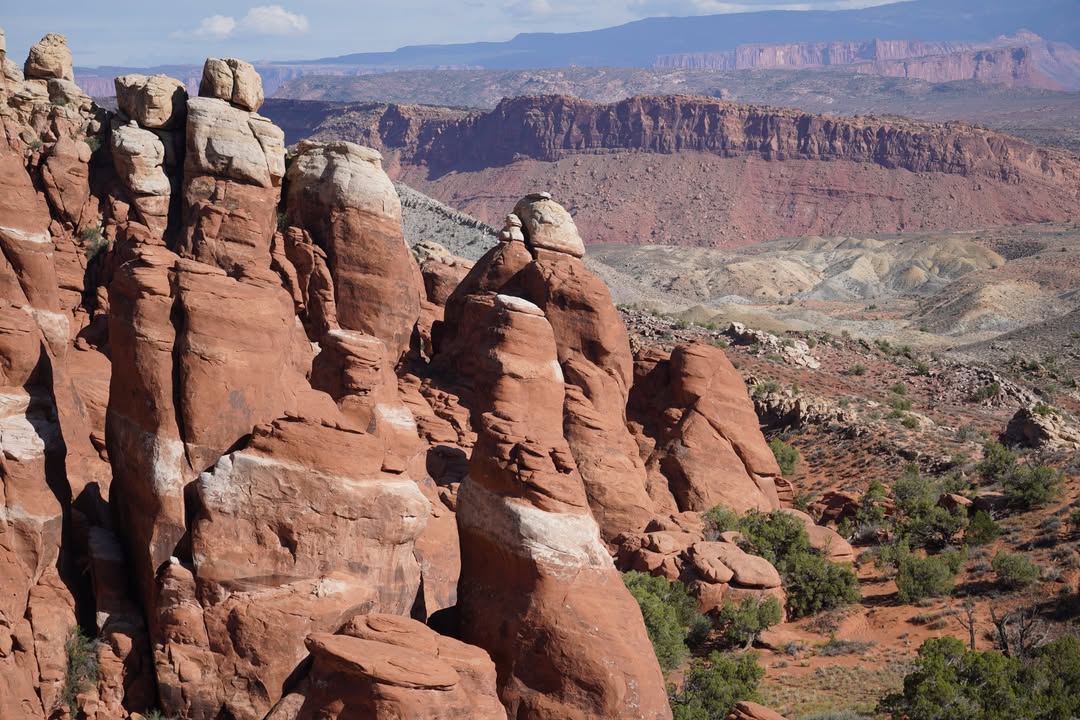
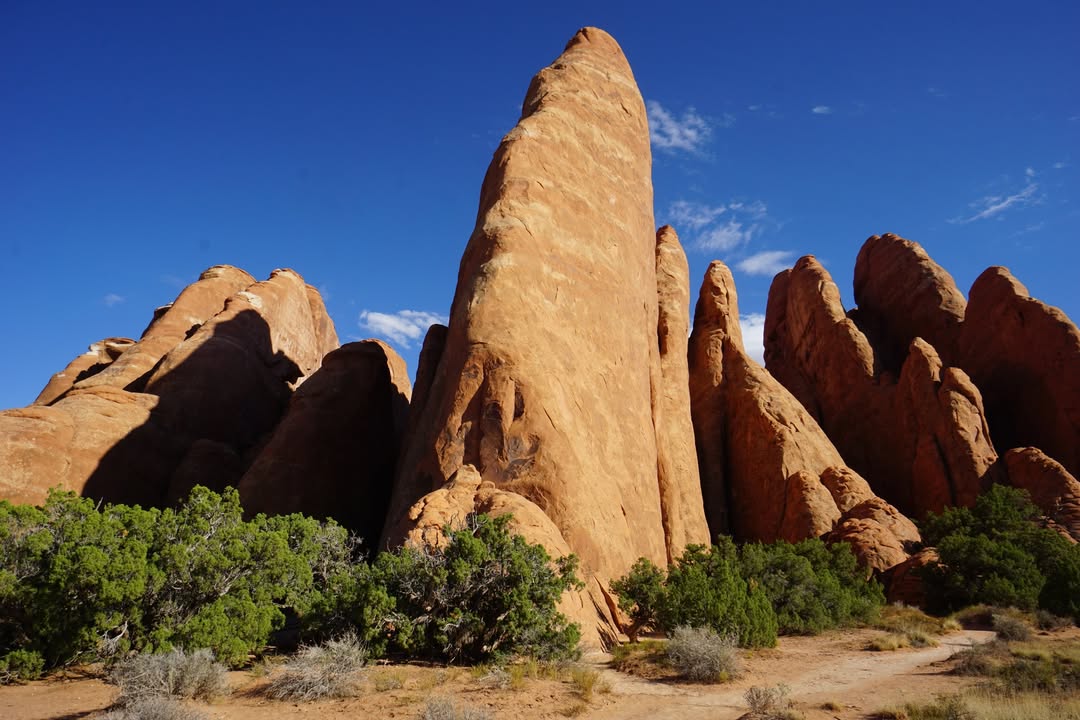
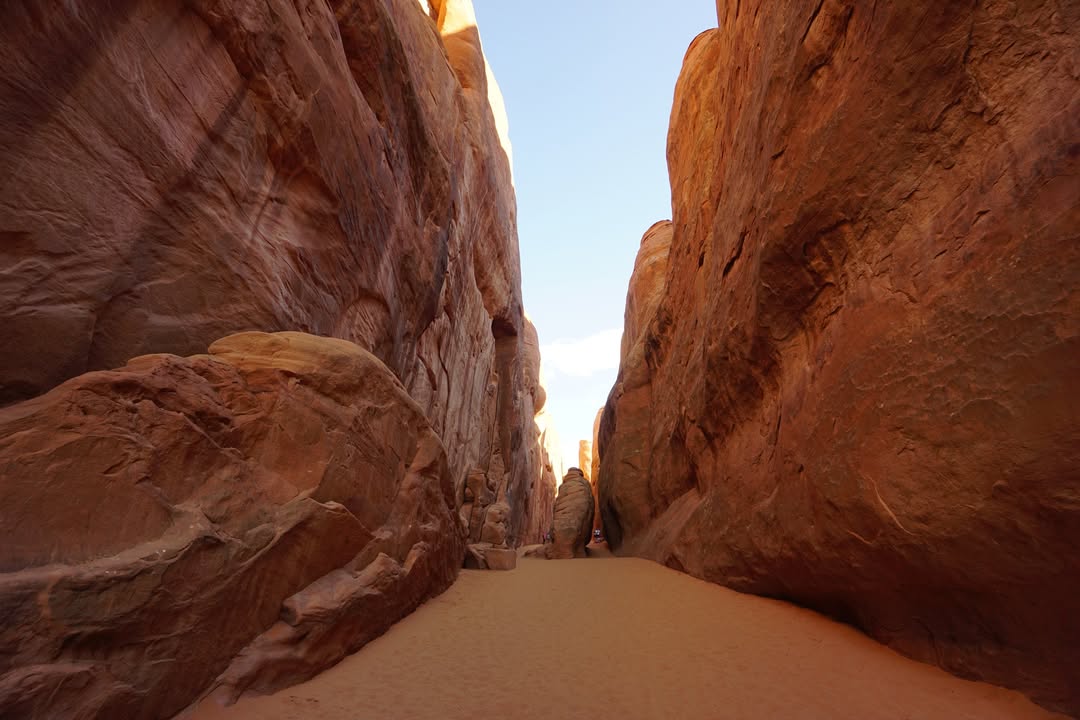
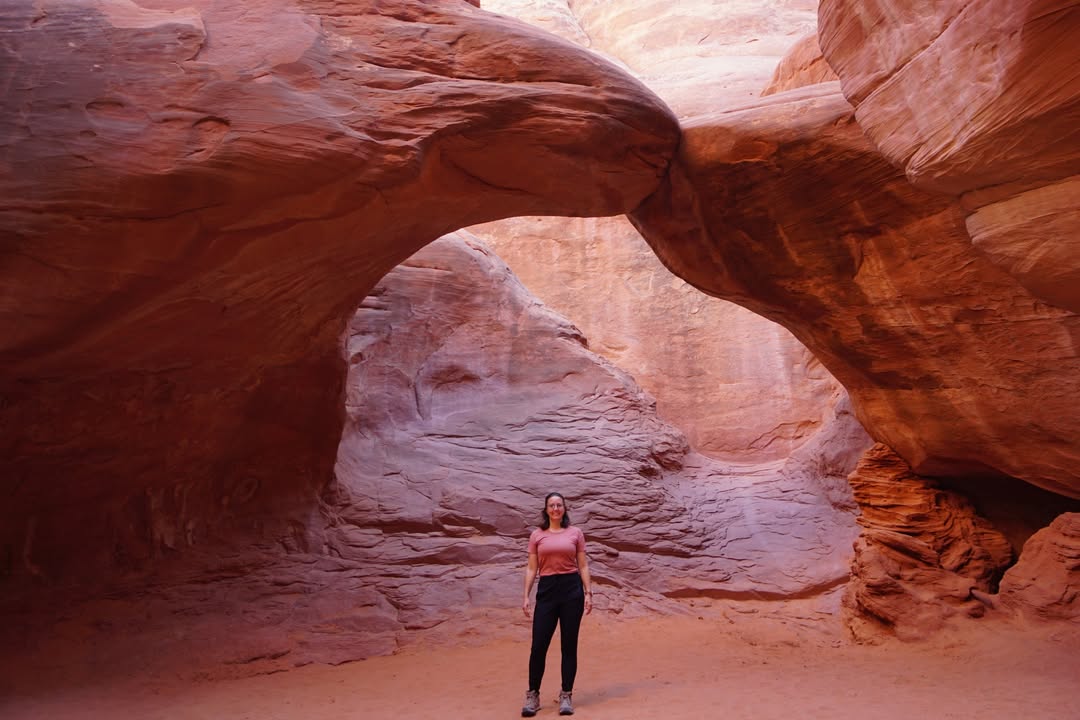
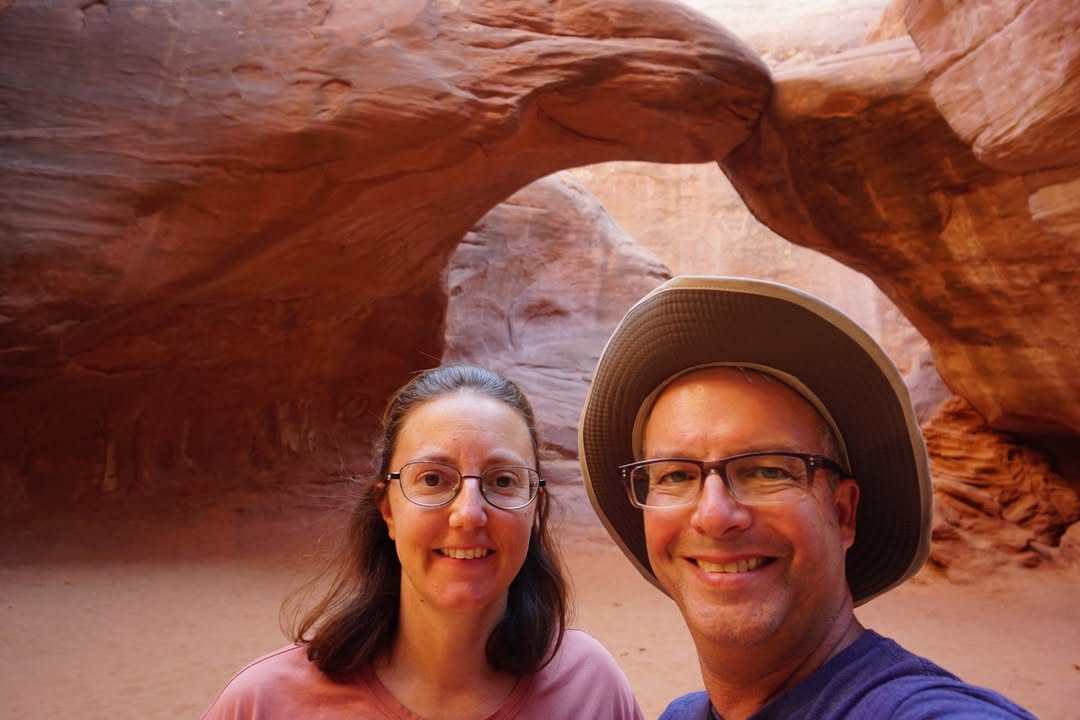
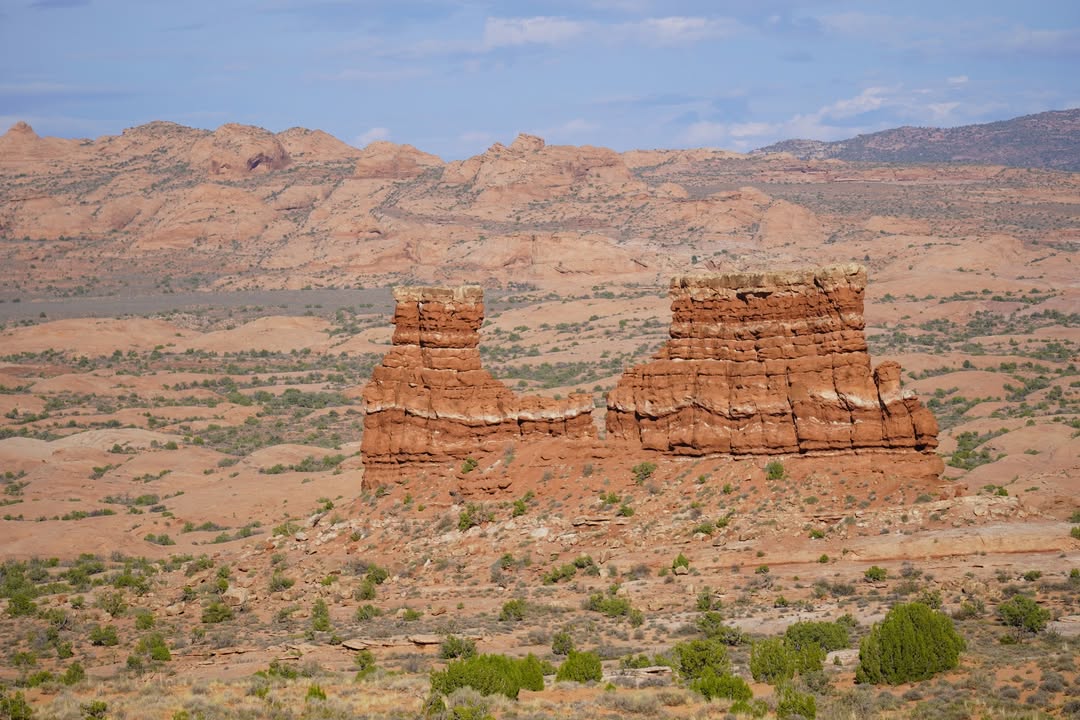
We stopped at Fiery Furnace Viewpoint next, looking out over a maze of red fins and canyons. Our final hike of the day was at Sand Dune Arch, a short walk through soft sand tucked between tall rock walls, offering a quiet little hideaway.
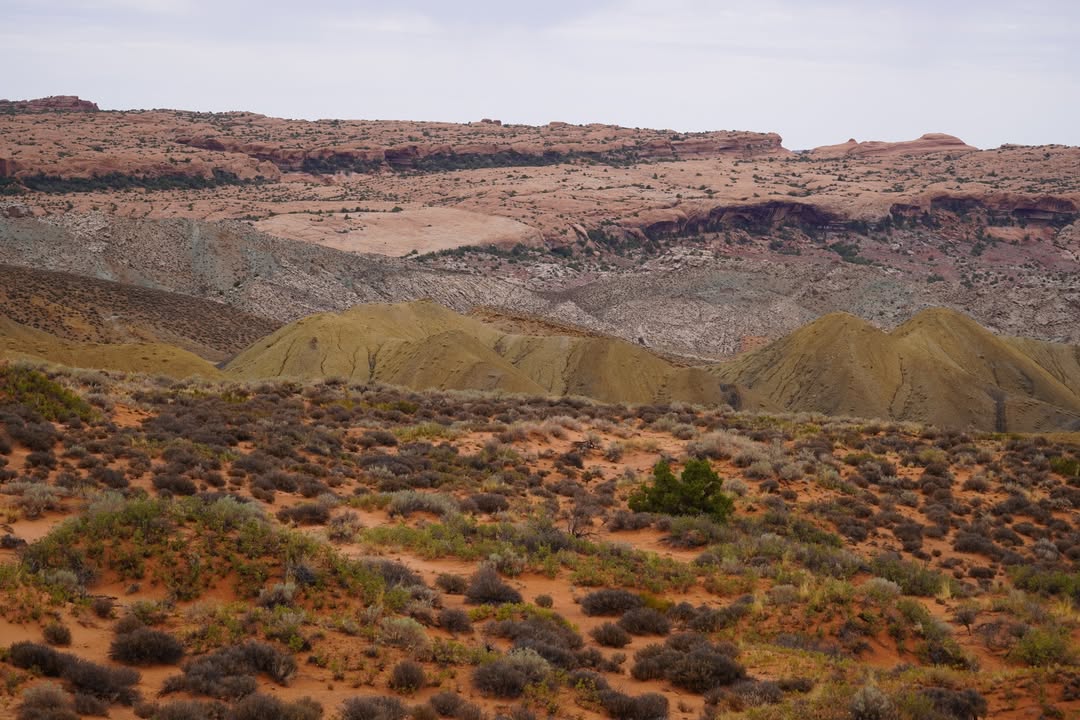
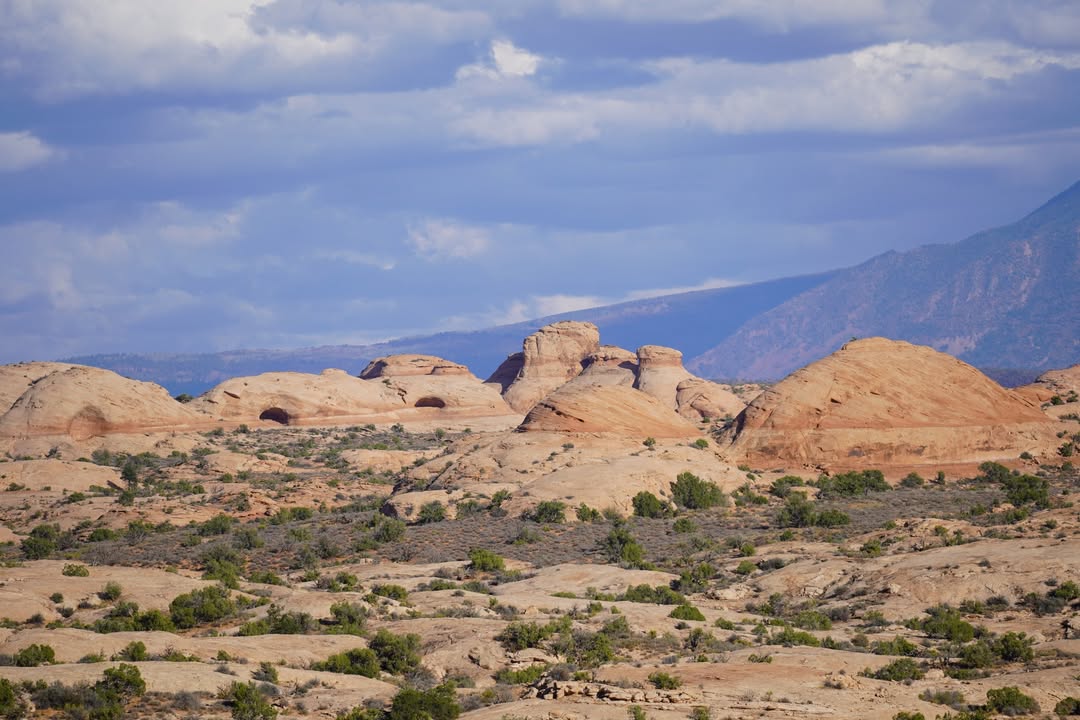
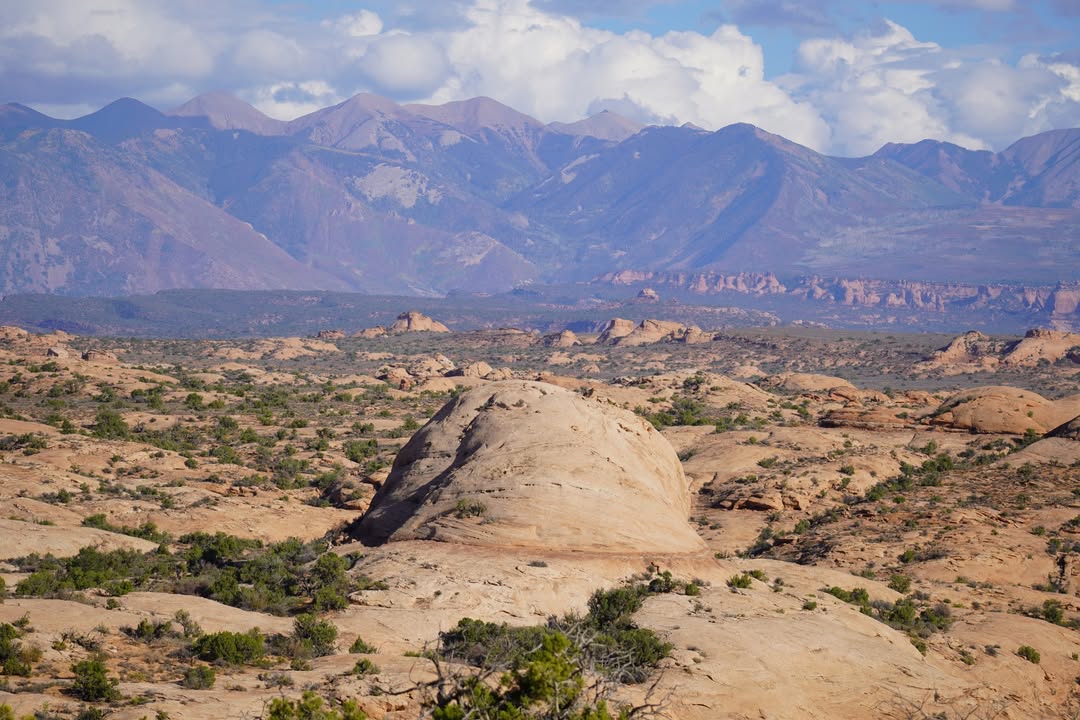
On the way out of the park, we stopped for the Petrified Dunes Viewpoint. These were once real sand dunes, later buried, hardened into rock, and now left as rolling waves of stone.
It was a full day in one of the most unusual landscapes on Earth, shaped by an ancient sea, shifting salt, and the slow work of time and erosion.
Balanced Rock was next. We walked the short loop around the massive boulder perched on a narrow pedestal. It used to have a smaller neighbor nicknamed Chip Off the Old Block, but that one toppled in the 1970s. Someday Balanced Rock will fall too, just like every arch in the park.
Then we headed to the Windows section. The trail gave us three arches in one stop: North Window, South Window, and Turret Arch. Just down the way we continued to Double Arch, where two arches rise from the same sandstone wall.
In the afternoon we made our way to Delicate Arch, the most famous of them all. It is the emblem of Arches National Park, the symbol of Moab, and even the design on Utah’s license plates. We first saw it from the viewpoint across the canyon, then set out on the trail itself. The hike is about three miles round trip with 500 feet of climbing, mostly across slickrock. At the start we passed Wolfe Ranch, a small pioneer cabin where, amazingly, a family of six once lived in that cramped space. At the end the arch suddenly comes into view. Being there in person, standing beneath it, was the highlight of the day.
We stopped at Fiery Furnace Viewpoint next, looking out over a maze of red fins and canyons. Our final hike of the day was at Sand Dune Arch, a short walk through soft sand tucked between tall rock walls, offering a quiet little hideaway.
On the way out of the park, we stopped for the Petrified Dunes Viewpoint. These were once real sand dunes, later buried, hardened into rock, and now left as rolling waves of stone.
It was a full day in one of the most unusual landscapes on Earth, shaped by an ancient sea, shifting salt, and the slow work of time and erosion.